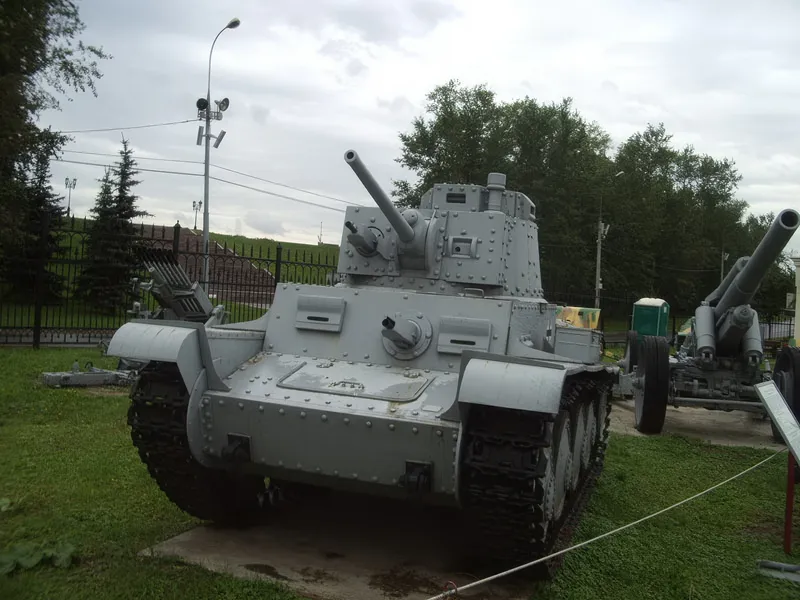
Panzerkampfwagen 38(t) | |
|---|---|
| Betalar | Tyskland |
| Typ | Char |
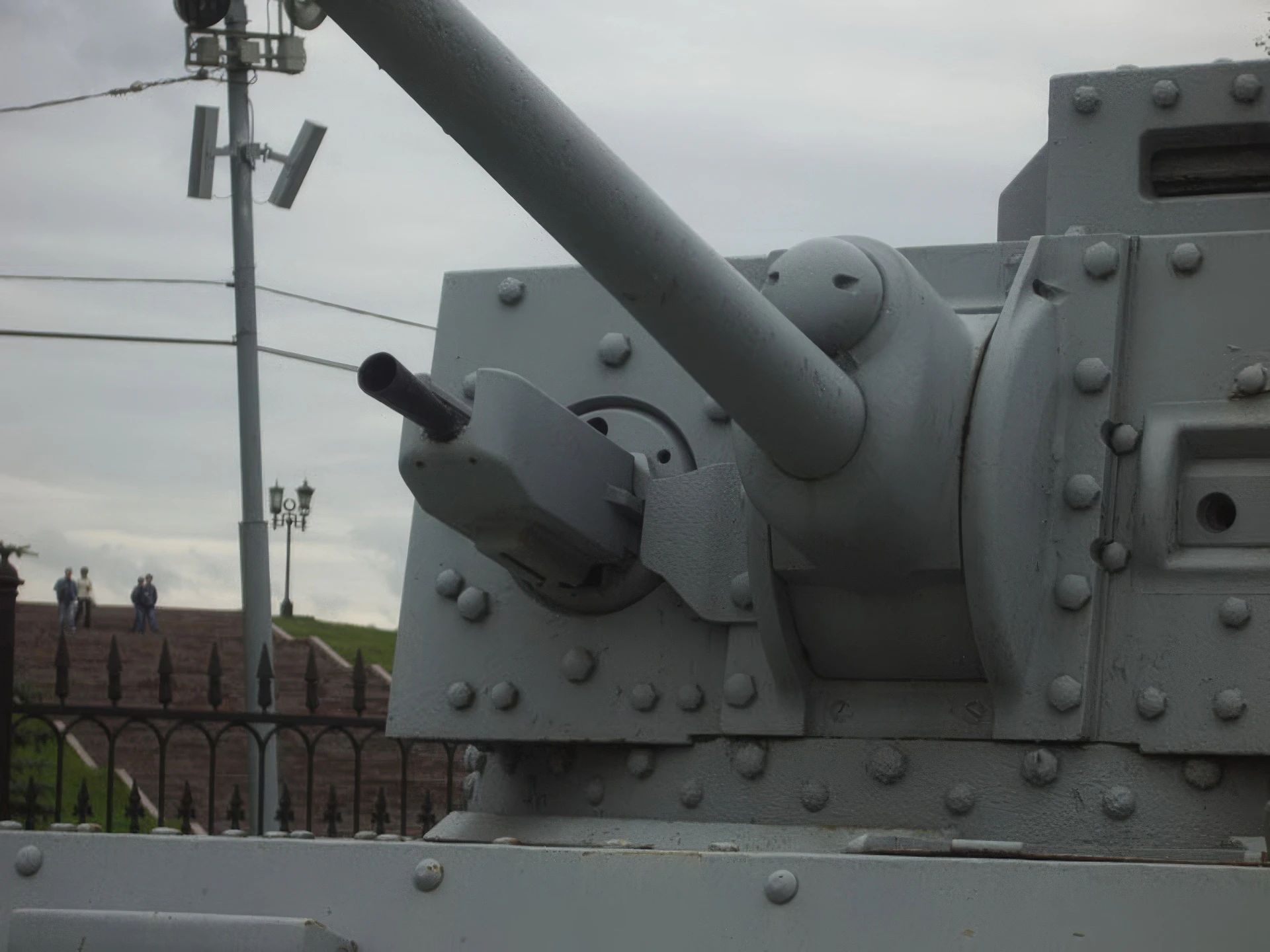
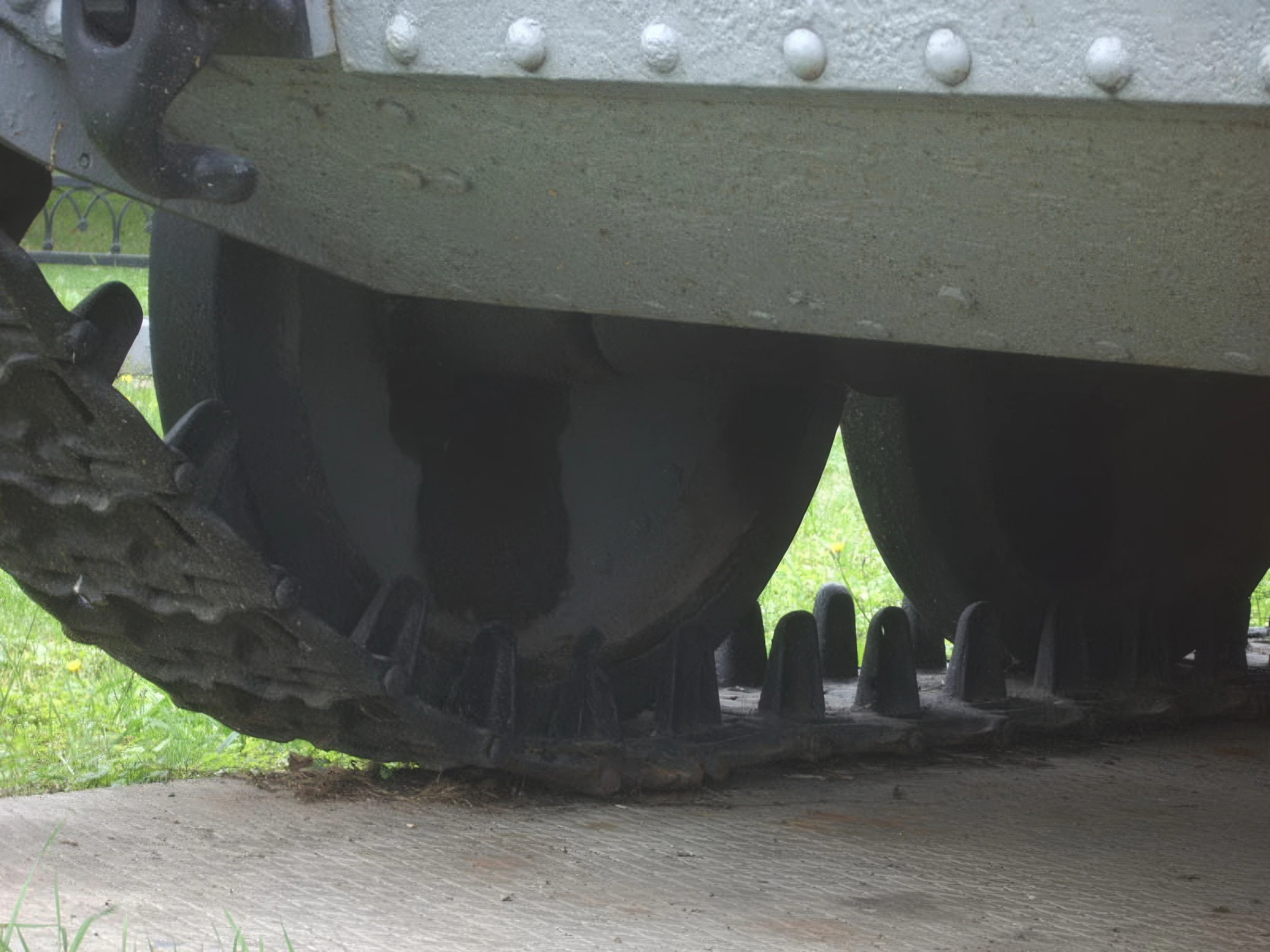
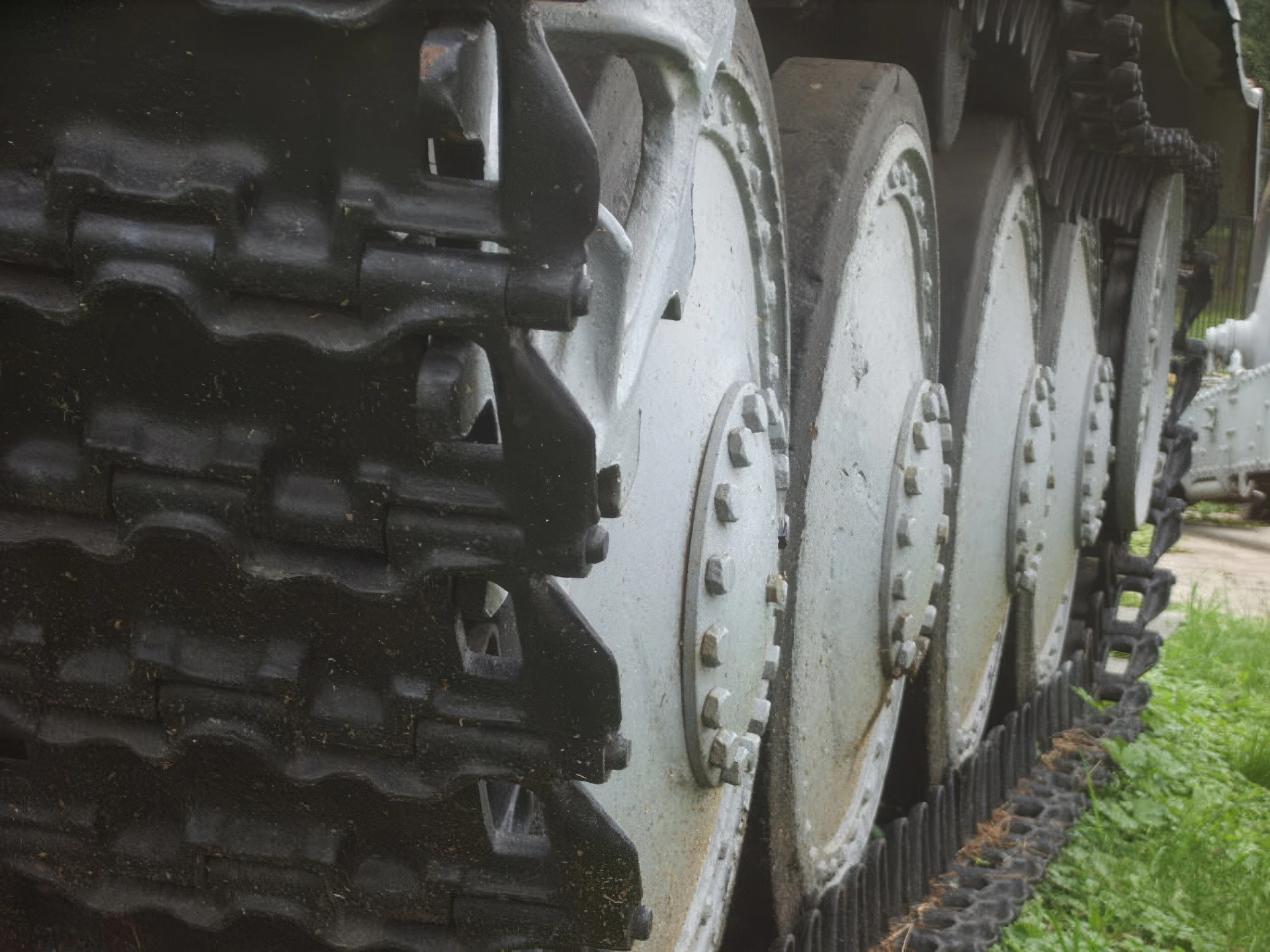
| Ämne | Album de 34 bilder av tanken Panzerkampfwagen 38(t) |
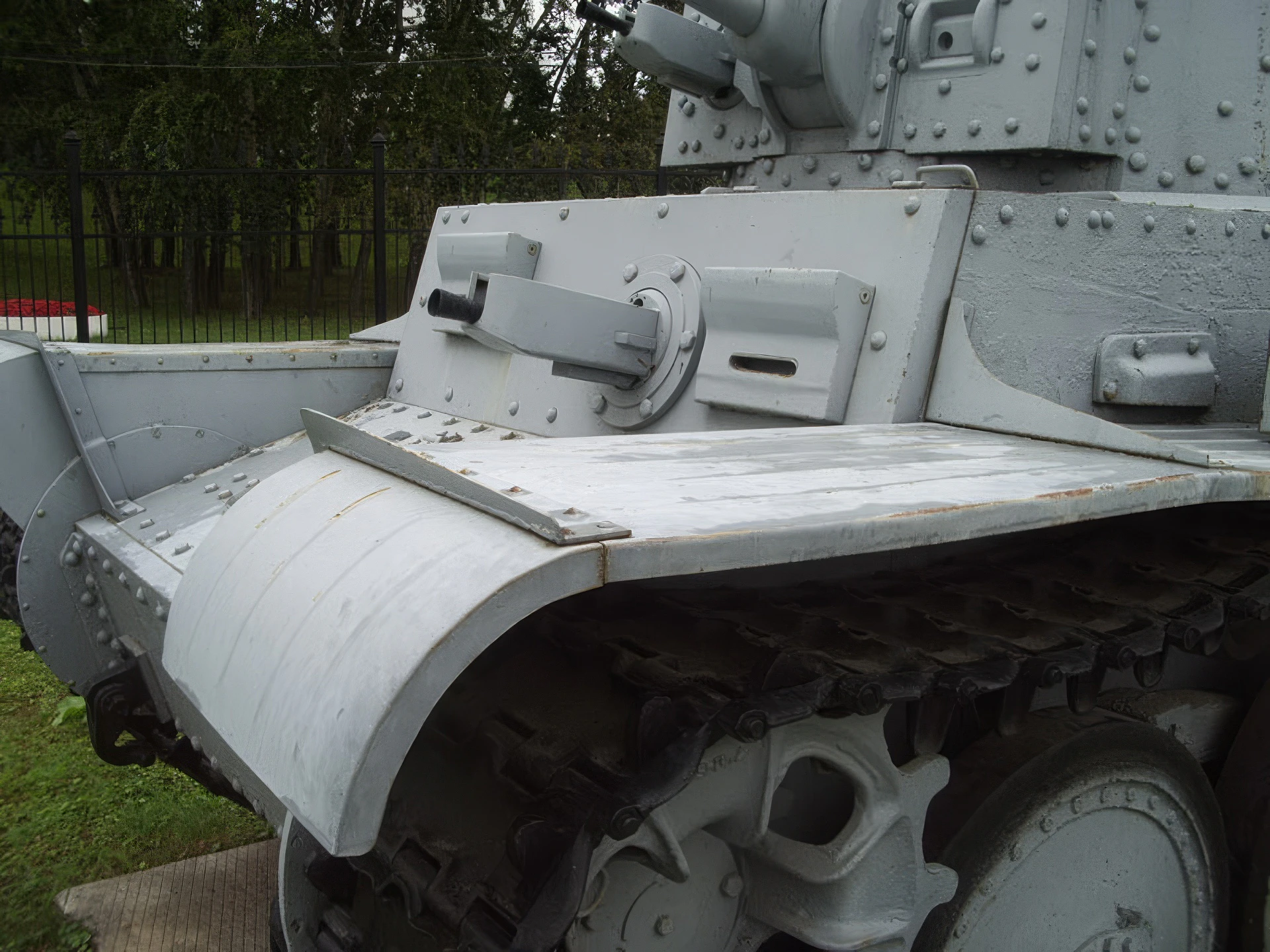
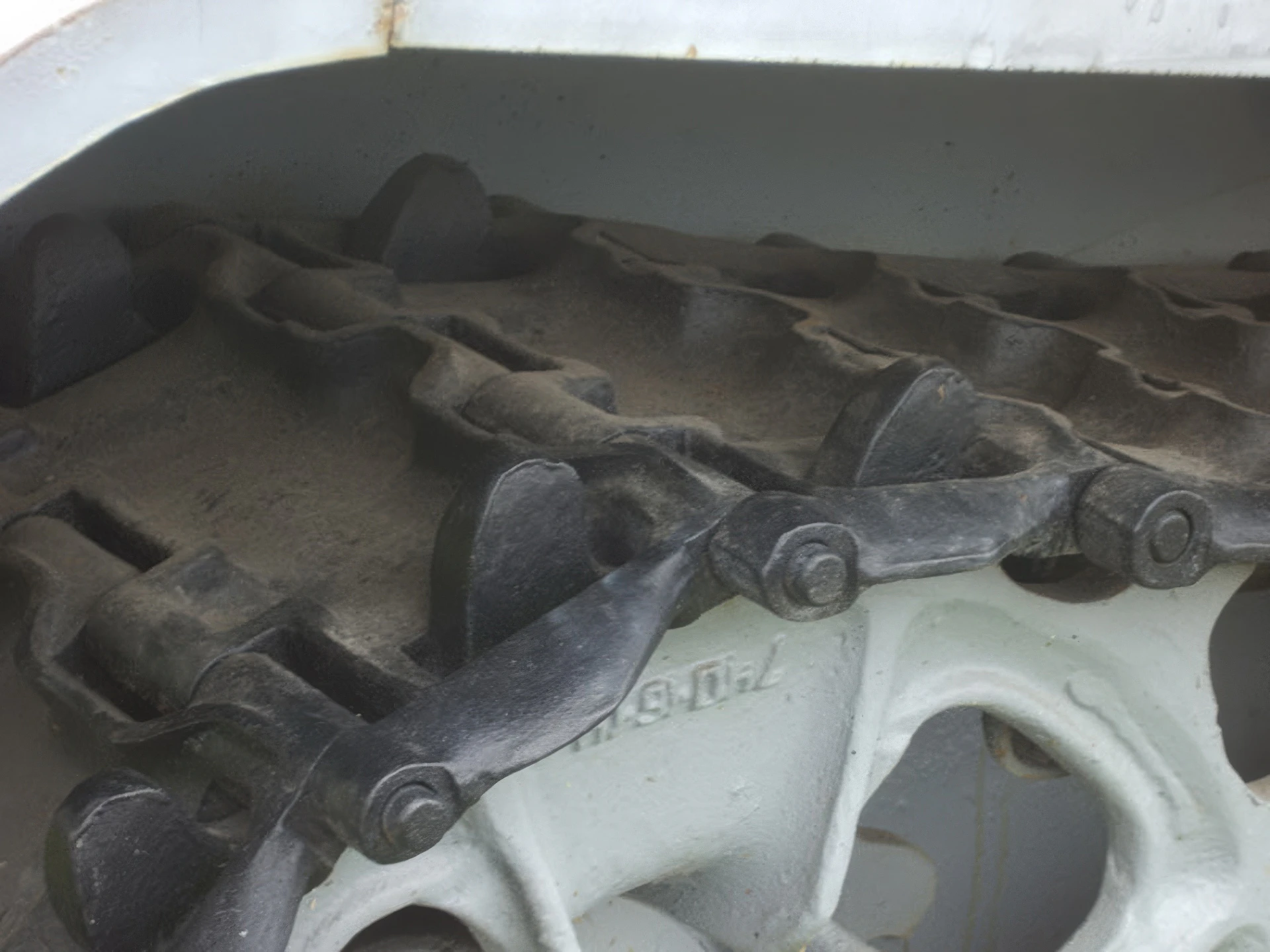
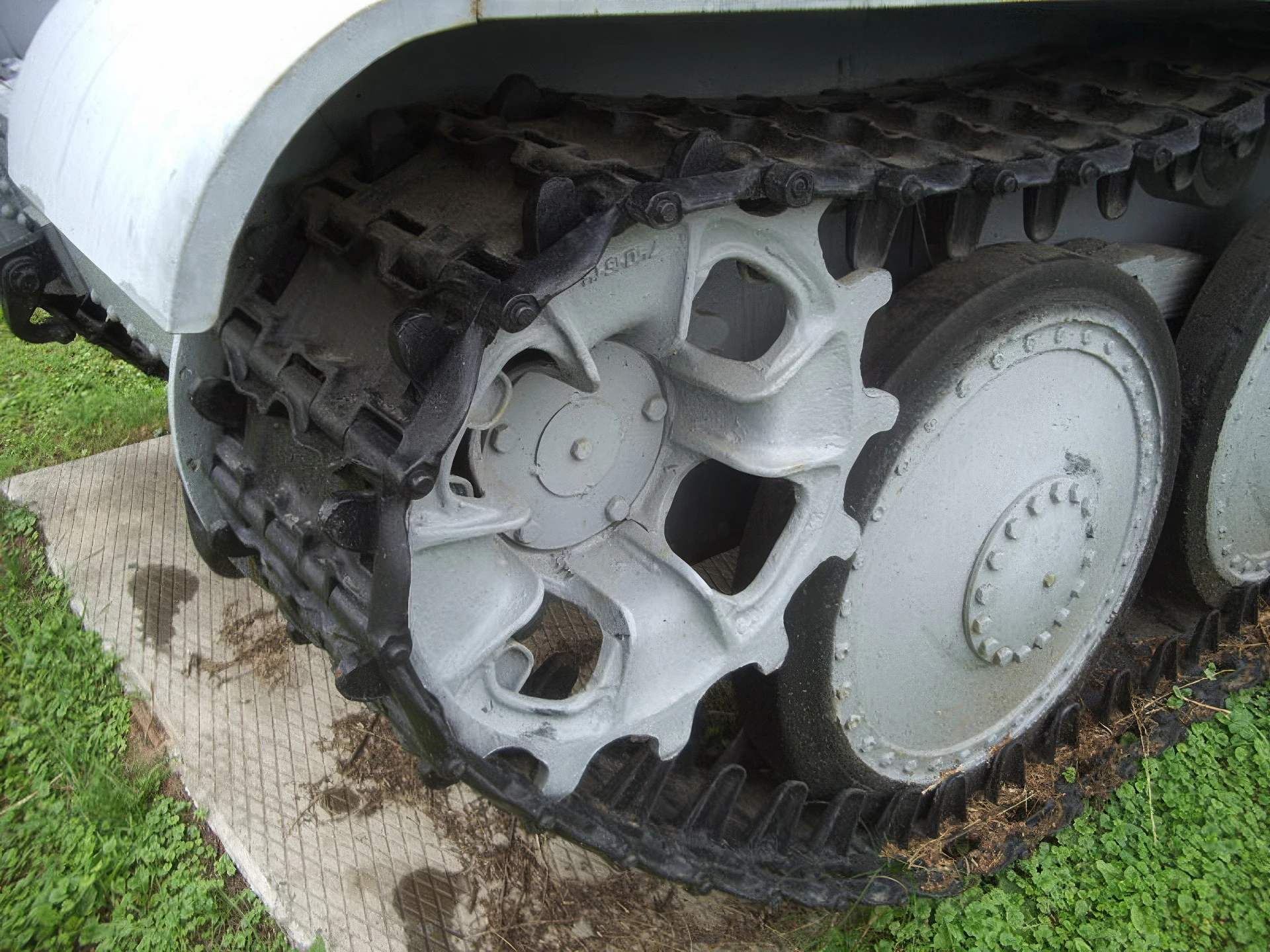
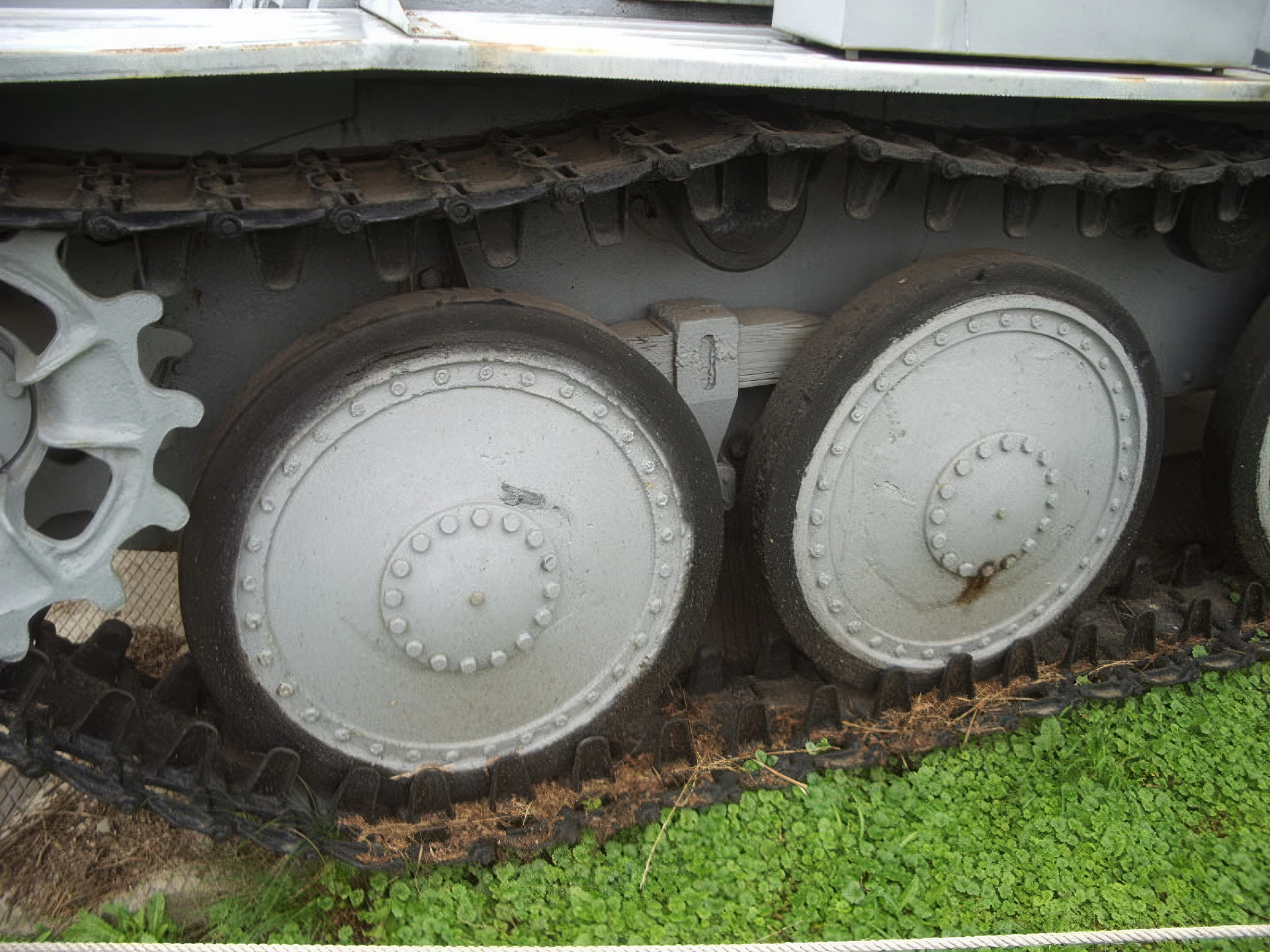
Den Panzerkampfwagen 38(t) (ce qui signifiait : « véhicule de combat blindé tchécoslovaque, modèle 1938 ») était le nom donné par les Allemands à un char d’assaut tchécoslovaque fabriqué dans les usines de chars Škoda qu’ils avaient mis au service de leur industrie de guerre durant l’année 1939 avant l’éclatement du confit. Le nom que lui donnait l’armée tchécoslovaque était LT vz. 38. Ce véhicule de combat blindé fut conçu par les Tchécoslovaques à partir de 1935. Il a eu du succès à l’exportation, avec 50 chars exportés vers l’Iran, 24 vers la Suisse et autant vers le Pérou. L’armée tchécoslovaque en commande 150, mais ceux-ci ne sont pas entrés en service avant l’occupation du pays par l’Allemagne en 1939. Les occupants allemands ont ordonné la poursuite de la production entre 1938 et 1942. Au total, lorsque la production cessa en juin 1942, 1411 Panzerkampfwagen 38(t) (modèles A à G) avaient été fabriqués.
Källkod: Panzerkampfwagen 38(t) sur Wikipedia
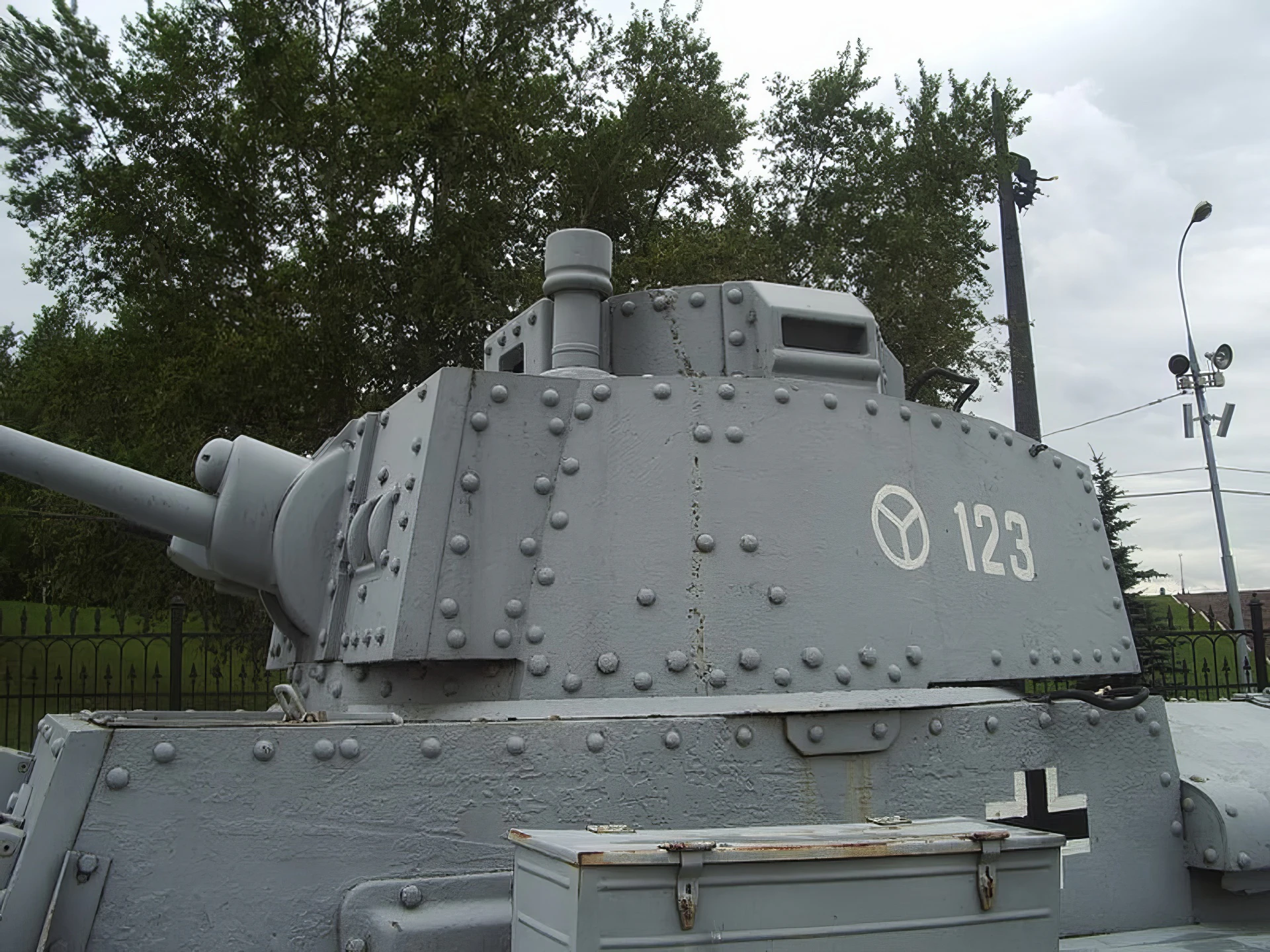
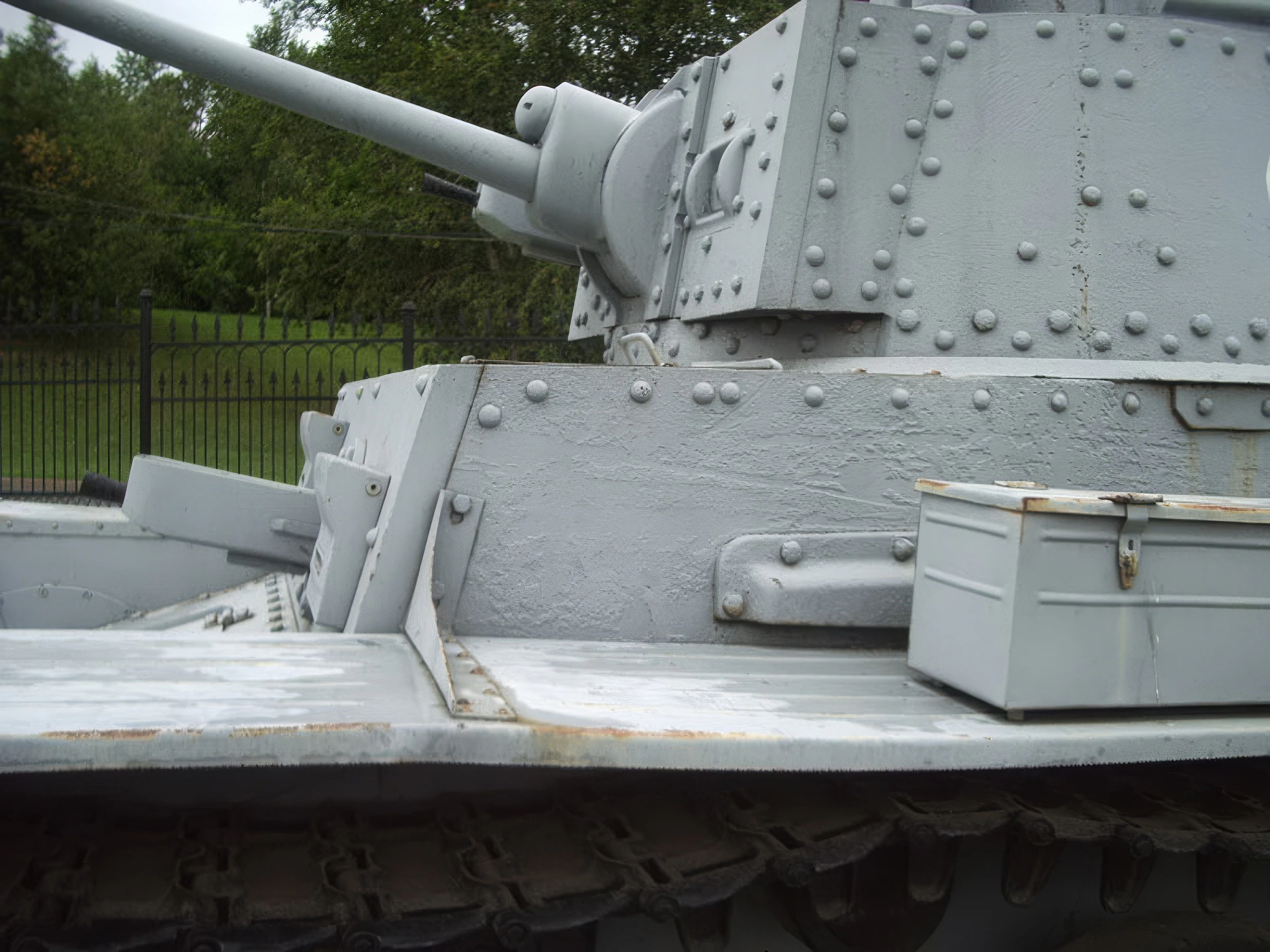

Se även:


Panzerkampfwagen 38(t): The Reliable Czech Light Tank
Den Panzerkampfwagen 38(t) was a light tank of Czechoslovak design, originally designated as the LT vz. 38. The “t” in its German name stands for tschechisch tschechisch (Czech). Following the German annexation of Czechoslovakia in 1939, the vehicle was immediately pressed into service by the Wehrmacht. It proved to be a highly reliable and mechanically robust tank, superior in many respects to the early German-designed Panzer I and Panzer II.
Key Specifications (Ausf. A-D)
| Specifikation | Detail | Later Upgrades (Ausf. E-G) |
|---|---|---|
| Typ | Light Tank (used as a main battle tank early in the war) | N/A |
| Main Armament | 3.7 cm KwK 38(t) L/47.8 gun | Same gun, but effectiveness was outclassed by 1941 |
| Armor (Frontal) | 10 mm to 25 mm (riveted construction) | Increased to 50 mm (by bolting on extra plates) |
| Weight (Approx.) | 9.7 tonnes | Up to 10.1 tonnes |
| besättning | 4 (Commander/Gunner, Loader, Driver, Radio Operator/Bow MG) | 4 (Same) |
| Road Speed | Up to 42 km/h | Same |
Service History and Legacy
The Panzer 38(t) formed a significant portion of the German armored strength during the invasions of Poland (1939) Och France (1940), often fighting alongside the Panzer III and Panzer IV.
- Early Success: Its high-velocity 3.7 cm gun was effective against most opposing tanks of the early war period (like the French R35 and British Cruiser tanks).
- Obsolescence: The tank’s combat usefulness declined sharply after the 1941 invasion of the Soviet Union, as its gun and light, riveted armor were no match for the Soviet T-34 and KV-1 heavy tanks. The small turret ring made a major gun upgrade impossible.
- Chassis Legacy: Production of the tank version ceased in 1942, but the reliable and adaptable chassis was kept in continuous production for the remainder of the war and used as the platform for several successful self-propelled guns and tank destroyers, including:
- Marder III (Tank Destroyer with a 7.5 cm PaK 40 or captured Soviet gun)
- Gitter (Self-Propelled Heavy Infantry Gun)
- Jagdpanzer 38(t) “Hetzer” (A highly successful, fully enclosed tank destroyer)
Views : 3260