P-38L | |
|---|---|
| Land | Usa |
| Typ | Stridsflygplan |
| Ämne | Album av 45 foton gå runt i en «P-38L» |
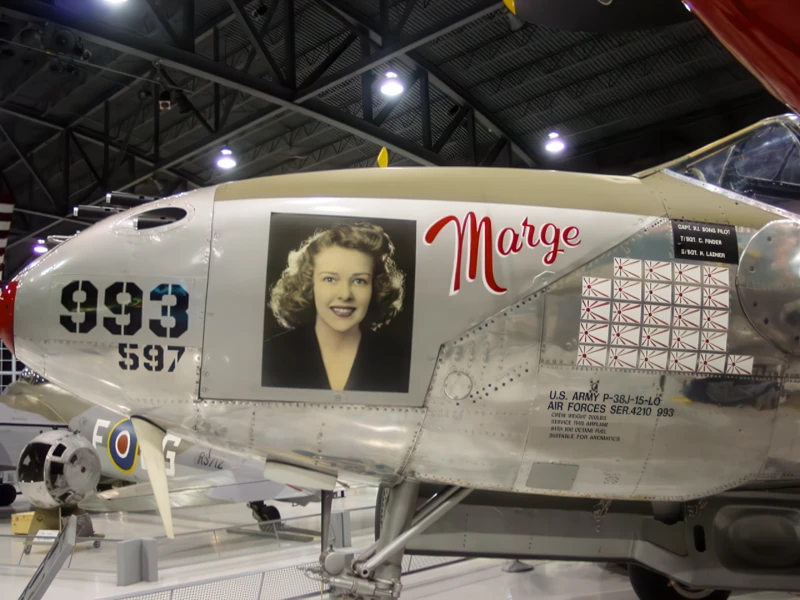
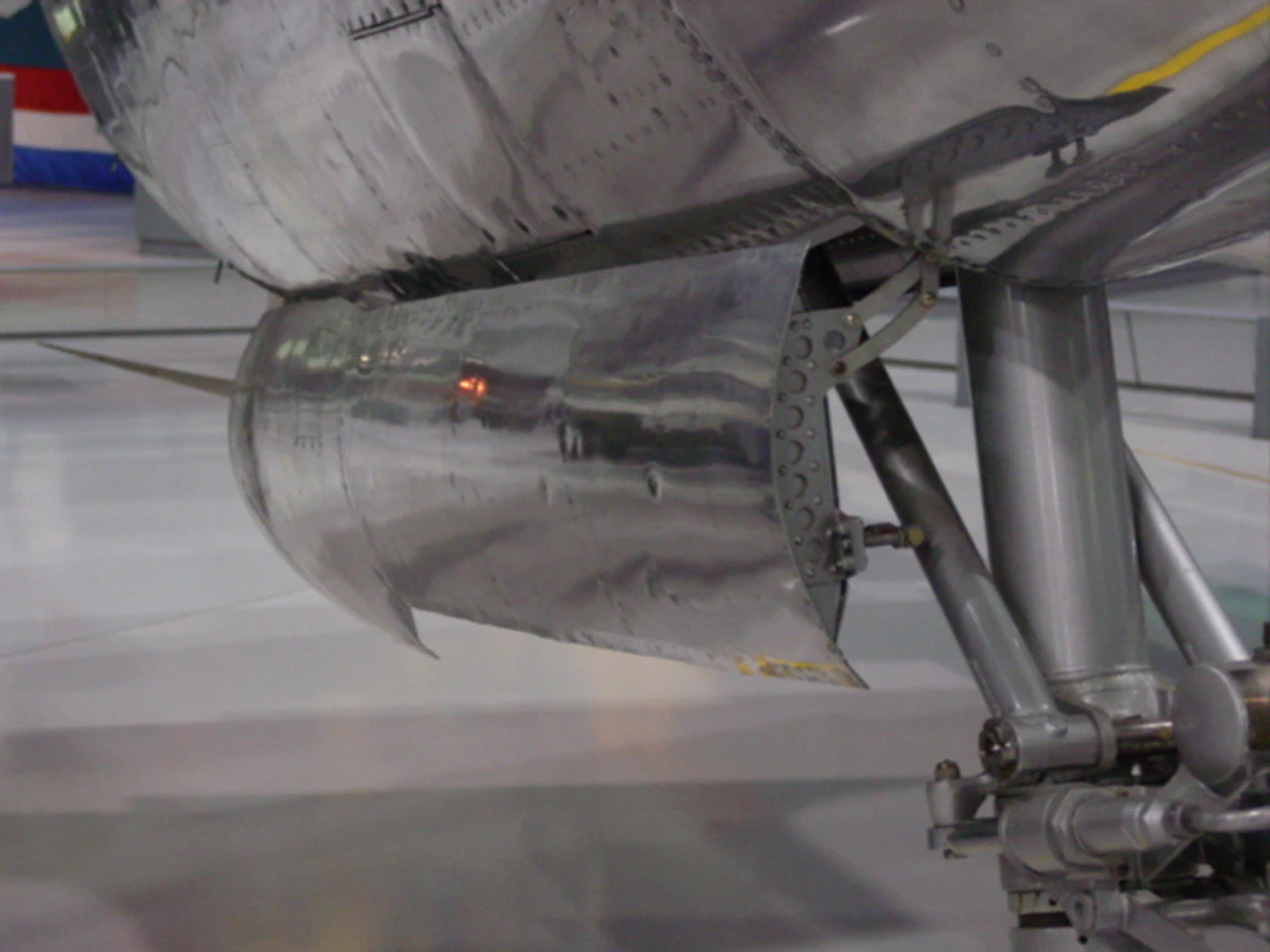
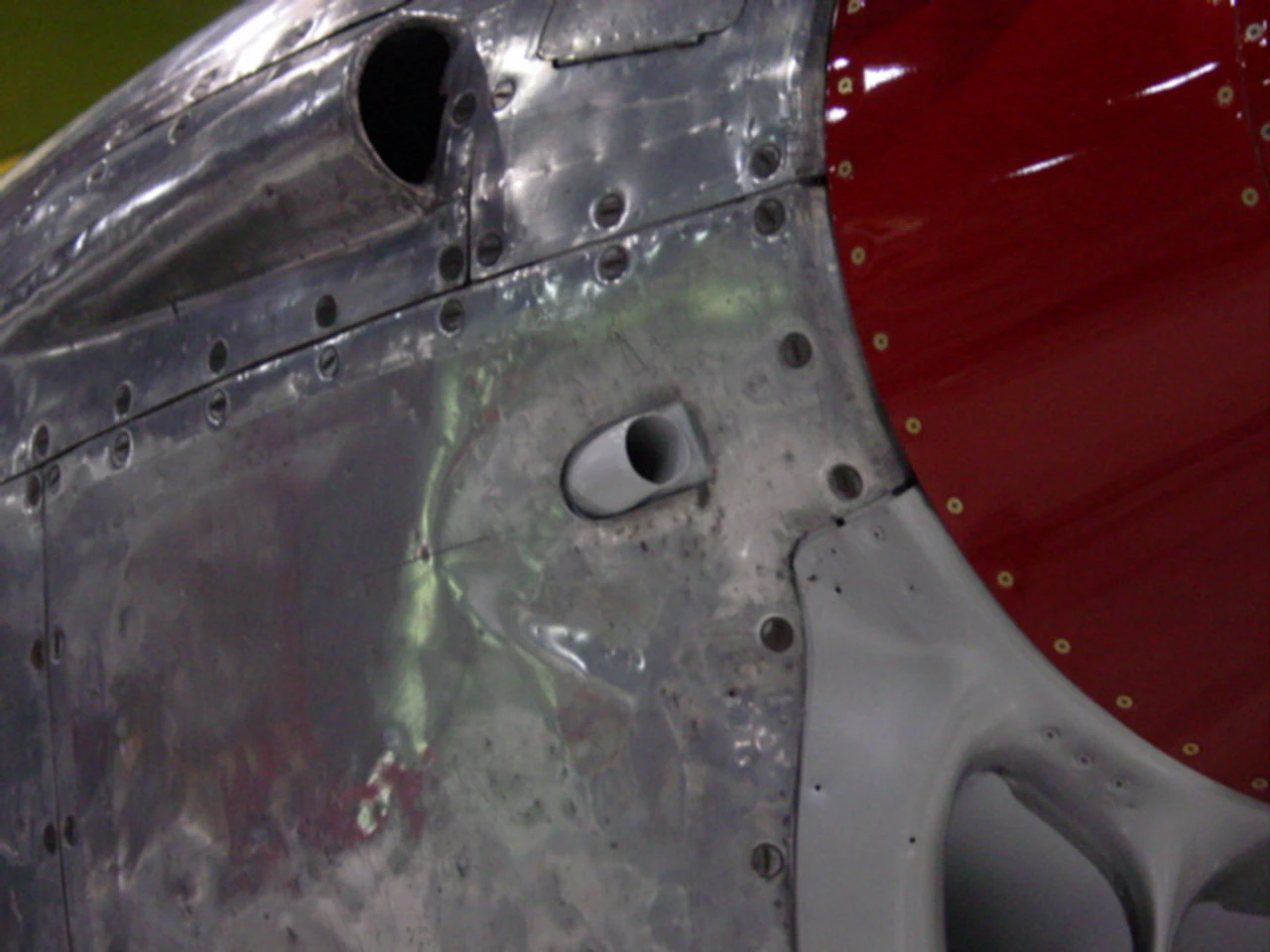
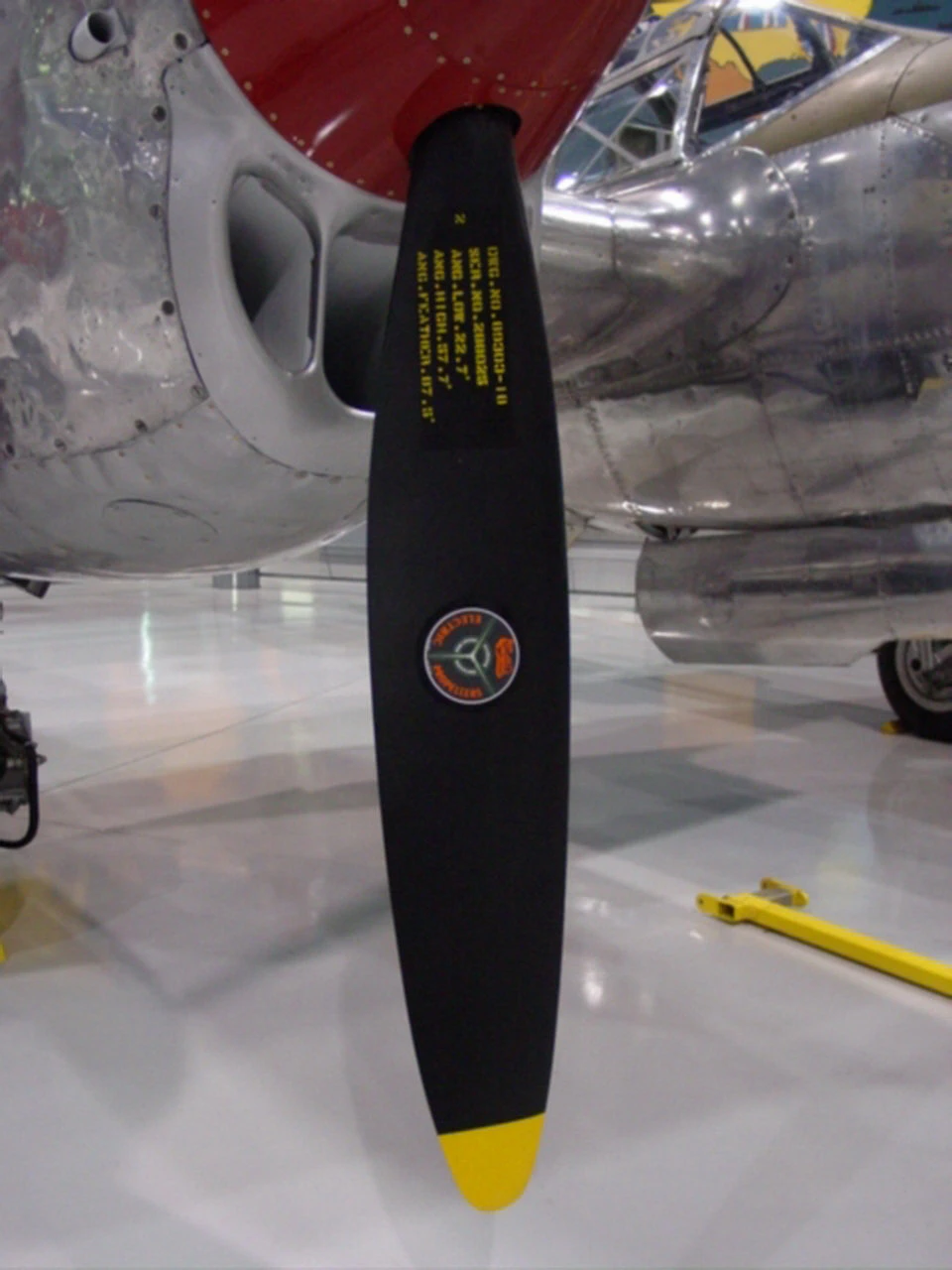
Fotogalleri av en P-38L Marge, Lockheed P-38 Blixt var ett amerikanskt stridsflygplan från andra världskriget byggt av Lockheed.
P-38L Marge 1
P-38L Marge 2
P-38L Marge 3
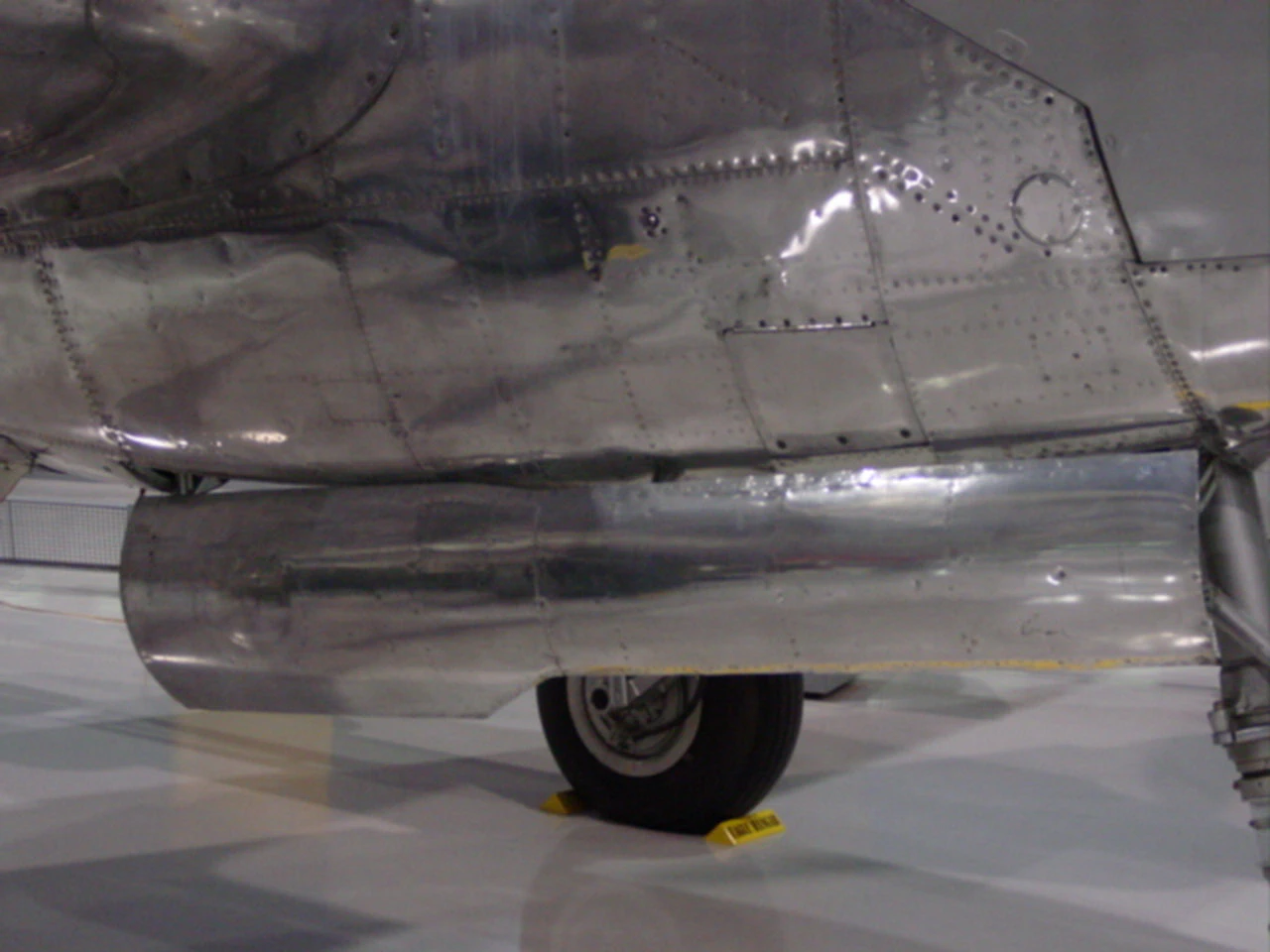
P-38L Marge 4
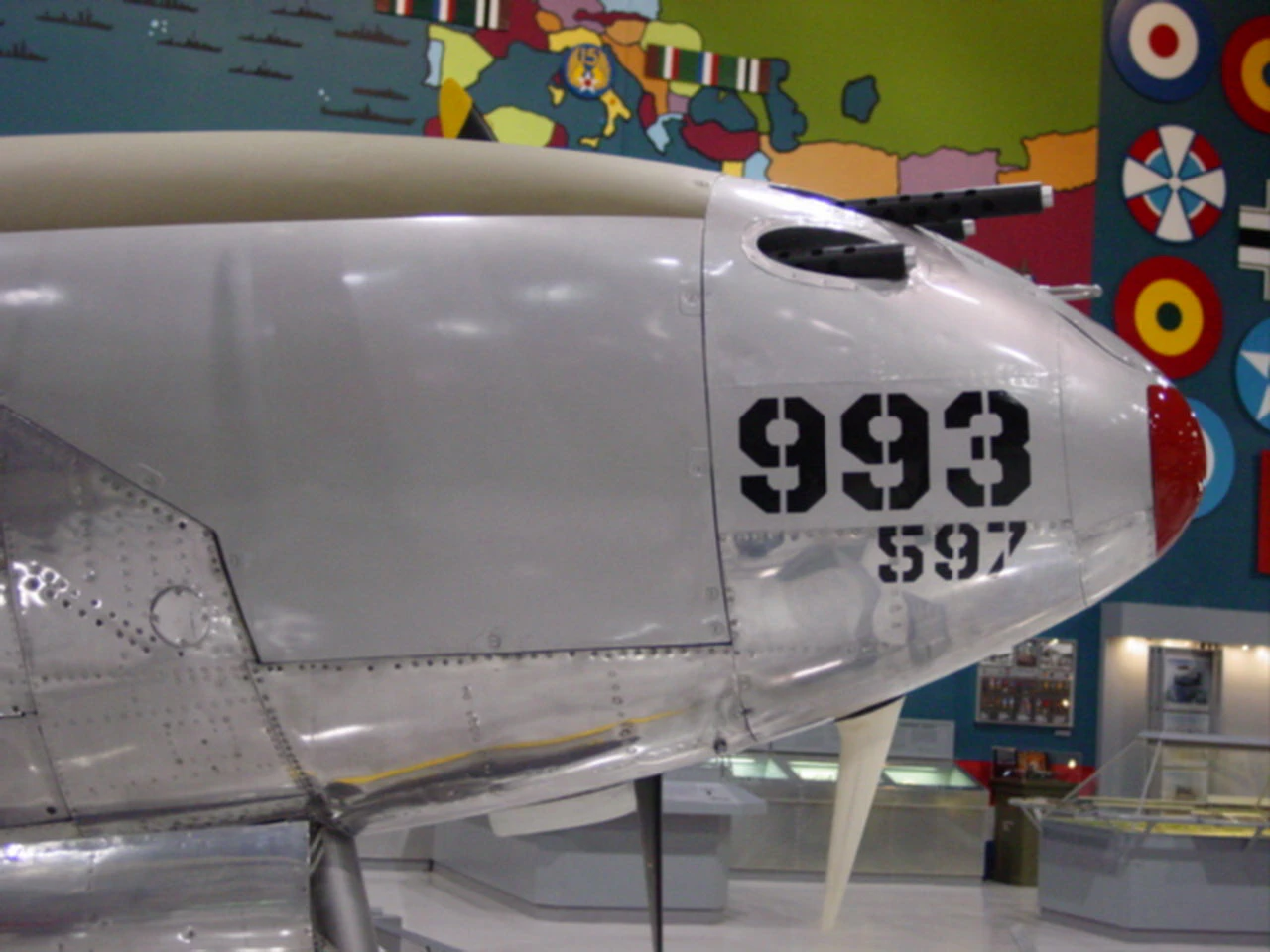
P-38L Marge 5
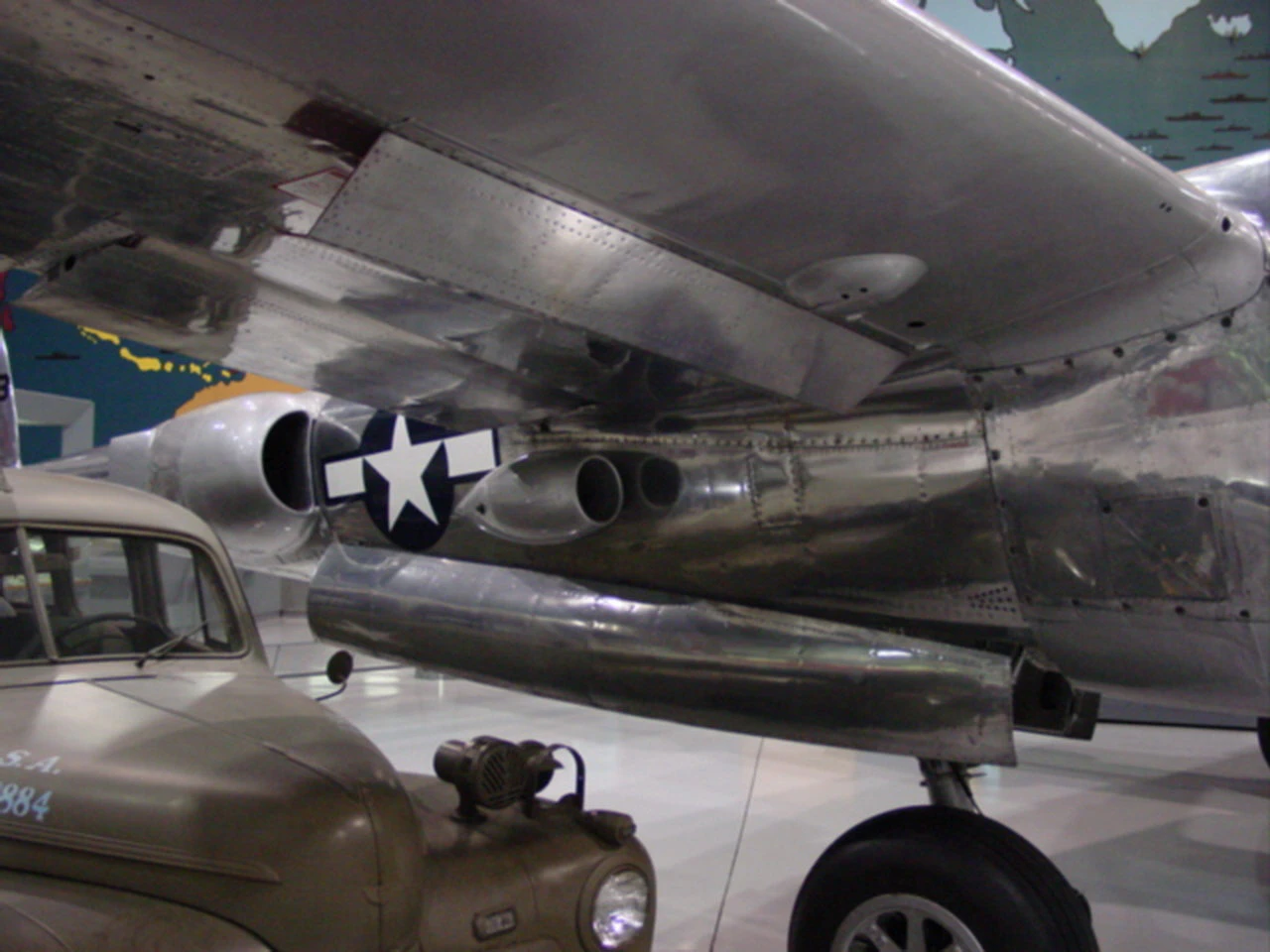
P-38L Marge 6
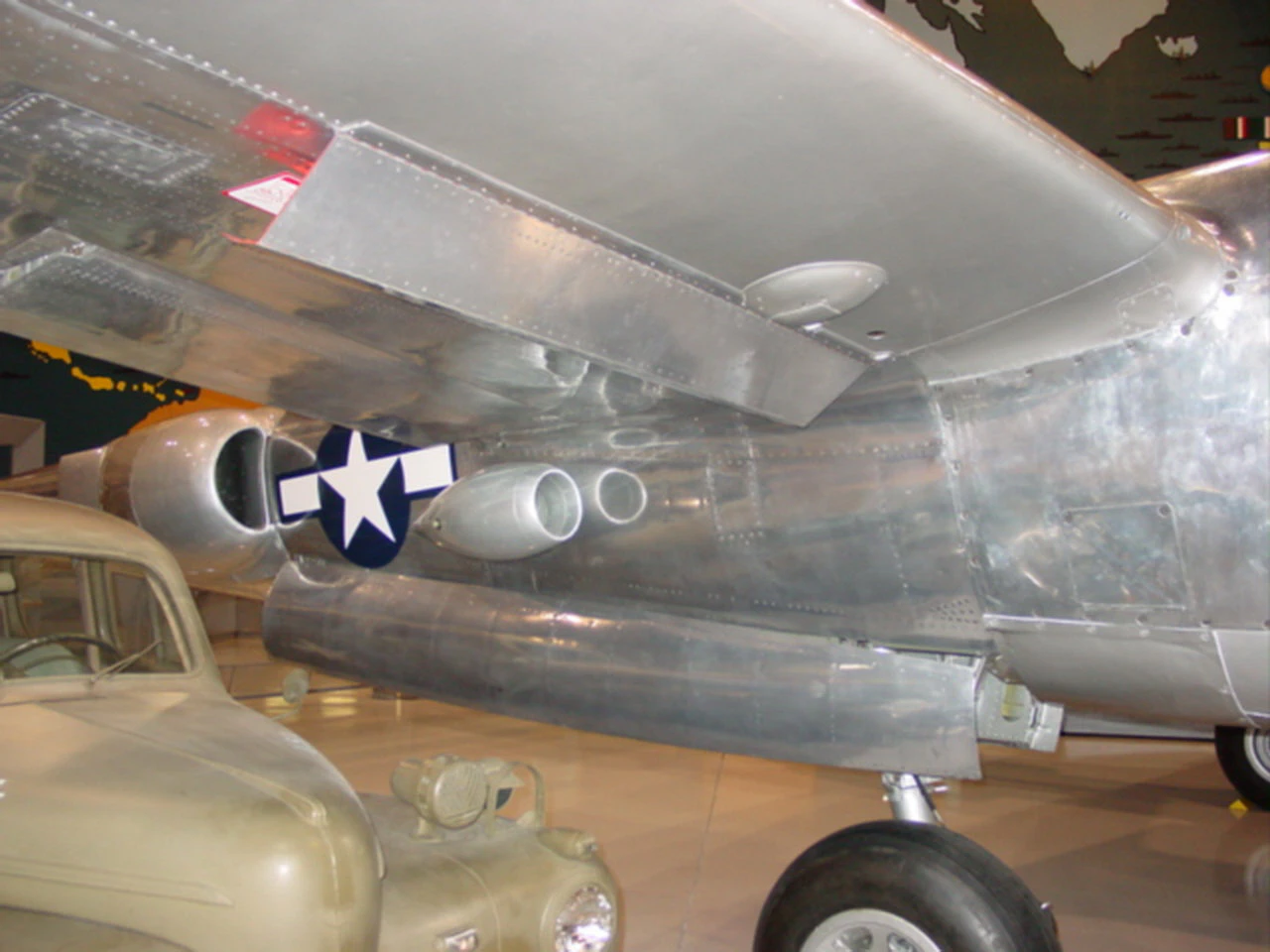
P-38L Marge 7
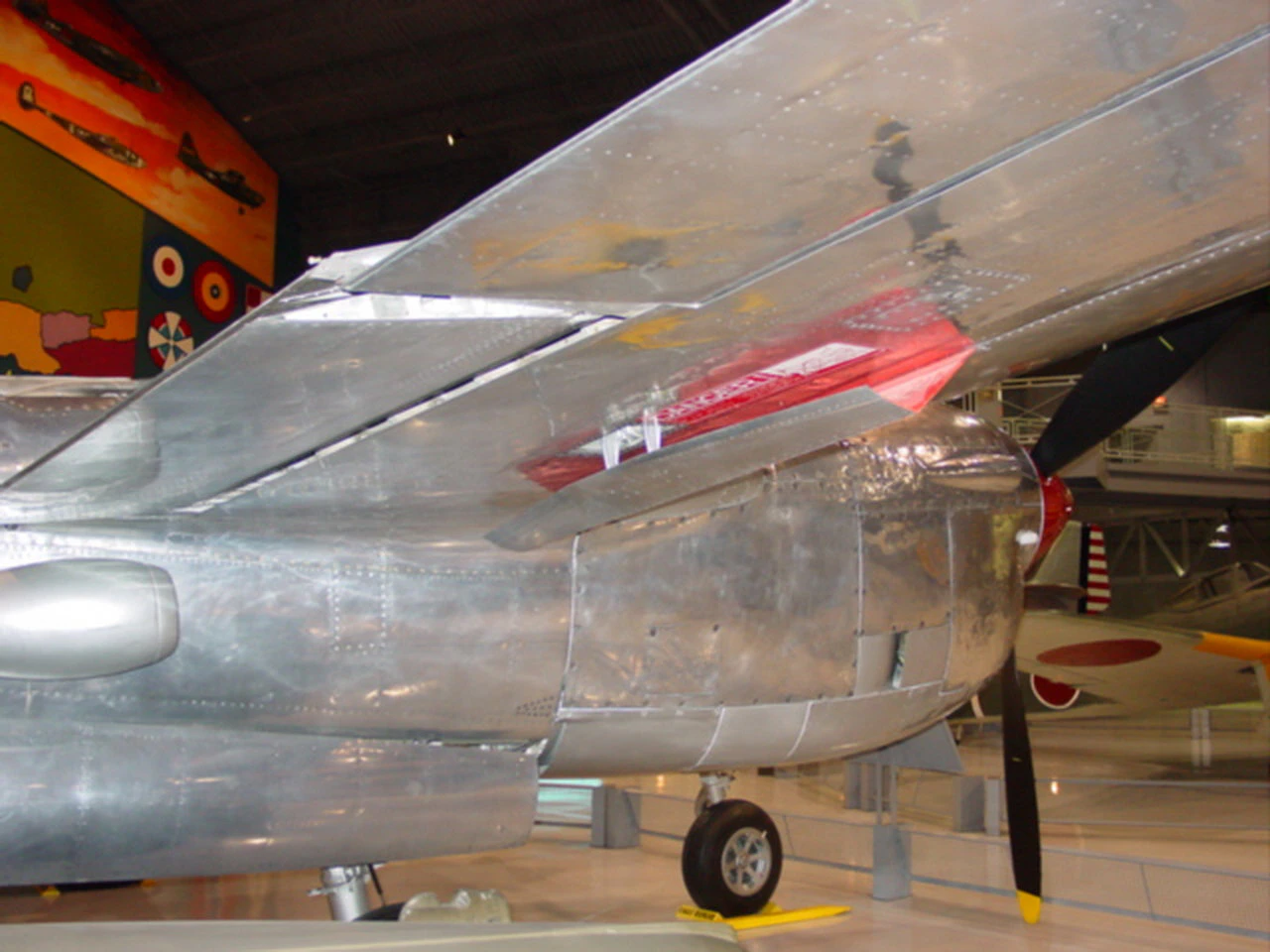
P-38L Marge 9
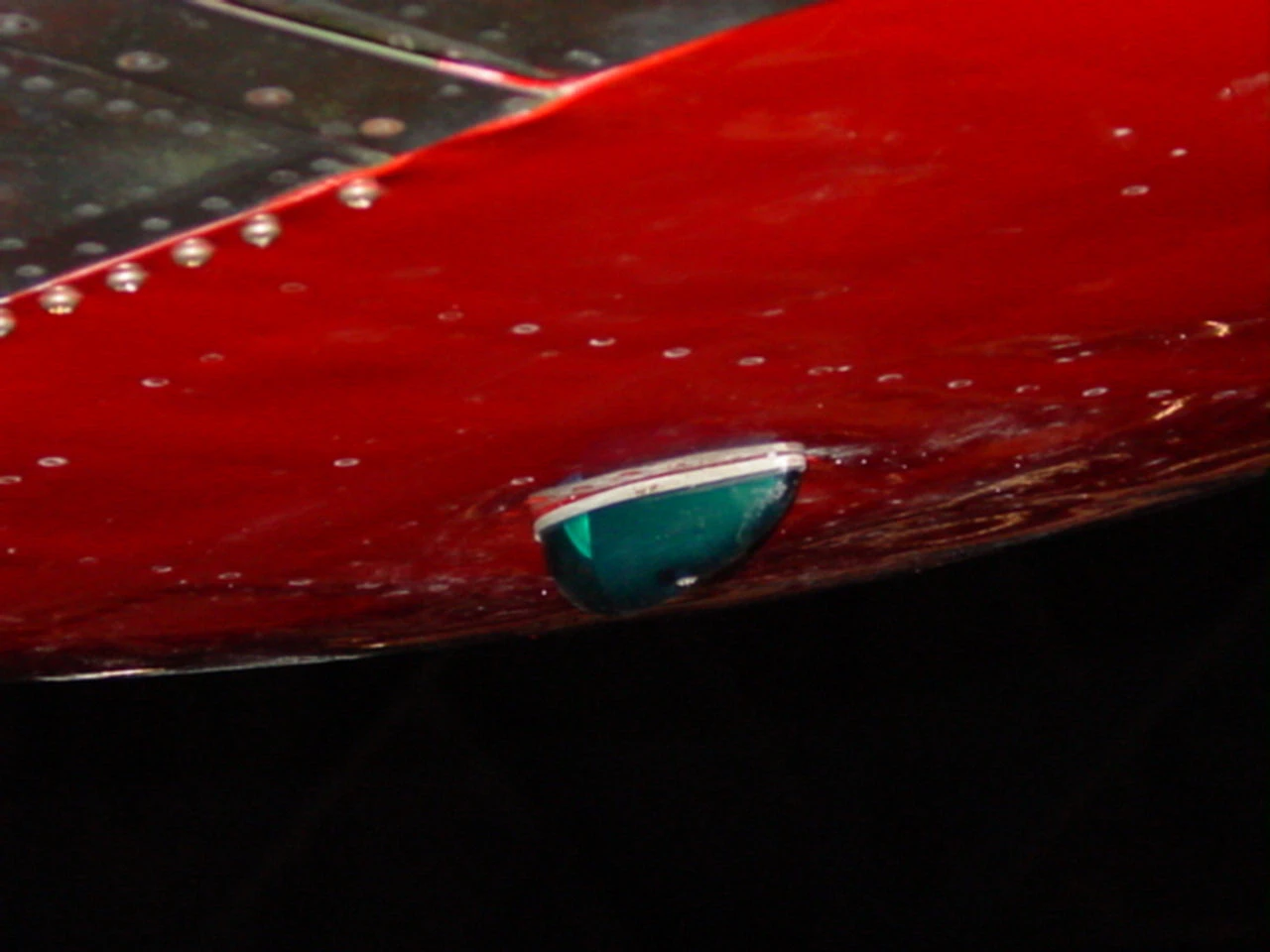
P-38L Marge 8
Vänta, söker P-38L Marge åt dig ...

| P-38L Lightning Walk Around | |
|---|---|
| Fotograf | Michael Benolkin |
| Lokalisering | Unknow |
| Bilder | 29 |
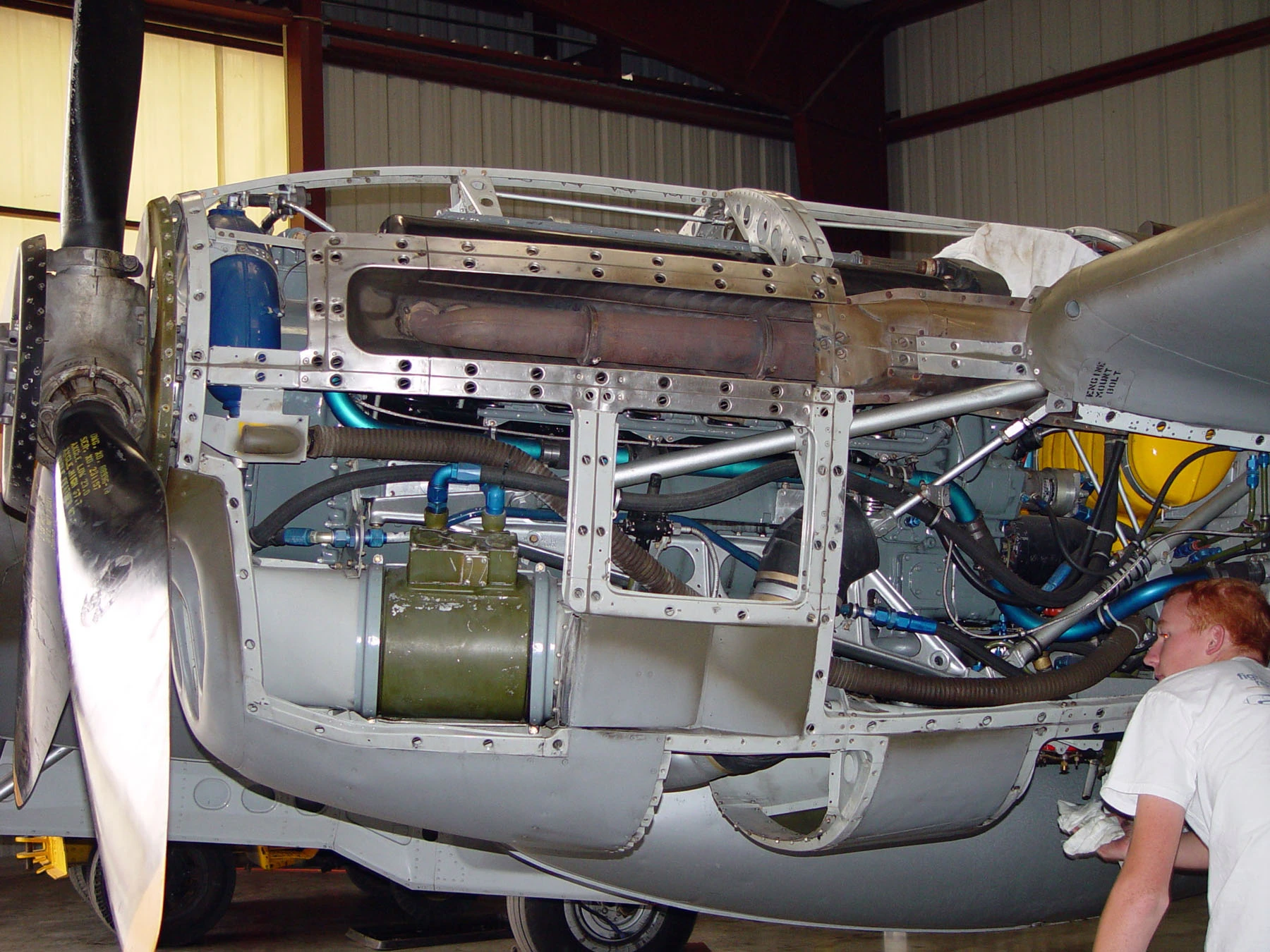
P-38L Lightning 1
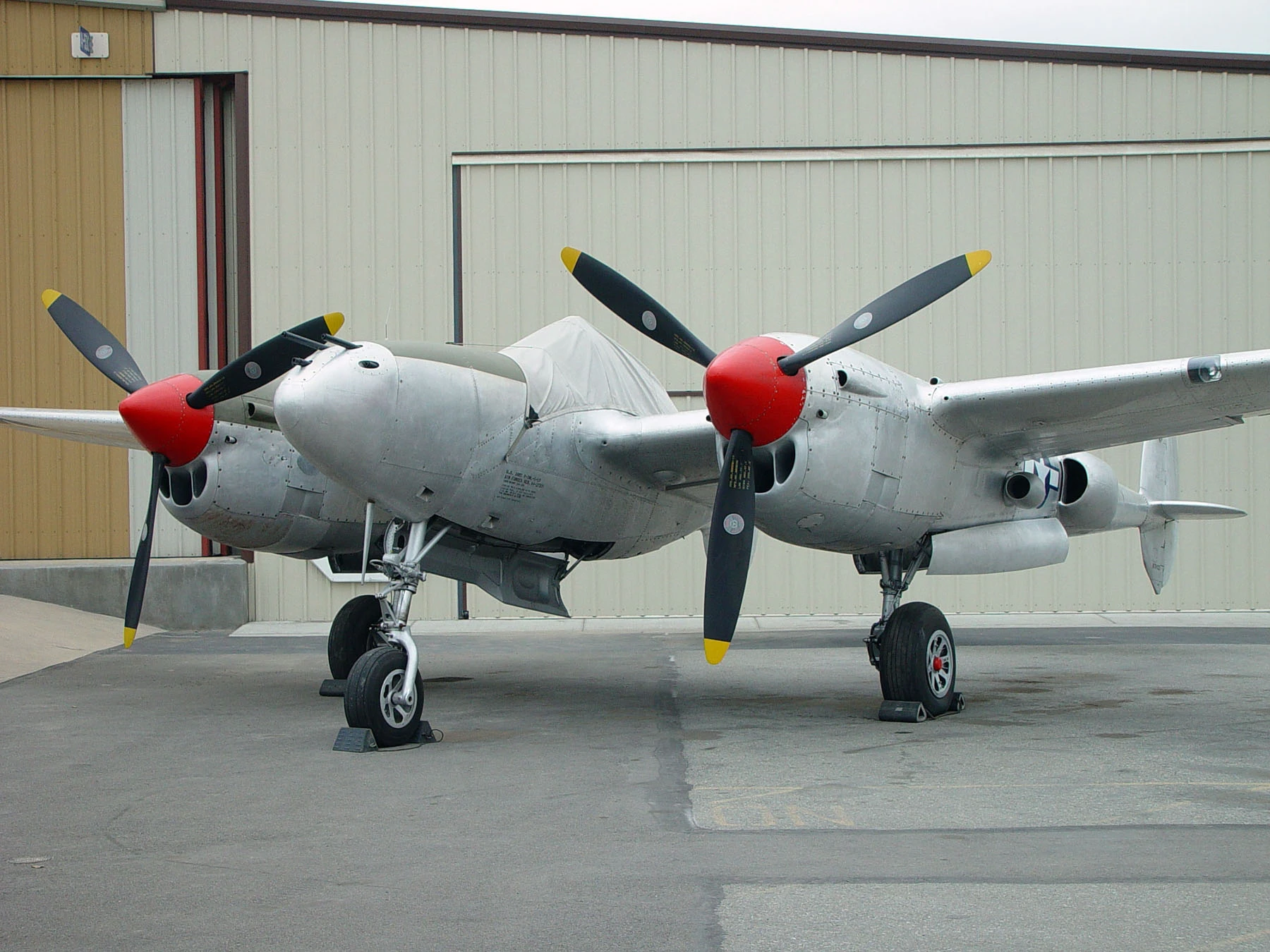
P-38L Lightning 2
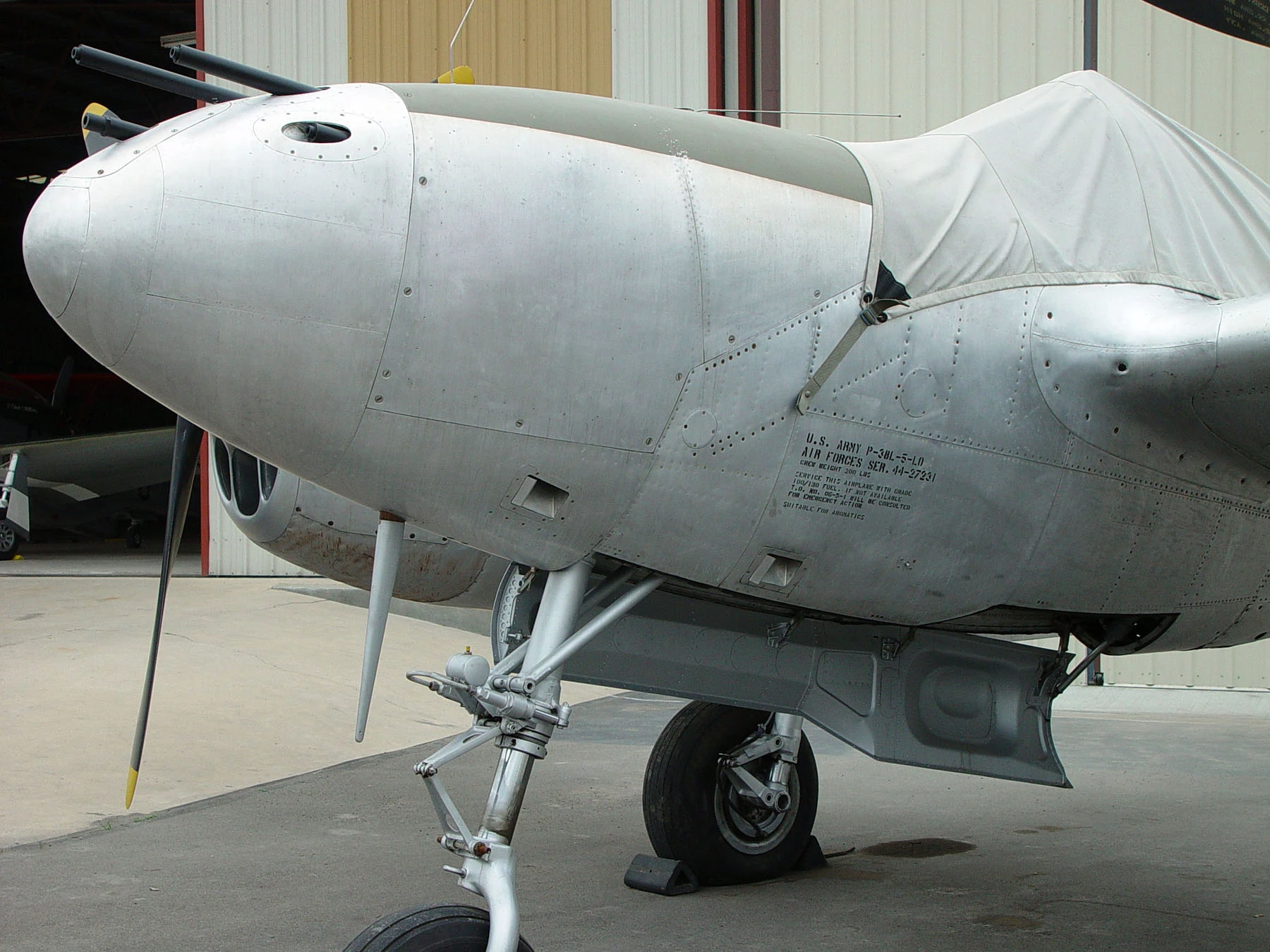
P-38L Lightning 3
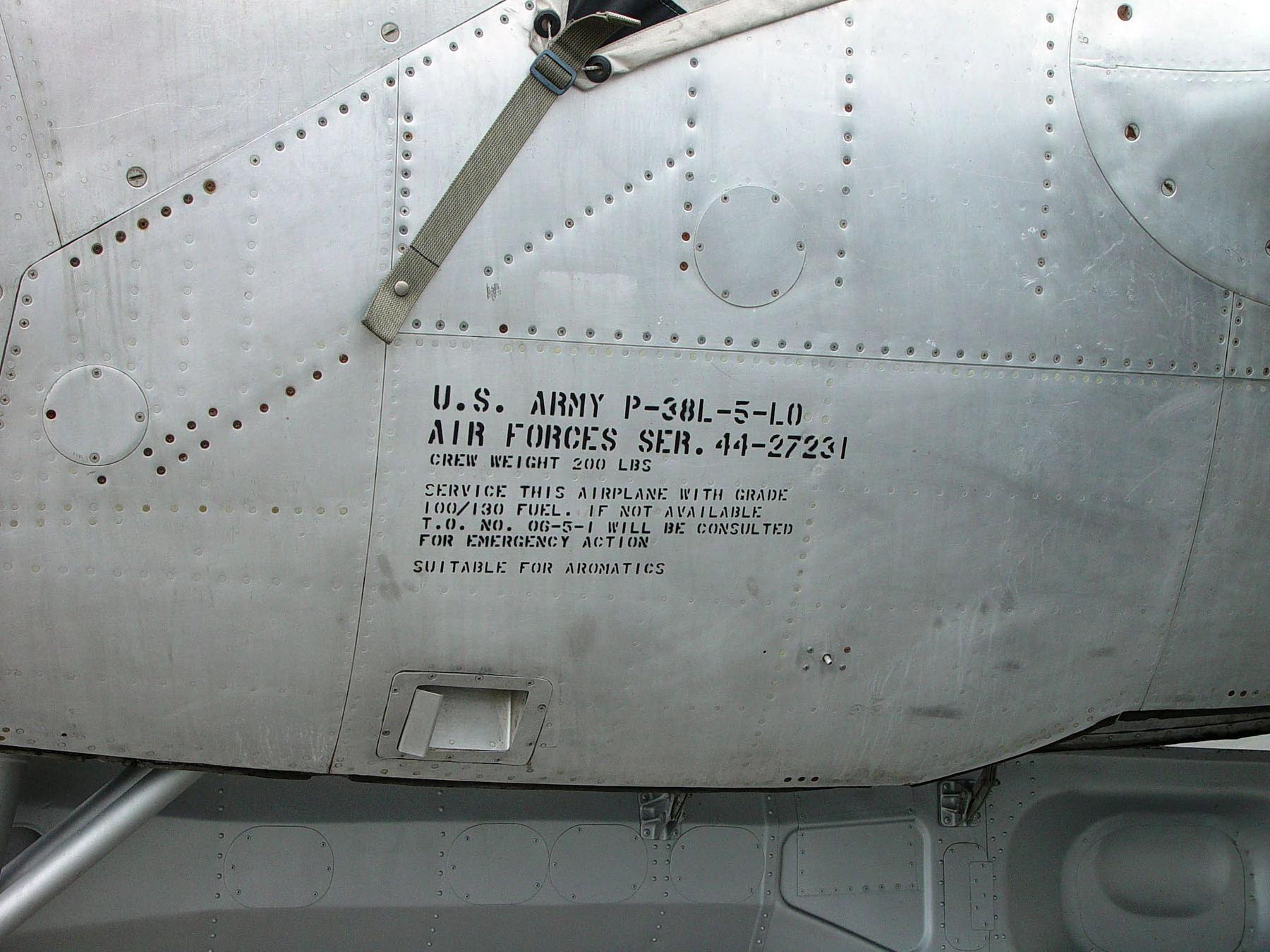
P-38L Lightning 4
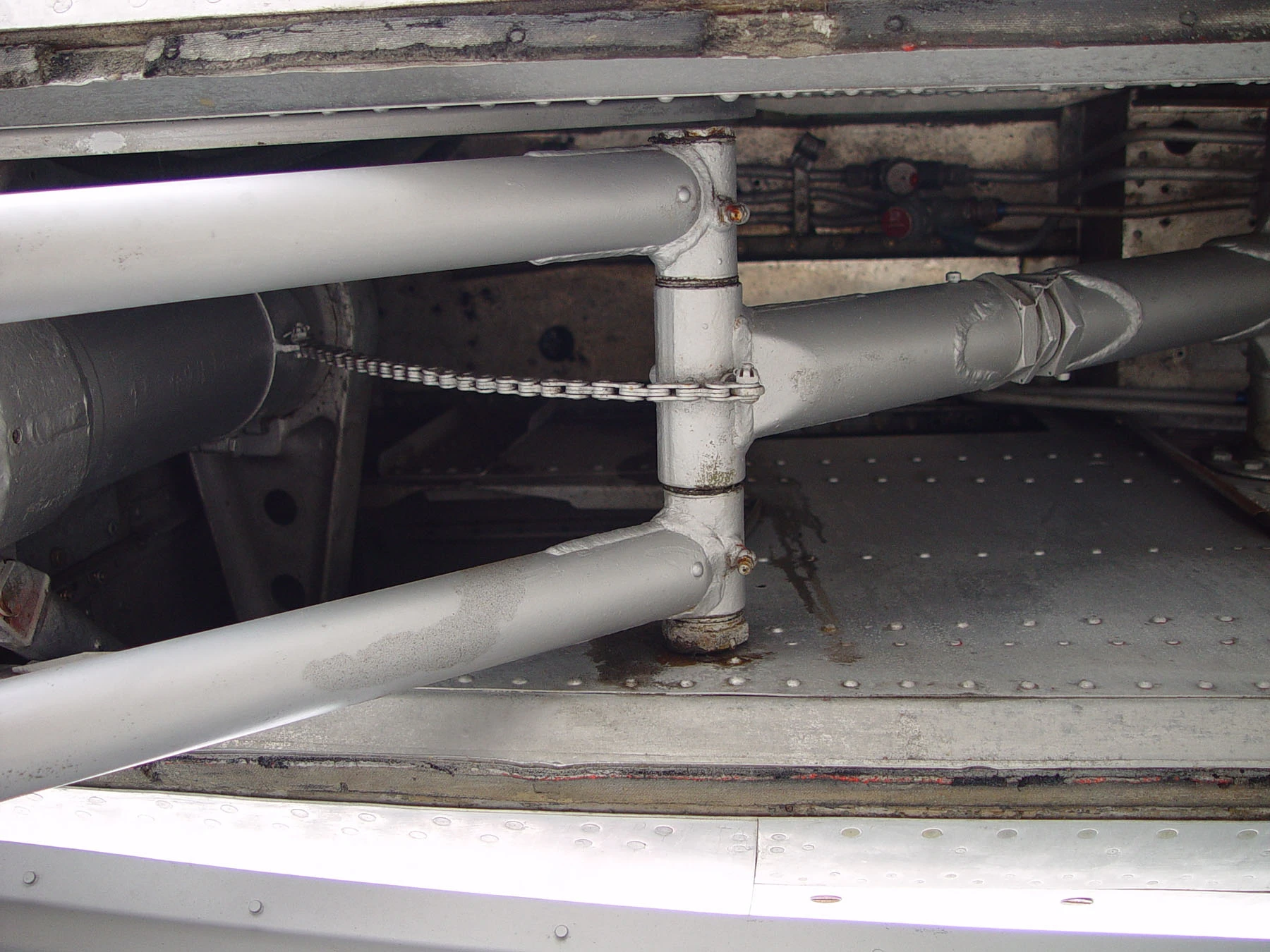
P-38L Lightning 5
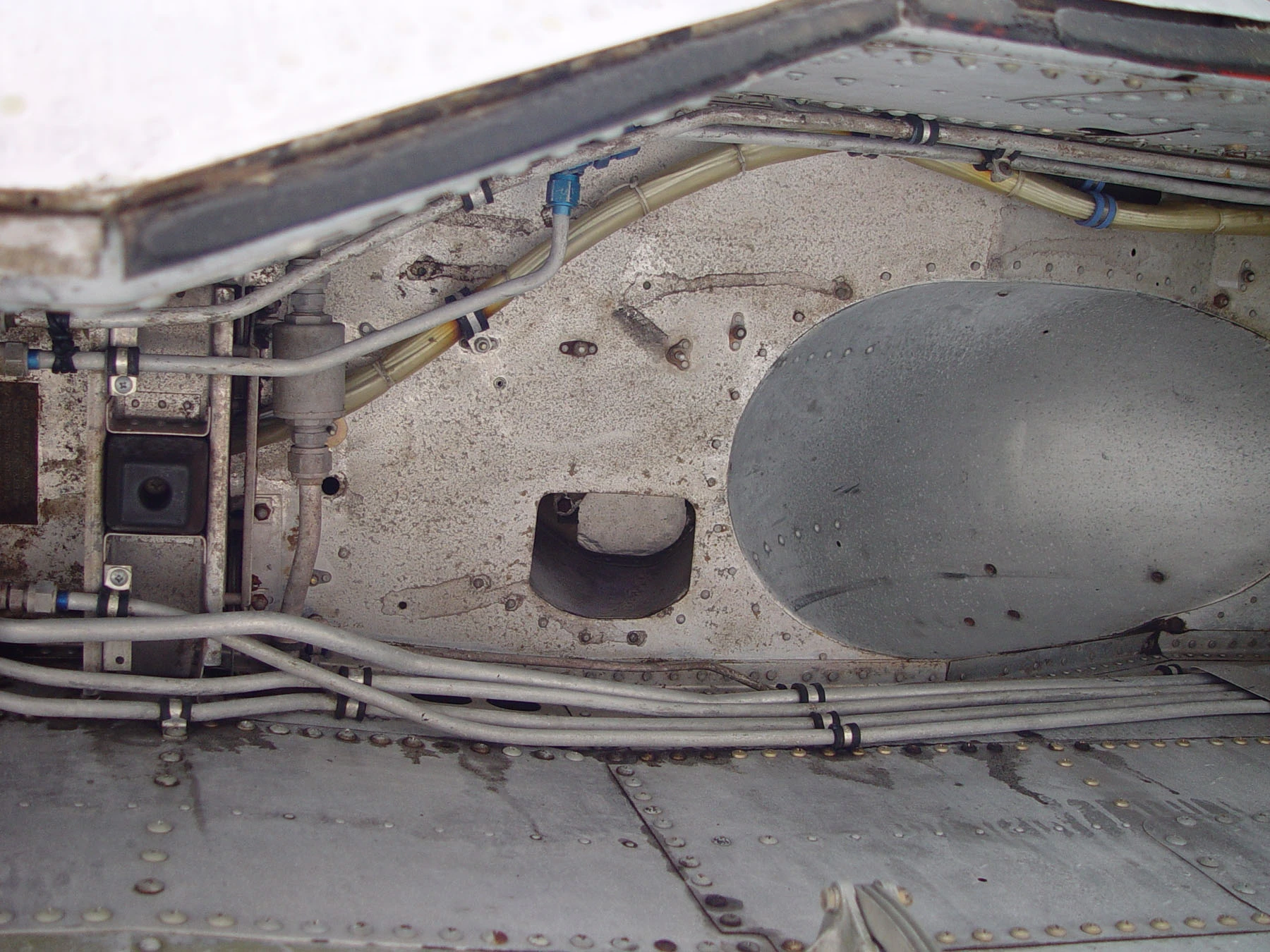
P-38L Lightning 6
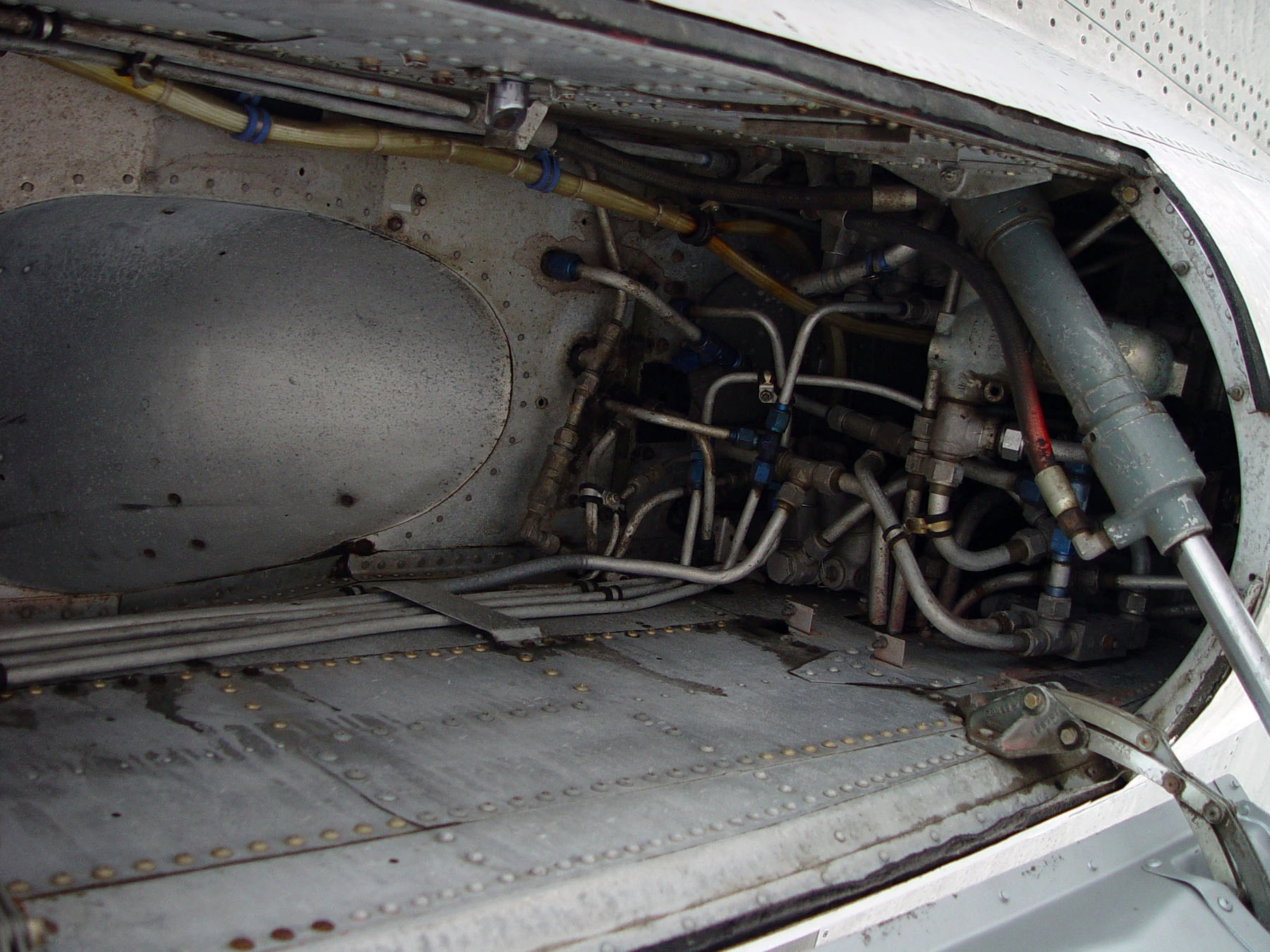
P-38L Lightning 7
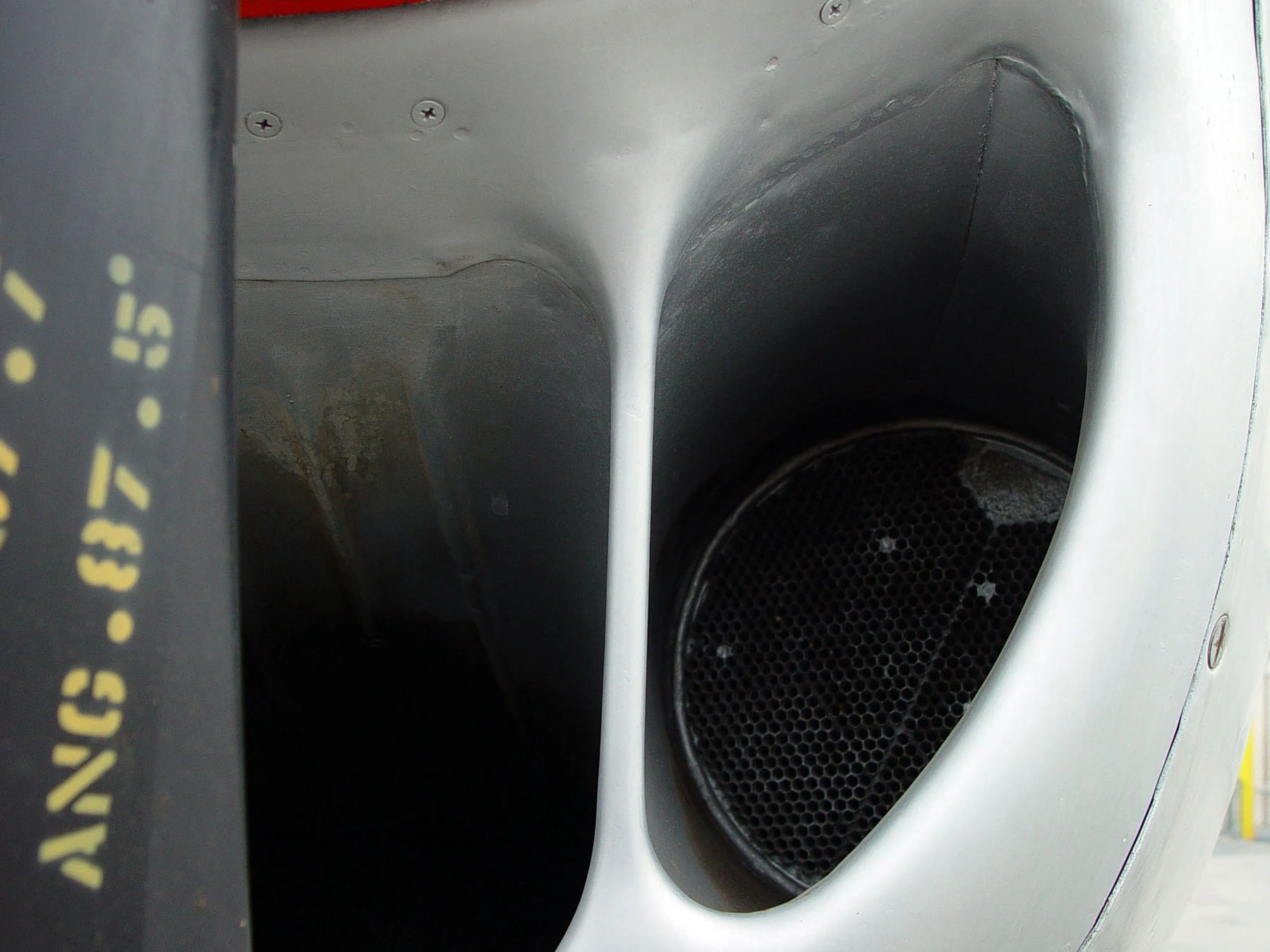
P-38L Lightning 8
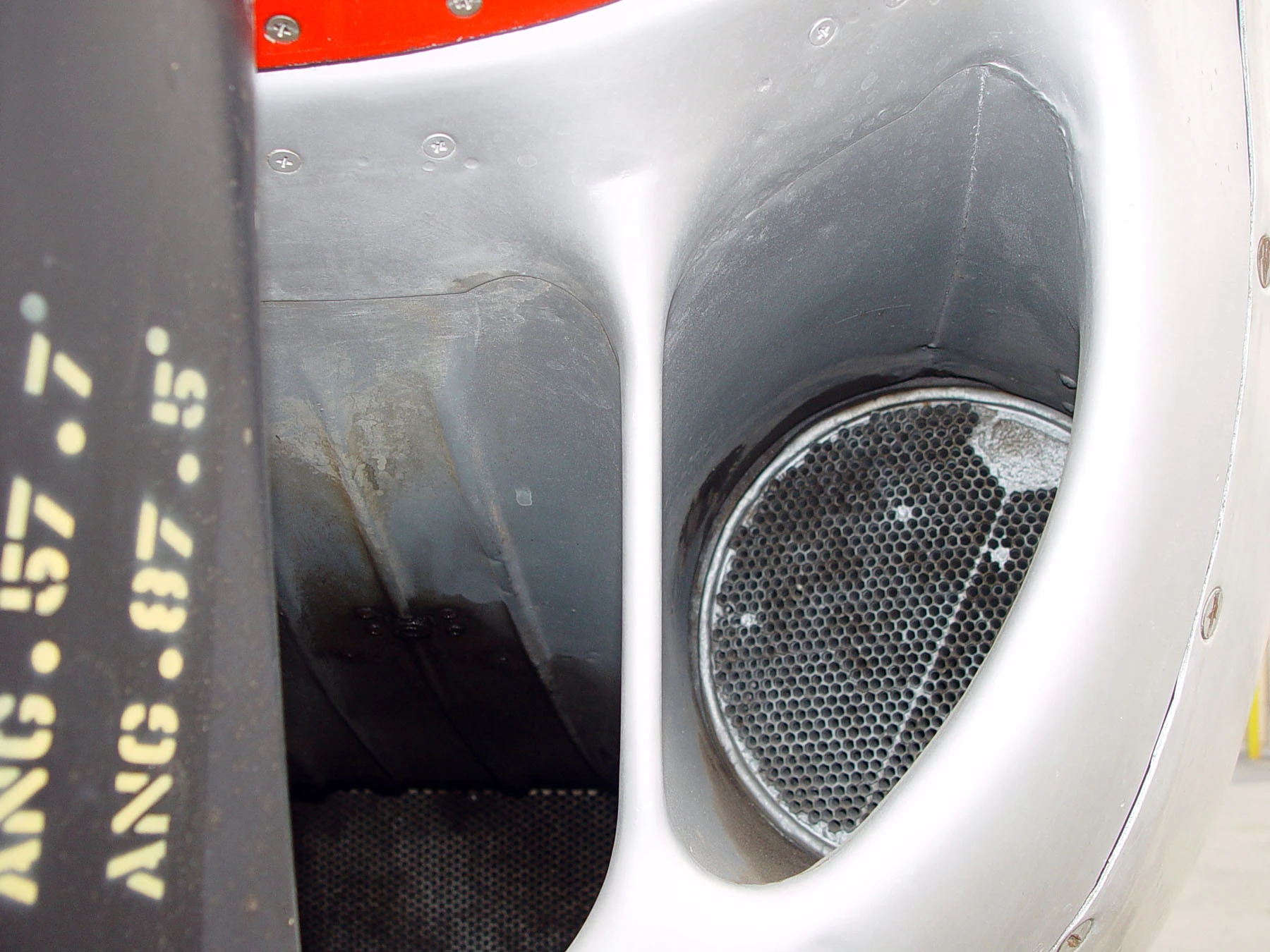
P-38L Lightning 9
Se även:


The Ace of Aces and His Lightning
Den P-38L Blixt was the ultimate production version of Kelly Johnson’s twin-engine masterpiece. While the P-38 fought on all fronts, it became a legend in the Pacific. “Marge” was the most famous P-38 of them all—the personal aircraft of Major Richard I. Bong, the United States’ all-time leading ace with 40 confirmed victories. Named after his girlfriend (and future wife), Marge was a P-38L-5-LO that showcased the Lightning’s terrifying speed and concentrated nose-mounted firepower that decimated Japanese aircraft from the Philippines to Papua New Guinea.
| Attribute | Technical Specification (P-38L) |
|---|---|
| Roll | Heavy Fighter / Long-Range Interceptor |
| besättning | 1 (Pilot) |
| Engines | 2 × Allison V-1710-111/113 liquid-cooled V12s (1,475 hp each) |
| Maximum Speed | 666 km/h (414 mph) at 25,000 ft |
| Climb Rate | 14.1 m/s (2,780 ft/min) |
| Main Armament | 1 × 20 mm Hispano M2 cannon & 4 × .50 cal Browning M2 MGs |
| Secondary Load | Up to 1,450 kg (3,200 lbs) of bombs or 10 × 5-inch rockets |
| Combat Range | 2,100 km (1,300 miles) with drop tanks |
Design Engineering: The Twin-Boom Advantage
- Concentrated Nose Fire: Unlike most fighters where guns are in the wings (requiring “convergence”), the P-38’s guns were all in the nose. This meant no convergence was necessary; if a pilot could see the enemy in the sights, they could hit them at any range from 50 yards to 500 yards.
- Counter-Rotating Props: To eliminate the “torque” that pulls single-engine planes to one side during takeoff, the P-38’s propellers rotated in opposite directions. This made the Lightning an exceptionally stable gun platform.
- The P-38L “L” Factor: The L-model introduced power-boosted ailerons and dive flaps. Earlier P-38s suffered from “compressibility” in high-speed dives, where the controls would lock up. The dive flaps on the “L” allowed pilots to pull out of high-speed dives safely.
- Turbo-Superchargers: Mounted on the top of the booms, these allowed the P-38 to maintain incredible power at high altitudes, far above the effective ceiling of many Japanese interceptors.
Operational History: Lightning Strikes Twice
- Operation Vengeance: The P-38’s long range made it the only fighter capable of the mission to intercept Admiral Isoroku Yamamoto’s transport in 1943, flying a 1,000-mile round trip over the Pacific.
- Richard Bong’s Score: Major Bong achieved all 40 of his kills in the P-38. He preferred “Marge” for its updated hydraulic boosters and the extra power of the 1,600 hp (war emergency) Allison engines.
- The “Fork-Tailed Devil”: This was the nickname given to the P-38 by German Luftwaffe pilots (der Gabelschwanz-Teufel) because of its unique shape and the fact that its liquid-cooled engines were relatively quiet compared to radial-engine fighters like the P-47.
- A Master of All Trades: The P-38 was so versatile it was used as a bomber (the “Droopsnoot”), a photo-reconnaissance plane (the F-5), and even a night fighter with a radar pod.
Views : 8216
Du kan också se:
 Grumman AF Guardian – Foton &; Videor
 Lockheed F-117 Nighthawk – Foton &; Videor
 Lockheed MC-130 - Foton och videor
 Lockheed F-94 Starfire – Foton & Video
 Lockheed CP-140 Aurora – Foton &; Video
 Lockheed Model 18 Lodestar – Foton &; Video
 Lockheed C-121 Constellation – Foton &; Video
 Lockheed T-1A – Foton &; Video
 Lockheed AC-130A Spectre – Foton &; Video
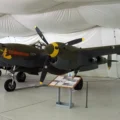 P-38L Mandarin – WalkAround