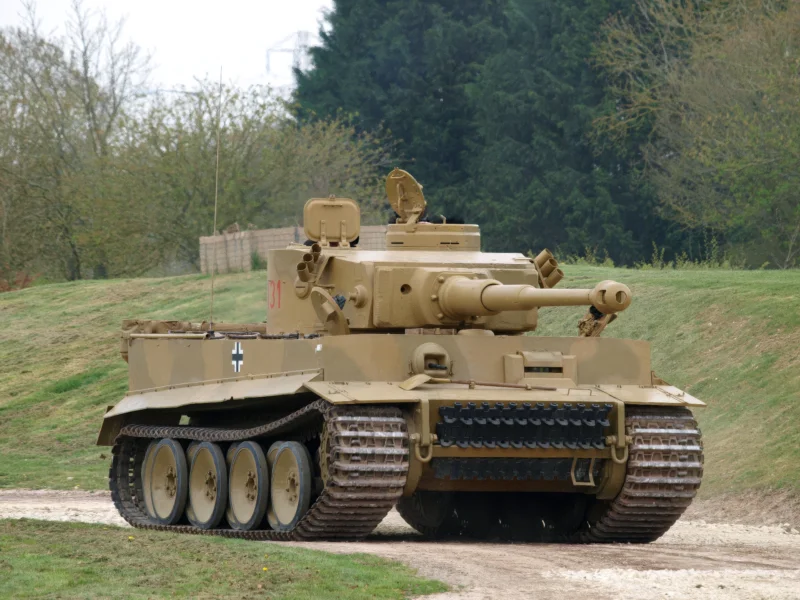
Tigrasti tenk | |
|---|---|
| Zemlja | Nemačka |
| Tip | Težak tenk |
| Opis | Album of 27 photos walk-around of a «Tiger Tank» |
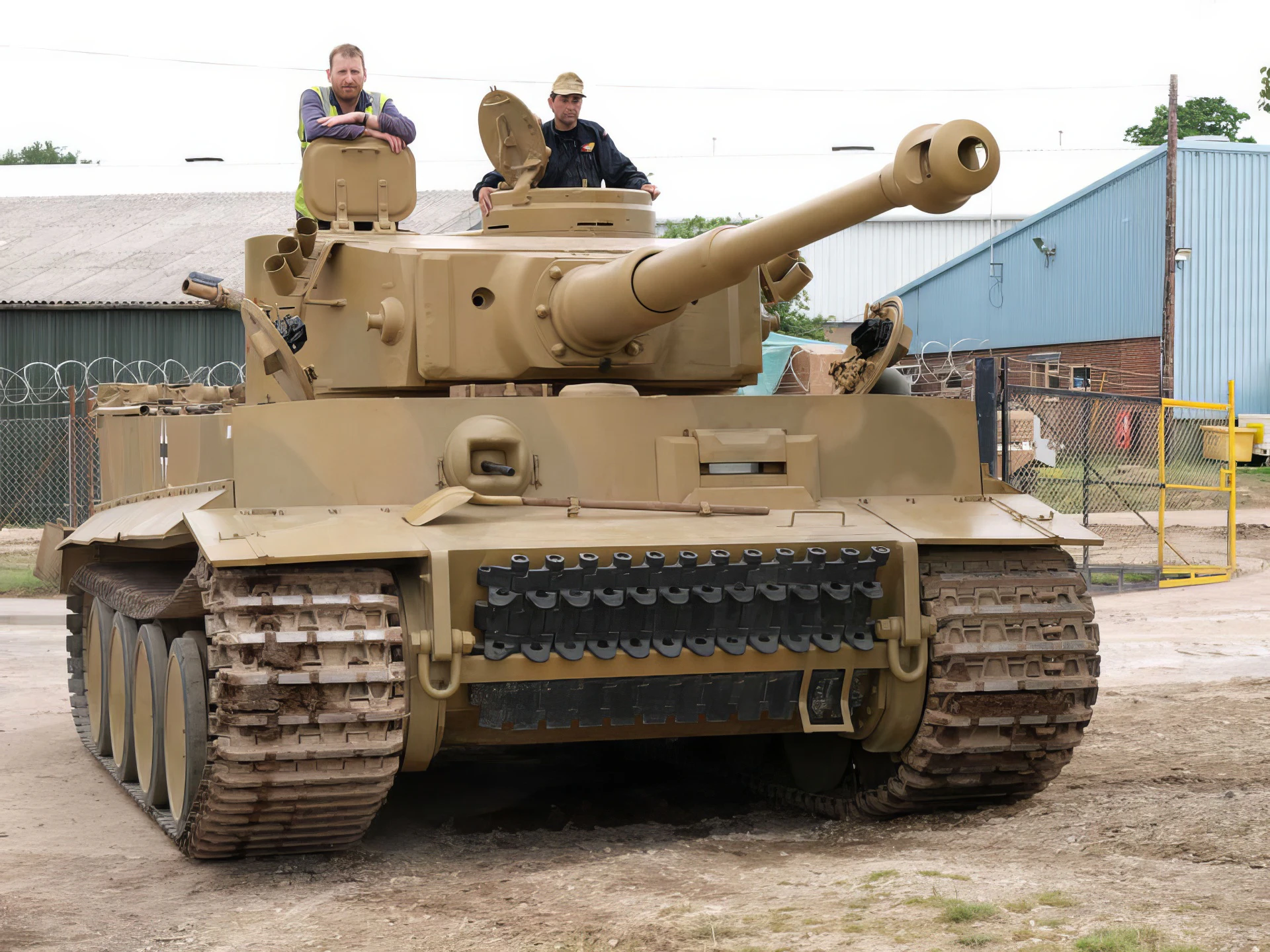
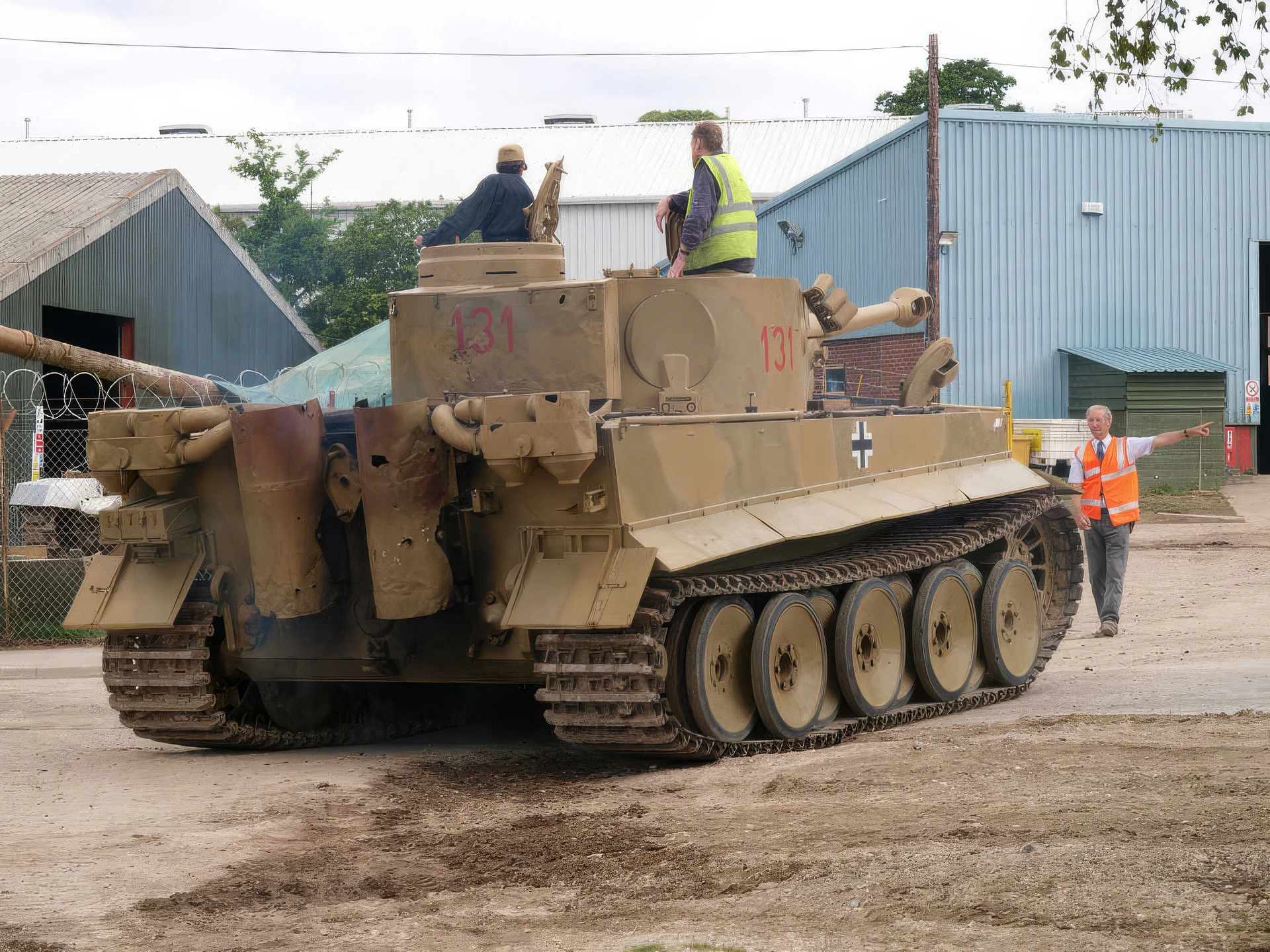
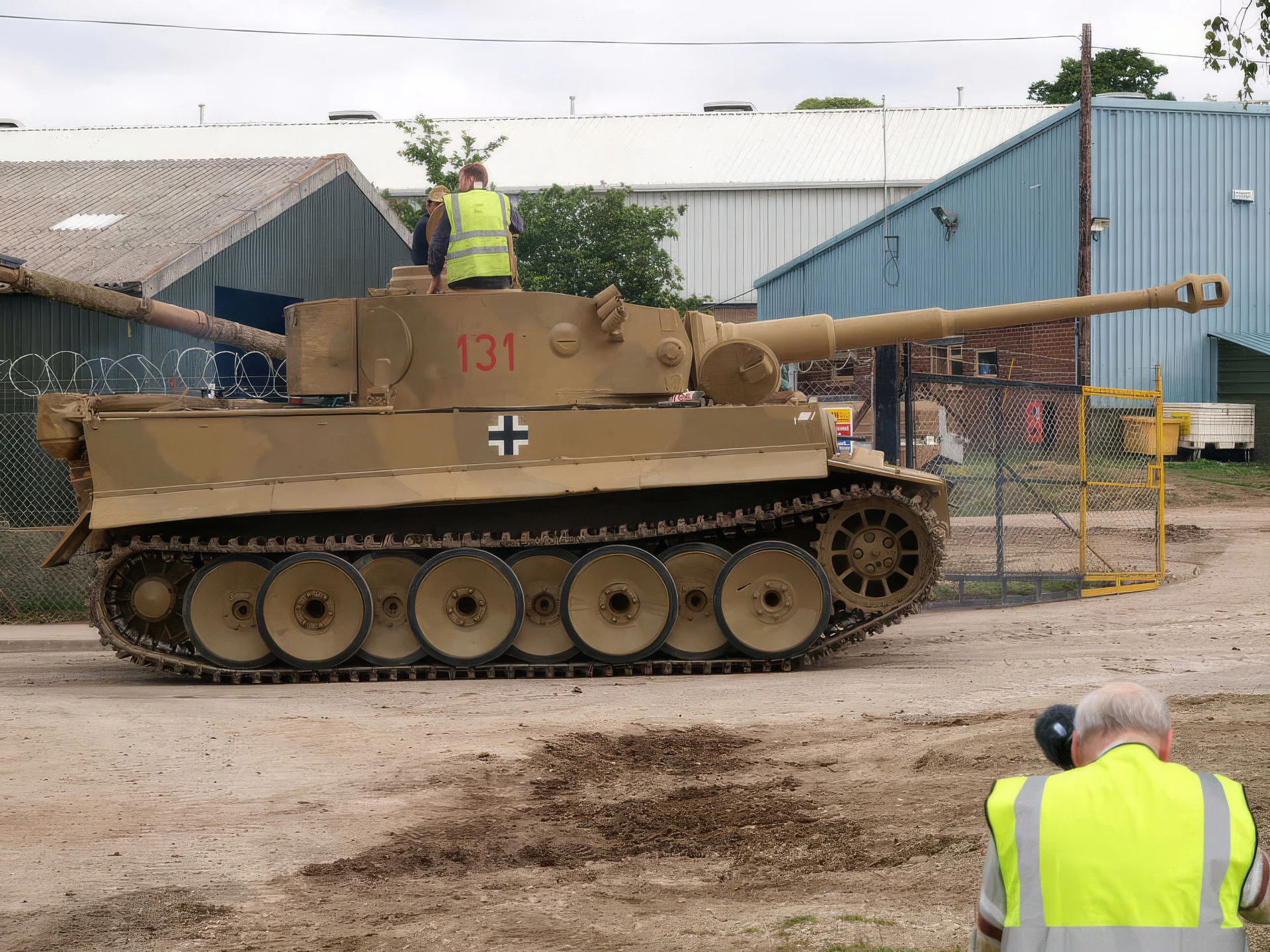
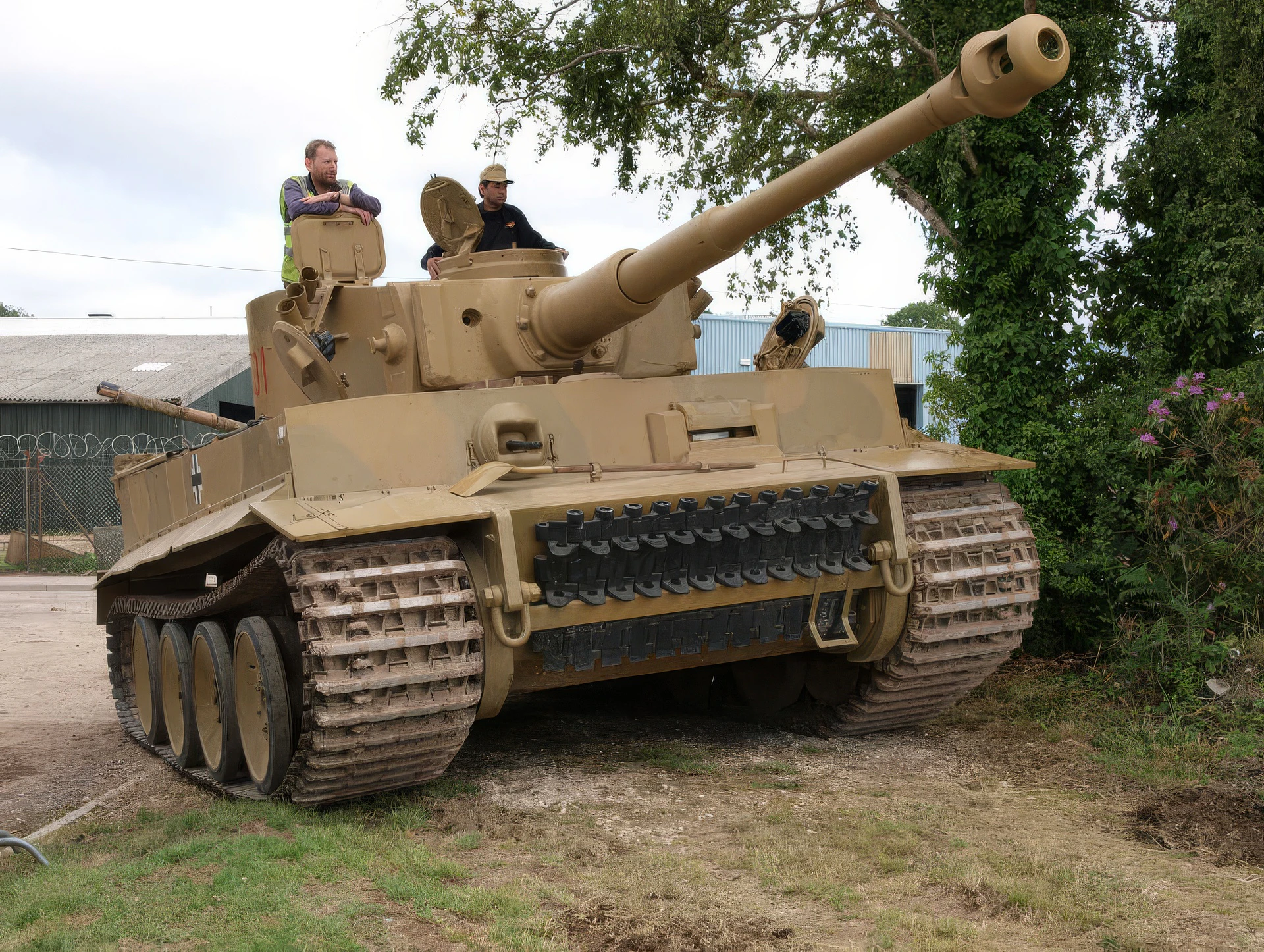
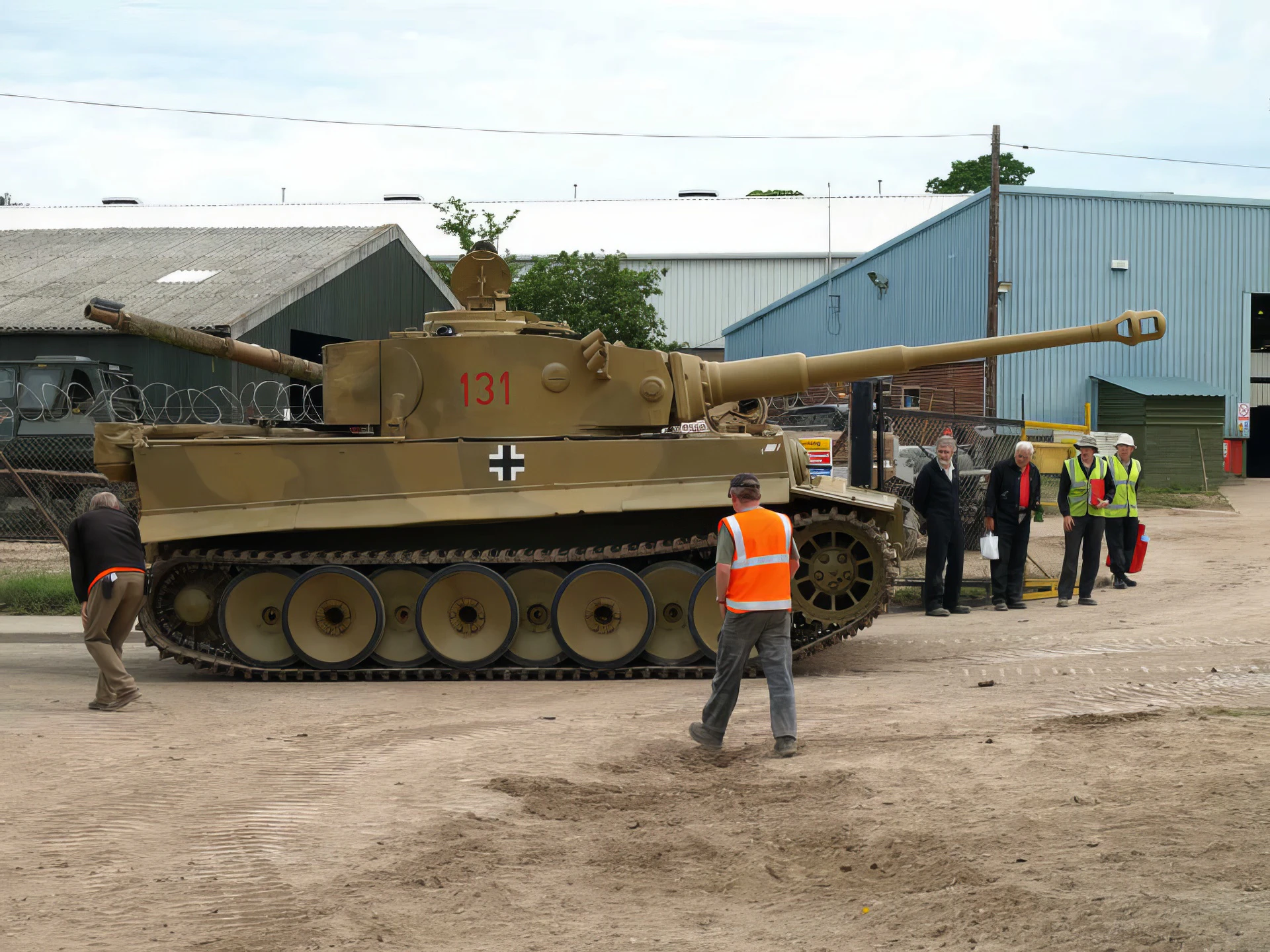
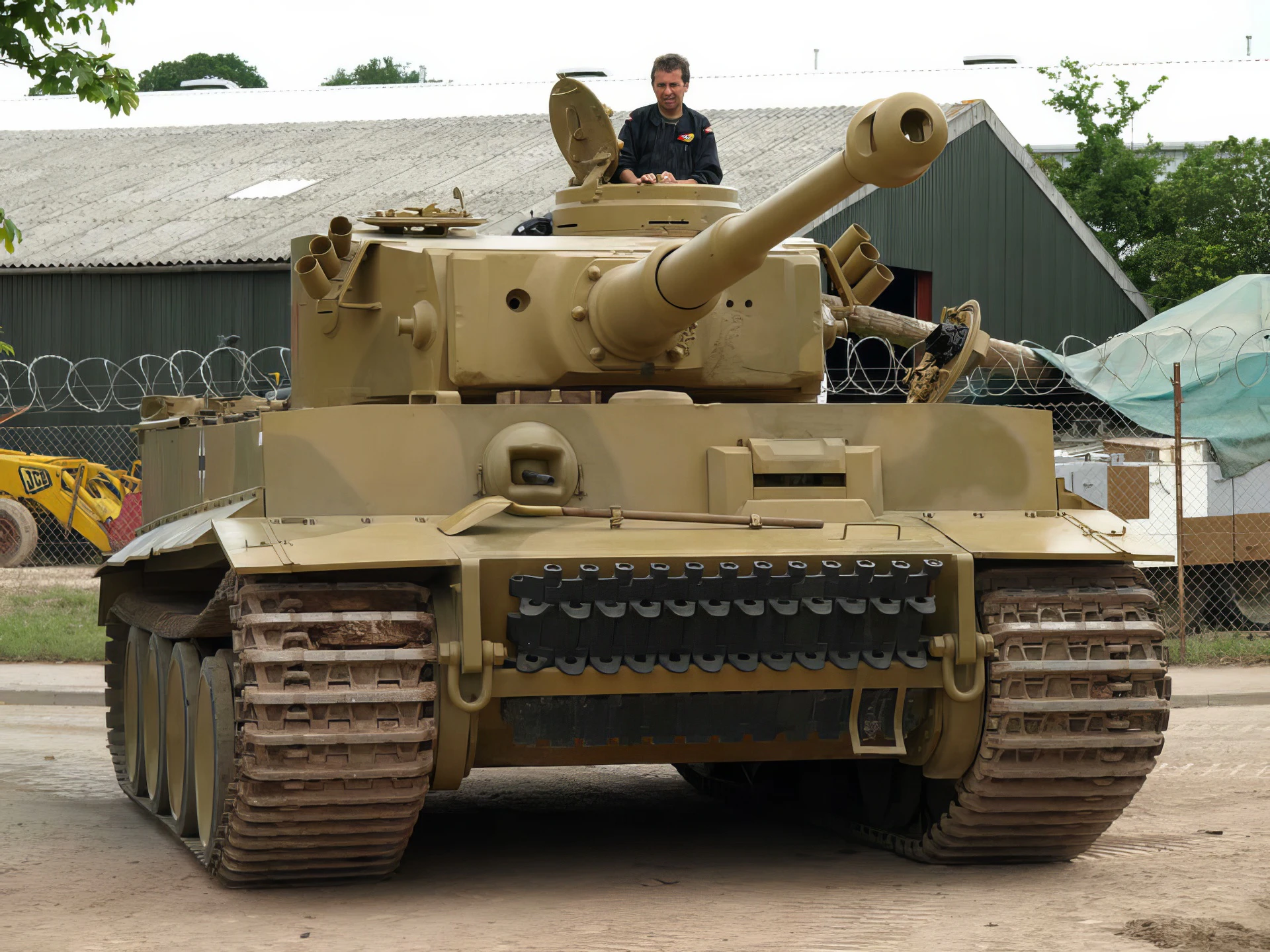
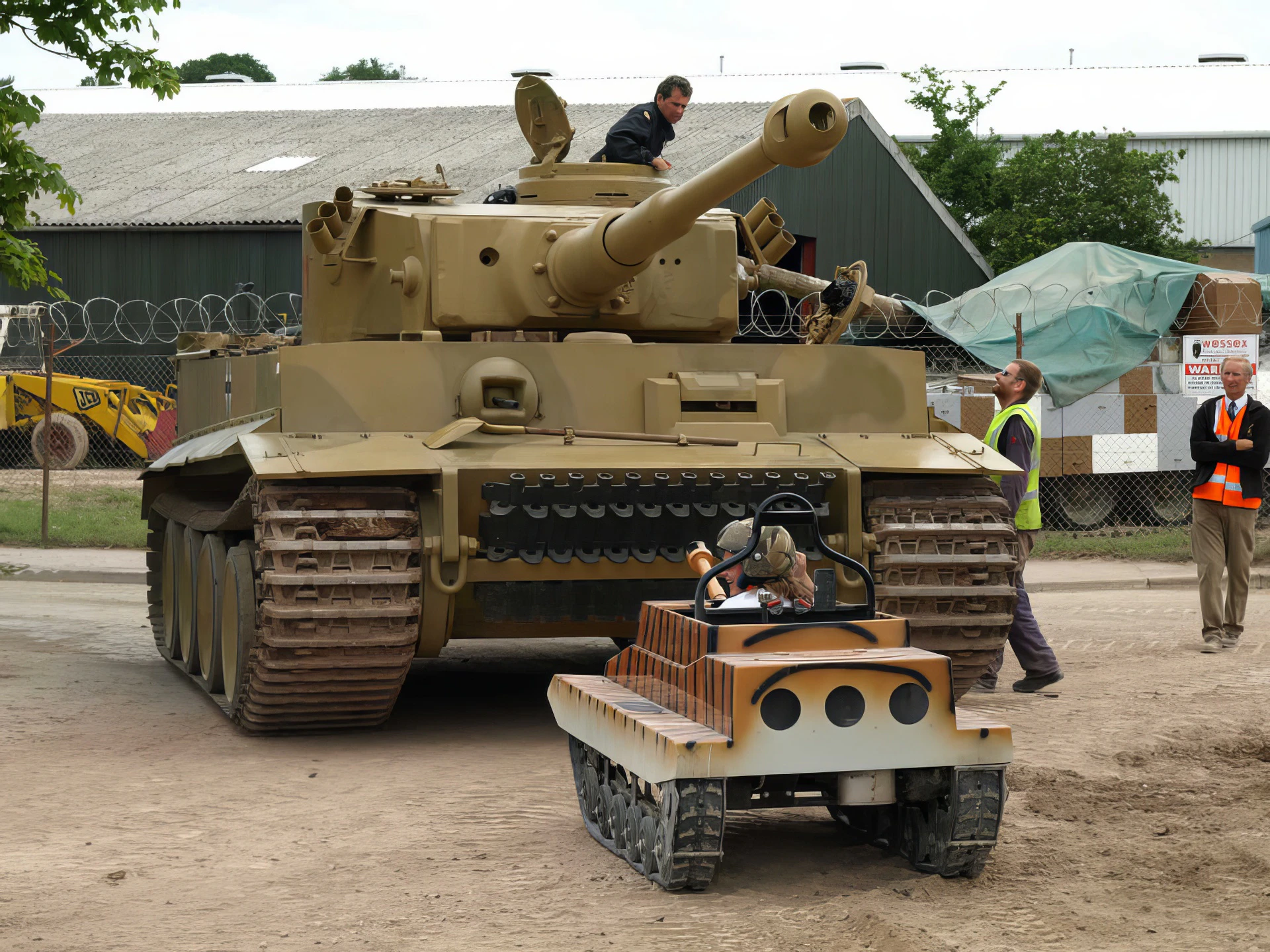
Photo gallery of a Tiger Tank in action, The Tigar I je uobičajeno ime nemačkog teškog tenka razvijenog 1942. Poslednja zvanična nemačka oznaka bila je Panzerkampfwagen VI Tigar Ausf.E, često skraćena za Tigra. To je bio odgovor na neočekivano strašan sovjetski oklop na koji je naišao u prvim mesecima invazije Osovine na Sovjetski Savez, posebno na T-34 i KV-1. Dizajn Tigar I dao je Vermahtu svoj prvi tenk koji montira pištolj od 88 mm, u svojoj početnoj verziji namenjenoj oklopnim borbenim vozilima, koja je u svojoj Flak verziji prethodno pokazala svoju efikasnost i protiv vazdušnih i protiv zemljanih ciljeva. Tokom rata, Tigar kojeg sam video u borbi na svim nemačkim ratištem. Obično je bila raspoređena u nezavisne tenkovske bataljone, što se pokazalo prilično strašnim.
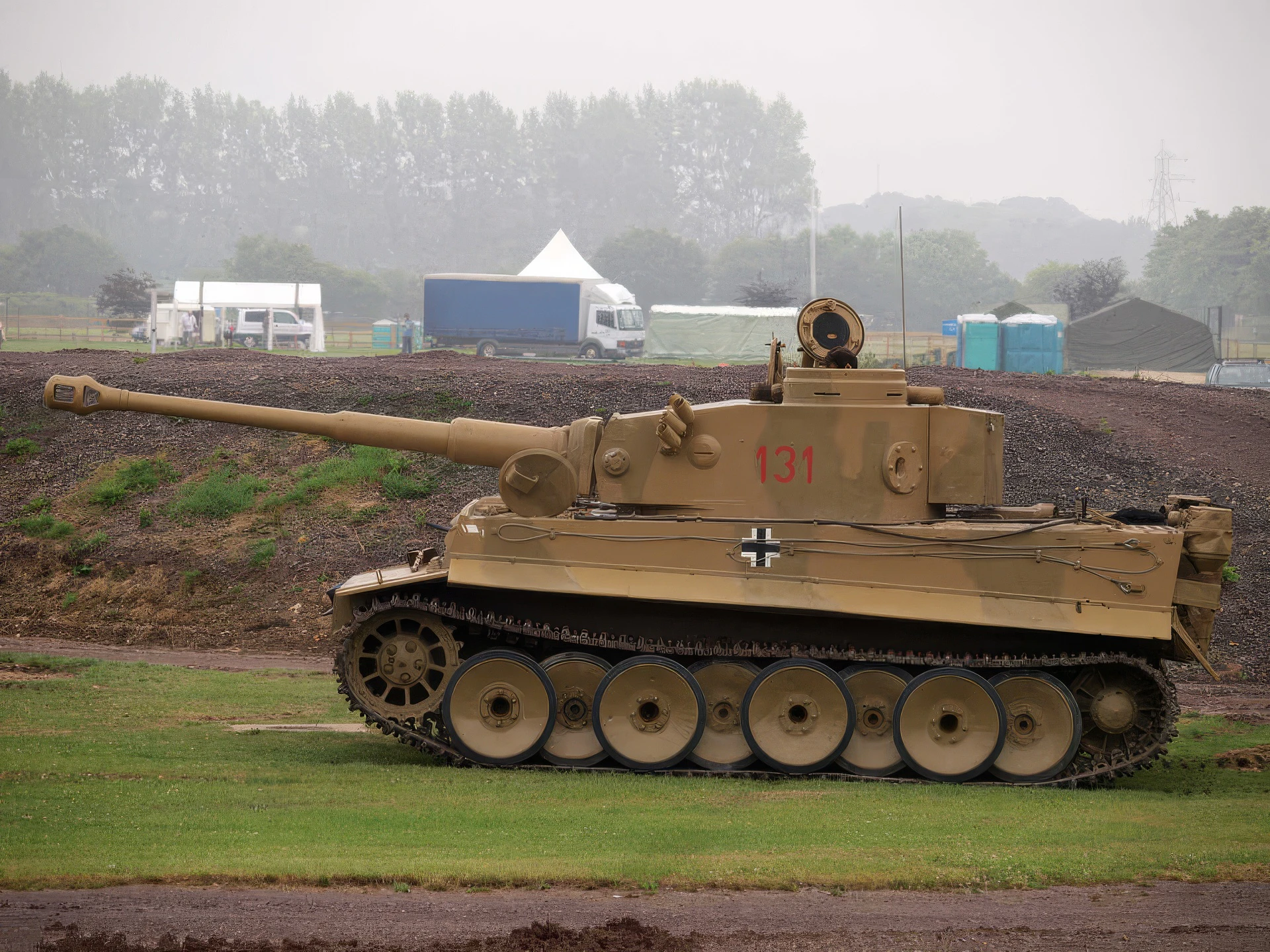
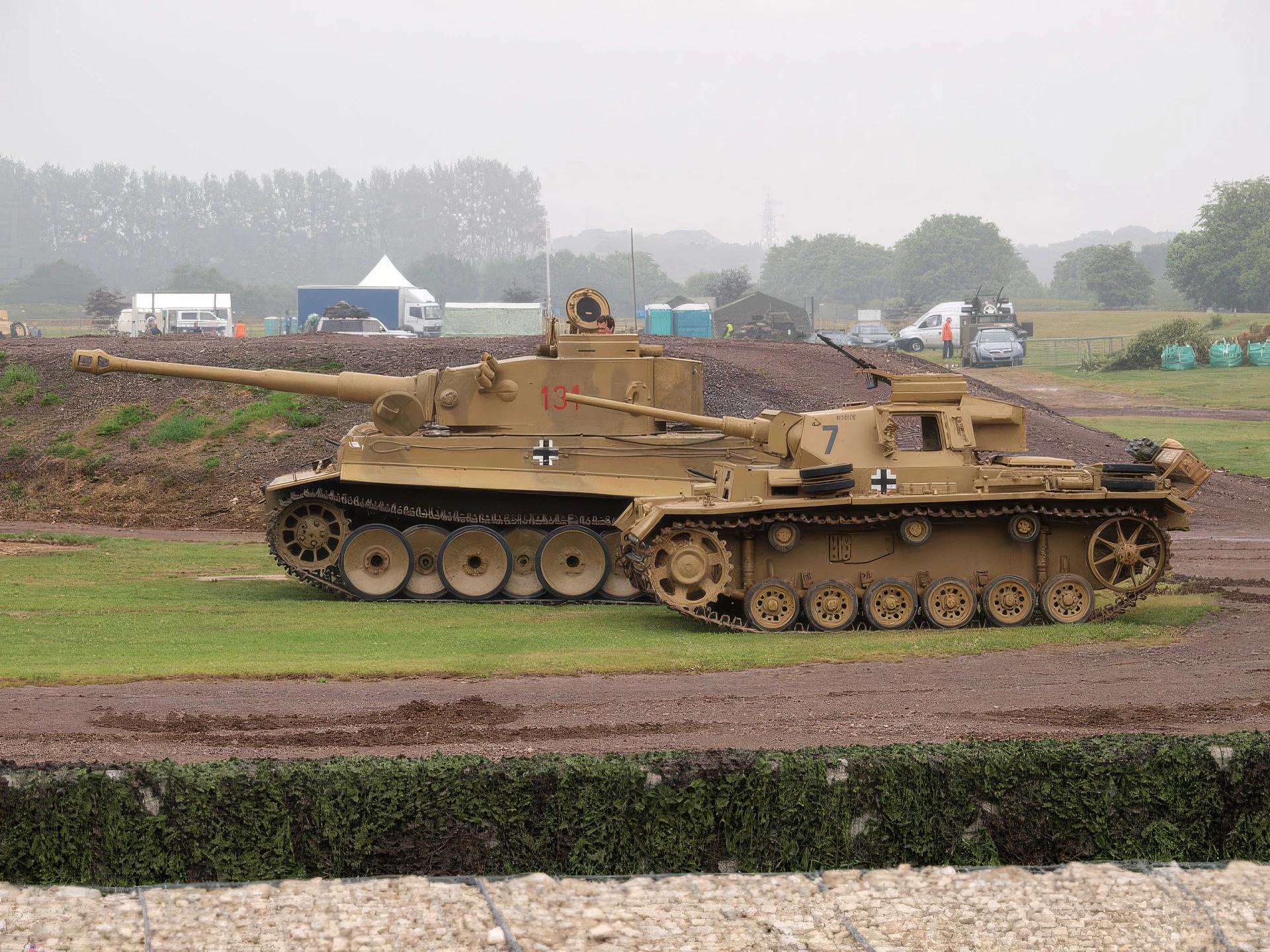

Pogledajte i:


Čaj Panzerkampfwagen VI (Pz.Kpfw. VI), commonly known as the Tigar, was a series of German heavy tanks used during World War II. It was a formidable and revolutionary design, primarily known for its incredibly heavy armor and powerful main gun. The series includes two primary models: the Tiger I and the Tiger II.
1. Panzer VI Tiger I (Sd.Kfz. 181)
The original Tiger I was a response to the unexpectedly strong Soviet tanks encountered during the invasion of the USSR. It entered service in 1942 and quickly established a fearsome reputation.
- Role: Heavy Tank, designed for breakthrough and long-range engagement.
- Main Armament: The devastating 88 mm KwK 36 L/56 cannon, which could penetrate most Allied tank armor at extreme distances.
- Armor: Featured very heavy, though largely flat and vertical, armor. Frontal hull armor was typically 100 mm thick, with the gun mantlet up to 200 mm. Its protection relied on sheer thickness.
- Teћinu: Otprilike 57 tonnes.
- Pokretljivost: Powered by a 700 hp Maybach V-12 engine. Capable of speeds up to 38 to 45 km/h on roads. Its complex interleaved road wheel suspension provided good off-road performance but was mechanically demanding and maintenance-intensive.
- Posada: 5 (Commander, Gunner, Loader, Driver, Radio Operator).
2. Panzer VI Tiger II (Königstiger / King Tiger) (Sd.Kfz. 182)
The Tiger II, or “King Tiger,” was the successor to the Tiger I and represented an evolution in German tank design. It entered production in late 1943.
- Role: Heavy Tank.
- Main Armament: The superior 88 mm KwK 43 L/71 cannon. This longer-barreled gun significantly increased muzzle velocity and anti-tank performance.
- Armor: Combined the sheer thickness of the Tiger series with sloped armor. The frontal hull plate was 150 mm thick and angled at 50, making it virtually impervious to most Allied tank guns from the front.
- Teћinu: Skoro 68.5 tonnes, making it the heaviest tank used by Germany during the war.
- Drawbacks: Its extreme weight severely strained its powertrain, leading to significant mechanical reliability issues and placing a massive burden on German logistics and manufacturing.
Views : 9217
Možete videti i :
 TOG2 – Photos & Videos
 Tenk P26/40 – Photos & Videos
 T-28 Super Heavy Tank – Photos & Video
 Chieftain tank – Walk Around
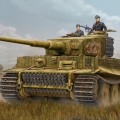 Pz.Kpfw. VI Tigar I – HOBBY BOSS 82601
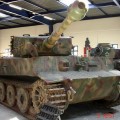 PzKpfw VIH Tigar – Walk Around
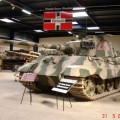 Tigar II – Königstiger vol3 – Walk Around
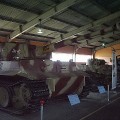 Tigar I – Walk Around
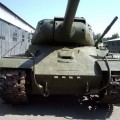 JS2-M – Walk Around
 Panzerkampfwagen VI – TIGER – Sdkfz.181 – Wydawnictwo Militaria 074