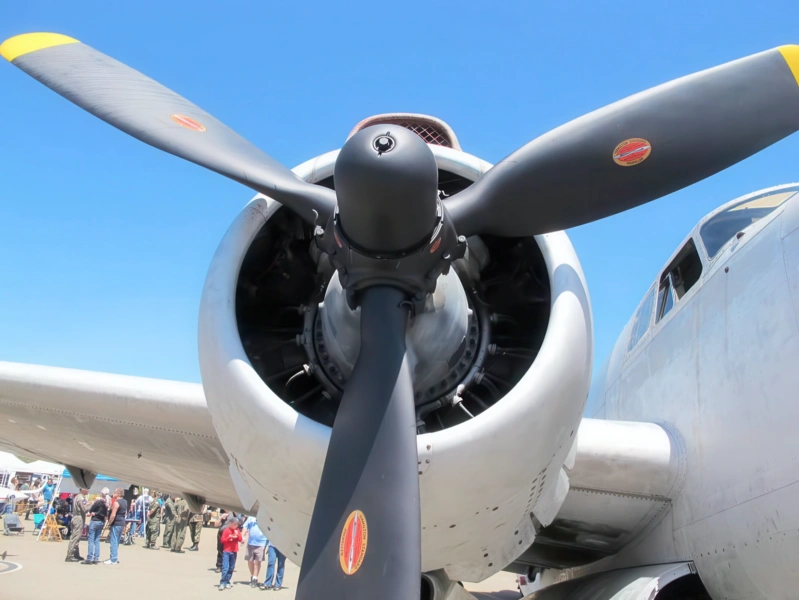
Lokid PV-2D Harpun | |
|---|---|
| Zemlja | Sad |
| Tip | Nadzorni avioni |
Le Lokid PV-2D Harpun bio je američki jednokrilac pomorski nadzorni avion angažovan u Drugom svetskom ratu. PV-2 Harpun je pratio razvoj PV-1 Ventura. PV-2D Harpun može da nosi 1800 kg bombi ili dubinskih punjenja ili na kraju torpedo, pored toga je bio opremljen na prednjoj strani sa 5 12.7mm mitraljeza, Martin leđne kupole sa 2 12.7mm mitraljeza i daljinski upravljane ventralne kupole sa takođe dva mitraljeza. Nekoliko retkih verzija nosilo je 5 HVAR 127 mm raketa ispod krila.
| Lokid PV-2D Harpun | |
|---|---|
| Fotograf | Nepoznato |
| Lokalizacija | Nepoznato |
| Fotografije | 150 |
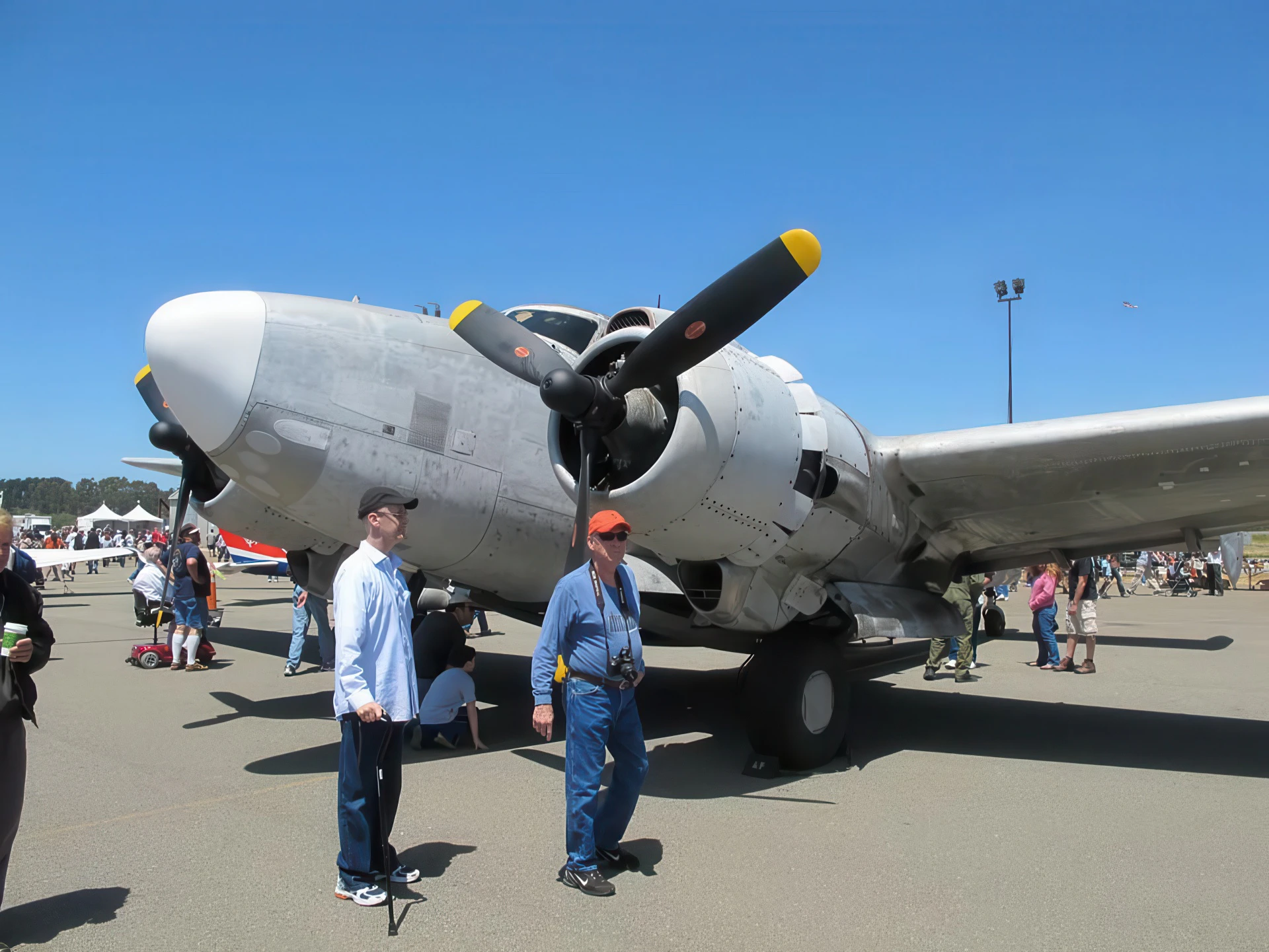
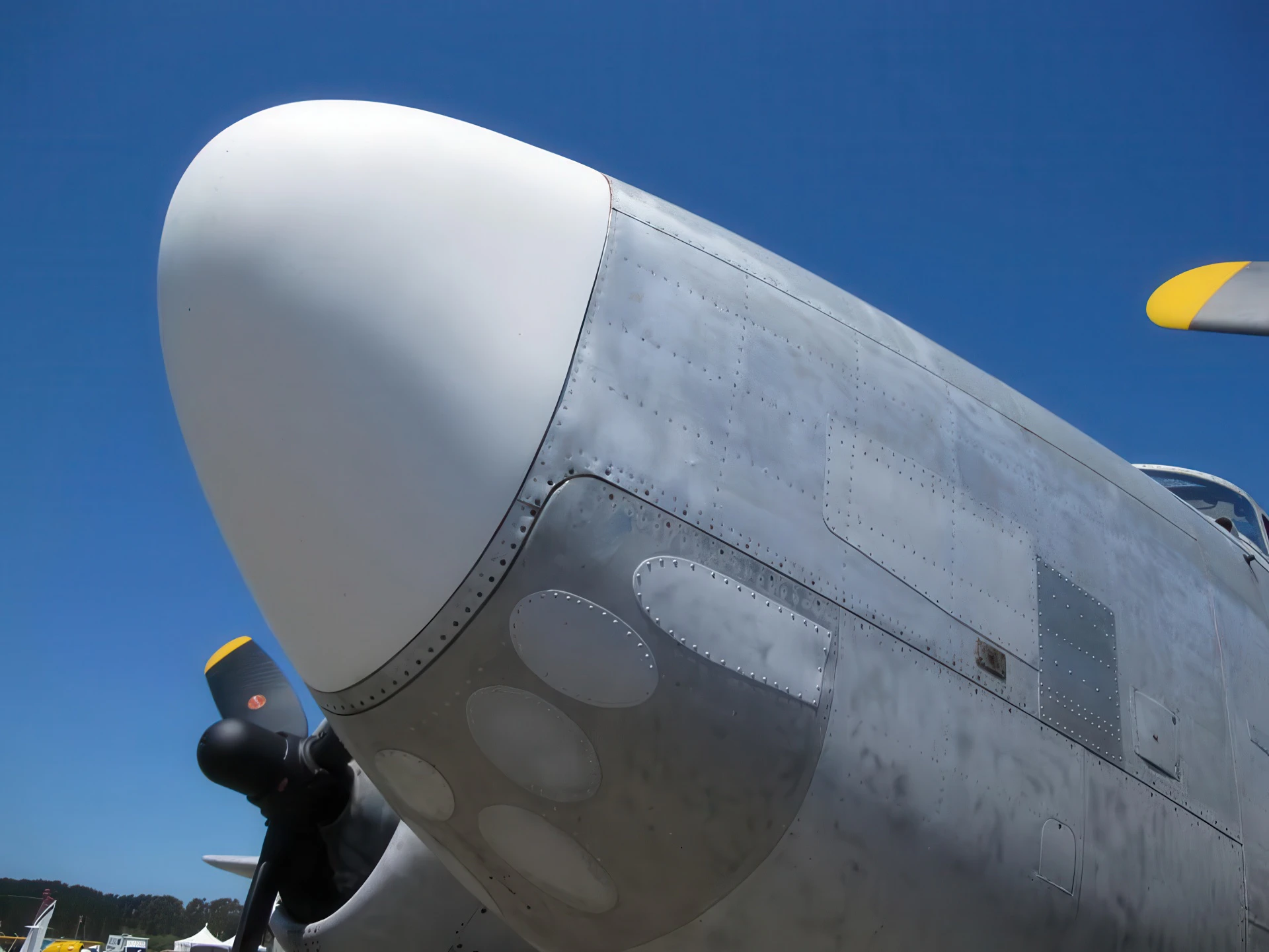
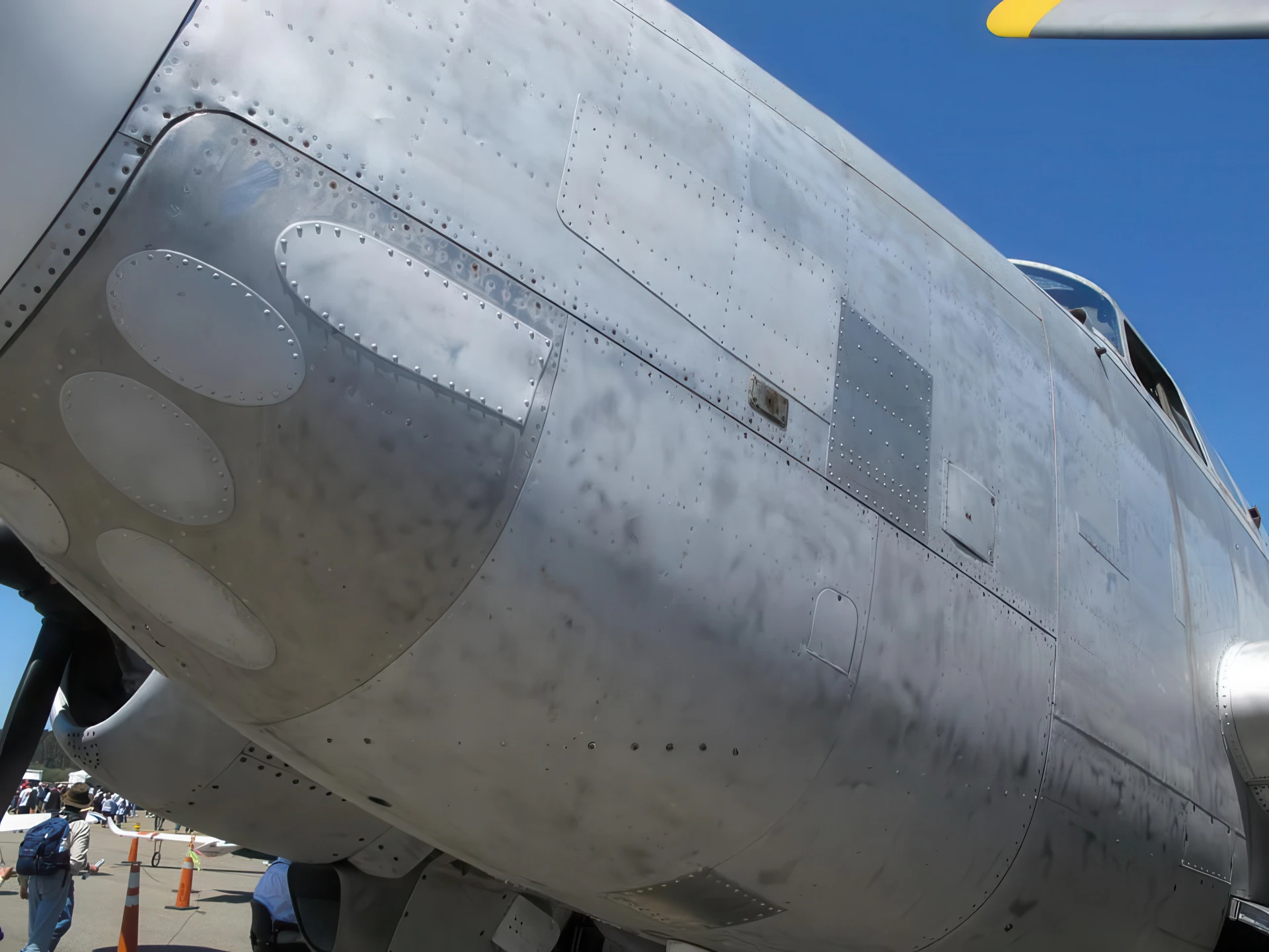
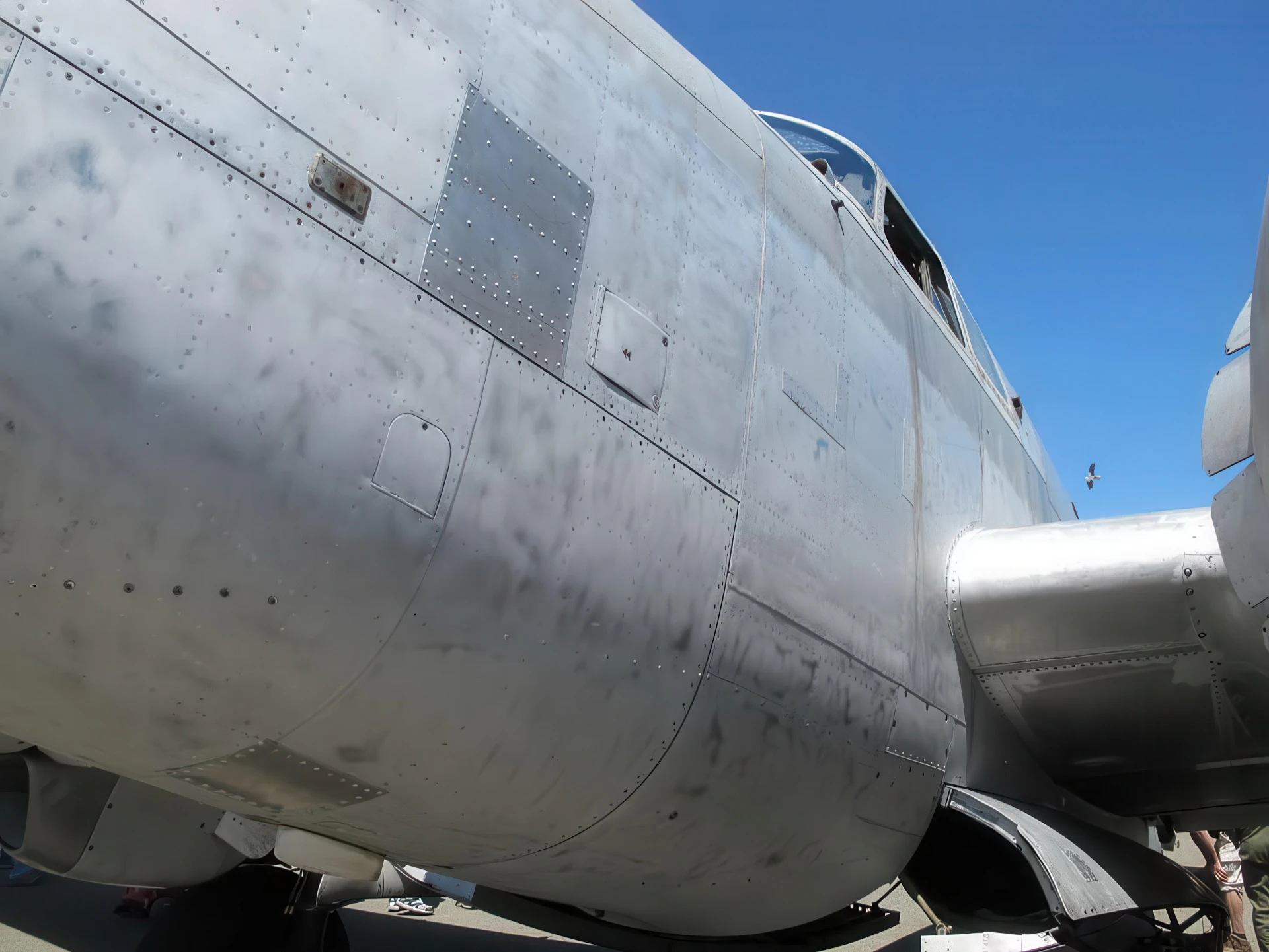
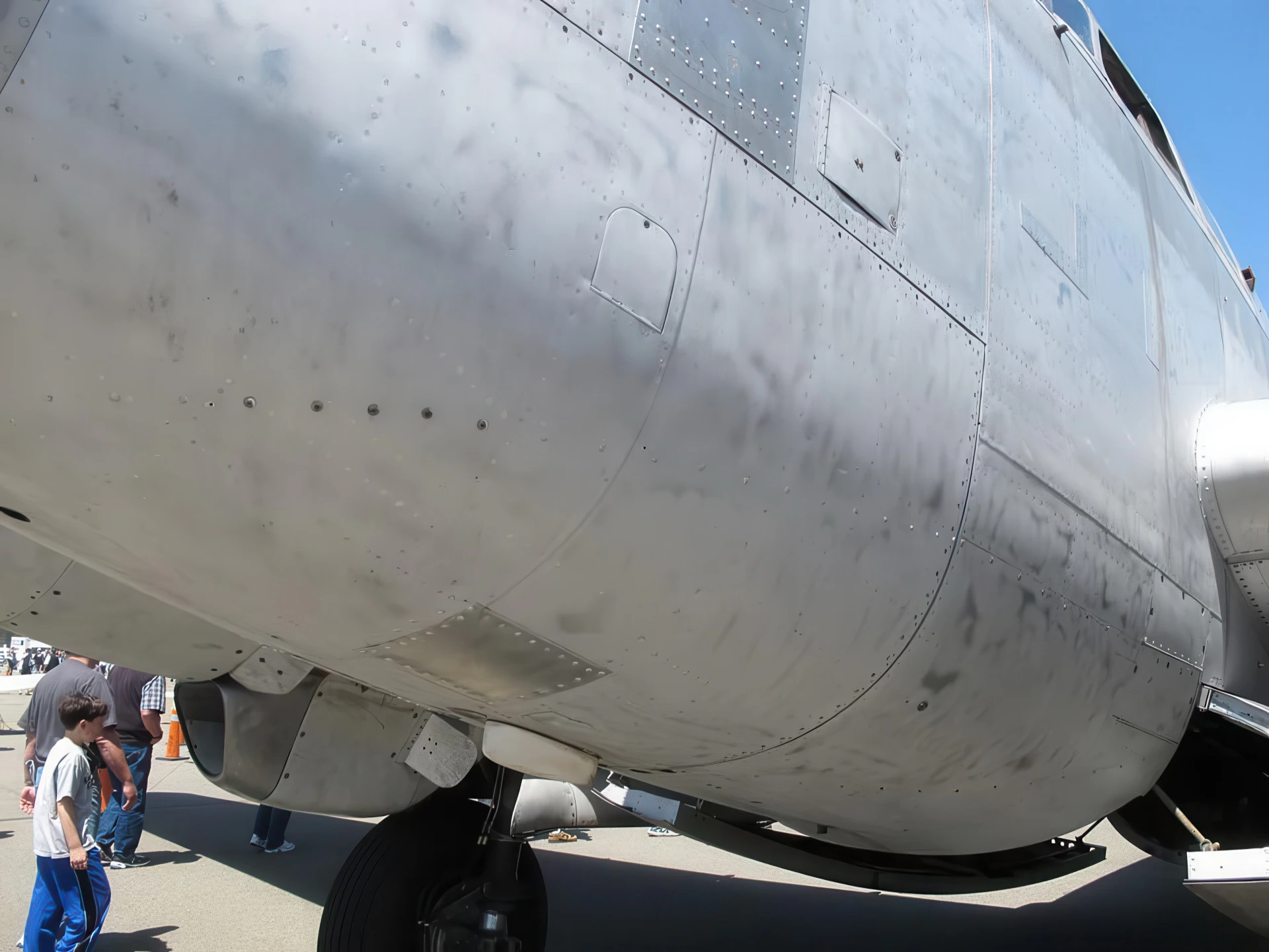
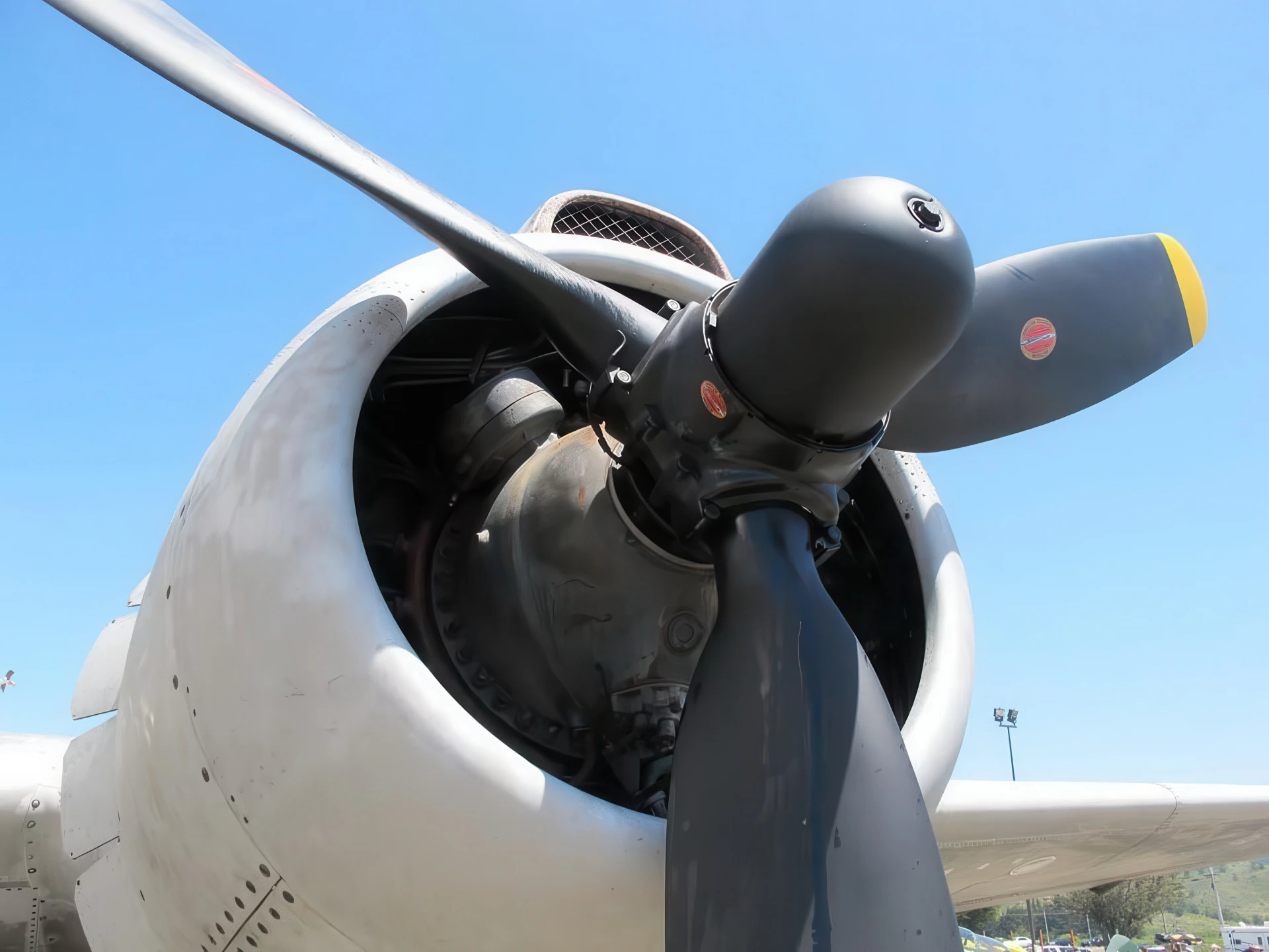
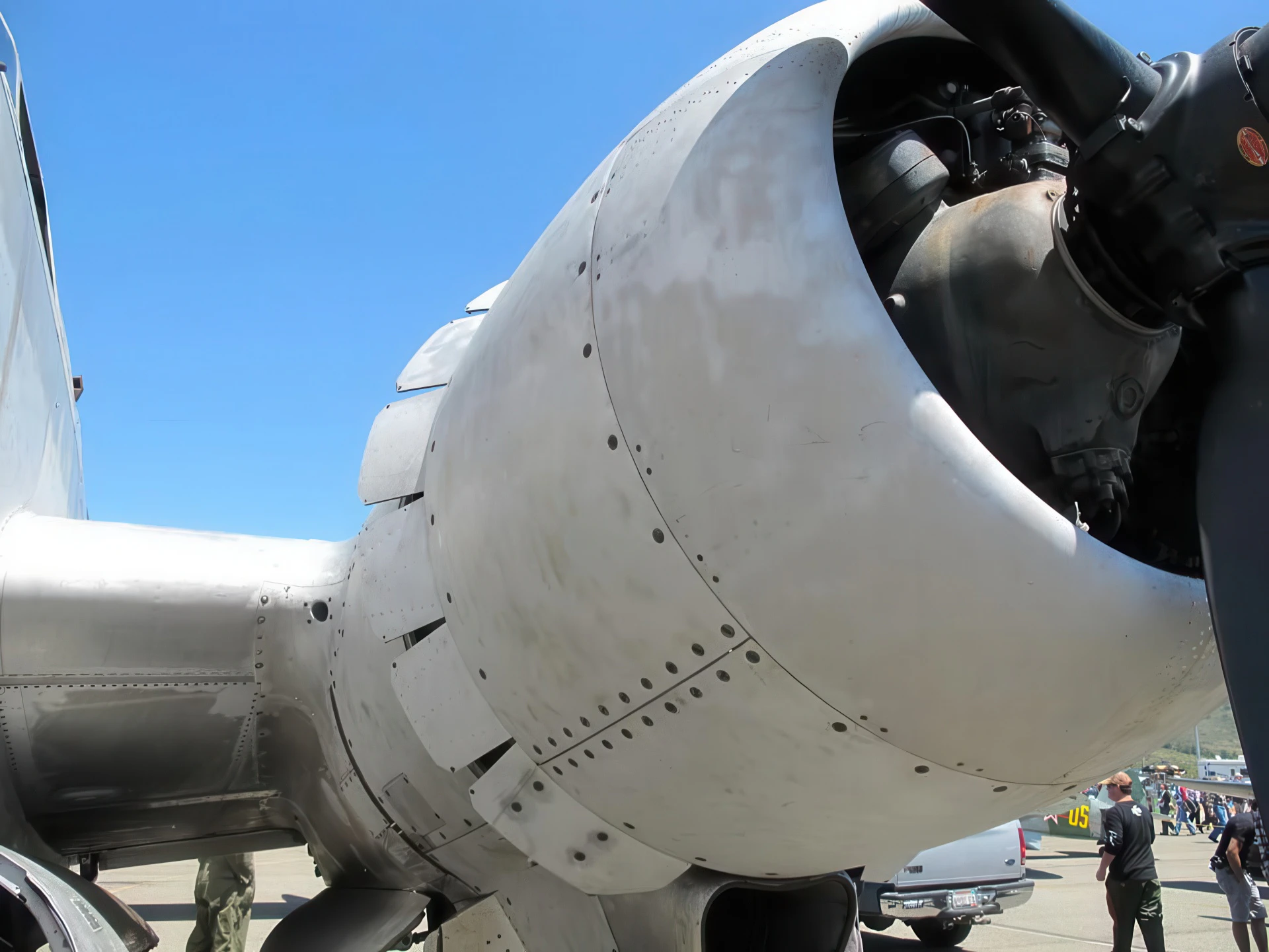
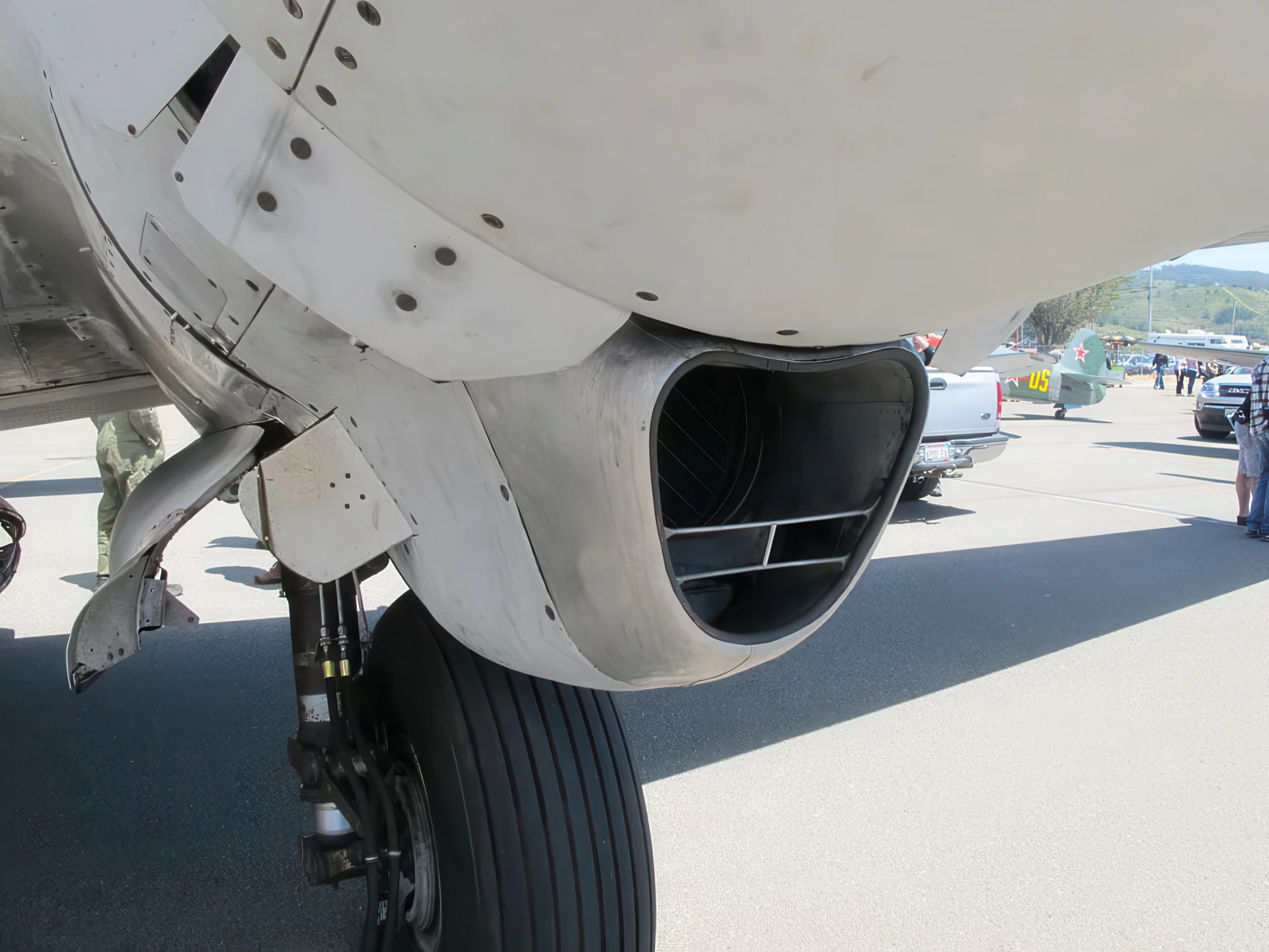
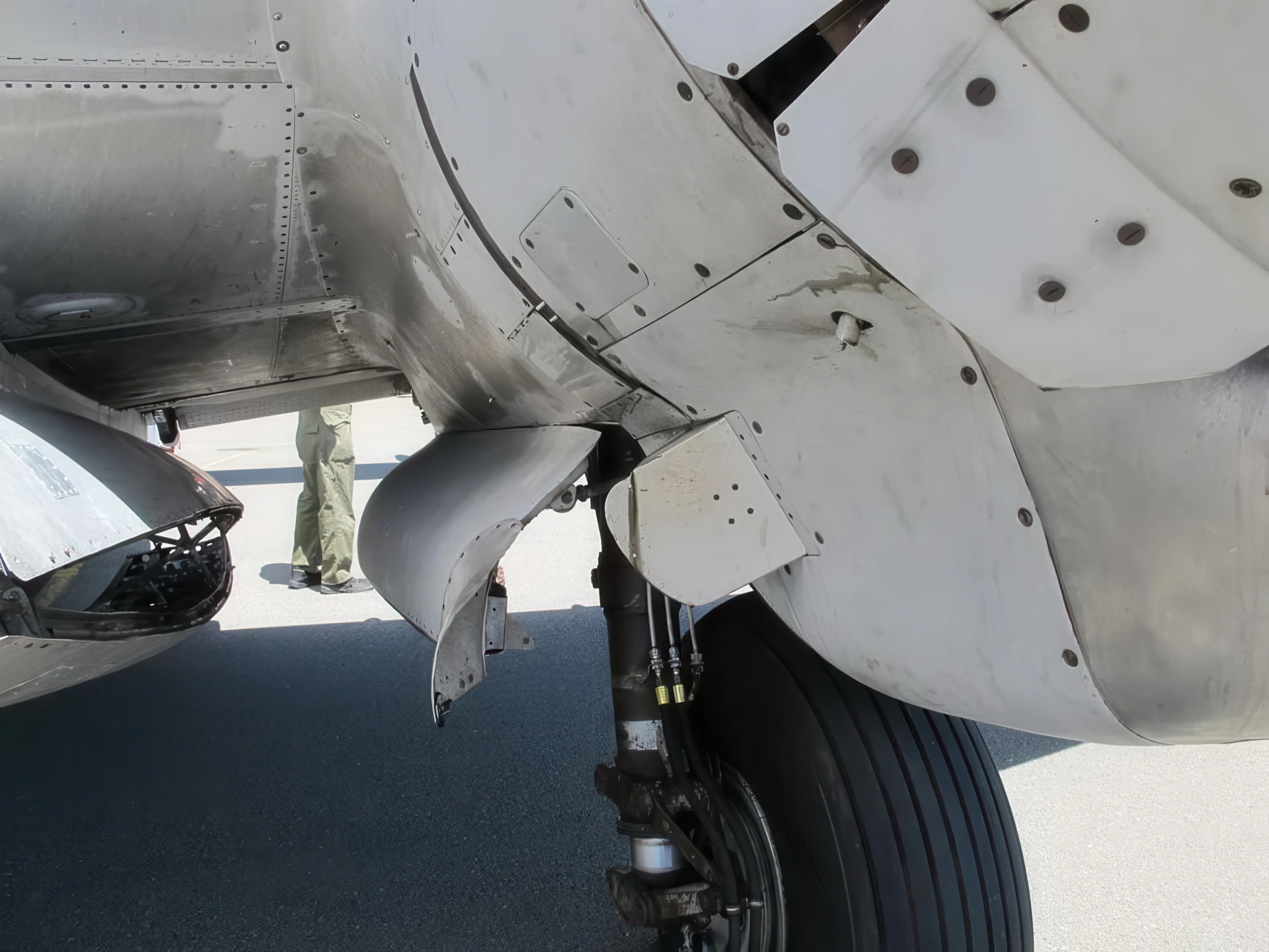
Tehničke karakteristike: Moteurs : 2 moteurs à pistons Pratt & Whitney R-2800-31 de 2000 CV Envergure : 22,86 m Longueur : 15,51 m Hauteur : 4,04 m Poids : 16.330 kg Vitesse : 440 km/h à 0 m Plafond : 7.285 m Autonomie : 2.880 km

| Lokid PV-2 Harpun Šetnja okolo | |
|---|---|
| Fotograf | Cees Hendriks |
| Lokalizacija | Nepoznato |
| Fotografije | 88 |
| Lokid PV-2 Harpun Šetnja okolo | |
|---|---|
| Fotograf | Cees Hendriks |
| Lokalizacija | Nepoznato |
| Fotografije | 132 |
| Lockheed PV-2 Harpoon Walk Around | |
|---|---|
| Fotograf | Unknow |
| Lokalizacija | Nepoznato |
| Fotografije | 15 |
Pogledajte i:


Čaj Lokid PV-2D Harpun was the final, dedicated ground attack variant of the PV-2 Harpoon, a twin-engine patrol bomber developed by the Lockheed Vega Division for the U.S. Navy late in World War II. It was a major redesign of the earlier PV-1 Ventura, intended for **anti-submarine warfare** and long-range patrol, but the ‘D’ model focused specifically on **offensive strikes** against surface targets.
Design & Performance Improvements
The PV-2 series was designed to overcome the PV-1’s biggest drawback—its difficulty taking off when fully loaded. The Harpoon achieved this through significant modifications:
- Wings: It featured a **longer wingspan** and increased wing area to improve lift and load-carrying capacity, resulting in better takeoff performance.
- Tail: A distinctive, new **large rectangular vertical tail stabilizer** was adopted for improved stability and control.
- Power: Propulsion came from two reliable **Pratt & Whitney R-2800-31 Double Wasp** radial engines.
PV-2D Offensive Armament
The ‘D’ variant was defined by its massive fixed forward-firing armament, turning the patrol bomber into a potent gunship for low-level attacks:
Key Weaponry:
- Nose Guns: The nose was heavily armed with **eight fixed, forward-firing 12.7 mm (.50 caliber) M2 Browning machine guns**, giving it immense concentrated firepower for strafing runs.
- Defensive Guns: Standard defensive armament was retained, including twin **.50 caliber machine guns** in a dorsal turret and often two more in a ventral position.
- Payload Capacity: It could carry up to **4,000 lbs** of ordnance in its enlarged bomb bay, including bombs, depth charges, or a torpedo. External hardpoints allowed for the carriage of up to eight 5-inch **HVAR** (High Velocity Aircraft Rocket) rockets.
Service and Legacy
Despite early structural issues and a subsequent delay, the PV-2 design proved reliable. The PV-2D model entered service too late (beginning in **1945**) to make a major contribution to World War II. However, it was popular with aircrews and served extensively with U.S. Navy reserve squadrons after the war, and was widely exported, seeing continued service with numerous allied air forces well into the Cold War era.
Views : 9401
Možete videti i :
 Lockheed P-80 Shooting Star – Photos & Videos
 Lockheed P-3 Orion – Photos & Video
 Lockheed U-2 – Photos & Video
 Lockheed S-3 Viking – Photos & Video
 Lockheed A-12 – Photos & Video
 Lockheed Hudson Mk.III – Photos & Video
 Lockheed T-33 – Photos & Video
 Lockheed SR-71 Blackbird – Photos & Video
 Lockheed F-22A Raptor – Photos & Video
 P-38L Tangerine – WalkAround