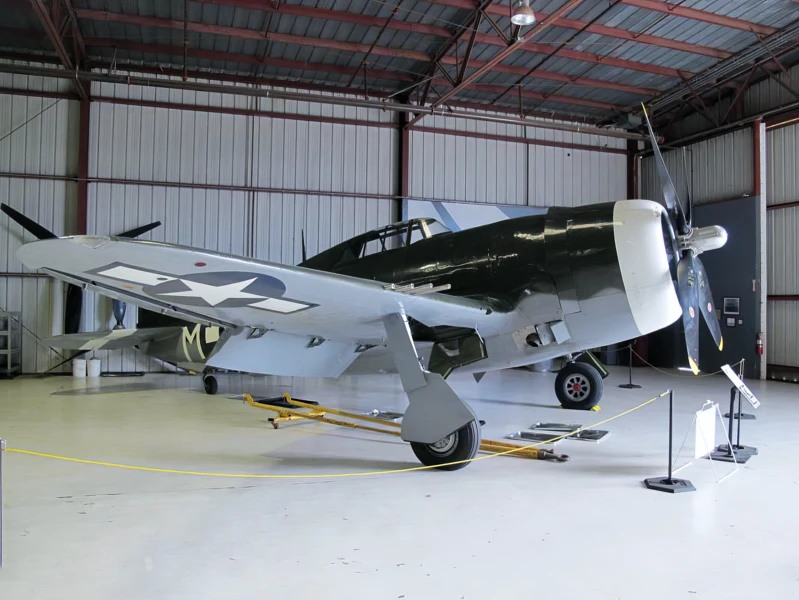
P-47G Thunderbolt | |
|---|---|
| Državi | Zda |
| Vrsta | Orion |
| Prvi let | 6. maj 1941 |
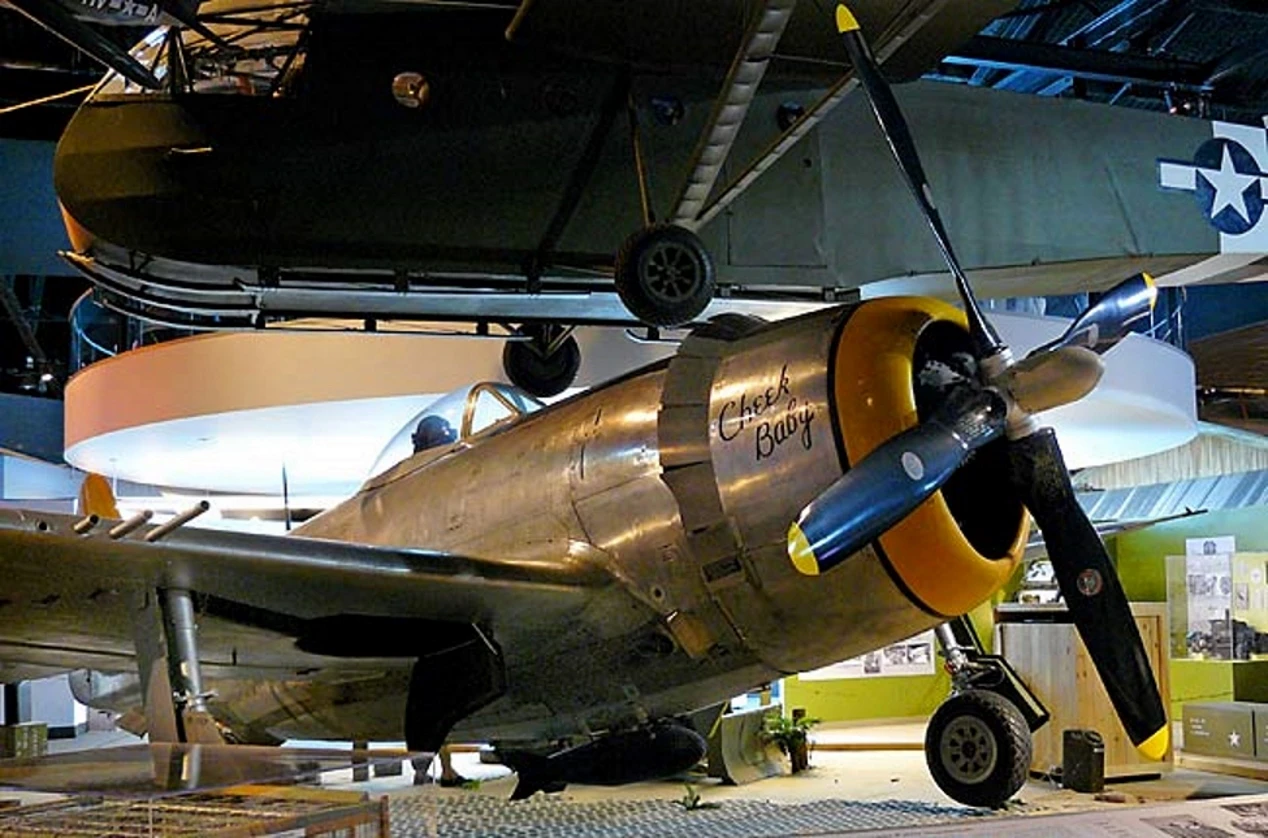
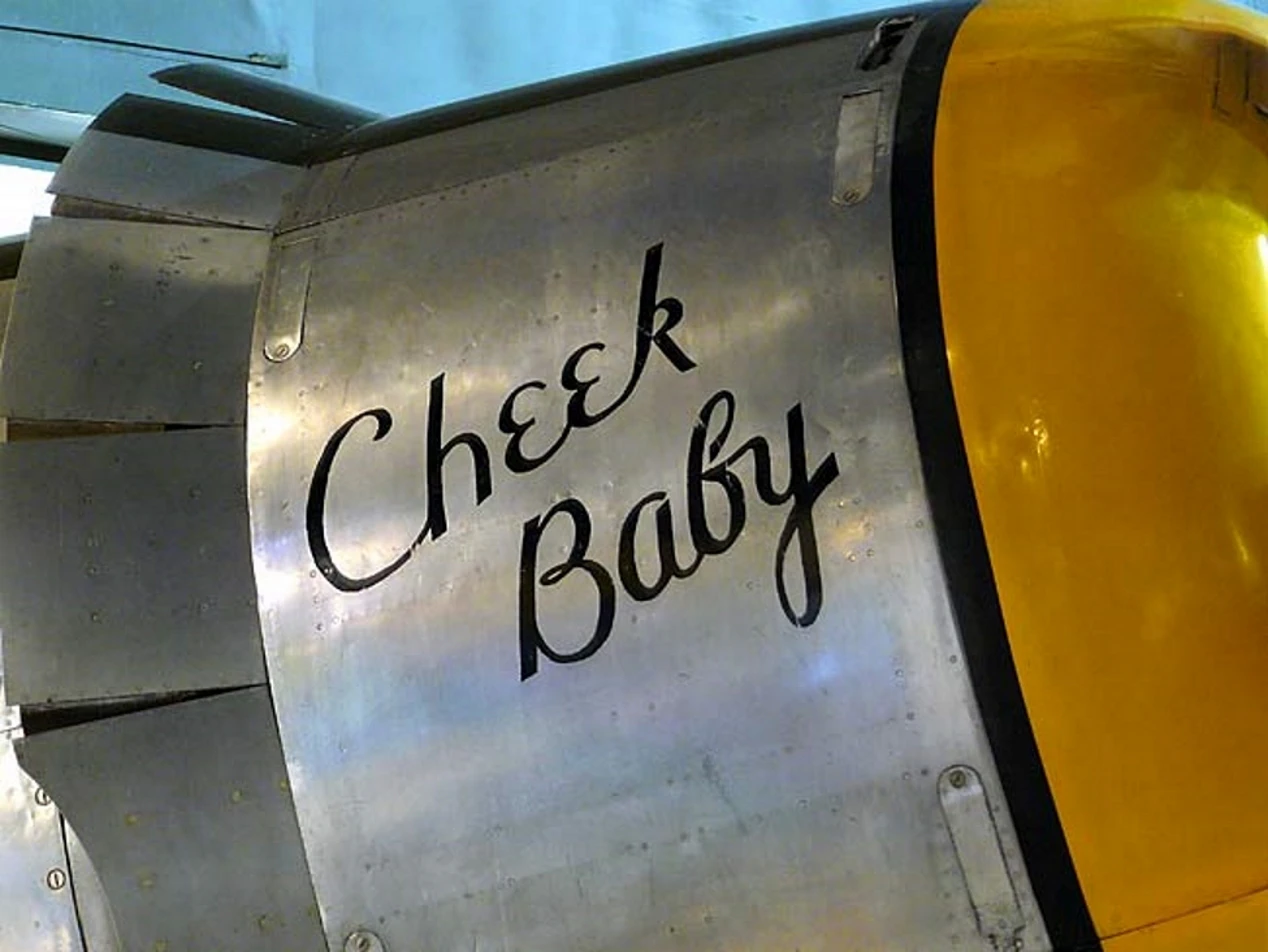
foto galerija na P-47G Thunderbolt, The fighter Republika P-47 Thunderbolt je bilo eno izmed najbolj tehtanih ameriških letal v obdobju 2. svetovne vojne. Ne samo zato, ker je bil eden izmed najbolj zgrajenih borcev do zdaj (14.500 enot), ampak zato, ker je bil zelo učinkovit v misijah za podporo požaru, do te točke, da je na koncu postala njegova glavna vloga kot njegova uspešnost dovolj šibka za borca ni dovolila, da tekmuje s svojim kolegom P-51 Mustang. Njegova surova konča in velikost si je prislužila vzdevek Scourge (Jug je kratica Juggernaut).
| P-47G Thunderbolt | |
|---|---|
| Fotograf | Neznano |
| Lokalizacijo | Neznano |
| Fotografije | 56 |
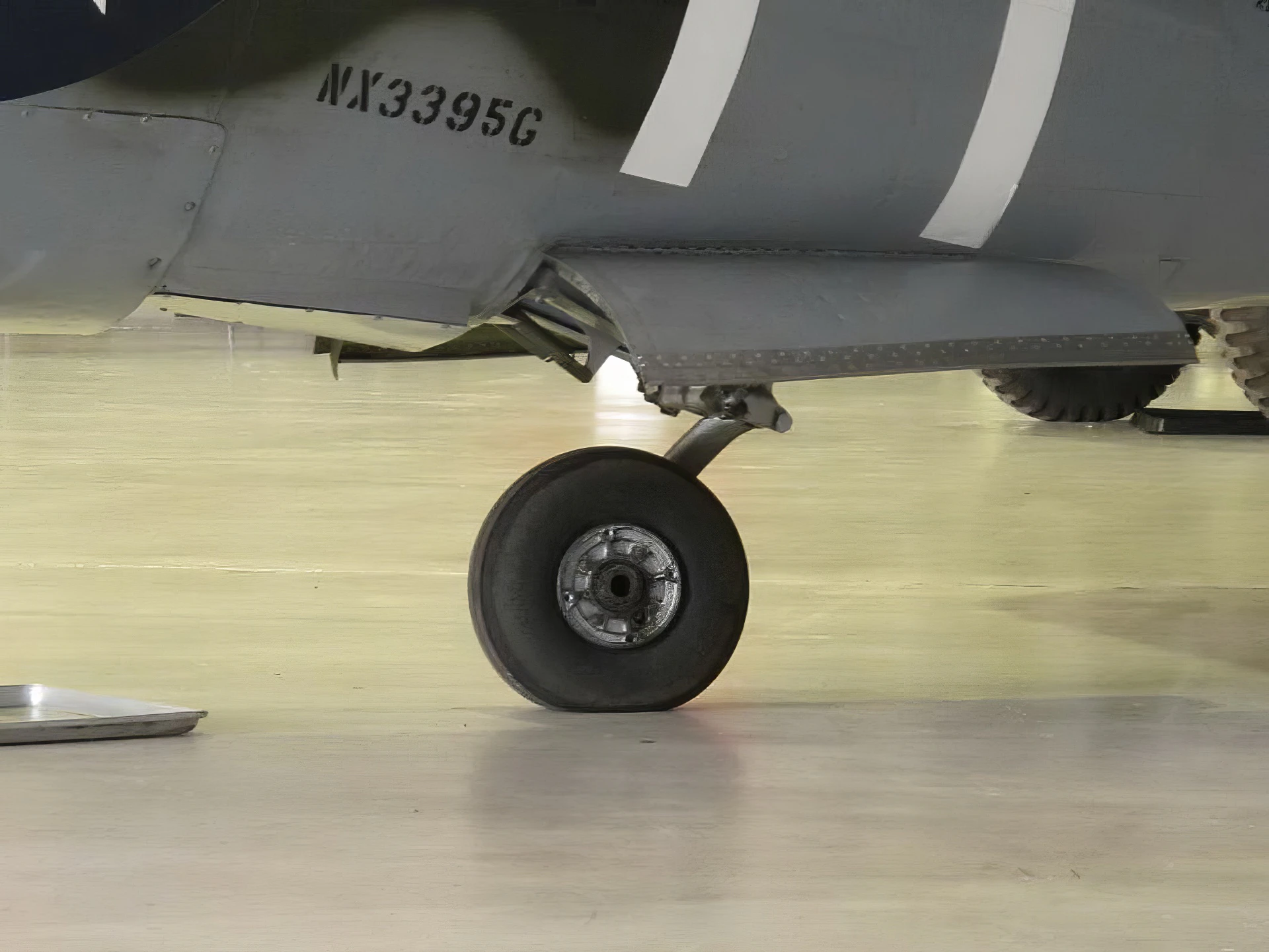
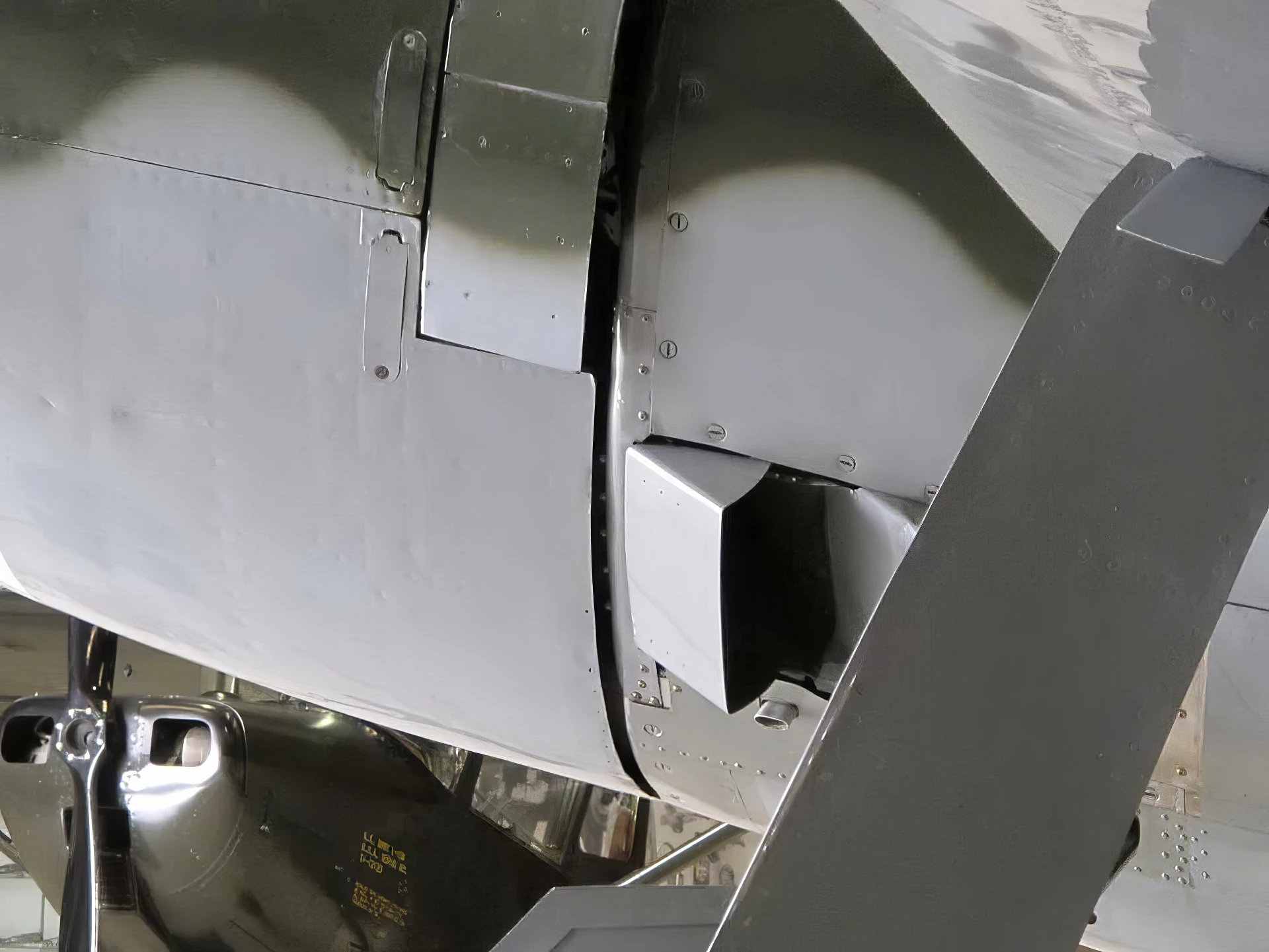

| P-47G Thunderbolt Walk Around | |
|---|---|
| Fotograf | Cees Hendriks |
| Lokalizacijo | Neznano |
| Fotografije | 49 |
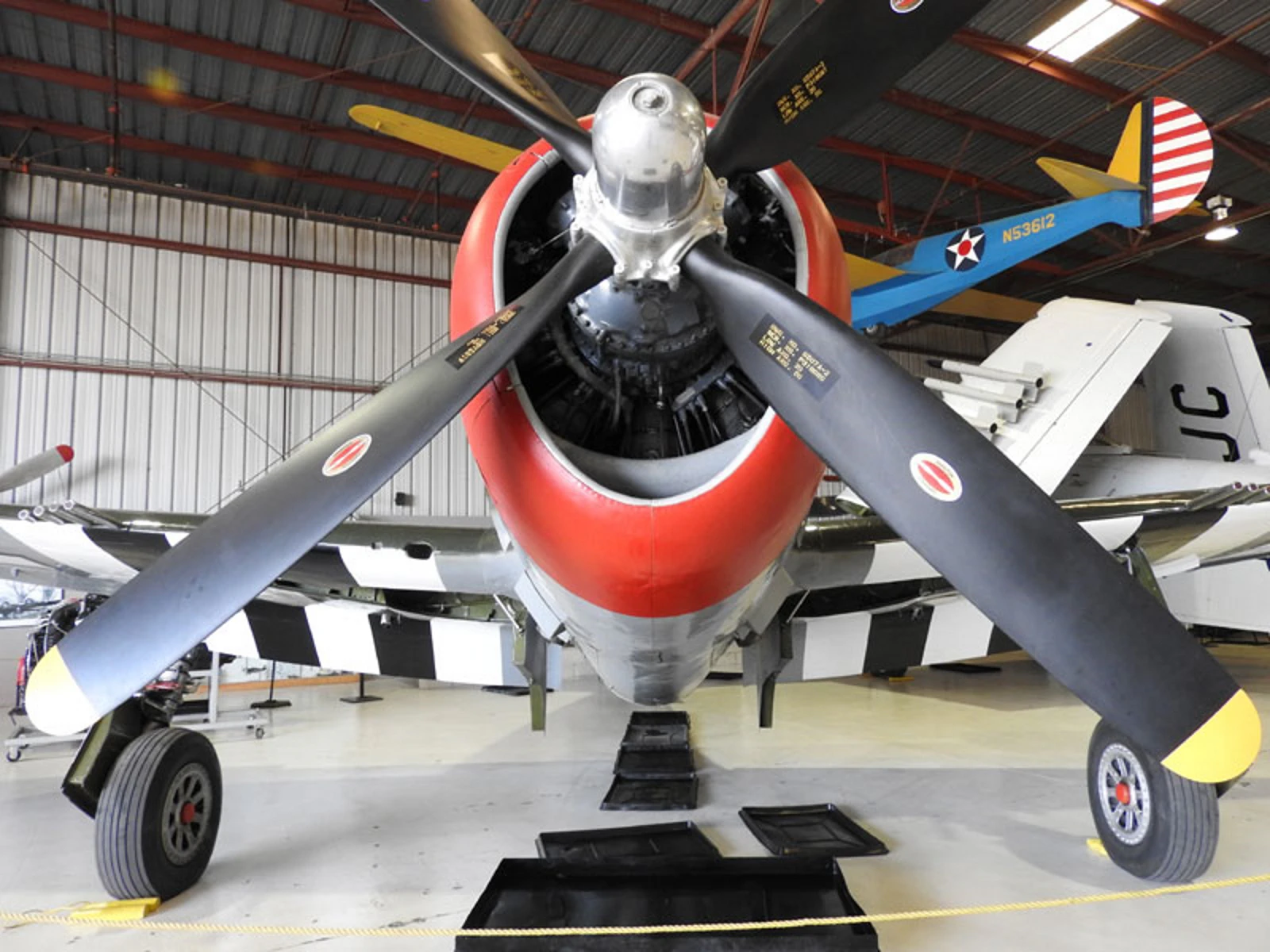
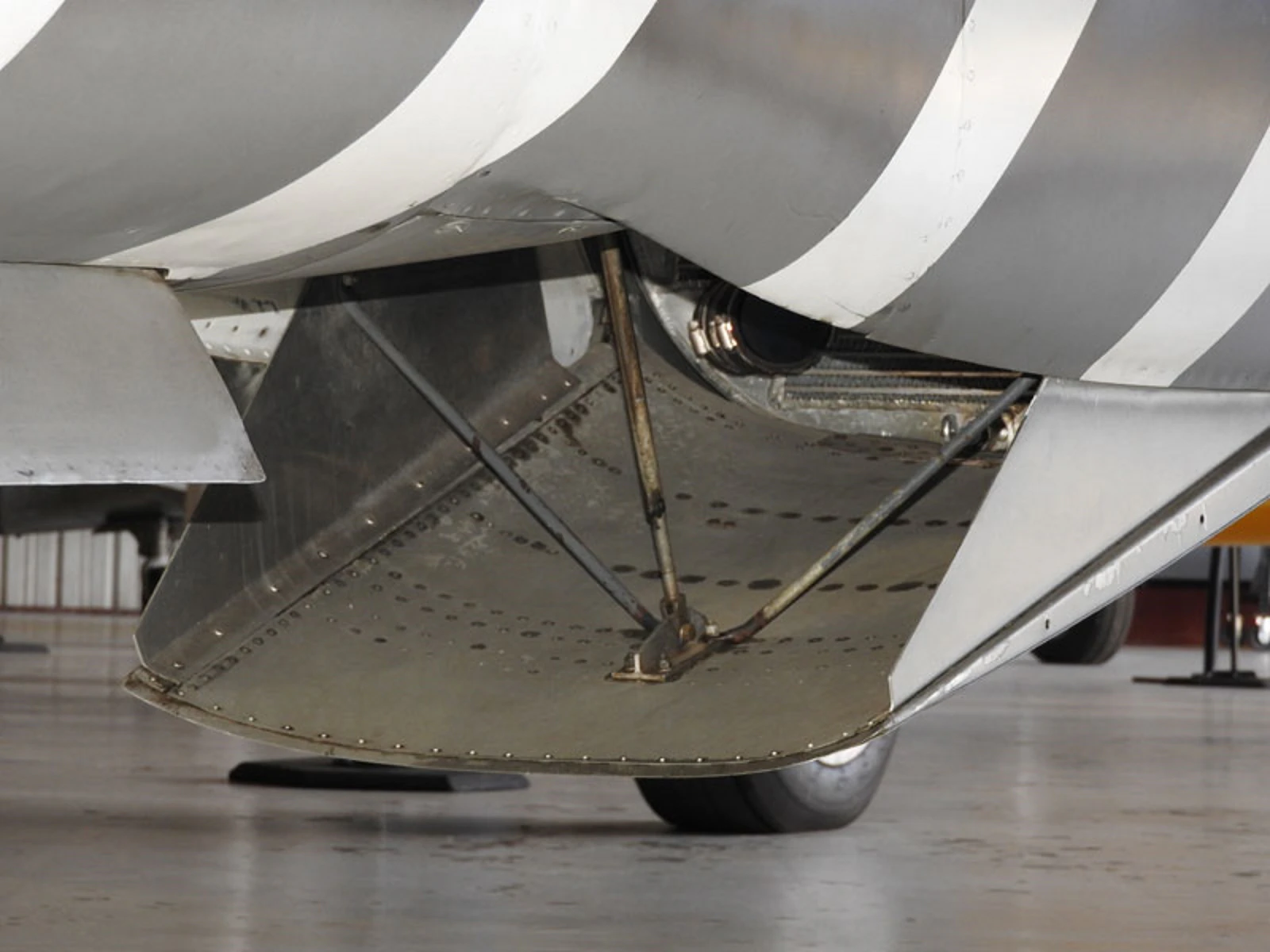
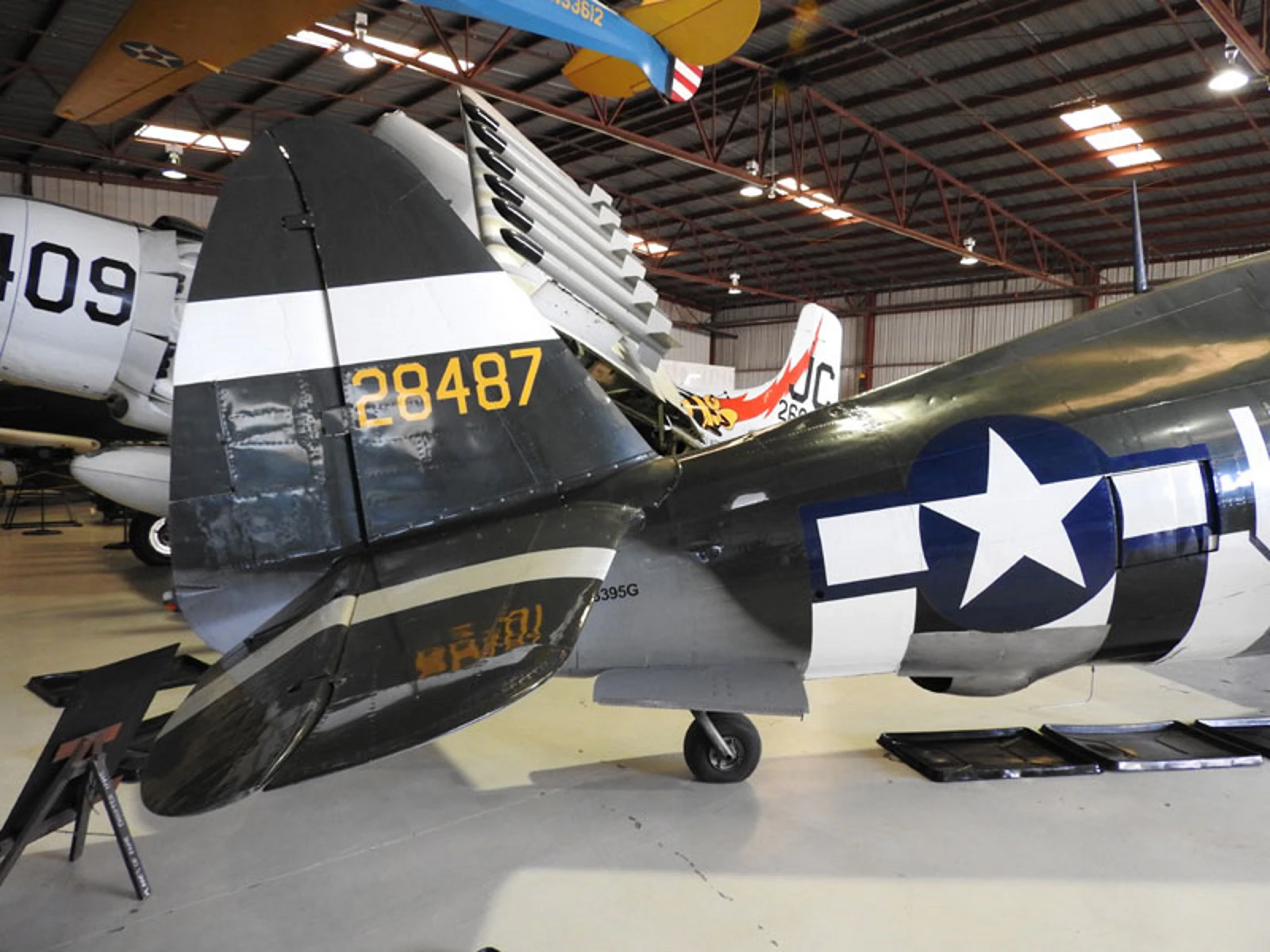
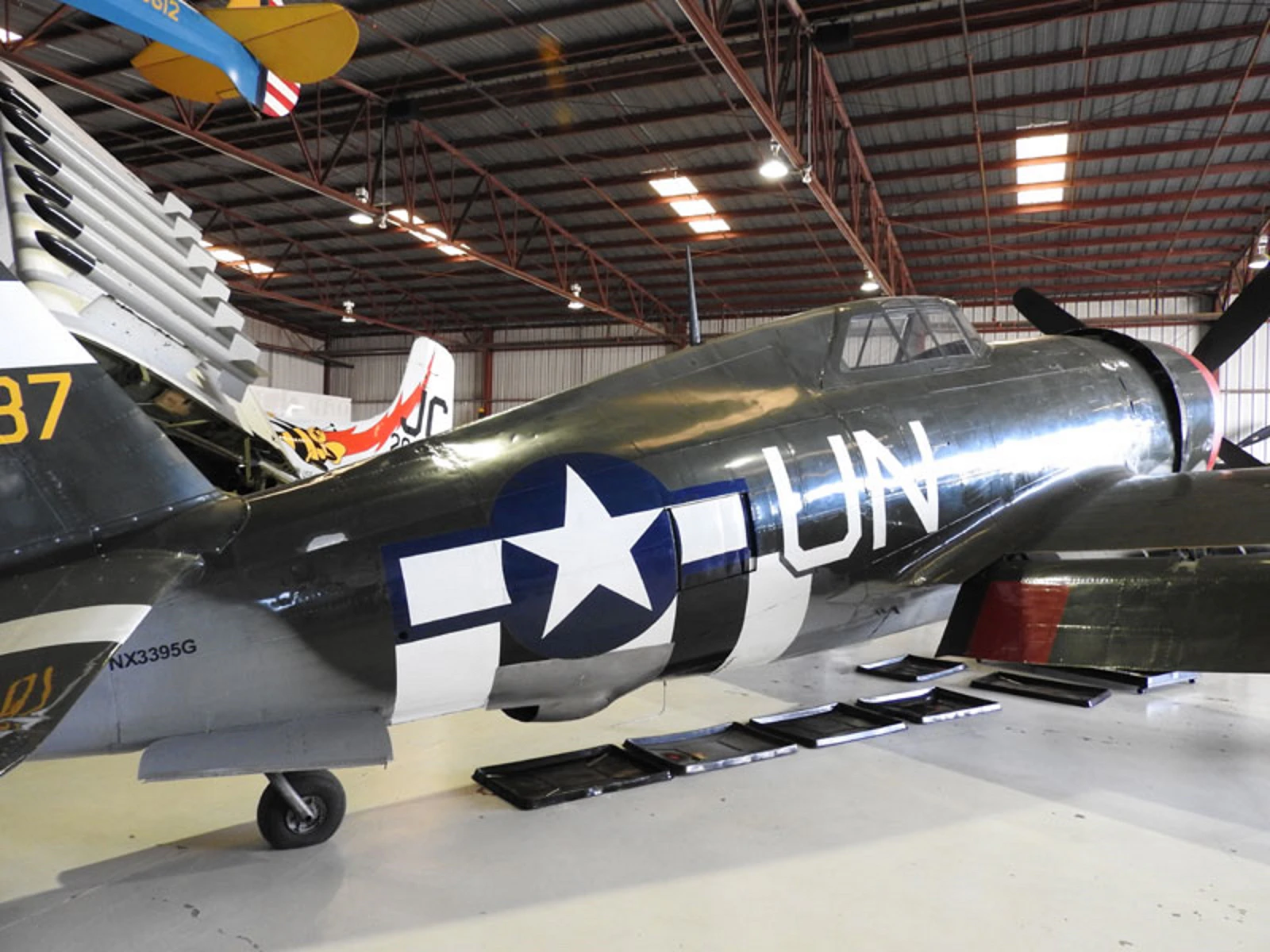
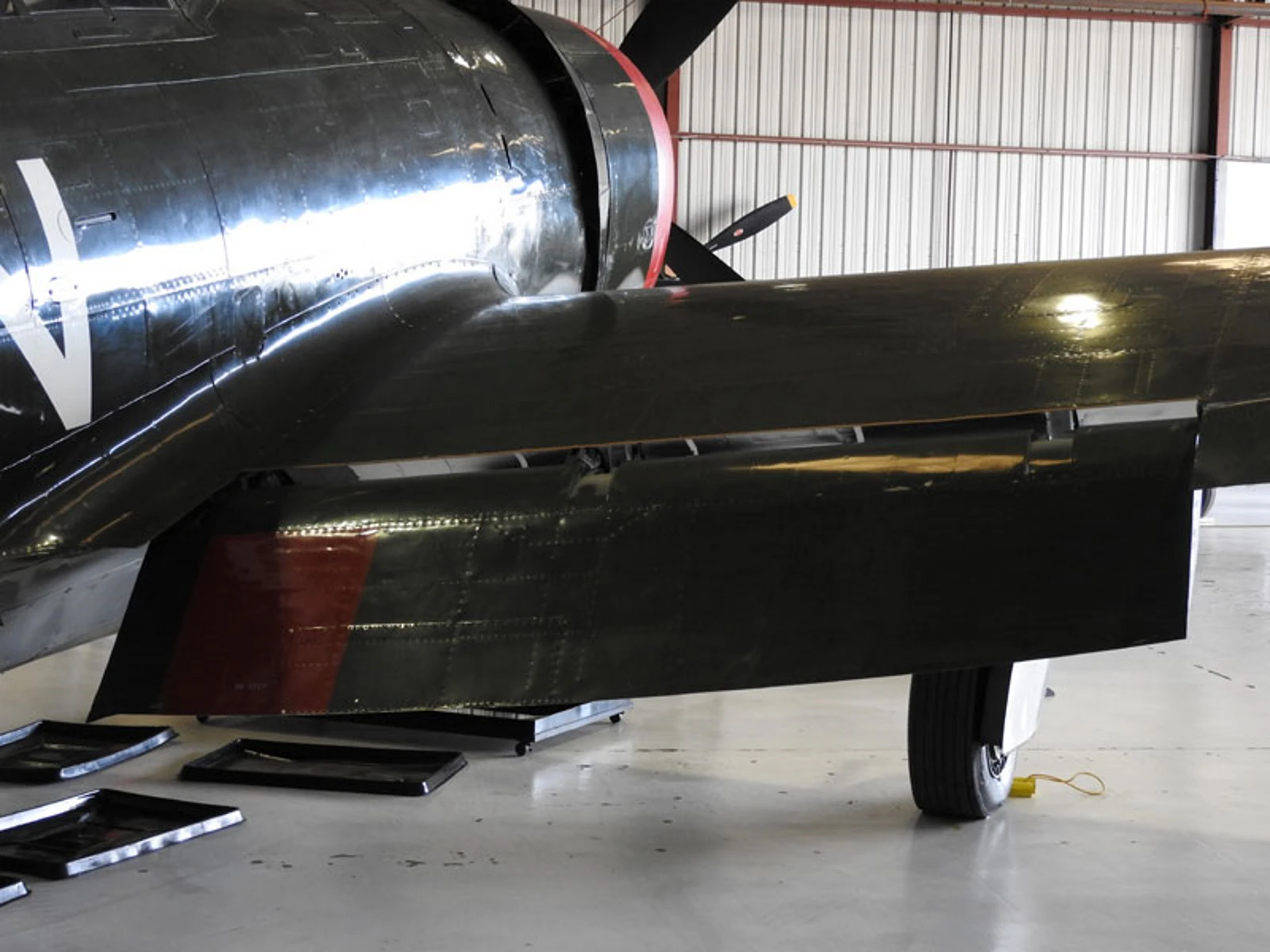
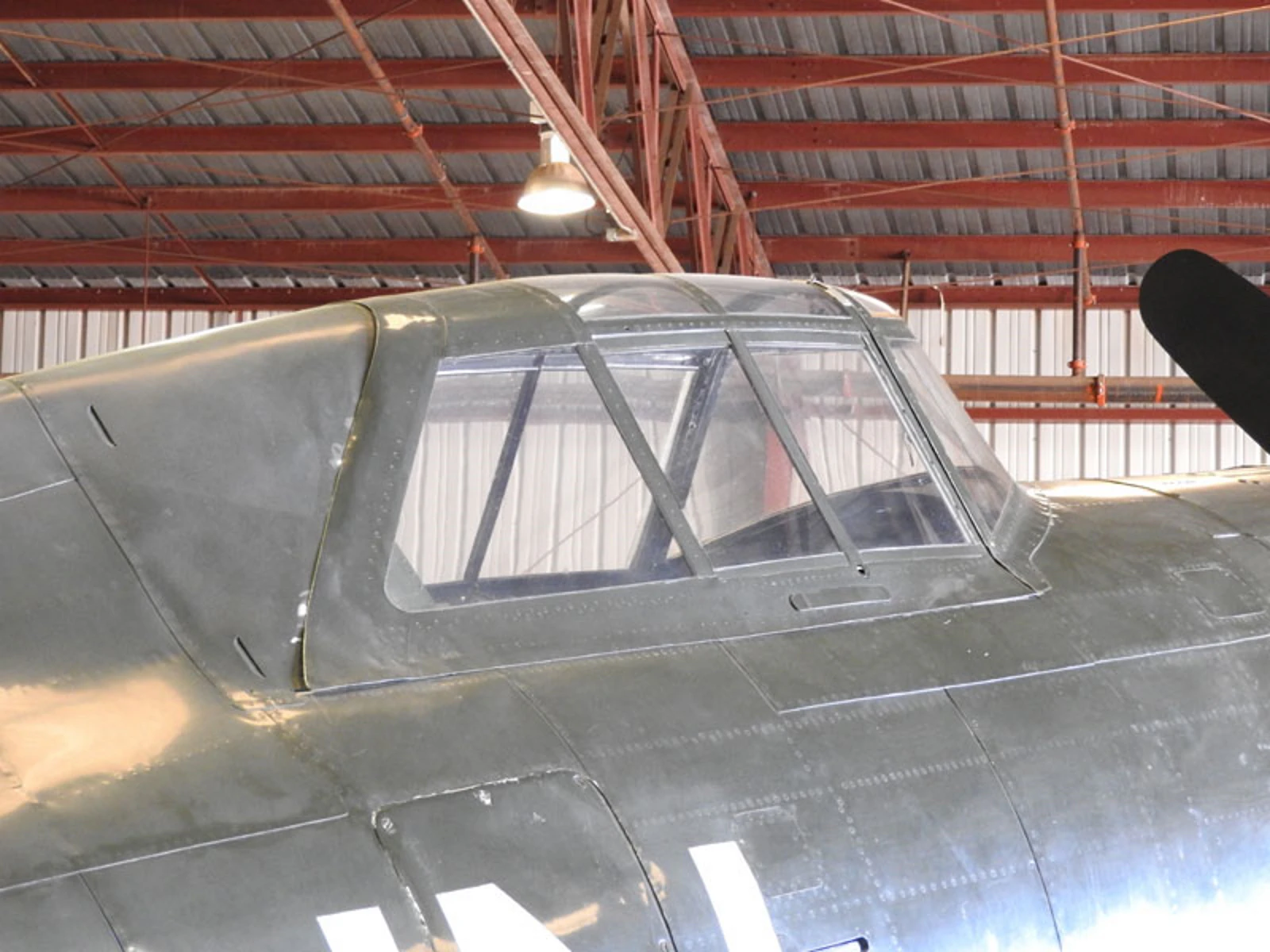
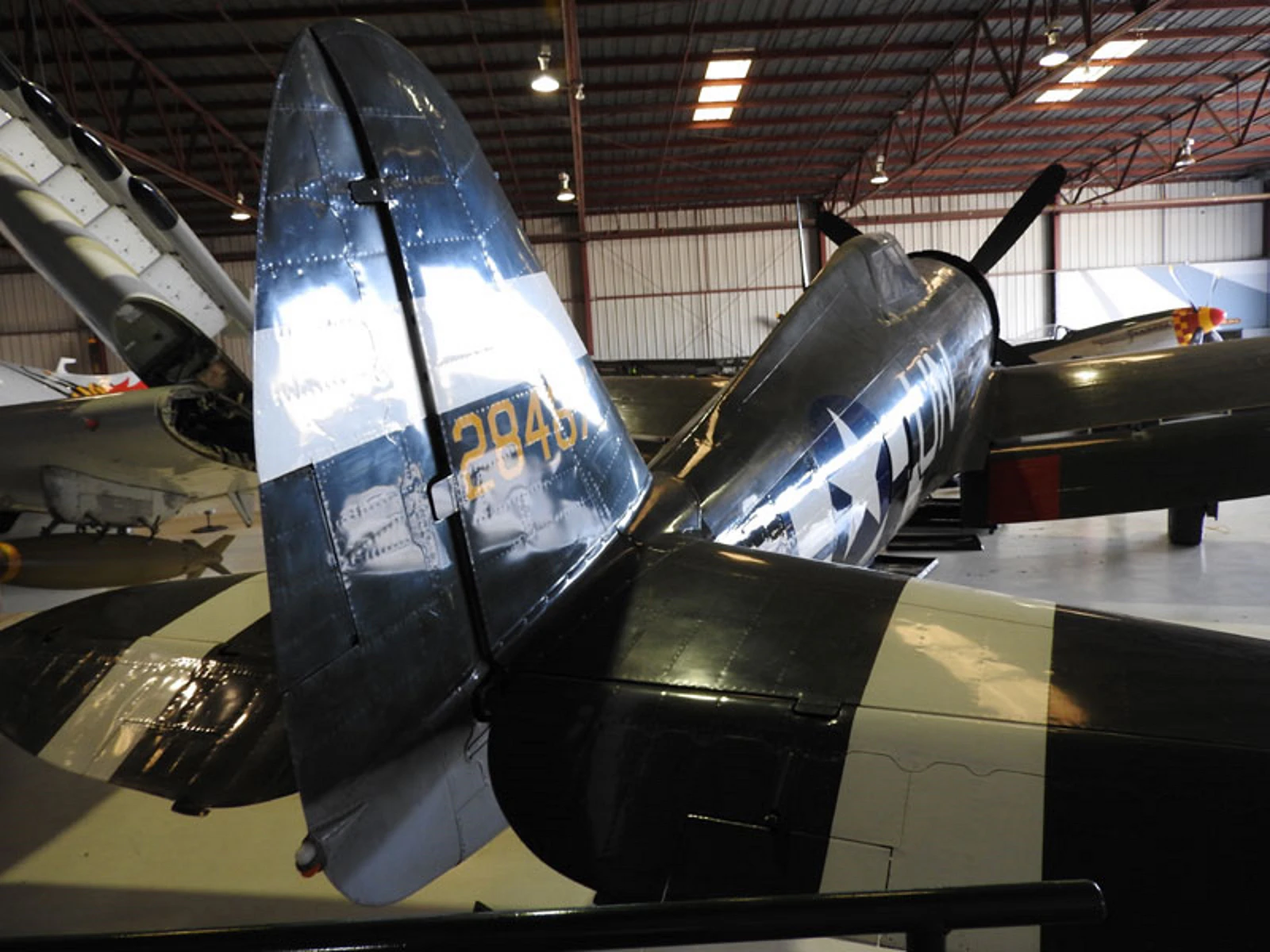
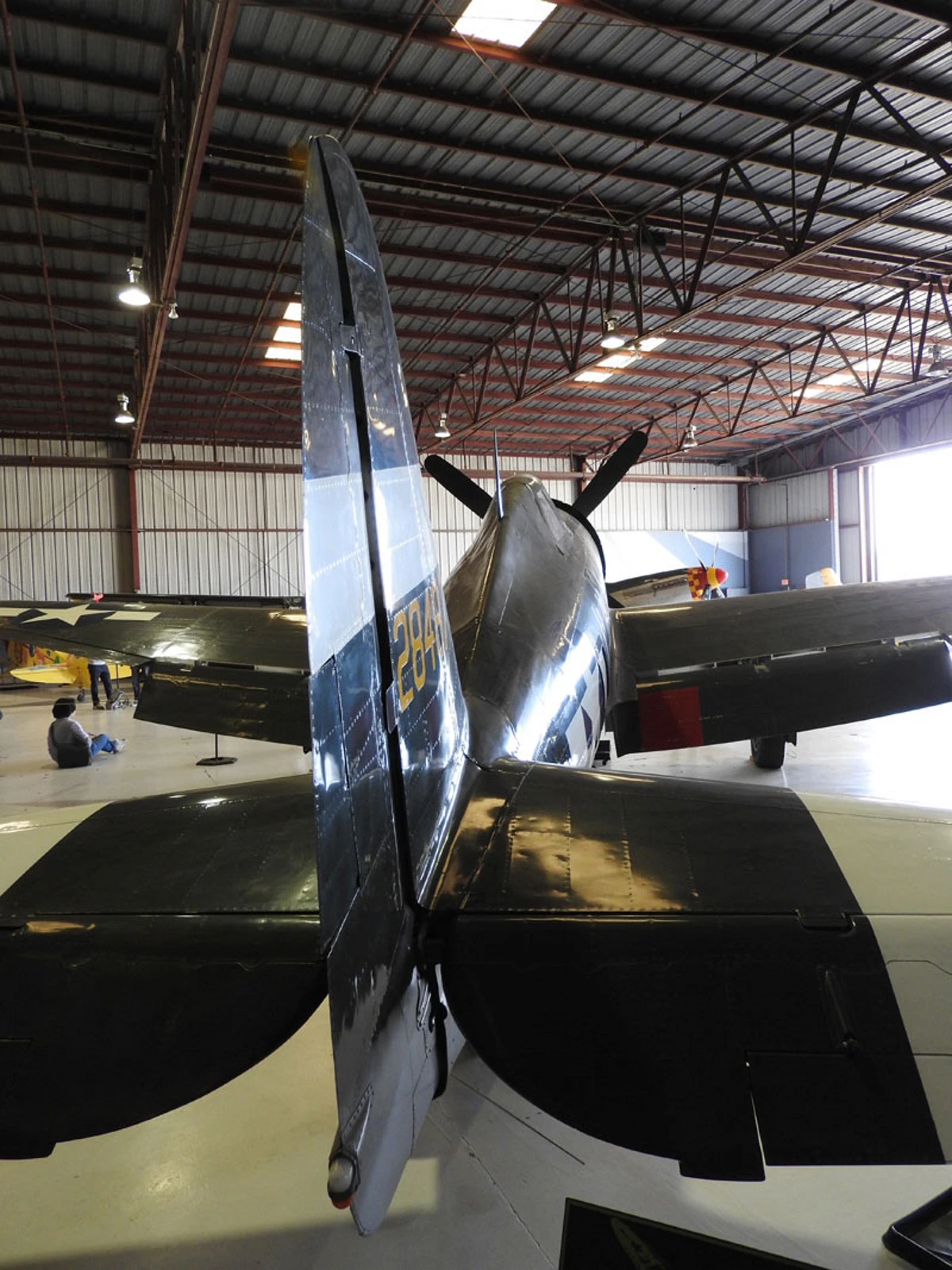
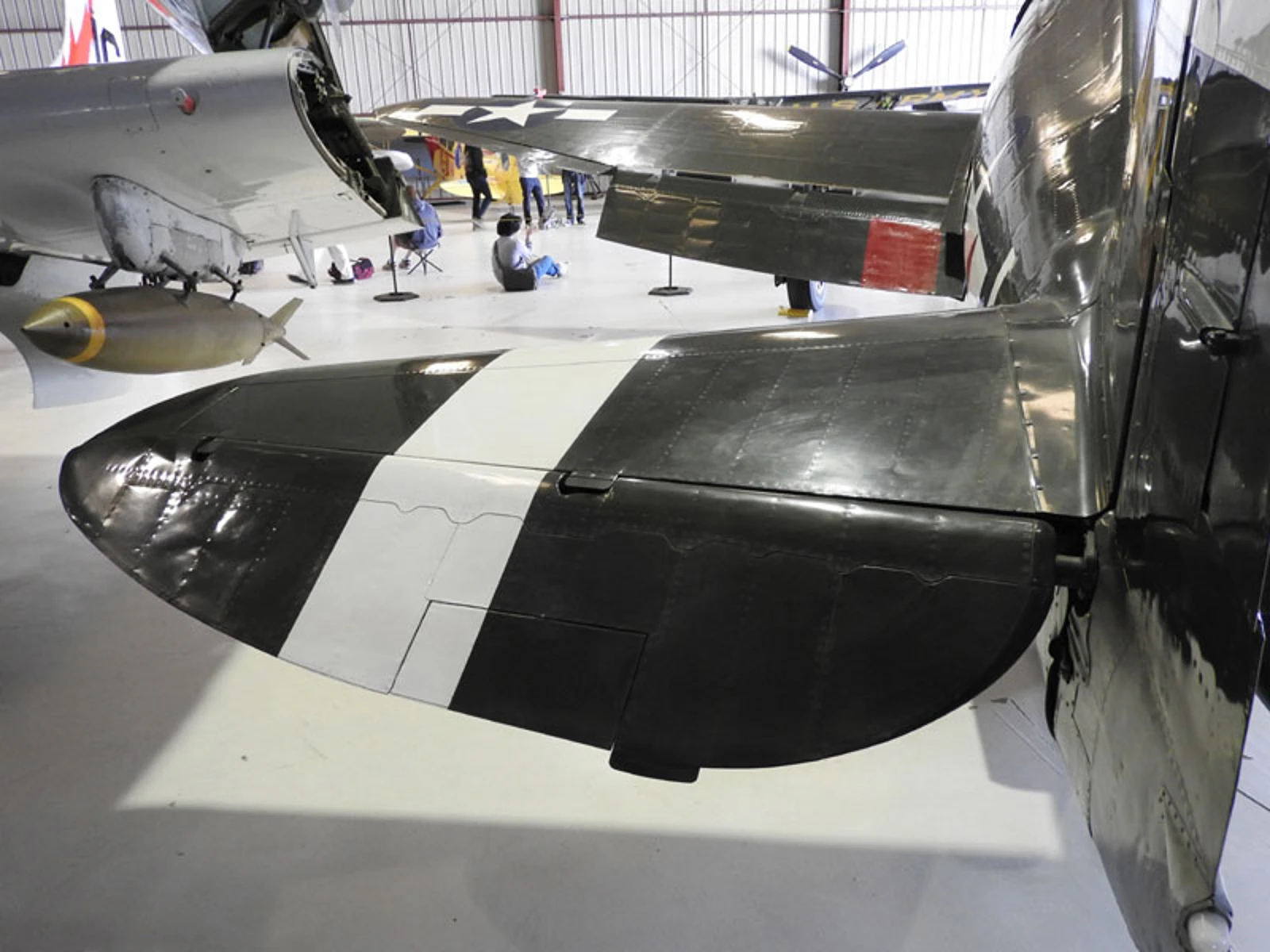
| Republic P-47 Thunderbolt Walk Around | |
|---|---|
| Fotograf | Bill Maloney |
| Lokalizacijo | Neznano |
| Fotografije | 18 |
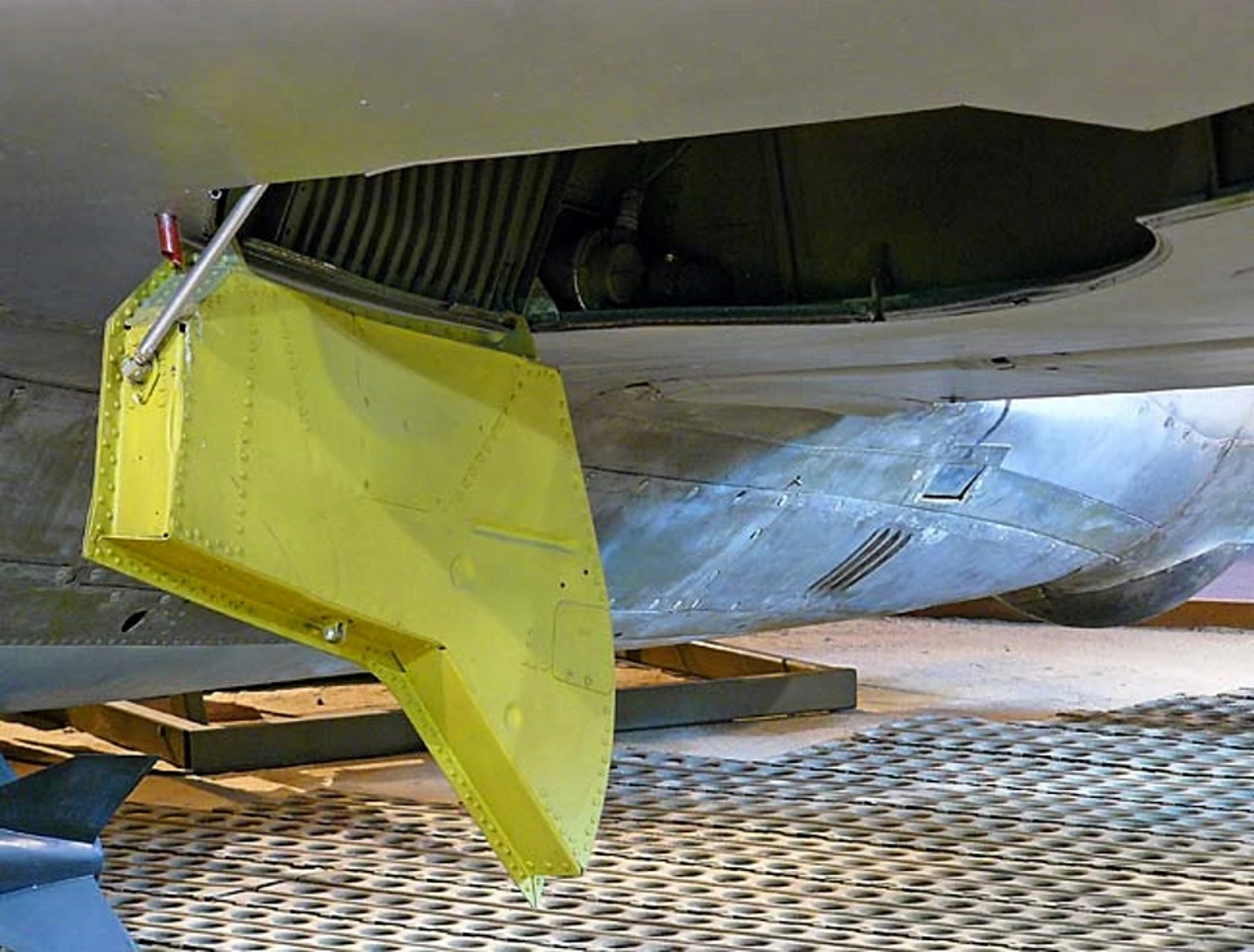
Glej tudi:


The Rare Version of a Legend
V Republic P-47G Thunderbolt is a unique footnote in aviation history. While the “Jug” is famous for being the heaviest, most rugged single-engine fighter of WWII, the G-variant specifically refers to Thunderbolts built by the Curtiss-Wright Corporation in Buffalo, New York, rather than Republic Aviation. Because Curtiss struggled to keep up with the rapid engineering changes happening at Republic’s main plants, the P-47G models were often “frozen” in time—equivalent to early razorback P-47D models. Consequently, they were rarely sent overseas for combat and instead became the primary high-performance trainers for thousands of American pilots before they headed to Europe.
| Attribute | Technical Specification (P-47G-CU) |
|---|---|
| Vlogo | Fighter / Fighter-Bomber / Advanced Trainer |
| Posadke | 1 (Standard) / 2 (TP-47G “Doublebolt” trainers) |
| Motor | 1 × Pratt & Whitney R-2800-21 Double Wasp (2,000 hp) |
| Maximum Speed | 697 km/h (433 mph) at 9,144 m |
| Empty Weight | 4,513 kg (9,950 lb) |
| Max Takeoff Weight | 6,033 kg (13,300 lb) |
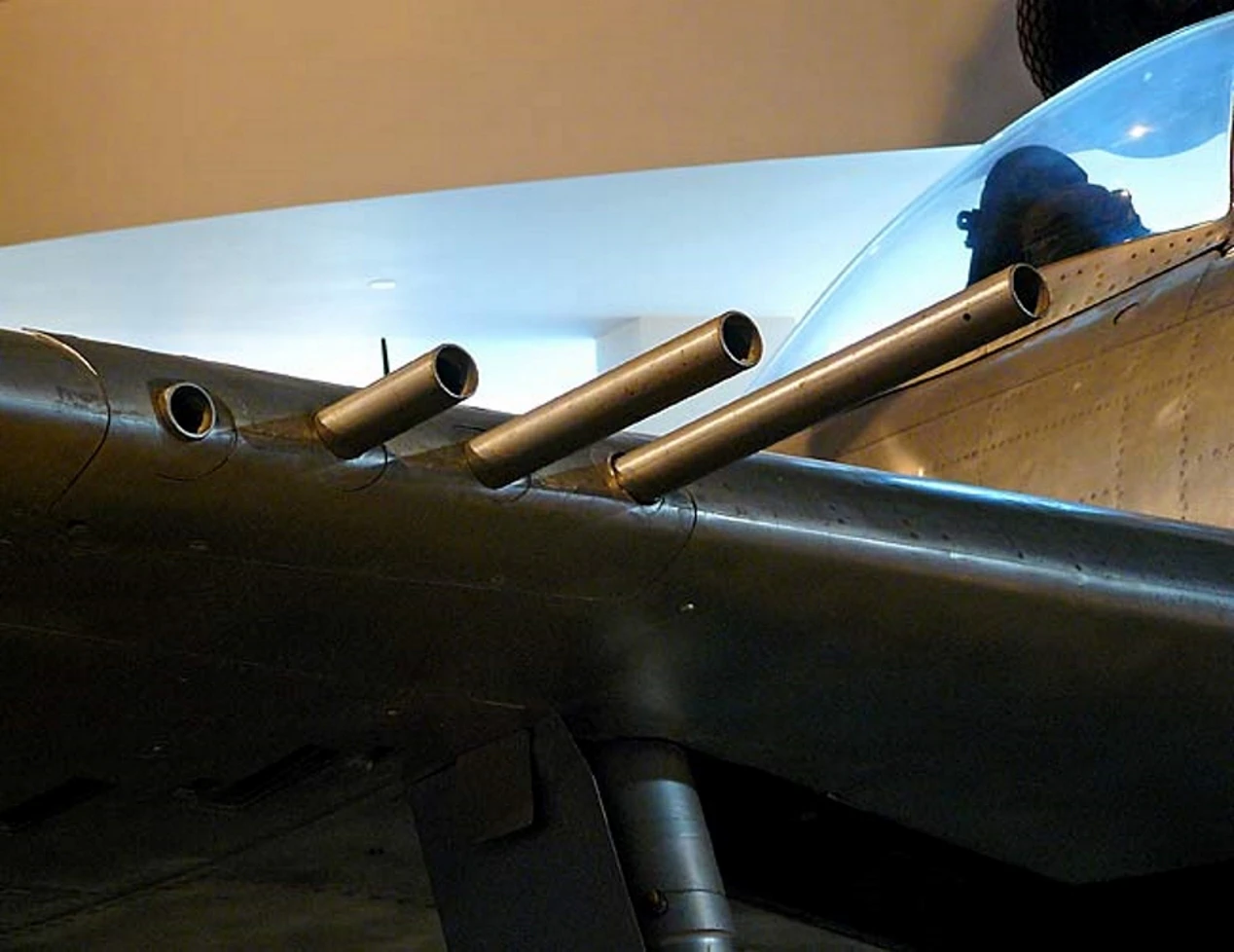
| Oborožitev | 8 × .50 cal Browning M2 machine guns (425 rpg) |
| Production Total | 354 units (all built by Curtiss) |
Design Engineering: Built Like a Flying Tank
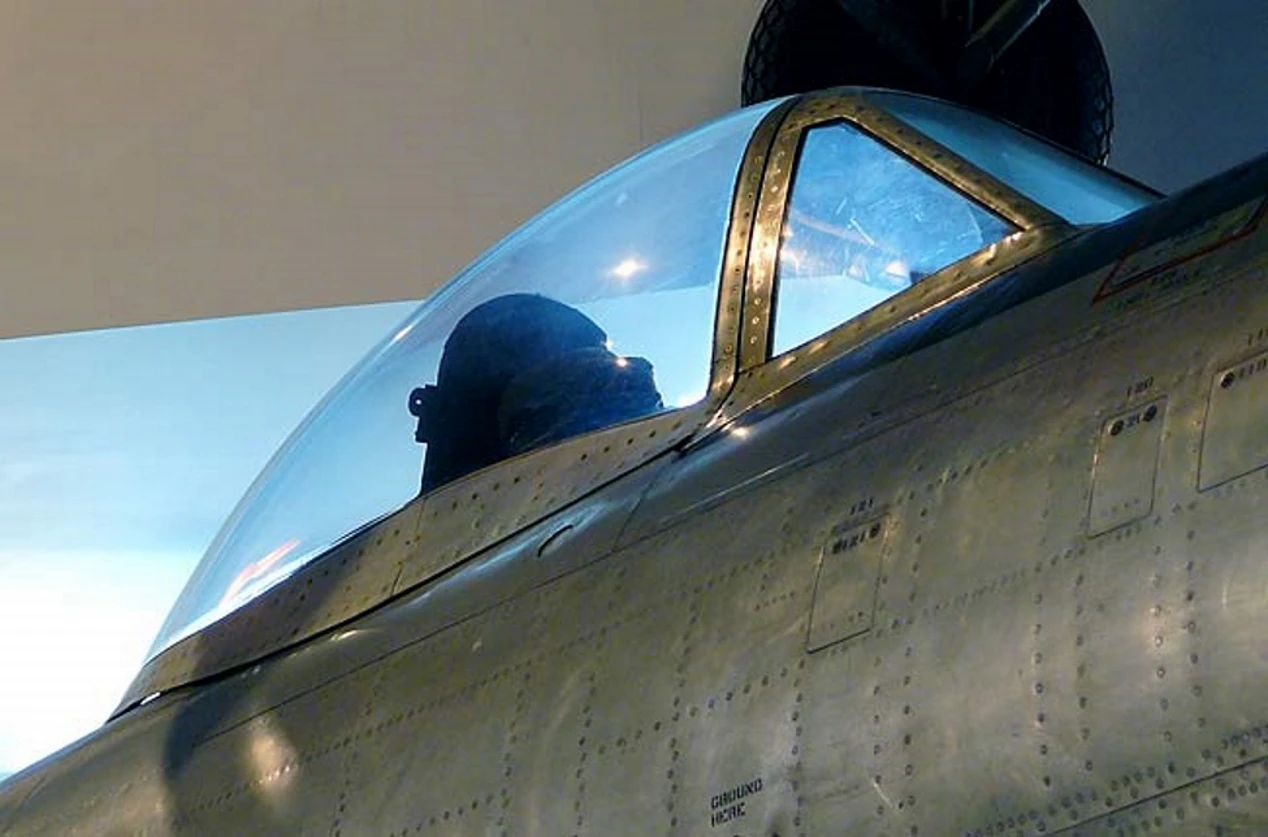
- The “Razorback” Canopy: All P-47Gs featured the original “razorback” fuselage profile. Unlike later “bubble canopy” D-models, the G-variant had a high spine behind the pilot, offering excellent structural strength but limited rearward visibility.
- The Turbo-Supercharger: The P-47 was designed around its massive turbocharger, which sat in the rear fuselage. Air was piped from the front, compressed by the exhaust-driven turbine in the back, and fed back to the engine.
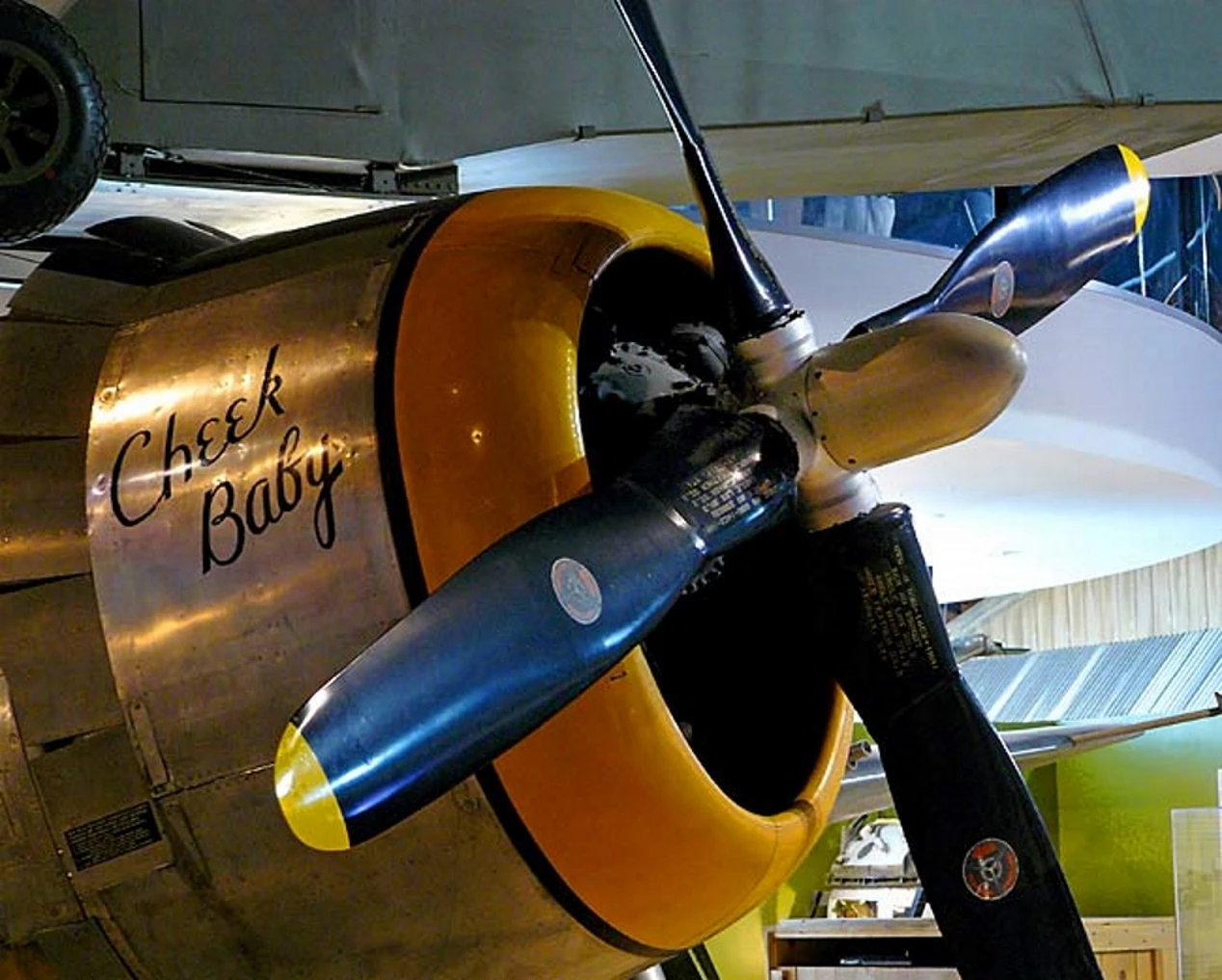
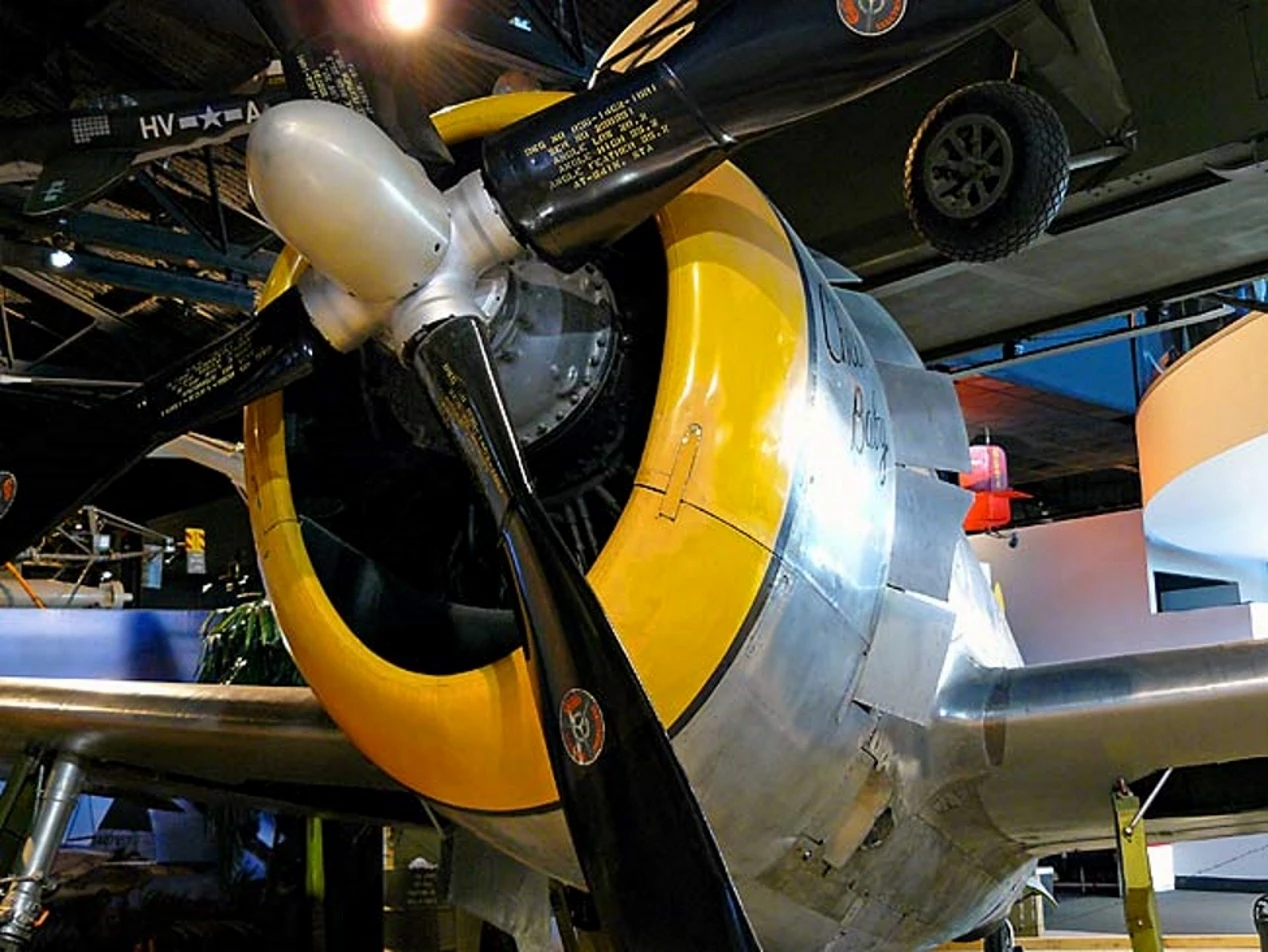
- Propeller Evolution: Early P-47Gs were equipped with the Curtiss Electric 12-foot propeller. Many were later upgraded with “paddle-bladed” props to harness more of the engine’s power during climbs.
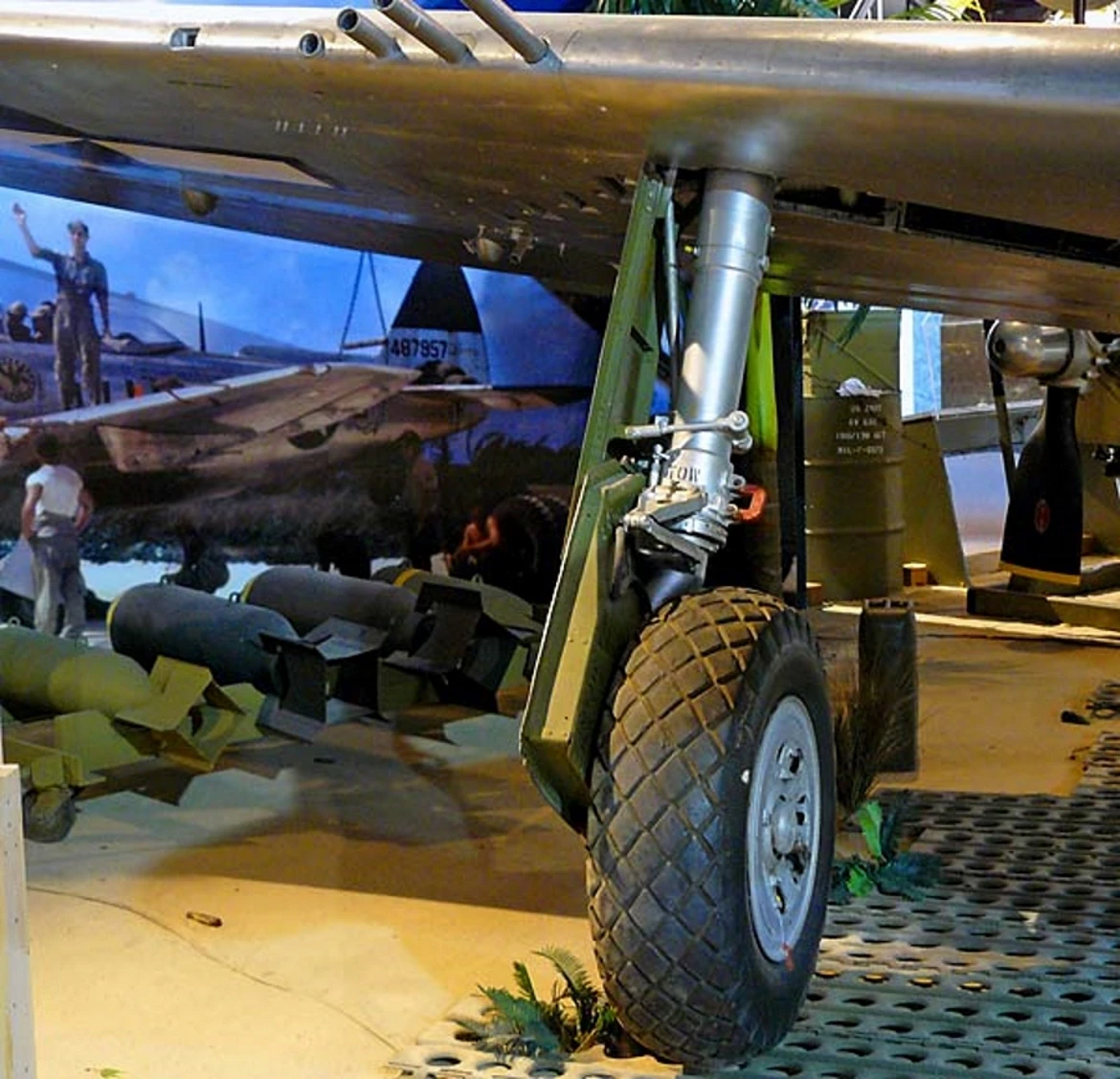
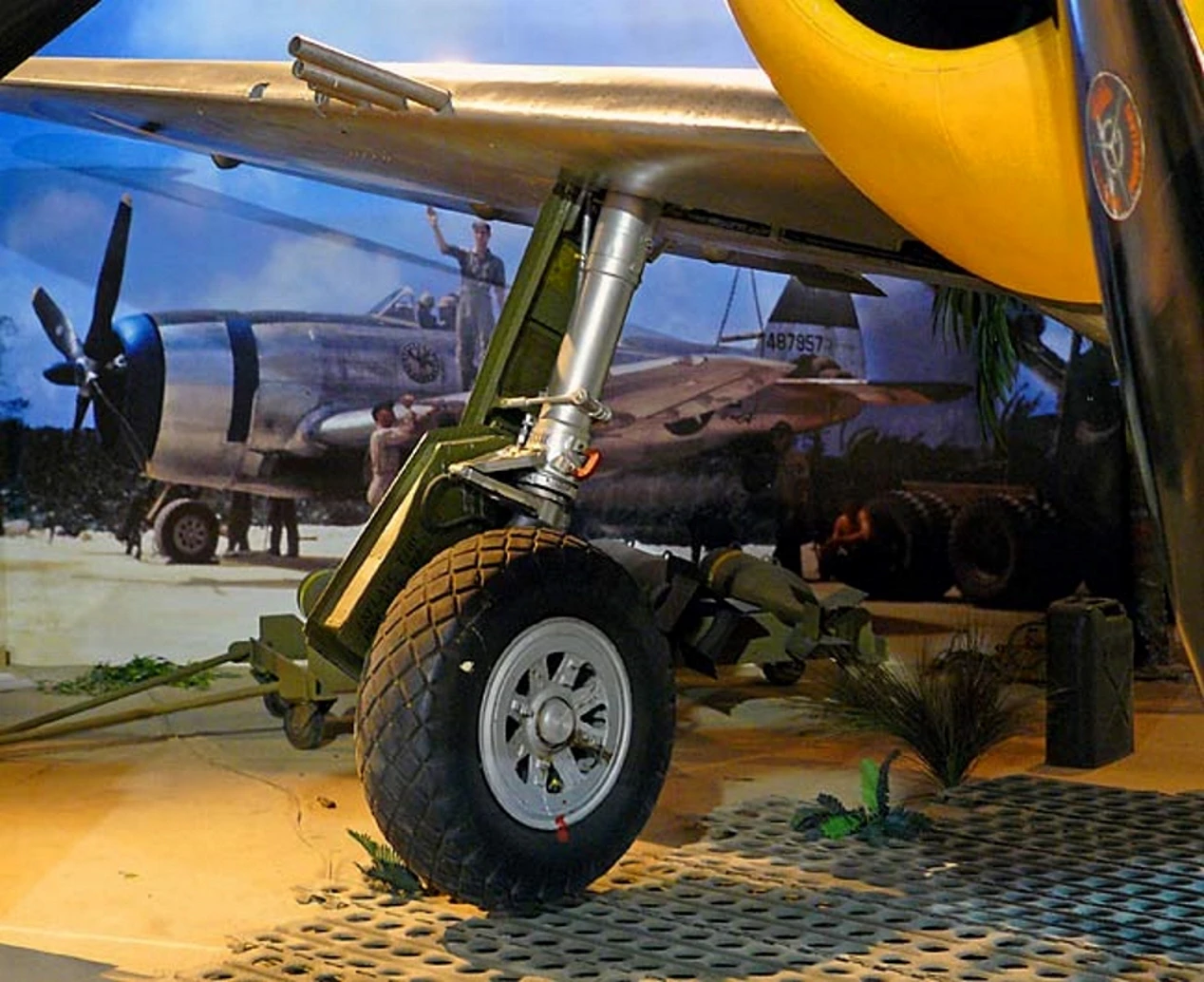
- Telescoping Landing Gear: Because of its massive 13-foot propeller (on later variants) and wide stance, the P-47’s landing gear struts actually shrunk 9 inches when retracted to fit inside the wings.
Operational History: The Stateside Teacher
- The Training Workhorse: Because Curtiss production lagged behind Republic’s improvements, the USAAF decided the P-47G was better suited for Operational Training Units (OTUs). This ensured frontline pilots had a consistent, reliable airframe to master before flying combat-ready D-models.
- The “Doublebolt”: A small number of G-models were converted into TP-47Gs—the only factory-built two-seat Thunderbolts. By adding a second seat in tandem, instructors could finally sit with students to tame the massive torque of the R-2800 engine.
- Ruggedness Personified: Like all Thunderbolts, the G-model was famous for its ability to absorb incredible damage. The air-cooled radial engine could take several hits and keep spinning, unlike liquid-cooled engines where a single leak would lead to a seizure.
- The “Jug” Nickname: While often thought to be short for “Juggernaut,” many pilots claimed it was because the fuselage resembled a milk jug when stood on its nose—or because it was simply as big as a jug of gin.
Views : 7272
Prav tako si lahko ogledate:
 Miles Magister – Fotografije & Video posnetki
 Avro Canada VZ-9 Avrocar – Fotografije & Video posnetki
 Republika RC-3 Seabee – Fotografije & Video posnetki
 Convair C-131 Samaritan – Fotografije in videoposnetki
 de Havilland Canada DHC-4 Caribou – Fotografije & Video
 Curtiss-Wright CW-22 – Fotografije & Video
 MiG-23MLD – WalkAround
 P-51D-25-NA Mustang – Sprehod Okoli
 B-47 Stratojet – Sprehod Okoli
 P-47D Thunderbolt – WalkAround