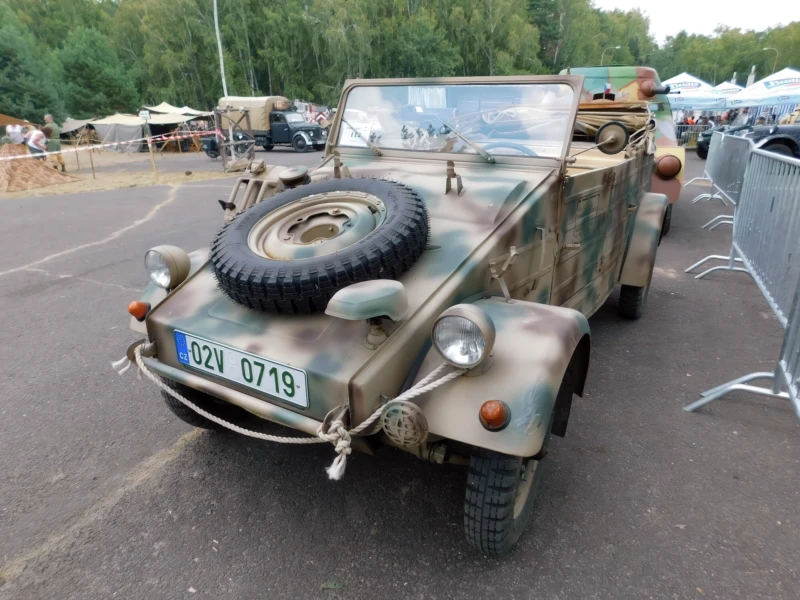
Kubel tip 8 | |
|---|---|
| Državi | Nemčija |
| Vrsta | Lahka vojaška vozila |
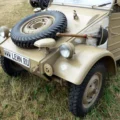
Volkswagnov Kübelwagen was a light military vehicle designed by Ferdinand Porsche and built by Volkswagen during World War II for use by the German military (both Wehrmacht and Waffen-SS). Based heavily on the Volkswagen Beetle, it was prototyped as the Type 62, but eventually became known internally as the Type 82. With its rolling chassis and mechanics built at Stadt des KdF-Wagens (renamed Wolfsburg after 1945), and its body built by US-owned firm Ambi Budd Presswerke in Berlin, the Kübelwagen was for the Germans what the jeep was for the Allies.
Vir: Wikipedija
| Kubel Type 82 – WalkAround | |
|---|---|
| Fotograf | Neznano |
| Lokalizacijo | Neznano |
| Fotografije | 43 |
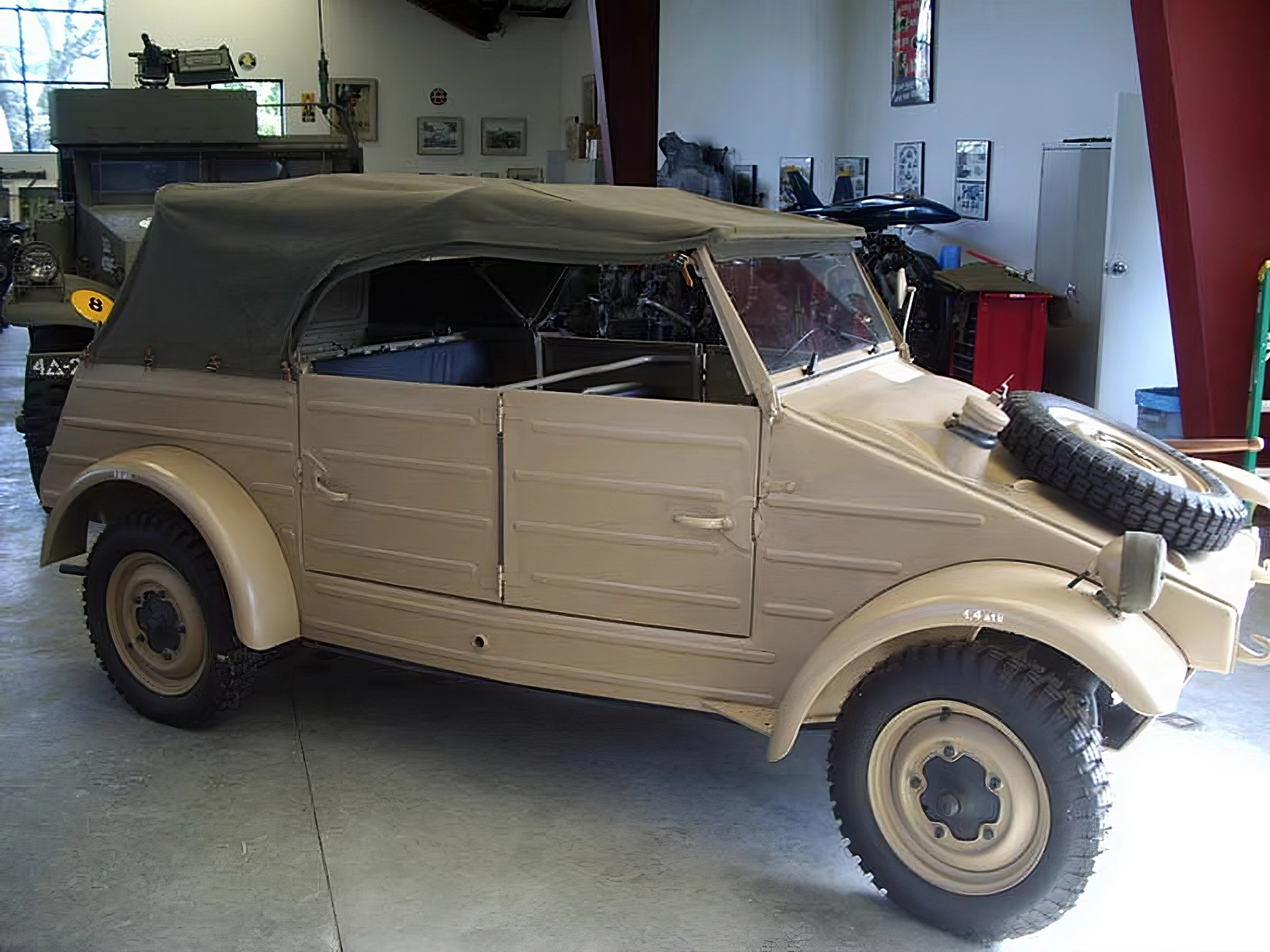
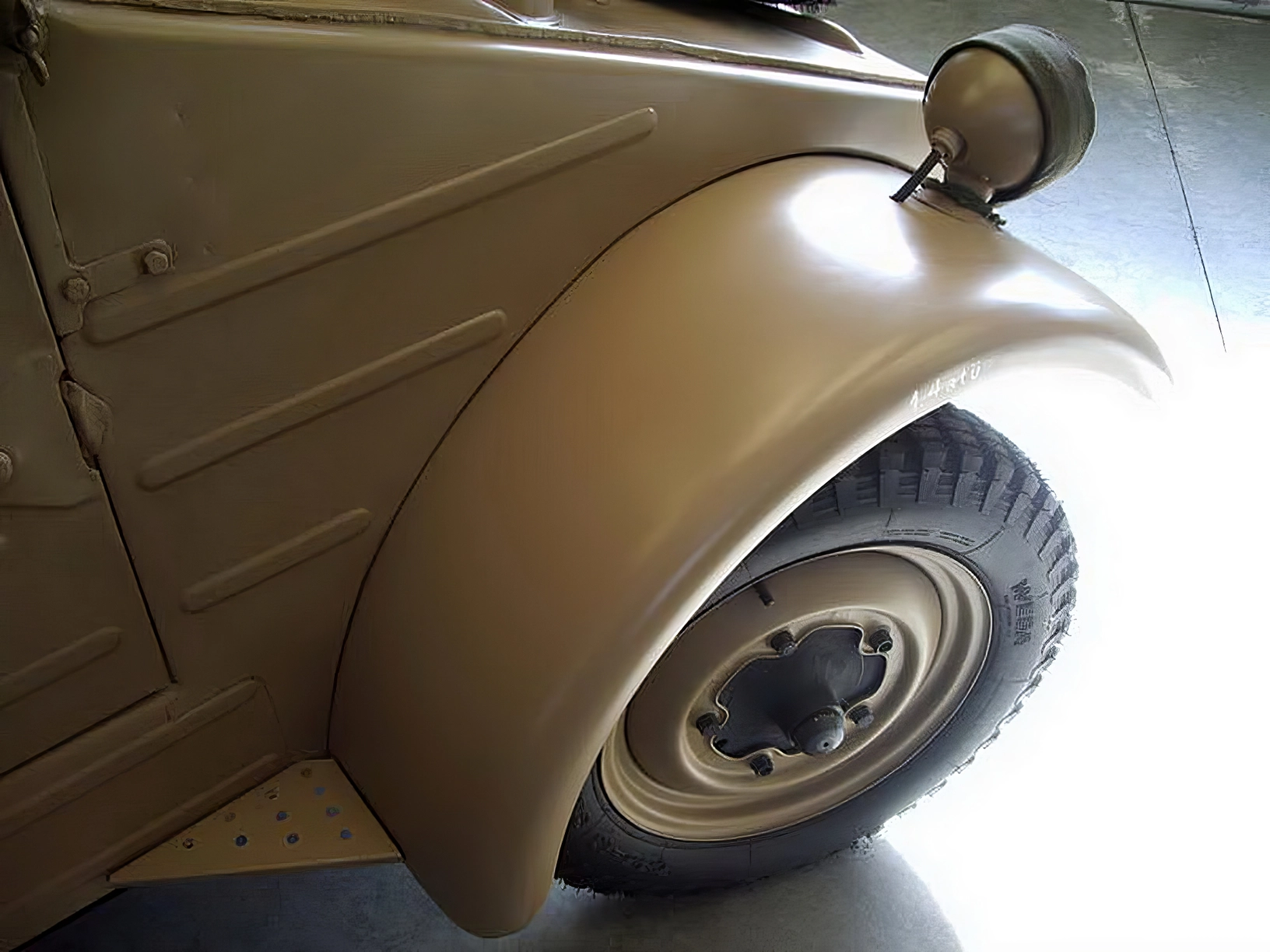
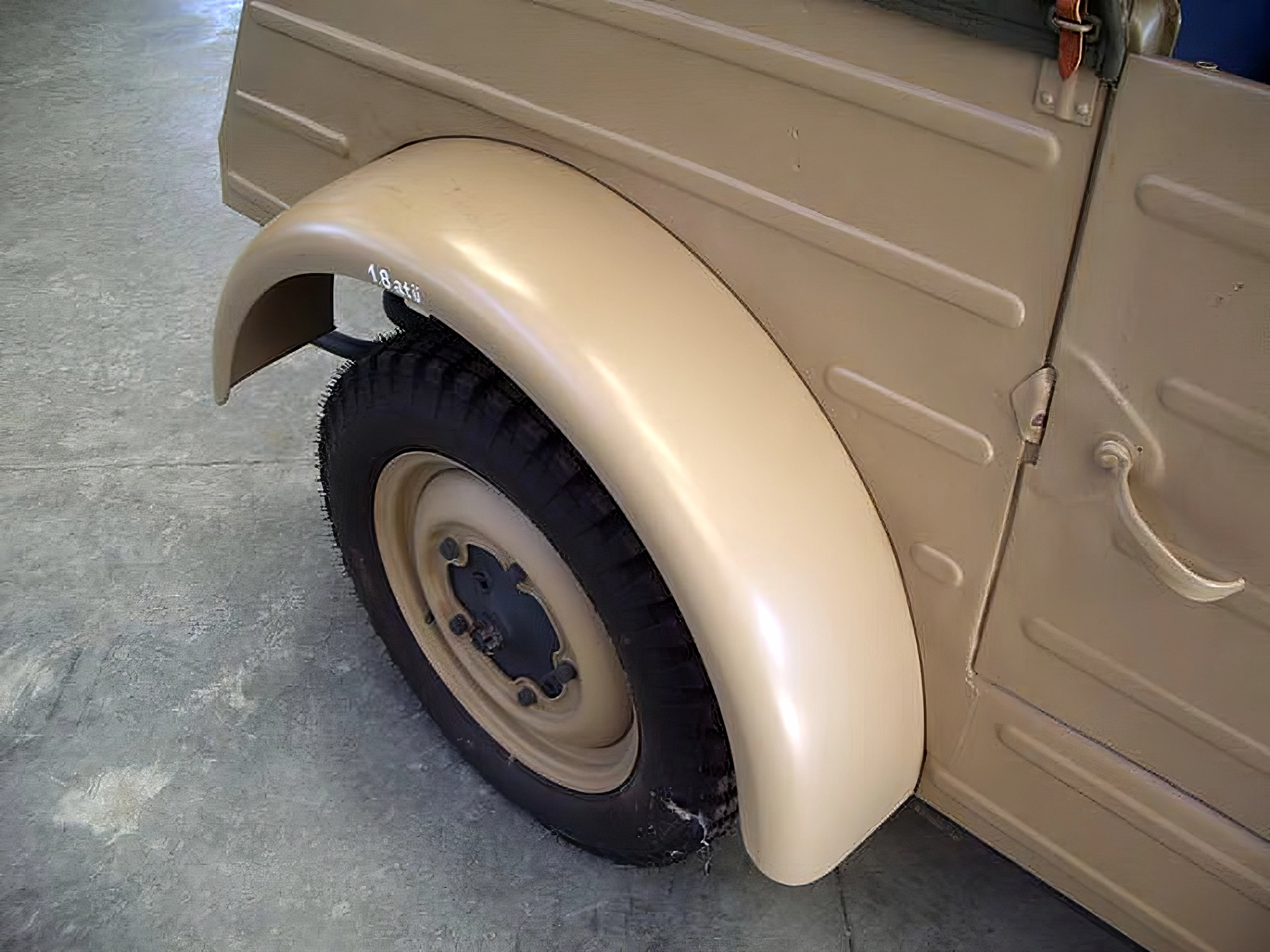
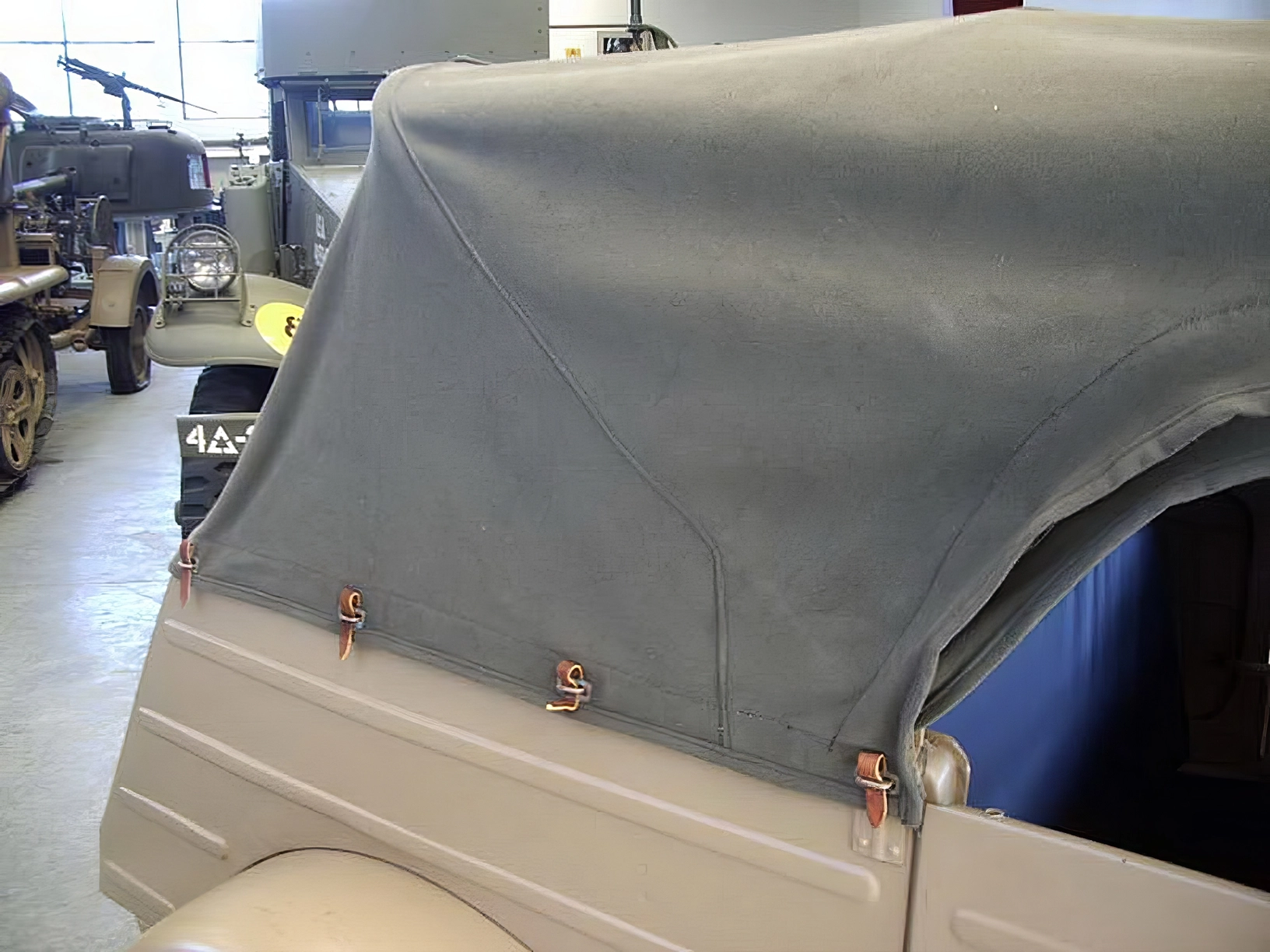
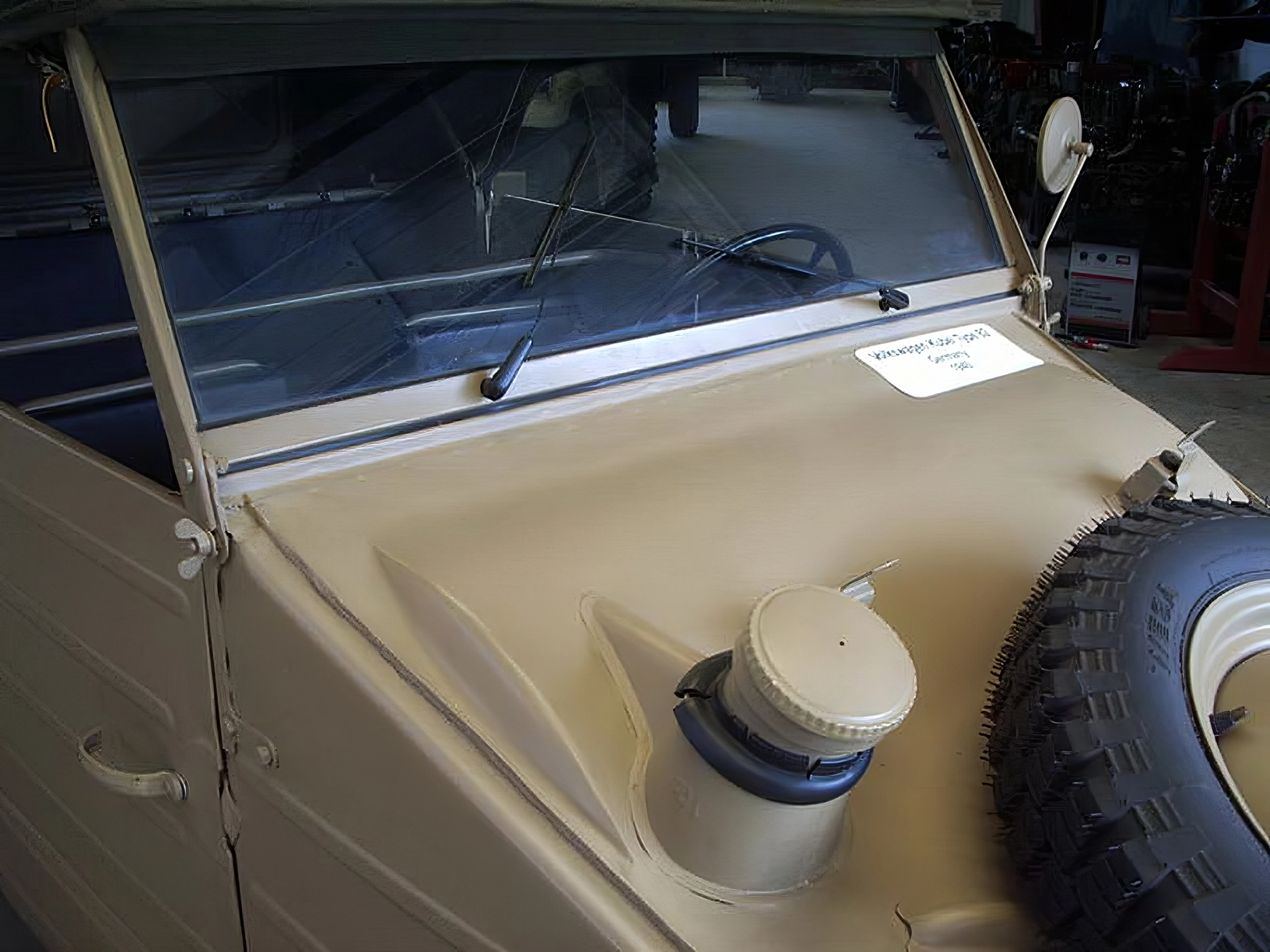
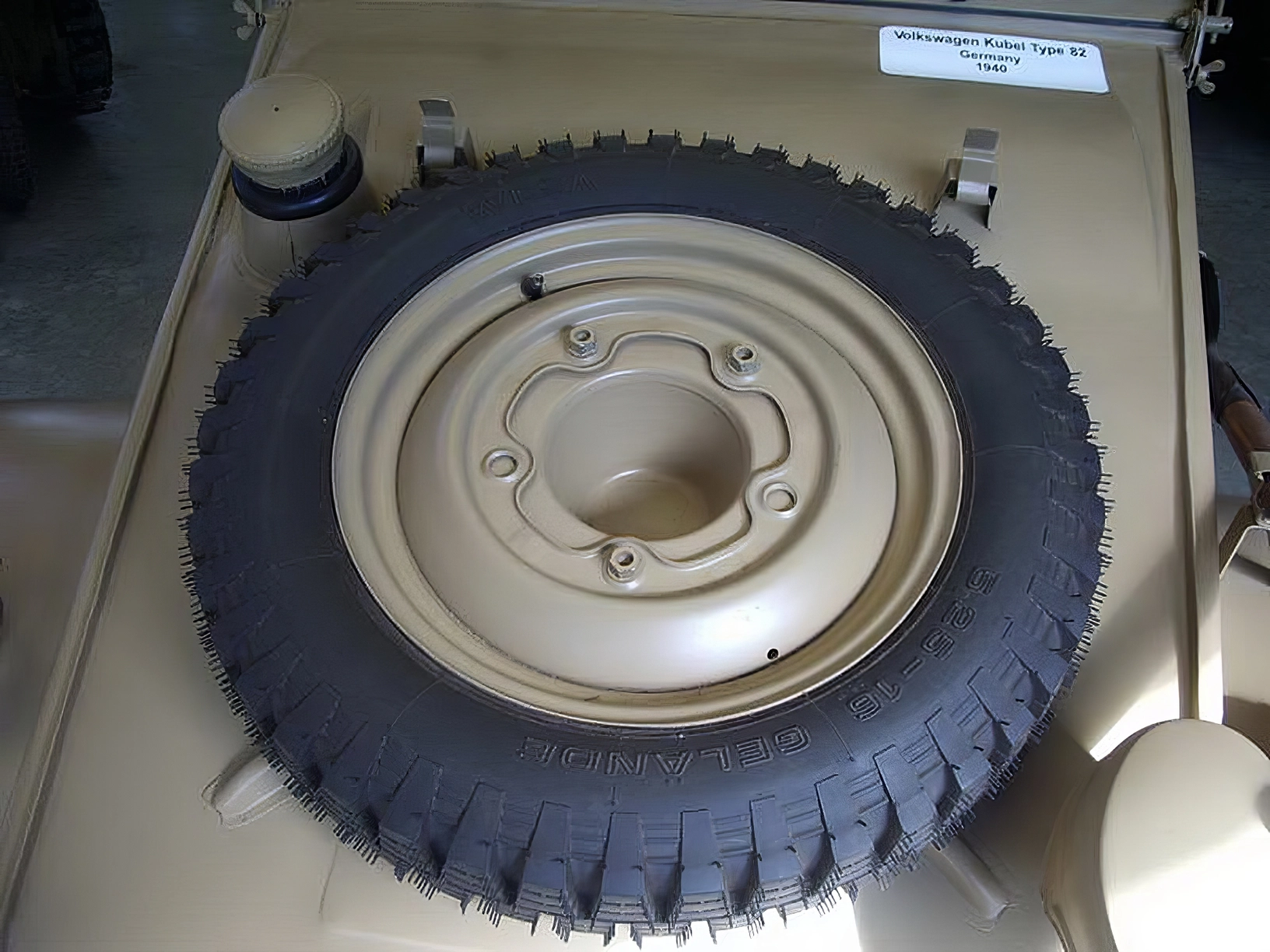
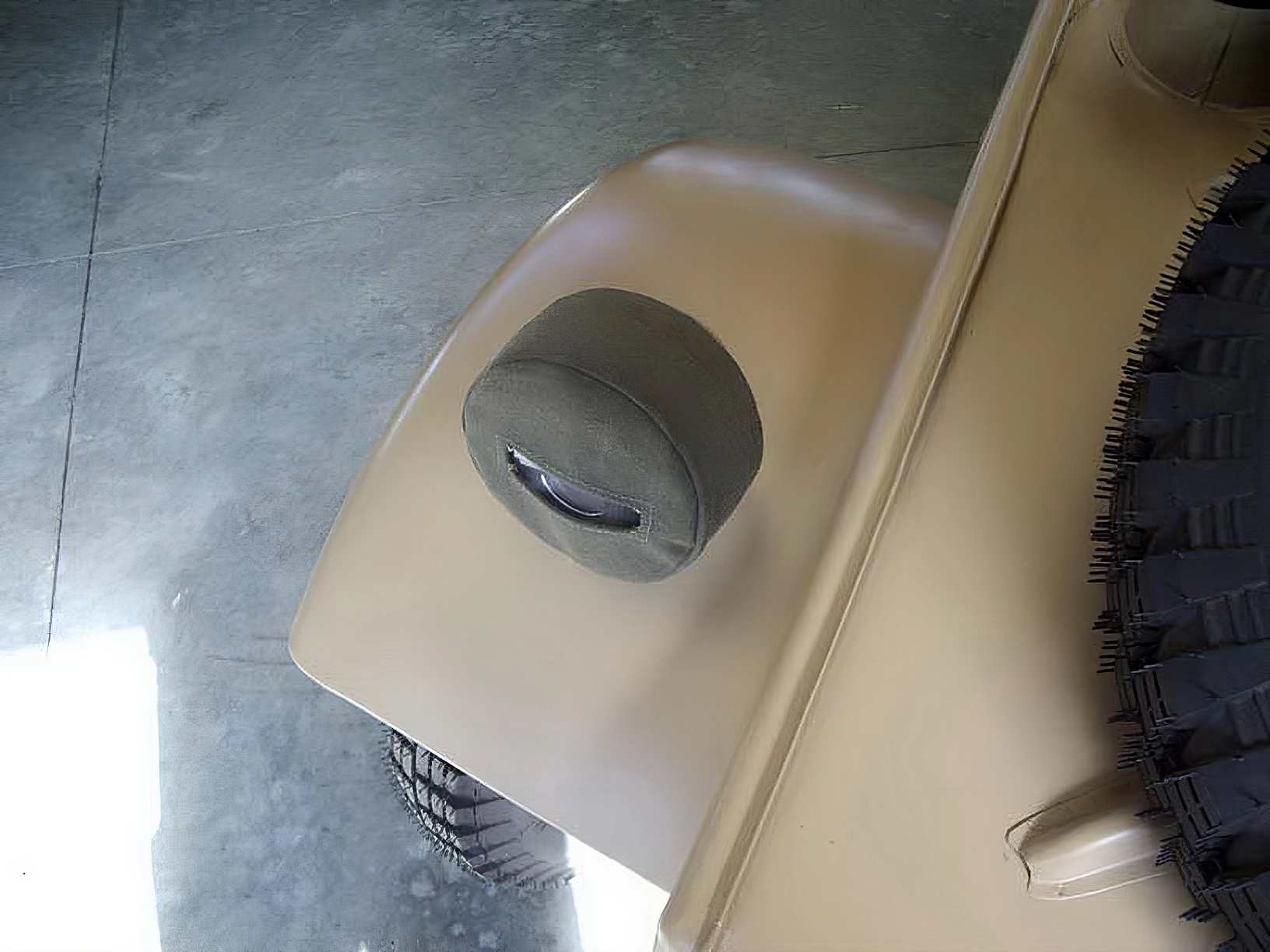
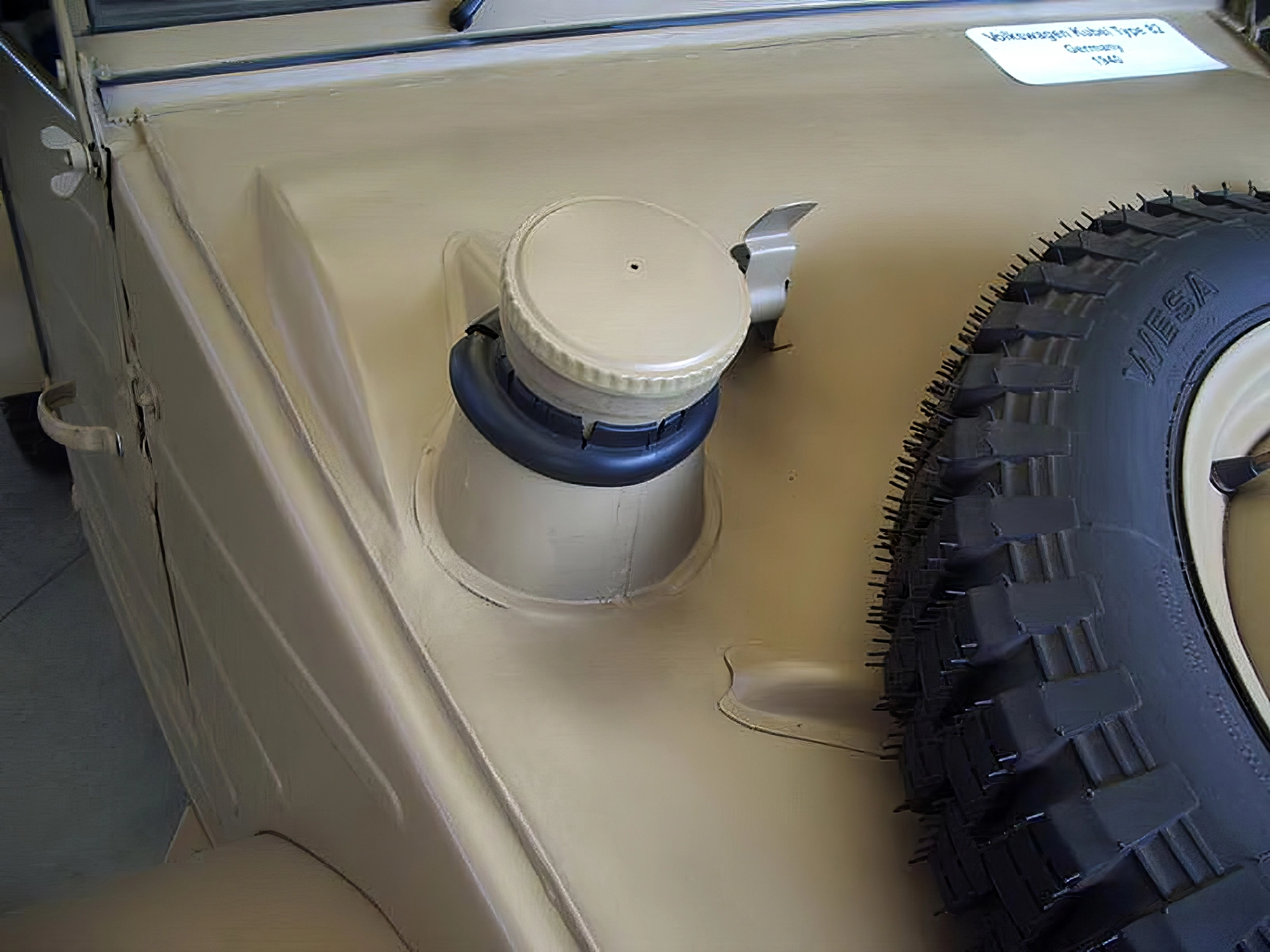
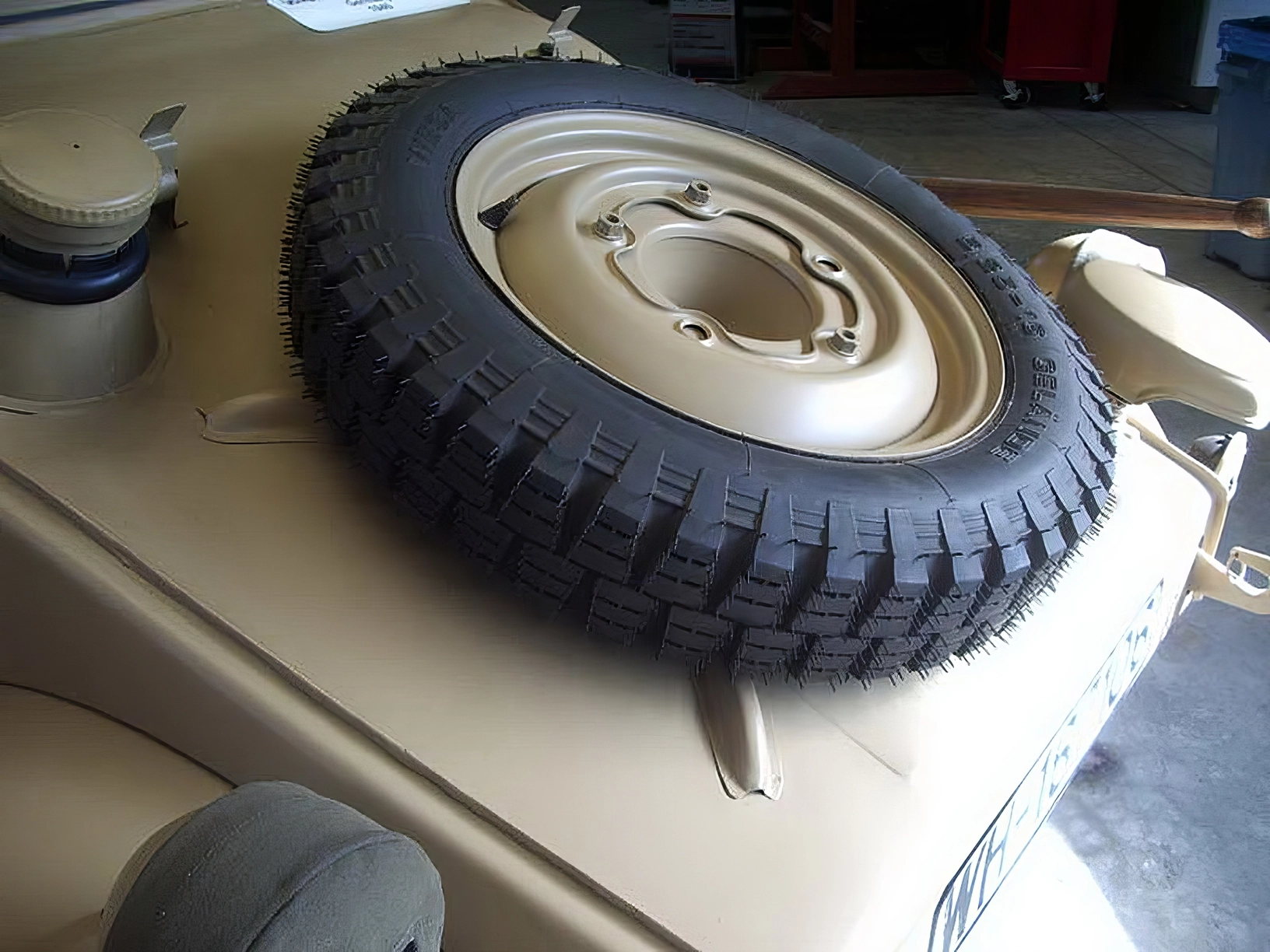

| Type 82 Kubelwagen Walk Around | |
|---|---|
| Fotograf | Hans-Hermann Buhling |
| Lokalizacijo | Neznano |
| Fotografije | 48 |
Glej tudi:


| Kdf 82 Kubelwagen Photos | |
|---|---|
| Fotograf | Neznano |
| Lokalizacijo | Neznano |
| Fotografije | 15 |
General Characteristics and Role
The Kübelwagen Type 82 (short for Kübelsitzwagen, or ‘bucket-seat car’) was a light military utility vehicle designed by Ferdinand Porsche and manufactured by Volkswagen during World War II. Its design was based on the chassis and engine of the civilian Volkswagen Beetle (Type 1). The Kübelwagen was specifically engineered for simple, mass-production, and robustness, replacing the need for complex, heavy four-wheel-drive systems with light weight and high ground clearance. Its primary role was that of a German military jeep, used extensively by all branches of the Wehrmacht and the Waffen-SS for troop transport, command, communications, and reconnaissance across all theaters of war, from the deserts of North Africa to the frozen plains of the Eastern Front.
| Property | Typical Value (Type 82) |
|---|---|
| Vrsta | Light Military Utility / Reconnaissance Vehicle |
| National Origin | Nacistična Nemčija |
| proizvajalec | Volkswagen |
| Entered Service | 1940 |
| Crew/Capacity | 1 (Driver) + 3 passengers |
| Curb Weight | Approx. 725 kg (1,598 lb) |
| Dolžina | 3.74 m (12 ft 3 in) |
Powerplant and Mobility
- Engine: 1 x Volkswagen air-cooled flat-four petrol engine.
- Engine Placement: Rear-mounted.
- Engine Power: 25 hp (18.6 kW).
- Drivetrain: Rear-wheel drive (4×2). The lightweight design, smooth underbody, and portal reduction gears provided exceptional off-road performance despite the lack of four-wheel drive.
- Maximum Road Speed: 80 km/h (50 mph).
- Key Feature: Used a simple chassis pan with a straight-sided, open body (resembling a metal tub or bucket).
- Brakes: Mechanical drum brakes on all four wheels.
- Fuel Economy: The light weight and efficient air-cooled engine gave it excellent fuel economy, a major logistical advantage.
Service History and Legacy
- Mass Production: Over 50,000 units were produced by the end of the war, making it the most numerous German light military vehicle.
- Amphibious Variant: The Kübelwagen’s robust, simple platform was also used for the design of the famous four-wheel drive amphibious version, the Volkswagen Schwimmwagen Type 166.
- Reliability: The air-cooled engine was highly reliable in both extreme heat (Africa) and extreme cold (Russia), where water-cooled engines often froze.
- Nickname: The term “Kübelwagen” eventually became a generic term in Germany for any light open-topped military vehicle.
- Post-War Influence: Its simple design, rugged construction, and air-cooled engine later influenced several post-war utility vehicles and directly contributed to the success of the civilian Volkswagen Beetle globally.
Views : 9283

Sono un appassionato di auto d'epoca ([email protected]) e vorrei venire in possesso di una kubel waghen mod. 82 in ottime condizioni naturalmente,contattatemi, ciao