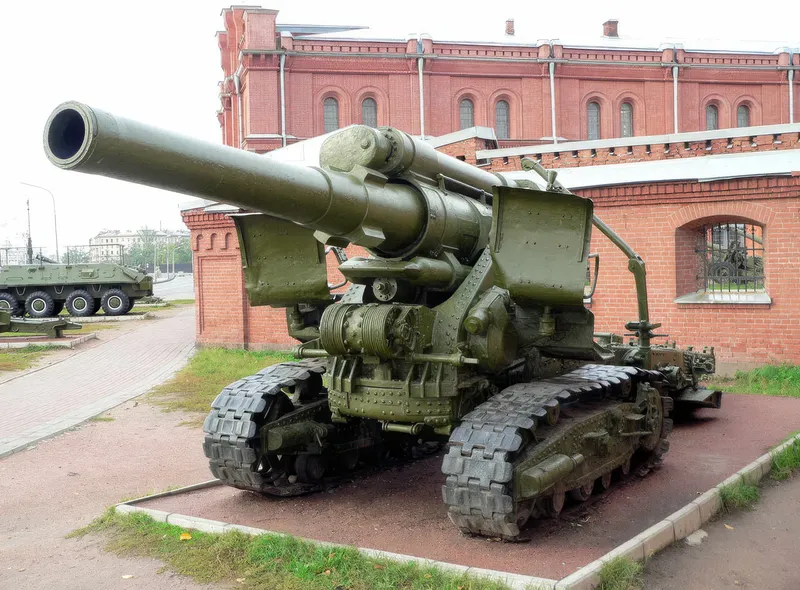
203 mm M1931 B-4 | |
|---|---|
| Državi | URSS |
| Vrsta | Težka howitzer |
| Proizvaja | 1932-1940 |
| Zgrajena | 871 |
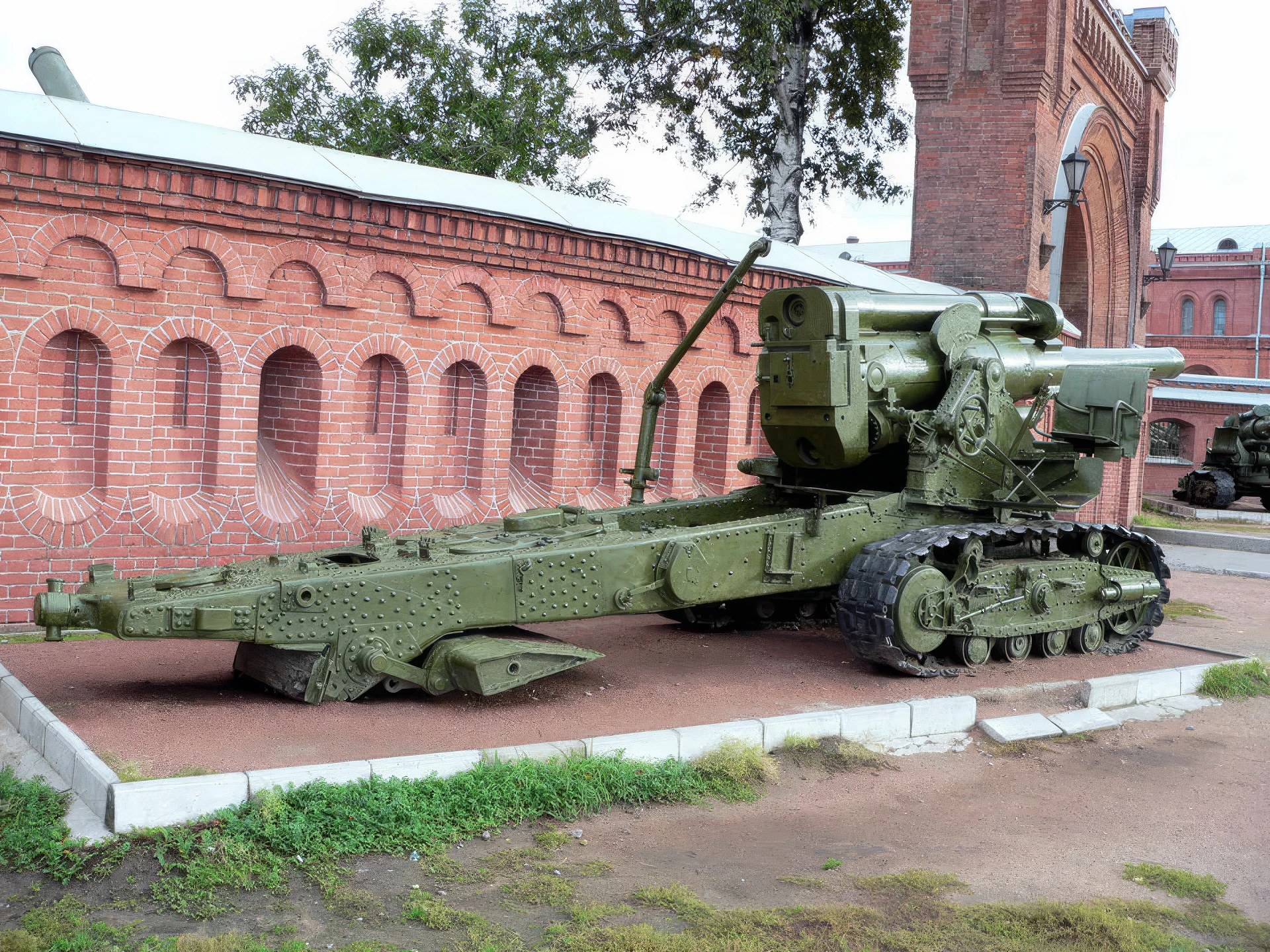
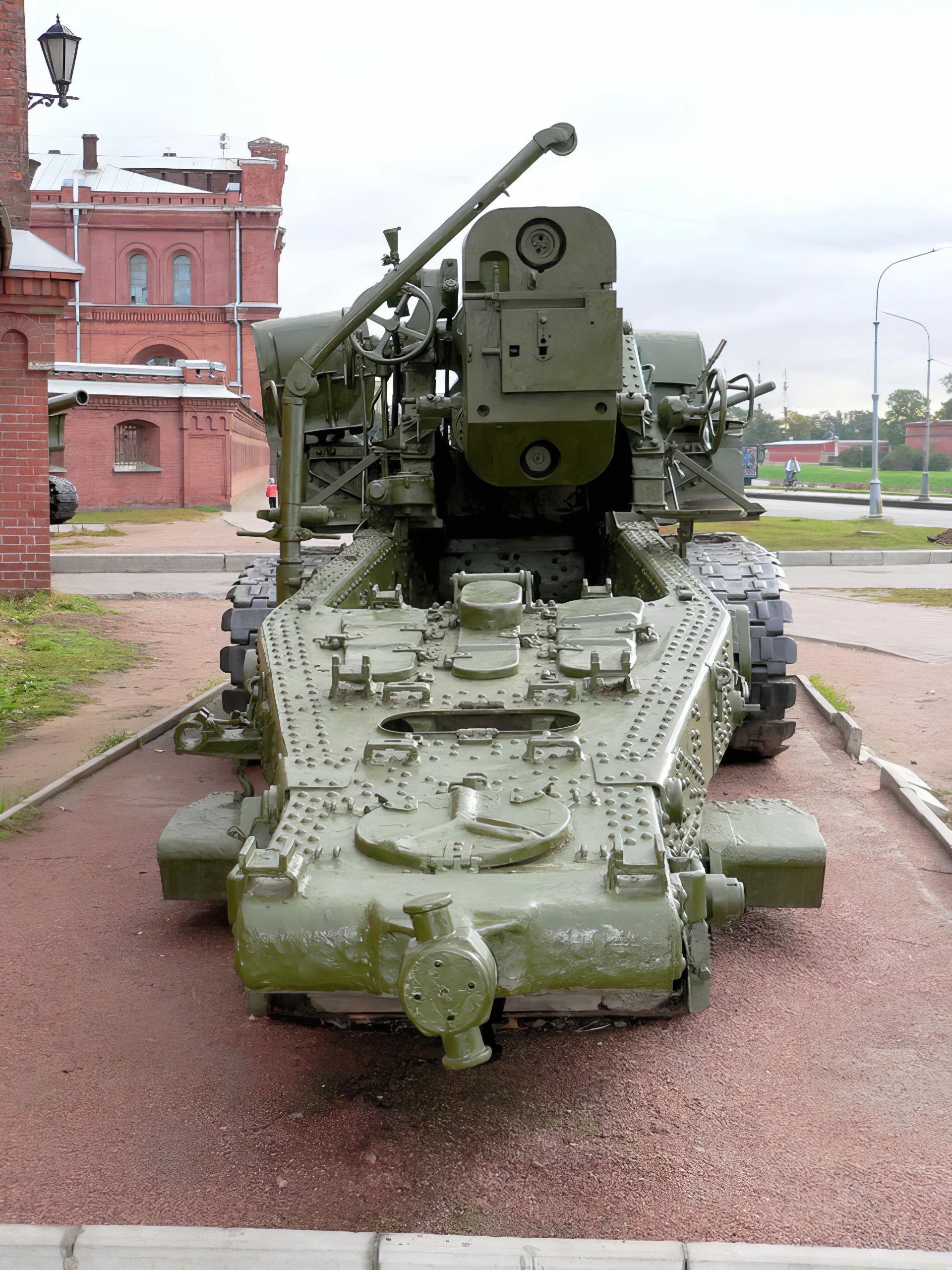
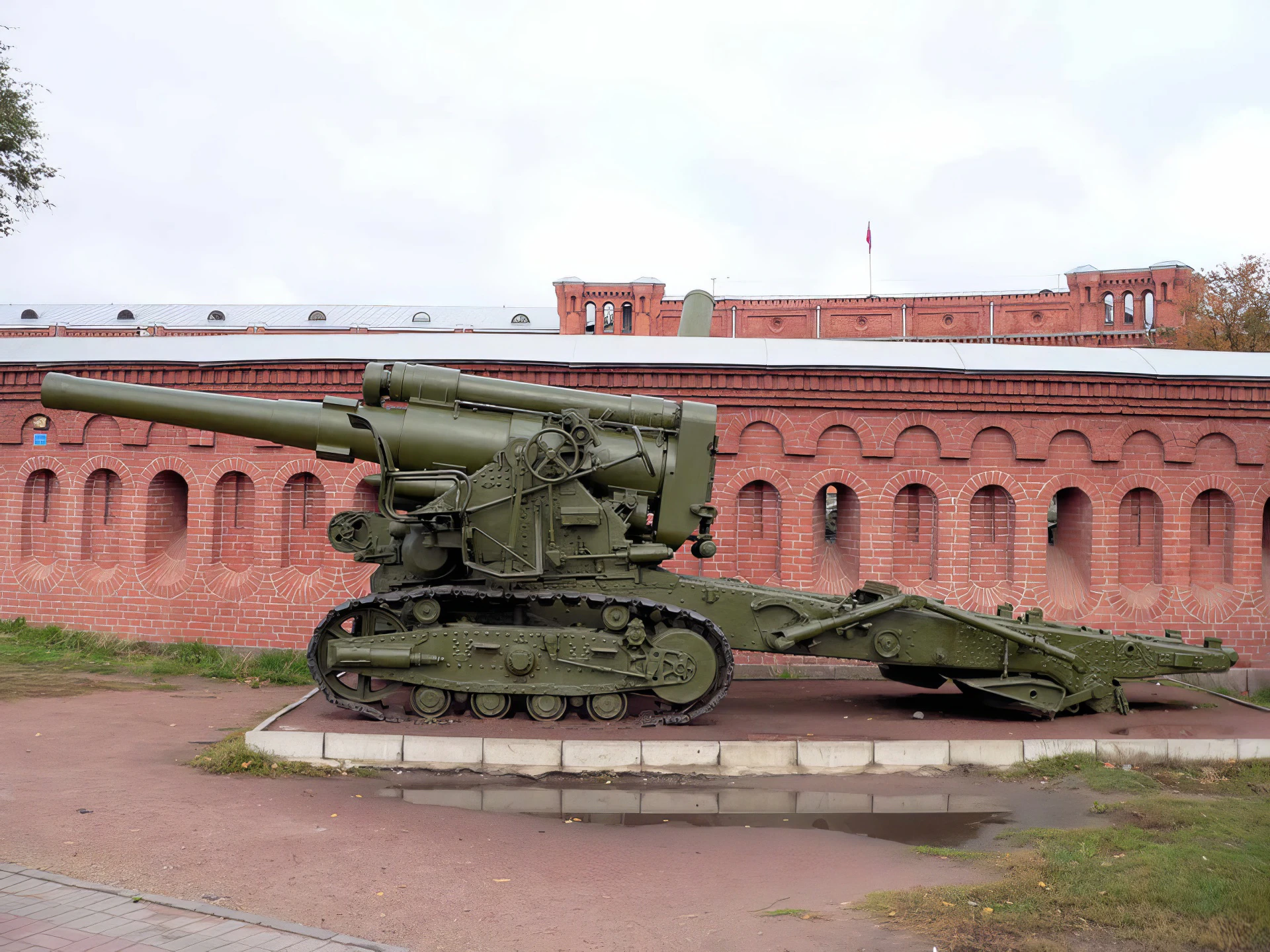
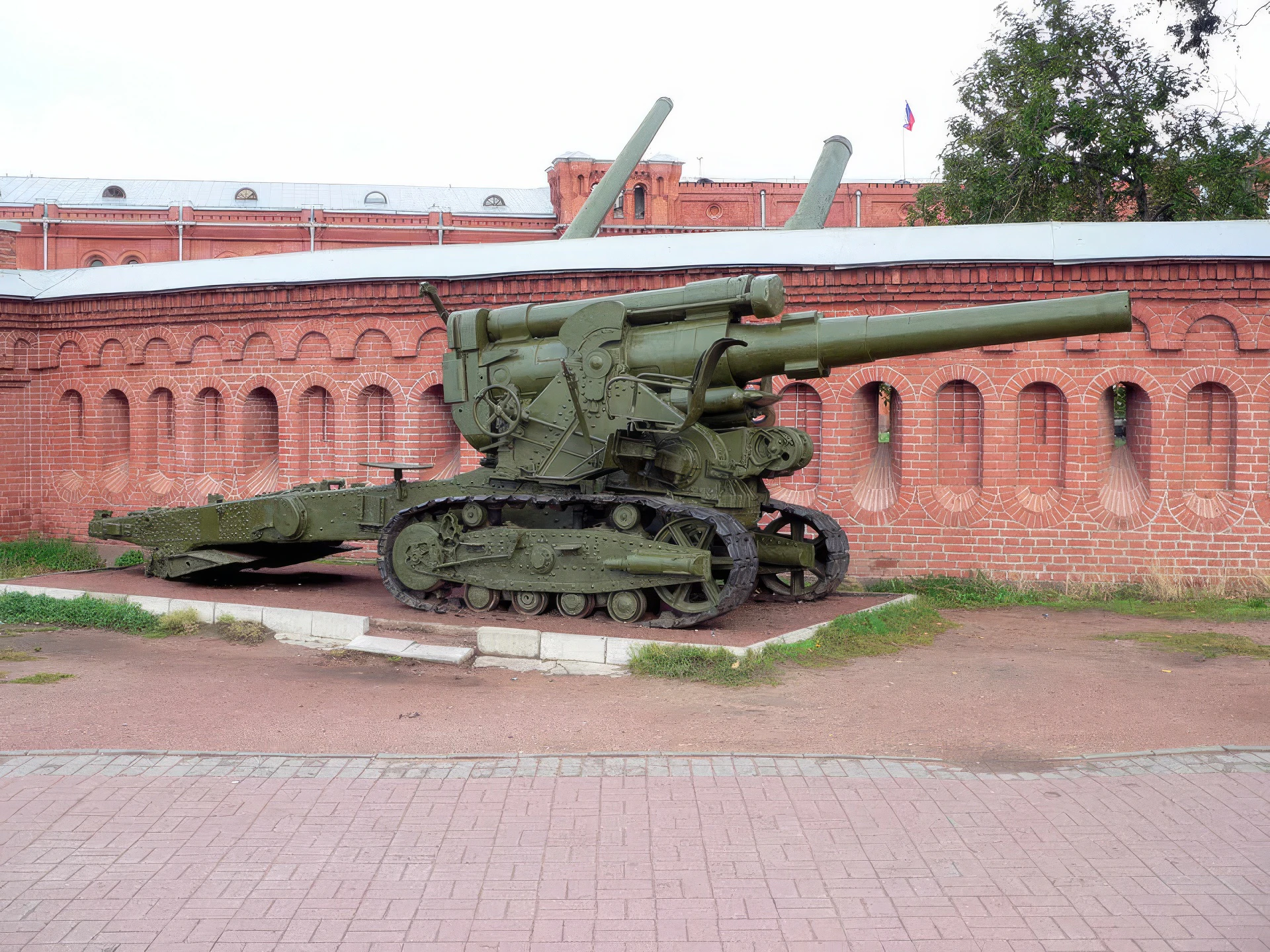
203 mm havličeva M1931 je bila sovjetska težka havličeva 203 mm. Med drugo svetovno vojno je bila pod poveljstvom Stavinega strateškega rezervata. Nemški vojaki so ga vzdevek "Stalinov maček". Te puške so bile z uspehom uporabljene proti težkim nemškim fortifikacijam in v urbanem boju za drobljenje zaščitenih stavb in bunkerjev. To orožje je bilo uporabljeno do konca vojne v bitki za Berlin, kjer je Rdeča armada pripeljala te pištole na točki iz bližine, da bi razstrelila nemške fortifikacije s svojimi težkimi 203mm granatami. Spomladi leta 1944 je bilo za ustvarjanje samohodne variante S-51 uporabljeno tankovsko šasijo KV-1. Močan vzgon od eksplozije na gobcih je posadko vrgel s sedeža in poškodoval prenos, zato je bil odpovedan.
| Howitzer 203mm M1931 B4 | |
|---|---|
| Fotograf | Neznano |
| Lokalizacijo | Neznano |
| Fotografije | 200 |
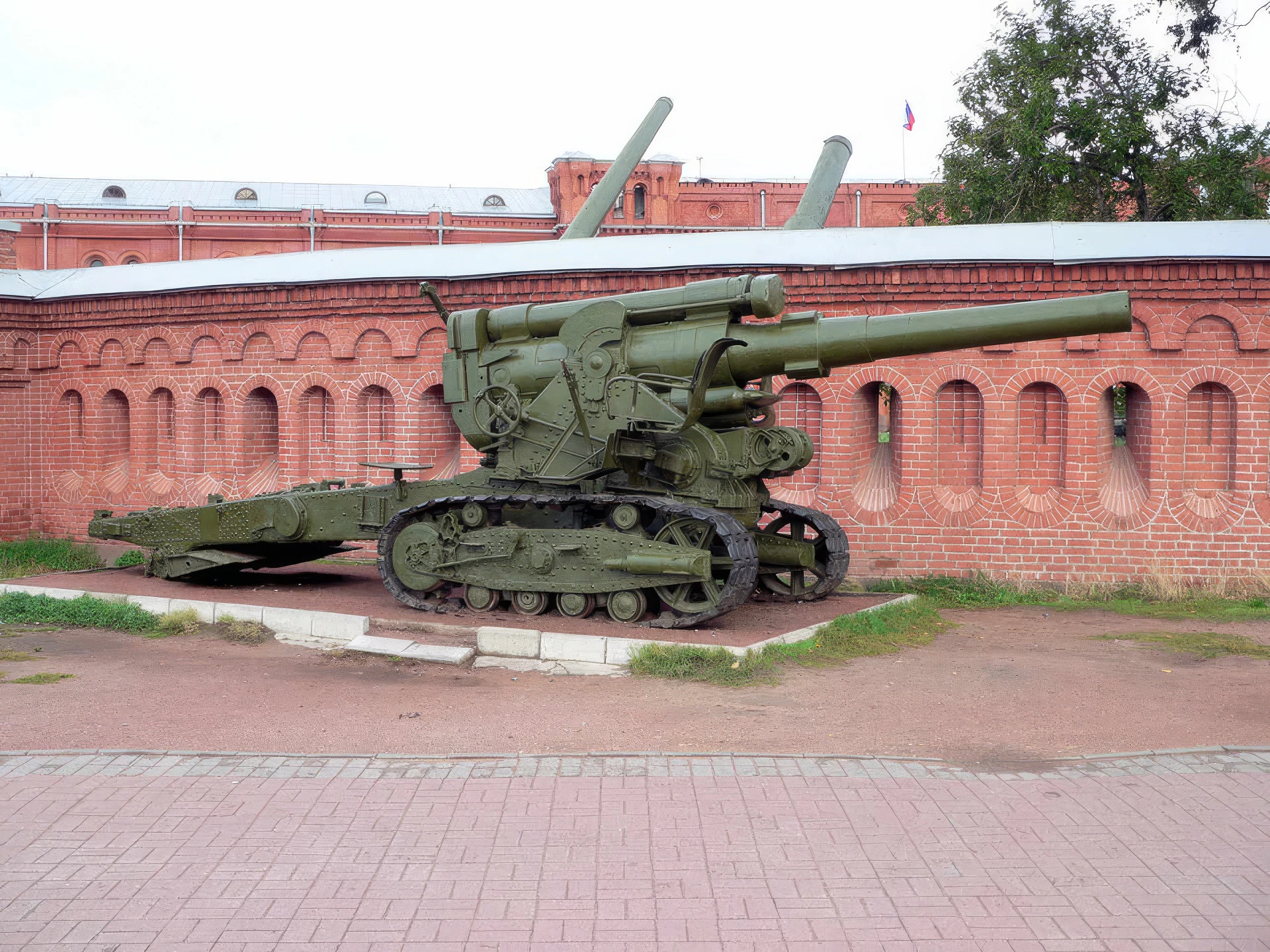
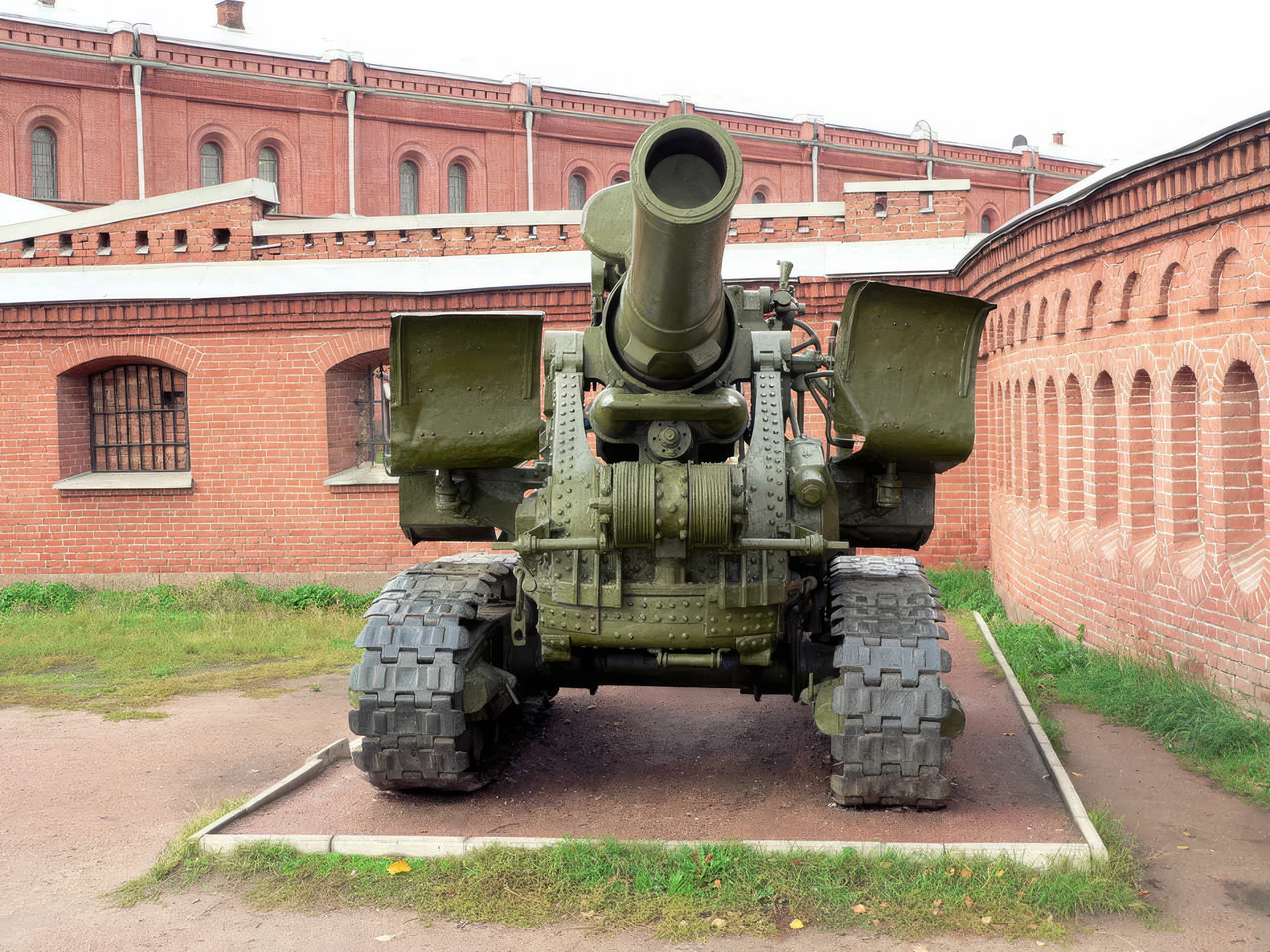
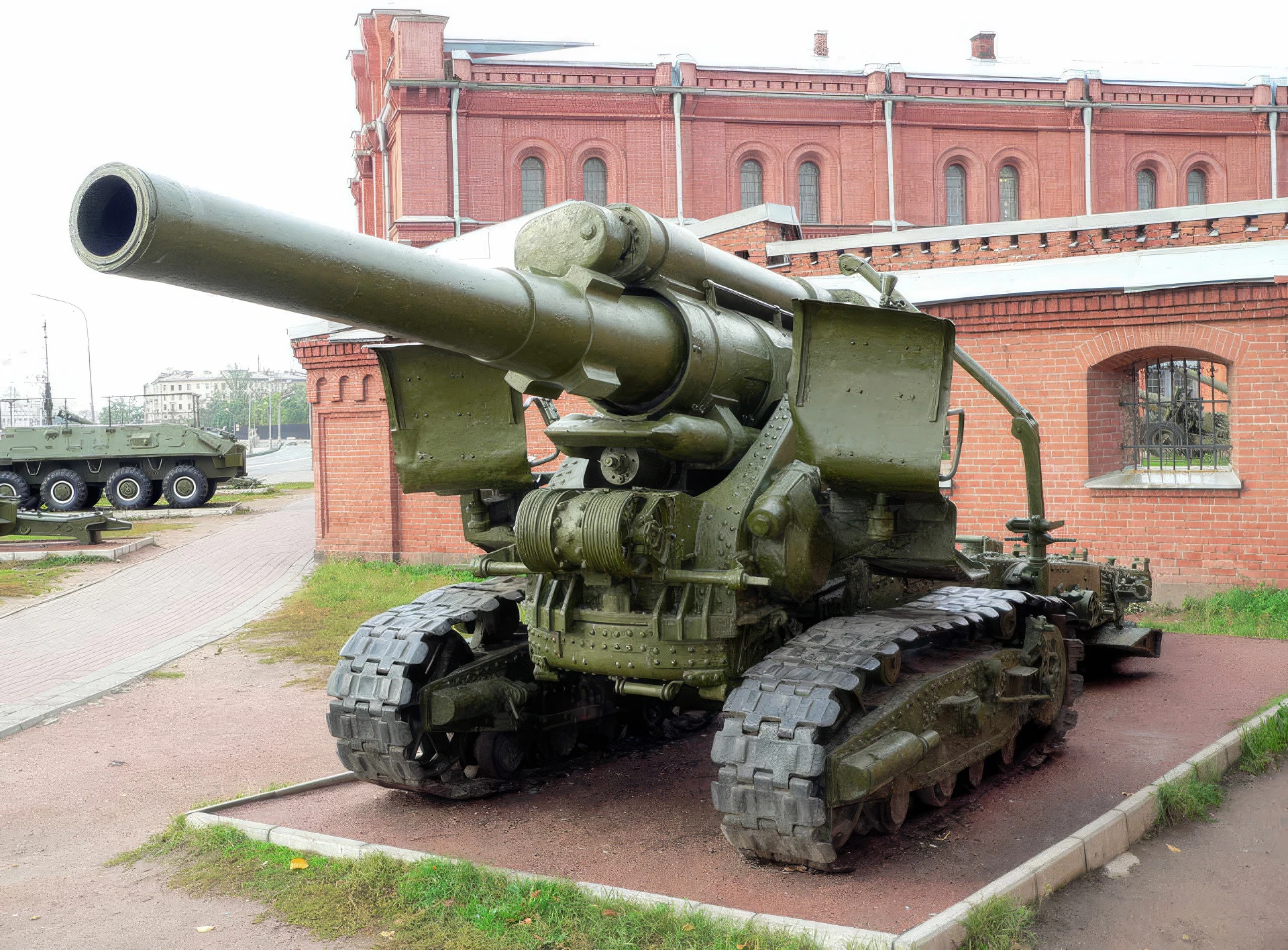
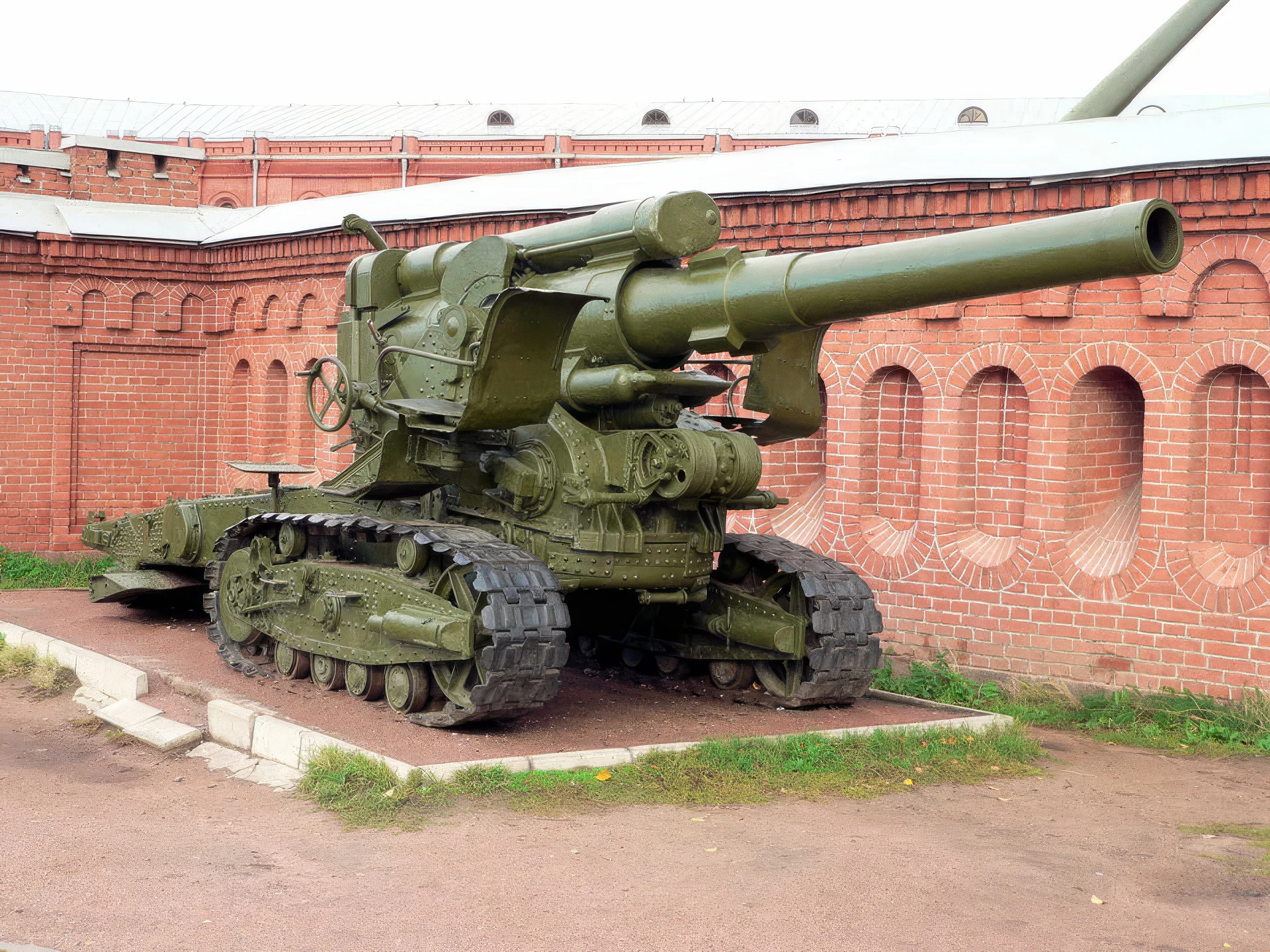
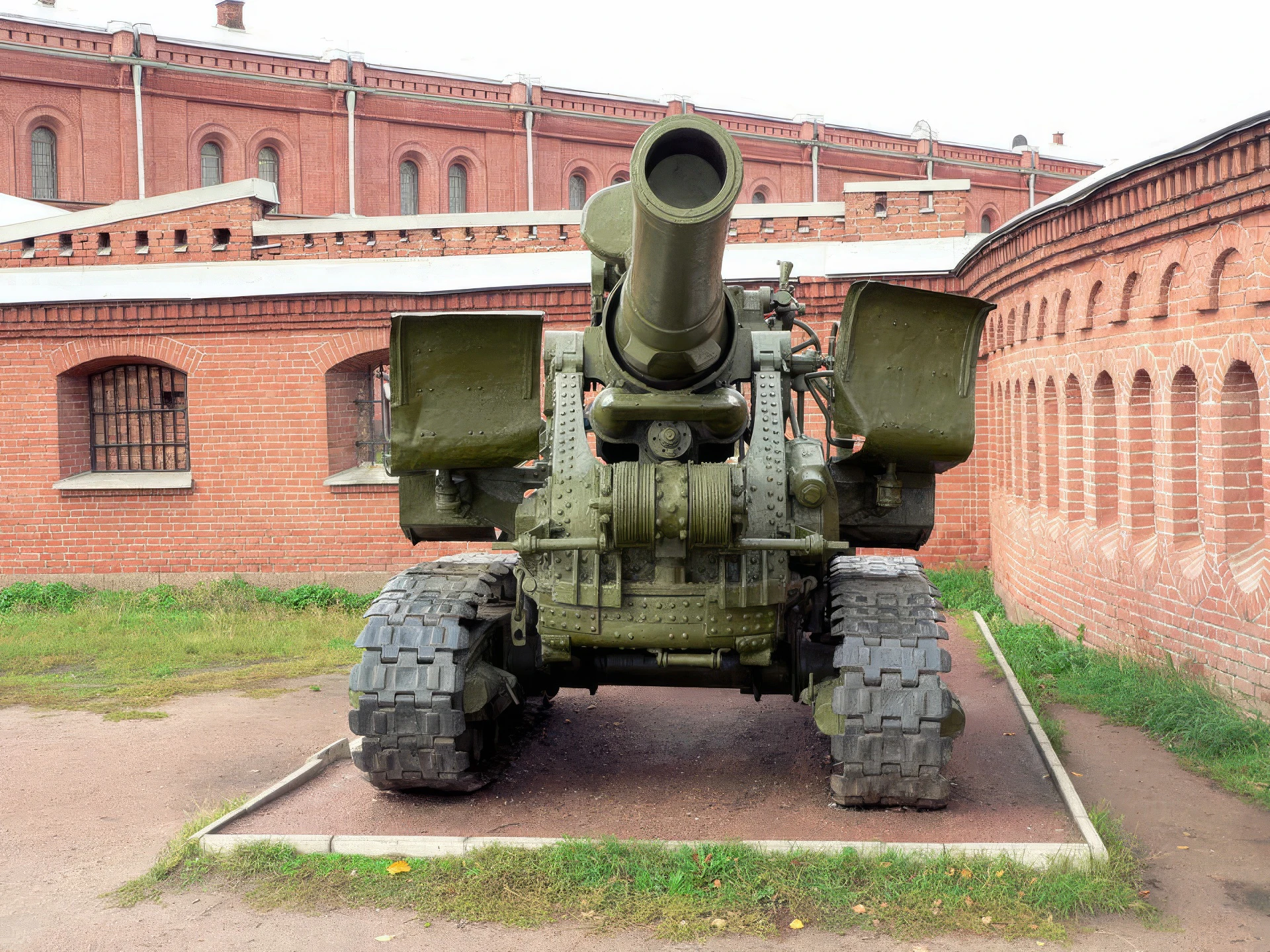

| 203 mm Howitzer Mod. 1931 (B-4) | |
|---|---|
| Fotograf | Neznano |
| Lokalizacijo | Neznano |
| Fotografije | 21 |
Glej tudi:


General Overview
The B-4 was a Soviet high-power heavy howitzer used to destroy heavily fortified positions and bunkers during World War II.
| Official Name | 203 mm howitzer M1931 (B-4) |
|---|---|
| Place of Origin | Sovjetski |
| proizvajalec | Barrikady Plant |
| Production Years | 1932–1945 |
| Primary Role | Siege Artillery / Crushing Fortifications |
| Vzdevek | Stalin’s Sledgehammer (coined by German soldiers) |
Tehnične specifikacije
| Kaliber | 203 mm (8 inch) |
|---|---|
| Mass (Combat) | 17,700 kg (39,022 lbs) |
| Mass (Travel) | 19,000 kg (41,888 lbs) |
| Shell Weight (HE) | 100 kg (220 lbs) |
| Maximum Firing Range | 18 km (11 mi) |
| Rate of Fire | Approx. 1 round every 4 minutes (Slow due to shell weight) |
| Carriage Type | Tracked Carriage (Unique feature for stability) |
| Posadke | 15 |
| Towing Vehicle | Voroshilovets or Komintern Artillery Tractor |
Operational Role in WWII
The B-4 was held under the direct command of the Stavka Strategic Reserve and was deployed only where its massive firepower was required.
- Winter War: Known as the “Karelia Sculptor” for its effectiveness against Finnish pillboxes on the Mannerheim Line.
- Urban Combat: Used for direct fire against German fortified buildings and bunkers, notably during the Battle of Berlin in 1945.
- Loading Challenge: Due to the heavy 100 kg projectile, a special hoisting crane was often used to assist in loading the breech.
Key Innovation: The unique tracked carriage allowed the gun to be fired directly from the ground without a separate firing platform, a significant innovation for heavy artillery of that era.
Views : 12996
Prav tako si lahko ogledate:
 Howitzer 149-19 – Photos & Video
 15 cm sFH 13 – Sprehod naokoli
 M108 howitzer – Fotografije & Video posnetki
 M119 howitzer – Fotografije & Video posnetki
 Obice da 75/18 modello 35 – Fotografije & Video posnetki
 Britanski 9,2 palec Howitzer – Fotografije & Video
 105mm leFH auf Hotchkiss 39H – Fotografije & Video
 M55 Self Propelled Howitzer – Fotografije & Video
 21cm Morser 18 Howitzer – Sprehod Okoli
 70mm Tip 92 Howitzer - WalkAround
Nove fotografije