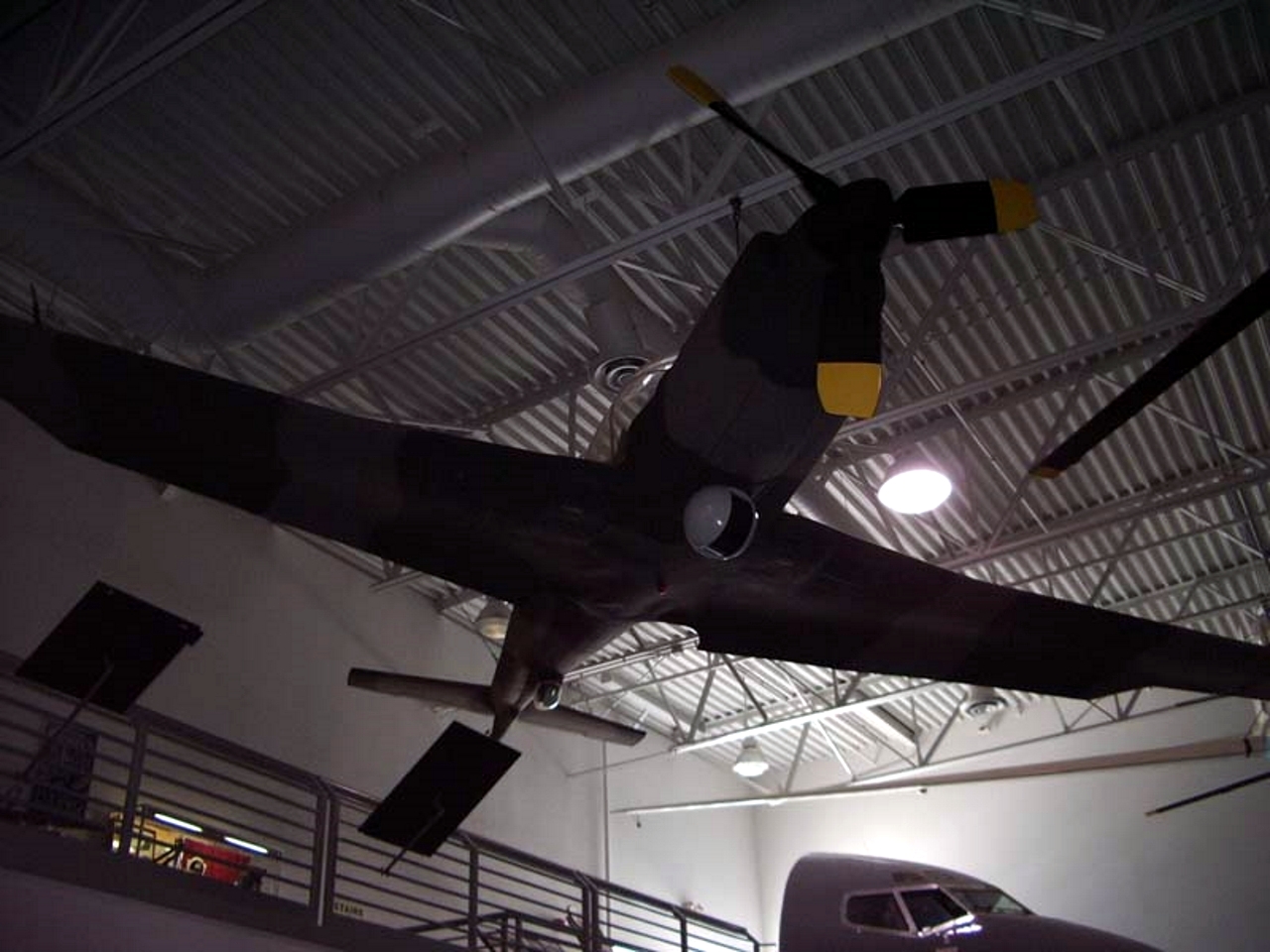
| Lockheed YO-3 | |
|---|---|
| Krajiny | Spojené štáty americké |
| Úlohu | Prieskum — noc |
| Prvý fligh | 1969 |
| Postavený | 11 |
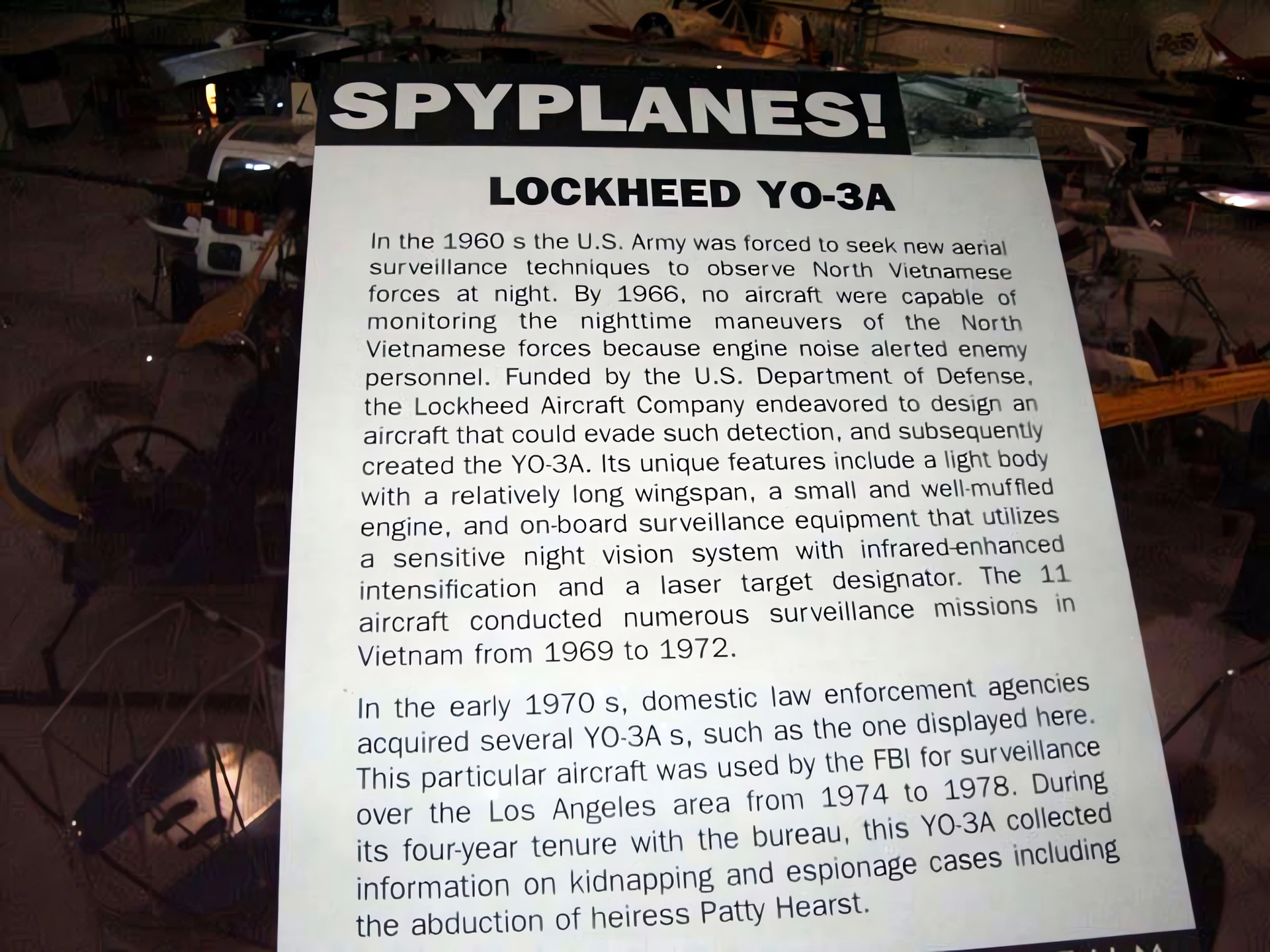
Komisia Lockheed YO-3 "Quiet Star" bolo americké jednomotorové lietadlo poháňané vrtuľou, ktoré bolo vyvinuté na pozorovanie bojiska počas vojny vo Vietname. Bol navrhnutý tak, aby bol čo najtichší a bol určený na pozorovanie pohybov vojsk v takmer tichu počas hodín tmy.
Zdrojový: Lockheed YO-3 na Wikipédii
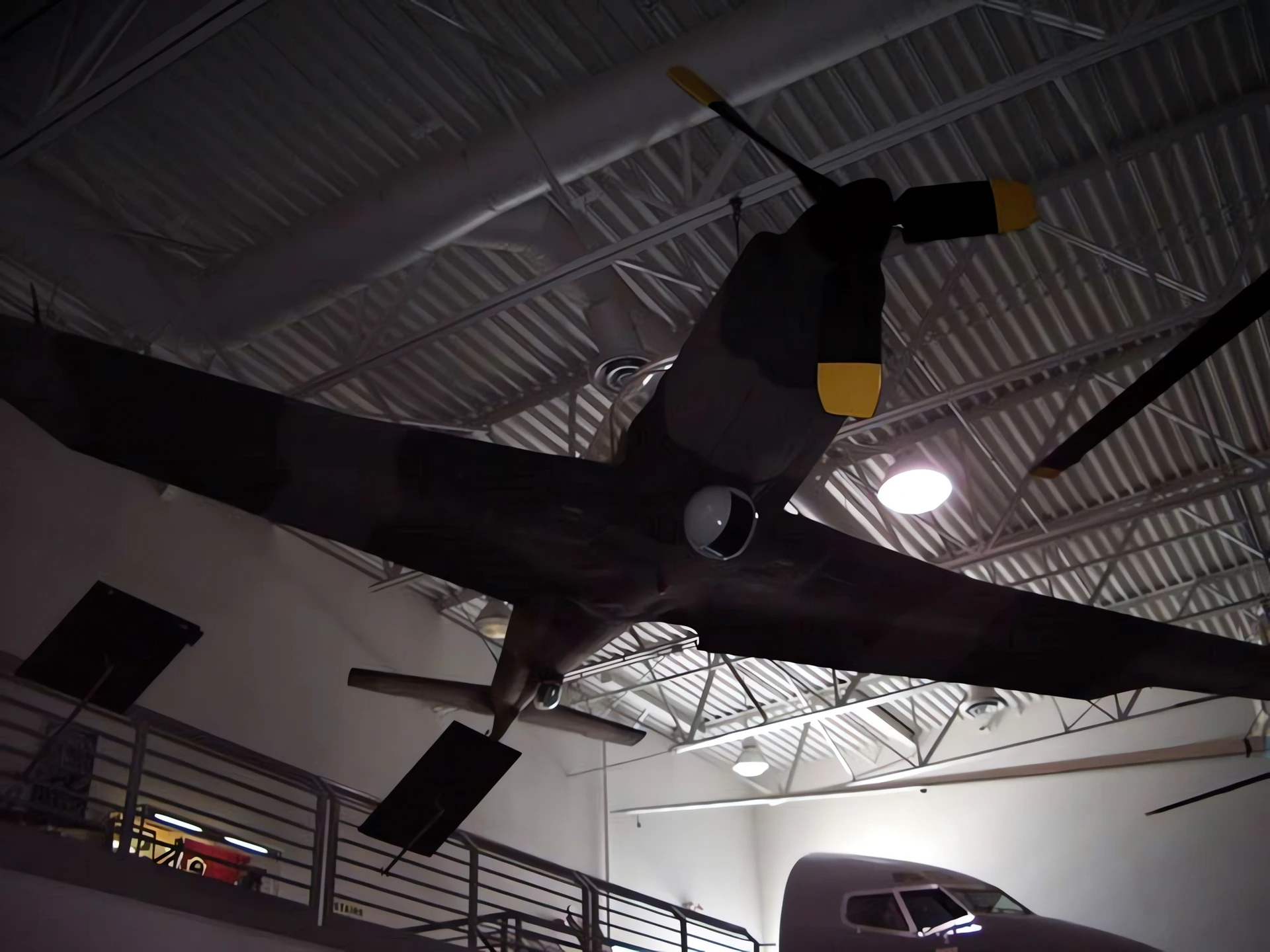
| Lockheed YO-3A Quiet Star Walk Around | |
|---|---|
| Fotograf | Vladimír Jakubov |
| Lokalizácia | Hiller Museum, Redwood City |
| Fotografie | 37 |
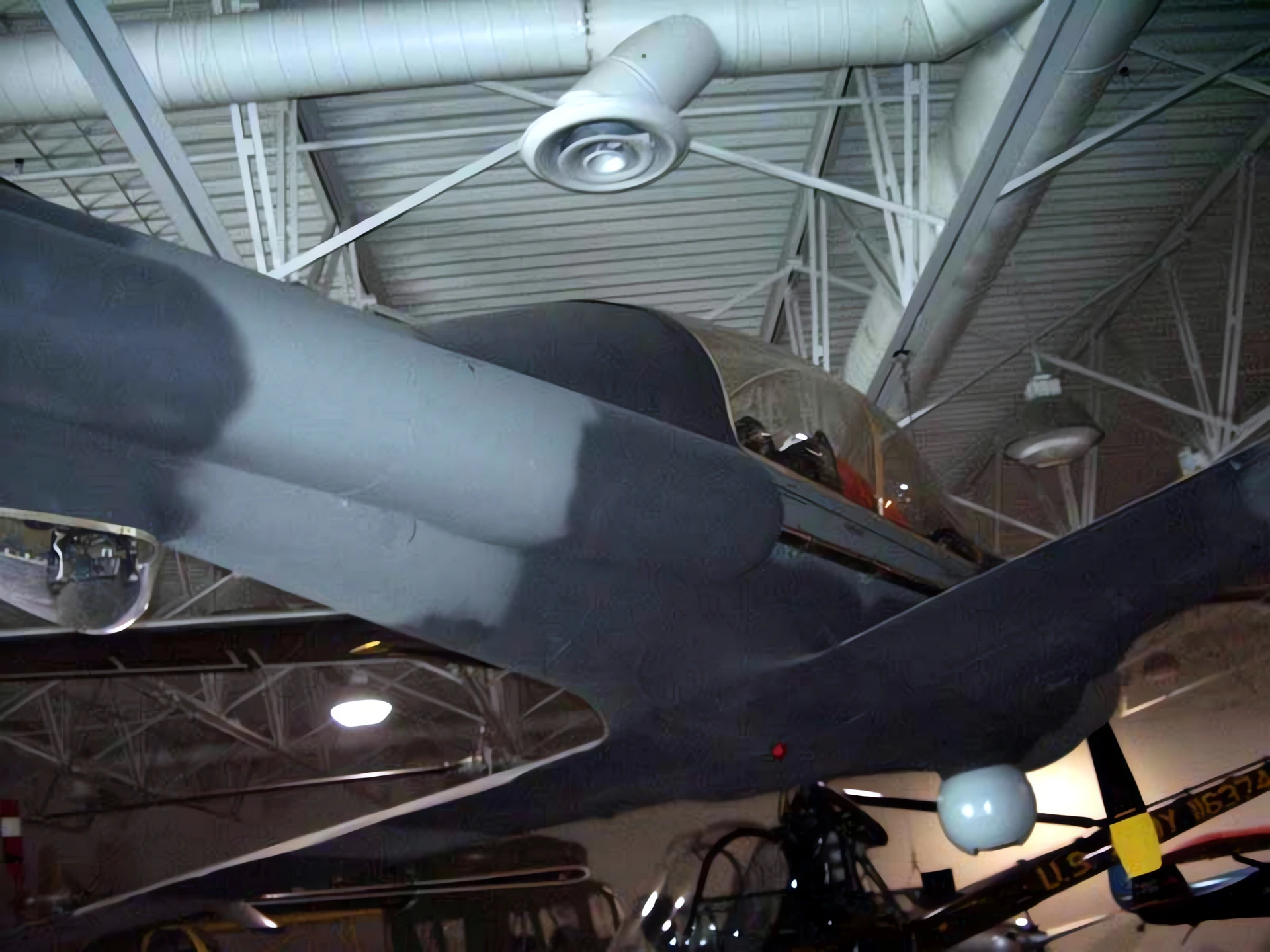
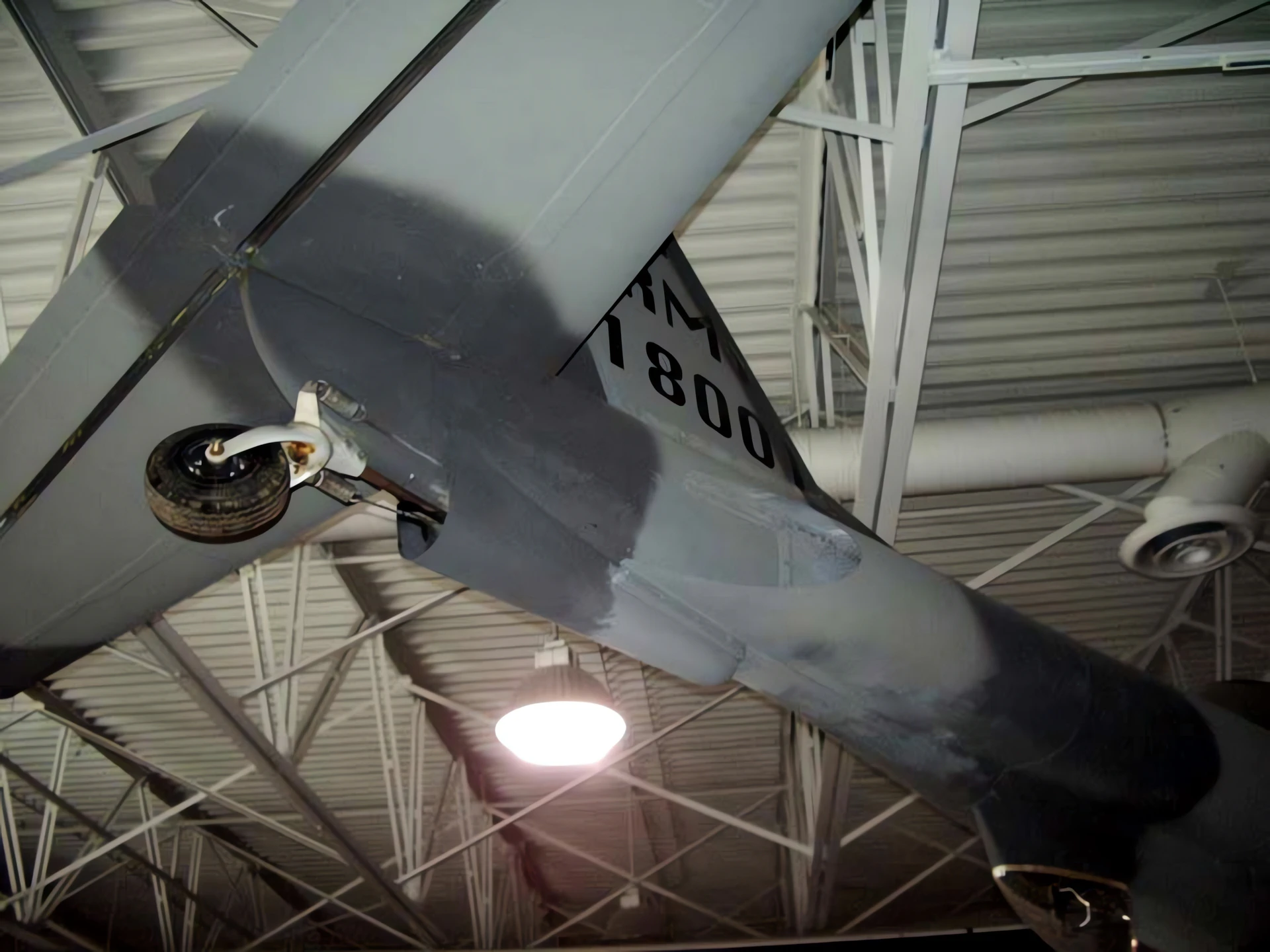
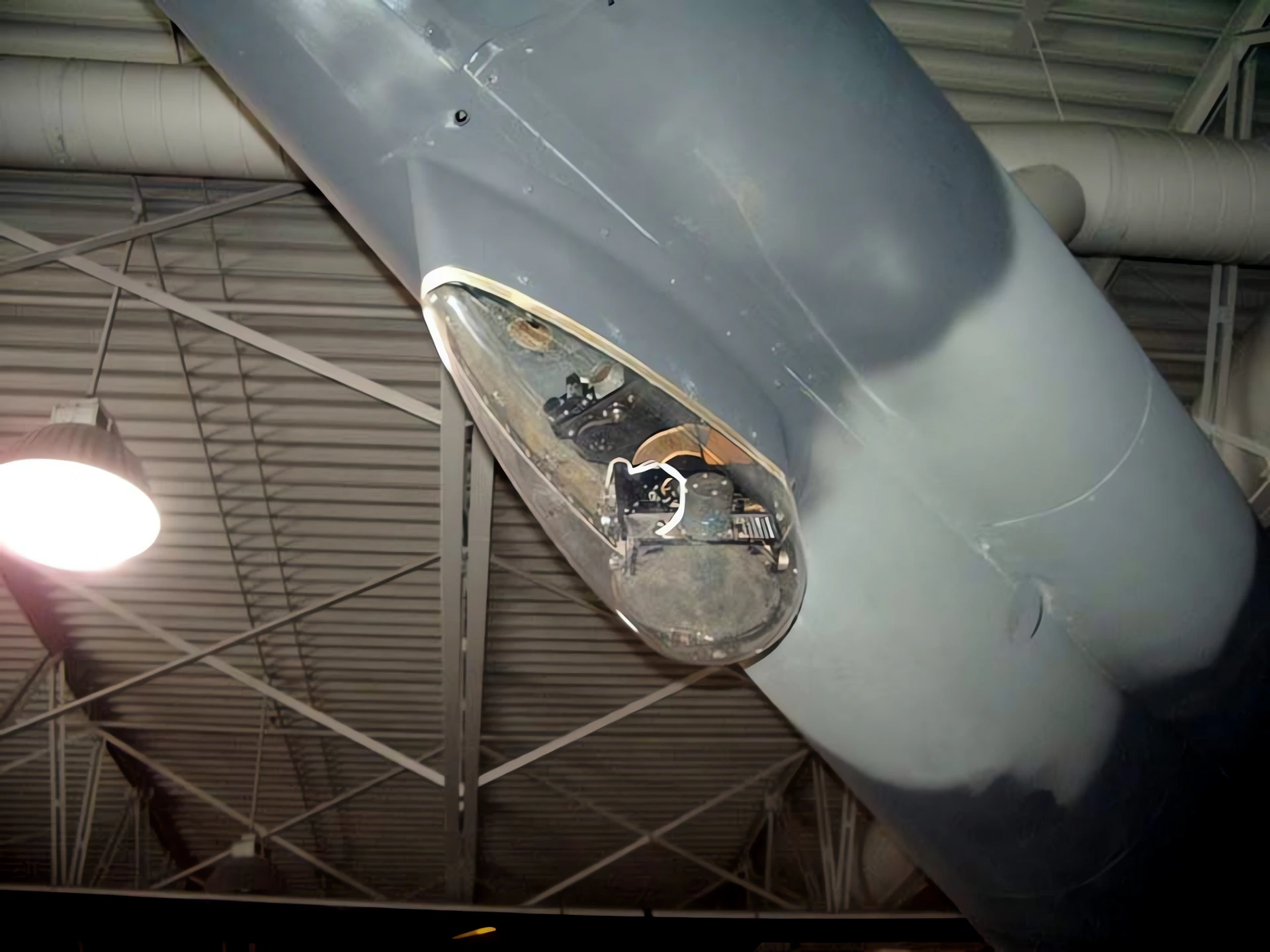
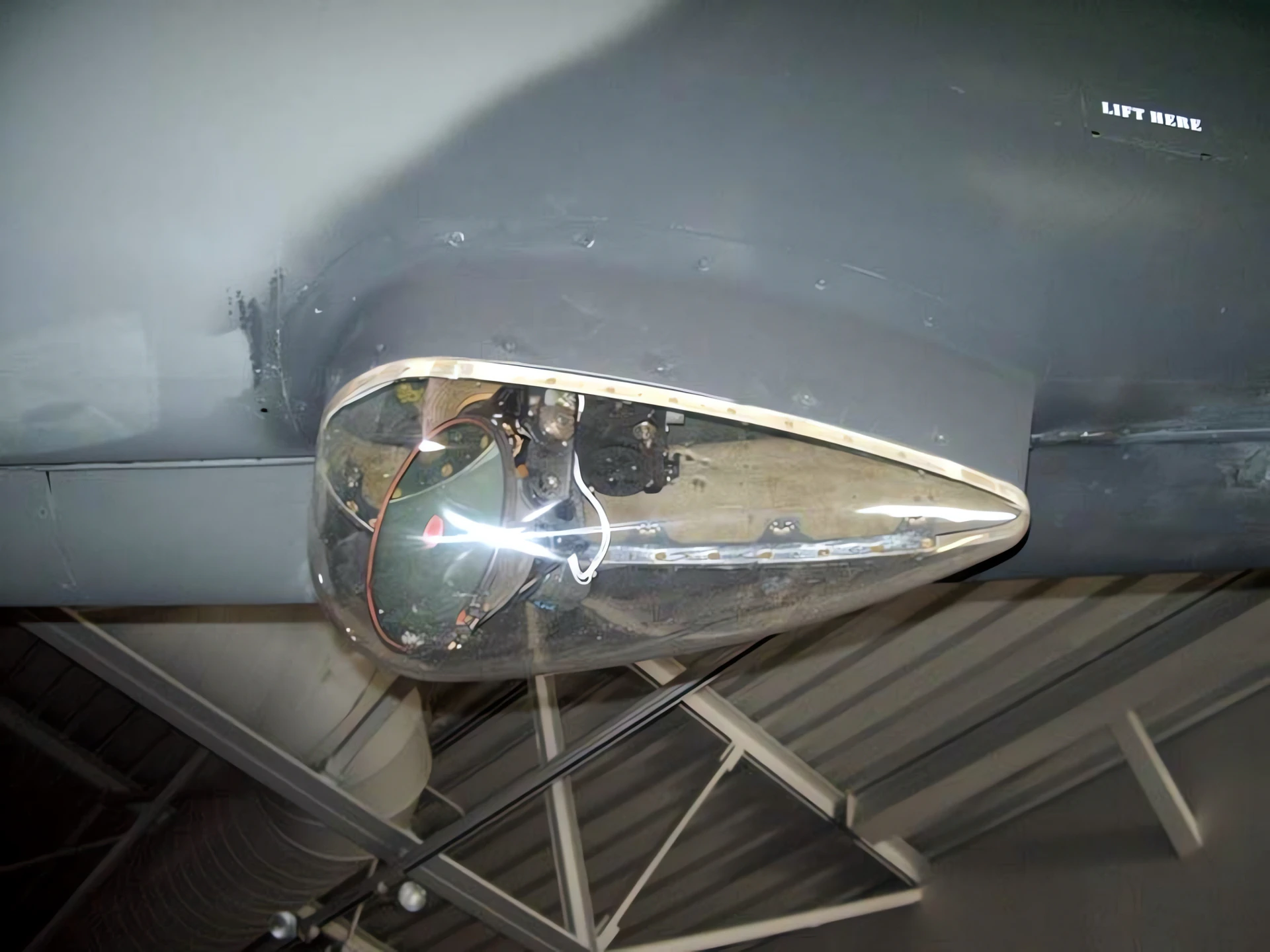
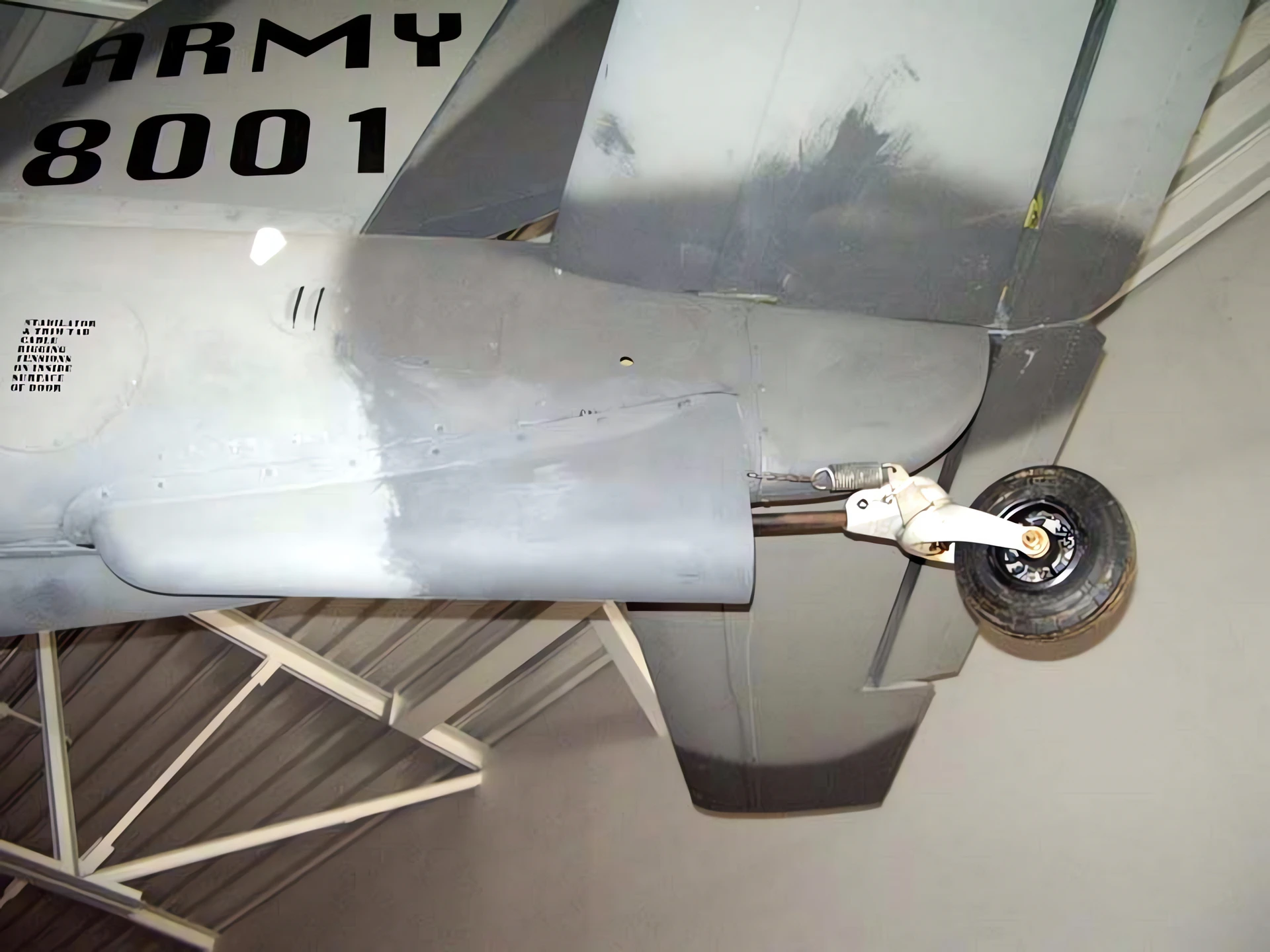
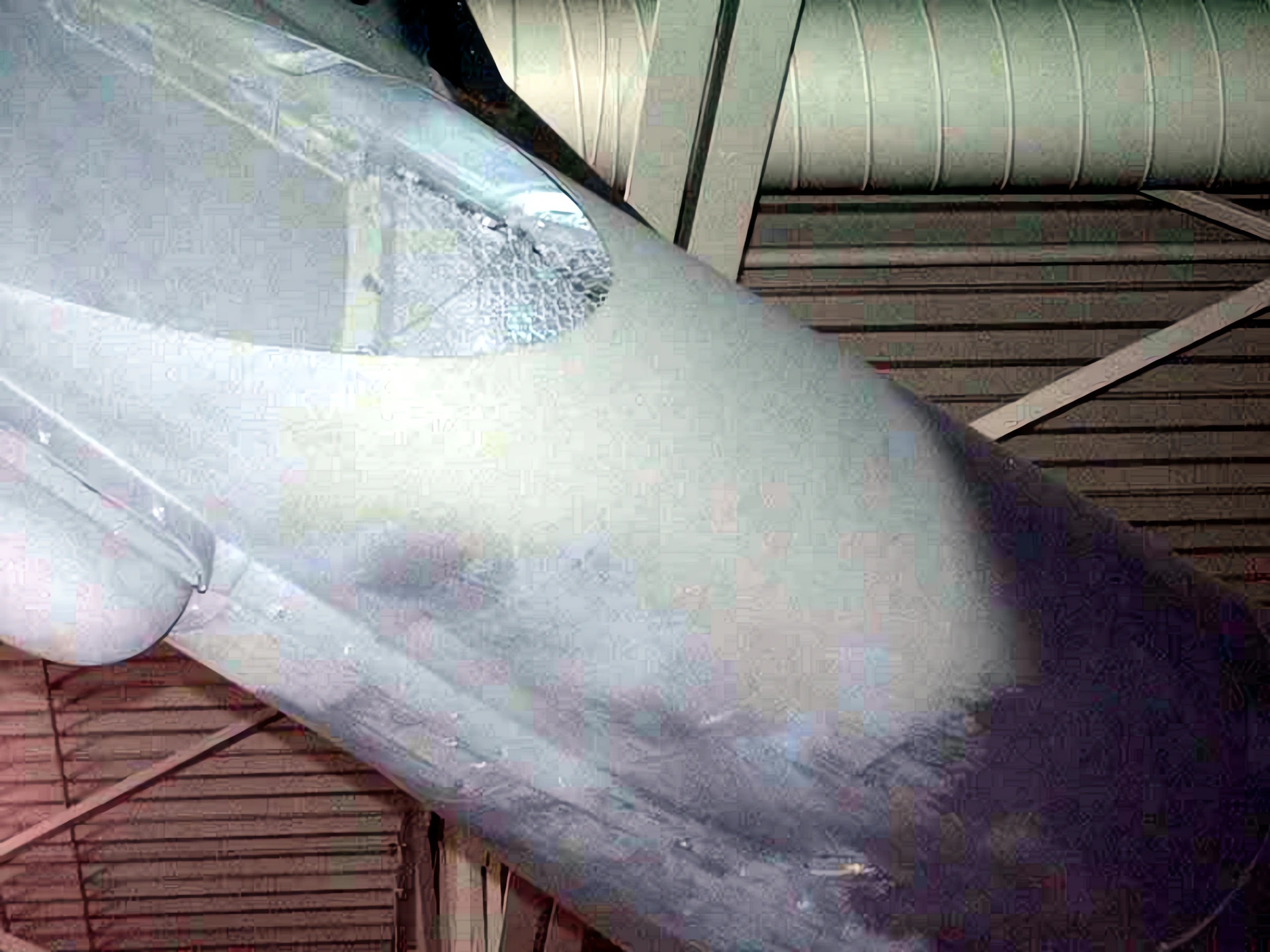

Pozri tiež:


Acoustic Stealth: Before Radar was the Enemy
Komisia Tichá hviezda Lockheed YO-3A was a specialized reconnaissance aircraft developed during the Vietnam War to observe enemy movement at night without being heard. While modern stealth focuses on radar, the YO-3A was all about acoustic stealth. It was designed to fly at altitudes as low as 1,000 feet, where it was virtually silent to people on the ground. Built using the wings of a Schweizer sailplane and a heavily modified engine, it remains one of the quietest powered aircraft ever flown.
| Attribute | Technical Specification (YO-3A) |
|---|---|
| Úlohu | Acoustic Stealth Reconnaissance |
| Posádky | 2 (Pilot in rear, Observer in front) |
| First Flight | 1969 |
| Pohonná jednotka | 1 × Continental I0-360D six-cylinder engine |
| Horsepower | 210 hp (157 kW) |
| Maximálna rýchlosť | 103 mph (166 km/h) |
| Cruise Speed | Approx. 80 mph (129 km/h) |
| Rozpätie krídel | 57 ft (17 m) |
The Engineering of Silence
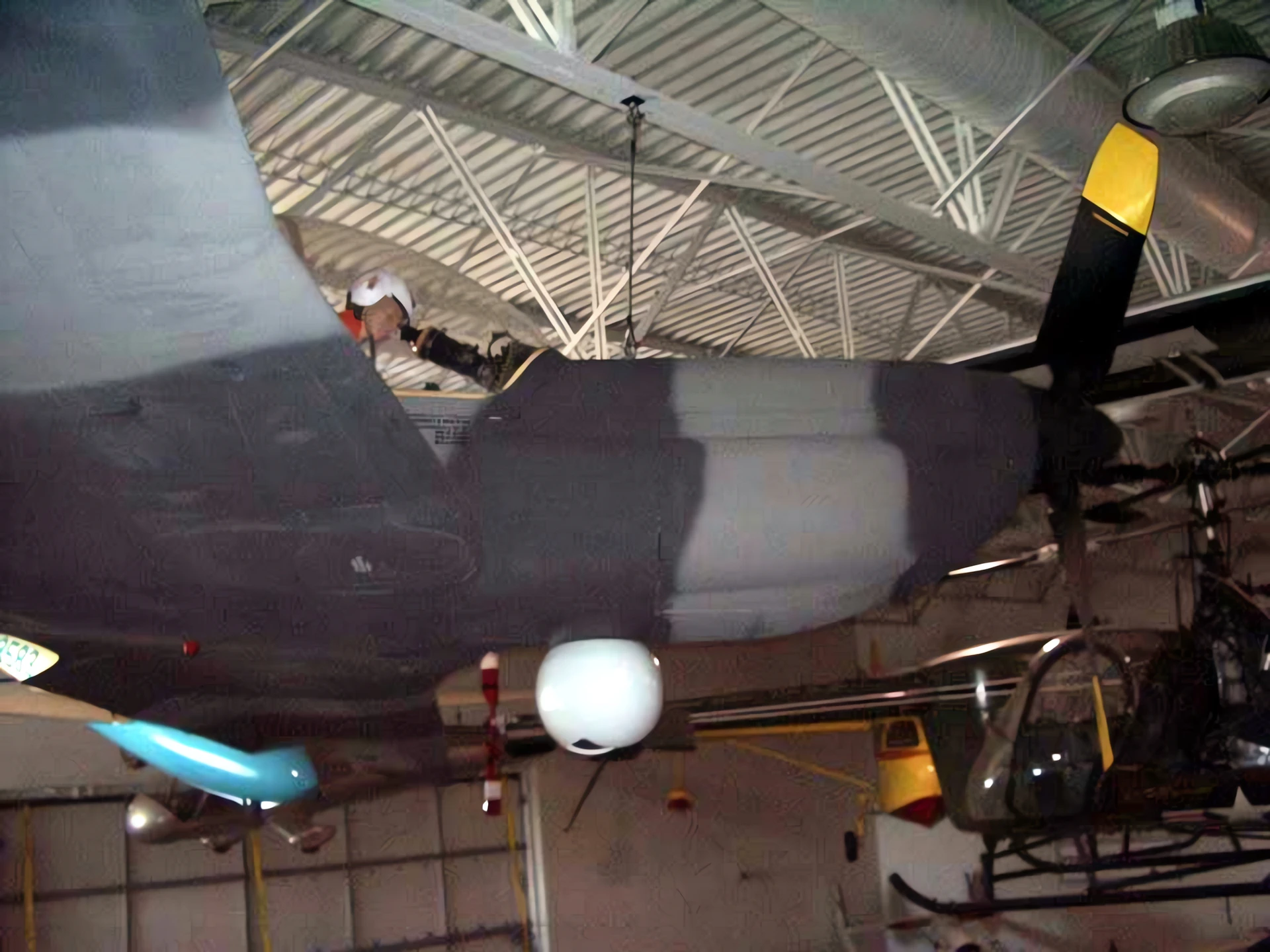
- Slow-Turning Propeller: The most significant source of aircraft noise is the propeller tip speed. The YO-3A used a massive, slow-turning wooden propeller (originally 6 blades, later 3) driven by a belt-reduction system rather than a loud gearbox.
- Exhaust Muffling: The engine exhaust was routed through a massive, high-performance muffler that ran along the entire right side of the fuselage, terminating at the tail to direct any remaining noise upward and away from the ground.
- Glider DNA: The aircraft utilized the high-aspect-ratio wings of a Schweizer SGS 2-32 sailplane. This allowed it to maintain altitude with very little engine power (and thus very little noise) while cruising over target areas.
- Sensors over Weapons: The YO-3A carried no armament. Instead, the observer in the front used a night vision periscope and an infrared illuminator to spot Viet Cong movements under the jungle canopy.
Combat History and NASA Service
- The “Midnight” Missions: In Vietnam, the YO-3A operated almost exclusively at night. Pilots reported that they could often hear the conversations of people on the ground over the sound of their own engine.
- Undefeated in Service: Of the 11 aircraft deployed to Vietnam between 1970 and 1971, none were ever lost to enemy fire, largely because the enemy never knew they were there until it was too late.
- NASA Research: After the war, NASA acquired several YO-3As to use as “microphone platforms.” Because the aircraft was so quiet, researchers could fly it alongside other aircraft to record their acoustic signatures without the YO-3A’s own noise contaminating the data.
- Current Status: Only a few survive today; one is prominently displayed at the Museum of Flight in Seattle, and another at the U.S. Army Aviation Museum at Fort Rucker.
Zobrazenia : 1296
Môžete tiež vidieť:
 Lockheed Model 10 Electra - fotografie a videá
 Lockheed C-5 Galaxy - fotografie a videá
 Lockheed L-049 Constellation – fotografie a videá
 Lockheed LC-130 - fotografie a videá
 Lockheed U-2 - fotografie a video
 Lockheed P-2 Neptún - fotografie a video
 Výstražná hviezda Lockheed EC-121 - fotografie a video
 Lockheed F-35 Lightning II - fotografie a video
 Lockheed P-38 Lightning – fotografie a video
 Lockheed F-22A Raptor – fotografie a video