Hiller OH-23 Havran | |
|---|---|
| Krajiny | Spojené štáty americké |
| Úlohu | Viacúčelový ľahký vrtuľník |
| Zavedenie | 1948 |
| Stav | Dôchodku |
Komisia Hiller OH-23 Havran Bol to trojmiestny ľahký pozorovací vrtuľník založený na Hiller Model 360. Model 360 bol spoločnosťou označený ako UH-12 ("UH" pre United Helicopters), ktorý bol prvýkrát letený v roku 1948. Tréner OH-23 bol žartom prezývaný "Hiller Killer" študentskými pilotmi americkej armády Aviation, ktorí s ním museli lietať.
Zdrojový: Hiller OH-23 Havran na Wiki
| Hiller OH-23 Havran prechádzka okolo | |
|---|---|
| Fotograf | Cees Hendriks |
| Lokalizácia | Neznáme |
| Fotografie | 79 |
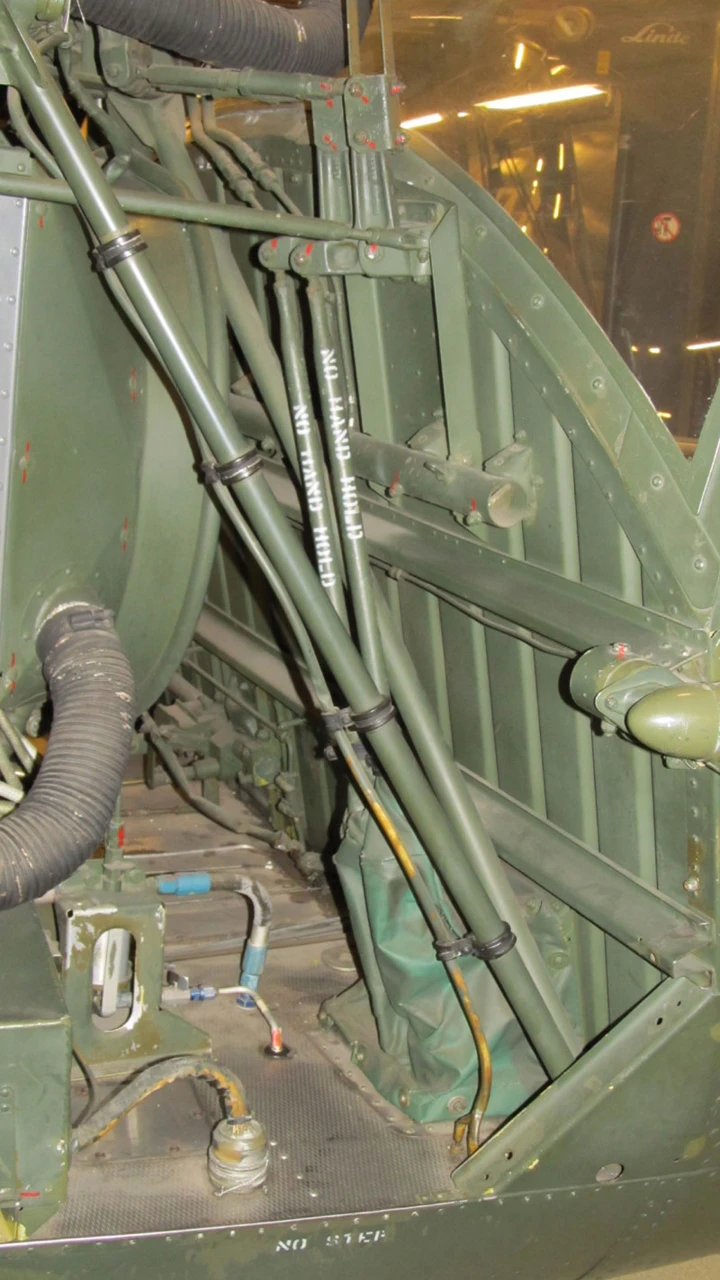
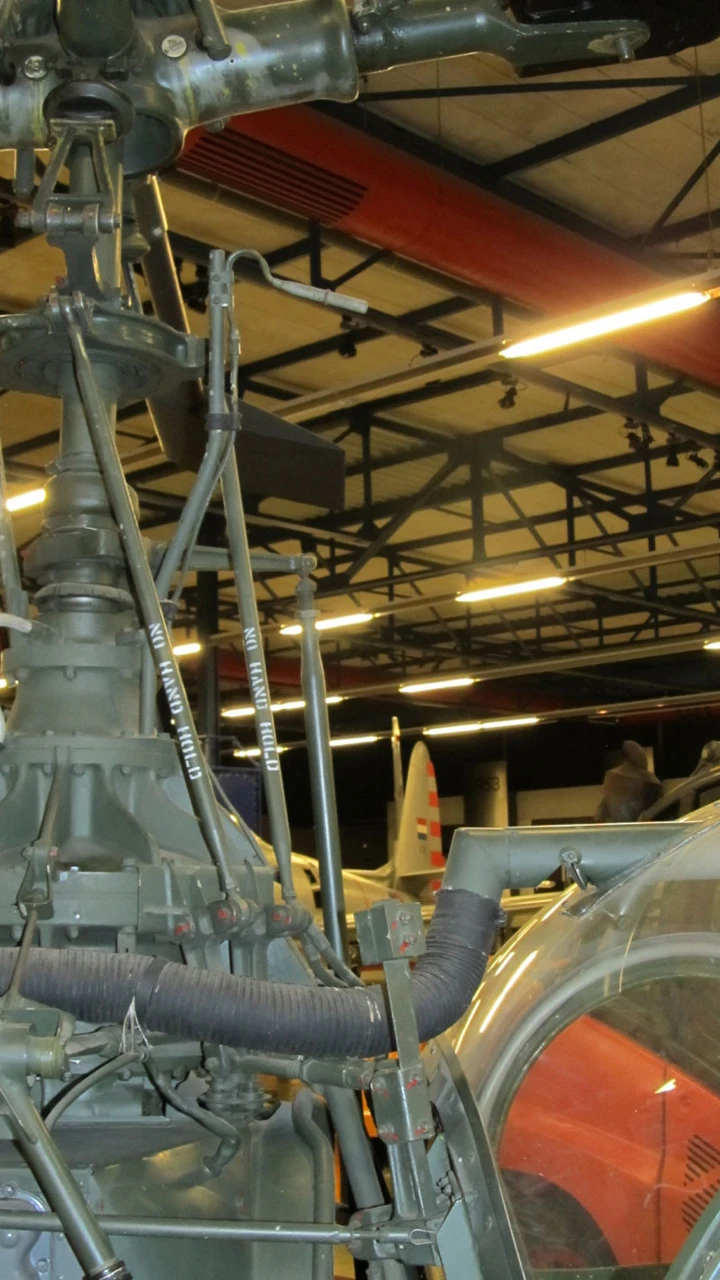
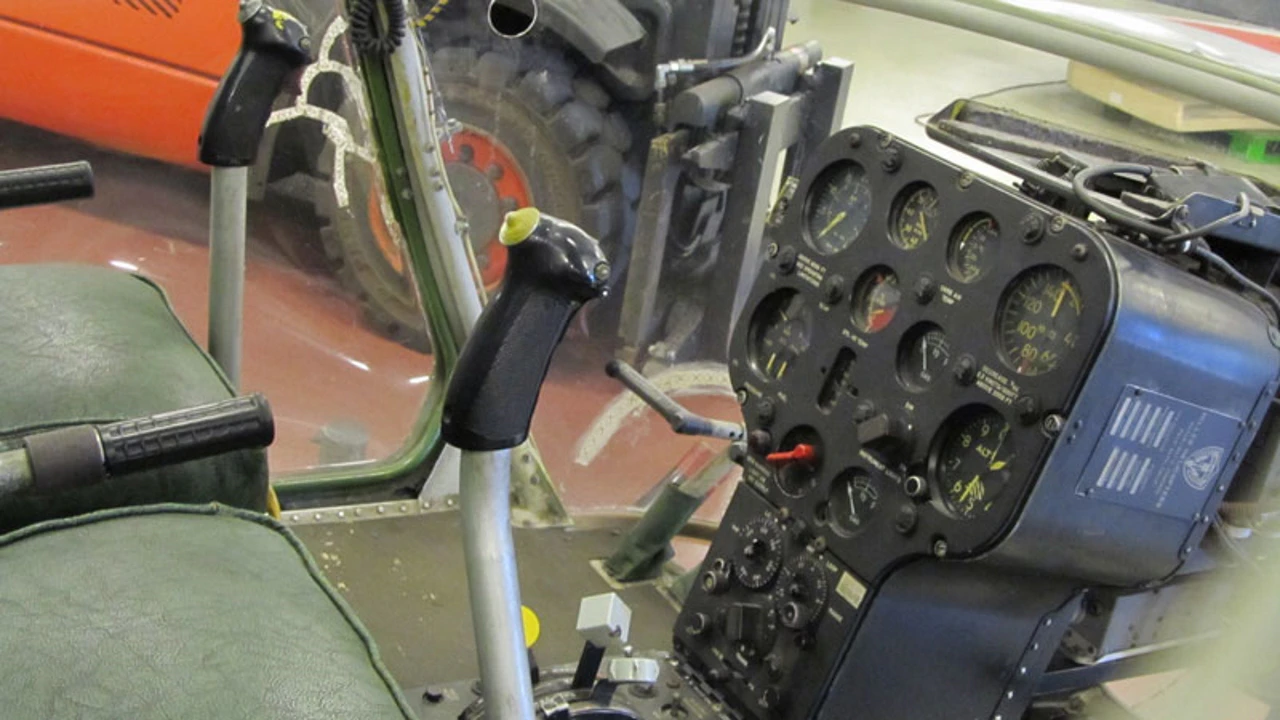
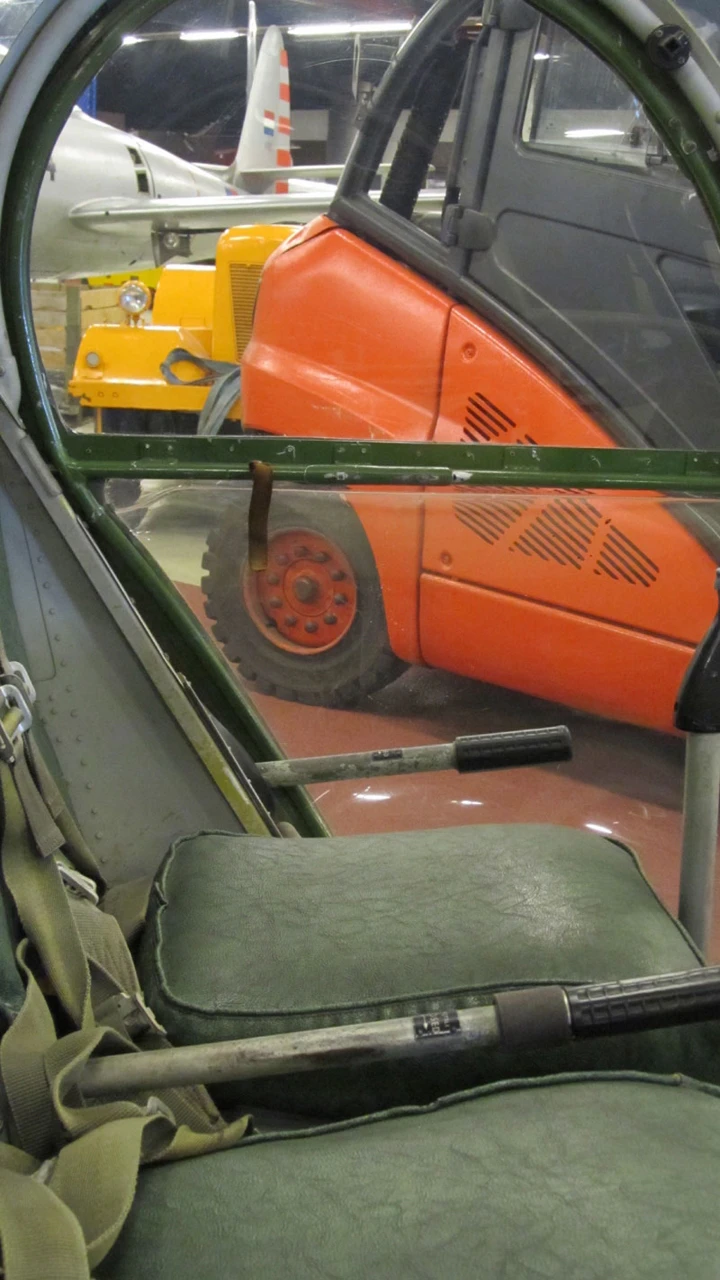
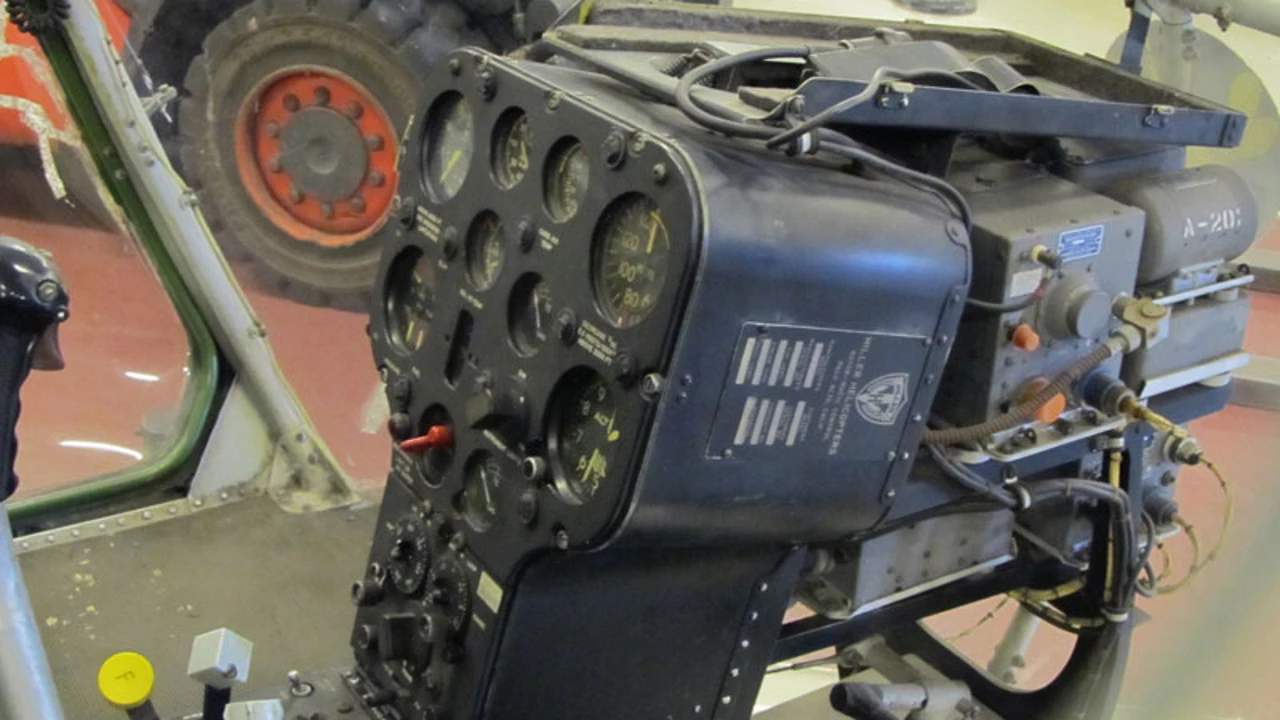
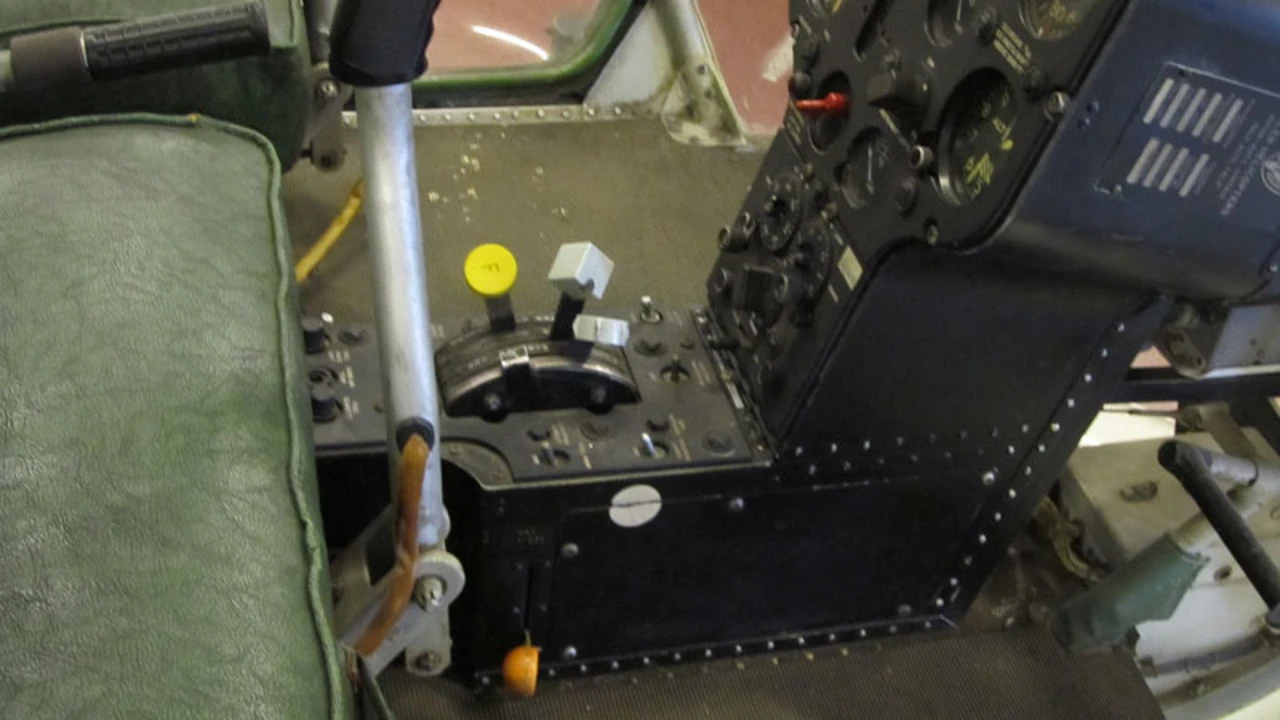
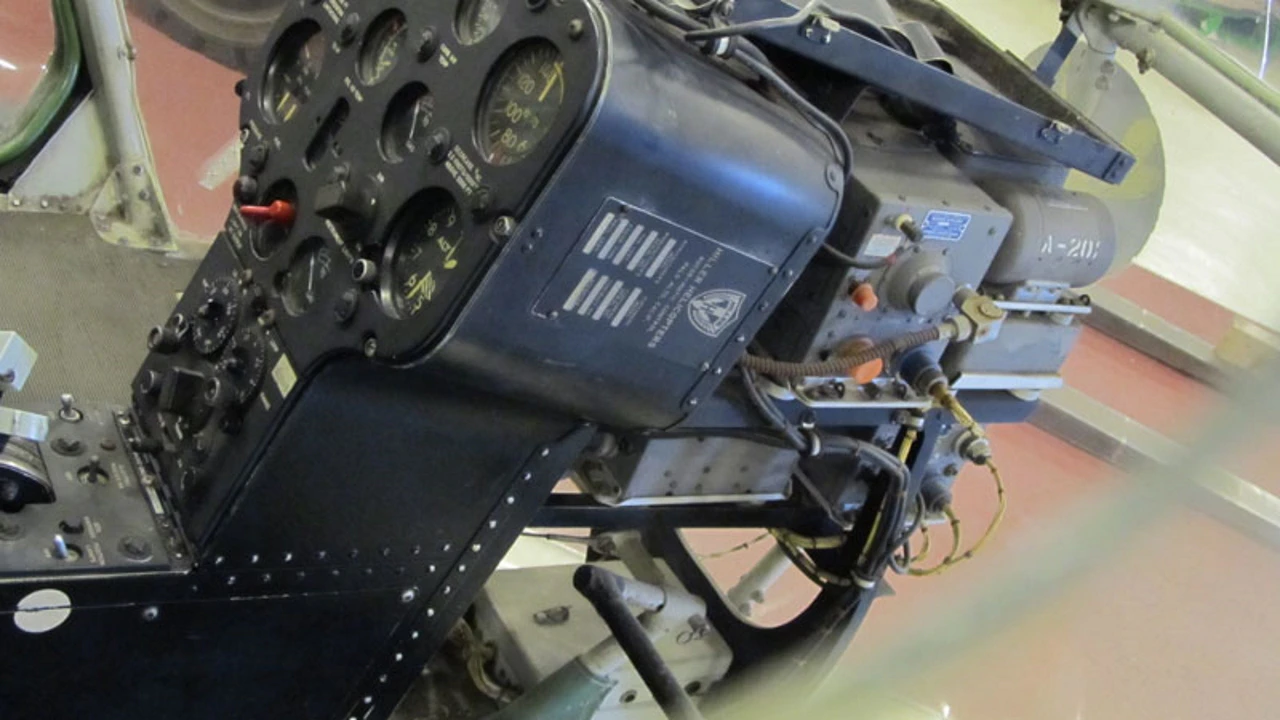
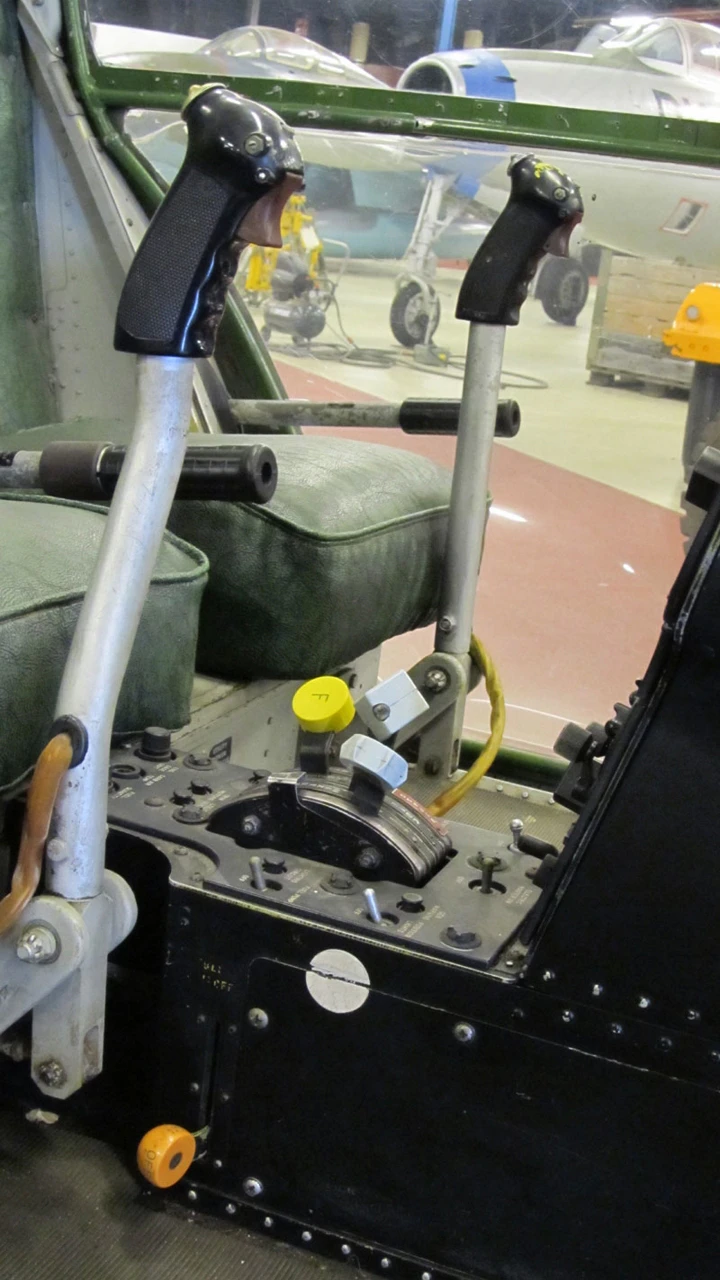
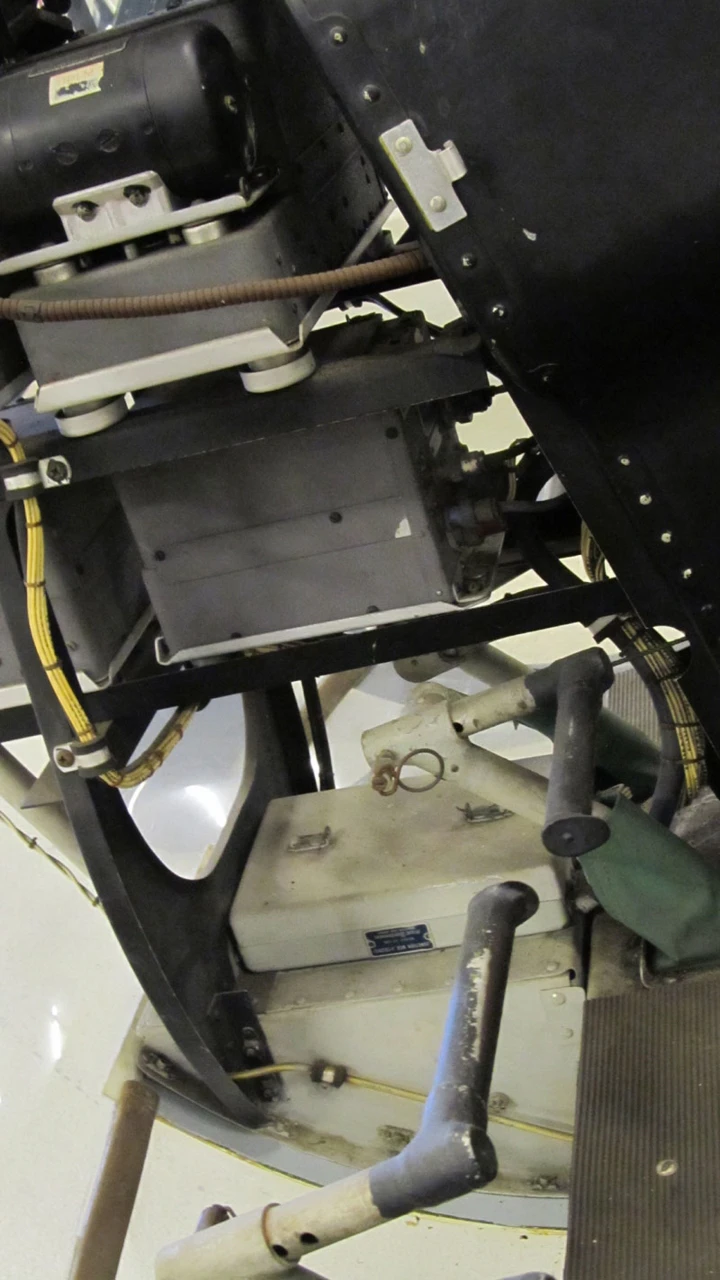

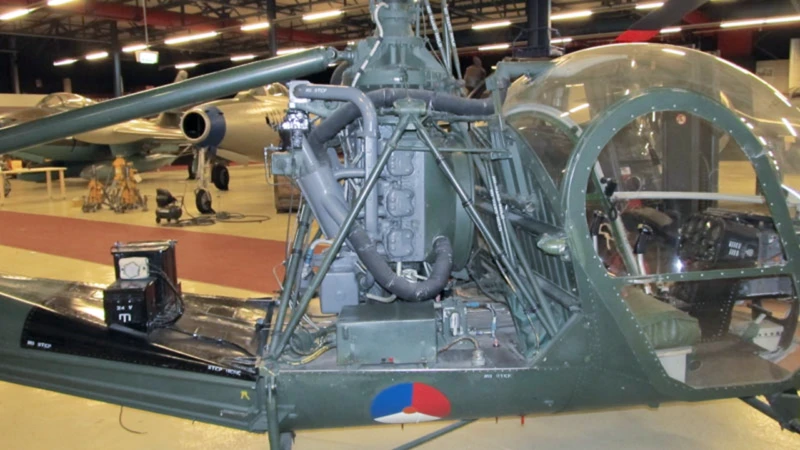
| Hiller UH-12 Raven Walk Around | |
|---|---|
| Fotograf | Unknow |
| Lokalizácia | Múzeum Militaire Luchtvaart, Soesterberg |
| Fotografie | 29 |
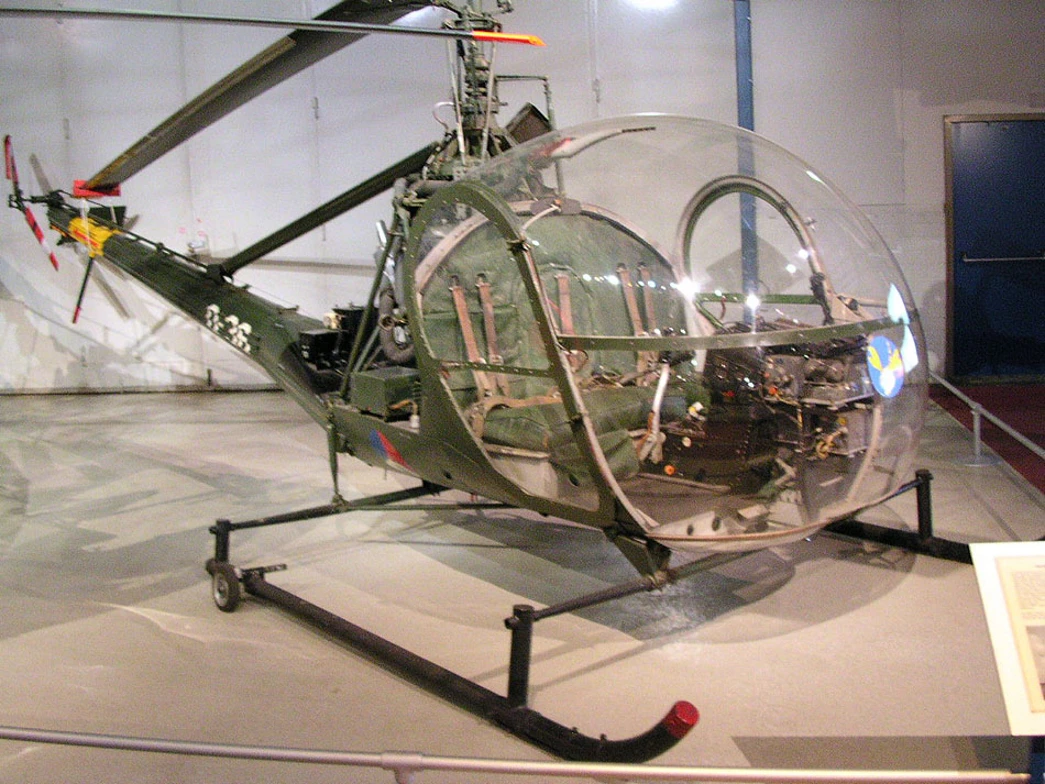
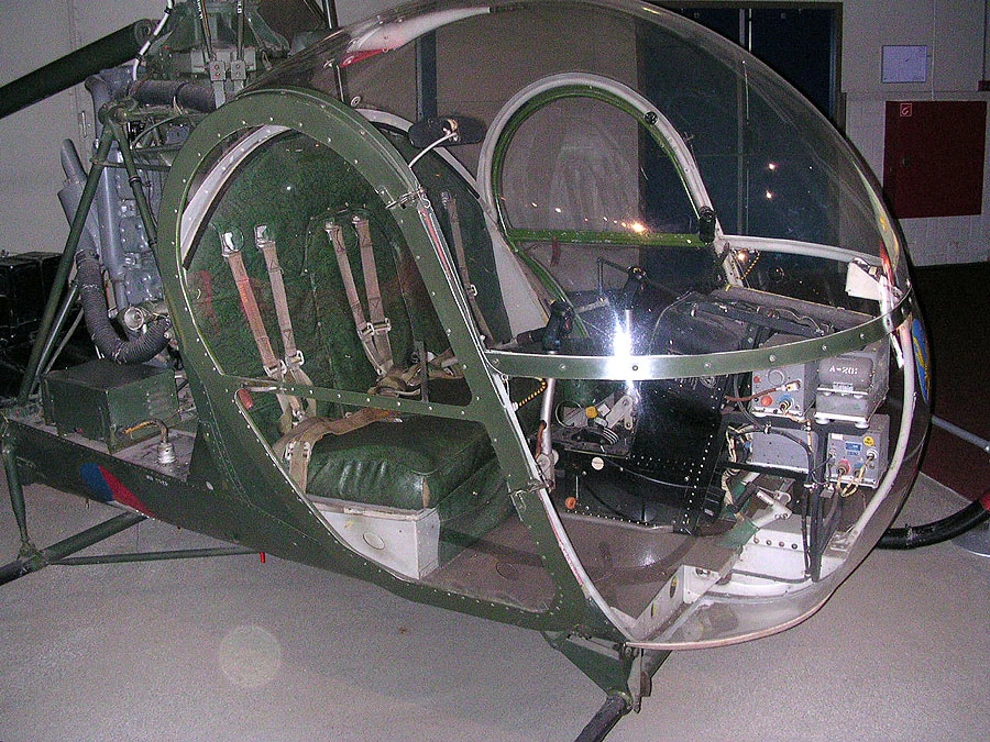
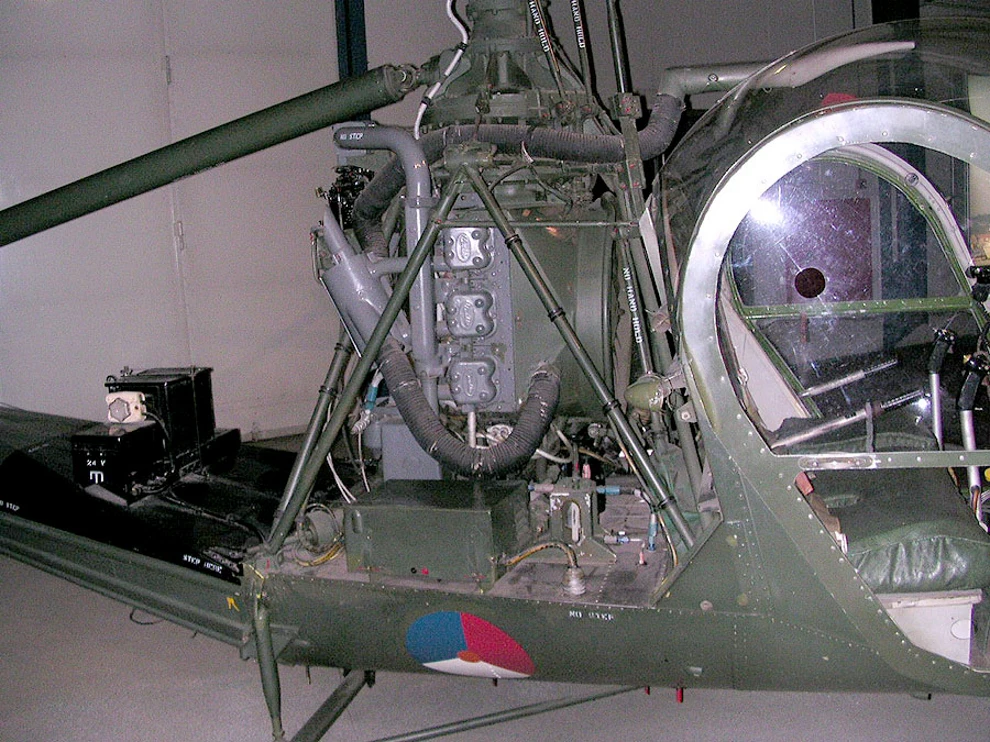
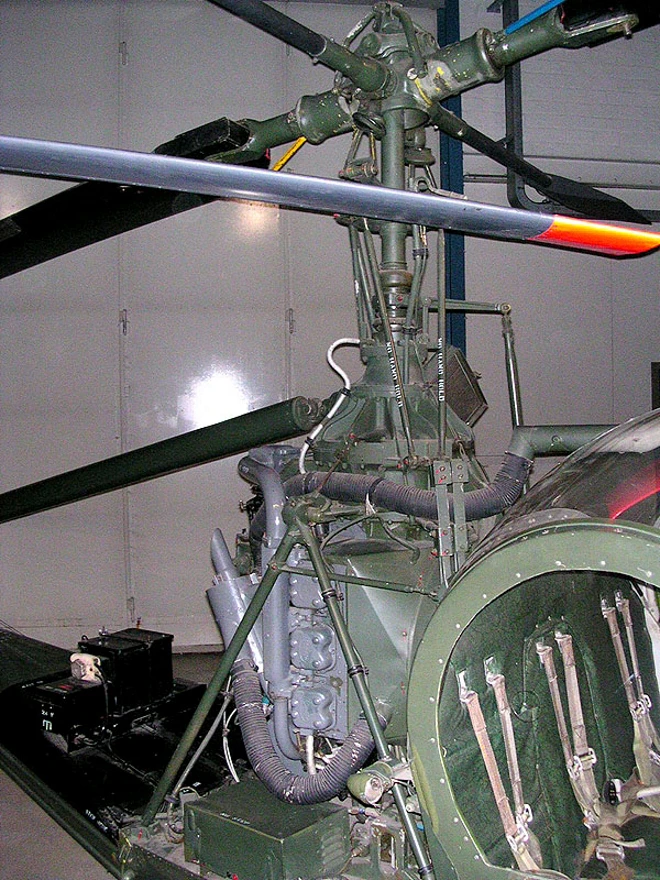
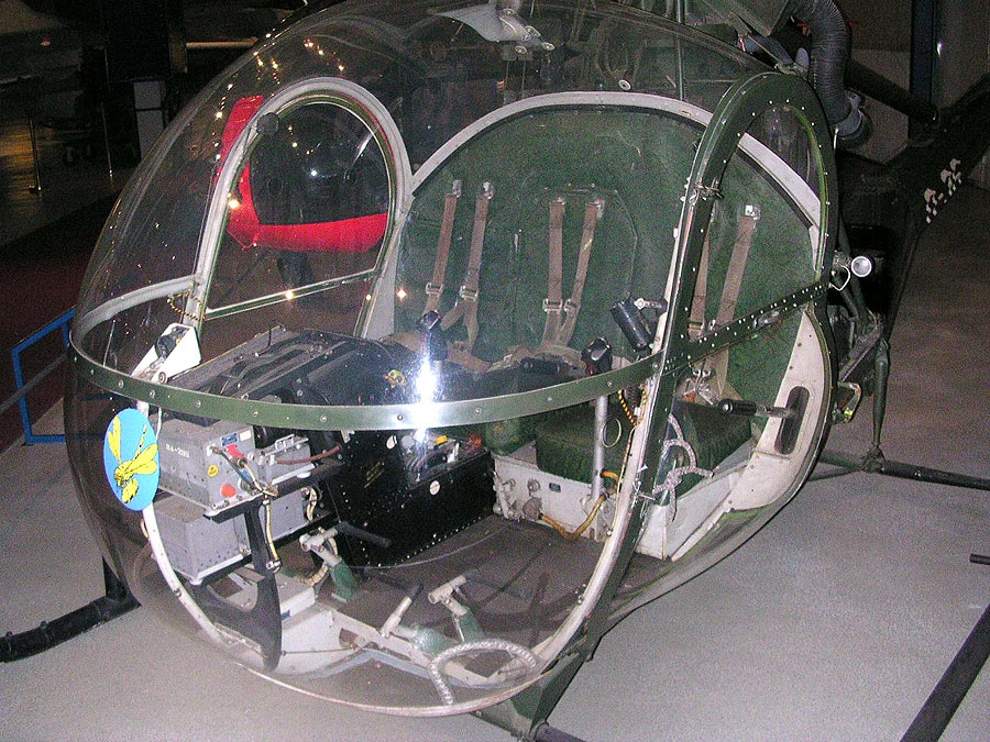
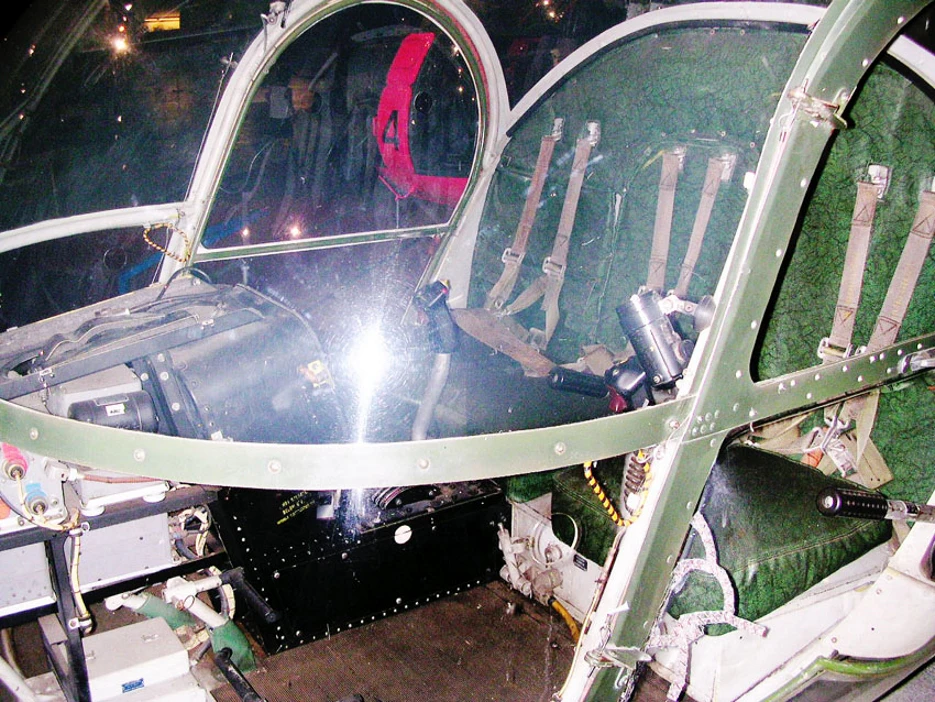
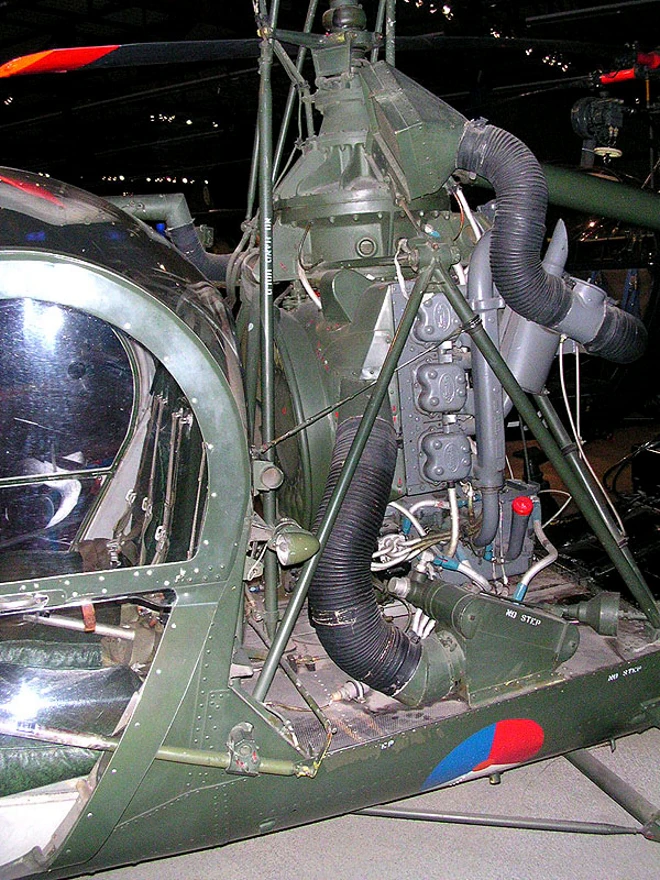
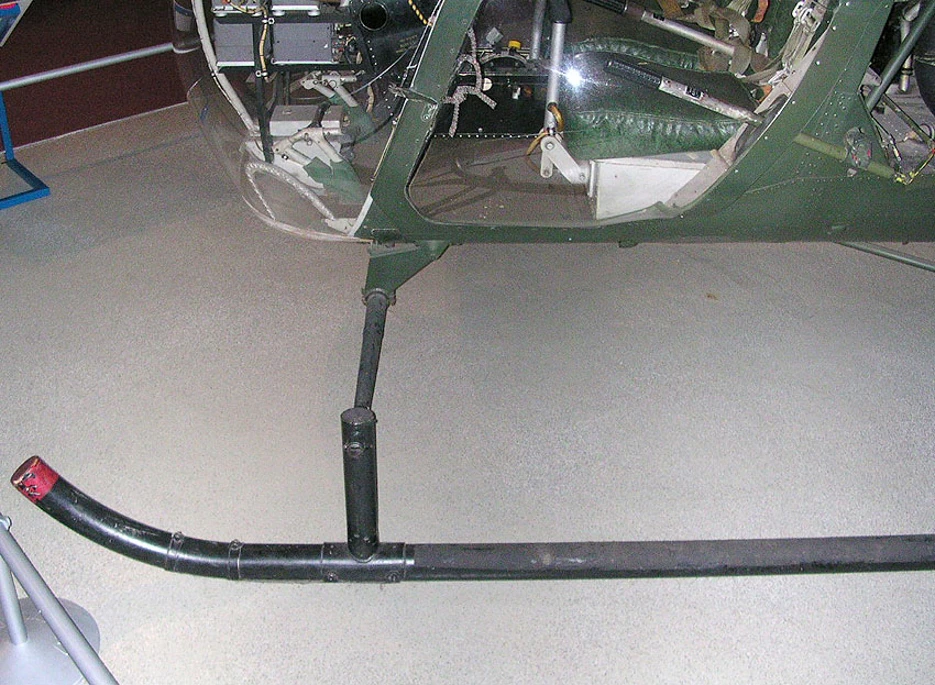
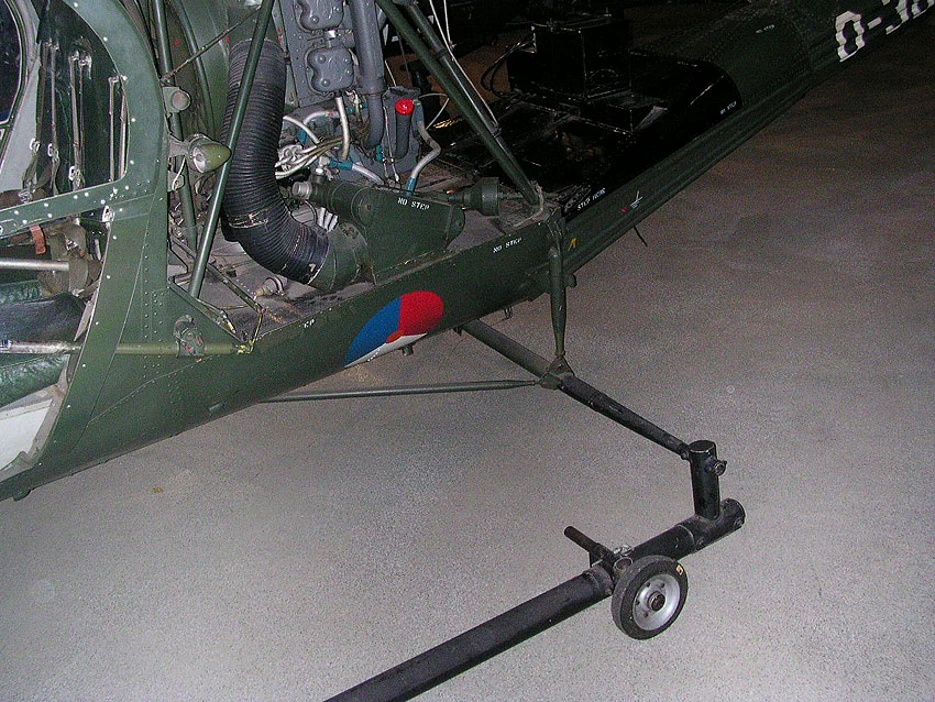
| Hiller UH-12 Walk Around | |
|---|---|
| Fotograf | Gunther Neumahr |
| Lokalizácia | Neznáme |
| Fotografie | 23 |
Pozri tiež:


The “Other” Bubble-Headed Hero
Komisia Hiller OH-23 Havran (originally designated the H-23) was the fierce competitor to the famous Bell 47. Designed by the teenage engineering prodigy Stanley Hiller, it became one of the U.S. Army’s most reliable light observation helicopters. While it shared the iconic “goldfish bowl” look of the era, the Raven was known for being a bit sturdier and easier to fly thanks to Hiller’s unique stabilization system. From the frozen valleys of Korea to the early jungles of Vietnam, the Raven served as the eyes of the Army, a flying ambulance for the wounded, and the primary classroom for thousands of student pilots.
| Attribute | Technical Specification (OH-23D/G) |
|---|---|
| Úlohu | Light Observation / MedEvac / Trainer |
| Crew / Capacity | 1 Pilot + 2 Passengers (G model) |
| First Flight | 1948 (as Hiller 360) |
| Pohonná jednotka | 1 × Lycoming VO-540-9A 6-cylinder (OH-23G) |
| Horsepower | 305 hp (227 kW) |
| Maximálna rýchlosť | 95 mph (153 km/h) |
| Service Ceiling | 13,200 feet (4,025 m) |
| Výzbroj | Occasionally twin 7.62mm M60C machine guns |
The “Rotor-Matic” Innovation
- Rotor-Matic Control: The Raven’s most distinctive feature was the pair of small “servo paddles” mounted at a 90-degree angle to the main rotor blades. The pilot’s controls moved these small paddles first, which then used aerodynamic force to tilt the main rotor. This made the Raven exceptionally stable and easy to handle for novice pilots.
- The “Goldfish Bowl”: Starting with the “C” model, the Raven adopted a single-piece plexiglass bubble. This provided the pilot and observer with a panoramic view of the battlefield, though like the Alouette III, it turned the cockpit into an “oven” in tropical climates.
- External MedEvac Litters: During the Korean War, the Raven was often fitted with two external pods or open stretchers mounted on the skids. This allowed the helicopter to carry wounded soldiers directly from the front lines to MASH units.
- No Hydraulics: Unlike modern helicopters, the early Raven had no hydraulic boost for the flight controls. It was a “pure” mechanical connection, which made it simpler to maintain in the field but required more physical effort from the pilot during high-speed maneuvers.
Korean Scout to Vietnam Veteran
- The My Lai Intervention: An OH-23 Raven, piloted by Hugh Thompson Jr., famously intervened during the My Lai massacre in 1968. Thompson landed his Raven between American soldiers and Vietnamese civilians, using the light helicopter to evacuate survivors.
- Primary Trainer: For nearly two decades, the Raven was the “standard trainer” at the Army’s primary flight school at Fort Wolters, Texas. If you were an Army aviator in the 1950s or 60s, you likely “soloed” in a Hiller.
- Global Export: The Raven was a massive export success, serving in over 20 countries. In Great Britain, it was known as the Hiller HT Mk 1, used by the Royal Navy for decades to train its carrier pilots.
- The Transition to Turbine: The Raven’s military career ended in the late 1960s when the U.S. Army moved toward turbine-powered helicopters like the OH-6 Cayuse. However, many Ravens were sold to civilian operators and are still used today for crop dusting and flight training.
Prezretí: 2568
Môžete tiež vidieť:
 Eurocopter MH-65 Dolphin – fotografie a videá
 Robinson R44 – fotografie a videá
 AgustaWestland AW101 – fotografie a videá
 Hiller XH-44 - fotografie a videá
 Hiller HJ-1 Hornet – fotografie a videá
 Focke-Achgelis Fa 330 – fotografie a videá
 Eurocopter EC120 Colibri – fotografie a video
 Westland Lynx – fotografie a video
 Aerospatiale AS555UN – fotografie a video
 Bell XV-3 - fotografie a video