Tiger Tank v akcii - WalkAround

Tiger Tank

KrajinyNemecko
Typ

Ťažká nádrž

Popis / kontrol

Album of 27 photos walk-around of a «Tiger Tank»

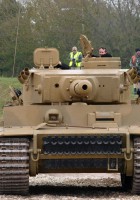
Fotogaléria tigrieho tanku v akcii, The Tiger I. je bežný názov nemeckej ťažkej nádrže vyvinutej v roku 1942 a používanej v druhej svetovej vojne. Konečným oficiálnym nemeckým označením bol Panzerkampfwagen VI Tiger Ausf.E, často skrátený na Tiger. Bola to odpoveď na nečakane impozantné sovietske brnenie, s ktorým sa stretli v prvých mesiacoch osovej invázie do Sovietskeho zväzu, najmä T-34 a KV-1. Dizajn Tiger I dal Wehrmachtovi prvú nádrž, ktorá vo svojej pôvodnej obrnenej bojovej verzii vyhradenej pre bojové vozidlá, ktorá vo svojej verzii Flak predtým preukázala svoju účinnosť proti leteckým aj pozemným cieľom. Počas vojny som videl boj na všetkých nemeckých bojiskách. Zvyčajne bol rozmiestnený v nezávislých tankových práporoch, čo sa ukázalo ako dosť impozantné.

Pokračovať v čítaní

Prezretí: 8816

Nemecká raketa V-2 - Cyber-Hobby 9140

Cyber-Hobby (Počítačový koníček)

Ref 9140
TypOranžová séria
Rozsahu1/35
Tému

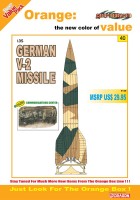
German V-2 Missile

Model značky Cyber-Hobby (Počítačový koníček) súprava: German V-2 Missile – Cyber-Hobby 9140.

Features: Bonus Communications Center The Vergeltungswaffe 2 (“Retaliation Weapon 2”, or V-2) was one of Germany’s wonder weapons, and it was certainly revolutionary at the time. It holds the distinction of being the world’s first long-range ballistic missile, and rockets were used widely against London and later Antwerp. Indeed, more than 3,000 V-2s were launched from September 1944 onwards, resulting in the deaths of some 7,250 people. The V-2 was also known technically as the A4, and it was the progenitor of all modern rockets. A V-2 could reach a maximum altitude of 88km before beginning its ballistic free-fall trajectory. One of the key designers behind the liquid-fuelled rocket project was Wernher von Braun. The 12,500kg and 14m-long rockets were constructed by prisoners at Mittelwerk, and they were fired from mobile launchers that proved difficult for Allied aircraft to target.

Orange Box has an astonishing 1/35 scale plastic kit of the famous, or perhaps infamous, V-2 rocket. This is an older Dragon kit but it has stood the test of time well, plus it includes a launch platform. Also, it is many years since Dragon’s V-2 was available, so this Orange Box release allows modelers to again get their hands on this important German weapon of WWII. To make it even more versatile, the set includes a 1/35 scale communications center that is crammed with a variety of radio gear and associated soldiers/radio operators. This set from the Orange Box collection offers unbeatable value for money.

Zdrojový: German V-2 Missile on Cybber-Hobby

Pokračovať v čítaní

Počet videní : 1078

Ba-64B - WalkAround

Ba-64B

KrajinyUrss (Urss)
Úlohu

Obrnené skautské auto

Postavený9110+

Komisia BA-64 was a 4×4 light armoured car, employed by the Soviet Army from 1942 into the early 1960s for reconnaissance and liaison tasks. The BA-64B was nicknamed ‘Bobik’ by its crews. The total recorded number of BA-64s produced differs even in Russian sources. The most frequently-stated figures are 9,110 (3,901 BA-64 and 5,209 BA-64B) vehicles which were built in the GAZ automobile plant, although a memorial plaque near the pictured Nizhny Novgorod car states 9,063 cars. The Red Army representatives accepted only 8,174 BA-64s, including 3,390 with radio sets; the other vehicles were transferred to NKVD units and Soviet allies.

Zdrojový: Ba-64B na Wiki

Pokračovať v čítaní

Views : 4249

Wydawnictwo Militaria 320 - KW vol. Iii

Wydawnictwo Militaria

Ref

Wydawnictwo Militaria 320

Autor
Predmet

Chars KV – Kliment Voroshilov

Podpísaná dokumentácia Wydawnictwo Militaria le livre «Chars KV – Kliment Voroshilov – Wydawnictwo 320» .

Nádrž Kliment Voroshilov (KV) je sovietsky prasknutý tank. Bolo to nepríjemné prekvapenie pre Wehrmacht počas operácie Barbarossa: v tom čase bol takmer nezraniteľný pre všetky jeho zbrane okrem 88 mm flakovej protilietadlovej zbrane a priamej delostreleckej paľby.

Pokračovať v čítaní

Prezretí: 956

Wydawnictwo Militaria 259 T-34

Wydawnictwo Militaria

Ref

Wydawnictwo Militaria 259

Autor
Predmet

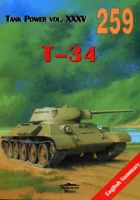
Char T-34

Podpísaná dokumentácia Wydawnictwo Militaria le livre «Char T-34 – Wydawnictwo 259» .

T-34 je stredný tank, ktorý vstúpil do služby v roku 1940 s Červenou armádou. V tom čase to bola pozoruhodná rovnováha medzi tromi hlavnými faktormi, ktoré definovali kvalitu obrneného vozidla, a to: palebná sila, ochrana a mobilita. Tento úspech z neho urobil jeden z aktív Sovietskeho zväzu proti invázii do Wehrmachtu. Aby tomu mohla čeliť, bude tiež musieť prehodnotiť svoju politiku konštrukcie tankov napríklad vývojom Panzer-V "Panther", ktorý si požičal niektoré zo svojich technických charakteristík z T-34. Aj keď T-34 rýchlo predbehla zahraničná výroba, zostane vo výrobe od roku 1940 do roku 1958, s celkovým počtom vyrobených kusov odhadovaným na 84 070 kópií, čo z neho robí druhý najvyrábanejší tank všetkých čias, hneď za jeho nástupcami, T-54 a T-55.

Pokračovať v čítaní

Zobrazenia : 586

Wydawnictwo Militaria 56 Jagdpanzer 38(t) HETZER

Wydawnictwo Militaria

Ref

Wydawnictwo Militaria 056

Autor
Predmet

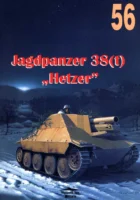
Jagdpanzer 38(t) – Hetzer – sdkfz.138/2

Podpísaná dokumentácia Wydawnictwo Militaria le livre «Jagdpanzer 38(t) – Hetzer – Wydawnictwo Militaria 056» .

Komisia Torpédoborec nádrže 38(t), (Sd.Kfz. 138/2) známy ako Hetzer (v prípade (que l’on peut traduire approximativement par Traqueur ou Trappeur en allemand), est un chasseur de char allemand de la Seconde Guerre mondiale, construit sur la base du châssis du Panzer 38(t) tchèque.

Pokračovať v čítaní

Pohľady: 853

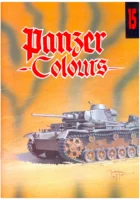
Wydawnictwo Militaria 15 Panzer colours

Wydawnictwo Militaria

Ref

Wydawnictwo Militaria 015

Autor
Predmet

Panzers

Podpísaná dokumentácia Wydawnictwo Militaria le livre «Panzers Colors- Wydawnictwo Militaria 015» .

Panzer est un vocable allemand signifiant “blindé”. Si le mot peut s’appliquer aujourd’hui à tous les engins cuirassés allemands, des origines jusqu’à nos jours, l’usage fait qu’il désigne essentiellement les blindés chenillés à tourelle allemands de la Seconde Guerre mondiale (panzerkampfwagen, véhicule blindé de combat, en abrégé PzKfw), lesquels eurent une conception et un emploi tactique particuliers. Le terme générique est moins utilisé pour les MBT (main battle tank) allemands de l’après-guerre (Leopard 1 et 2), similaires aux autres systèmes d’armes occidentaux. A noter que si l’historiographie française utilise le pluriel “panzers”, l’usage actuel admet le pluriel d’origine panzer en italique. De plus, certains ouvrages d’histoire militaire utilisent ce mot comme abréviation de grandes unités blindées (“2ème panzer” signifiant 2ème division blindée ou 2.Panzerdivision). Les panzer, surtout ceux de la deuxième moitié de la guerre, étaient très redoutés, moins nombreux mais souvent plus dangereux que ceux de leurs adversaires. Les chars lourds Tigre et Tigre II étaient ainsi les véhicules les plus lourdement blindés de leur époque. Le panzer IV fut le blindé allemand le plus utilisé durant la Seconde Guerre mondiale. Il a opéré sur tous les fronts : Pologne, France, Balkans, Grèce, front de l’Est, Afrique du Nord, Italie, etc.

Pokračovať v čítaní

Views : 991