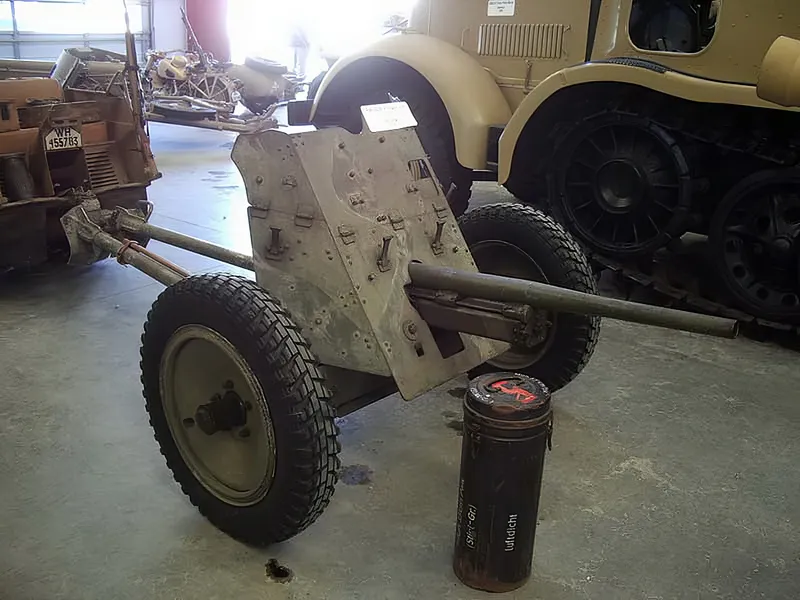
37мм Пак35-36 | |
|---|---|
| Страны | Германия |
| Тип | Противотанковое орудие |
| Период | Вторая мировая война |
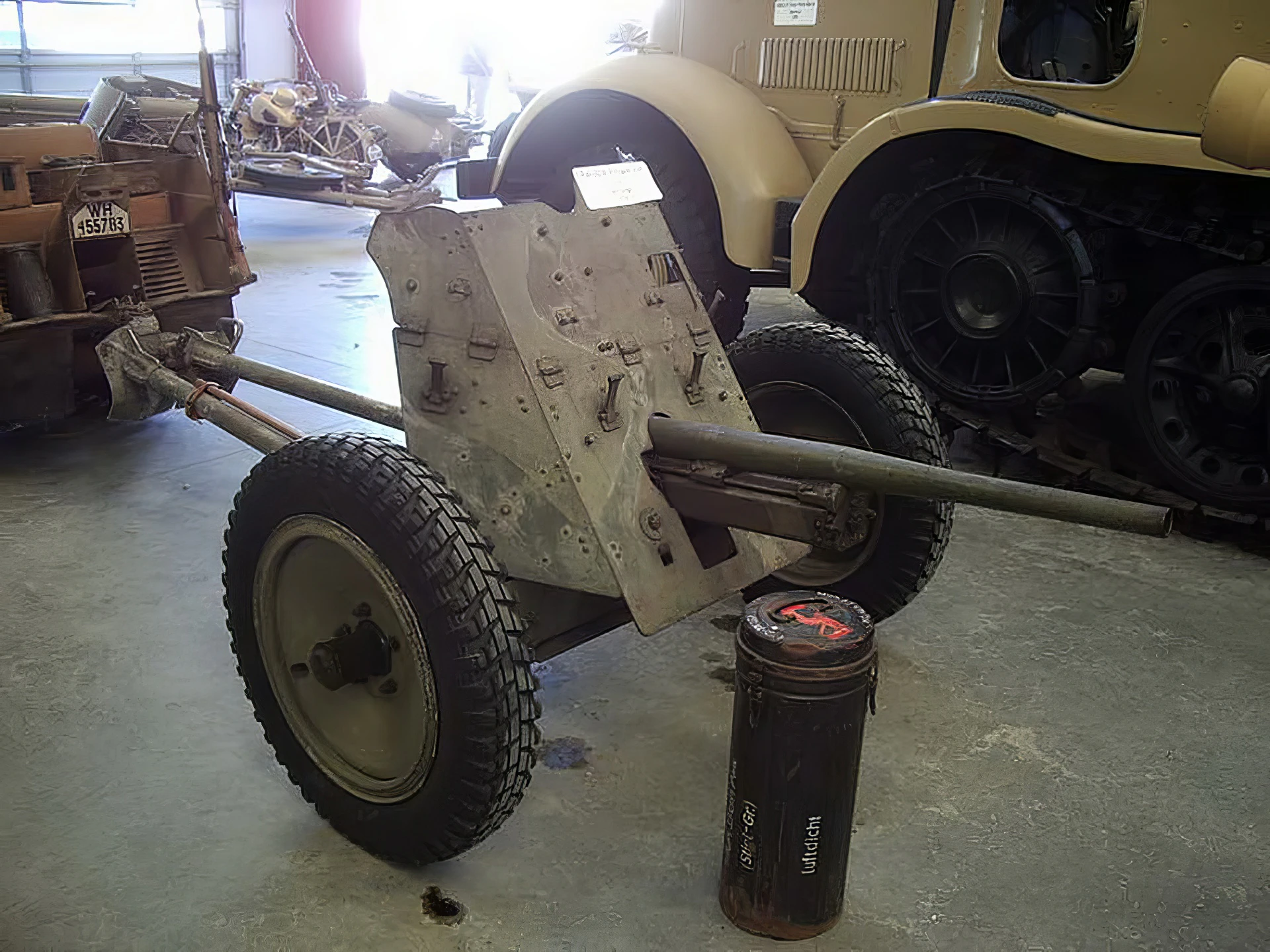
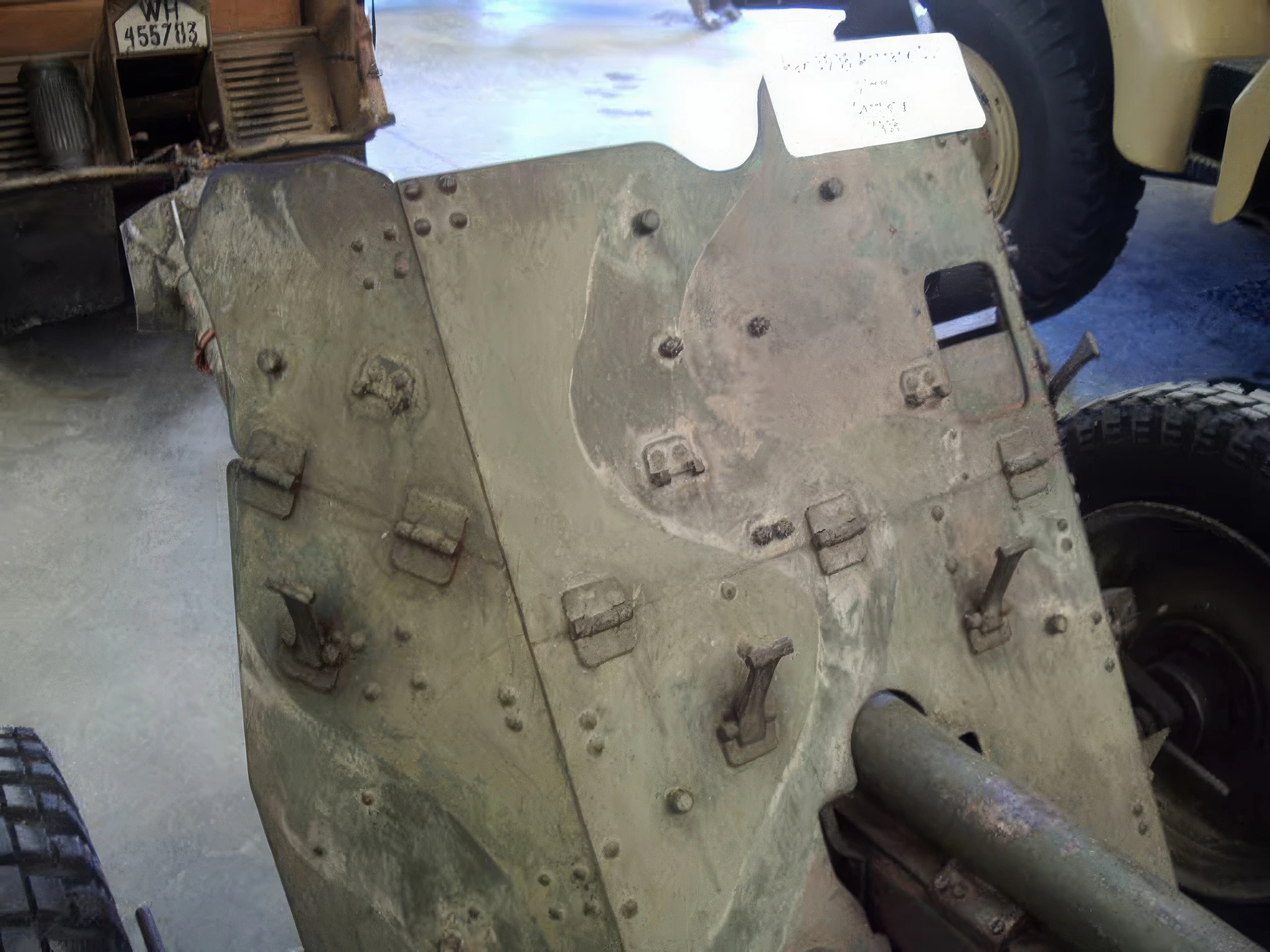
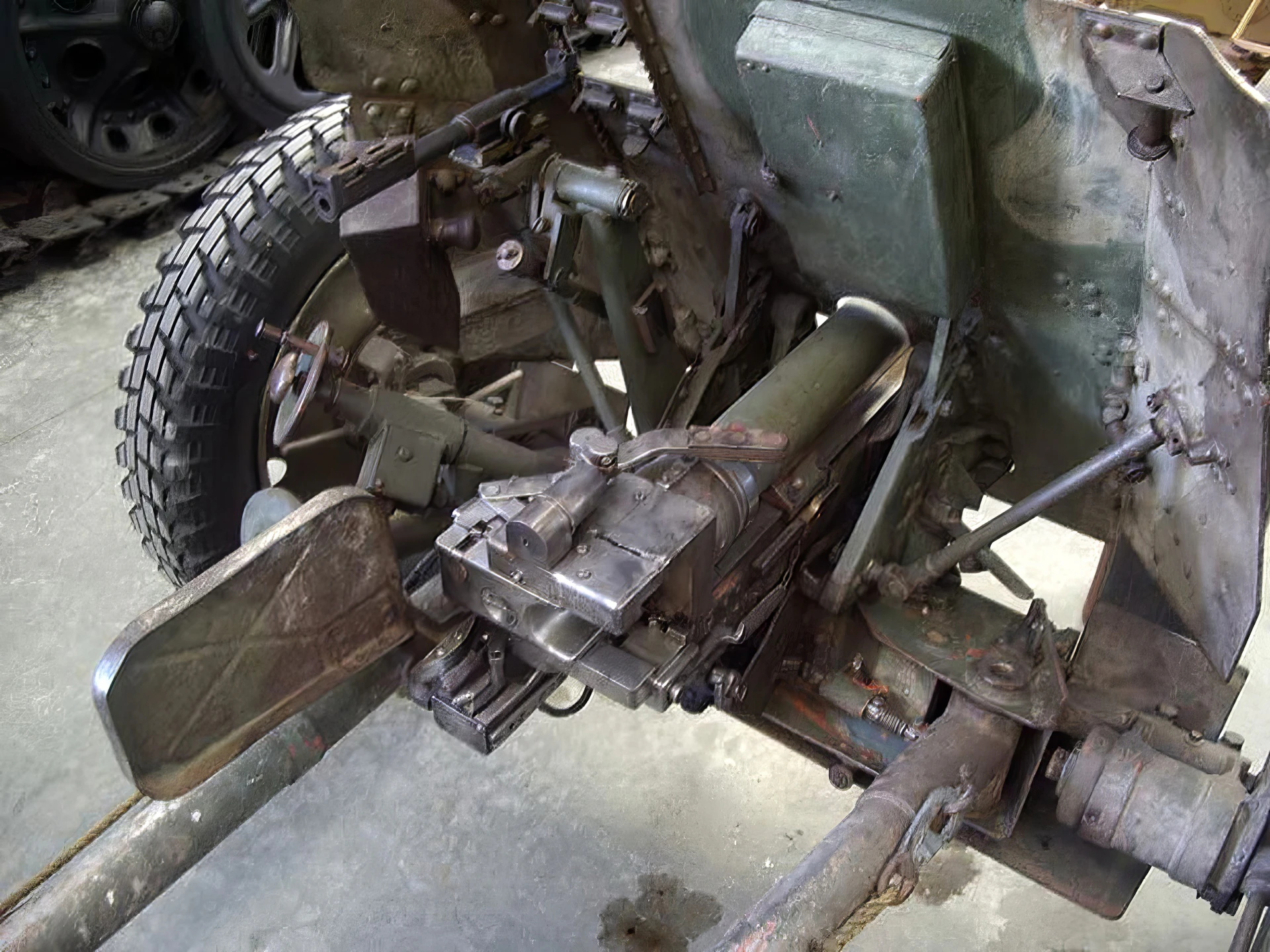
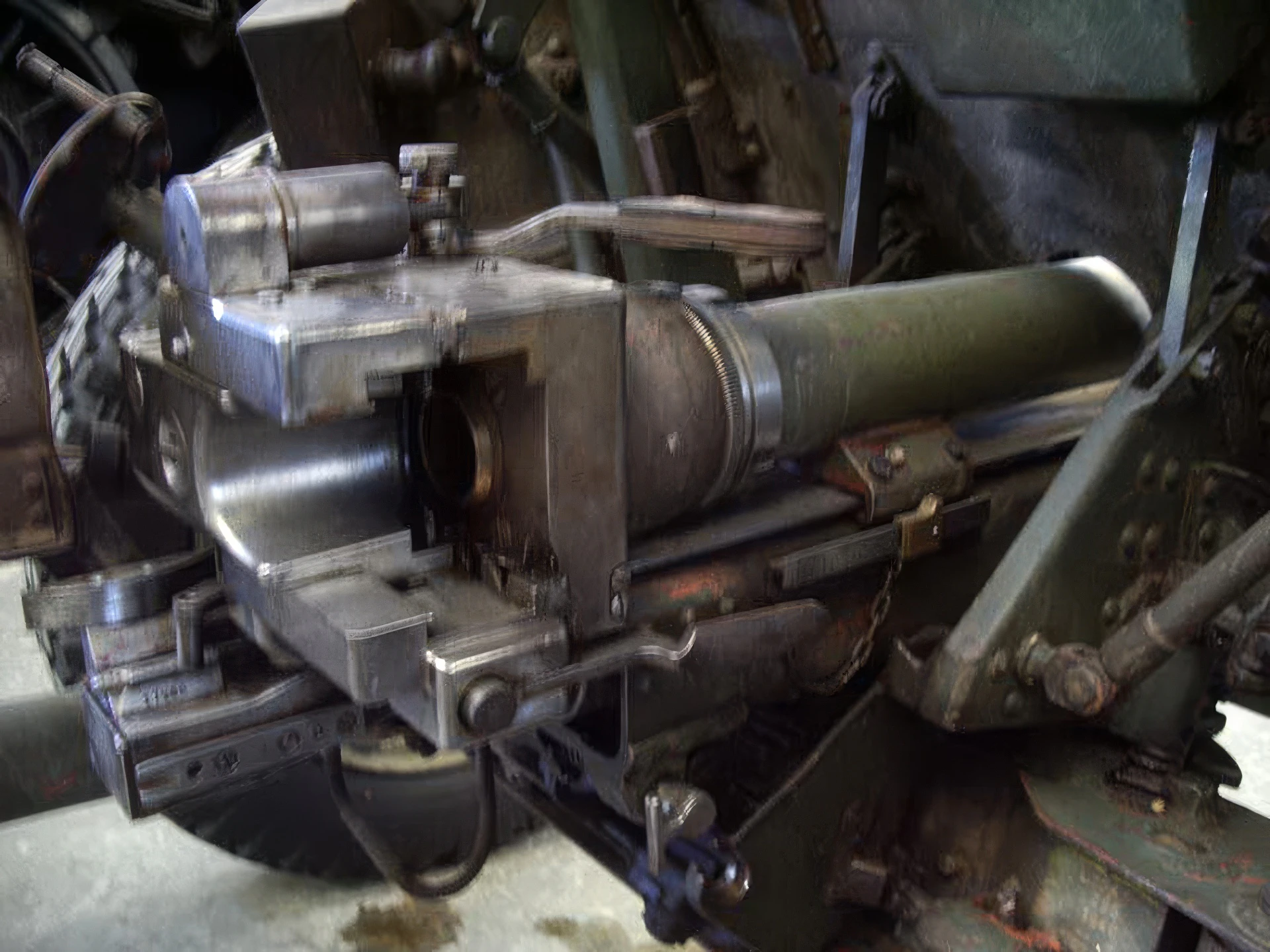
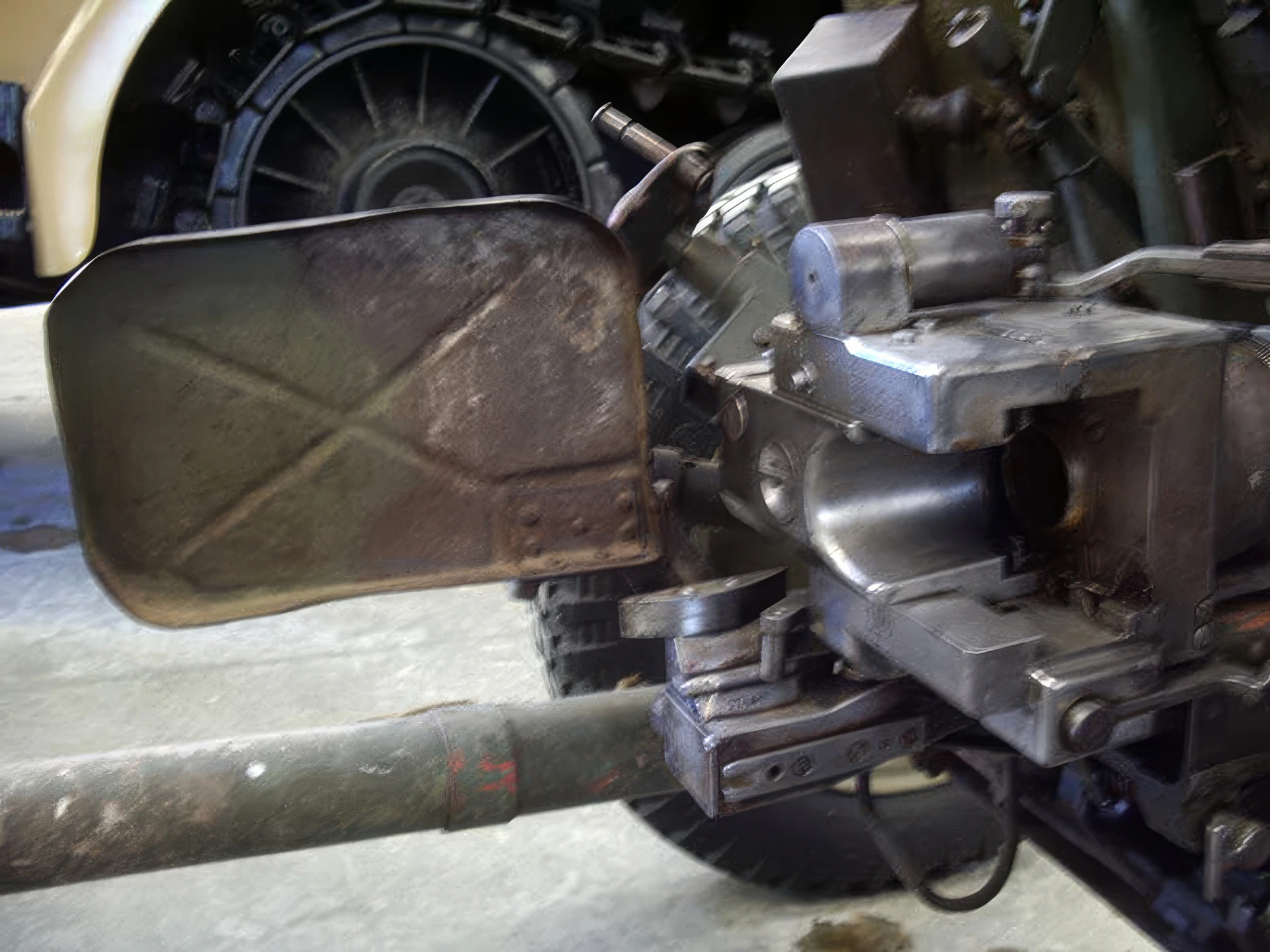
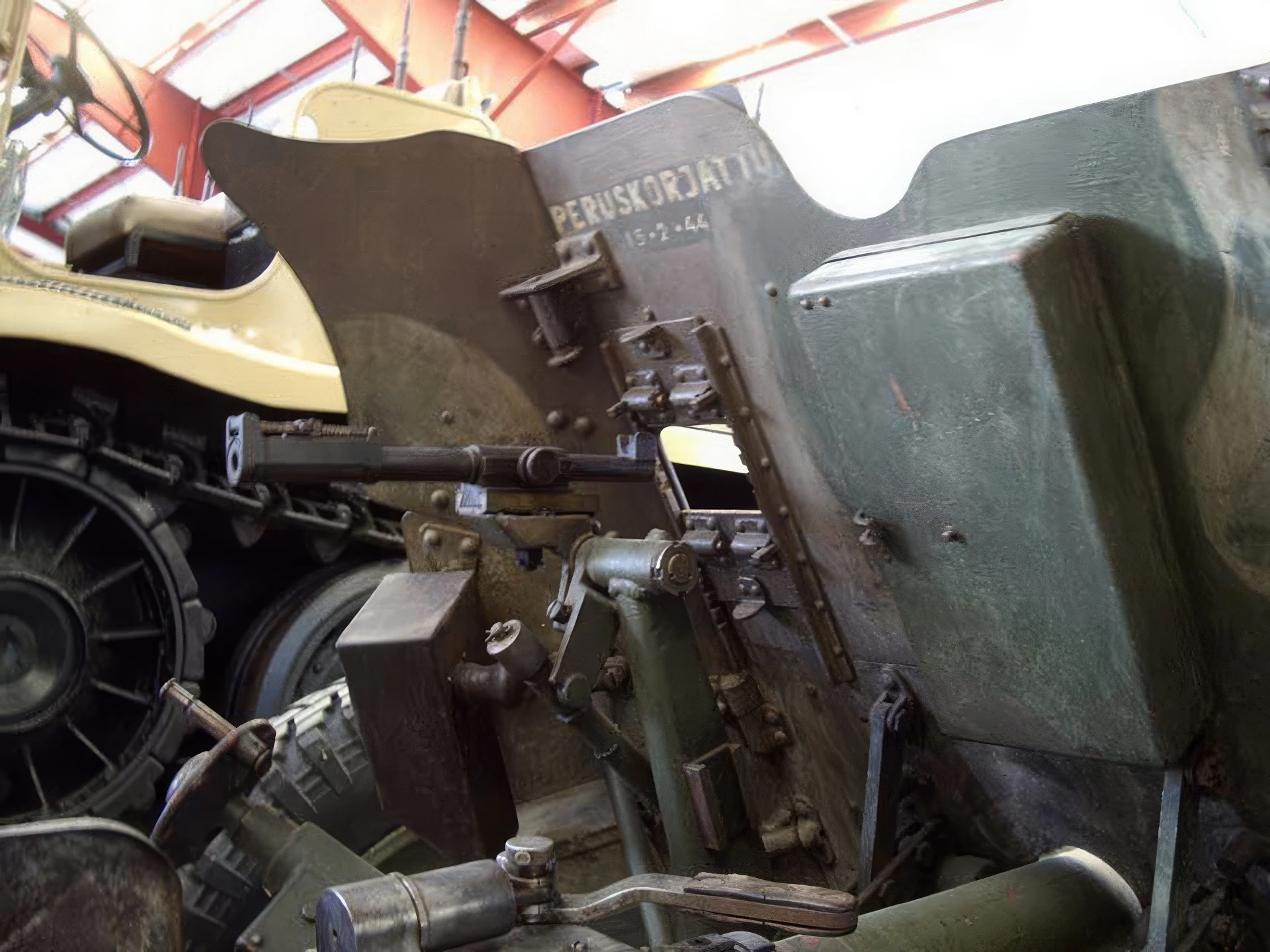
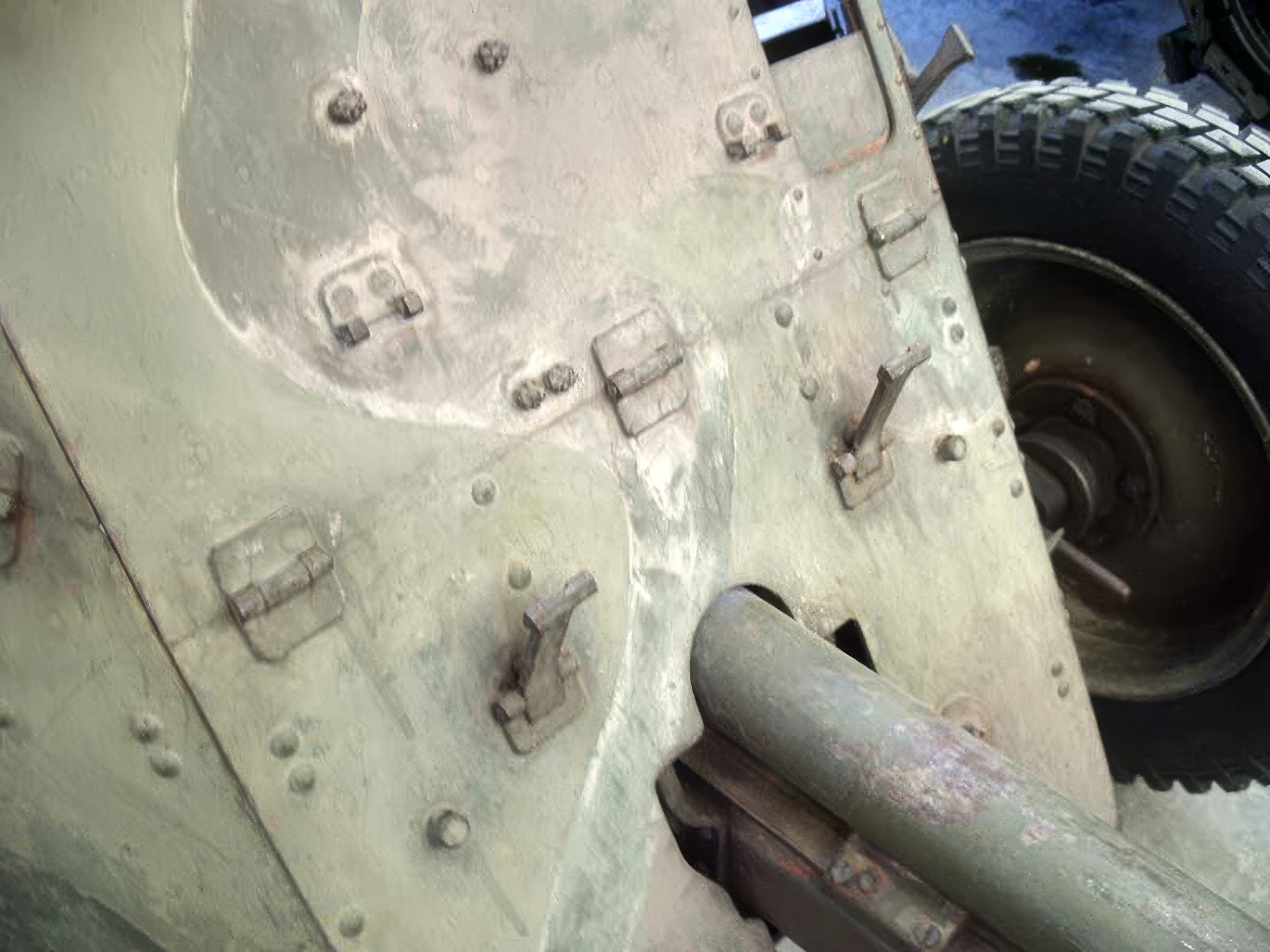
Фотогалерея на пушке Pak35-36, Пак 36 (Panzerabwehrkanone 36) — немецкое противотанковое орудие, способное вести огонь снарядами калибра 37 мм. Разработанный в 1936 году rheinmetall, Pak 36 появился в том же году во время гражданской войны в Испании. Он стал базой противотанковых орудий во многих странах в первые годы Второй мировой войны. KwK 36 L45 был тем же орудием, но служил в качестве вооружения на нескольких боевых танках, включая ранние военные модели, такие как Panzer III.
| 37mm Pak35-36 Anti-Tank Gun | |
|---|---|
| Фотограф | Неизвестная |
| Локализации | Неизвестная |
| Фотографии | 36 |
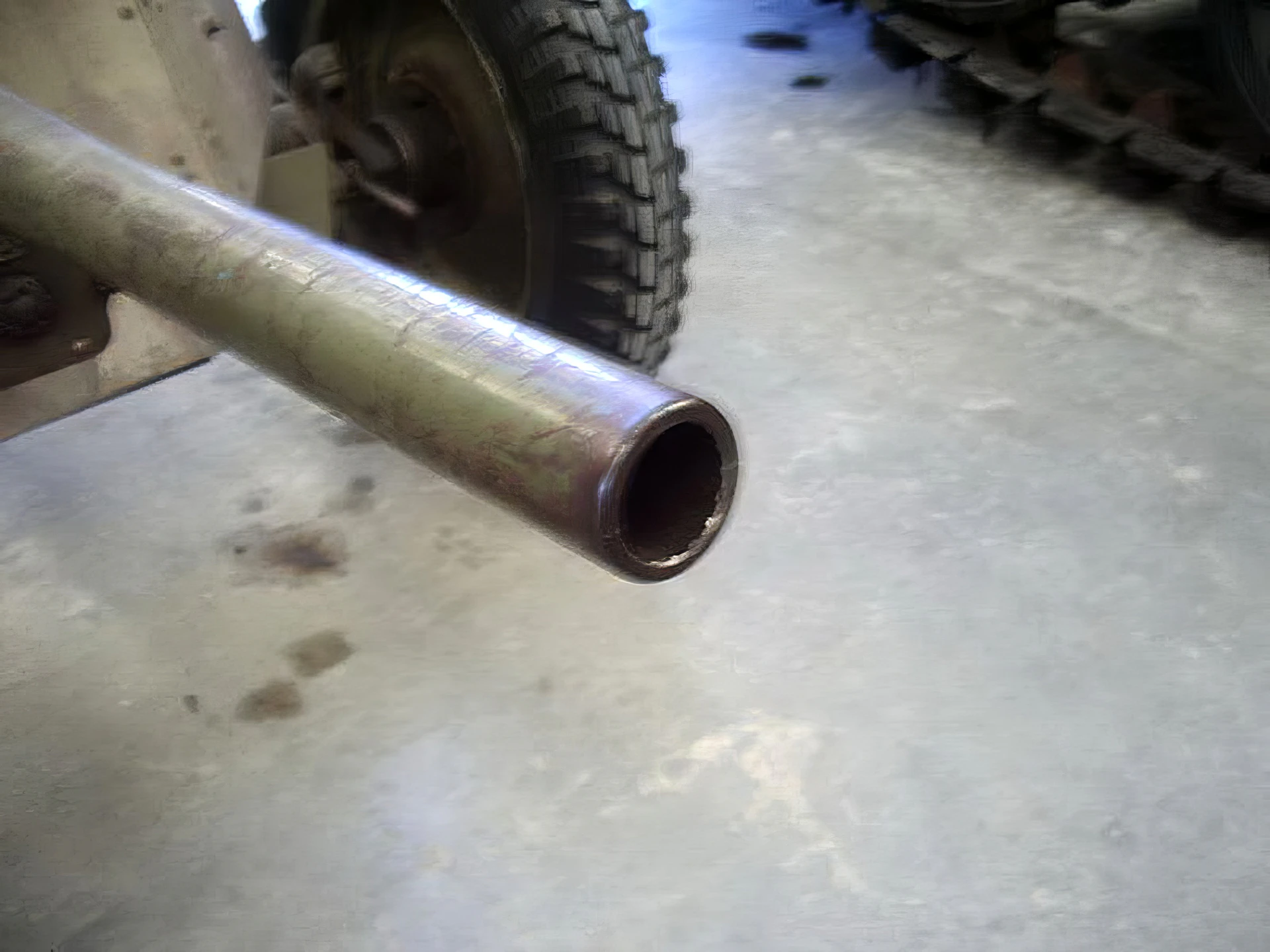
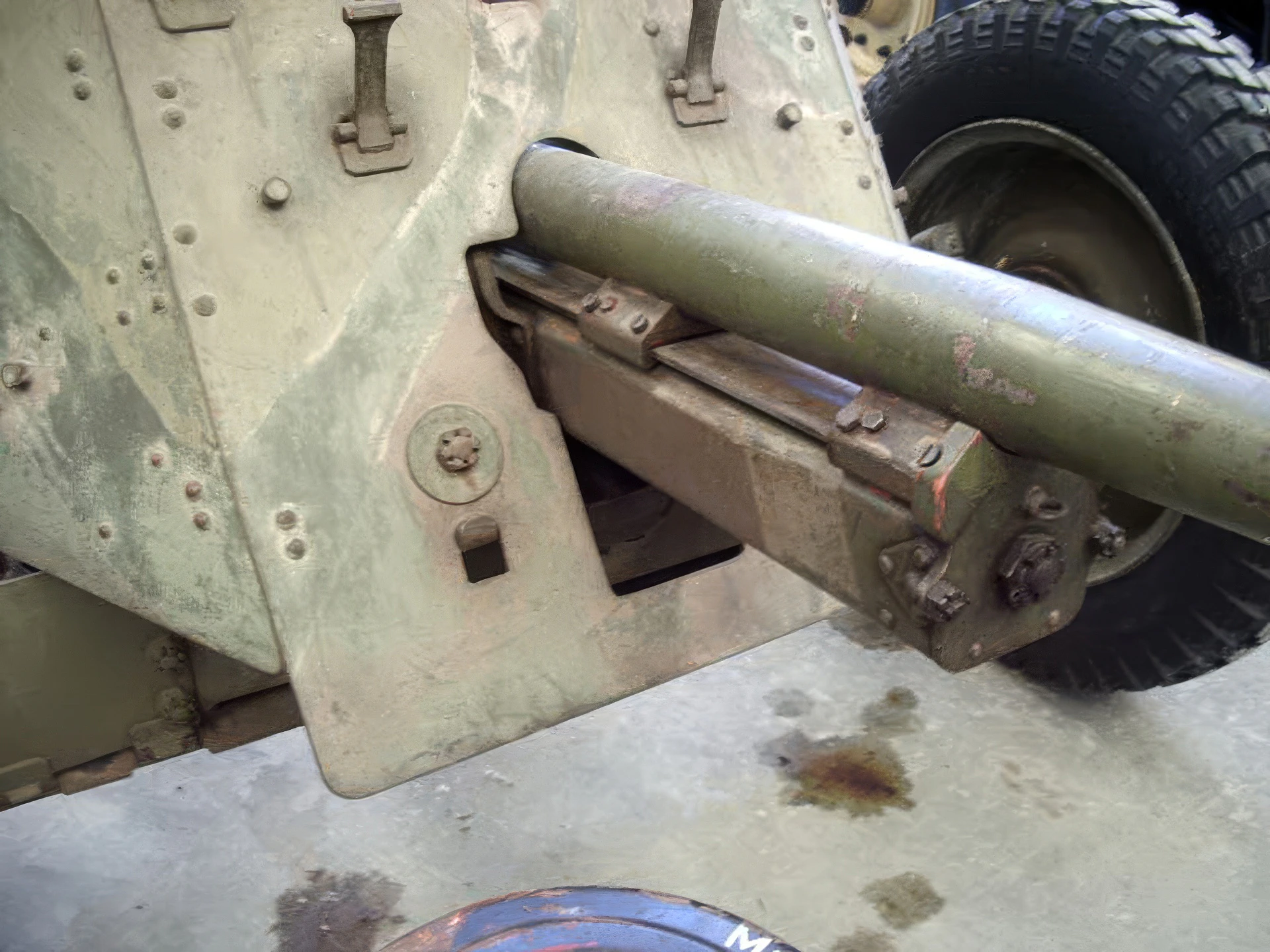

Читайте также:


Teh 3.7 cm Panzerabwehrkanone 35/36 (PaK 35/36) was the standard German anti-tank gun at the outbreak of World War II. Developed by Rheinmetall in the late 1920s and issued in the mid-1930s, it was an advanced weapon for its time, designed to be highly mobile and effective against the lightly armored tanks of the interwar period.
Key Features and Specifications
- Роль: Light towed anti-tank gun, standard issue for German infantry and *Panzerjäger* units in the early war years.
- Калибр: 37 mm.
- Вес: Extremely light, with a combat weight of only around 432 kg (950 lbs), allowing it to be easily maneuvered by its small crew (typically 5 men) or even pulled by hand.
- Barrel Length: L/45 (45 calibers long).
- Performance (Early War): The gun performed well in the Spanish Civil War and the invasion of Poland (1939), successfully engaging most light tanks encountered.
- Rate of Fire: High, around 13 rounds per minute.
Impact, Obsolescence, and Nickname
The PaK 35/36’s combat performance took a sharp downturn during the Battle of France in 1940. German crews discovered that its small, 37mm armor-piercing rounds were incapable of reliably penetrating the frontal armor of heavier Allied tanks, such as the French Char B1 и British Matilda II.
This inadequacy against better-armored vehicles led to the gun earning the famous, derisive nickname among German soldiers:
“Heeresanklopfgerät” (Army Door-Knocking Device)or simply “Door Knocker”, suggesting that its shells merely alerted the enemy crew to its presence without causing damage.
The final nail in its coffin came during the invasion of the Soviet Union in 1941, where it proved utterly useless against the formidable armor of the new Soviet Т-34 medium and КВ-1 heavy tanks.
Extended Service Life
Despite being largely obsolete by 1941, its sheer numbers (over 15,000 produced) meant the PaK 35/36 remained in service until the end of the war, often fulfilling secondary roles like coastal defense, training, or anti-infantry support. Its utility was temporarily extended by the introduction of:
- PzGr 40: A limited-production, high-velocity, tungsten-core ammunition that offered improved penetration at close range.
- Stielgranate 41: A large, fin-stabilized, shaped-charge projectile that was launched from the muzzle. This gave the gun the ability to defeat any tank armor at the time, but the projectile’s low velocity limited its effective range to only a few hundred meters, requiring the crew to operate dangerously close to the target.
Views : 5259
Вы также можете увидеть:
 45-мм противотанковая пушка M1937 – Фото и Видео
 TACAM R-2 – фото и видео
 ЗФ 17 pdr Mk I-II - Прогулка вокруг
 Воздушно-десантные 6pdr противотанковые пушки - Прогулка вокруг
 7,5 см Пак 97/38 - Прогулка вокруг
 50mm PaK 38 - WalkAround
 37mm Тип 1 - WalkAround
 Т25 90мм противотанковые пушки - WalkAround
 8.8cm Пак 43-41 - Прогулка вокруг
 Пак 40 - Прогулка вокруг