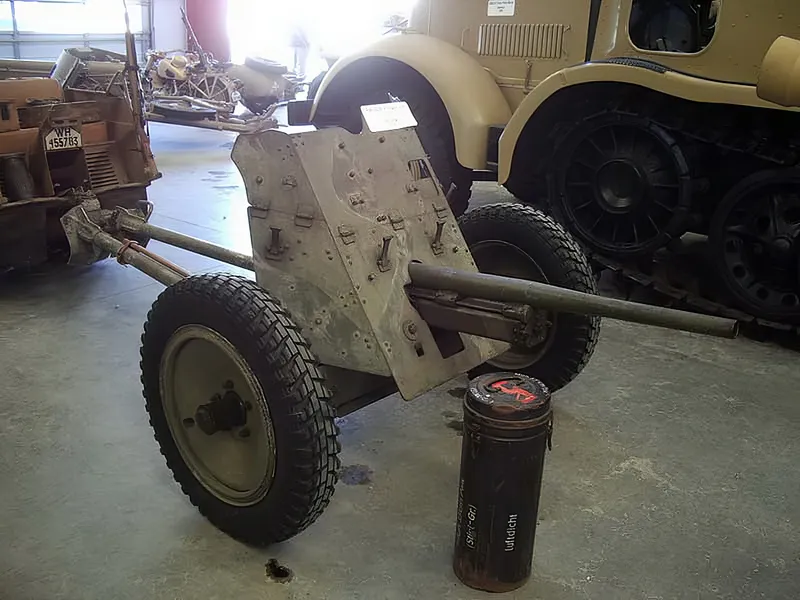
37 χιλιοστά Pak35-36 | |
|---|---|
| Πληρώνει | Γερμανία |
| Πληκτρολογήστε | Canon anti-char |
| Περίοδο | Δεύτερος Παγκόσμιος Πόλεμος |
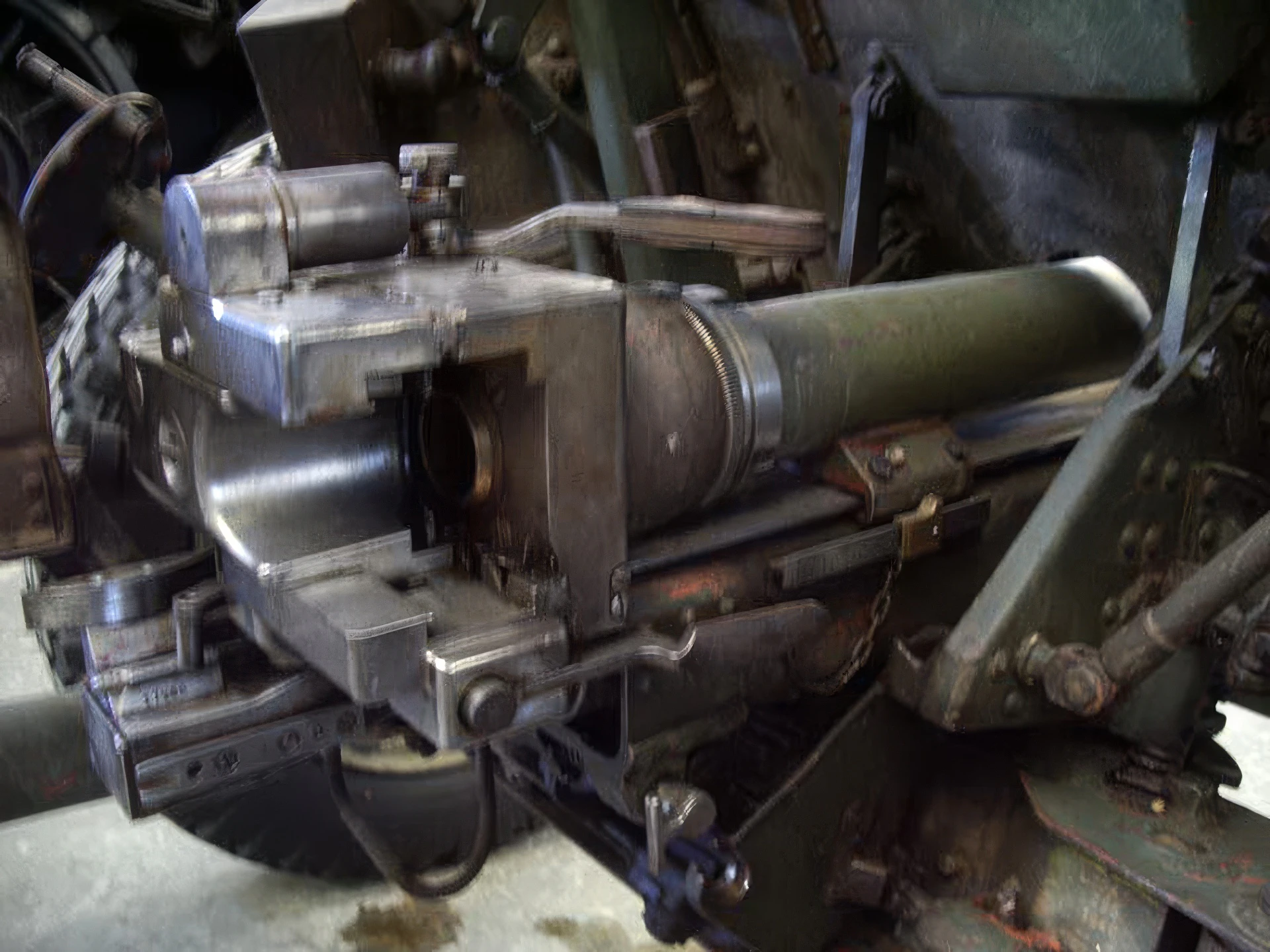
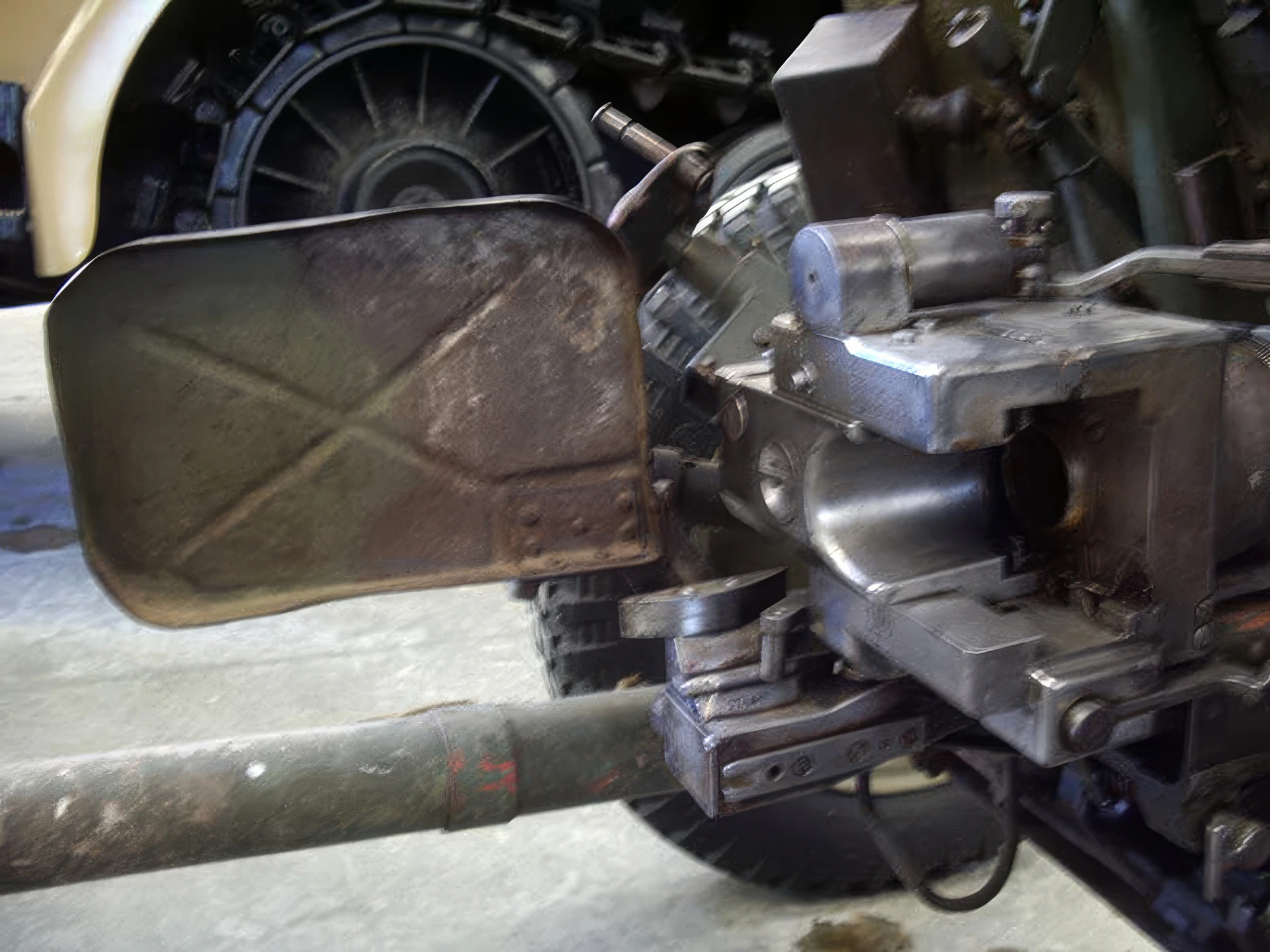
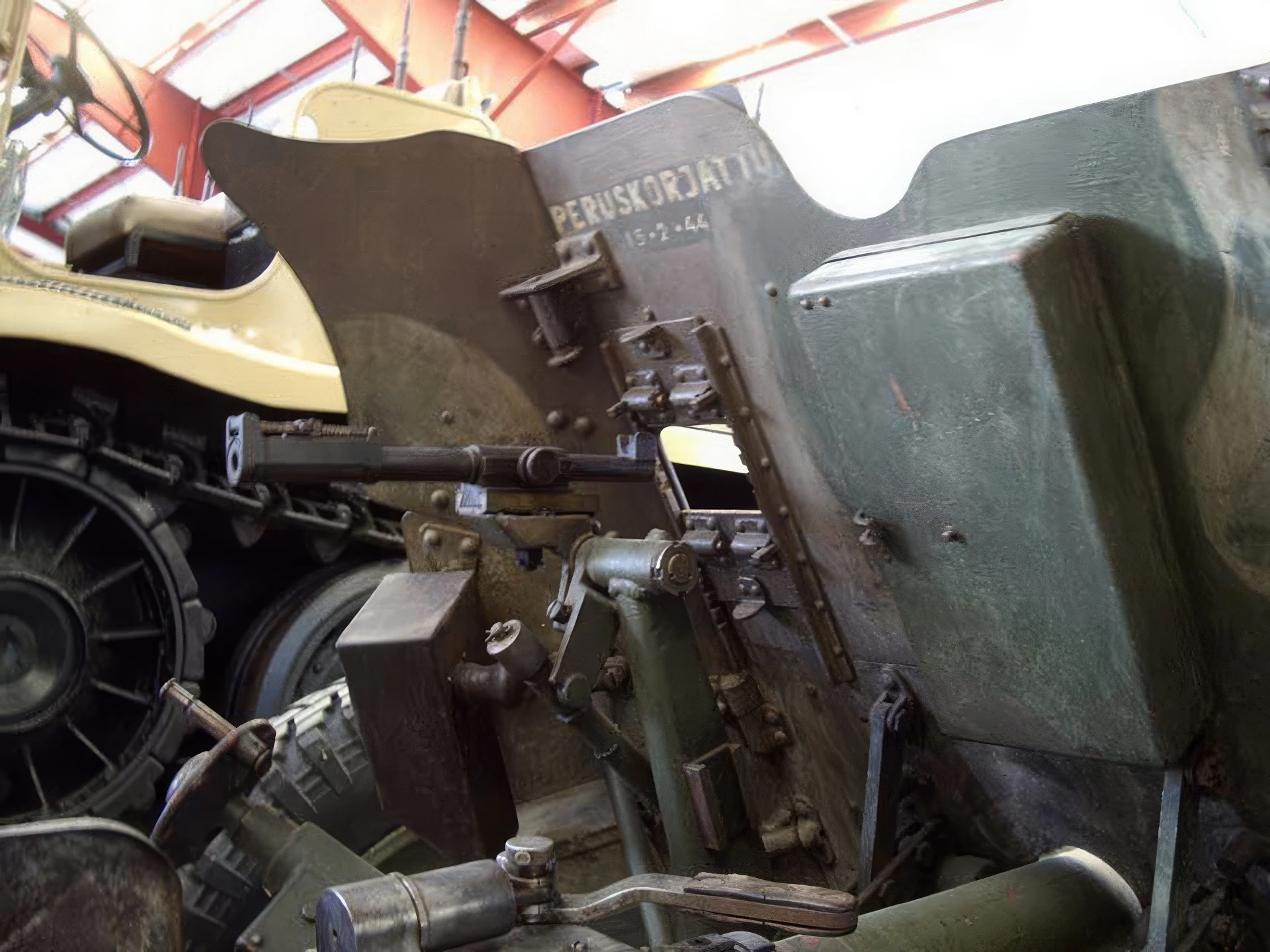
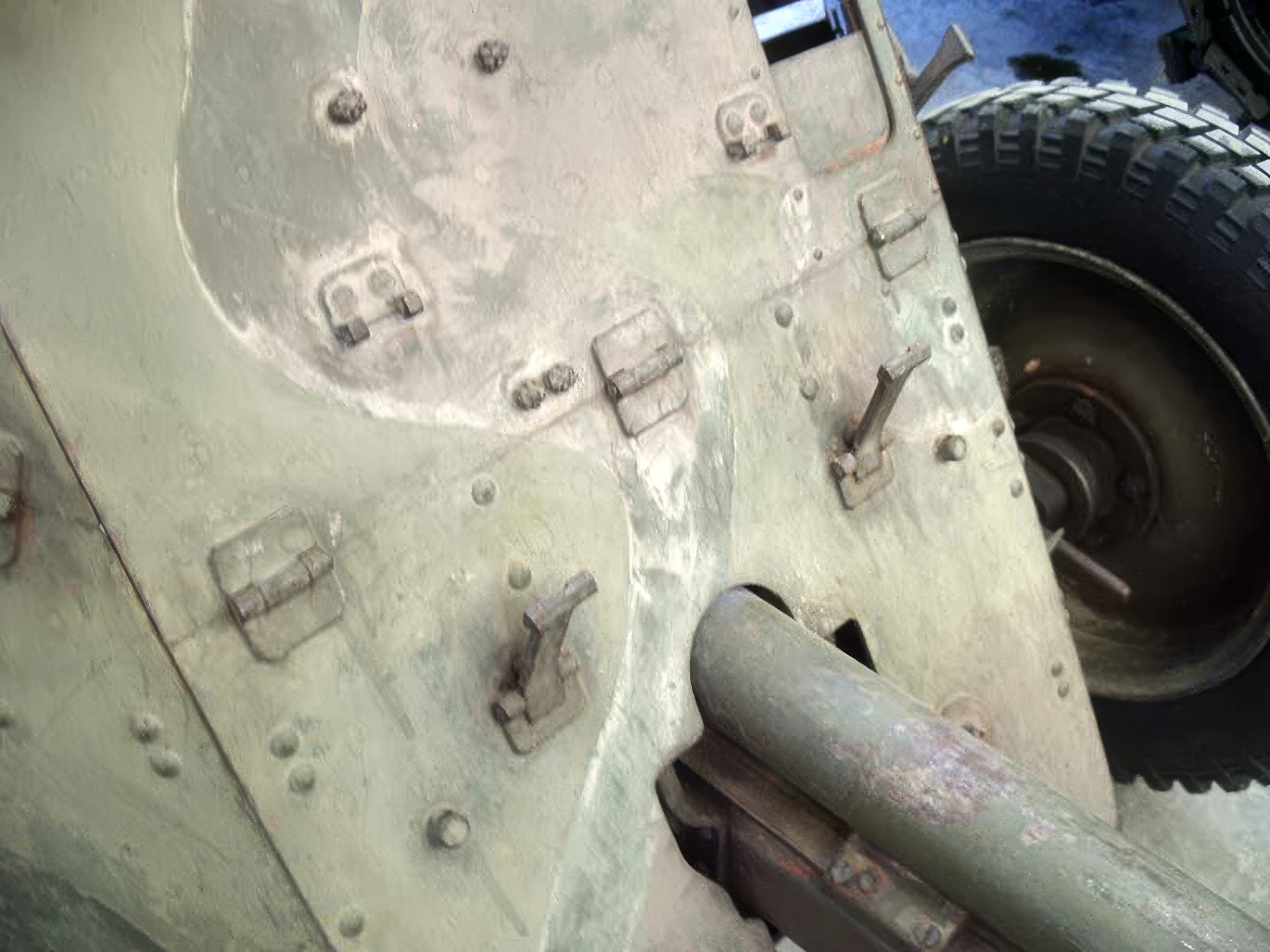
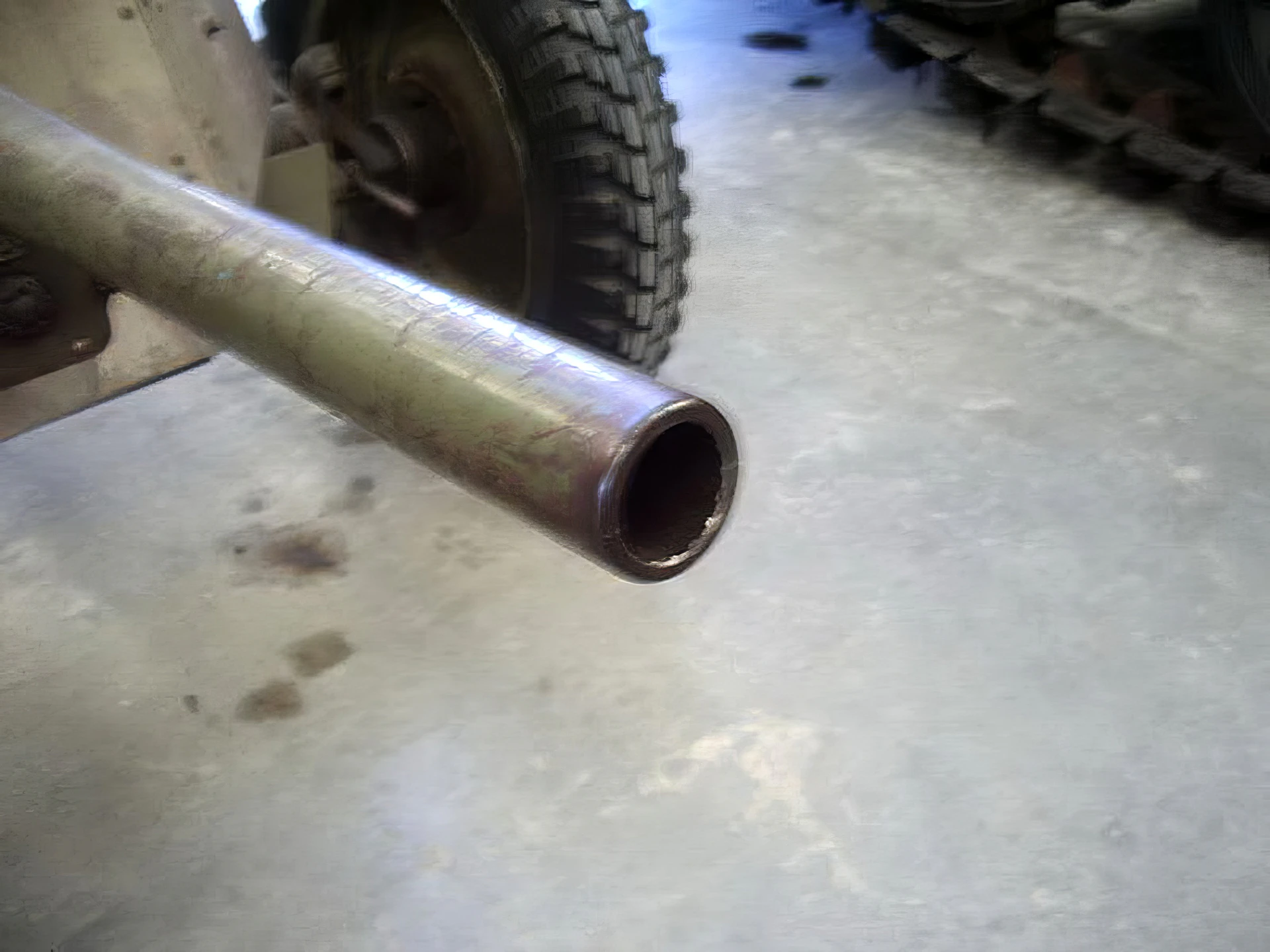
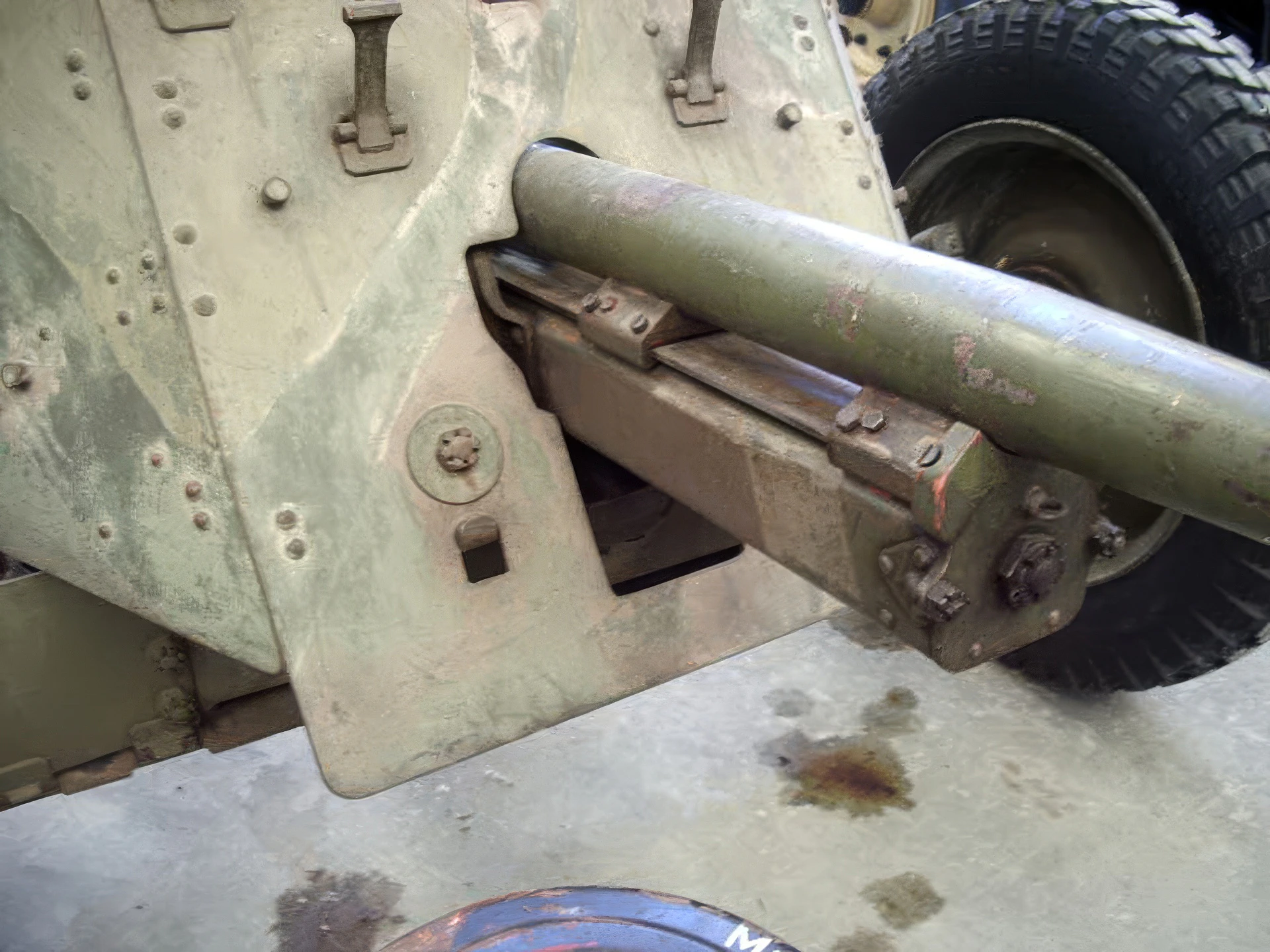
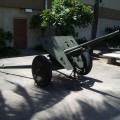
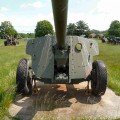
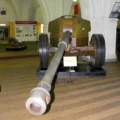
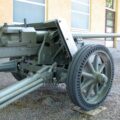
Galerie photo sur un canon Pak35-36, Le Πακ 36 (Panzerabwehrkanone 36) était un canon anti-char allemand pouvant tirer des obus de 37 mm de calibre. Développé en 1936 par Rheinmetall, le Pak 36 apparut la même année durant la Guerre civile espagnole. Il devint la base des canons anti-char de nombreux pays pendant les premières années de la Seconde Guerre mondiale. Le KwK 36 L45 était le même canon, mais servait d’armement sur plusieurs chars de combat, notamment les modèles du début de la guerre, comme le Panzer III.
| 37mm Pak35-36 Anti-Tank Gun | |
|---|---|
| Φωτογράφος | Αγνοώ |
| Εντοπισμού | Αγνοώ |
| Φωτογραφίες | 36 |
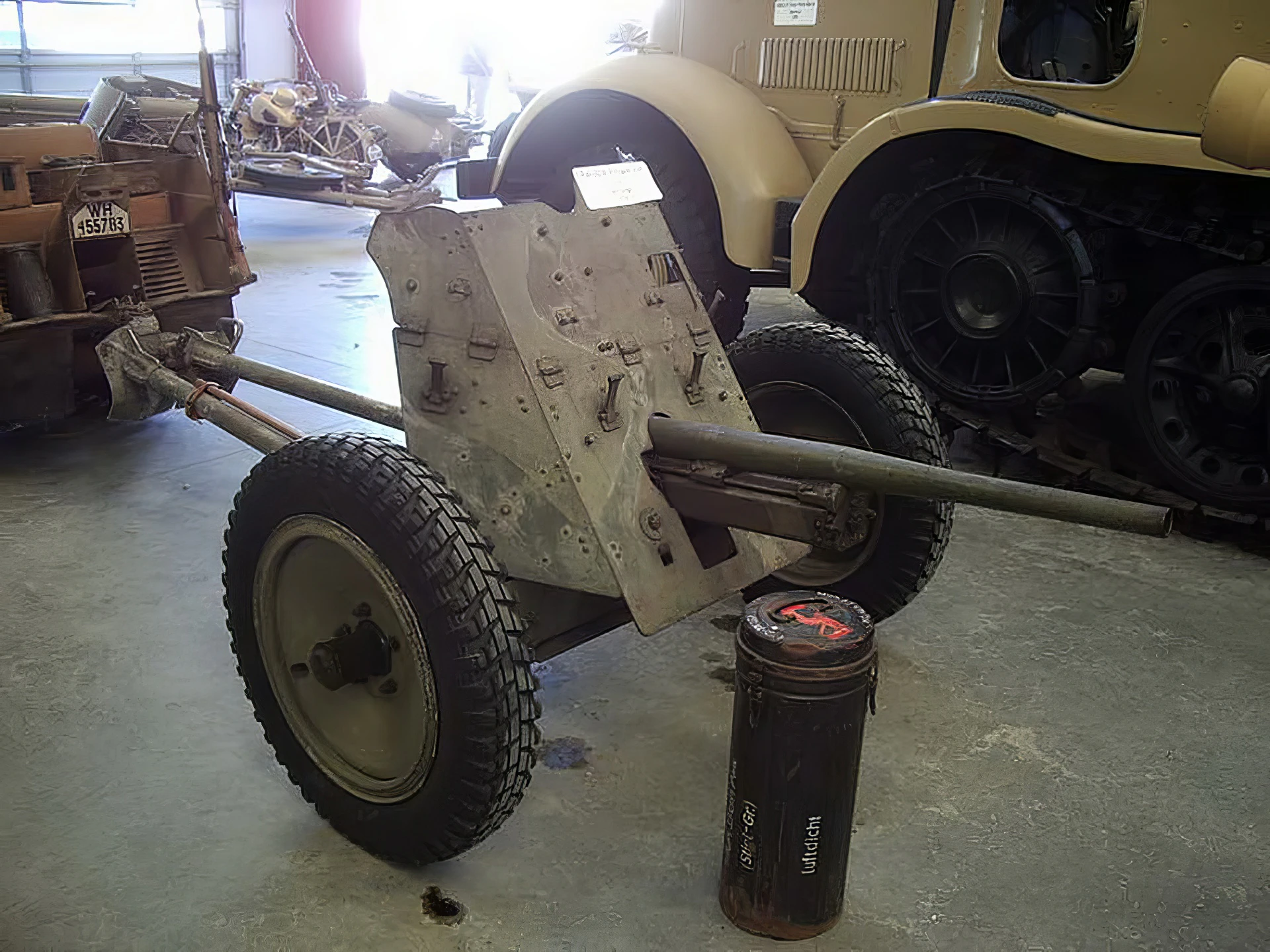
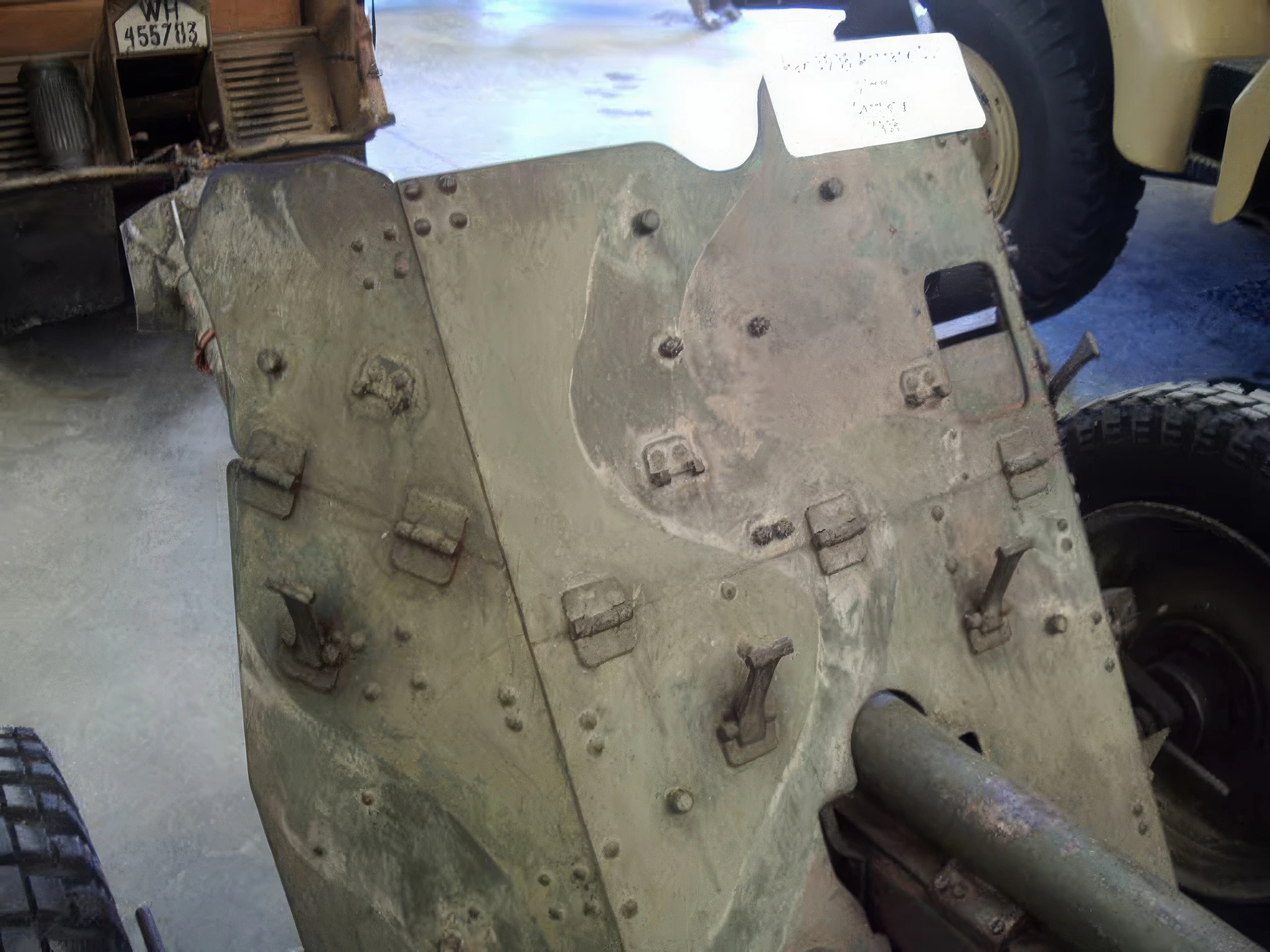
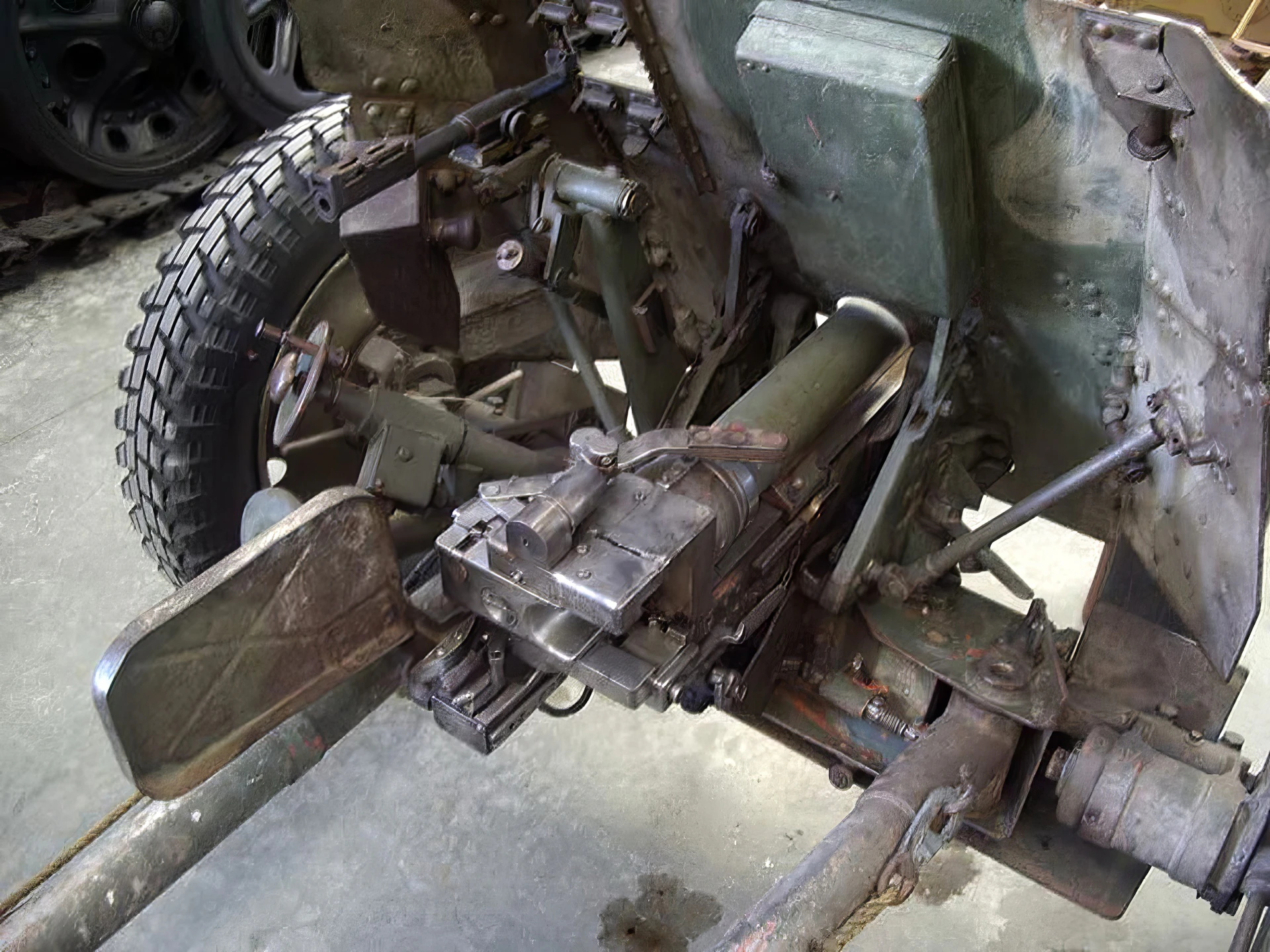

Δείτε επίσης:


Teh 3.7 cm Panzerabwehrkanone 35/36 (PaK 35/36) was the standard German anti-tank gun at the outbreak of World War II. Developed by Rheinmetall in the late 1920s and issued in the mid-1930s, it was an advanced weapon for its time, designed to be highly mobile and effective against the lightly armored tanks of the interwar period.
Key Features and Specifications
- Ρόλος: Light towed anti-tank gun, standard issue for German infantry and *Panzerjäger* units in the early war years.
- Caliber: 37 mm.
- Weight: Extremely light, with a combat weight of only around 432 kg (950 lbs), allowing it to be easily maneuvered by its small crew (typically 5 men) or even pulled by hand.
- Barrel Length: L/45 (45 calibers long).
- Performance (Early War): The gun performed well in the Spanish Civil War and the invasion of Poland (1939), successfully engaging most light tanks encountered.
- Rate of Fire: High, around 13 rounds per minute.
Impact, Obsolescence, and Nickname
The PaK 35/36’s combat performance took a sharp downturn during the Battle of France in 1940. German crews discovered that its small, 37mm armor-piercing rounds were incapable of reliably penetrating the frontal armor of heavier Allied tanks, such as the French Char B1 και η British Matilda II.
This inadequacy against better-armored vehicles led to the gun earning the famous, derisive nickname among German soldiers:
“Heeresanklopfgerät” (Army Door-Knocking Device)or simply “Door Knocker”, suggesting that its shells merely alerted the enemy crew to its presence without causing damage.
The final nail in its coffin came during the invasion of the Soviet Union in 1941, where it proved utterly useless against the formidable armor of the new Soviet Τ-34 medium and KV-1 heavy tanks.
Extended Service Life
Despite being largely obsolete by 1941, its sheer numbers (over 15,000 produced) meant the PaK 35/36 remained in service until the end of the war, often fulfilling secondary roles like coastal defense, training, or anti-infantry support. Its utility was temporarily extended by the introduction of:
- PzGr 40: A limited-production, high-velocity, tungsten-core ammunition that offered improved penetration at close range.
- Stielgranate 41: A large, fin-stabilized, shaped-charge projectile that was launched from the muzzle. This gave the gun the ability to defeat any tank armor at the time, but the projectile’s low velocity limited its effective range to only a few hundred meters, requiring the crew to operate dangerously close to the target.
Views : 5535
Μπορείτε επίσης να δείτε:
 Αντιαρματικό πυροβόλο 45 mm M1937 – Φώτο &; Βίντεο
 TACAM R-2 – Φώτο & Βίντεο
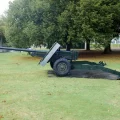 QF 17 pdr Mk I-II – Περπατήστε γύρω
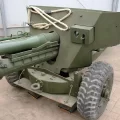 Αερομεταφερόμενο αντιαρματικό όπλο 6pdr - Περπατήστε γύρω
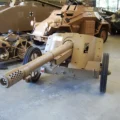 7,5 εκ.
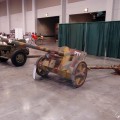 50mm Πακ 38 – WalkAround
 37mm Τύπου 1 – WalkAround
 T25 Αντιαρματικό όπλο 90mm – WalkAround
 8.8cm Πακ 43-41 – Περπατήστε
 Pak 40 – Περπατήστε γύρω