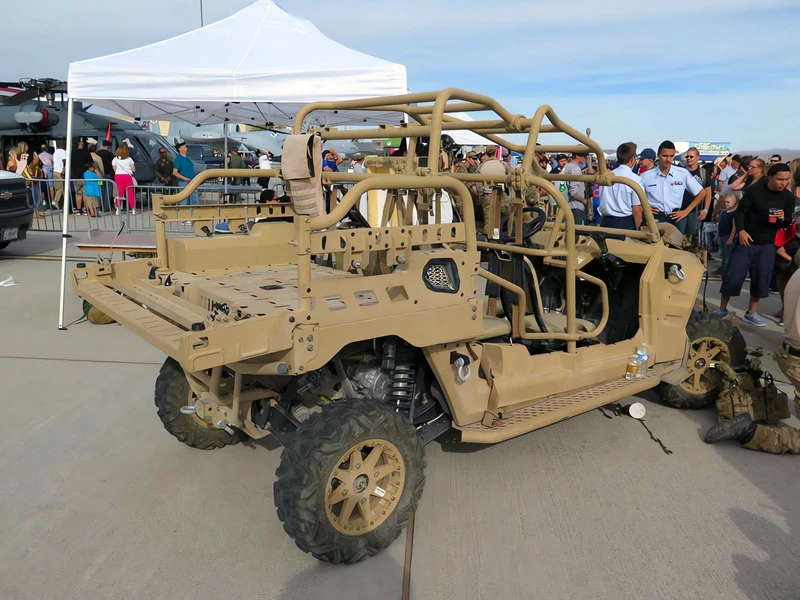
Polaris RZR | |
|---|---|
| País | Eua |
| Papel | Pequenos veículos militares |
| Construído | Desconhecido |
O Polaris RZR (pronuncia-se "navalha") é um esporte produzido lado a lado pela Polaris Industries. Quando lançado em 2007 como um modelo de 2008, era oficialmente conhecido como Ranger RZR, pois foi comercializado como um submodelo do maior e orientado para o trabalho Ranger. À medida que o RZR ganhou popularidade, a Polaris eventualmente abandonou a designação de Ranger e posicionou o RZR como um modelo independente.
O Comando de Operações Especiais dos EUA, SOCOM, fez um pedido à Polaris Defense em setembro de 2013 para até 1.500 máquinas MRZR-2 (2 assentos) e MRZR-4 (4 assentos). Uma grande desvantagem desses novos veículos militares pequenos era que eles mantinham seus motores a gasolina originais, que são incompatíveis com o combustível militar JP-8 padrão. Em termos de logística, dois tipos de combustível diferentes claramente não são ideais. Como poucas dessas máquinas veem o uso em combate, e os usuários civis não estão interessados em executá-las a diesel, uma mudança de motor foi considerada improvável.
Fonte: Polaris RZR na Wikipédia
| Polaris MRZR Walk Around | |
|---|---|
| Photographer | Vladimir Yakubov |
| Localisation | Nellis Air Force Base |
| Photos | 52 |

Veja também:


General Characteristics and Role
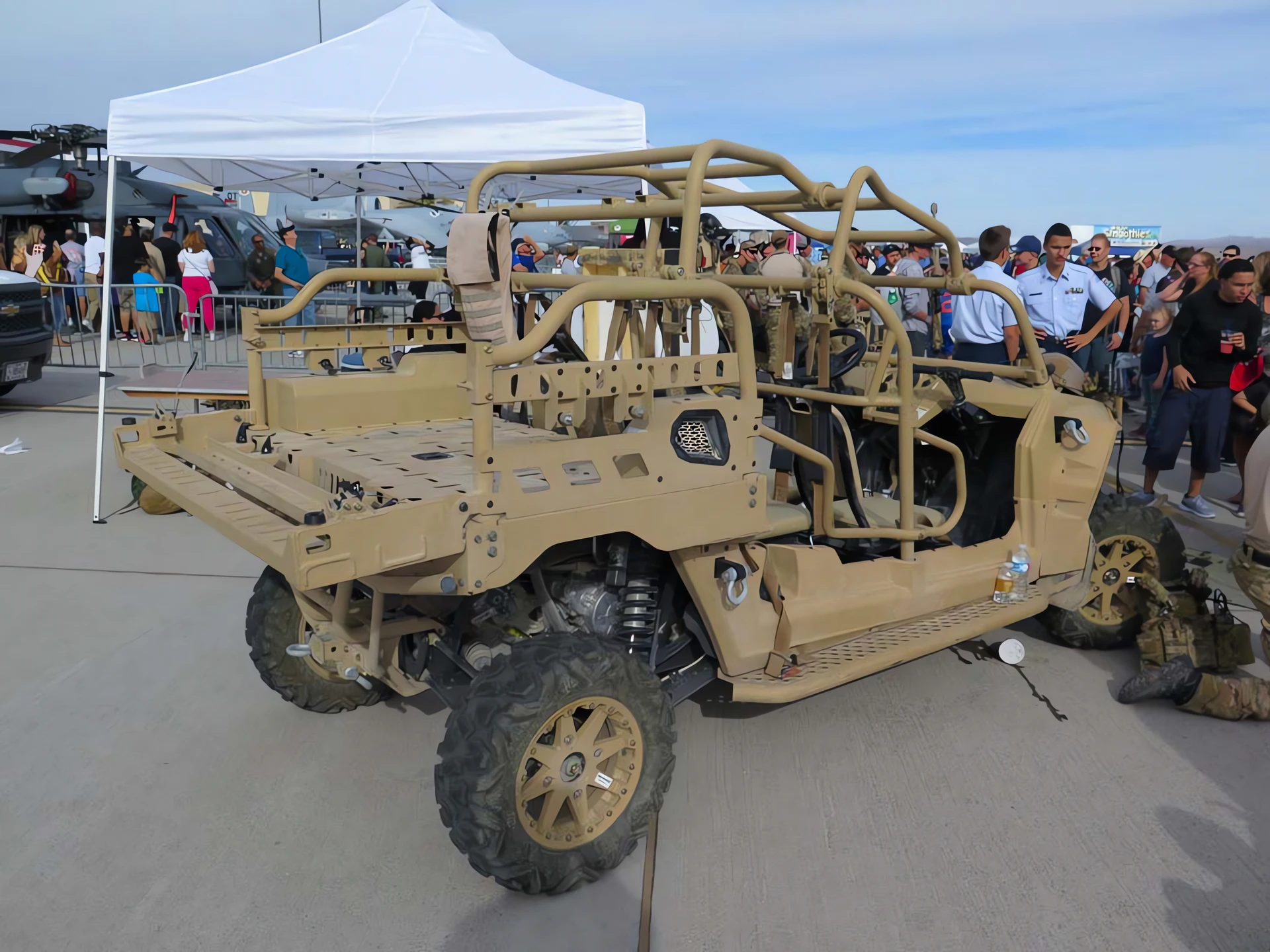
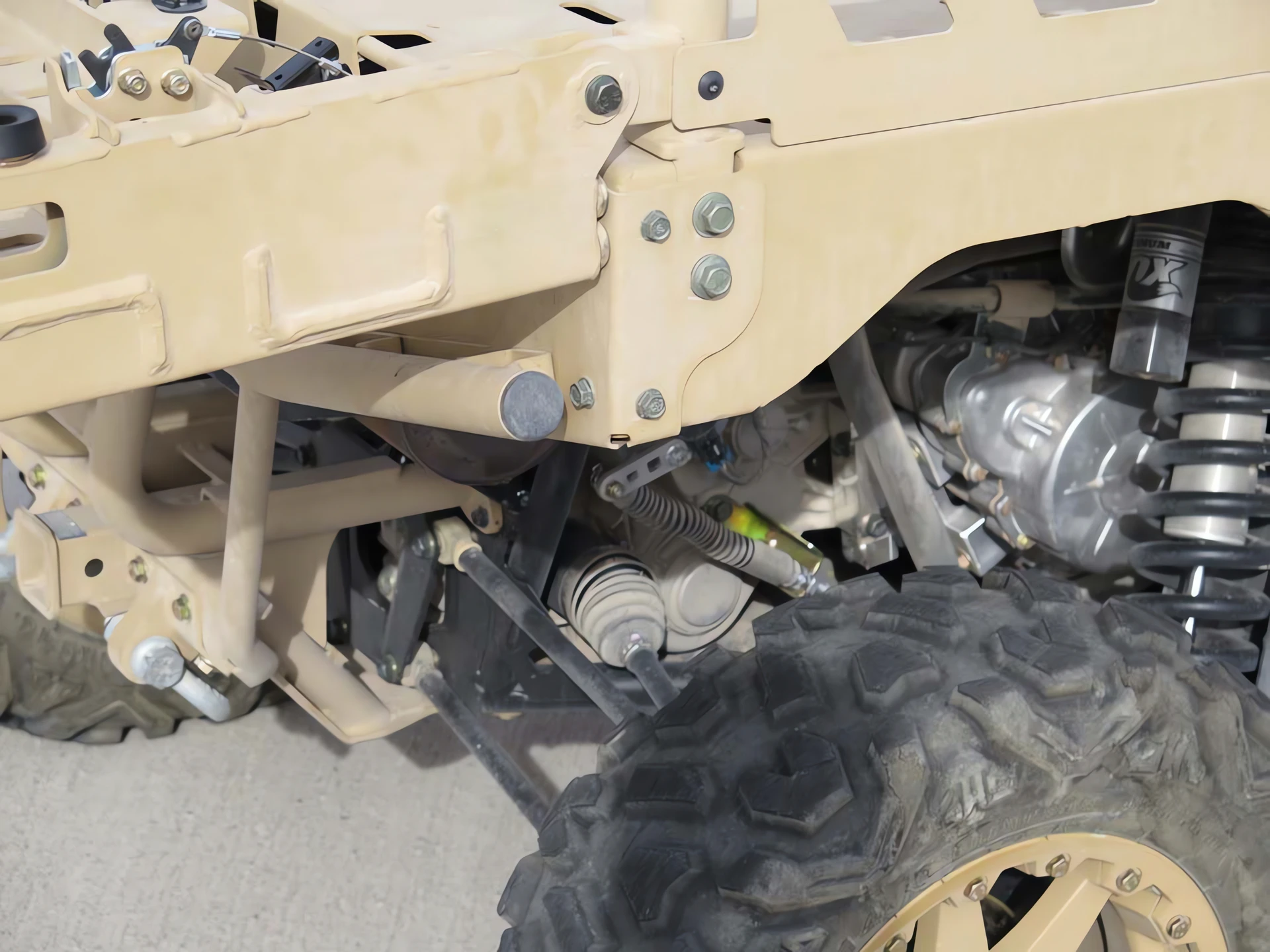
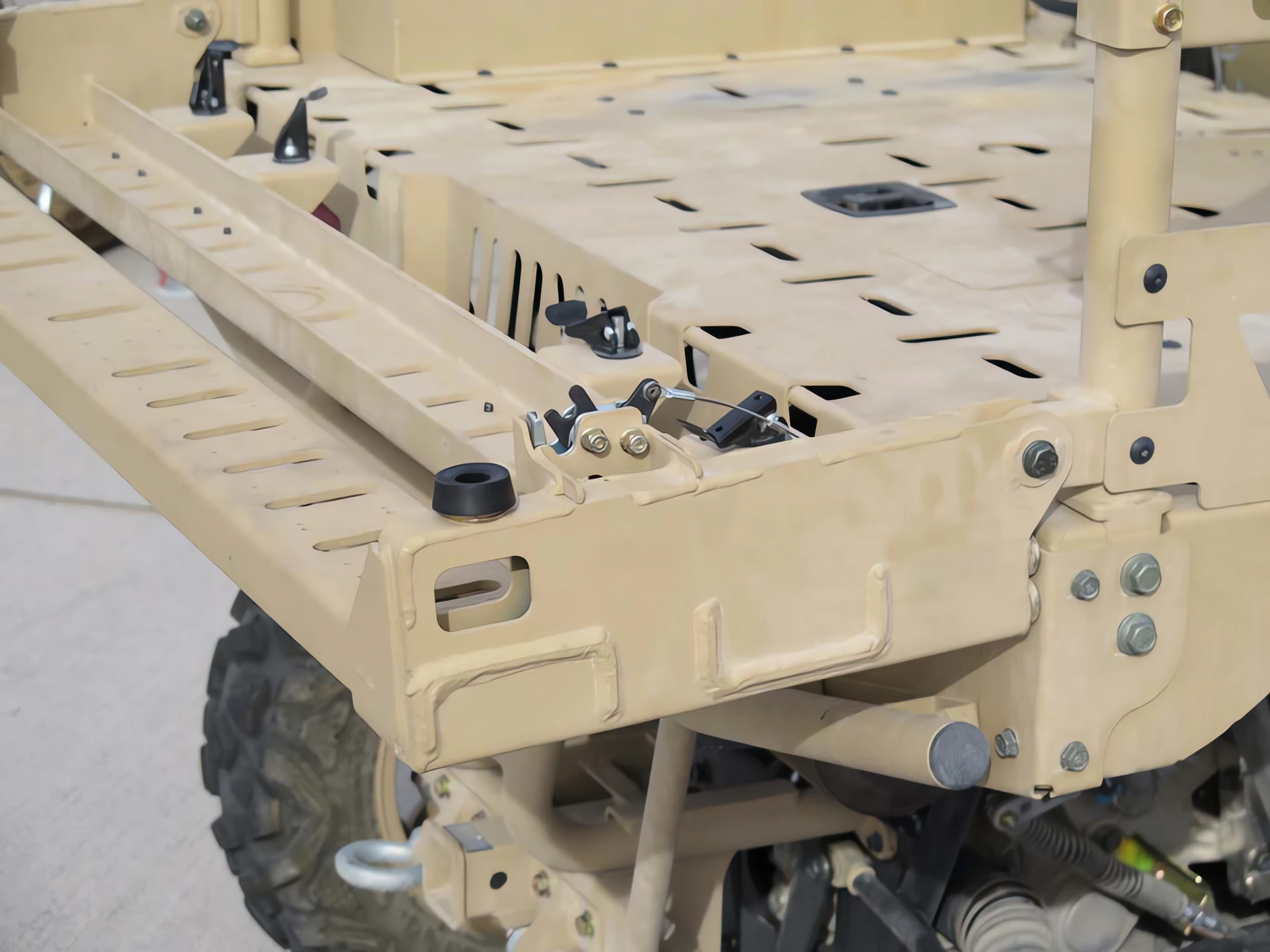
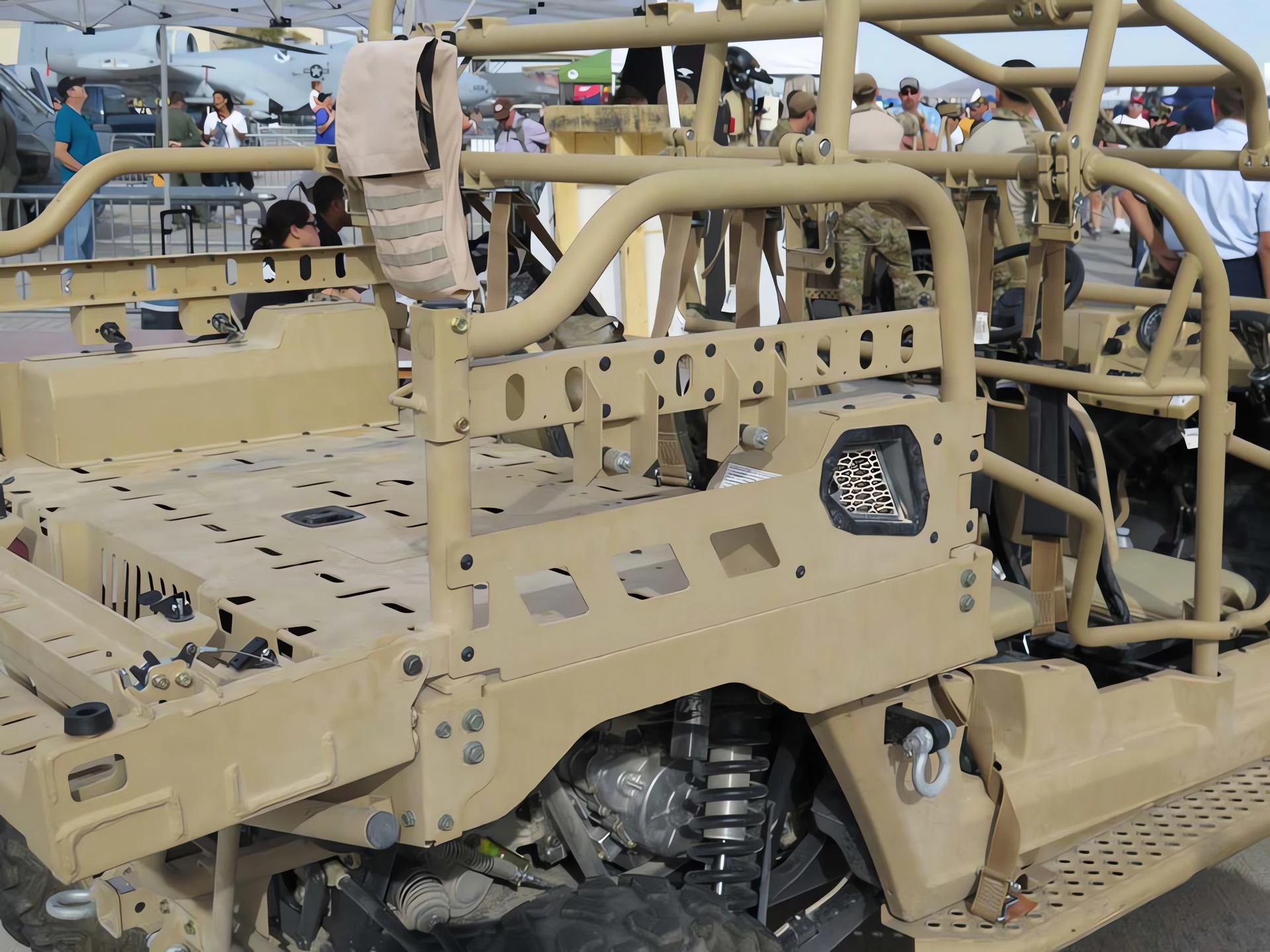
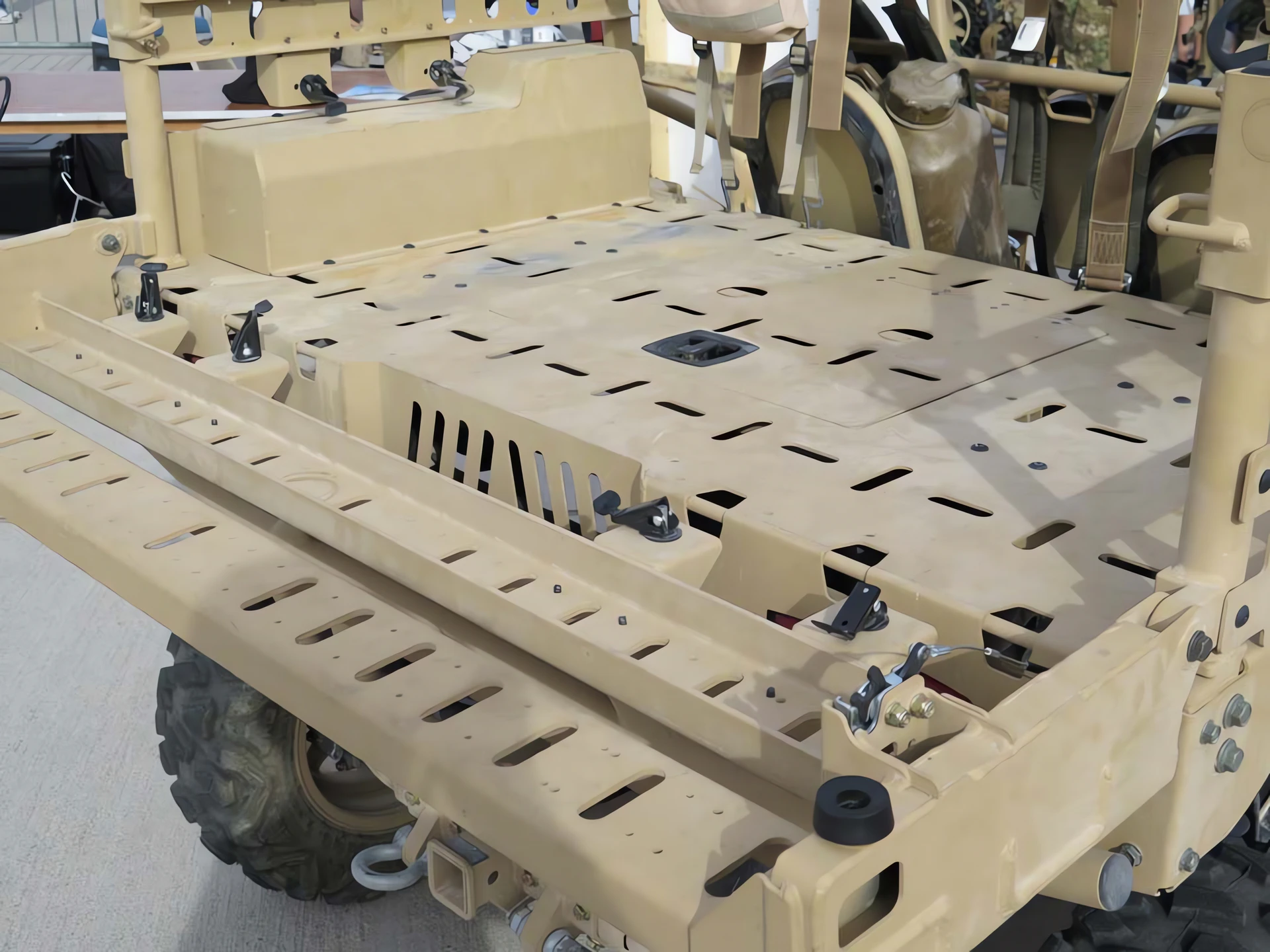
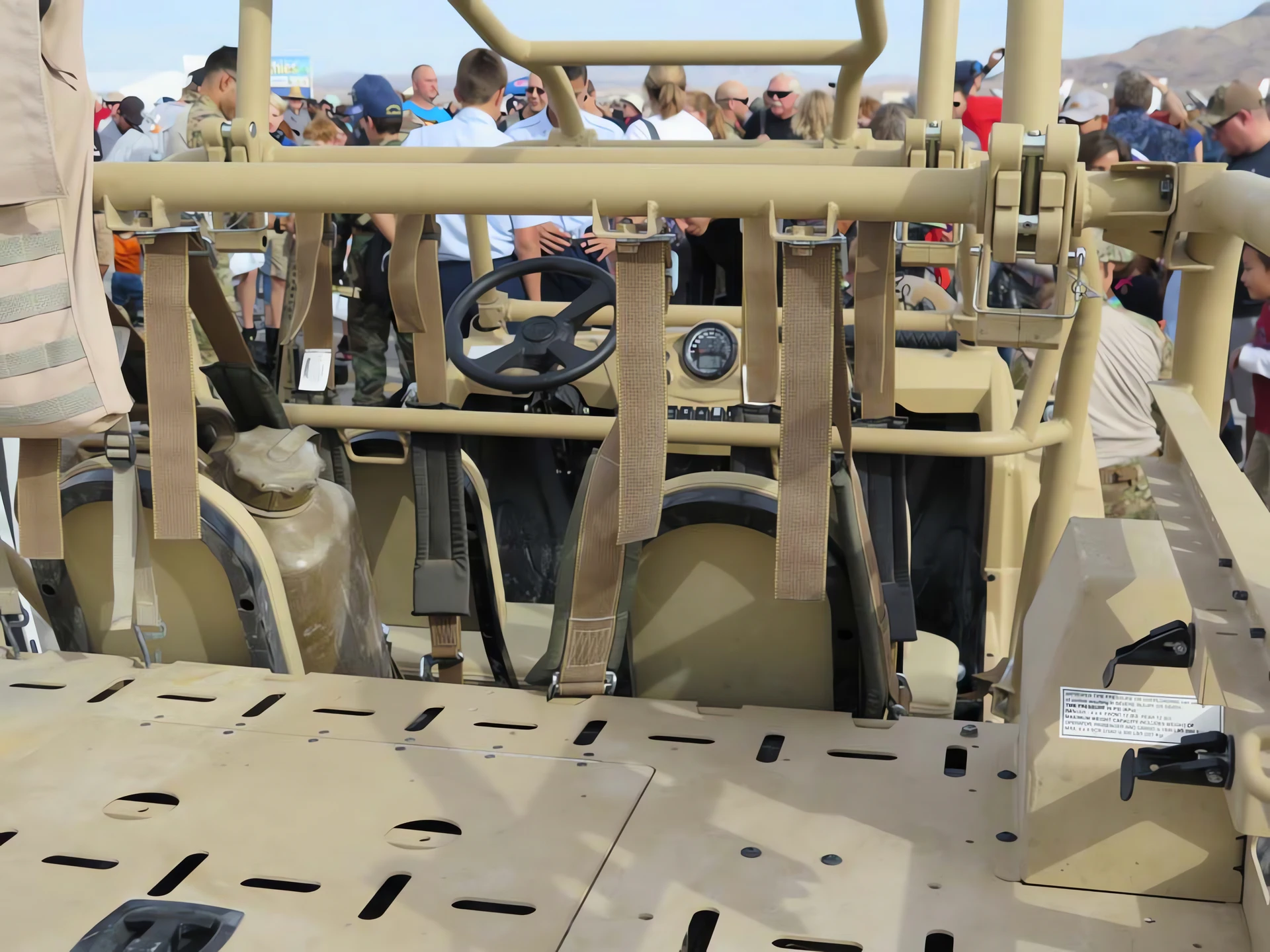
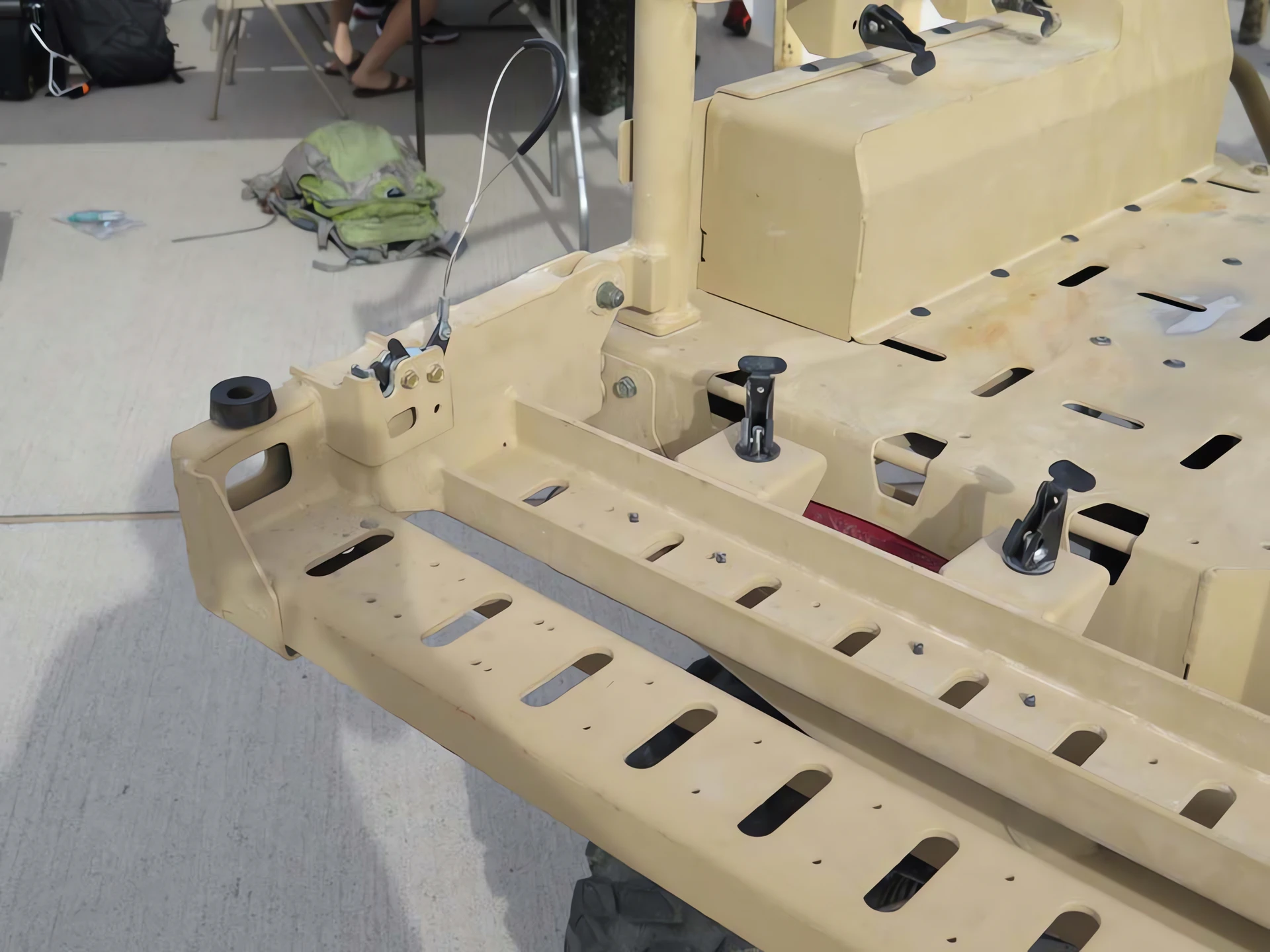
The Polaris MRZR (pronounced M-R-Z-R) is a series of highly mobile, lightweight tactical all-terrain vehicles developed by Polaris Defense. Based on the commercial RZR side-by-side vehicle, the MRZR is militarized for use by various special operations forces and conventional military units worldwide, including the U.S. Army and U.S. Special Operations Command (USSOCOM). The MRZR is designed for maximum transportability; its small size and light weight allow it to be internally transported by helicopters like the CH-47 Chinook or V-22 Osprey. Its primary roles include rapid personnel transport, casualty evacuation (CASEVAC), logistics resupply, and mounting light weaponry. The MRZR comes in several variants, most commonly the two-seat (MRZR 2) and four-seat (MRZR 4).
| Property | Typical Value (MRZR 4, Diesel Variant) |
|---|---|
| Papel | Light Tactical All-Terrain Vehicle, Special Operations Mobility |
| National Origin | Estados Unidos |
| Fabricante | Polaris Defense (Polaris Industries) |
| Service Entry | Early 2010s |
| Crew/Capacity | 4 (MRZR 4); up to 6 with optional rear seats/litter mounts |
| comprimento | 3.56 m (140 in) |
| Largura | 1.52 m (60 in) |
| Height (Cage Down) | 1.55 m (61 in) (Configured for internal air transport) |
| Curb Weight | Approximately 950 kg (2,100 lb) |
| Payload Capacity | 680 kg (1,500 lb) (Including crew) |
Powerplant and Performance
- Engine Type: Available in Gasoline (Polaris ProStar) or Diesel/JP-8 fueled variants (MRZR D).
- Drivetrain: Automatic transmission with 4×4 (All-Wheel Drive) capability.
- Maximum Speed: Up to 97 km/h (60 mph).
- Range: Varies greatly depending on variant and mission, typically over 300 km (186 miles).
- Fuel Source: MRZR D uses JP-8, a common military jet fuel, for logistics commonality.
- Key Feature: The fold-down roll cage allows the vehicle to fit inside the cargo area of small, tactical aircraft and helicopters.
Armament and Configuration
- Armament: Does not have fixed armament, but features integrated mounting points for various crew-served weapons.
- Typical Weapons: Can mount 7.62 mm or 12.7 mm (.50 caliber) machine guns, or 40 mm automatic grenade launchers.
- Mission Kits: Highly modular, allowing rapid configuration for different missions: cargo bed extensions, litter mounts, specialized communications gear, and extra fuel cans.
- Survivability: Built for speed and stealth over armor; its key defense is its mobility and ability to travel where heavier vehicles cannot.
Visualizações : 3393