
Grumman Ag Cat | |
|---|---|
| País | Eua |
| Papel | Aeronaves agrícolas |
| Primeiro voo | 1957 |
| Construído | Desconhecido |
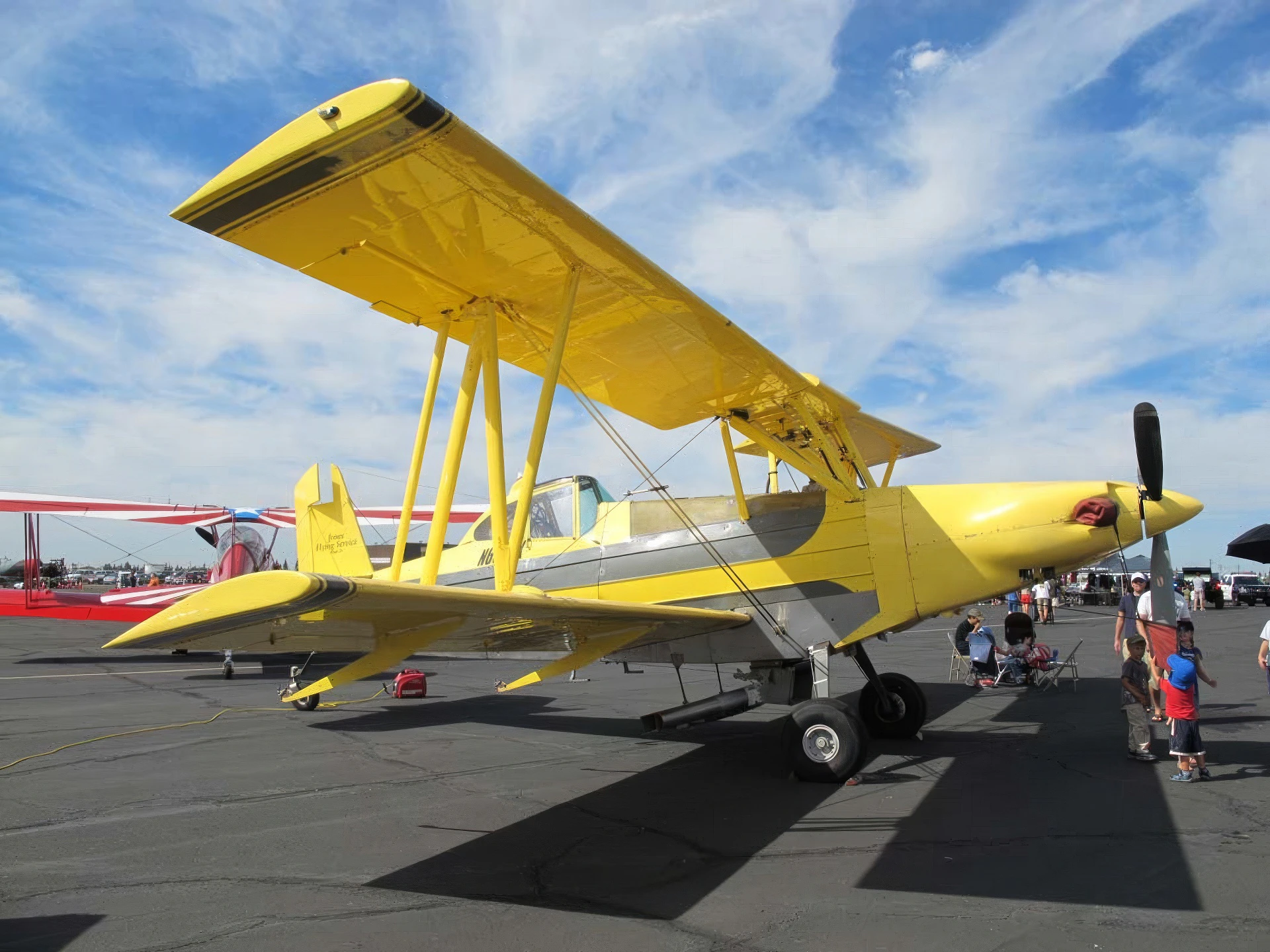
O Grumman G-164C Ag-Gato é uma variante do Grumman G-164 Ag-Cat, uma aeronave agrícola biplano monomotor desenvolvida pela Grumman na década de 1950. O Ag-Cat foi a primeira aeronave projetada especificamente por uma grande empresa aeronáutica para a aviação agrícola e representou uma melhoria significativa na segurança e confiabilidade em relação aos espanadores convertidos. O Ag-Cat foi inicialmente produzido pela Schweizer Aircraft sob contrato da Grumman e, posteriormente, por outros fabricantes. O modelo G-164C foi introduzido em 1995 pela Ag-Cat Corp. e apresentava um motor turboélice Pratt & Whitney PT6A-34AG de 750 hp, uma maior capacidade de tremonha, melhor visibilidade do cockpit e um novo design de cauda. O G-164C Ag-Cat pode transportar até 400 galões de líquido ou 3.000 libras de produtos químicos secos e pode operar em campos curtos e acidentados. O G-164C Ag-Cat é amplamente utilizado para pulverização de culturas, pulverização, semeadura e operações de combate a incêndios em todo o mundo.
Fonte: Grumman Ag Cat na Wikipédia
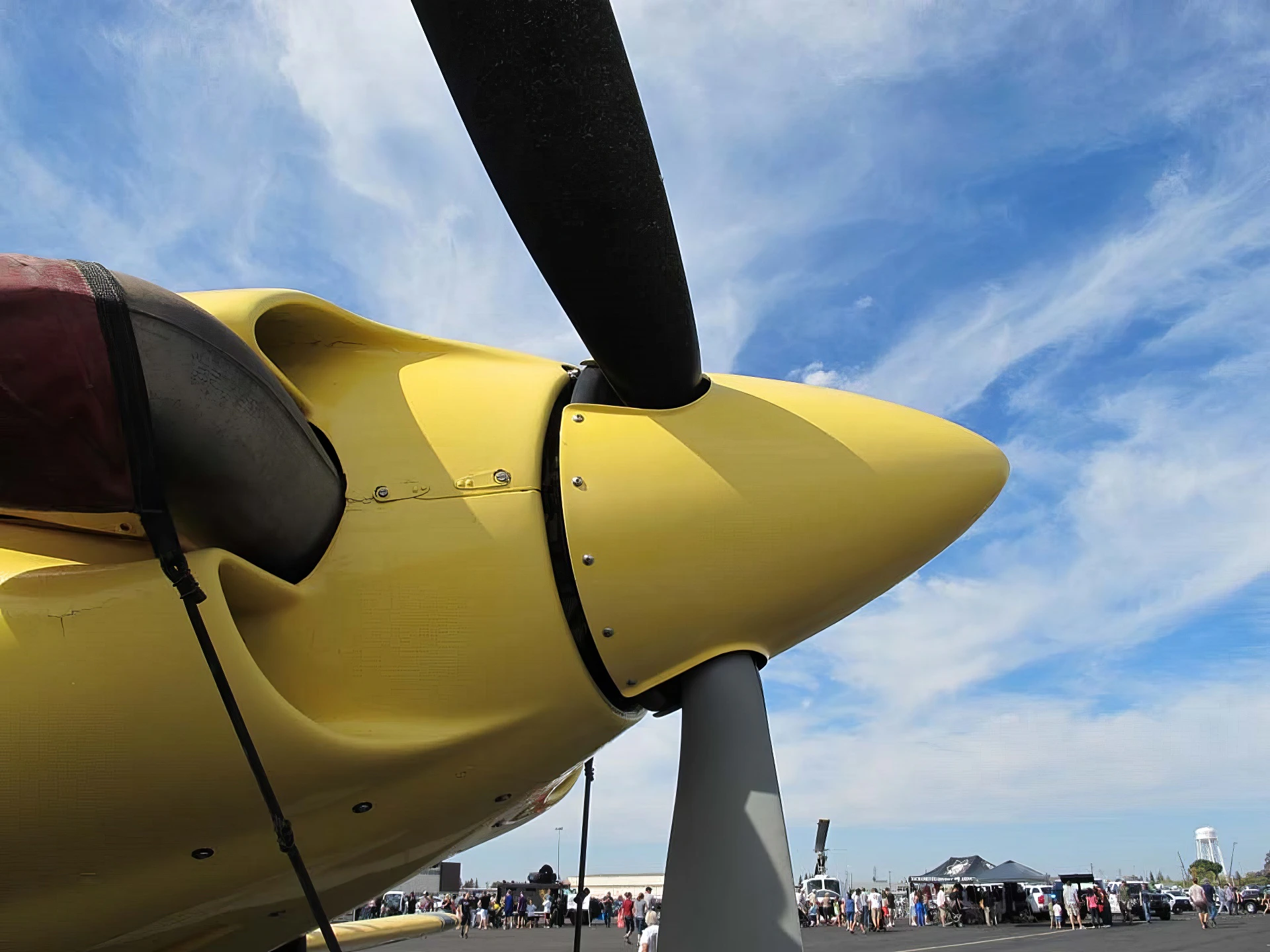
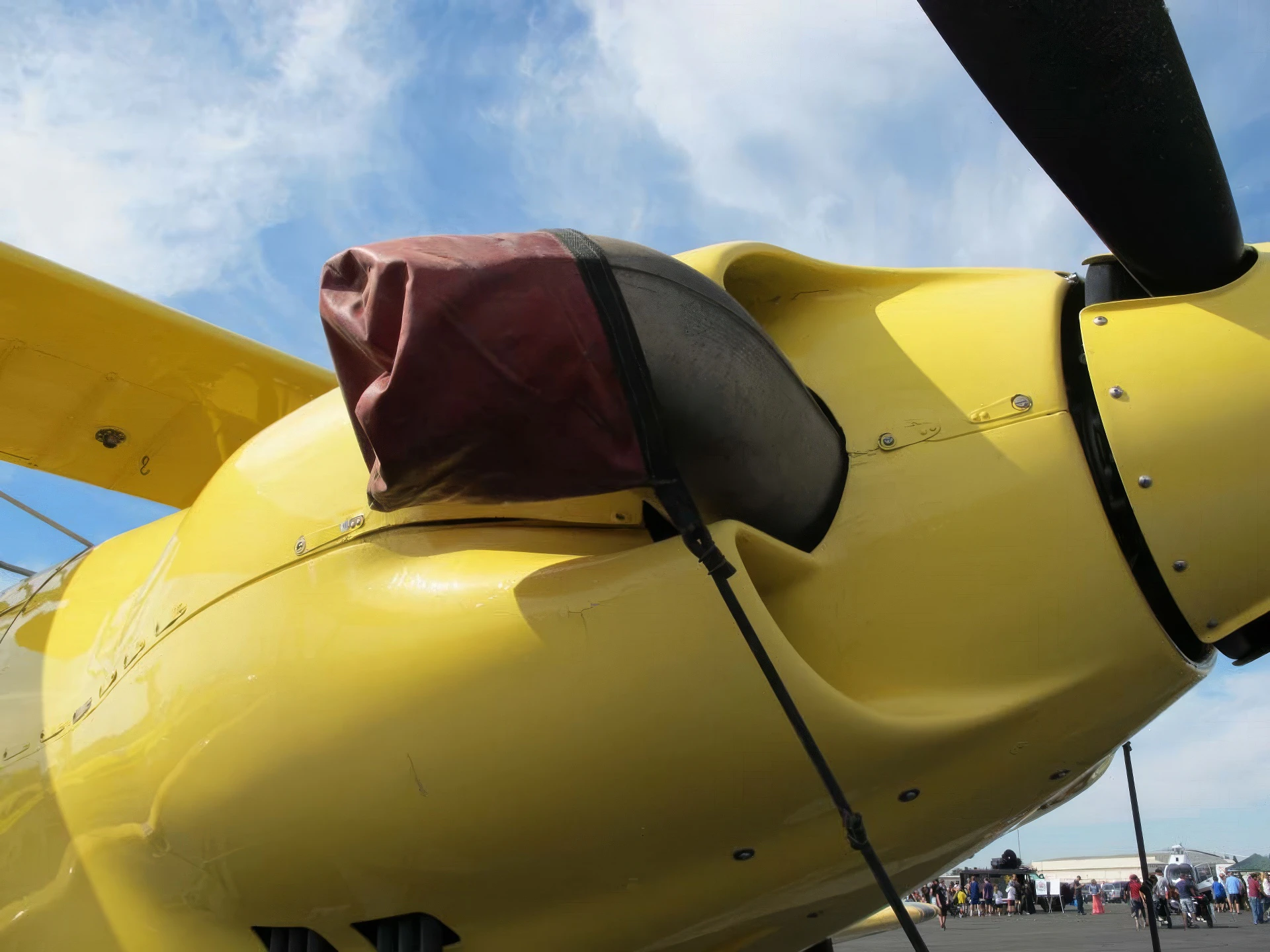
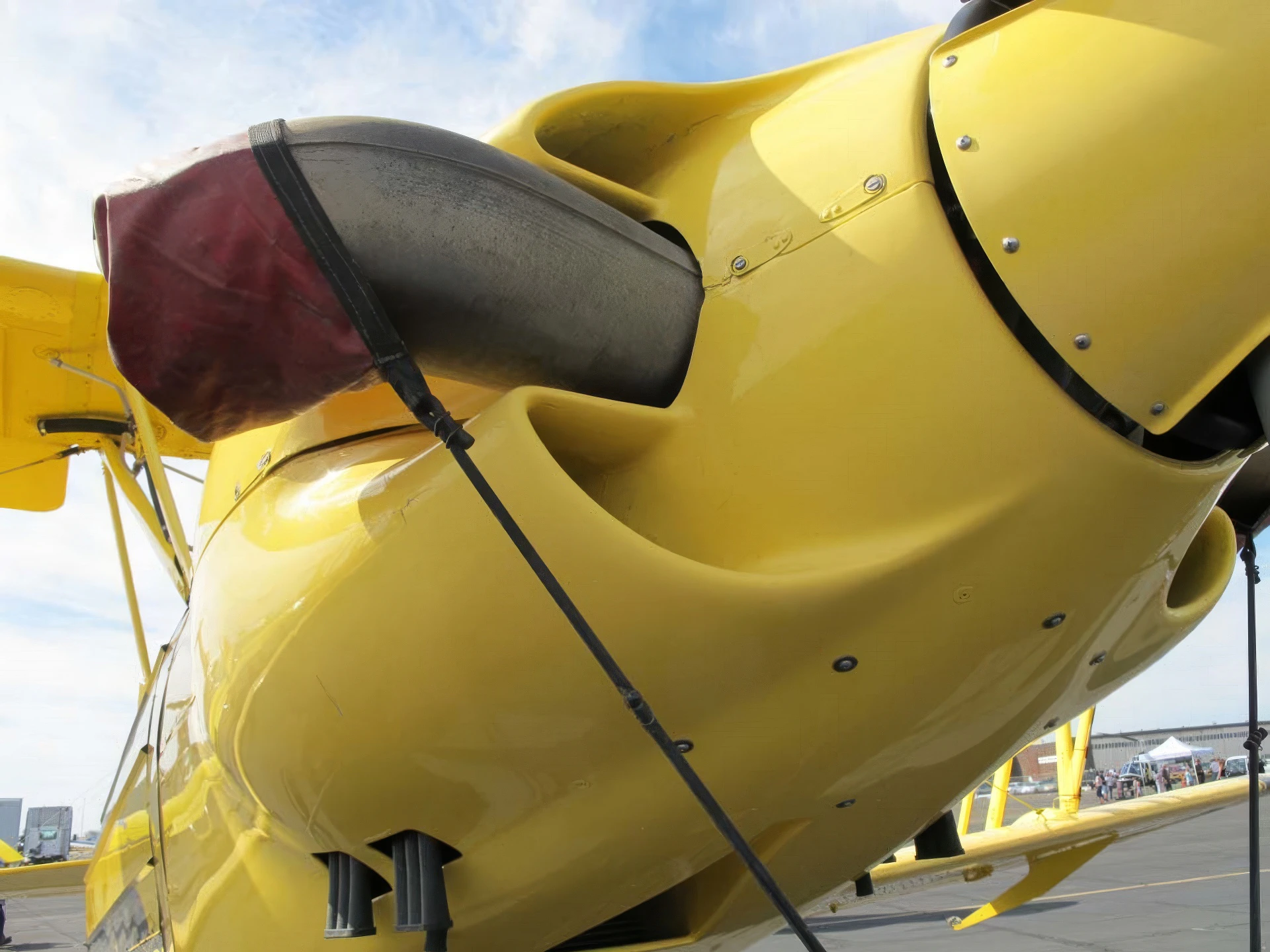
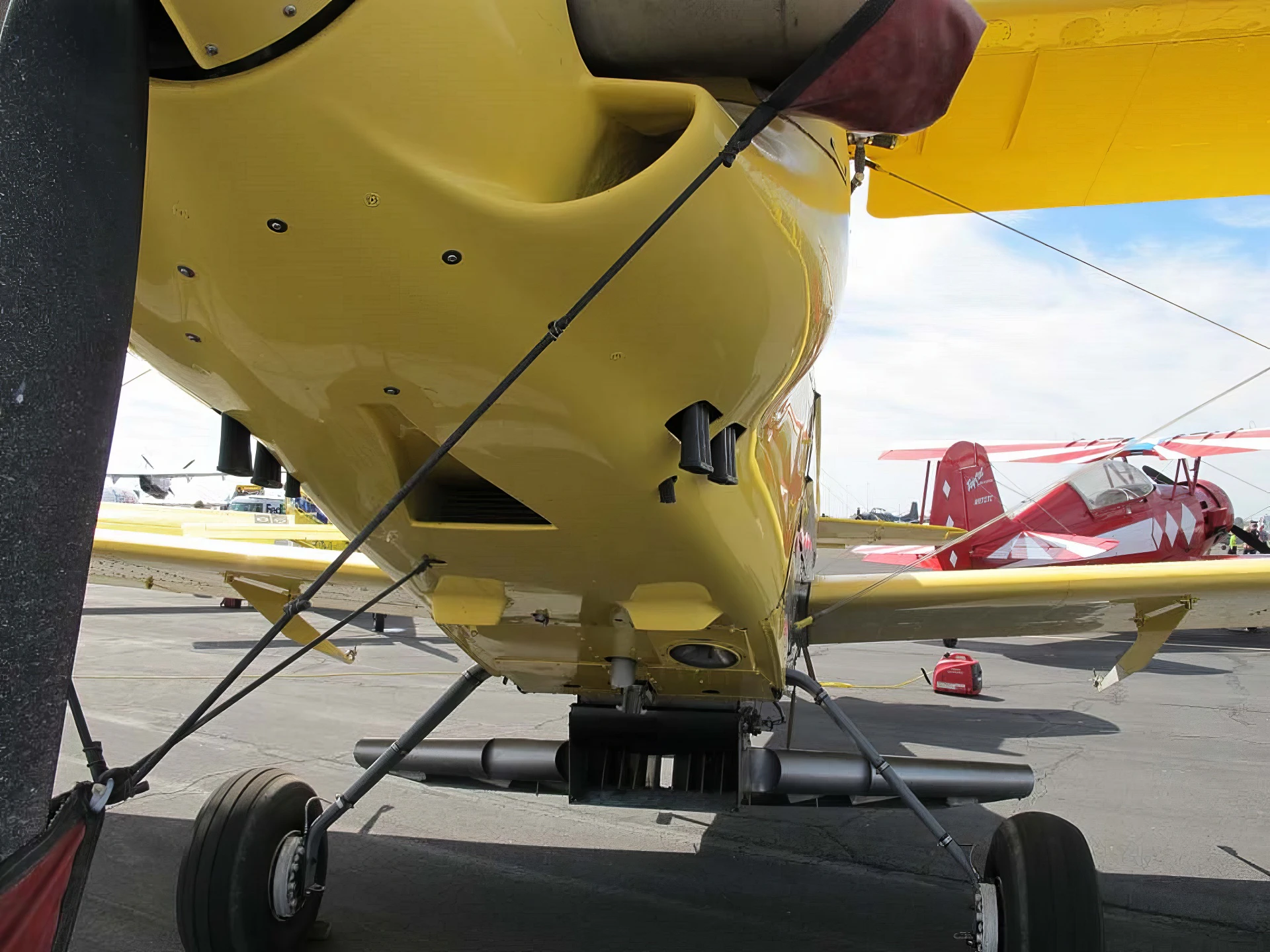
| Grumman G-164C Ag-Cat Walk Around | |
|---|---|
| Photographers | Vladimir Yakubov |
| Localisation | Capital City Air Show 2013, Sacramento, CA |
| Photos | 123 |
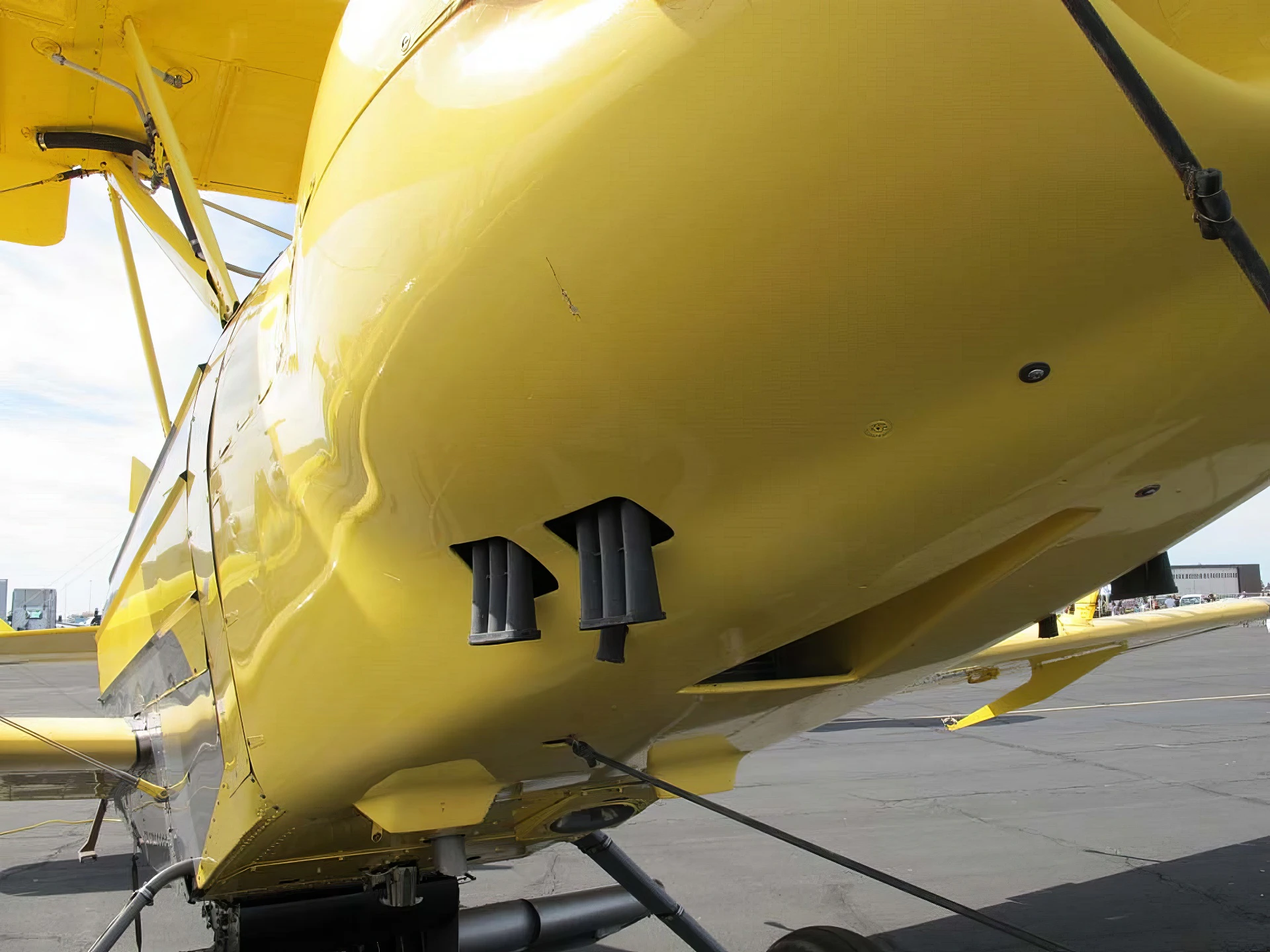
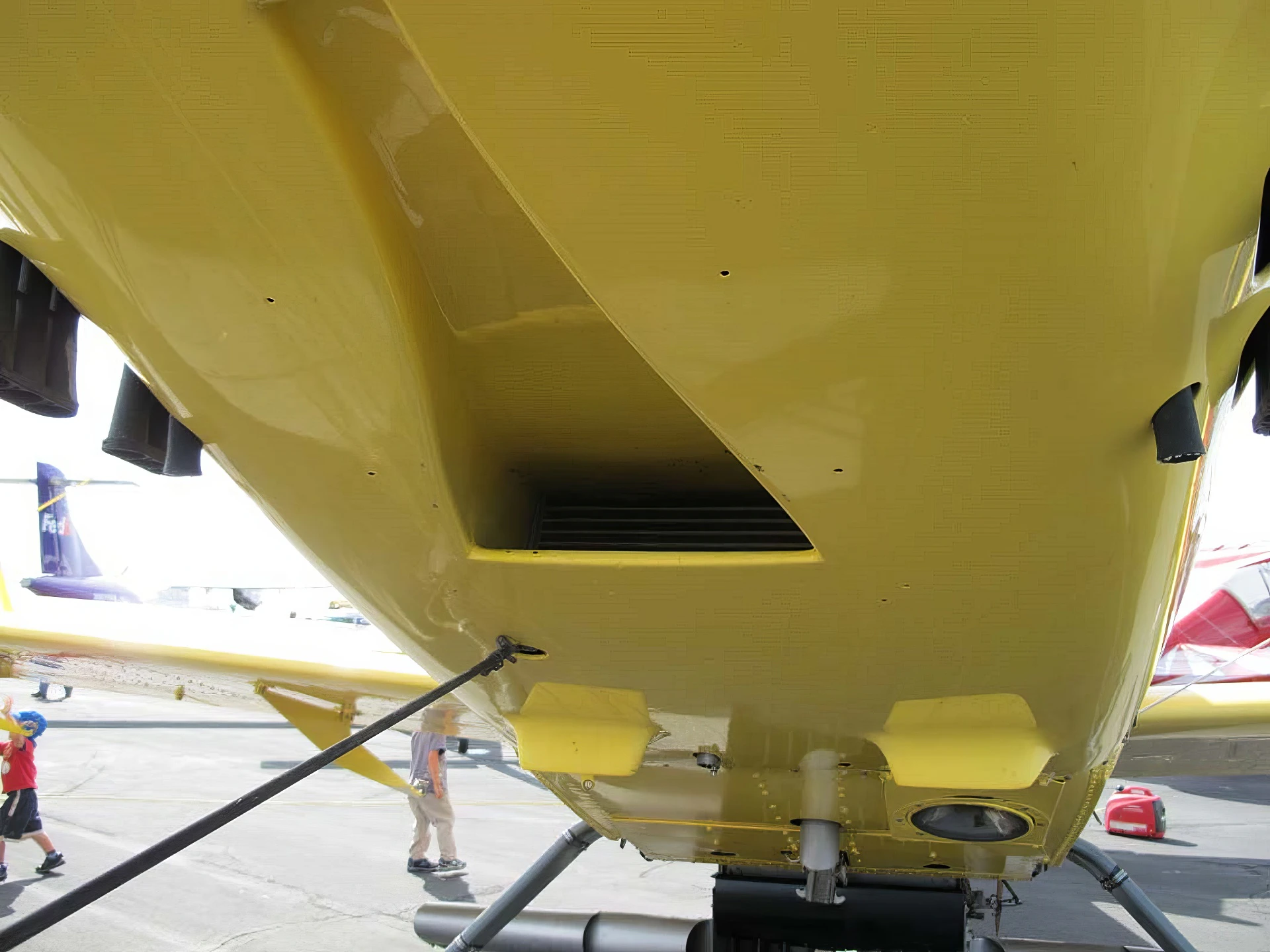
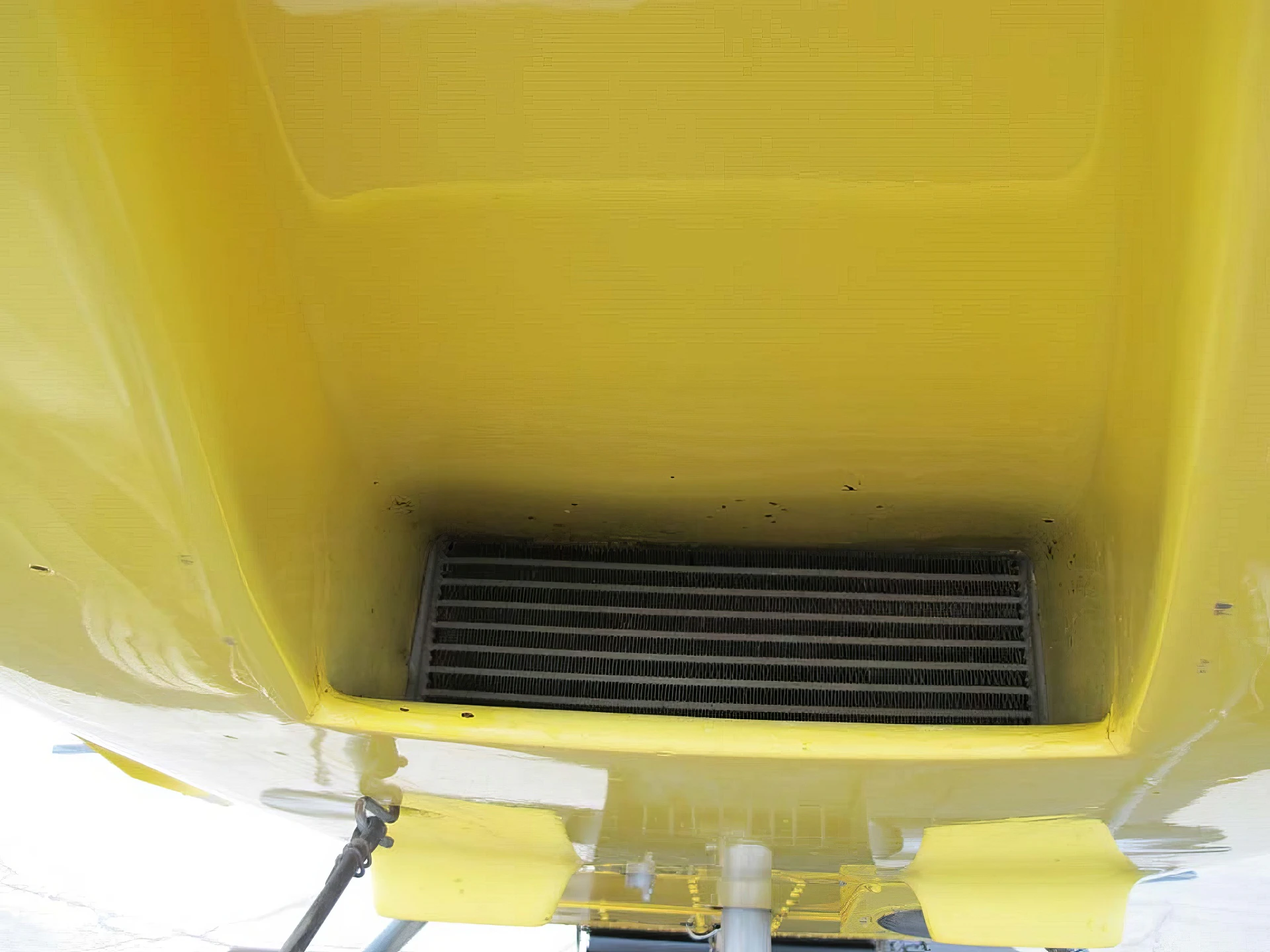
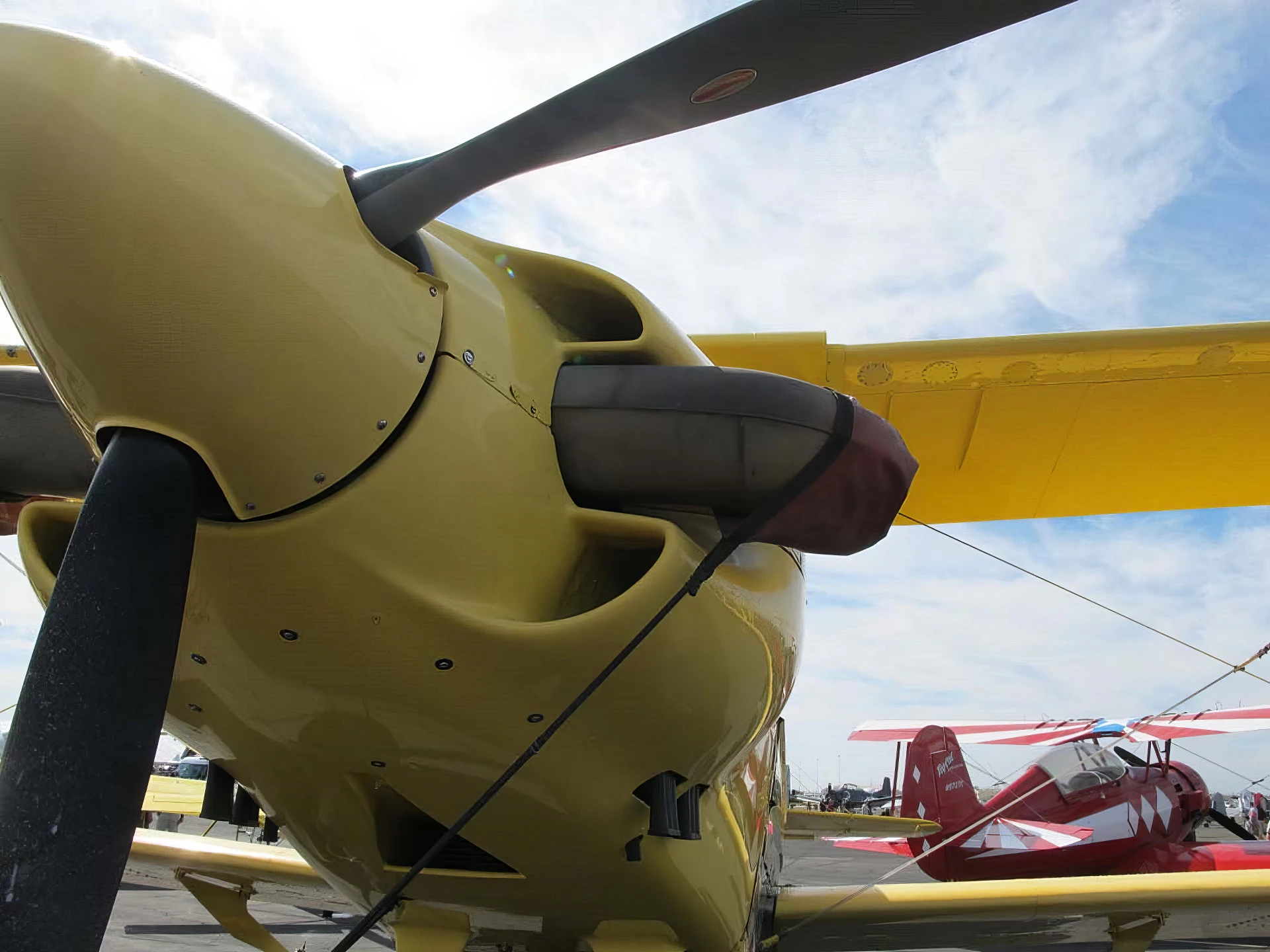


Veja também:


General Characteristics
The Grumman G-164 Ag-Cat was the first aircraft specifically designed by a major company for agricultural aviation (crop dusting/spraying). Its rugged biplane structure, low stall speed, and excellent visibility made it ideal for demanding, low-altitude agricultural maneuvers. The G-164C is a later, enlarged variant known for its increased hopper capacity.
| Property | Typical Value (G-164C/600 Variant) |
|---|---|
| Papel | Agricultural Aircraft (Duster/Sprayer) |
| Designer/Original Mfr. | Grumman Aircraft Engineering Corporation |
| Production Mfr. | Schweizer Aircraft Corporation (subcontracted) |
| First Flight (Series) | May 27, 1957 |
| tripulação | 1 pilot |
| Hopper Capacity | 500 US gallons (1,892 L) |
| Wingspan (Upper) | 12.9 m (42 ft 4.5 in) |
| comprimento | 8.41 m (27 ft 7.25 in) |
| Max Takeoff Weight | Typically around 3,184 kg (7,020 lb) |
Design and Powerplant
- Engine: Pratt & Whitney R-1340 radial piston engine (Wasp).
- Power Output: 450 kW (600 hp).
- Fuselage Construction: Welded steel tubing truss covered with easily removable aluminum panels (for cleaning corrosive chemicals).
- Cockpit: Single, elevated, and typically open (or canopy fitted) cockpit with a reinforced overturn structure for pilot safety. The cockpit is often pressurized to keep pesticides out.
- Key Structural Feature: The biplane design features four interchangeable outer wing panels, simplifying maintenance and reducing spare part inventory.
- G-164C Specifics: This variant is distinguished by a further stretched fuselage to accommodate the larger 500-gallon hopper compared to the earlier A and B models.
Performance and Safety
- Operating Speed: Typically 129 to 161 km/h (80 to 100 mph).
- Stall Speed: Low stall speed, around 104 km/h (64 mph), critical for safe low-altitude maneuvering.
- Rate of Climb: Approximately 329 m/min (1,080 ft/min).
- Range: Limited ferry range (designed for short-range utility).
- Safety Feature: The airframe incorporates a fuselage structure designed to progressively collapse upon collision, protecting the pilot.
- Modern Upgrades: Many Ag-Cats have been upgraded over the years, often replacing the R-1340 radial engine with a turboprop (like the Pratt & Whitney PT6A) to create the Turbo Ag-Cat variants.
Visualizações : 1649
Você pode ver também:
 Messerschmitt Me-108 Taifun – Fotos e Vídeo
 Ryan Navion – Fotos e Vídeo
 Stinson L-5 Sentinel – Fotos e Vídeo
 Piper L-4 Grasshopper – Fotos e Vídeo
 Lockheed U-2 – Fotos e Vídeo
 P-47G Thunderbolt – WalkAround
 Hawker Sea Fury FBII vol2 - Walk Around
 P-51D Mustang vol2 - Ande por aí
 B-17G Flying Fortress – WalkAround
 Messerschmitt Bf 109G-2 - Ande por aí