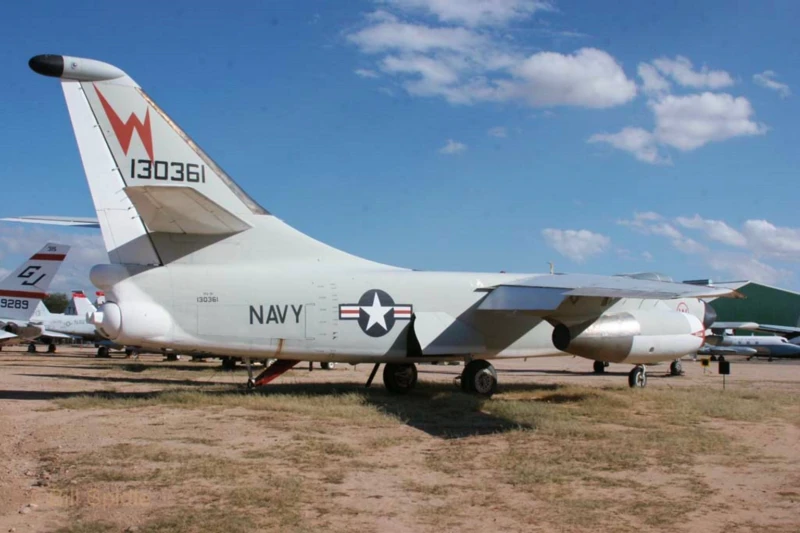
Douglas A-3 Skywarrior |
|
|---|---|
| País | Eua |
| Tipo | Bombardeiro estratégico |
| Primeiro voo | 28 de outubro de 1952 |
| Construído | 282 |
Galeria de fotos de um Douglas A-3 Skywarrior,
The Douglas A-3 Skywarrior was designed as a strategic bomber for the United States Navy and was among the longest serving carrier-based aircraft in history. It entered service in the mid-1950s and was retired in 1991. Throughout its service, it was the heaviest operational aircraft to operate from aircraft carriers, earning its nickname, “The Whale.” Its primary function for much of its later service life was as an electronic warfare platform, tactical air reconnaissance platform, and high capacity aerial refueling tanker.
Fonte: Douglas A-3 Skywarrior na Wikipédia
| Douglas A-3 Skywarrior | |
|---|---|
| Fotógrafo | Bill Spidle |
| Localização | Desconhecido |
| Fotos | 56 |
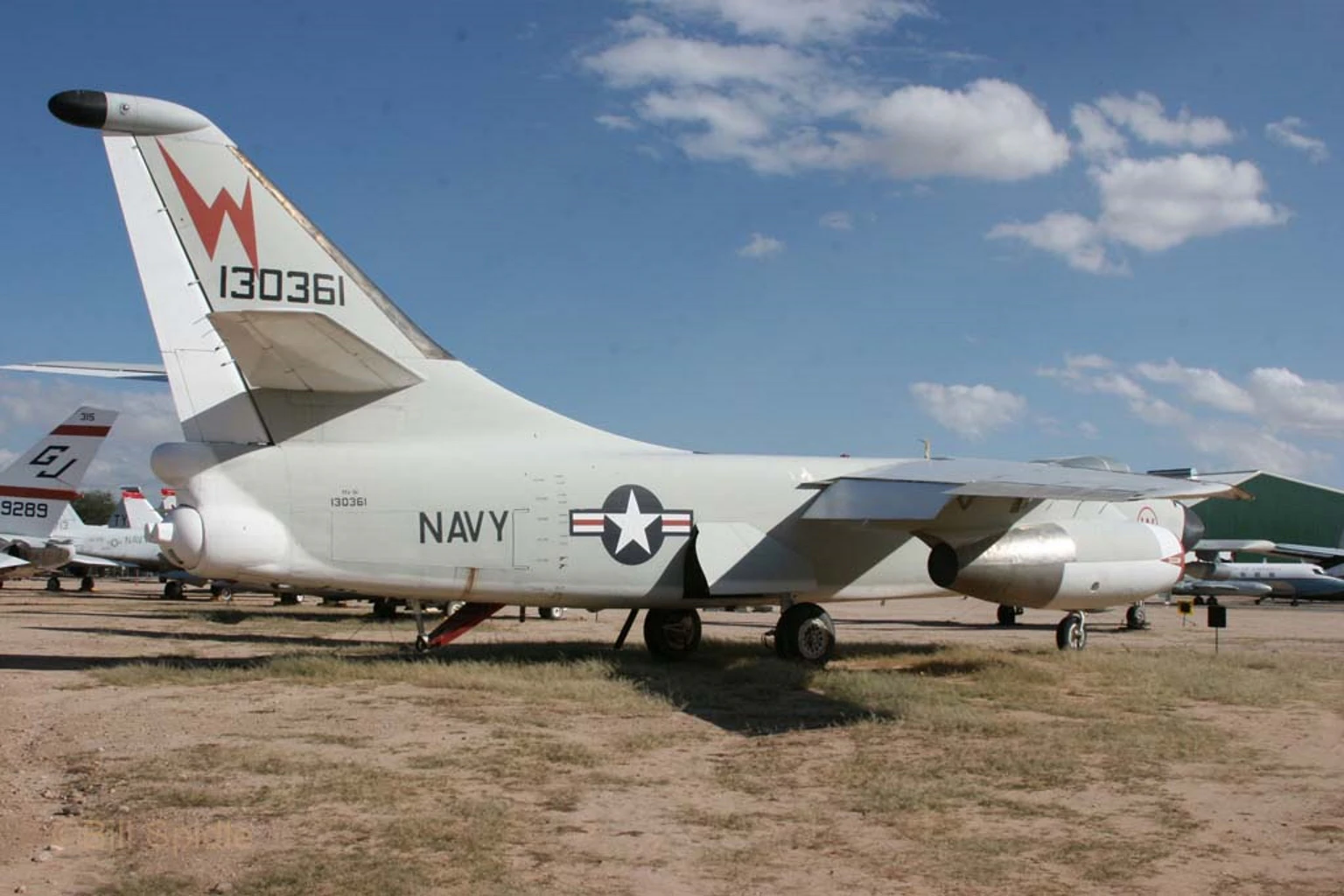
Douglas A-3 Skywarrior 01
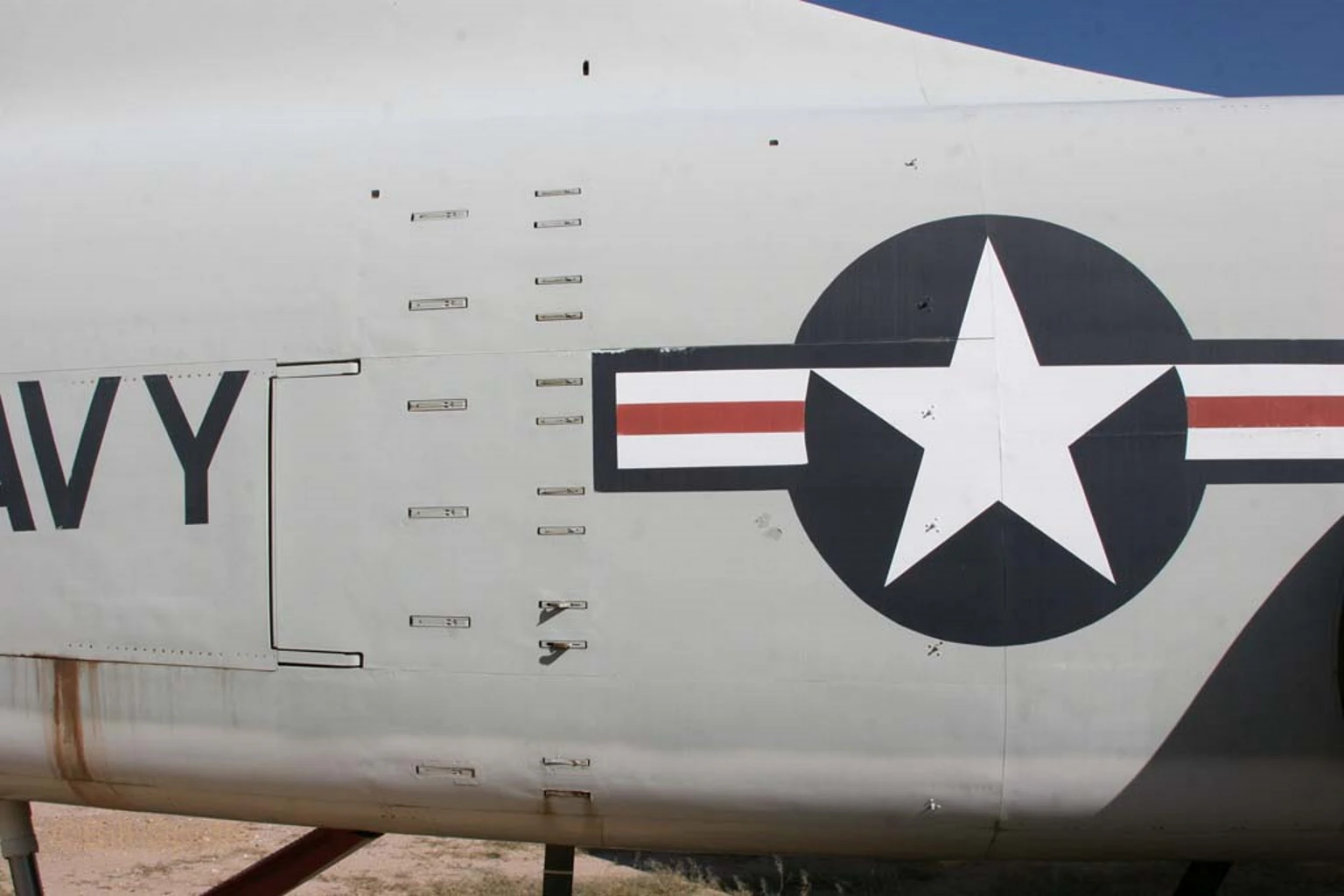
Douglas A-3 Skywarrior 02
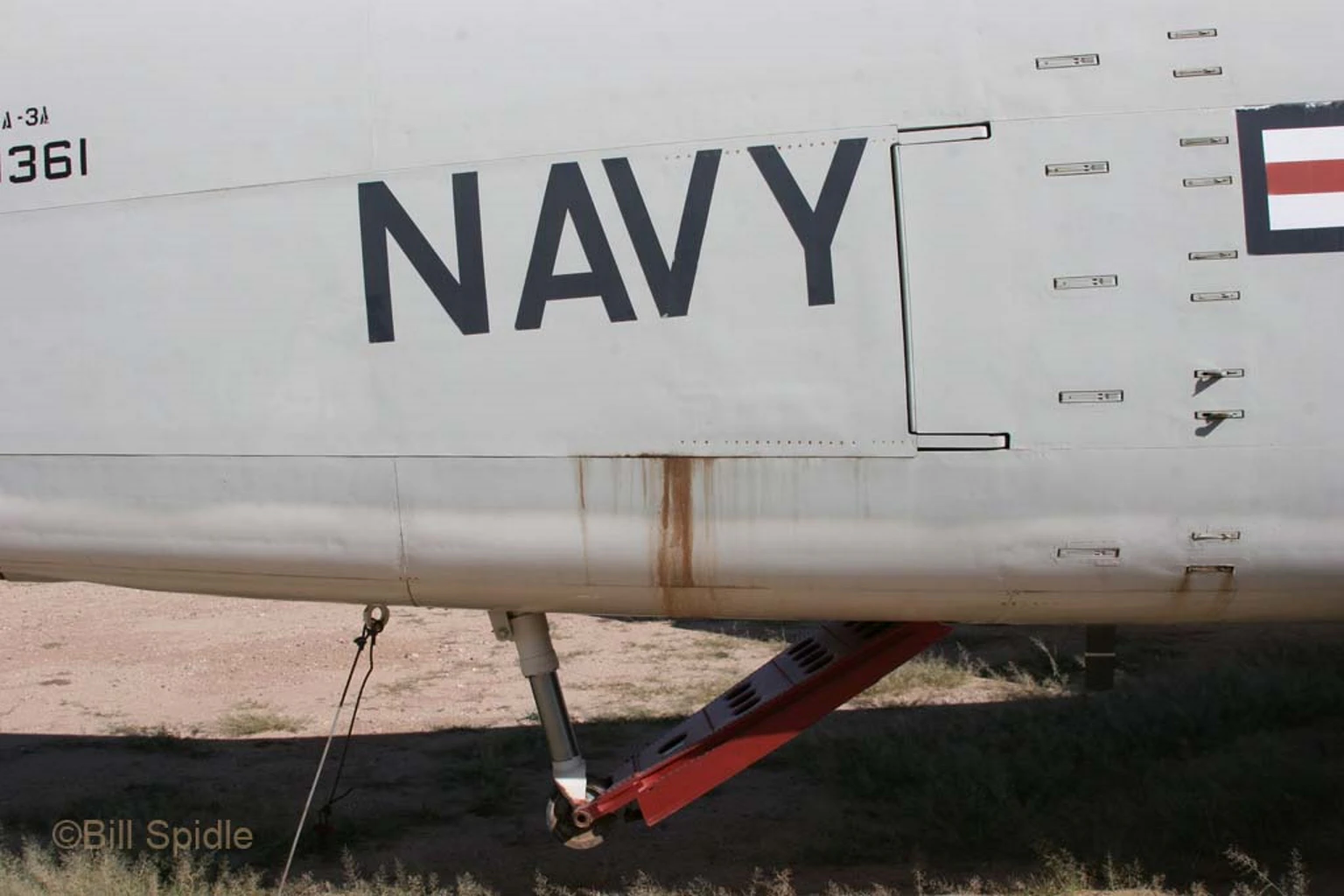
Douglas A-3 Skywarrior 03
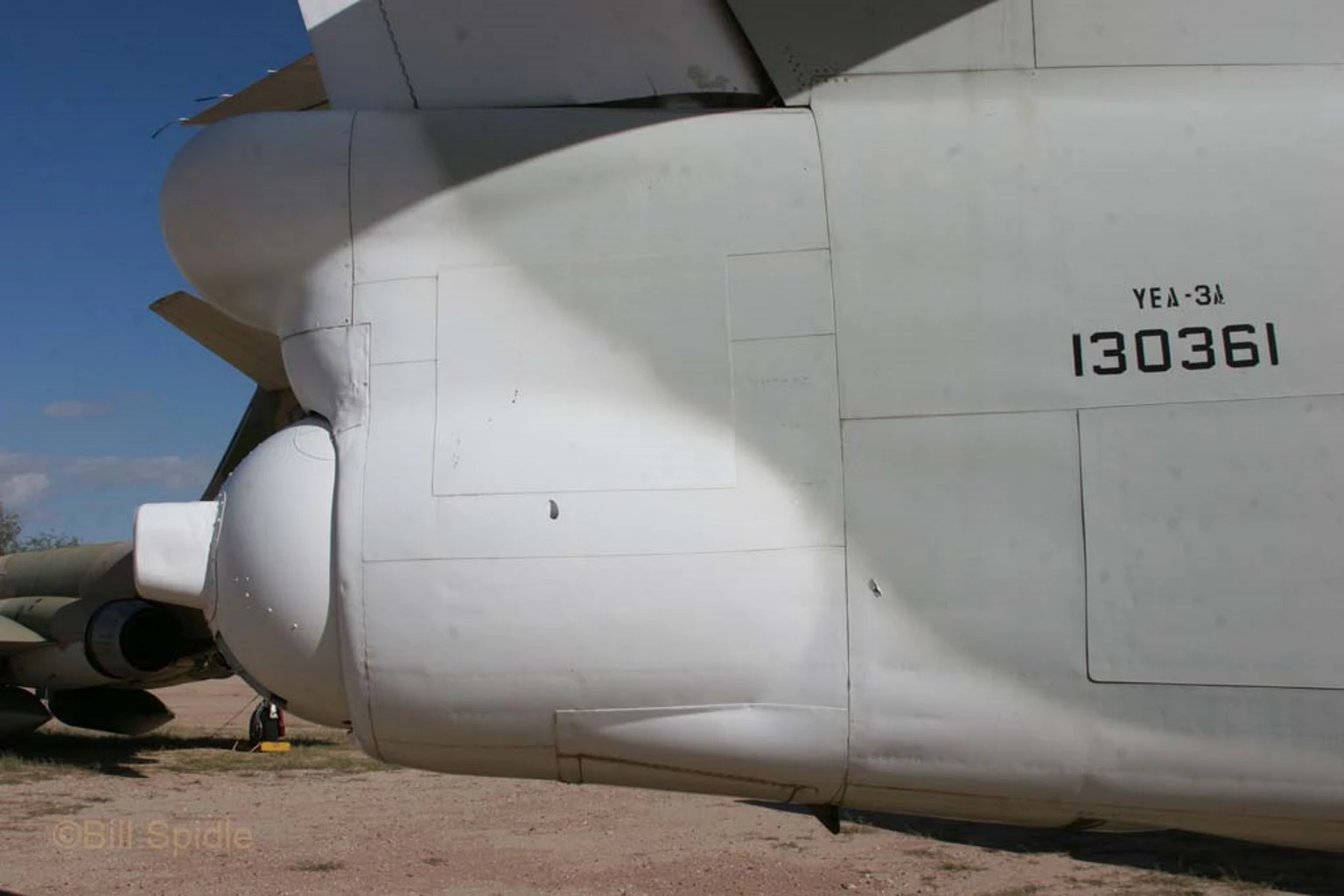
Douglas A-3 Skywarrior 04
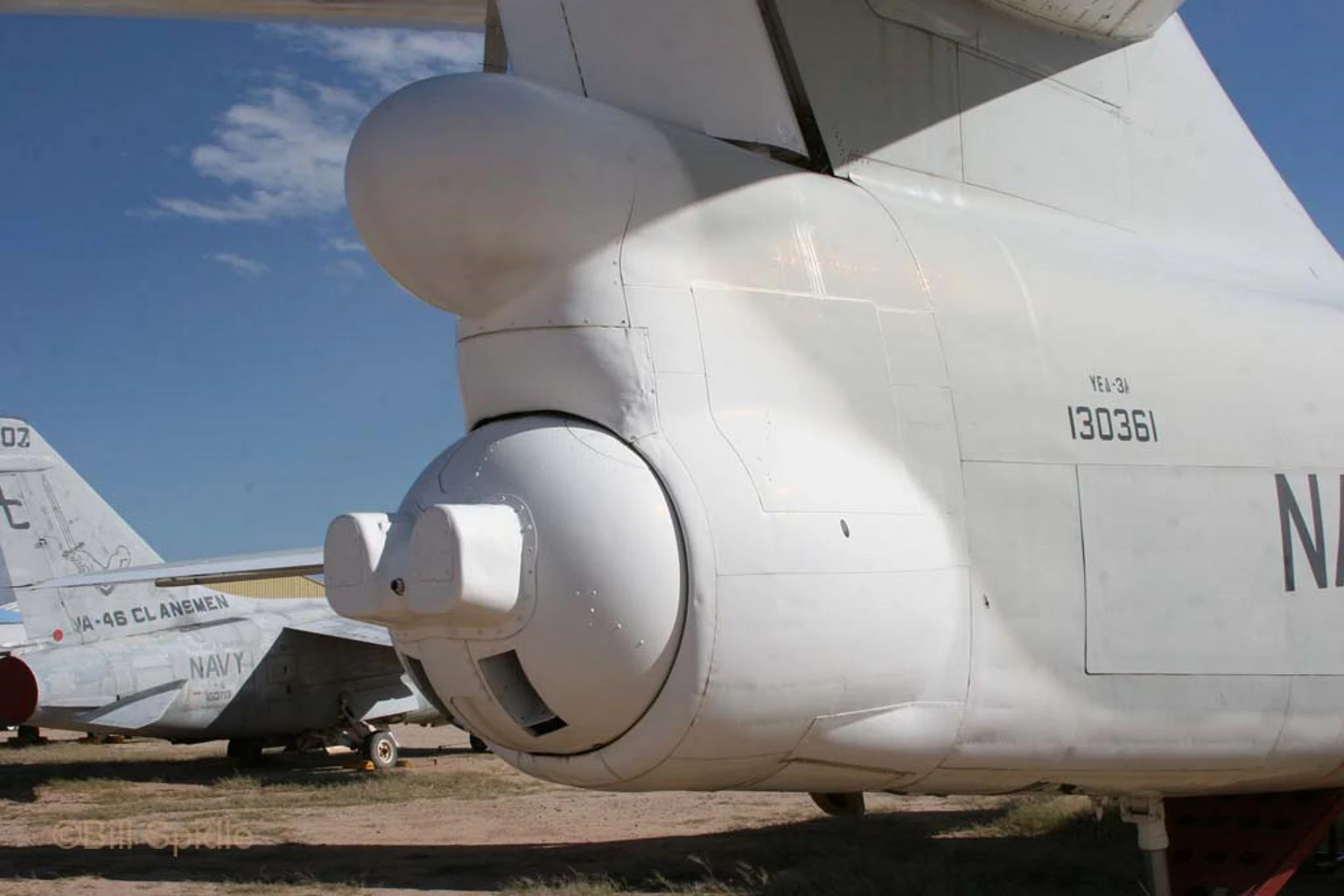
Douglas A-3 Skywarrior 05
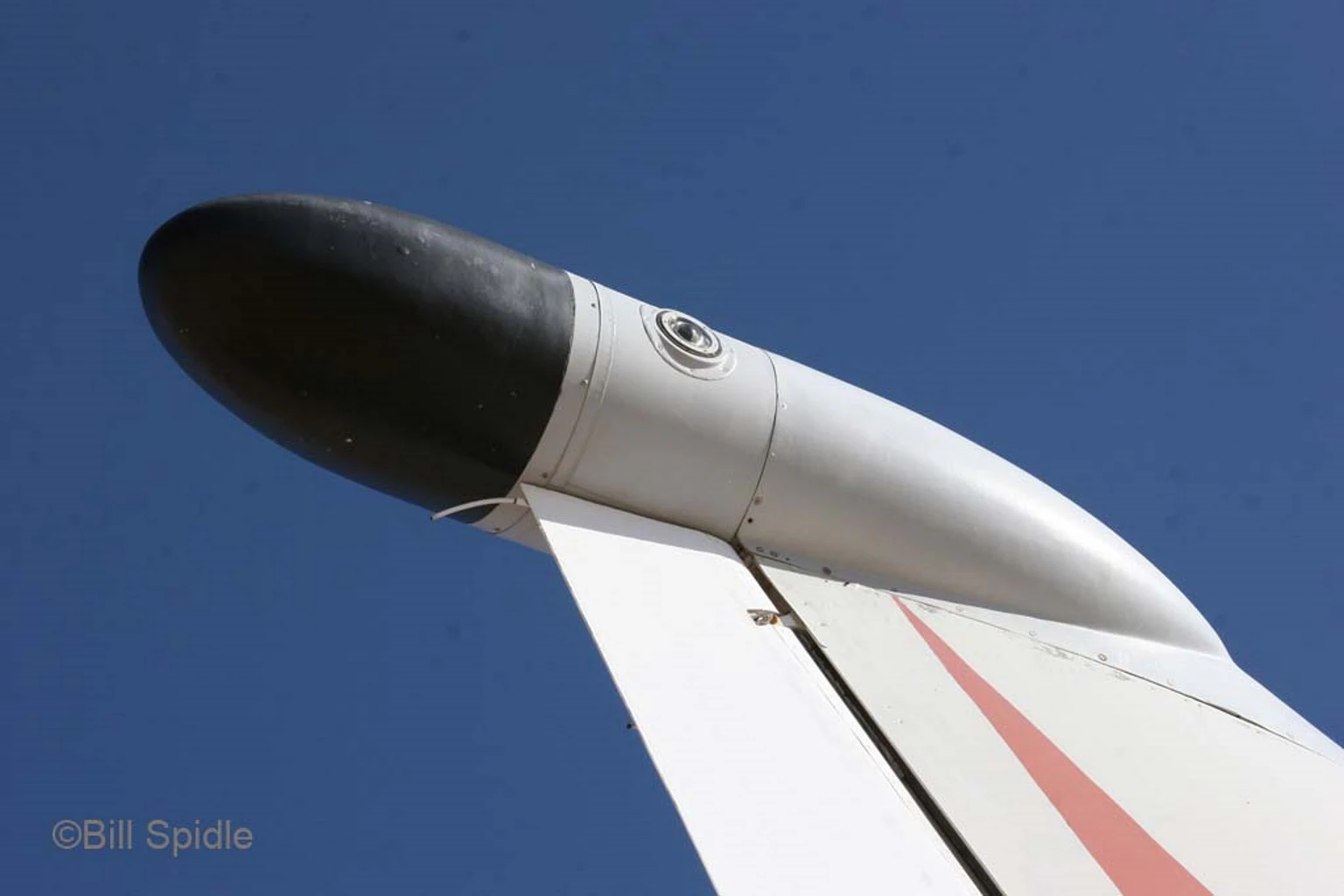
Douglas A-3 Skywarrior 06
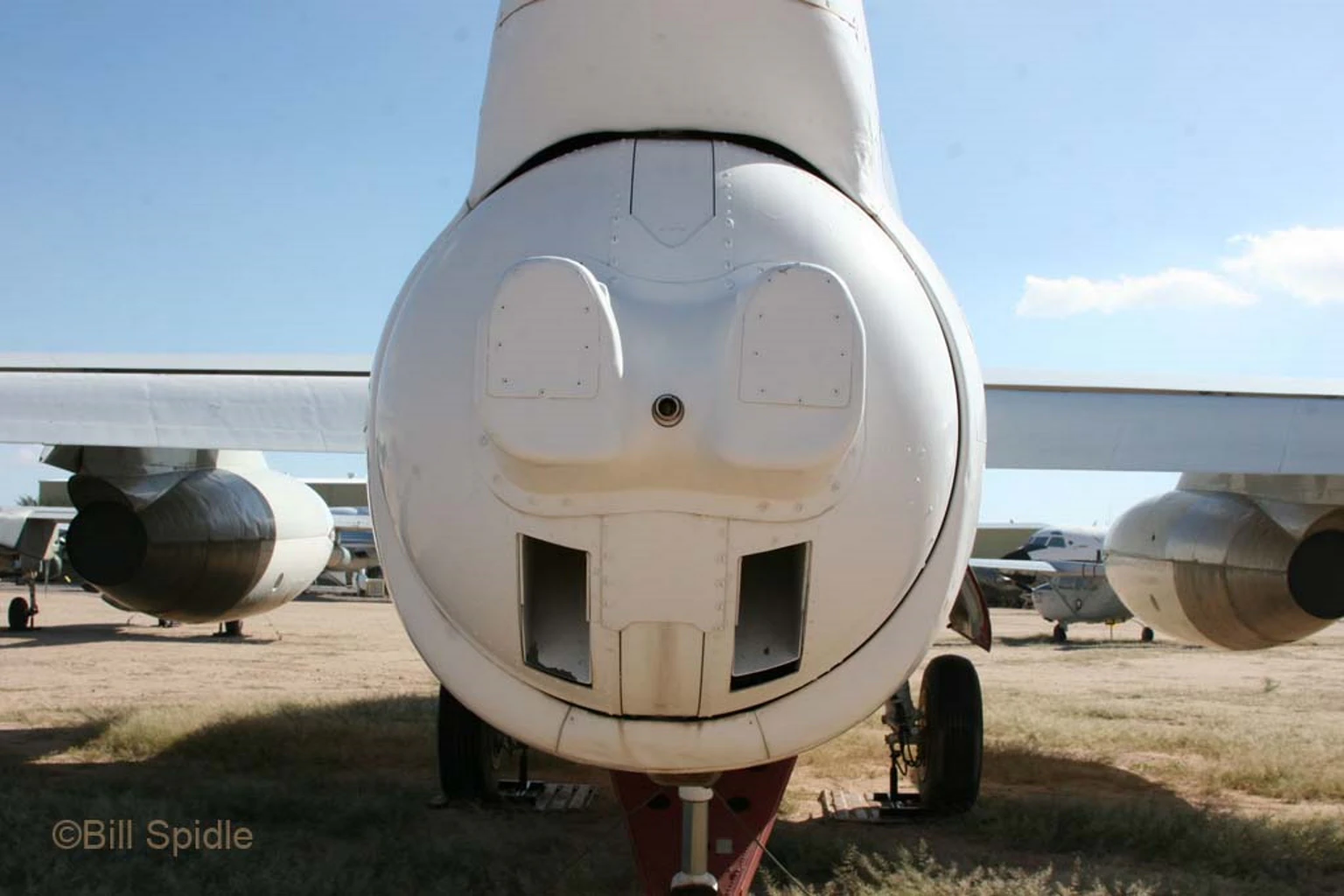
Douglas A-3 Skywarrior 07
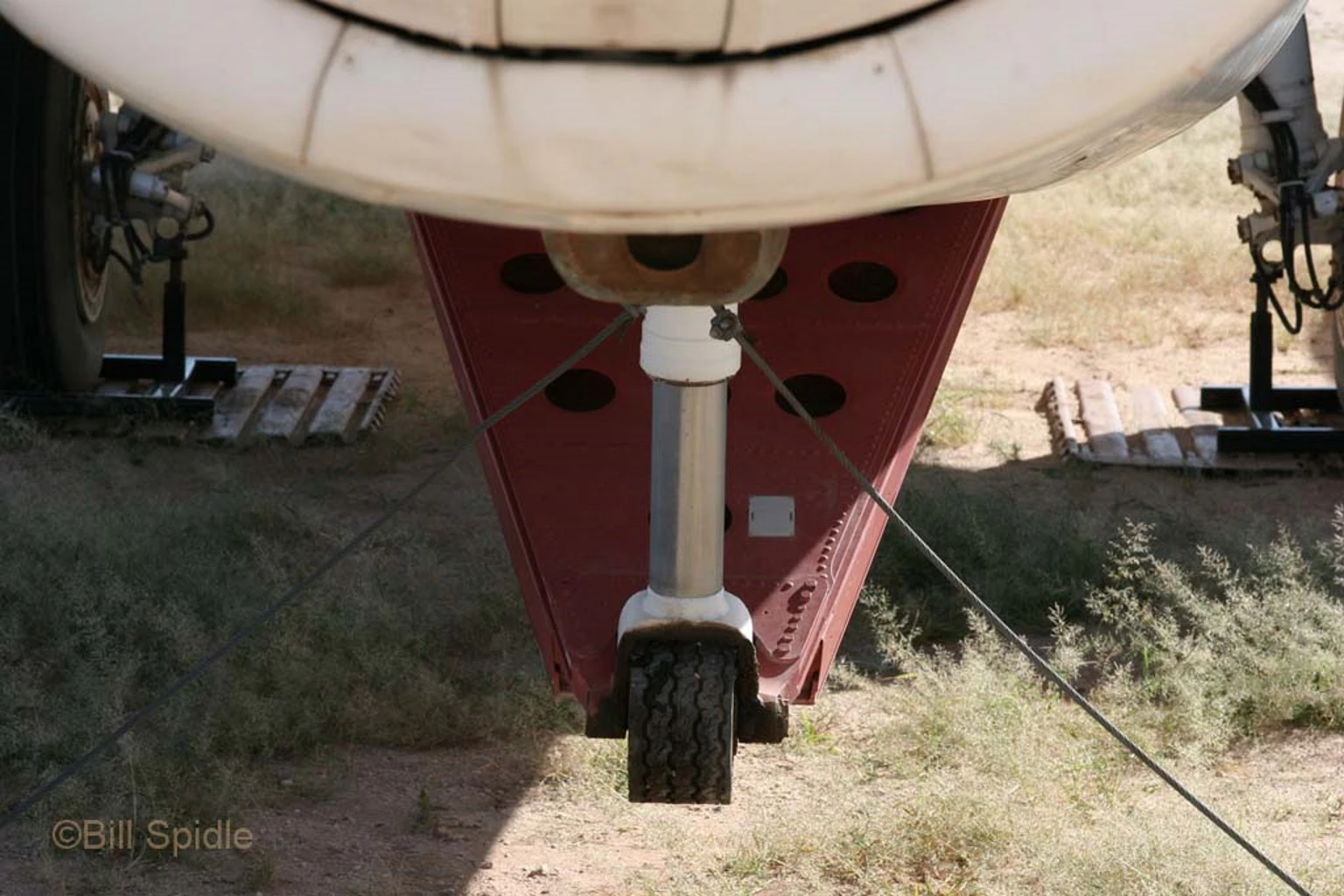
Douglas A-3 Skywarrior 08
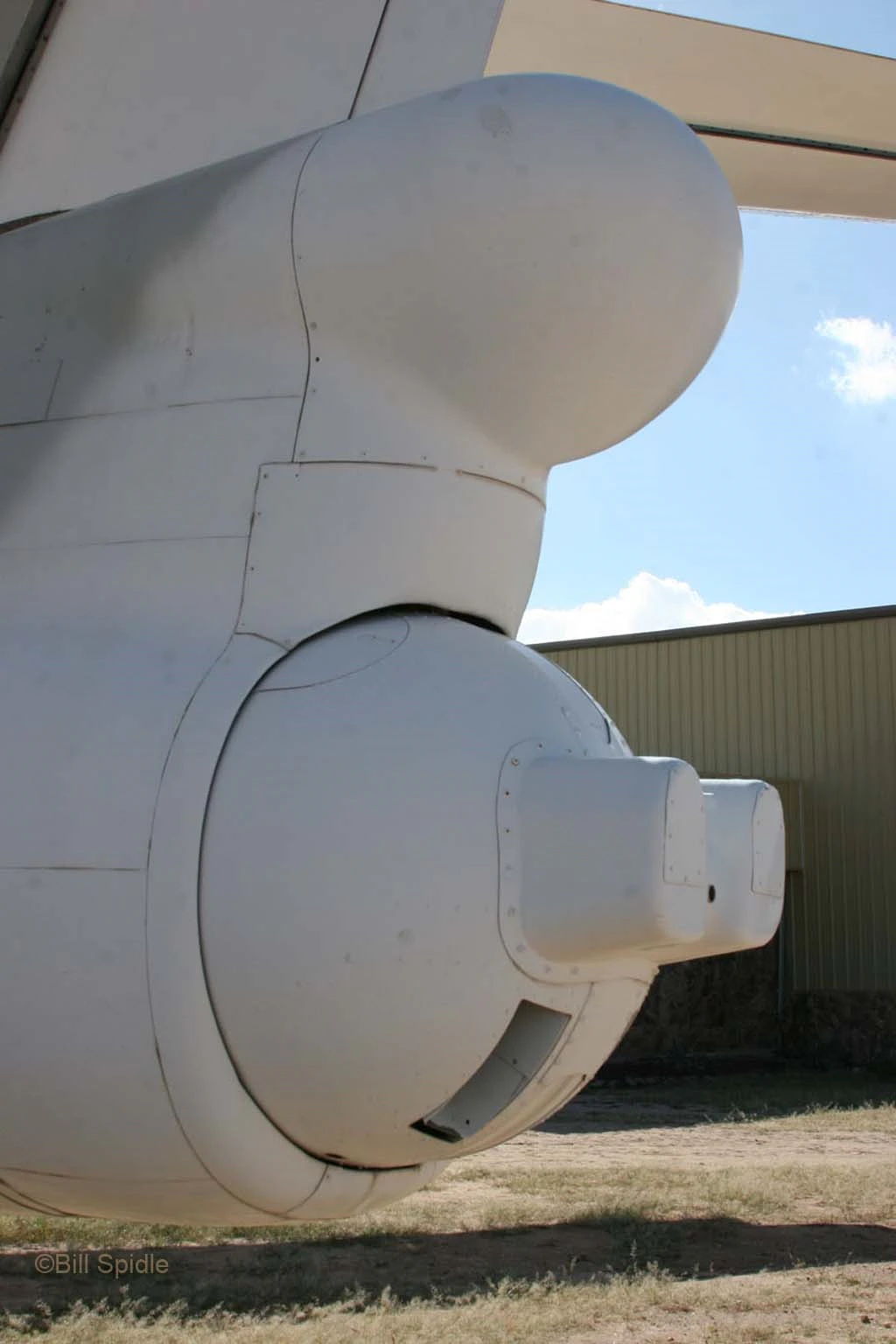
Douglas A-3 Skywarrior 09
Espere, procurando fotos de Douglas A-3 Skywarrior para você...

| Douglas EKA-3B Whale Walk Around | |
|---|---|
| Fotógrafo | Vladimir Yakubov |
| Localização | Museu Aeroespacial Ocidental |
| Fotos | 58 |
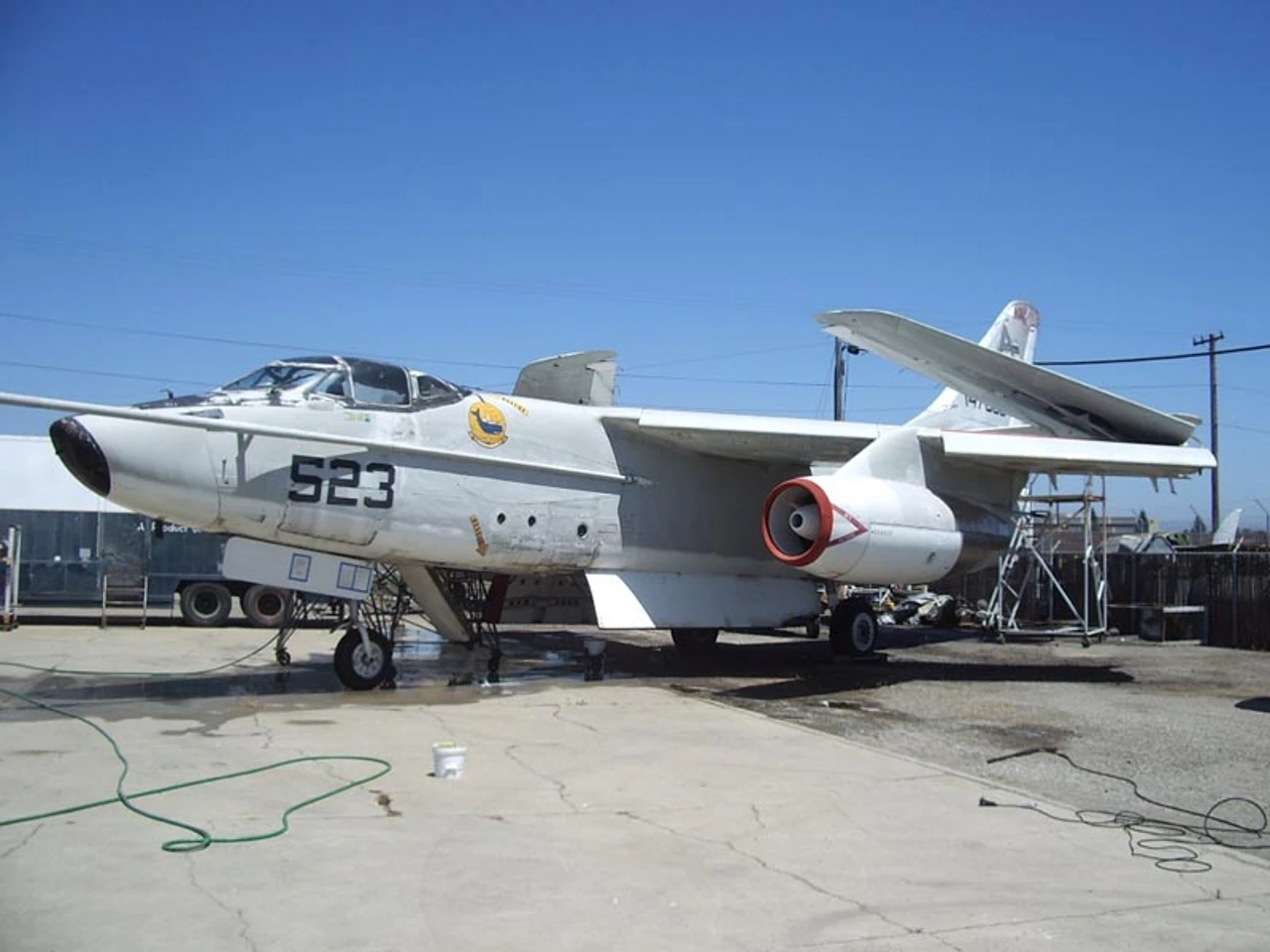
Douglas EKA-3B Whale 01
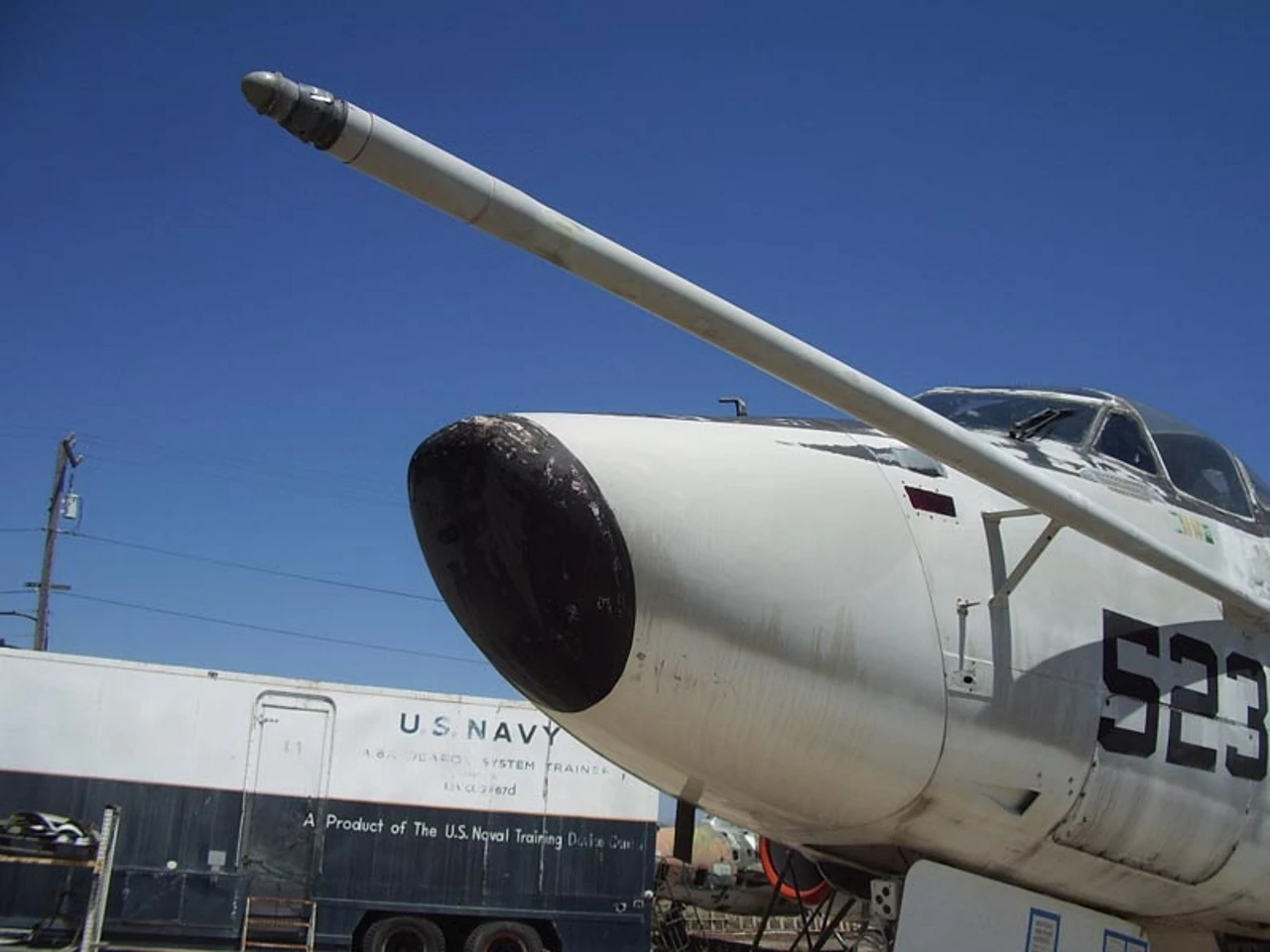
Douglas EKA-3B Whale 02
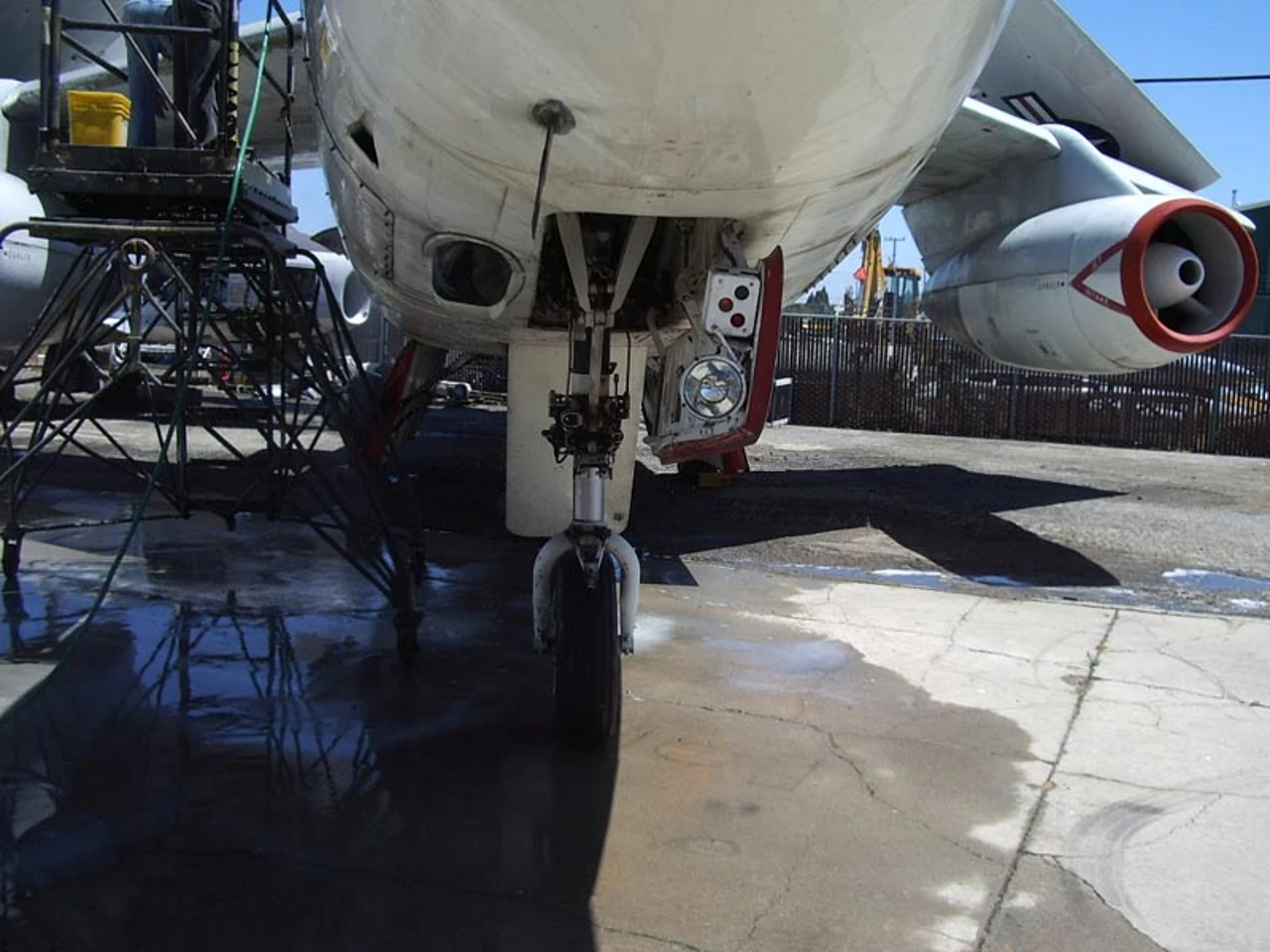
Douglas EKA-3B Whale 03
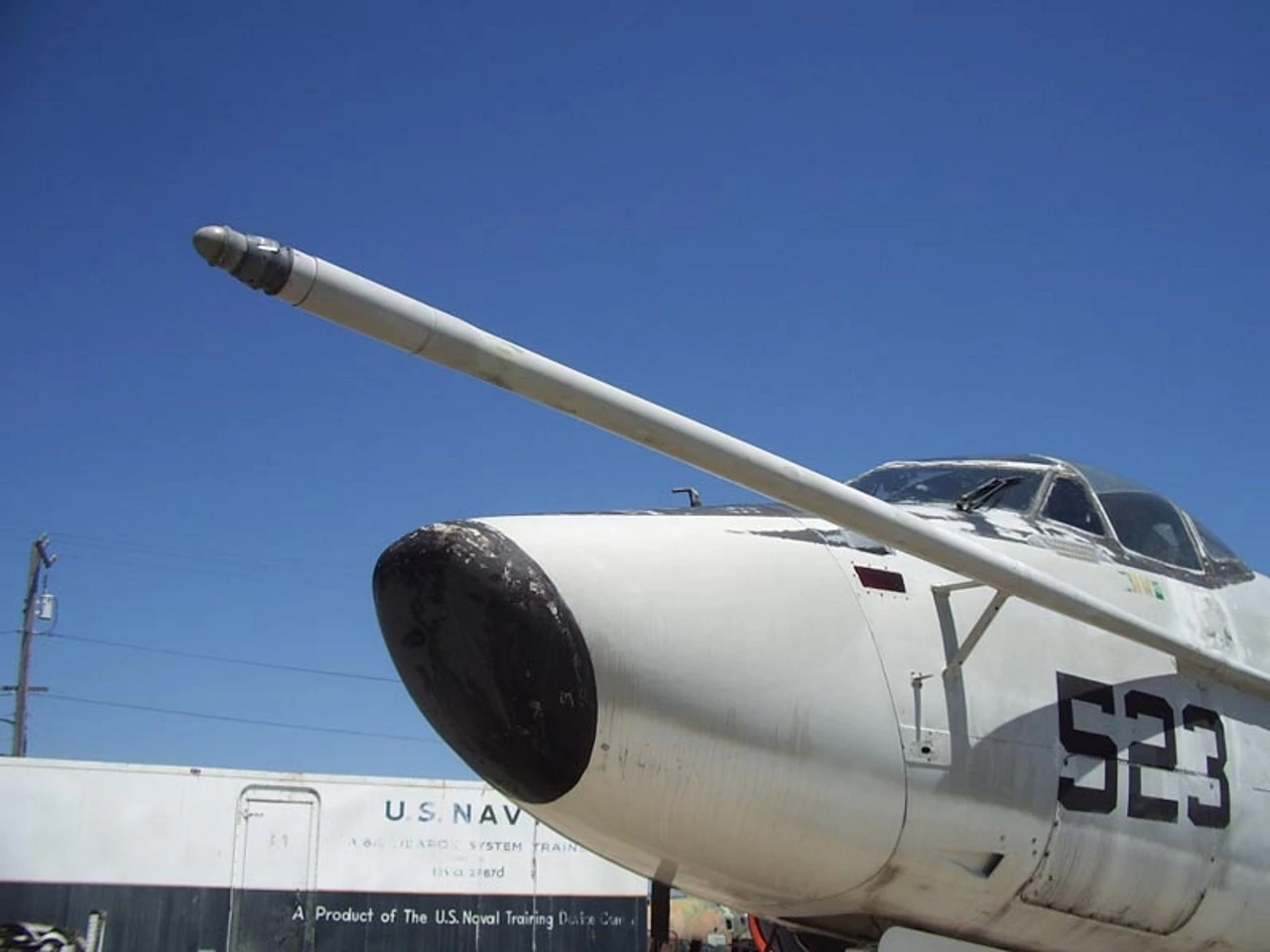
Douglas EKA-3B Whale 04
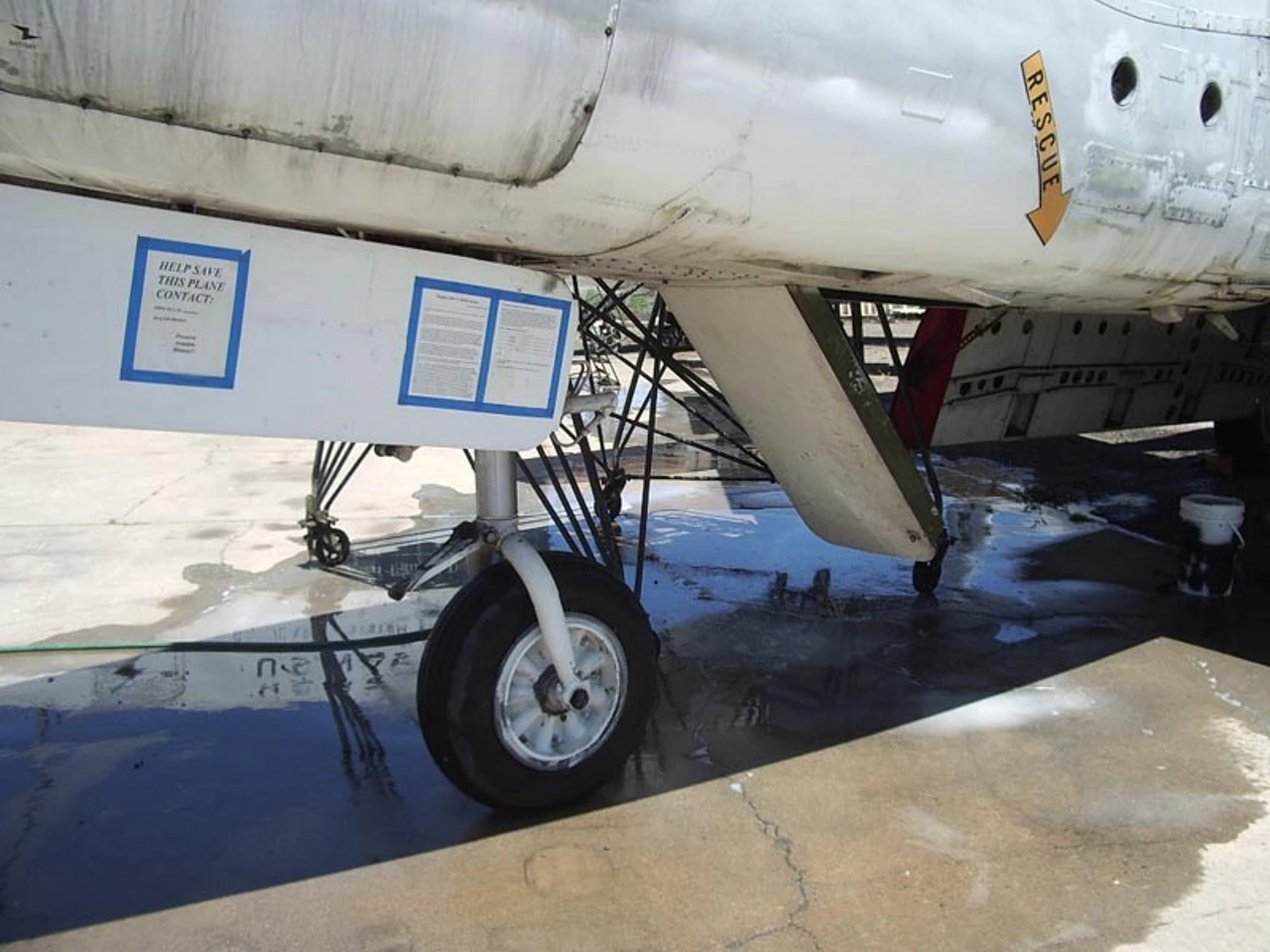
Douglas EKA-3B Whale 05
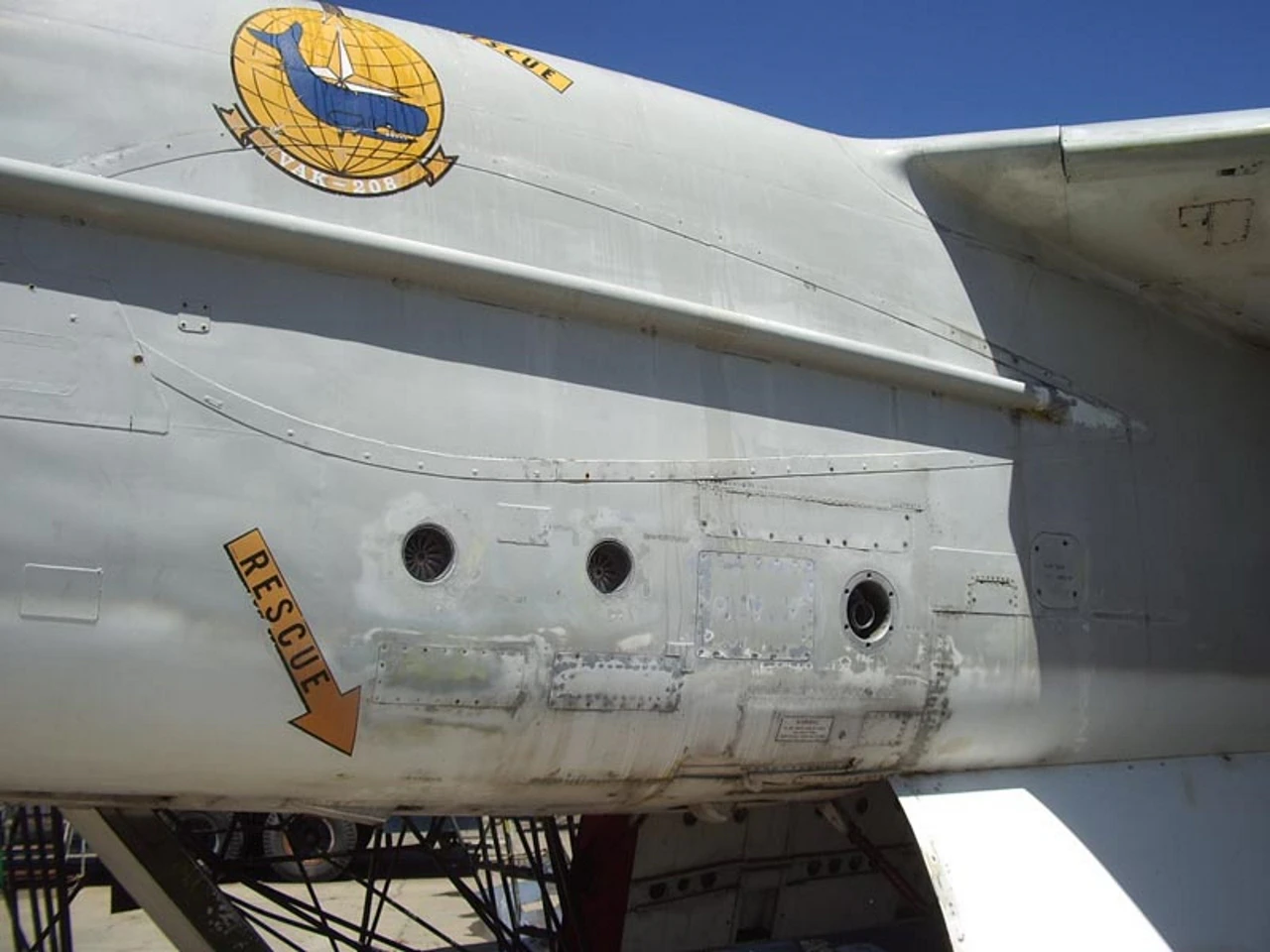
Douglas EKA-3B Whale 06
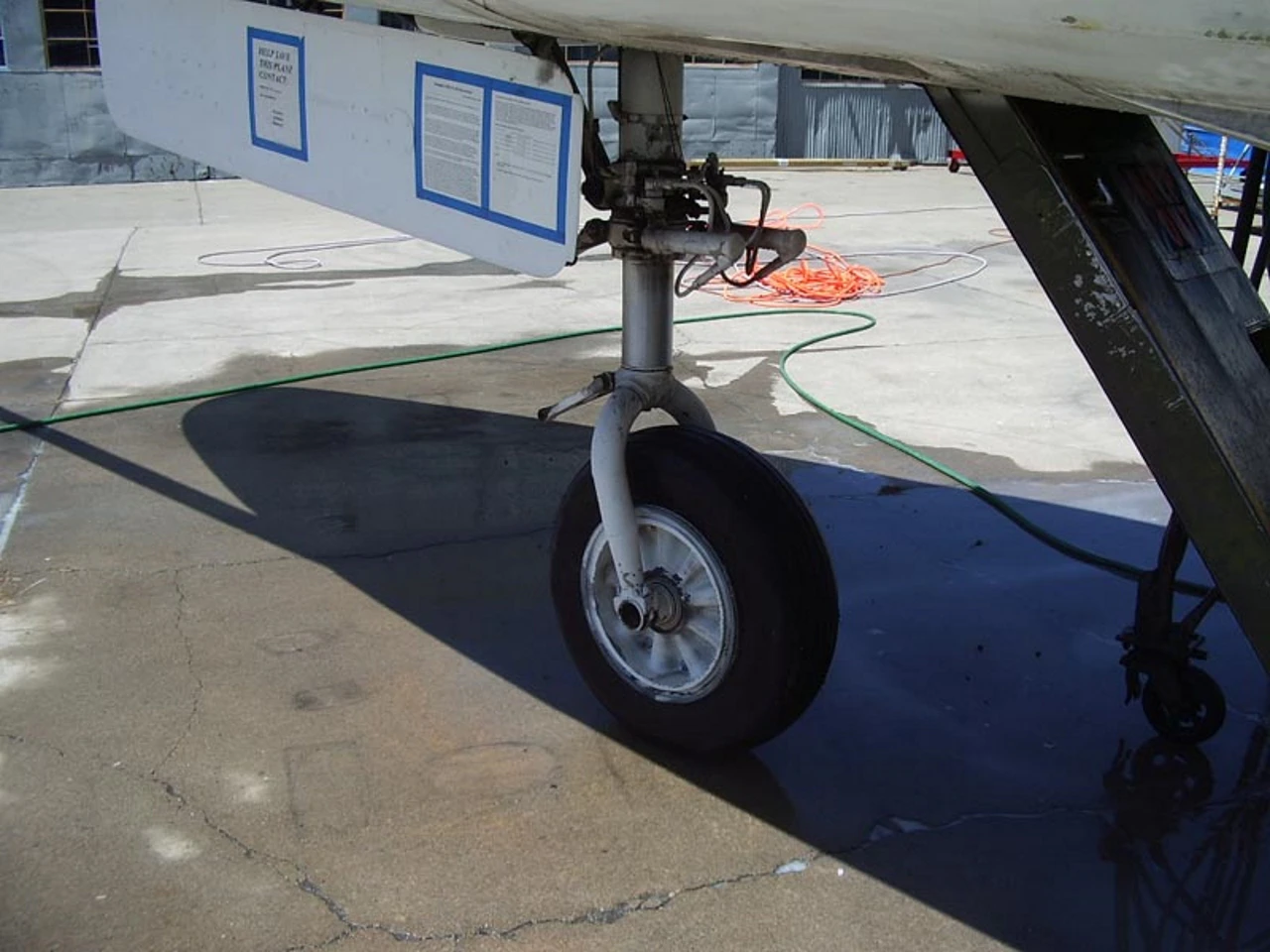
Douglas EKA-3B Whale 08
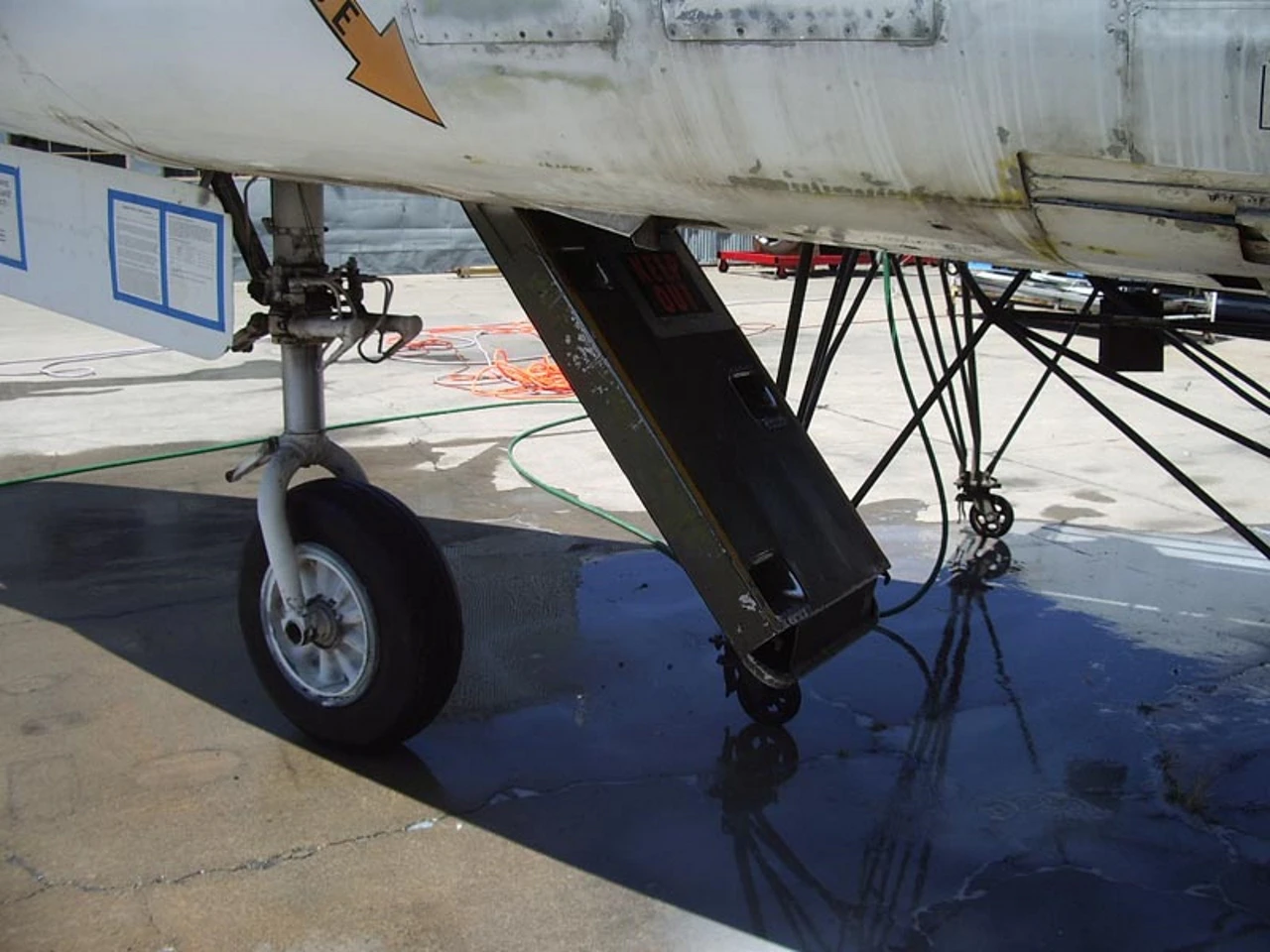
Douglas EKA-3B Whale 07
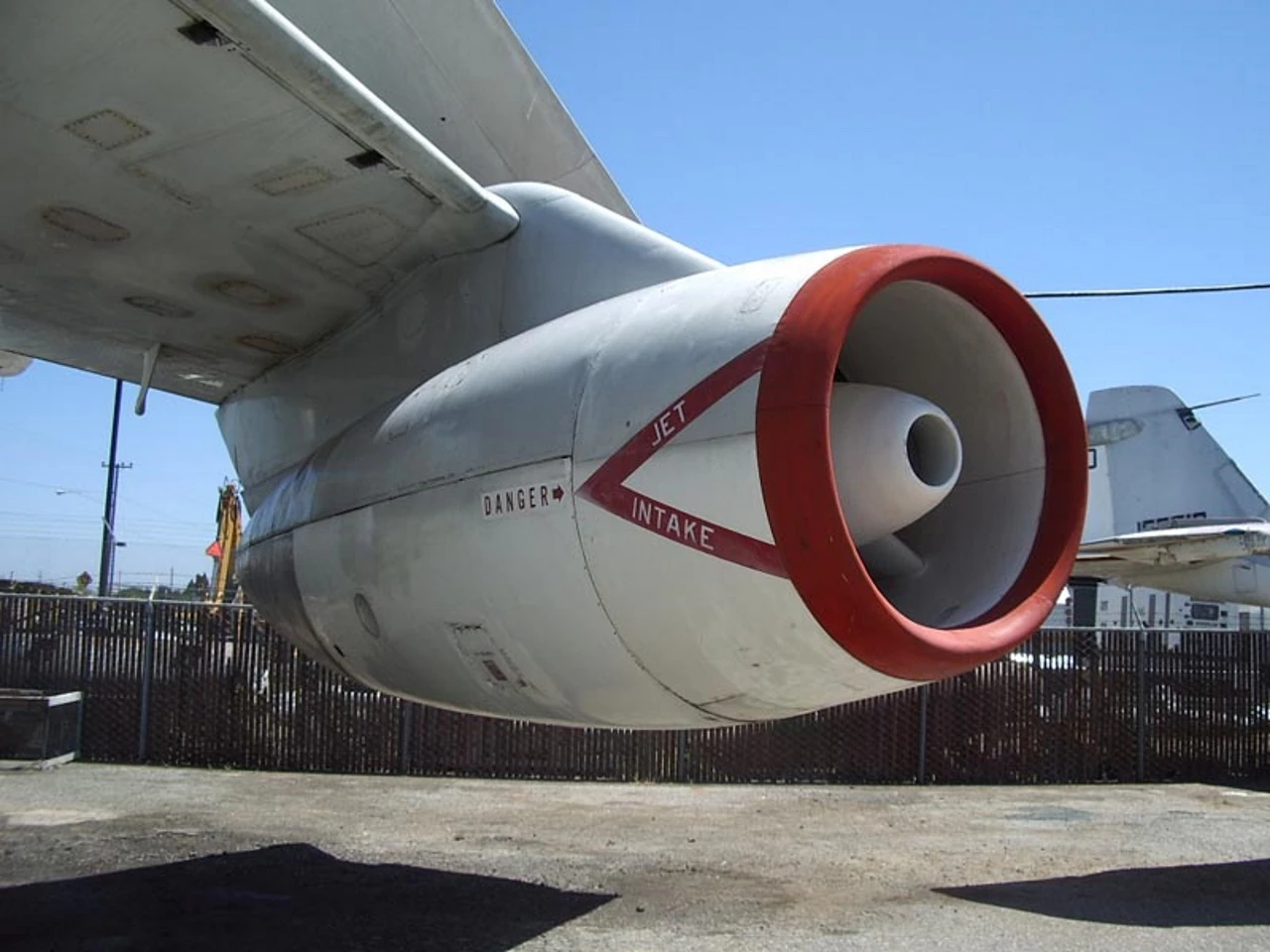
Douglas EKA-3B Whale 10
| Douglas EA-3B Skywarrior Walk Around | |
|---|---|
| Fotógrafo | Vladimir Yakubov |
| Localização | USS Yorktown CV-10 |
| Fotos | 185 |
 Compre-me um café
| Douglas ERA-3B Skywarrior Walk Around | |
|---|---|
| Fotógrafo | Vladimir Yakubov |
| Localização | Museu do Ar do Castelo, Atwater |
| Fotos | 131 |
| YEA-3A Skywarrior Walk Around | |
|---|---|
| Fotógrafo | Fotios Rouch |
| Localização | Desconhecido |
| Fotos | 94 |
Veja também:


| YEA-3A Skywarrior Walk Around | |
|---|---|
| Fotógrafo | Fotios Rouch |
| Localização | Desconhecido |
| Fotos | 49 |
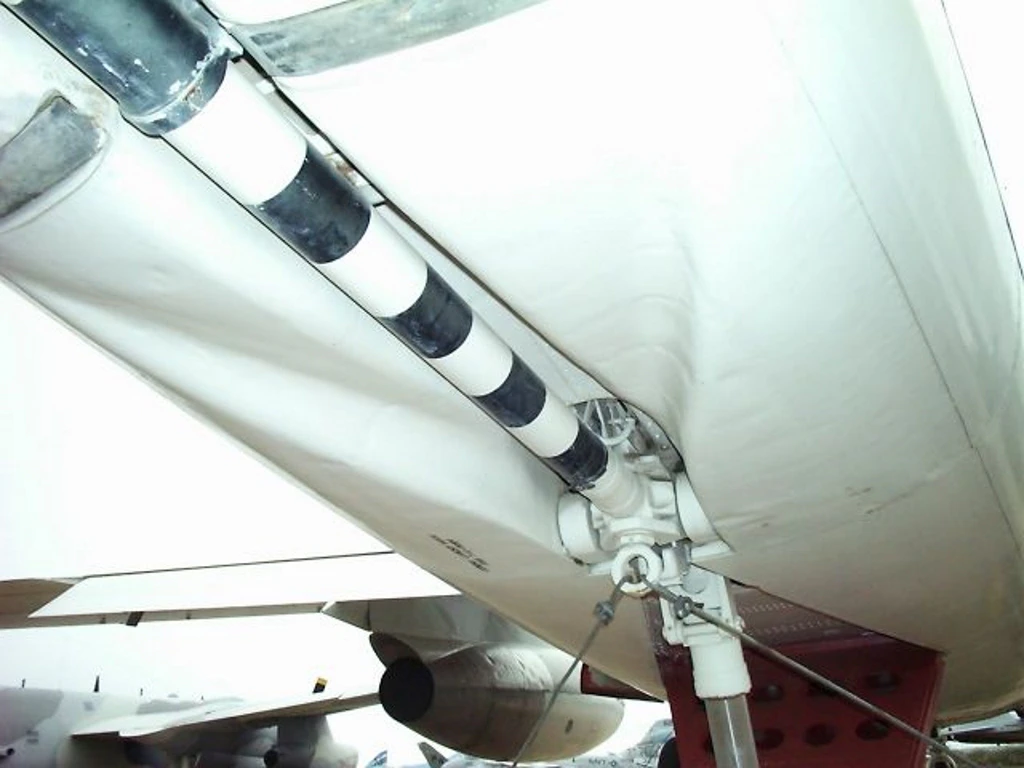
YEA-3A Skywarrior 01
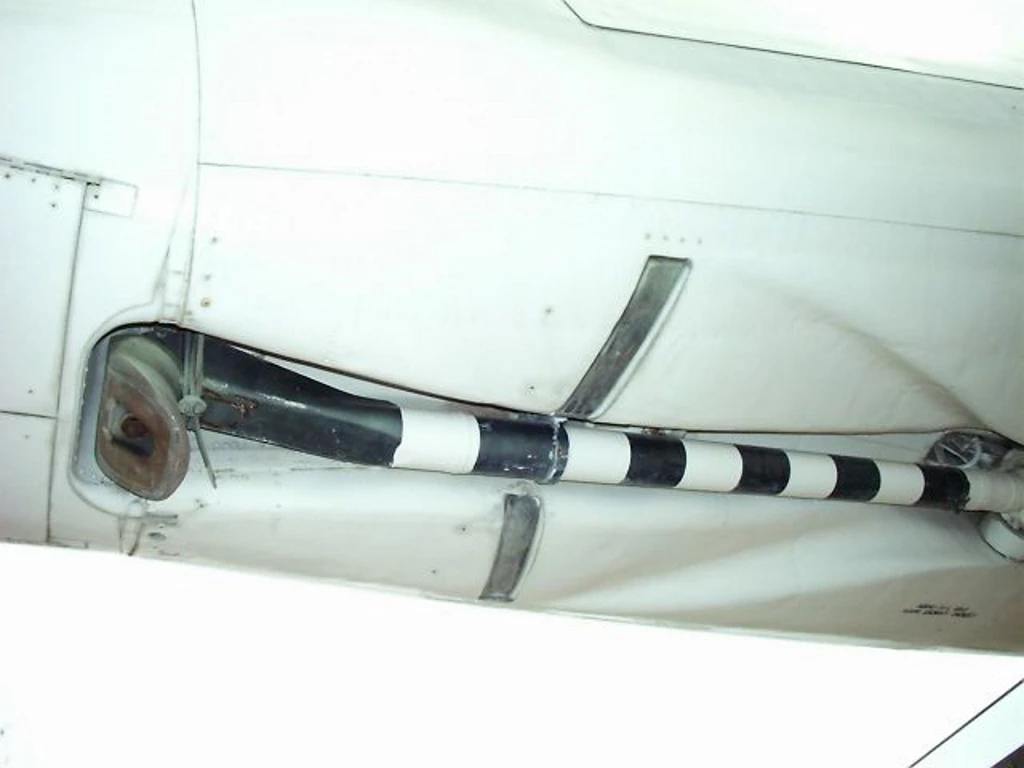
YEA-3A Skywarrior 02
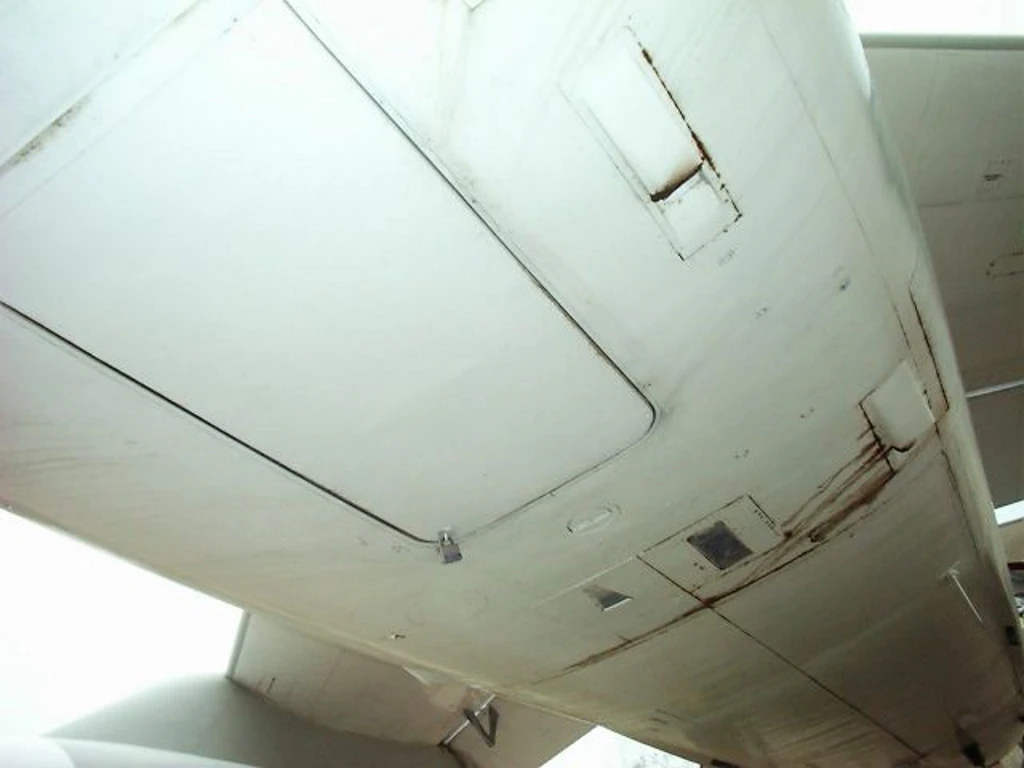
YEA-3A Skywarrior 03
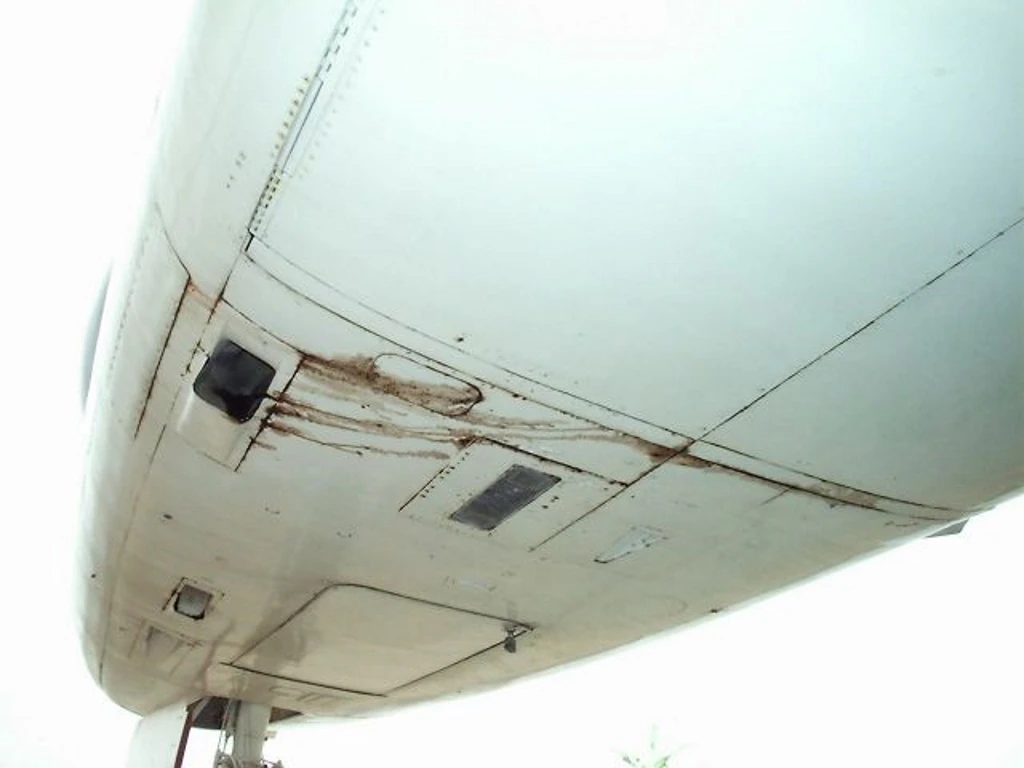
YEA-3A Skywarrior 04
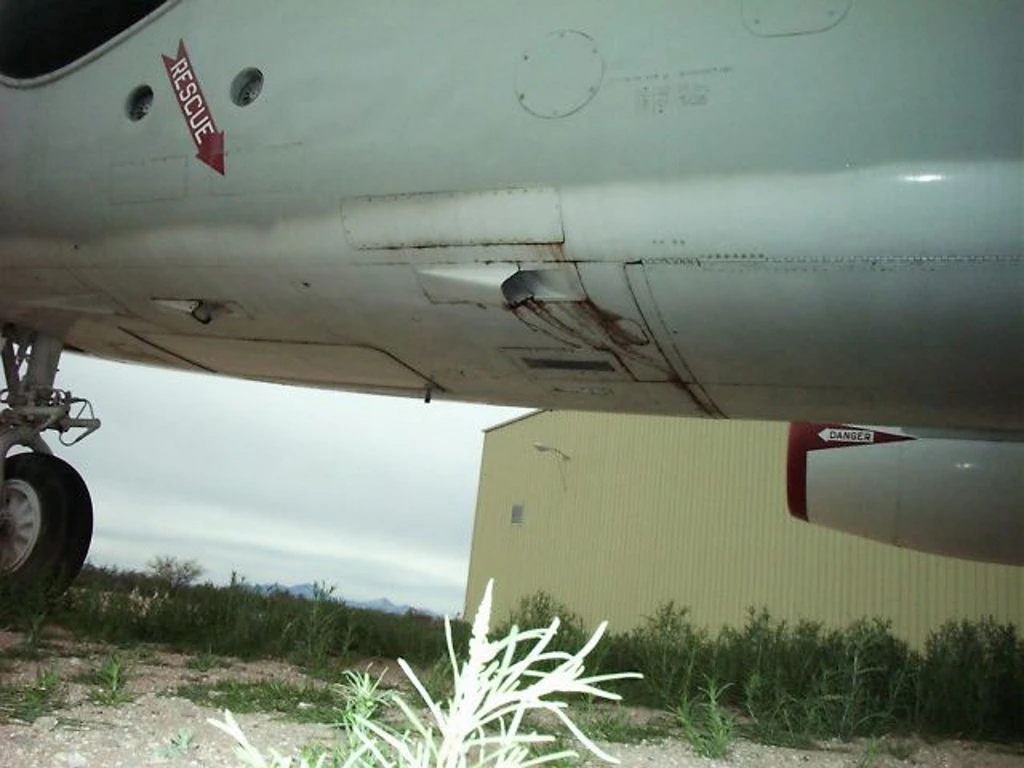
YEA-3A Skywarrior 05
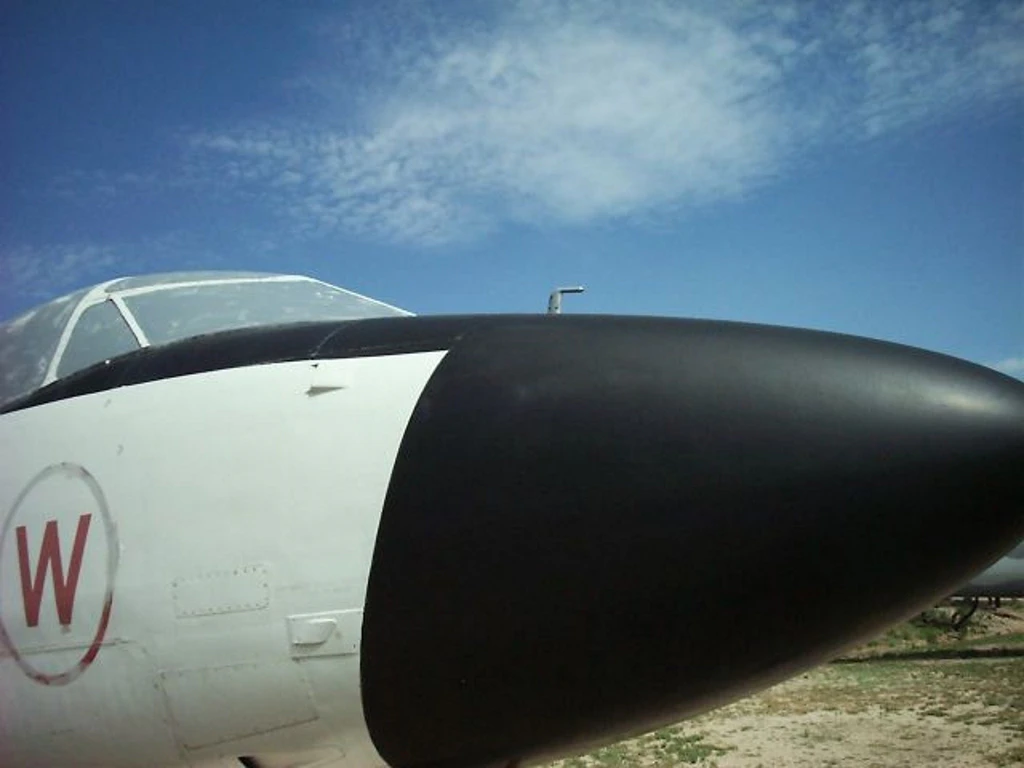
YEA-3A Skywarrior 06
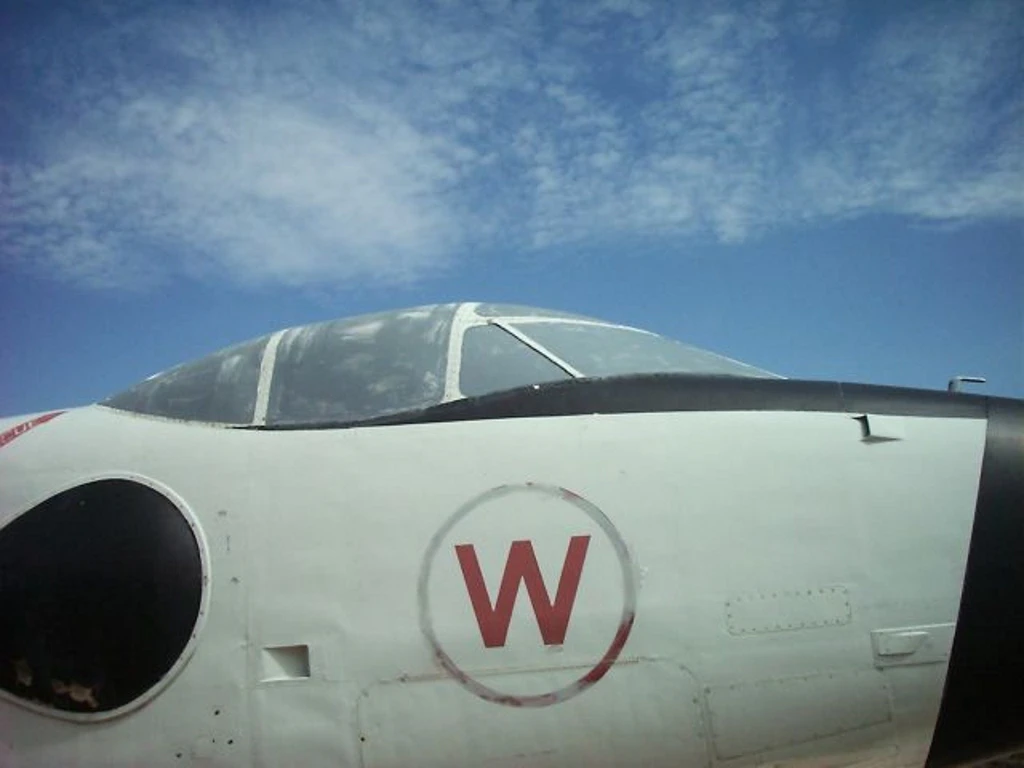
YEA-3A Skywarrior 07
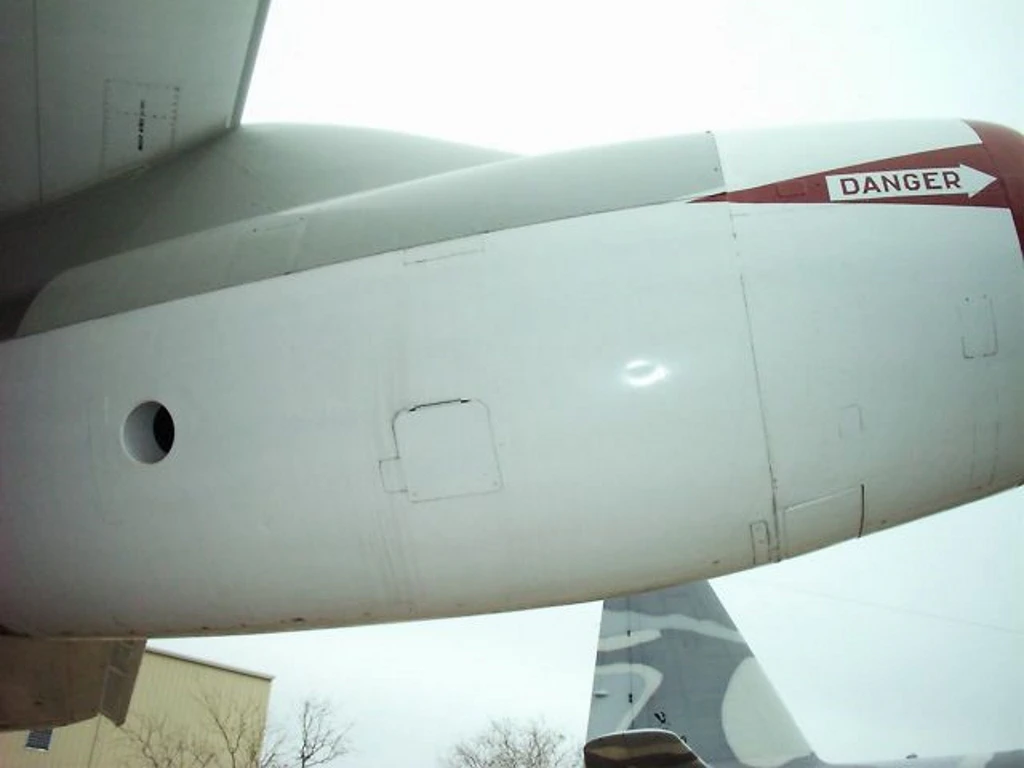
YEA-3A Skywarrior 08
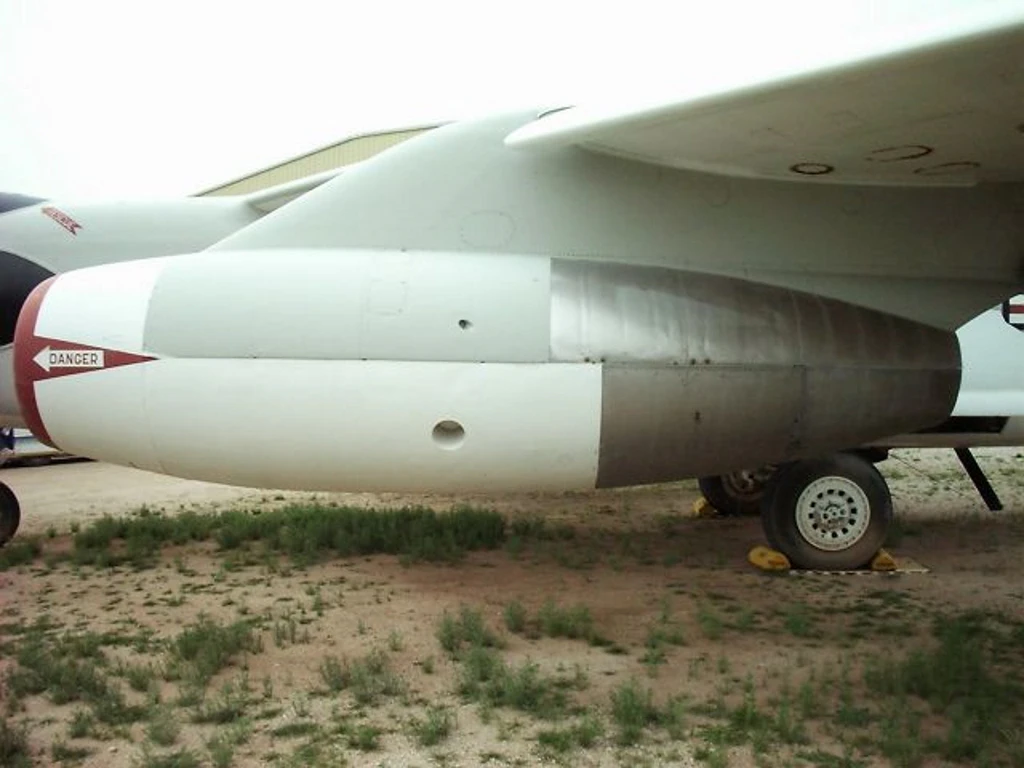
YEA-3A Skywarrior 09
The Strategic Giant of the US Navy
O Douglas A-3 Skywarrior (originally A3D) was a leviathan of naval aviation. Born from the early Cold War need to launch nuclear strikes from aircraft carriers, it was the heaviest operational aircraft ever designed for regular carrier use. While its role as a strategic bomber was eventually superseded by ballistic missiles, the “Whale” proved to be one of the most versatile airframes in history. For over three decades, it served as the fleet’s primary tanker, electronic jammer, and reconnaissance platform, outlasting many of the supersonic jets that were meant to replace it.
| Attribute | Technical Specification (A-3B) |
|---|---|
| Papel | Strategic Bomber / Tanker / Electronic Warfare |
| tripulação | 3 (Standard Bomber) up to 7 (Electronic Warfare) |
| Motores | 2 × Pratt & Whitney J57-P-10 turbojets (12,400 lbf each) |
| Max Takeoff Weight | 37,195 kg (82,000 lbs) — The Carrier Record |
| Maximum Speed | 982 km/h (610 mph) |
| Combat Range | 4,660 km (2,900 miles) |
| Armament (Early) | 2 × 20mm M3L remote tail cannons; 12,000 lbs of bombs |
| Service Life | 1956 – 1991 |
Design Engineering: Strength Without a Safety Net
- The Weight Struggle: Designer Ed Heinemann famously fought to keep the A-3 under 70,000 lbs so it could operate from existing Midway-class carriers. He succeeded by eliminating heavy systems—most notoriously the ejection seats. This led to the crew’s dark alternative nickname for the A3D: “All 3 Dead.”
- Foldable Geometry: To fit in a carrier’s hangar deck, the Whale’s wings folded flat and its massive vertical stabilizer (tail) folded to the side. It was so large that even when folded, it dominated the deck “spot.”
- JATO Assistance: When launching at maximum “overload” weight (up to 84,000 lbs), the A-3 could use 12 JATO (Jet-Assisted Take-Off) rocket bottles to blast itself off the deck, providing a spectacular display of fire and smoke.
- The “Crows” and “Ravens”: In the EA-3B electronic version, the bomb bay was replaced with a pressurized compartment for four electronic warfare specialists who monitored enemy radars, known as “Ravens” or “Crows.”
Operational History: The Life-Saving Tanker
- Vietnam’s Guardian: During the Vietnam War, the KA-3B tanker variant became the most beloved plane on the carrier. It is credited with saving hundreds of strike jets (F-4s and A-4s) that were returning from missions with battle damage or empty tanks, “nursing” them all the way back to the carrier’s wire.
- The “Electronic Whale”: The EKA-3B was a unique dual-role hybrid. It could jam North Vietnamese surface-to-air missile (SAM) radars while simultaneously refueling the very strike planes it was protecting.
- Nuclear Heritage: In its early years, the A-3 was the “tip of the spear” for the Navy’s nuclear deterrent. It carried the massive, early-generation nuclear gravity bombs that were too heavy for any other carrier aircraft.
- Final Bow in the Desert: The Skywarrior’s last combat service was in Operation Desert Storm (1991), where EA-3B electronic reconnaissance planes provided critical intelligence before the type was finally retired that same year.
Views : 7259
Você pode ver também:
 Douglas World Cruiser – Fotos e Vídeos
 Douglas C-47 Skytrain – Fotos e Vídeo
 McDonnell Douglas T-45 Goshawk – Fotos e Vídeo
 Douglas DC-8 – Fotos e Vídeo
 Douglas D-558-2 Skyrocket – Fotos e Vídeo
 Douglas A-26 Invader – Fotos e Vídeo
 Douglas TF-10B Skyknight – Fotos e Vídeo
 Lisunov Li-2 - WalkAround
 Douglas A-1 Skyraider - WalkAround
 Douglas A-26 Invasor - WalkAround
Novo conjunto de 58 fotos de uma baleia Douglas EKA-3B Andam ao redor
Novo conjunto de 185 fotos de um Douglas EA-3B Skywarrior Walk Around hoje!