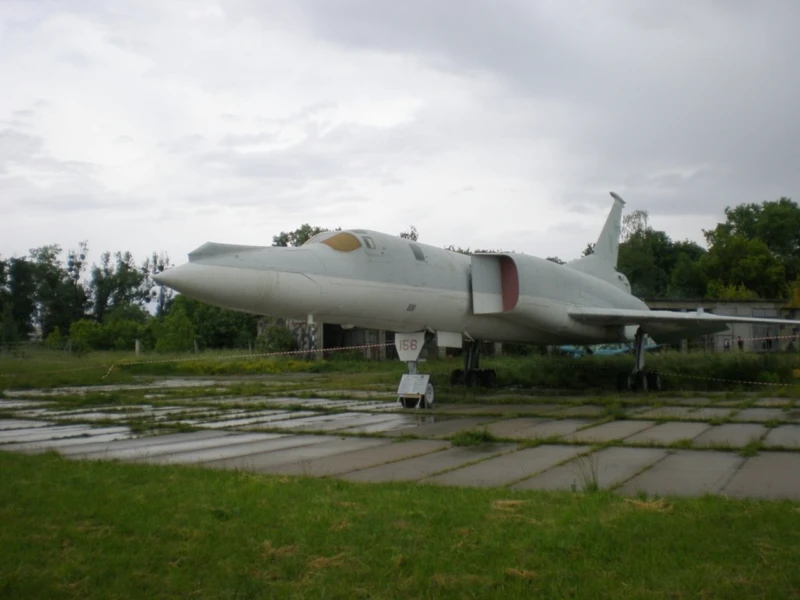
Tupolew Tu-22M | |
|---|---|
| Kraju | Radzieckiego |
| Roli | Strategiczny bombowiec/uderzenie morskie |
| Pierwszy lot | 30 sierpnia 1969 |
| Zbudowany | 497 |
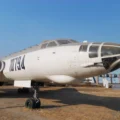
Tthe Tupolew Tu-22M (ros. Туполев Ту-22М; Nazwa raportowania NATO: Backfire) to naddźwiękowy, zmienny skrzydło, strategiczny i morski bombowiec uderzeniowy dalekiego zasięgu opracowany przez Tupolev Design Bureau. Według niektórych źródeł bombowiec miał być kiedyś oznaczony jako Tu-26. Podczas zimnej wojny Tu-22M był eksploatowany przez radzieckie siły powietrzne (VVS) w roli bombardowania strategicznego oraz przez radzieckie lotnictwo morskie (Aviacija Vojenno-Morskogo Flota, AVMF) w roli dalekiego zasięgu w morskiej roli przeciwokrętowej. [2] Znaczna ich liczba pozostaje w służbie Sił Powietrznych FR, a od 2014 roku w użyciu jest ponad 100 Tu-22M.
Źródła: Tupolew Tu-22M na Wikipedii
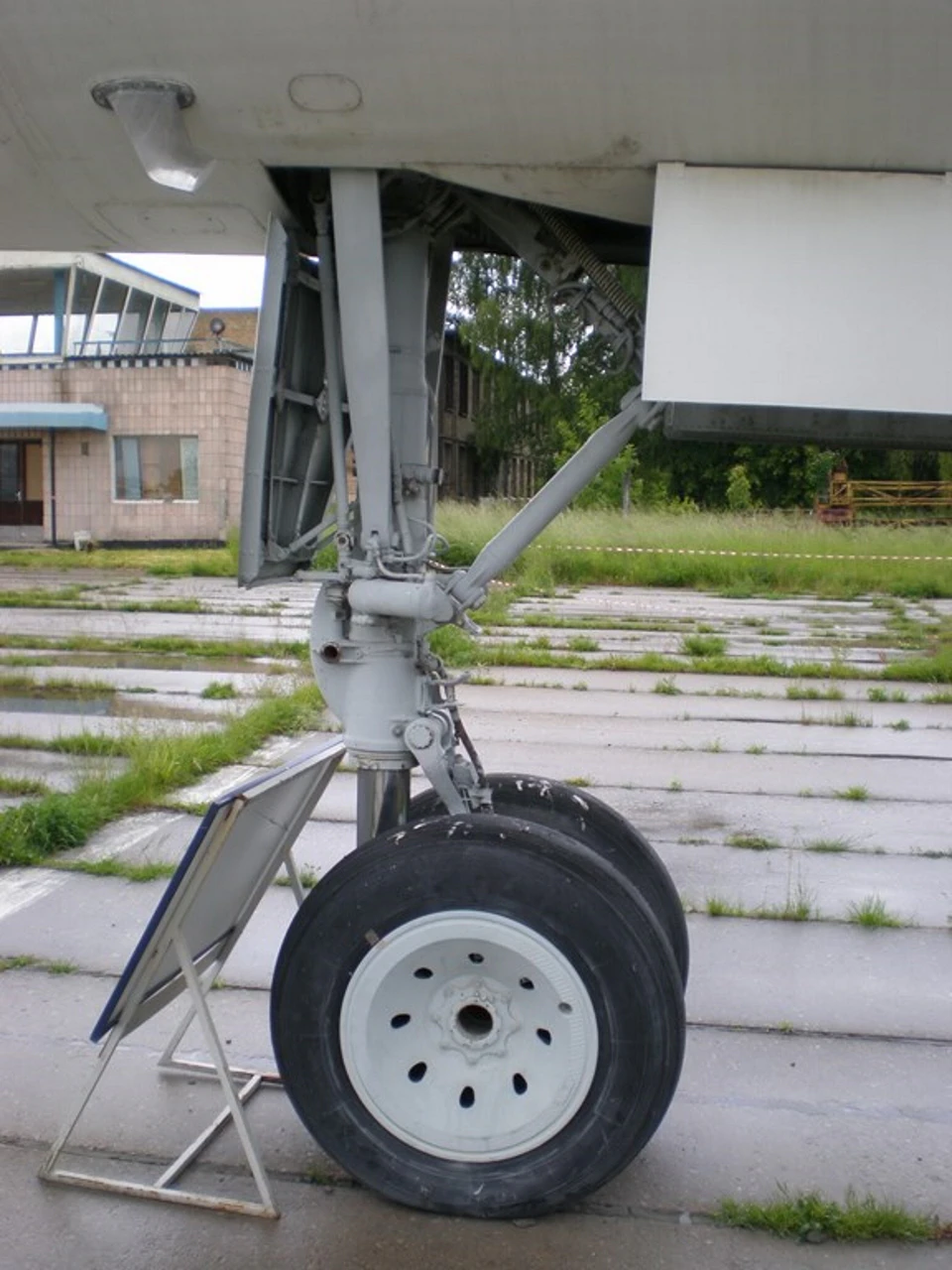
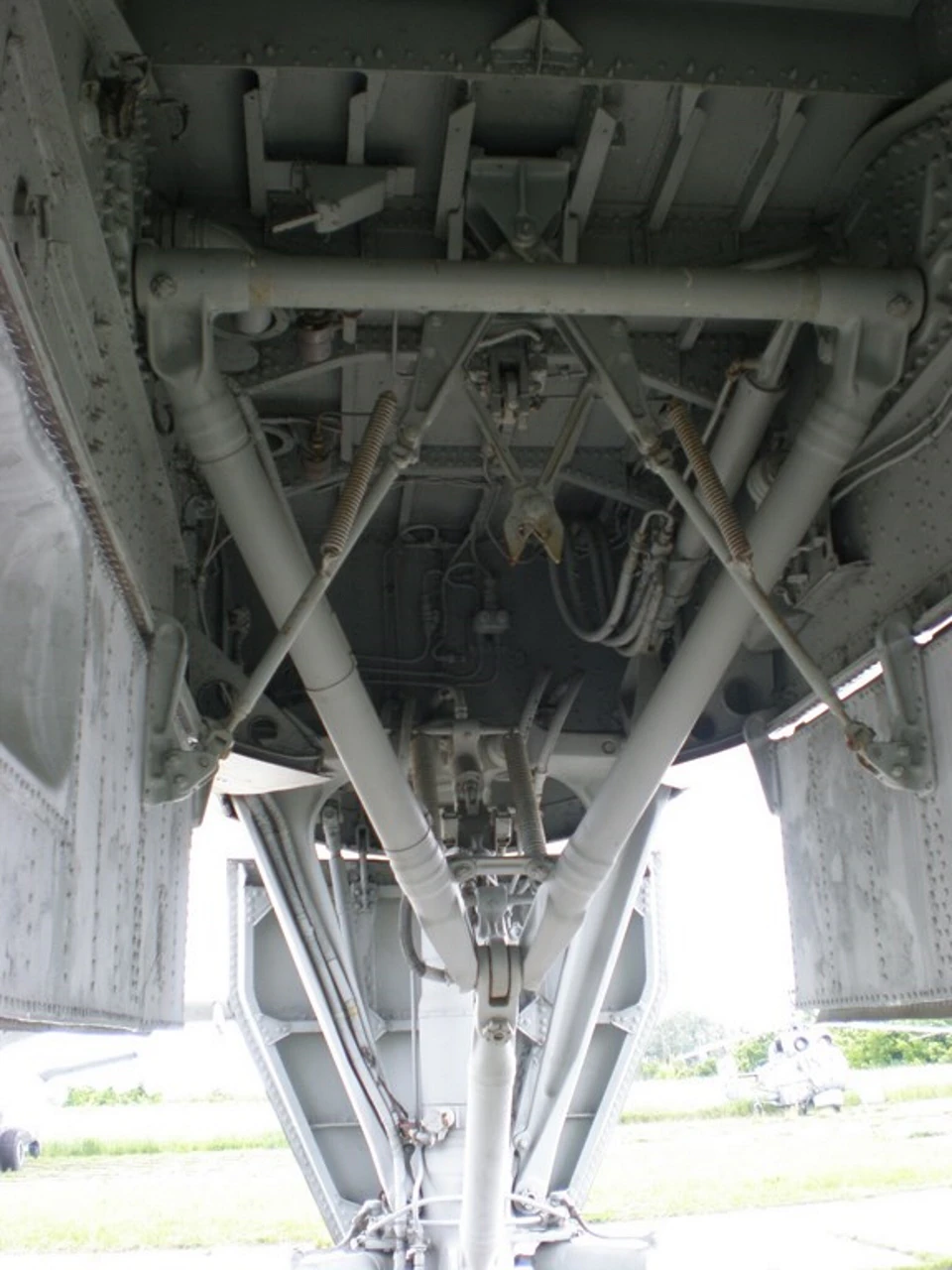
| Tu-22MO Walk Around | |
|---|---|
| Fotograf | Niewiedzy |
| Lokalizacja | Niewiedzy |
| Zdjęcia | 26 |
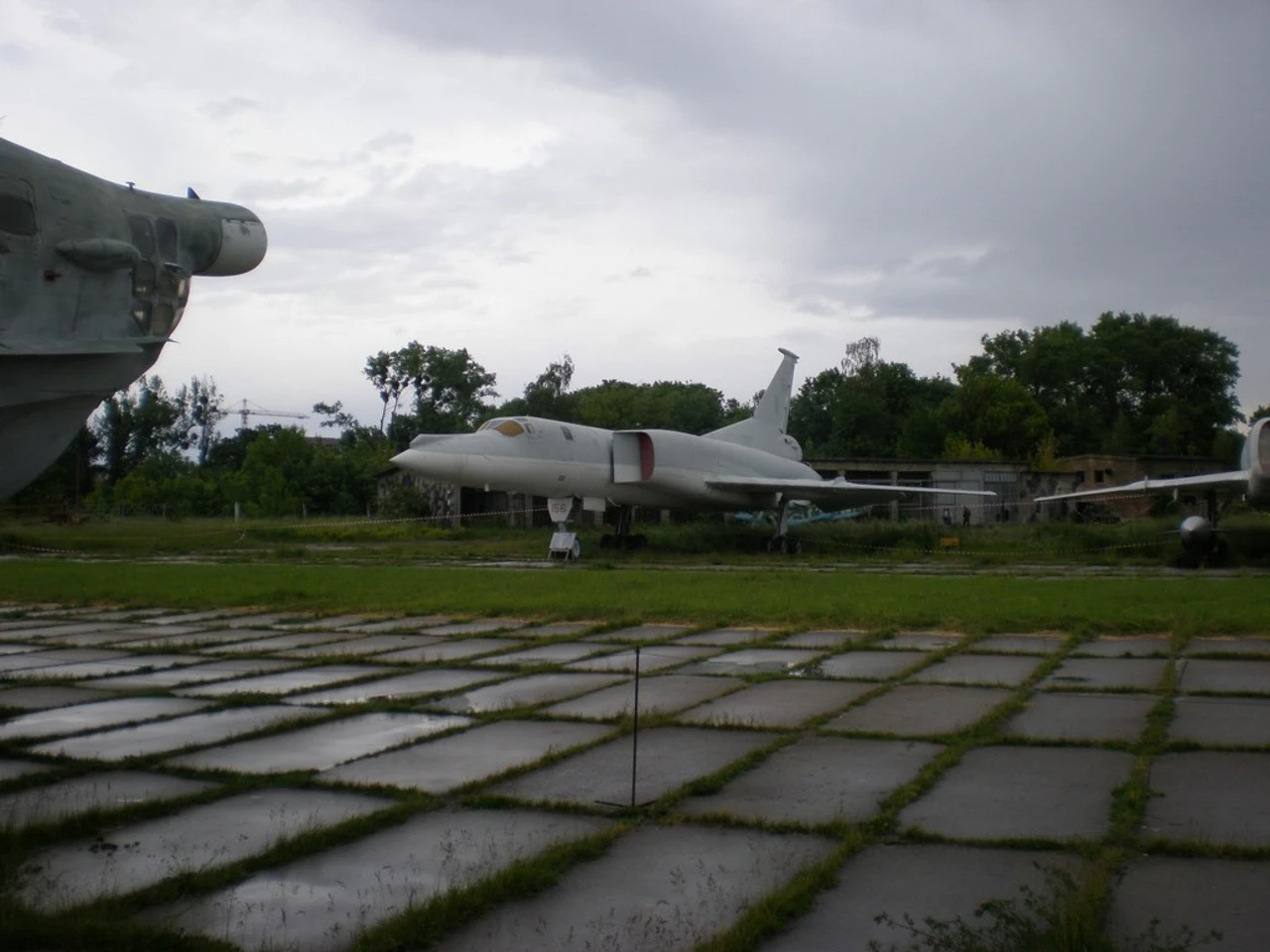
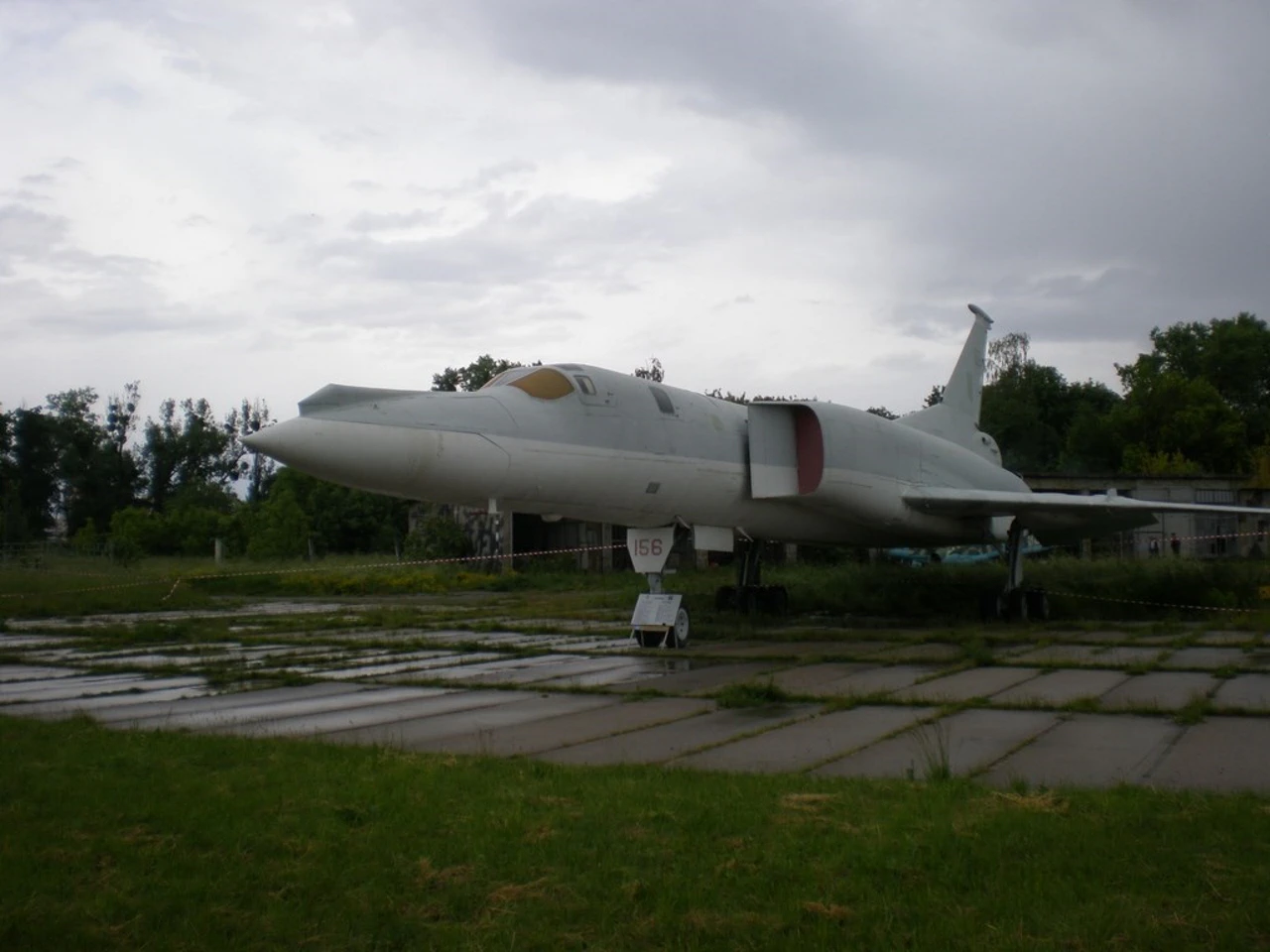
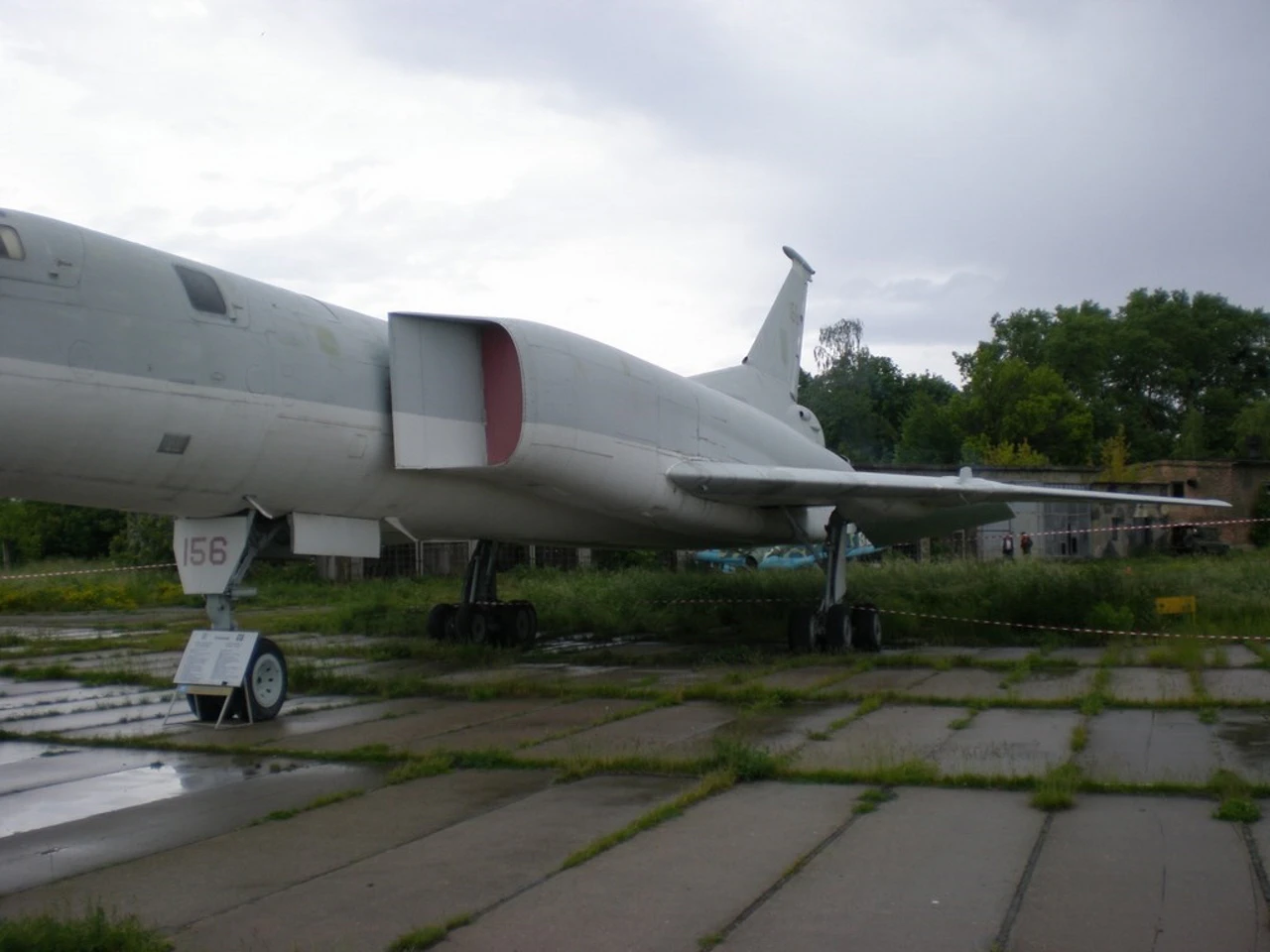
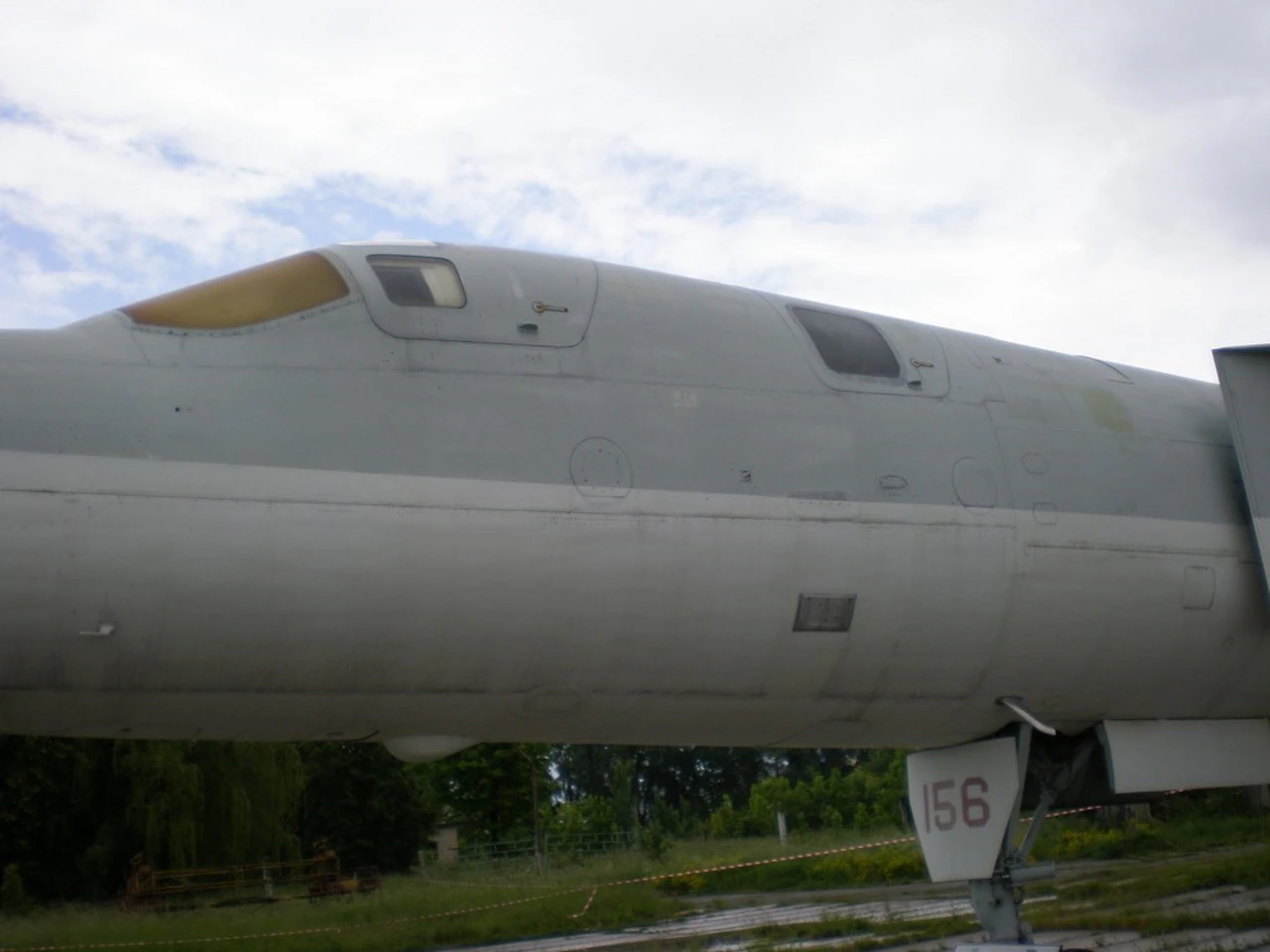
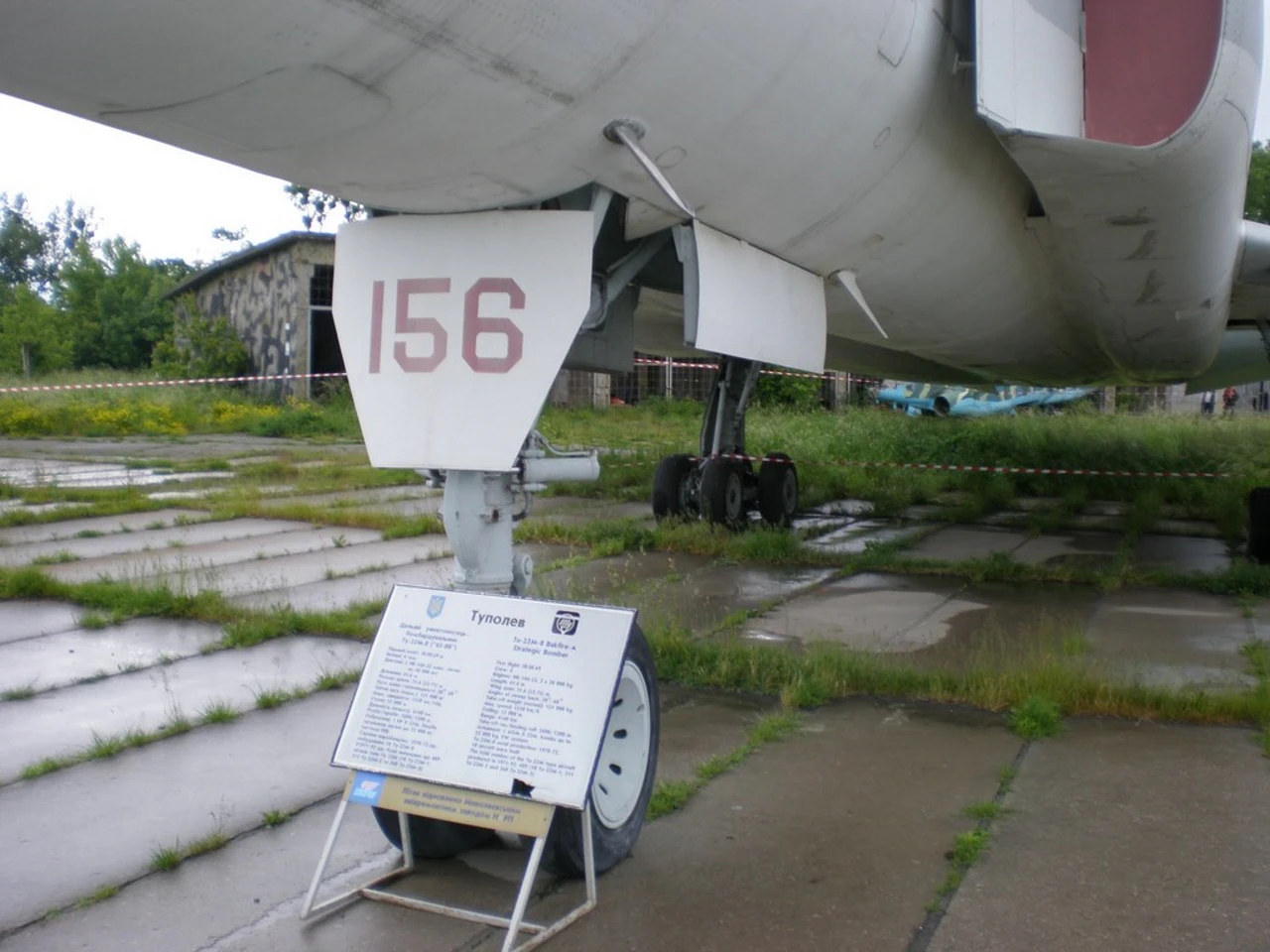
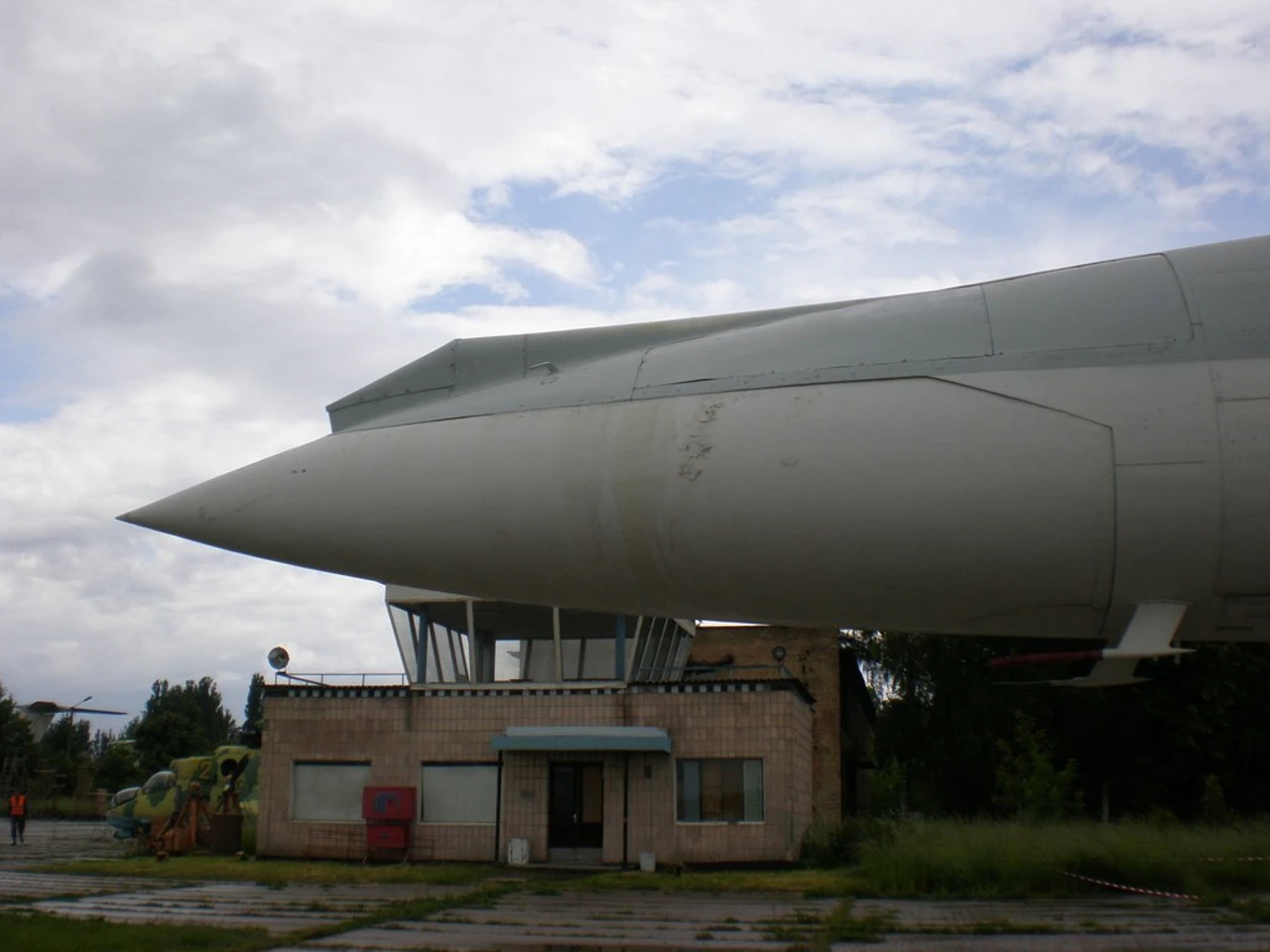
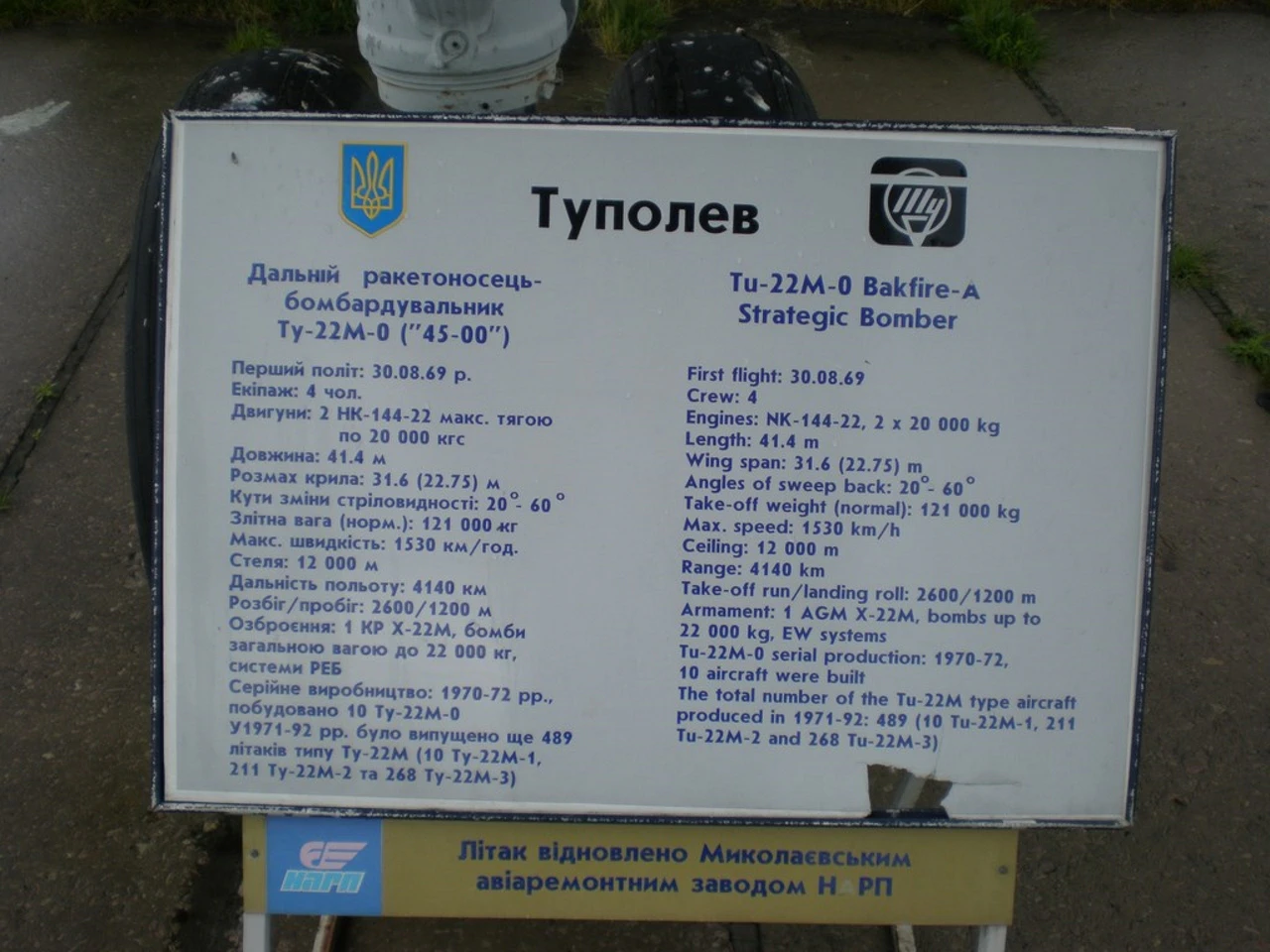

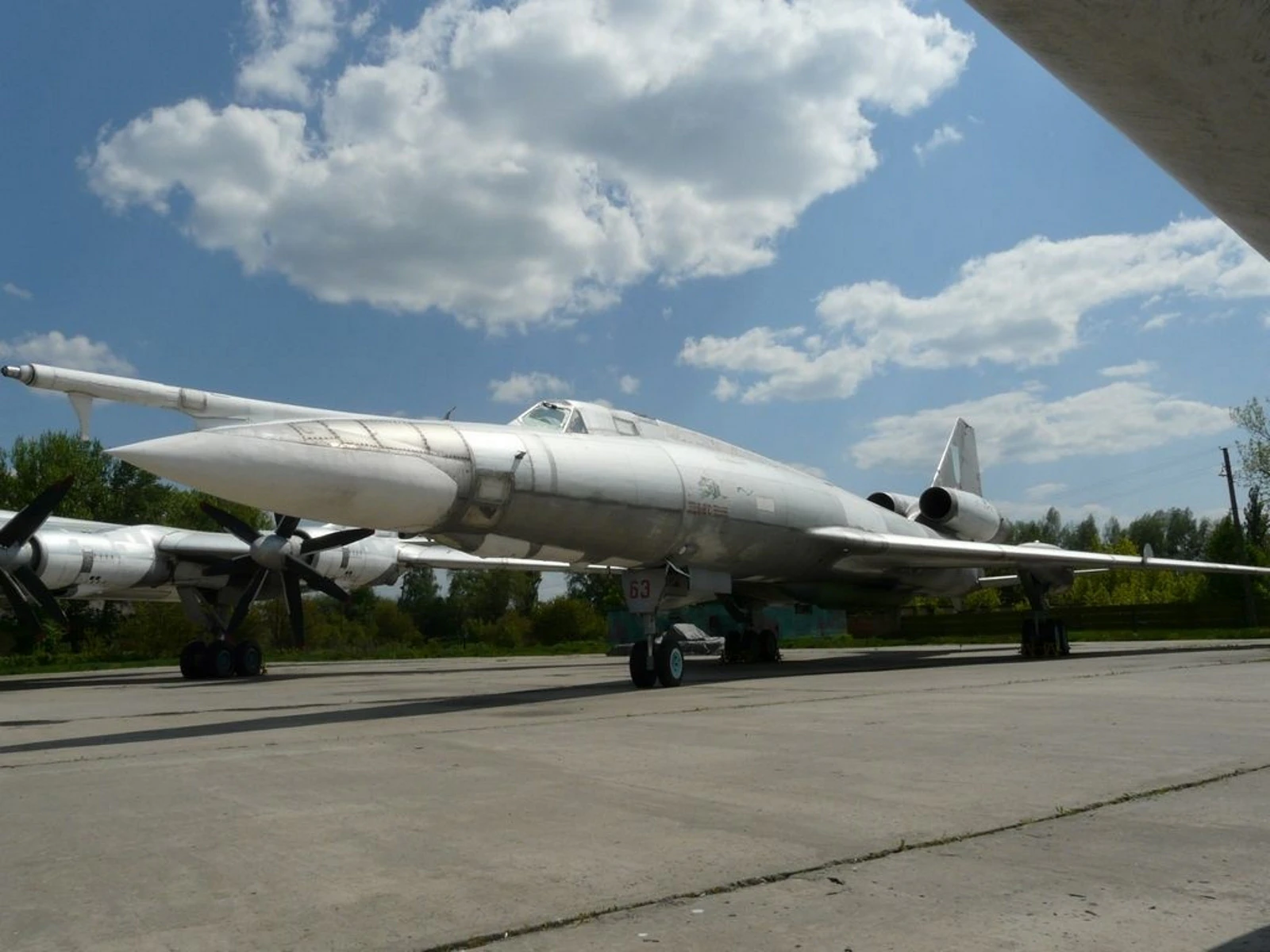
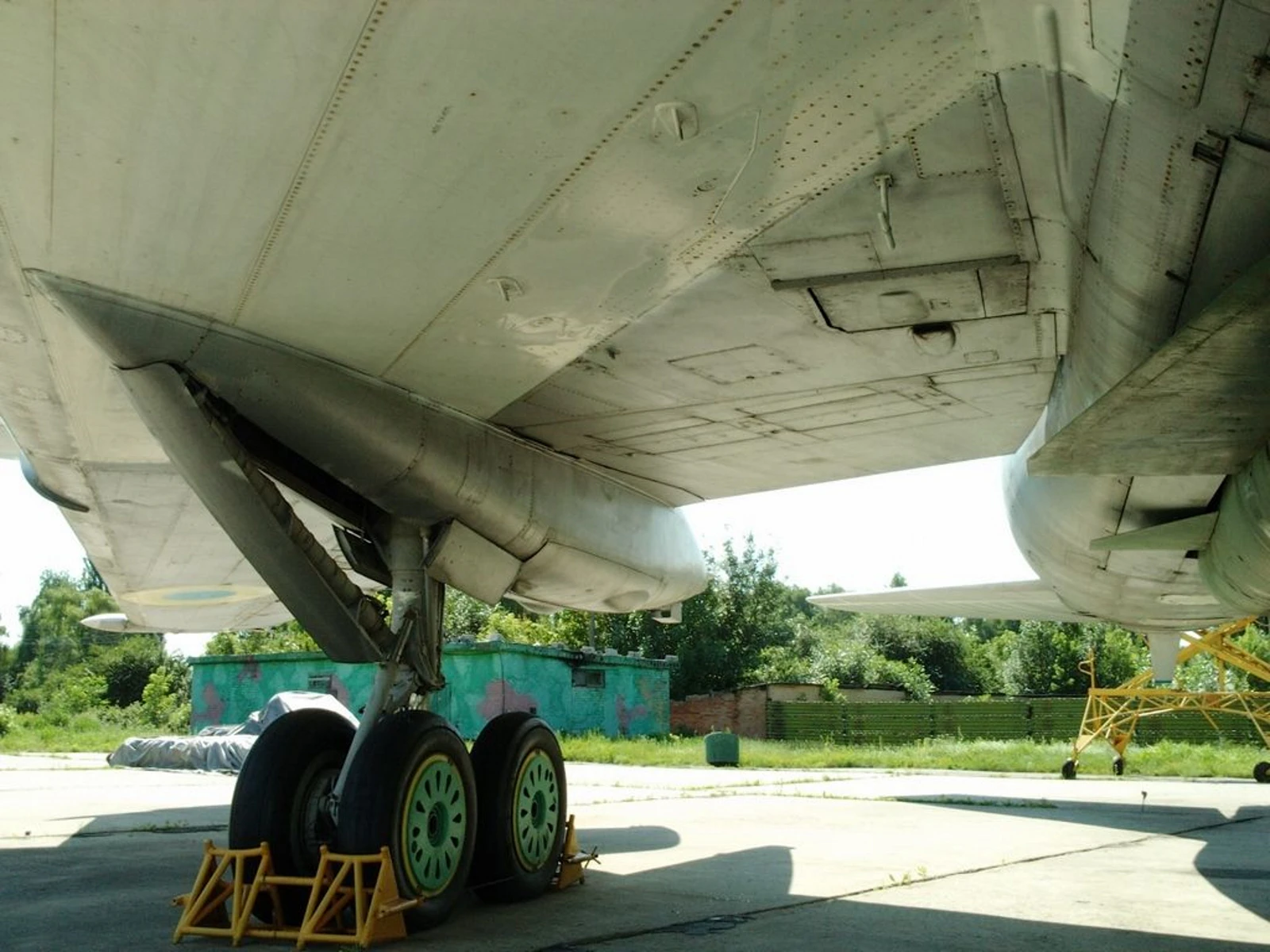
| Tu-22 KD Walk Around | |
|---|---|
| Fotograf | Niewiedzy |
| Lokalizacja | Niewiedzy |
| Zdjęcia | 47 |
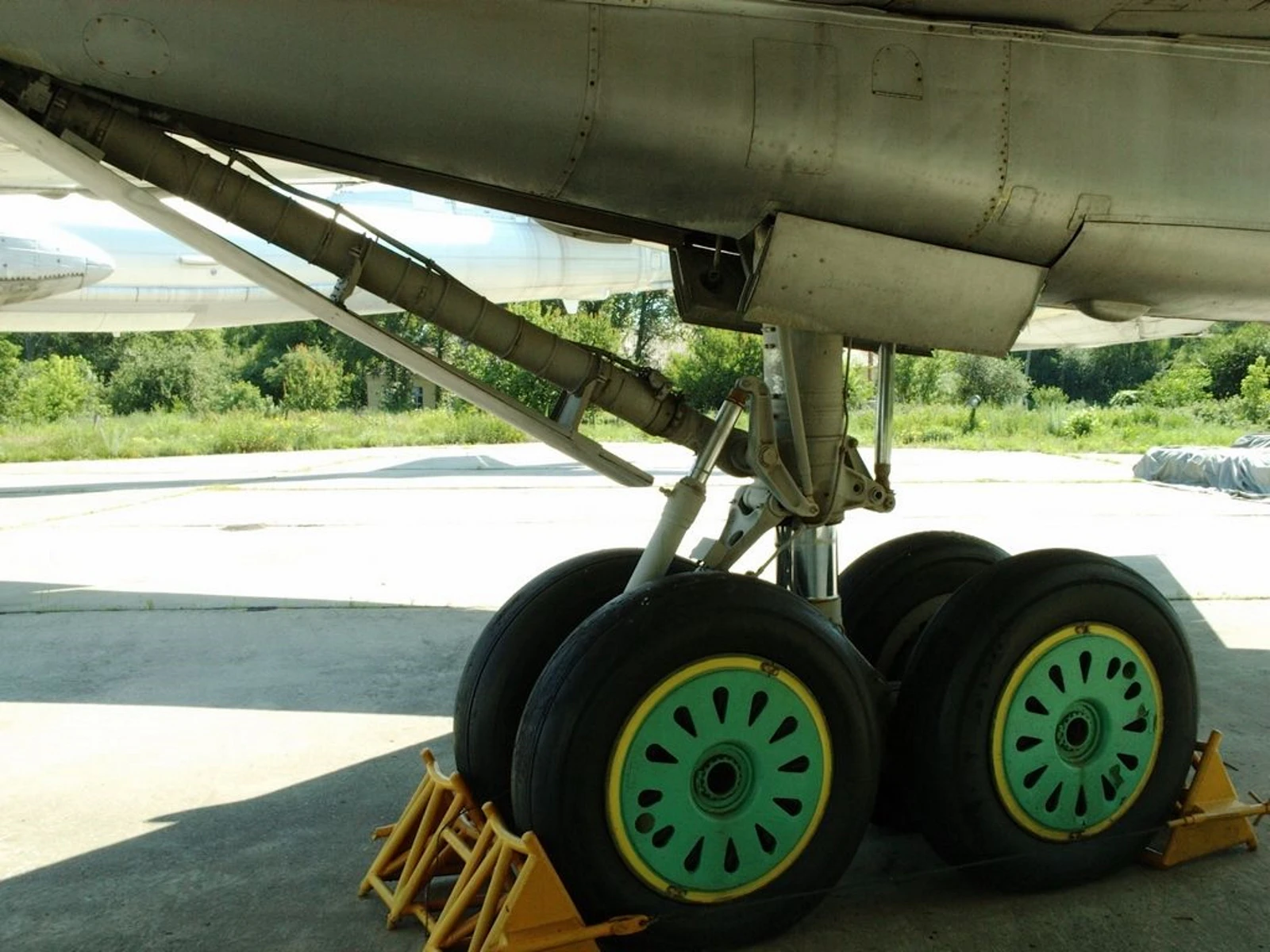
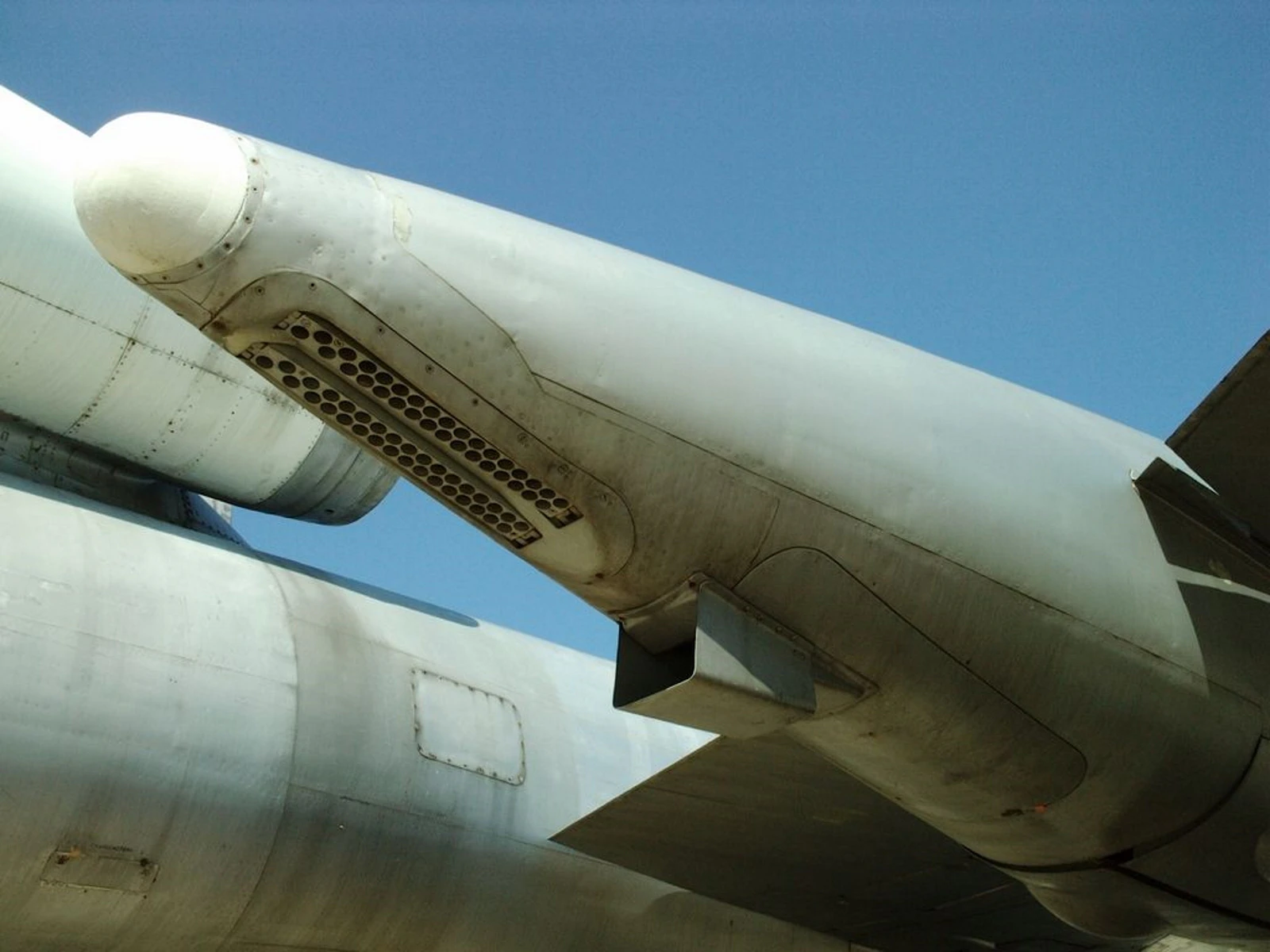
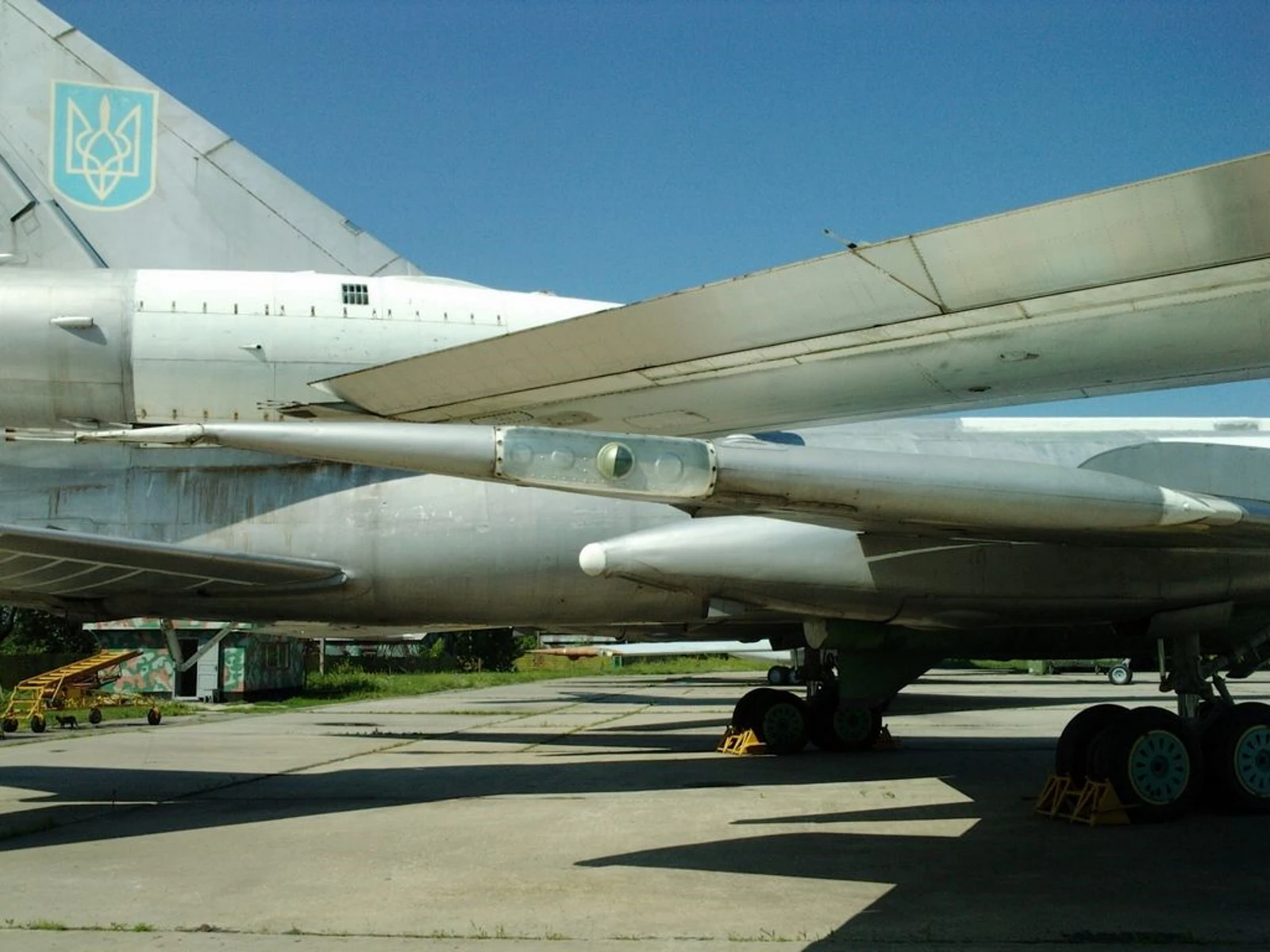
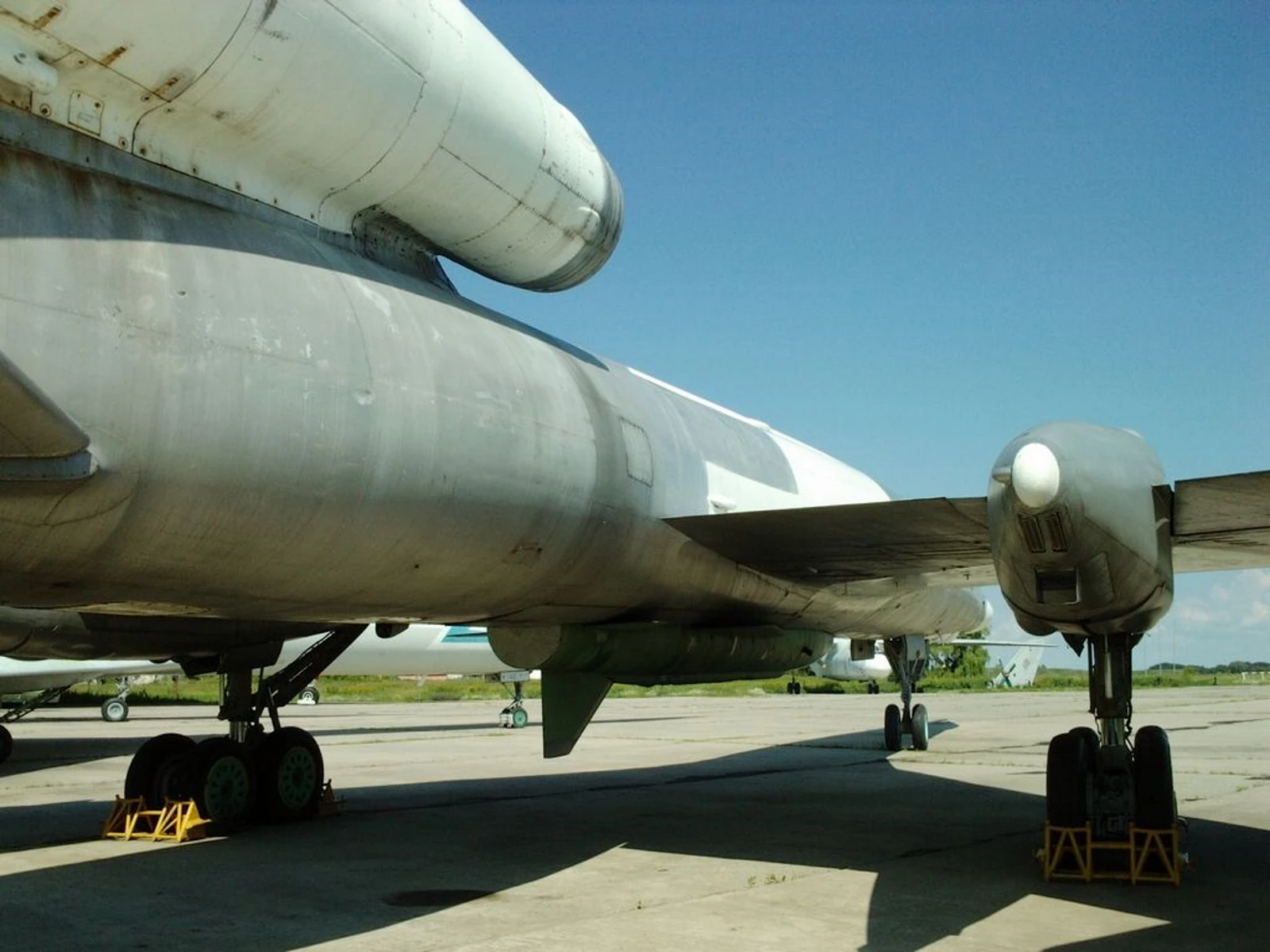
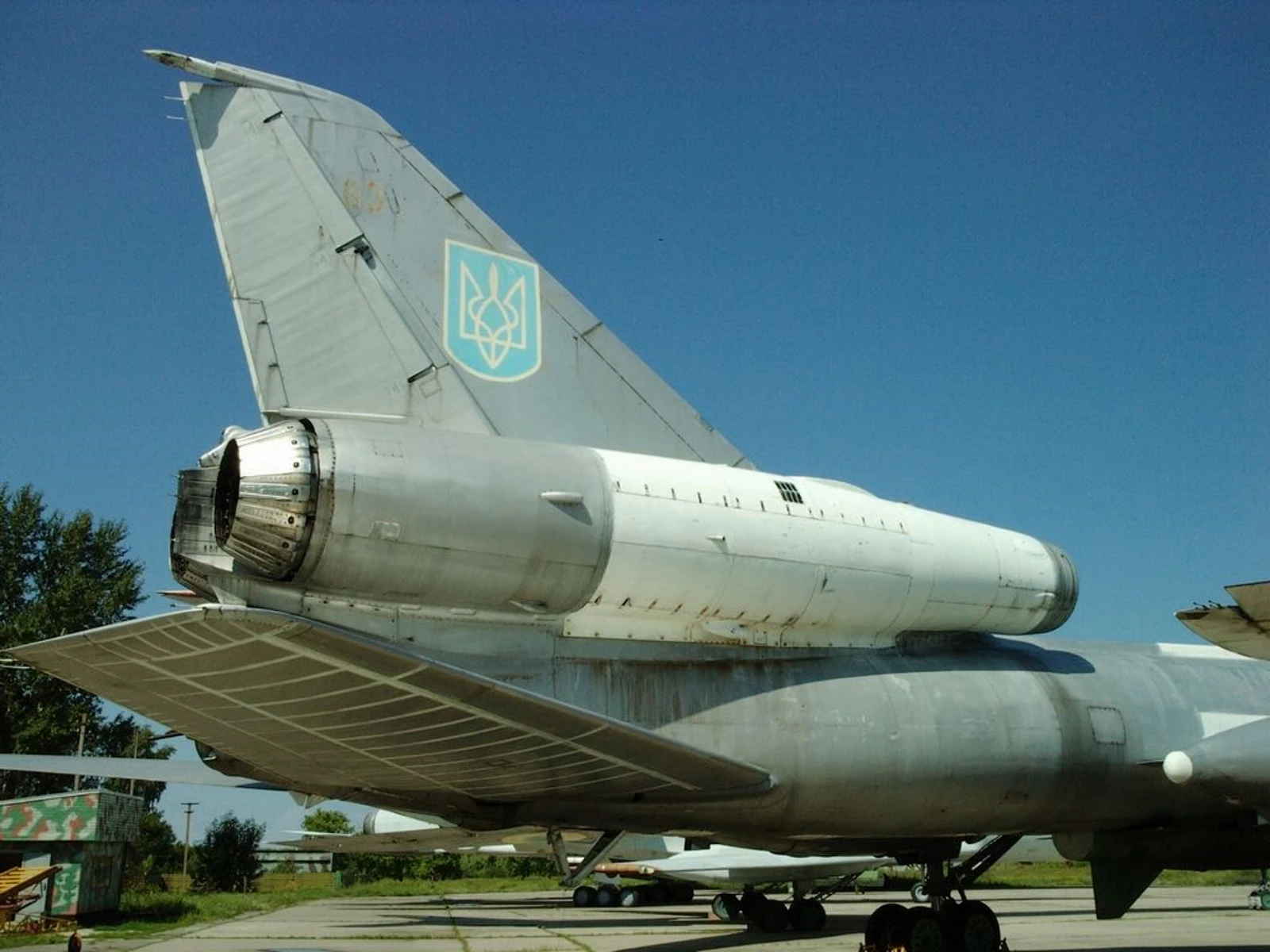
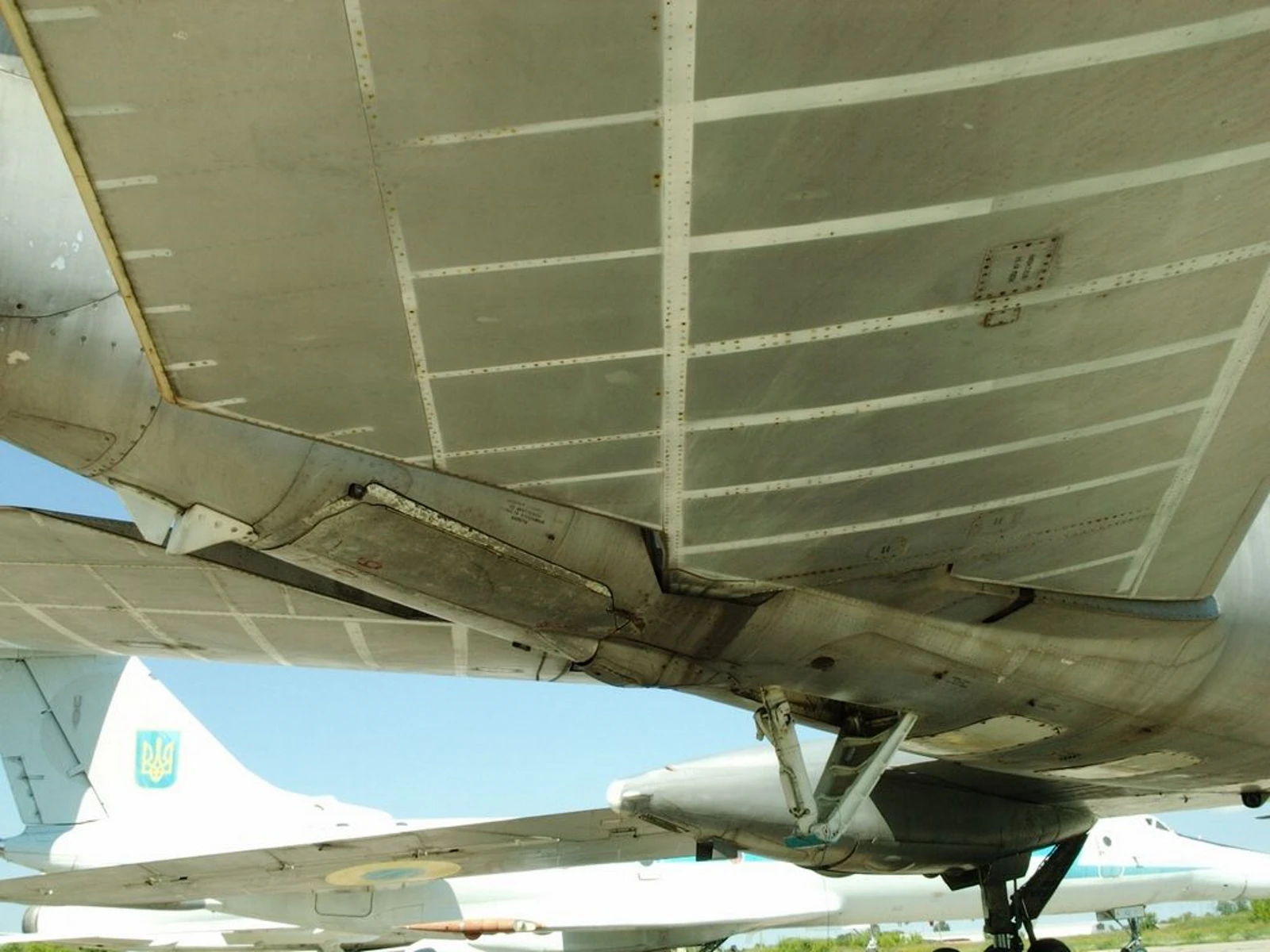
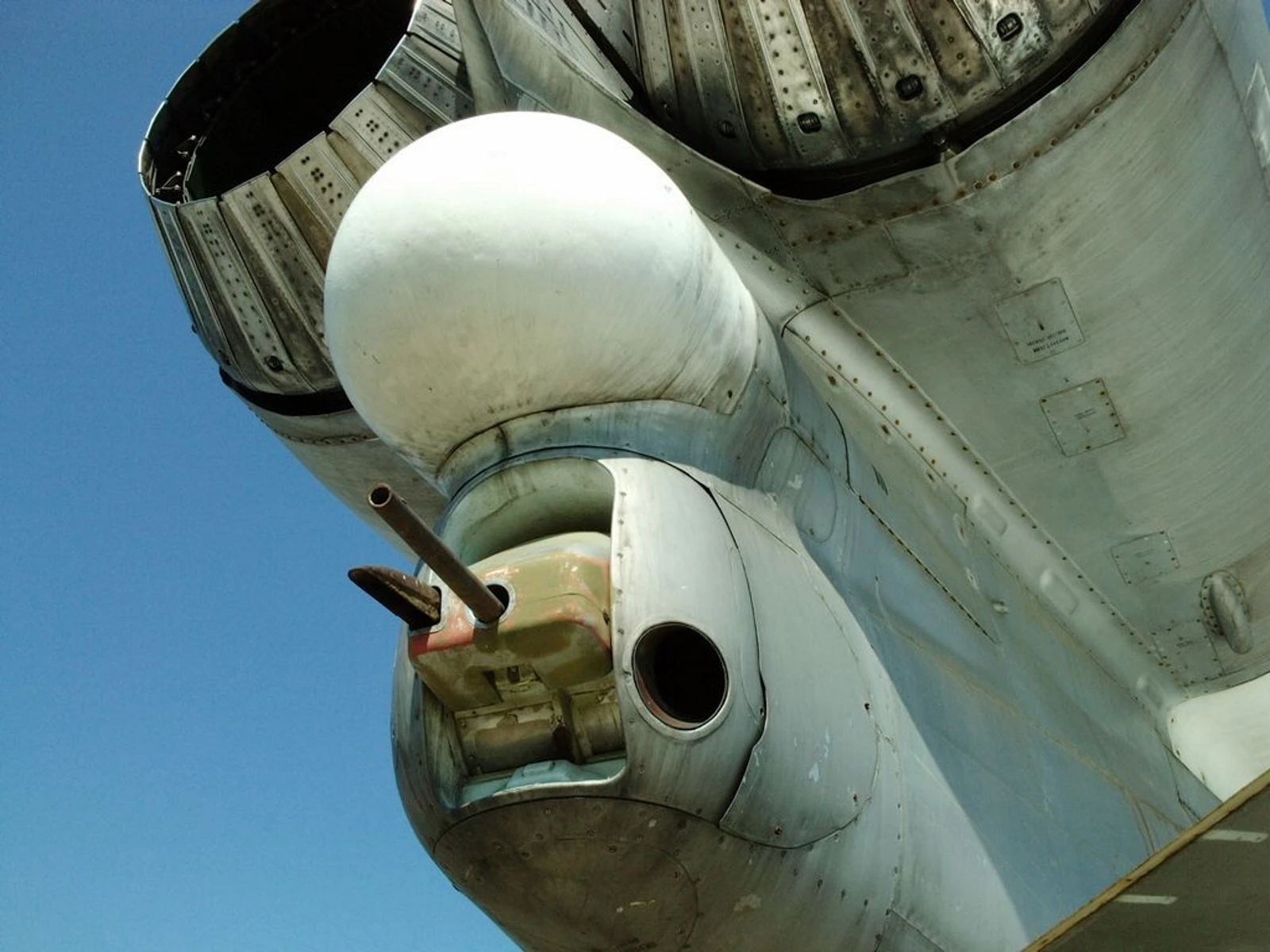
| Tupolev Tu-22 Walk Around | |
|---|---|
| Fotograf | Niewiedzy |
| Lokalizacja | Niewiedzy |
| Zdjęcia | 80 |
Zobacz też:


A New Breed of Strategic Power
Tthe Tupolew Tu-22M is a supersonic, variable-sweep wing (swing-wing) strategic bomber that was the bane of NATO carrier battle groups during the Cold War. Despite its name, it shared almost nothing with the earlier, unsuccessful Tu-22 “Blinder.” Designed for high-speed, low-level maritime strikes and strategic bombing, the Tu-22M allowed the Soviet Union to project power far into the Atlantic and Pacific, carrying massive anti-ship missiles designed to overwhelm US Navy defenses.
| Attribute | Technical Specification (Tu-22M3) |
|---|---|
| Roli | Long-range Strategic Bomber / Maritime Strike |
| Załogi | 4 (Pilot, Co-pilot, Navigator, Weapons System Officer) |
| First Flight | August 30, 1969 (Tu-22M0) |
| Zespół napędowy | 2 × Kuznetsov NK-25 afterburning turbofans |
| Thrust | 55,100 lbf (245 kN) each with afterburner |
| Prędkość maksymalna | Mach 1.88 (2,000 km/h) at altitude |
| Combat Radius | 2,410 km (1,500 miles) |
| Primary Armament | Up to 3 × Kh-22 (AS-4 ‘Kitchen’) anti-ship missiles |
The Evolution of “Swing-Wing” Lethality
- Variable-Sweep Wings: The “Backfire” features wings that can sweep from 20° for takeoff and landing to 65° for supersonic dash. This allows the massive bomber to operate from relatively short runways while still maintaining the aerodynamic efficiency needed for Mach 1.8 flight.
- The Kh-22 Missile: The Tu-22M’s primary teeth. This 6-ton missile was designed to strike aircraft carriers at Mach 4.6. Carrying a 1,000kg conventional warhead or a 350-kiloton nuclear charge, it was nearly impossible to intercept with 1970s technology.
- Side-Mounted Intakes: While the earlier Tu-22M2 had smaller intakes, the definitive Tu-22M3 introduced large, wedge-shaped supersonic intakes (similar to the MiG-25), which allowed the engines to breathe efficiently at nearly twice the speed of sound.
- Tail Turret: Unlike modern Western bombers, the Tu-22M3 retains a remotely controlled tail turret armed with a twin-barrel 23mm GSh-23 cannon for self-defense against interceptors.
SALT Negotiations & Combat History
- The Refueling Controversy: During the SALT II arms control talks, the US insisted the Tu-22M was an intercontinental bomber. To comply with the treaty, the Soviets famously removed the nose-mounted refueling probes from many aircraft to limit their range and prevent them from reaching the US mainland.
- Afghanistan and Chechnya: The Backfire saw extensive use as a conventional “carpet bomber,” dropping tons of unguided FAB-3000 bombs on mountain strongholds.
- Modernization (Tu-22M3M): Russia is currently upgrading the fleet to the M3M standard, featuring new digital avionics, the ability to fire the Kh-32 cruise missile, and the re-installation of refueling probes.
- Operational Paradox: Despite its age, the Tu-22M3 remains one of the fastest and most survivable bombers in the Russian inventory, largely because its “high-speed dash” capability makes it difficult for ground-based air defenses to target.
Liczba wyświetleń : 4337
Możesz również zobaczyć:
 Tupolew Tu-134 – zdjęcia i wideo
 Fairey Delta 2 – Zdjęcia i filmy
 Handley Page Halifax – Zdjęcia & Filmy
 Grumman G-21 Goose – Zdjęcia & filmy
 Tupolew Tu-142 – Zdjęcia & Video
 Tupolew TU-2 – Zdjęcia & Video
 Tupolew Tu-95MS Bear – Zdjęcia & Video
 Tupolew Tu-4 Bull – Zdjęcia & Video
 Tupolew Tu-16 Borsuk – Zdjęcia & Film
 Focke-Wulf FW-190 – Spacer