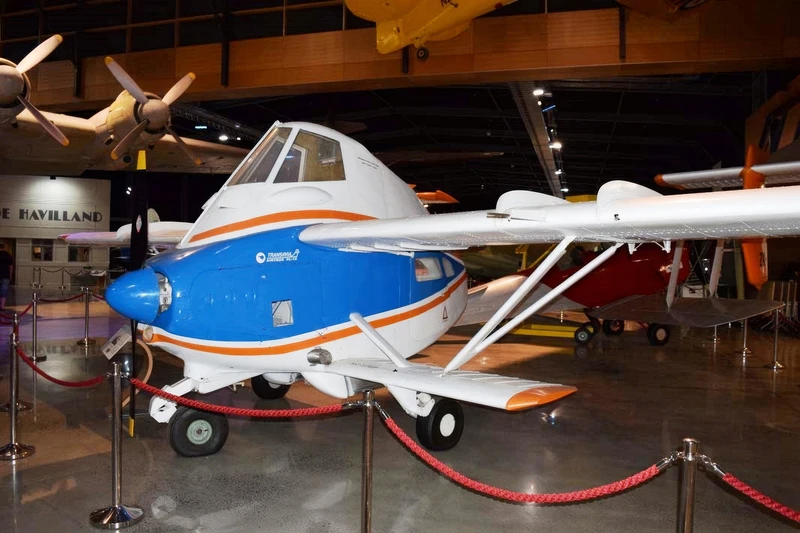
Transavia PL-12 Airtruk | |
|---|---|
| Kraju | Australia |
| Roli | Samoloty rolnicze |
| Pierwszy lot | 2 kwietnia 1965 |
| Zbudowany | 138 |
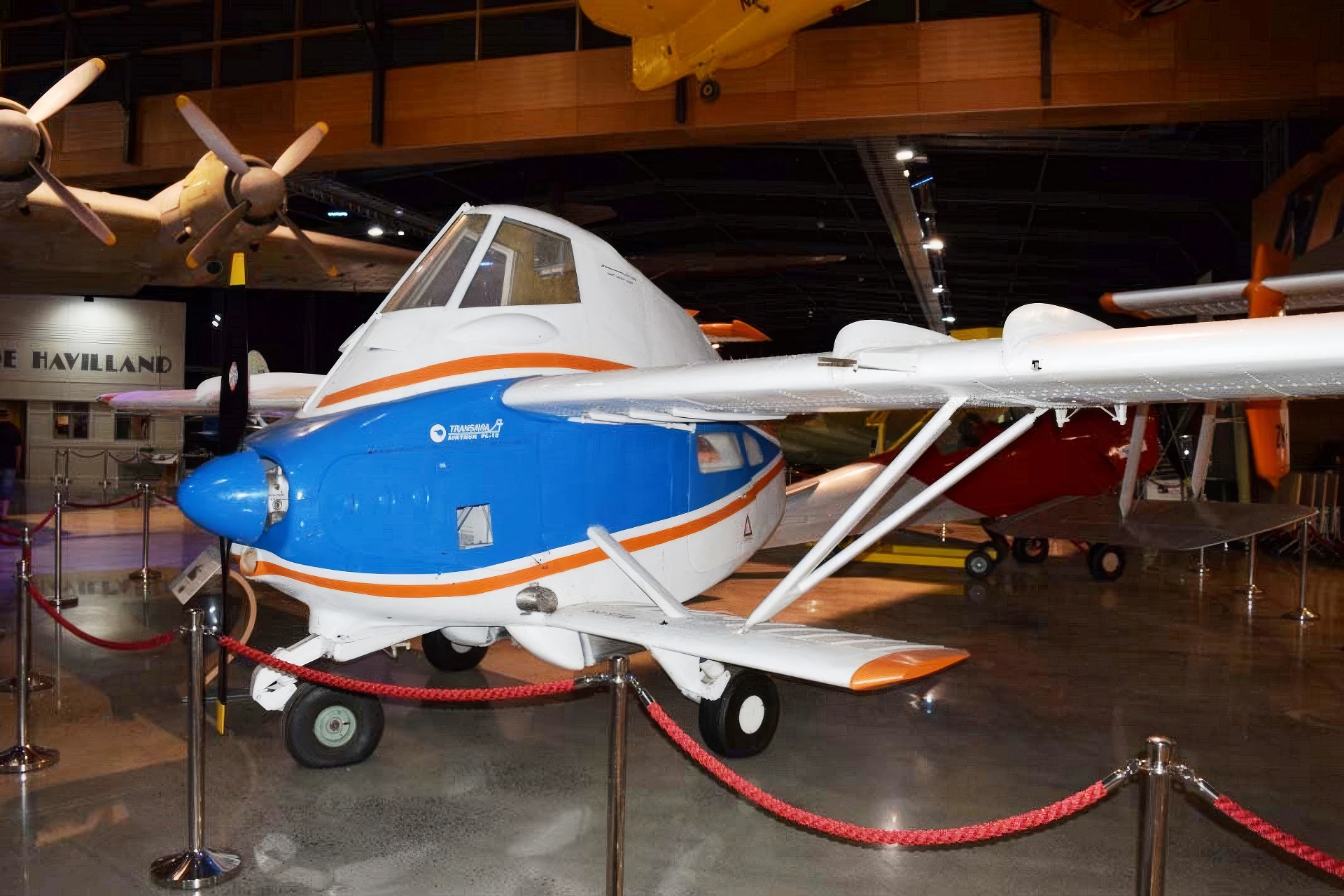
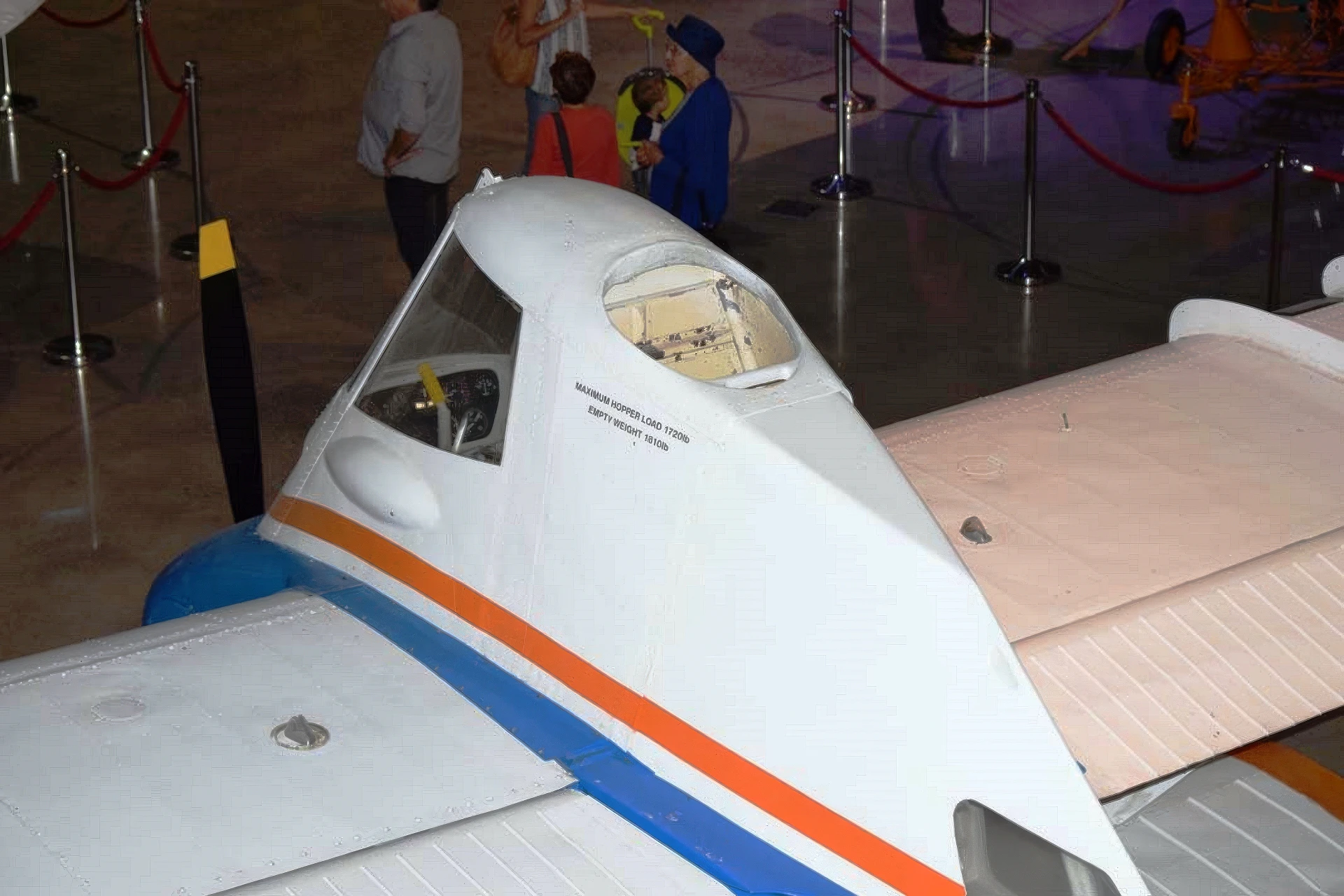
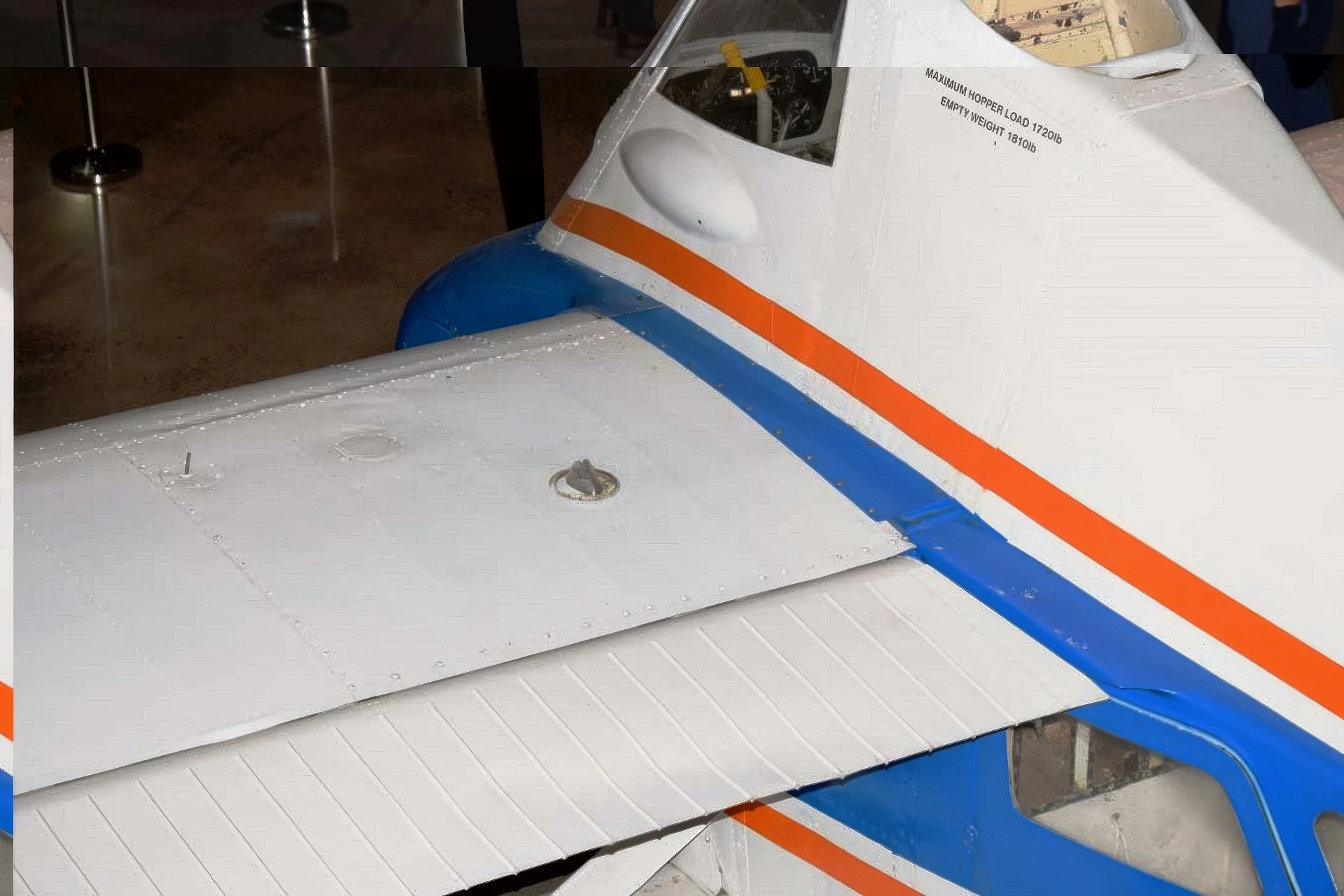
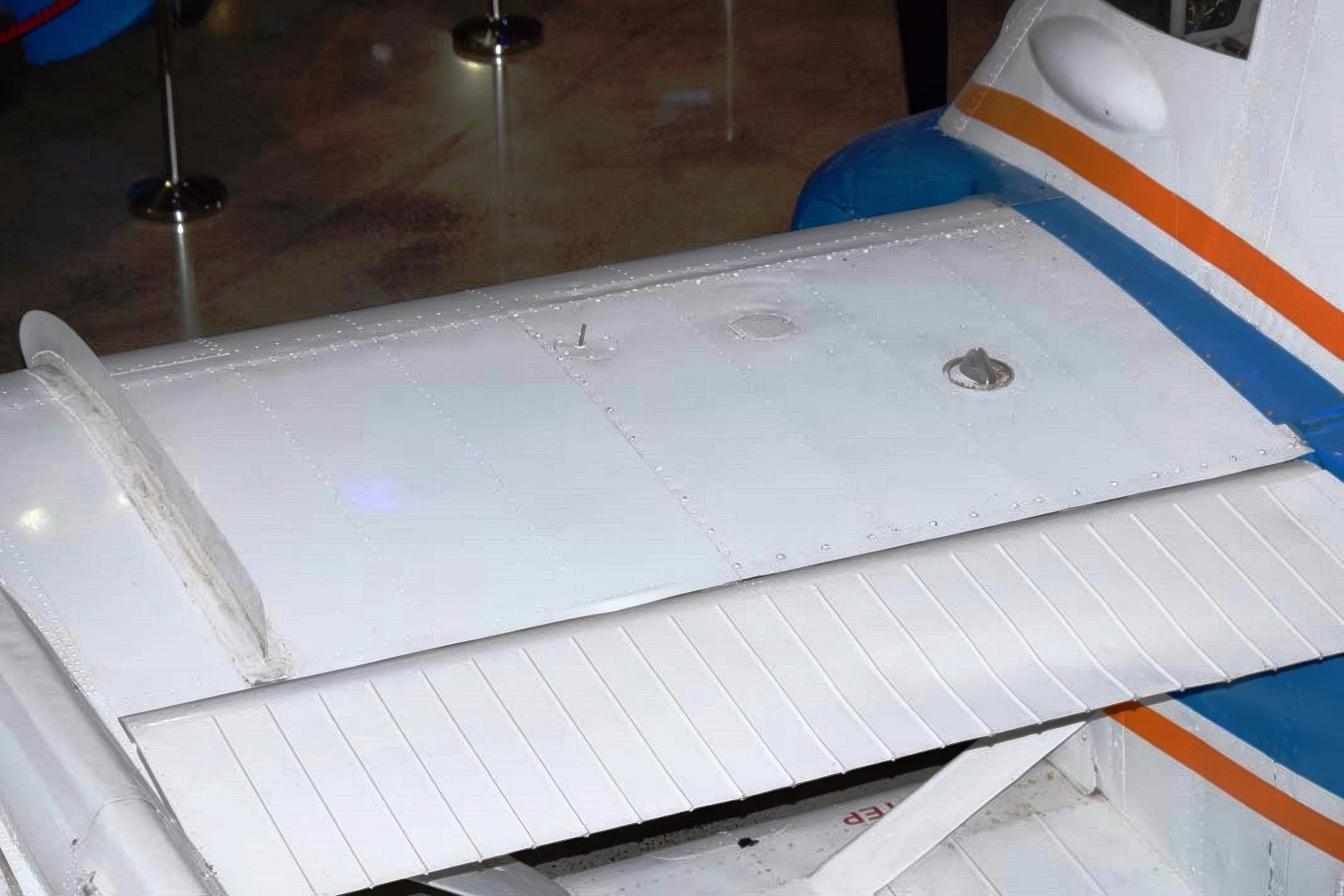
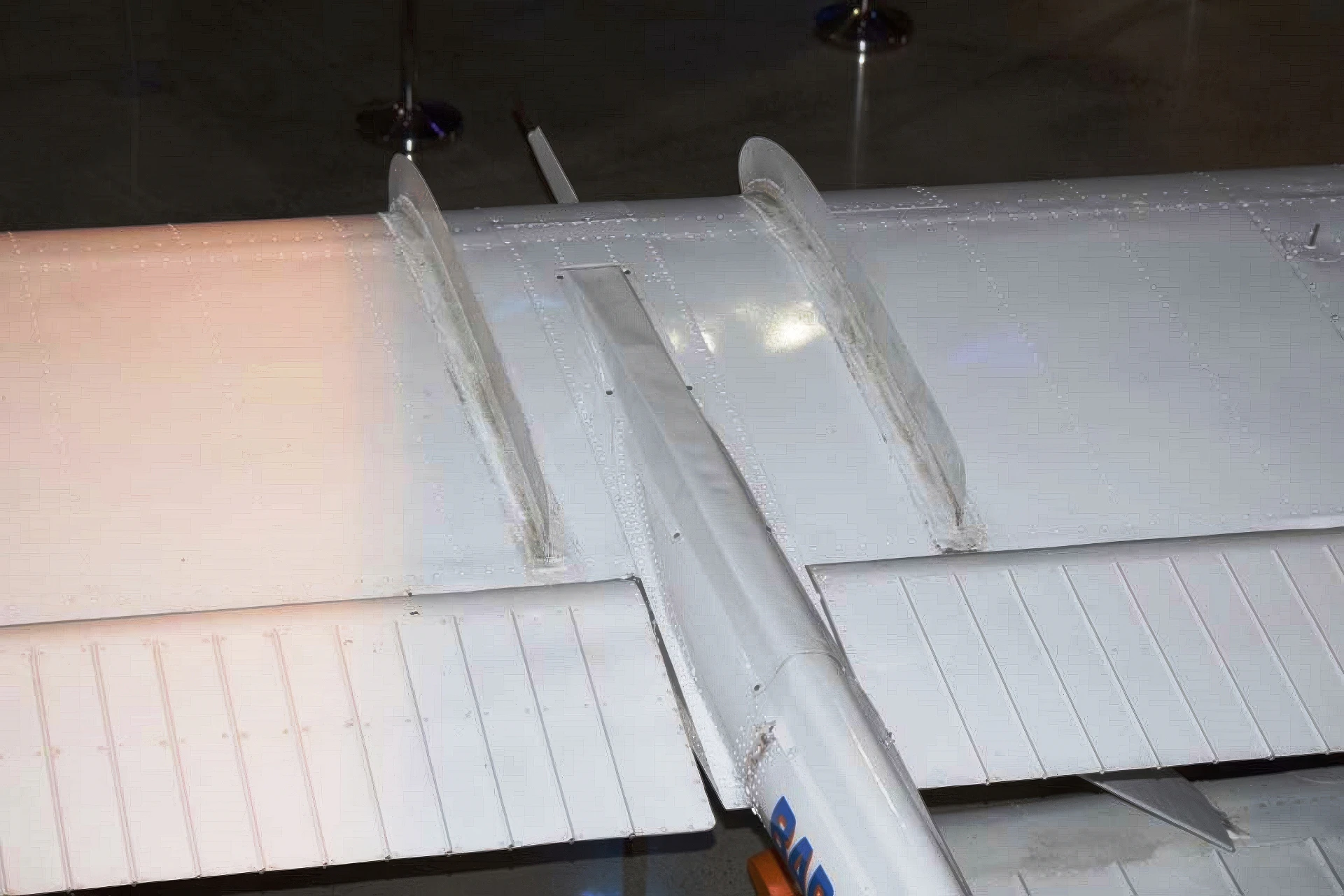
Tthe Transavia PL-12 Airtruk to jednosilnikowy samolot rolniczy zaprojektowany i zbudowany przez Transavia Corporation w Australii. Airtruk to kilkupłat o całkowicie metalowej konstrukcji, z kokpitem zamontowanym nad ciągnikiem z przeciwstawnym cylindrem, chłodzonym powietrzem silnikiem i krótkim kadłubem z tylnymi drzwiami. Osłona silnika, tylna część kadłuba i górne poszycie wykonane są z włókna szklanego. Posiada podwozie trójkołowe, którego główne jednostki przenoszone są na dolnych skrzydłach jednoskrzydłowców. Posiada podwójne belki ogonowe z dwoma niepołączonymi ogonami. Pierwszy lot odbył się 22 kwietnia 1965 roku, a certyfikat uzyskał 10 lutego 1966 roku.
Źródła: Transavia PL-12 Airtruk w Wikipedii
| Transavia PL12 Airtruck Walk Around | |
|---|---|
| Photographer | Vladimir Yakubov |
| Localisation | Museum of Transport and Technology, Auckland, New Zealand |
| Photos | 94 |
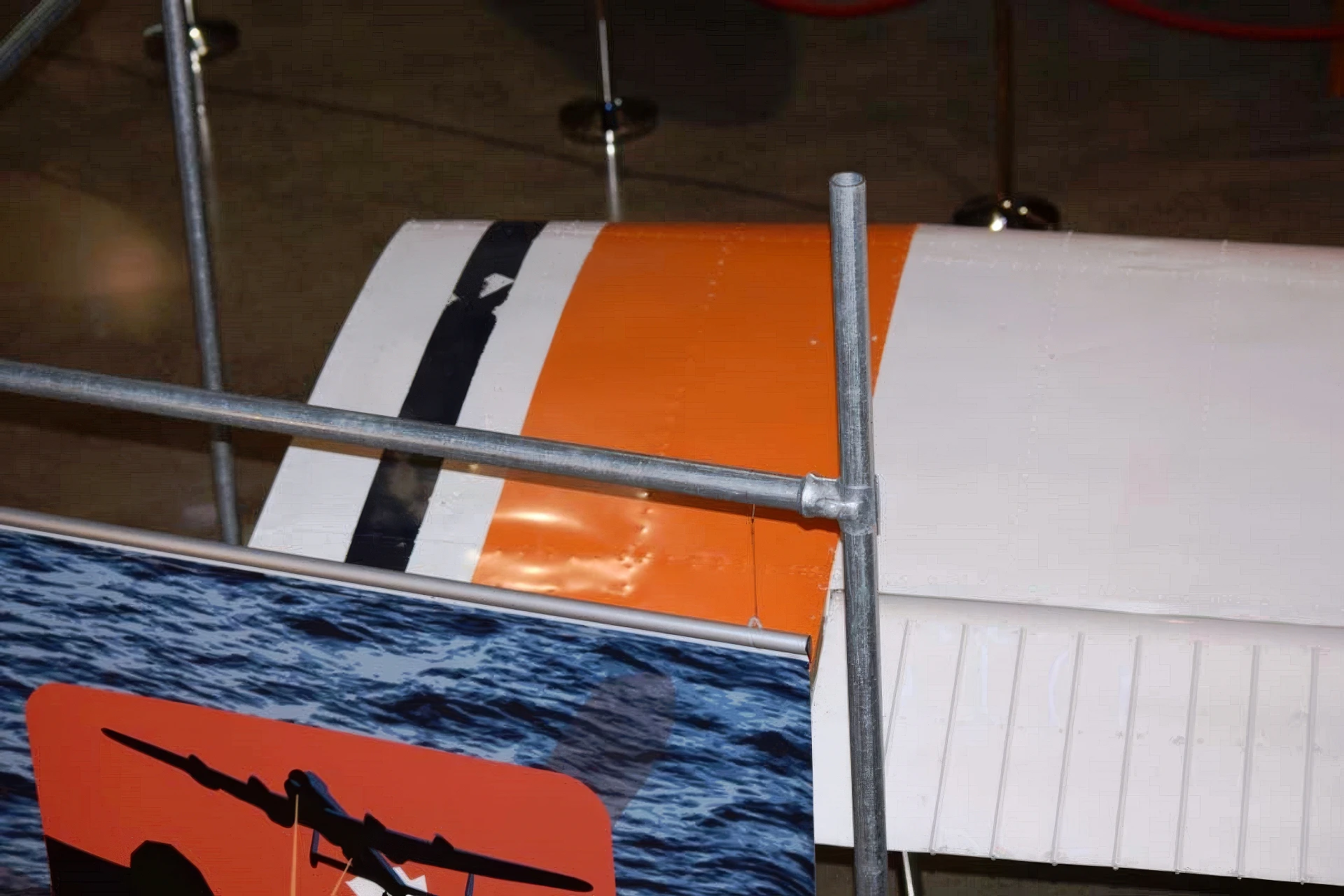
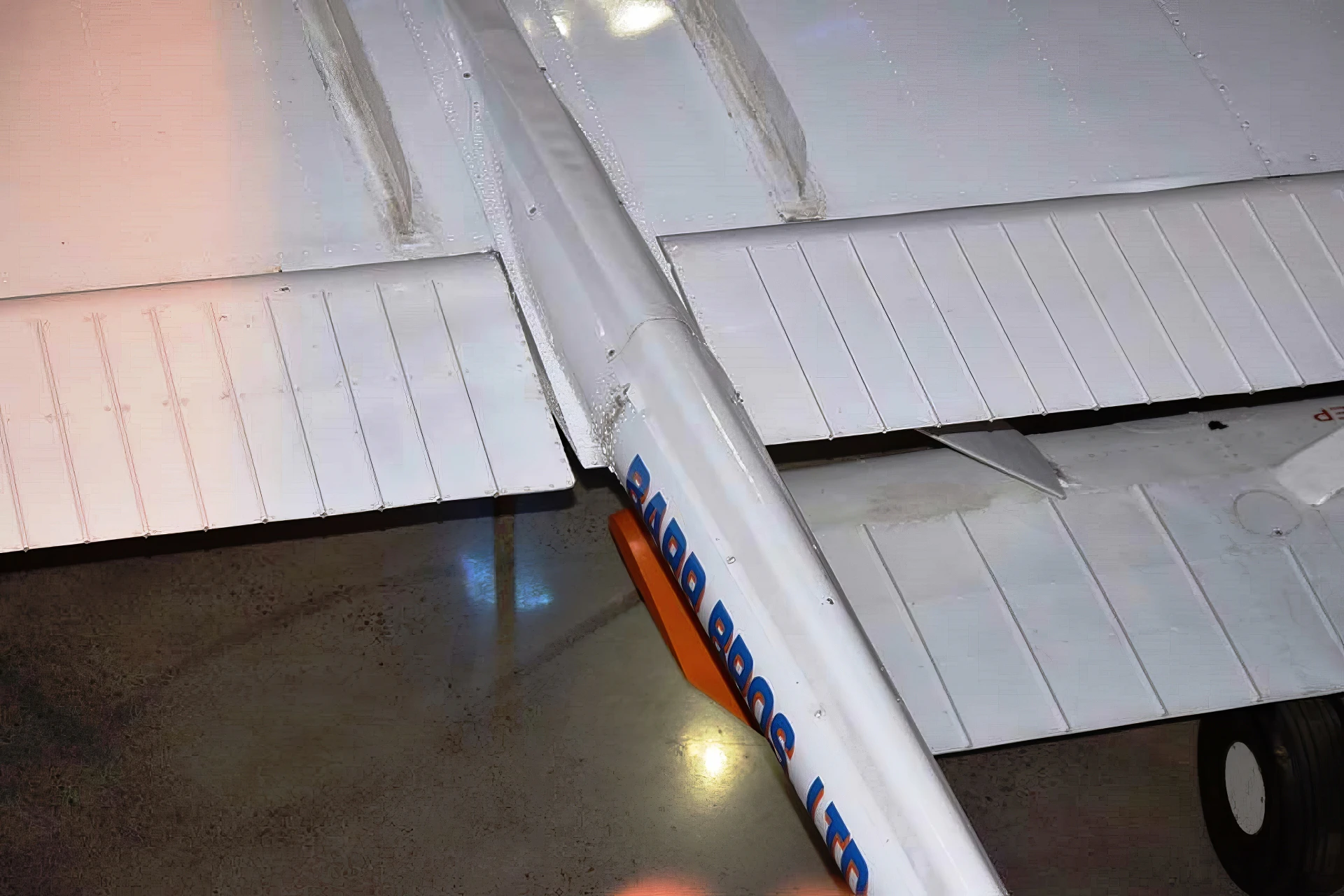


Zobacz też:


Unique Design and Characteristics
The Transavia PL-12 Airtruk, often cited as one of the world’s most bizarre-looking aircraft, is a rugged Australian-built agricultural plane designed by Luigi Pellarini. Its unconventional layout is a direct result of its specialized mission requirements for crop dusting and topdressing.
- Unconventional Fuselage: Features a short, stubby pod fuselage centered around the chemical hopper/tank. The pilot’s cockpit is high-mounted above the engine, providing exceptional forward and downward visibility and enhancing pilot safety by placing them above the heavy engine and hopper in the event of a crash.
- Twin Tail Booms: The most distinguishing feature is the twin tail booms supporting unconnected tails (fins and rudders). This design allows a loading truck to back up between the booms to quickly fill the hopper, even with the engine running, which significantly reduces turnaround time. It also keeps corrosive chemicals away from the tail structure.
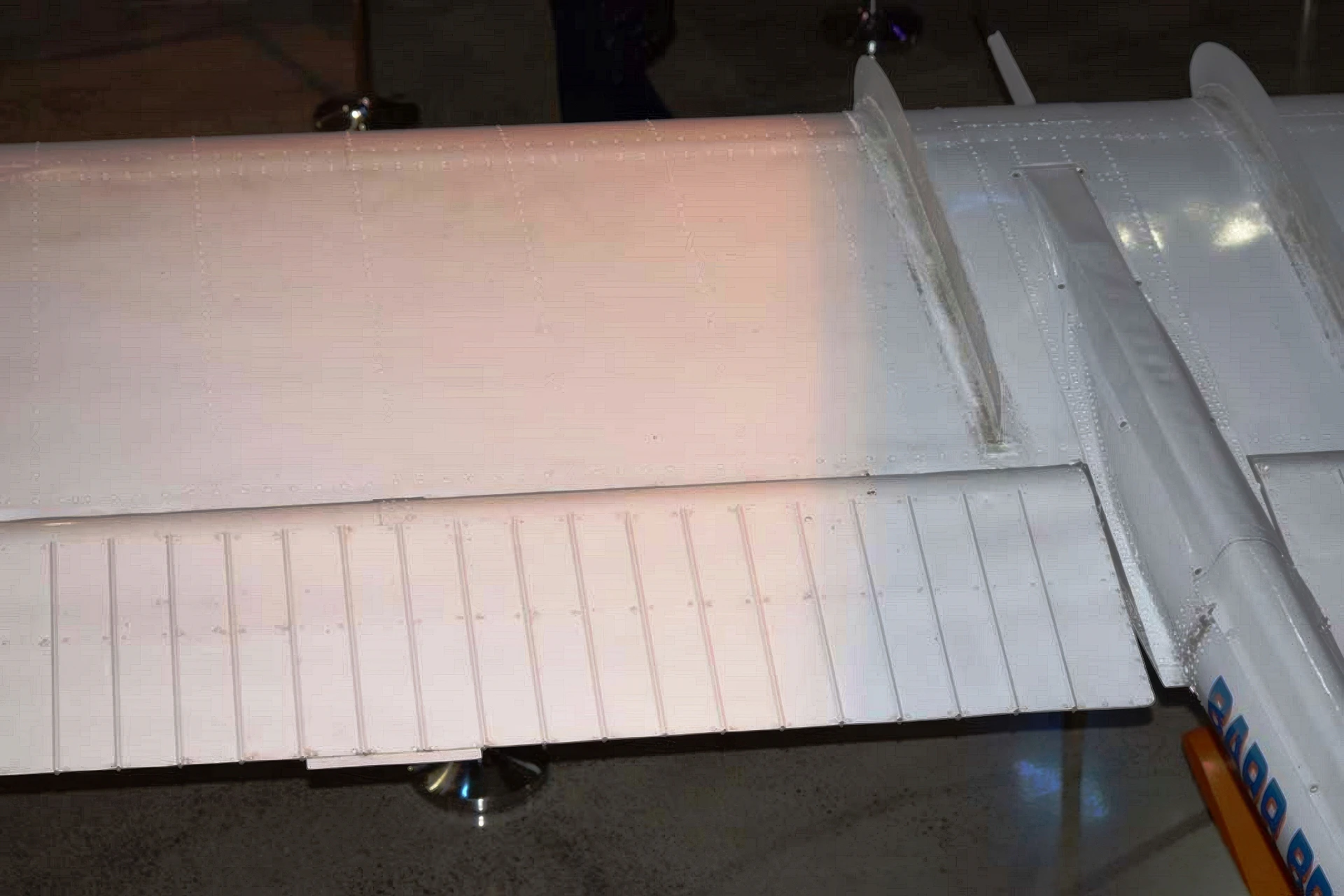
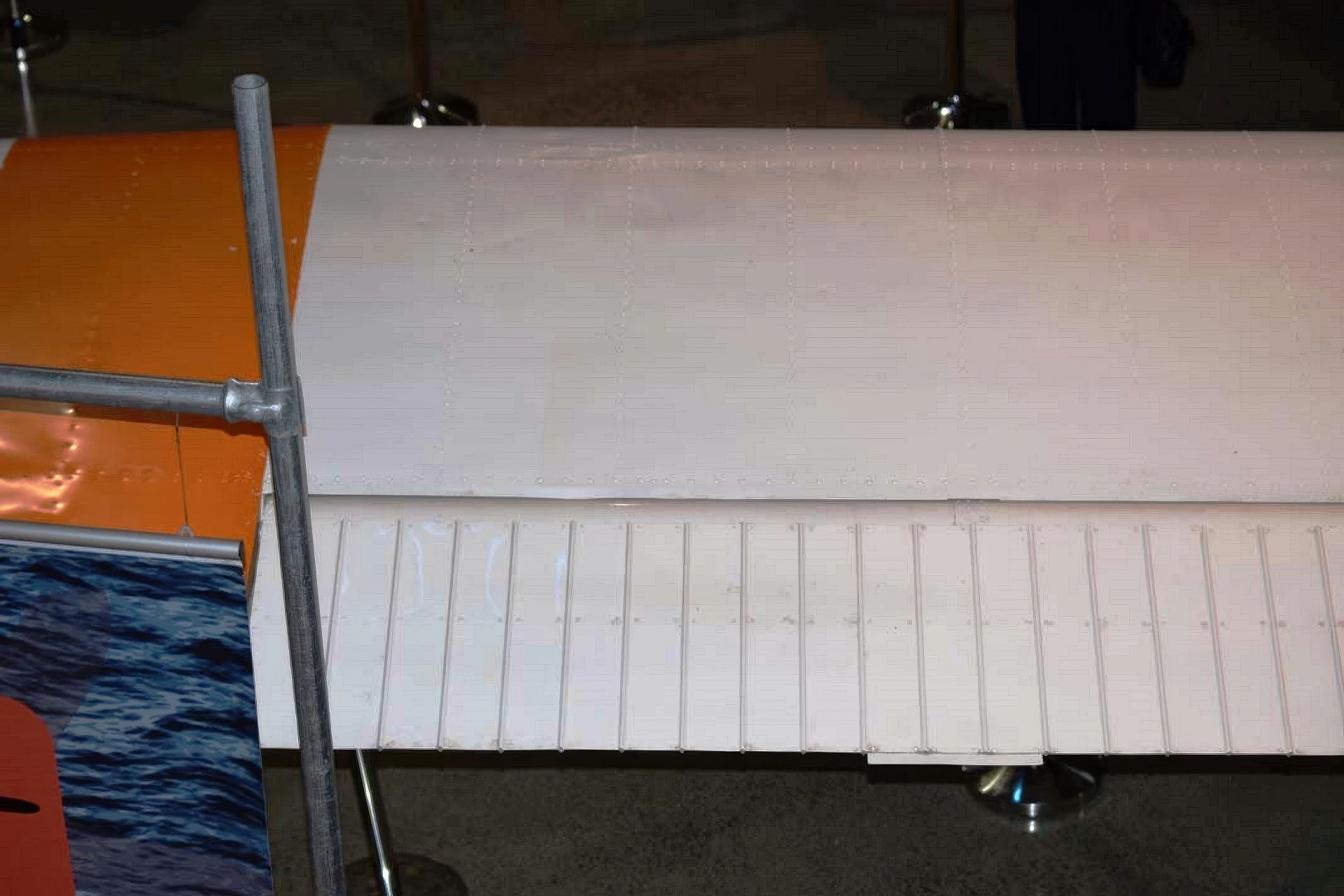
- Sesquiplane Wing: The aircraft is technically a sesquiplane, meaning it has one main wing (shoulder-mounted) and a much smaller lower wing (stub wings) which primarily serve to mount the main landing gear.
- Multi-Role Capability: Although primarily an agricultural aircraft, a utility variant (PL-12U) was developed for cargo, air ambulance, aerial survey, and even to ferry up to five passengers (one in the upper cockpit, four in the lower cabin behind the hopper).
Specifications and Performance (PL-12/T-300 Variant)
| Property | Wartość |
|---|---|
| Roli | Agricultural/Utility Aircraft |
| Producent | Transavia Corporation (Australia) |
| Załogi | 1 pilot |
| Capacity (Ag) | 910 kg (2,000 lb) dry chemicals / 818 L (216 US gal) liquids |
| Zespół napędowy | 1 Rolls-Royce/Continental IO-520-D (or Lycoming IO-540) flat-six piston engine, **300 hp** |
| Max Takeoff Weight (Agricultural) | 1,855 kg (4,090 lb) |
| Max Cruise Speed | 176 km/h (95 knots) at 75% power |
| Stall Speed (Flaps Down) | 96 km/h (52 knots) |
| Rate of Climb | 3.05 m/s (600 ft/min) |
| Zakres | Approximately 1,296 km (700 NM) |
Liczba wyświetleń : 212
Możesz również zobaczyć:
 Handley Page HP.115 – Zdjęcia i filmy
 Canadair CP-107 Argus – zdjęcia i filmy
 Beechcraft Model 17 Staggerwing – zdjęcia i filmy
 Boeing C-97 Stratofreighter – Zdjęcia & Filmy
 Cessna 150 – Zdjęcia i filmy
 Saab 37 Viggen – zdjęcia i filmy
 Cessna AT-17 Bobcat – Zdjęcia & Filmy
 Vought F-8 Crusader – WalkAround
 Focke-Wulf FW-190 – Spacer
 Suchoj Su-17UM3 – WalkAround