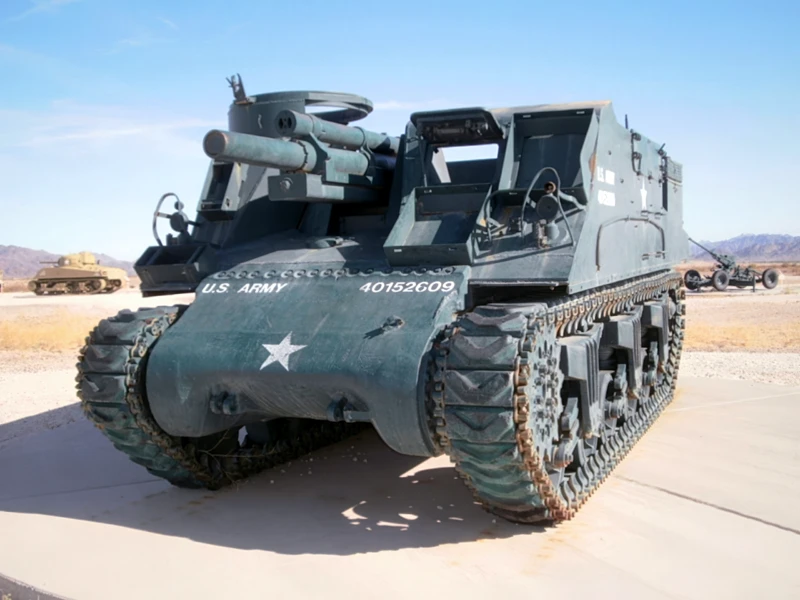
Ksiądz M7B1 | |
|---|---|
| Kraju | Uk |
| Typu | Haubica Motor Carriage |
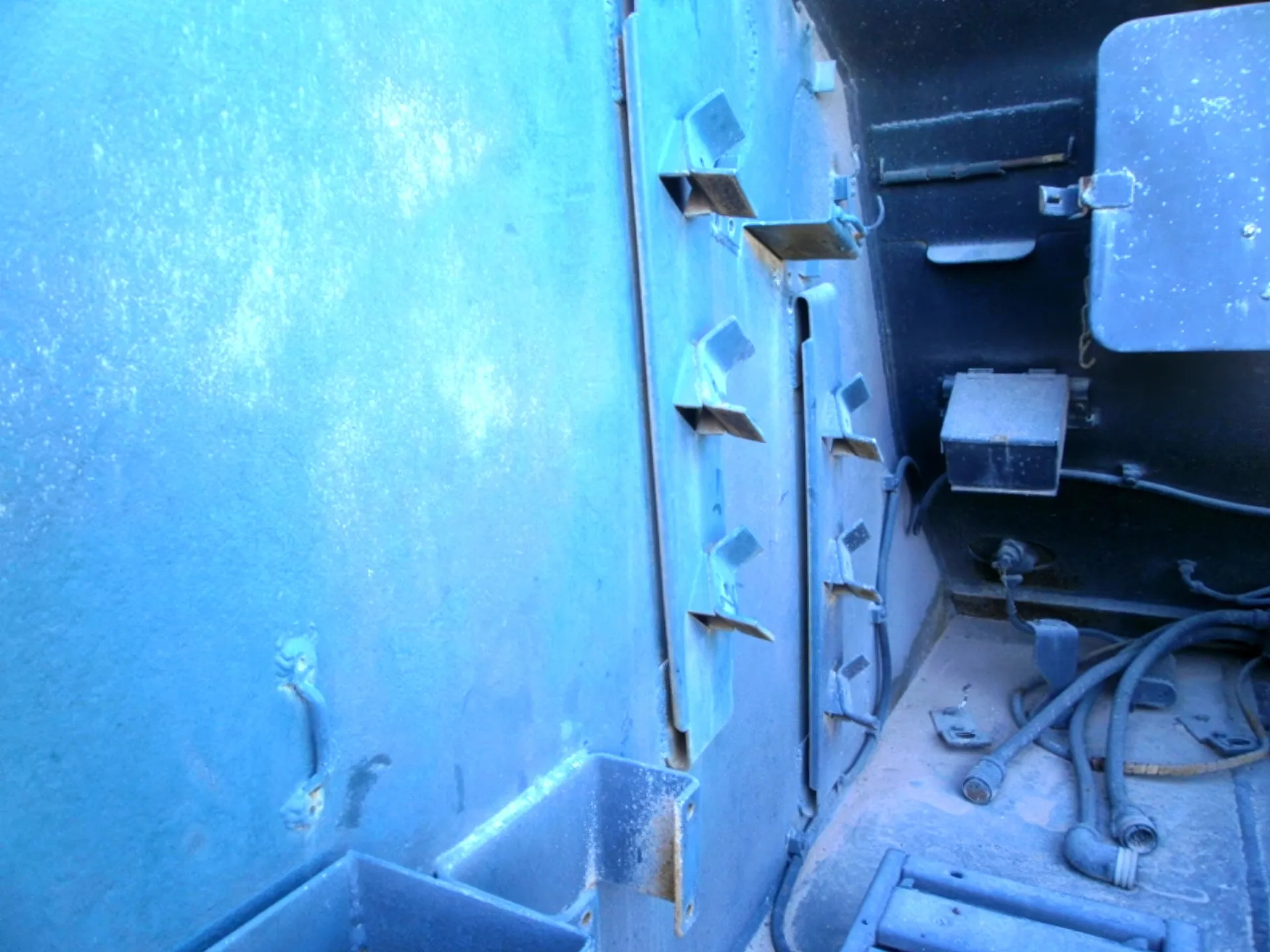
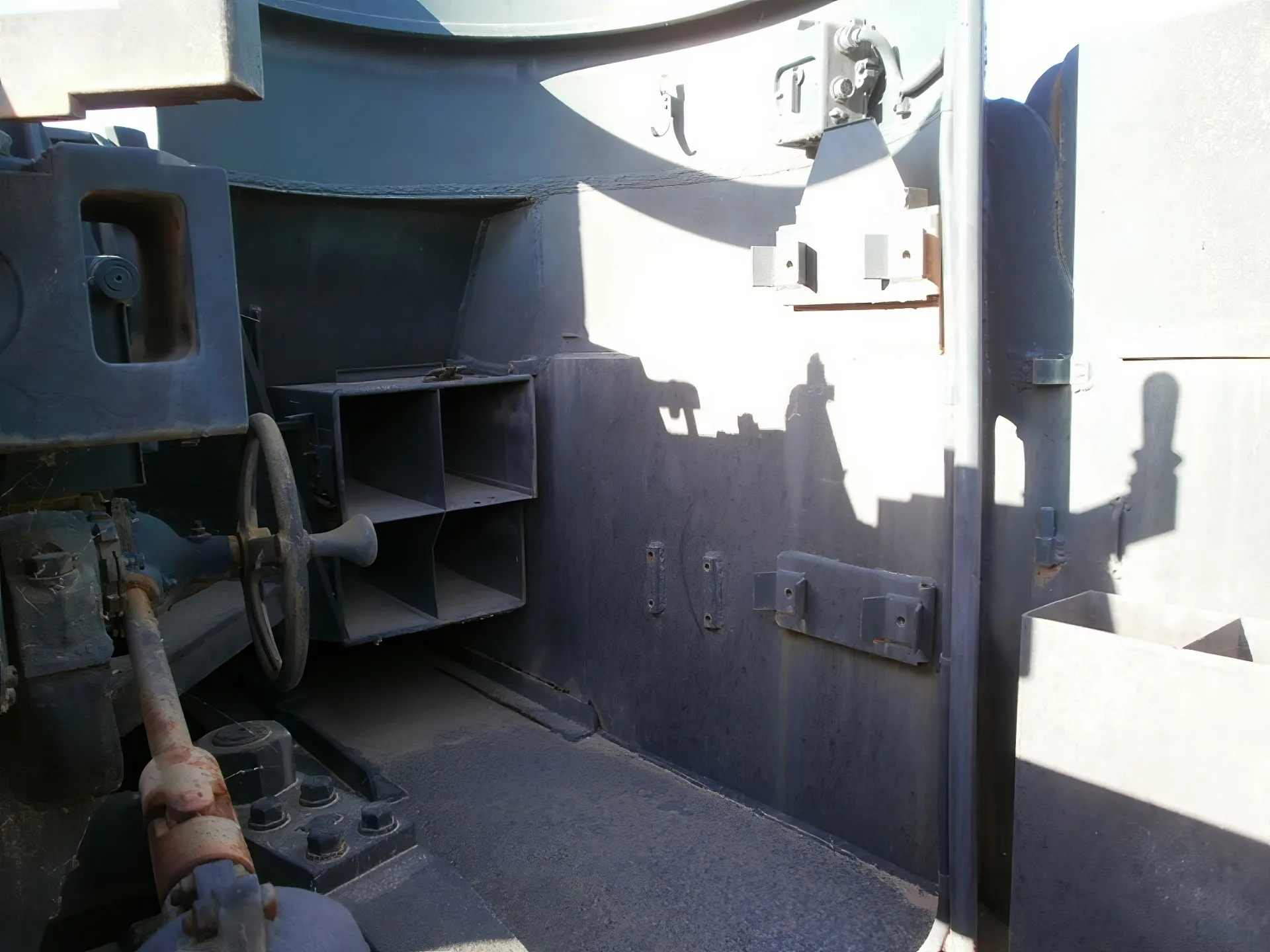
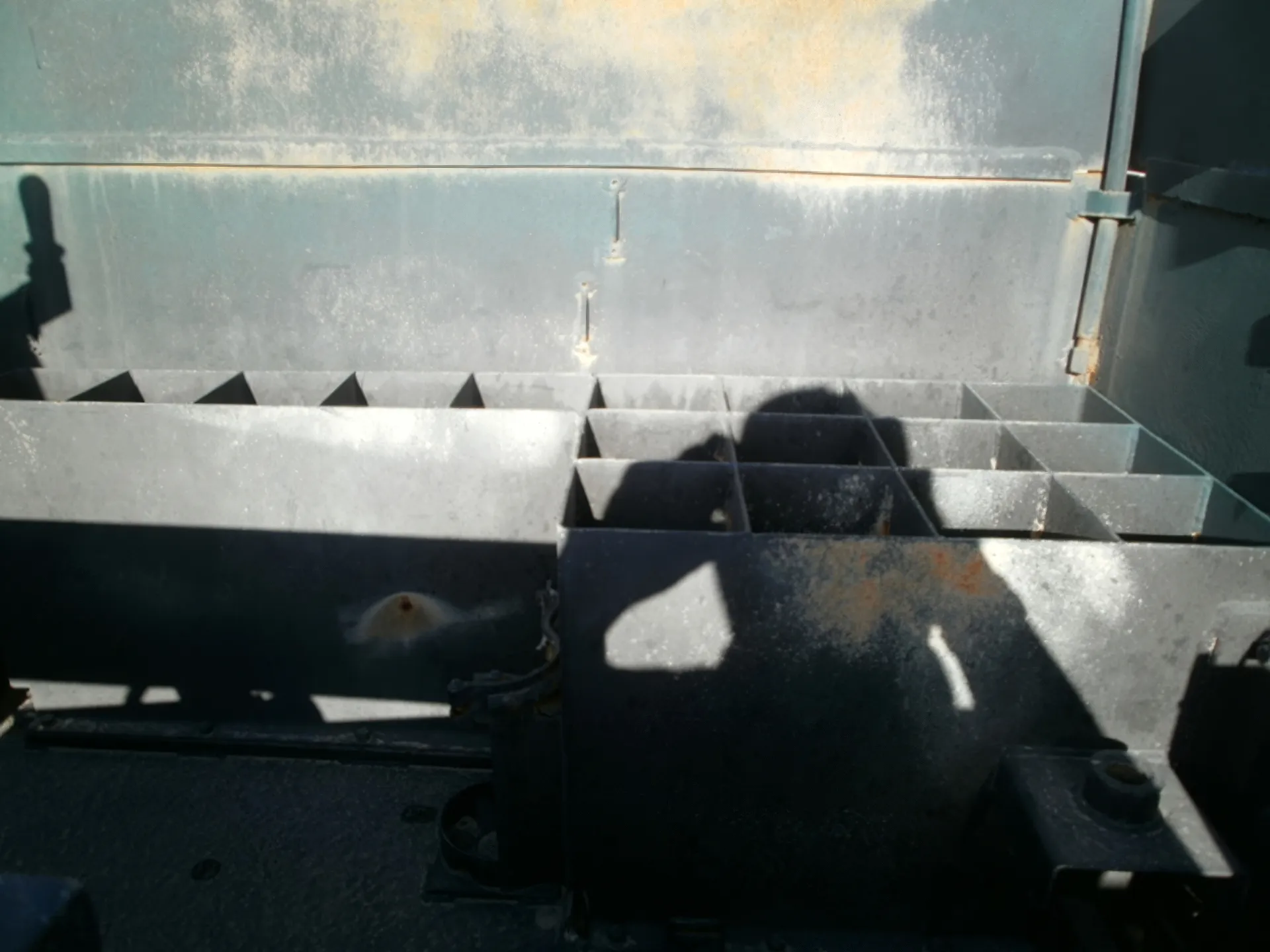
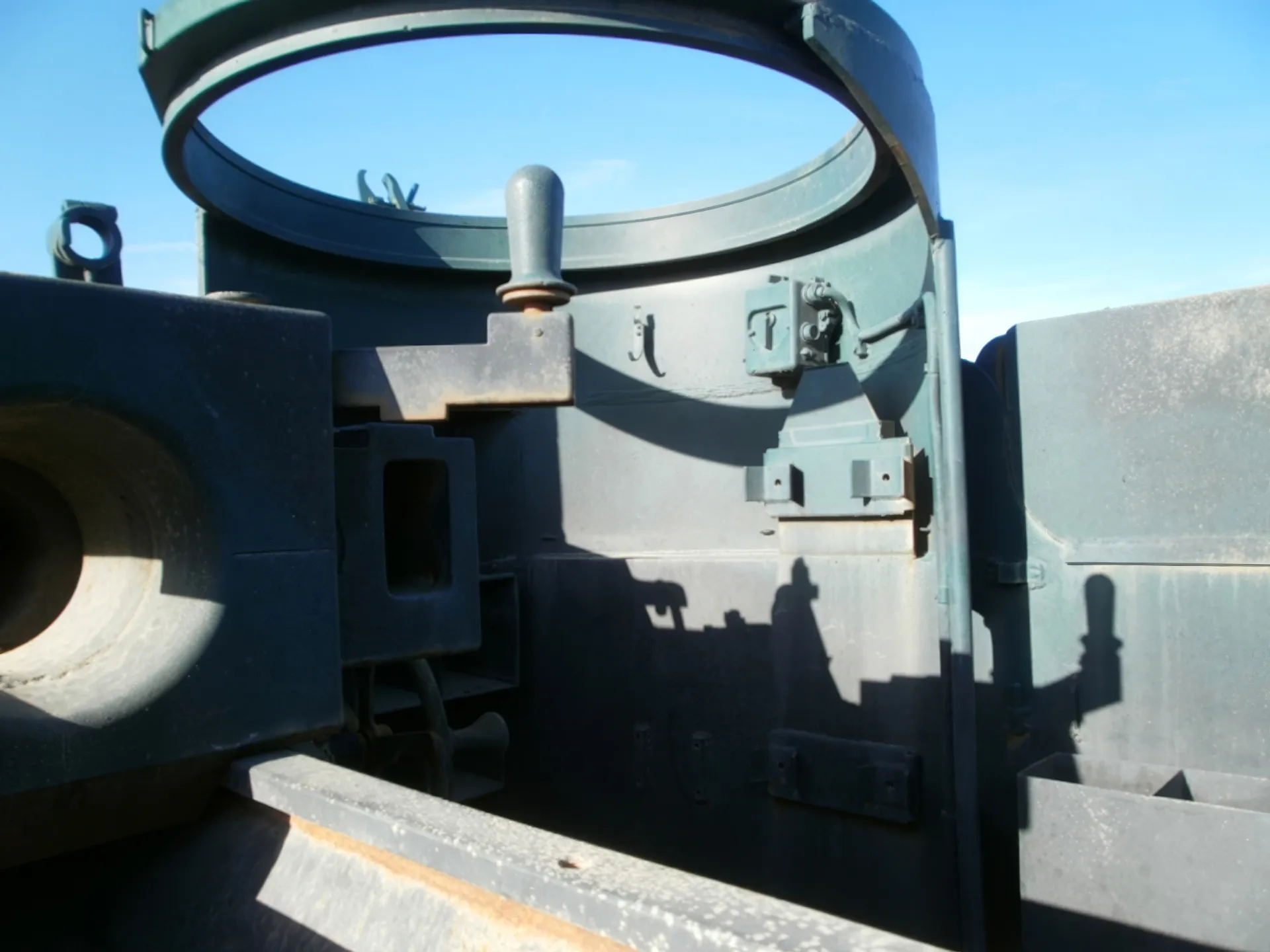
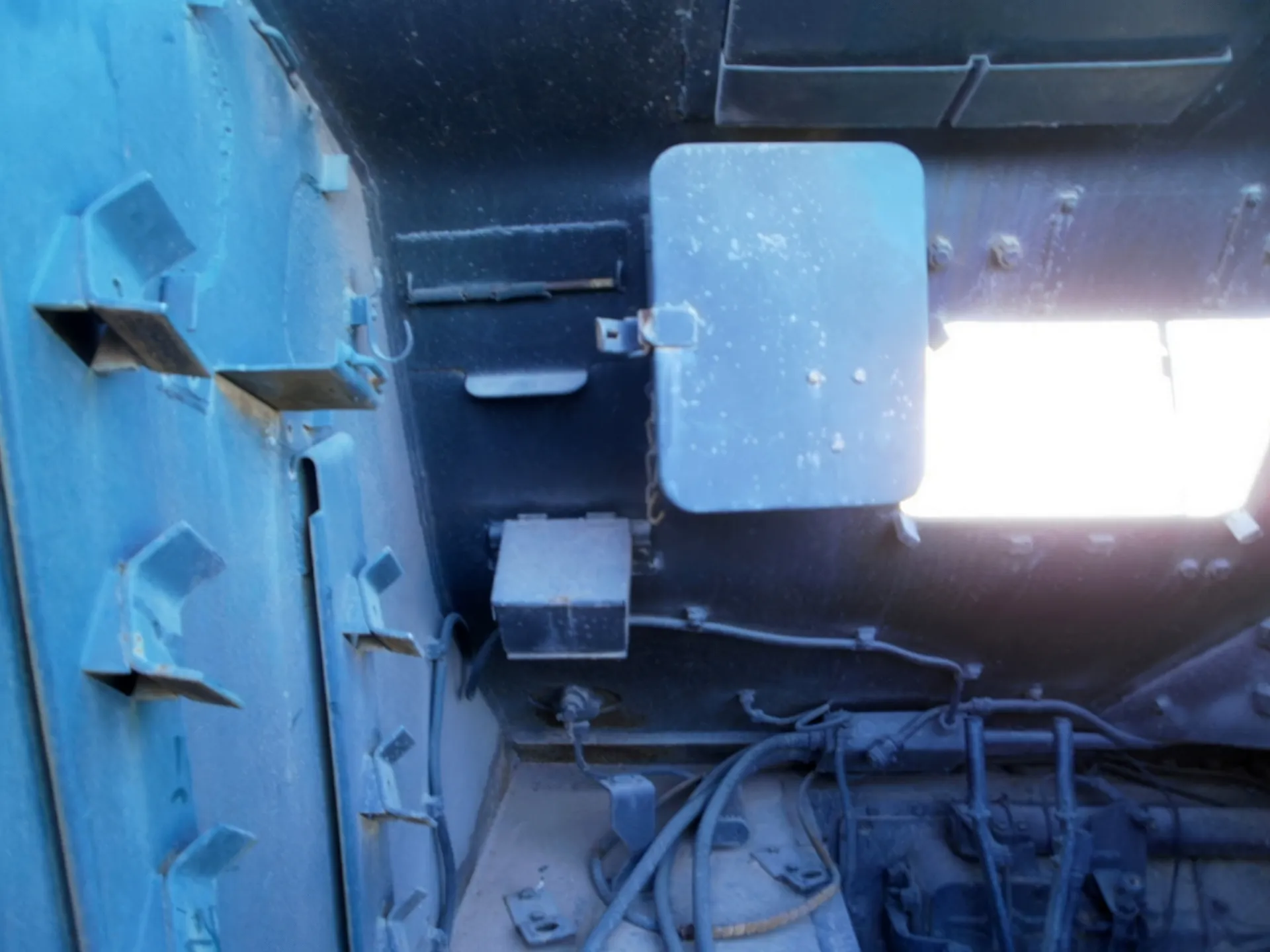
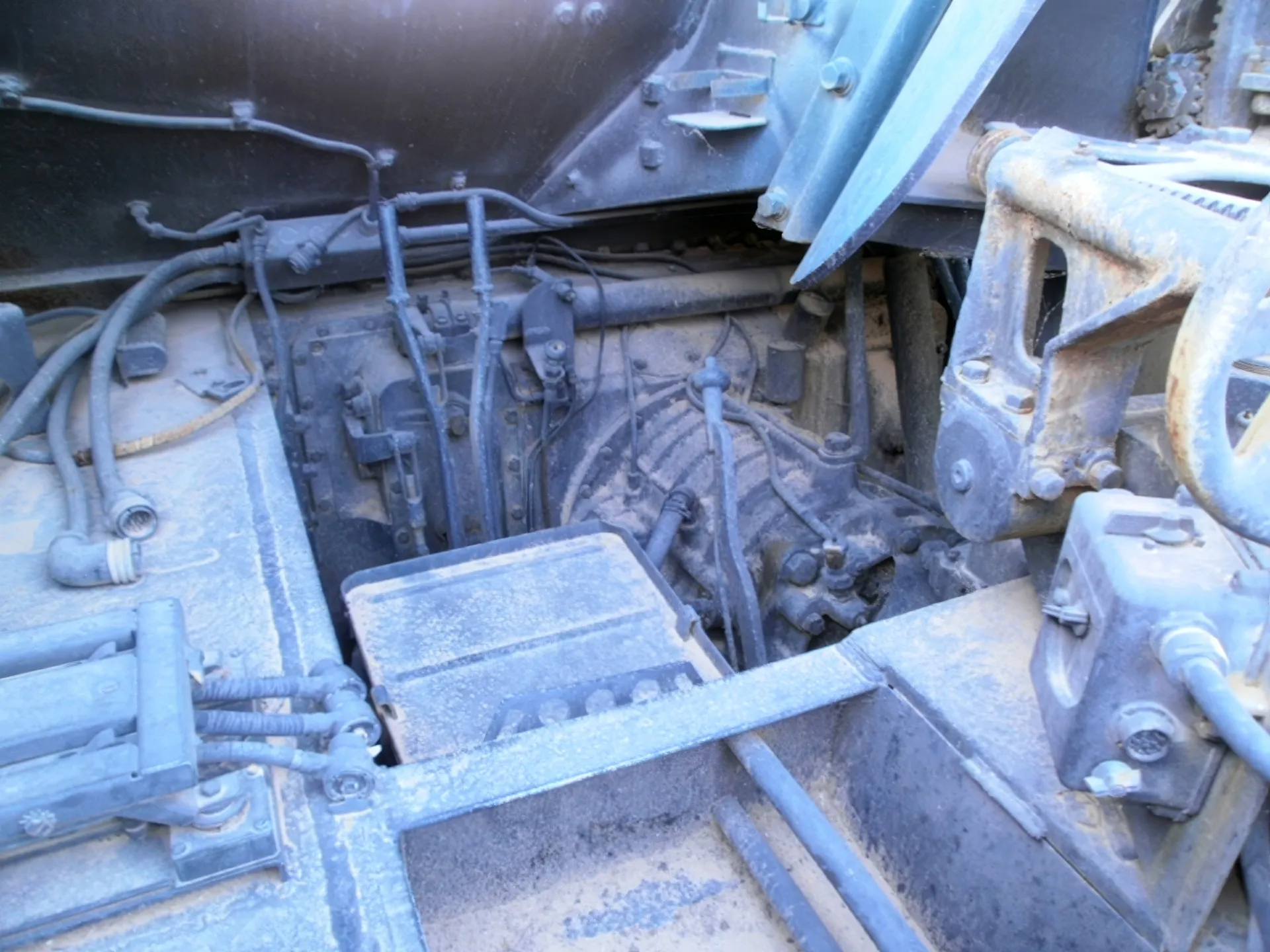
| Temat | Album 51 zdjęcia pistoletu Ksiądz M7B1 |
Tthe Wózek silnikowy haubicy 105 mm M7 – amerykański samobieżny pojazd artyleryjski produkowany w czasie II wojny światowej. Otrzymał oficjalną nazwę służbową 105 mm Self Propelled Gun, Priest przez armię brytyjską, ze względu na pierścień karabinu maszynowego przypominający ambonę, a następnie bishop i współczesne działa samobieżne Deacon.
M7B1 : Zakończenie zmiany, M7B1 był w pełni oparty na podwoziu M4A3 Sherman. Został znormalizowany we wrześniu 1943 roku i ogłoszony standardem zastępczym w styczniu 1945 roku.
Źródła: Wikipedia

Zobacz też:


The Evolution of Mobile Artillery
Tthe Ksiądz M7B1 was the refined, mid-war iteration of the U.S. Army’s primary self-propelled howitzer. While the original M7 was built on the chassis of the M3 Lee, the B1 variant transitioned to the more reliable and standardized M4A3 Sherman chassis. It earned its nickname from British crews, who noted that the cylindrical machine gun mount resembled a church pulpit. Unlike towed guns, the Priest could keep pace with fast-moving tank columns and deliver devastating fire support within minutes of stopping—a capability that redefined Allied blitzkrieg tactics.
| Attribute | Technical Specification (M7B1) |
|---|---|
| Roli | Self-Propelled Howitzer (105 mm) |
| Załogi | 7 (Commander, Driver, 5 Gun Crew) |
| Silnika | Ford GAA V8 petrol (450–500 hp) |
| Prędkość maksymalna | 39 km/h (24 mph) on road |
| Uzbrojenie główne | 105 mm Howitzer M2A1 (69 rounds) |
| Uzbrojenie dodatkowe | 1 × .50 cal (12.7 mm) M2 Browning MG |
| Zbroja | 12 mm to 62 mm |
| Chassis Base | Medium Tank M4A3 (Sherman) |
Design Engineering: The Power of the V8
- The Ford GAA V8: The biggest technical shift from the M7 to the M7B1 was the engine. Replacing the temperamental Wright Continental radial with the massive, all-aluminum Ford GAA V8 provided more torque and simplified maintenance, as it shared parts with the most common US tanks of the late war.
- Open-Topped Versatility: The open fighting compartment offered the crew 360-degree situational awareness and made reloading from ammunition trucks much faster. However, it left the crew vulnerable to mortar fire, airbursts, and snipers—a trade-off accepted for the sake of artillery efficiency.
- The “Pulpit” MG Mount: Positioned at the front right, the .50 caliber machine gun ring gave the vehicle a formidable defense against infantry and low-flying aircraft. Its high position allowed for a clear field of fire even when the vehicle was hull-down in a firing pit.
- Indirect & Direct Fire: While primarily an indirect fire weapon (lobbing shells over hills), the 105mm howitzer was terrifyingly effective in a direct-fire role against bunkers or buildings. It could even knock out heavy tanks with a well-placed High-Explosive (HE) or HEAT round at close range.
Operational History: From Normandy to Korea
- The “Kangaroo” Conversion: In Normandy, some Priests had their guns removed to become “Defrocked Priests” or Kangaroos—early armored personnel carriers used to ferry infantry through heavy fire.
- Logistical Standardization: The British eventually replaced their Priests with the Sexton (which used the 25-pounder gun) to simplify their ammunition supply lines. This allowed the US to monopolize 105mm production for their own rapidly expanding armored divisions.
- The Korean War and the M7B2: During the Korean War, the steep mountains required higher gun elevation. This led to the M7B2, which featured a raised howitzer mount and a taller “pulpit” to allow the gun to reach the 65-degree elevation needed for mountain warfare.
- Worldwide Service: After WWII, the M7B1 was widely exported. It served in the militaries of over 15 nations, including Israel, where it played a significant role in the armored battles of the mid-20th century.
Liczba wyświetleń : 3501
Możesz również zobaczyć:
 Haubica 155mm M50 BF – zdjęcia i filmy
 220 mm TR mle 1915/1916 – Zdjęcia i wideo
 SU-14 – Zdjęcia i filmy
 2S1 Gvozdika – Zdjęcia & Video
 Haubica 122 mm M1910/30 – Zdjęcia i wideo
 21cm Morser 18 Haubica – Spacer
 Haubica typu 70mm 92 – WalkAround
 M109A3GN – SpacerAround
 M7B2 Ksiądz – Walkround
 M7 Priest – Spacer po 10