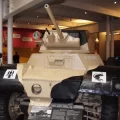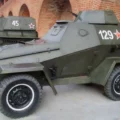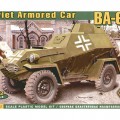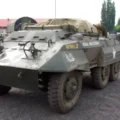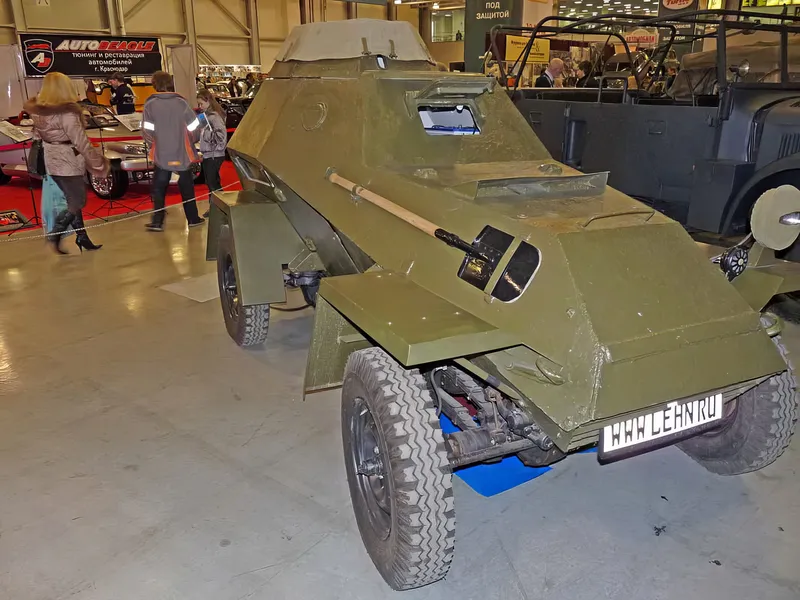
BA-64 Armored Car | |
|---|---|
| Kraju | Urss ( urss ) |
| Roli | Samochód pancerny |
| Produkowane | 1942—1946 |
| Zbudowany | 9110 |
Tthe OKRĘG WYBORCZY BA-64 was a 4×4 light armoured car, employed by the Soviet Army from 1942 into the early 1960s for reconnaissance and liaison tasks. The BA-64B was nicknamed ‘Bobik’ by its crews. The total recorded number of BA-64s produced differs even in Russian sources. The most frequently-stated figures are 9,110 (3,901 BA-64 and 5,209 BA-64B) vehicles which were built in the GAZ automobile plant, although a memorial plaque near the pictured Nizhny Novgorod car states 9,063 cars. The Red Army representatives accepted only 8,174 BA-64s, including 3,390 with radio sets; the other vehicles were transferred to NKVD units and Soviet allies.
| BA-64 Armored Car | |
|---|---|
| Fotograf | Jurij Pasholok |
| Lokalizacja | Niewiedzy |
| Zdjęcia | 198 |
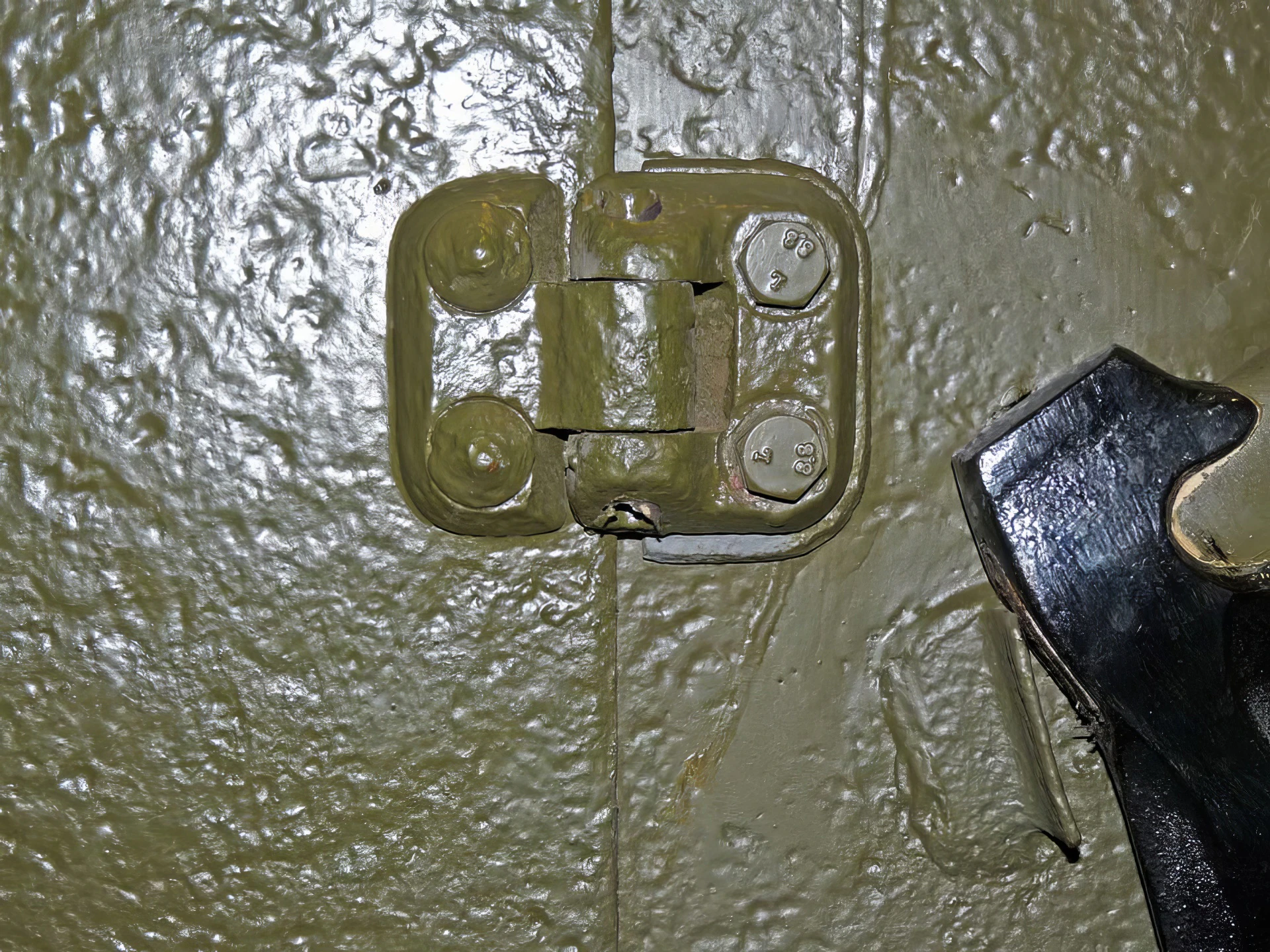
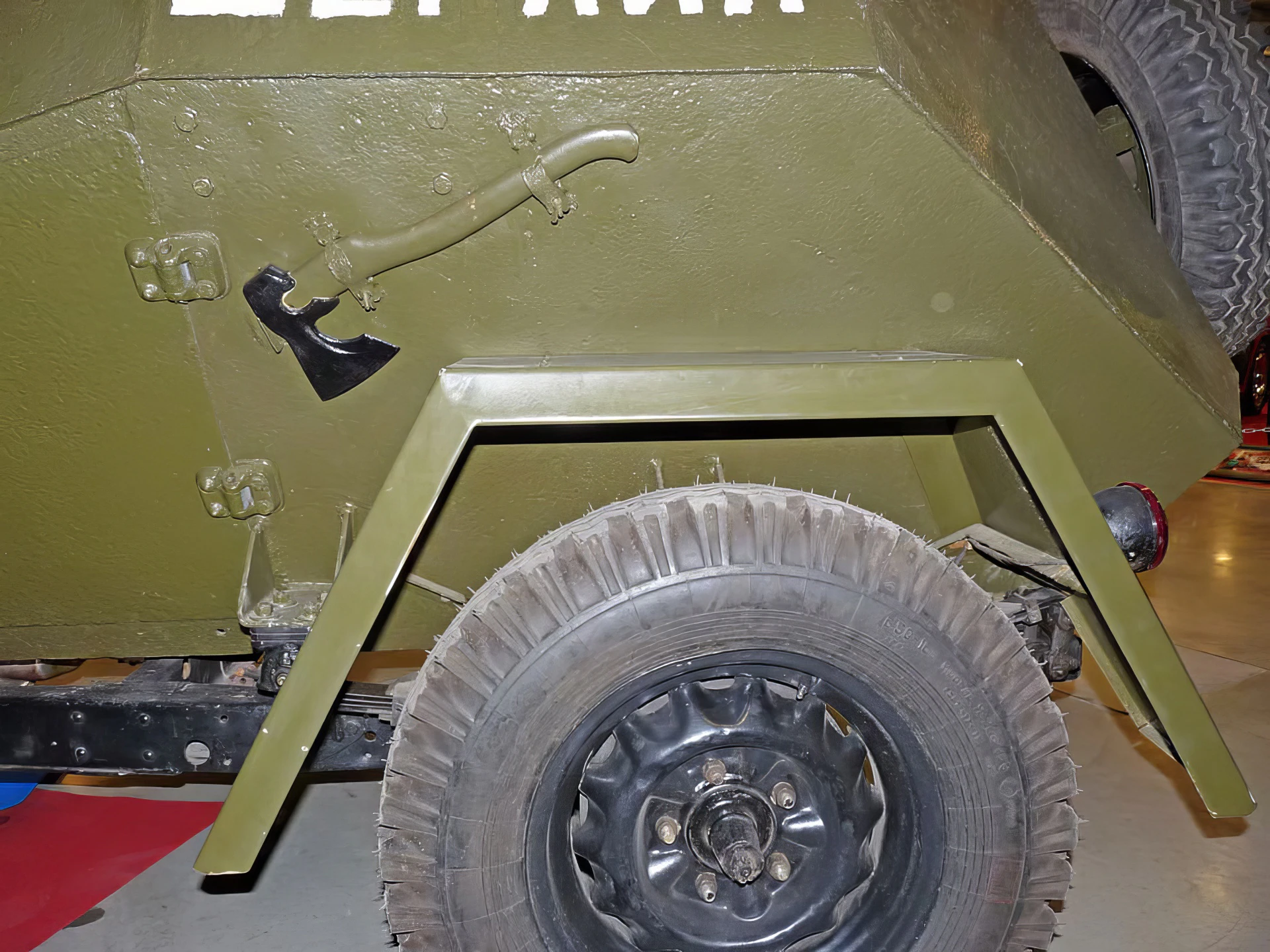
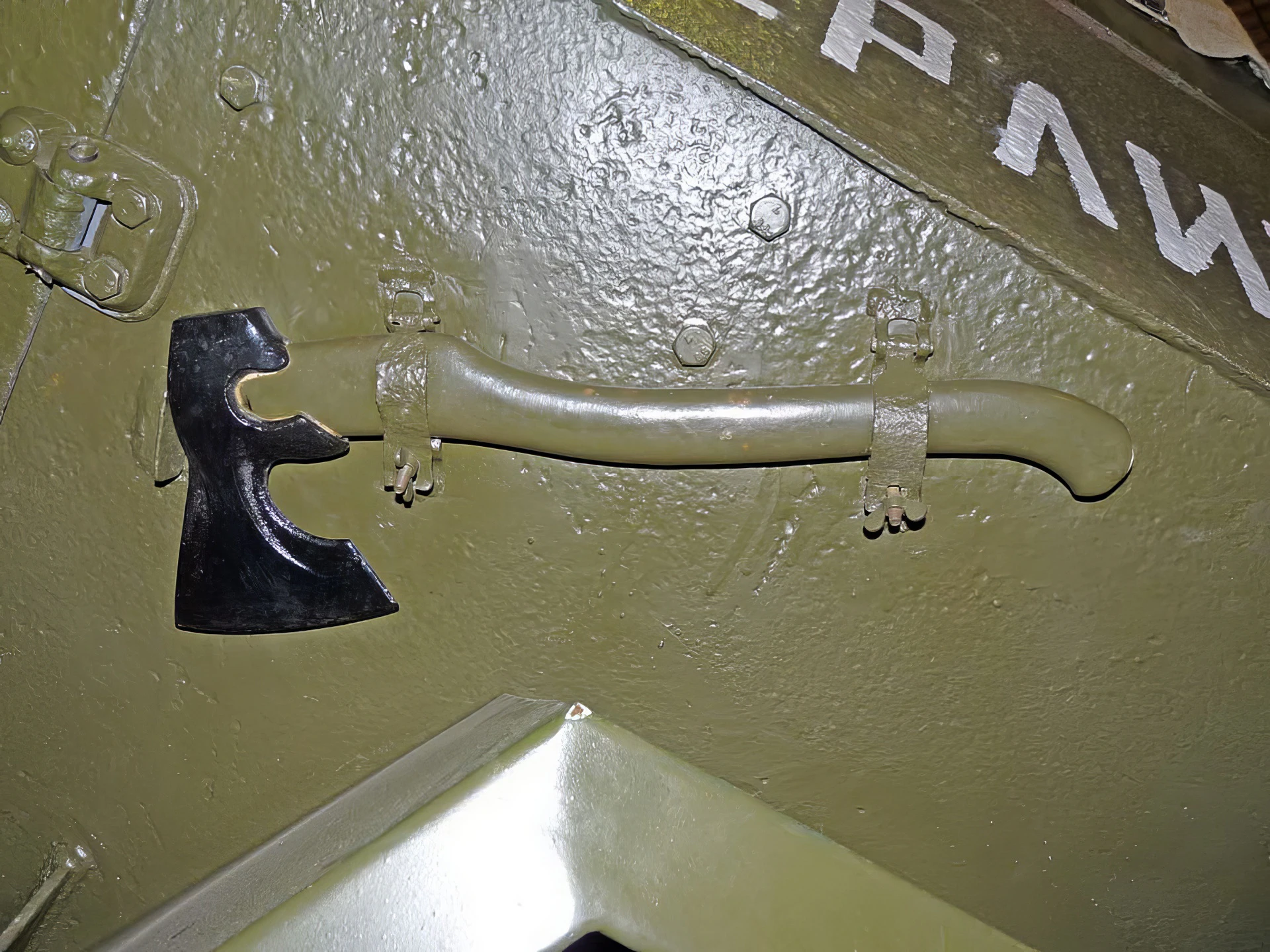
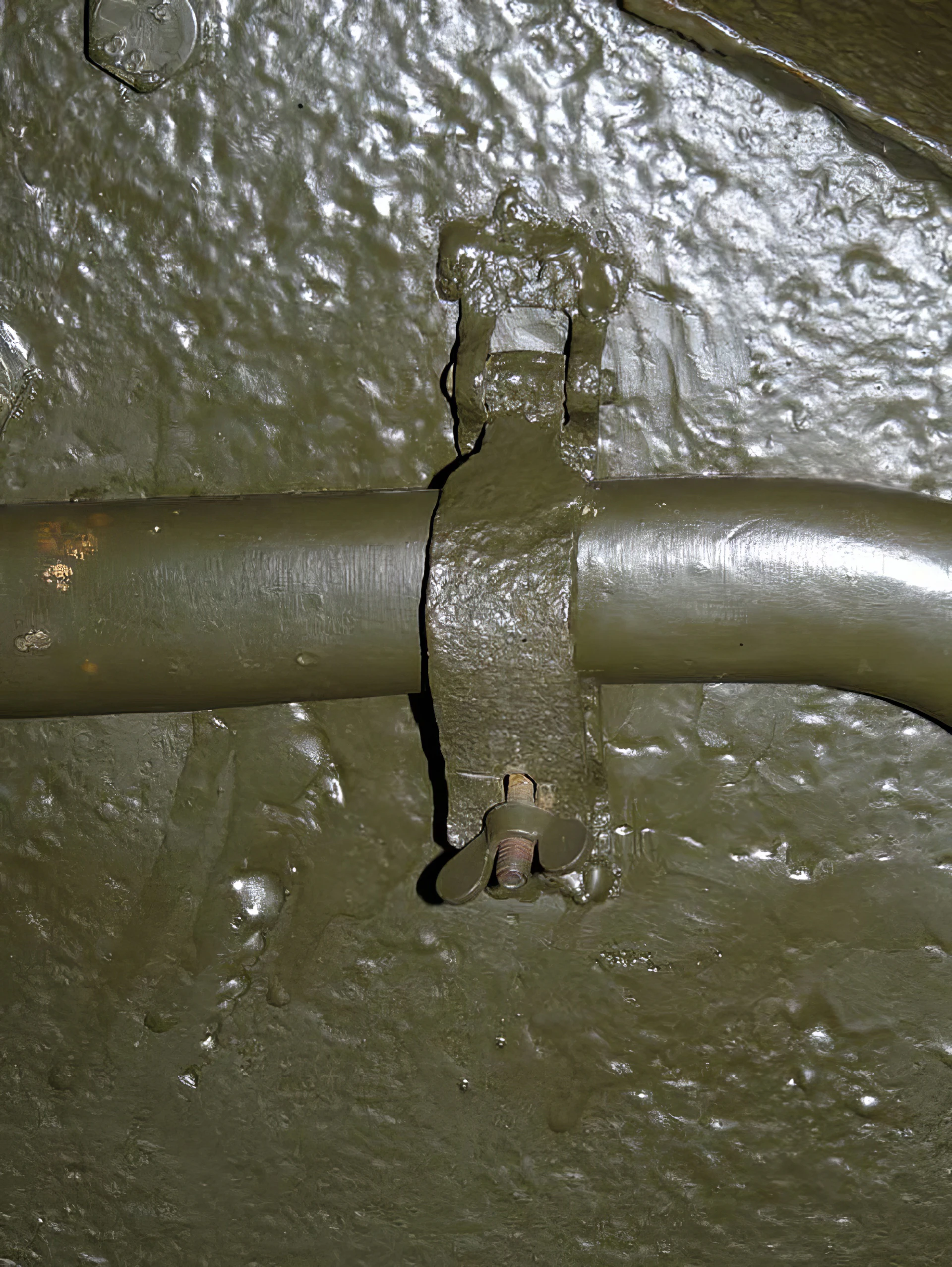
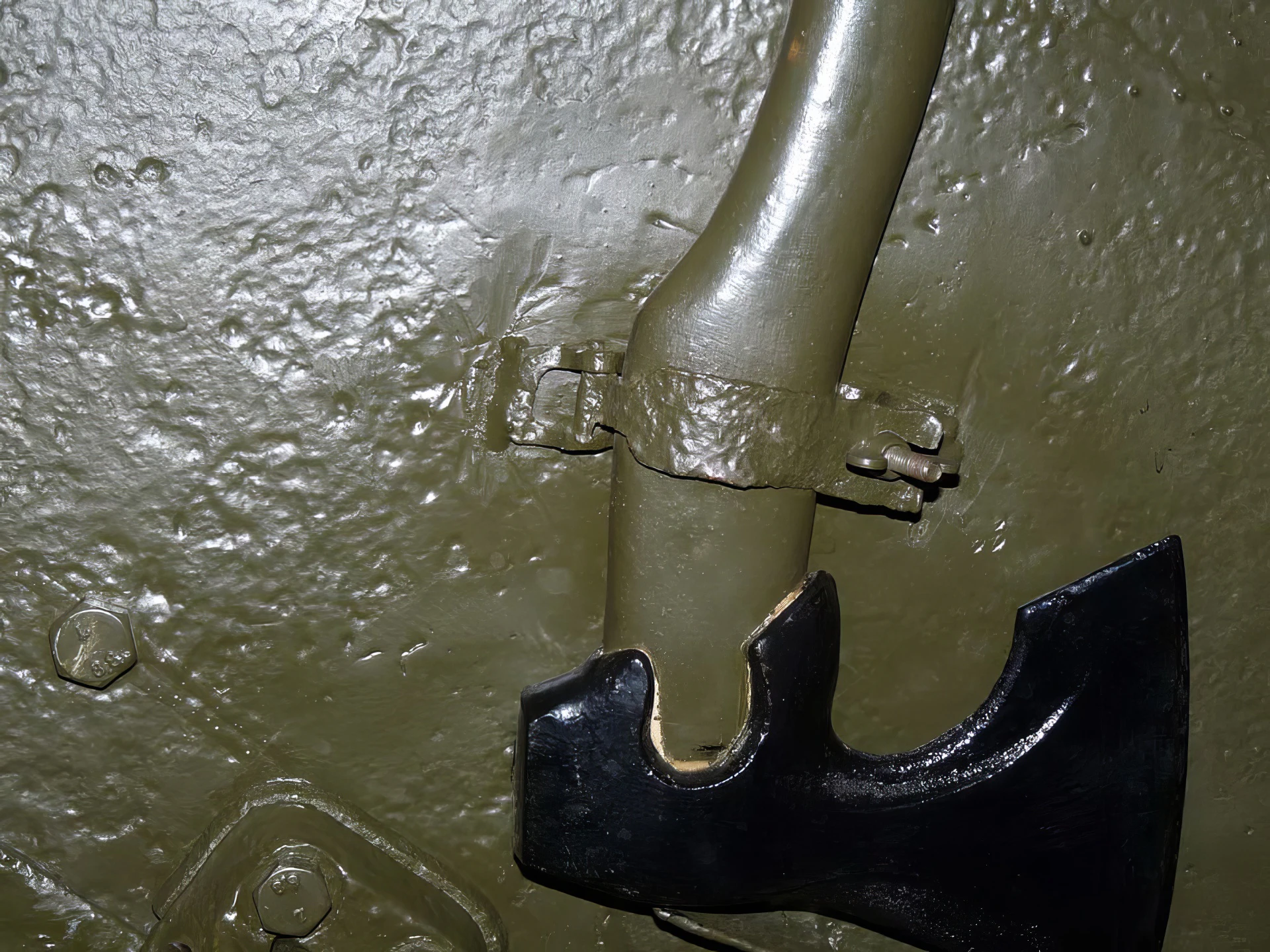
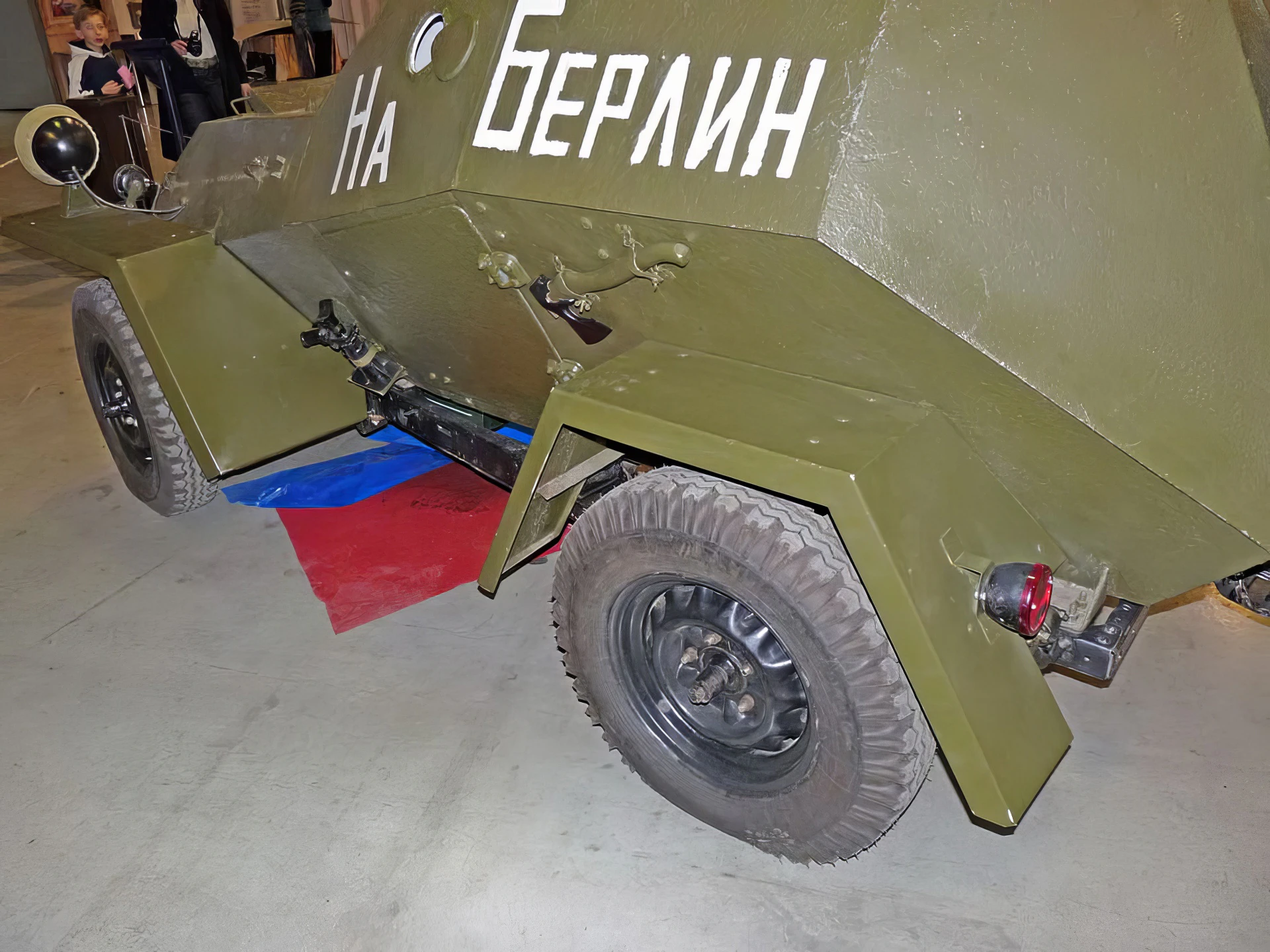
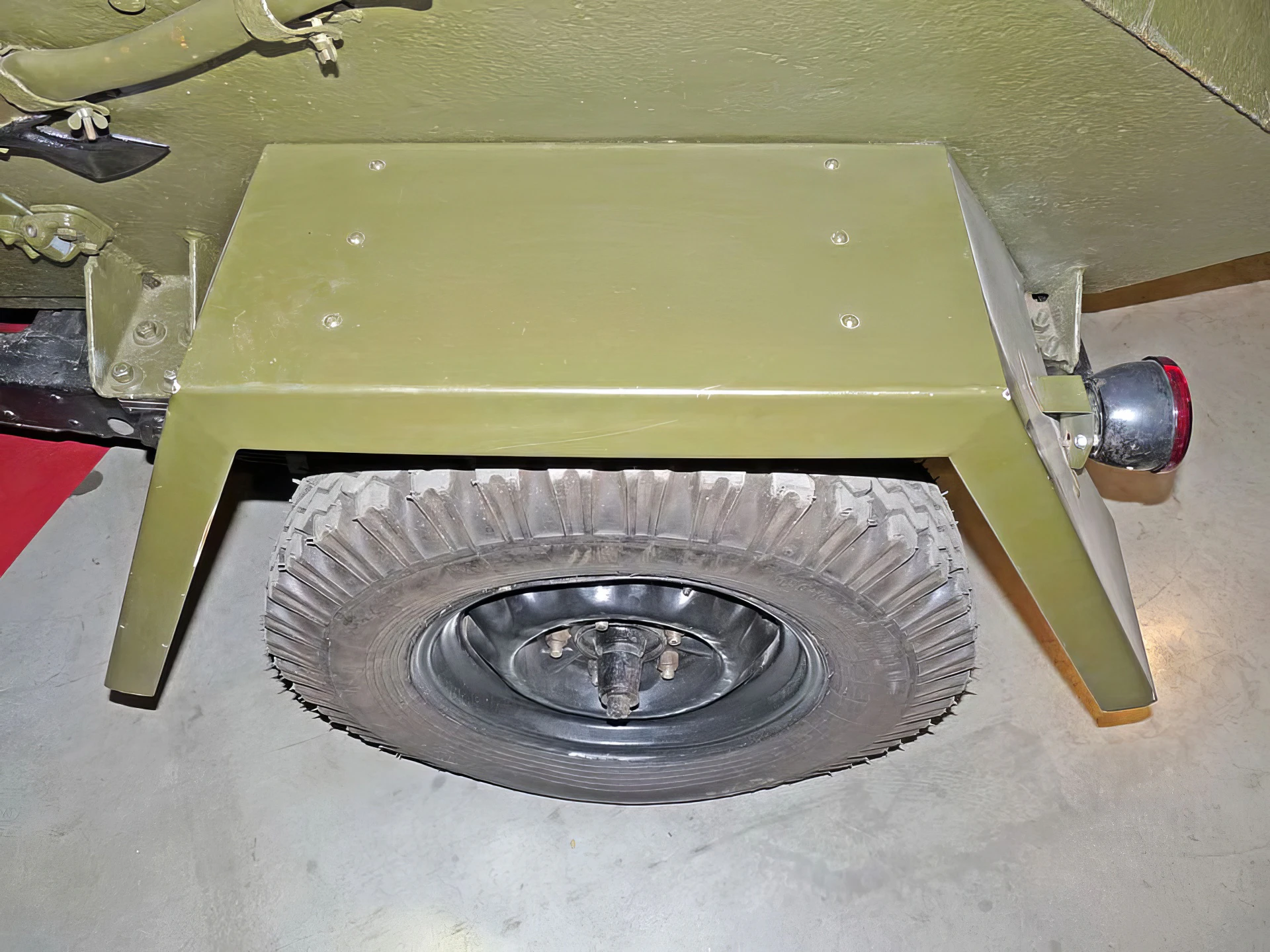
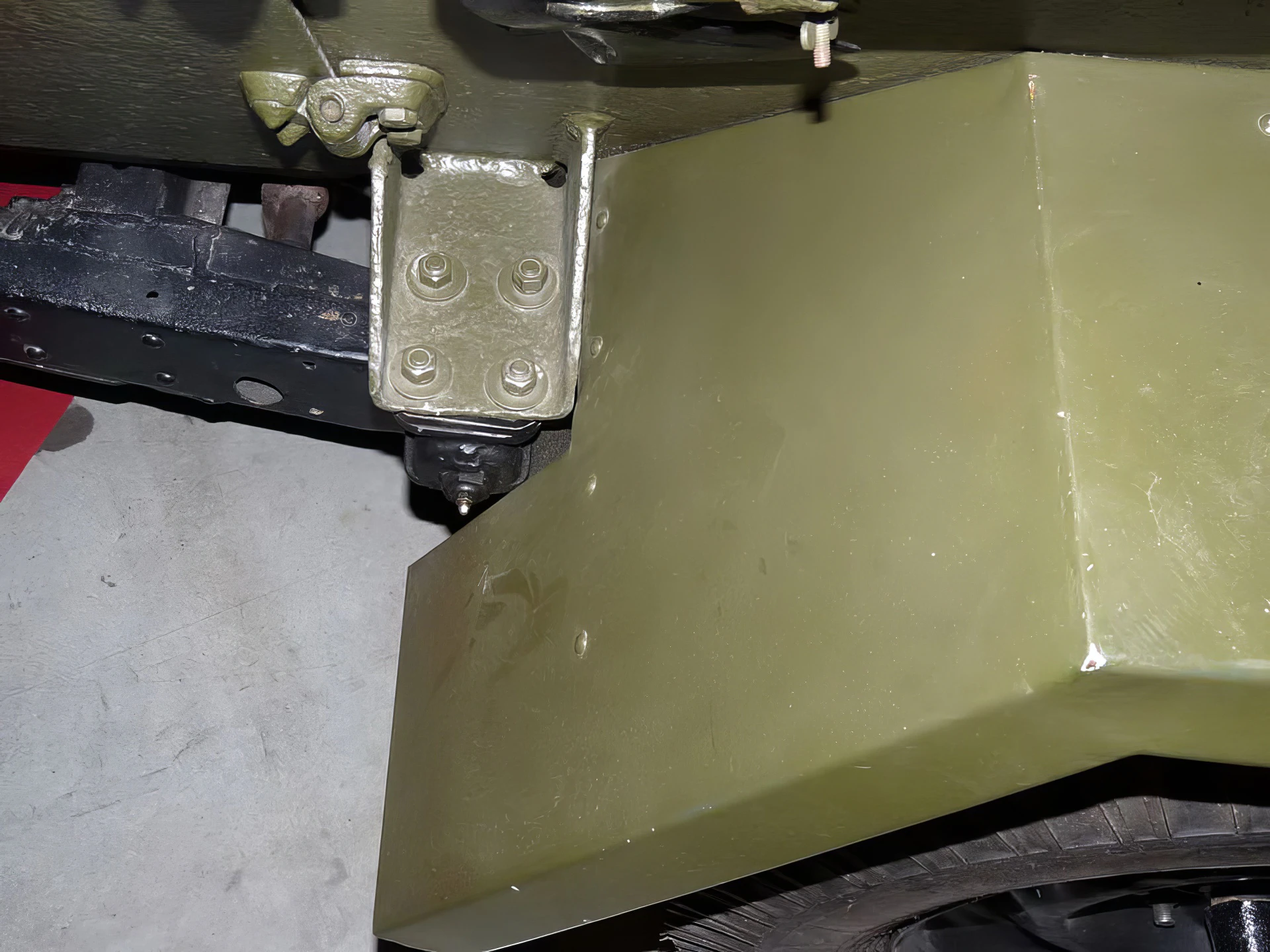
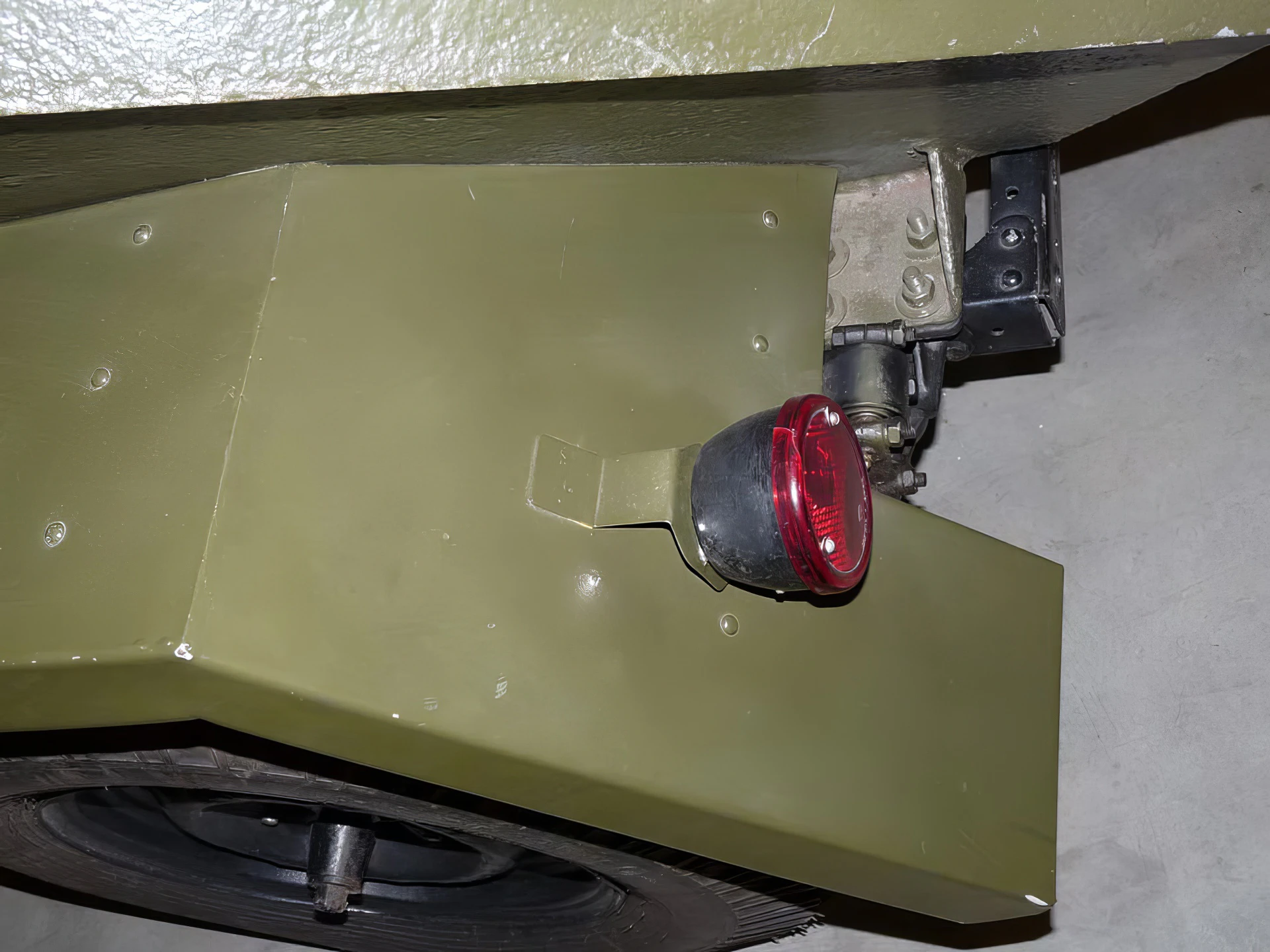

| Ba-64 Walk Around | |
|---|---|
| Fotograf | Władimir Yakubov |
| Lokalizacja | Muzeum Wojskowe Południowej Nowej Anglii |
| Zdjęcia | 67 |
Zobacz też:


Tthe OKRĘG WYBORCZY BA-64 (from Russian: Bronirovaniy Avtomobil, literally “armoured car”) was a Soviet four-wheeled armoured scout car developed in 1941 to replace the obsolete BA-20. It was the first Soviet four-wheel-drive armoured car and became the most common Soviet wheeled fighting vehicle in WWII.
Design and Role
- Chassis Base: Built on the chassis of the GAZ-64 or later GAZ-67 jeep, granting it excellent off-road mobility and high reliability.
- Hull Design: It featured a multi-faceted, sloped hull loosely modeled after the German Sd. Kfz. 221, which provided superior protection against small arms fire and shell fragments compared to older Soviet designs.
- Primary Role: Used for reconnaissance, liaison, transporting officers, and later successfully in urban combat due to its machine gun’s high elevation angle, useful for engaging targets on upper floors.
- Nickname: It was affectionately nicknamed “Bobik” by Soviet soldiers.
General Specifications (BA-64B Variant)
| Specyfikacja | Detail |
|---|---|
| W eksploatacji | 1942 – 1953 (USSR, longer in other nations) |
| Total Produced | Over 9,000 (of all variants) |
| Waga | ~2.4 tonnes |
| Załogi | 2 (Driver, Commander/Gunner) |
| Armor (Max Front) | Up to 15 mm (sloped) |
| Uzbrojenie główne | 1 x 7.62 mm DT machine gun |
| Engine Power | 50–54 hp (GAZ 4-cylinder petrol) |
| Max Speed (Road) | 80 km/h (50 mph) |
Key Variants
| Wariant | Chassis Base | Key Feature / Change |
|---|---|---|
| OKRĘG WYBORCZY BA-64 | GAZ-64 | Original production model. Narrow track, prone to tipping over. |
| BA-64B (Wieża BA-64B) | GAZ-67B | Improved, standard production model. Widened track for better stability. |
| BA-64E | BA-64B (Wieża BA-64B) | Armored Personnel Carrier (APC) variant, turretless, carrying up to 6 passengers with a rear door. (Prototypes) |
| BA-64D | BA-64B (Wieża BA-64B) | Fire support prototype armed with a heavier 12.7 mm DShK heavy machine gun. |
Views : 9810