BA-20 | |
| Kraju | Radzieckiego |
| Typu | Samochód pancerny |
| W eksploatacji | 1936-1945 |
| Zbudowany | 2066 |
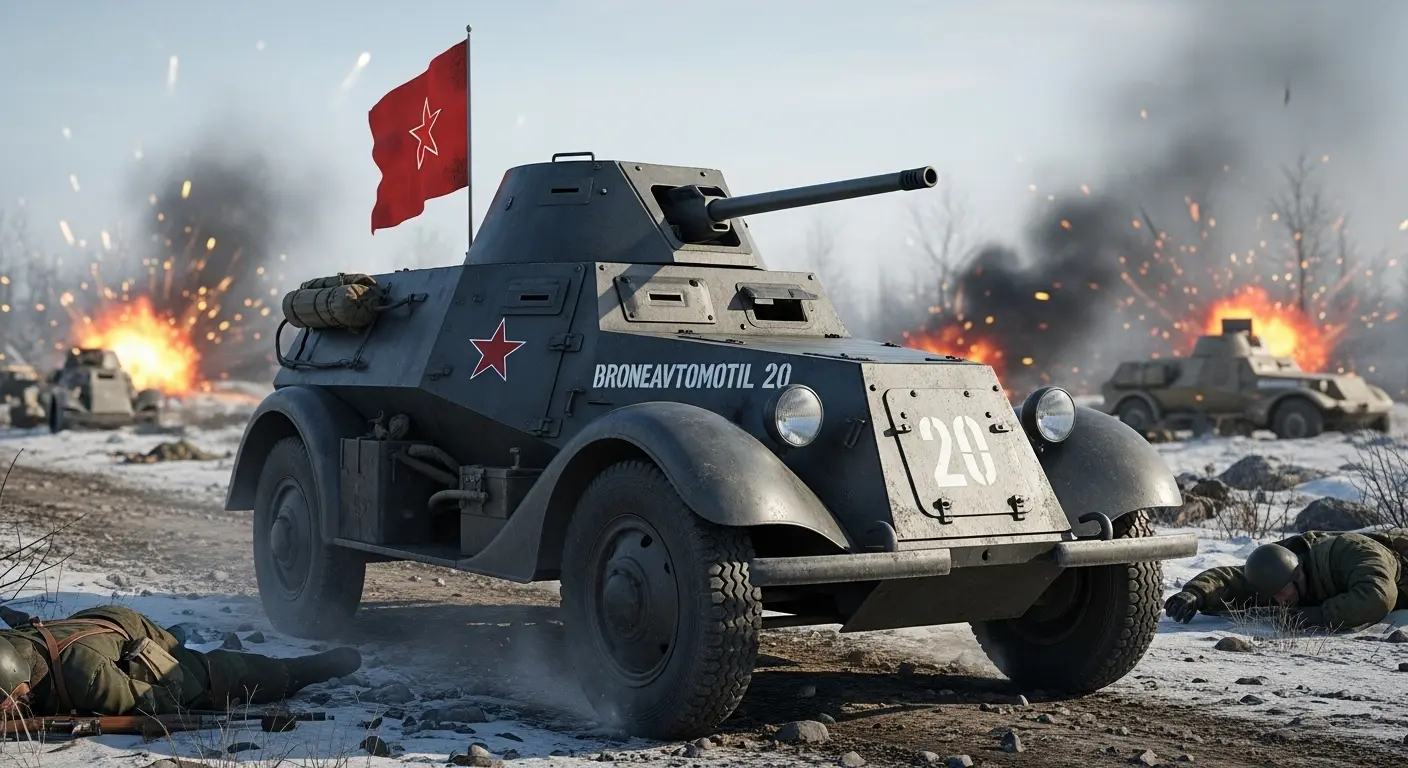
Tthe BA-20 Broneawtomobil 20 (ros. Мировикович 20) – samochód pancerny opracowany w Związku Radzieckim w 1934 roku. Miał zastąpić FAI, a jego próby terenowe zakończono w 1935 roku. BA-20 był następnie używany we wczesnych etapach II wojny światowej.
Źródła: BA-20 na Wikipedii
| Broneavtomobil BA-20M Walk Around | |
|---|---|
| Fotograf | Niewiedzy |
| Lokalizacja | Niewiedzy |
| Zdjęcia | 43 |
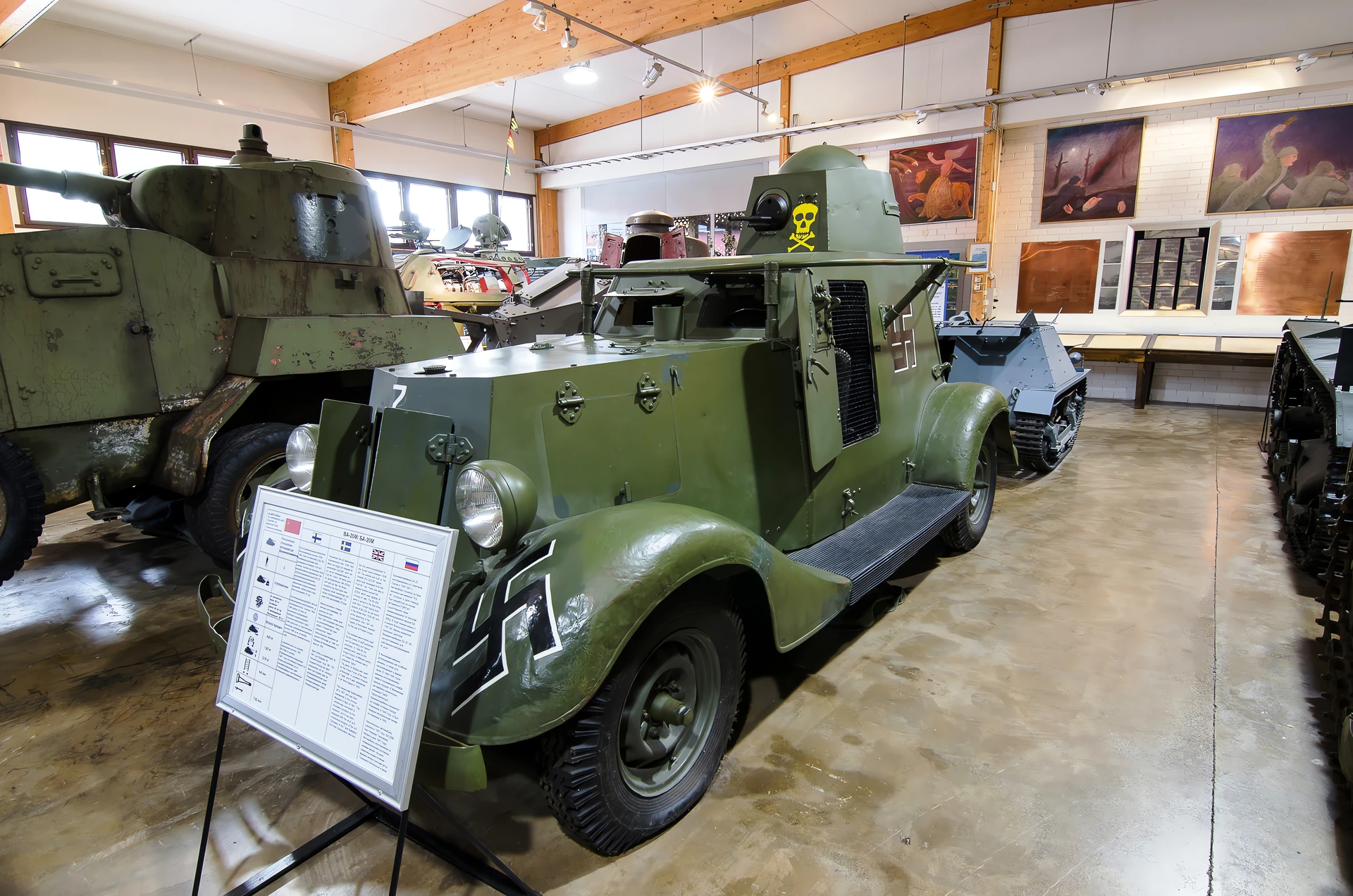
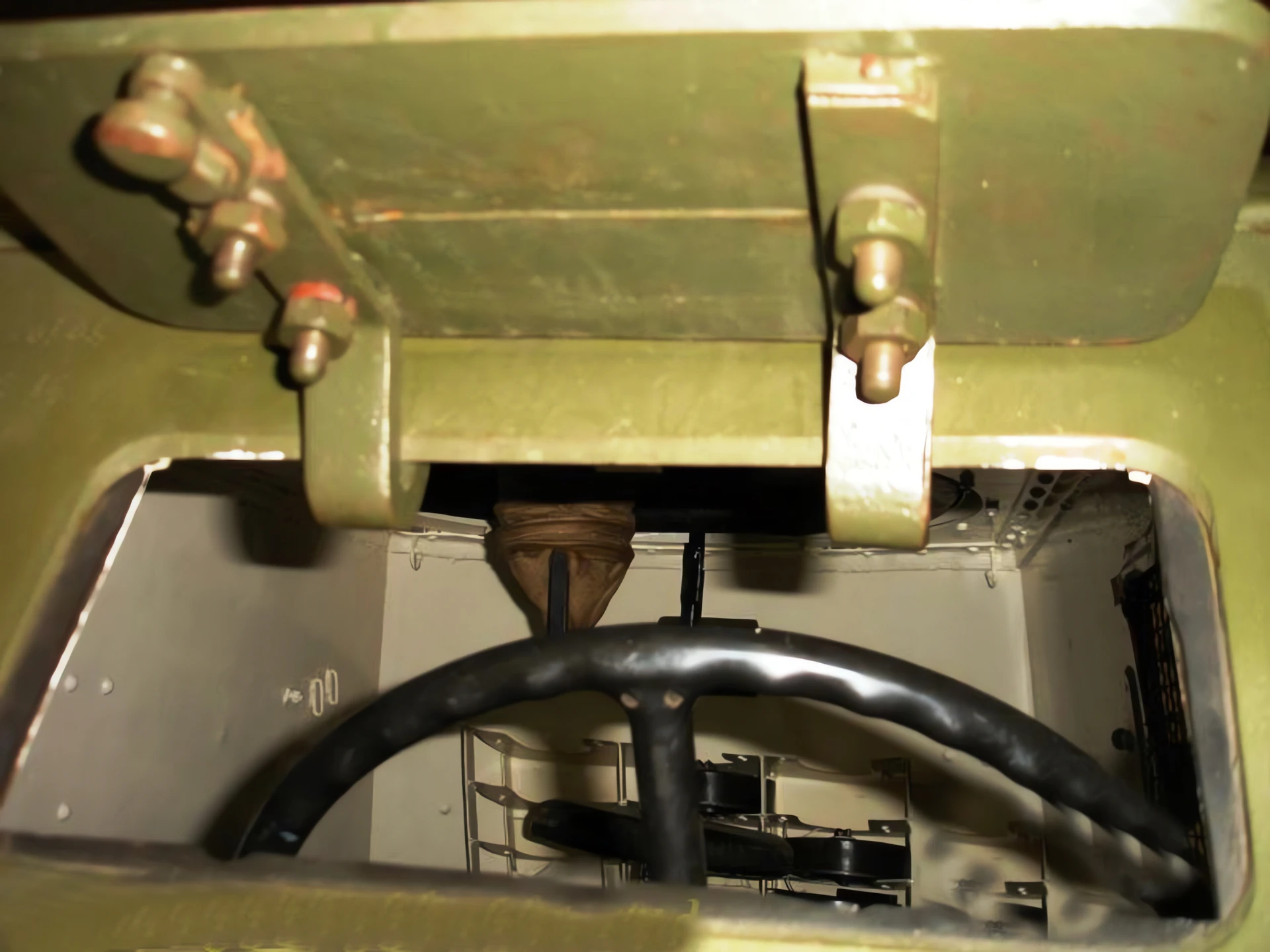
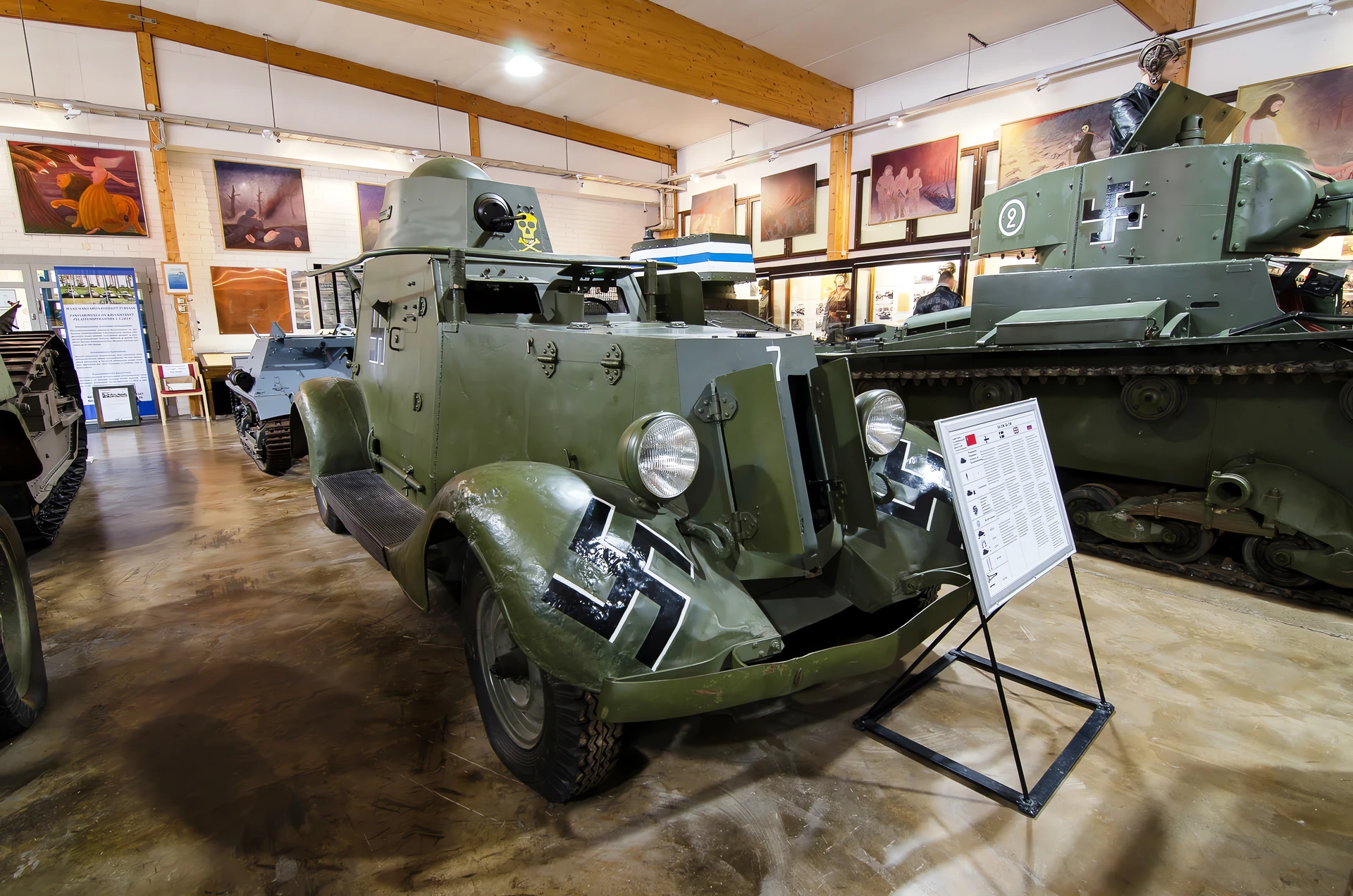
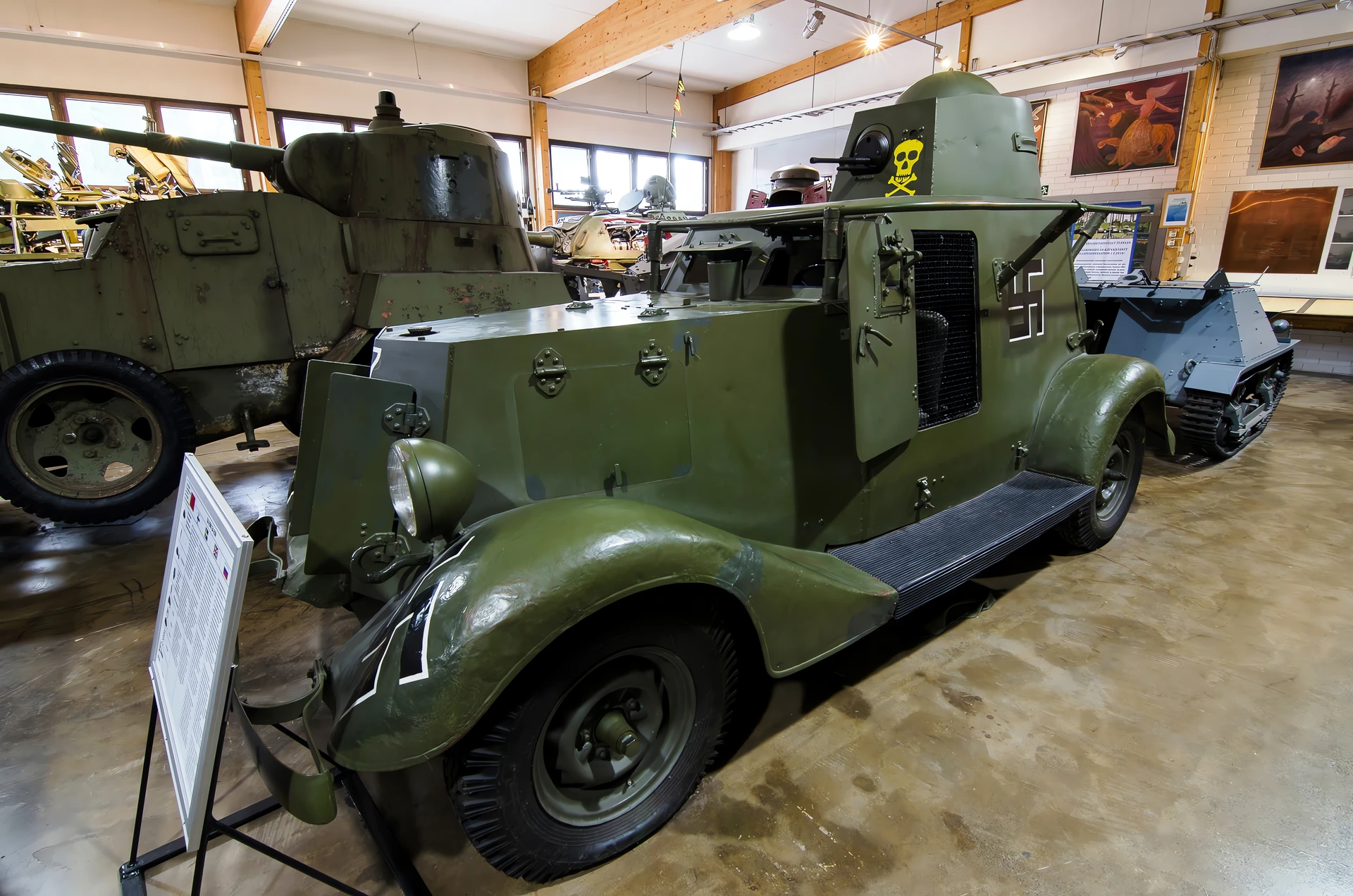
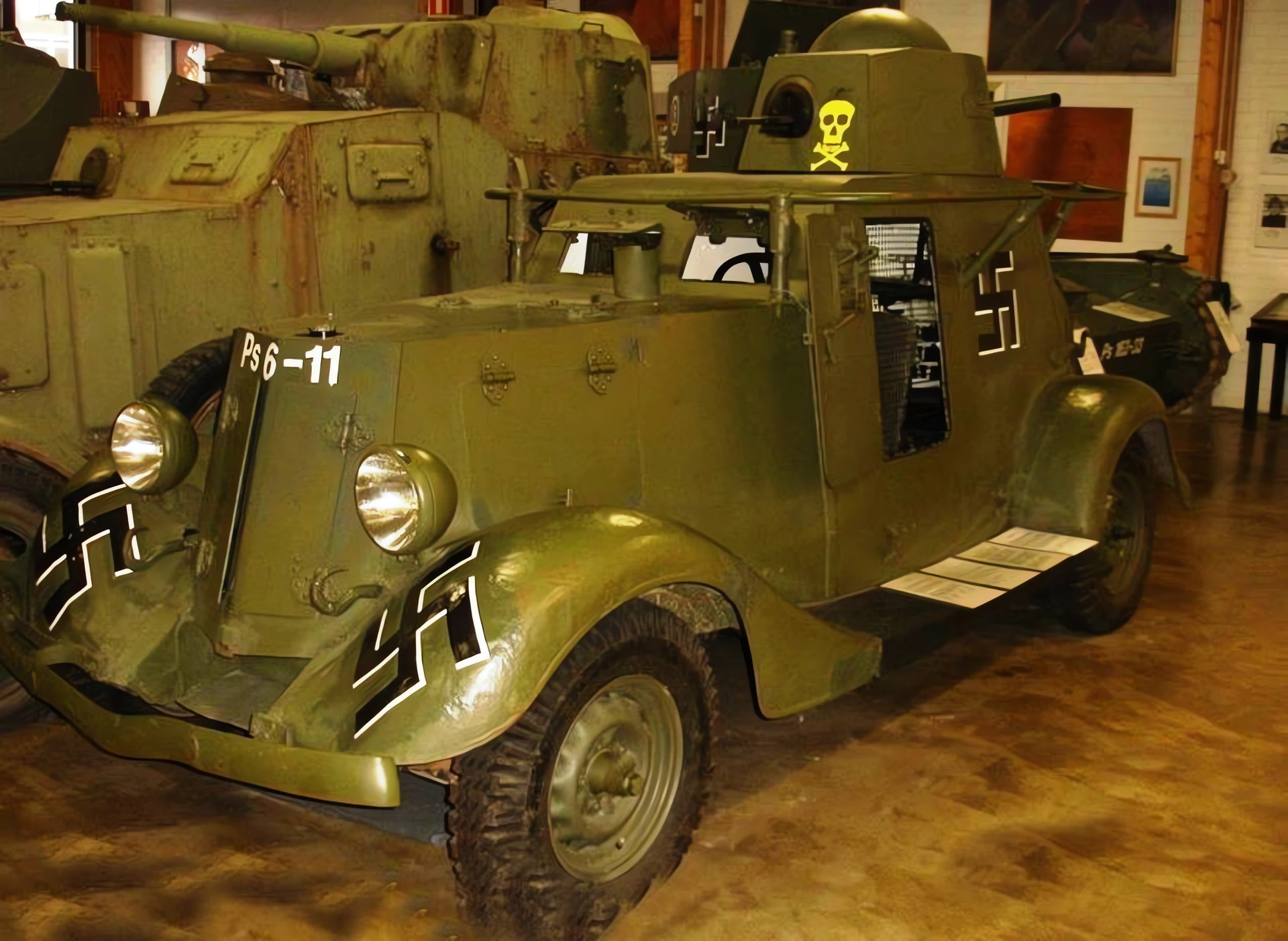
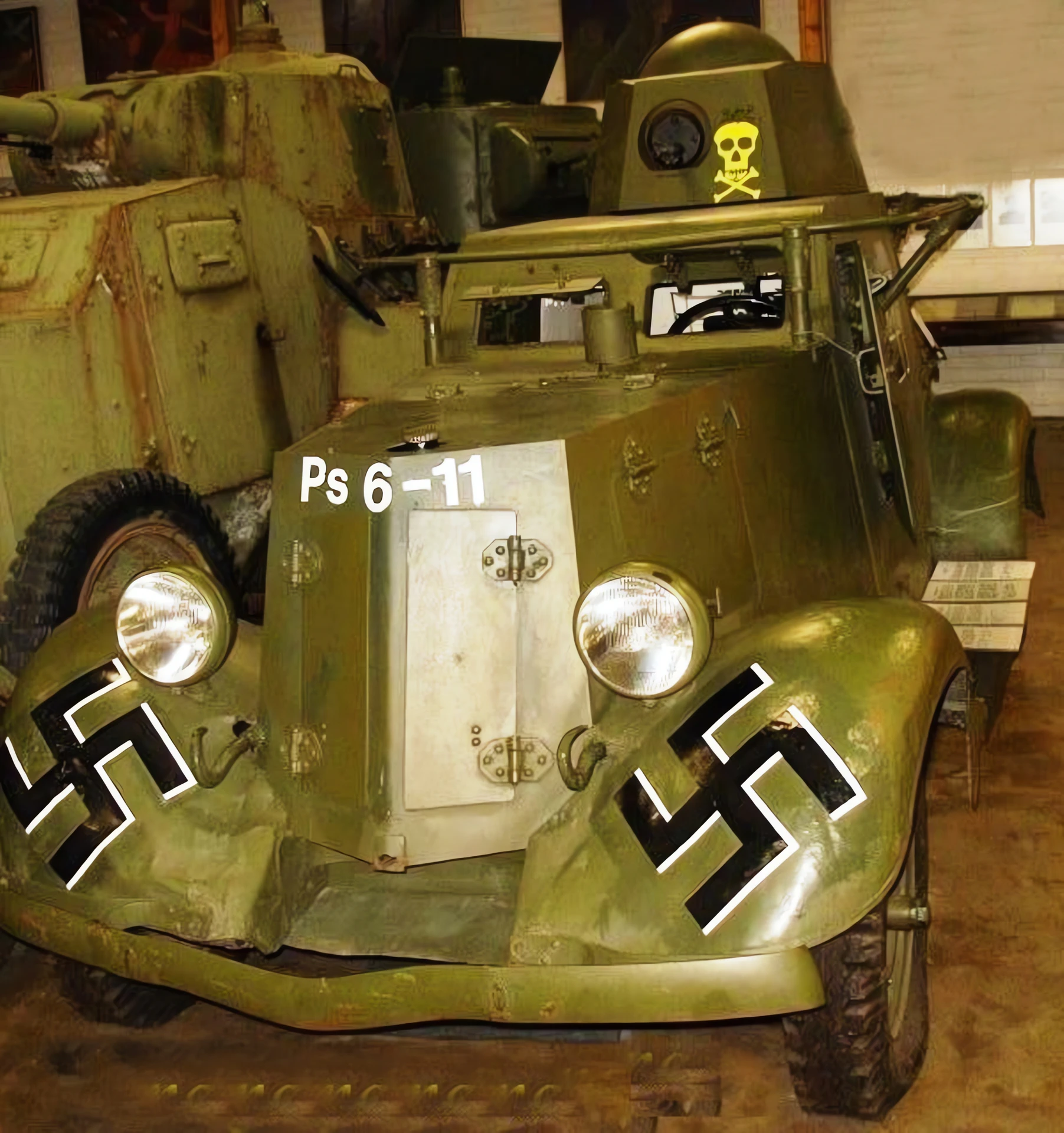
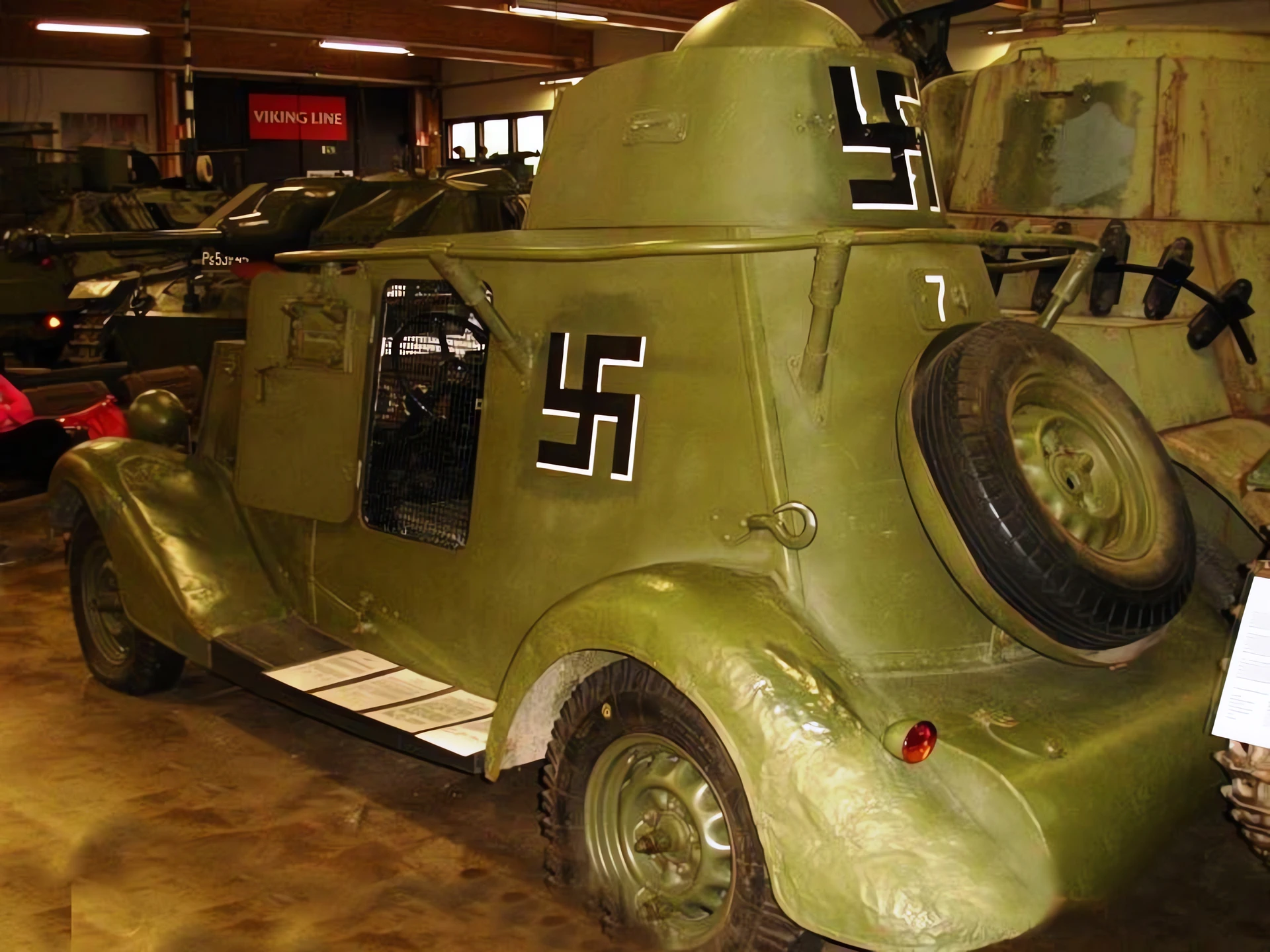


The Lightweight Workhorse
Tthe BA-20M was the modernized version of the BA-20 light armored car, which was developed to replace the earlier FAI. Built on the civilian GAZ-M1 chassis (a Soviet design influenced by Ford), the BA-20M featured a reinforced suspension and thickened armor to survive the rigors of frontline reconnaissance. While its larger cousin, the BA-10, carried a heavy 45mm gun, the BA-20M was designed for speed and communication, acting as the “eyes and ears” of Soviet motorized brigades across the vast Eurasian steppes.
| Attribute | Technical Specification (BA-20M) |
|---|---|
| Roli | Light Reconnaissance / Liaison |
| Załogi | 2 to 3 (Driver, Commander/Gunner, optional Radio Operator) |
| First Produced | 1938 (Modernized Variant) |
| Uzbrojenie główne | 1 × 7.62 mm DT machine gun (Turret) |
| Armor Thickness | Up to 9 mm – 10 mm (Frontal) |
| Podwozie | Reinforced GAZ-M1 4×2 |
| Zespół napędowy | GAZ-M1 4-cylinder petrol (50 hp) |
| Max Road Speed | Approx. 70–80 km/h (43–50 mph) |
| Zasięg operacyjny | 350–450 km (Roads) |
Modernization and Variants
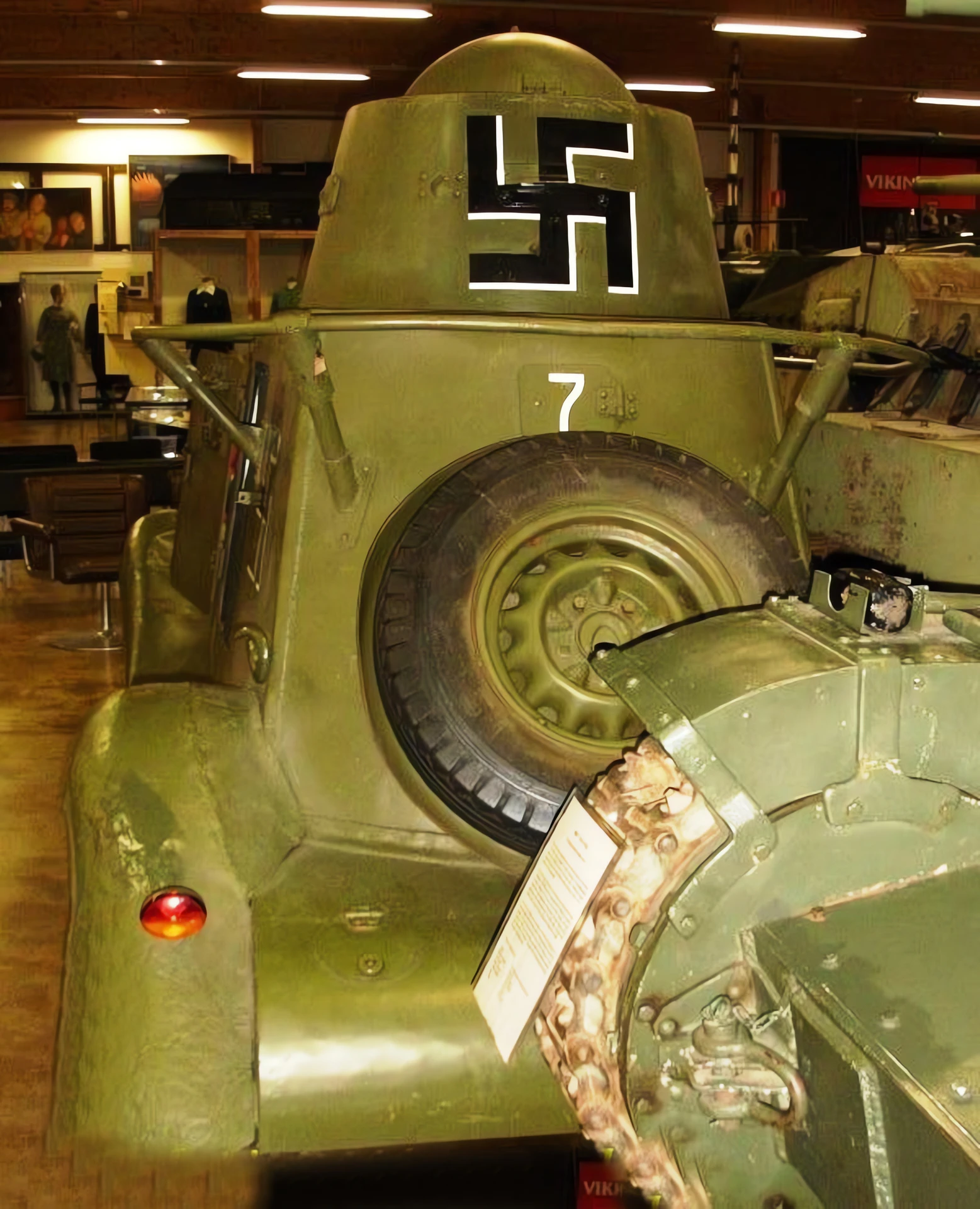
- The Conical Turret: Unlike the earlier BA-20 which often used a cylindrical turret, the BA-20M standard featured a wider, conical turret. This shape increased the internal space for the gunner and provided superior ballistic deflection against small-arms fire.
- Sponge-Filled Tires: To prevent the vehicle from being immobilized by punctures, the tires were filled with “GK” spongy rubber. This allowed the car to continue driving even after taking multiple hits from bullets or shrapnel.
- Command Variant (Whip Antenna): Command versions of the BA-20M were equipped with the 71-TK-1 radio station. While older command cars used a bulky “clothes-rail” antenna wrapping around the body, the BA-20M introduced a more practical whip antenna on the hull.
- BA-20ZhD (Rail Variant): A specialized version was created with interchangeable wheels, allowing the vehicle to scout along railway tracks. It could reach speeds of up to 80 km/h on rails.
Combat History: From Mongolia to Berlin
- Khalkhin Gol: The BA-20M’s reliability shone during the 1939 border conflict with Japan. Its high speed on the open Mongolian plains allowed it to outmaneuver Japanese patrols.
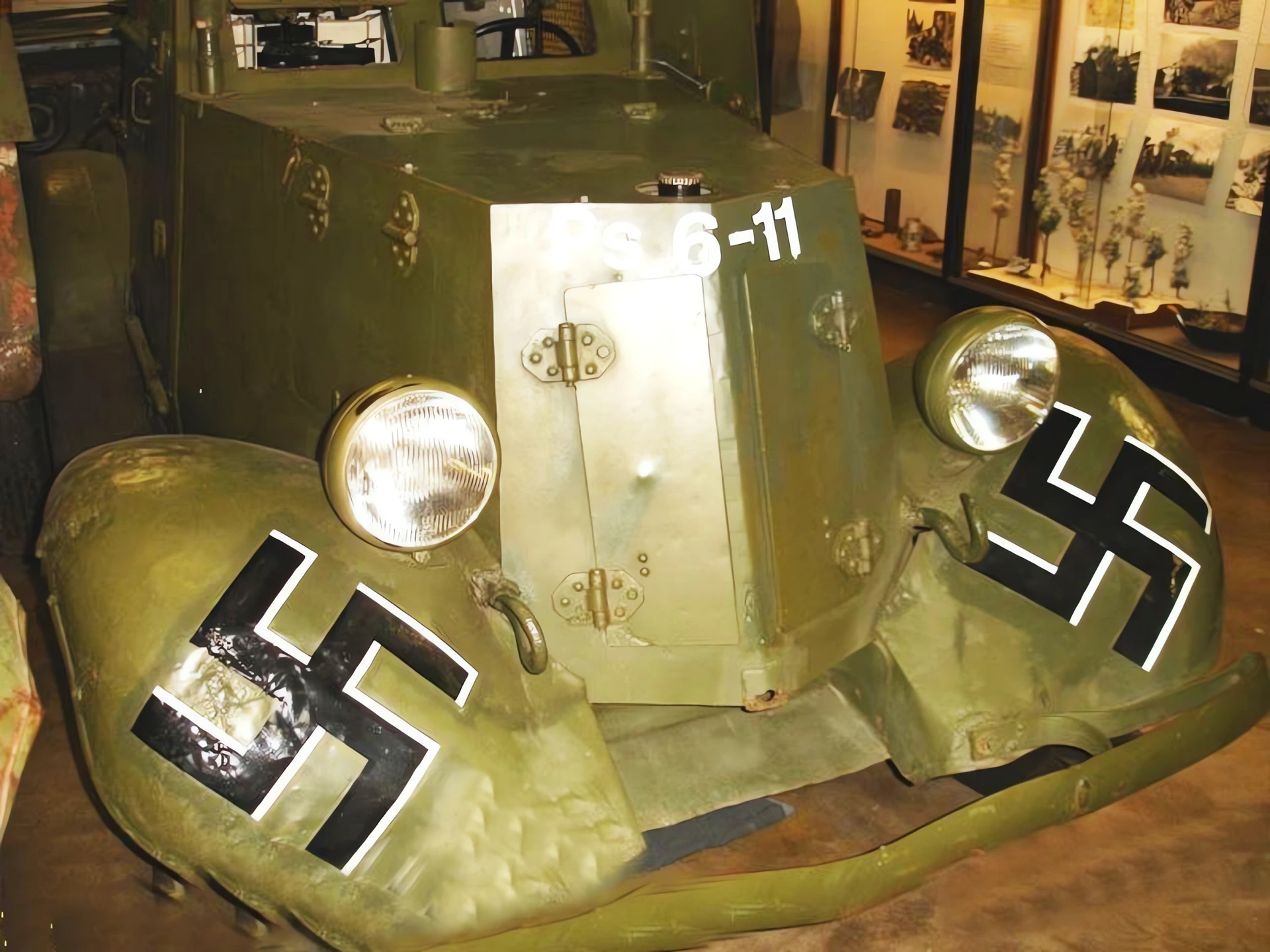
- Winter War: Finnish forces captured several BA-20Ms, designating them “BAB B.” They were highly valued by the Finns for their mechanical simplicity and were used for liaison duties well into the 1940s.
- Barbarossa and Beyond: During the 1941 invasion, the BA-20M’s armor proved inadequate against German 37mm anti-tank guns. However, it remained in production until late 1941, eventually being replaced by the 4×4 OKRĘG WYBORCZY BA-64, which offered better off-road performance.
- Beutepanzer: Captured BA-20Ms were repurposed by the Wehrmacht as the Panzerspähwagen BA 202(r), primarily for anti-partisan operations and rear-area security.
Liczba wyświetleń : 956
Możesz również zobaczyć:
 BA-10 – Zdjęcia i filmy
 Panhard SPHINX – Zdjęcia & Video
 EBRC Jaguar – Zdjęcia i filmy
 Landsverk L180 – Zdjęcia & Video
 Sd.Kfz.247 – Zdjęcia & Video
 SPz kurz KrKW Hotchkiss – Zdjęcia & Video
 Spahpanzer 2 – Zdjęcia & Video
 Saladin Armored Car – Zdjęcia & Video
 BA-3 – Zdjęcia i wideo
 M8 Greyhound vol3 – Zdjęcia & Video