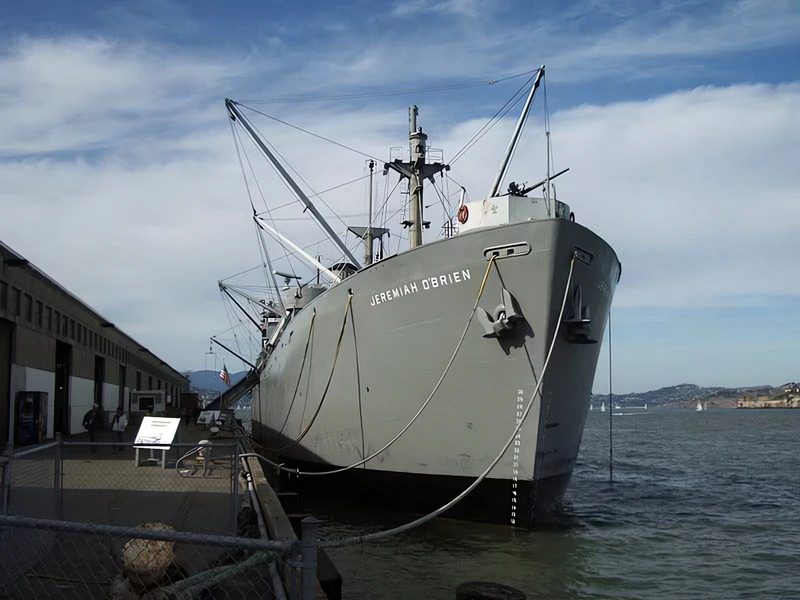
SS Jeremiah O’Brien | |
|---|---|
| Country | USA |
| Role | Liberty ship |
| Launched | 19 June 1943 |
| Out of service | 7 February 1946 |
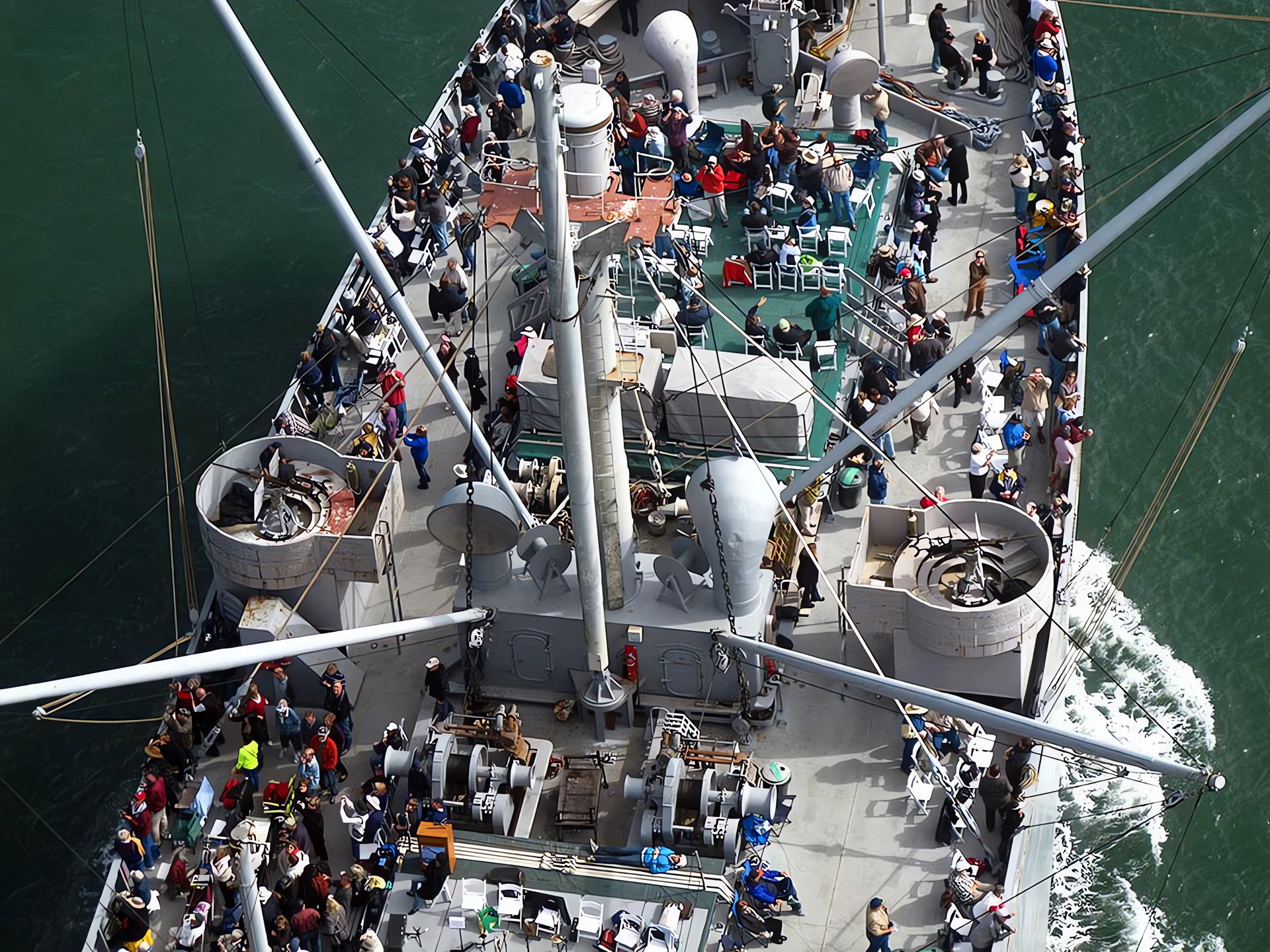
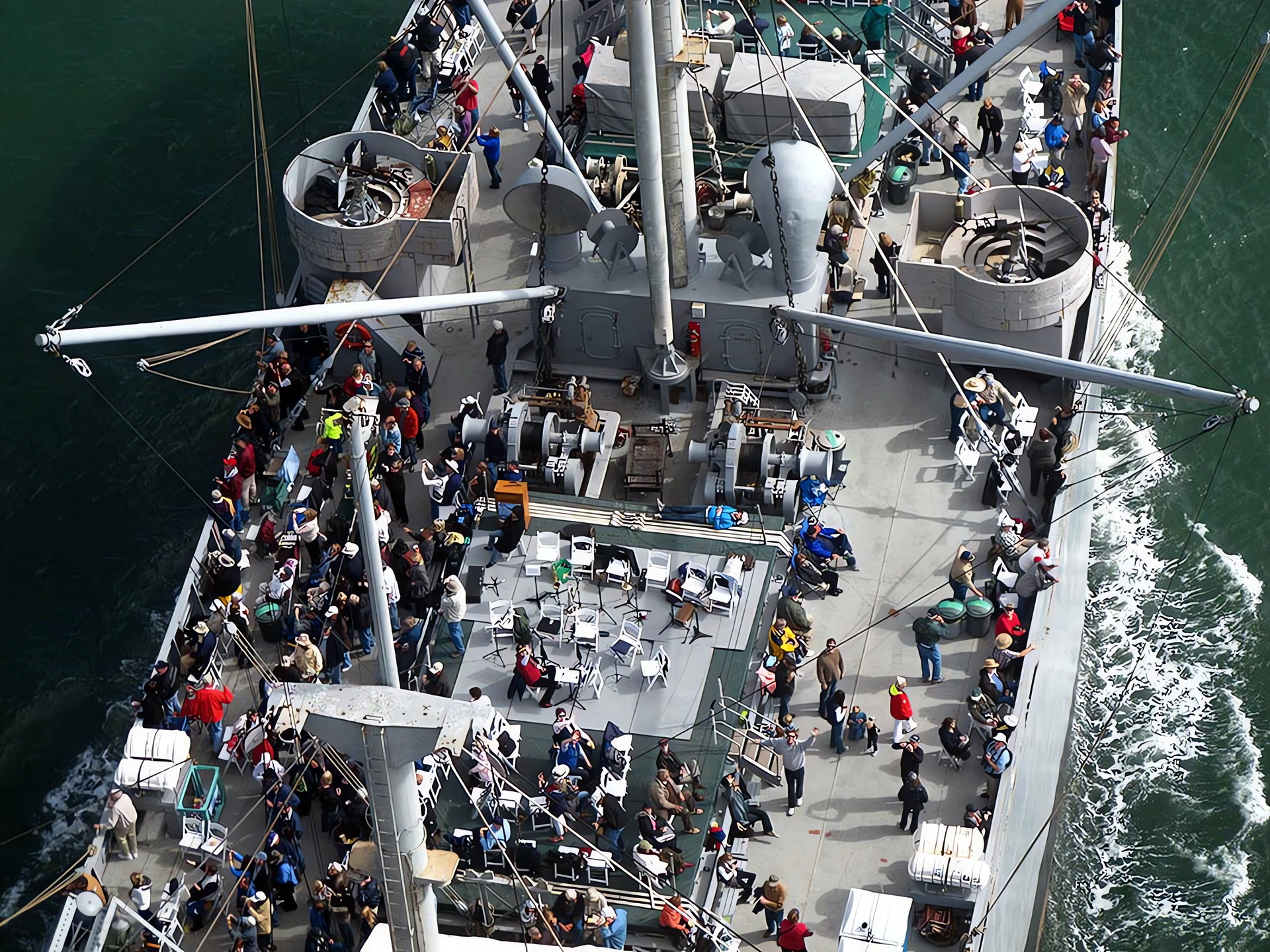
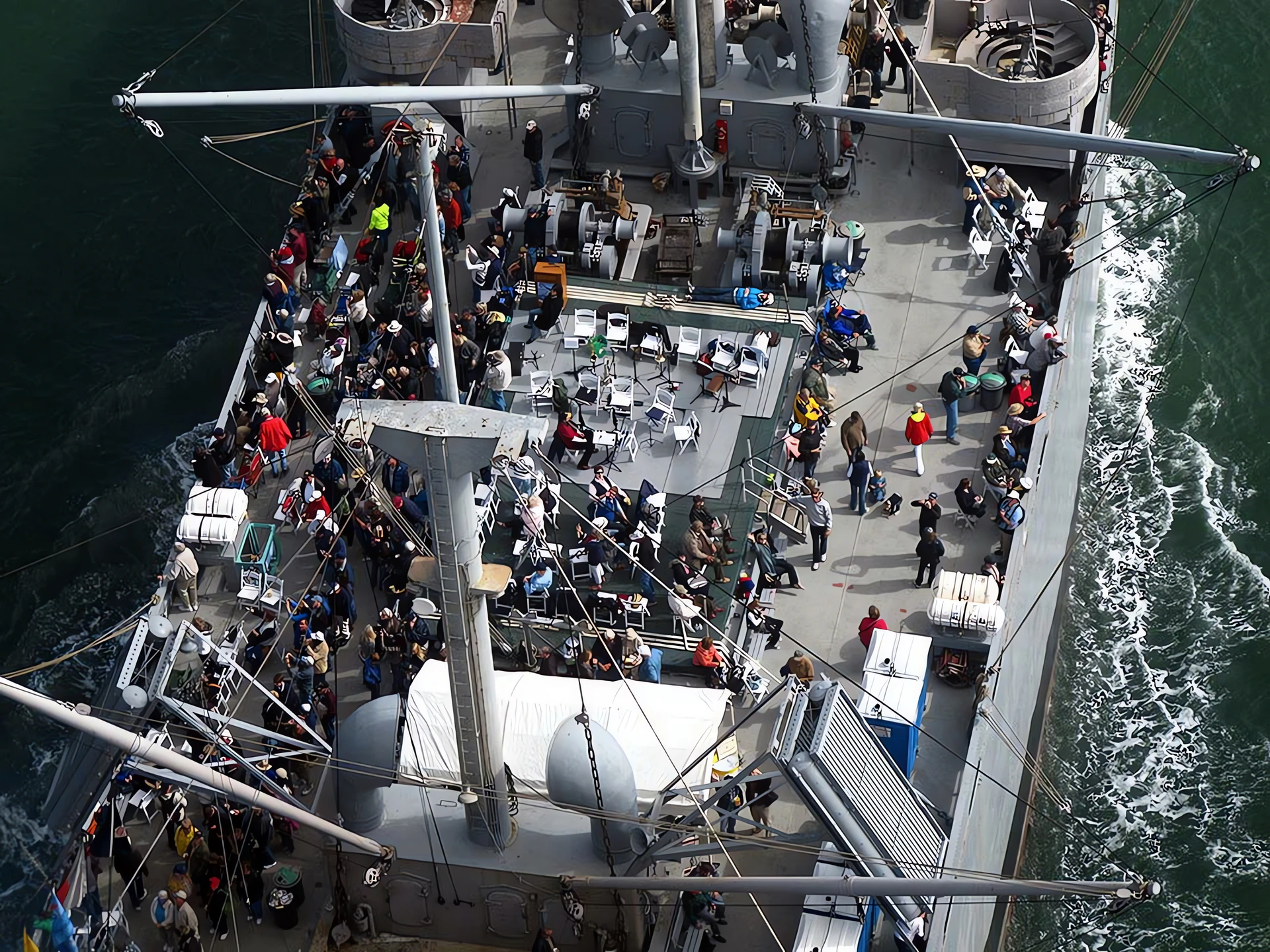
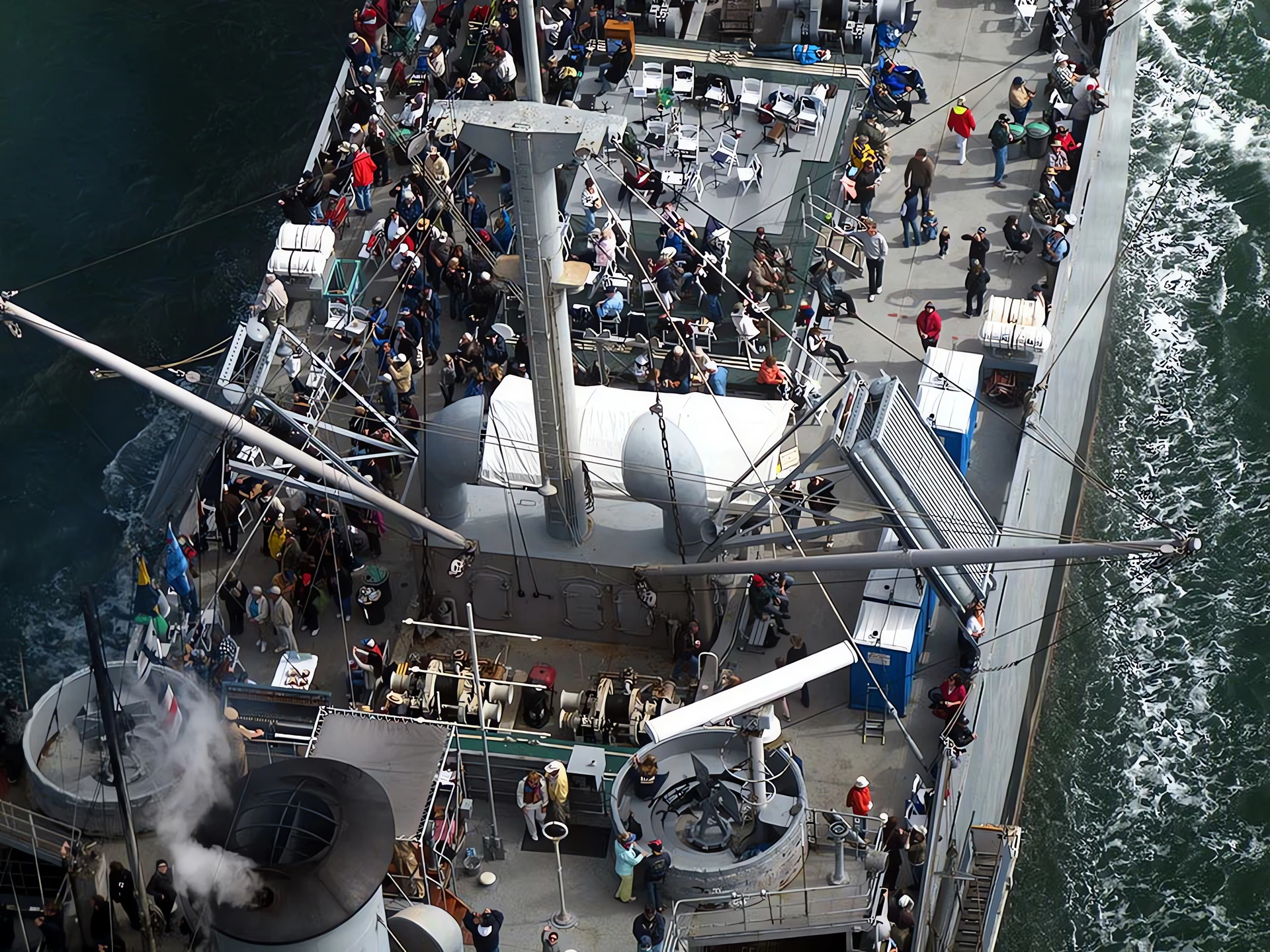
SS Jeremiah O’Brien is a Liberty ship built during World War II and named for American Revolutionary War ship captain Jeremiah O’Brien (1744–1818). Now based in San Francisco, she is a rare survivora of the 6,939-ship armada that stormed Normandy on D-Day, 1944. Jeremiah O’Brien, SS John W. Brown, and SS Hellas Liberty are the only currently operational Liberty ships of the 2,710 built
Source: SS Jeremiah O’Brien on Wikipedia
| USS Jeremiah O Brien Walk Around | |
|---|---|
| Photographer | Vladimir Yakubov |
| Localisation | San Francisco, |
| Photos | 312 |
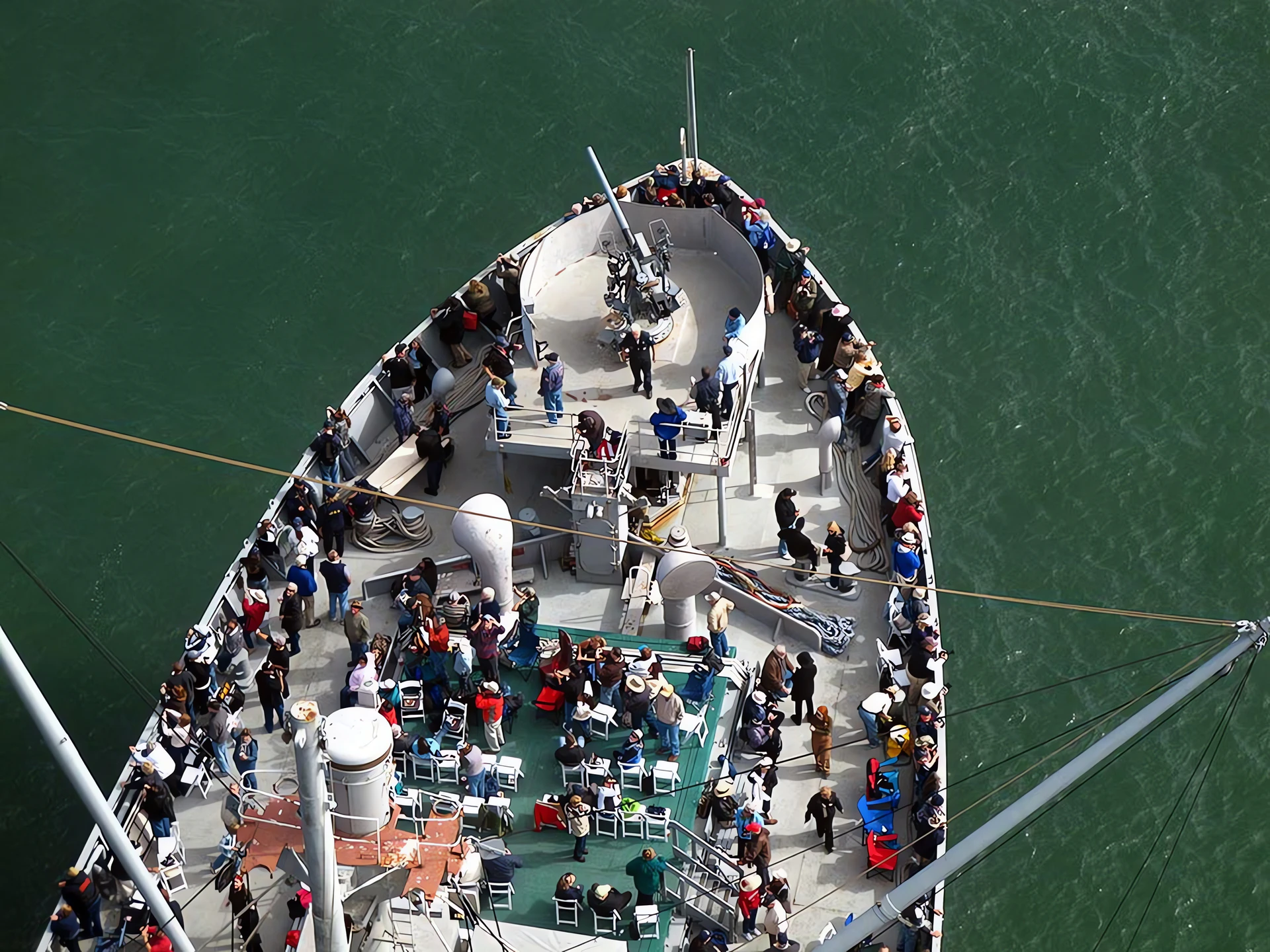
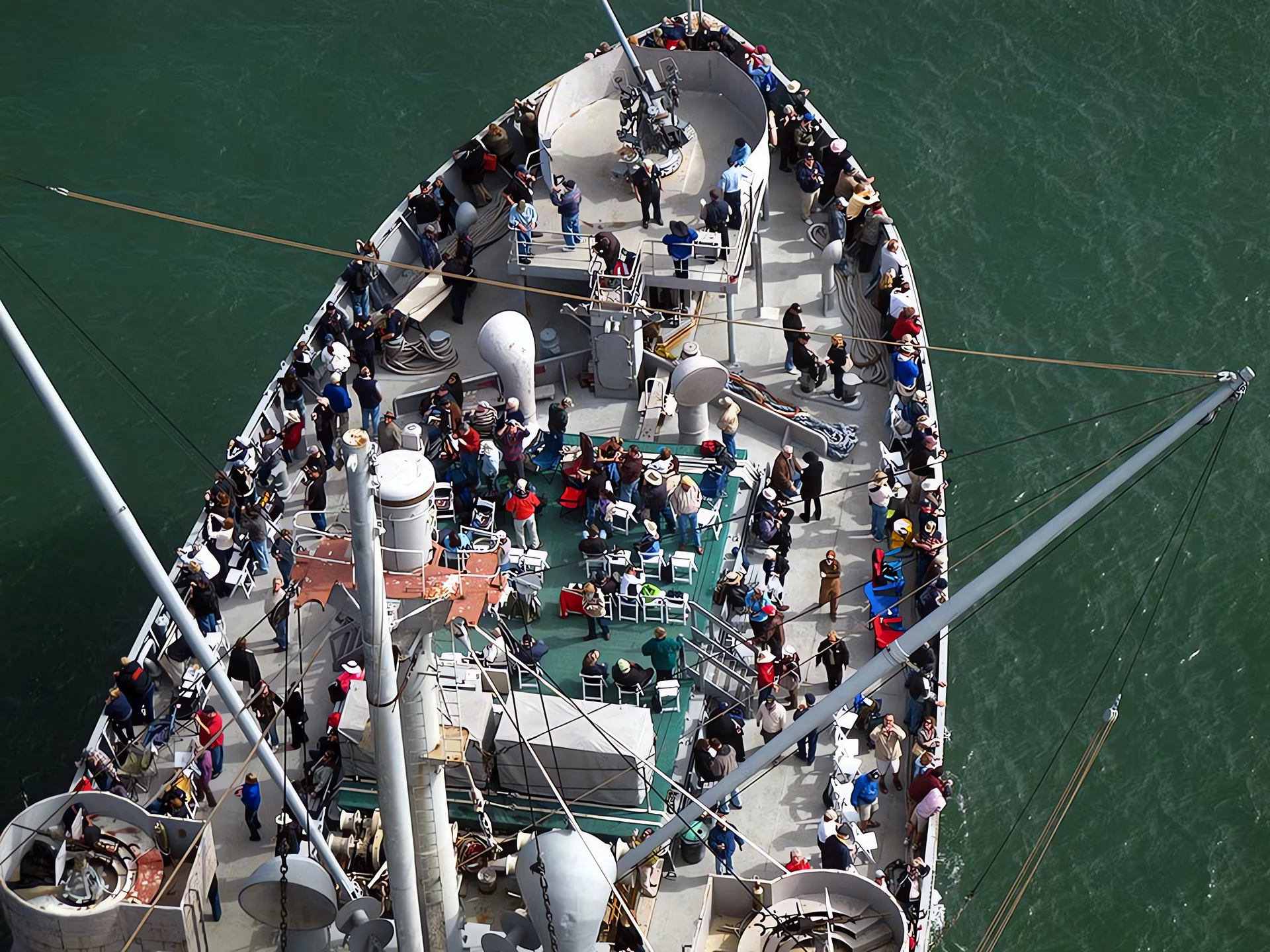
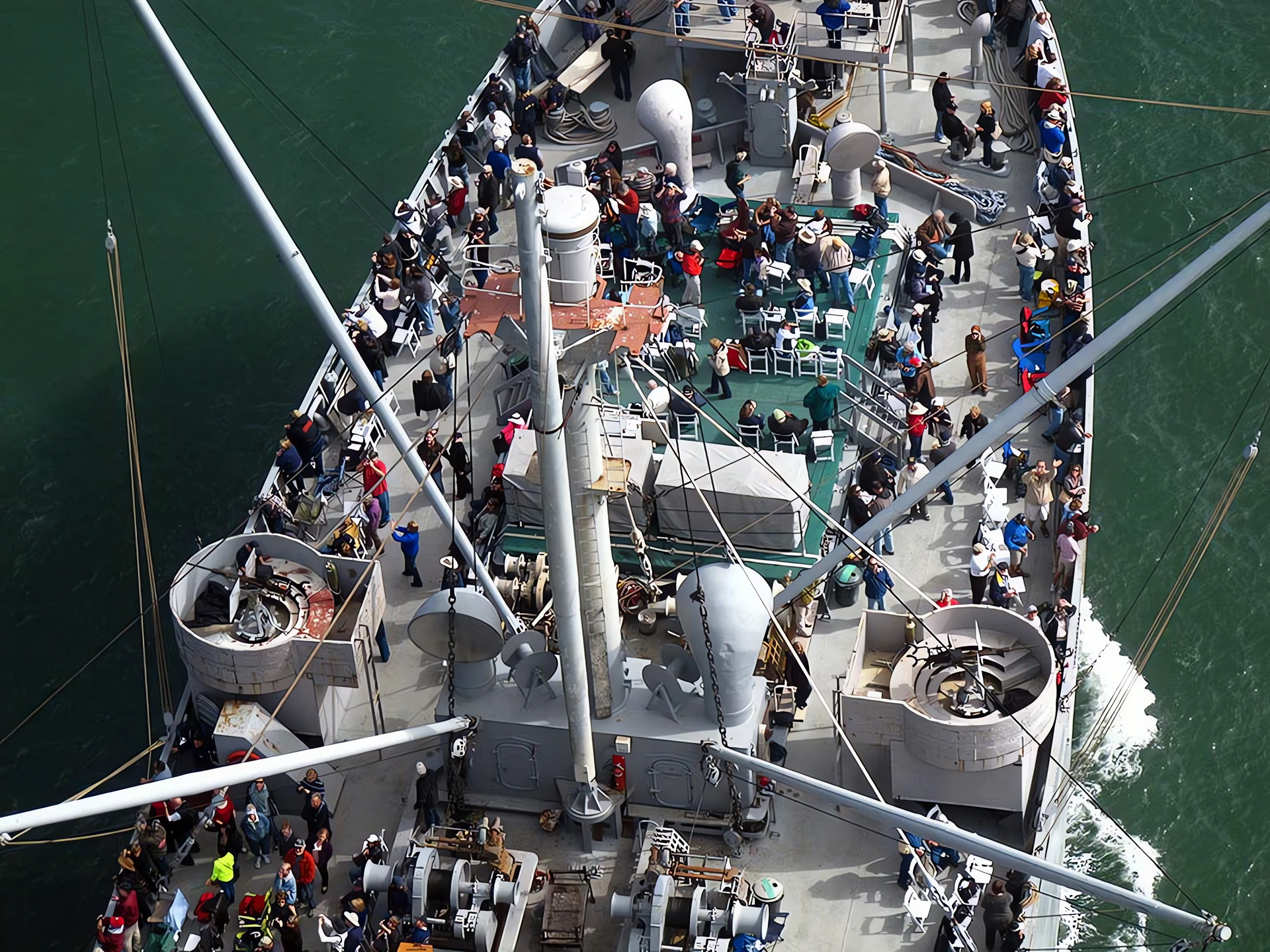
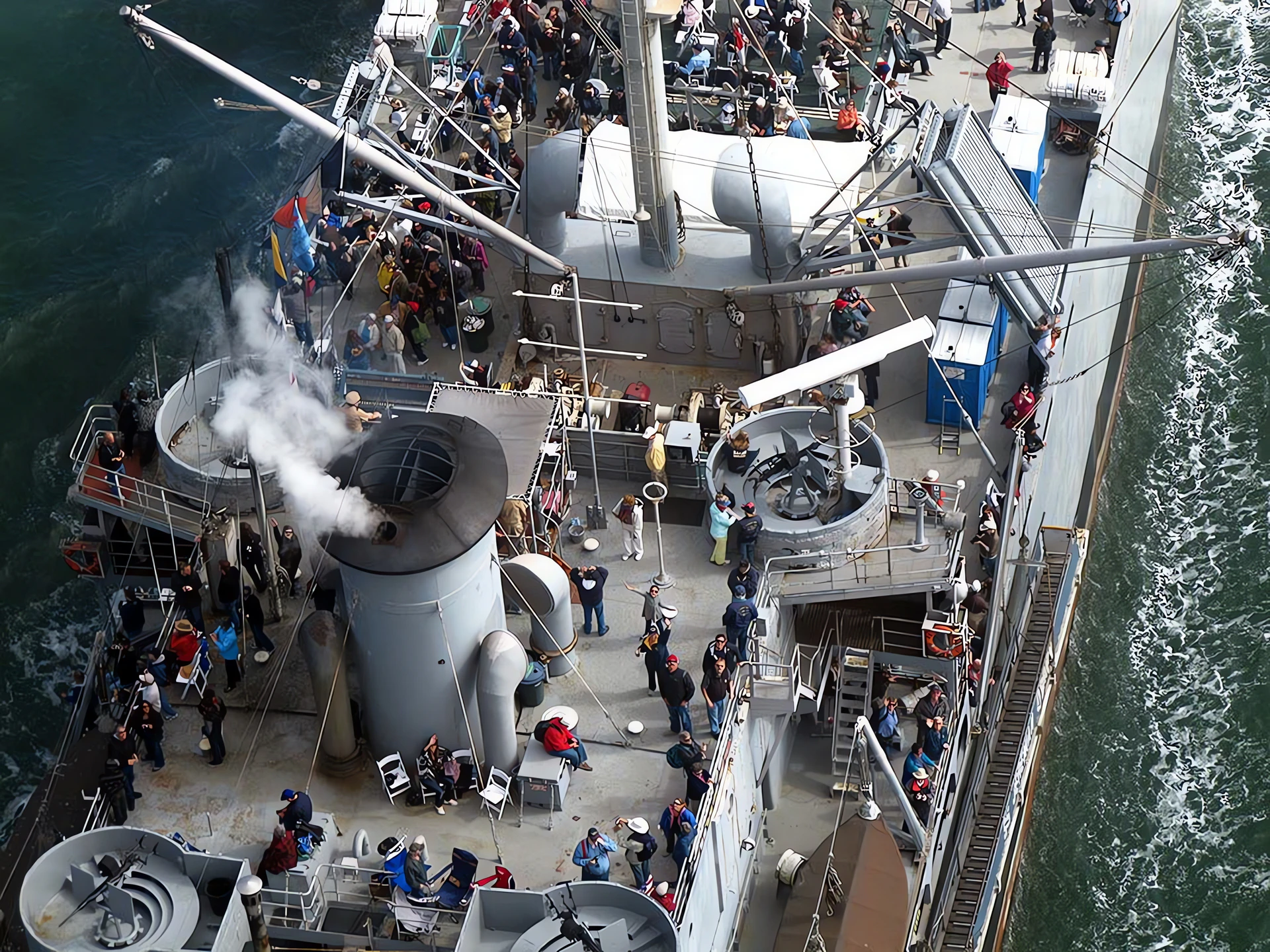
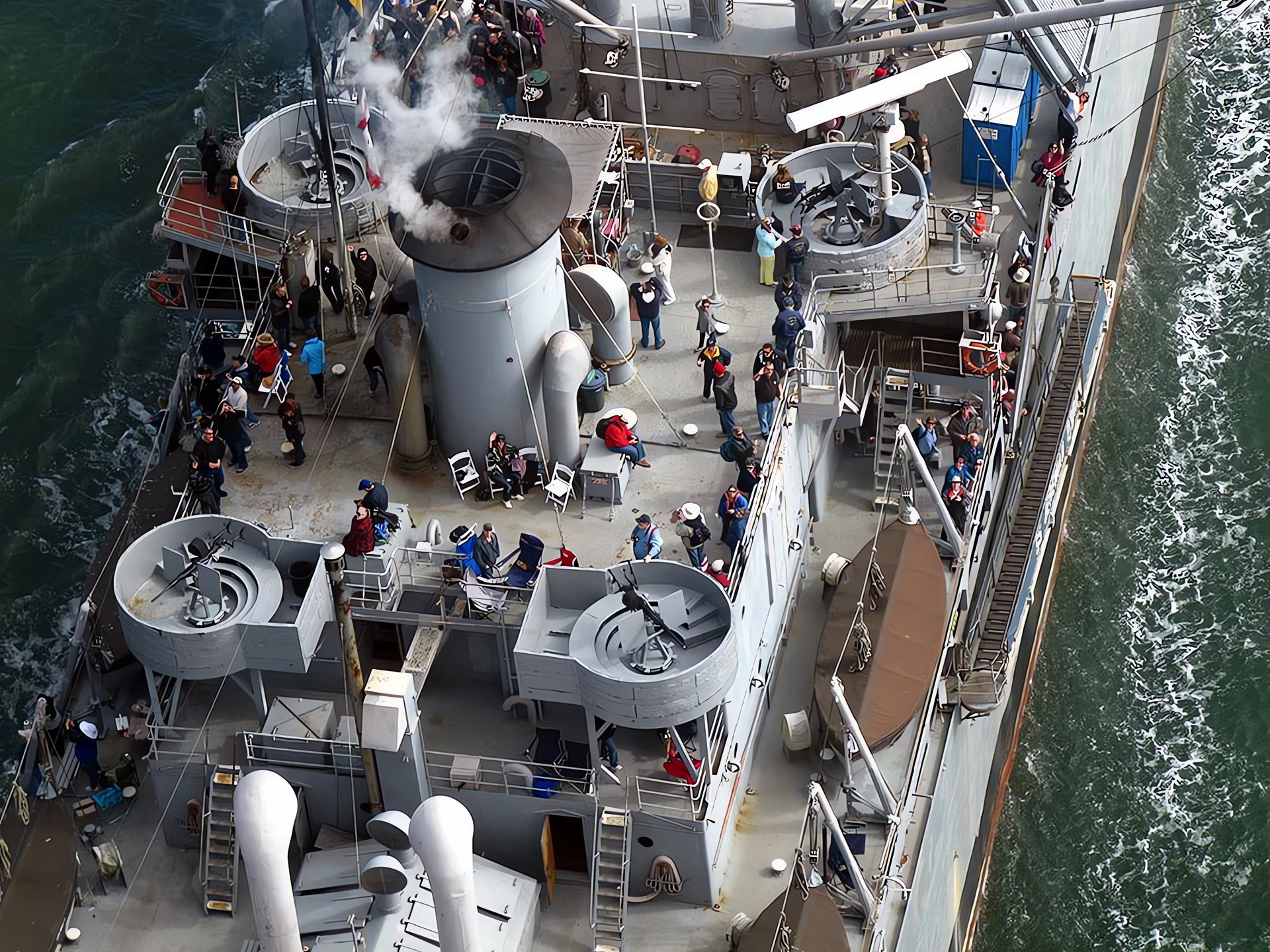

See also:


General Characteristics and Role
The USS Jeremiah O’Brien is a Liberty ship, officially designated EC2-S-C1, built during World War II. Liberty ships were designed as inexpensive, simple cargo vessels to replace the massive losses suffered by the Allied merchant fleets to German U-boats. The ship is named after a Revolutionary War captain. The O’Brien participated in the D-Day landings at Normandy in June 1944, serving as a transport in the invasion fleet, and later carried supplies in the Pacific Theater. Her primary role was the bulk transport of supplies, equipment, and materiel essential for the war effort. Her design emphasized speed of construction over longevity or complexity.
| Property | Typical Value (EC2-S-C1) |
|---|---|
| Class / Type | Liberty Ship (EC2-S-C1) Cargo Vessel |
| National Origin | United States |
| Manufacturer | New England Shipbuilding Corp., Maine |
| Launched | 19 June 1943 |
| Crew (Wartime) | Approx. 44 (Merchant Crew) + 25-30 (Naval Armed Guard) |
| Displacement (Full Load) | 14,245 tons |
| Length (Overall) | 134.59 m (441 ft 6 in) |
| Beam | 17.3 m (56 ft 10 in) |
| Cargo Capacity (Deadweight) | Approximately 10,800 tons |
| Status | Preserved museum ship (San Francisco, CA) |
Powerplant and Construction
- Engine: 1 x Triple Expansion Steam Engine (Reciprocating).
- Power Output: 2,500 indicated horsepower (ihp).
- Shafts: 1
- Maximum Speed: 11 knots (20 km/h)—deliberately slow for simplicity and reliability.
- Construction Method: Used revolutionary mass-production techniques, including extensive use of **welding** instead of riveting, allowing shipyards to build them in an average of 42 days (O’Brien was built in 56 days).
- Fuel: Heavy Fuel Oil (Bunker C).
Service History and Legacy
- D-Day Service: The O’Brien made 11 cross-channel shuttle runs from England to France in support of the Normandy invasion, carrying troops and supplies.
- Post-War: She was mothballed in the National Defense Reserve Fleet until 1979, which contributed to her excellent preservation status.
- Current Status: She remains fully operational, with her original steam engine still in working order. In 1994, she sailed across the Atlantic to participate in the 50th anniversary of the D-Day invasion in Normandy.
- Historical Significance: The O’Brien is a symbol of the immense industrial power and logistical effort of the United States during World War II, having survived service in both the European and Pacific Theaters.
Views : 2481
You can see also :
 USS Wisconsin (BB-64) – Photos & Videos
 USS Cod – Photos & Videos
 USS Croaker – Photos & Videos
 USS Pampanito (SS-383) – Photos & Videos
 USS Slater – Photos & Videos
 SS Petersburg (T-AOT-9101) – Photos & Video
 USS Bowfin SS-287 – Photos & Video
 USS Stockdale (DDG-106) – Photos & Video
 HMAS Anzac (FFH 150) – Photos & Video
 USS Massachusetts BB-59 – Photos & Video