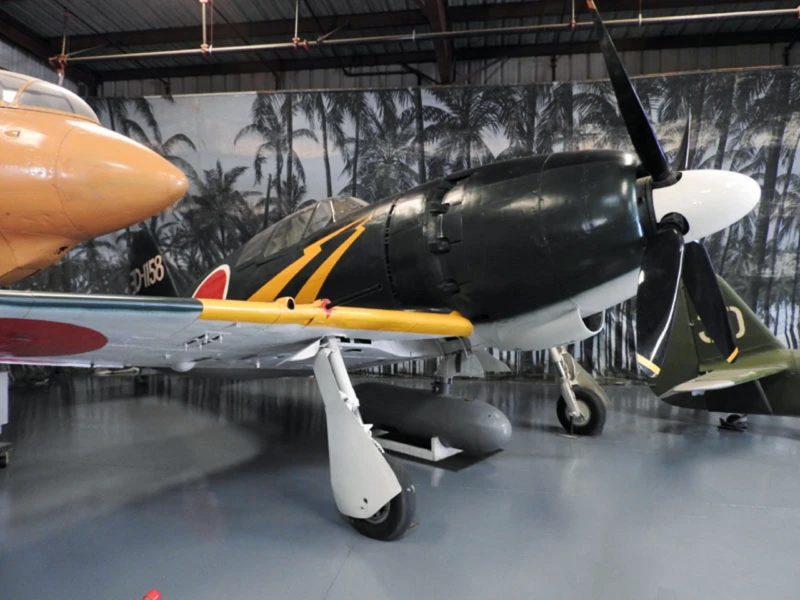
Mitsubishi J2M Raiden | |
|---|---|
| Country | Japan |
| Role | Fighter aircraft |
| Produced | 1942–1945 |
| Built | 671 |
The Mitsubishi J2M Raiden was a single-engined land-based fighter aircraft used by the Imperial Japanese Navy Air Service in World War II. The Allied reporting name was “Jack”. The J2M was designed by Jiro Horikoshi, creator of the A6M Zero, to meet the 14-Shi (14th year of the Showa reign, or 1939) official specification. It was to be a strictly local-defense interceptor, intended to counter the threat of high-altitude bomber raids, and thus relied on speed, climb performance, and armament at the expense of manoeuvrability. The J2M was a sleek, but stubby craft with its oversized Mitsubishi Kasei engine buried behind a long cowling, cooled by an intake fan and connected to the propeller with an extension shaft.
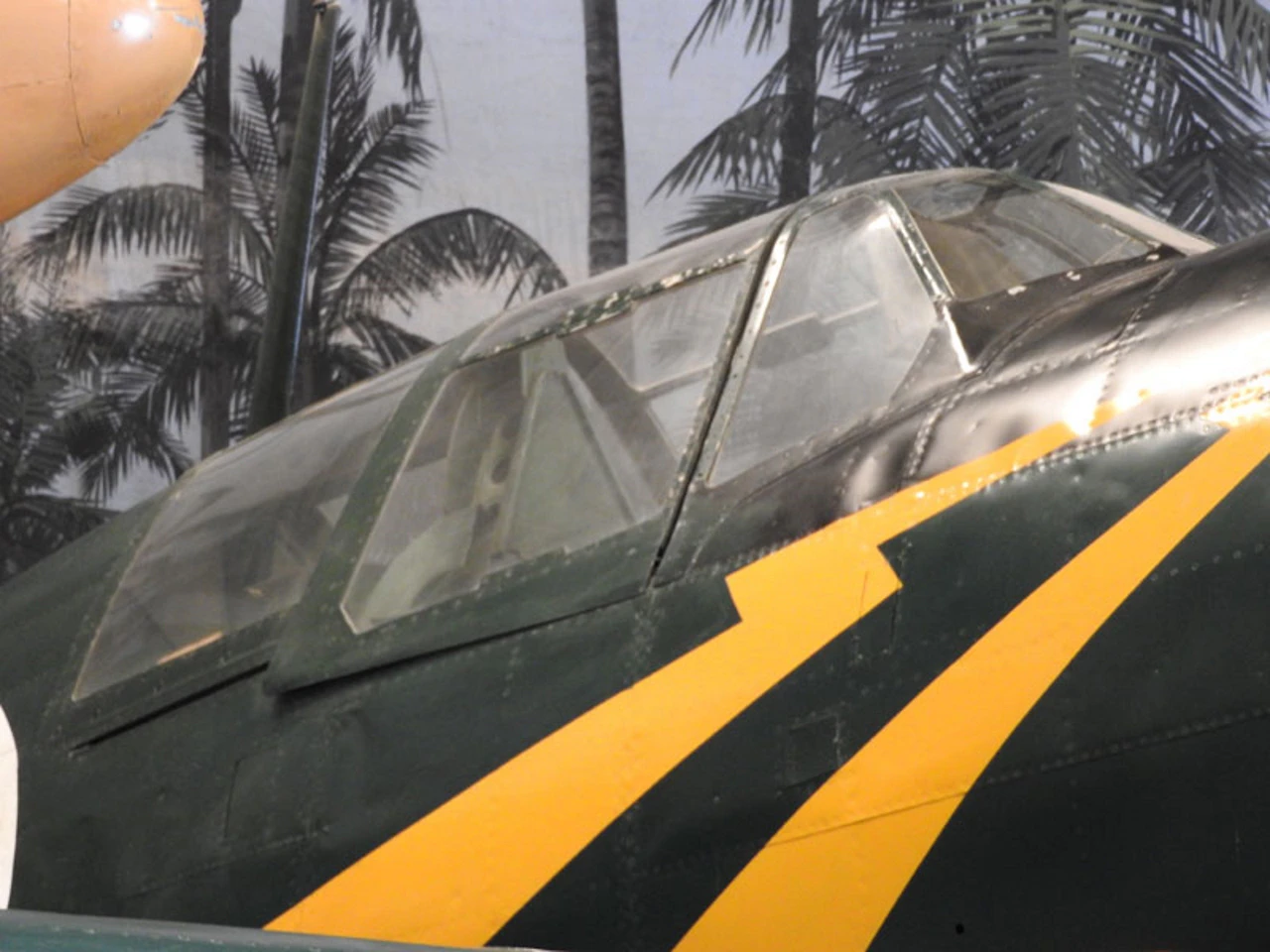
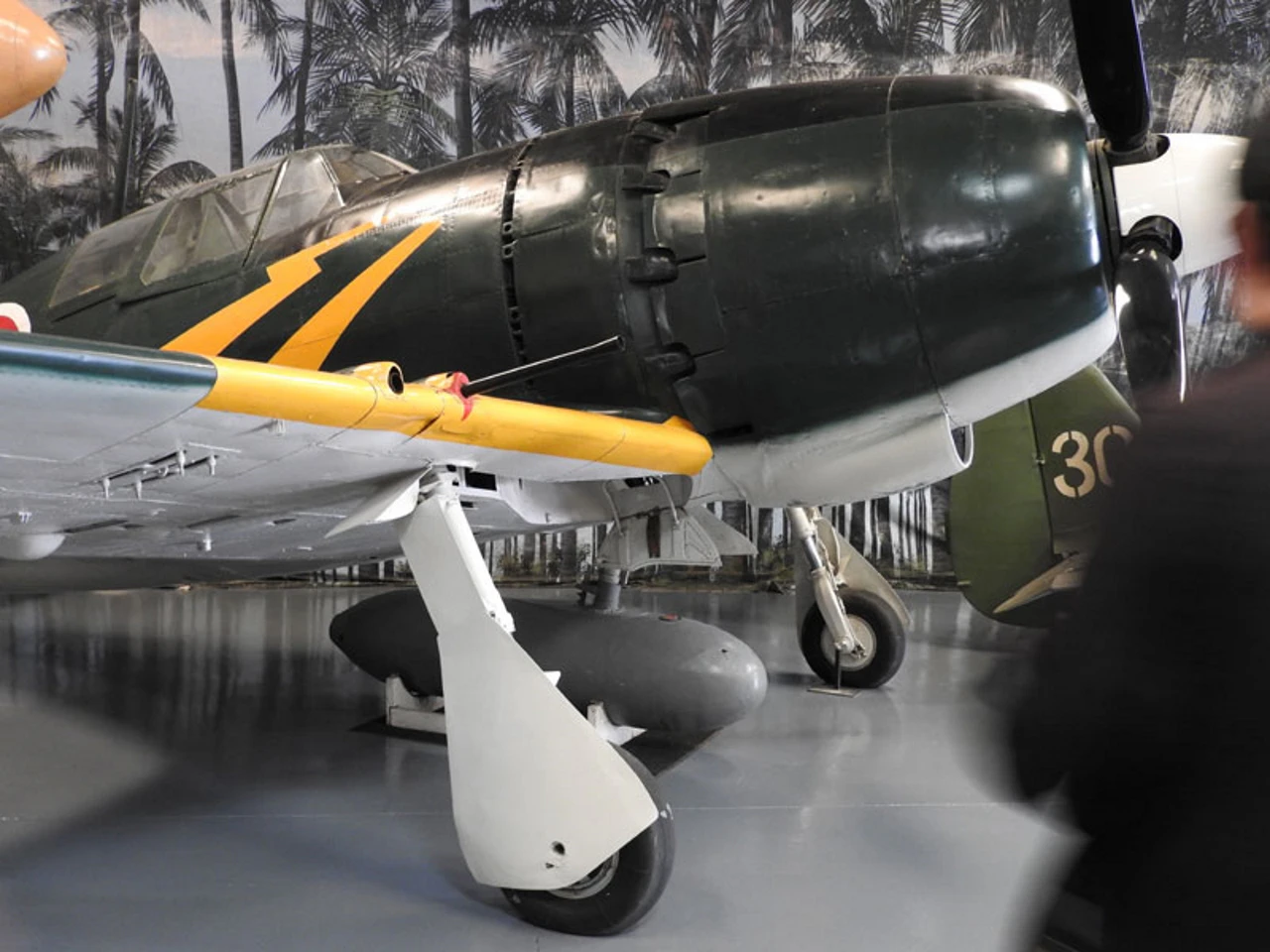
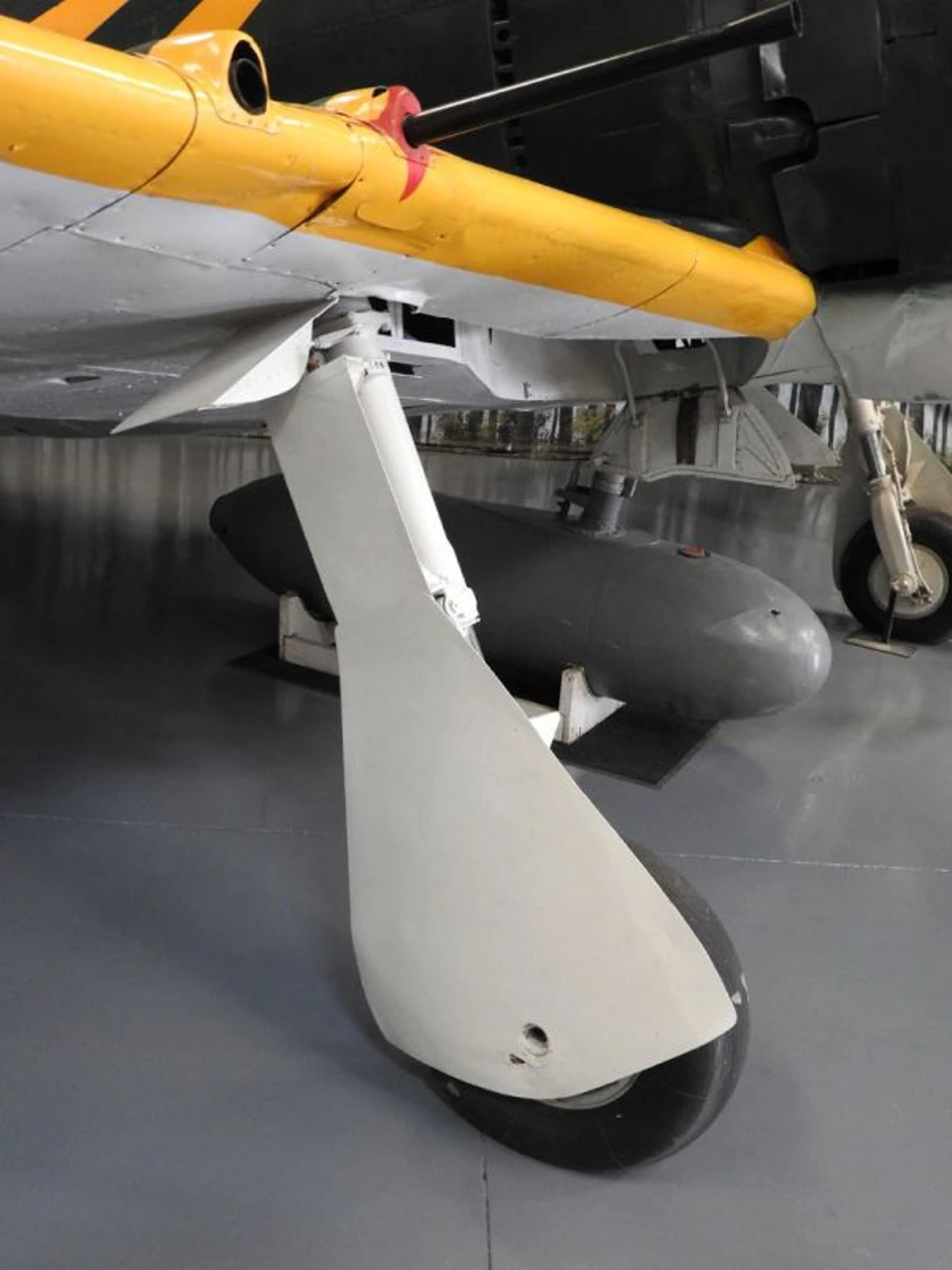
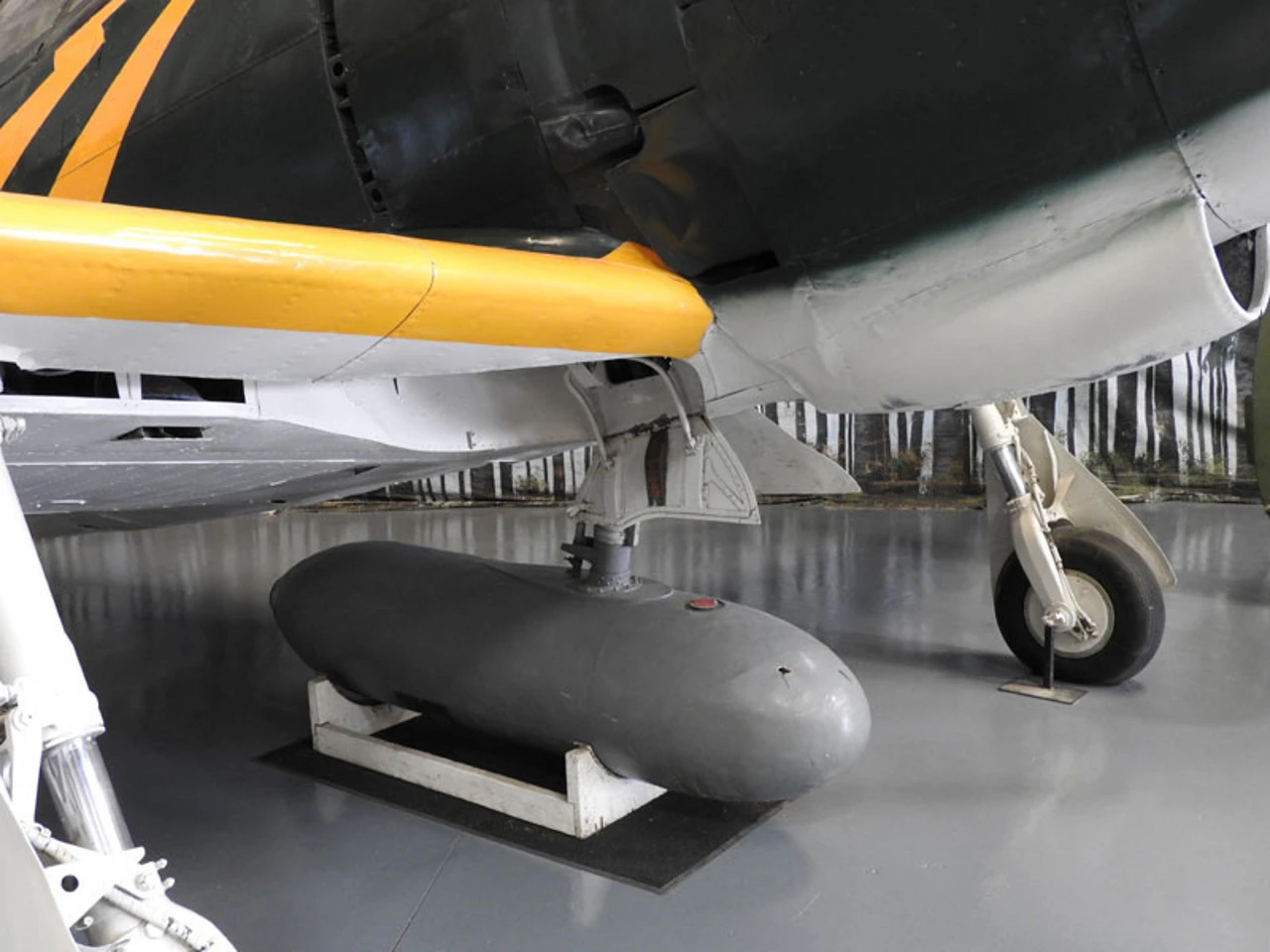
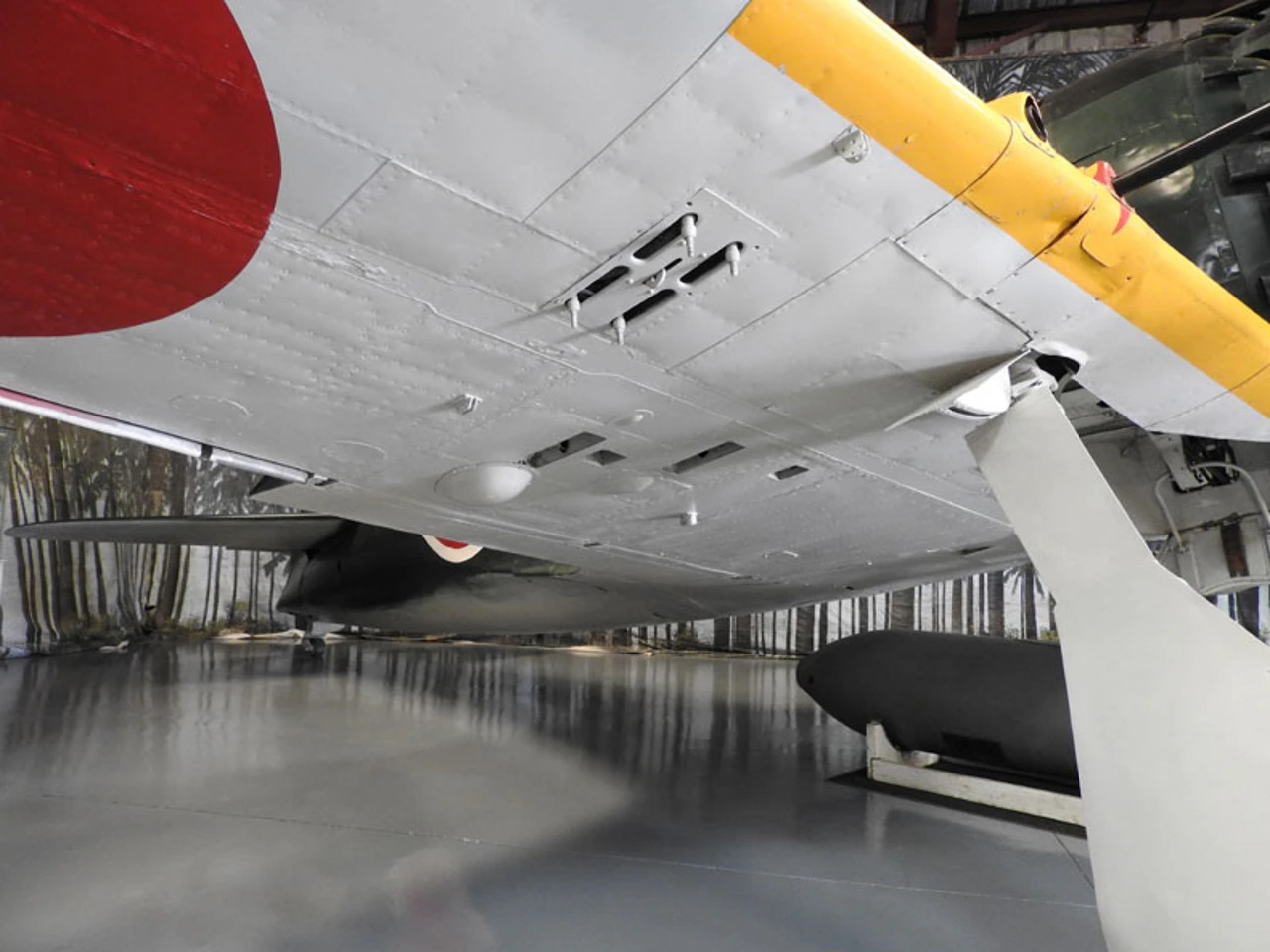
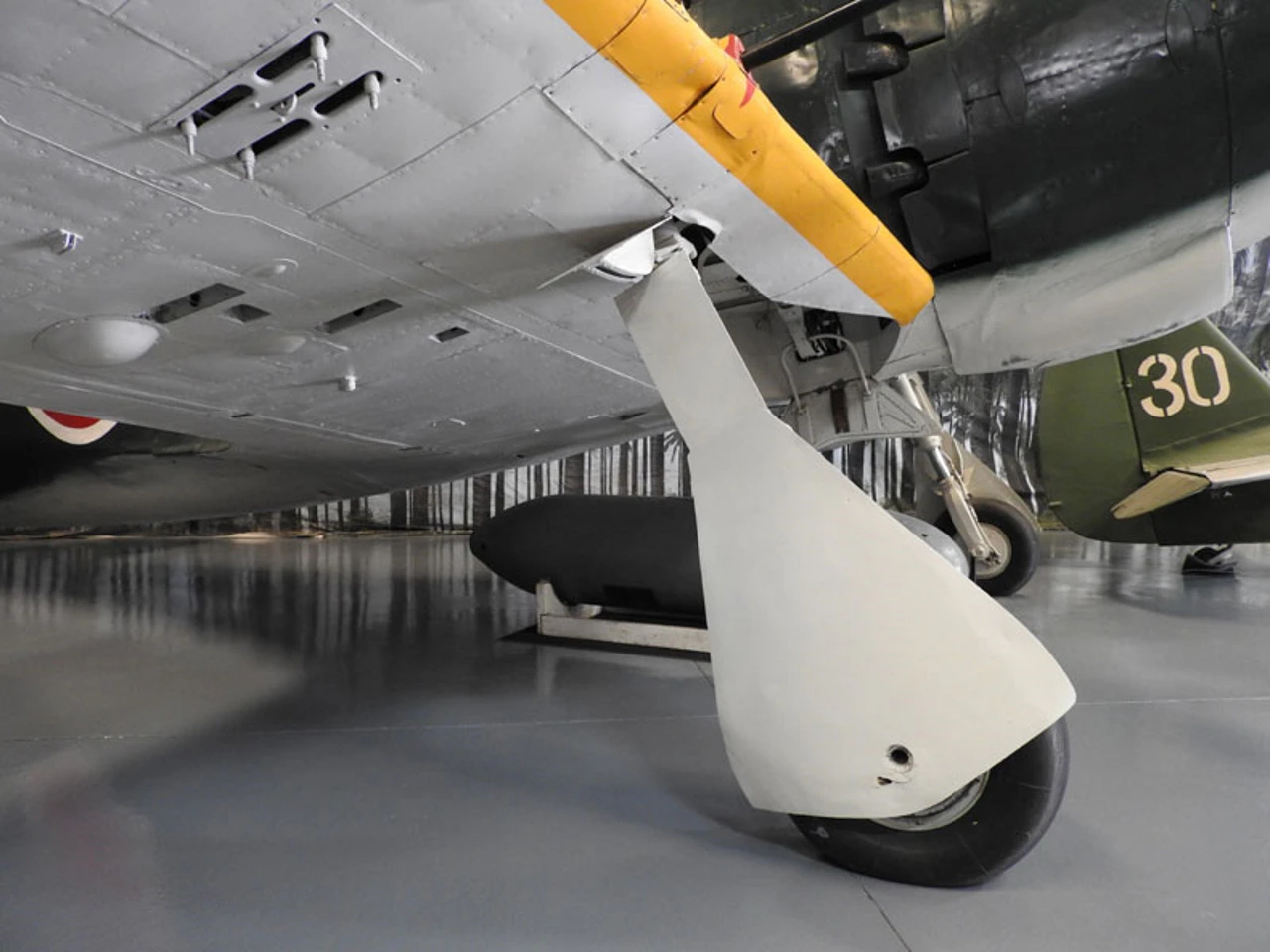
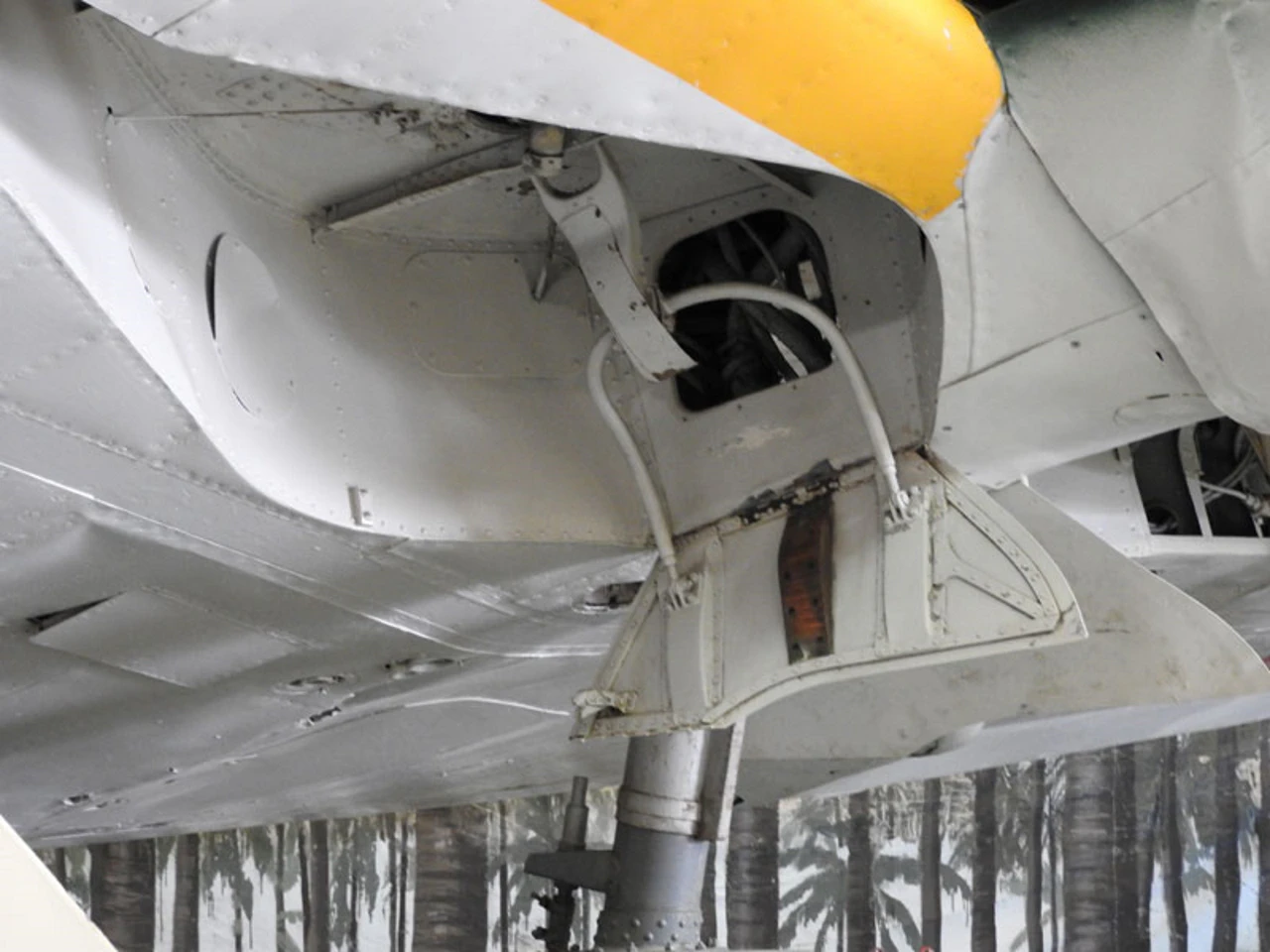
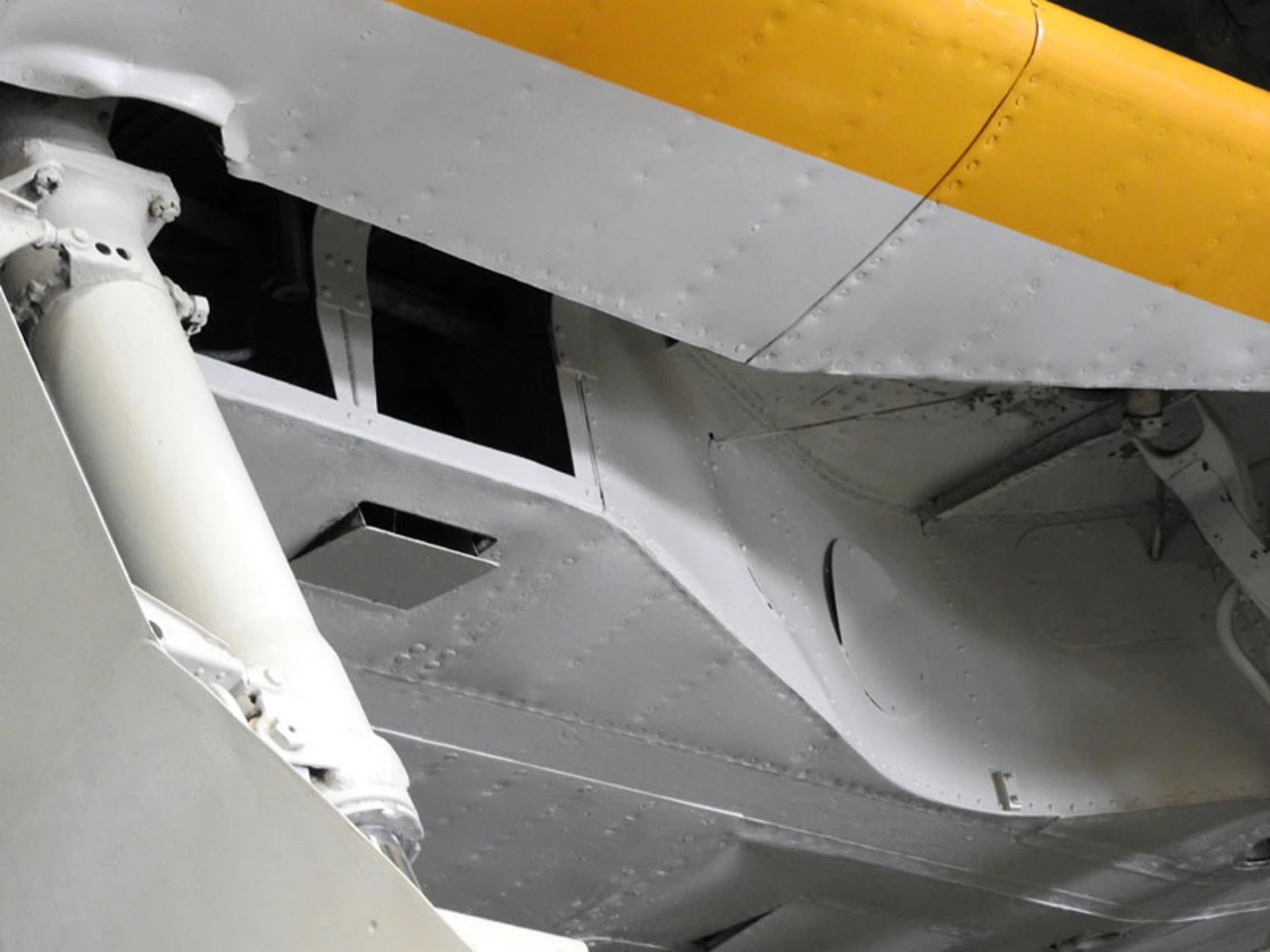
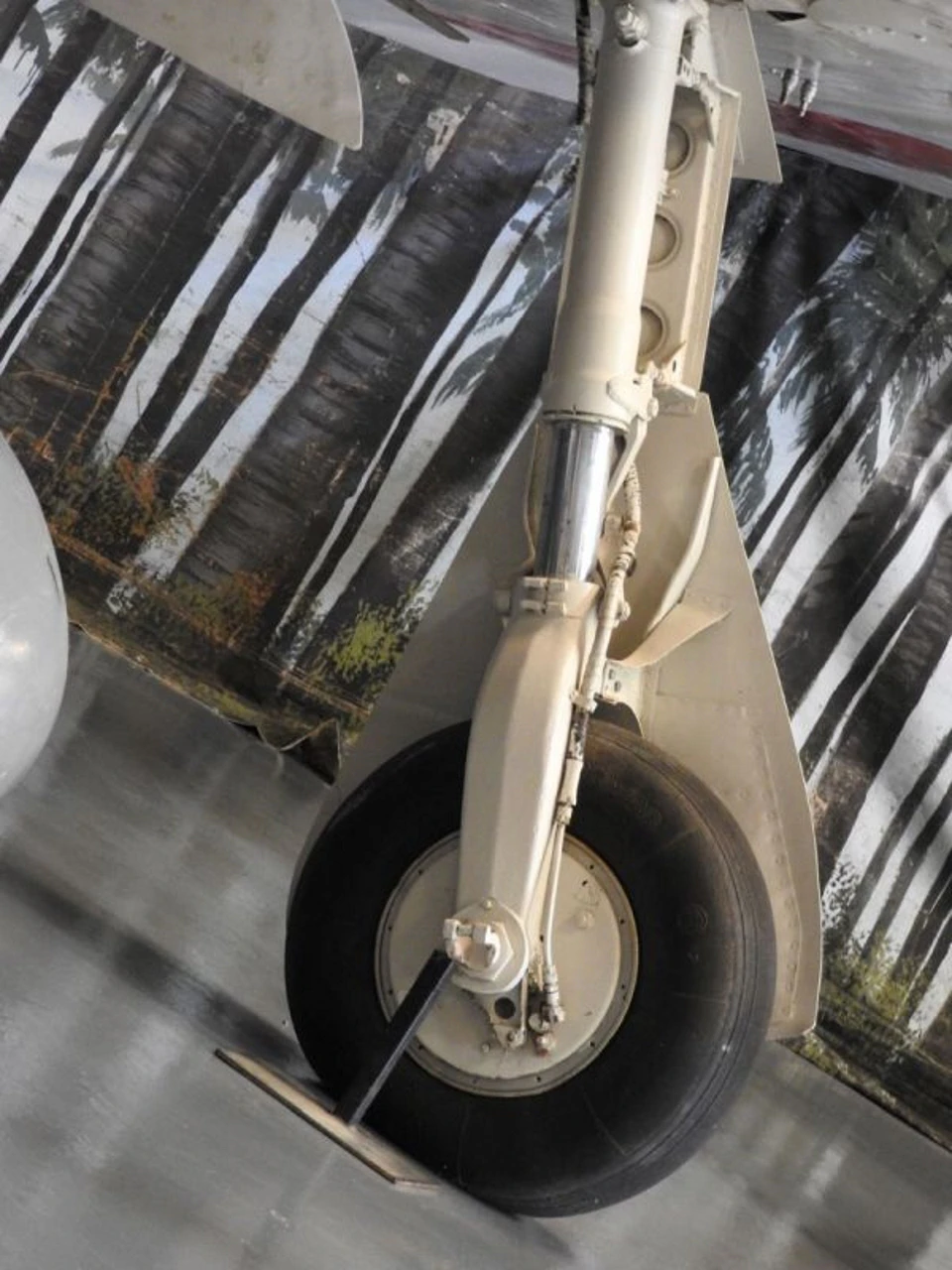
| Mitsubishi J2M Raiden (Allied name ‘Jack’) Walk Around | |
|---|---|
| Photographer | Cees Hendriks |
| Localisation | Unknow |
| Photos | 23 |

See also:


The Anti-Zero
The Mitsubishi J2M Raiden (Allied codename: Jack) was a radical departure from the Japanese design philosophy of the early war. While the legendary Zero prioritized maneuverability and range, the Raiden was designed by Jiro Horikoshi to be a pure interceptor. It was built for speed, heavy armament, and a brutal climb rate to counter high-altitude American bombers like the B-29 Superfortress. Its “stubby” appearance came from the need to house a massive 1,800 hp engine inside a streamlined, low-drag airframe.
| Attribute | Technical Specification (J2M3 Model 21) |
|---|---|
| Role | Land-Based Interceptor |
| Crew | 1 (Pilot) |
| First Flight | March 20, 1942 |
| Powerplant | 1 × Mitsubishi MK4R-A Kasei 23a 14-cylinder radial |
| Horsepower | 1,800 hp (1,342 kW) |
| Maximum Speed | 365–417 mph (587–671 km/h)* |
| Climb Rate | 6,000 m (19,685 ft) in 6 min 14 sec |
| Armament | 4 × 20mm Type 99 cannons (2 in each wing) |
*US post-war testing with high-octane fuel and methanol injection recorded the higher speeds.
A Muscle Car of the Skies
- The “Long-Nose” Radial: To reduce the drag of the wide Kasei engine, Horikoshi placed it further back in the fuselage. A long extension shaft connected it to the propeller, allowing for a highly tapered, aerodynamic nose.
- Forced Air Cooling: Because the engine was tucked so far back, it couldn’t rely on natural airflow. A specialized cooling fan was installed behind the propeller to blast air over the cylinders, a feature similar to the German Fw 190.
- Laminar Flow Wings: The Raiden used advanced, thin-profile wings designed for high-speed efficiency. While this reduced agility compared to the Zero, it made the J2M one of the fastest Japanese fighters in a dive.
- Combat Flaps: To regain some maneuverability, the J2M was equipped with “combat flaps” that could be partially extended during a dogfight to increase lift and allow for tighter turns.
B-29 Interceptor & The “Schräge Musik”
- The B-29 Specialist: The Raiden was the most effective Japanese interceptor against the B-29 Superfortress. Its four 20mm cannons could shred a bomber’s wings, and its heavy armor protected the pilot from the B-29’s defensive fire.
- Upward-Firing Cannons: Some J2M4 variants were fitted with two additional 20mm cannons mounted behind the cockpit, angled 70 degrees upward. This allowed the pilot to fly level beneath a B-29 and fire into its vulnerable belly.
- Post-War Surprises: When US technicians tested captured Raidens using American 92-octane fuel and methanol injection, they were shocked to find the aircraft significantly faster and more powerful than intelligence reports had suggested.
- Rare Survivor: Out of nearly 500 built, only one J2M3 survives today. It is currently on display at the Planes of Fame Air Museum in Chino, California.
Views : 3095
You can see also :
 Mitsubishi J8M1 Shusui – Photos & Videos
 Mitsubishi G4M – Photos & Videos
 Curtiss P-36 Hawk – Photos & Videos
 Cessna T-37 Tweet – Photos & Videos
 Boeing KC-97 Stratofreighter – Photos & Videos
 Fokker S.14 Machtrainer – Photos & Videos
 Aichi D3A – Photos & Videos
 Mitsubishi Ki-46 – Photos & Video
 B-35 – de Havilland Mosquito – WalkAround
 Mirage IIIC – WalkAround