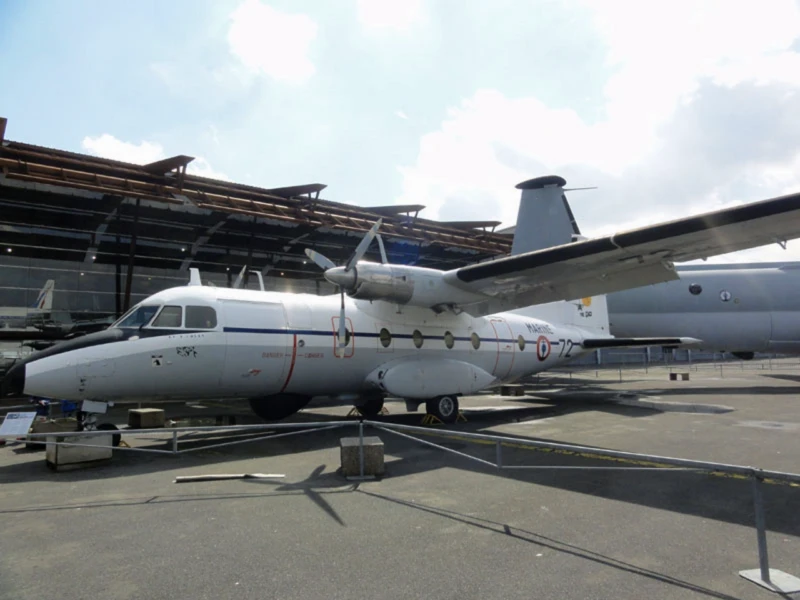
Fregate N 262 | |
|---|---|
| Country | France |
| Role | Turboprop airliner |
| Produced | 1962–1976 |
| Built | 110 |
The Aérospatiale N 262 is a French twin-turboprop high-wing airliner built first by Nord Aviation (merged into Aérospatiale in 1970). The aircraft was also known as the Nord 262.
Source: Fregate N 262 on Wikipedia
| Fregate N 262E Walk Around | |
|---|---|
| Photographer | Meindert de Vreeze |
| Localisation | Unknow |
| Photos | 35 |
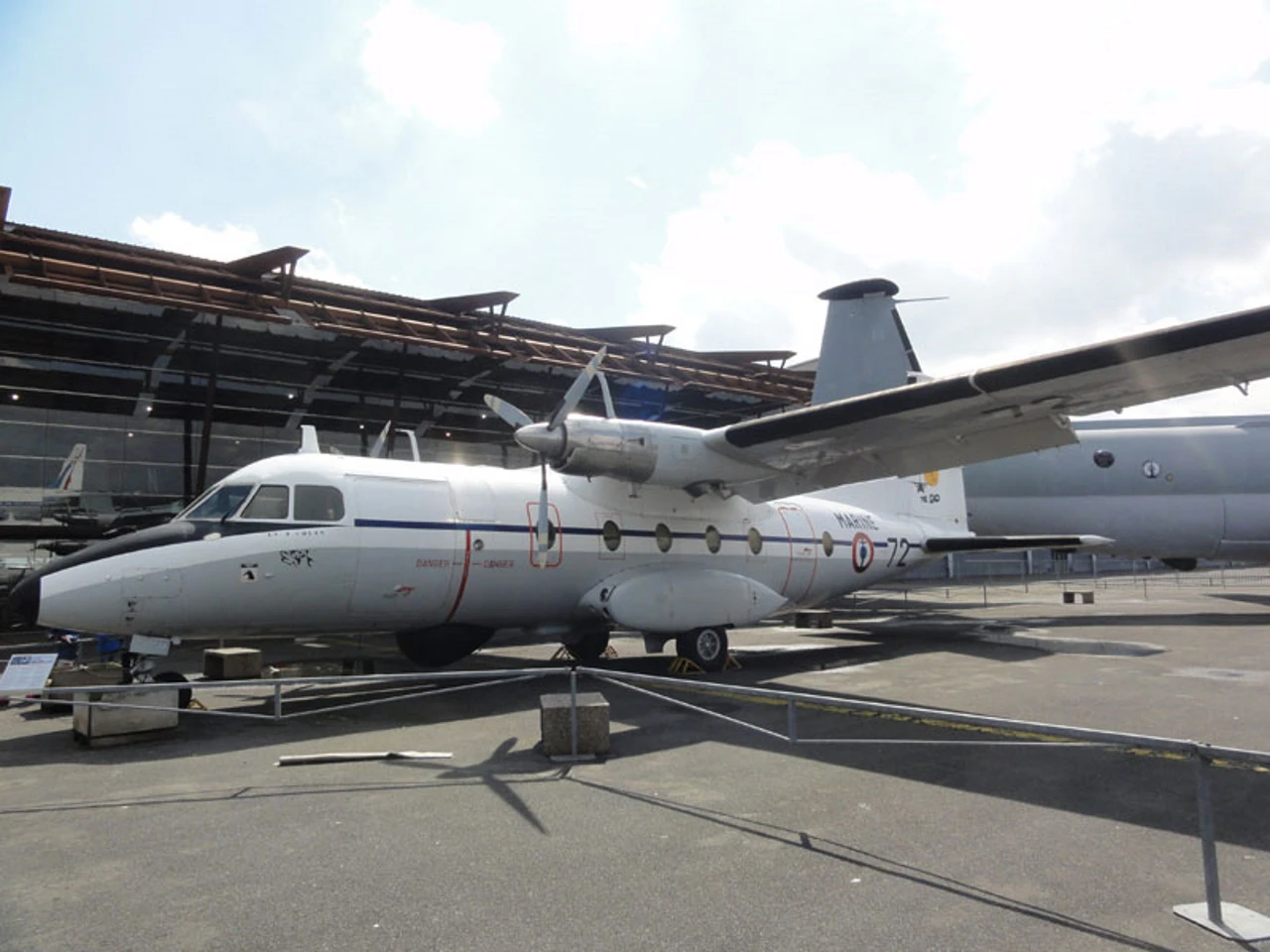
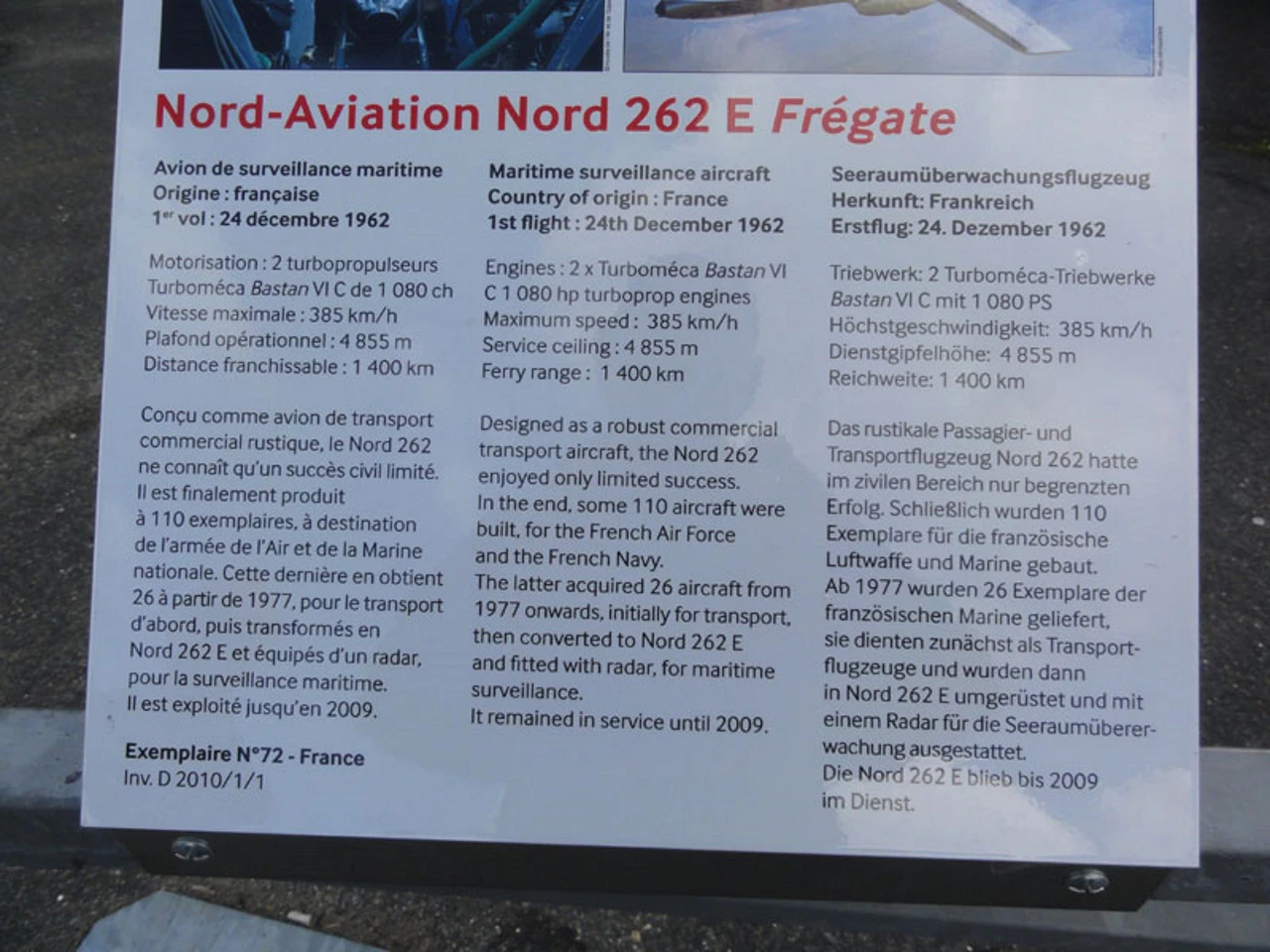
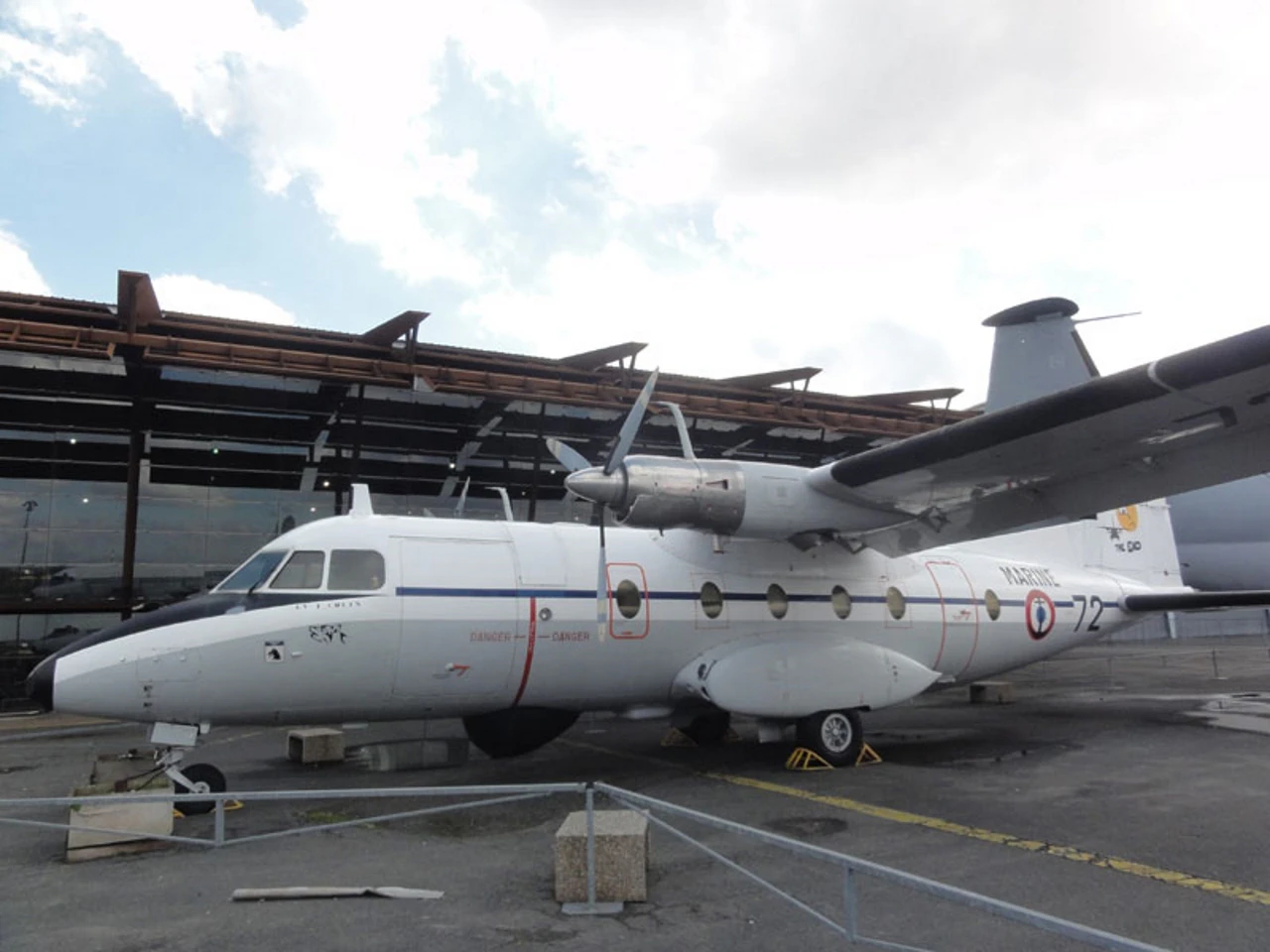
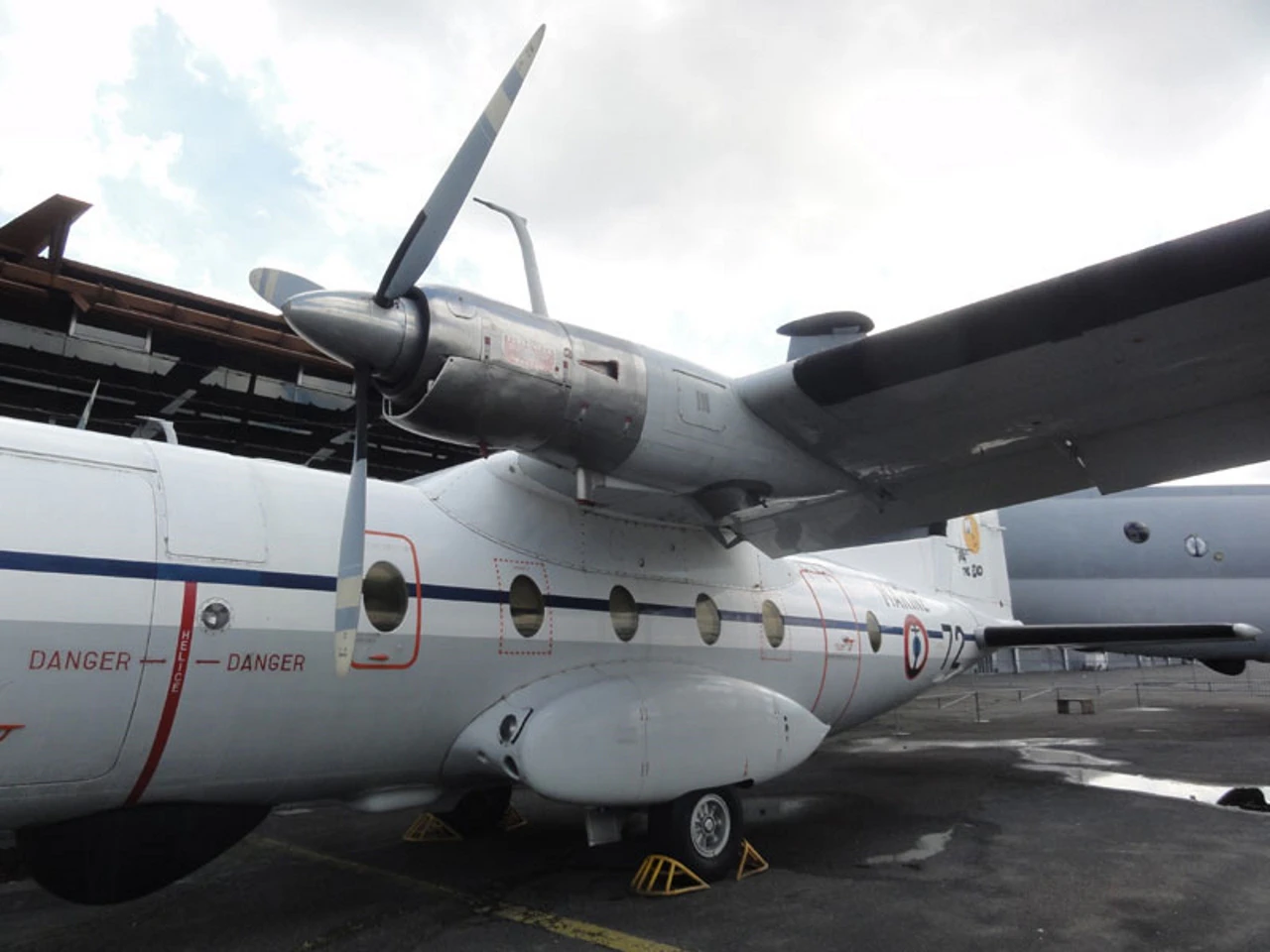
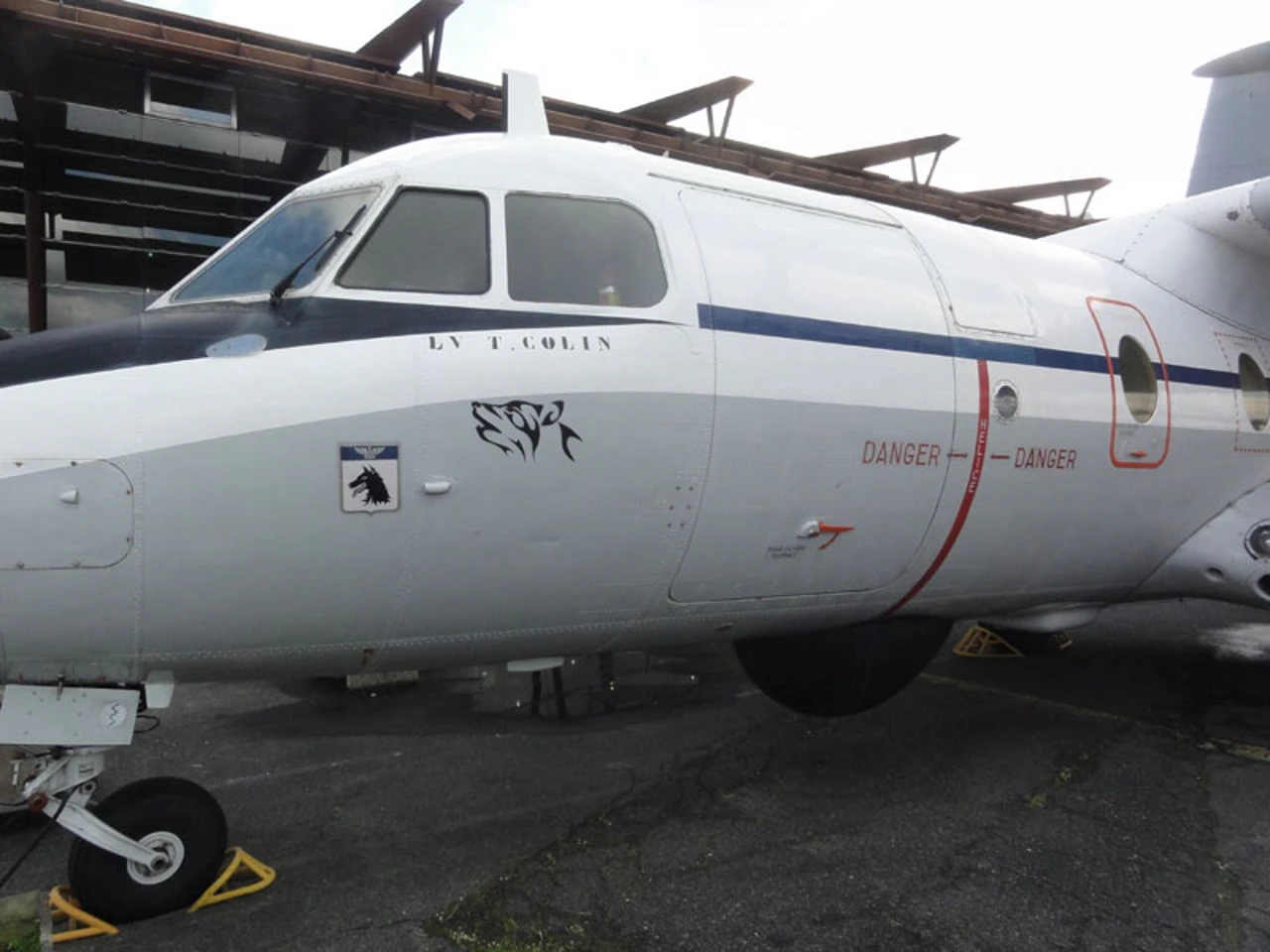
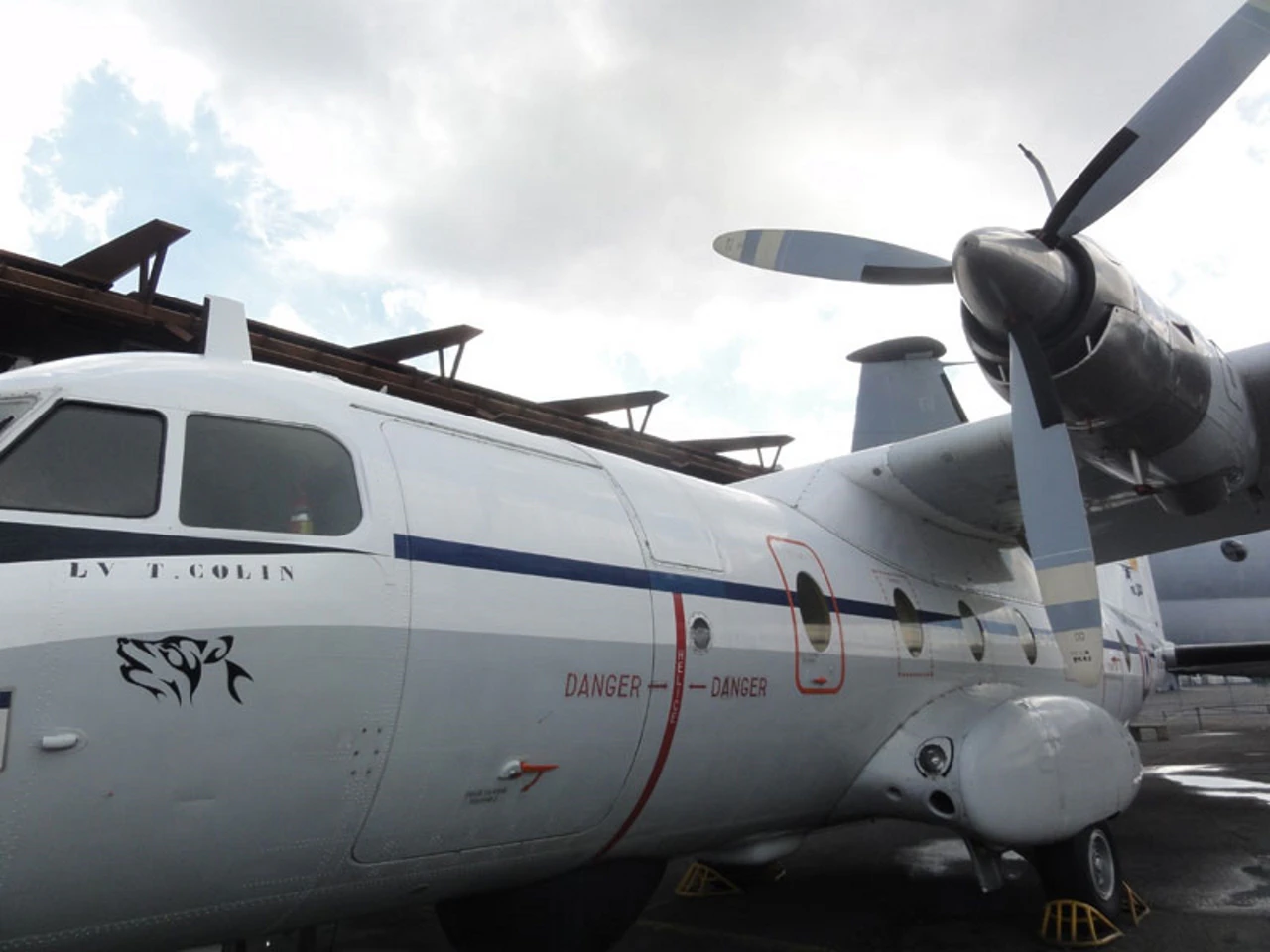
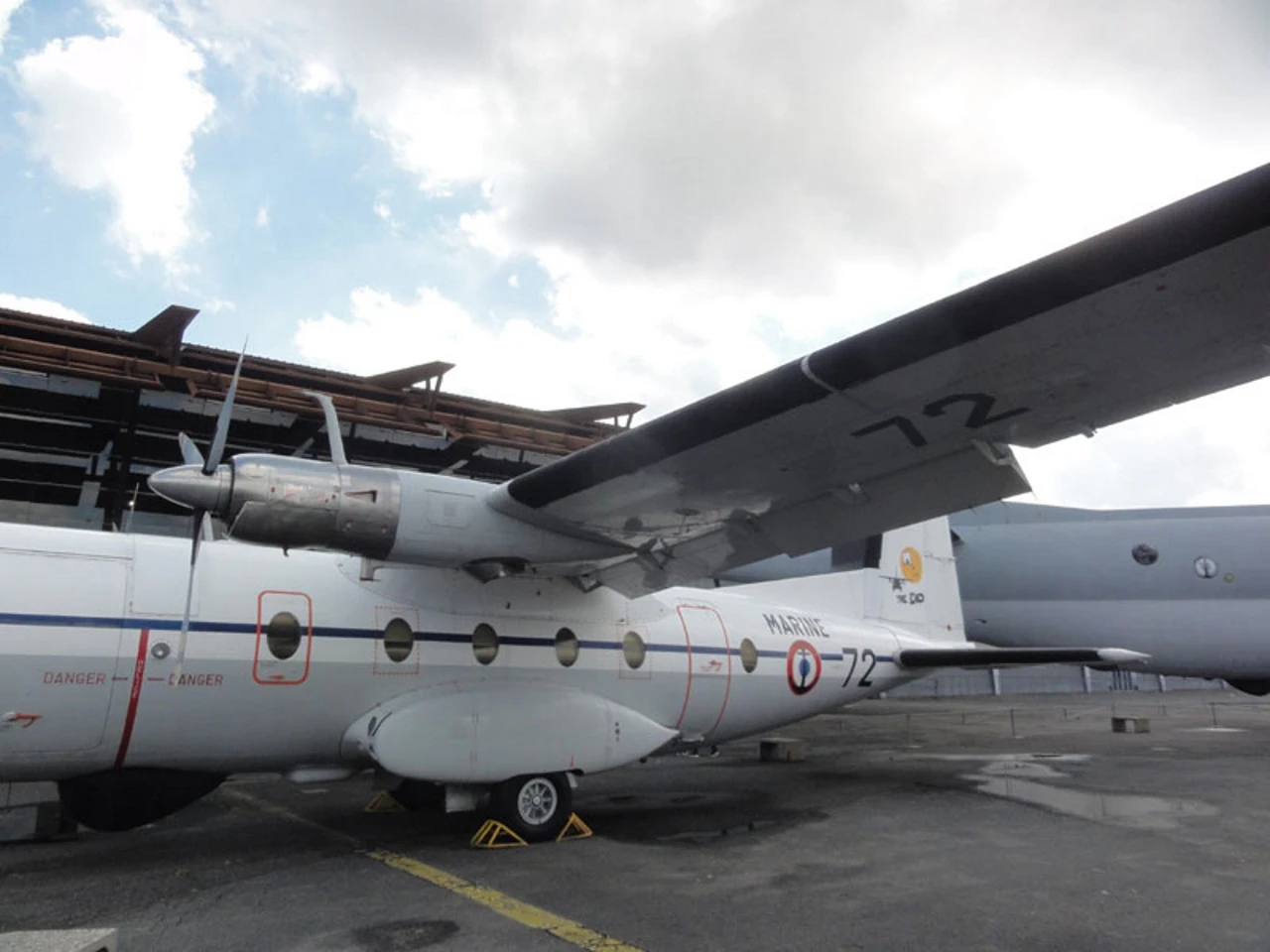
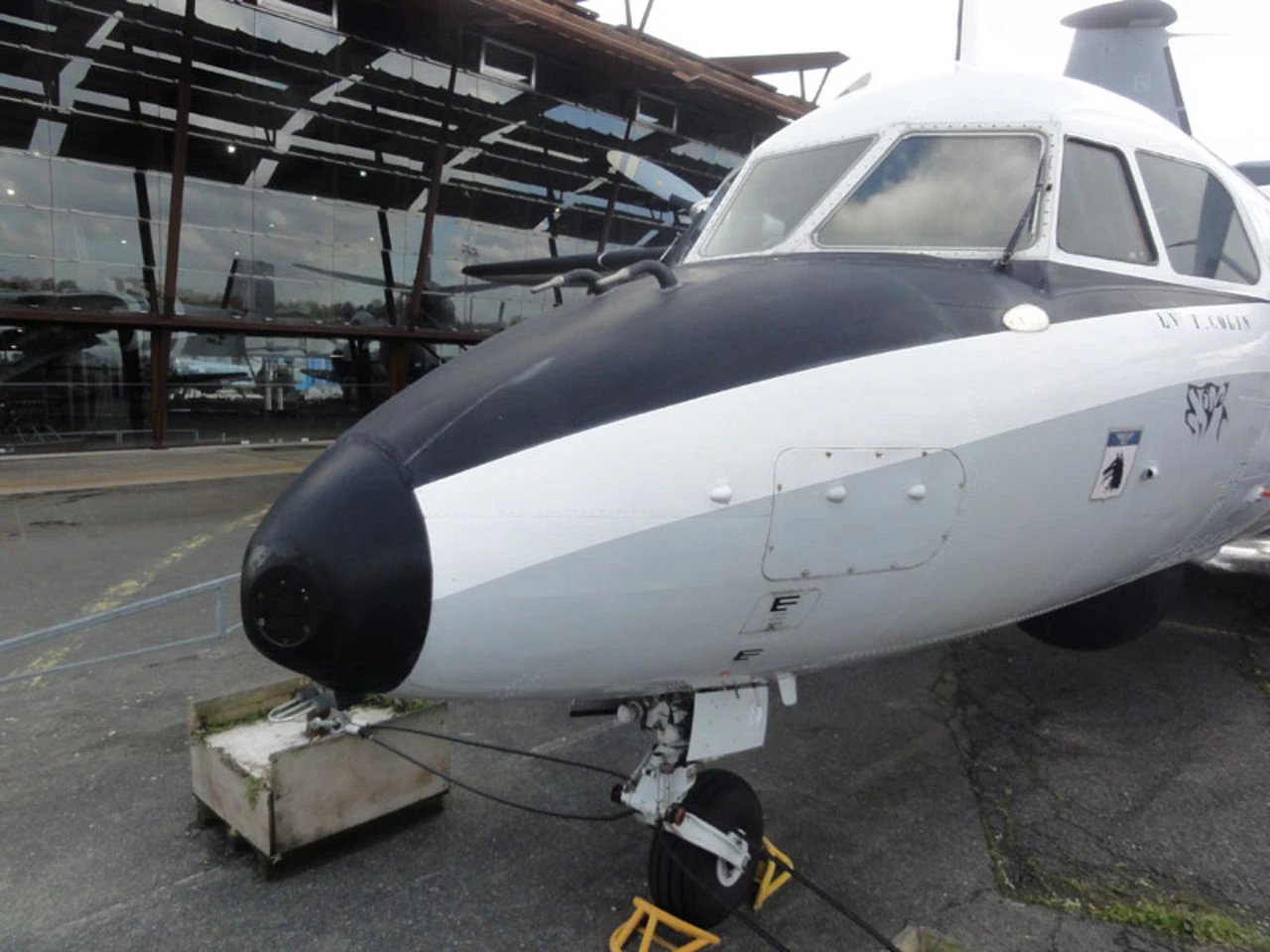
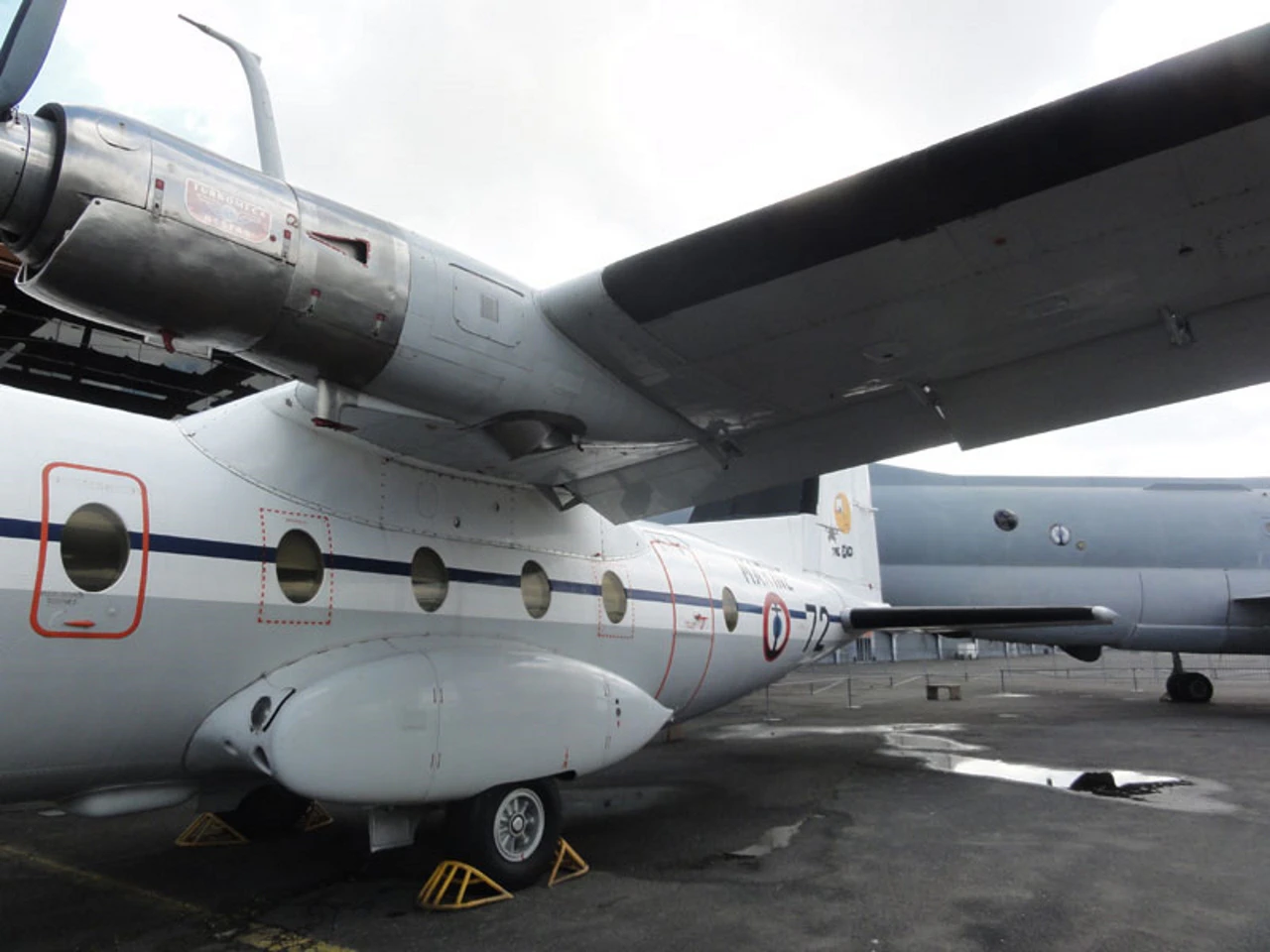

See also:


A Regional Workhorse
The Nord 262, also known as the Frégate in its military configuration, was a high-wing, twin-engine turboprop airliner designed to replace aging piston-engine transports like the DC-3. Developed from the unpressurized Max Holste MH.260, the Nord 262 featured a circular-section pressurized fuselage, allowing it to fly over weather and provide a modern level of comfort to regional passengers. It was a stout, reliable aircraft that found a niche in both short-haul civilian airlines and various specialized military roles.
| Attribute | Technical Specification (Nord 262A) |
|---|---|
| Role | Regional Airliner / Military Transport |
| Crew | 2 (Pilot and Co-pilot) |
| Capacity | Up to 29 Passengers |
| First Flight | December 24, 1962 |
| Powerplant | 2 × Turbomeca Bastan VI C turboprops |
| Horsepower | 1,065 hp (794 kW) each |
| Maximum Speed | 239 mph (385 km/h) |
| Range | 690 miles (1,110 km) |
Design Features: Pressurization and Efficiency
- Circular Pressurized Hull: Unlike the square-bodied MH.260, the Nord 262’s circular fuselage was optimized for pressurization. This allowed the aircraft to operate at higher altitudes where the Bastan turboprops were more fuel-efficient.
- High-Wing Configuration: The high-wing placement kept the engines and propellers clear of debris on unpaved or poorly maintained regional runways, making it ideal for rural operations.
- Landing Gear Sponsons: To keep the fuselage interior spacious and unobstructed, the main landing gear retracted into aerodynamic pods (sponsons) on the lower sides of the fuselage.
- The “Frégate” Evolution: The military Nord 262E version featured uprated Bastan VII engines and specialized equipment for maritime surveillance and navigation training.
Military Service and the Mohawk
- French Navy (Aéronavale): The Frégate served for decades as a transport, paratroop trainer, and maritime patrol aircraft. Its reliability in the salt-heavy air of coastal France was a testament to its robust construction.
- The American Connection (Mohawk 298): In the U.S., the aircraft was operated by Allegheny Airlines. Later, nine airframes were significantly modified with Pratt & Whitney PT6A engines and new avionics, rebranded as the Mohawk 298 to comply with regional airline regulations.
- Multi-National Utility: The aircraft saw service in diverse locations, from the African bush to the United States and the French Pacific territories, proving its adaptability to extreme climates.
- Training Legacy: Many French military pilots and navigators earned their “wings” in the back of a Nord 262 configured as a flying classroom, a role similar to the Percival Proctor of an earlier era.
Views : 1738
You can see also :
 Stout Bushmaster 2000 – Photos & Videos
 Beechcraft RC-12 Guardrail – Photos & Videos
 Cessna 310 – Photos & Videos
 Curtiss P-36 Hawk – Photos & Videos
 Cessna T-37 Tweet – Photos & Videos
 Boeing KC-97 Stratofreighter – Photos & Videos
 Fokker S.14 Machtrainer – Photos & Videos
 Aichi D3A – Photos & Videos
 B-35 – de Havilland Mosquito – WalkAround
 Mirage IIIC – WalkAround