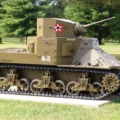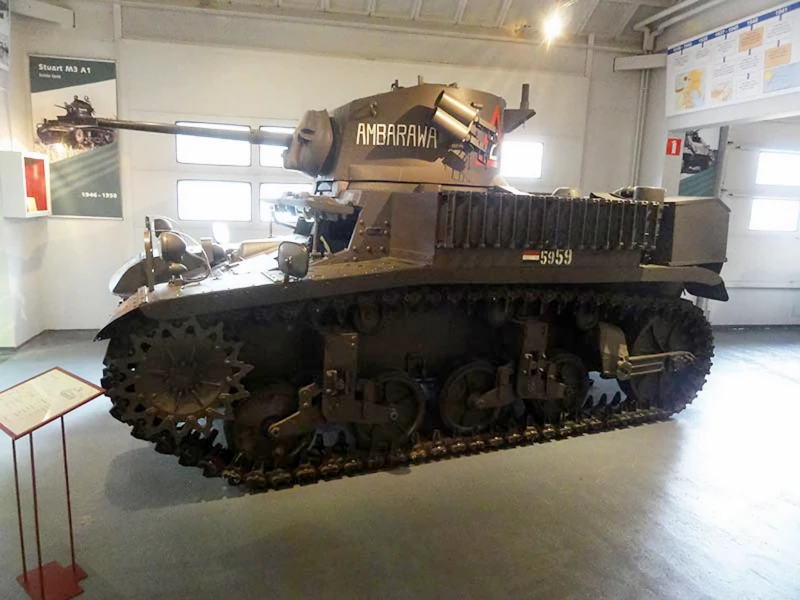
M3A1 Stuart | |
|---|---|
| Country | USA |
| Role | Light Tank |
| Built | 22000+ |
The M3 Stuart, officially Light Tank, M3, was an American light tank of World War II. It was supplied to British and other Commonwealth forces under lend-lease prior to the entry of the U.S. into the war. Thereafter, it was used by U.S. and Allied forces until the end of the war. The British service name “Stuart” came from the American Civil War Confederate general J. E. B. Stuart and was used for both the M3 and the derivative M5 Light Tank. In U.S. use, the tanks were officially known as “Light Tank M3” and “Light Tank M5”. Stuarts were the first American-crewed tanks in World War II to engage the enemy in tank versus tank combat. The Stuart was also the light tank counterpart of the M3 Lee, which was a medium tank.
Source: M3 Stuart on Wikipedia
| M3A1 Stuart | |
|---|---|
| Photographer | Unknow |
| Localisation | Unknow |
| Photos | 15 |
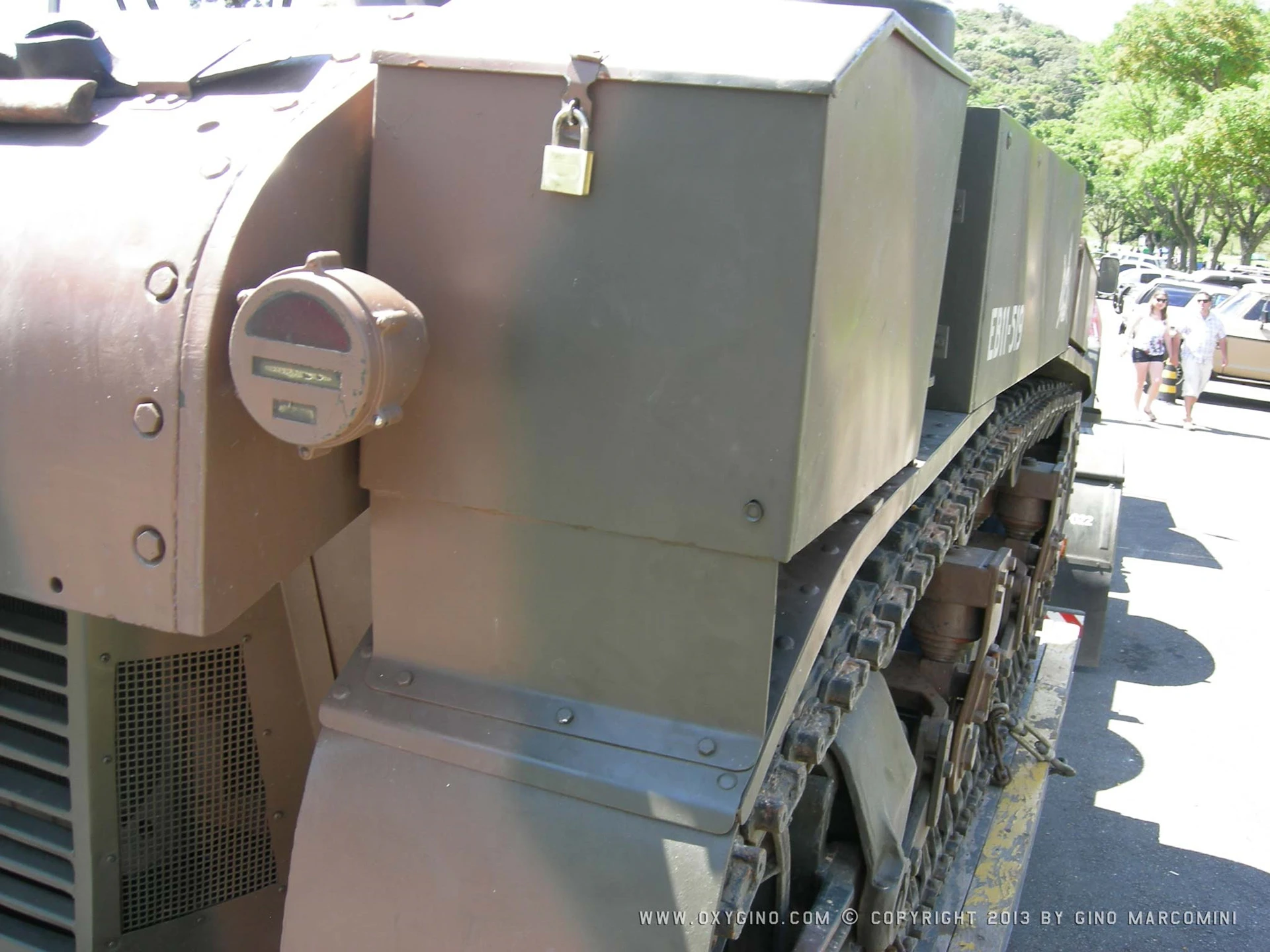
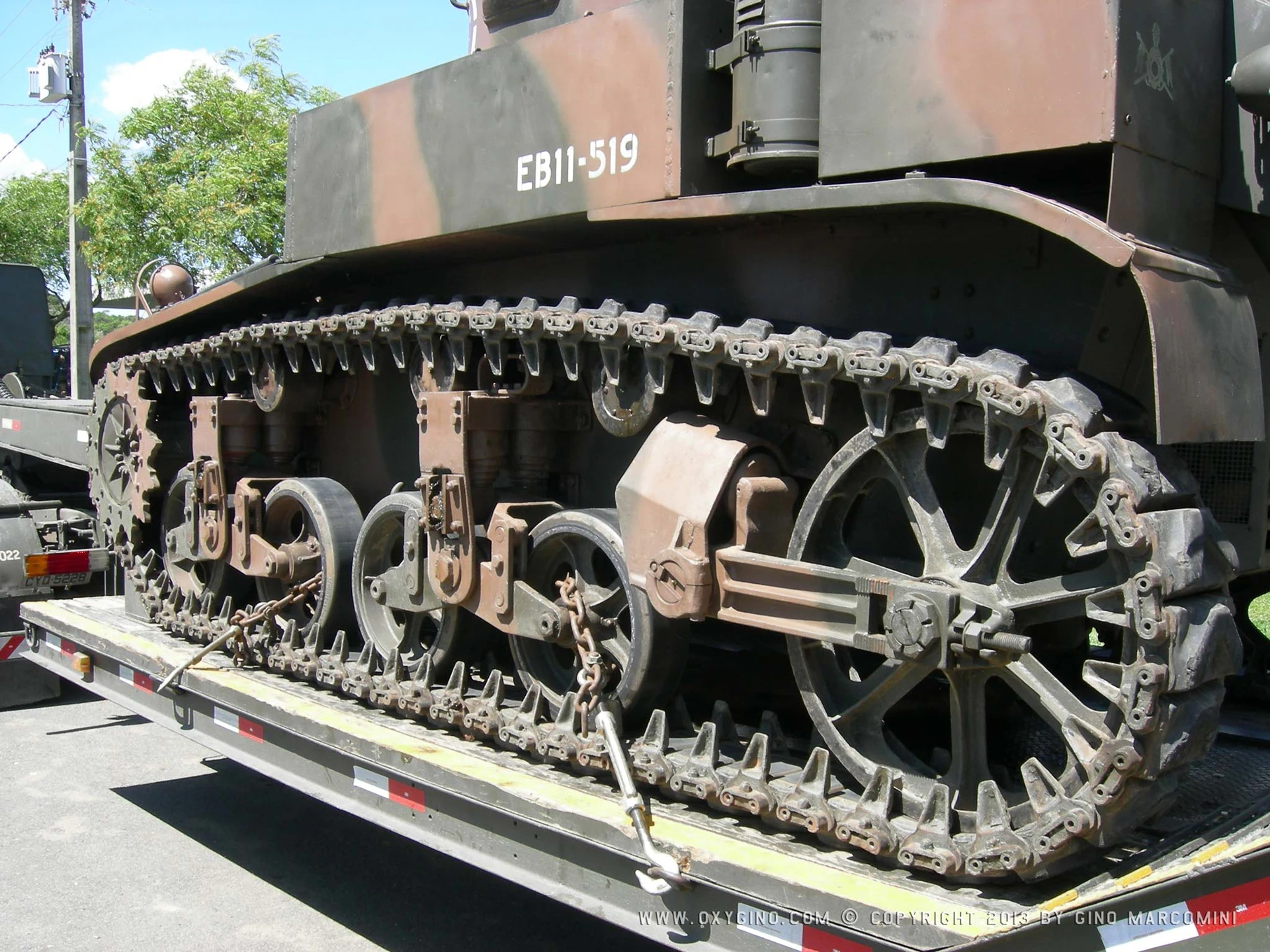
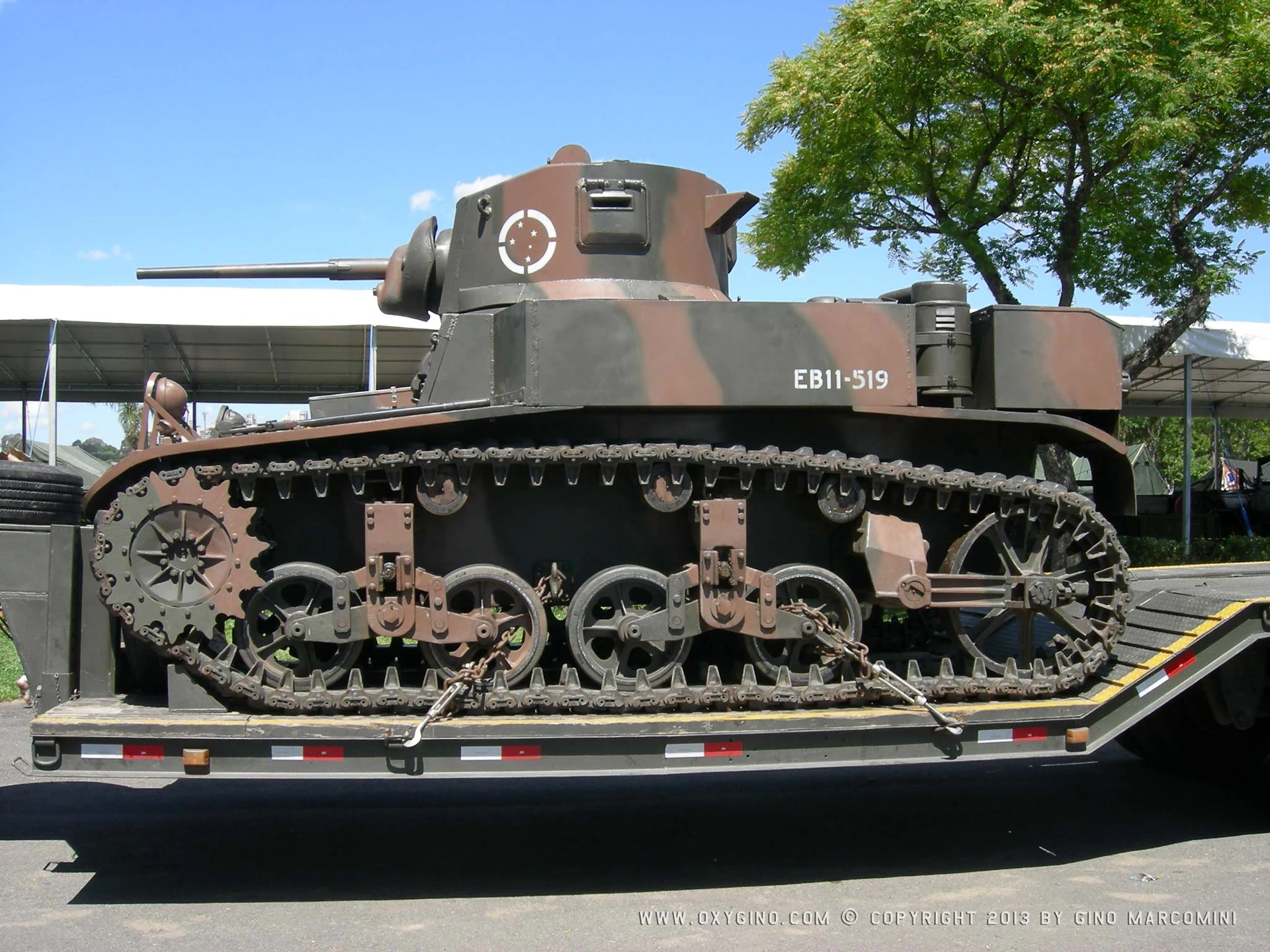
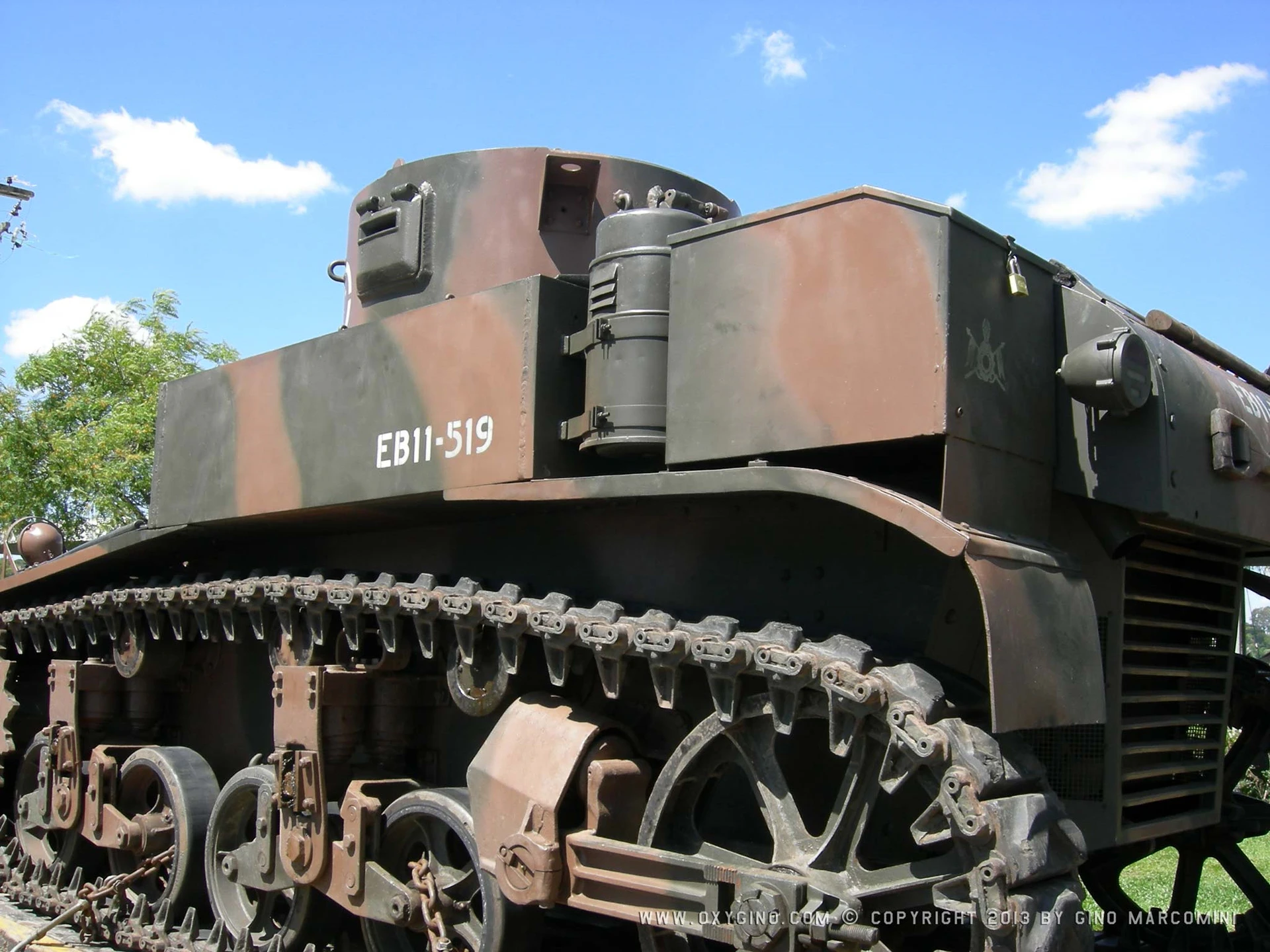
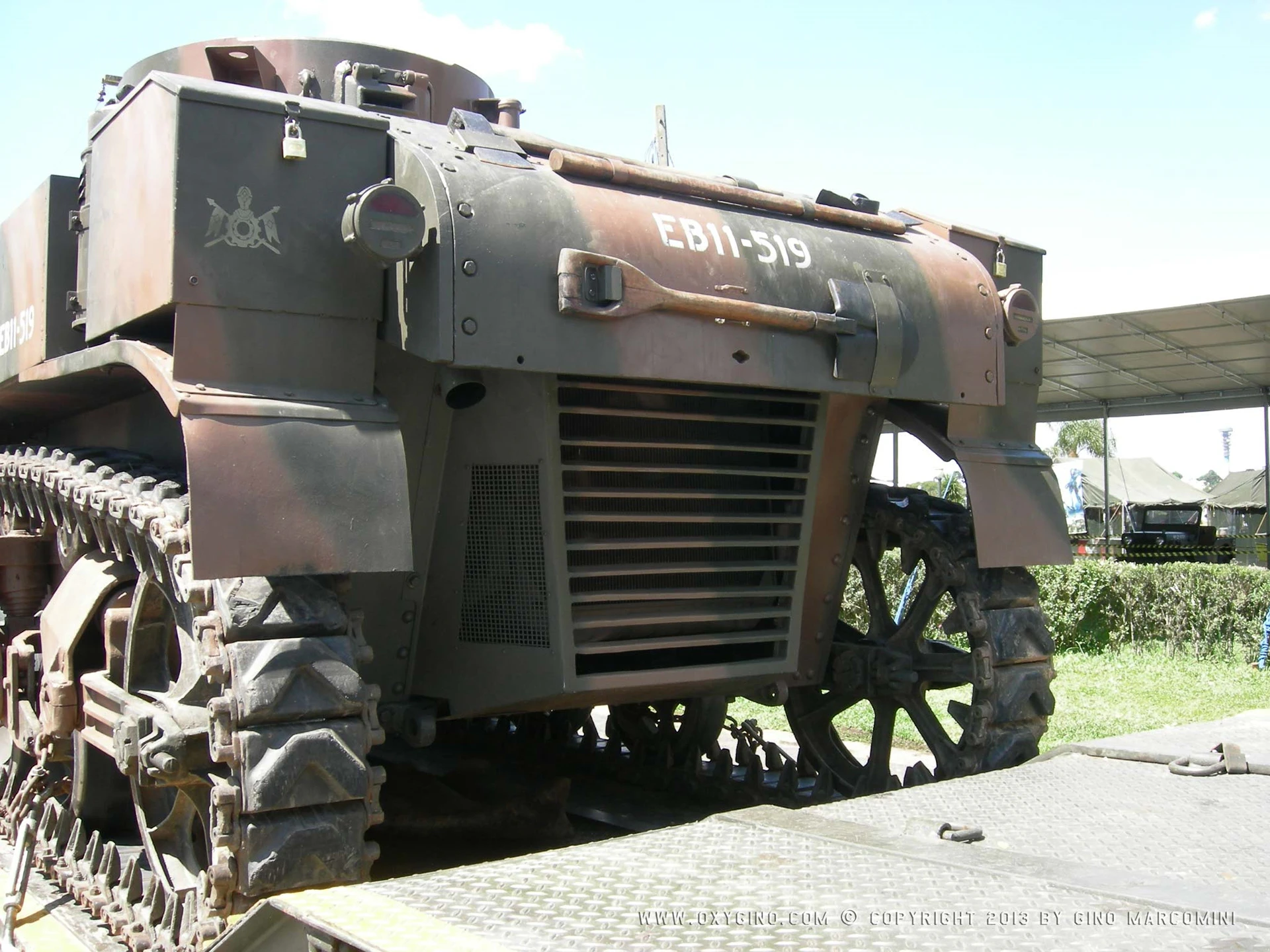
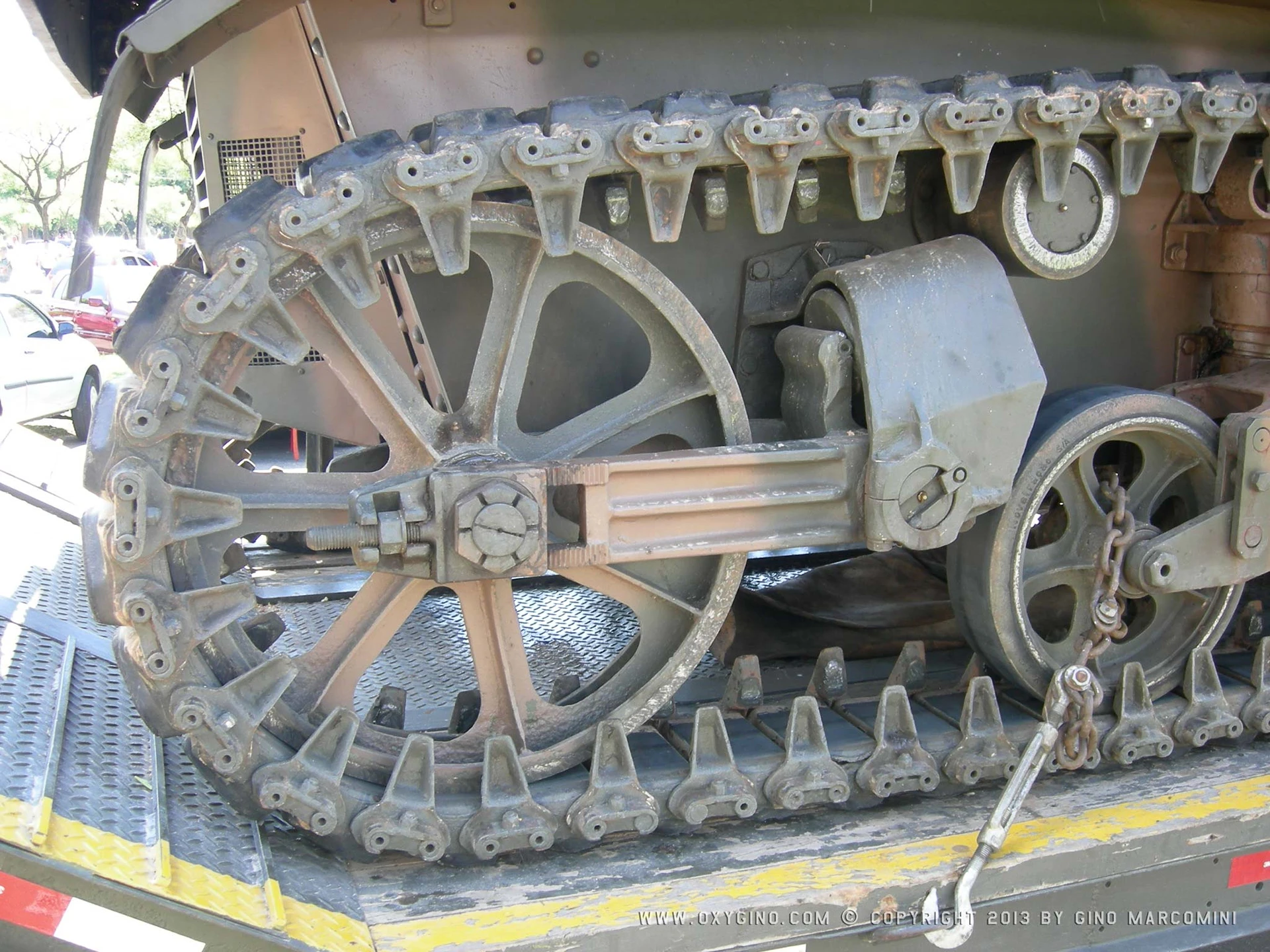
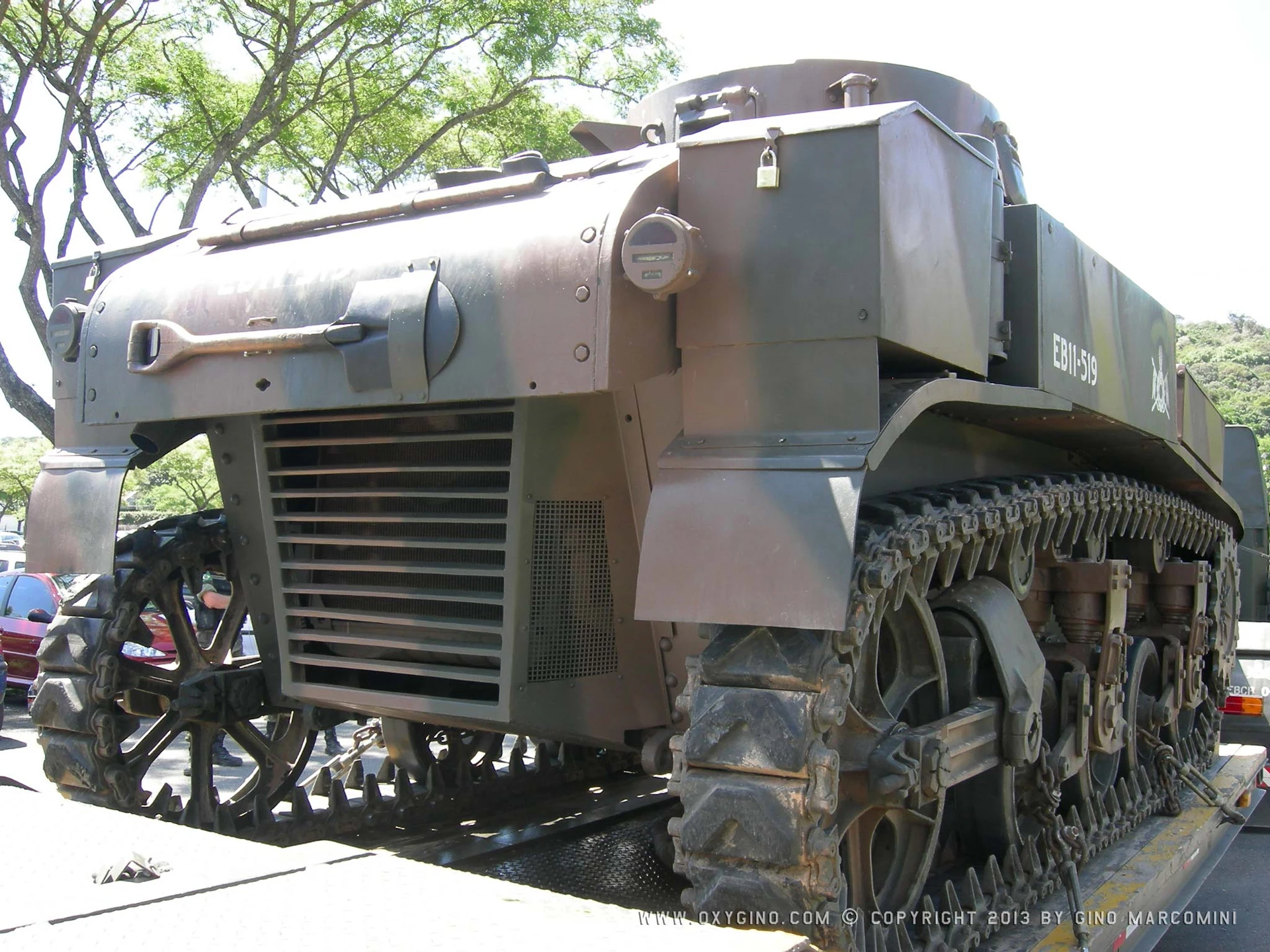
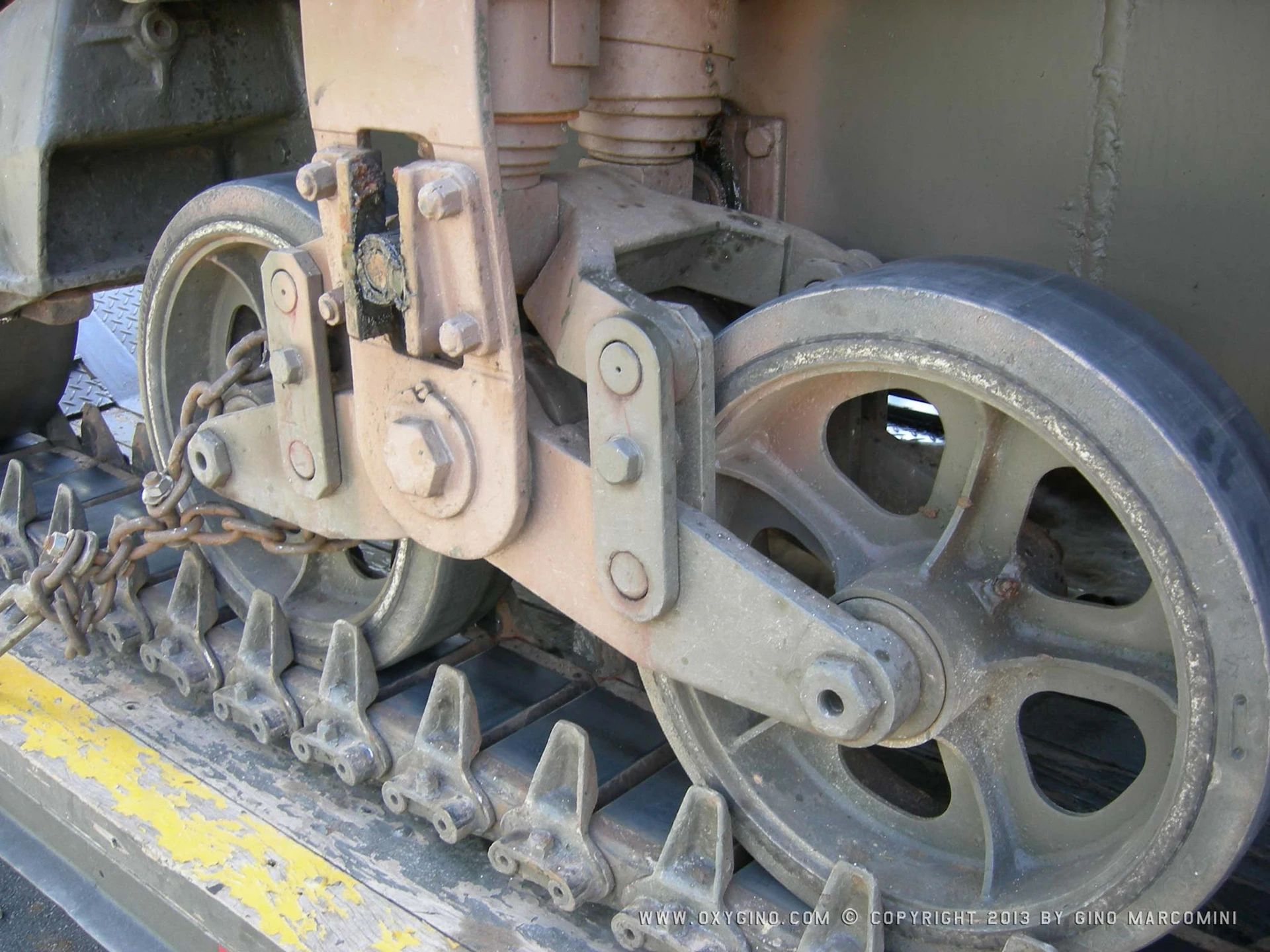
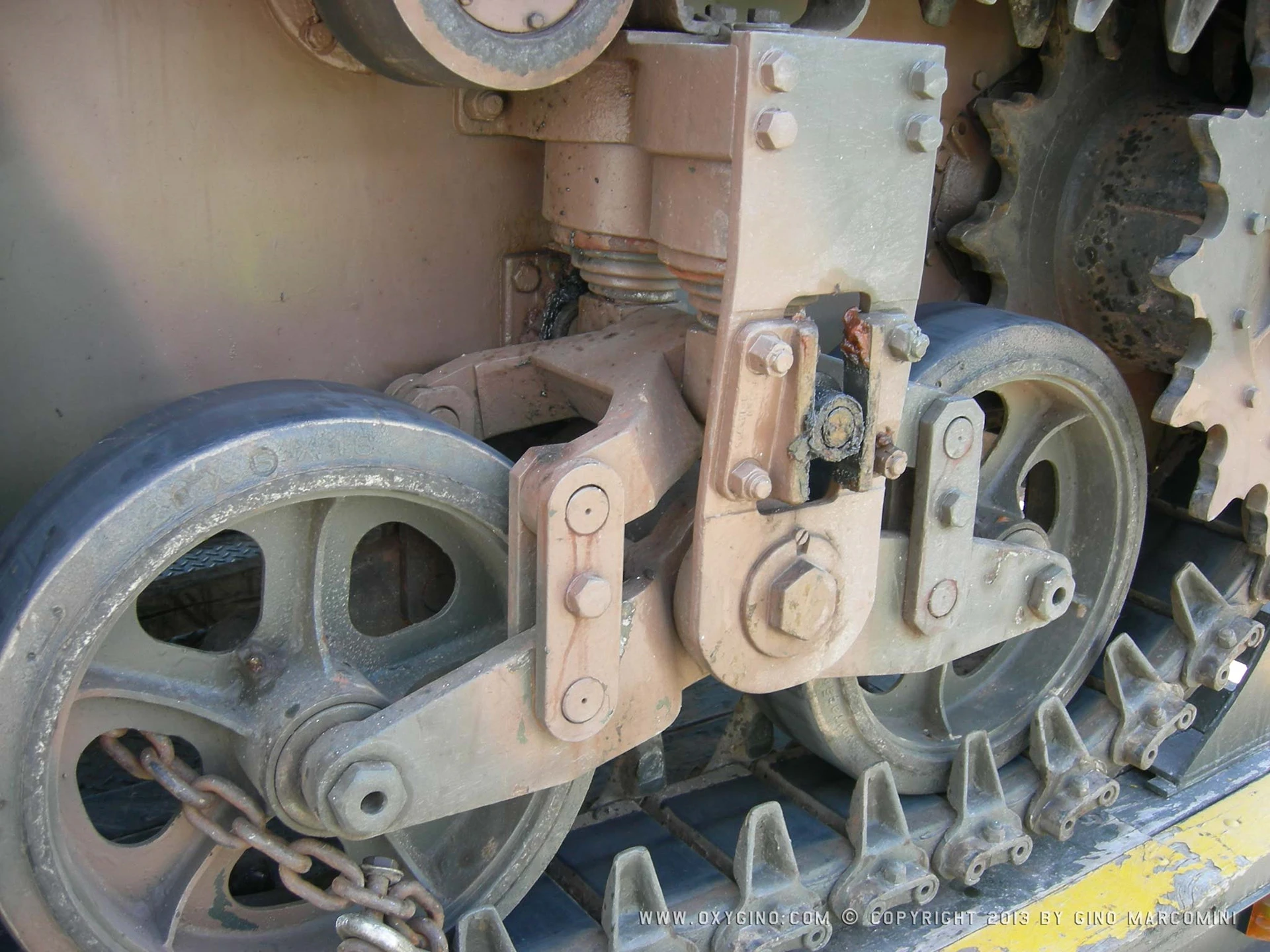

Specifications (Light Tank M3A3 (Stuart V)) : Weight 32,400 lb (14,700 kg) Length 14 ft 2.4 in (4.33 m) Width 8 ft 1.2 in (2.47 m) Height 7 ft 6 in (2.29 m) Crew 4 (Commander, gunner, driver, co-driver) Armor 13–51 mm (0.51–2.01 in) Main armament 37 mm M6 in M44 mount 174 rounds Secondary armament 3 × .30-06 Browning M1919A4 MG 7,500 rounds Engine Continental W-670-9A, 7 cylinder air-cooled radial 250 hp (190 kW) Power/weight 17.82 hp/tonne Suspension Vertical volute spring Operational range 74 mi (119 km) Speed 36 mph (58 km/h) on road 18 mph (29 km/h) off-road
 Buy Me a Coffee
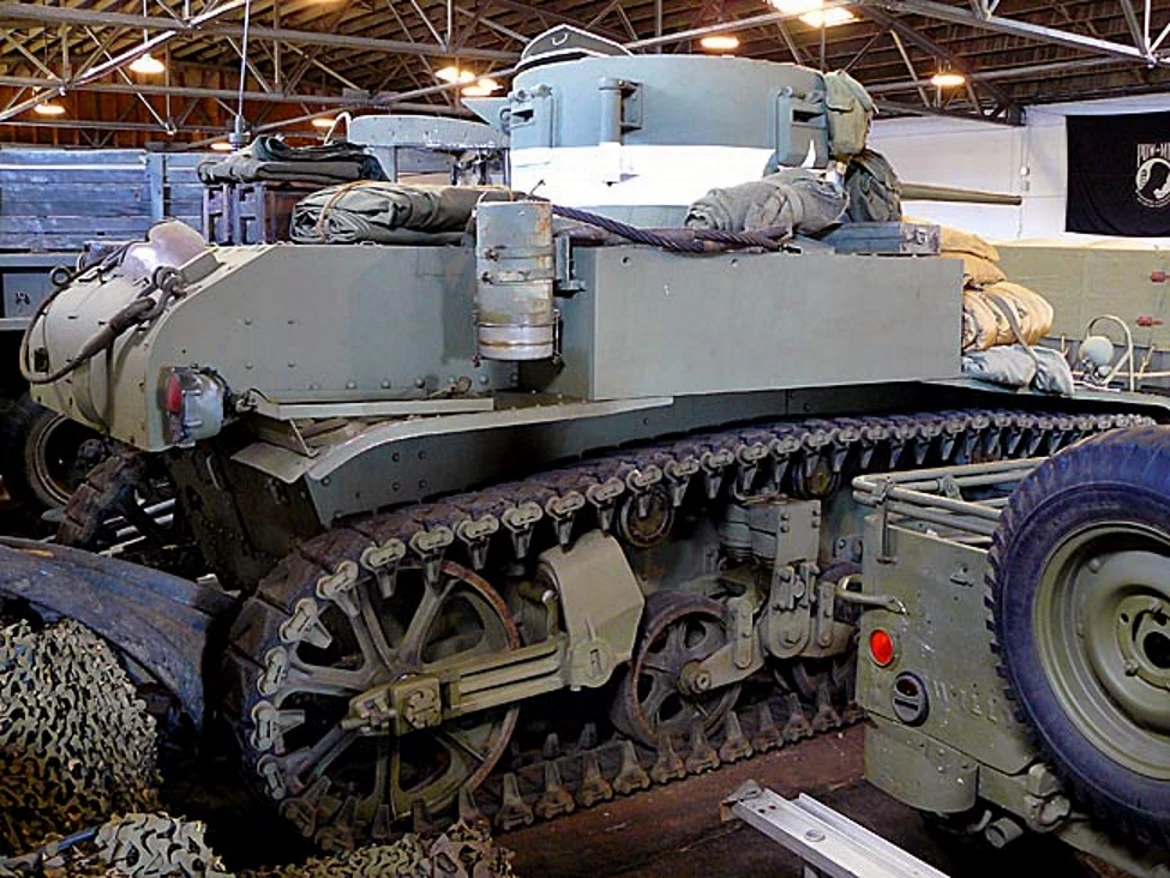
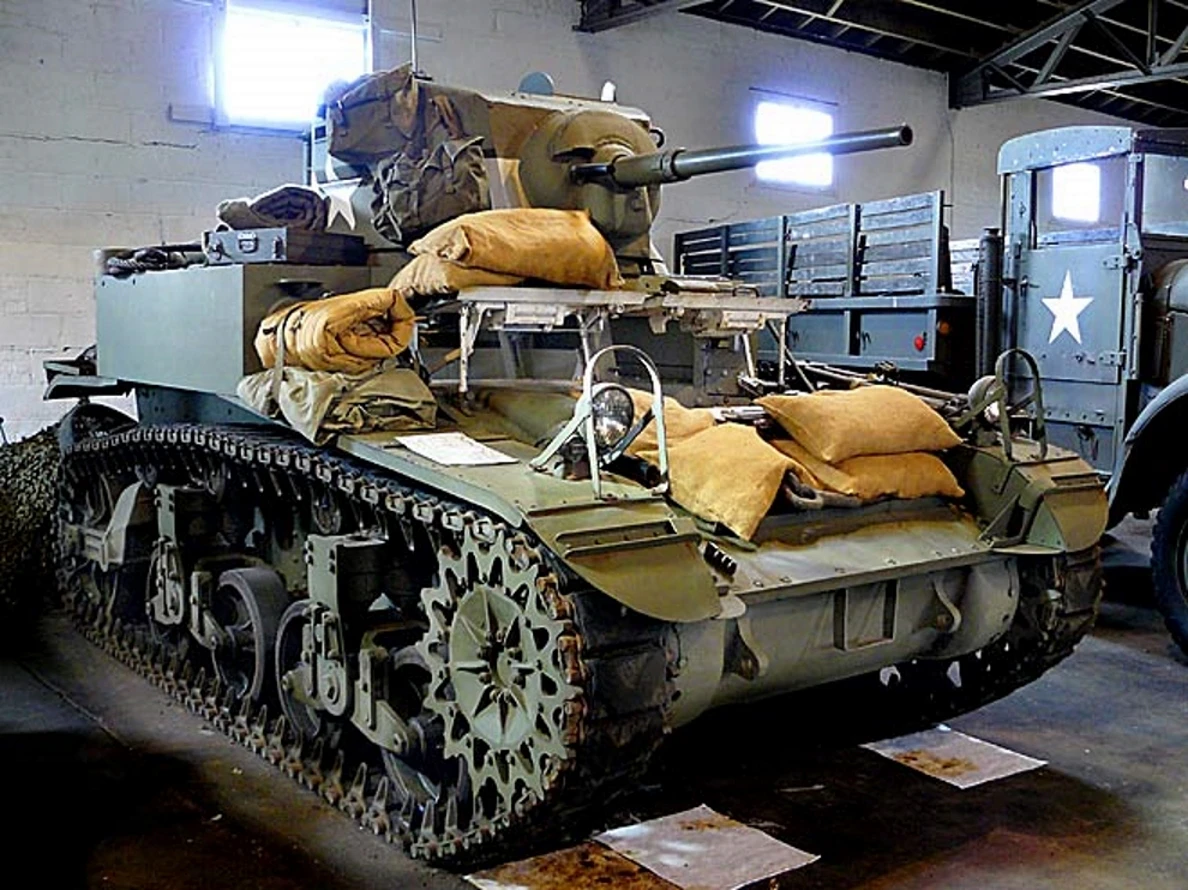
| M3A1 General Stuart Light Tank Walk Around | |
|---|---|
| Photographer | Bill Maloney |
| Localisation | Militia Museum of New Jersey |
| Photos | 18 |
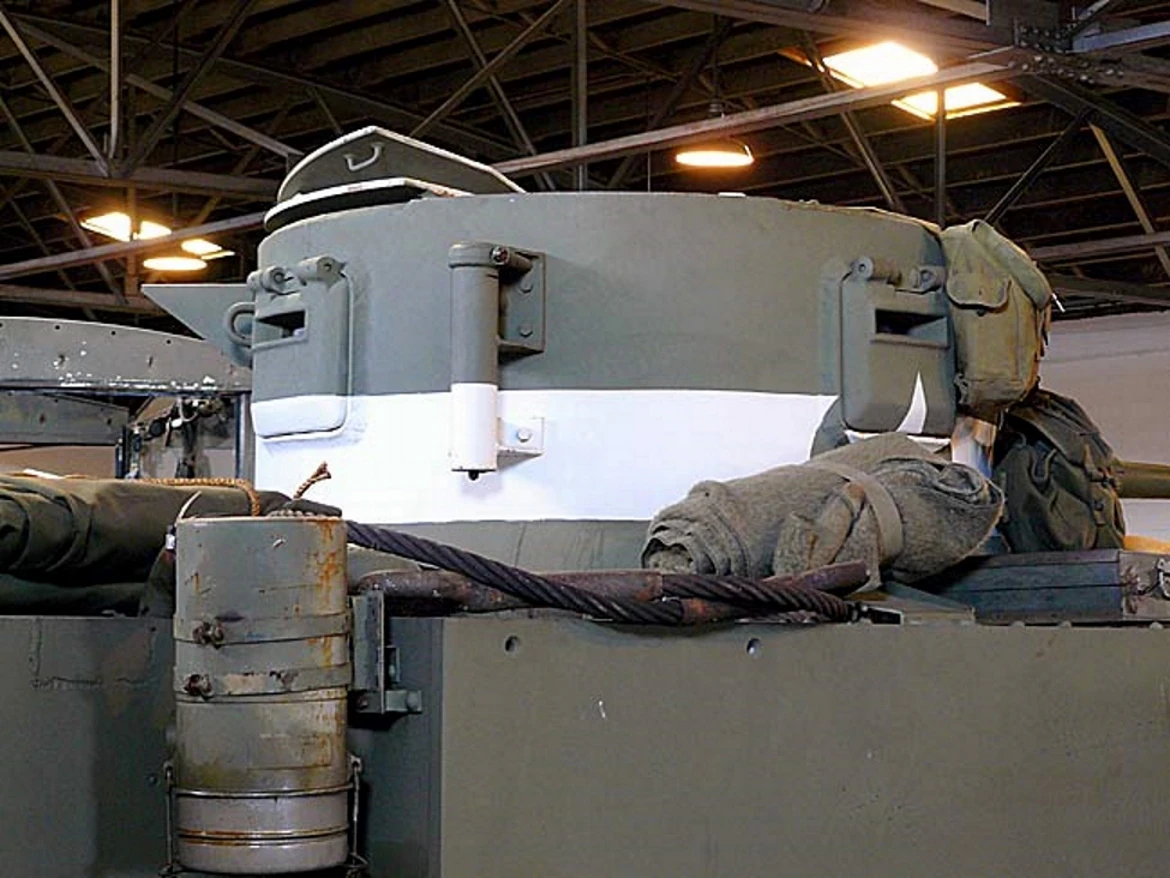
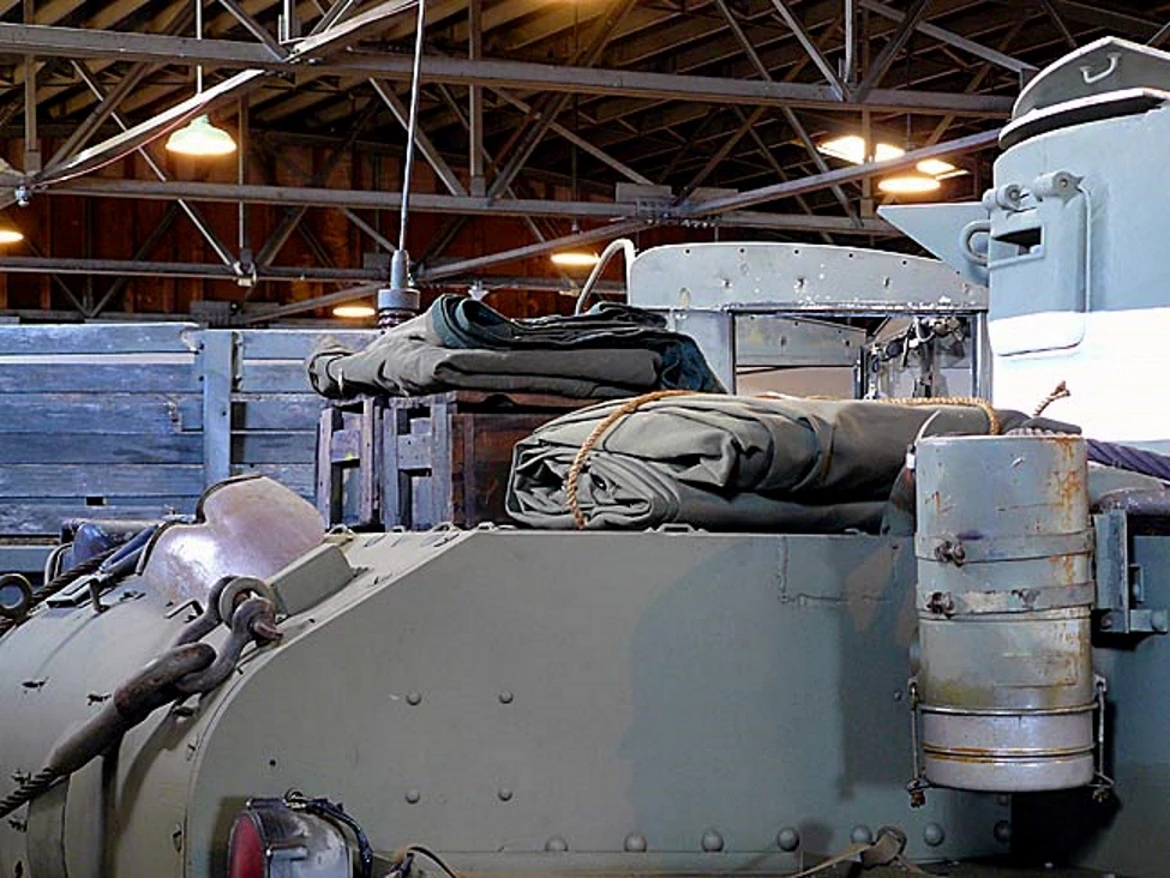
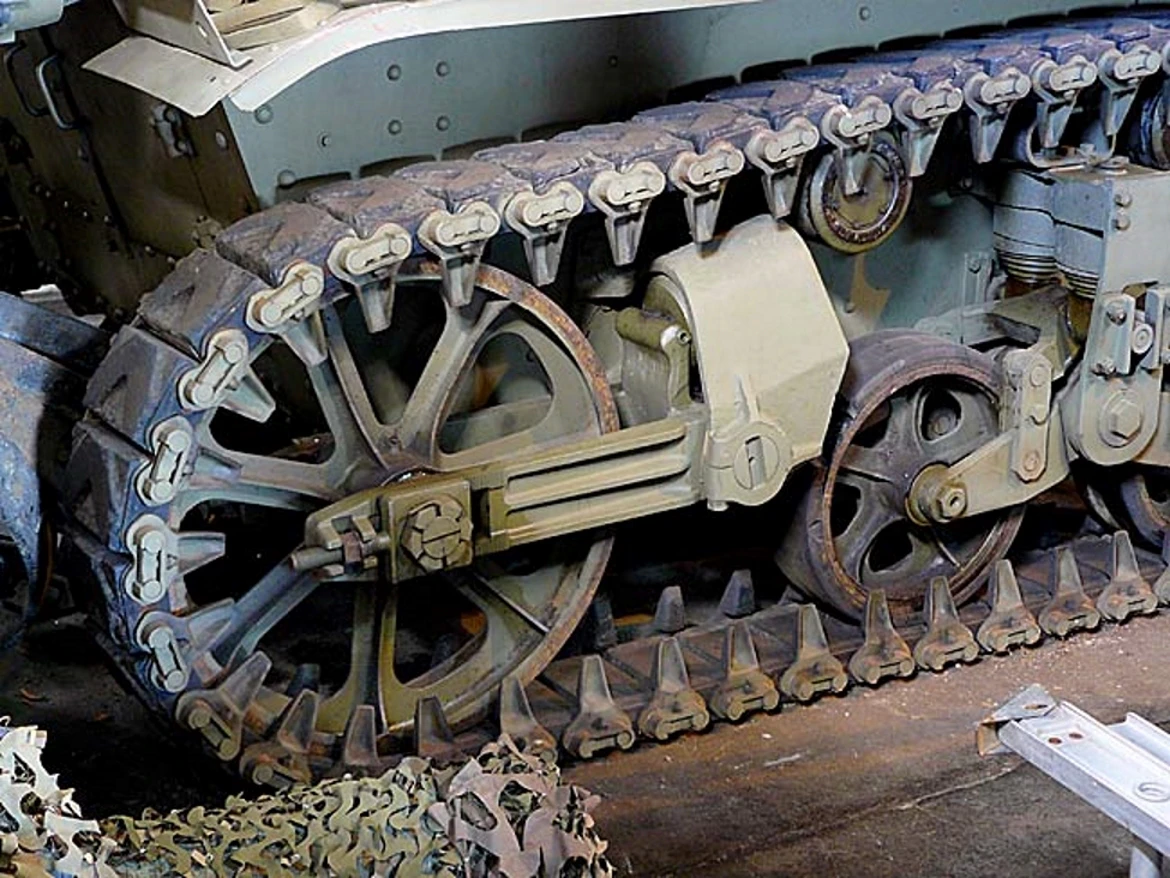
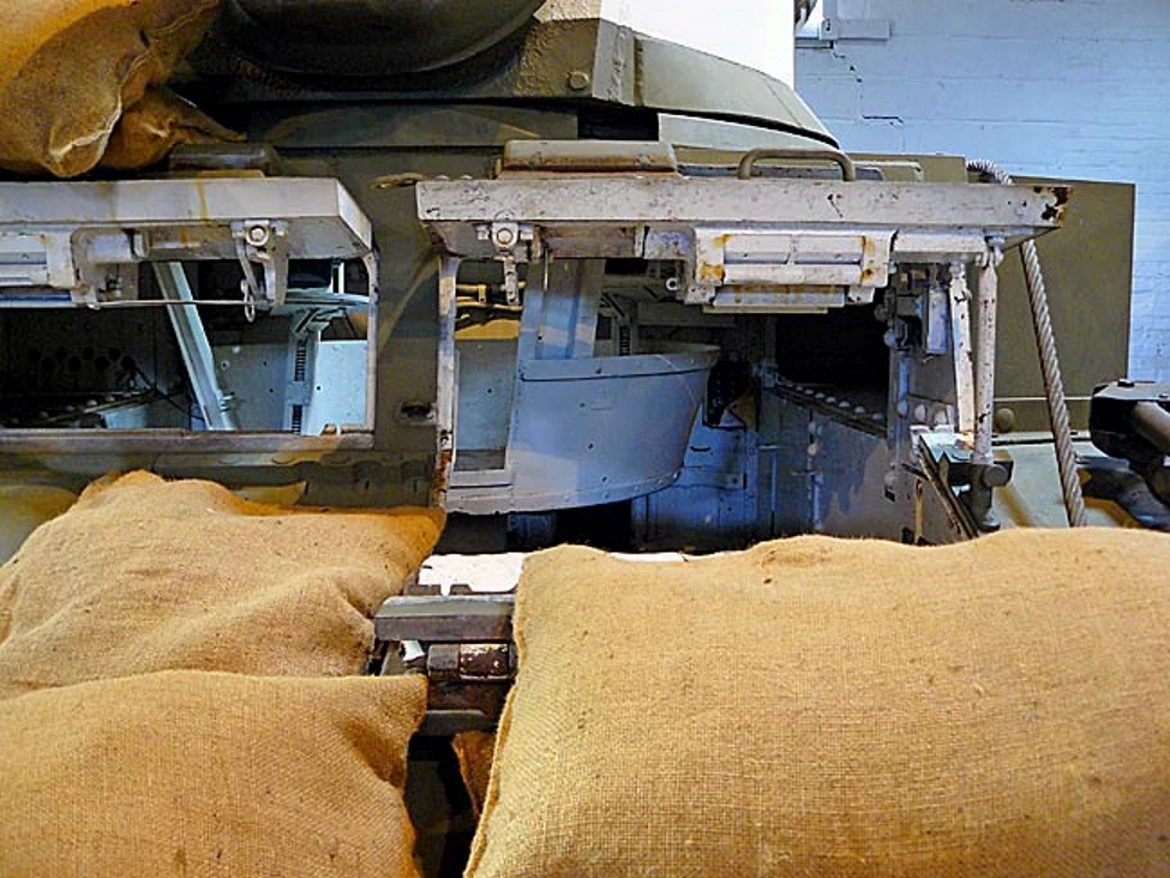
| M3A1 Stuart Walk Around | |
|---|---|
| Photographer | Unknow |
| Localisation | Unknow |
| Photos | 44 |
See also:


| Indonesian M3A1 Stuart Walk Around | |
|---|---|
| Photographer | Ricky Garry Gurnita |
| Localisation | Unknow |
| Photos | 21 |
Speed Over Armor: The Light Tank Philosophy
The M3A1 Stuart was a refinement of the original M3 Light Tank, designed to fix the cramped and dangerous fighting conditions of earlier models. Its primary mission was reconnaissance and exploitation—using its incredible speed to find gaps in enemy lines and wreak havoc in the rear. While British crews in North Africa famously dubbed it the “Honey” for its smooth ride and reliability, its thin armor and small 37mm gun meant it struggled when forced into head-to-head combat with heavier German Panzers.
| Attribute | Technical Specification (M3A1) |
|---|---|
| Role | Light Tank / Reconnaissance |
| Crew | 4 (Commander, Gunner, Driver, Bow Gunner) |
| Engine | Continental R-670-9A 7-cylinder radial (250 hp) |
| Maximum Speed | 58 km/h (36 mph) on road |
| Main Armament | 1 × 37mm M6 gun (with M4 gyrostabilizer) |
| Secondary Armament | 3 × .30 caliber M1919A4 machine guns |
| Armor | 13mm to 38mm (1.5 inches max) |
| Weight | 12.9 tonnes |
Design Engineering: The Turret Basket Evolution
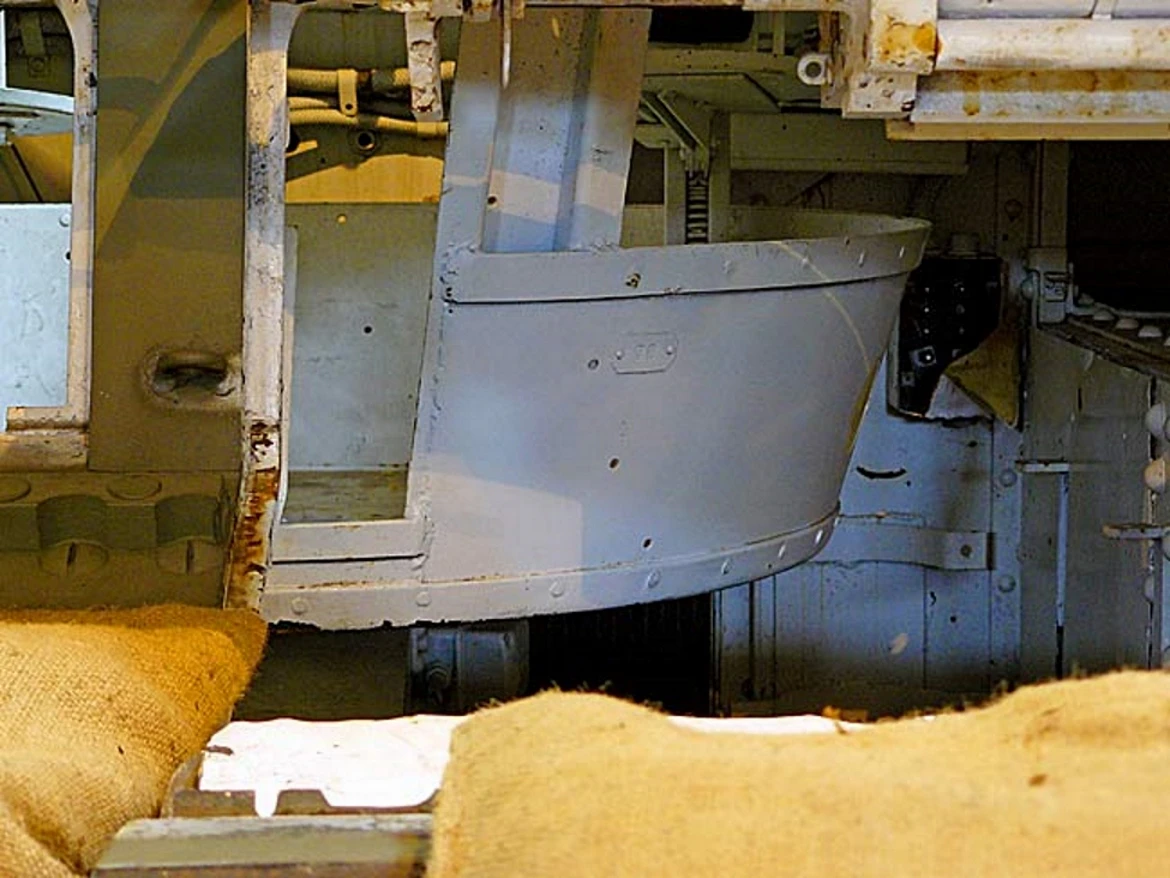
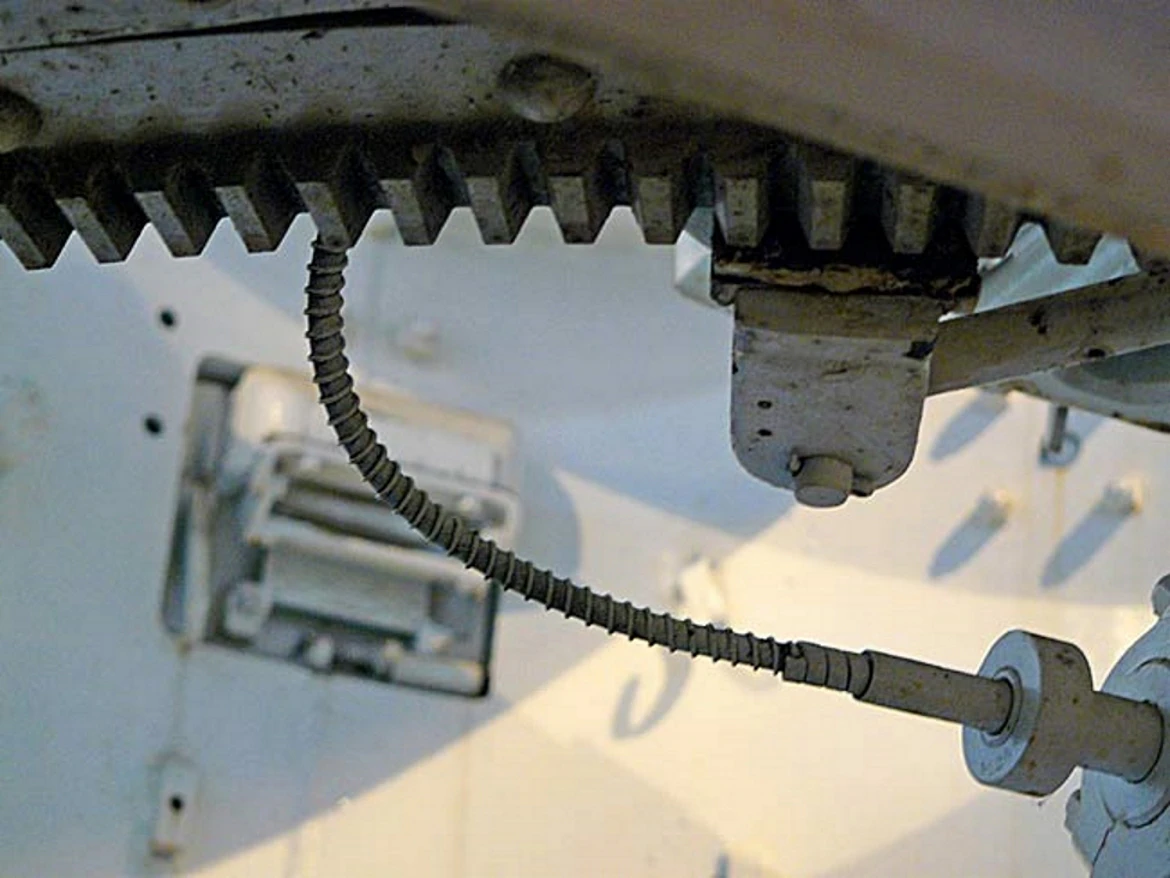
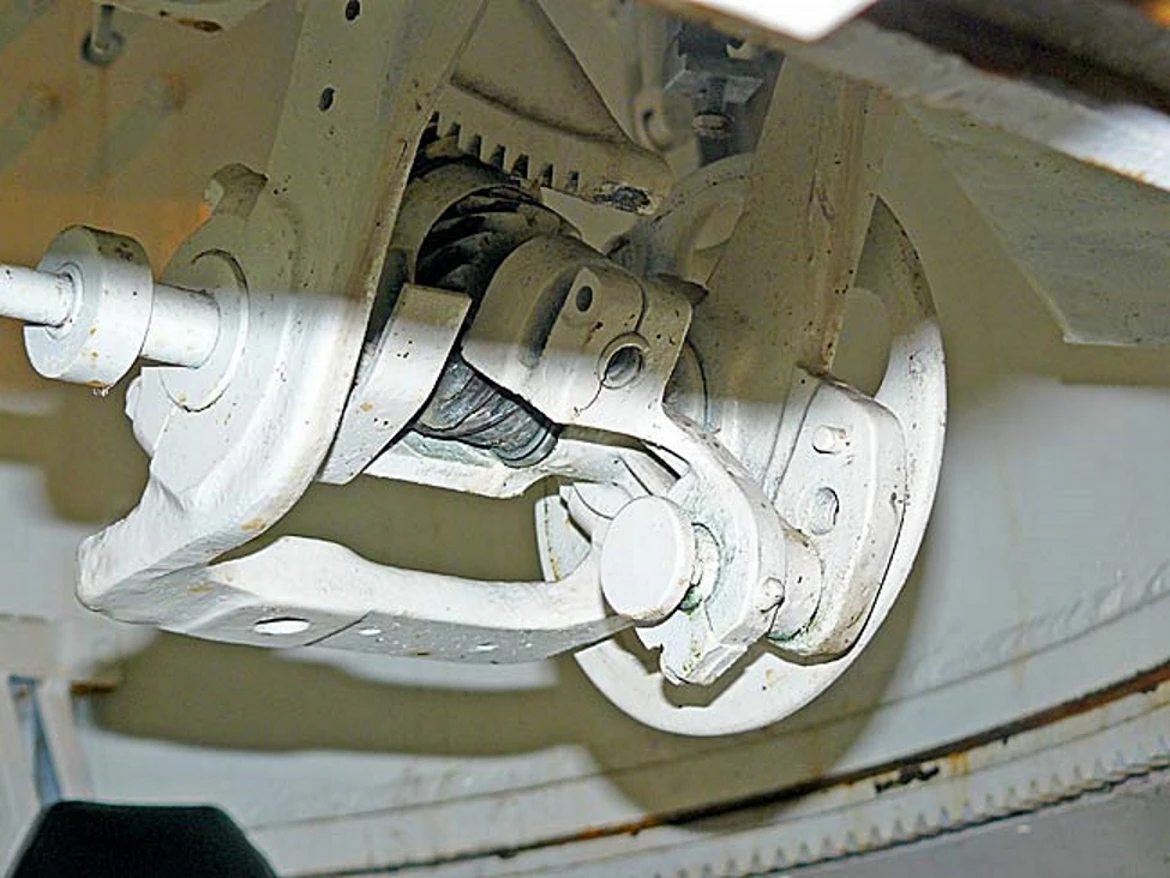
- The Turret Basket: The “A1” version introduced a turret basket, a floor that rotated with the turret. This meant the gunner and commander no longer had to “walk” around the hull floor as the turret turned, significantly improving firing speed and safety.
- The Guiberson Diesel Option: While most Stuarts used the Continental petrol radial engine, some were built with the Guiberson T-1020 diesel. These were rare and often sent to the Marines or exported, as the US Army preferred standardized petrol logistics.
- Vertical Volute Spring Suspension (VVSS): The Stuart used the classic American VVSS system. It was rugged and easy to repair, contributing to the tank’s reputation for mechanical reliability, even if it limited the width of the tracks and performance in deep mud.
- Gyrostabilized Fire: The M3A1 was one of the first light tanks to feature a vertical stabilizer for its main gun. While it didn’t allow for perfect “fire-on-the-move” by modern standards, it kept the sights much closer to the target while bouncing over rough terrain.
Combat History: From the Desert to the Jungle
- The North African Sprint: In the Western Desert, the Stuart’s speed allowed it to outrun almost anything. British units used them as “armored cavalry” to harass Rommel’s supply lines, though they learned quickly to avoid the 88mm anti-tank guns.
- Pacific Jungle Warfare: While the Stuart became obsolete in Europe by 1944, it remained a king in the Pacific. Its light weight allowed it to cross makeshift bridges and traverse soft jungle soil that would swallow an M4 Sherman. Against Japanese light tanks like the Type 95 Ha-Go, the Stuart was a dominant force.
- The “Recce” Role: Late in the war, many Stuarts had their turrets removed to create the Stuart Recce, an ultra-fast, low-profile scouting vehicle that relied on stealth and speed rather than firepower.
- Post-War Proliferation: Thousands of Stuarts were exported after 1945. They served in the Indo-Pakistani wars and remained in active service in some South American nations into the 21st century.
Views : 4522