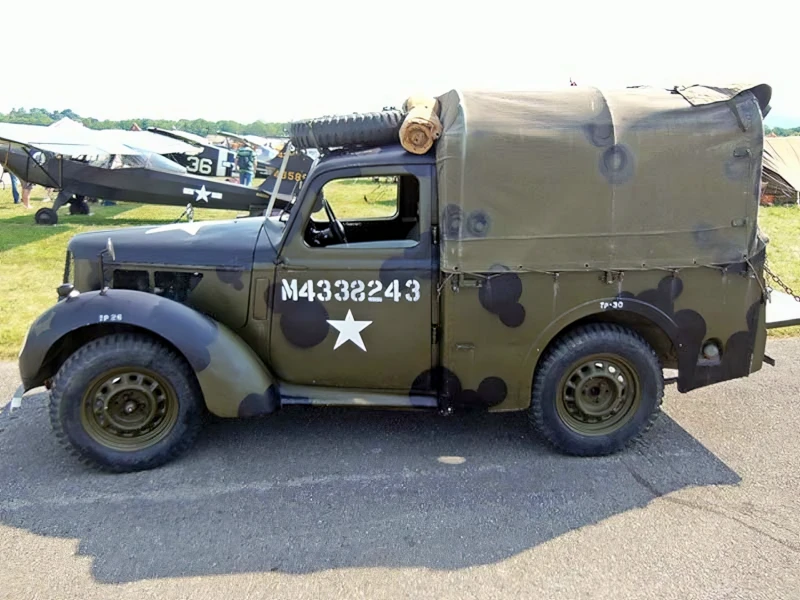
Hillman Light Utility Truck | |
|---|---|
| Country | UK |
| Type | Utility Truck |
| Topic | Album of 28 photos of a truck Hillman Light Utility Truck |
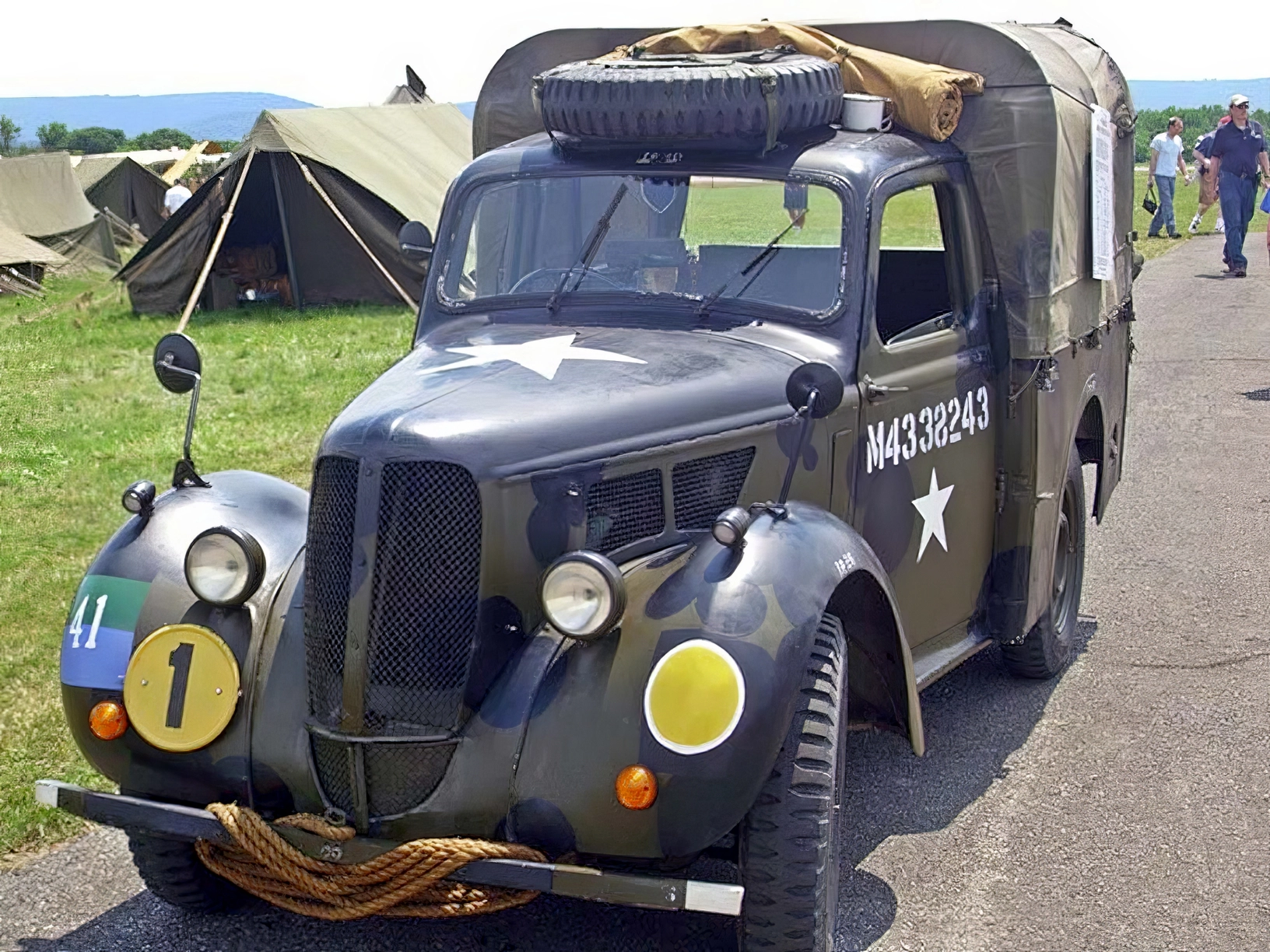
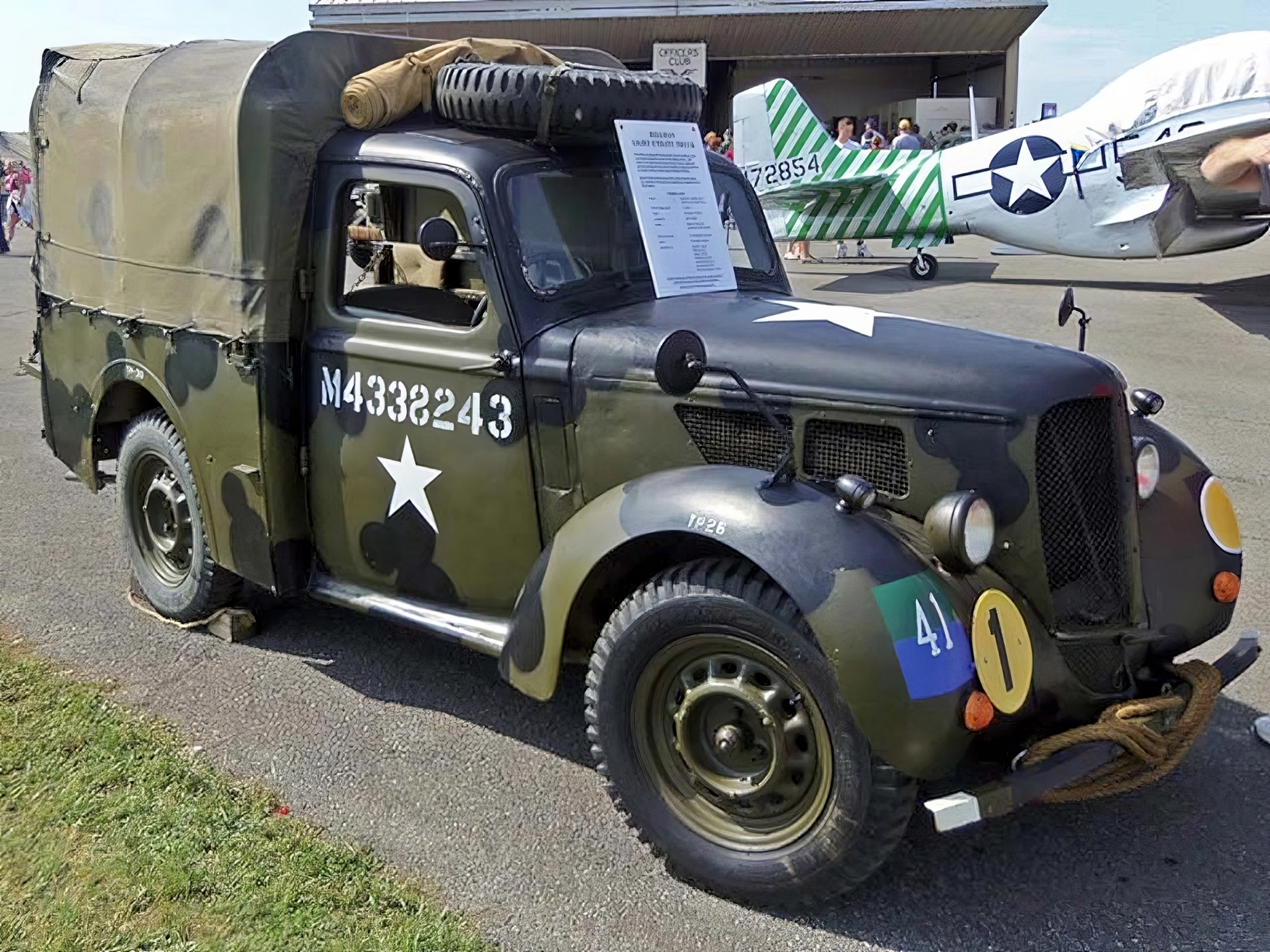
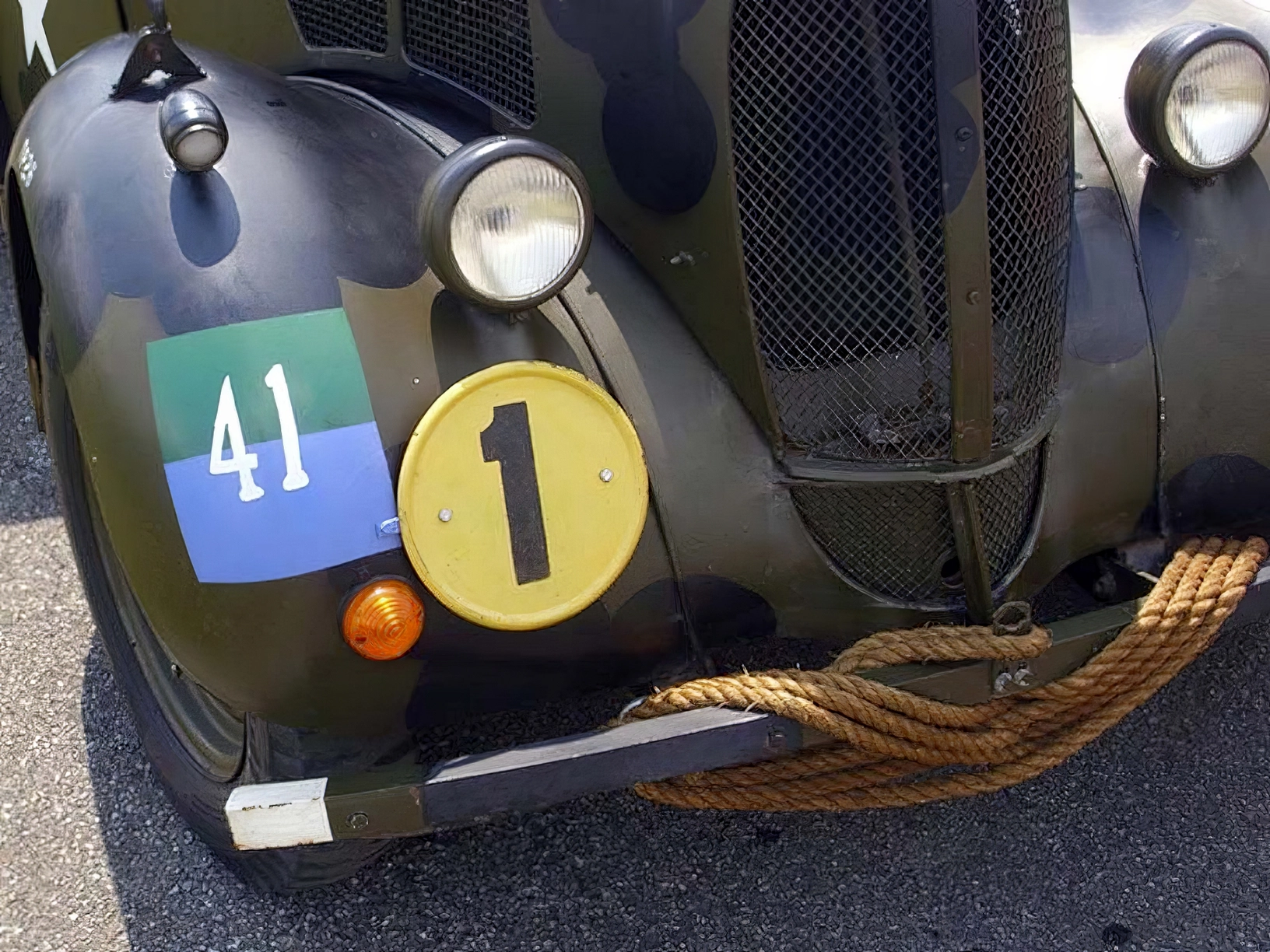
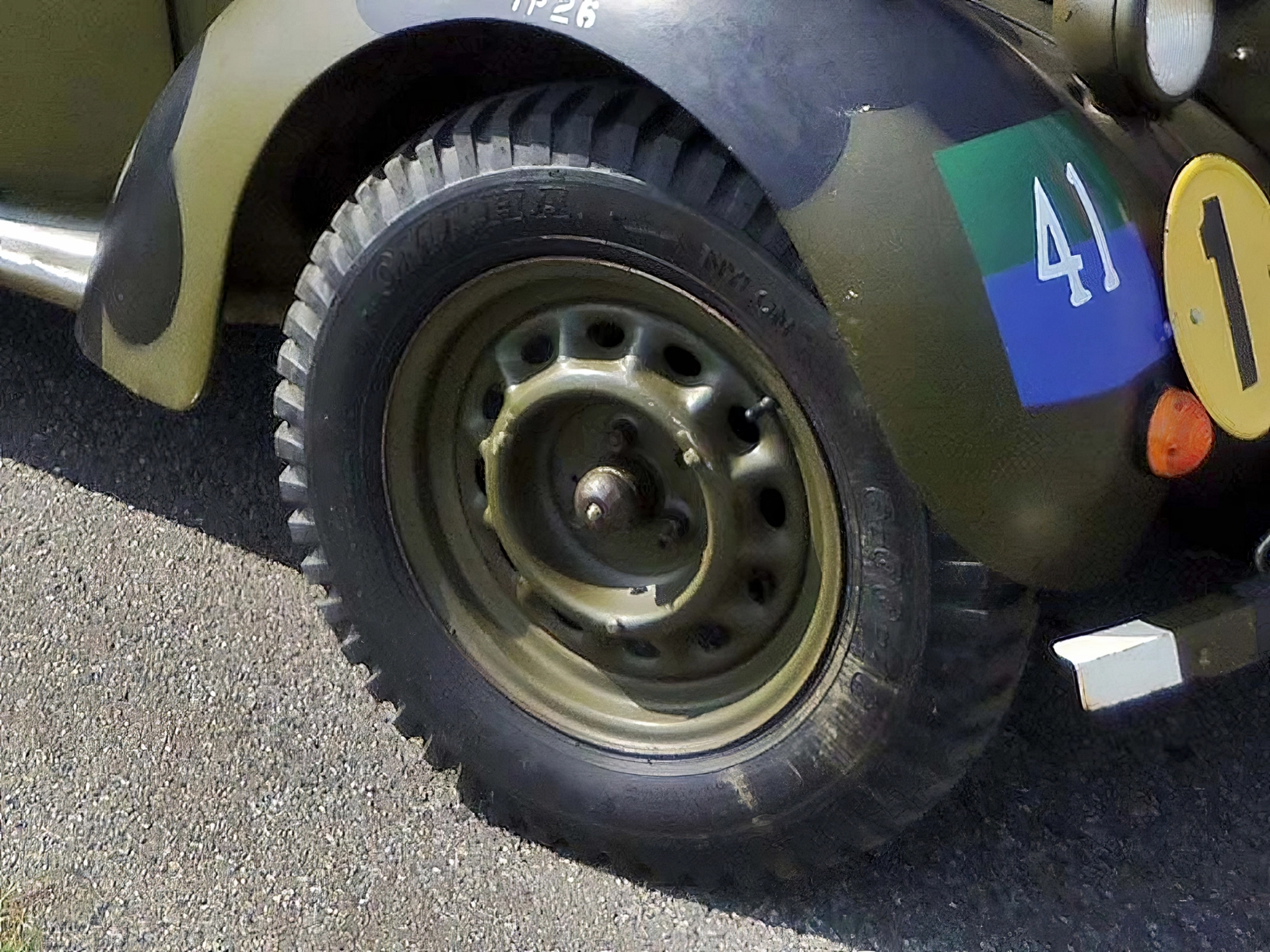
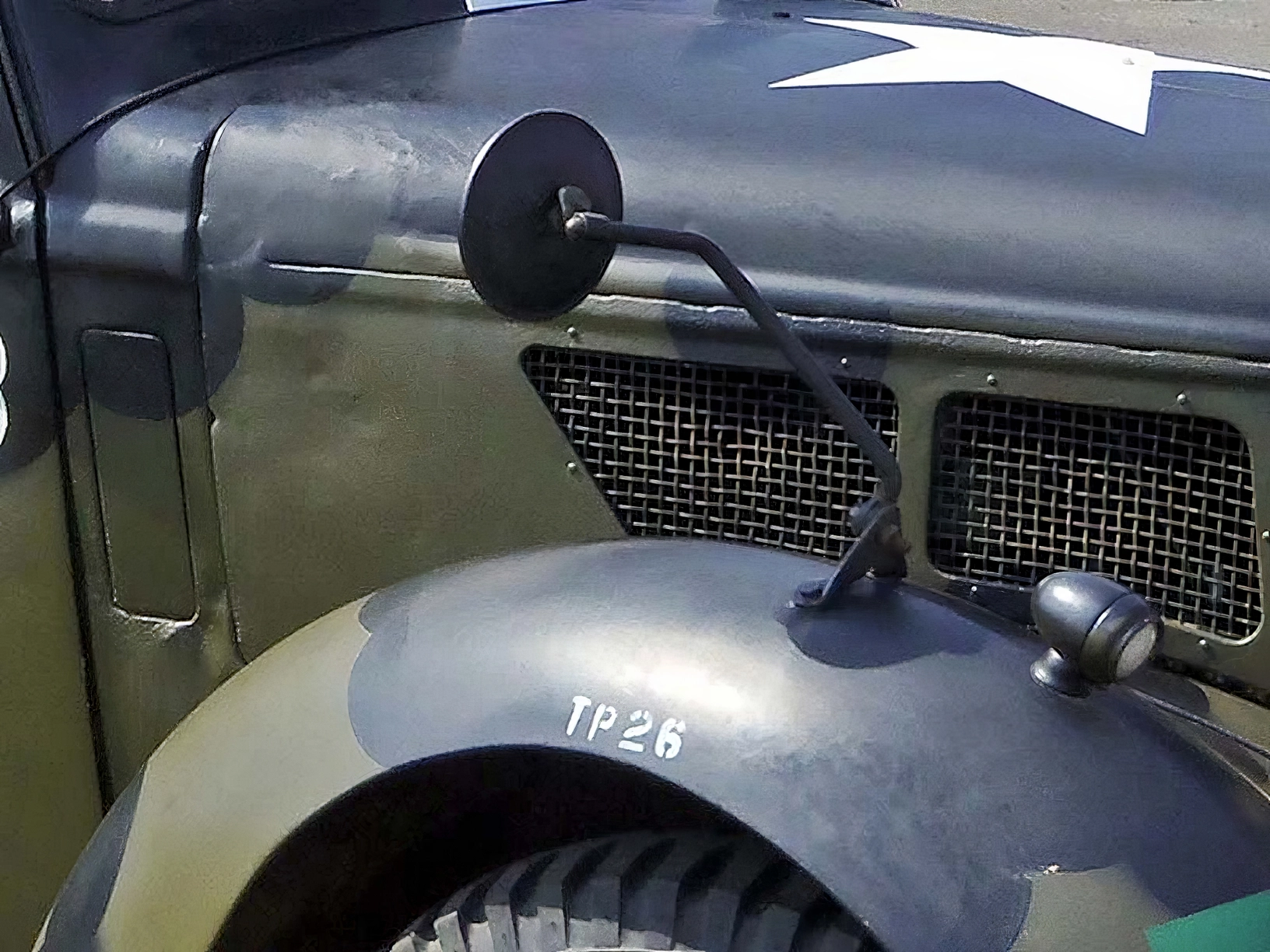
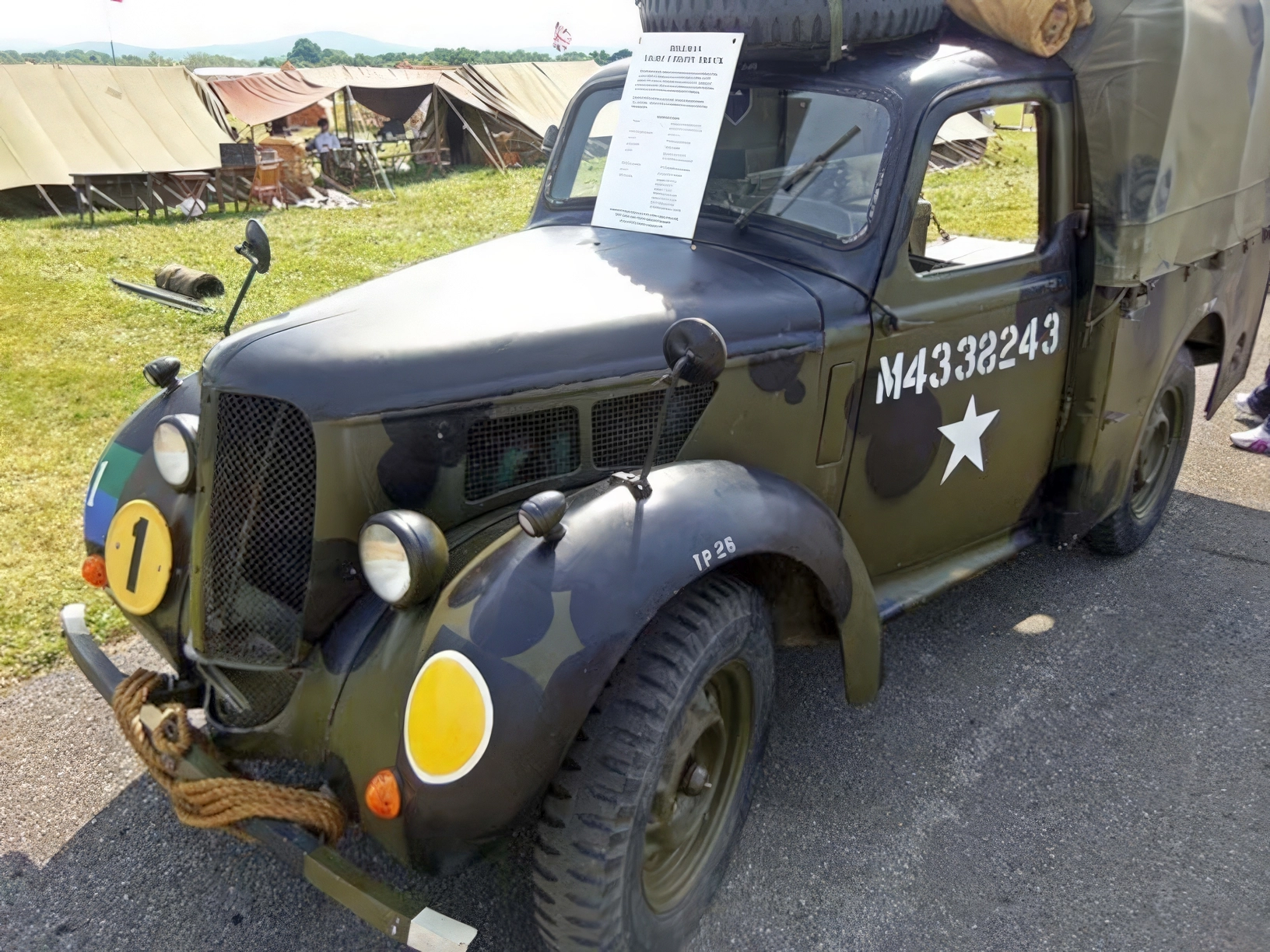
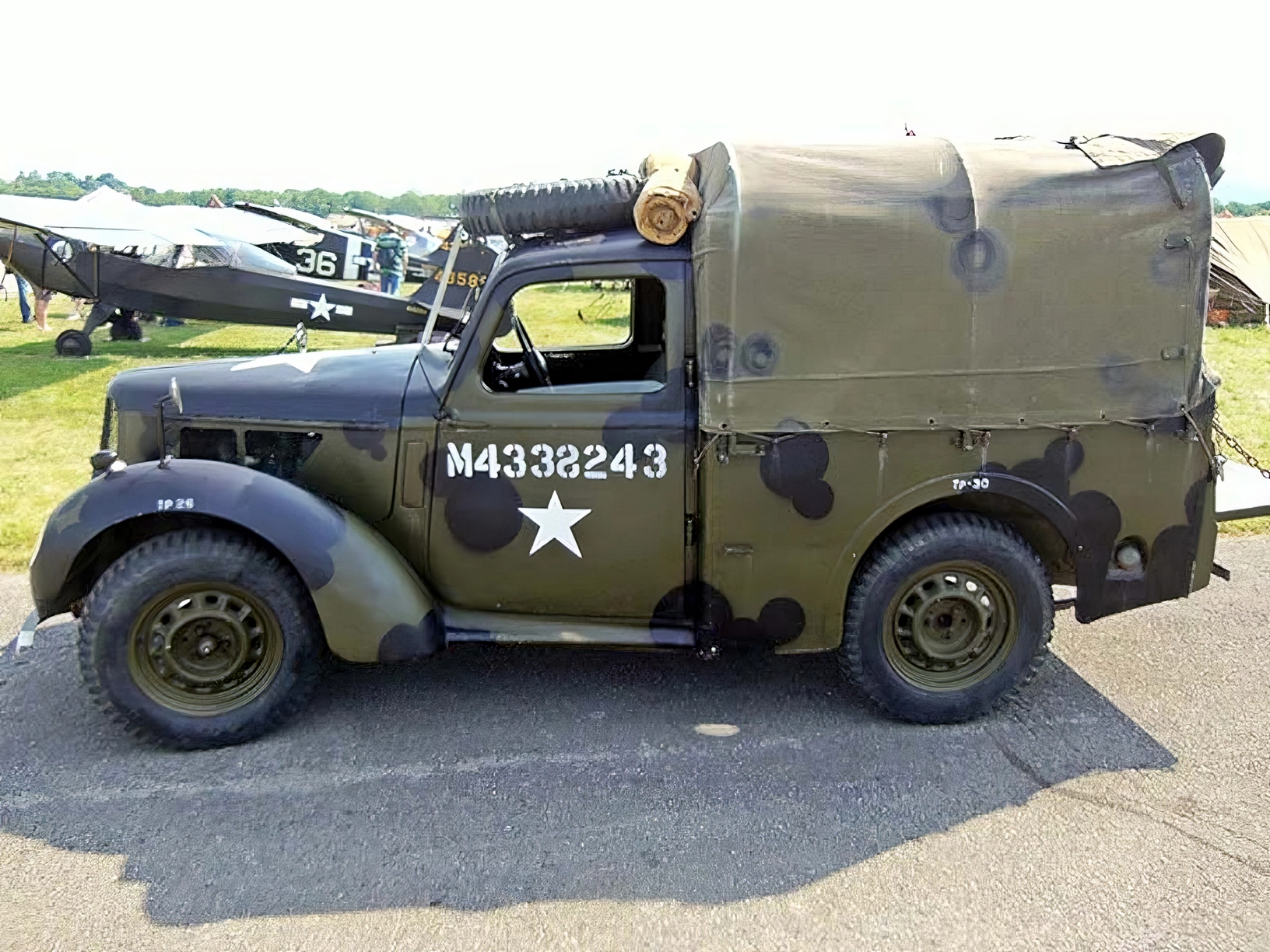
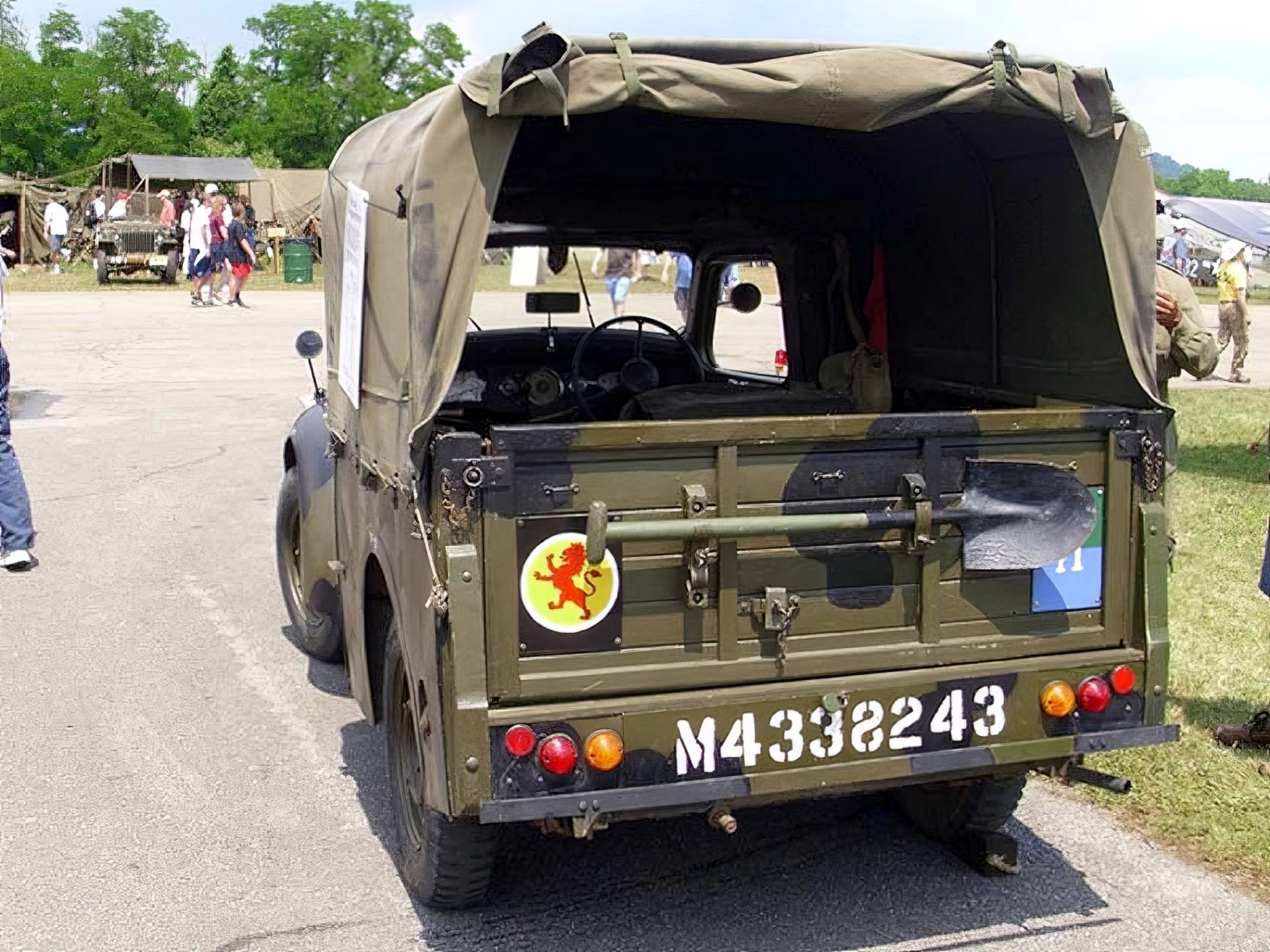
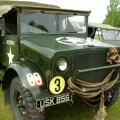
Photo gallery of a Hillman Light Utility Truck, The Hillman Light Utility Truck is a military version of the Hillman Minx 10 HP.

See also:


The Civilian Saloon Goes to War
The Hillman Light Utility, affectionately known as the “Tilly” (derived from “Utility”), was a quintessential example of British improvisation during WWII. Rather than designing a new vehicle from scratch, the Ministry of Supply requested that manufacturers adapt their existing civilian car chassis for military use. Hillman took their popular 10hp Minx saloon, chopped off the rear bodywork, and added a wooden or steel truck bed with a canvas tilt. It wasn’t a front-line combat vehicle, but it was the “office on wheels” for thousands of officers, clerks, and ground crews across every theater of the war.
| Attribute | Technical Specification (Hillman 10hp) |
|---|---|
| Role | Light Utility / Liaison Vehicle |
| Crew | 2 (in cab) + additional in rear bed |
| Engine | Hillman 1185cc 4-cylinder side-valve (30 hp) |
| Drive | 4×2 (Rear-Wheel Drive) |
| Maximum Speed | ~80 km/h (50 mph) |
| Payload | Approx. 350 kg (about 7 cwt) |
| Transmission | 4-speed manual |
| Total Produced | Approx. 5,800 units |
Design Engineering: Civility Under Camouflage
- The Saloon Heritage: Underneath the drab olive paint and the cargo bed, the Tilly was essentially a Hillman Minx. It retained the comfortable car-like suspension and interior dashboard, which made it a favorite for officers who preferred comfort over the rugged, bone-shaking ride of a Jeep.
- The “Utility” Conversion: The conversion involved strengthening the rear chassis and adding a simple pickup-style body. Because it was 2-wheel drive (4×2), it lacked true off-road capability, making it more suited for paved roads or dry airfield perimeters than the muddy front lines.
- The Canvas Tilt: The rear bed was covered by a canvas top supported by steel hoops. This provided flexible storage for everything from radio equipment to wounded soldiers on stretchers or even just the morning mail for the squadron.
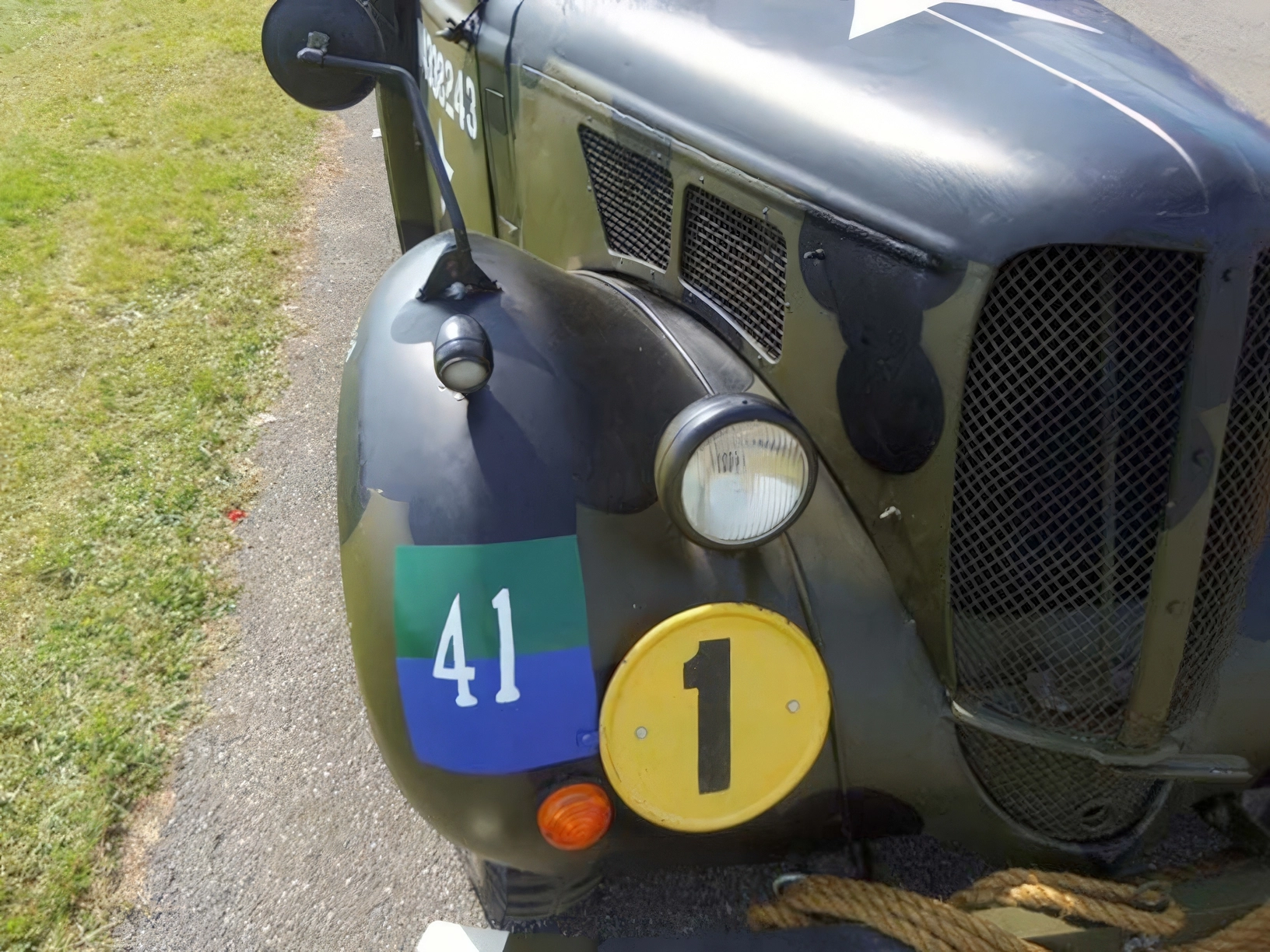
- Blackout Gear: To survive on the roads of Britain and Europe during the war, Hillmans were fitted with “blackout” masks on the headlights, directing a thin sliver of light downward to avoid detection by enemy aircraft.
Operational History: The RAF’s Best Friend
- Airfield Workhorse: While the Army used them for liaison, the Royal Air Force (RAF) became the most famous user of the Hillman Tilly. They were used to ferry pilots to their Spitfires, haul mechanics to broken-down bombers, and run supplies across sprawling airbases.
- Dunkirk and Beyond: Many Hillman Tillys were left behind on the beaches of Dunkirk in 1940. The German Wehrmacht, always short on motorized transport, happily pressed these captured “Tillys” into their own service.
- The Four Manufacturers: While Hillman was a major producer, nearly identical “Tillys” were also built by Austin, Standard, and Morris. Each had slight variations, but the Hillman was often considered the most “refined” of the bunch.
- Cultural Icon: The Tilly has become a staple of British WWII films and heritage displays. Its distinctive silhouette represents the “Keep Calm and Carry On” spirit of the home front and the massive logistical effort behind the front lines.
Views : 1916
You can see also :
 Pavesi P4 – Photos & Videos
 Phenomenon Granit 1500 – Photos & Videos
 Bedford QL – Photos & Videos
 M1120 HEMTT Load Handling System – Photos & Videos
 Mack M123 Truck – Photos & Videos
 P-18 radar – Photos & Videos
 Opel Blitz 3.6 – Photos & Video
 Steyr 680M – Photos & Video
 Bedford MV 15cwt – Walk Around
 Bedford OYC fuel tanker – Walk Around