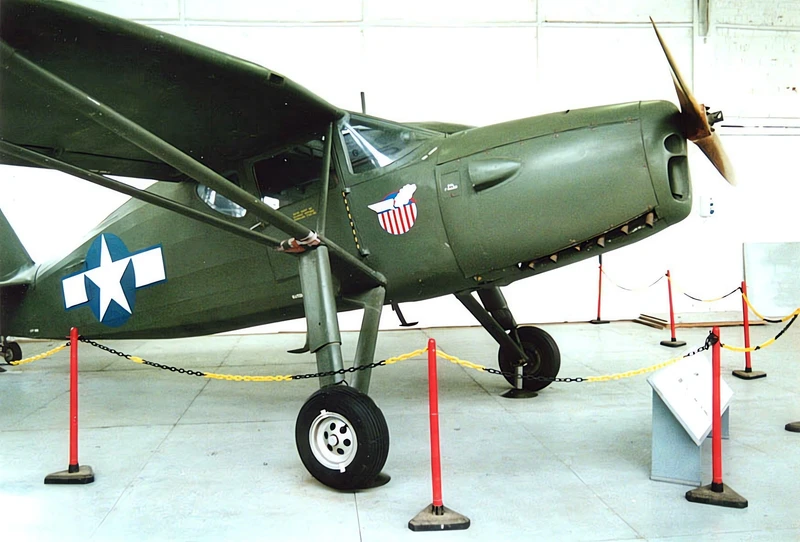
Fairchild 24 | ||
|---|---|---|
| Country | USA | |
| Role | STOL bush plane | |
| First flight | 1932 | |
| Built | 2232 | |
The Fairchild Model 24, also called the Fairchild Model 24 Argus/UC-61 Forwarder or Fairchild Model 24 Argus, is a four-seat, single-engine monoplane light transport aircraft designed by the Fairchild Aviation Corporation in the 1930s. It was adopted by the United States Army Air Corps as UC-61 and also by the Royal Air Force. The Model 24 was itself a development of previous Fairchild models and became a successful civil and military utility aircraft.
Source: Fairchild 24 on Wikipedia
| Fairchild Argus Mk.III Walk Around | |
|---|---|
| Photographer | Unknow |
| Localisation | Unknow |
| Photos | 16 |
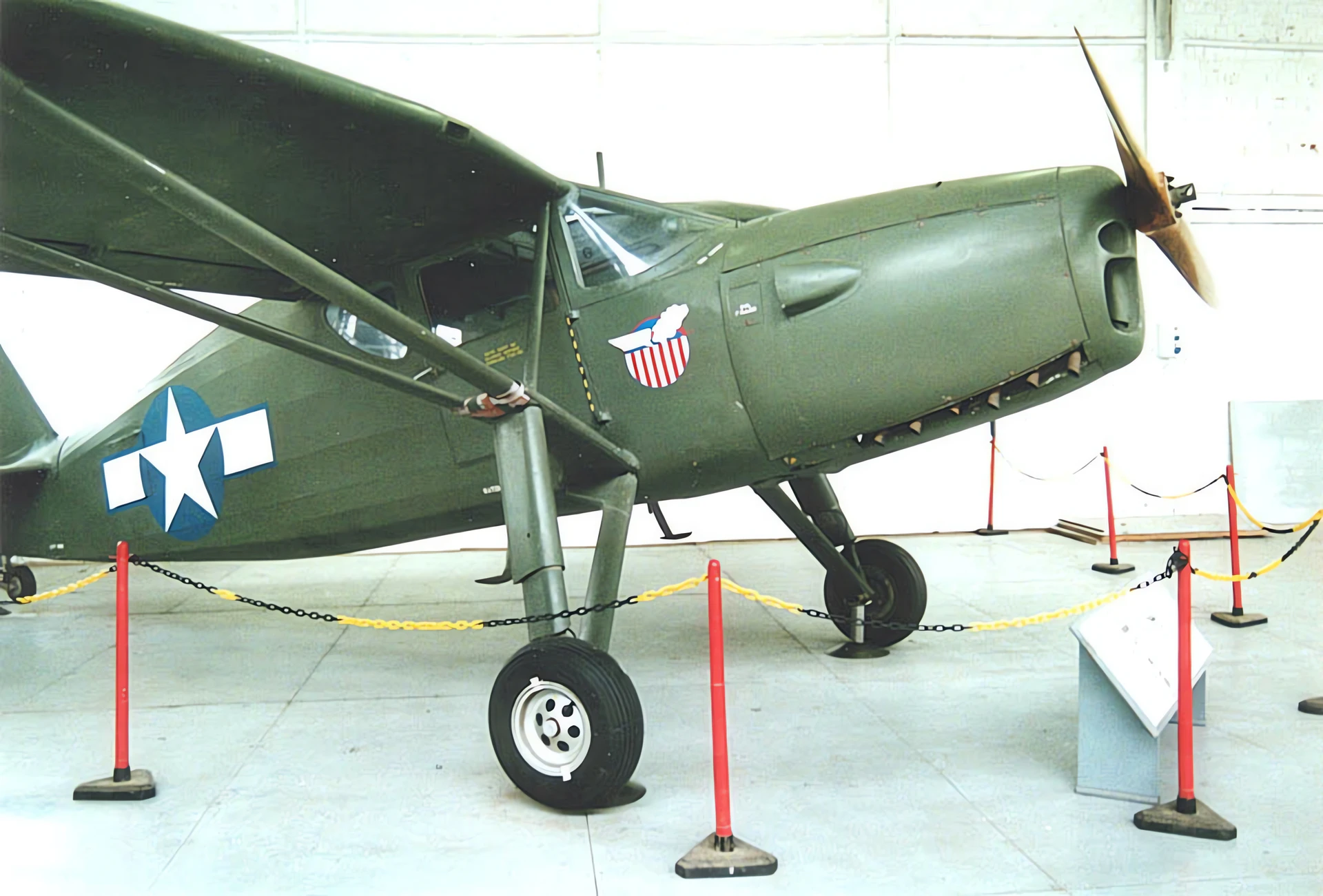
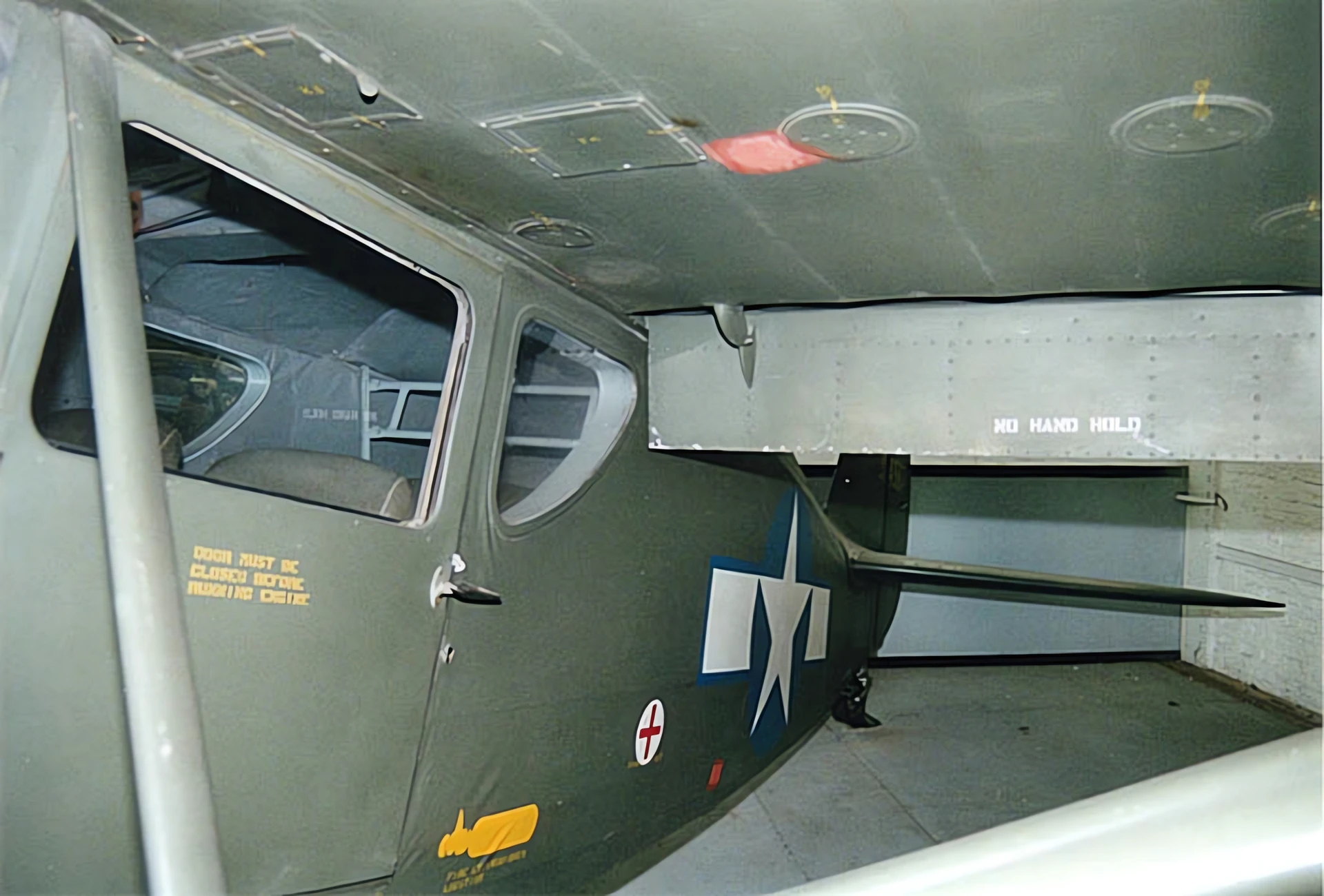
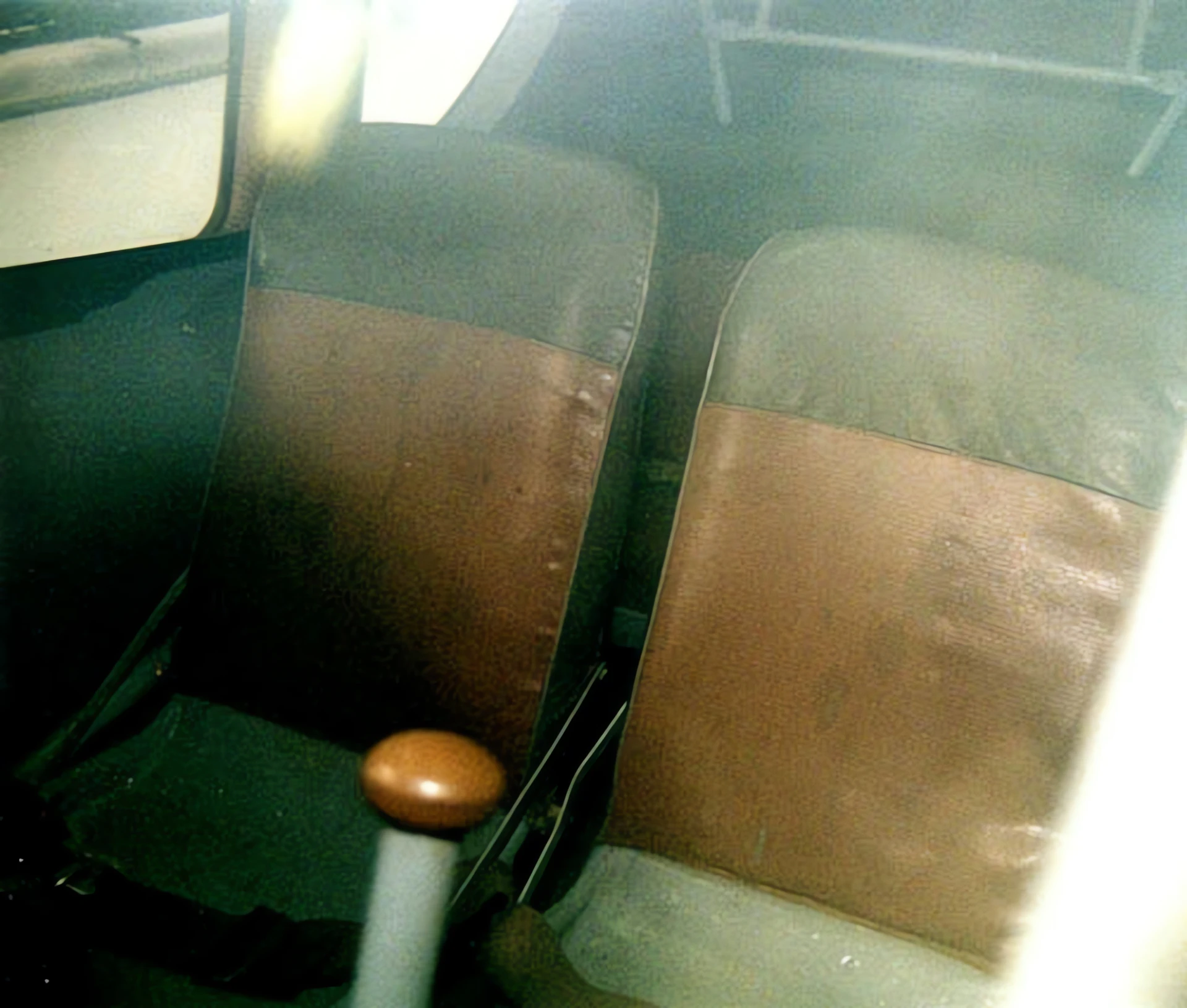
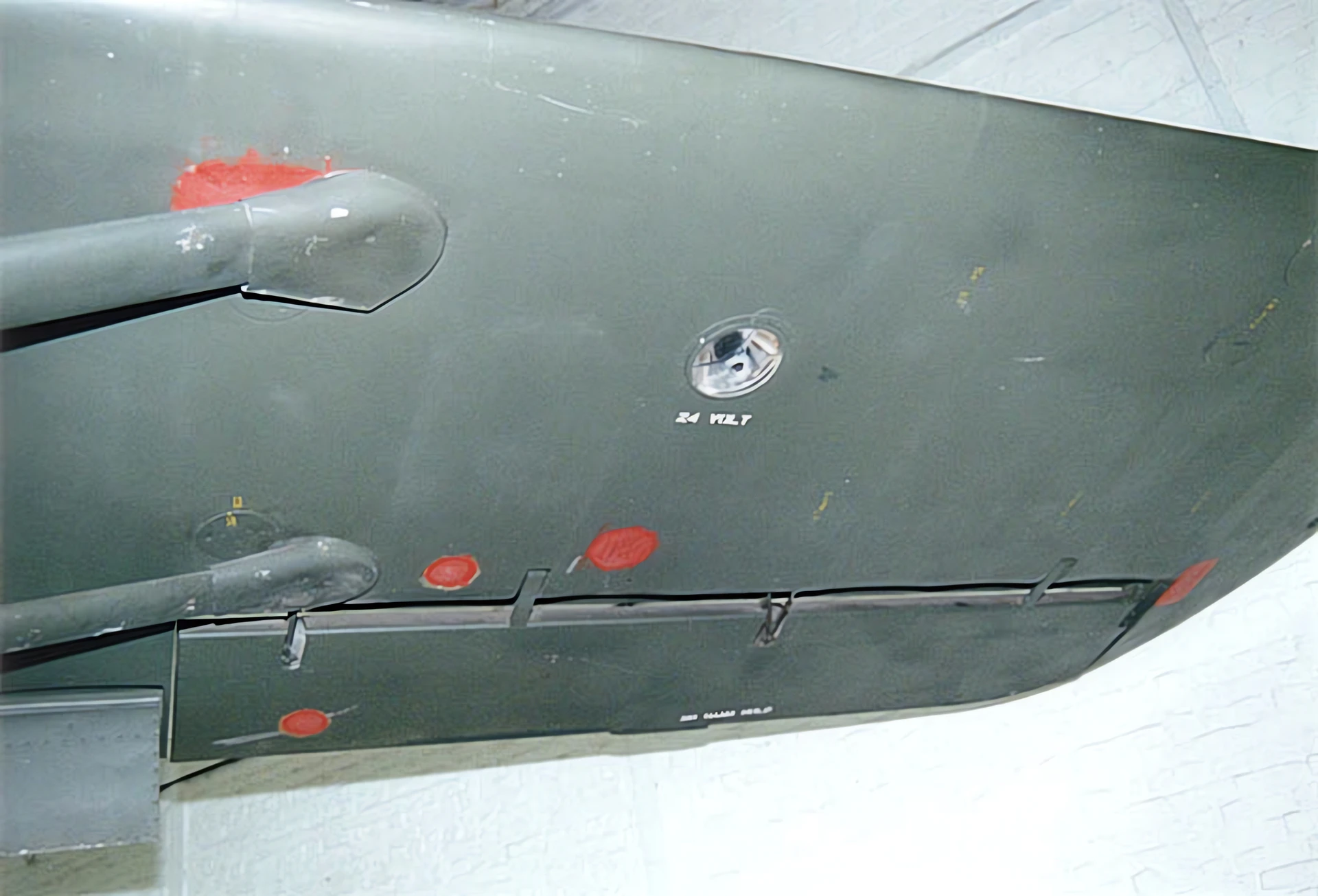
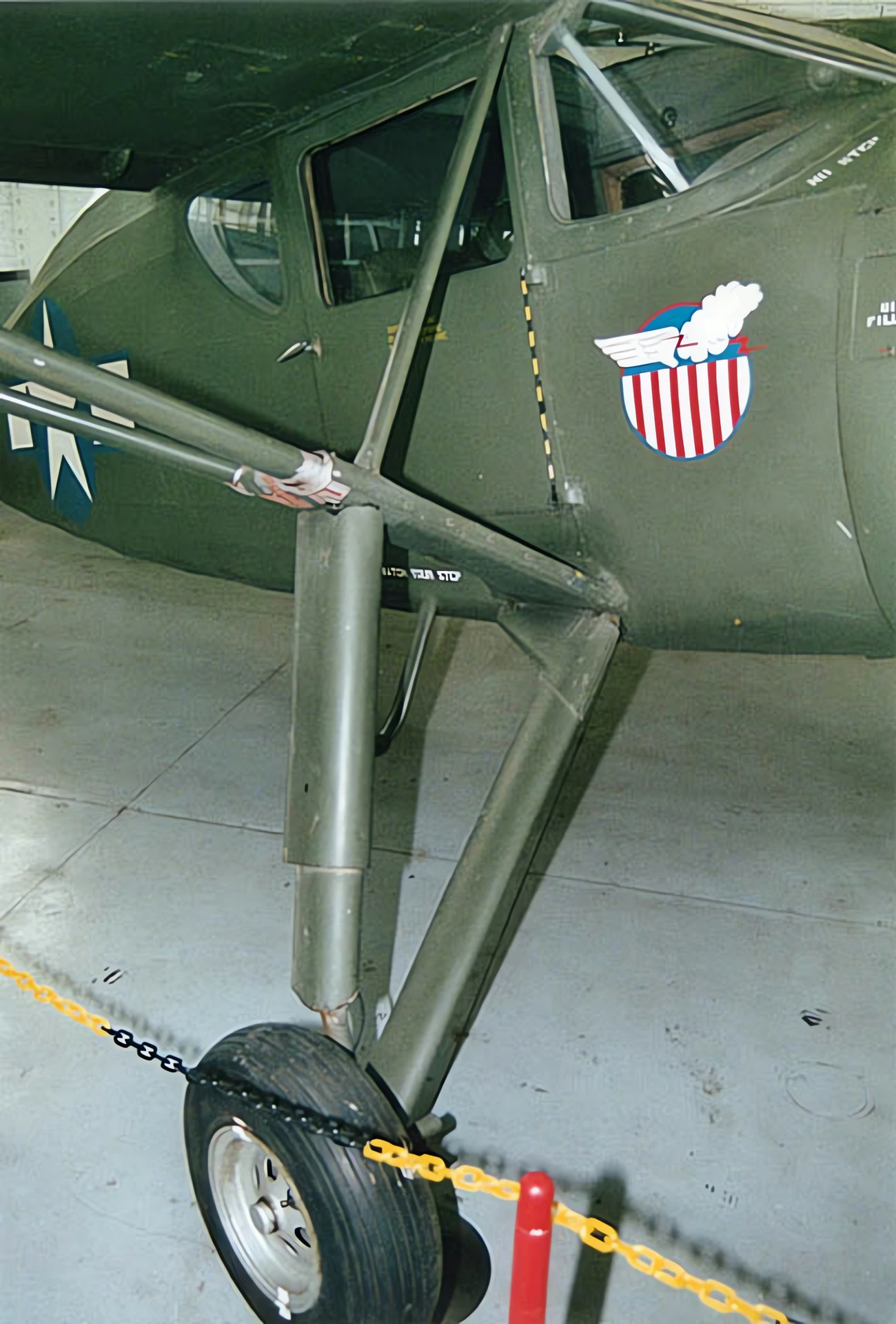
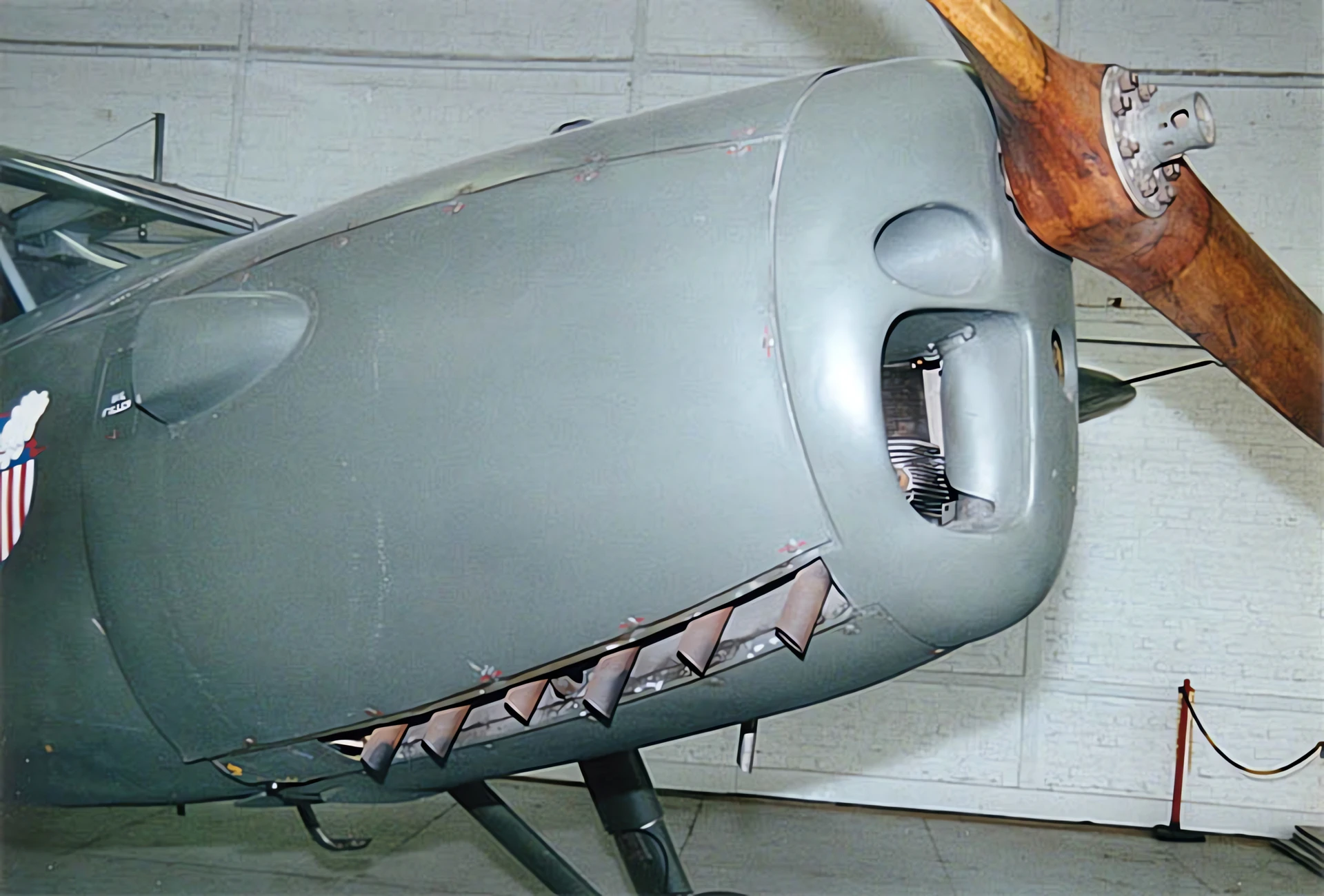
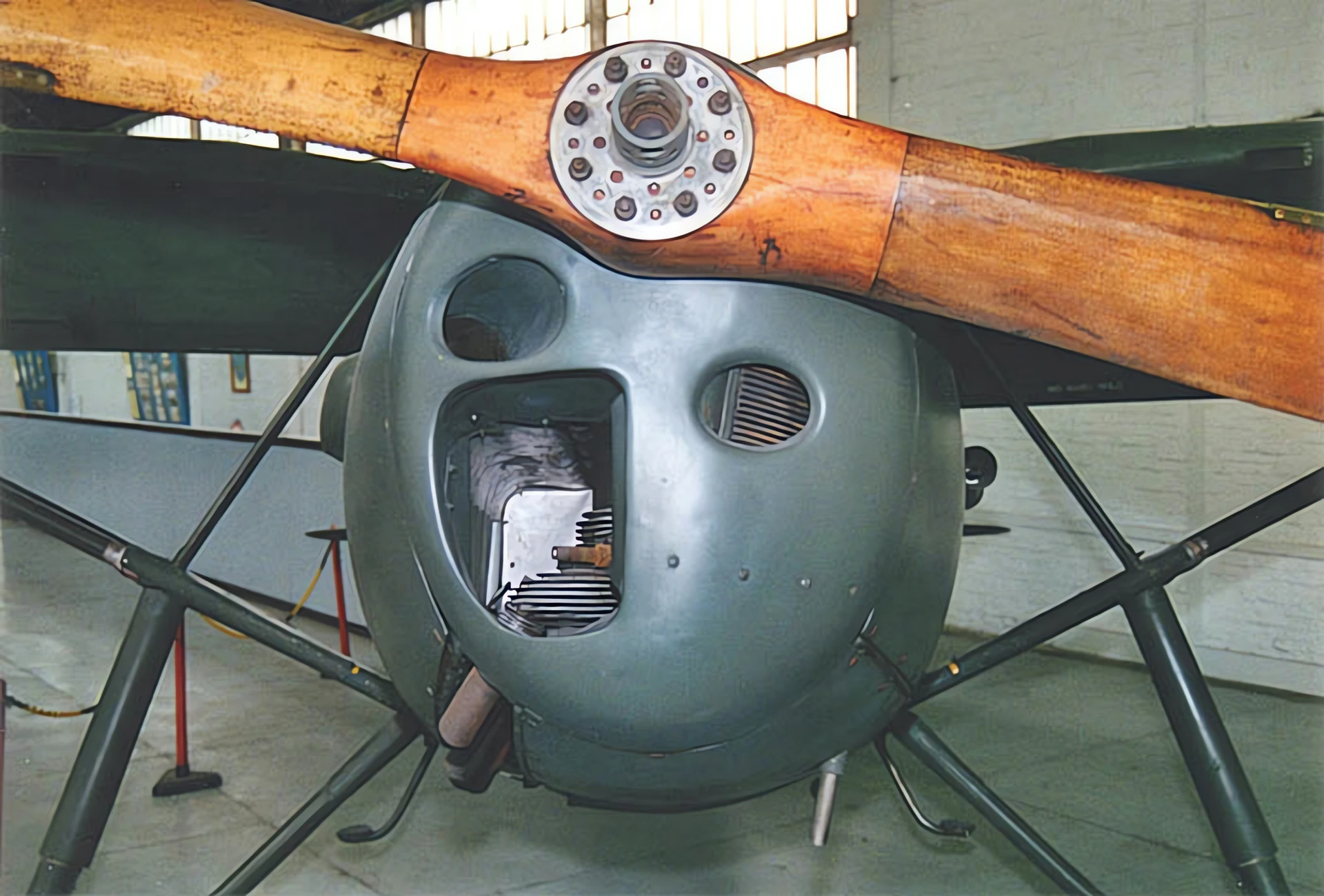
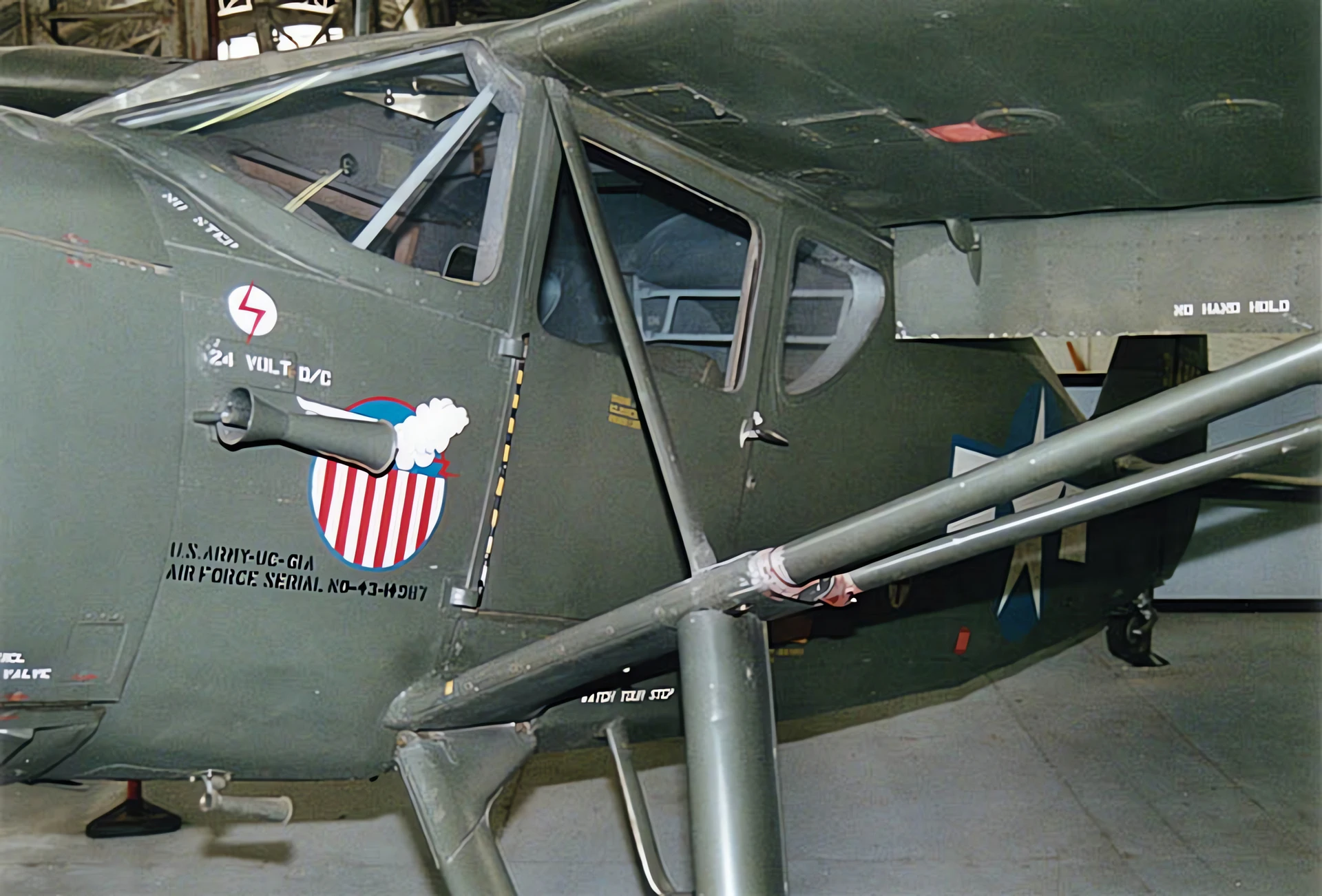
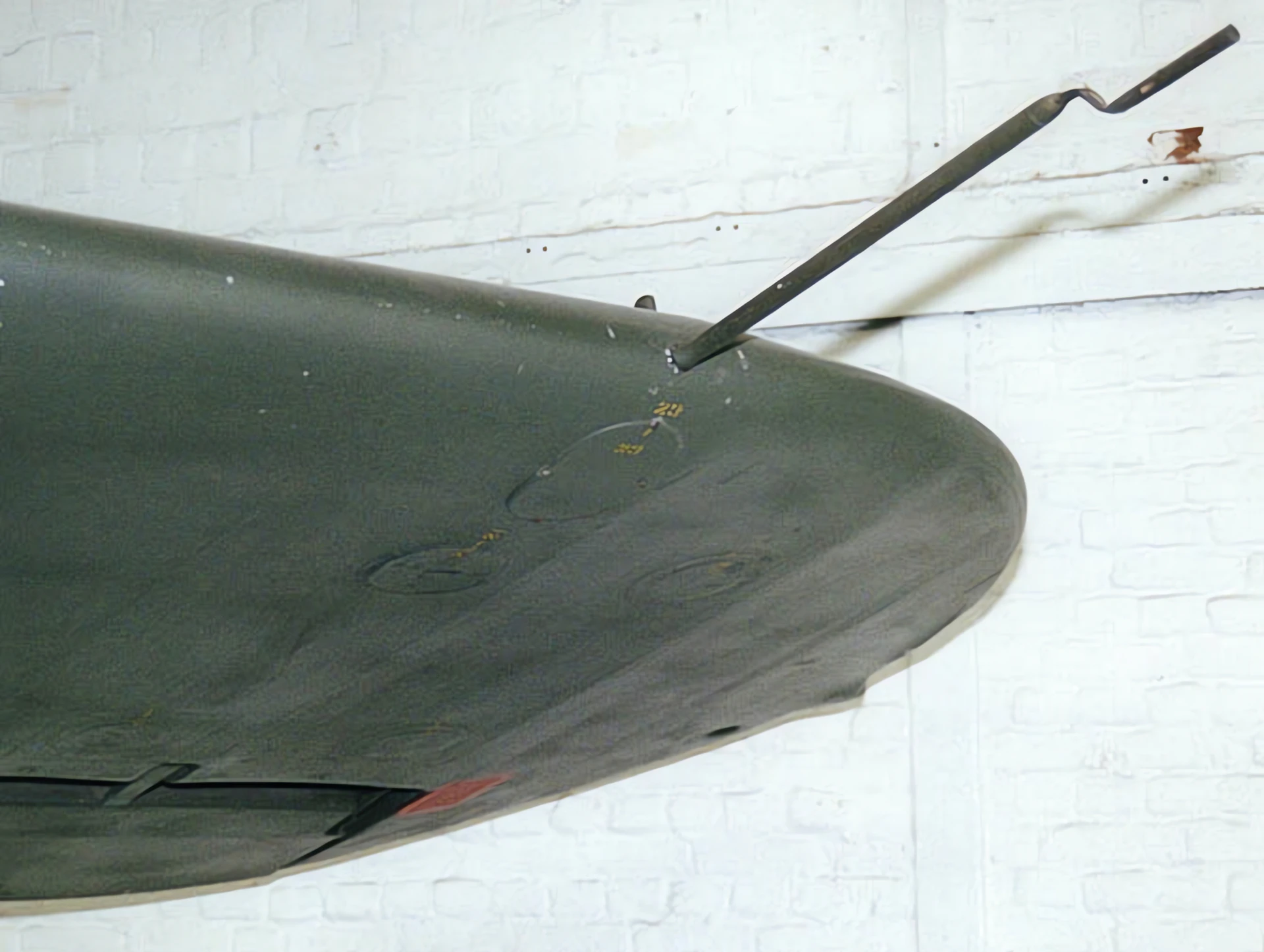

| Fairchild CV-61 Forwader Walk Around | |
|---|---|
| Photographer | Unknow |
| Localisation | Unknow |
| Photos | 20 |
See also:


| Fairchild 24 C8C Walk Around | |
|---|---|
| Photographer | Vladimir Yakubov |
| Localisation | Hiller Aviation Museum, San Carlos, CA |
| Photos | 72 |
General Characteristics and Role
The Fairchild Argus Mk.III was the British designation for the Fairchild F-24W-46 Forwarder, a four-seat light aircraft widely used by the Royal Air Force (RAF) during World War II. Its primary role was non-combat, serving as a liaison and communications aircraft for moving personnel and light supplies between airfields and headquarters. Unlike high-performance military aircraft, the Argus was prized for its reliability, ease of maintenance, and comfortable, enclosed cabin. The Argus Mk.III specifically referred to the later production models supplied to the RAF under the Lend-Lease program, which featured a more powerful engine than earlier Marks.
| Property | Typical Value (F-24W-46 / Argus Mk.III) |
|---|---|
| Role | Liaison, Communications, and Light Transport |
| National Origin | United States |
| Manufacturer | Fairchild Aircraft |
| RAF Service Entry | 1942 |
| Crew/Capacity | 1 (Pilot) + 3 Passengers |
| Configuration | High-wing monoplane, fixed conventional landing gear |
| Length | 7.70 m (25 ft 3 in) |
| Wingspan | 11.07 m (36 ft 4 in) |
| Height | 2.33 m (7 ft 8 in) |
| Gross Weight | 1,134 kg (2,500 lb) |
Powerplant and Performance
- Engine: 1 x Warner Super Scarab 165 7-cylinder air-cooled radial engine.
- Power Output: 165 hp (123 kW).
- Maximum Speed: 201 km/h (125 mph; 108 kn).
- Range: 710 km (440 mi; 380 nmi).
- Cruising Speed: Its low cruising speed made it highly economical and ideal for short-haul trips, complementing faster, more resource-intensive transport planes.
Service and Legacy
- Primary Operator: Royal Air Force (RAF). The Argus also saw service with the Royal Navy’s Fleet Air Arm.
- Operational Use: The aircraft was commonly used for taxi duties by high-ranking officers and for air-sea rescue coordination (before purpose-built aircraft were common).
- Design Origin: The Argus was a militarized version of the successful pre-war Fairchild Model 24, which was popular in civil aviation in the US.
- Post-War: Many Argus aircraft were sold onto the civilian market after the war, where they continued to be used as private and light commercial aircraft due to their robust construction and simple handling.
Views : 1411
You can see also :
 Fairchild C-123 Provider – Photos & Video
 Fairchild C-119 Flying Boxcar – Photos & Video
 Fairchild PT-19A Cornell – Photos & Video
 Fairchild PT-19 – Photos & Video
 Bell P-39N Airacobra – WalkAround
 Consolidated B-24M Liberator – WalkAround
 P-47D Thunderbolt – WalkAround
 A-20 Havoc – WalkAround
 TBM-3E Avenger – Walk Around
 Fiat G-55 Centauro – Walk Around