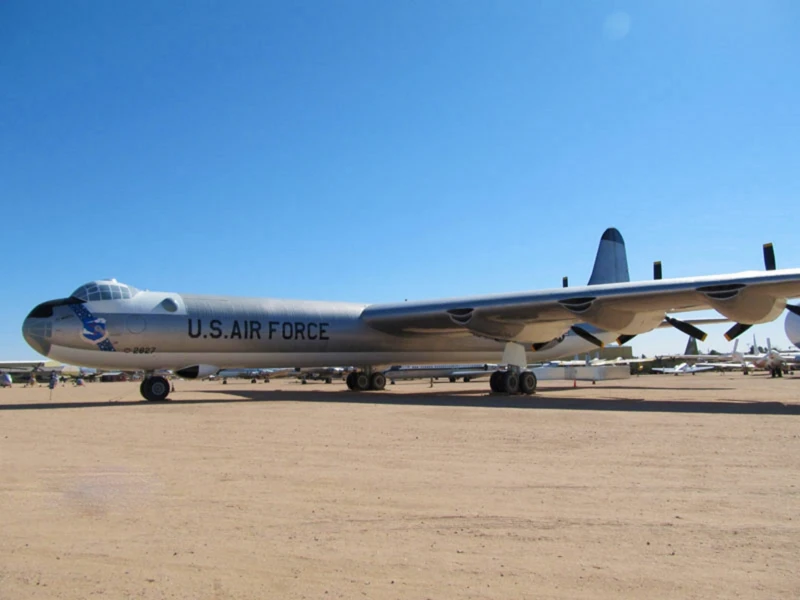
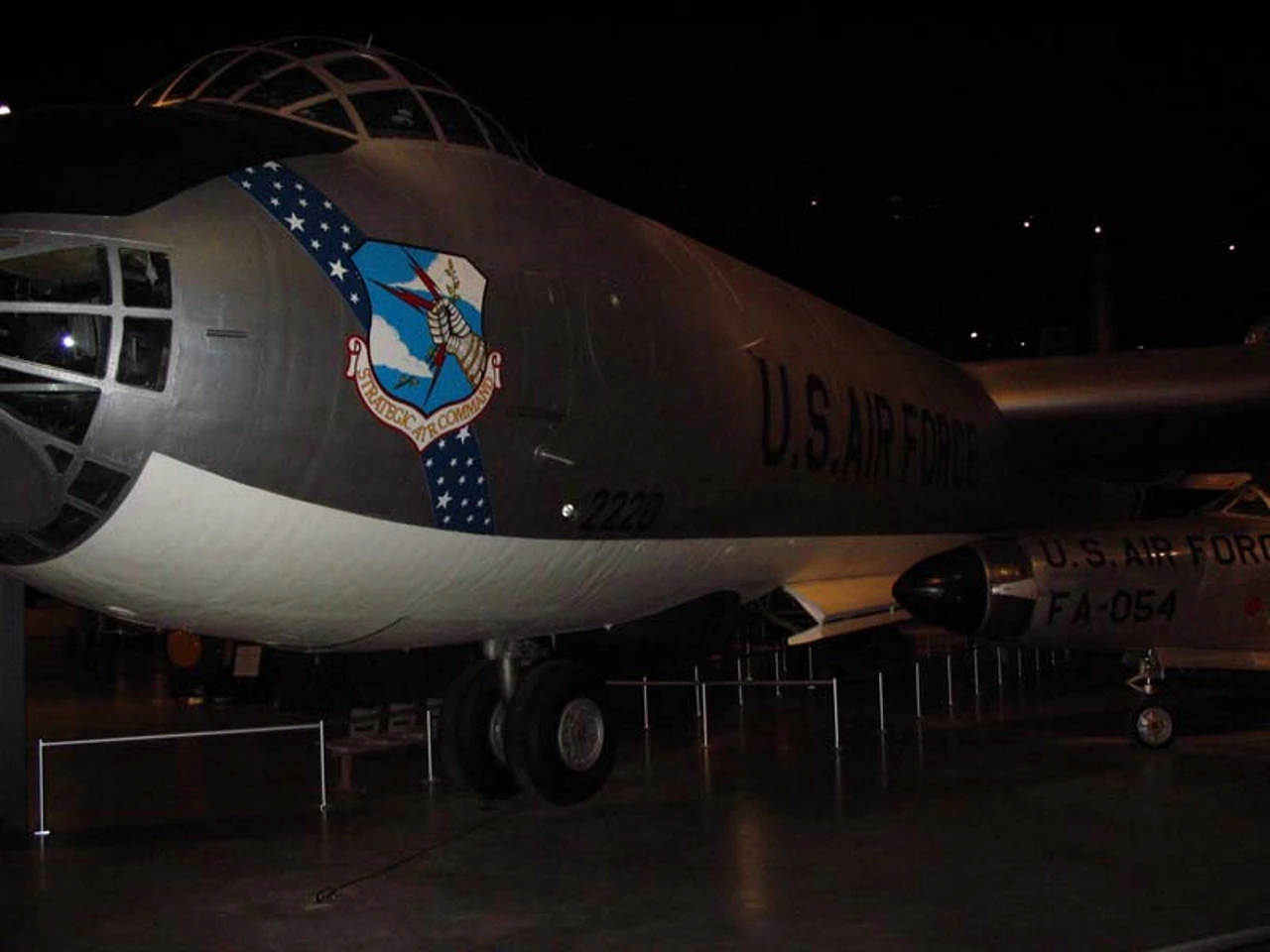
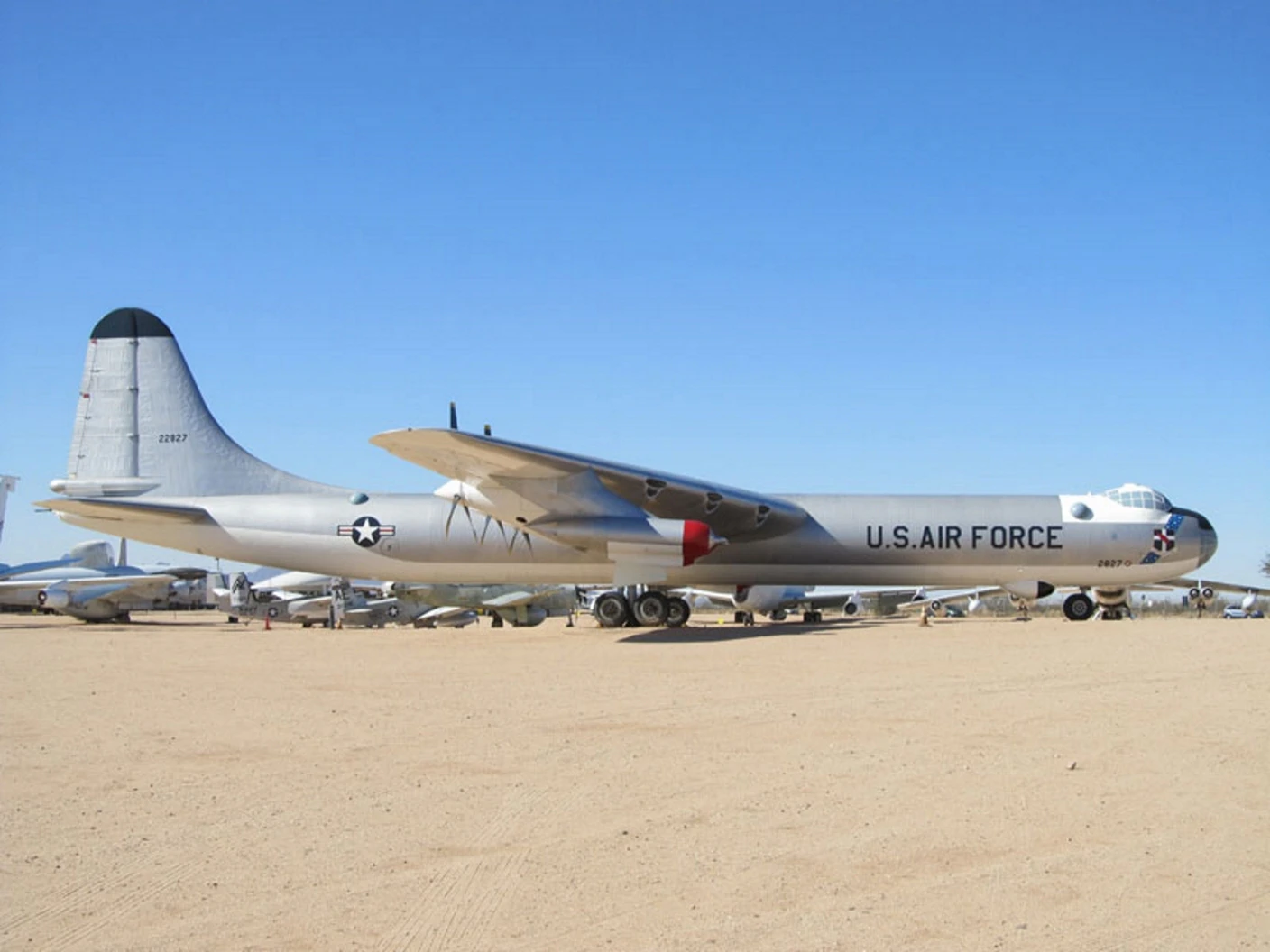
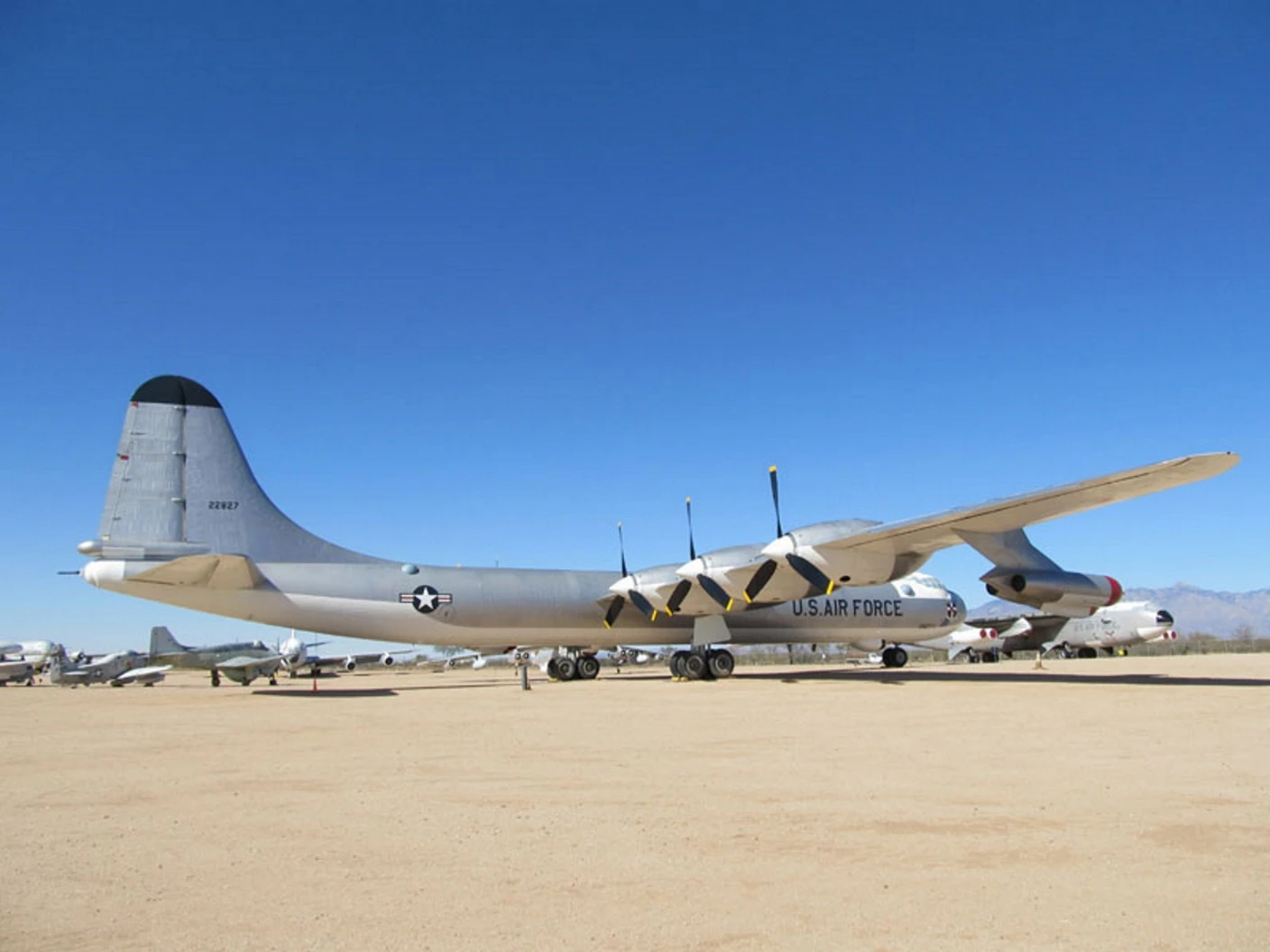
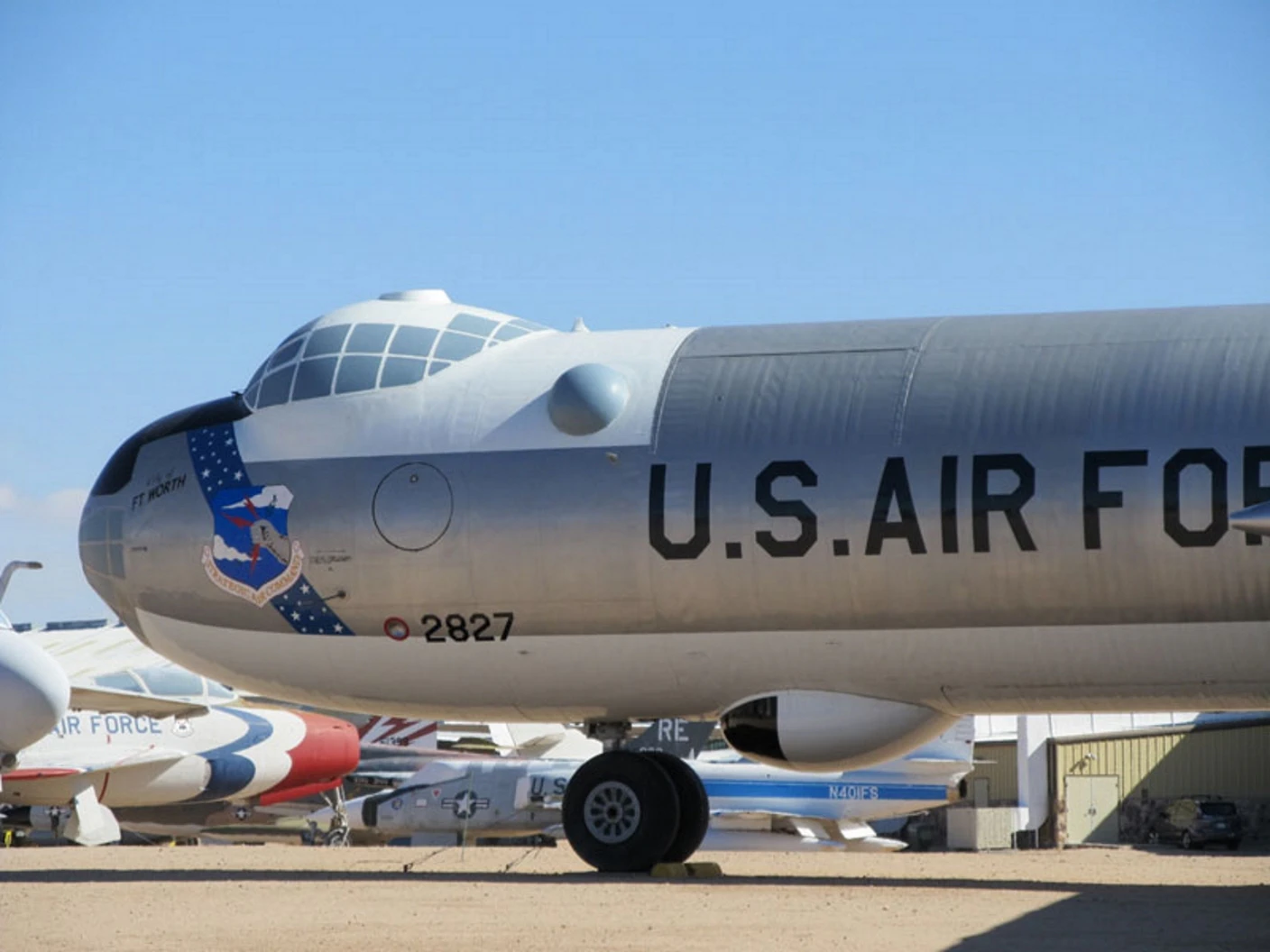
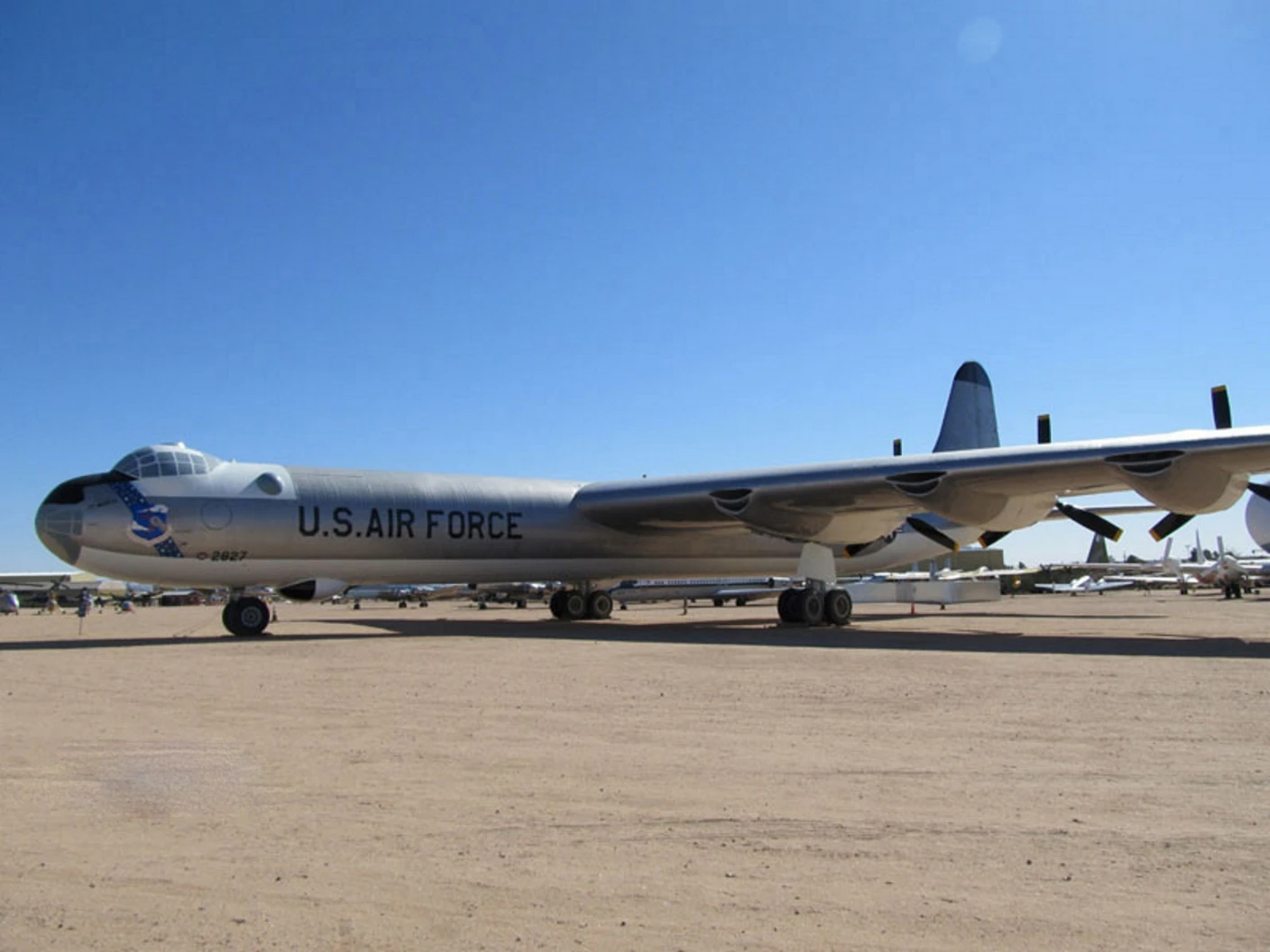
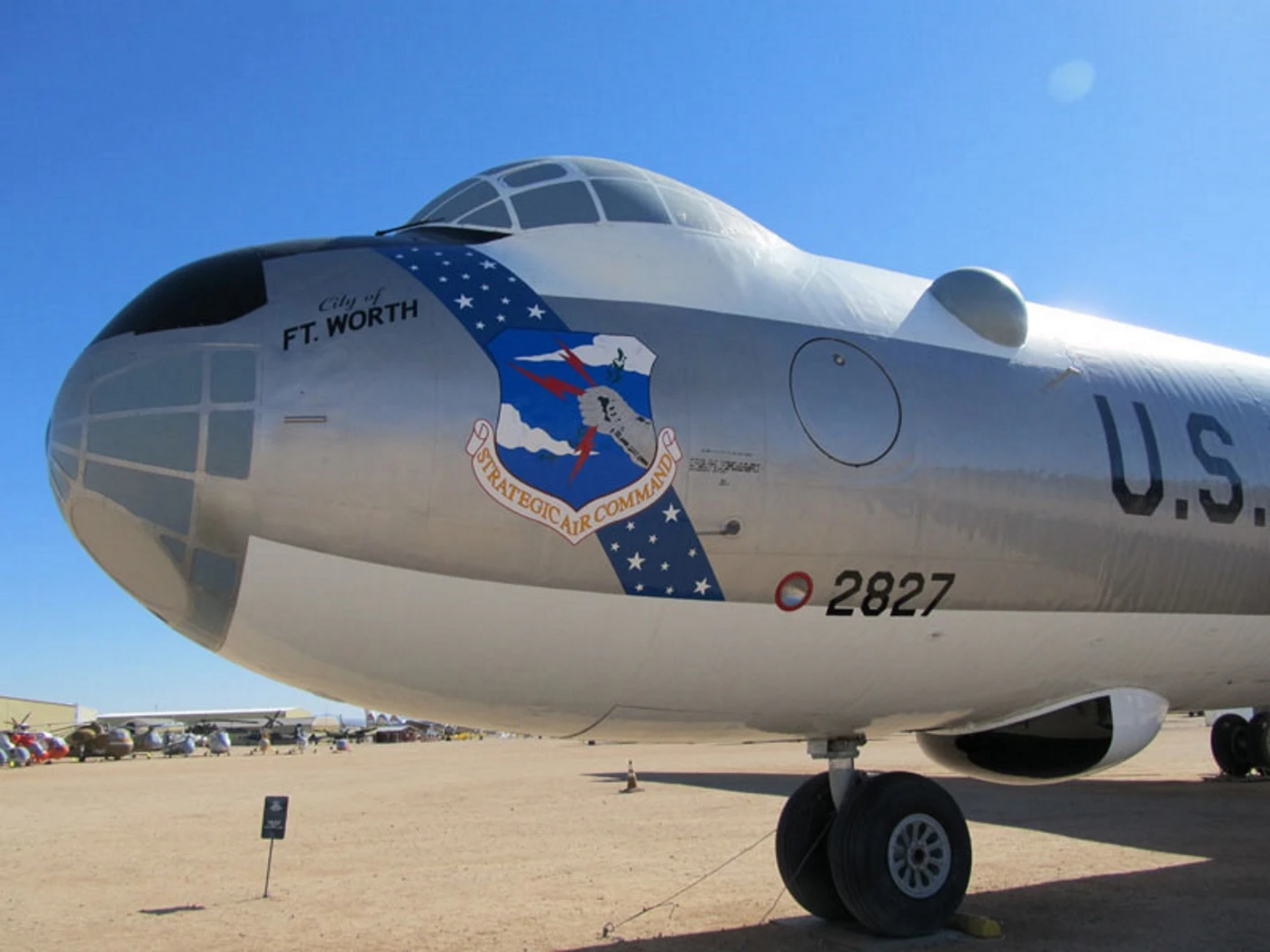
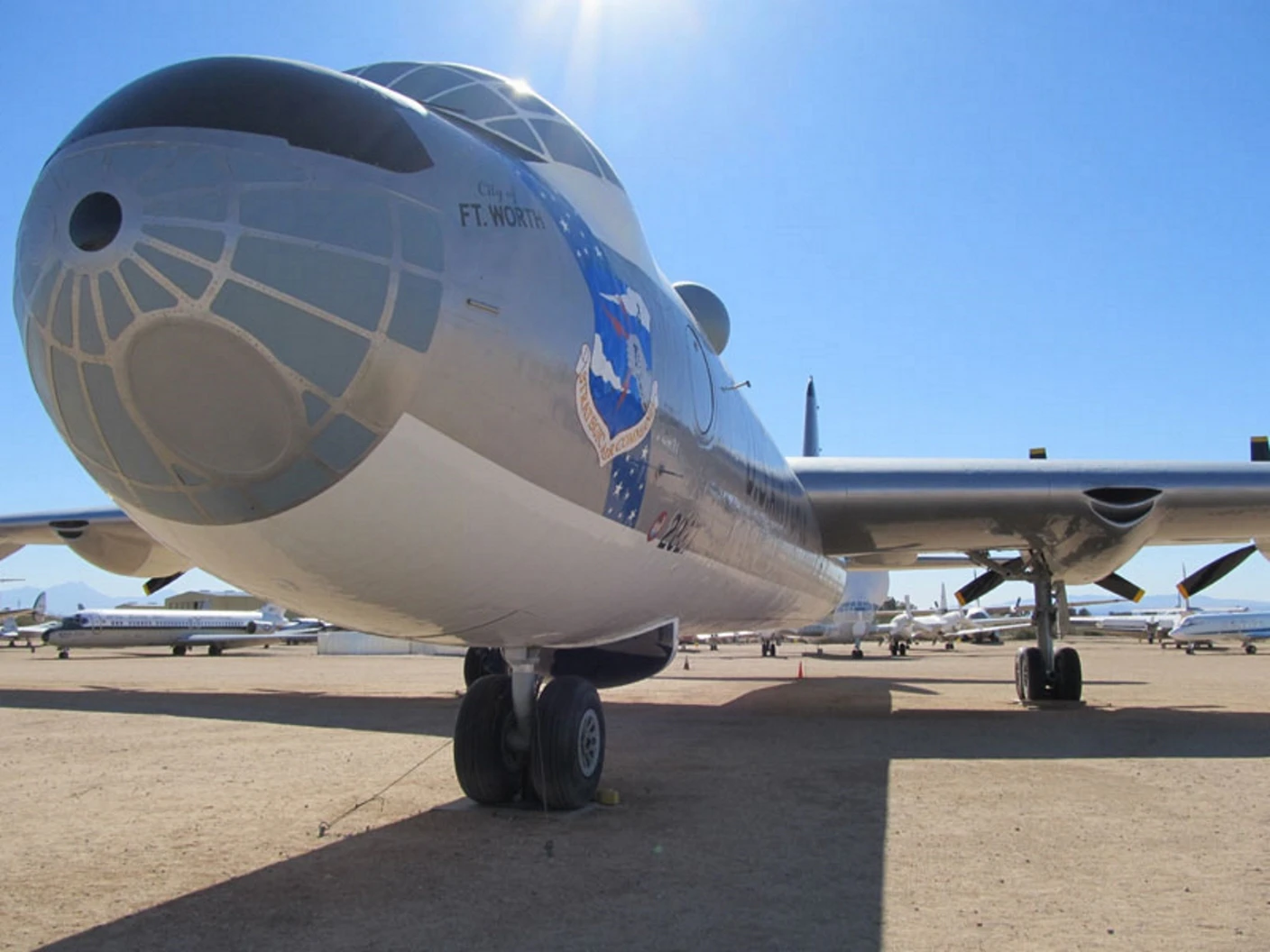
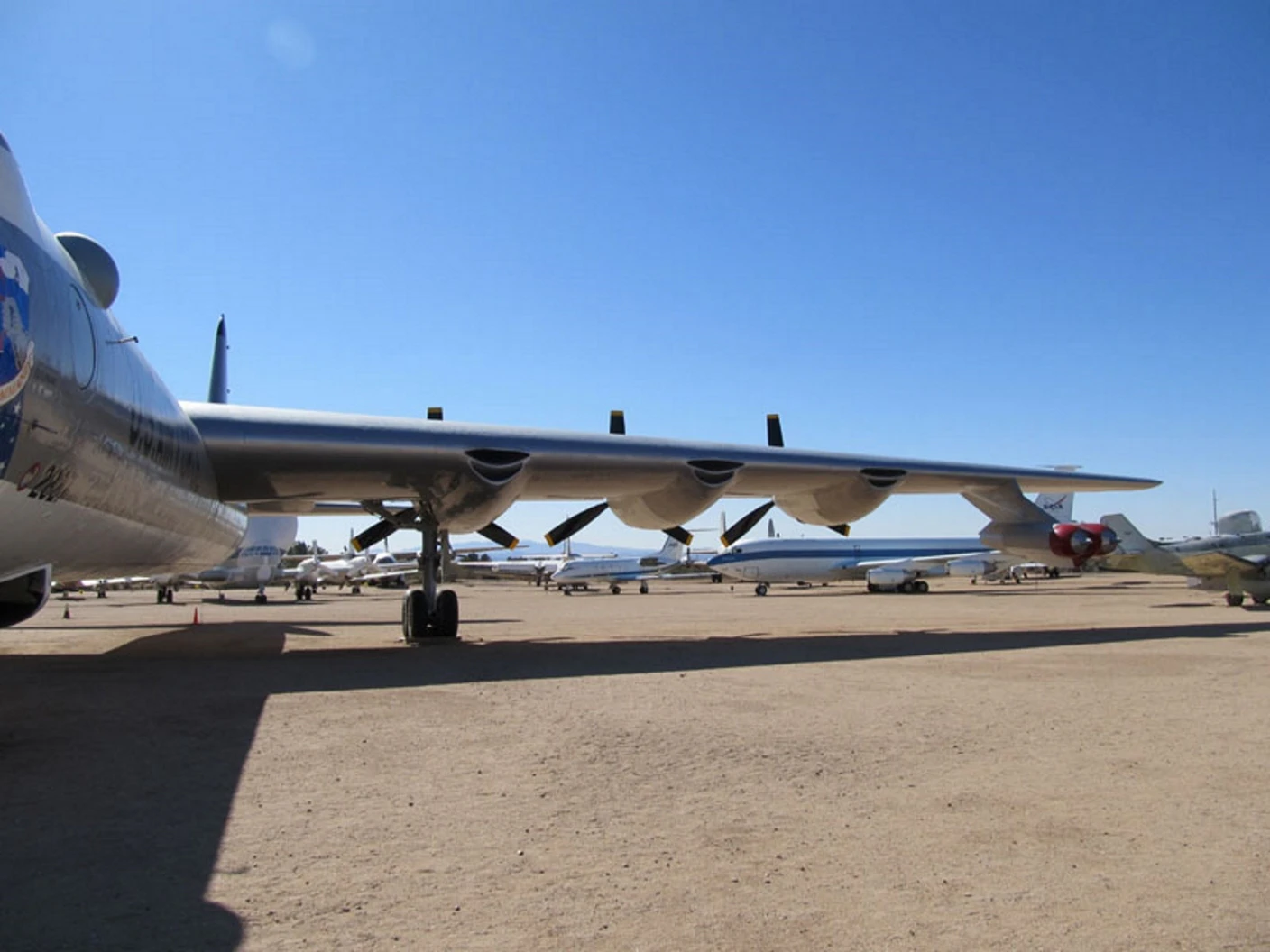
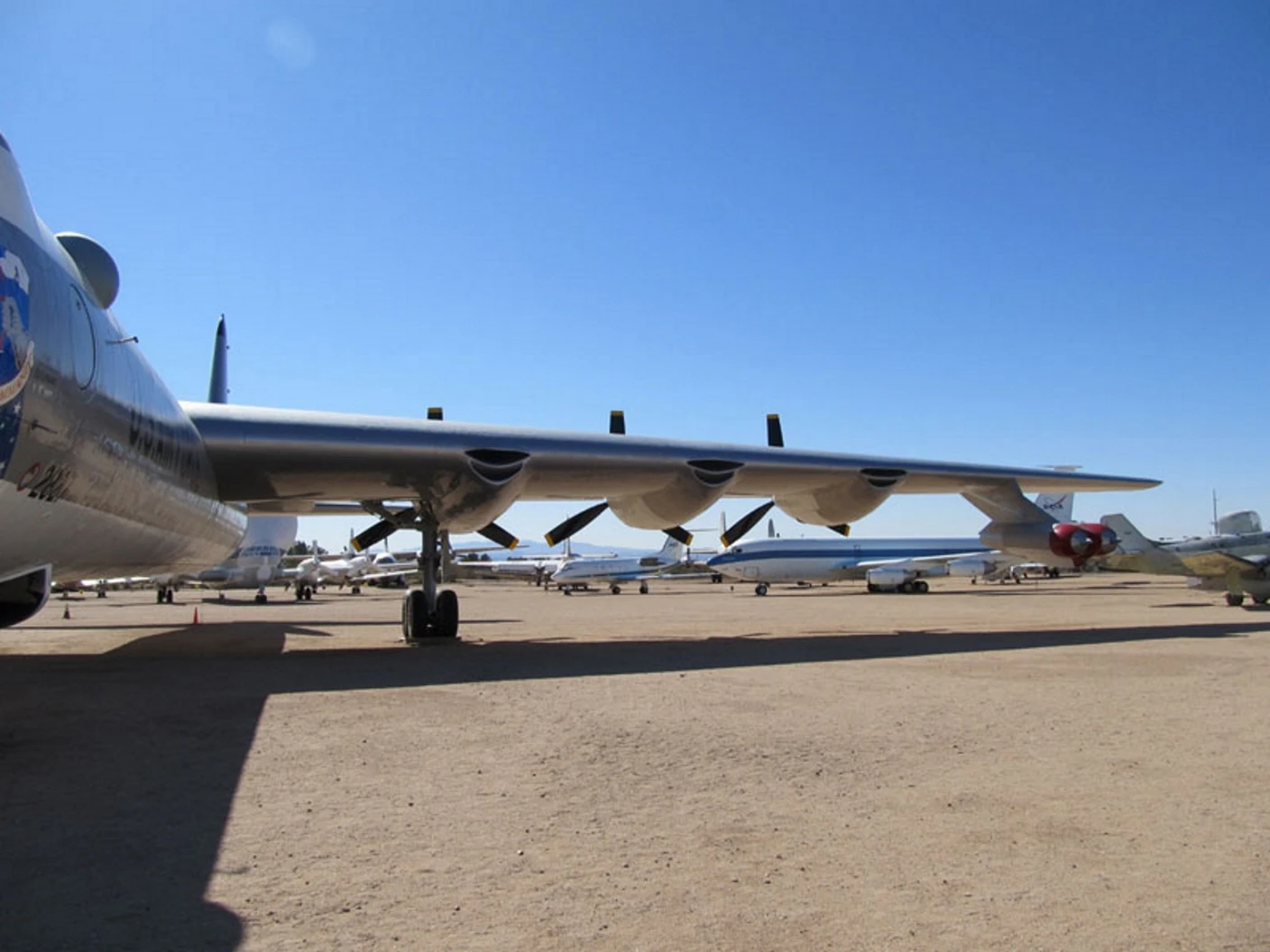
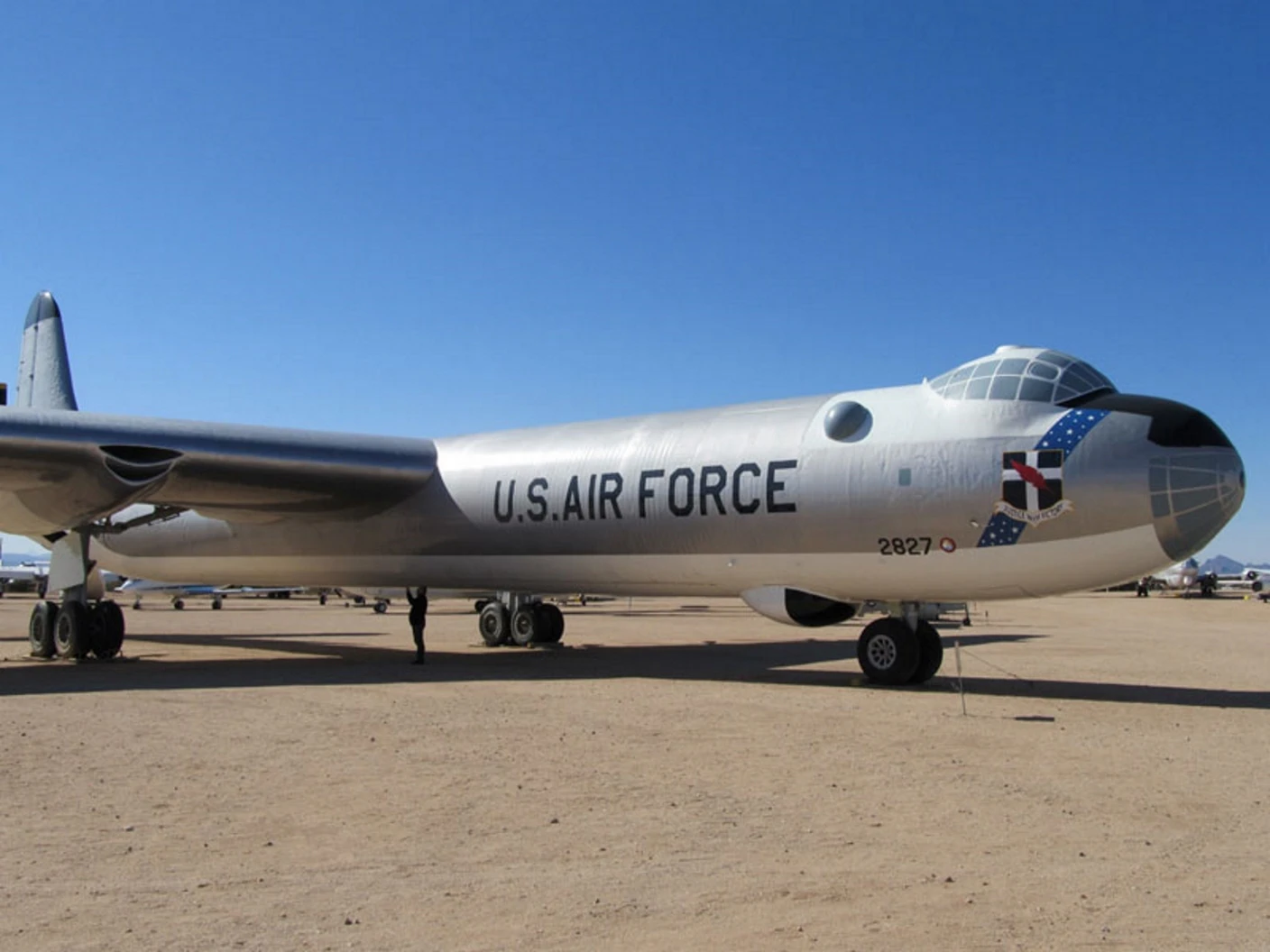
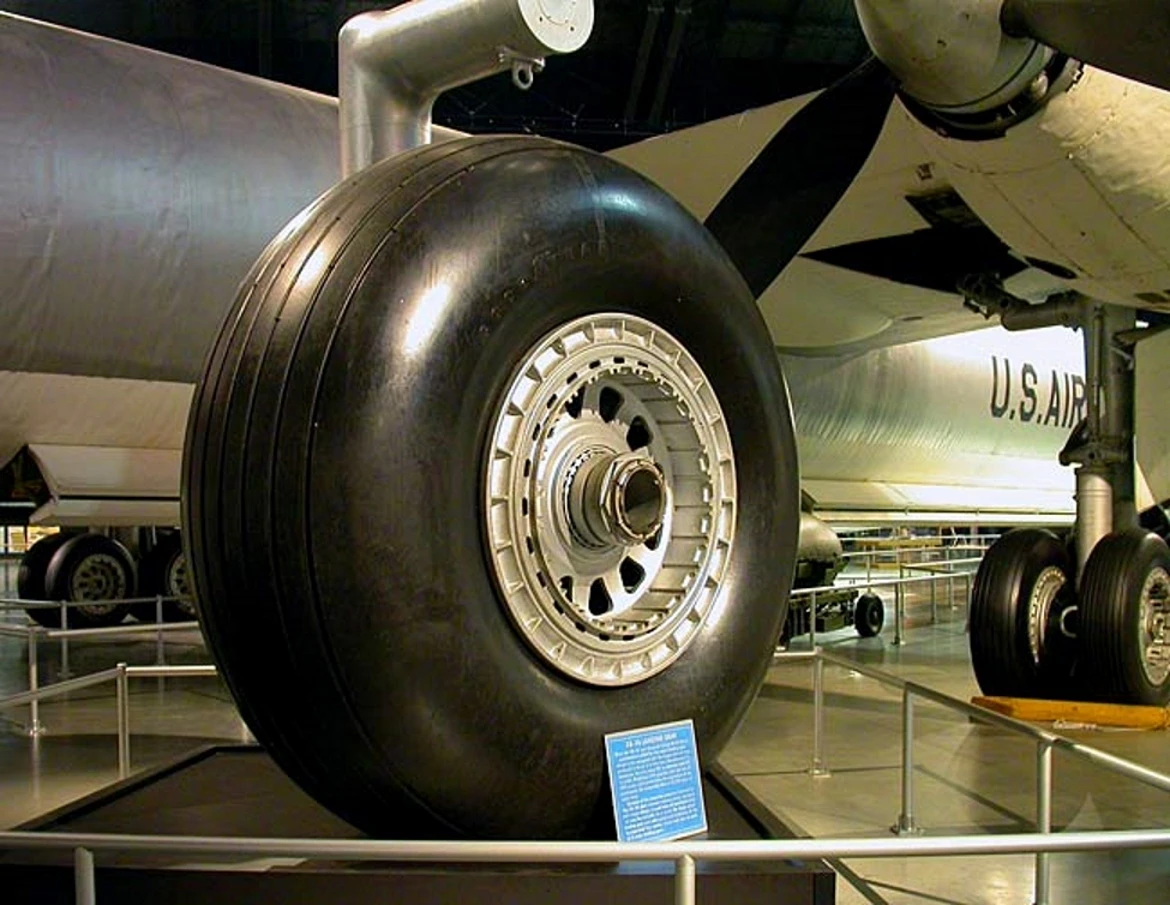
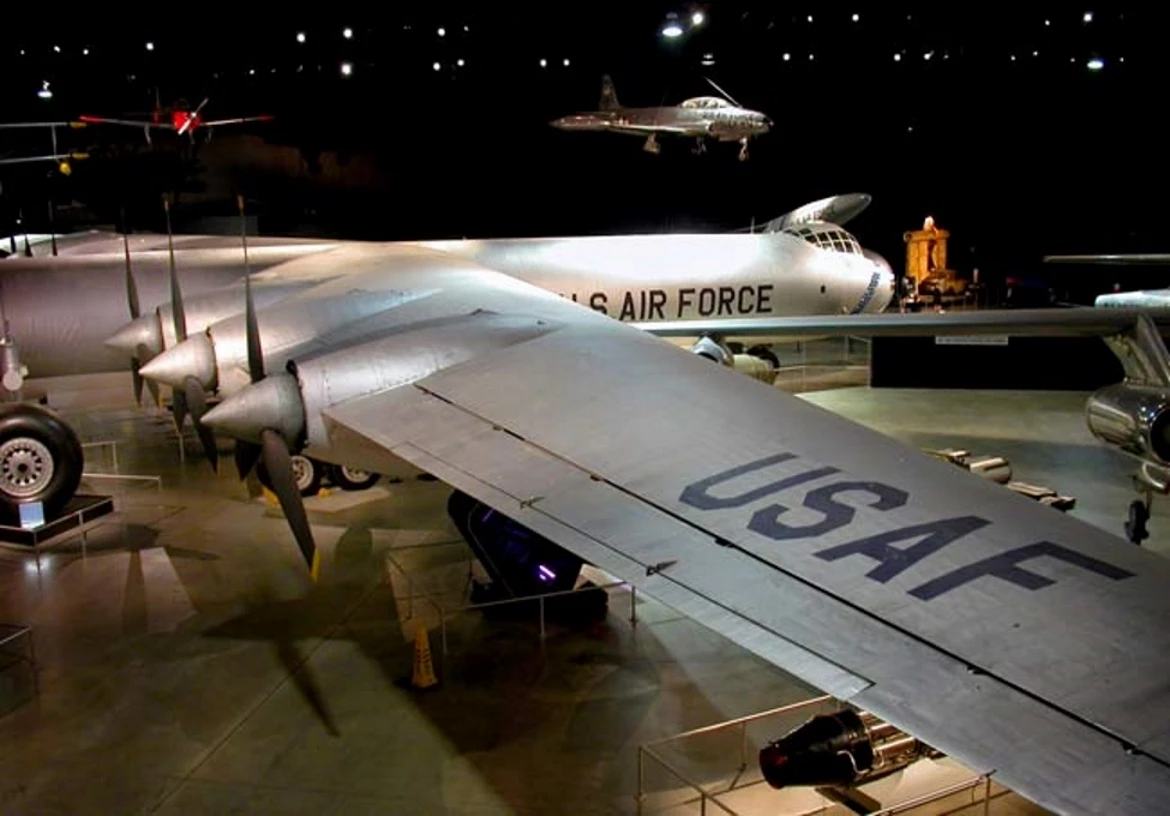
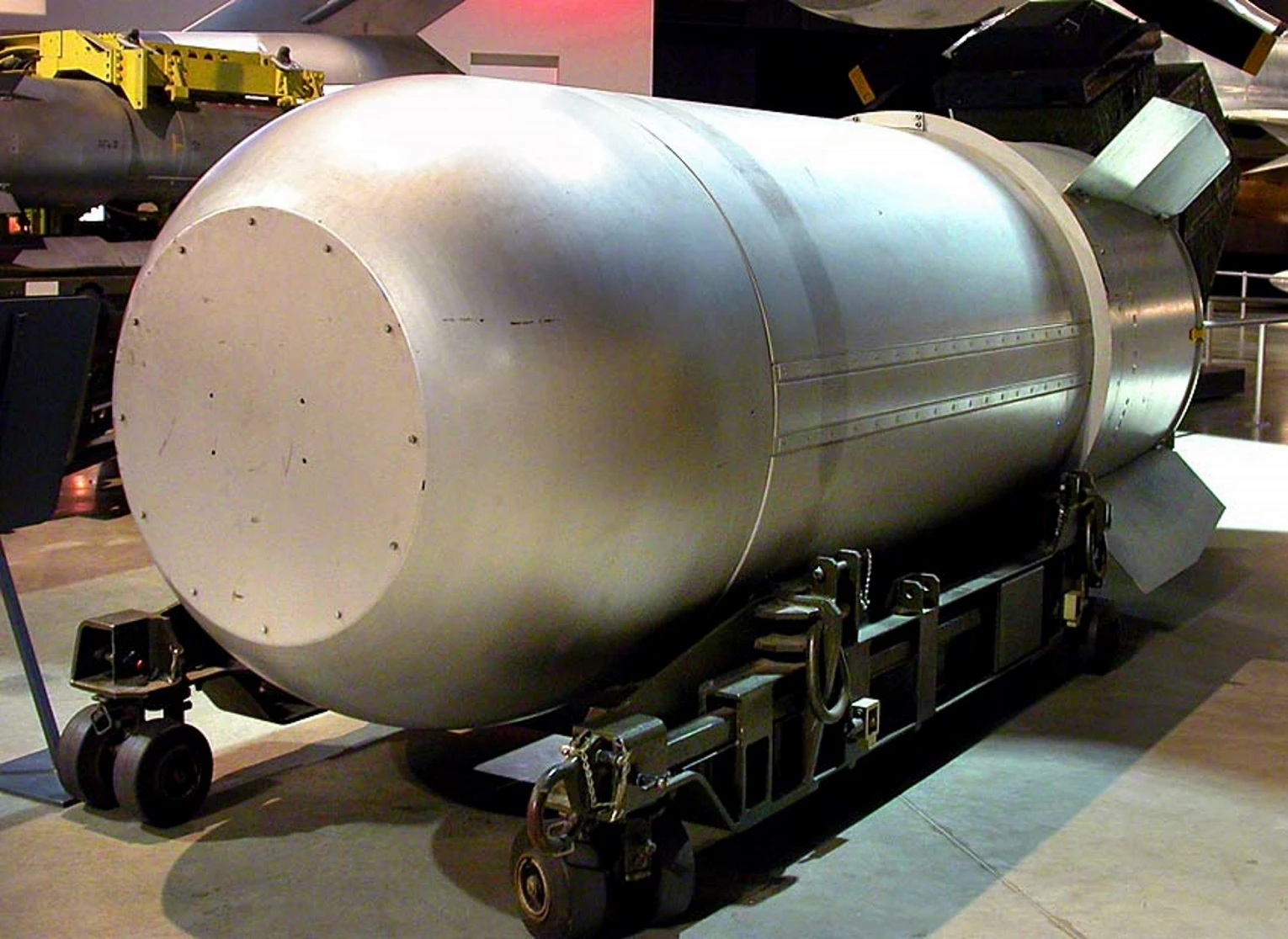
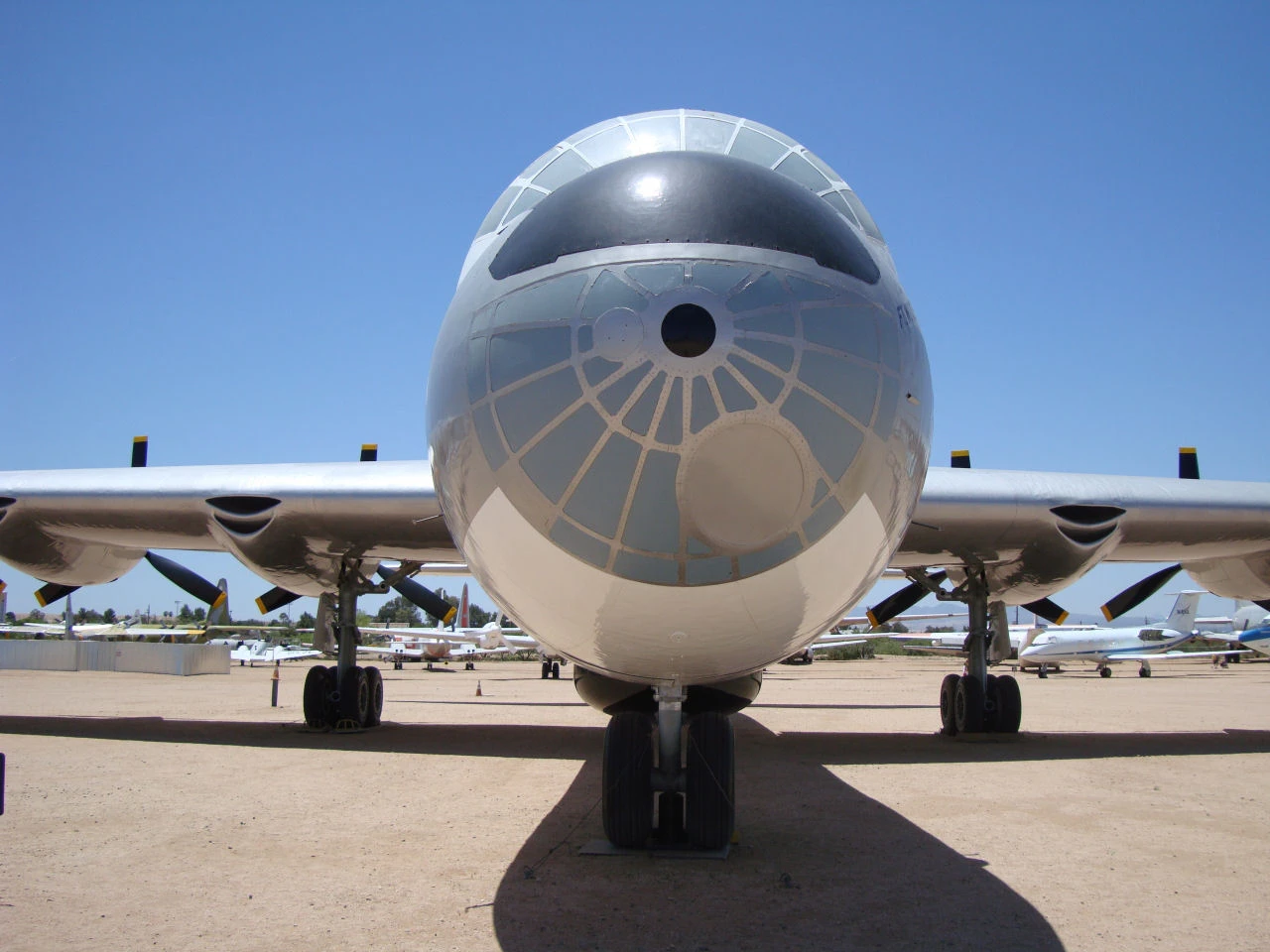
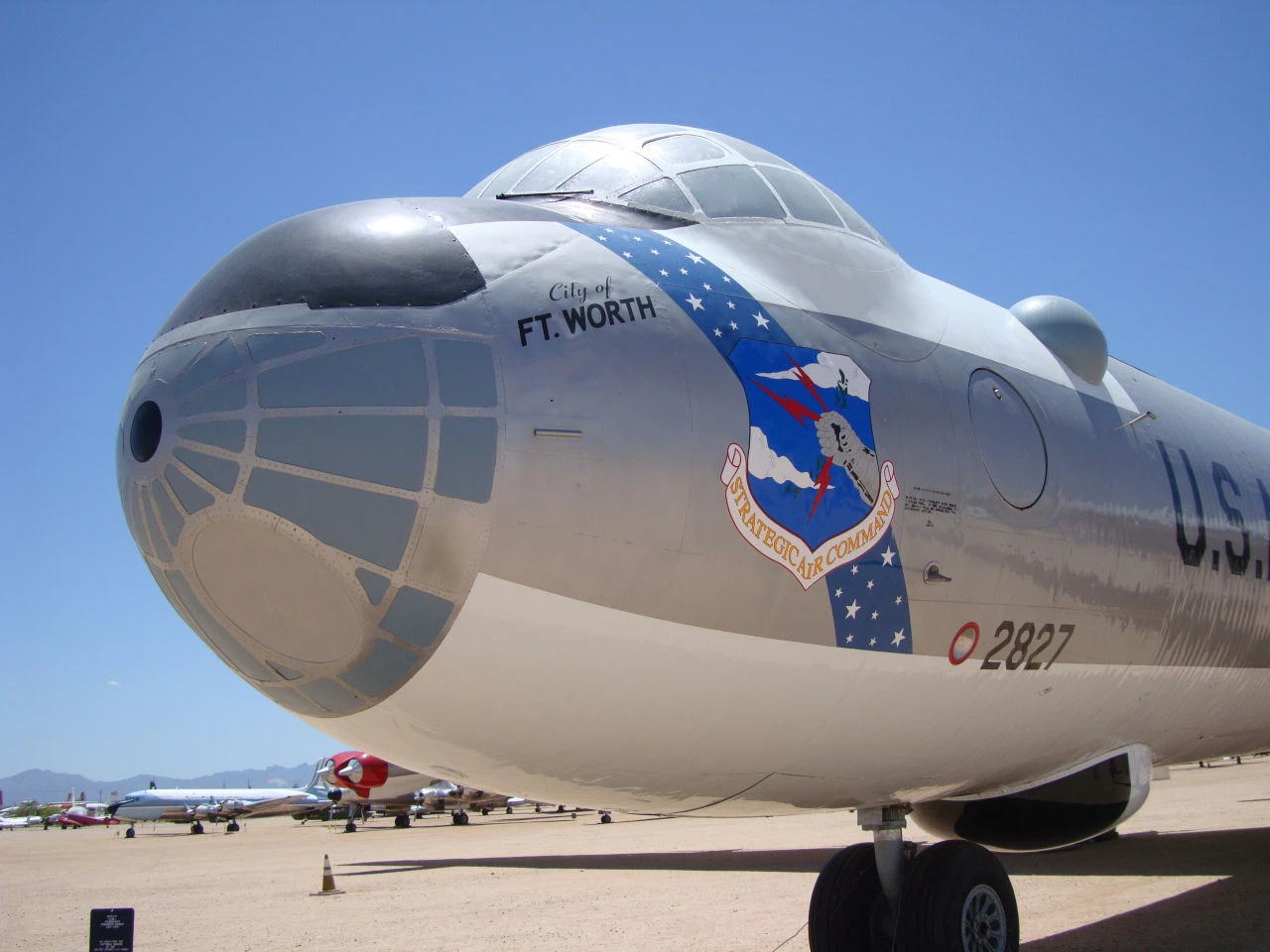
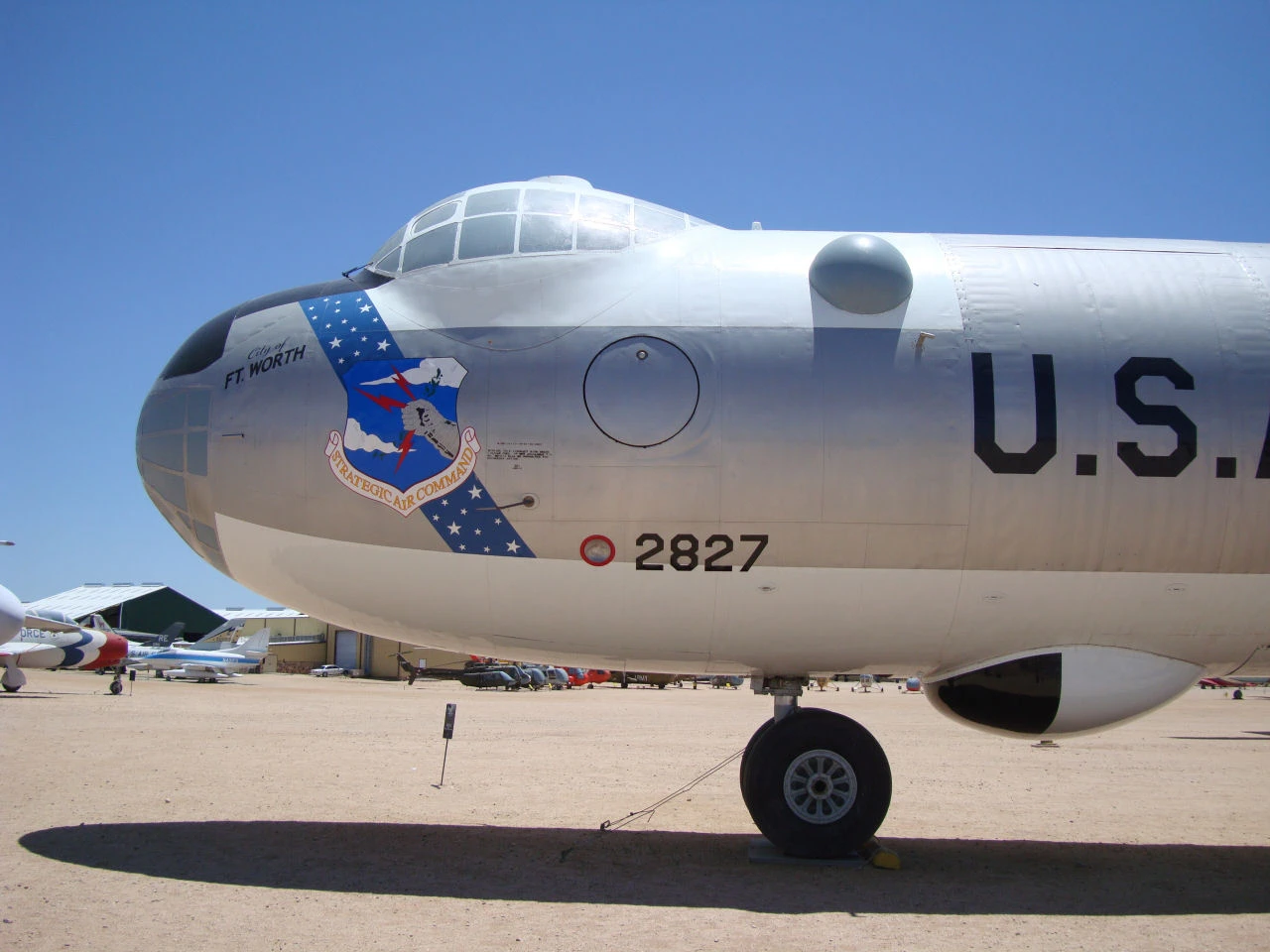
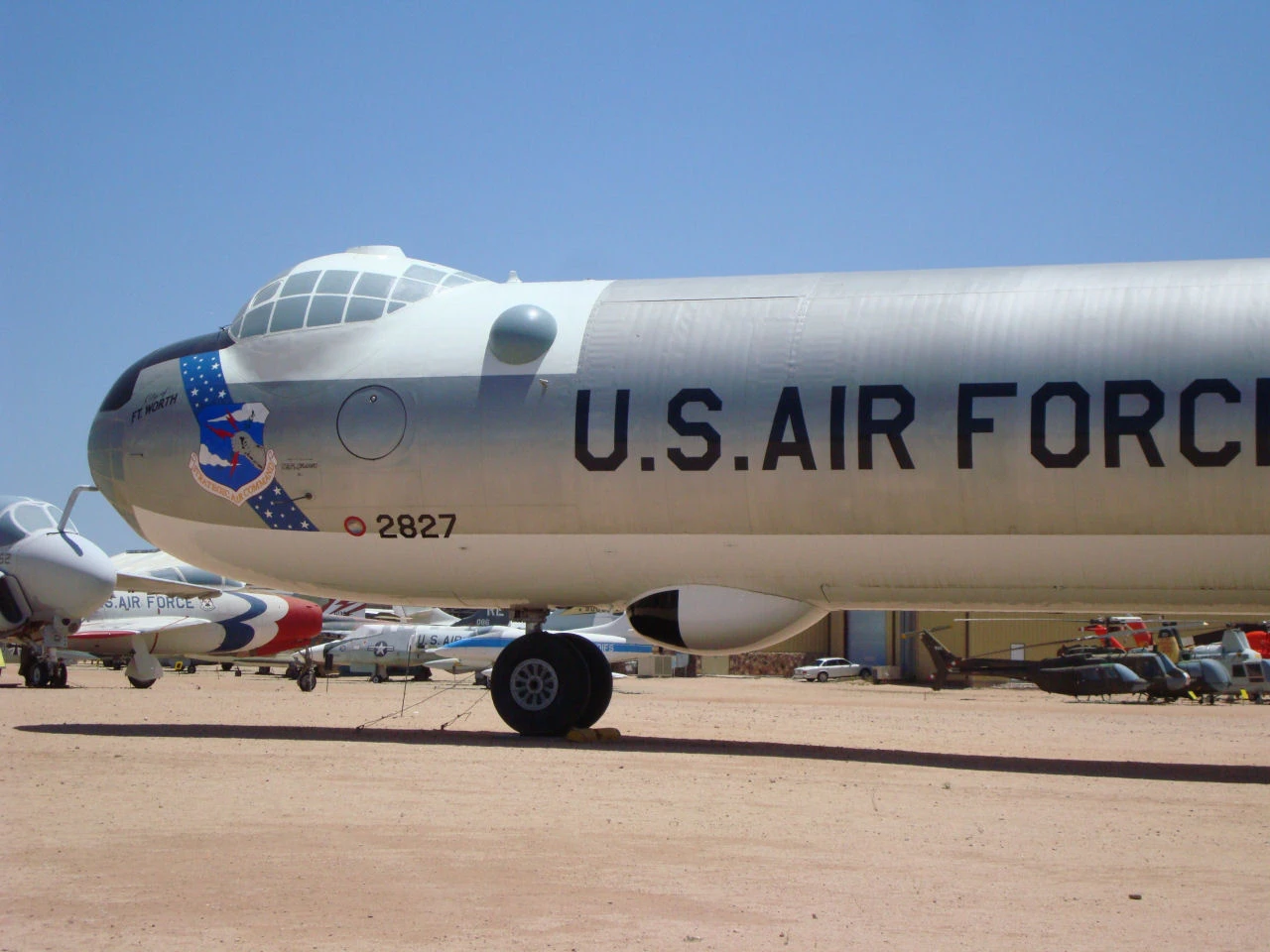
The Convair B-36 “Peacemaker” was a strategic bomber built by Convair and operated solely by the United States Air Force (USAF) from 1949 to 1959. The B-36 was the largest mass-produced piston engine aircraft ever made. It had the longest wingspan of any combat aircraft ever built, at 230 ft (70.1 m). The B-36 was the first bomber capable of delivering any of the nuclear weapons in the U.S. arsenal from inside its four bomb bays without aircraft modifications. With a range of 10,000 mi (16,000 km) and a maximum payload of 87,200 lb (39,600 kg), the B-36 was the world’s first manned bomber capable of intercontinental flight without refuelling.
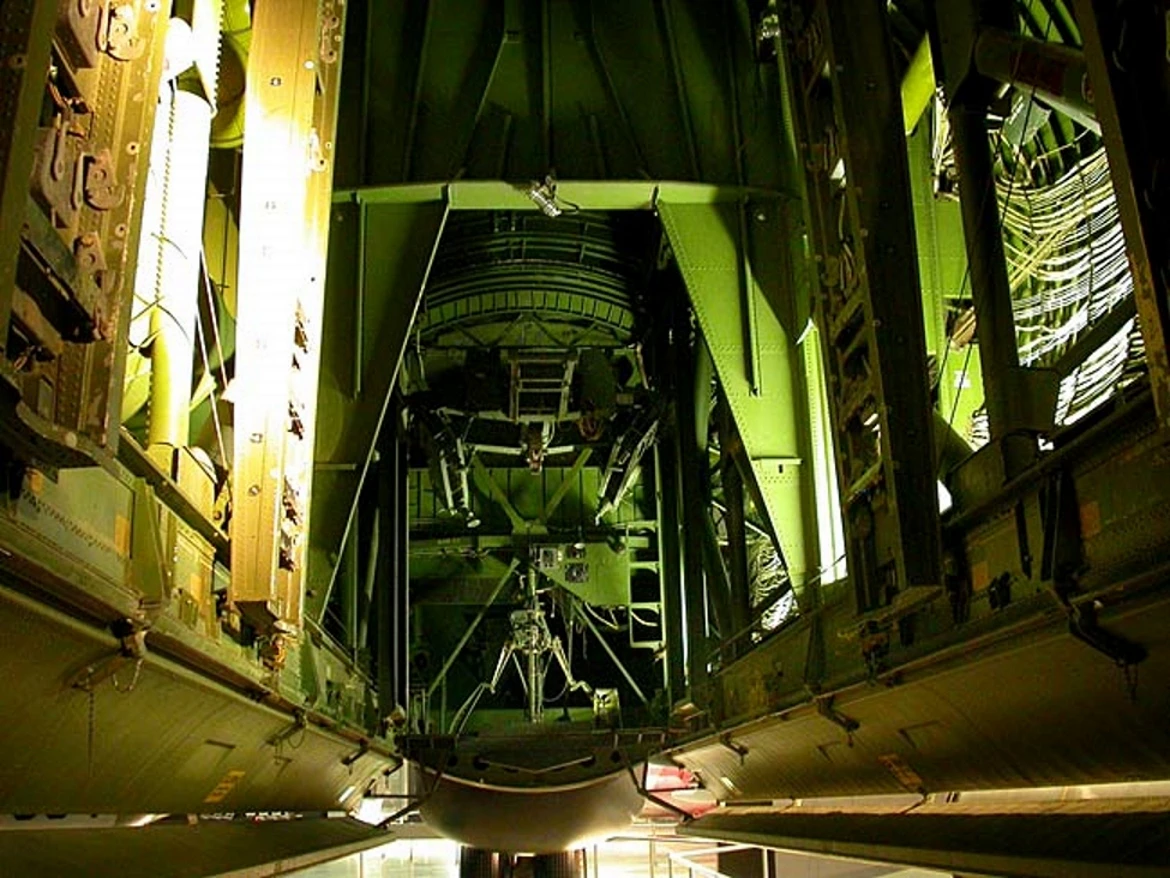
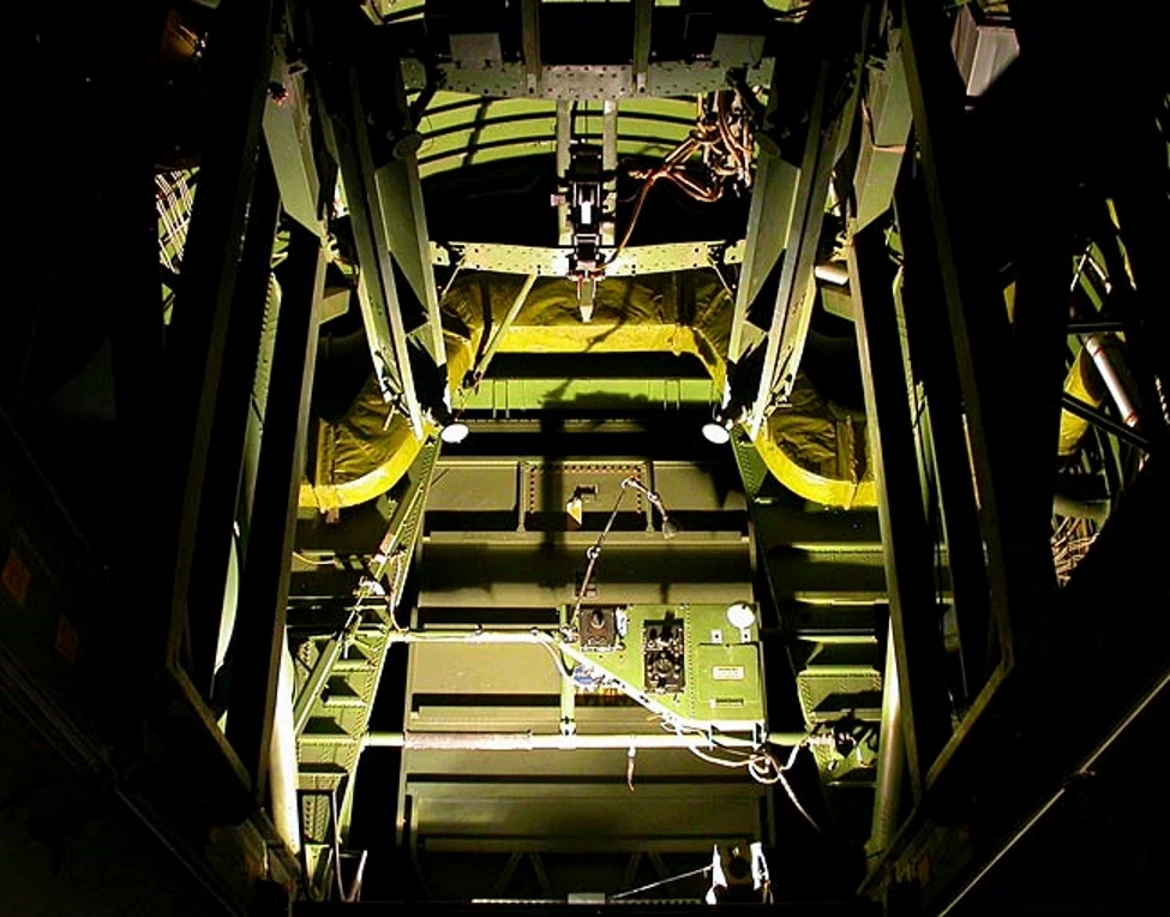
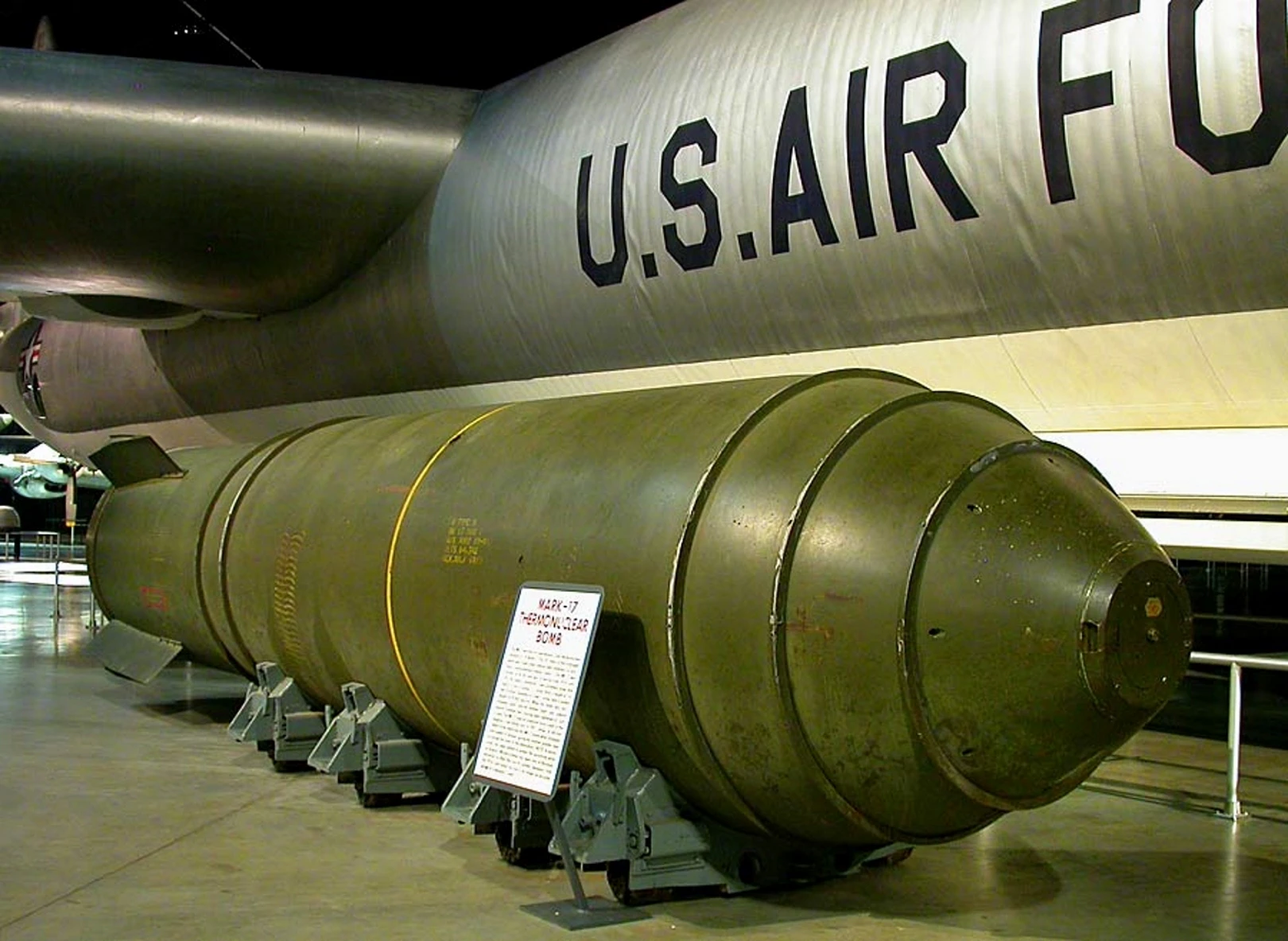
The Convair B-36 Peacemaker remains the largest mass-produced piston-engined aircraft ever built. With a wingspan longer than the Wright brothers’ first flight, it was designed during WWII to bomb Nazi Germany directly from the United States should Britain fall. By the time it entered service in 1948, it became the primary delivery vehicle for the Strategic Air Command’s nuclear arsenal. It was the only aircraft capable of carrying the massive 42,000-lb Mark 17 hydrogen bomb, serving as a terrifyingly large symbol of American power until the arrival of the B-52.
Attribute
Technical Specification (B-36J)
Role
Strategic Intercontinental Bomber
Crew
15 (including 2 relief crews for long missions)
Wingspan
230 ft (70 m) — The largest of any combat aircraft
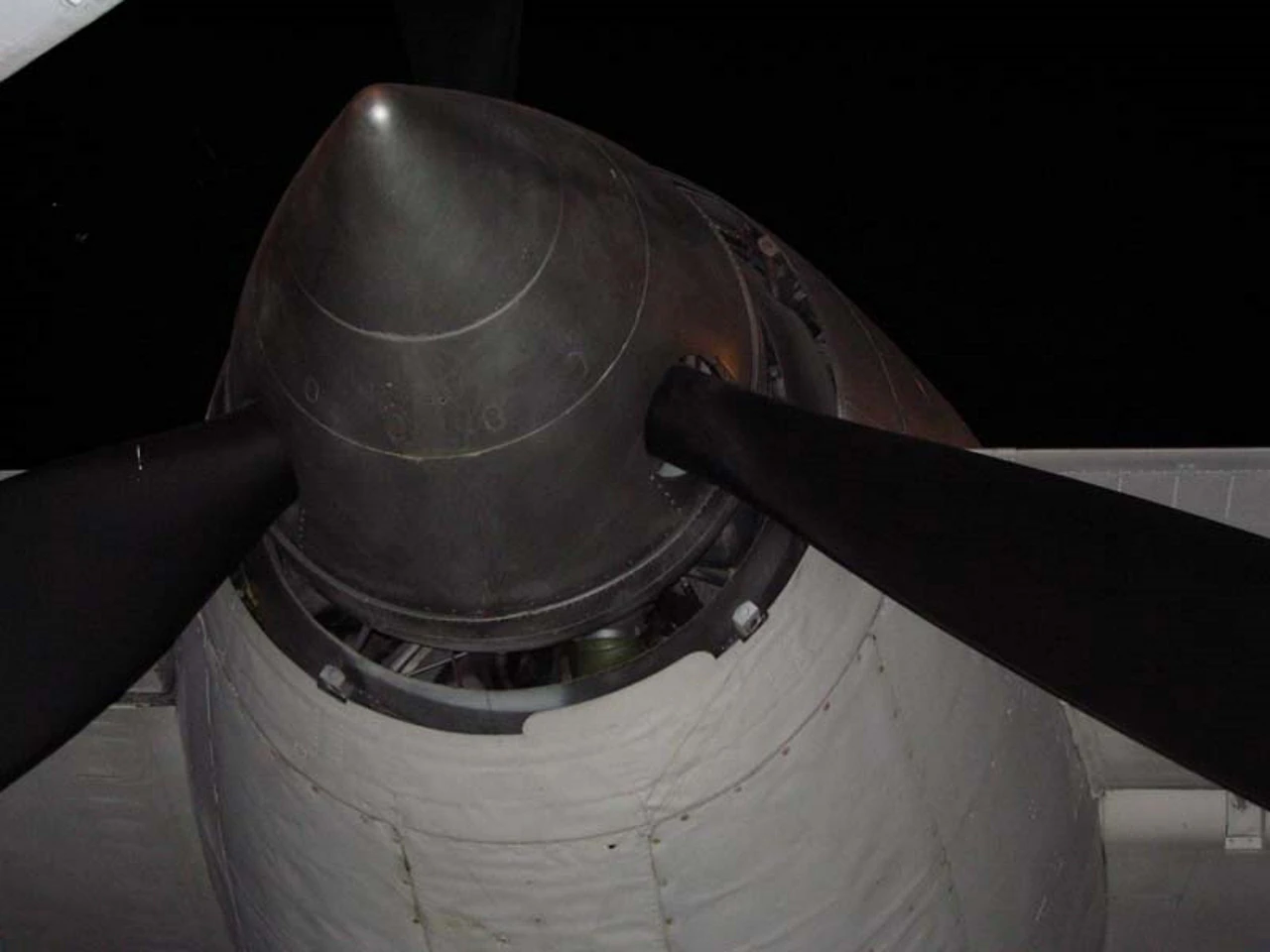
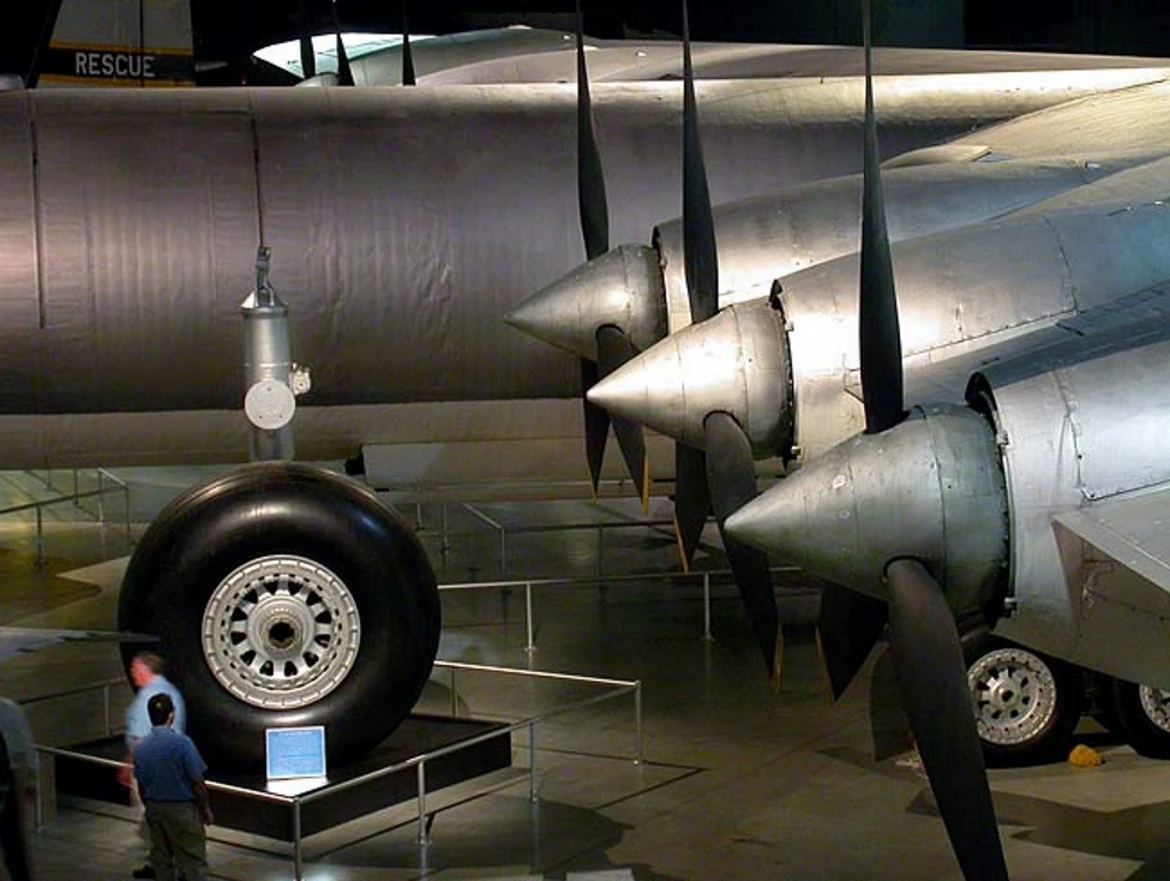
The Pusher Configuration: The B-36 used six massive R-4360 radial engines mounted backwards. This “pusher” arrangement reduced turbulence over the wings and improved cooling airflow, though it led to frequent engine fires due to carburetor icing in the intake ducts.
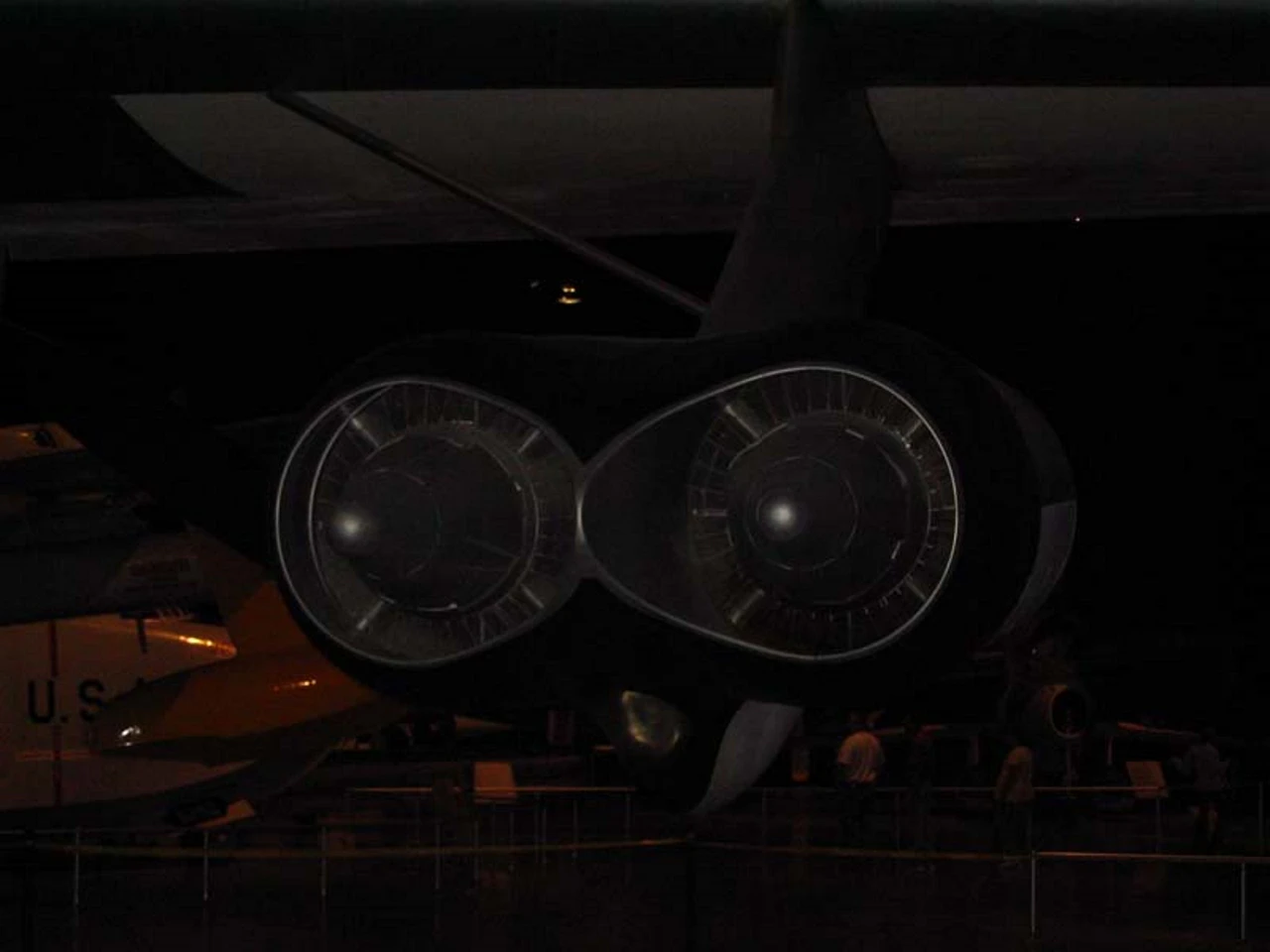
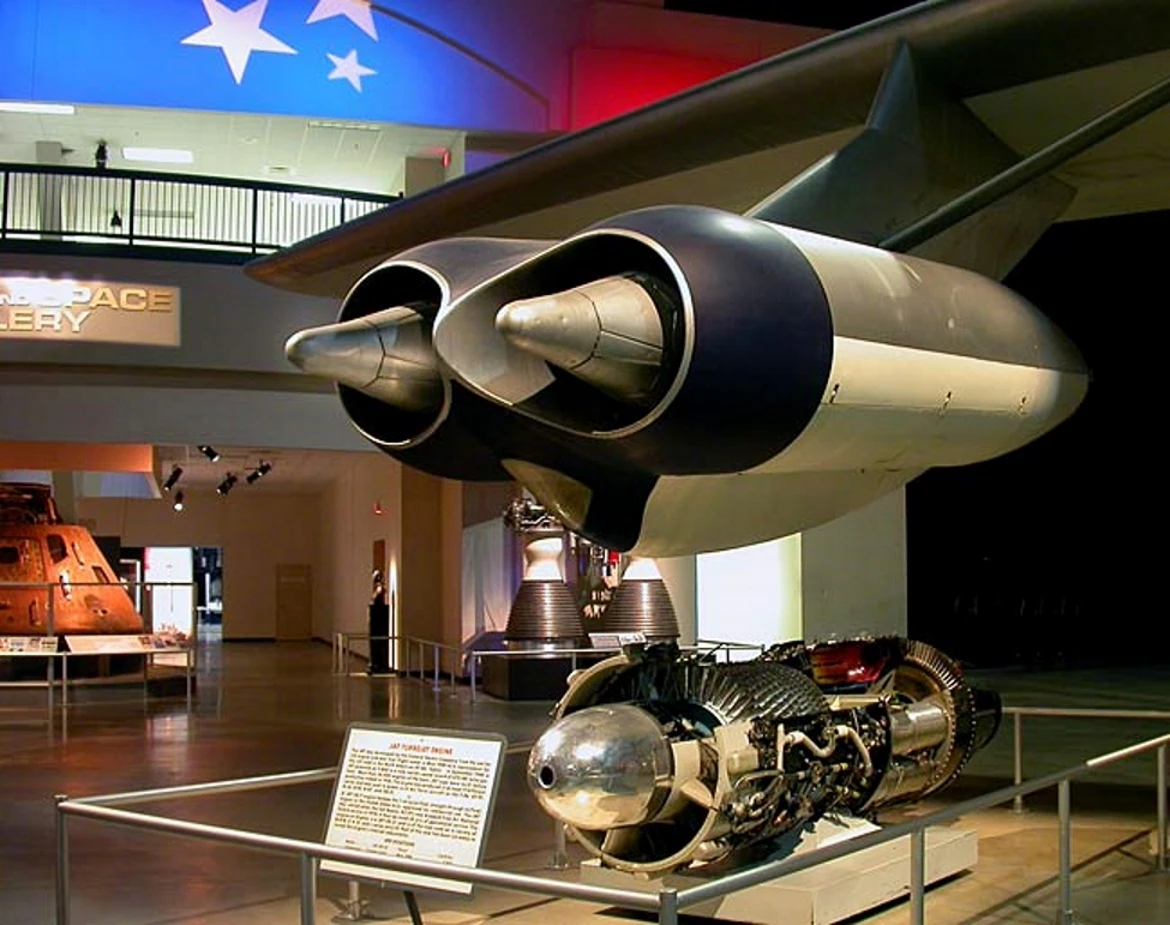
Jet Augmentation: Starting with the D-model, four J47 jet engines were added in pods near the wingtips. These were used for shorter takeoff rolls and high-speed dashes over the target. This led to the famous crew phrase: “Six turning and four burning.”
The Magnesium Skin: To save weight on such a colossal airframe, much of the fuselage skin was made of magnesium alloy rather than aluminum. This made the aircraft exceptionally light for its size but also meant it was highly flammable if it caught fire.
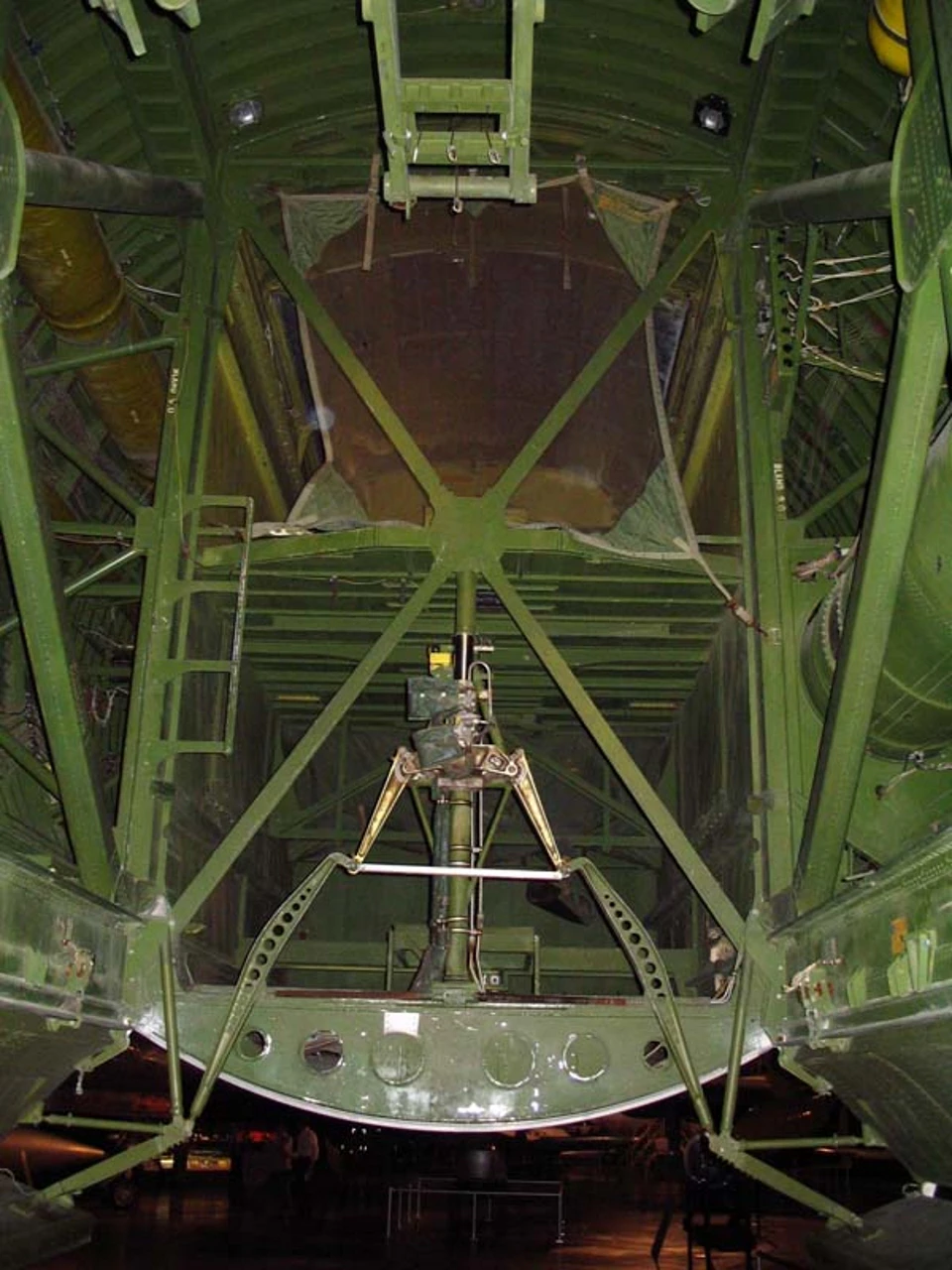
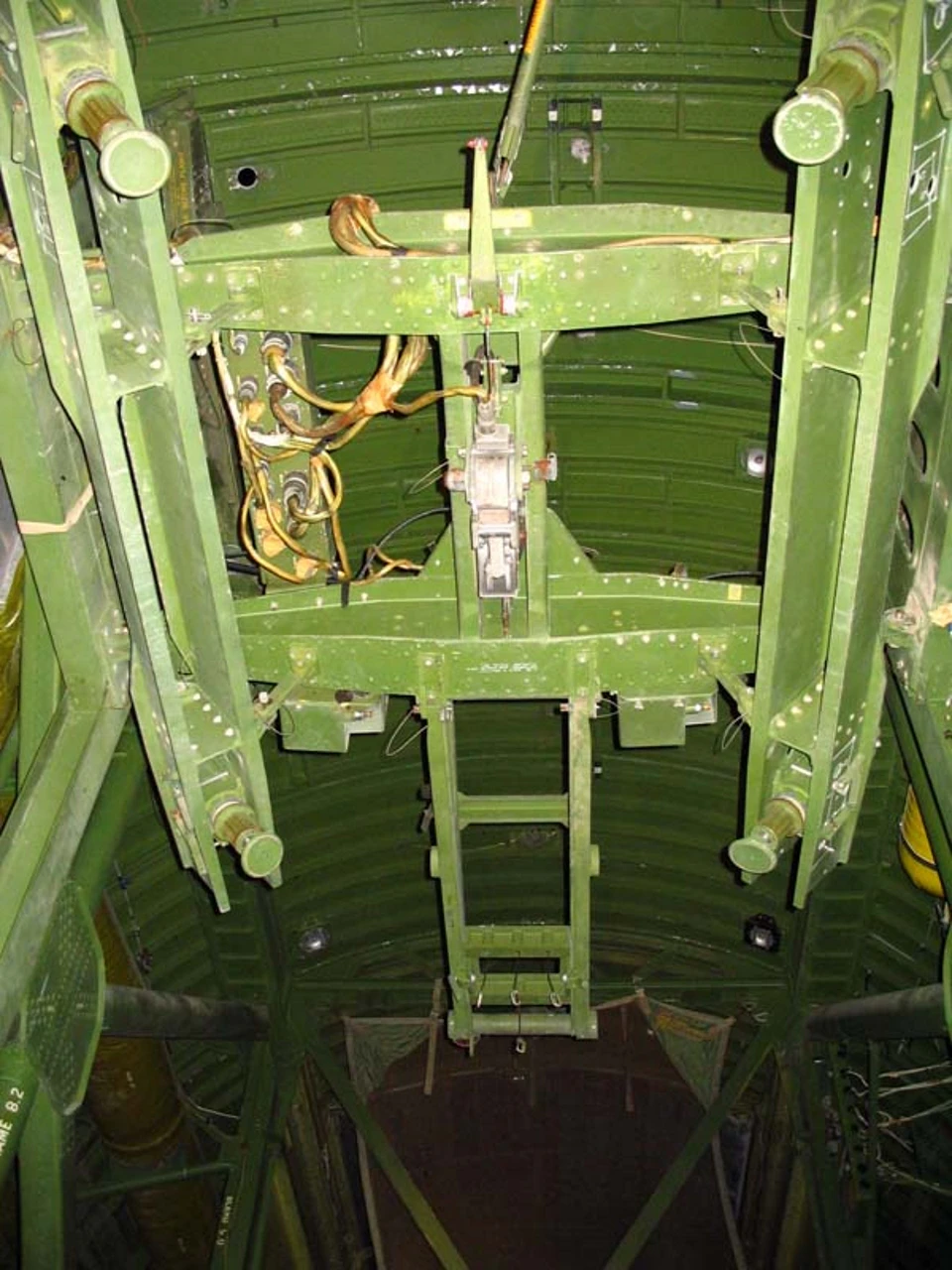
Communication Tunnel: Because the bomb bays were so large, they divided the pressurized crew compartments. To get from the front (cockpit) to the rear (gunner/bunk) stations, crew members had to lie on a wheeled trolley and pull themselves through an 85-foot long pressurized tunnel.
Legacy: The Giant That Never Fired a Shot in Anger
Strategic Deterrent: The B-36 never dropped a bomb in combat. Its mere existence was its mission—proving to the Soviet Union that the U.S. could strike any target on the globe without needing overseas bases.
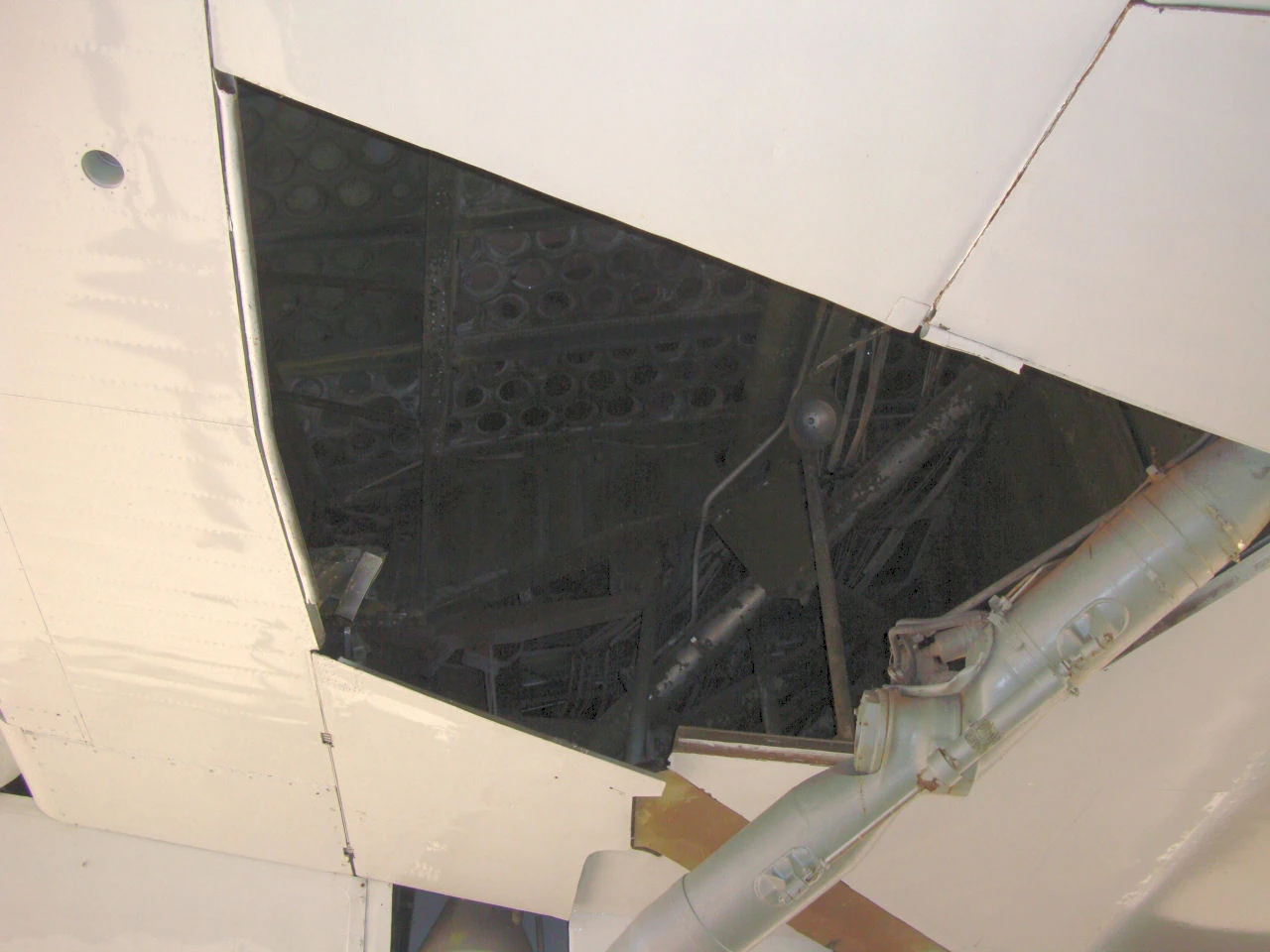
The NB-36H Nuclear Test: One B-36 was modified to carry a live, shielding-protected nuclear reactor in its bomb bay to test the feasibility of nuclear-powered flight. It flew 47 times, though the reactor only powered itself, not the aircraft.
FICON Project: Due to its lack of speed, the B-36 was used as a “mother ship” to carry an F-84 Thunderjet fighter in its bomb bay. The fighter could be launched to defend the bomber and then re-attached in mid-air.
The Featherweight Program: Toward the end of its life, many B-36s were stripped of all defensive turrets and extra equipment to allow them to fly at altitudes above 50,000 feet, where early Soviet interceptors could not reach them.

 Buy Me a Coffee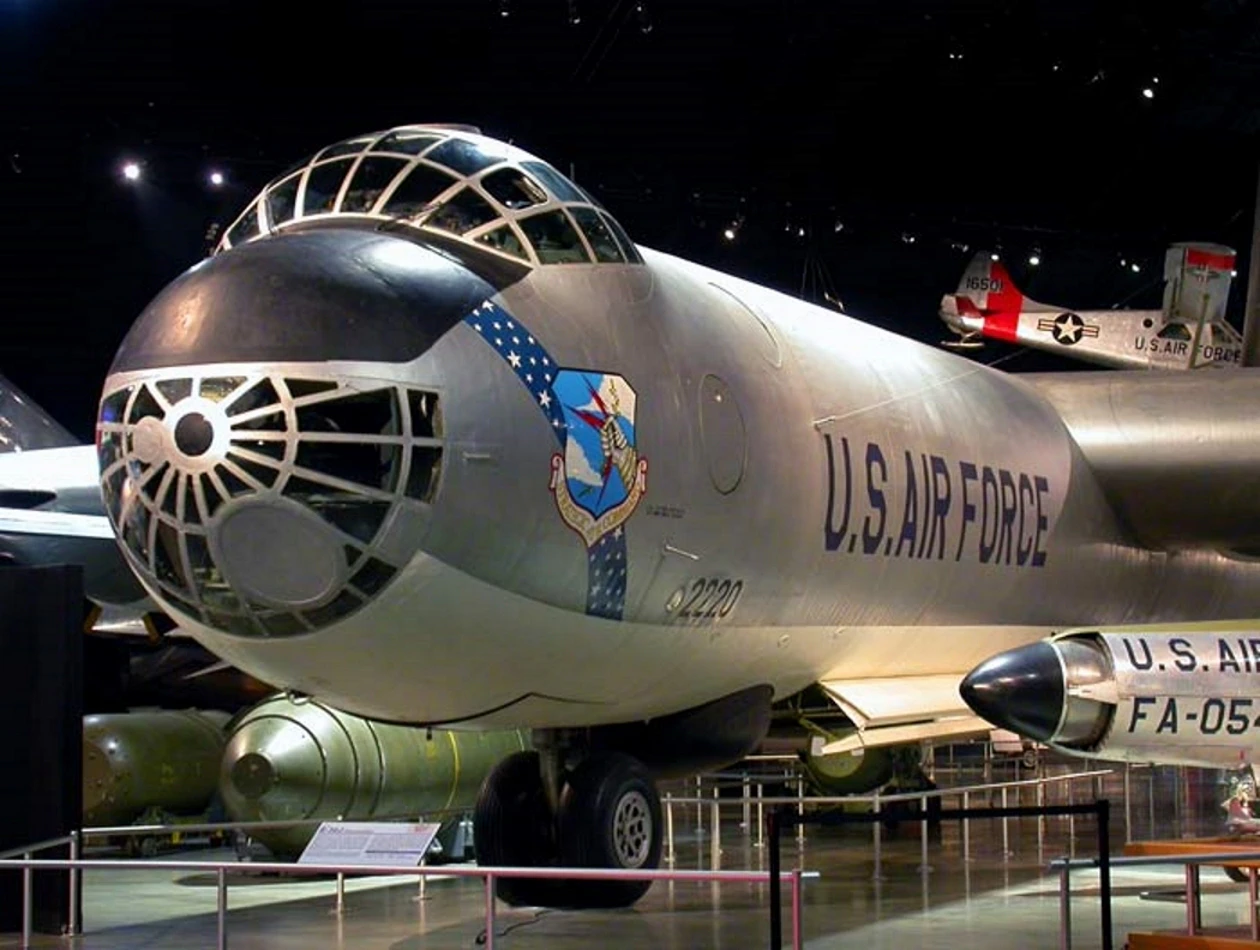


 Convair F2Y Sea Dart – Photos & Videos
 Convair XF-92 – Photos & Videos
 SPAD S.XIII – Photos & Videos
 Convair C-131 Samaritan – Photos & Videos
 Convair B-58A Hustler – Photos & Video
 Convair F-102A – Photos & Video
 CASA 2.111 vol3 – WalkAround
 AV-8B Harrier II Plus – WalkAround
 Mikoyan MiG-29 – WalkAround
 C-17 Globemaster – WalkAround