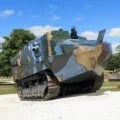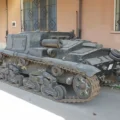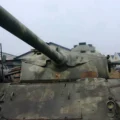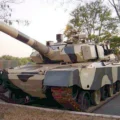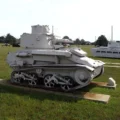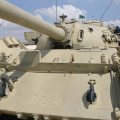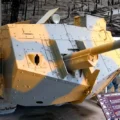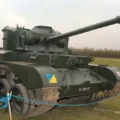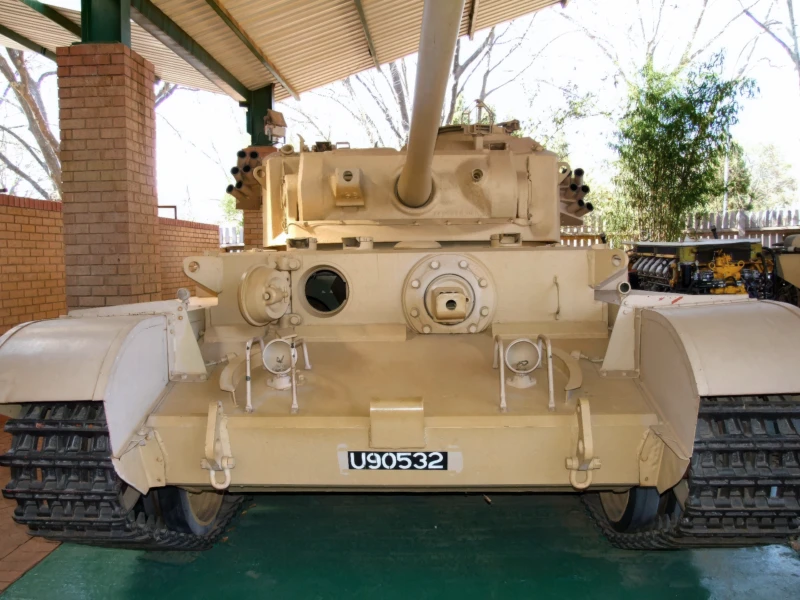
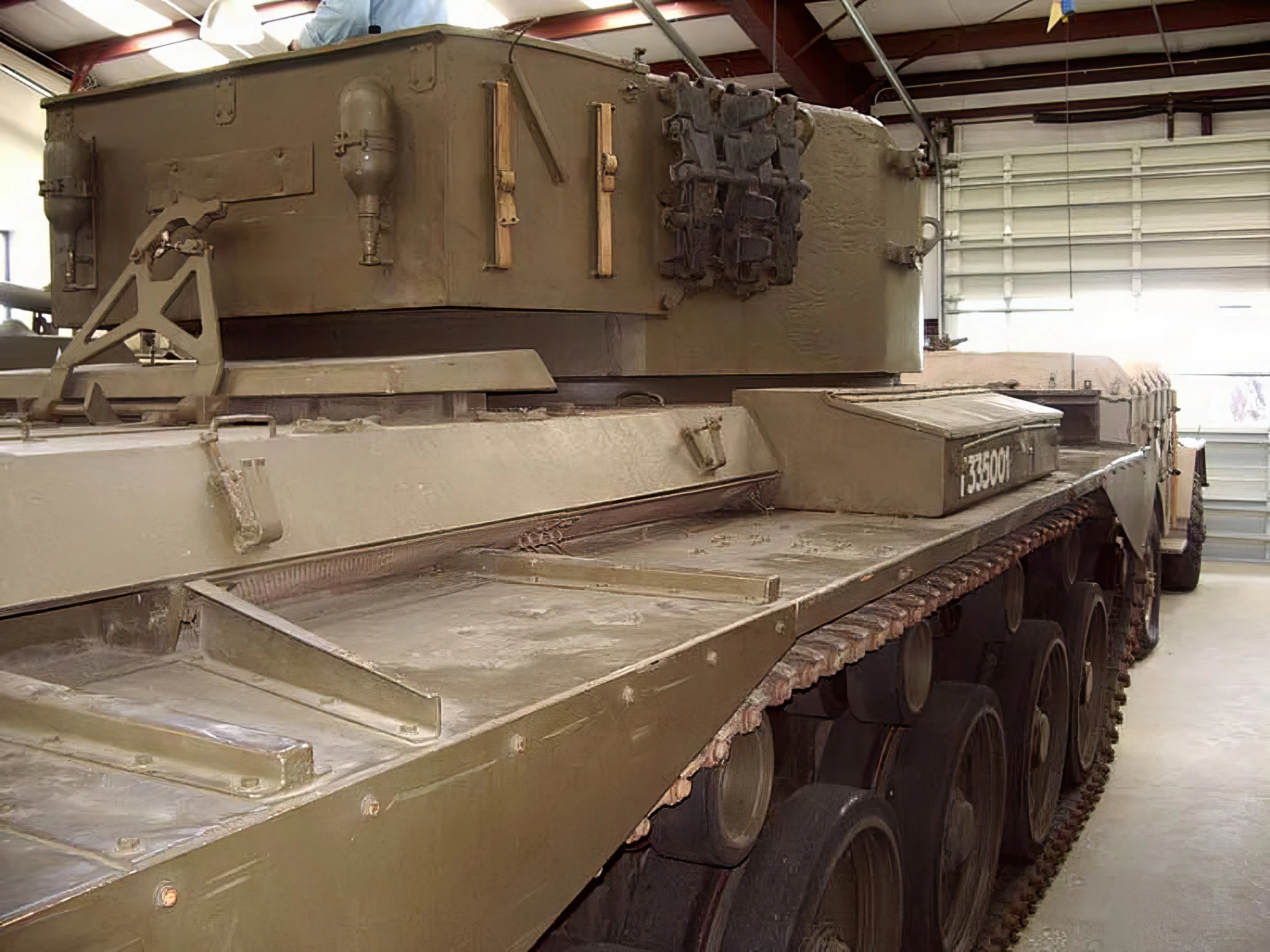
Tank A34 Comet | |
|---|---|
| Country | UK |
| Role | Cruiser tank |
| In service | December 1944 – 1958 |
| Built | 1186 |
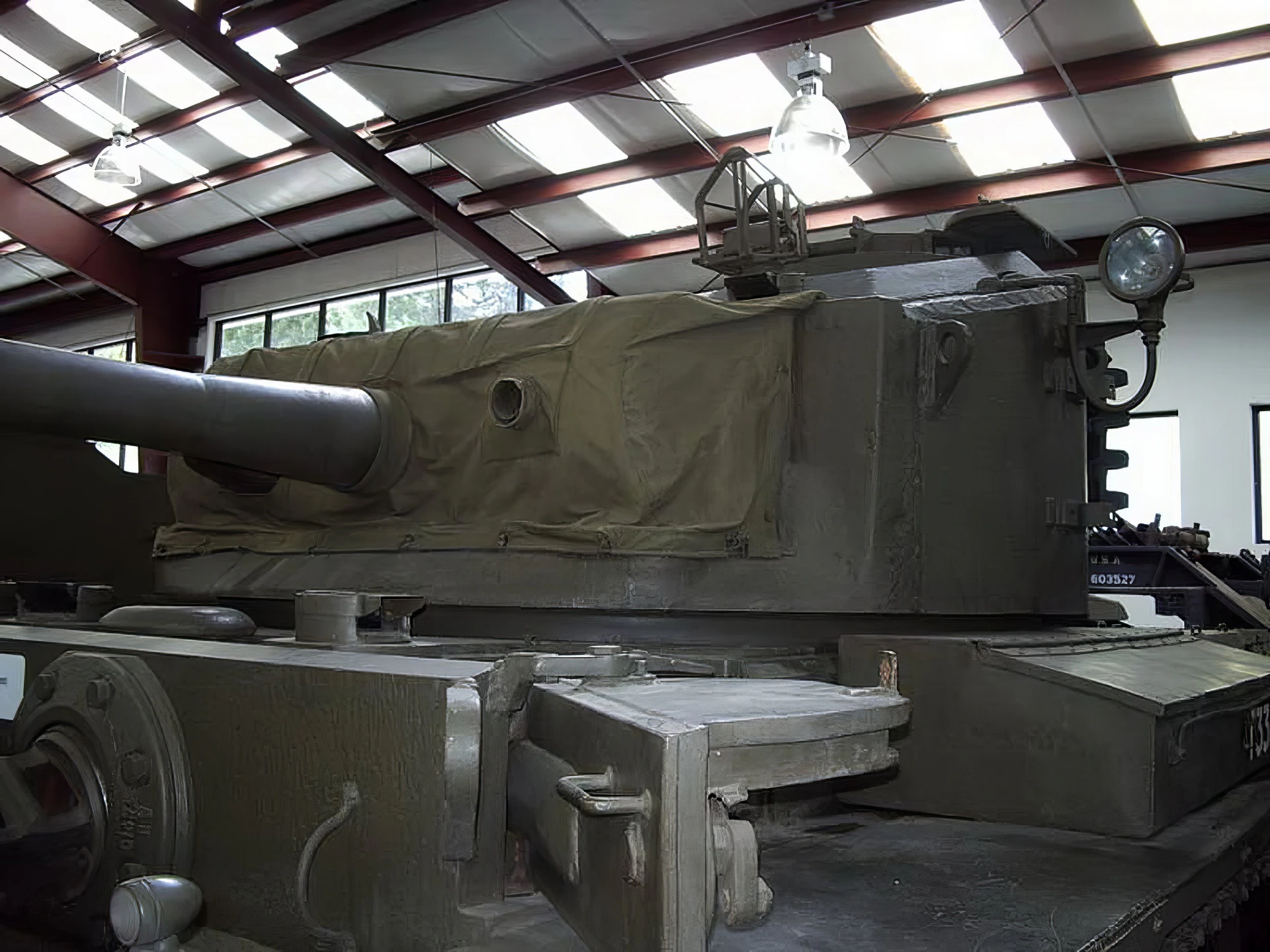
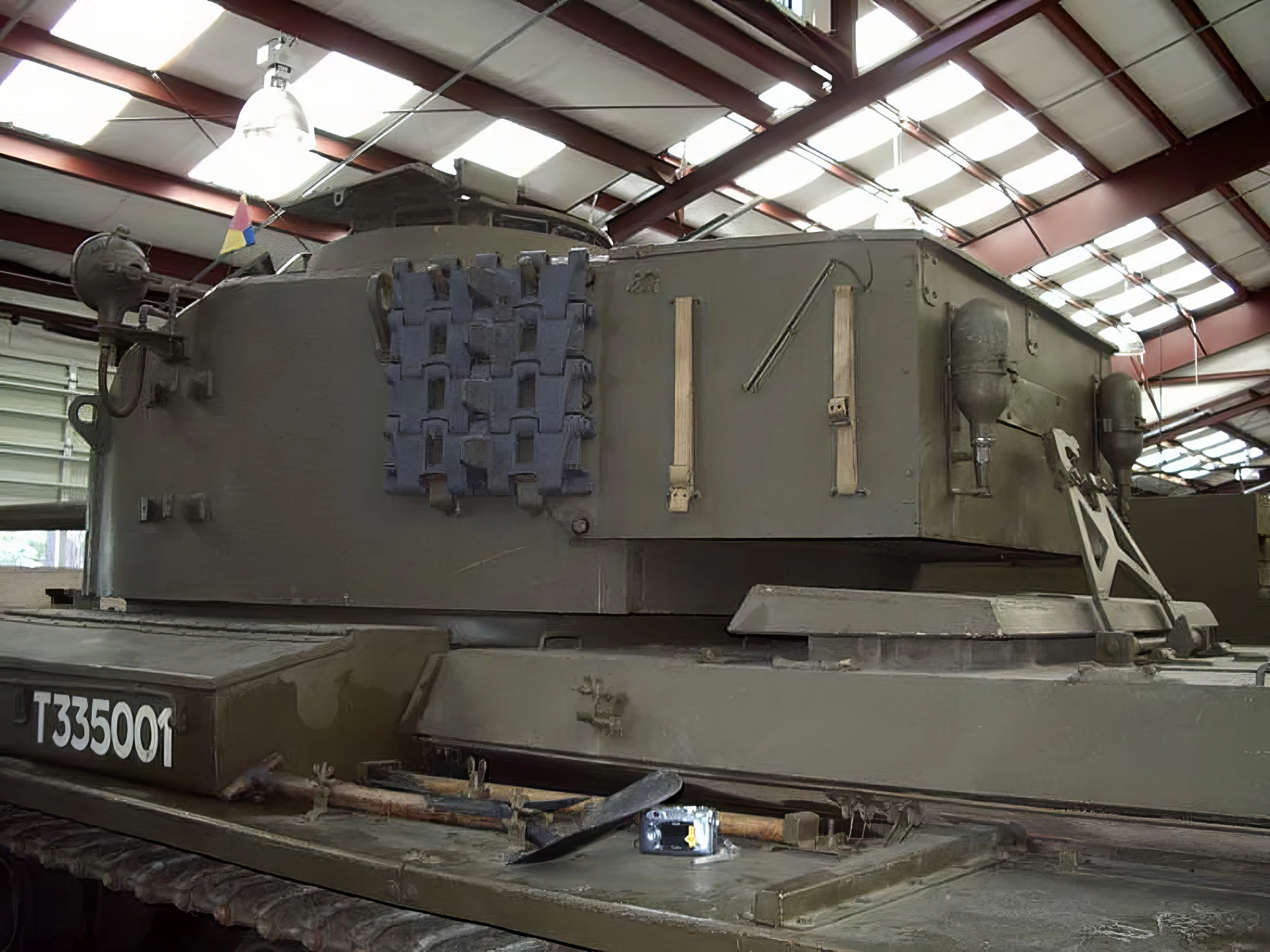
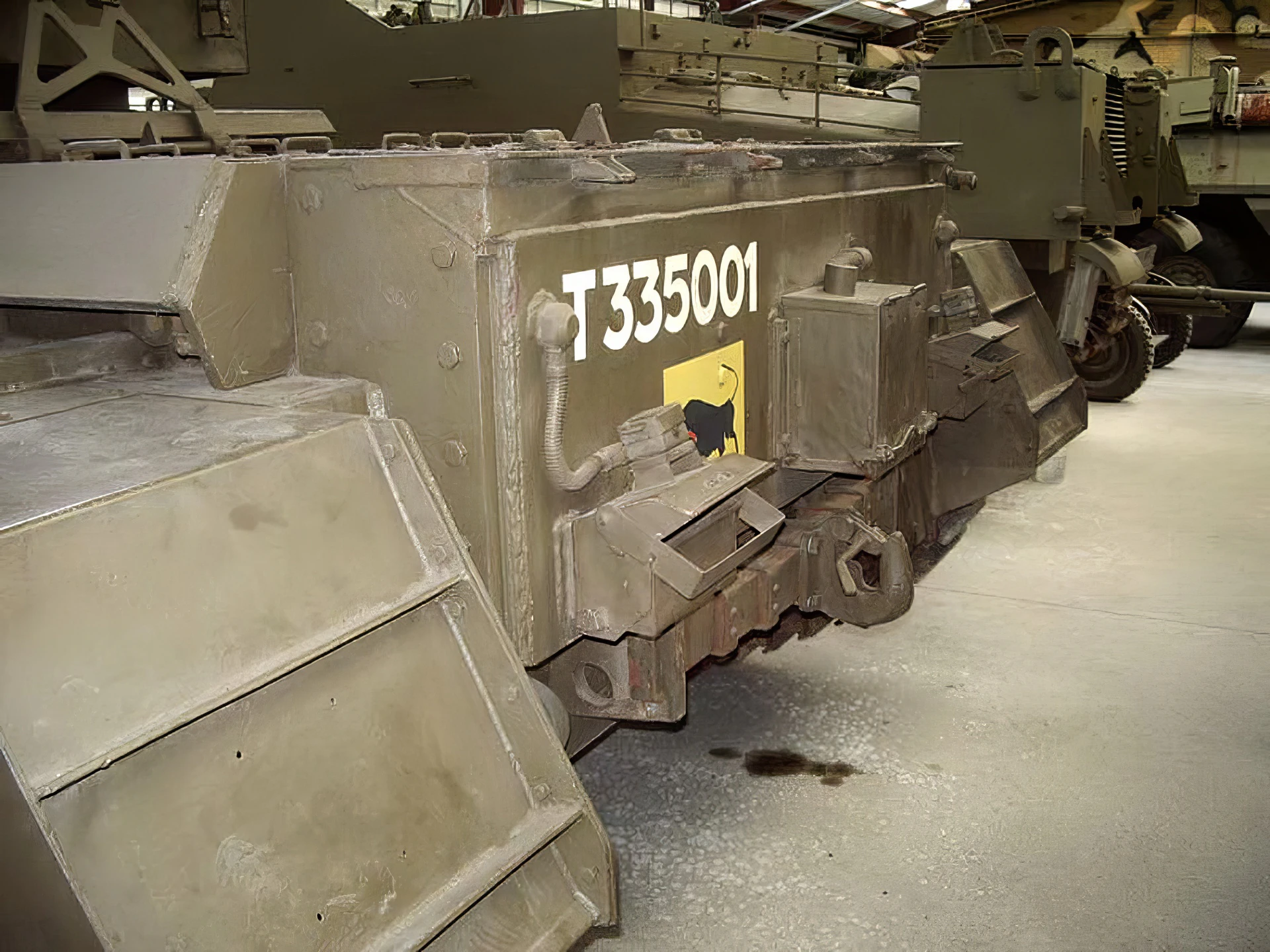
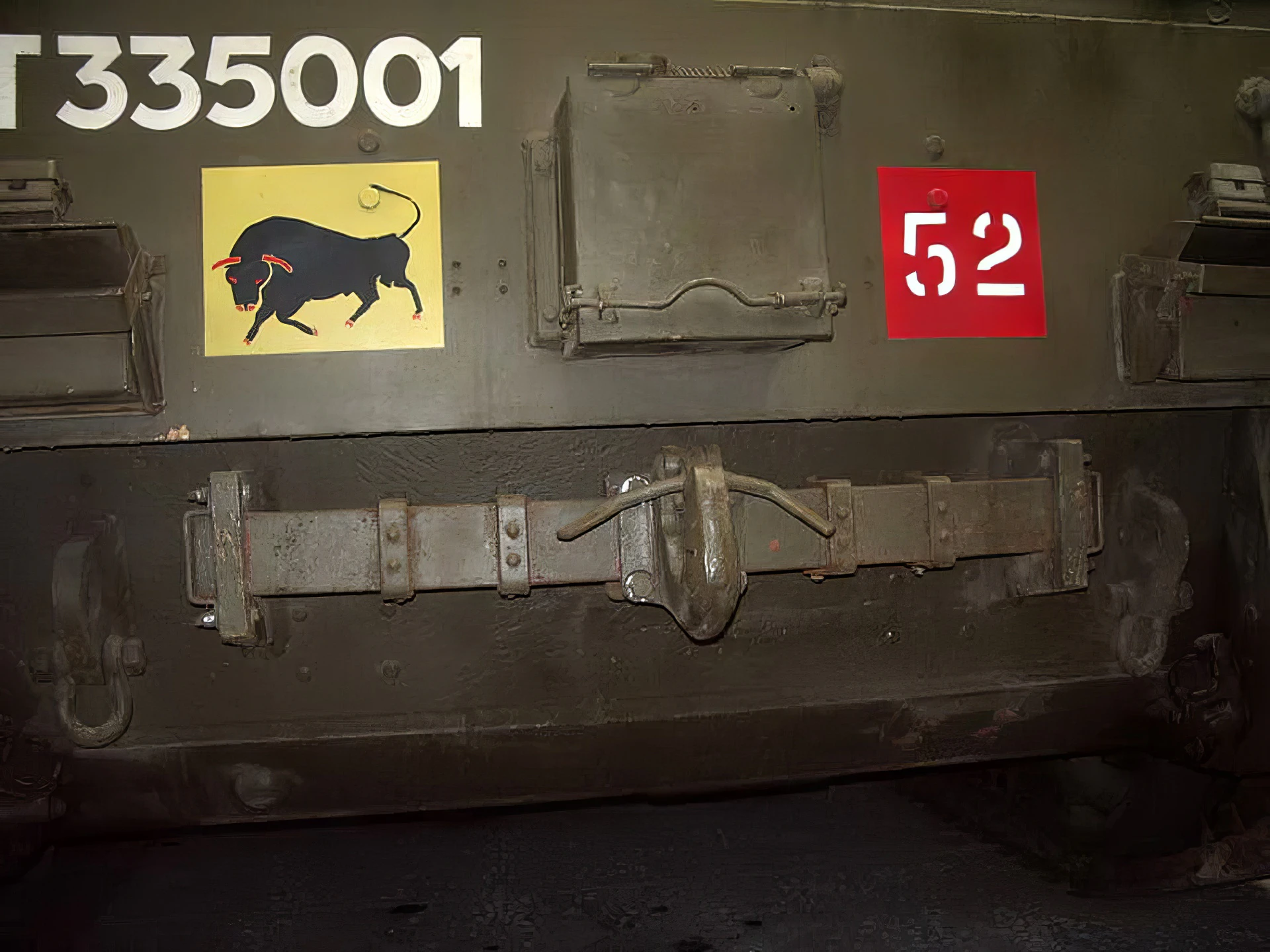
The Tank Cruiser Comet A34 was a British cruiser tank that first saw use near the end of World War II. It was designed to provide greater anti-tank capability to Cromwell tank squadrons. It was armed with a 77mm HV, a derivative of the 17 pounder, with the result that it was one of the few British tanks with the firepower to challenge late war German designs. As a development of the Cromwell, it was an interim design before the Centurion tank. The Comet saw post World War II combat during the Korean war, and remained in British service until 1958. Comets sold to other countries continued in some cases to operate into the 1970s.
Source:Tank A34 on Wikipedia
| A34 Comet Walk Around | |
|---|---|
| Photographer | Paul Adamson |
| Localisation | Unknow |
| Photos | 57 |
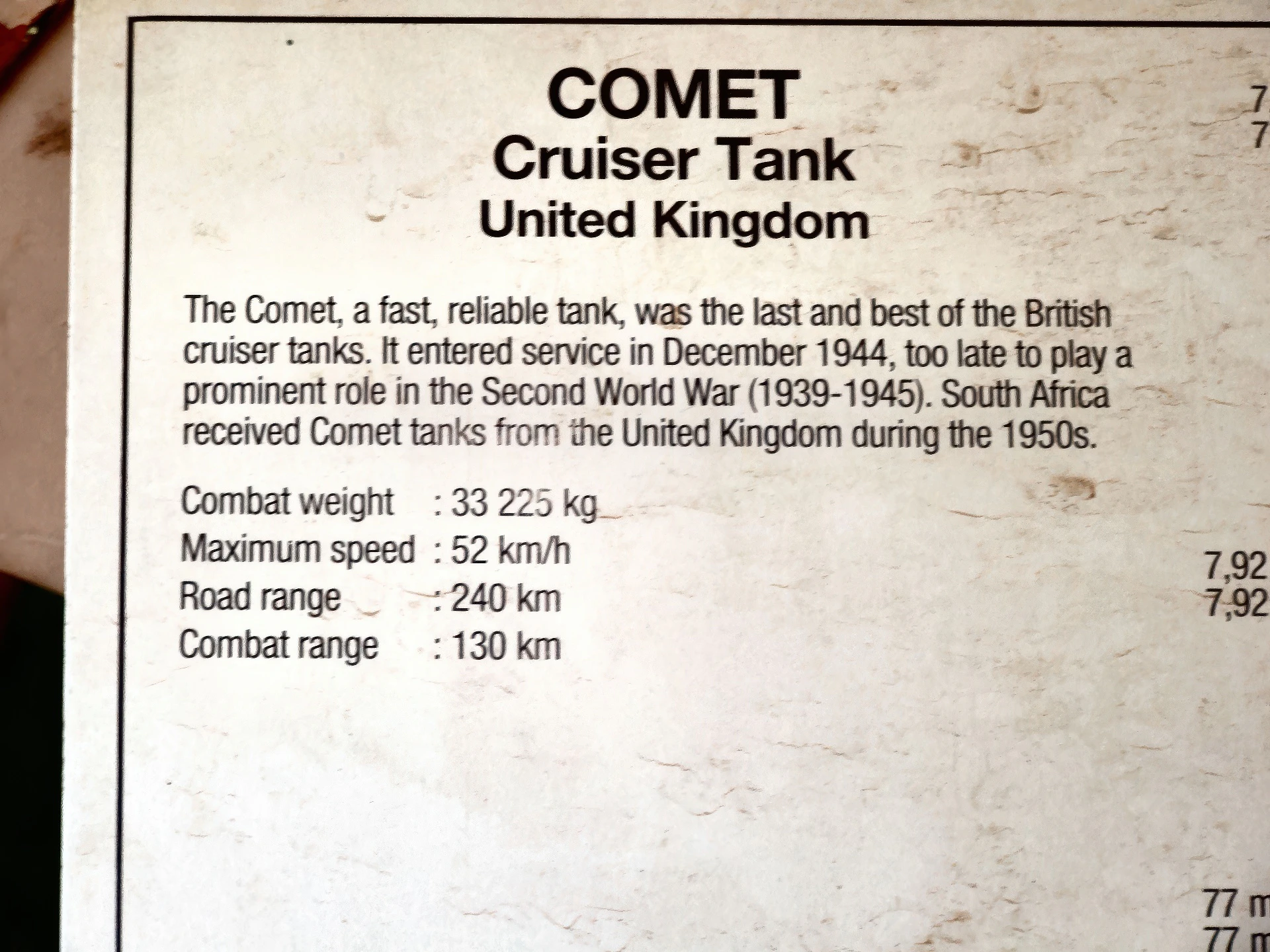
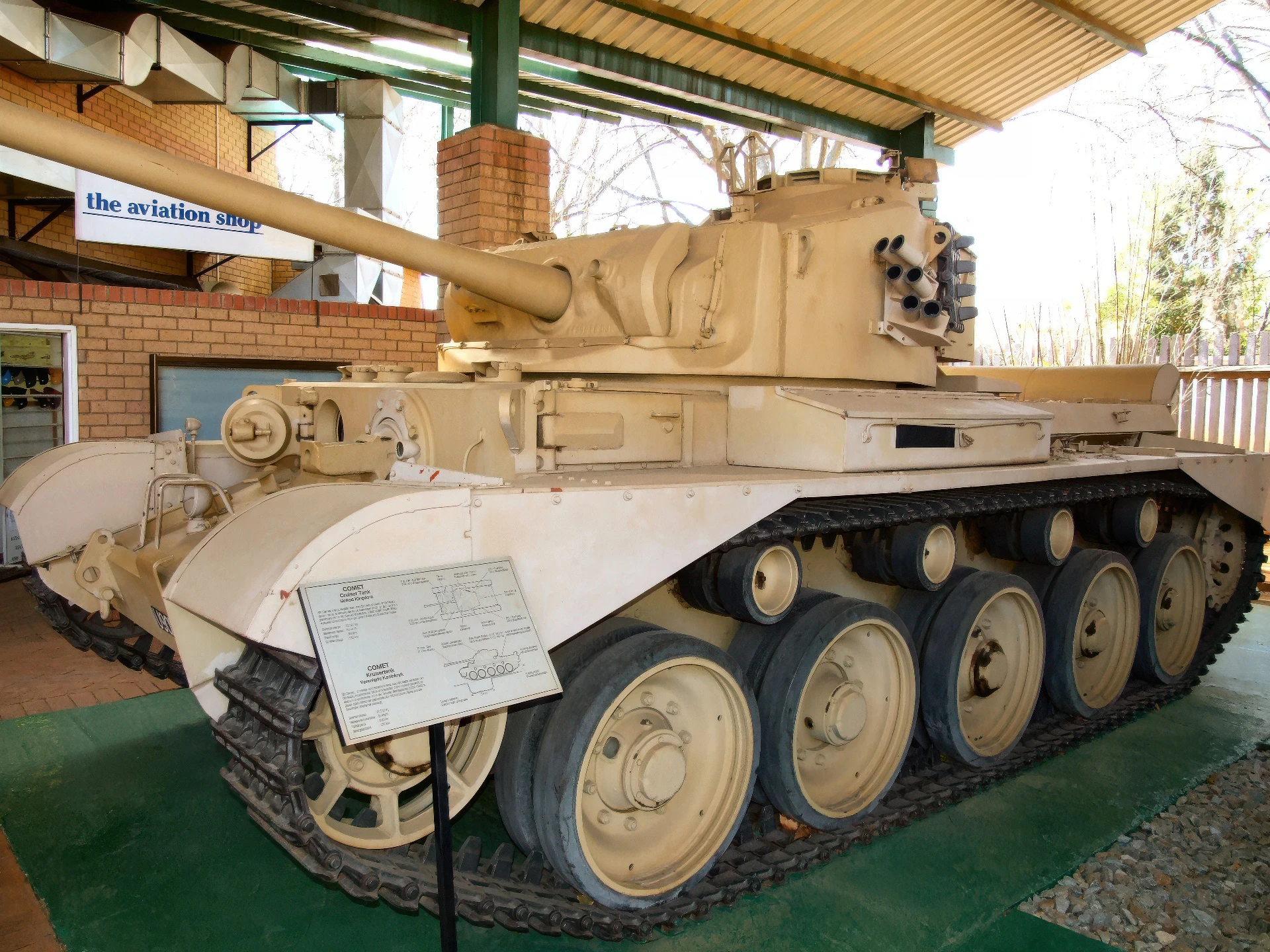
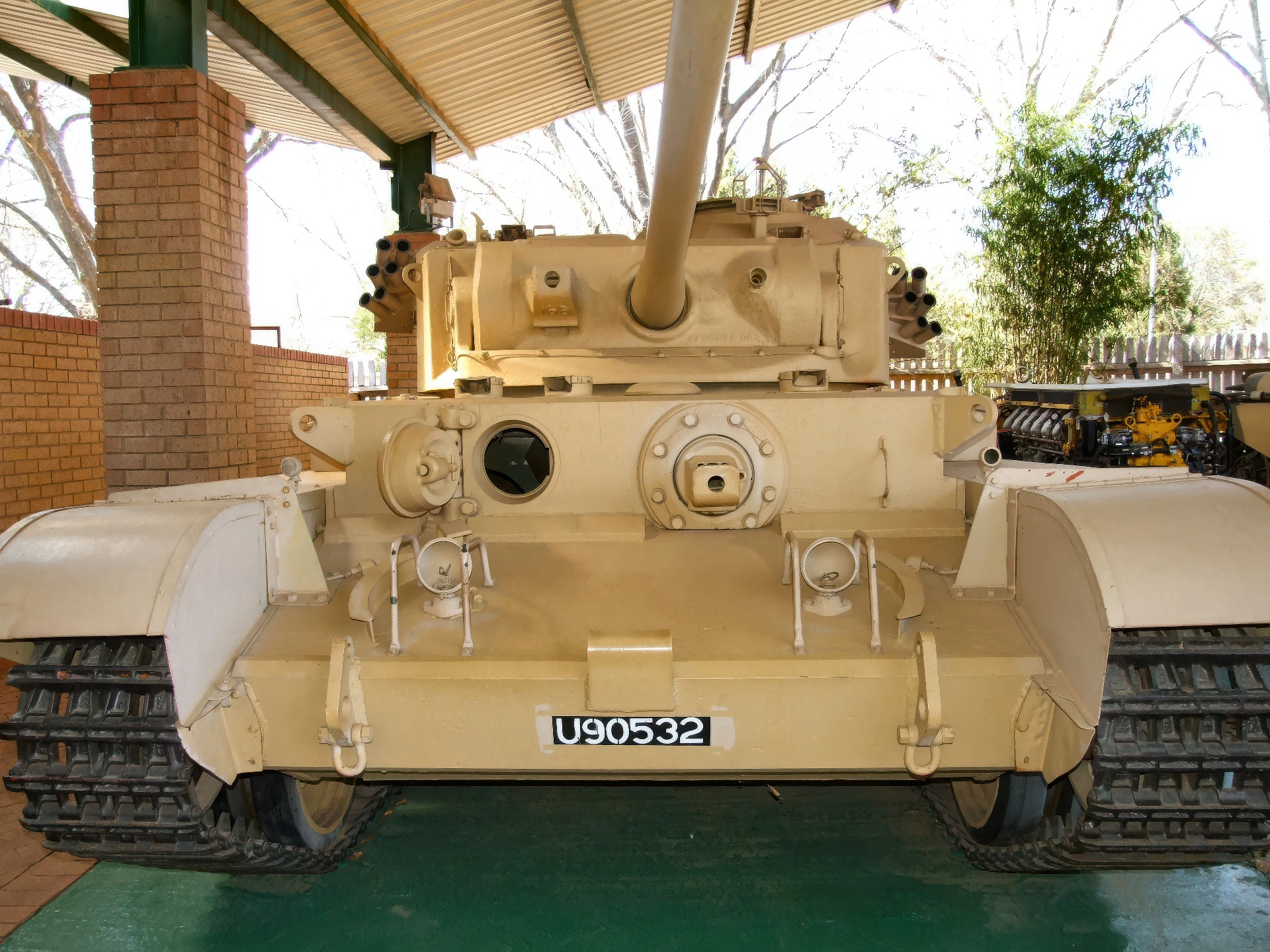
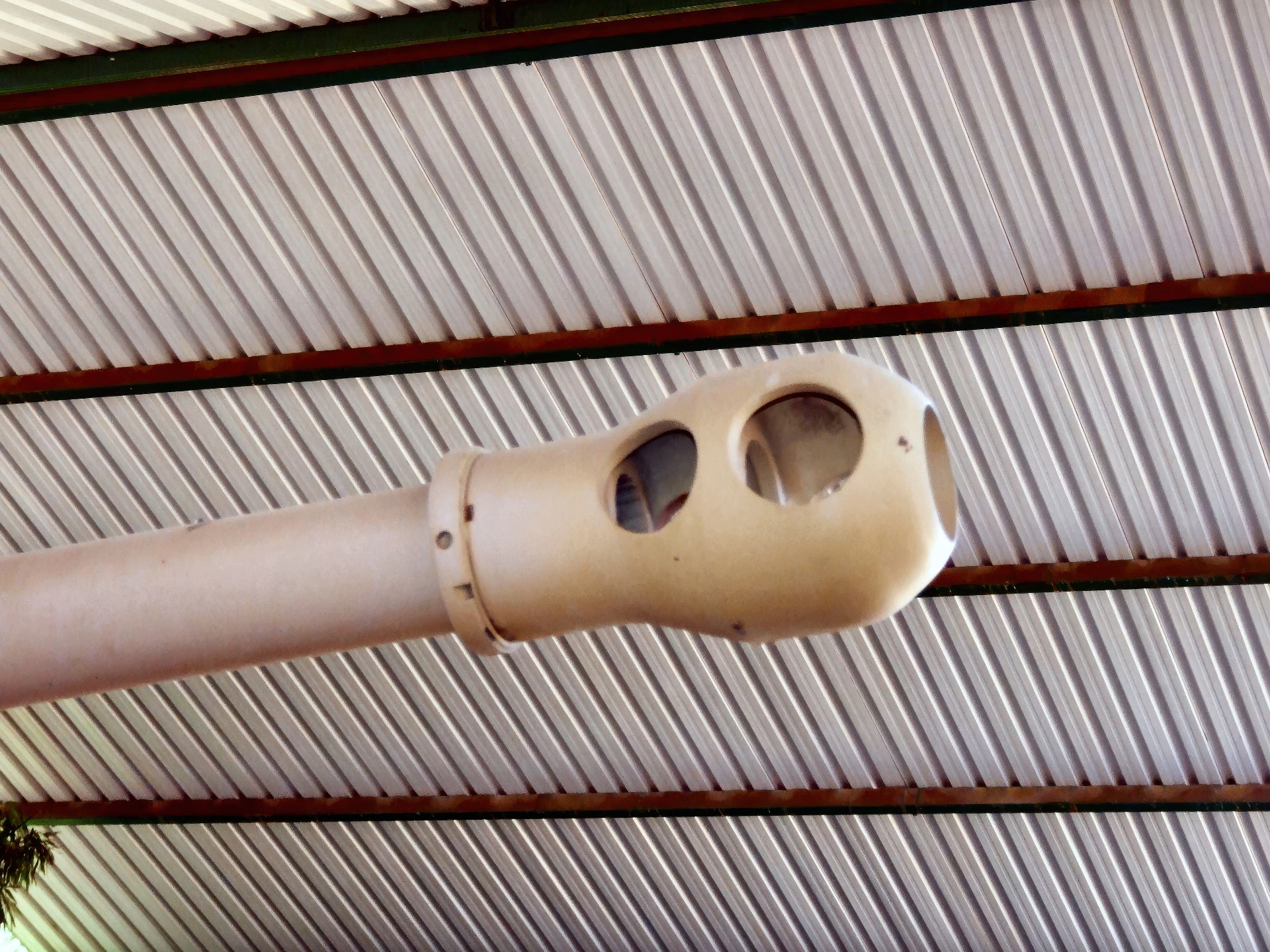
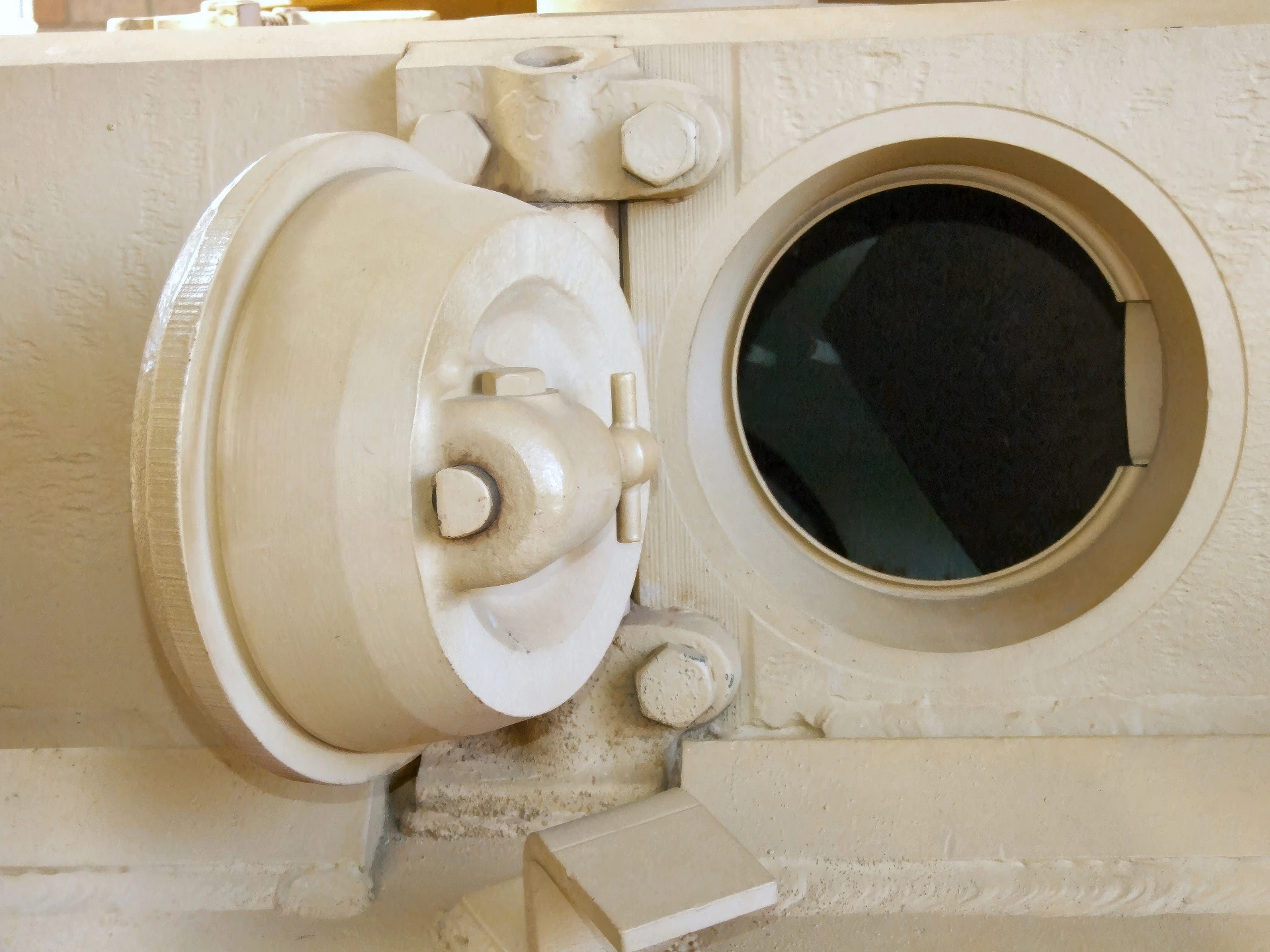
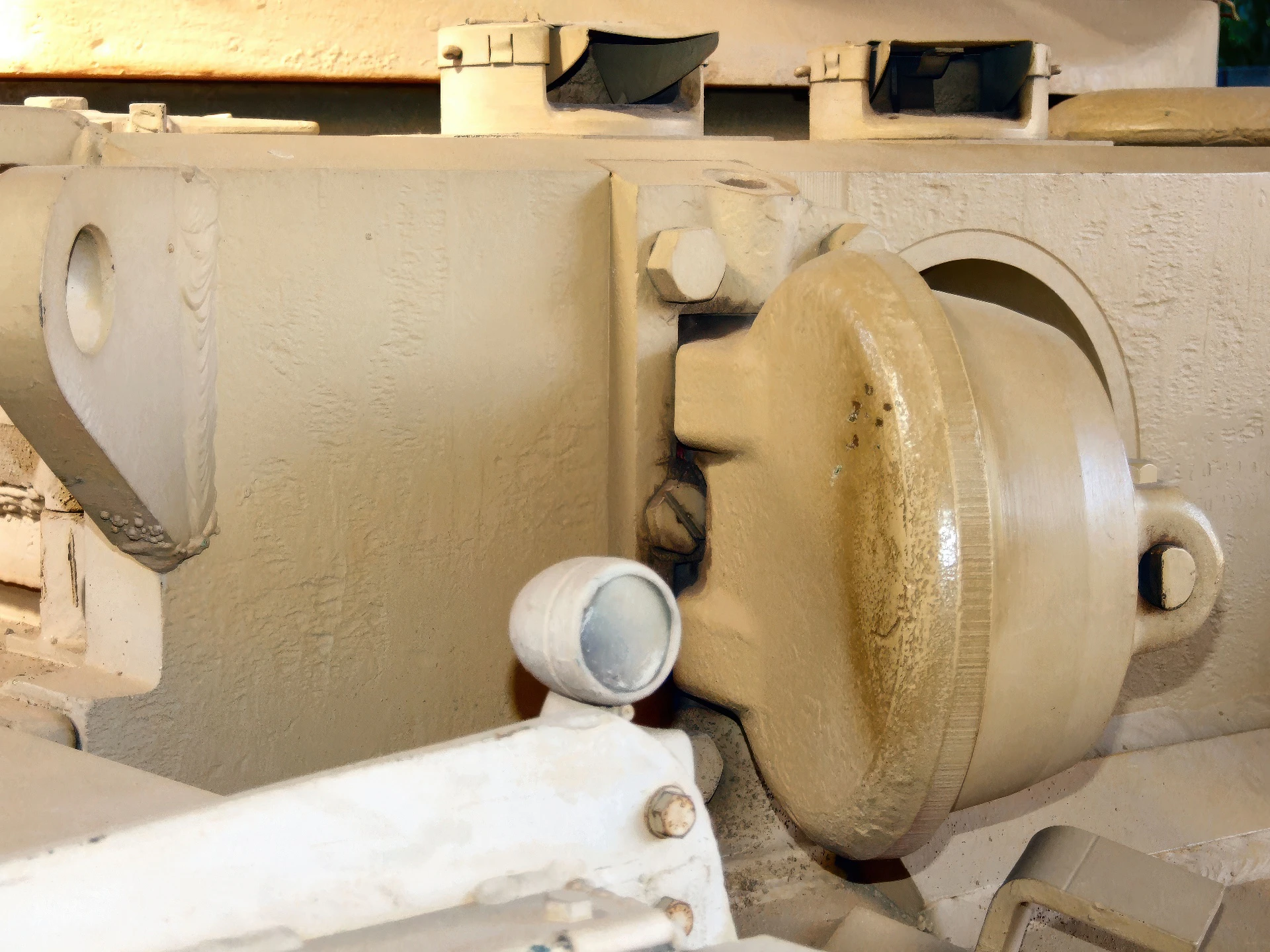
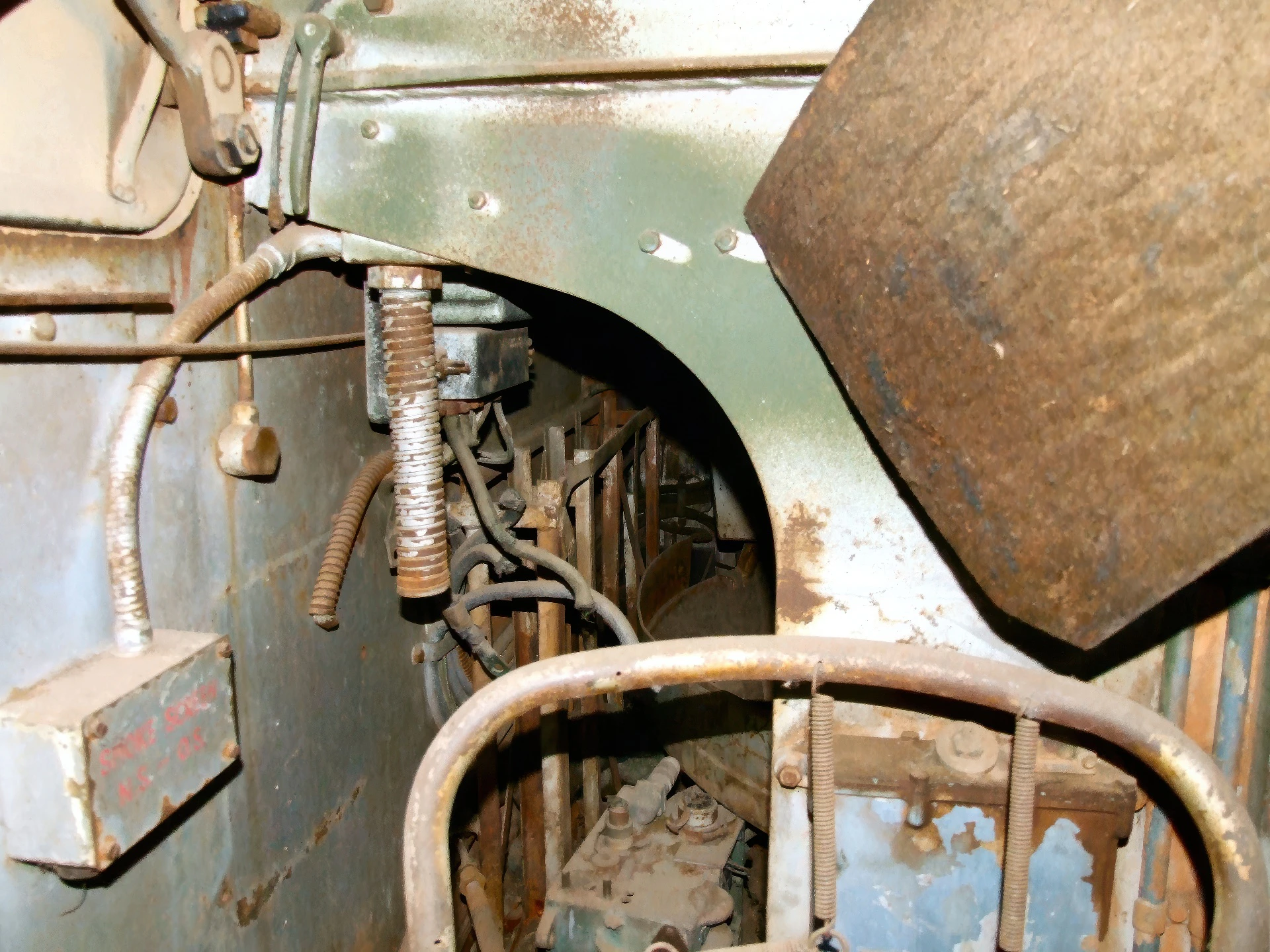
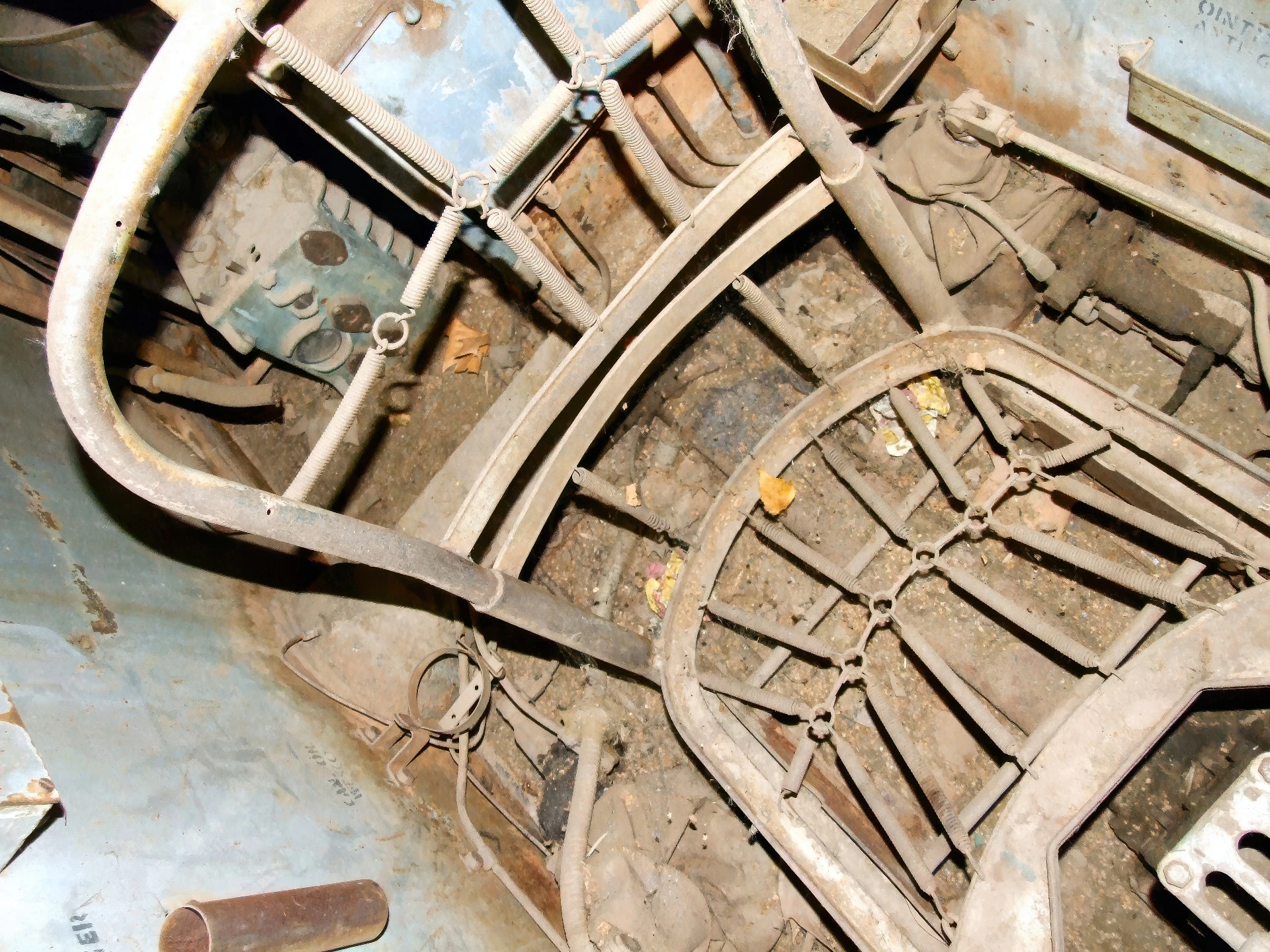

| Comet tank | |
|---|---|
| Photographer | Unknow |
| Localisation | Unknow |
| Photos | 29 |
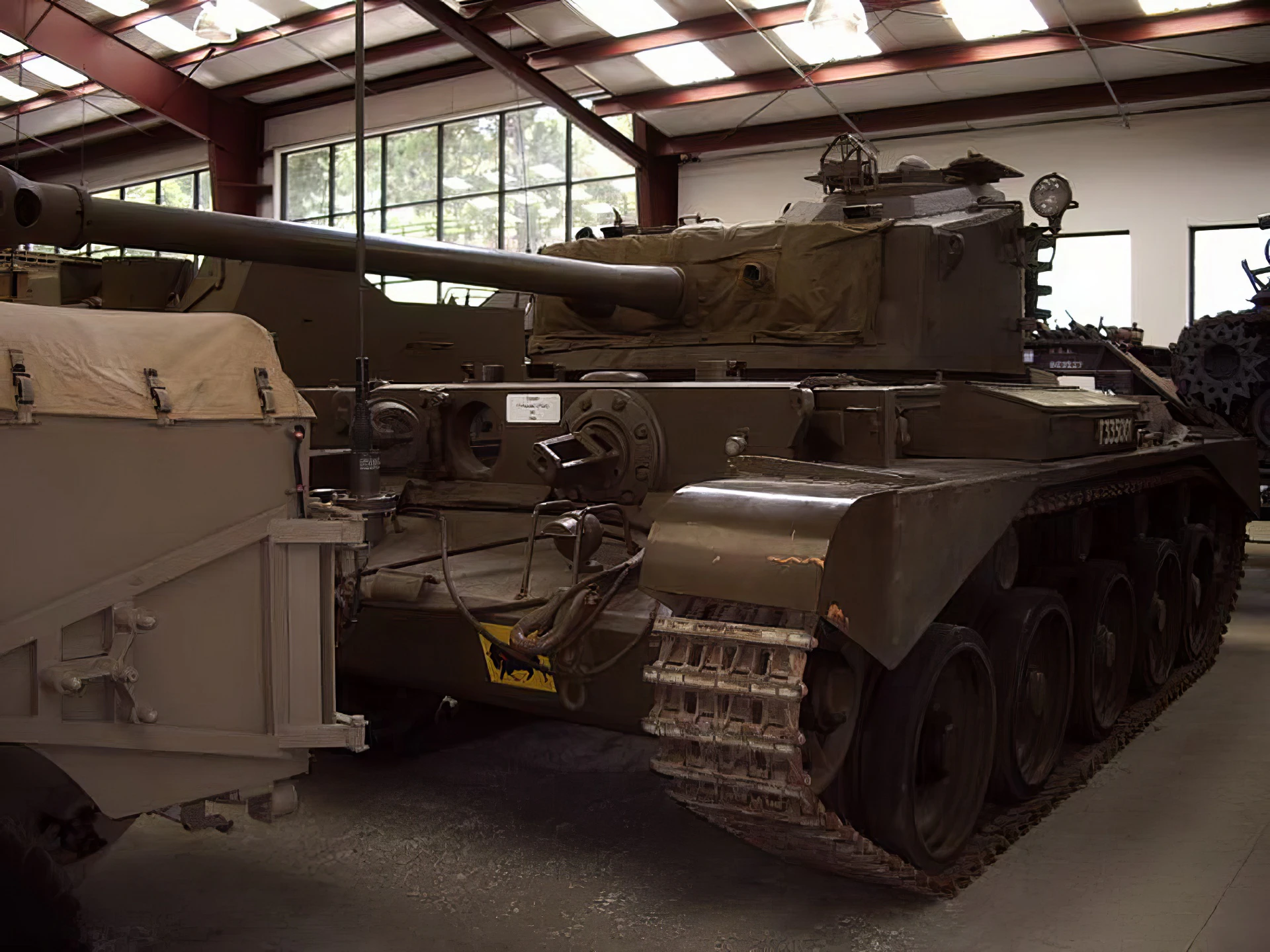
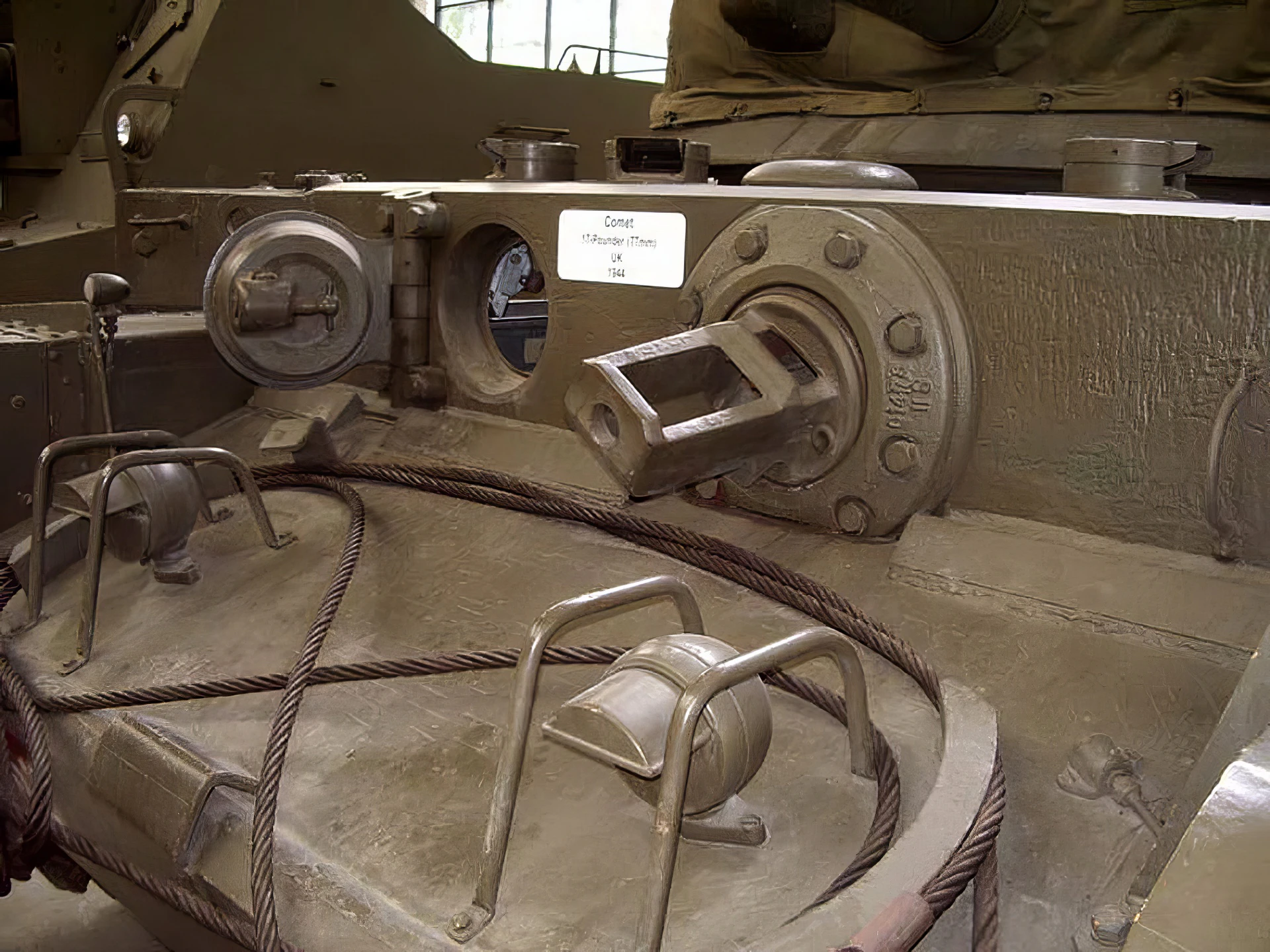
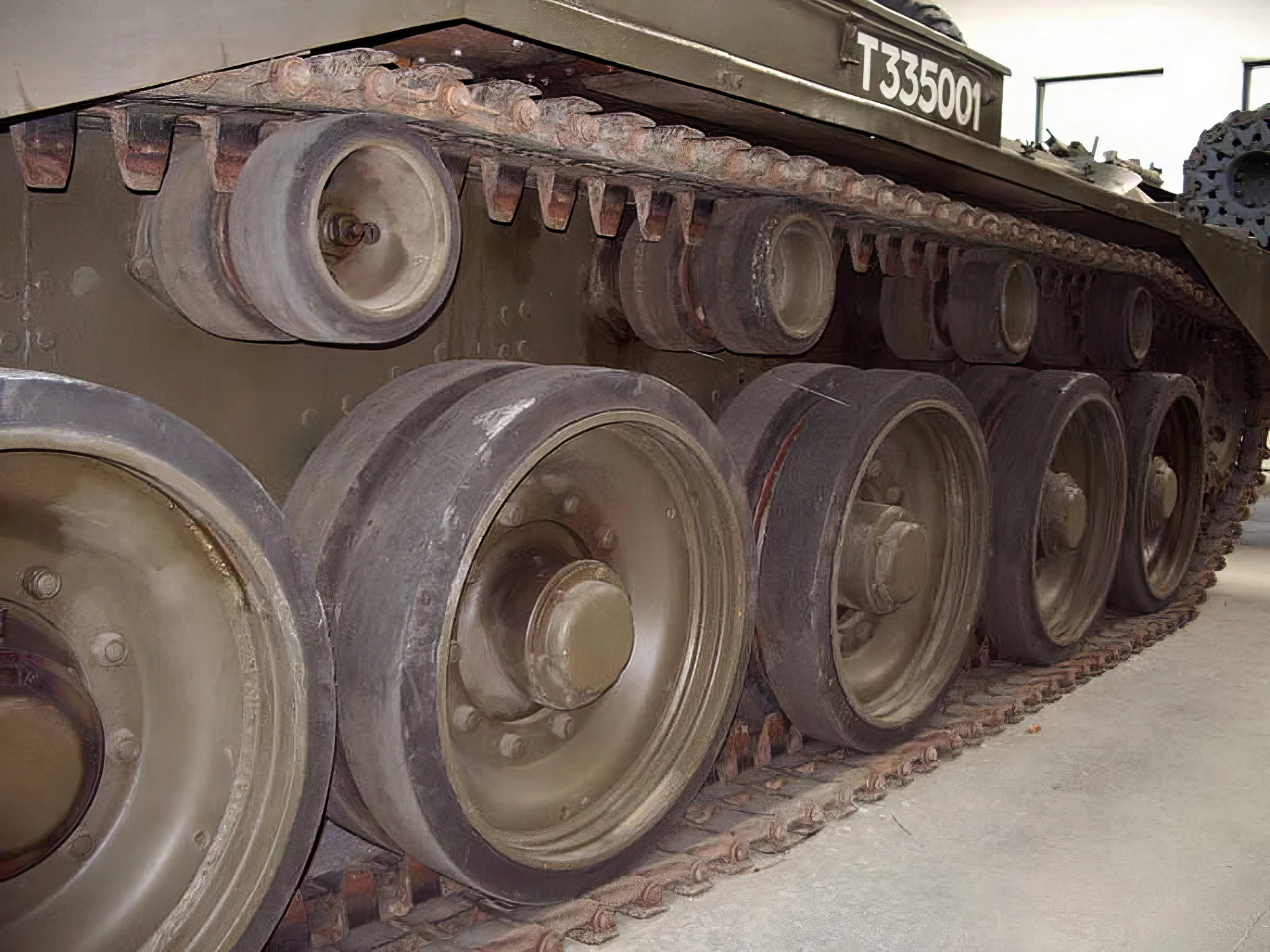
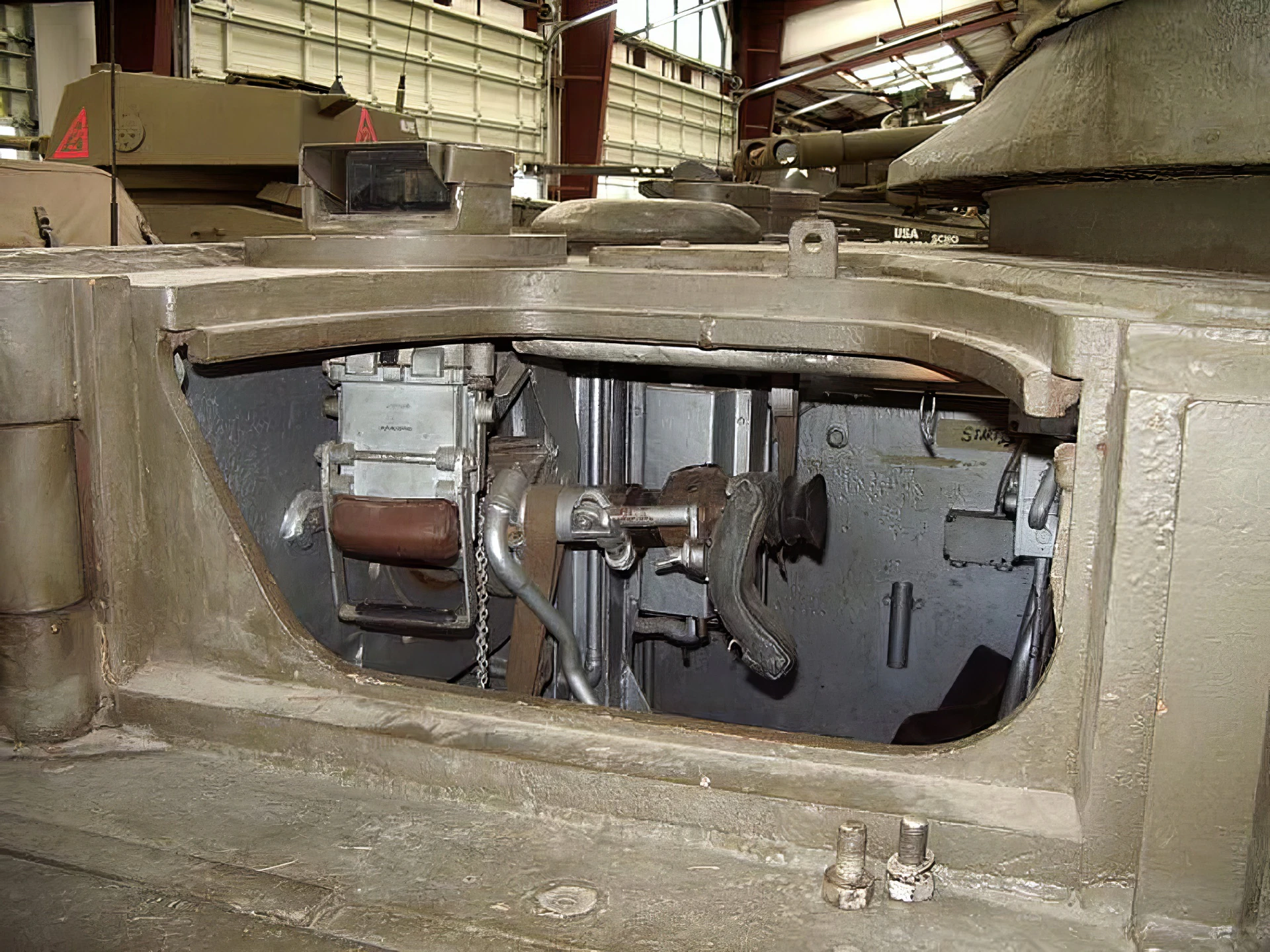
See also:


General Characteristics and Role
The A34 Comet was a British cruiser tank developed late in World War II, intended as a powerful successor to the earlier Cromwell tank. It was designed to address the shortcomings of previous British designs, particularly the lack of firepower capable of reliably engaging German heavy armor, like the Panther and Tiger tanks. The Comet solved this by introducing the new 77 mm High Velocity (HV) gun, a highly effective derivative of the 17-pounder anti-tank gun. The tank entered service too late to see extensive action, but it represented a significant step forward in British tank design, offering an excellent combination of speed, armor protection (especially around the turret), and decisive firepower. It served as a bridge between wartime cruiser tanks and the excellent Centurion main battle tank that followed.
| Property | Typical Value (A34 Comet) |
|---|---|
| Type | Cruiser Tank |
| National Origin | United Kingdom |
| Manufacturer | Leyland Motors |
| Entered Service | December 1944 |
| Crew | 5 (Commander, Gunner, Loader, Driver, Co-driver/Machine Gunner) |
| Combat Weight | Approx. 35 tonnes (77,000 lb) |
| Length (Gun Forward) | 7.85 m (25 ft 9 in) |
Powerplant and Firepower
- Engine: 1 x Rolls-Royce Meteor V-12 petrol engine.
- Engine Power: 600 hp (450 kW).
- Maximum Road Speed: 50 km/h (32 mph).
- Main Armament: 1 x 77 mm High Velocity (HV) gun (61 rounds). This was essentially a lighter, redesigned 17-pounder, utilizing a different caliber designation for logistical clarity.
- Secondary Armament: 2 x 7.92 mm Besa machine guns (one coaxial, one hull-mounted).
- Armor (Front): Up to 102 mm (4.0 in) on the turret face; 64 mm (2.5 in) on the hull front.
- Suspension: Improved Christie suspension system, providing excellent cross-country mobility.
Service History and Legacy
- Initial Deployment: The Comet first saw action in the final months of the fighting in North West Europe in 1945, notably in the crossing of the Rhine and the final push into Germany.
- Success in Combat: It proved to be a highly effective tank, capable of handling contemporary German armor at standard combat ranges, a major improvement over the preceding Sherman Firefly and standard Cromwell.
- Post-War Service: The Comet continued to serve with the British Army and many Commonwealth forces for years after WWII. It was used in conflicts such as the Korean War by British forces.
- Replacement: The Comet’s chassis and engine configuration were direct precursors to the development of the Centurion tank, which is widely regarded as the first modern Main Battle Tank (MBT).
- Operators: Post-war exports included countries like Finland, Ireland, and South Africa. The last Comets were retired by some nations in the 1970s.
Views : 2517