B-17G Flying Fortress | |
|---|---|
| Country | USA |
| Type | Bombardier |
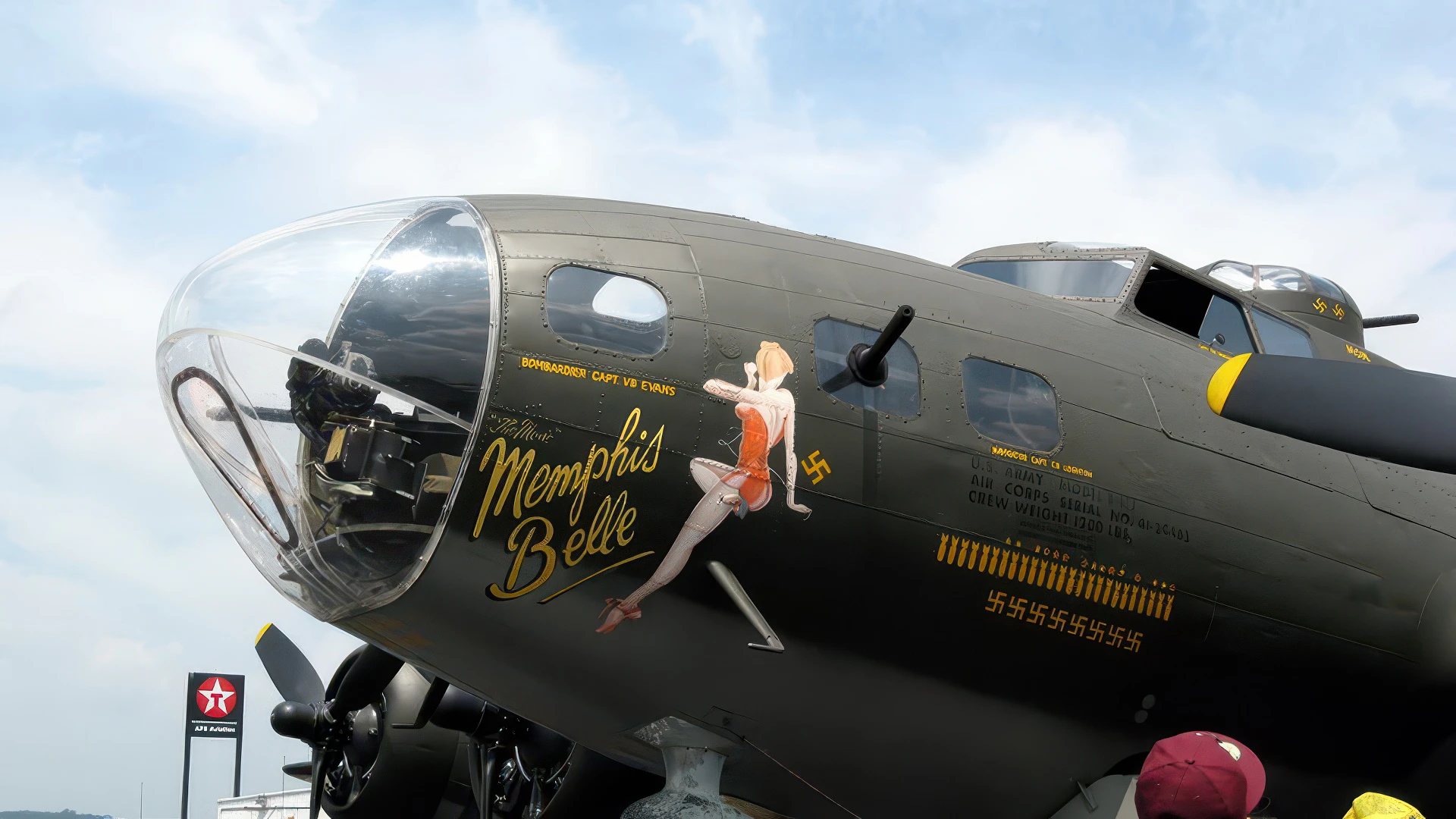
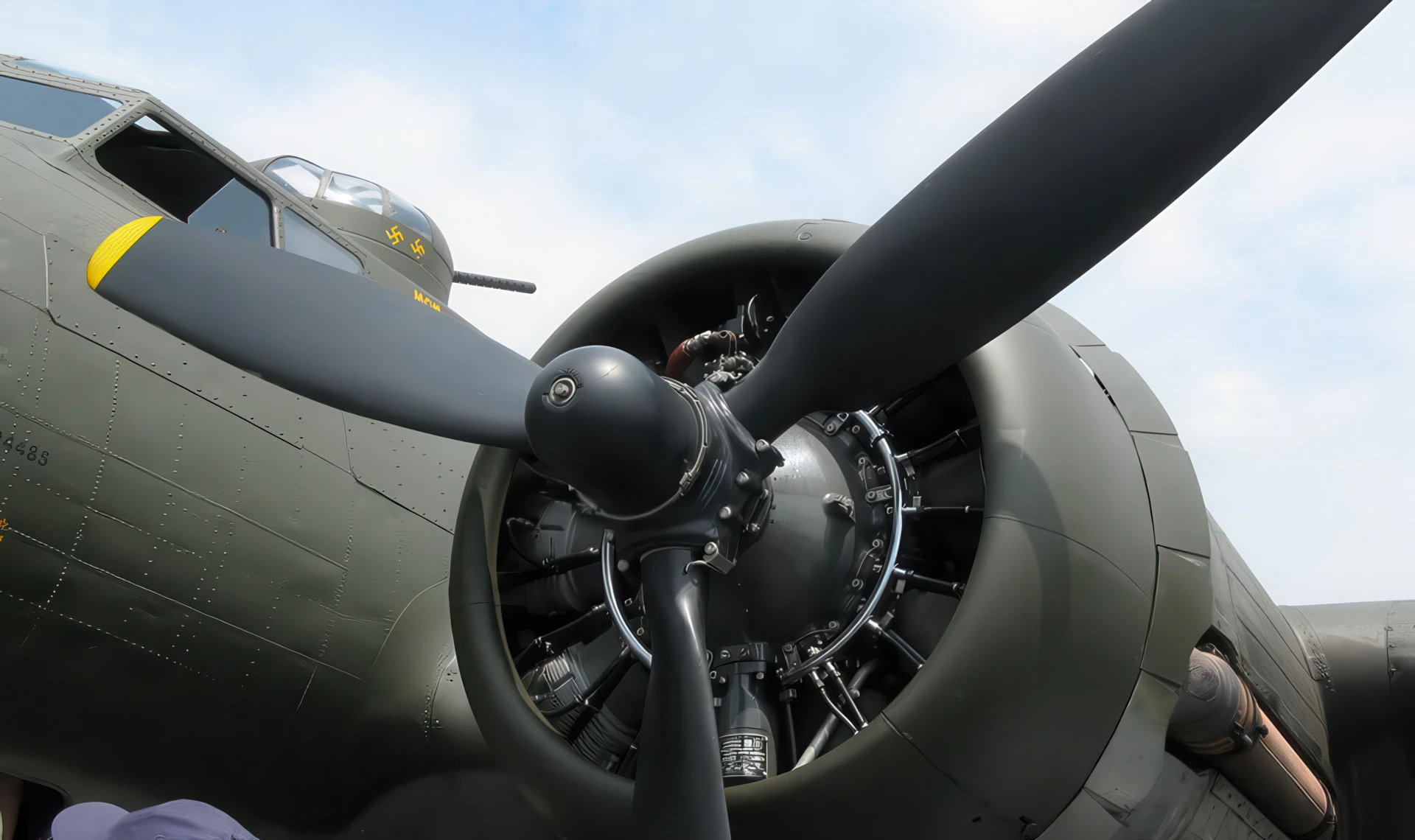
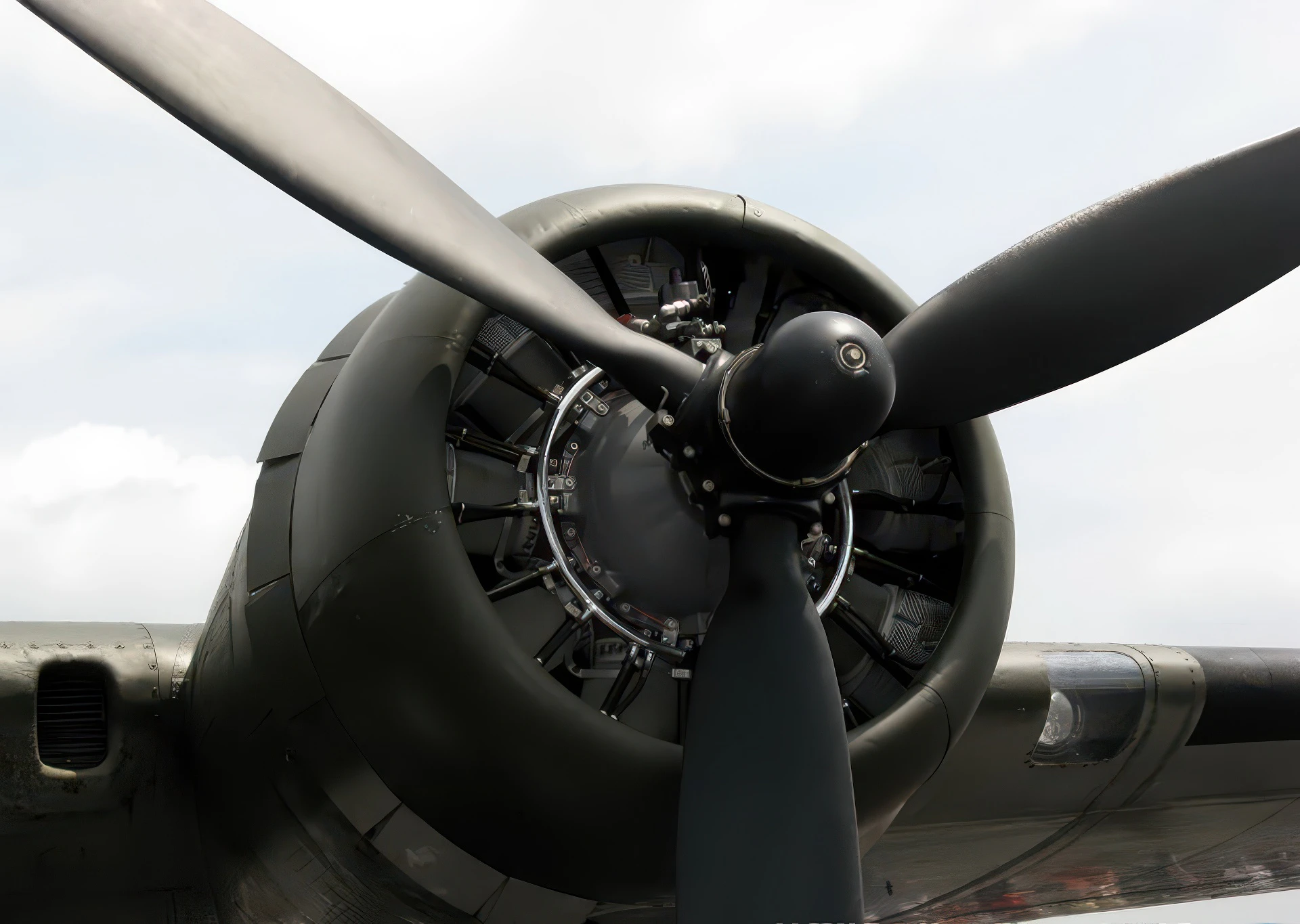
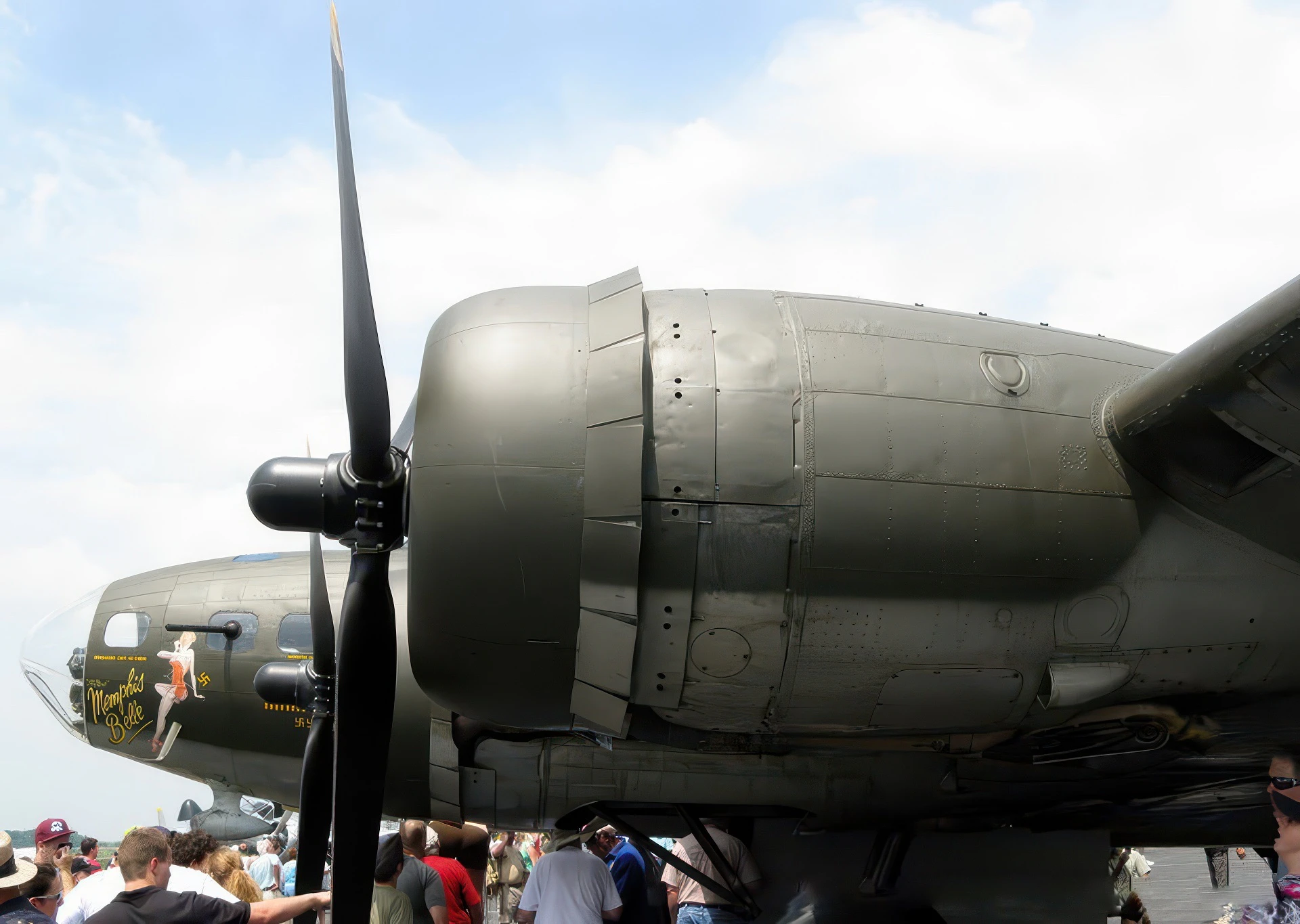
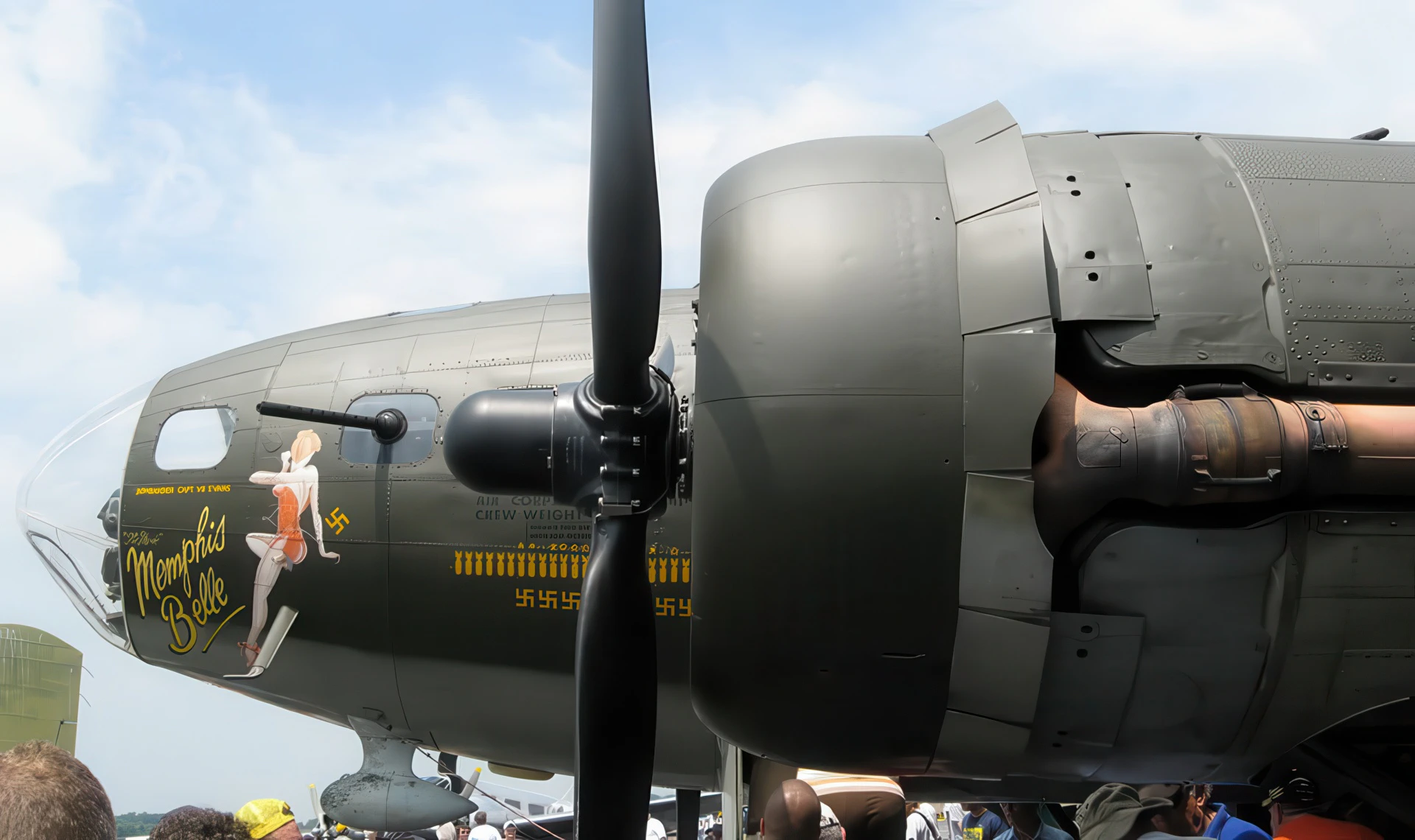
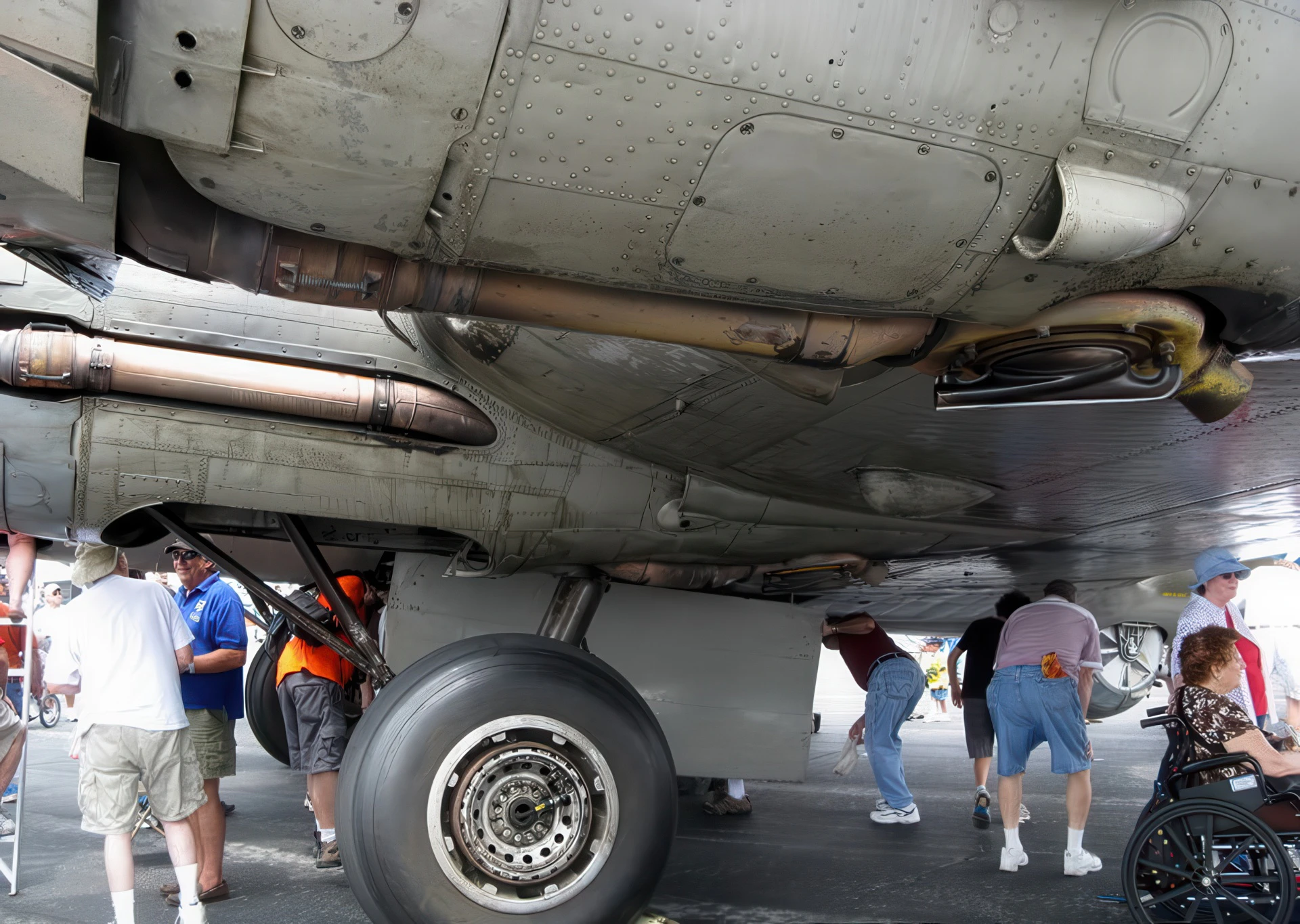
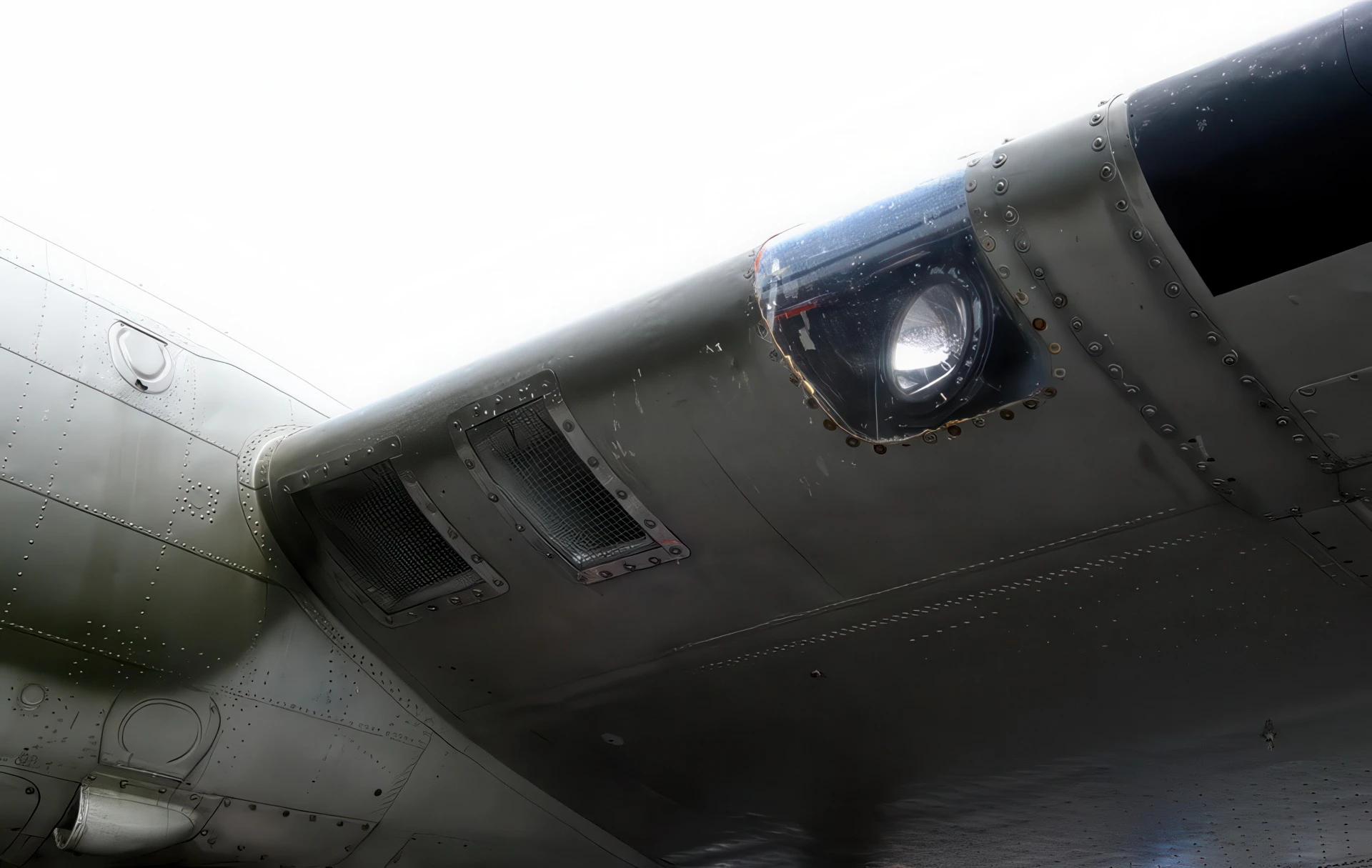
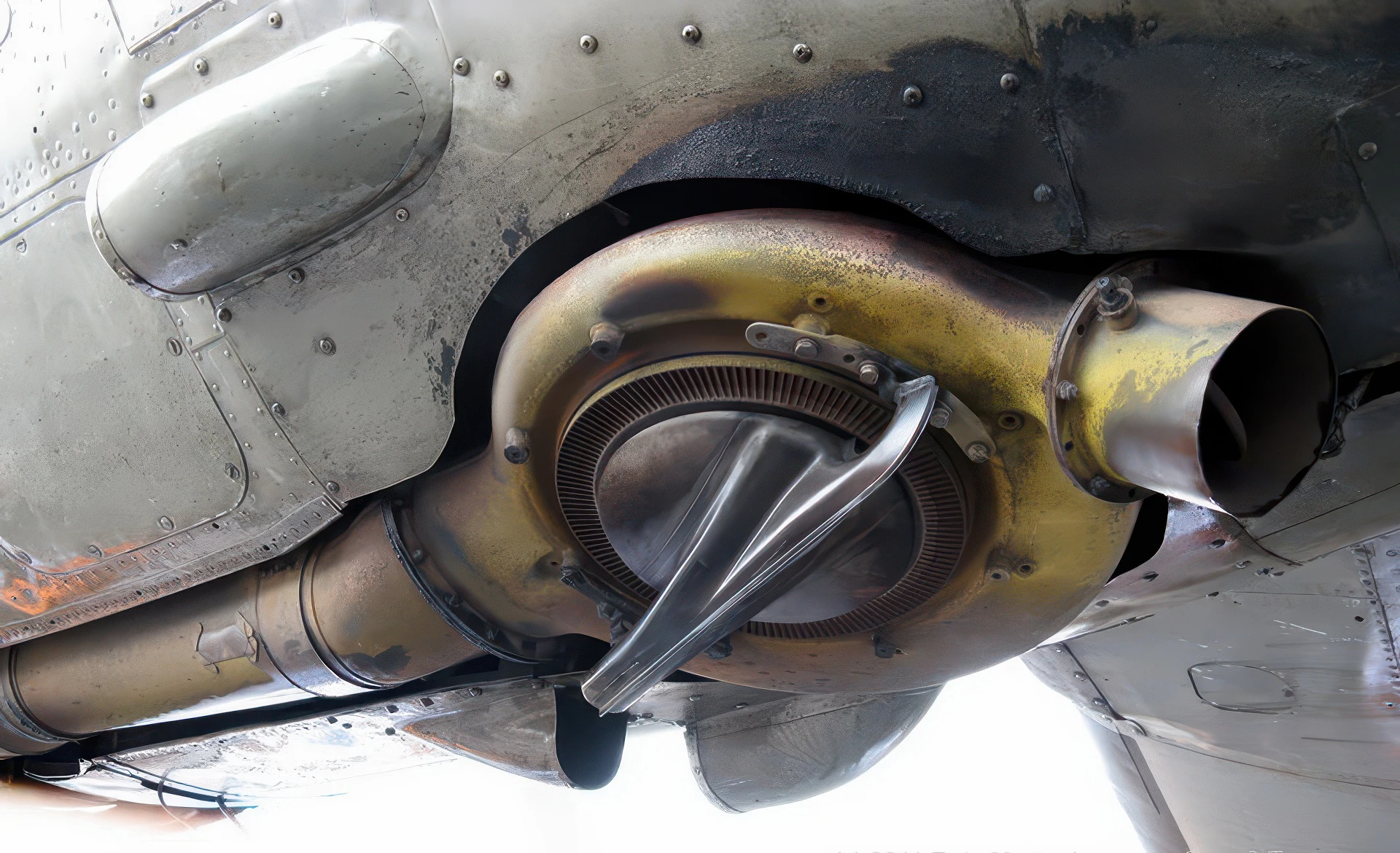
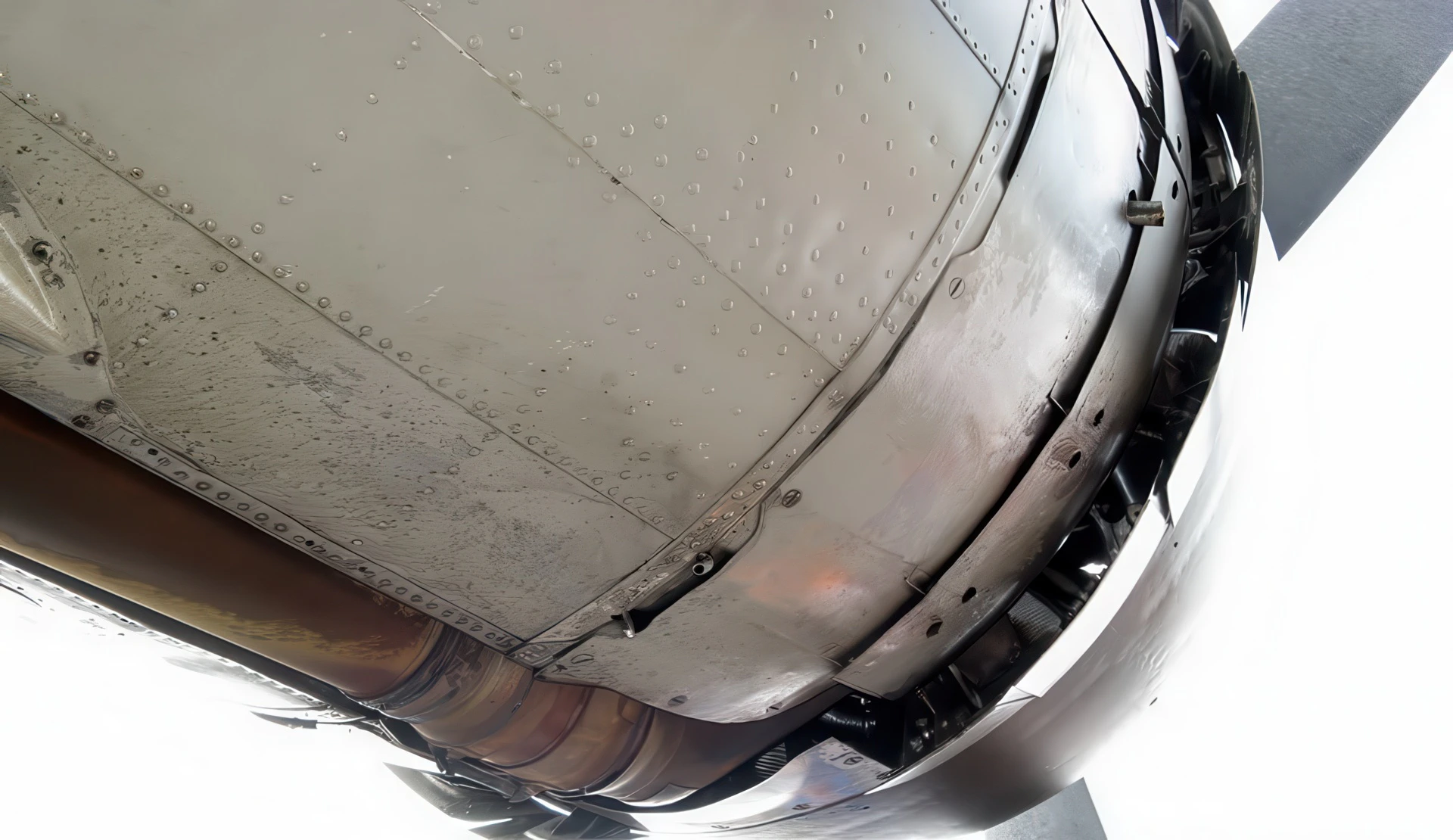
| Description | Album de 108 walk-around photos of the B-17G Flying Fortress |
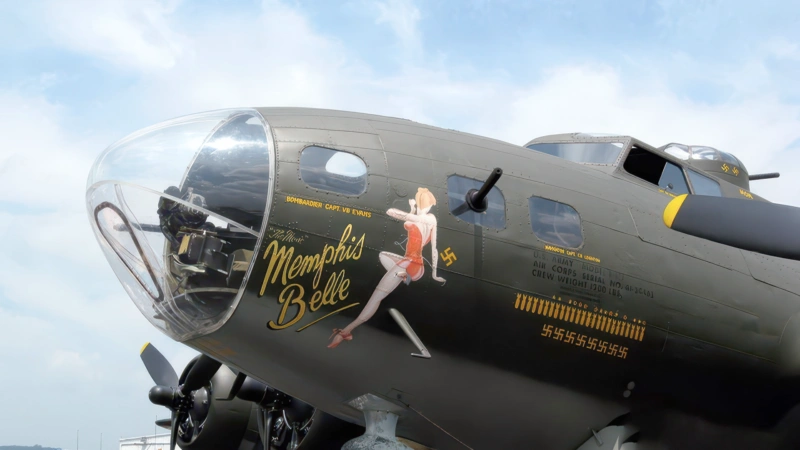
The Boeing B-17 Flying Fortress is one of the most well-known American (or even allied) bombers of the Second World War and the one that dropped the largest tonnage of bombs during that conflict. Designed in the second half of the 1930s, the B-17 was built to 12,677 units and served in all theatres of operation until 1945.
| B-17G Flying Fortress WalkAround | |
|---|---|
| Photographer | Unknow |
| Localisation | Unknow |
| Photos | 108 |

See also:


The B-17G was the definitive and most produced variant of the Flying Fortress, an iconic heavy bomber of World War II, famous for its heavy defensive armament and survivability.
Key Specifications (B-17G)
| Feature | Detail |
|---|---|
| Role | Heavy Bomber, Strategic Bombing |
| Manufacturer | Boeing, Douglas, Lockheed-Vega |
| Crew | 10 (Pilot, Co-Pilot, Navigator, Bombardier, Top Turret Gunner/Engineer, Radio Operator, Ball Turret Gunner, 2x Waist Gunners, Tail Gunner) |
| Length | 74 ft 4 in (22.66 m) |
| Wingspan | 103 ft 9 in (31.62 m) |
| Powerplant | 4 * Wright R-1820-97 “Cyclone” radial engines (1,200 hp each) |
| Max Speed | Approx. 287 mph (462 km/h) |
| Bomb Load (Normal) | Up to 6,000 lbs (2,724 kg) for long-range missions |
Defensive Armament Highlights
The B-17G was armed with up to 13 * .50 caliber M2 Browning machine guns. The key defensive upgrade was the:
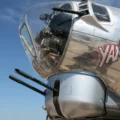
- Bendix Chin Turret: A new two-gun, power-operated turret under the nose to counter head-on fighter attacks, which was the major difference from the B-17F.
- Cheyenne Tail Turret: Fitted to later G models for improved defense.
- Staggered Waist Guns: Gun positions in the fuselage were staggered (one forward, one aft) to give the two gunners more working room.
Historical Significance
With 8,680 units built, the B-17G became the backbone of the daylight precision bombing campaign over Europe, known for its ability to absorb heavy damage and safely return its crew.
Views : 3690