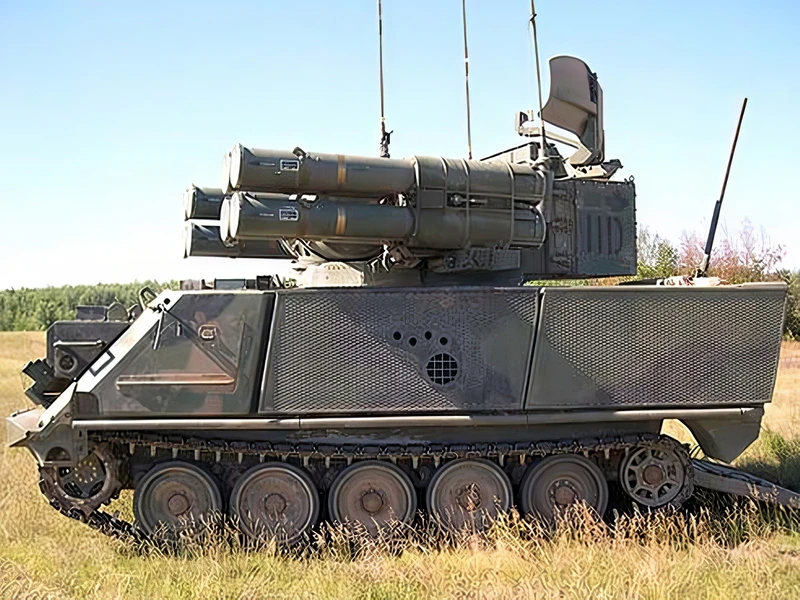
Air Defense Anti-Tank Systemk | |
|---|---|
| Country | CANADA |
| Role | Self-propelled Anti-Aircraft and Anti-Tank Tank destroyer Missile System |
| Introduction | 1981 |
| Built | Unknow |
The Lockheed Martin Air Defense Anti Tank System (MIM-146 ADATS) is a dual-purpose short range surface-to-air and anti-tank missile system based on the M113A2 vehicle. The ADATS missile is a laser-guided supersonic missile with a range of 10 kilometers (6.2 miles), with an electro-optical sensor with TV and Forward Looking Infrared (FLIR). The carrying vehicle also has a search radar with an effective range of over 25 kilometers (16 miles).
| ADATS Air Defense Anti-tank System Walk Around | |
|---|---|
| Photographers | Graeme Davidson, Daryl Nightingale |
| Localisation | Unknow |
| Photos | 69 |
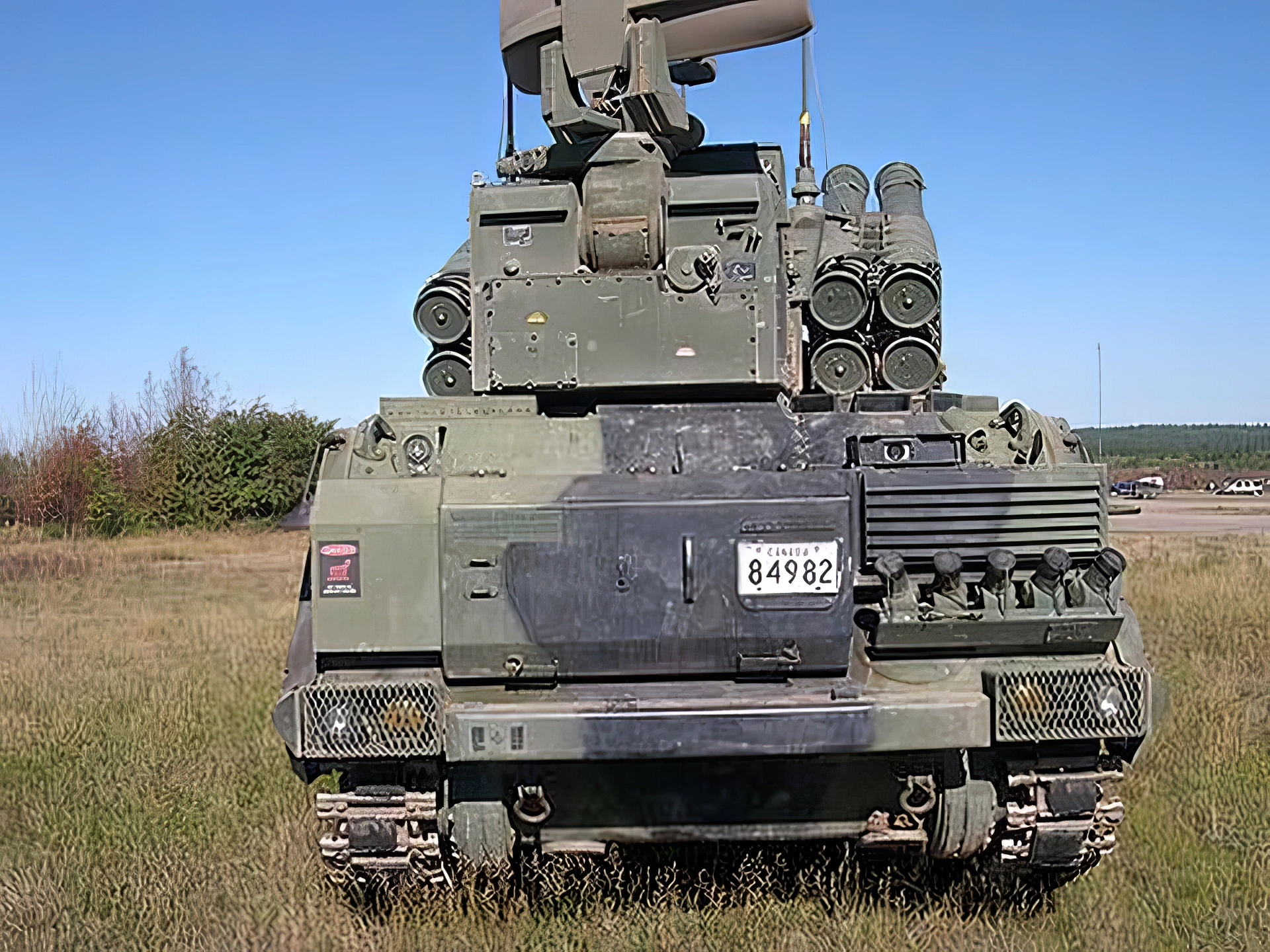
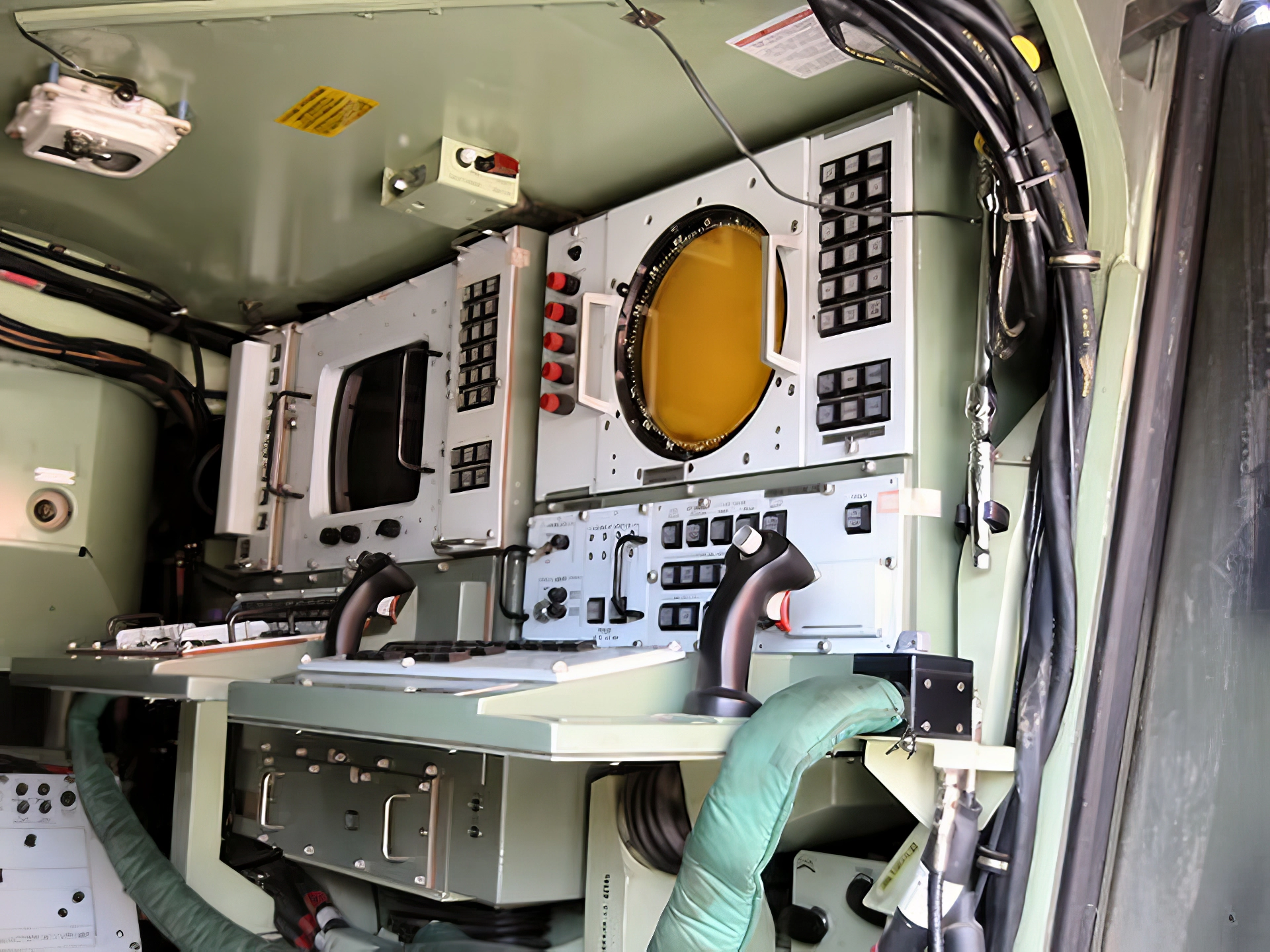
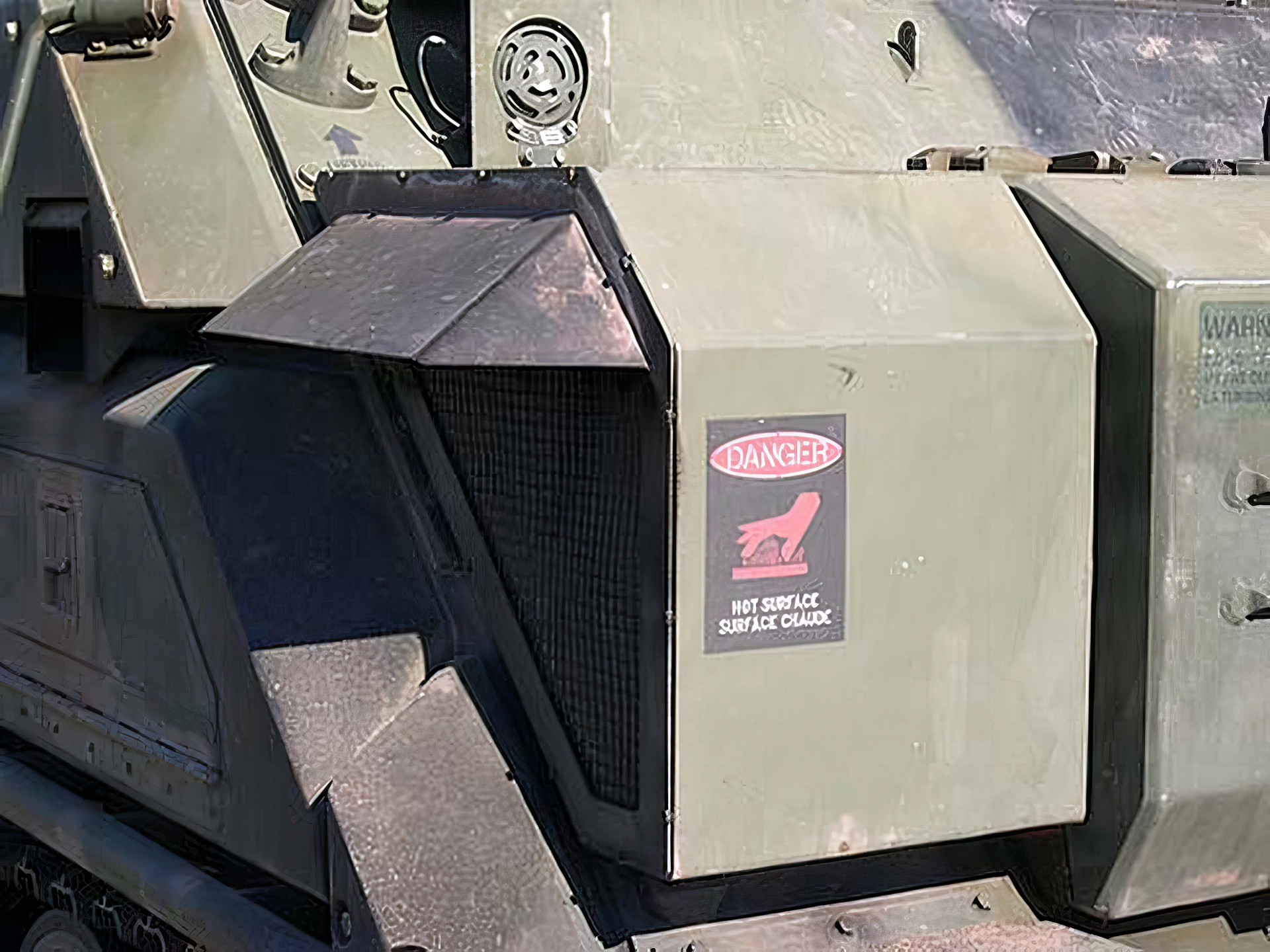
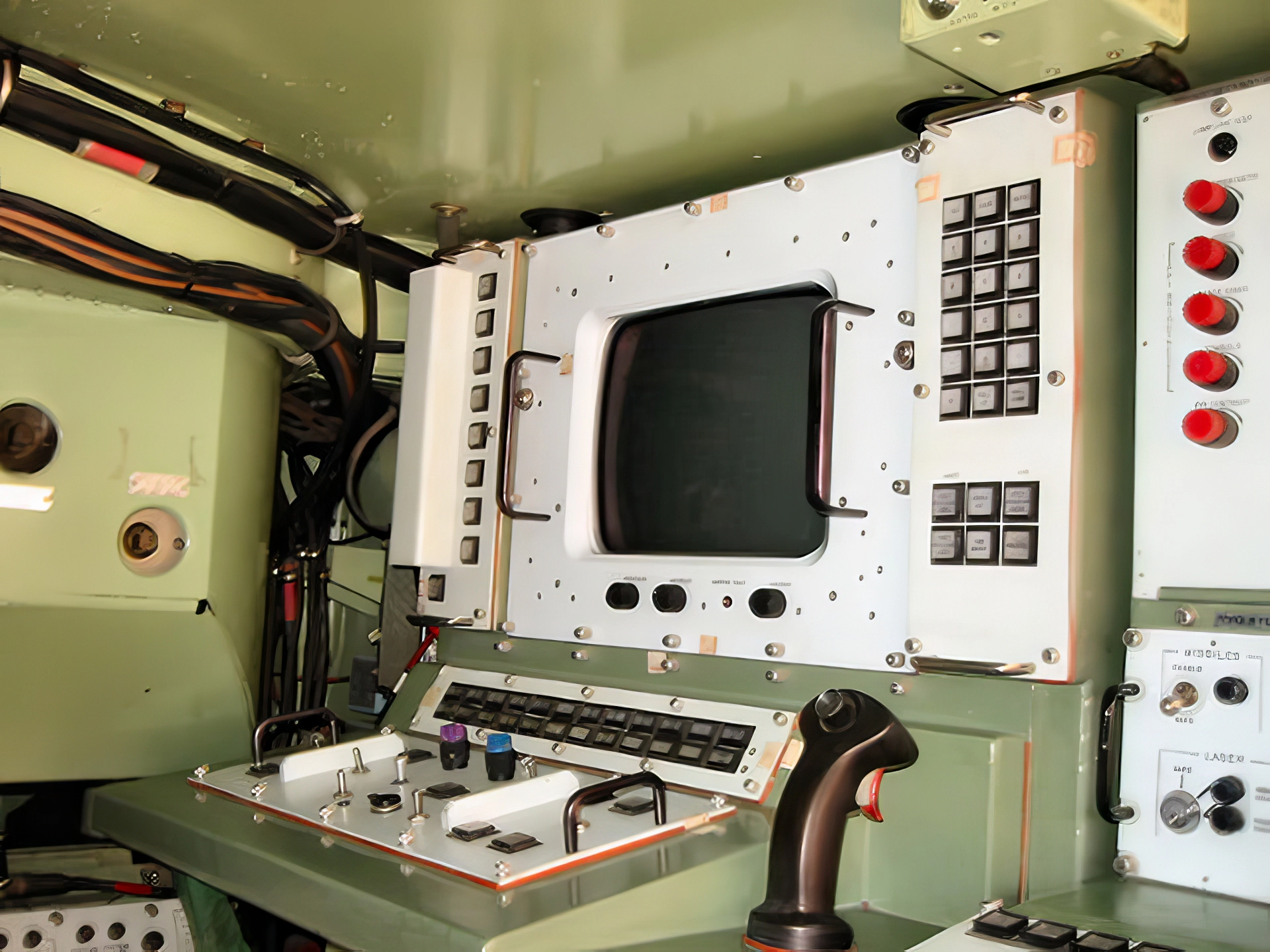
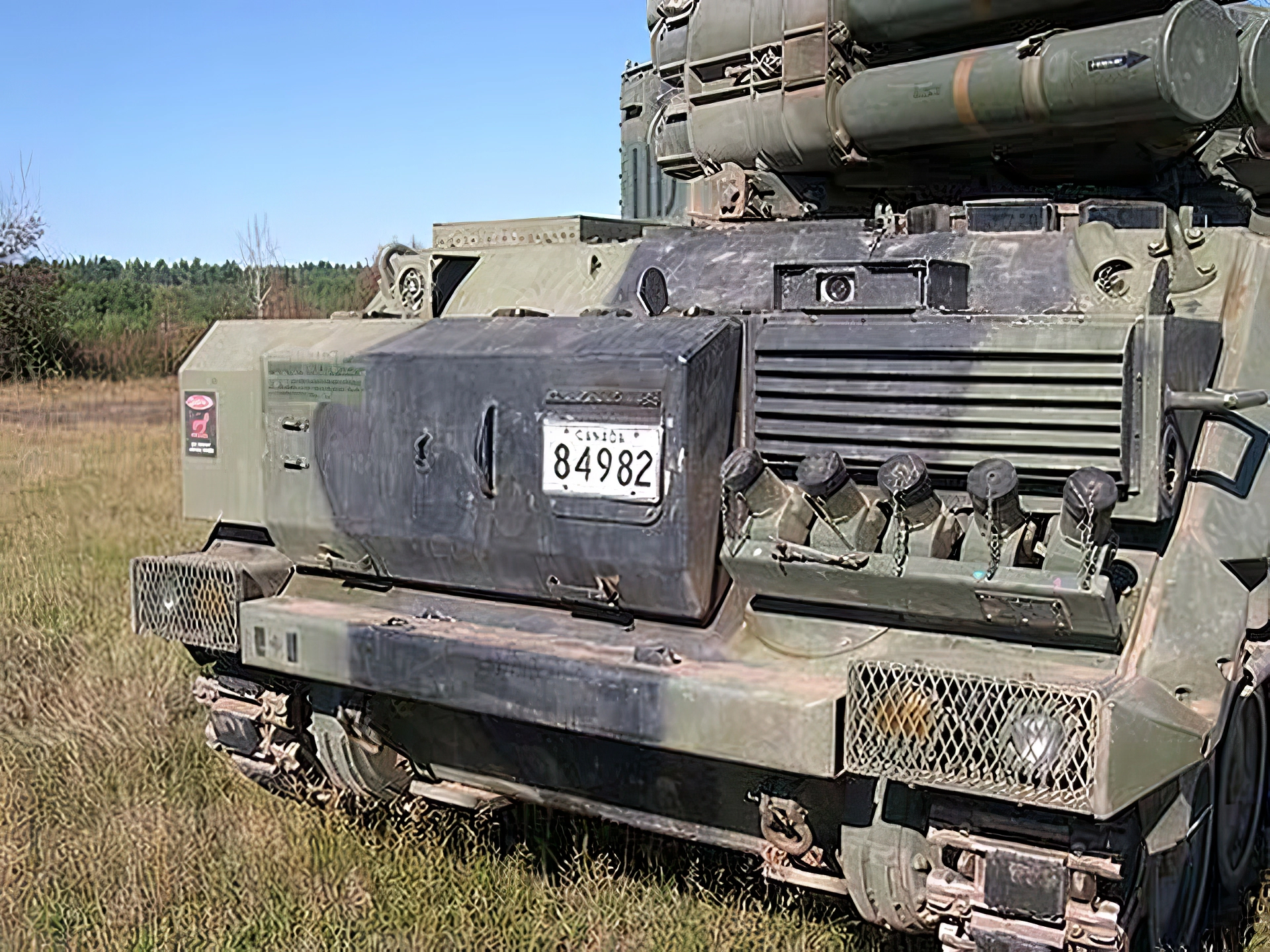
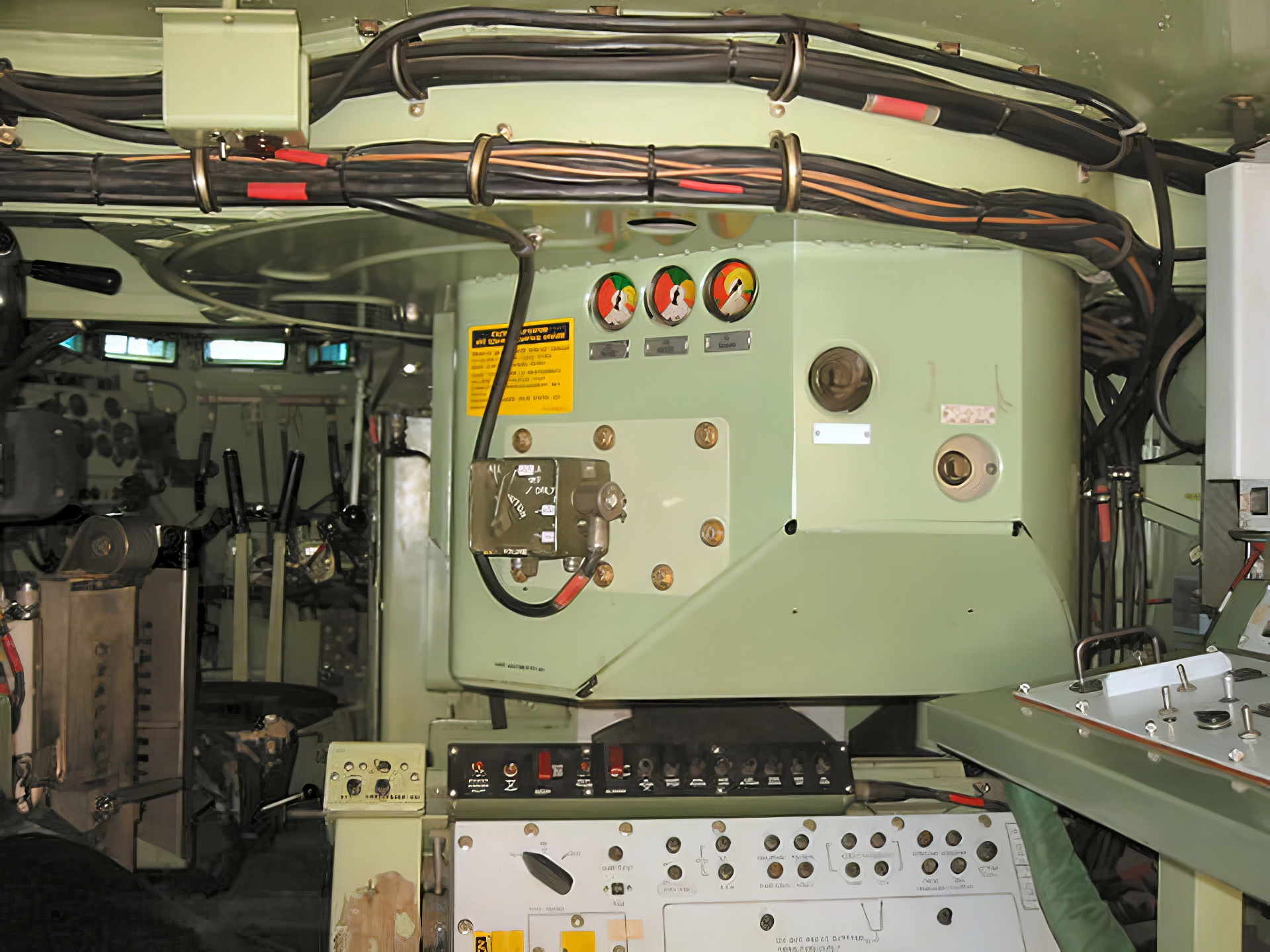
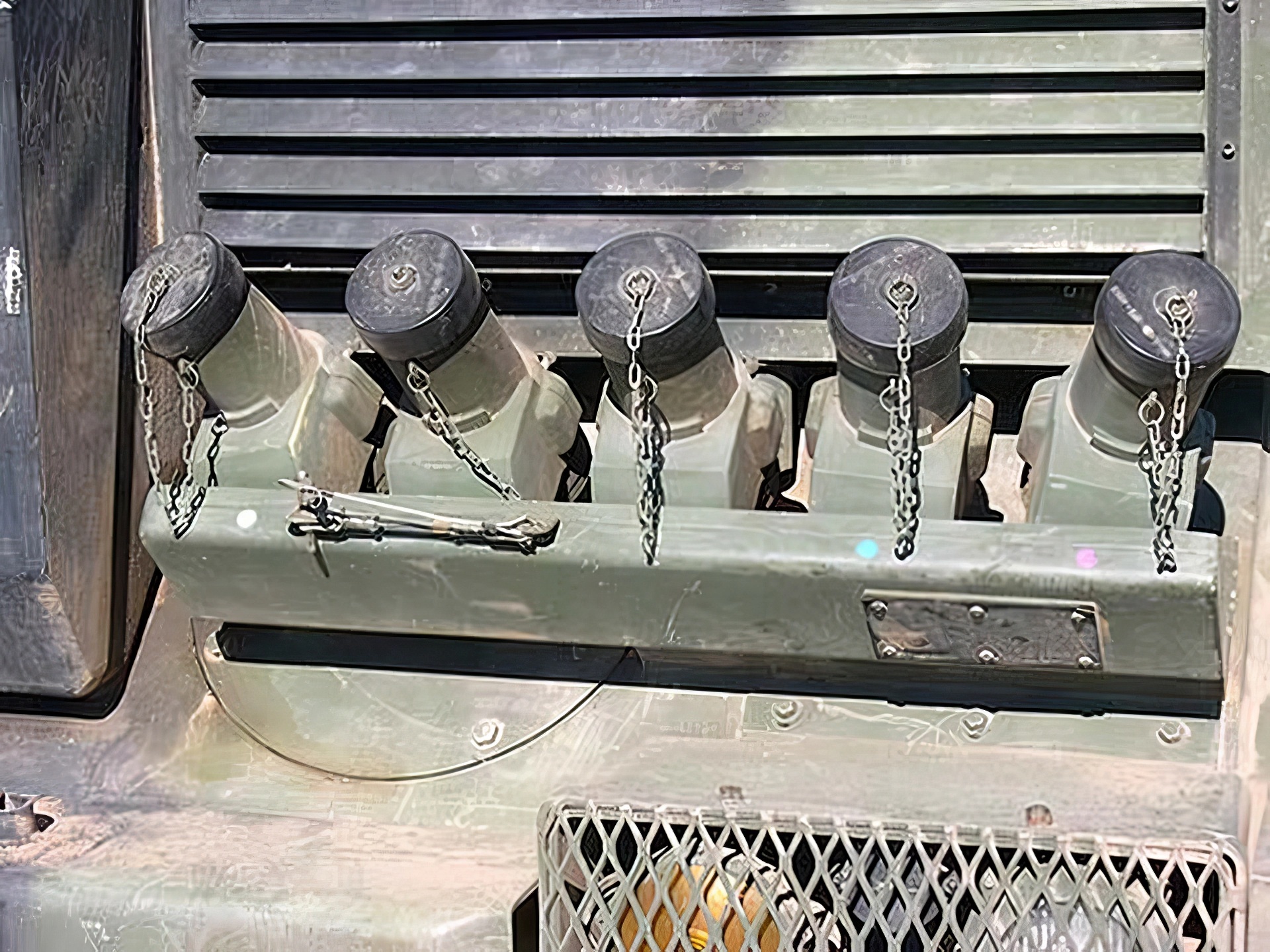
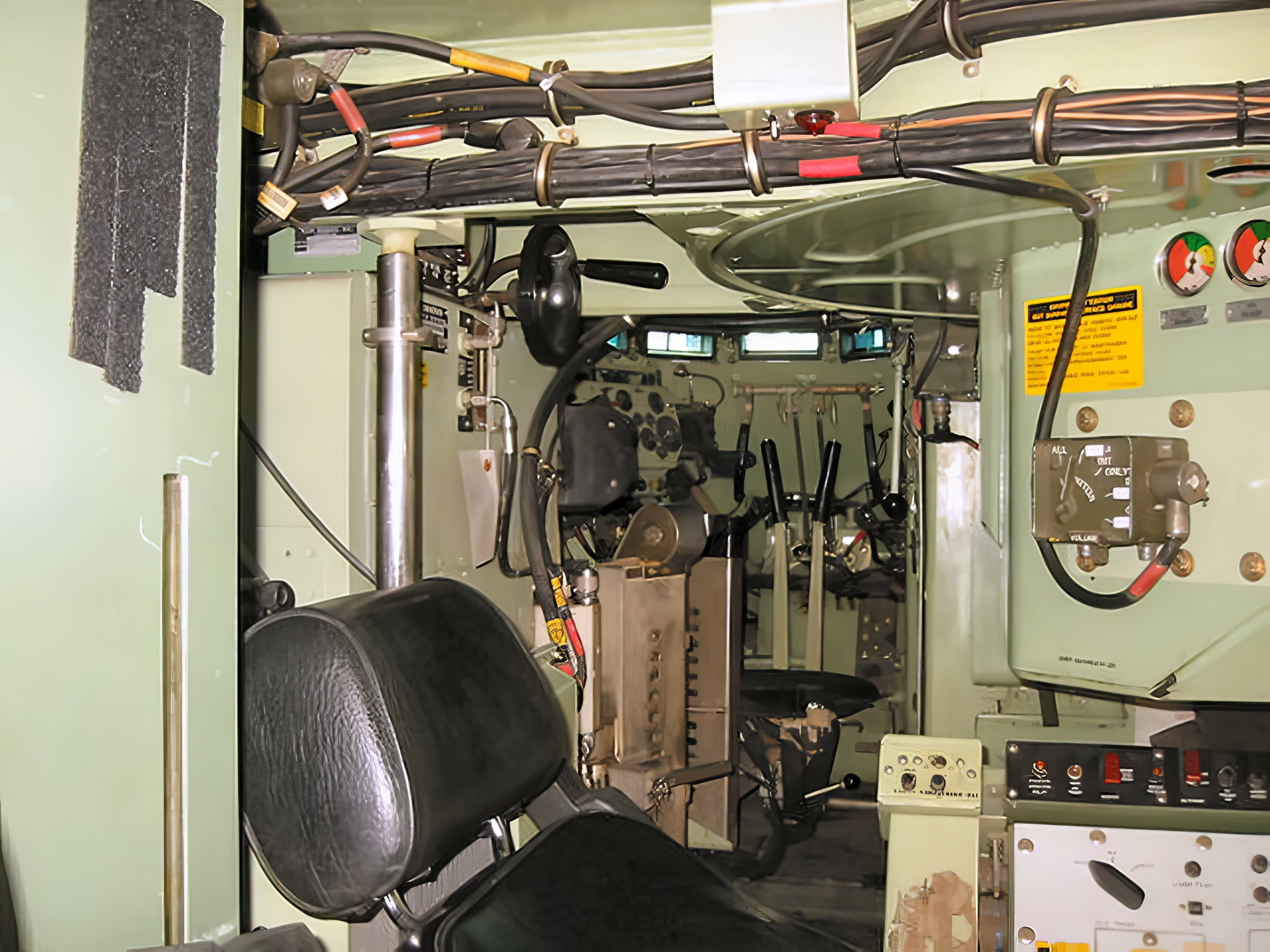
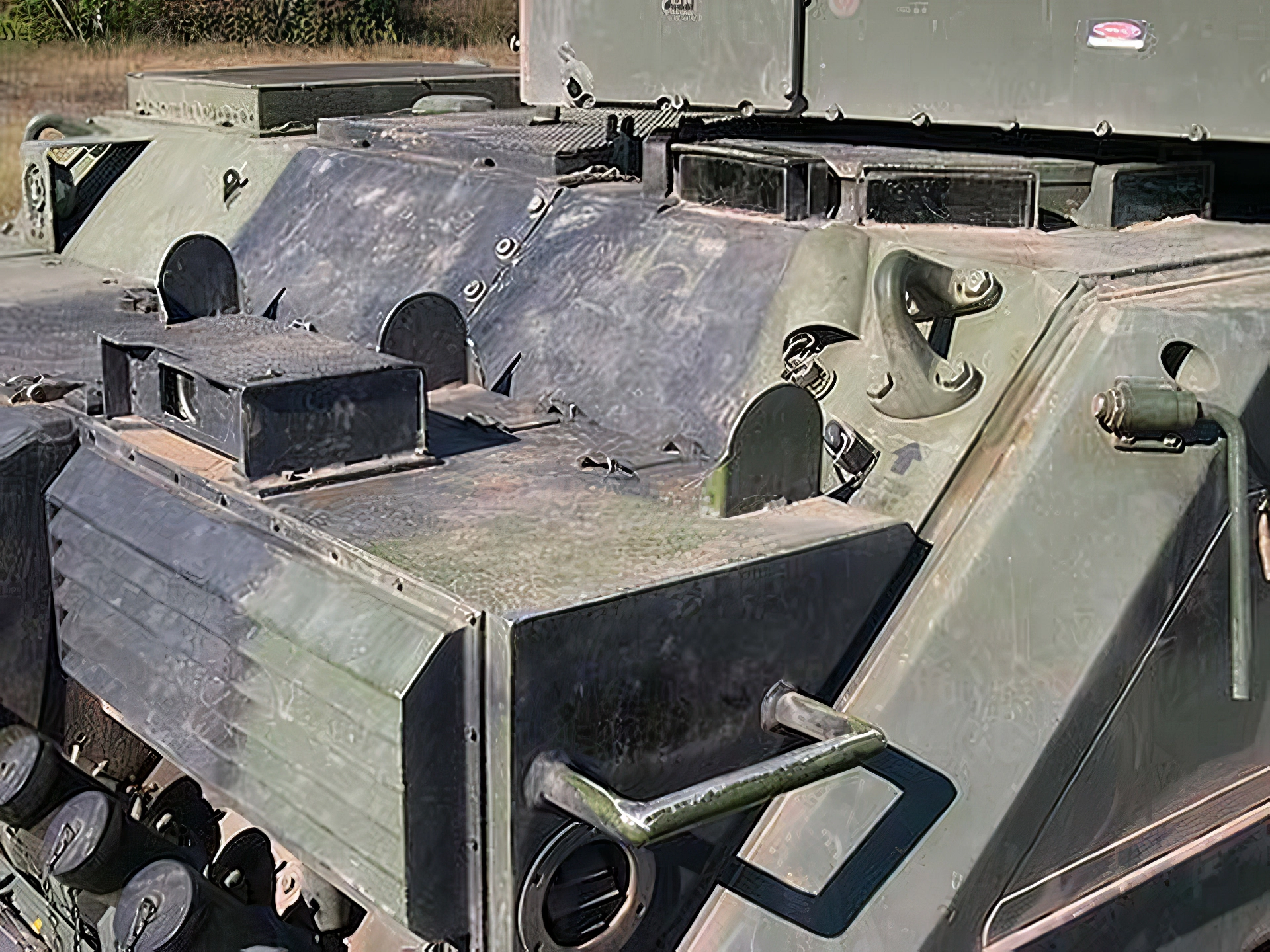

See also:


General Characteristics
The Air Defense Anti-Tank System (ADATS) is a dual-purpose, short-range surface-to-air and anti-tank missile system. It was developed by the Swiss company Oerlikon Contraves and the American company Martin Marietta (now Lockheed Martin). ADATS was designed to engage both high-speed aircraft and heavily armored ground targets using the same missile. The system is self-contained in an unmanned turret, featuring both a search radar and passive electro-optical sensors for stealthy operation. It was primarily adopted by Canada on a modified M113 chassis. The US Army canceled its planned large-scale purchase (MIM-146) in the early 1990s following the end of the Cold War and performance issues in inclement weather.
| Property | Typical Value (M113-based version used by Canada) |
|---|---|
| Role | Dual-Purpose SHORAD (Short-Range Air Defense) / Anti-Tank Missile System |
| National Origin | Switzerland / United States (Production in Canada) |
| Manufacturer | Oerlikon/Martin Marietta |
| Service Entry | 1989 (Canada) |
| Chassis Used | M113A2 Armored Personnel Carrier (Canada), M3A2 Bradley IFV (US trials) |
| Crew | 3 (Commander, Driver, System Operator) |
| Mass (Combat) | Approx. 15.8 tonnes (M113 chassis) |
| Length | 4.86 m (15 ft 11 in) |
| Max Speed (Road) | 58 km/h (36 mph) |
Missile and Guidance (MIM-146)
- Missiles Carried: 8 ready-to-fire missiles in launch containers.
- Missile Guidance: Digitally coded Laser Beam-Riding. The missile is guided along a laser beam aimed at the target by the operator.
- Missile Speed: Supersonic, greater than Mach 3.
- Range (Air/Ground): Up to 10 km (6.2 miles) against air targets; up to 6 km against ground targets.
- Service Ceiling: 7,000 m (23,000 ft).
- Warhead: 12.5 kg Dual-Purpose High-Explosive (HE) shaped-charge/fragmentation.
- Armor Penetration: Stated as greater than 900 mm (90 cm) of Rolled Homogeneous Armour (RHA).
- Fuzing: Laser proximity fuse (for air targets) and mechanical impact fuse (for ground targets).
Sensors and Command
- Search Radar: X-band Pulse-Doppler radar with a range of over 25 km.
- Passive Sensors: Forward Looking Infrared (FLIR) and high-resolution Television (TV) camera for target tracking, allowing passive engagement to reduce detectability.
- Laser Rangefinder: Used to determine target distance.
- Network Capability: Features an integrated C3 system, allowing up to six ADATS units to network and operate as a single tactical unit for coordinated defense, with one unit acting as the network master.
- US Evaluation Variant: The version evaluated by the US Army on the M3 Bradley chassis also included a 25 mm M242 Bushmaster cannon.
Views : 1659