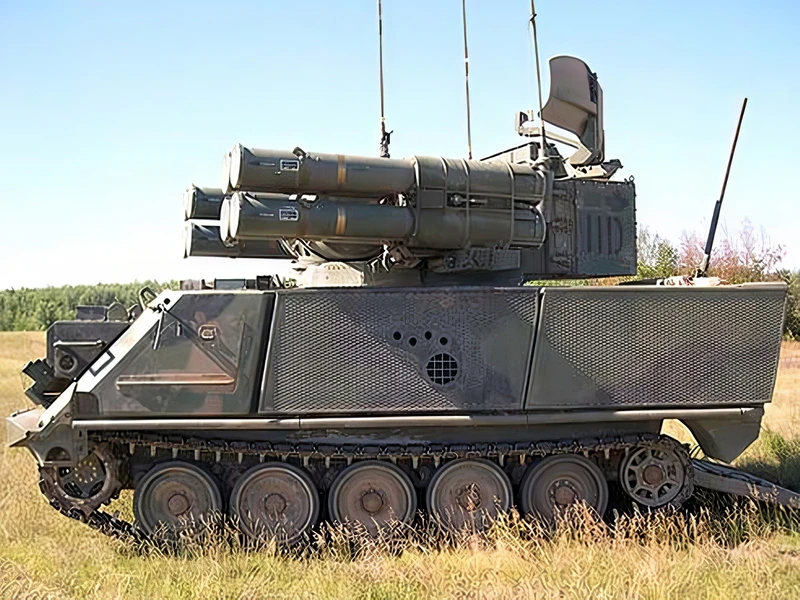
Air Defense Anti-Tank Systemk | |
|---|---|
| País | Canadá |
| Papel | Sistema de misiles antiaéreos y antitanque autopropulsados |
| Introducción | 1981 |
| Construido | Unknow |
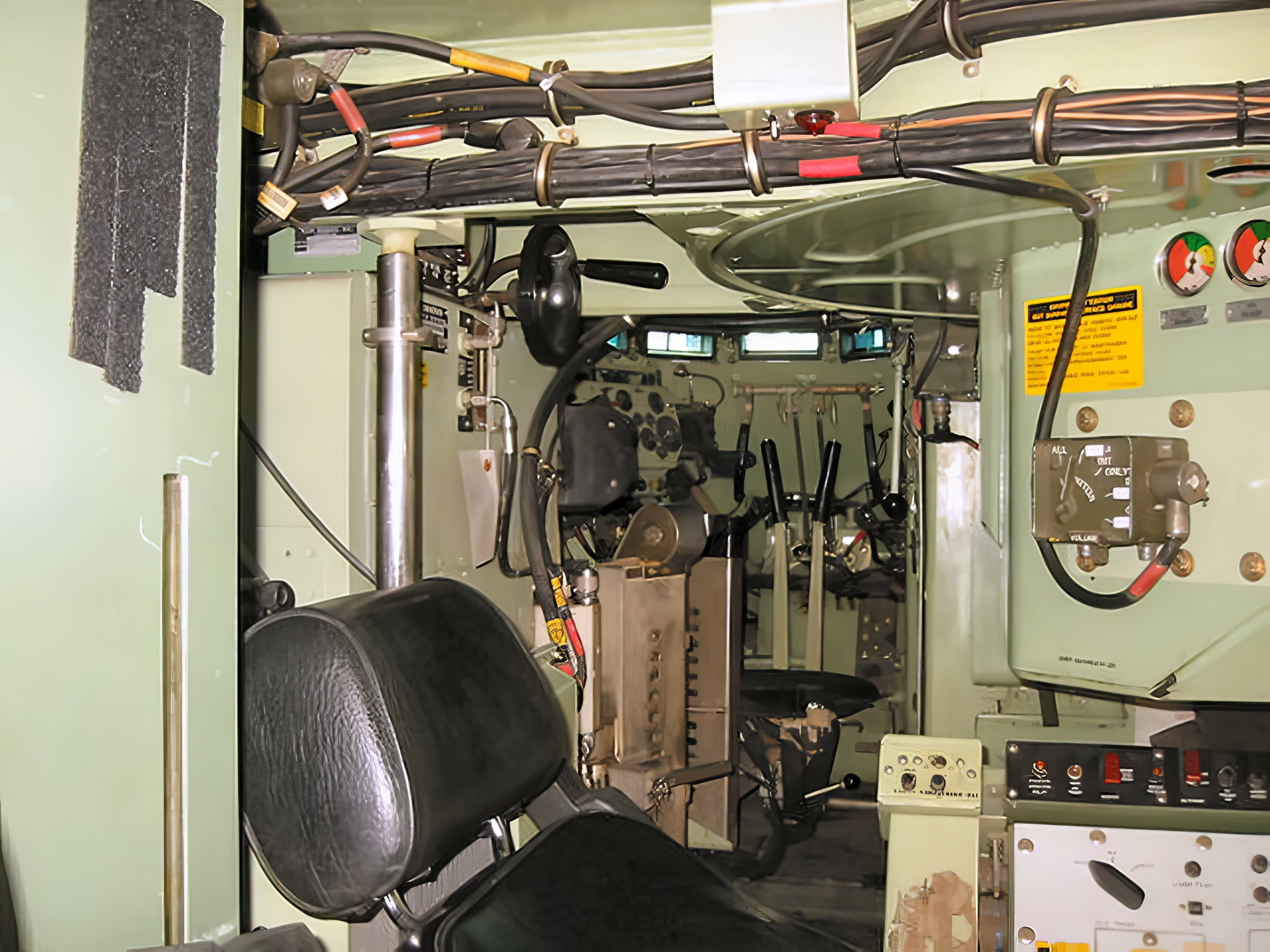
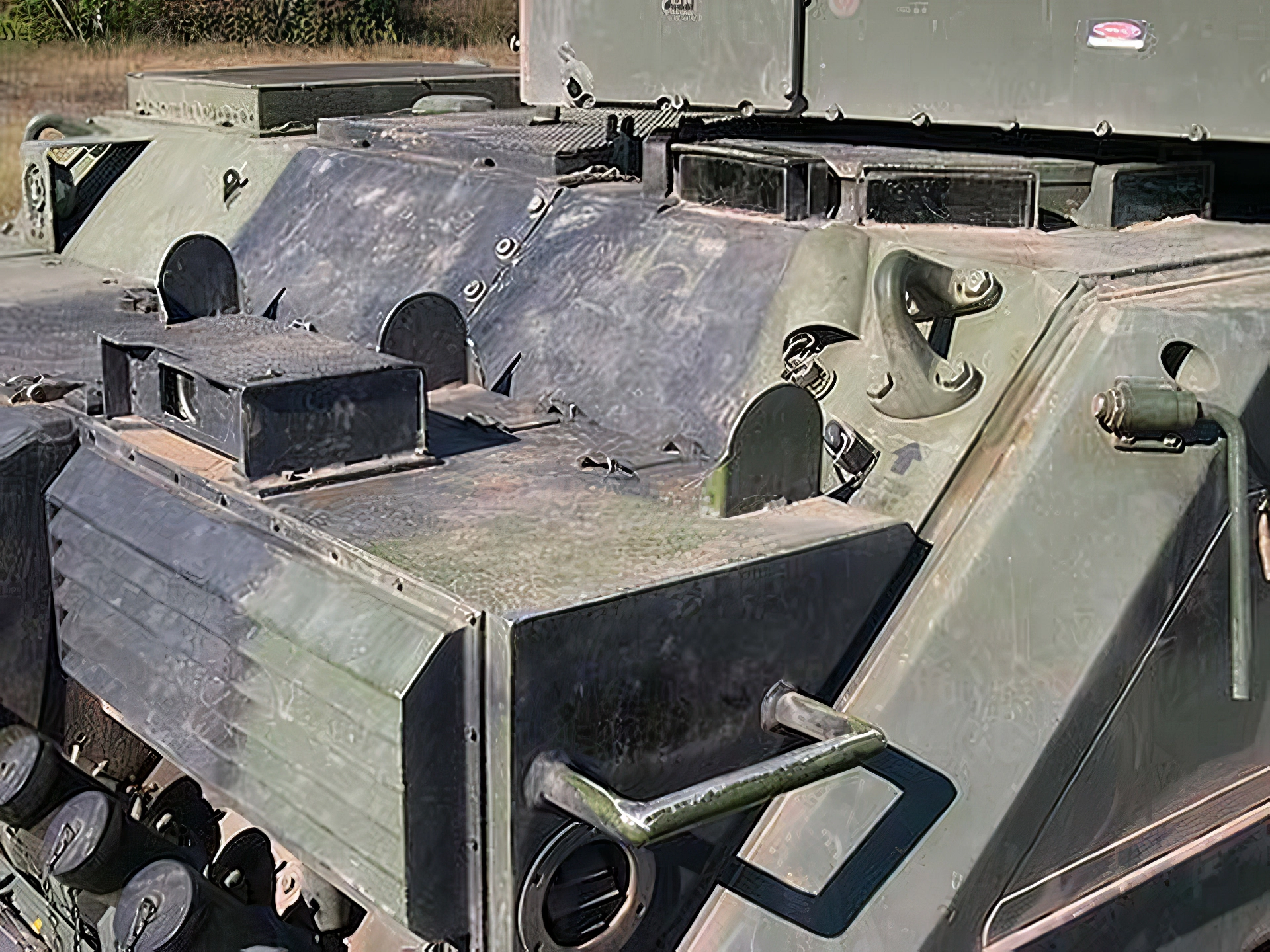
El Lockheed Martin Sistema antitanque de defensa aérea (MIM-146 ADATS) es un sistema de misiles tierra-aire y antitanque de corto alcance de doble propósito basado en el vehículo M113A2. El misil ADATS es un misil supersónico guiado por láser con un alcance de 10 kilómetros (6,2 millas), con un sensor electroóptico con TV e infrarrojos prospectivos (FLIR). El vehículo de transporte también tiene un radar de búsqueda con un alcance efectivo de más de 25 kilómetros (16 millas).
| El sistema antitanque de defensa aérea ADATS camina | |
|---|---|
| Fotógrafos | Graeme Davidson, Daryl Ruiseñor |
| Localización | Unknow |
| Fotos | 69 |
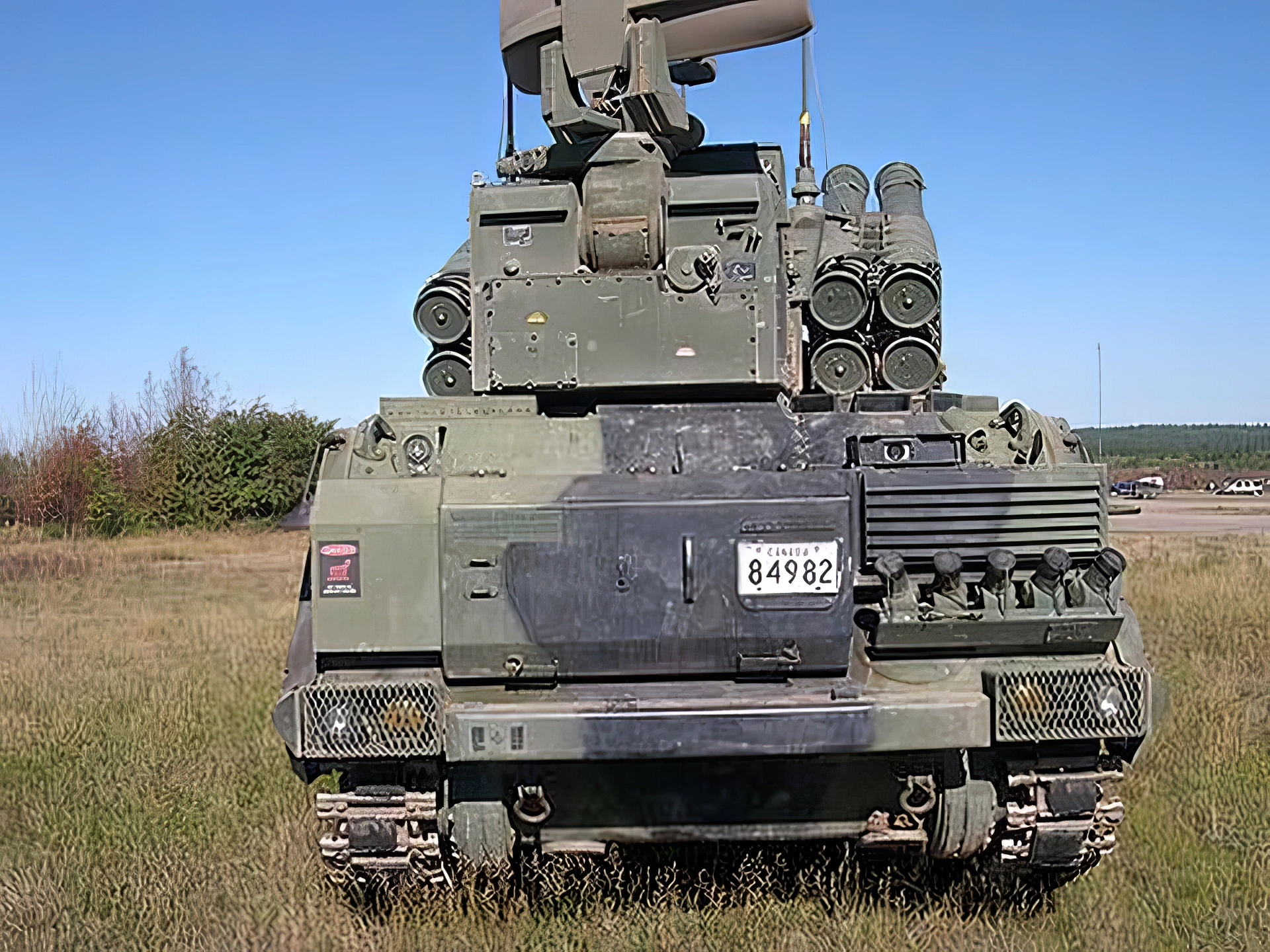
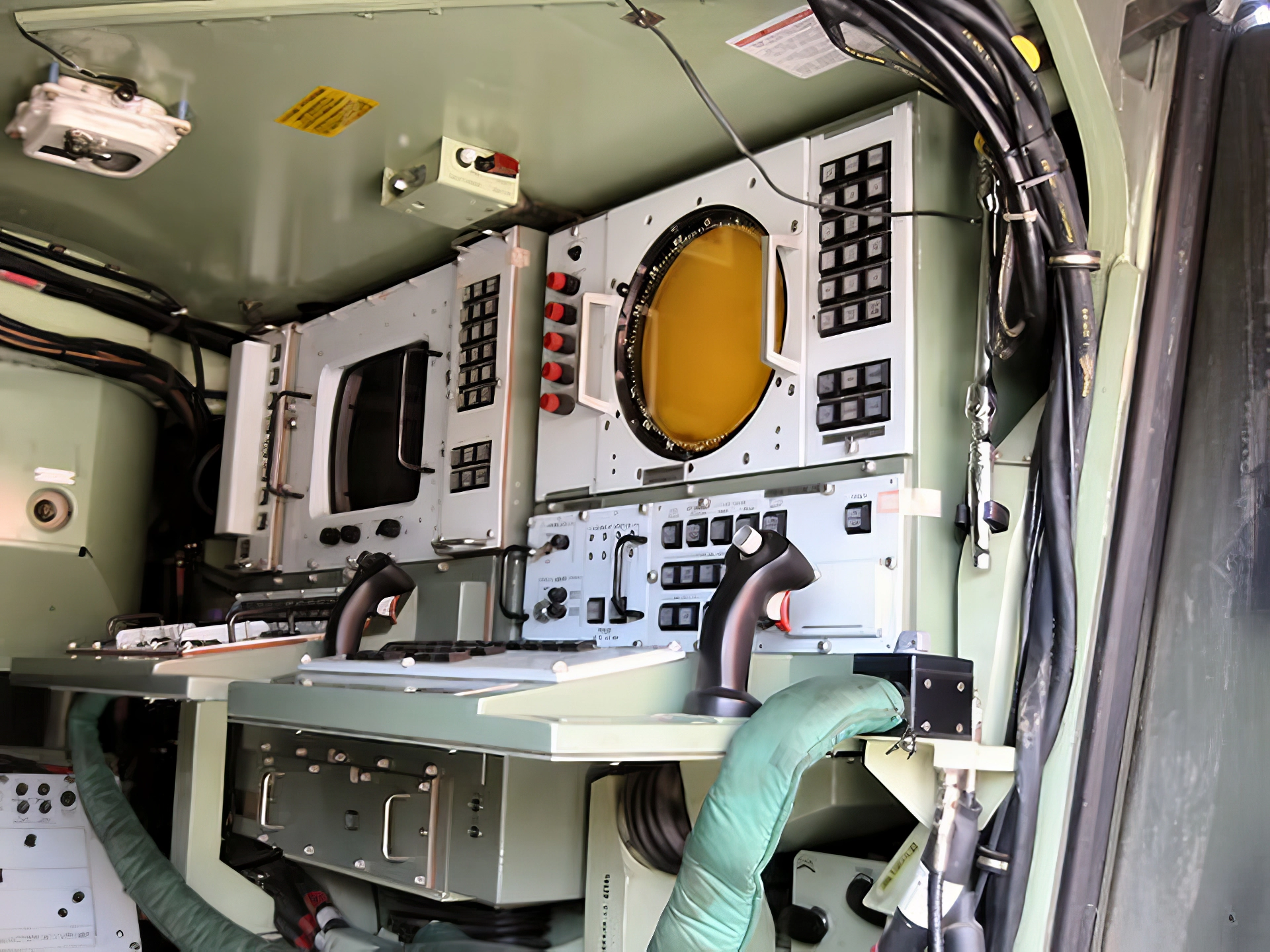
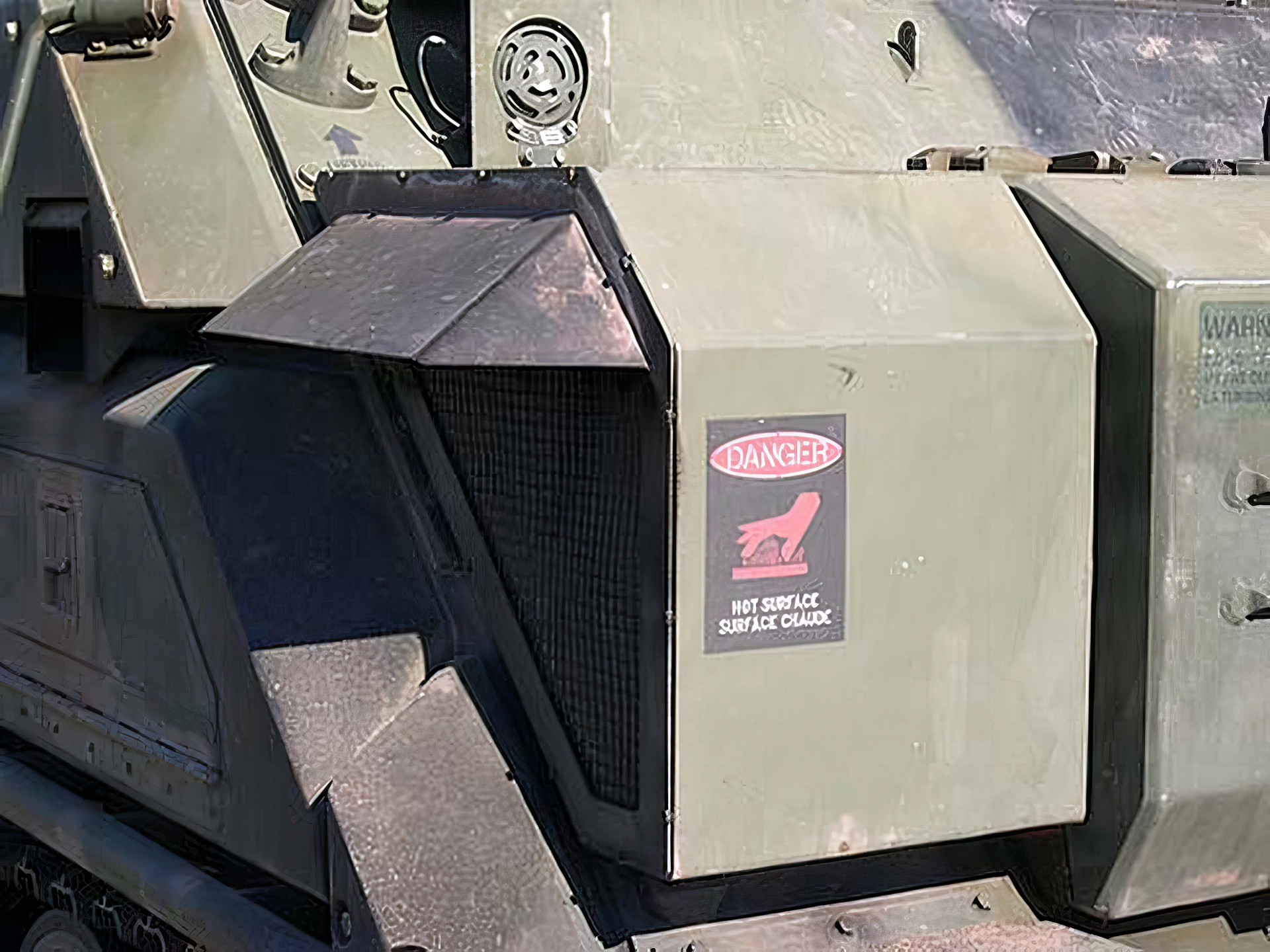
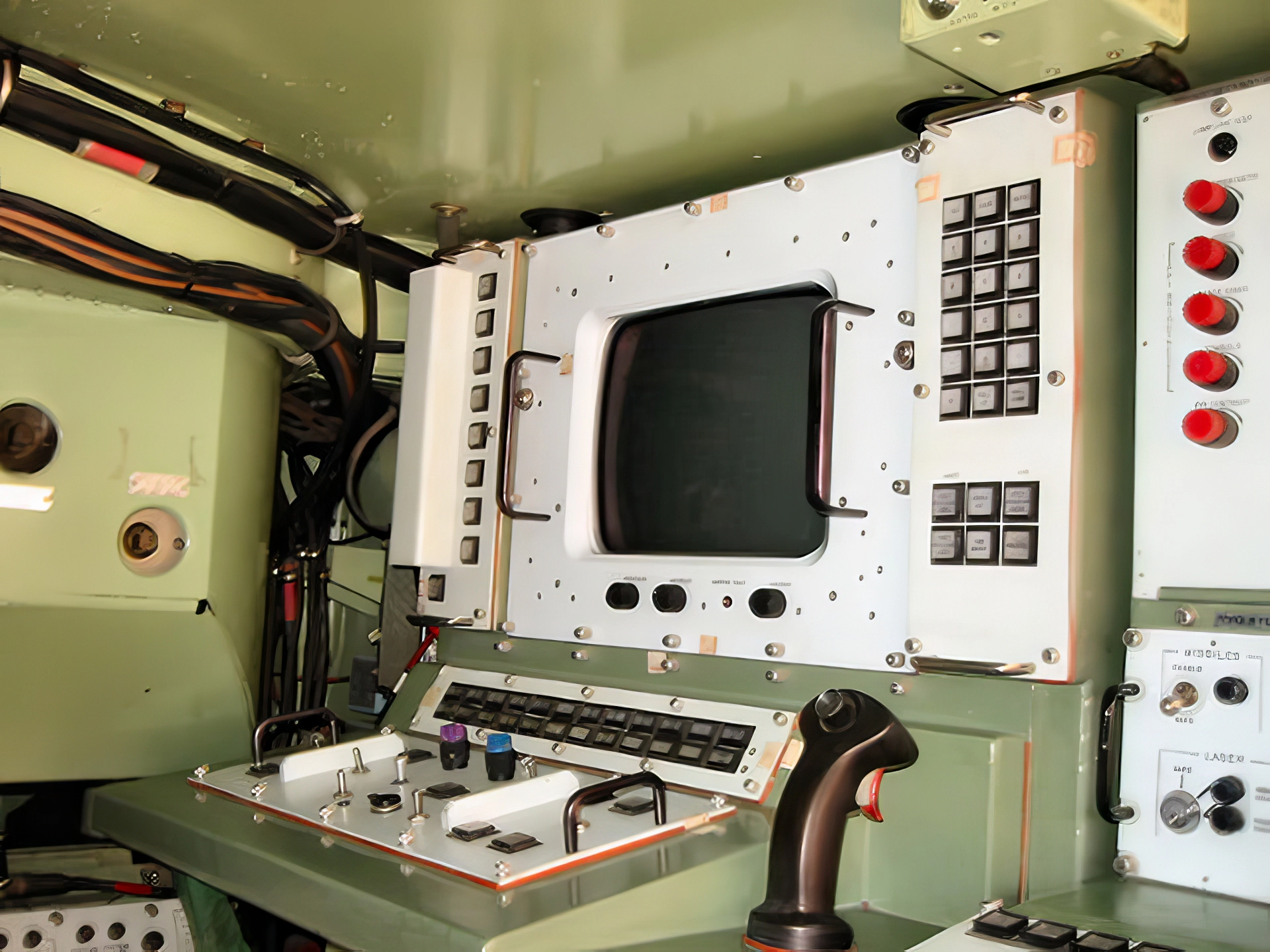
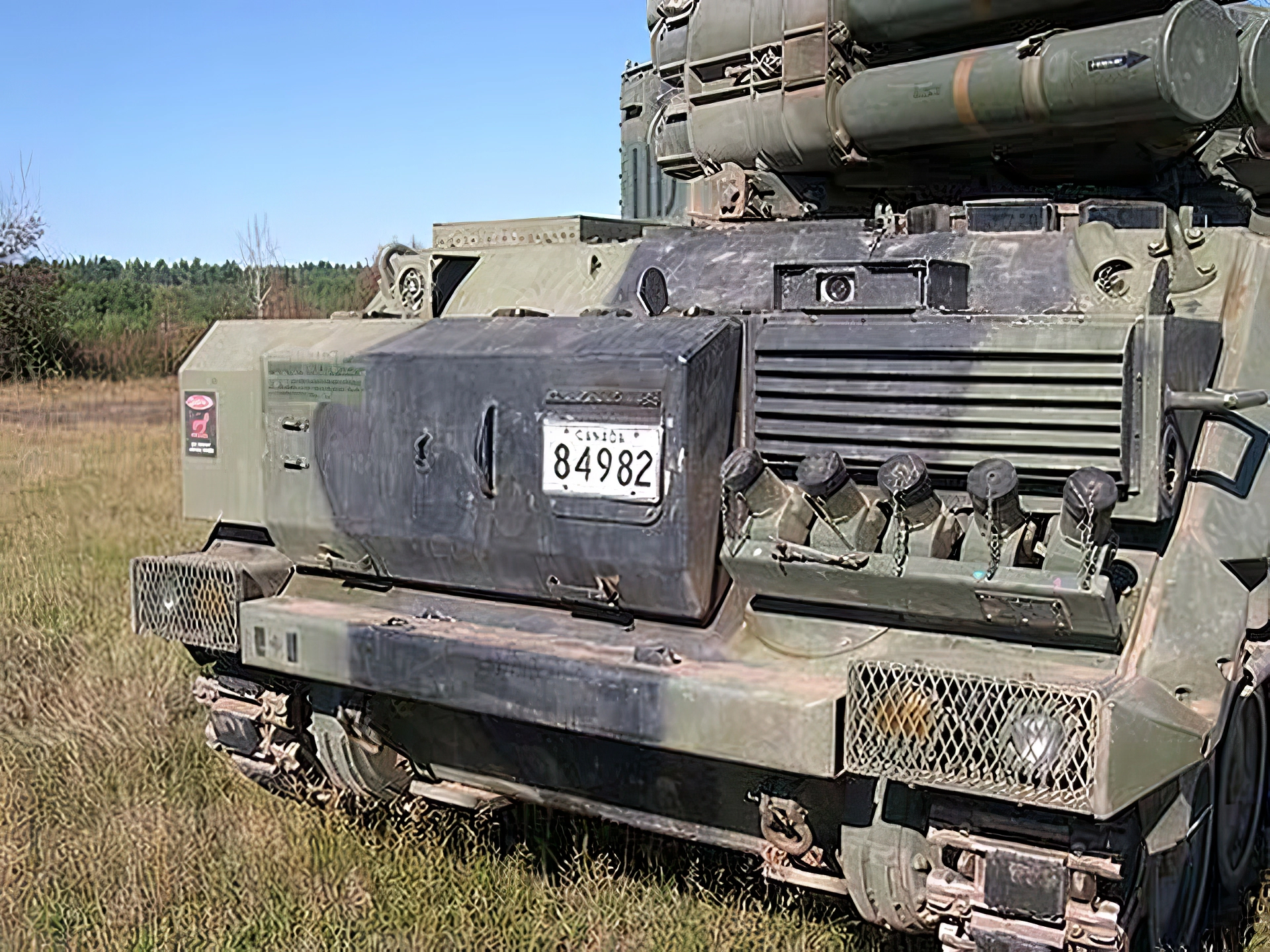
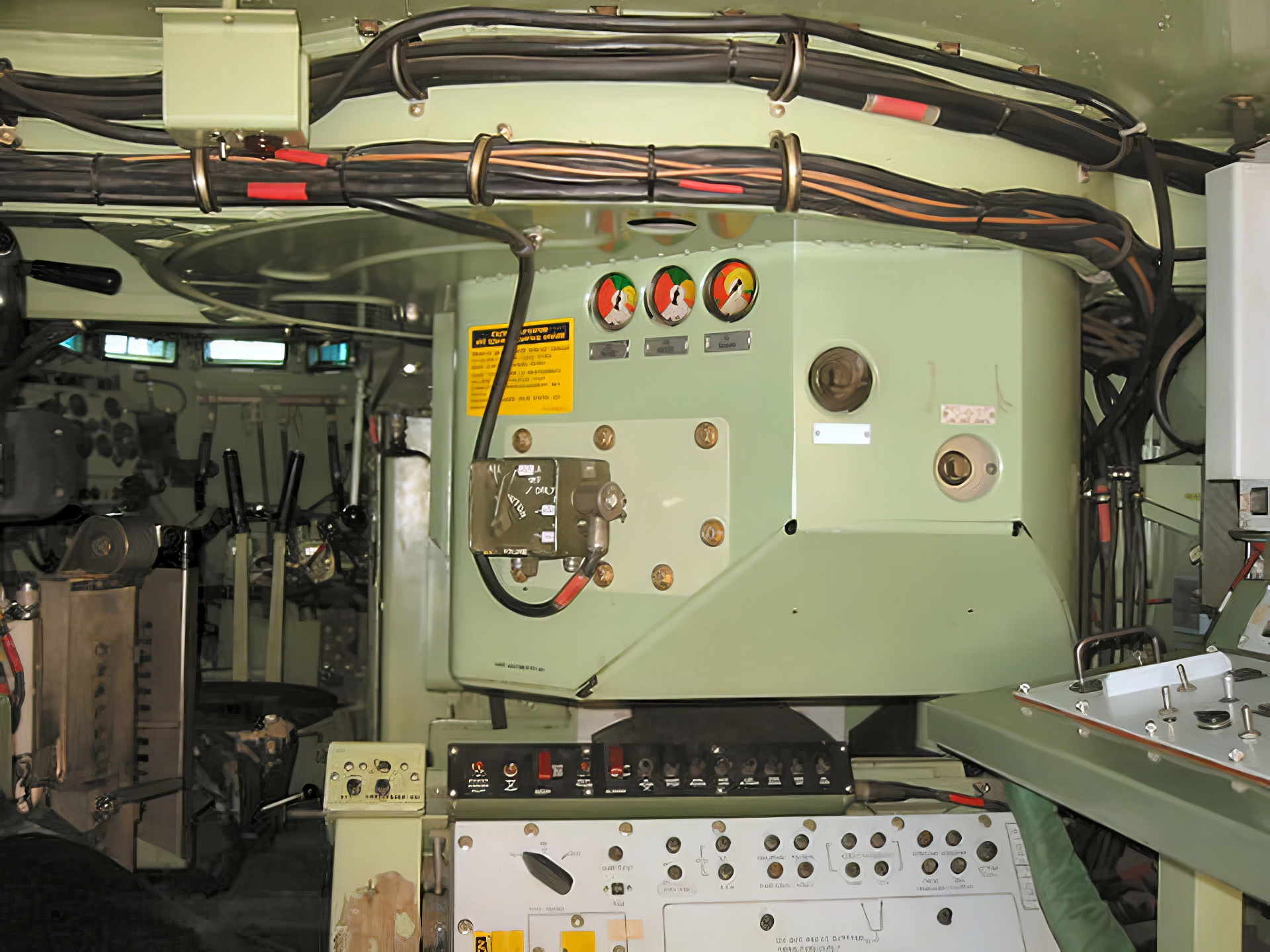
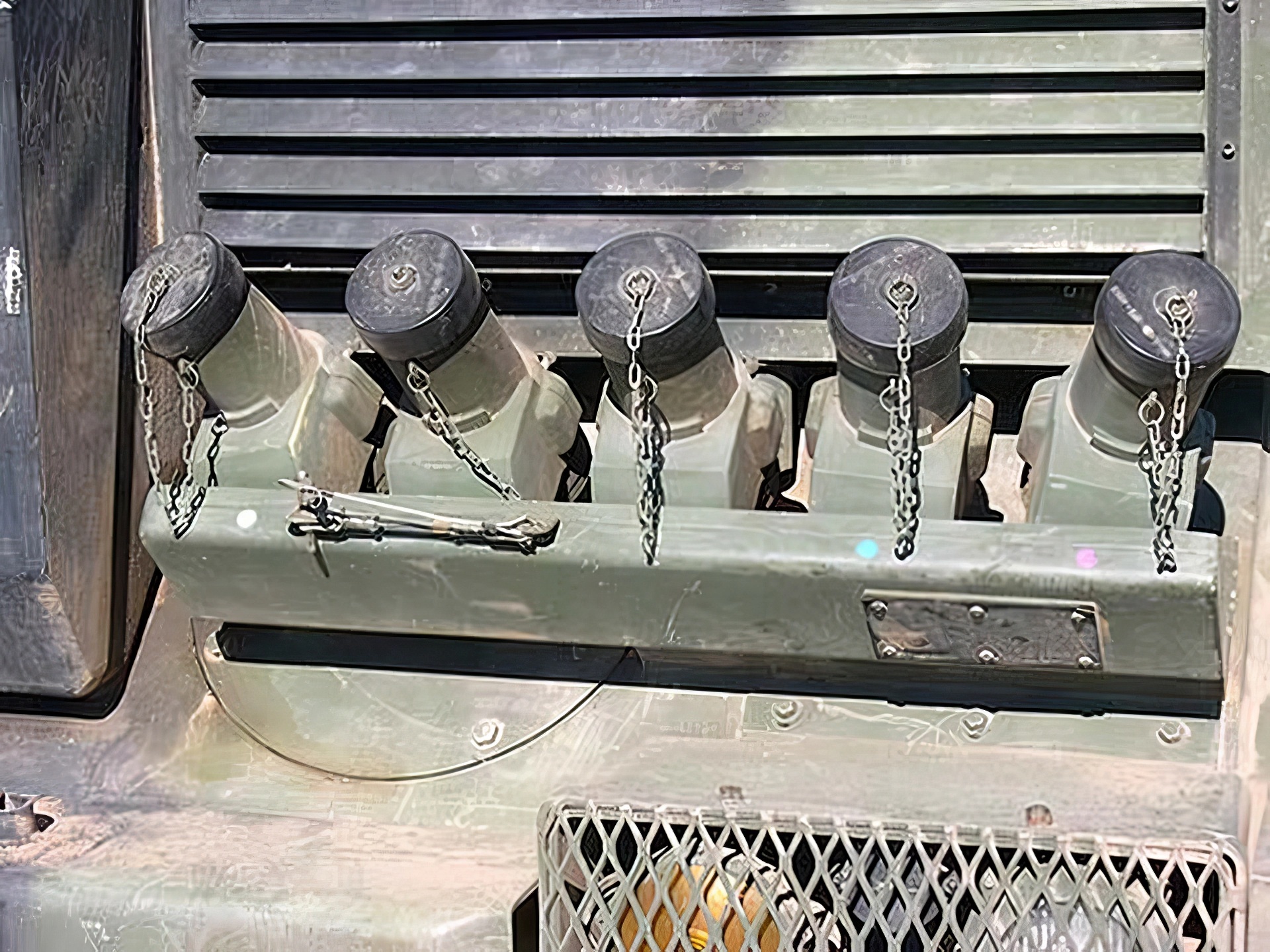

Ver también:


General Characteristics
The Air Defense Anti-Tank System (ADATS) is a dual-purpose, short-range surface-to-air and anti-tank missile system. It was developed by the Swiss company Oerlikon Contraves and the American company Martin Marietta (now Lockheed Martin). ADATS was designed to engage both high-speed aircraft and heavily armored ground targets using the same missile. The system is self-contained in an unmanned turret, featuring both a search radar and passive electro-optical sensors for stealthy operation. It was primarily adopted by Canada on a modified M113 chassis. The US Army canceled its planned large-scale purchase (MIM-146) in the early 1990s following the end of the Cold War and performance issues in inclement weather.
| Property | Typical Value (M113-based version used by Canada) |
|---|---|
| Papel | Dual-Purpose SHORAD (Short-Range Air Defense) / Anti-Tank Missile System |
| National Origin | Switzerland / United States (Production in Canada) |
| Fabricante | Oerlikon/Martin Marietta |
| Service Entry | 1989 (Canada) |
| Chassis Used | M113A2 Armored Personnel Carrier (Canada), M3A2 Bradley IFV (US trials) |
| Equipo | 3 (Commander, Driver, System Operator) |
| Mass (Combat) | Approx. 15.8 tonnes (M113 chassis) |
| Longitud | 4.86 m (15 ft 11 in) |
| Max Speed (Road) | 58 km/h (36 mph) |
Missile and Guidance (MIM-146)
- Missiles Carried: 8 ready-to-fire missiles in launch containers.
- Missile Guidance: Digitally coded Laser Beam-Riding. The missile is guided along a laser beam aimed at the target by the operator.
- Missile Speed: Supersonic, greater than Mach 3.
- Range (Air/Ground): Up to 10 km (6.2 miles) against air targets; up to 6 km against ground targets.
- Service Ceiling: 7,000 m (23,000 ft).
- Warhead: 12.5 kg Dual-Purpose High-Explosive (HE) shaped-charge/fragmentation.
- Armor Penetration: Stated as greater than 900 mm (90 cm) of Rolled Homogeneous Armour (RHA).
- Fuzing: Laser proximity fuse (for air targets) and mechanical impact fuse (for ground targets).
Sensors and Command
- Search Radar: X-band Pulse-Doppler radar with a range of over 25 km.
- Passive Sensors: Forward Looking Infrared (FLIR) and high-resolution Television (TV) camera for target tracking, allowing passive engagement to reduce detectability.
- Laser Rangefinder: Used to determine target distance.
- Network Capability: Features an integrated C3 system, allowing up to six ADATS units to network and operate as a single tactical unit for coordinated defense, with one unit acting as the network master.
- US Evaluation Variant: The version evaluated by the US Army on the M3 Bradley chassis also included a 25 mm M242 Bushmaster cannon.
Vistas : 1659