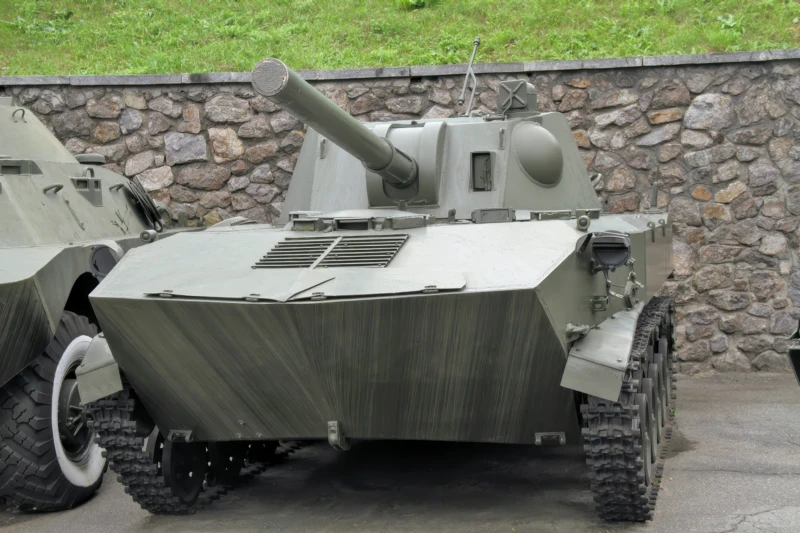
2S9 Nona-S | |
| Country | Soviet Union |
| Type | Self-propelled and air-droppable 120 mm mortar |
| Photograph | A.Martynenko |
| Locate | Unknow |
| Description | Album of 41 photos walk-around of «2S9 Nona-S» |
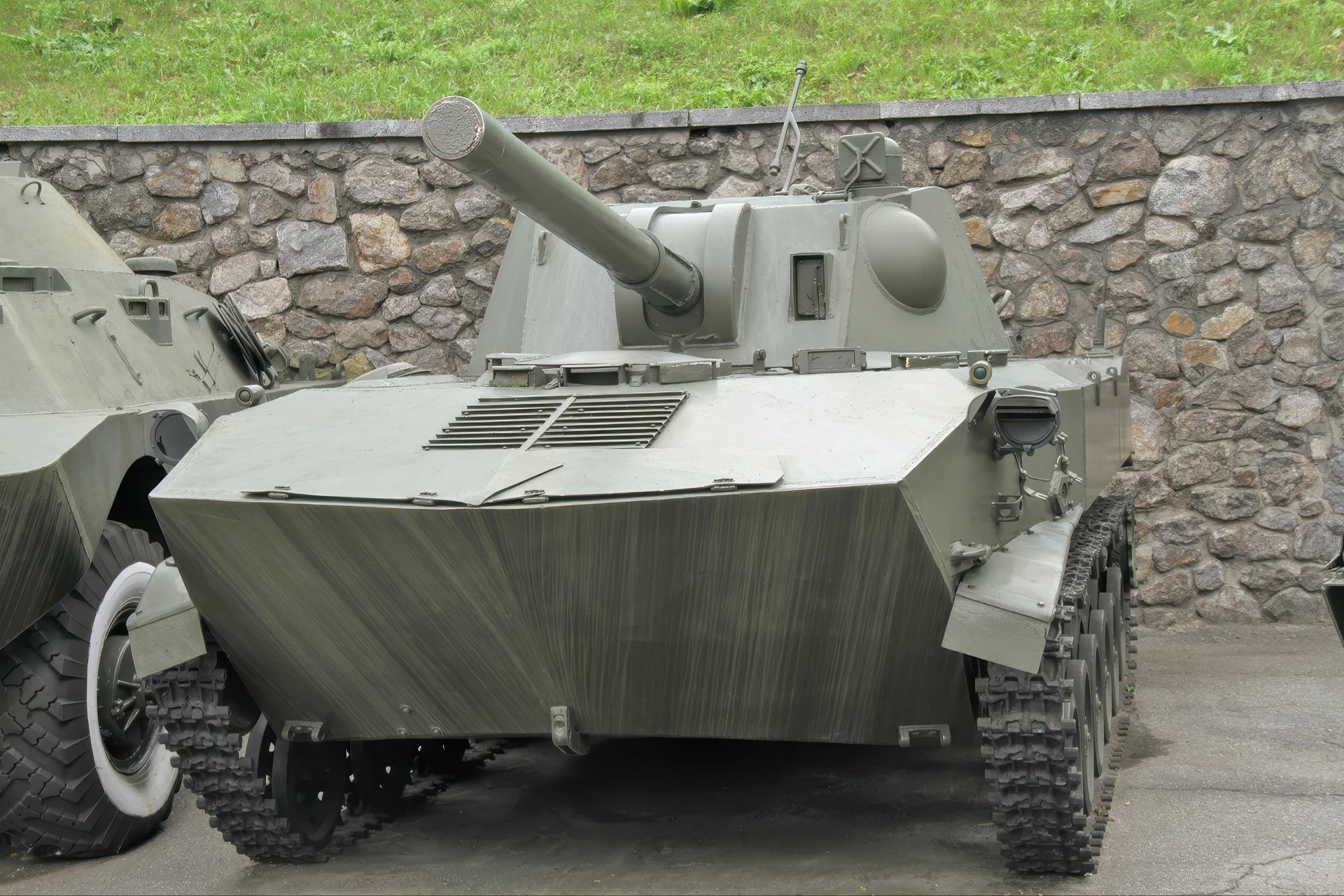
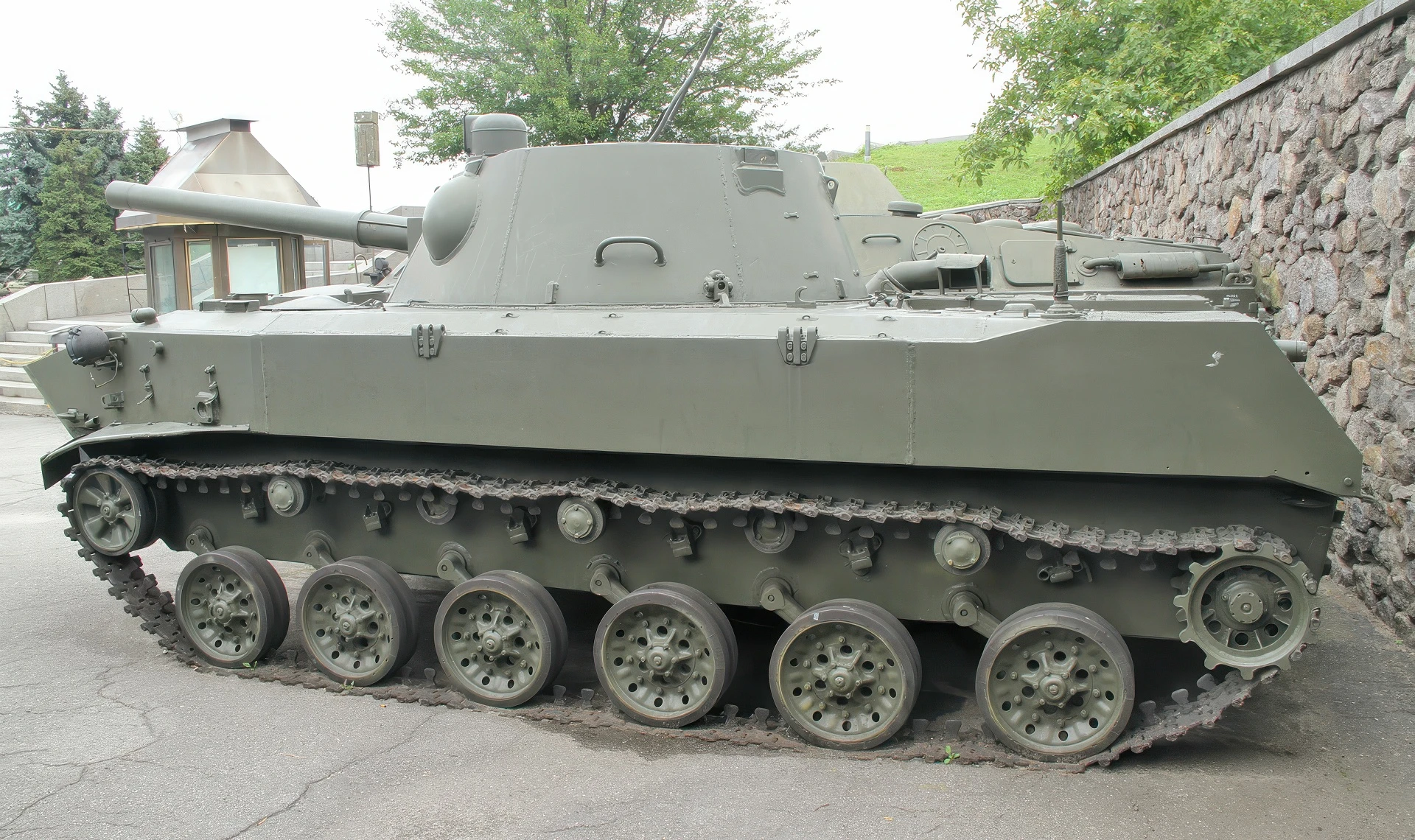
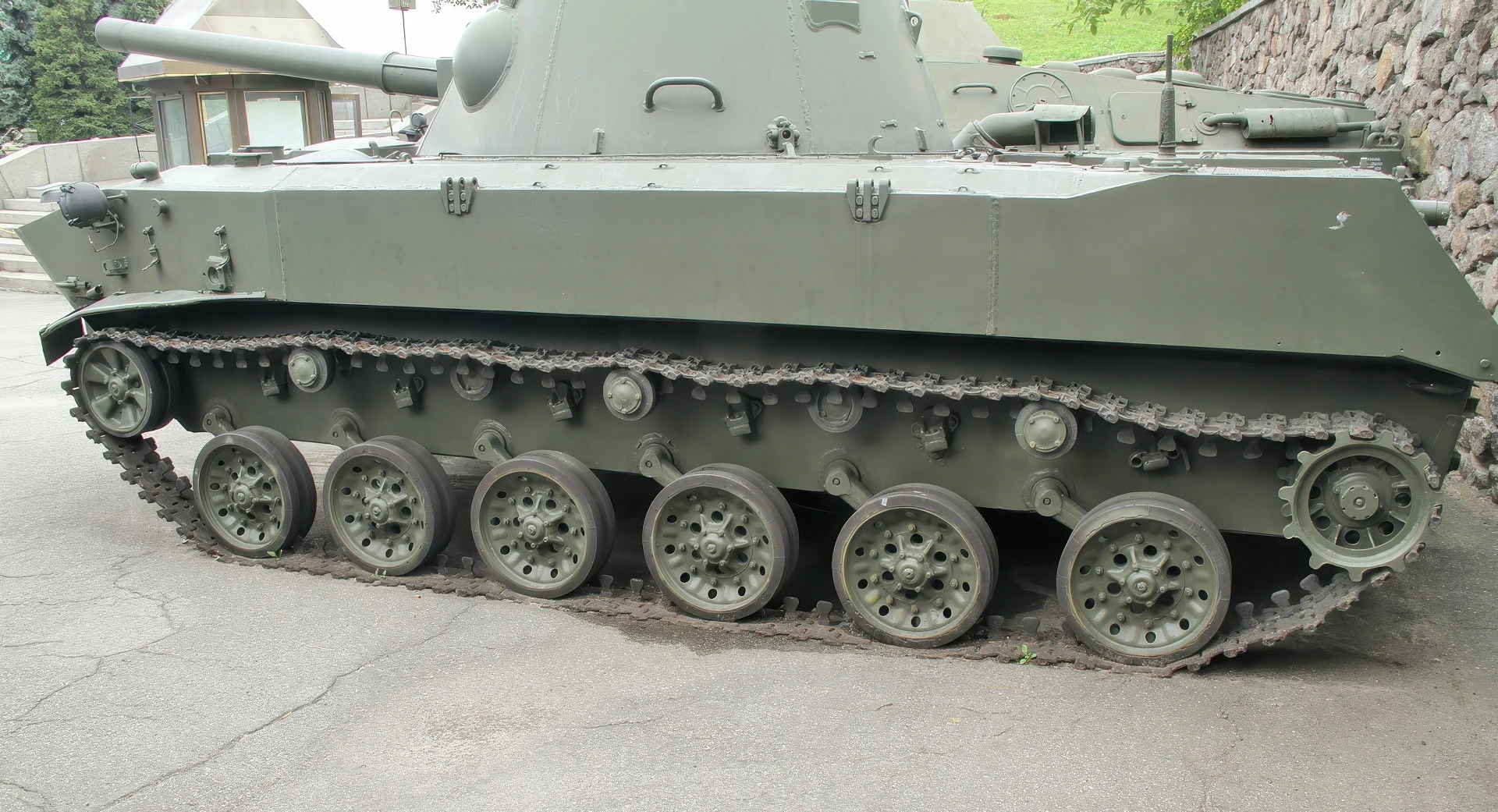
Photo gallery of a 2S9 Nona-S, The 2S9 NONA (Новейшее Орудие Наземной Артилерии – Newest Ordnance of Ground Artillery) is an extremely light-weight self-propelled and air-droppable 120 mm mortar designed in the Soviet Union that entered service in 1981. The 2S9 chassis is designated the S-120 and based on the aluminium hull of the BTR-D airborne multi-purpose tracked armoured personnel carrier. More generally, the 120 mm mortar is referred to as the Nona, with the 2S9 also known as the Nona-S; a BTR-80 based version is the 2S23 or Nona-SVK, and the towed 2B16 anti-tank gun version is named the Nona-K. Although no figures have been released, it is estimated that well over 1,000 2S9 were built.
Source: 2S9 Nona-S on Wiki


| 2S9 Nona Walk Around | |
|---|---|
| Photographer | Bamsa |
| Localisation | Unknow |
| Photos | 75 |
 Buy Me a Coffee
| 2S9 Nona Walk Around | |
|---|---|
| Photographer | Bamsa |
| Localisation | Unknow |
| Photos | 34 |
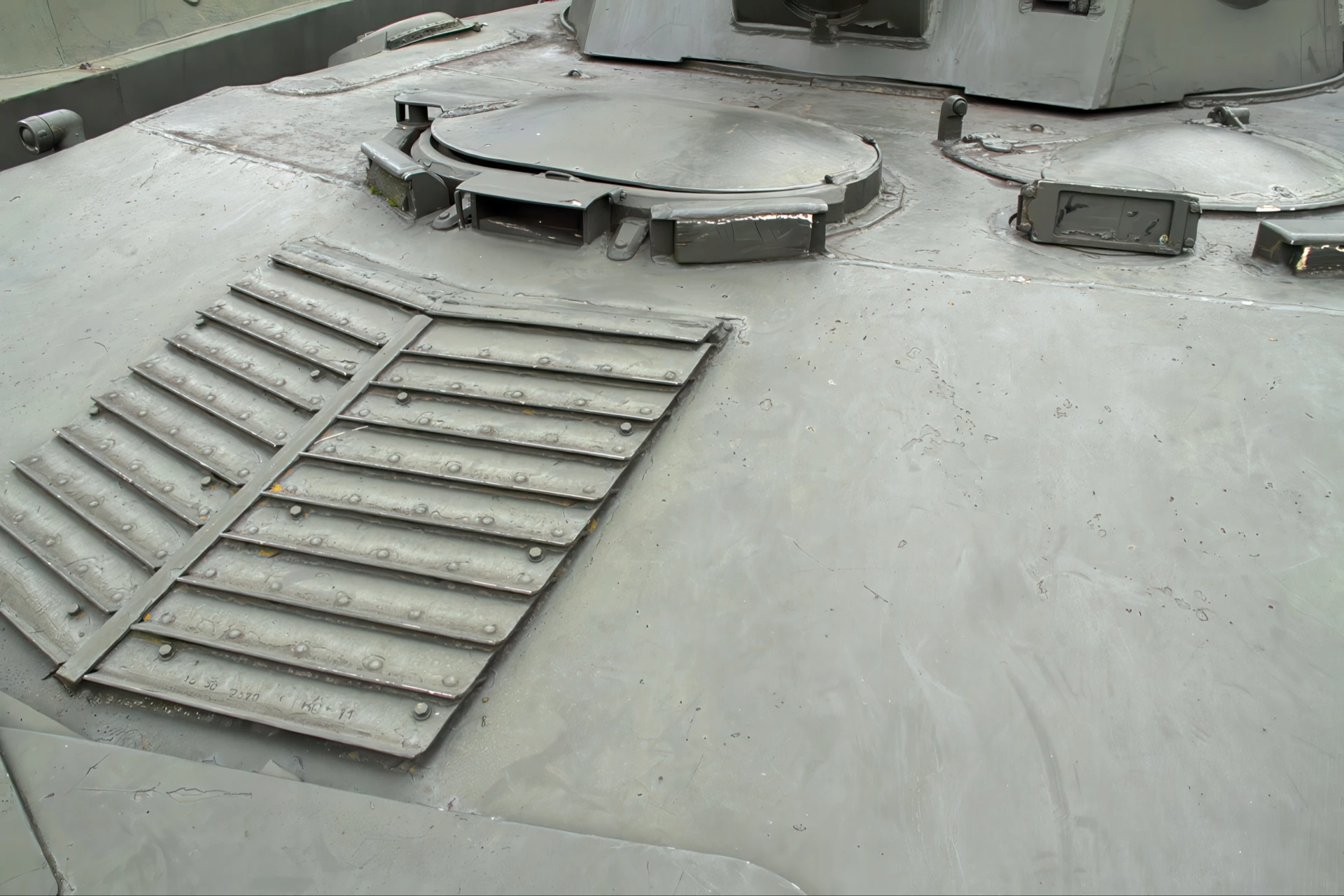
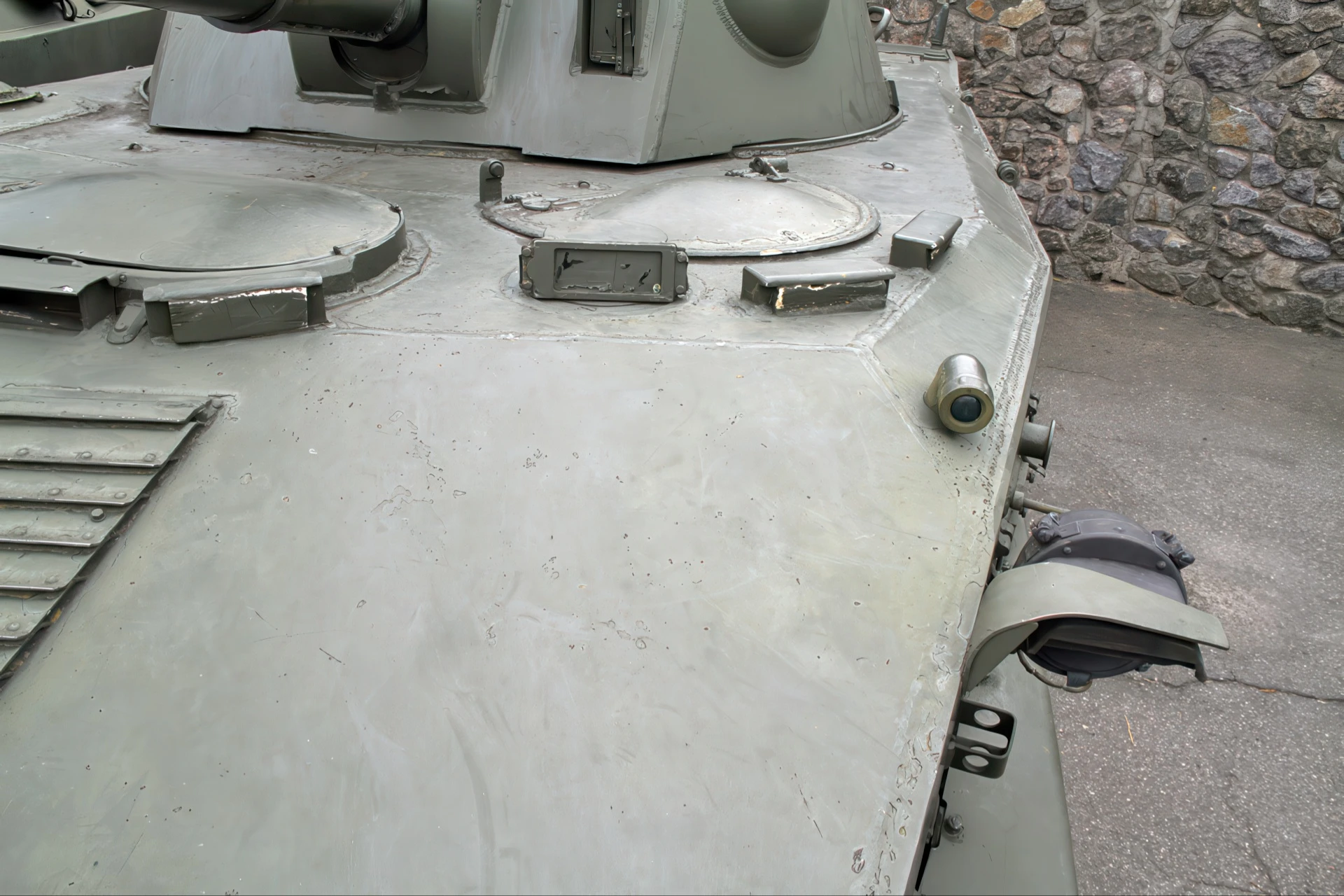
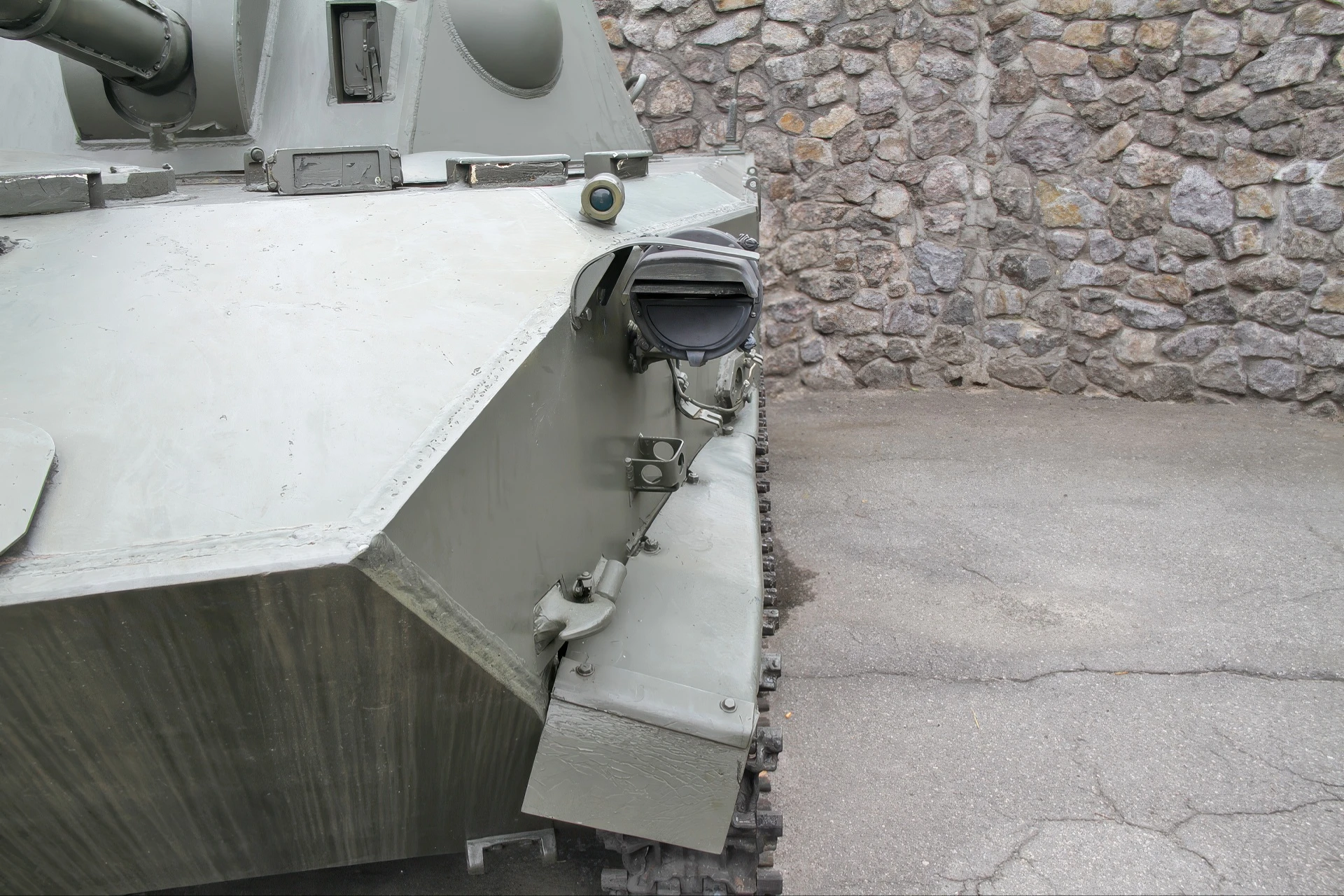
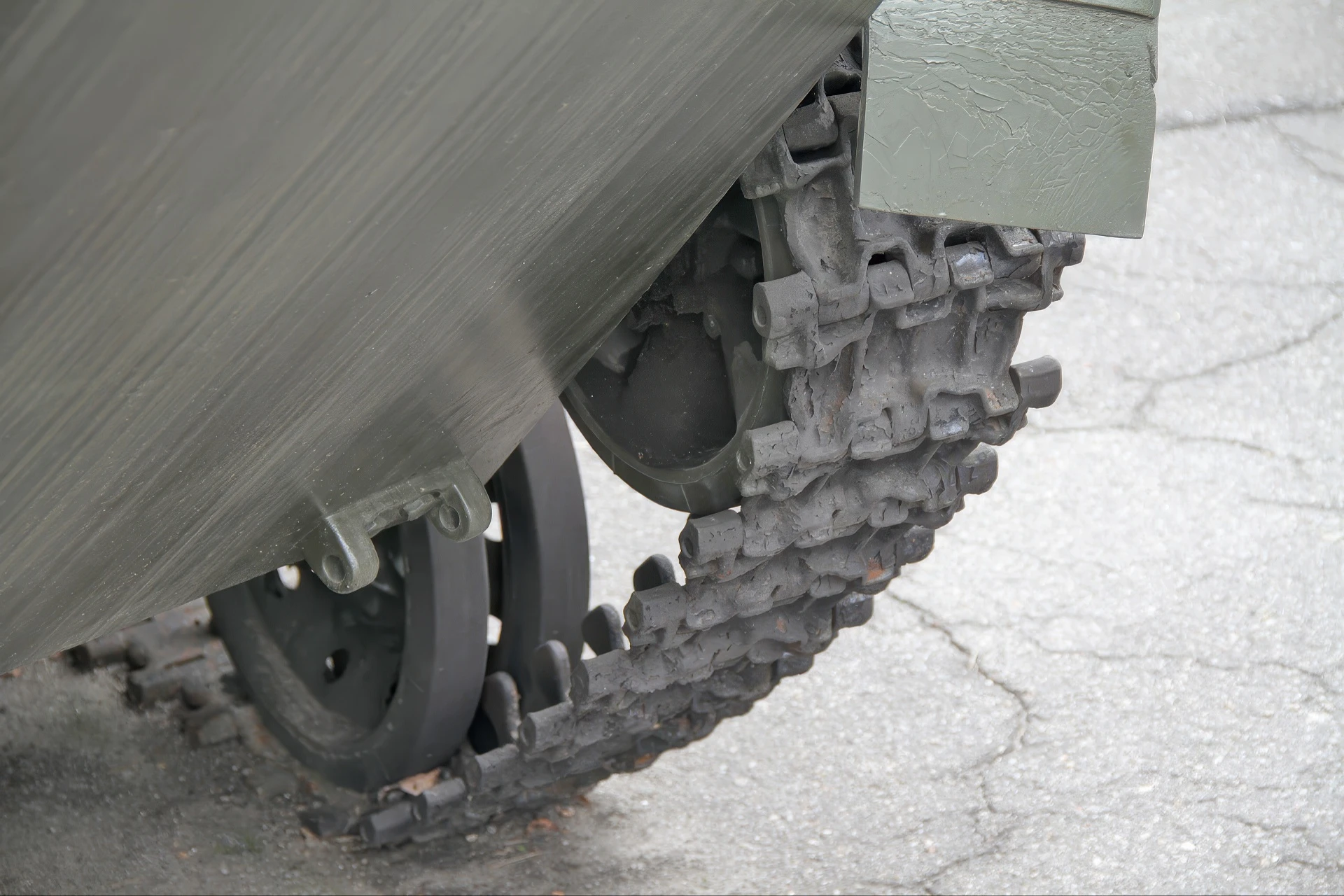
See also:


The Flying Howitzer
The 2S9 Nona-S is a unique Soviet self-propelled mortar-system designed specifically for the VDV (Airborne Forces). In the Soviet doctrine, paratroopers dropping behind enemy lines needed their own heavy fire support that could keep up with them. The Nona-S was the answer: an aluminum-armored, amphibious vehicle that can be dropped out of a cargo plane by parachute. Its name “NONA” is an acronym for Novoye Orudiye Nazemnoy Artillerii (New Weapon of Land Artillery), and it serves as a hybrid between a mortar, a howitzer, and an anti-tank gun.
| Attribute | Technical Specification (2S9 Nona-S) |
|---|---|
| Role | Self-Propelled 120mm Mortar/Howitzer |
| Crew | 4 (Commander, Driver, Gunner, Loader) |
| Chassis | Modified BTR-D (Airborne Multi-purpose APC) |
| Engine | 5D20 diesel (240 hp) |
| Maximum Speed | 60 km/h (Road) / 9 km/h (Water) |
| Main Armament | 120 mm 2A51 breech-loading rifled gun |
| Max Range | 8.8 km (Standard) / 12.8 km (Rocket-assisted) |
| Armor | Aluminum alloy (protects against small arms/shrapnel) |
Design Engineering: The Triple-Threat Gun
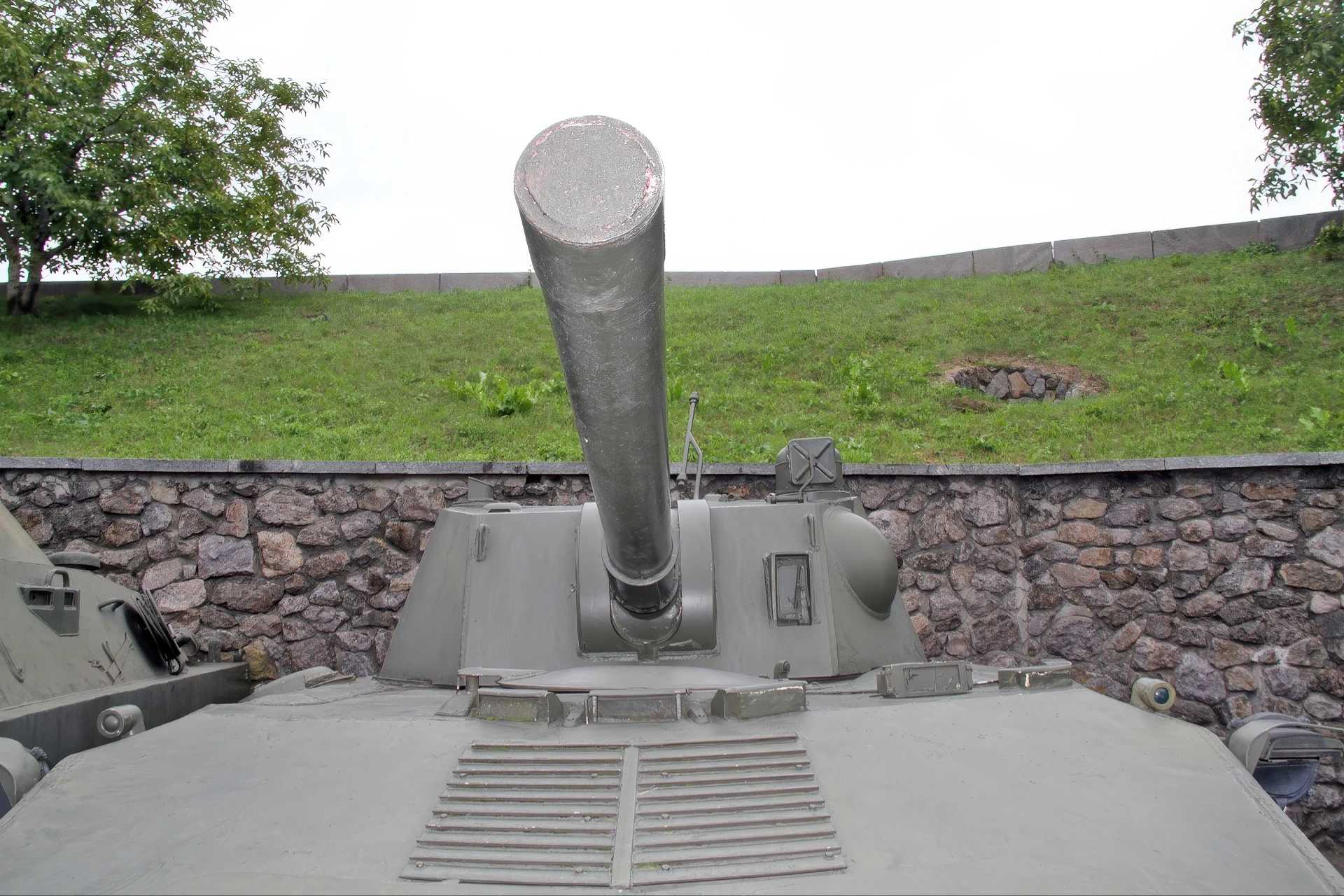
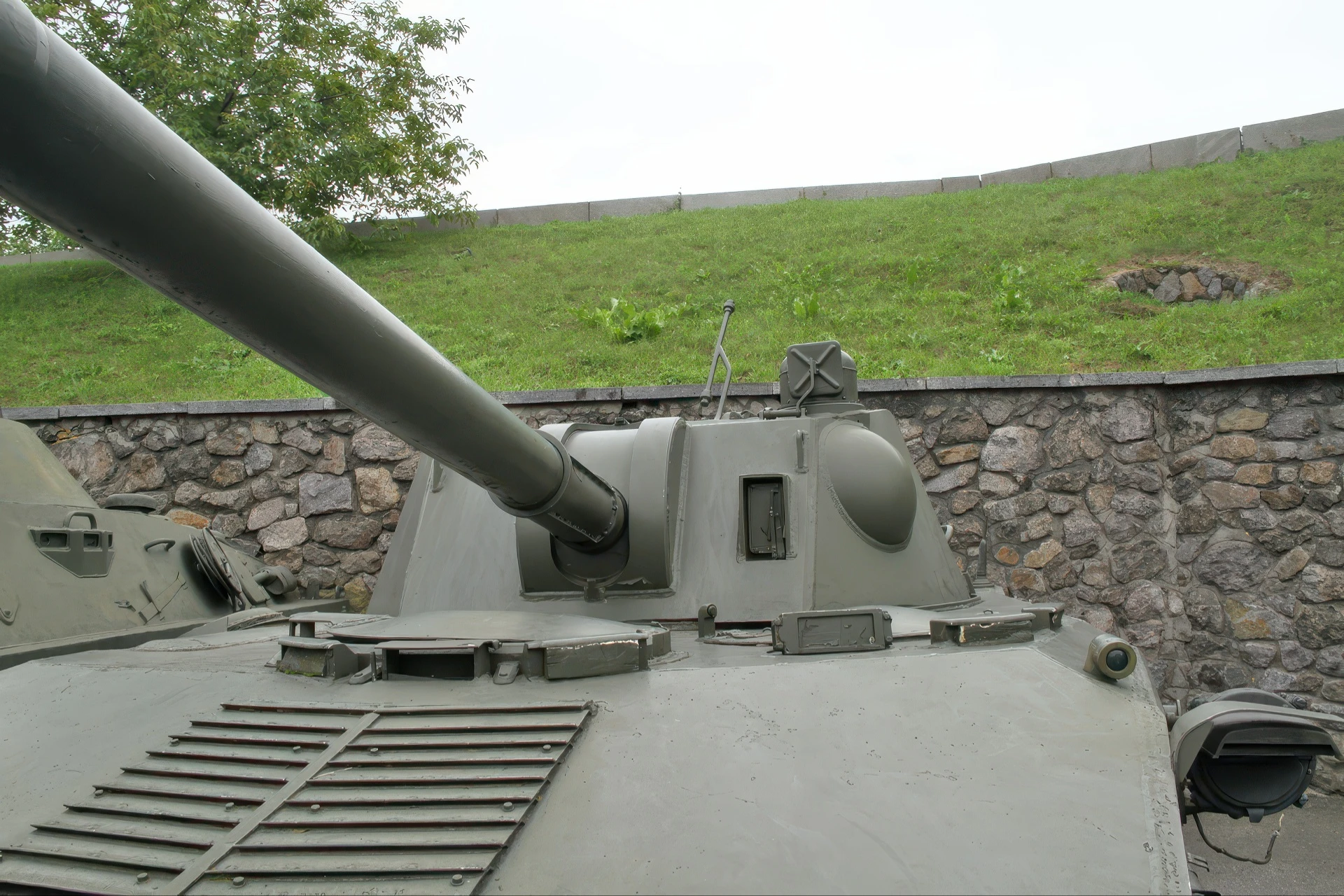
- The Universal 120mm: The 2A51 gun is remarkable because it is rifled but breech-loaded. It can fire standard Soviet 120mm mortar rounds, specialized rifled shells (which act like howitzer rounds), and even laser-guided “Kitolov-2” munitions for surgical strikes.
- Variable Suspension: To survive the impact of a parachute landing and to hide in ambush, the Nona-S features hydropneumatic suspension. The driver can raise or lower the vehicle’s height, allowing it to “crouch” behind low walls or bushes.
- Aluminum Hull: To keep the weight low enough for aircraft like the C-17 or Il-76 to carry multiple units, the hull is made of high-strength aluminum. While it won’t stop a tank shell, it makes the vehicle fully amphibious and air-droppable.
- Direct Fire Capability: While primarily an indirect fire weapon (shooting over hills), the Nona-S can depress its barrel to fire directly at tanks or bunkers using HEAT (High-Explosive Anti-Tank) rounds if it gets cornered.
Operational History: From Afghanistan to Today
- The “Flower” of Afghanistan: The Nona-S saw its combat debut during the Soviet-Afghan War. Its ability to fire at extremely high angles was perfect for hitting Mujahideen rebels hidden at the top of steep mountain ridges or in deep valleys where traditional artillery couldn’t reach.
- Airborne Delivery: The 2S9 is designed to be dropped using the PRSM-915 rocket-parachute system. Just before hitting the ground, retro-rockets fire to slow the vehicle to a safe landing speed, allowing the crew to drive it into action within minutes.
- Modern Evolution: The success of the 2S9 led to the 2S31 Vena, a much more advanced version with digital fire control, and the 2S23 Nona-SVK, which mounts the same gun system on an 8×8 BTR-80 wheeled chassis for greater road mobility.
- Current Conflicts: The Nona-S remains in active service with both Russian and Ukrainian airborne units. Its mobility and the punch of its 120mm shells make it a highly valued asset for rapid-reaction forces.
Views : 4048
You can see also :
 M270 Multiple Launch Rocket System – Photos & Videos
 2S3 Akatsiya – Photos & Videos
 Hummel – Photos & Videos
 M19 Multiple Gun Motor Carriage – Photos & Video
 Su-101 Uralmash – Photos & Video
 ISU-122 – Photos & Video
 M107 self-propelled gun – Photos & Video
 Sexton Self Propelled Gun – Photos & Video
 105mm leFH auf Hotchkiss 39H – Photos & Video
 M56 Scorpion – Photos & Video