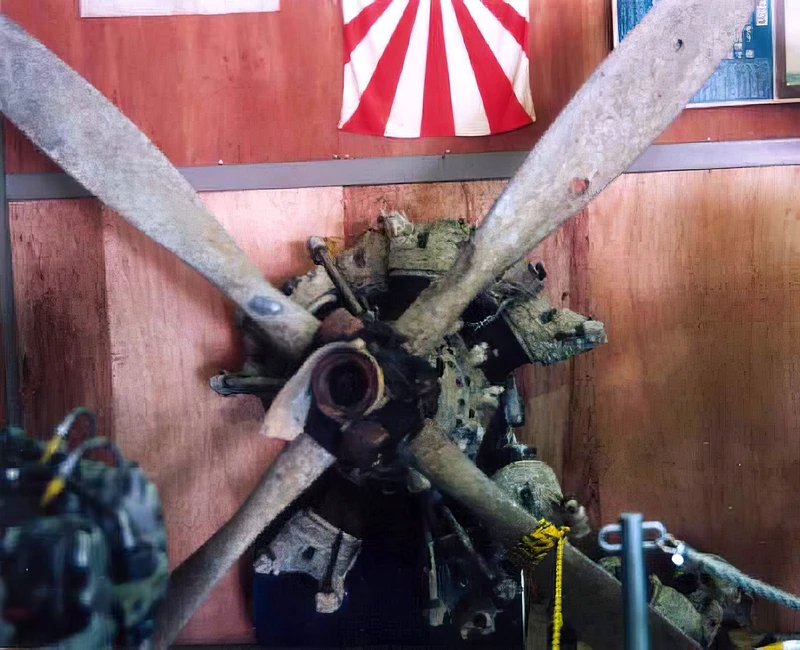
Mitsubishi G4M | |
|---|---|
| Land | Japan |
| Rolle | Middels bombefly/torpedobombefly |
| Første flytur | 23. oktober 1939 |
| Bygget | 2435 |
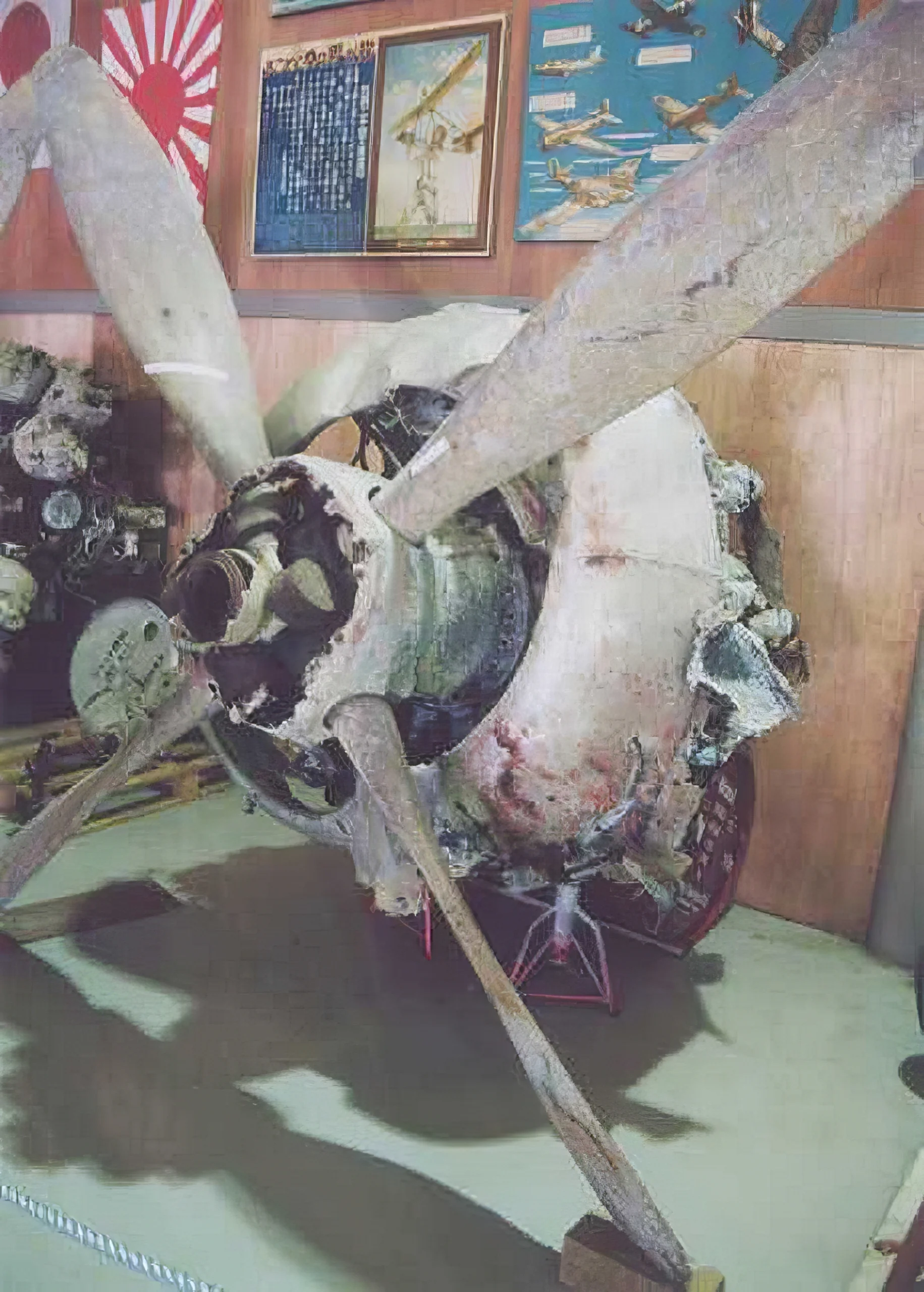
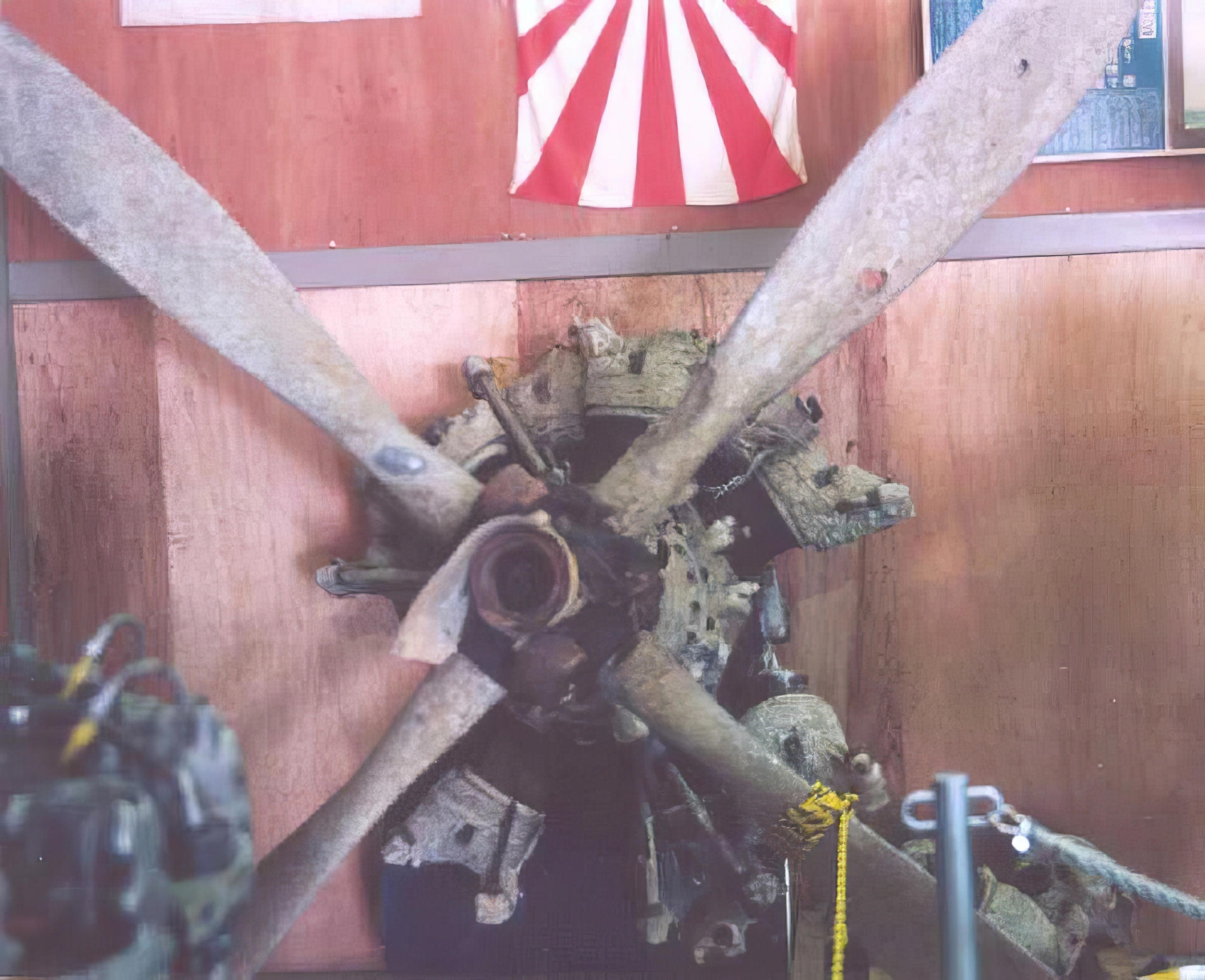
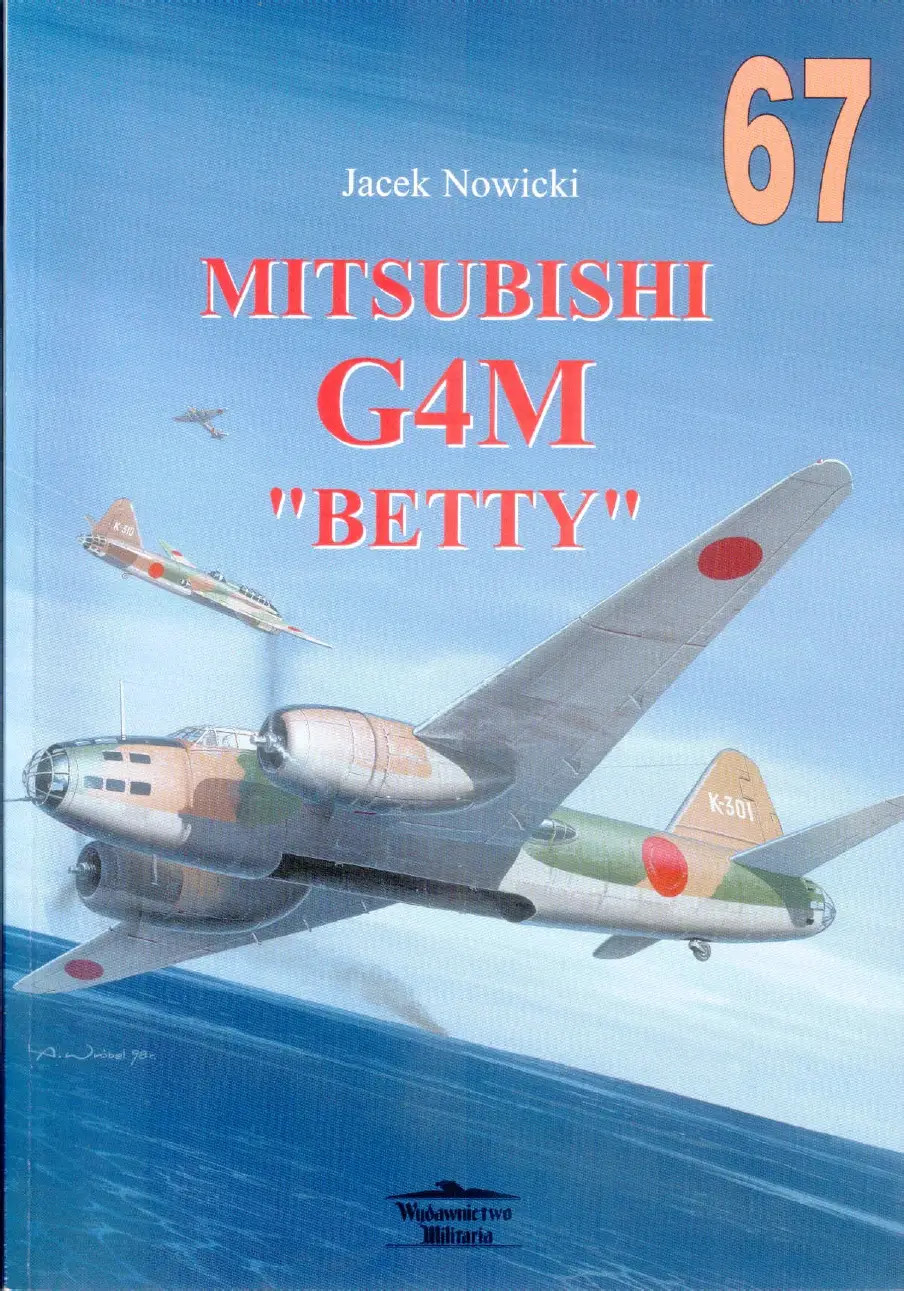
Den Mitsubishi G4M var et tomotors, landbasert middels bombefly som tidligere ble produsert av Mitsubishi Aircraft Company, en del av Mitsubishi Heavy Industries, og operert av den keiserlige japanske marinen fra 1940 til 1945. Dens offisielle betegnelse er Mitsubishi Navy Type 1 angrepsbombefly (一式陸上攻撃機, 一式陸攻 Ichishiki rikujō kōgeki ki, Isshikirikukō) og ble ofte referert til av japanske marinepiloter som Hamaki (葉巻, «sigar», bokstavelig «bladrull») på grunn av den sylindriske formen på flykroppen. Det allierte rapporteringsnavnet var "Betty".
Kilde: Mitsubishi G4M på Wiki
| Mitsubishi G4M | |
|---|---|
| Fotografer | Kawaguchi-sjøen |
| Lokalisering | Japan Air Park |
| Bilder | 33 |
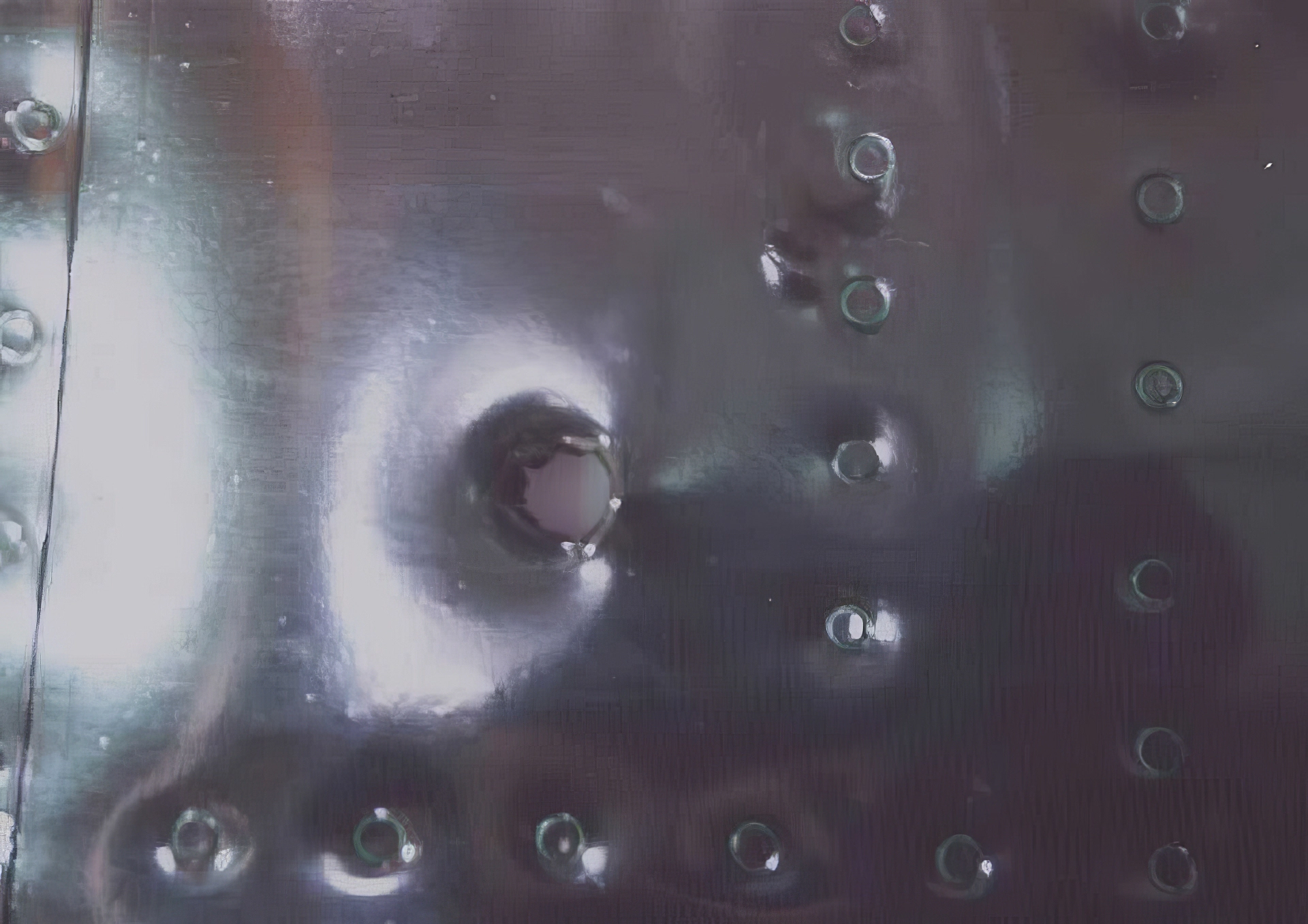

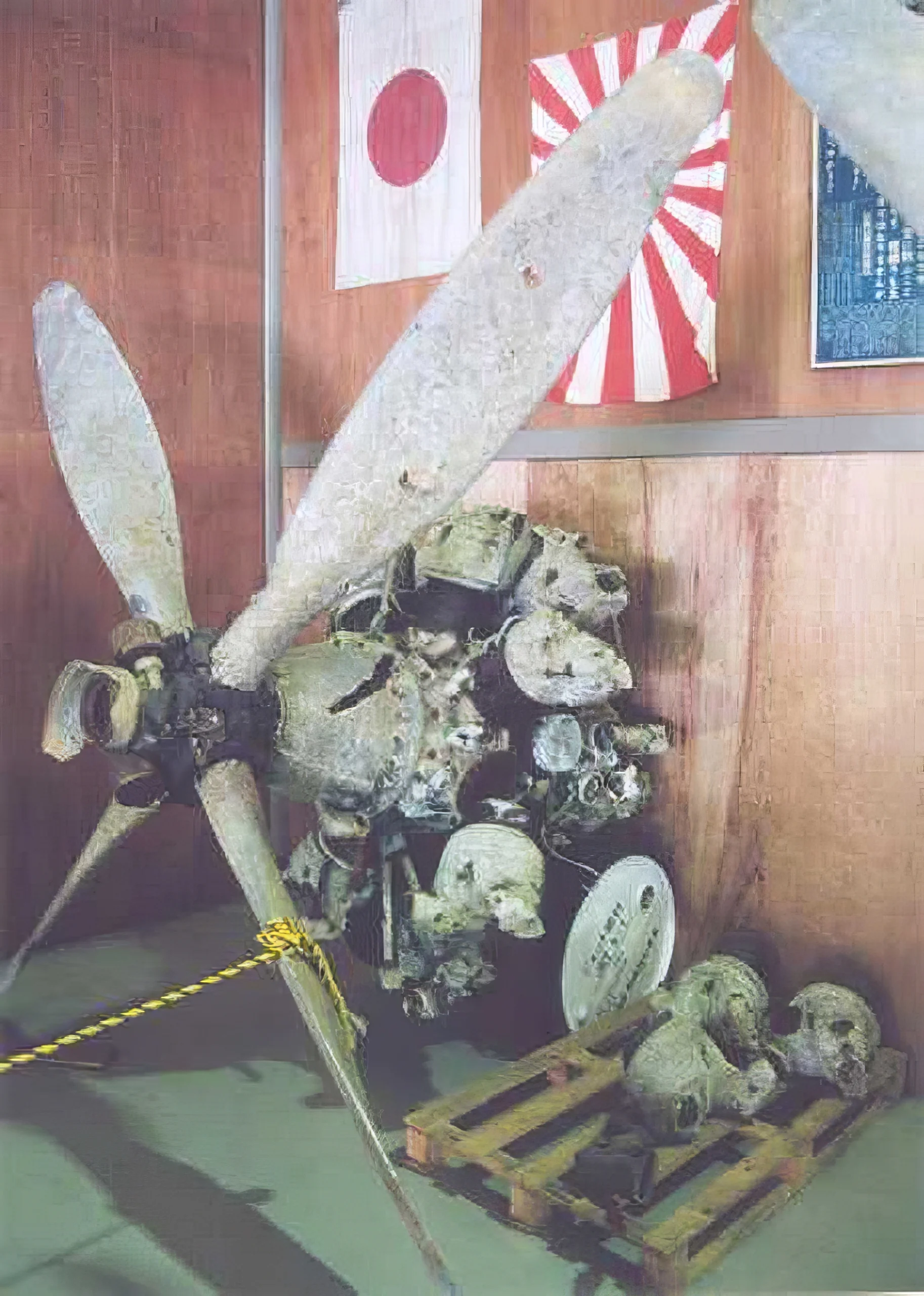
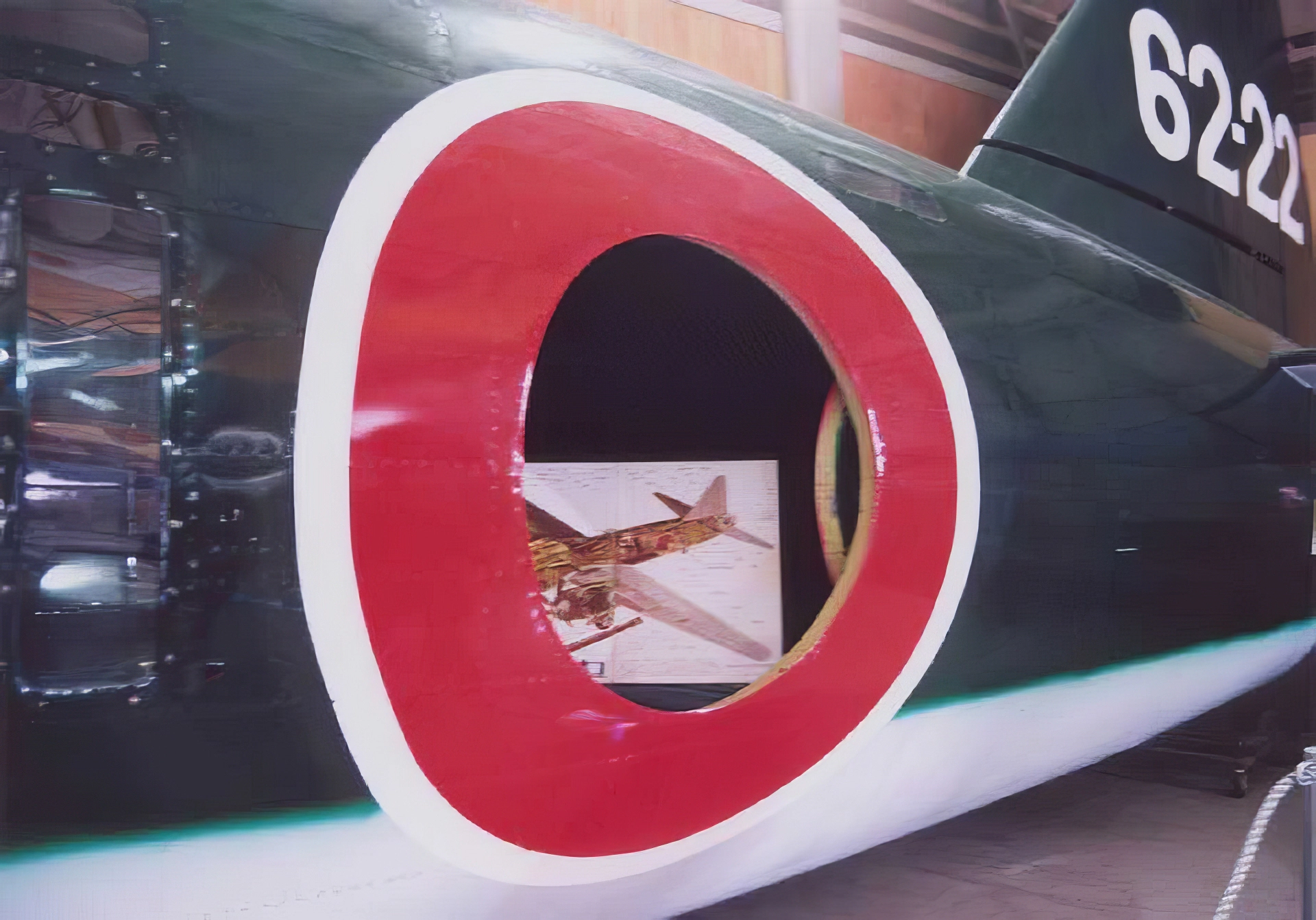




Les også:


General Characteristics
The Mitsubishi G4M (Allied reporting name: Betty) was a twin-engine land-based attack bomber used by the Imperial Japanese Navy Air Service during World War II. Designed by Kiro Honjo, its development prioritized extremely long range to meet the vast distances of the Pacific theatre, a requirement that necessitated large fuel tanks and a lightweight airframe. This design decision famously led to a lack of protective armor and self-sealing fuel tanks in the early models, making the aircraft highly vulnerable to enemy fire—earning it the derisive Allied nickname, “The Flying Lighter,” and the Japanese nickname, “Hamaki” (Cigar) for its cylindrical fuselage shape. Despite its fragility, the G4M was responsible for the crucial sinking of the British capital ships HMS Prince of Wales and HMS Repulse in 1941.
| Property | Typical Value (G4M1 Model 11) |
|---|---|
| Rolle | Long-Range Land-Based Bomber / Torpedo Bomber |
| National Origin | Japan |
| Produsenten | Mitsubishi Jukogyo K.K. |
| First Flight | October 23, 1939 |
| Service Entry | 1941 |
| No. Built | Over 2,400 (all variants) |
| Mannskapet | 7 (Pilot, Co-Pilot, Navigator/Bombardier, Radio Operator, 3 Gunners) |
| Lengde | 19.97 m (65 ft 6 in) |
| Vingespenn | 24.89 m (81 ft 8 in) |
| Max Takeoff Weight | 12,860 kg (28,351 lb) |
Powerplant and Performance
- Engine: 2 x Mitsubishi MK4A Kasei 11 14-cylinder air-cooled radial piston engines (G4M1).
- Power Output (Kasei 11): 1,140 kW (1,530 hp) for takeoff.
- Maximum Speed (G4M1): 428 km/h (266 mph) at 4,200 m (13,780 ft).
- Maximum Speed (G4M2): Approx. 437 km/h (271 mph) at altitude.
- Cruise Speed: Approx. 315 km/h (196 mph).
- Service Ceiling: 8,500 m (27,890 ft) (G4M1) to 9,700 m (31,820 ft) (G4M3).
- Maximum Range (G4M1 – Ferry): Up to 5,040 km (3,130 mi).
- Maximum Range (G4M3 – Reduced Range): 4,330 km (2,690 mi) (due to armor/self-sealing tanks).
Armament and Variants
- Defensive Armament (G4M1):
- 1 x 20 mm Type 99 cannon in the tail turret.
- 4 x 7.7 mm Type 92 machine guns (one in the nose, one in the dorsal turret, two in waist positions).
- Offensive Load: Carried internally in a bomb bay:
- One 858 kg (1,892 lb) Type 91 aerial torpedo, or
- Up to 1,000 kg (2,205 lb) of bombs (e.g., four 250 kg bombs).
- Key Variants:
- G4M1 (Model 11): Initial production model, optimized for range.
- G4M2 (Model 22): Uprated Kasei 21 engines, four-bladed propellers, improved dorsal turret, and larger wings for better high-altitude performance.
- G4M3 (Model 34): Late-war attempt to improve survivability by adding armor and self-sealing fuel tanks, resulting in a significant reduction in fuel capacity and range.
- G4M2e (Model 24J): Modified to carry and launch the MXY7 Ohka piloted rocket missile (suicide bomb).
Visninger : 1536
Du kan også se :
 Mitsubishi J8M1 Shusui - Bilder og videoer
 Lockheed U-2 - Bilder og video
 Mitsubishi J2M Raiden - Bilder og video
 Mitsubishi Ki-46 – Bilder og video
 B-17G Flygende festning – WalkAround
 Messerschmitt Bf 109G-2 – Gå Rundt
 General Motors FM-2 Villkatt – WalkAround
 Junkers Ju-52 Tante Ju – Gå Rundt
 Messerschmitt Me-109E – Gå Rundt
 Supermarine Spitfire Mk.XVI – Gå Rundt