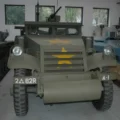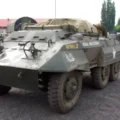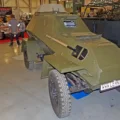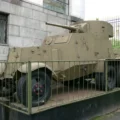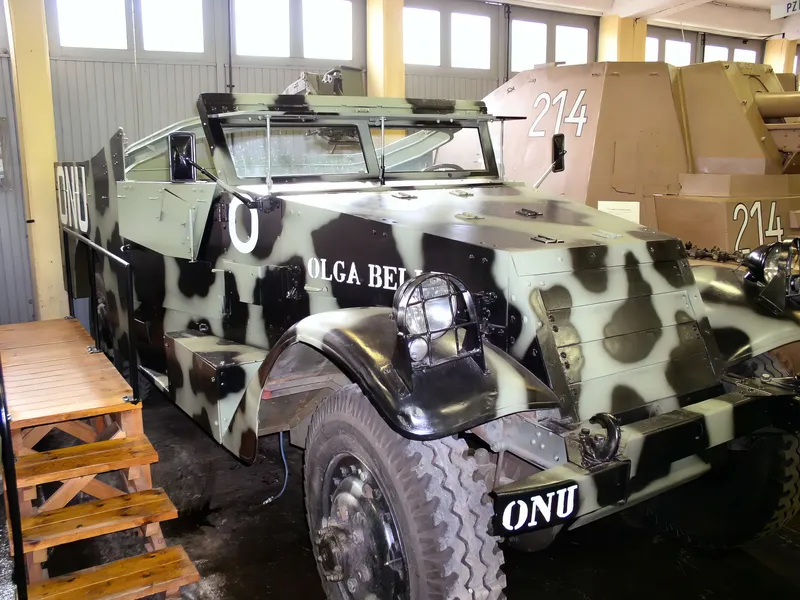
M3 White Scout Car | |
|---|---|
| Land | Norge , Norge |
| Rolle | Pansret bil |
| Produsert | 1939–1944 |
| Bygget | 20000+ |
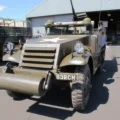
Den M3 speiderbil (kjent som White Scout Car i British Commonwealth service) var en amerikanskprodusert pansret bil. Den originale M3 Scout Car ble produsert i begrenset antall, mens den forbedrede M3A1 Scout Car så bred tjeneste under andre verdenskrig og etter.
| M3 White Scout Car | |
|---|---|
| Fotograf | Unknow |
| Lokalisering | Unknow |
| Bilder | 23 |
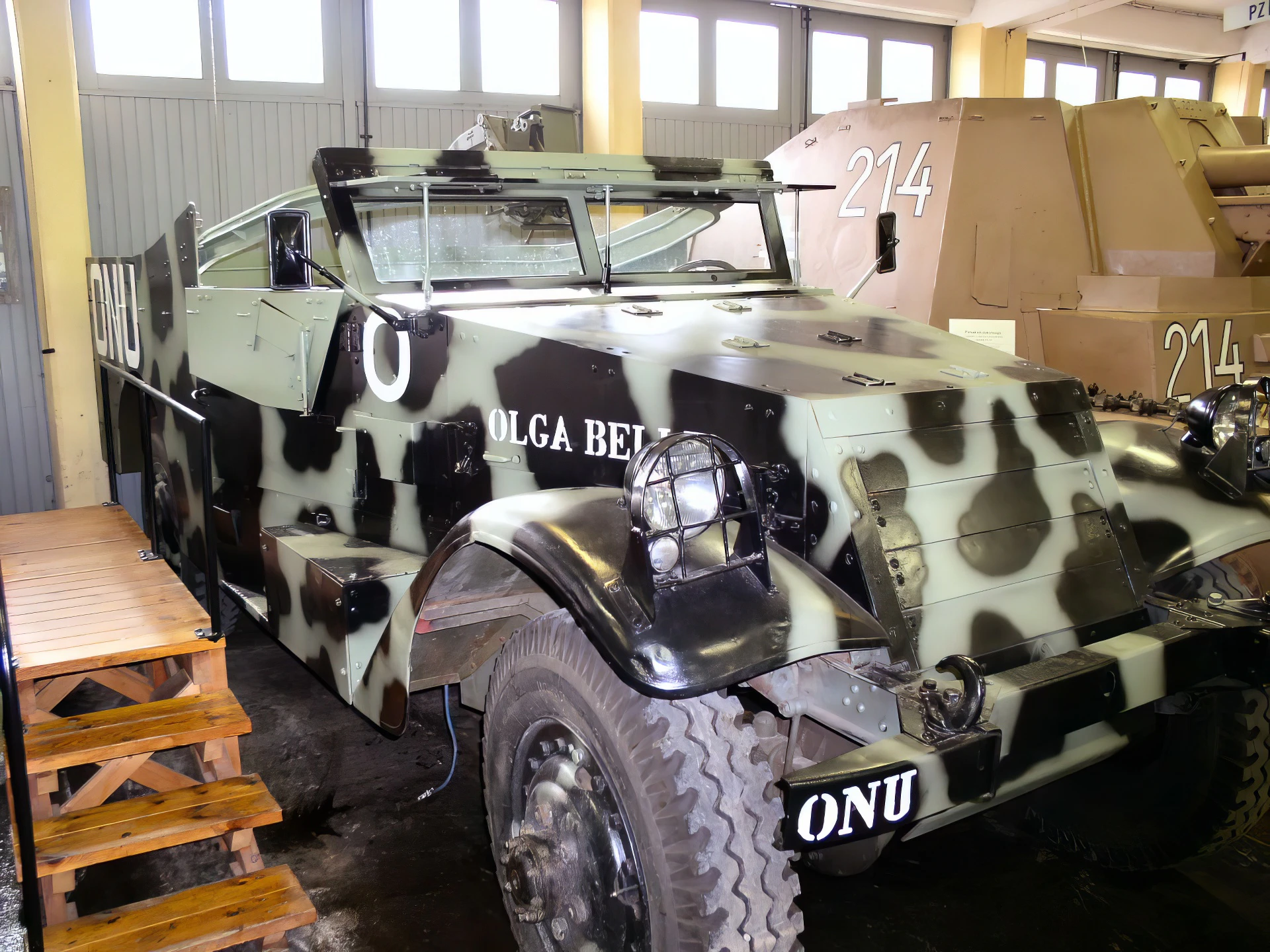
M3 White Scout Car 01
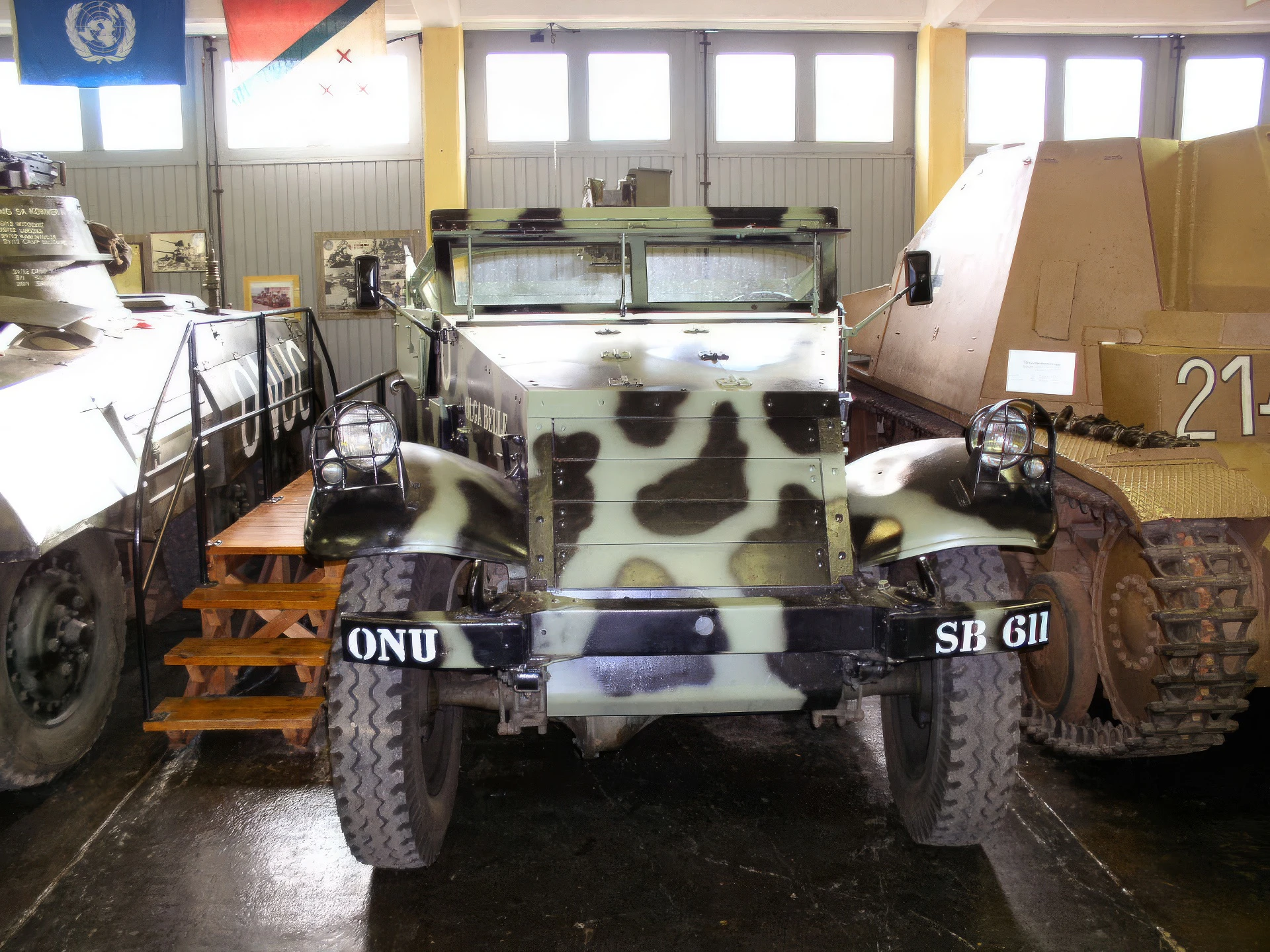
M3 White Scout Car 02

M3 White Scout Car 03
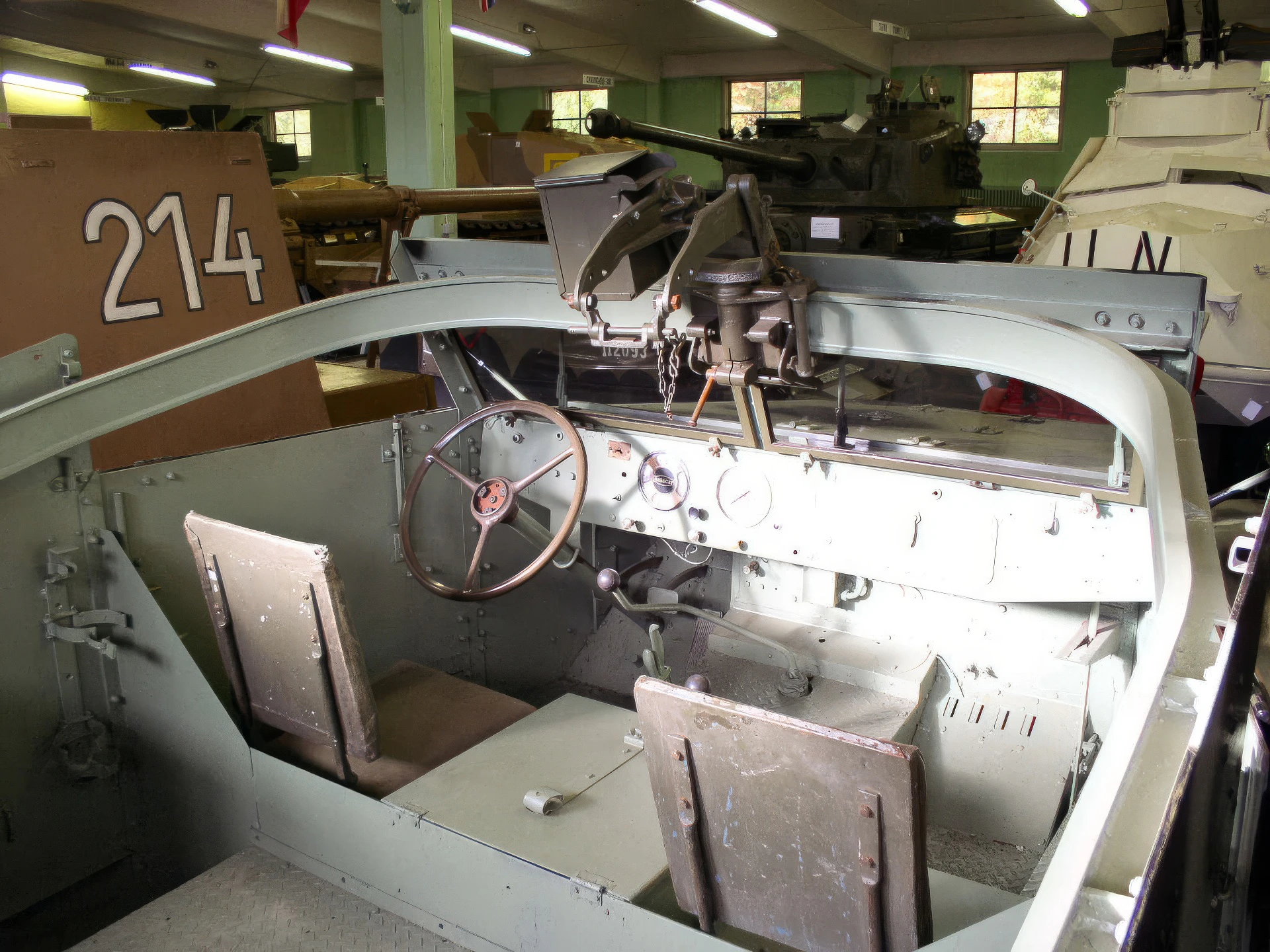
M3 White Scout Car 04

M3 White Scout Car 05

M3 White Scout Car 06
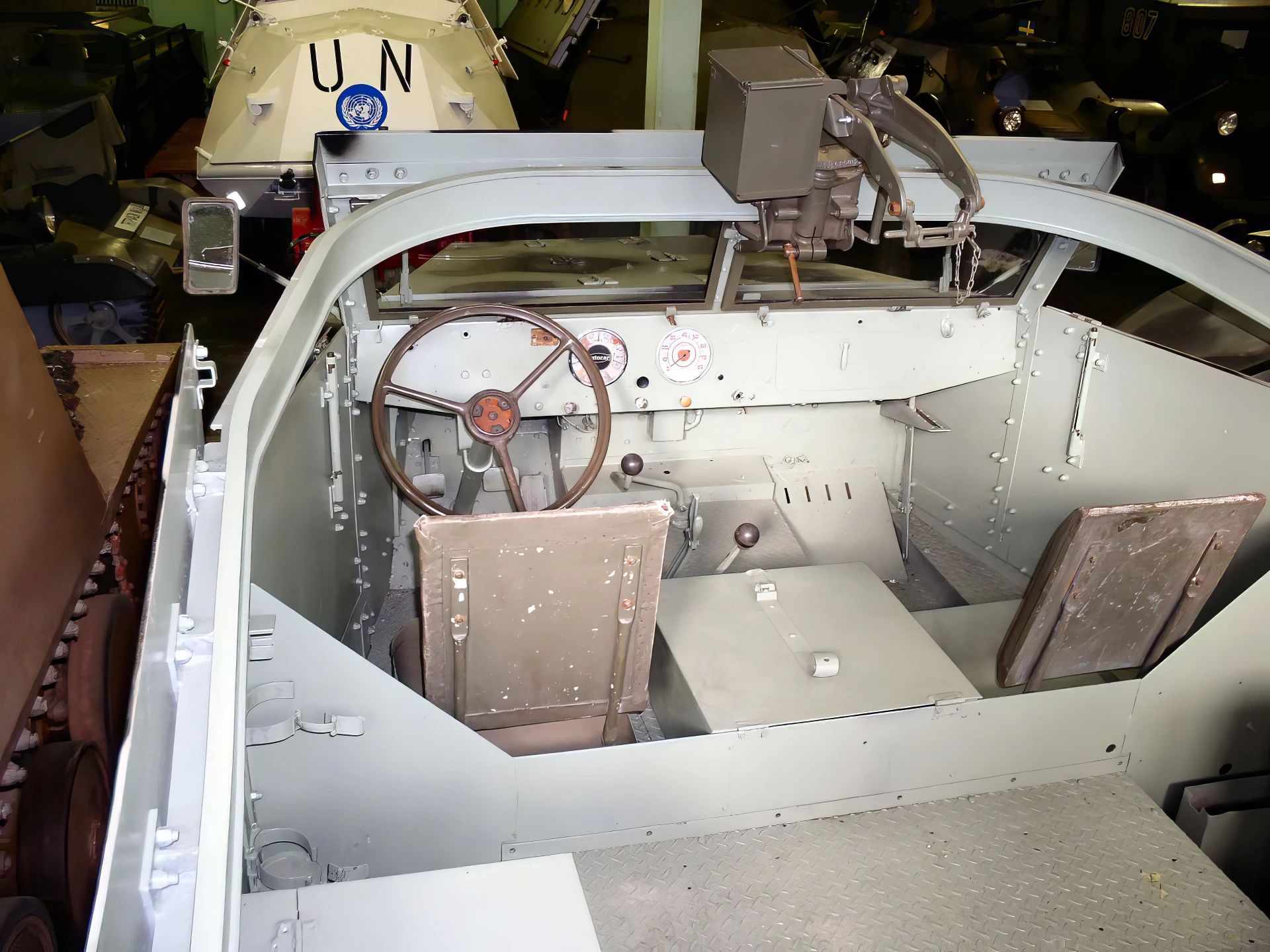
M3 White Scout Car 07
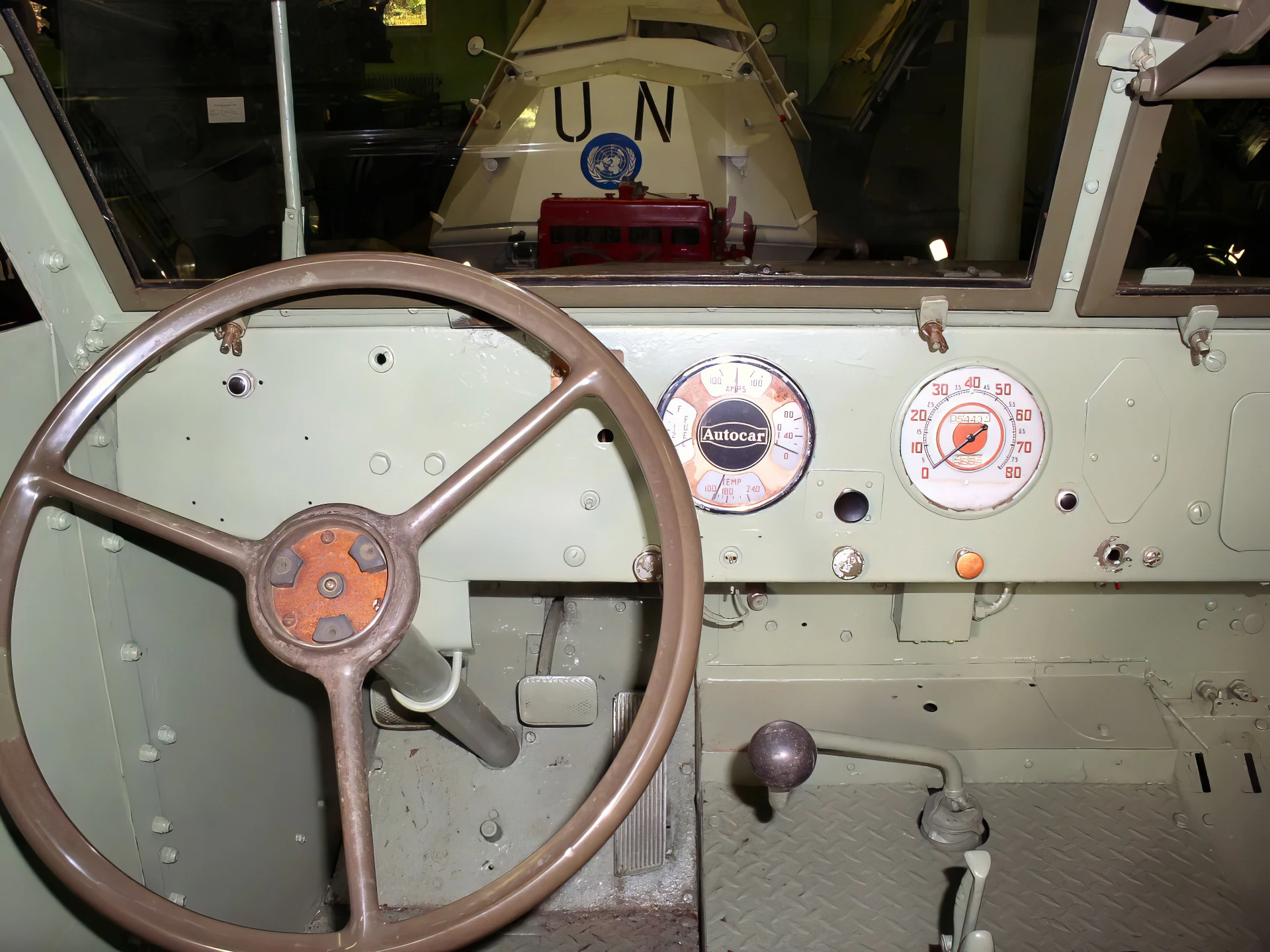
M3 White Scout Car 08
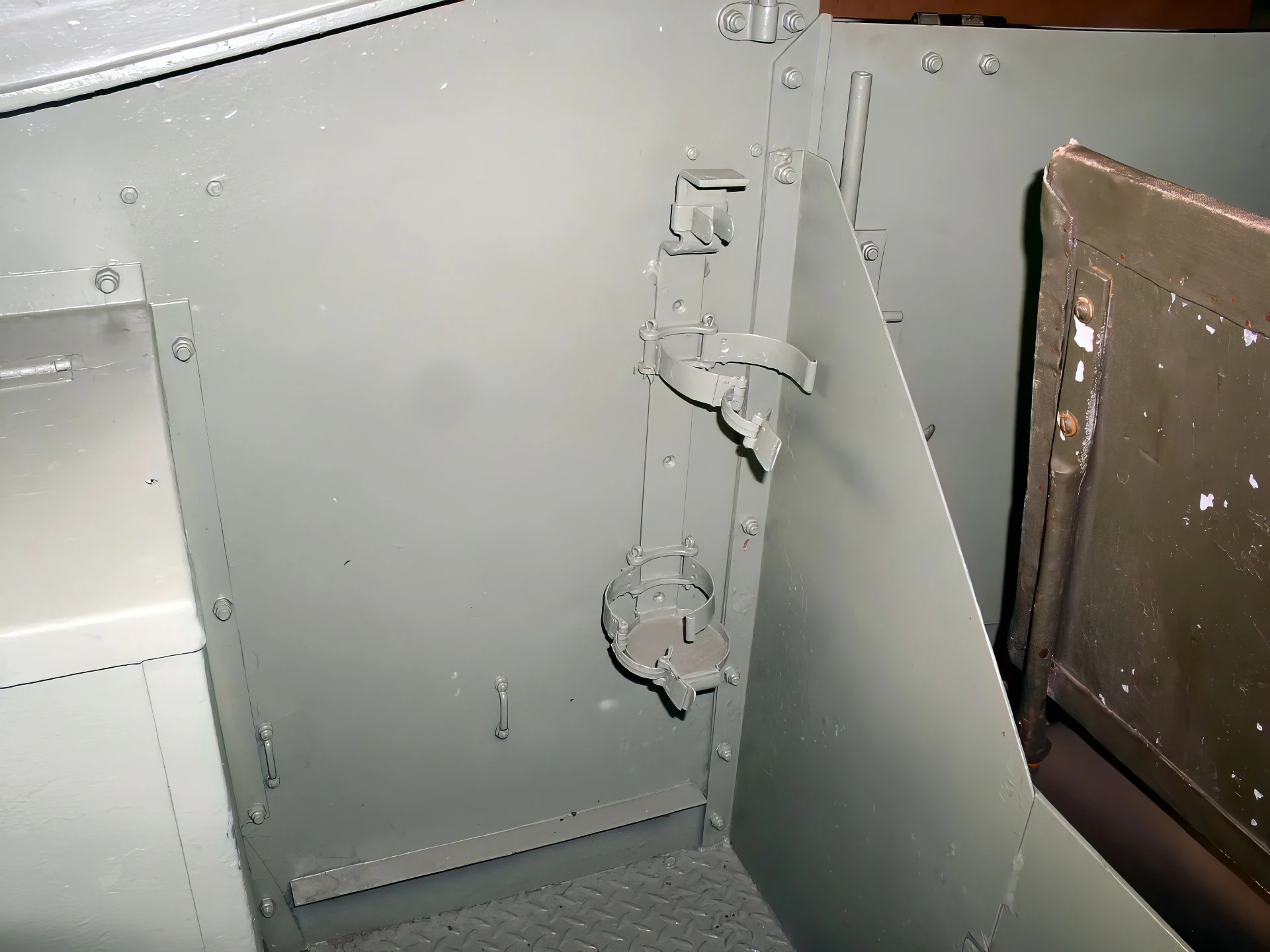
M3 White Scout Car 09
Vent, Søker M3 White Scout Car for deg ...

| White M3 Scout Car Walk Around | |
|---|---|
| Fotograf | Michael Benolkin |
| Lokalisering | Unknow |
| Bilder | 45 |
| M3 Scout Car Walk Around | |
|---|---|
| Fotograf | David Lueck |
| Lokalisering | Unknow |
| Bilder | 63 |
Les også:


| M3A1 Scout Car Walk Around | |
|---|---|
| Fotograf | Alan McNeilly |
| Lokalisering | Unknow |
| Bilder | 22 |
Vent, Søker M3 White Scout Car for deg ...
The M3 Scout Car, formally the Car, Scout, M3A1, was an armored car produced by the White Motor Company, and was one of the first mass-produced armored vehicles in service with the U.S. Army and its allies during World War II. It was a rugged, lightly armored 4×4 vehicle designed for the cavalry reconnaissance role.
The most common and widely produced variant was the M3A1 speiderbil.
Key Features and Specifications
- Type: Armored Car / Armored Personnel Carrier (Light)
- Manufacturer: White Motor Company (Cleveland, Ohio)
- Production Years: 1940–1944 (M3A1 variant)
- Number Built (M3A1): Over 20,900
- Engine: Hercules JXD 6-cylinder in-line gasoline, producing 110 hp.
- Max Speed: Approximately 50 mph (80 km/h) on road.
- Drivetrain: 4×4 (Four-wheel drive).
- Distinctive Feature: A large unditching roller was typically mounted in front of the bumper to help the vehicle cross trenches and obstacles.
Armor and Armament
- Armor Protection:
- Maximum armor thickness was generally 0.5 inches (13 mm) on the front, with the sides and rear being around 0.25 inches (6.4 mm).
- The hull was open-topped, which was a major drawback as it exposed the crew to shrapnel, grenades, and overhead fire, although a canvas cover could be fitted for weather protection.
- Bevæpning:
- The primary armament was mounted on a continuous skate rail that encircled the open top of the fighting compartment.
- It typically carried one .50 caliber (12.7 mm) M2 Browning heavy machine gun and one or two .30 caliber (7.62 mm) M1919A4 medium machine guns. The skate rail allowed the crew to slide the machine guns to any position around the vehicle for a full 360-degree field of fire.
Role and Combat History
- Primary Role: Originally designed for rekognosering Og Speideren for U.S. Cavalry units, replacing the need for horses. It was intended to be the “eyes and ears” of armored formations.
- Secondary Roles: It was widely used as an armored command vehicle, a forward observation vehicle, a field ambulance, and an Artilleri traktor for light guns (like the 37mm anti-tank gun).
- Service History:
- The M3A1 first saw combat in the Philippines (1941–1942) and was used extensively in the North African Campaign og invasion of Sicily.
- It was quickly superseded in frontline U.S. reconnaissance roles by superior enclosed armored cars like the M8 Greyhound and the M20 Utility Car starting in 1943, due to its thin, open-top armor and poor off-road mobility compared to half-tracks.
- The vehicle was heavily supplied to Allied nations via the Lend-Lease program, with over 3,000 sent to the Soviet Union, who used it effectively until the late 1940s. It also served with the British, Free French, and other forces throughout the war.
- The design of the M3 Scout Car, particularly the chassis and armor layout, was instrumental in the development of the highly successful M3 Halvspor armored personnel carrier.
Views : 3665