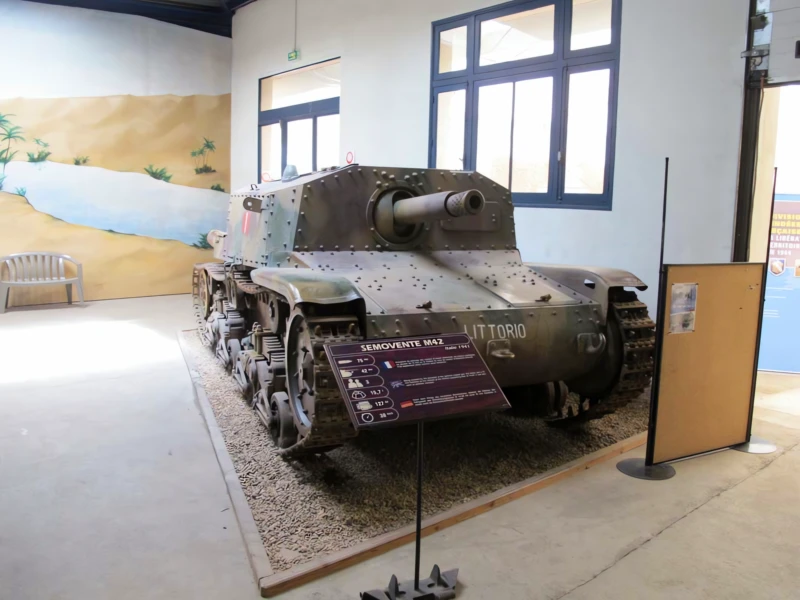
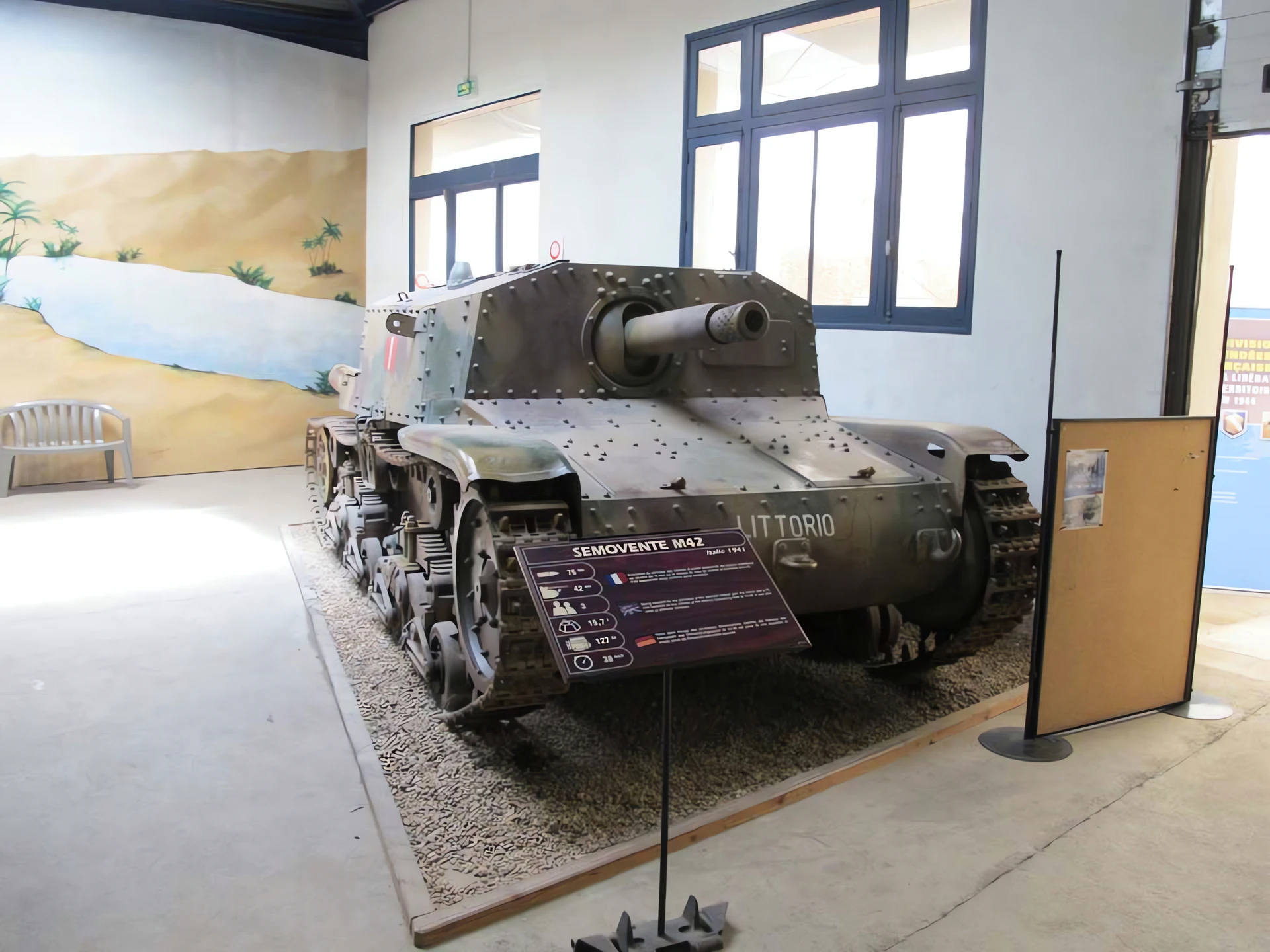
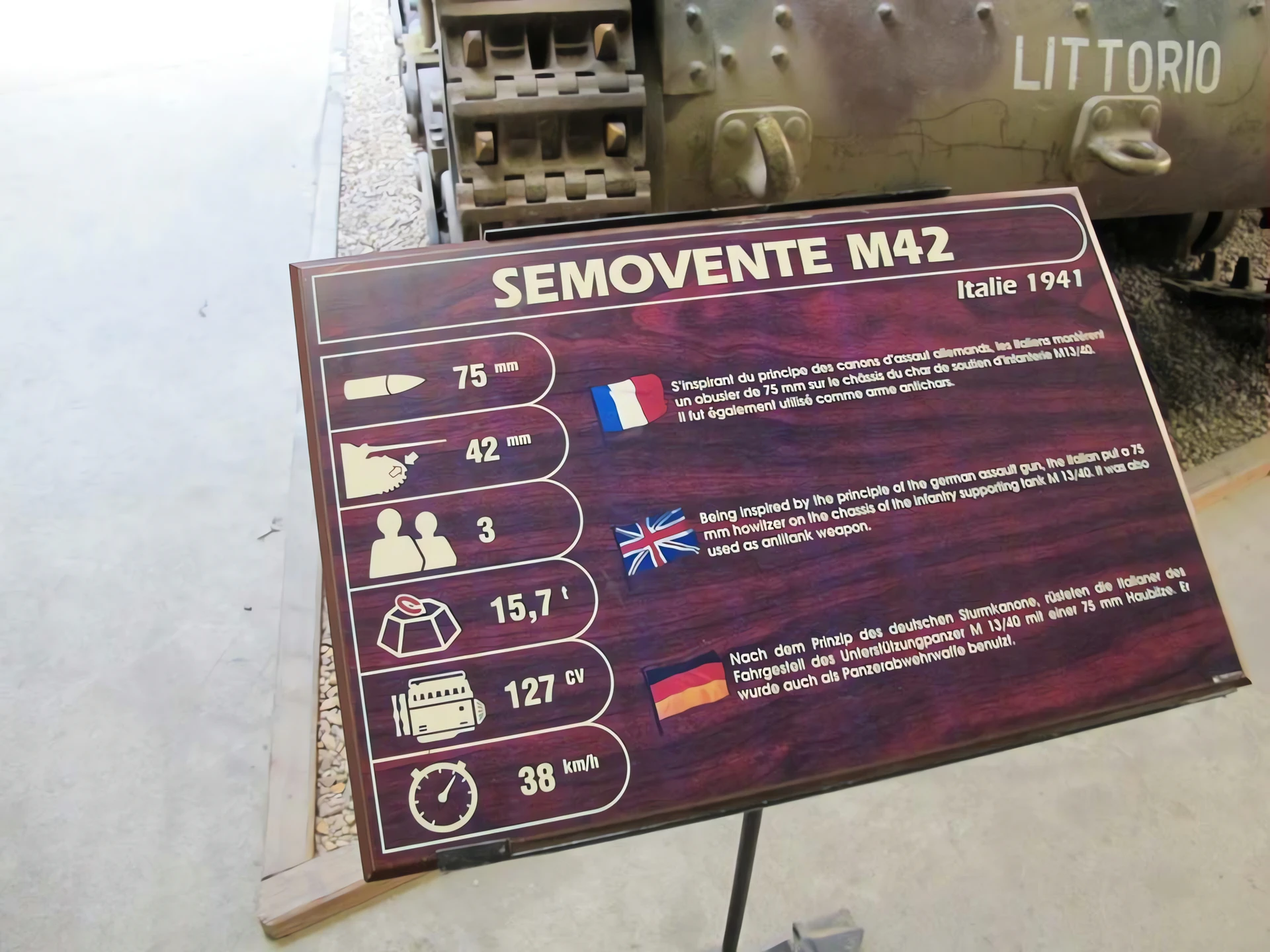
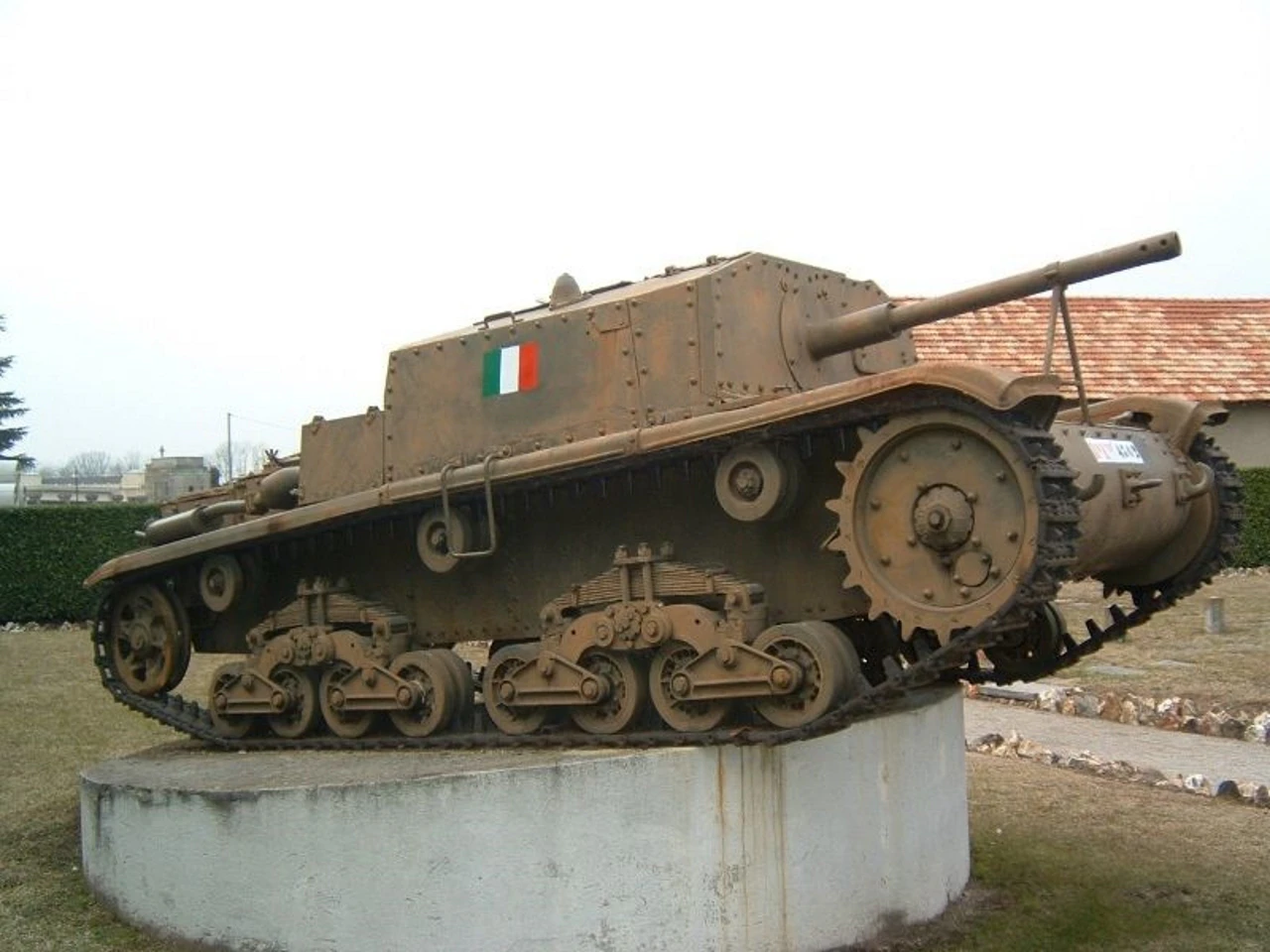
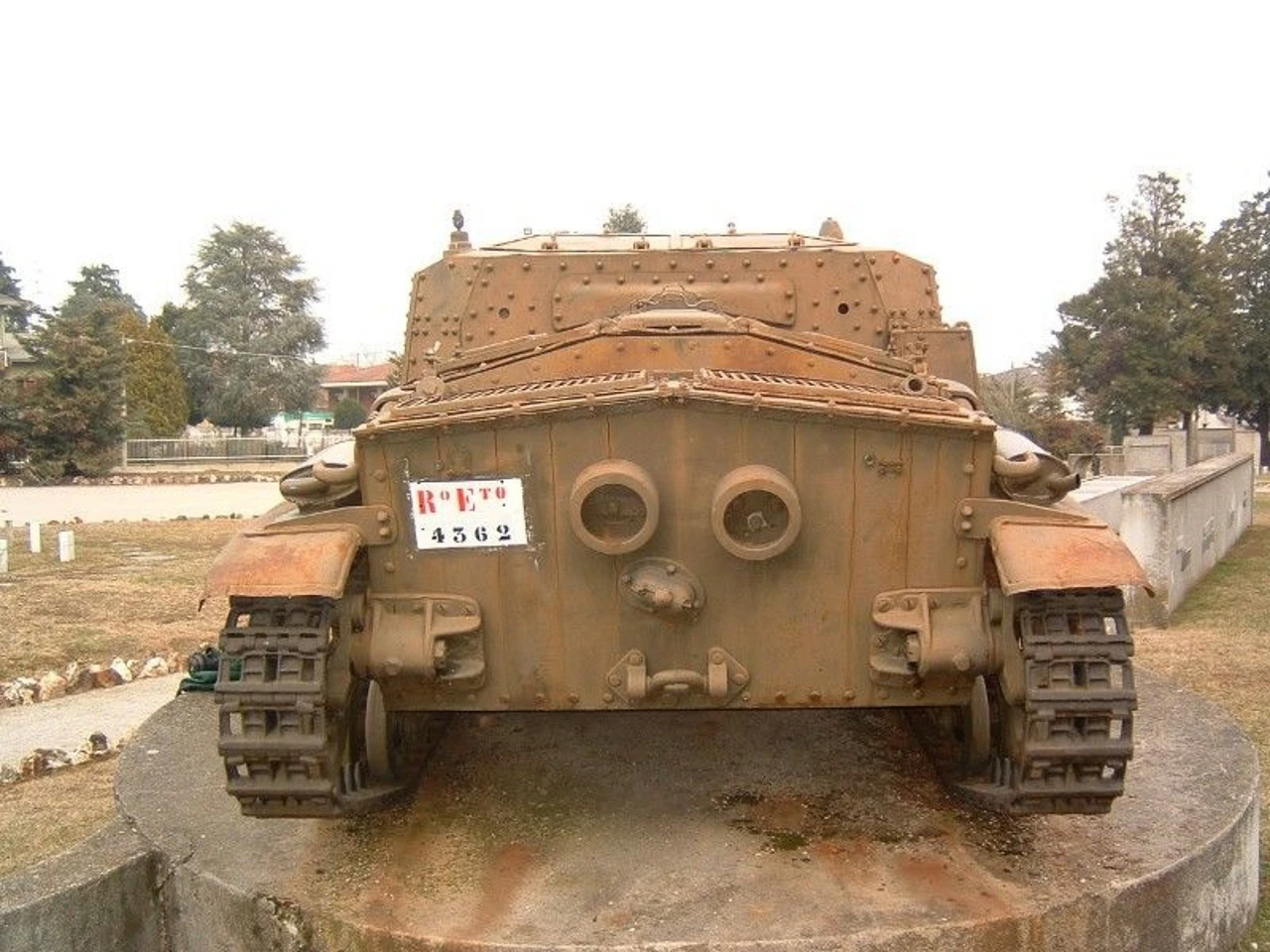
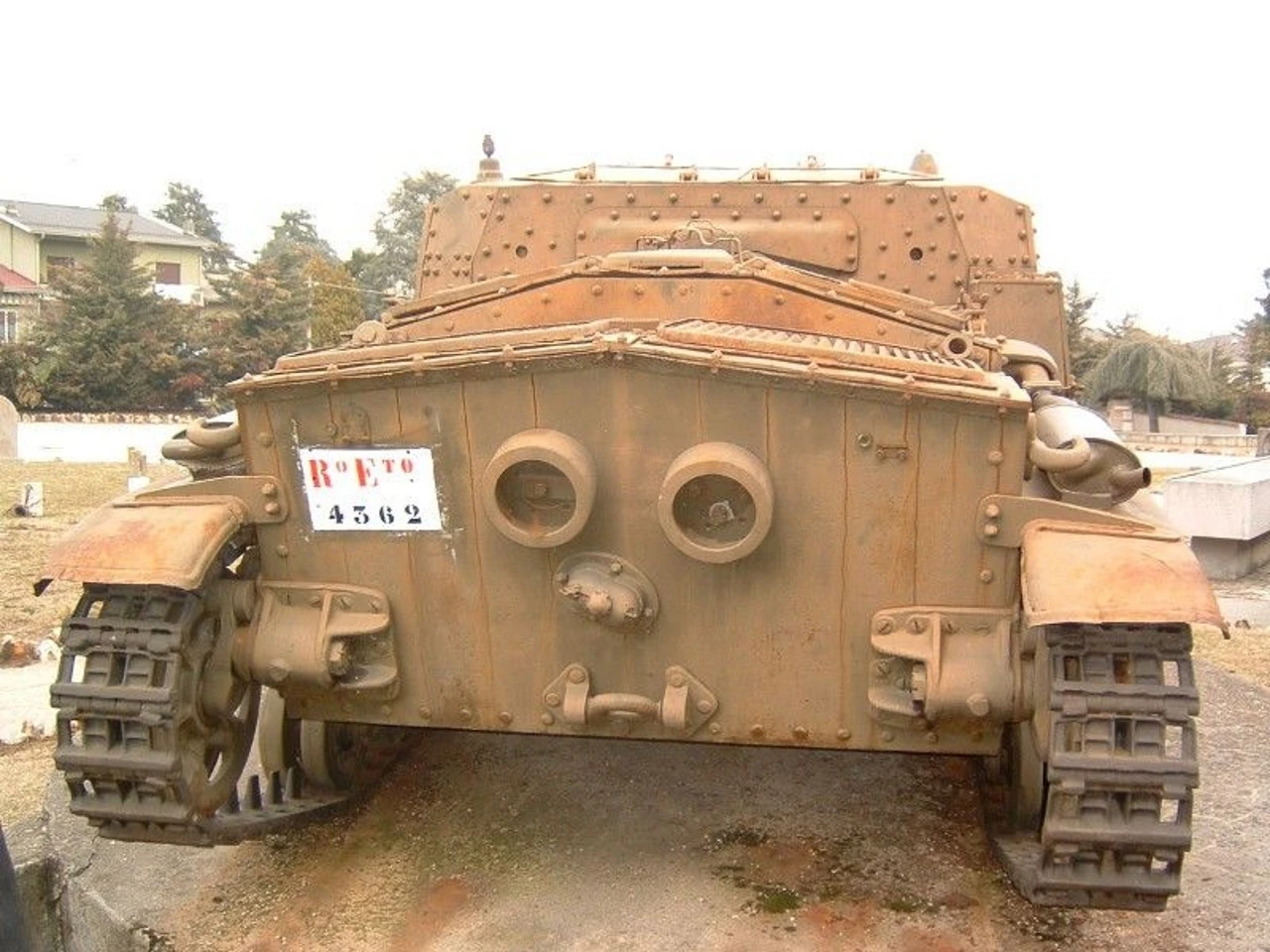
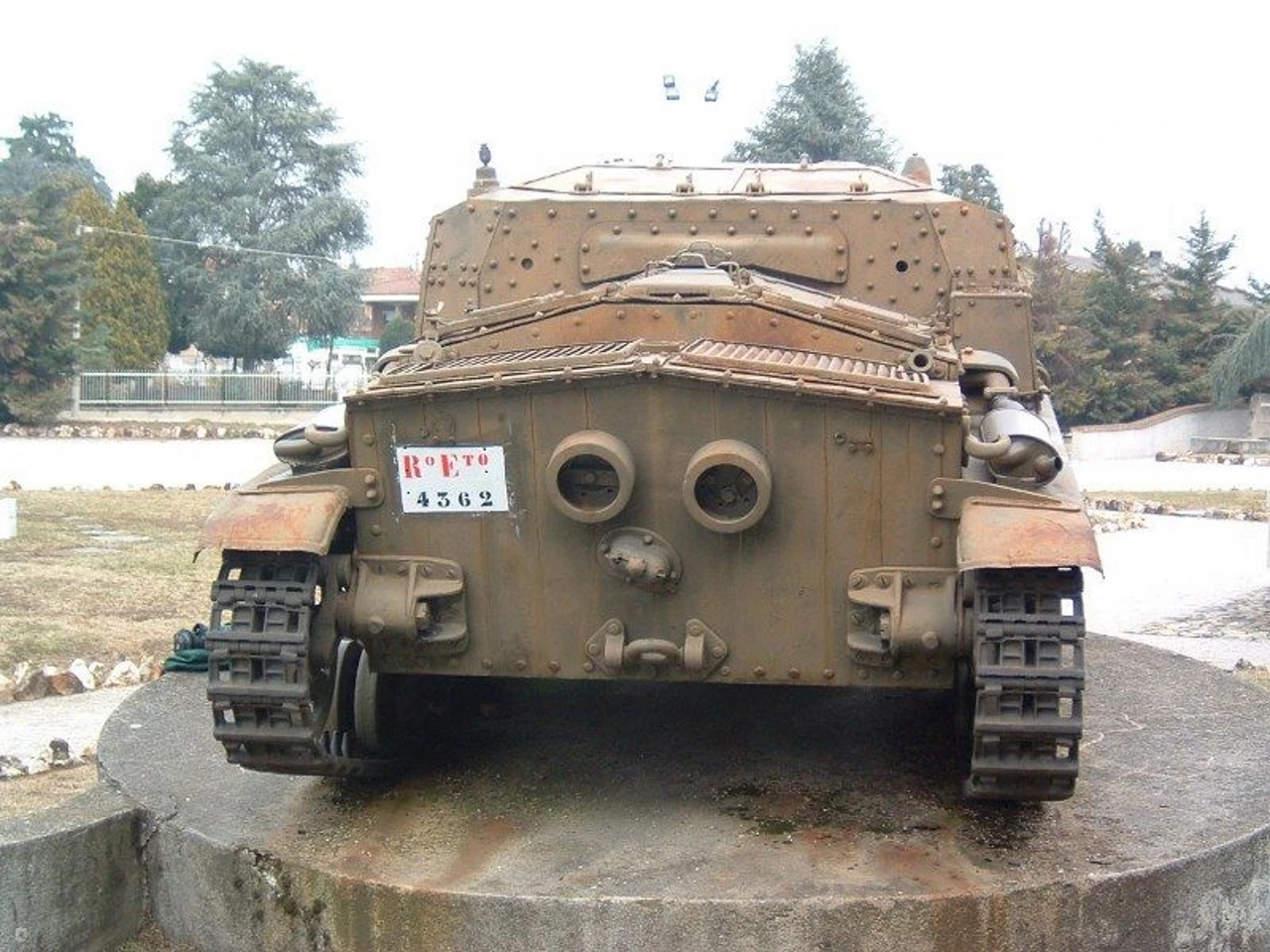
De Semovente da 75/18 was een Italiaans zelfrijdend kanon uit de Tweede Wereldoorlog. Het werd gebouwd door de 75 mm Obice da 75/18 modello 34 bergkanon te monteren op het chassis van een M13/40, M14/41 of M15/42 tank. De eerste 60 werden gebouwd met behulp van het M13/40-chassis en een daaropvolgende 162 werden gebouwd op het M14/41-chassis van 1941 tot 1943, toen het M15/43-chassis werd geïntroduceerd. De Semovente da 75/18 was bedoeld als interim-voertuig totdat de zwaardere P40-tank beschikbaar kon zijn.
De Semovente da 75/18was Italy’s answer to the German StuG III. Built on the chassis of the M13/40 and M14/41 medium tanks, it dispensed with a fragile rotating turret in favor of a fixed, low-profile casemate. Though originally intended as self-propelled artillery to support infantry, its low silhouette and powerful 75mm howitzer made it a deadly tank destroyer in the North African desert. It was the only Italian armored vehicle truly feared by British tank crews, as it was capable of knocking out Grants and Shermans at ranges where Italian tanks were otherwise helpless.
Attribute
Technical Specification (M41 Chassis)
Role
Self-Propelled Gun / Tank Destroyer
Bemanning
3 (Commander/Gunner, Loader/Radio Op, Driver)
First Production
1941
Main Armament
Obice da 75/18 mod. 34 (75 mm howitzer)
Secondary Armament
1 × 6.5 mm or 8 mm Breda machine gun (Pintel mount)
Harnas
30 mm (Frontal – bolted plates)
Krachtbron
Fiat 125 8-cylinder diesel (125 hp)
Top Speed
32 km/h (20 mph)
Design Engineering: Efficiency Under Constraint
Low Silhouette:By removing the turret, the Semovente’s height was reduced significantly compared to the M13/40 tank. This made it much easier to conceal in the flat terrain of the Sahara, allowing for effective “hull-down” ambush tactics. [Image diagram of Semovente da 75/18 height comparison with M13/40 medium tank]
The 75/18 Howitzer:While the barrel was short, it had a high elevation and could fireEP (Effetto Pronto)shells—Italy’s version of the High-Explosive Anti-Tank (HEAT) round. These shells relied on chemical energy rather than velocity, allowing the “short” gun to punch through heavy Allied armor.
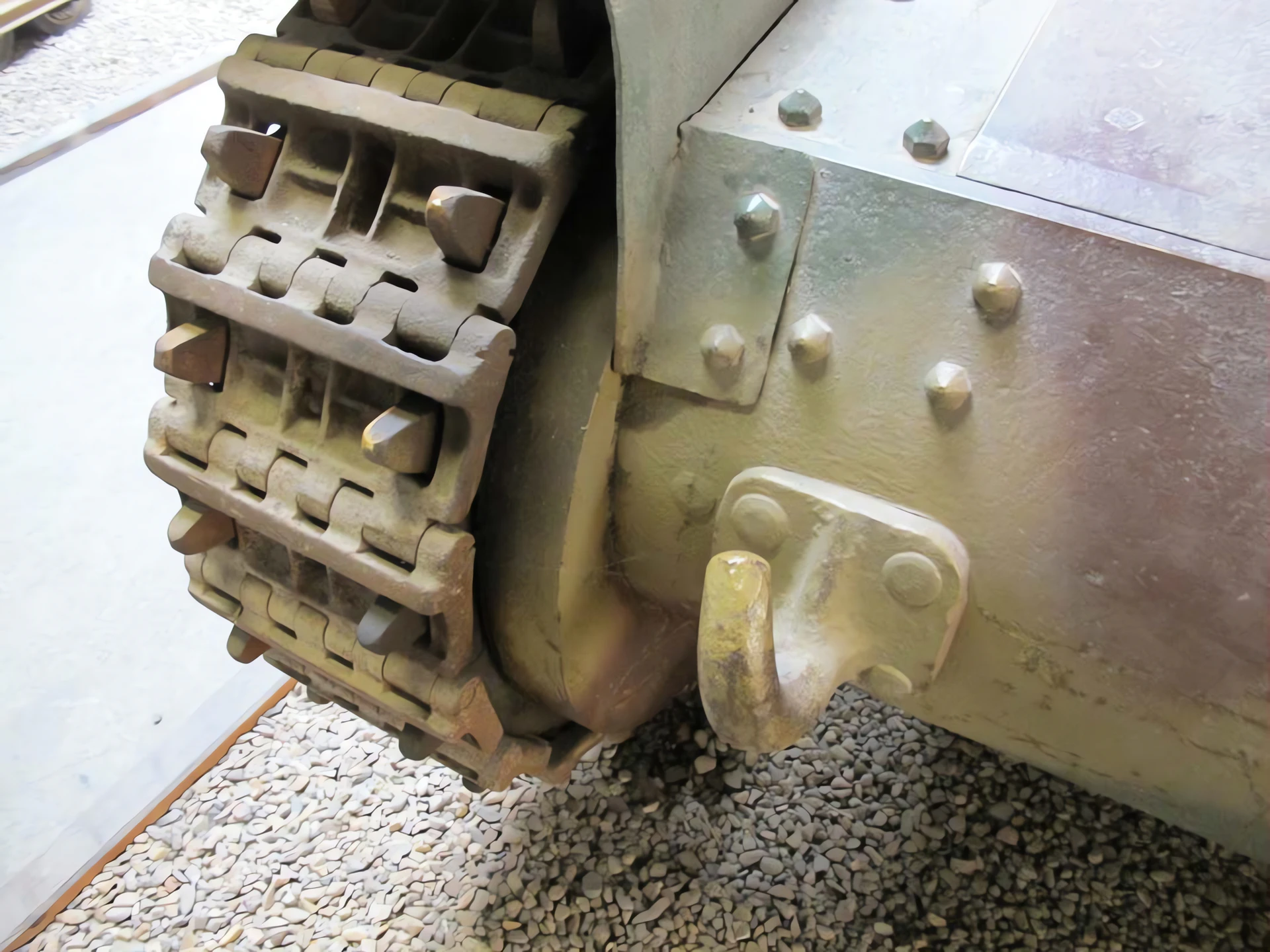
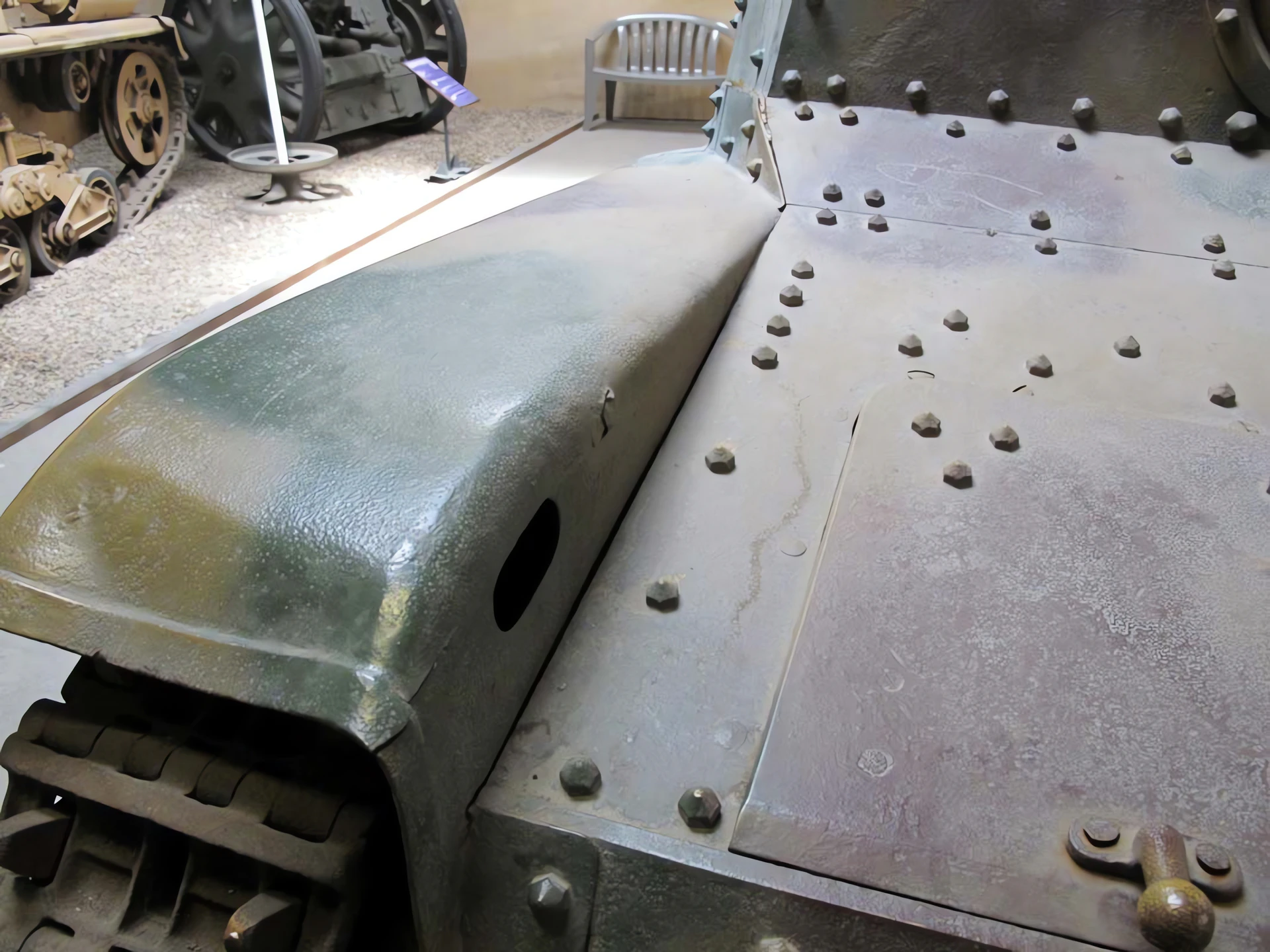
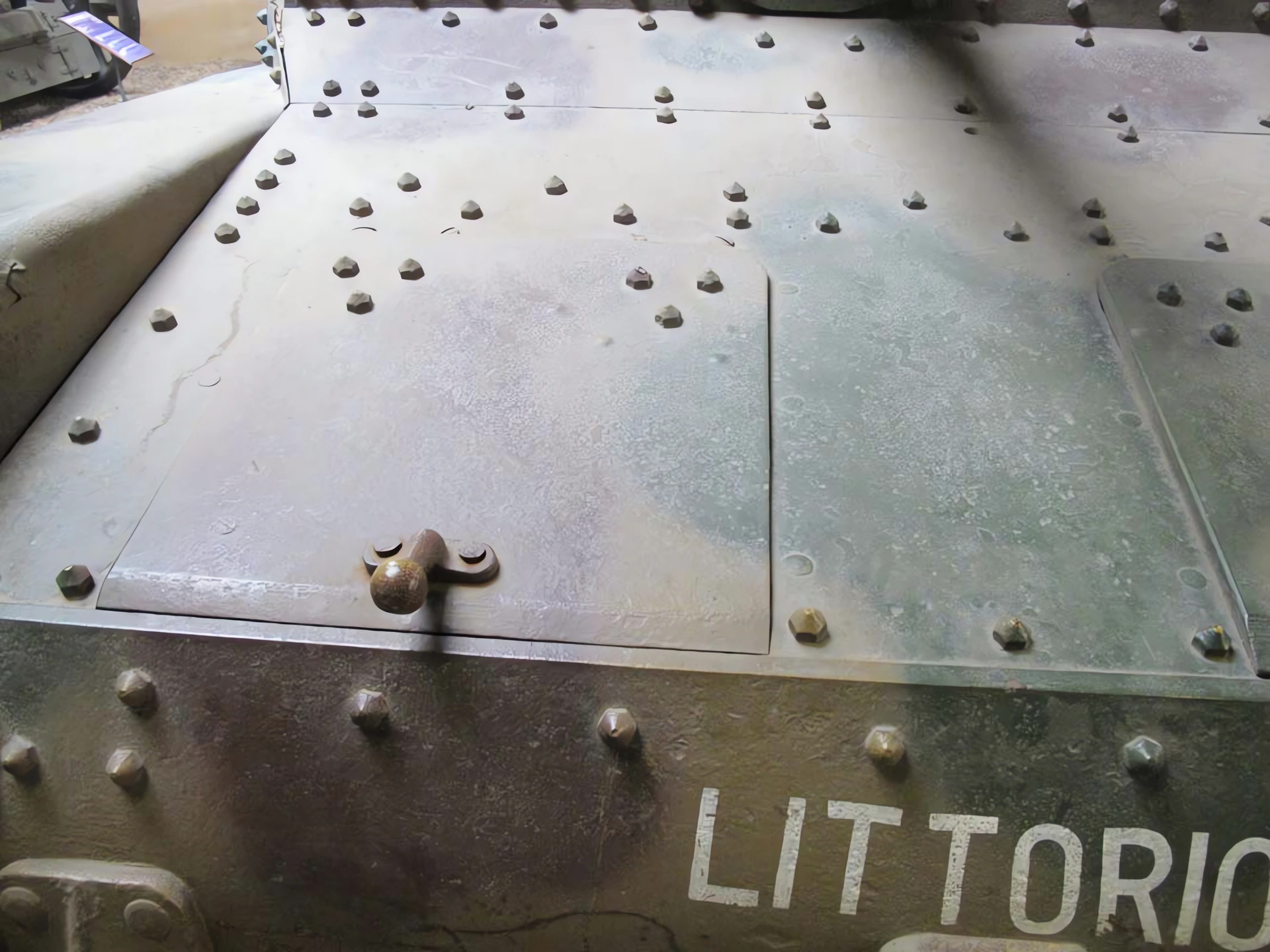
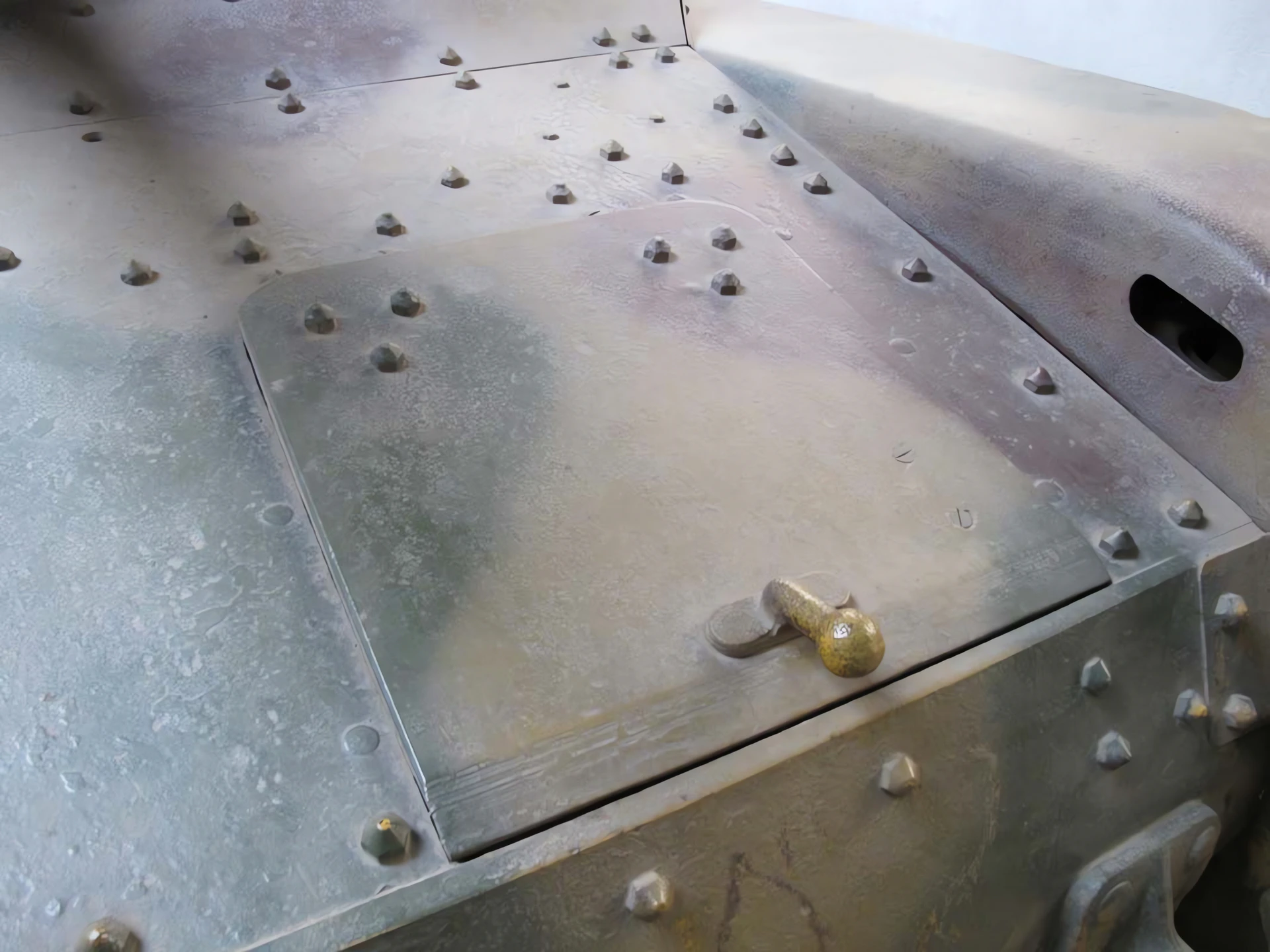
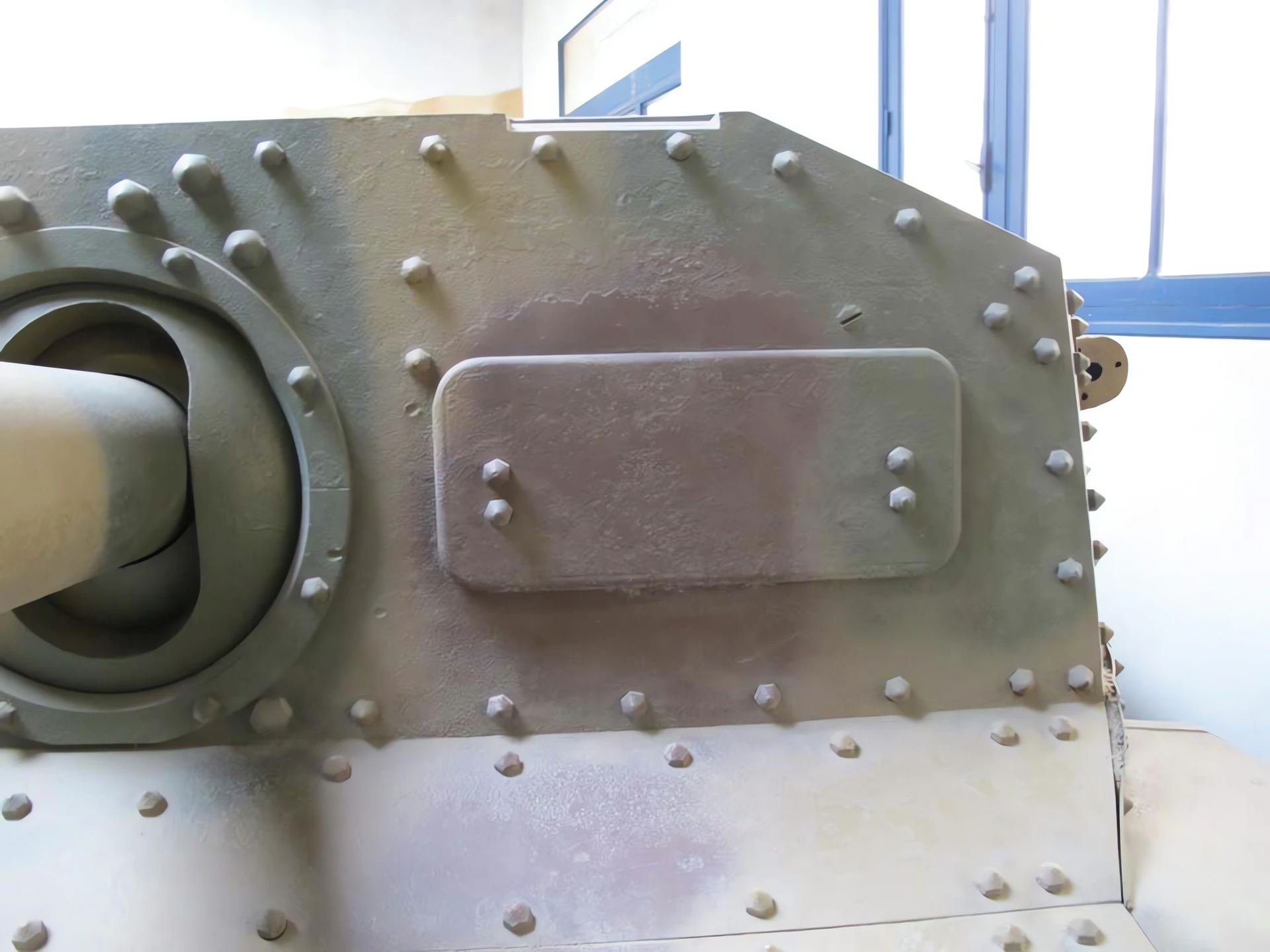
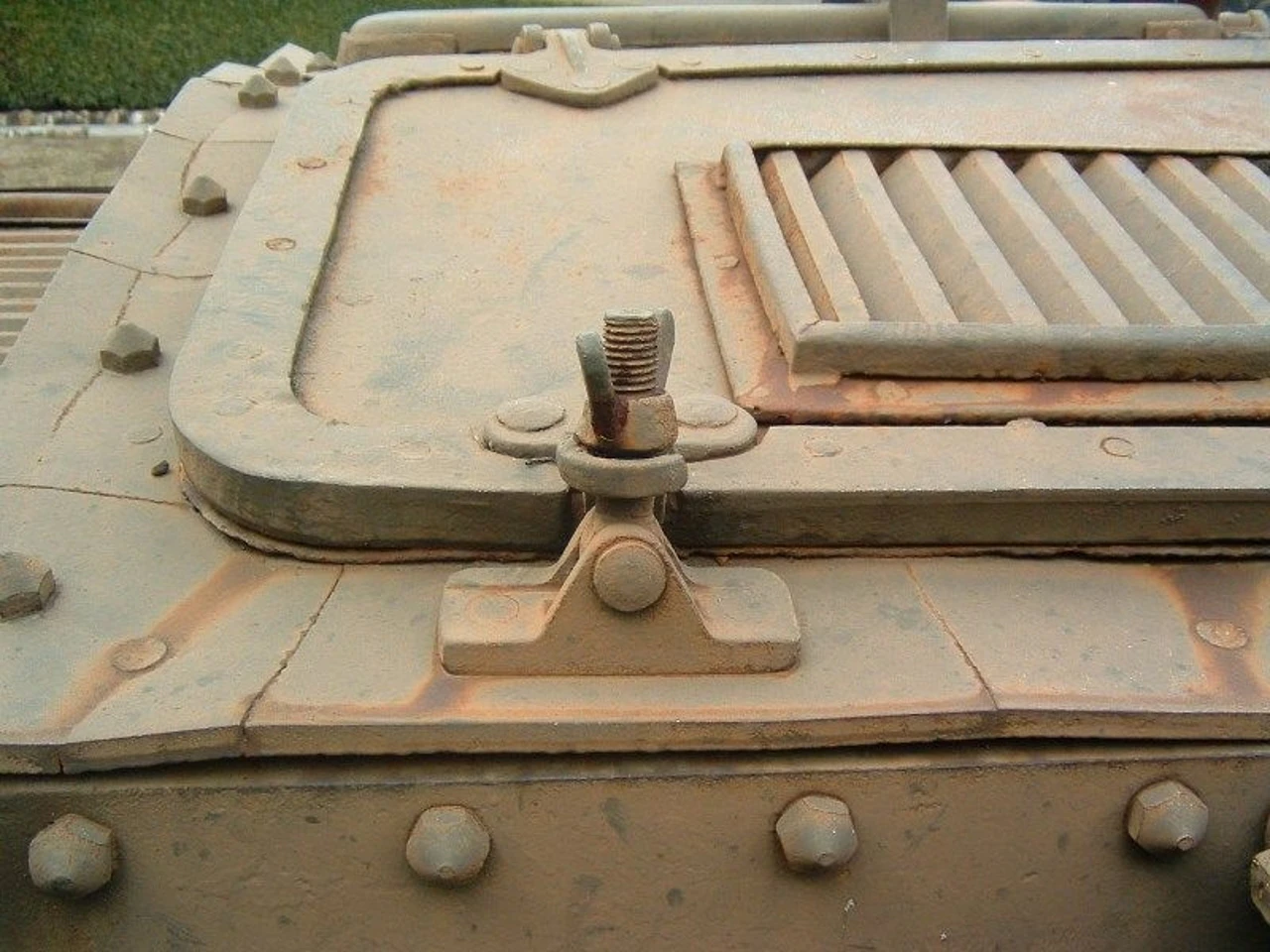
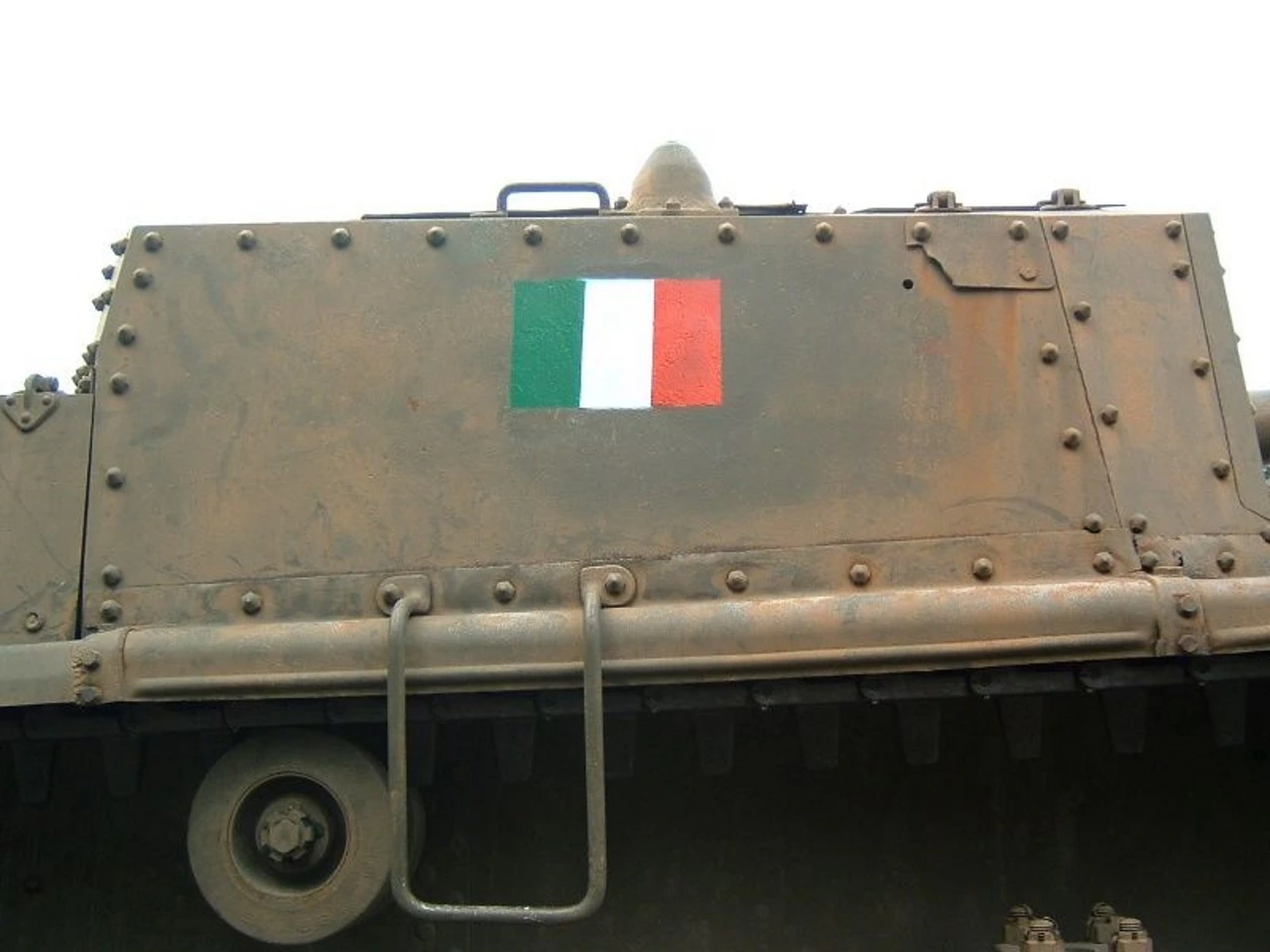
Bolted Construction:Typical of Italian armor of the period, the plates were bolted to a steel frame rather than welded. While easier to manufacture, this was a weakness; a non-penetrating hit could still shatter the bolts, turning them into internal shrapnel.
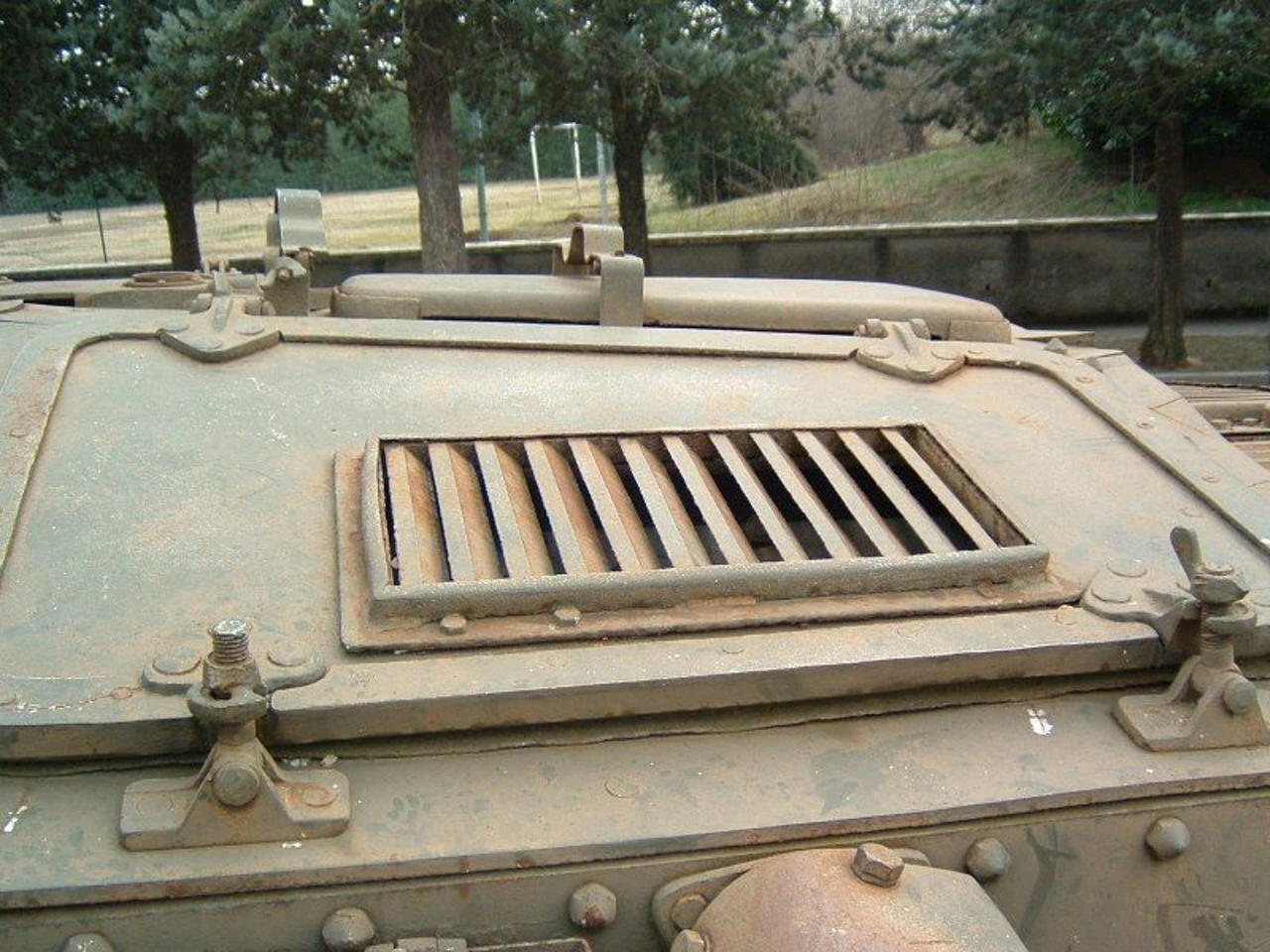
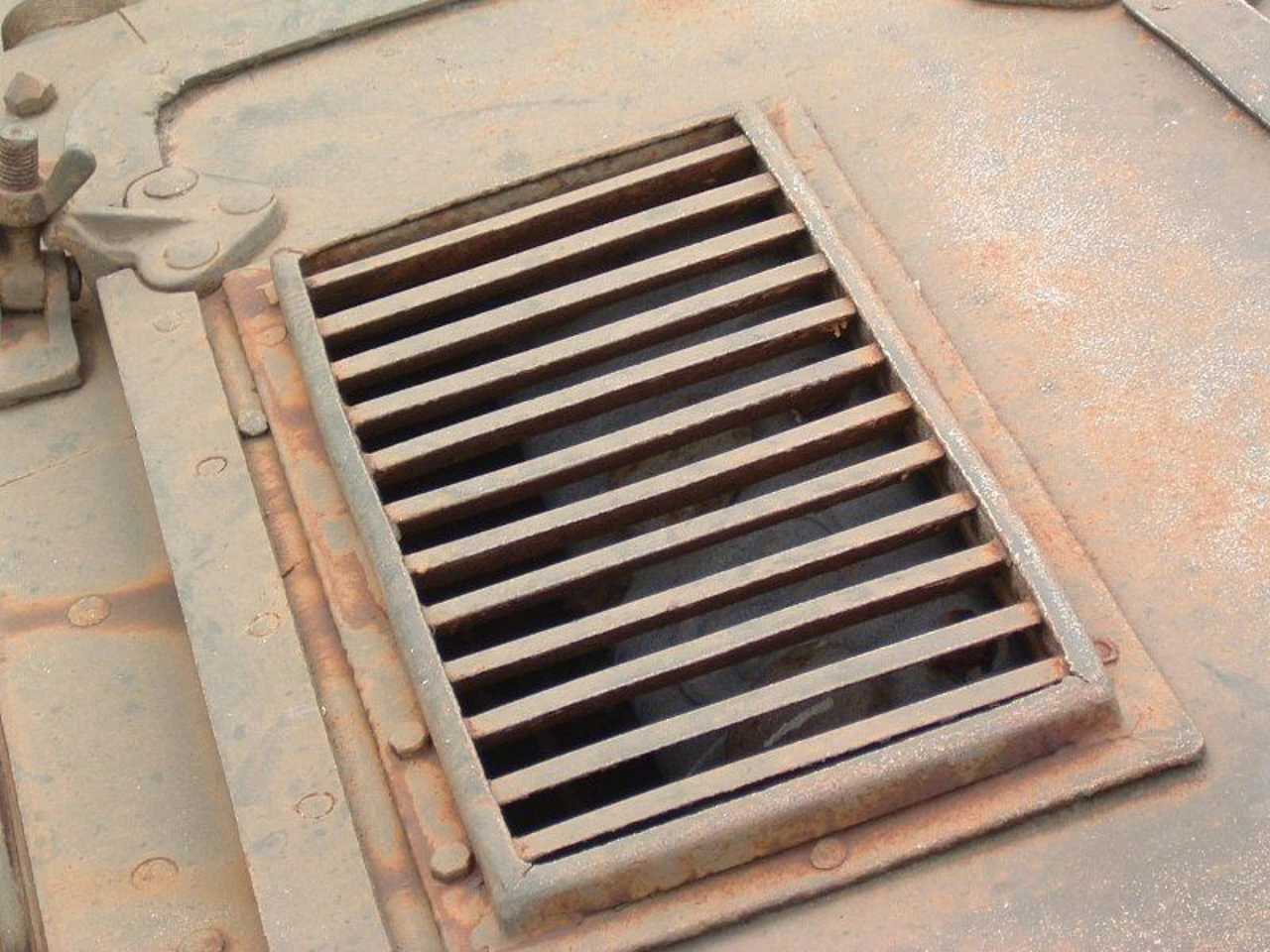
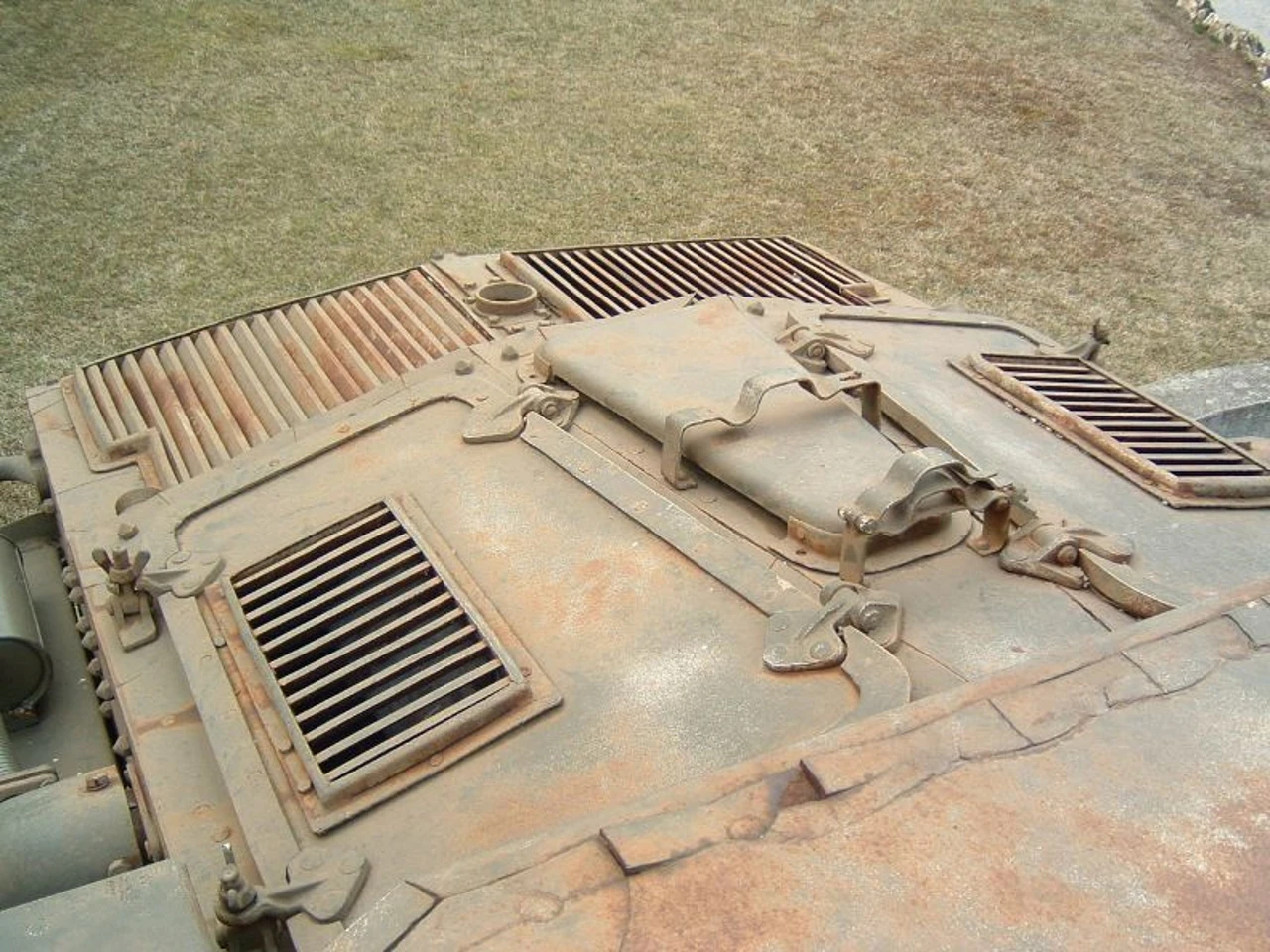
Twin Transmission:The vehicle used a mechanical transmission that was relatively simple but reliable, provided the desert sand didn’t clog the air intakes—a constant struggle for the Fiat diesel engines.
Combat Legacy and the German “Beutepanzer”
The “Centauro” and “Ariete” Divisions:The Semovente was the backbone of Italy’s elite armored divisions. In the battles of El Alamein and Tunisia, these vehicles often fought to the last round, covering the retreats of infantry units.
Inter-Crew Communication:Because the crew was limited to three men, the Commander often had to double as the Gunner. This increased his workload and slowed down the rate of fire compared to German or Allied vehicles with dedicated roles.
German Use (StuG M42):After Italy signed the armistice in 1943, the German Wehrmacht seized hundreds of Semoventi. They found them so effective for defensive warfare in the rugged Italian mountains that they kept them in production under the nameBeutepanzer(Captured Tank).
Final Evolution:The success of the 75/18 led to theSemovente da 75/34(with a longer, higher-velocity gun) and the105/25 “Bassotto,”which was one of the most powerful tank destroyers used in the Italian theater.



 2S4 Tyulpan – Foto's & Video's
 Astros II MLRS – Foto's &video's
 M270 Multiple Launch Rocket System - Foto's &video's
 2S3 Akatsiya – Foto's &video's
 L-33 Roem – Foto's &Video's
 2S9 Nona-S – Foto's & Video
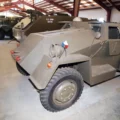 M53/59 Praga – Foto's & Video
 Panzerhaubitze 2000 – Foto's & Video
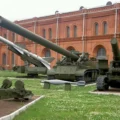 420mm 2B1 Oka zelfrijdende kanonmortier – Foto's &video
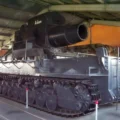 600mm Adam Zelfrijdende Mortel – Foto's &Video