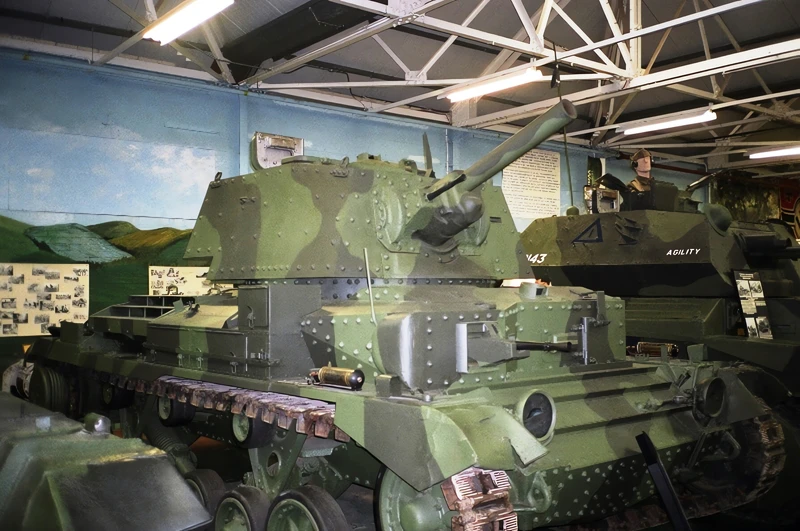
Kreiseris Mk II | |
| Šalies | Jk |
| Tipas | Kreiserio bakas |
| Pagamintas | 1938–1940 |
| Pastatytas | 175 |
Tankas, kreiseris, Mk II (A10), buvo kreiserinis tankas, sukurtas kartu su A9 kreiserio tanku, ir turėjo būti sunkesnė, tokio tipo pėstininkų tanko versija. Praktiškai jis nebuvo laikomas tinkamu pėstininkų tanko vaidmeniui ir buvo klasifikuojamas kaip "sunkusis kreiseris".
Šaltinis: Cruiser Mk II Vikipedijoje
| A10 Cruiser Mk.IIACS Walk Around | |
|---|---|
| Fotografas | Alanas McNeilly |
| Lokalizavimo | Nežinoti |
| Nuotraukos | 20 |
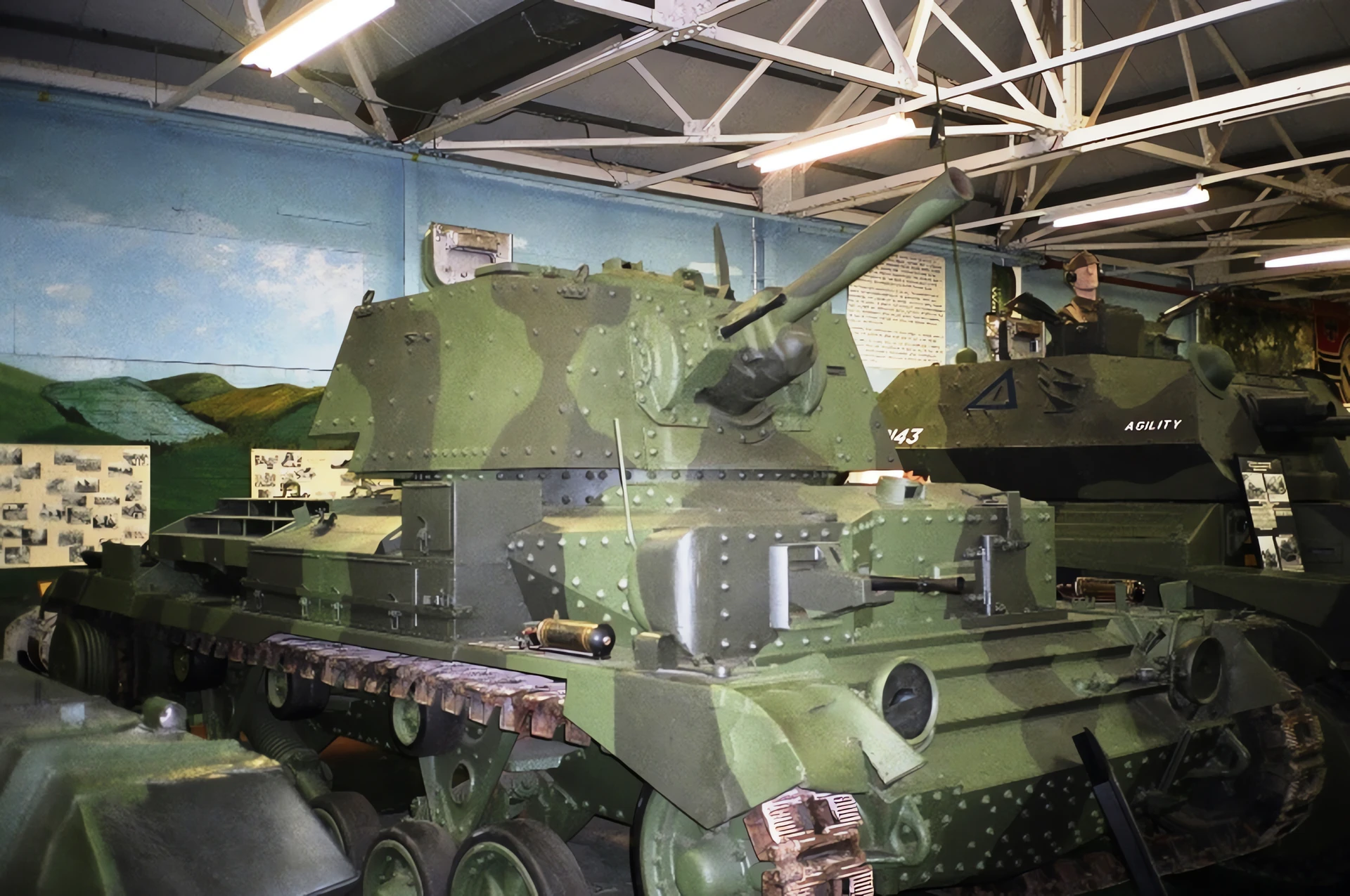
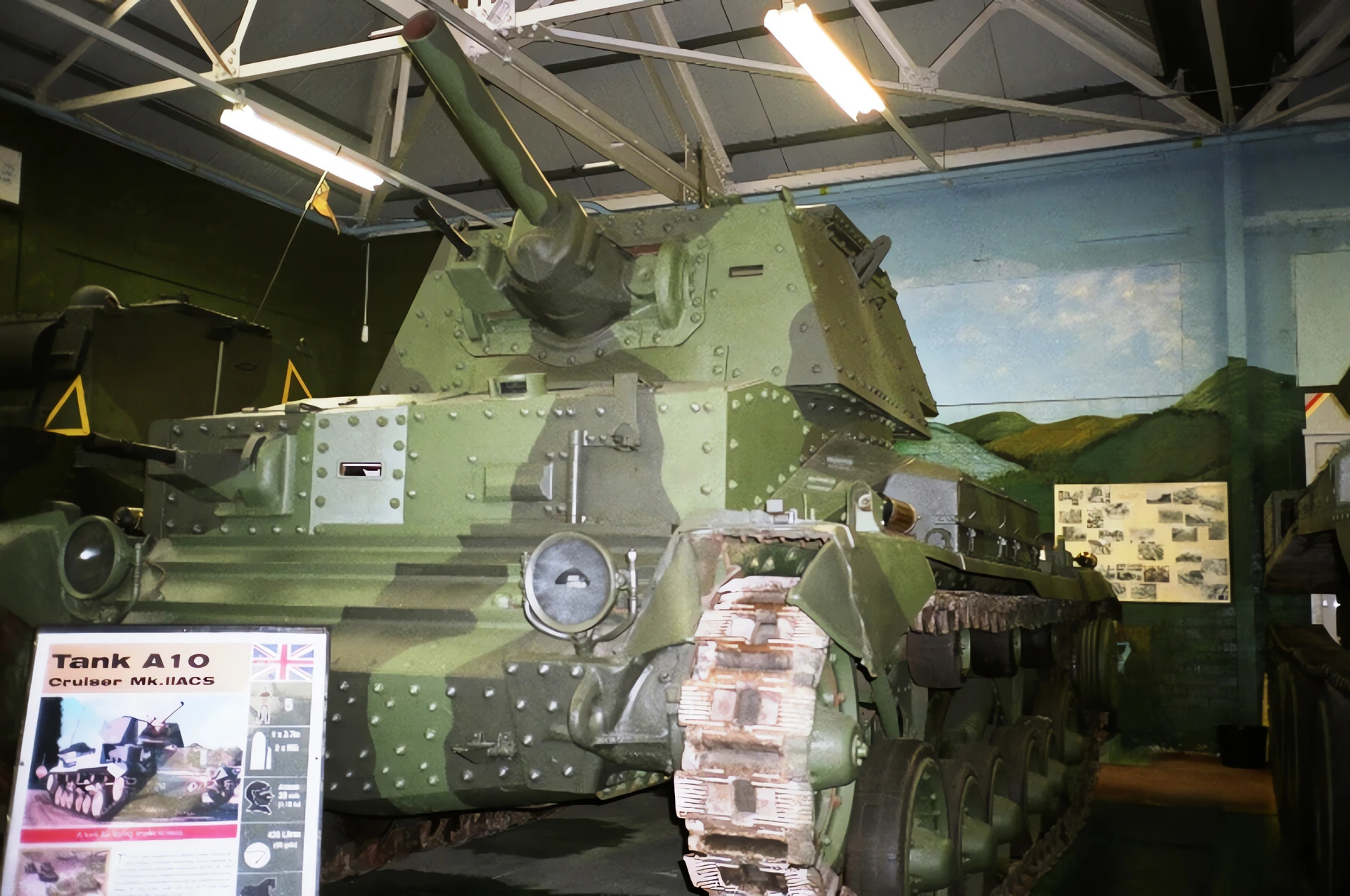
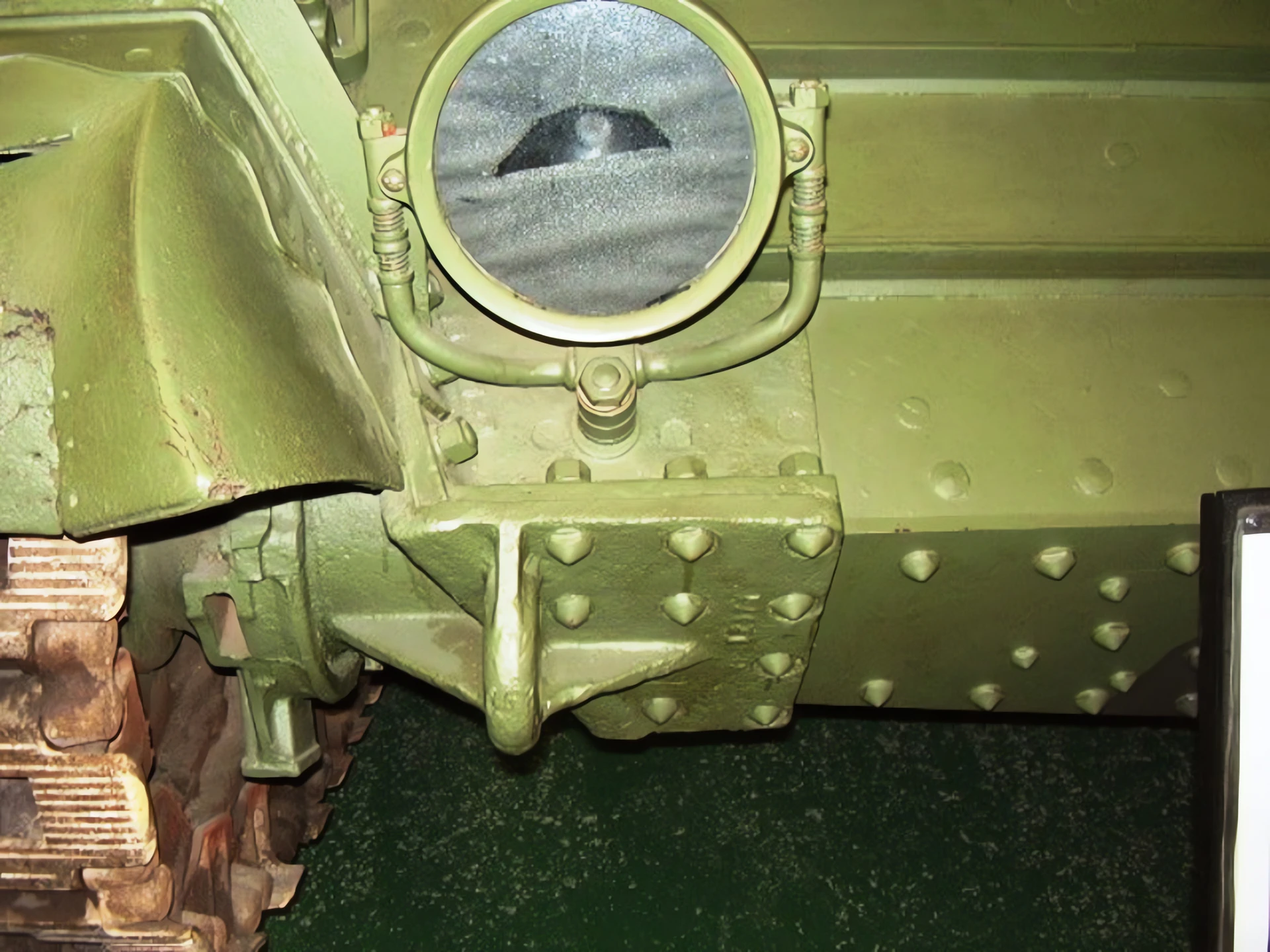
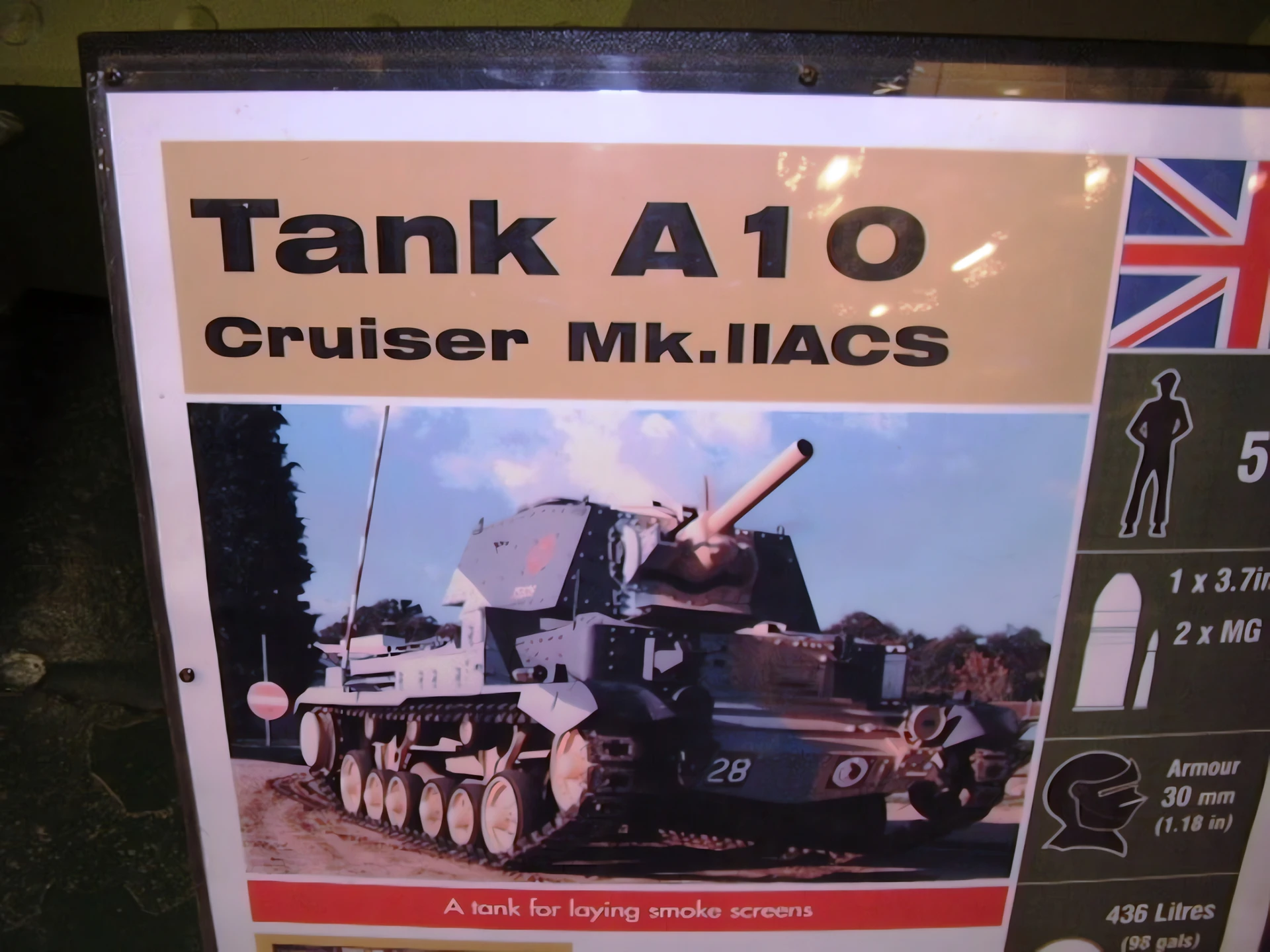
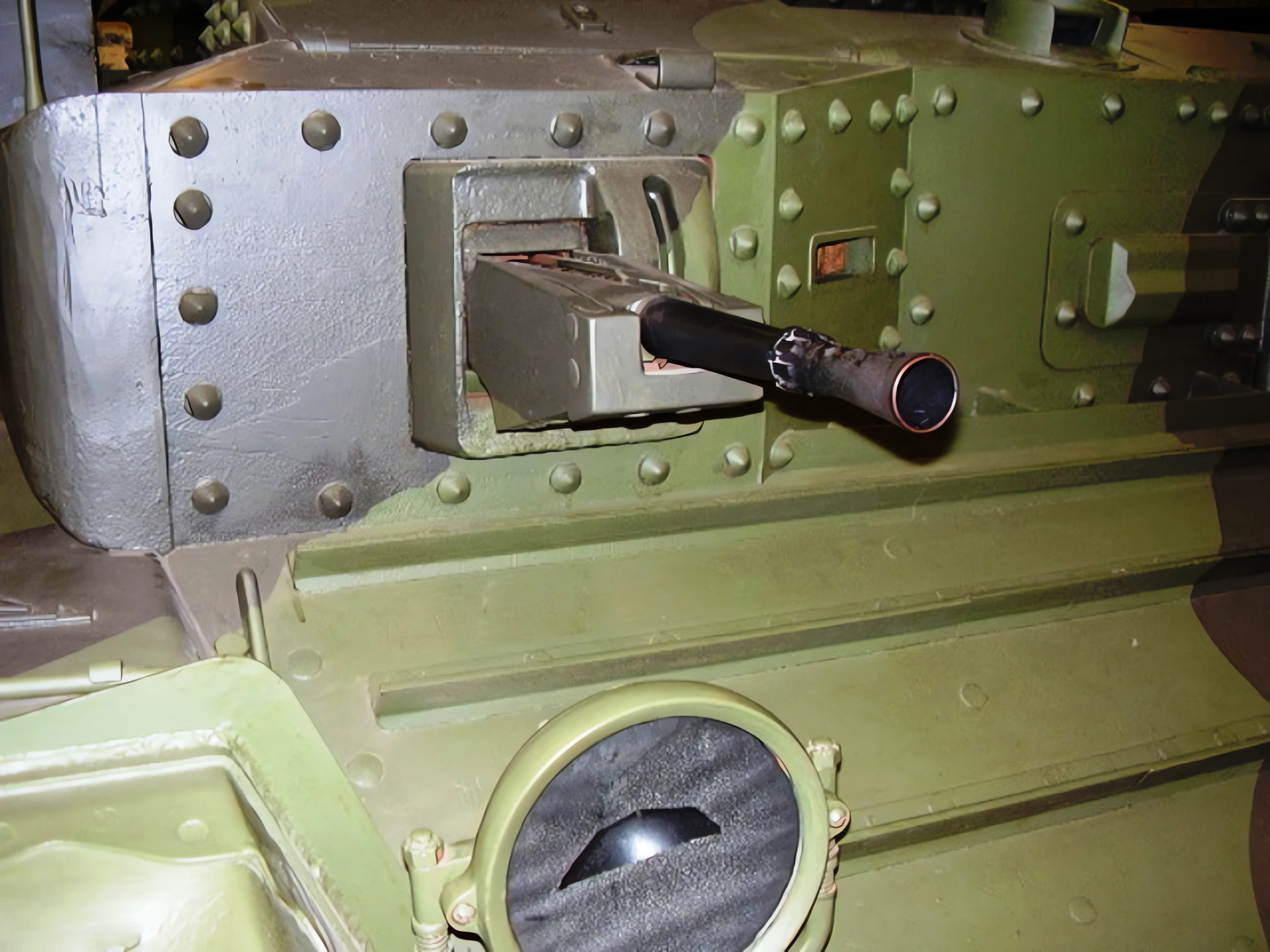
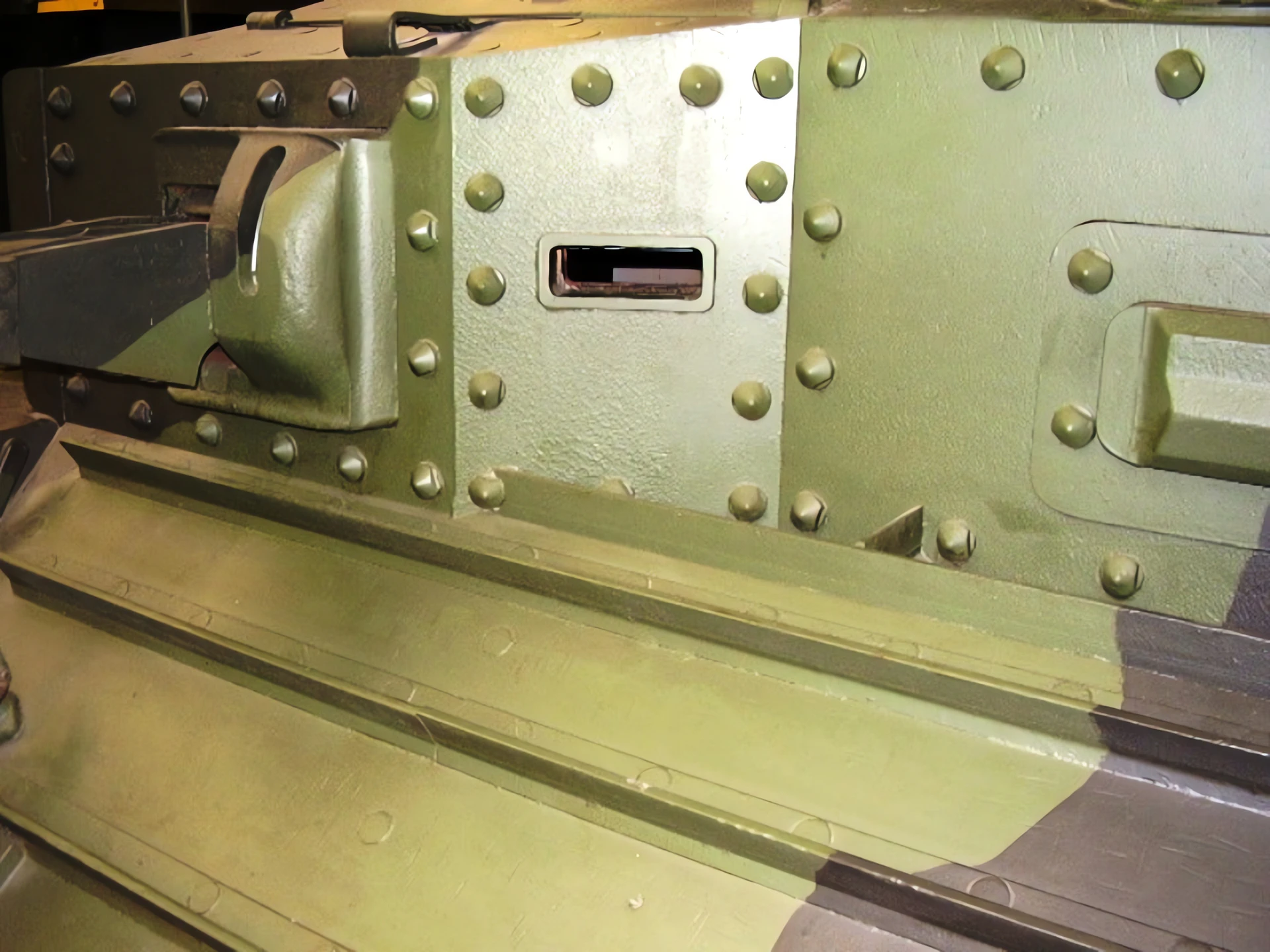
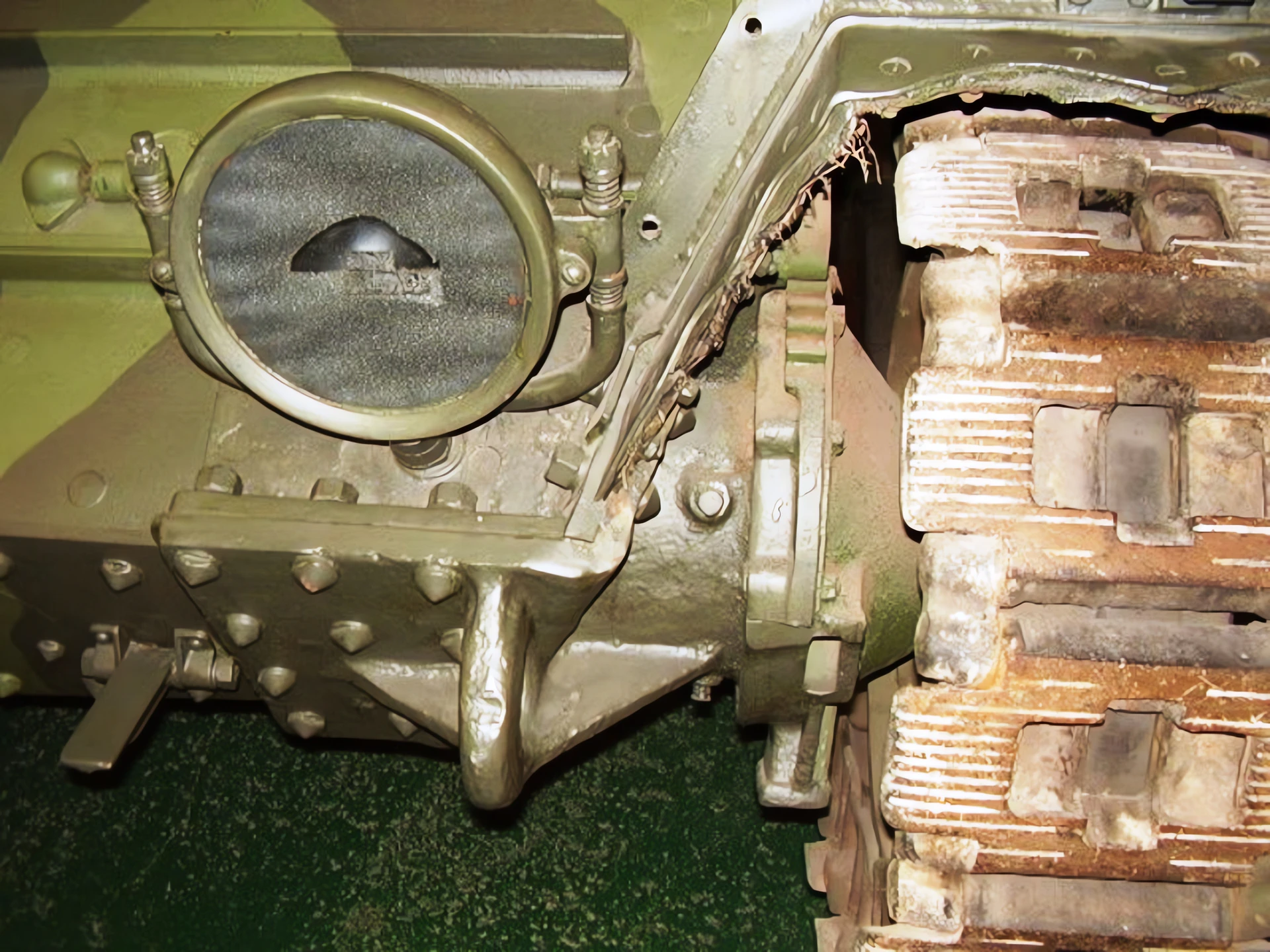
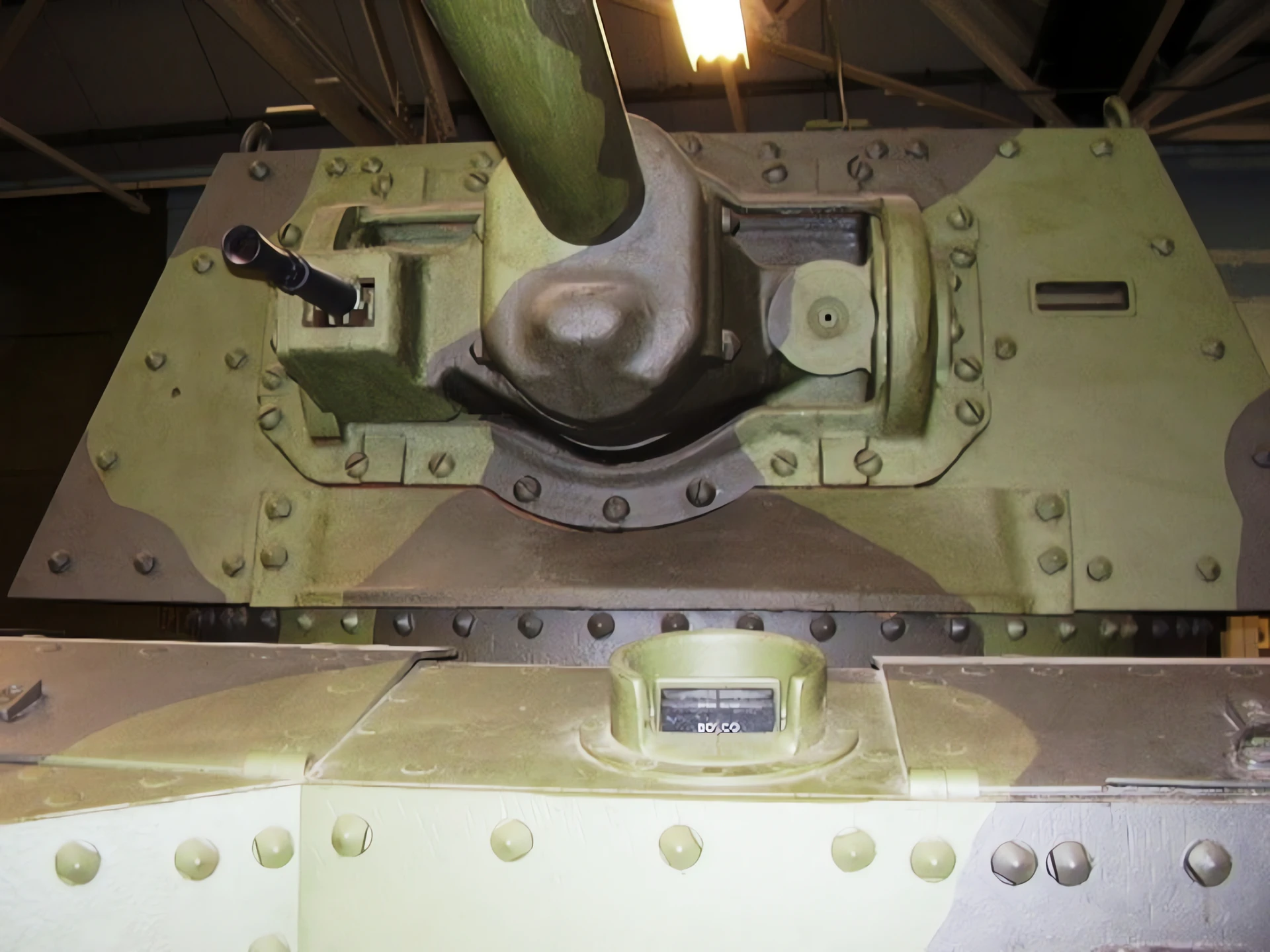
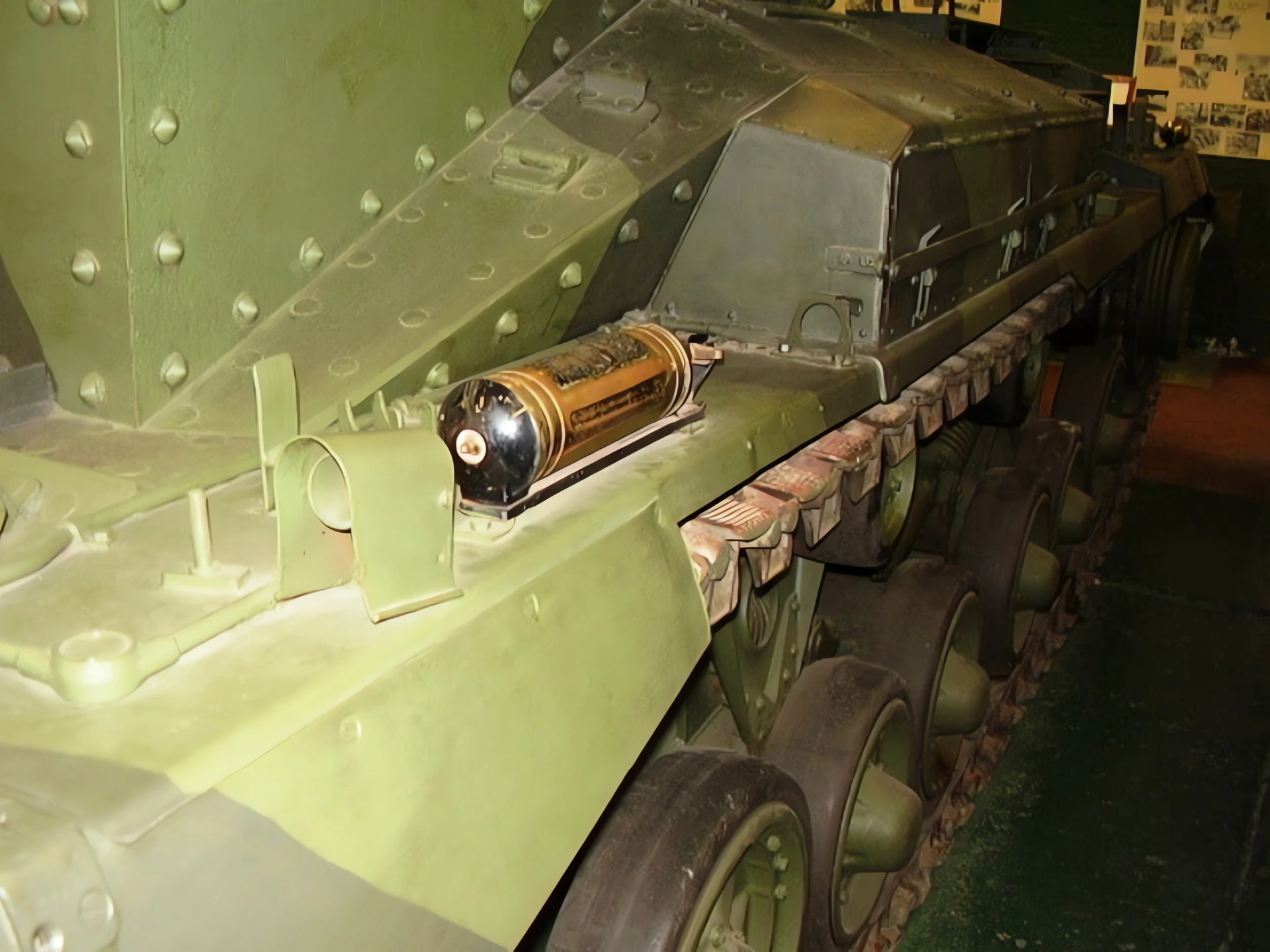


General Characteristics
The Cruiser Tank Mark II, officially designated A10, was a British tank developed in the late 1930s. Although classified as a Cruiser tank, it was originally intended to be an “Infantry Tank” to accompany the slower Infantry Tank Mk I (A11). It was a mechanically simple design with relatively heavy armor for a Cruiser of its time, though still considered insufficiently protected against modern anti-tank weapons when it saw combat early in World War II.
| Property | Typical Value (A10 Mk IIA) |
|---|---|
| Vaidmenį | Cruiser Tank / Infantry Support |
| Gamintojas | Birmingham Railway Carriage and Wagon Company |
| Pagamintas | 1938–1940 |
| No. Built | 175 |
| Įgulos | 5 (Commander, Gunner, Loader, Driver, Hull Machine Gunner) |
| Mass (Weight) | 14.4 tonnes (15.9 short tons) |
| Ilgis | 5.51 m (18 ft 1 in) |
Powerplant and Mobility
- Engine: AEC Type 179 six-cylinder, water-cooled petrol engine.
- Engine Power: 110 kW (150 hp) at 2,400 rpm.
- Power/Weight Ratio: Approximately 10.4 hp/tonne.
- Maximum Speed (Road): 26 km/h (16 mph). Its speed made it too slow for typical Cruiser tank doctrine, hence its role as an infantry support tank.
- Operational Range (Road): 160 km (100 mi).
- Suspension: Horstmann coil spring suspension (similar to earlier Vickers designs), known for its simplicity and robustness.
Armament and Armor
- Main Armament: One Ordnance QF 2-pounder (40 mm) gun.
- Ammunition: The 2-pounder was effective against contemporary German tanks but only fired solid shot (AP), lacking a High Explosive (HE) round, which severely limited its infantry support capability.
- Secondary Armament: One coaxial 7.92 mm Besa machine gun and, uniquely, a separate 7.92 mm Besa machine gun mounted in a small turret on the front left of the hull.
- Maximum Armor Thickness: 30 mm (1.2 in) (Front of Turret and Hull).
- Minimum Armor Thickness: 6 mm (0.24 in) (Top/Bottom).
- Armor Performance: The 30 mm frontal armor was a notable improvement over the 14 mm on the Cruiser Mk I (A9), but still insufficient against the 37 mm anti-tank gun and 50 mm guns encountered later in the war.
- Service History: Saw combat during the Battle of France (1940) and in North Africa (1940–1941), primarily with the 3rd Royal Tank Regiment.
Views : 706