LVTE1 | |
|---|---|
| 국가 | 미국 |
| 항목 | 착륙 차량 추적 엔지니어 |
| 코드 | LVTE-1 |
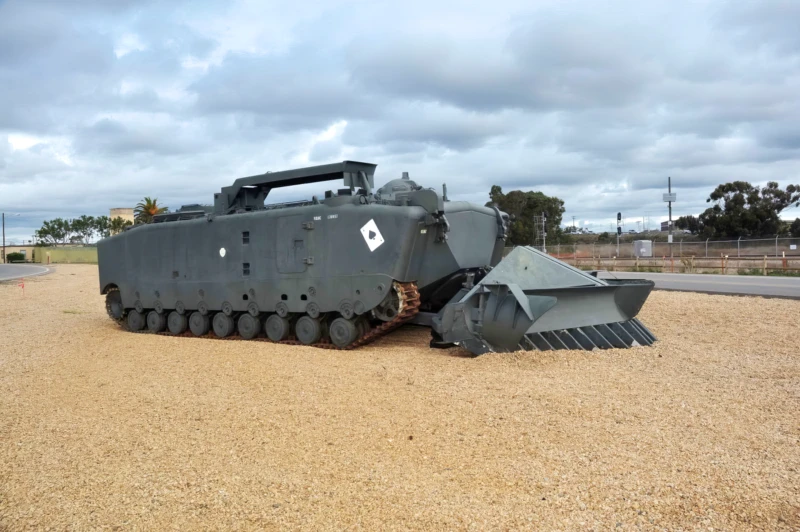
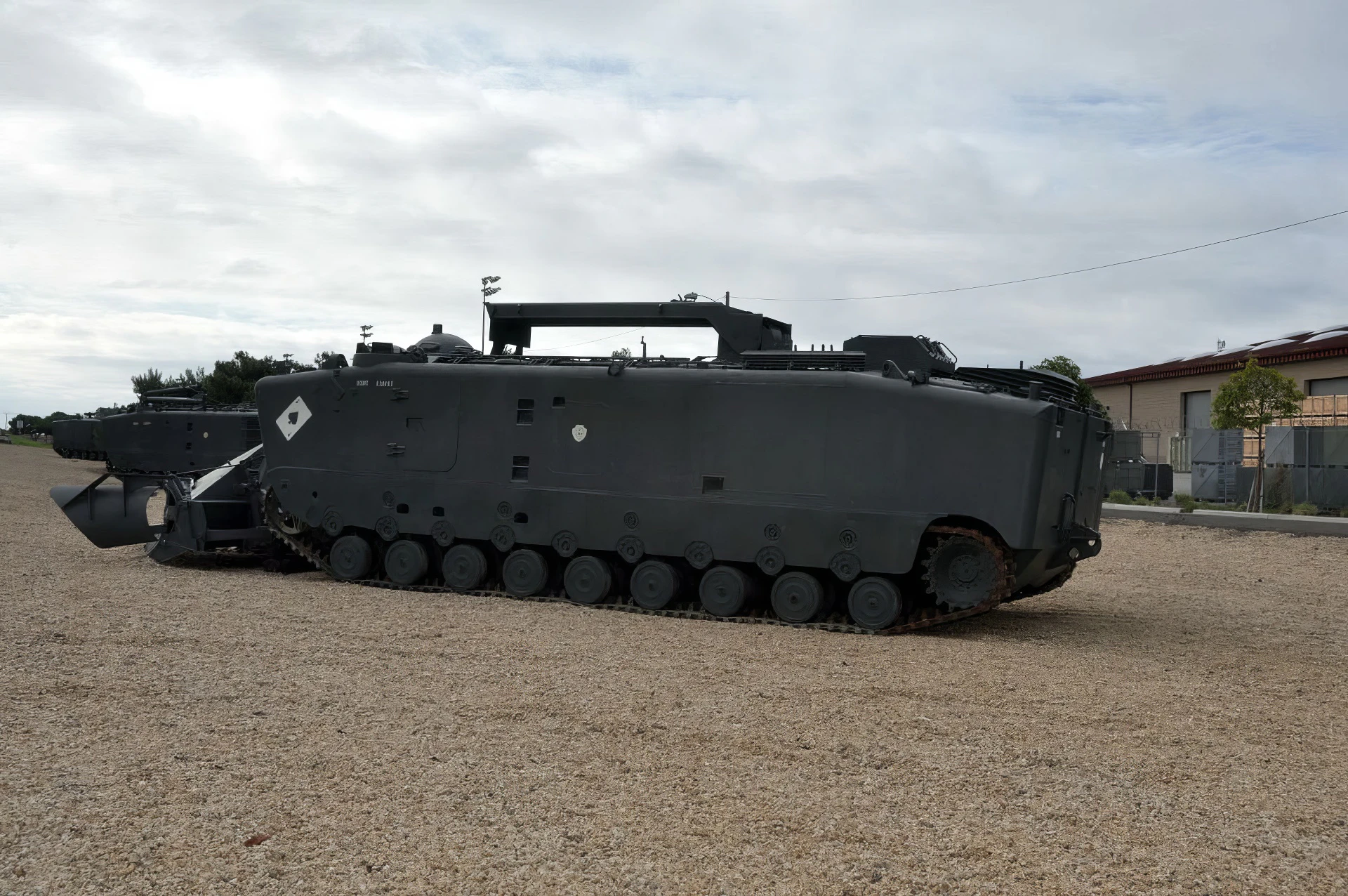
LVTE1의 사진 갤러리, LVTE1 LVTP5의 엔지니어 버전이었습니다. LVTP-5 (상륙 차량, 추적, 인원)는 미 해병대에서 사용하는 수륙 양용 장갑차 제품군이었습니다.
| LVTE1 – Walk Around | |
|---|---|
| 사진 작가 | Unknow |
| 로컬라이제이션 | Unknow |
| 사진 | 48 |
LVTE1 01
LVTE1 02
LVTE1 03
LVTE1 04
LVTE1 05
LVTE1 06
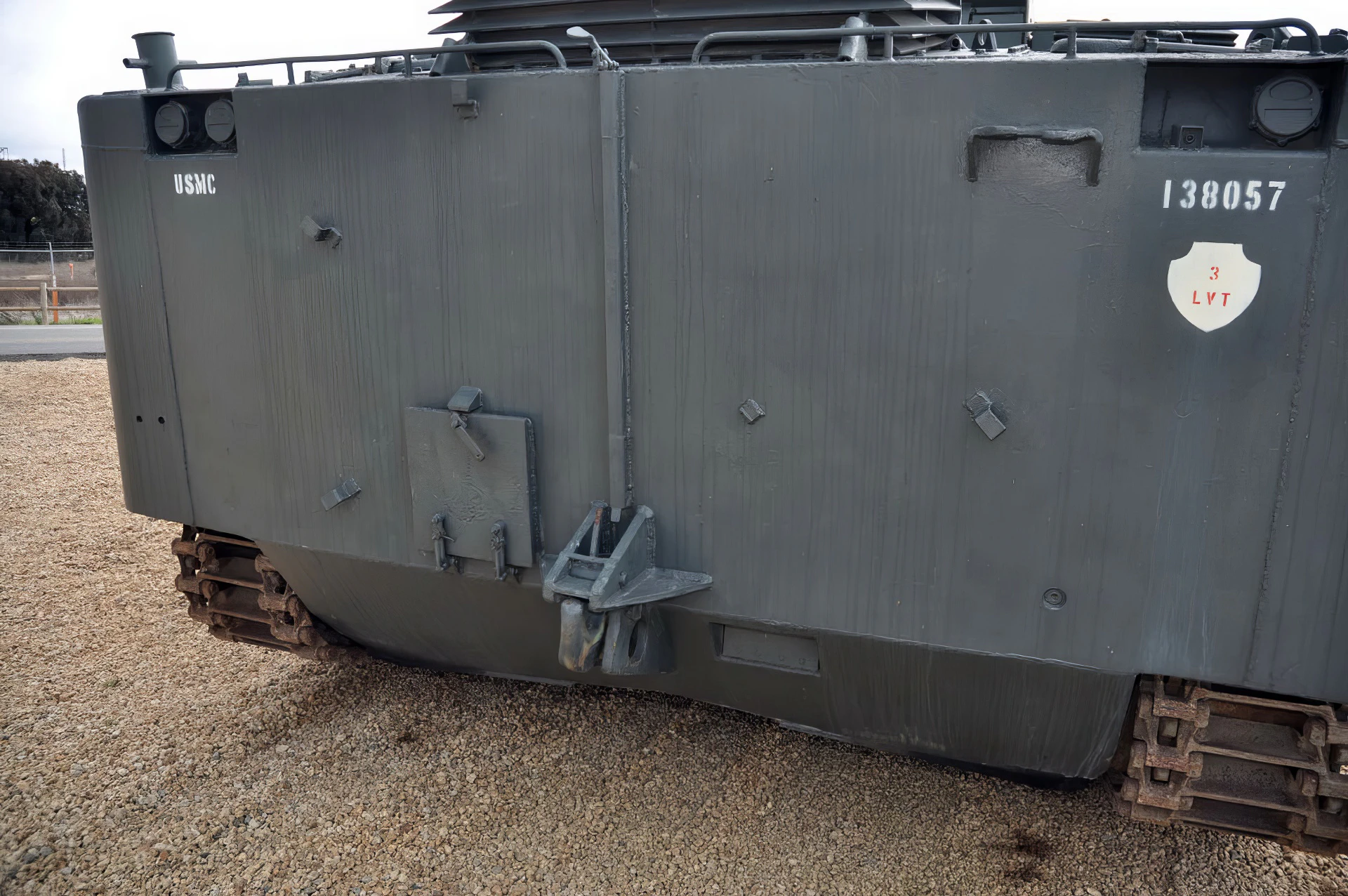
LVTE1 07
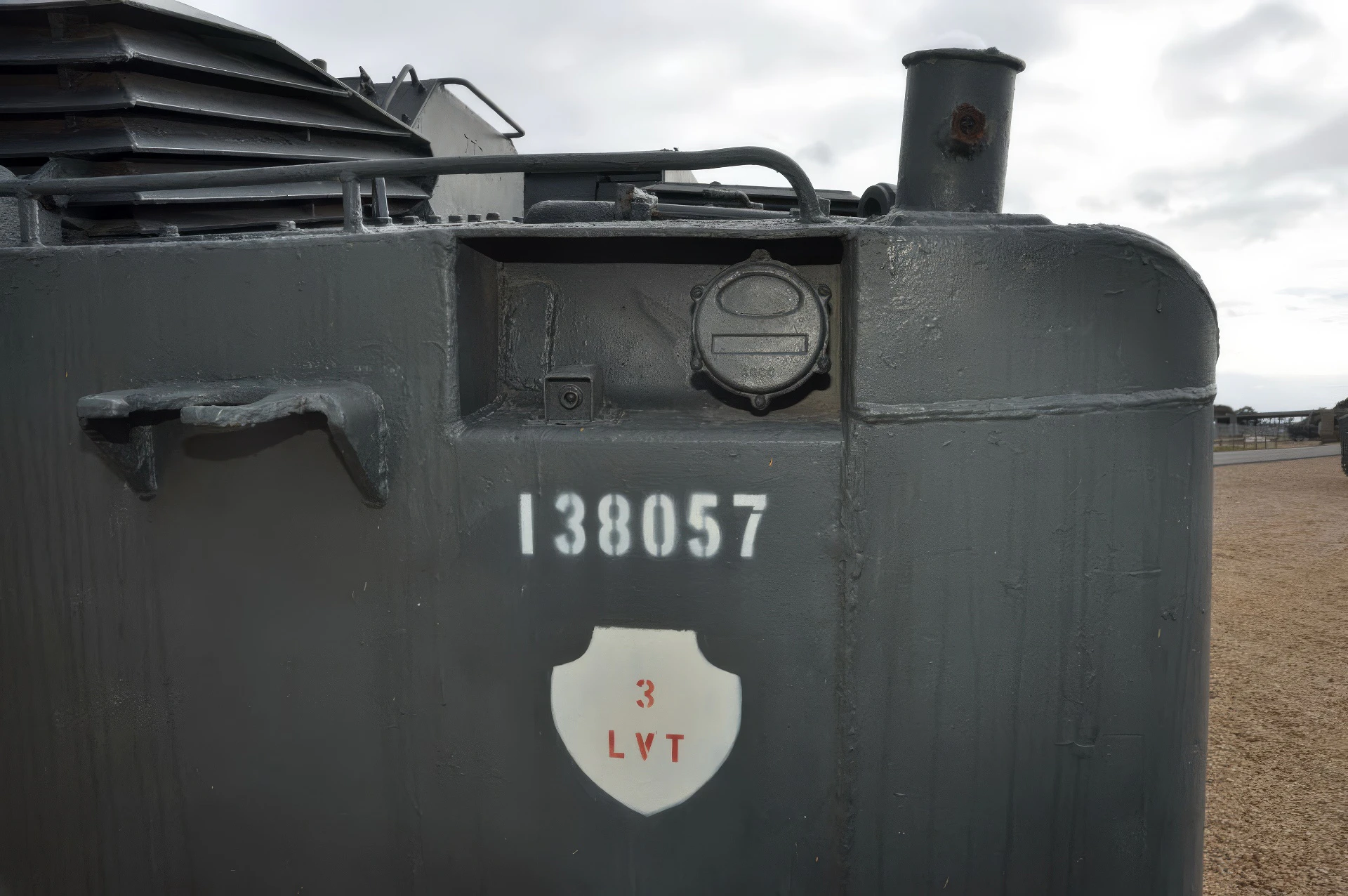
LVTE1 08
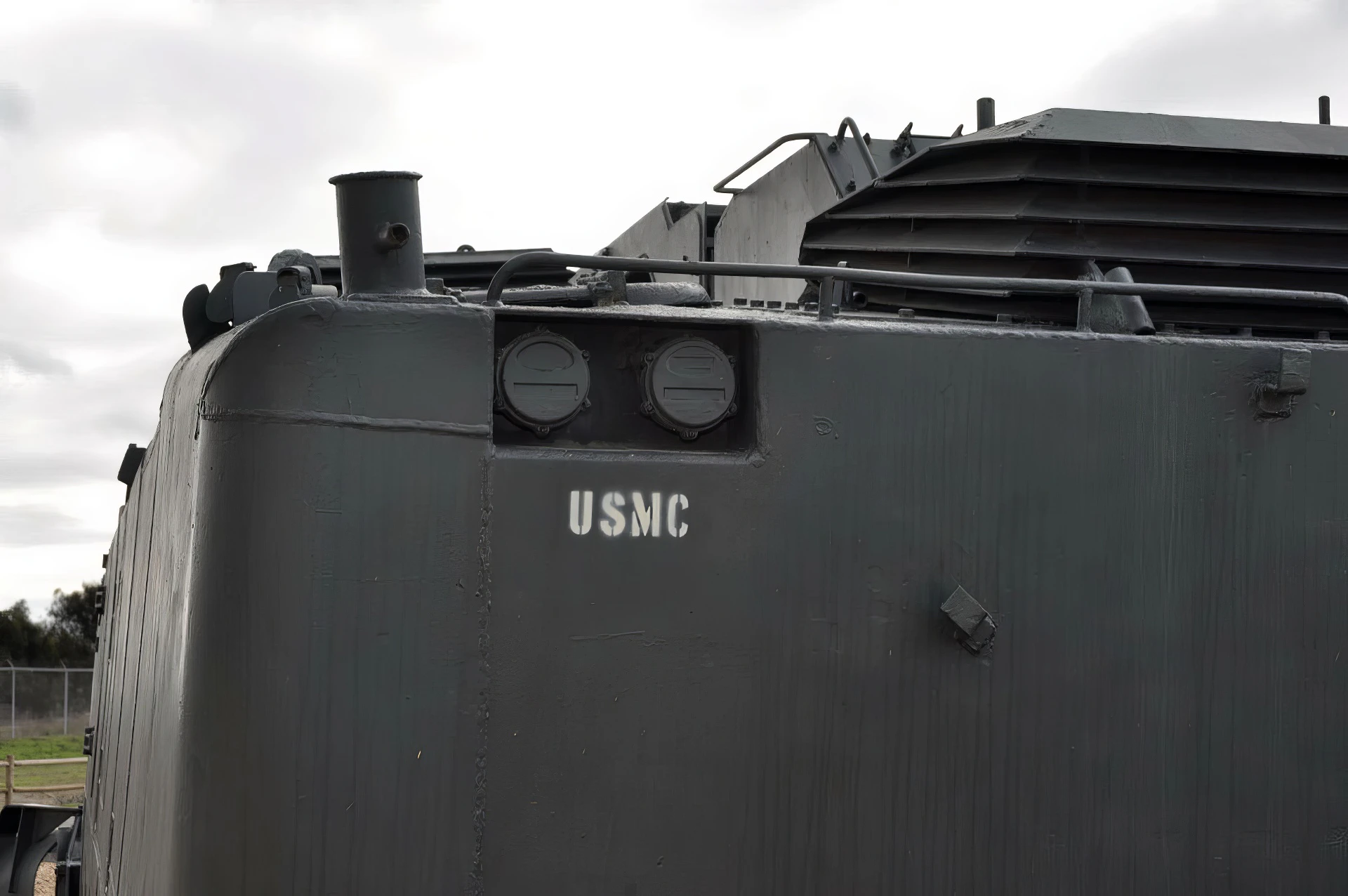
LVTE1 09
대기,검색 LVTE1 당신을 위해...

참고 항목:


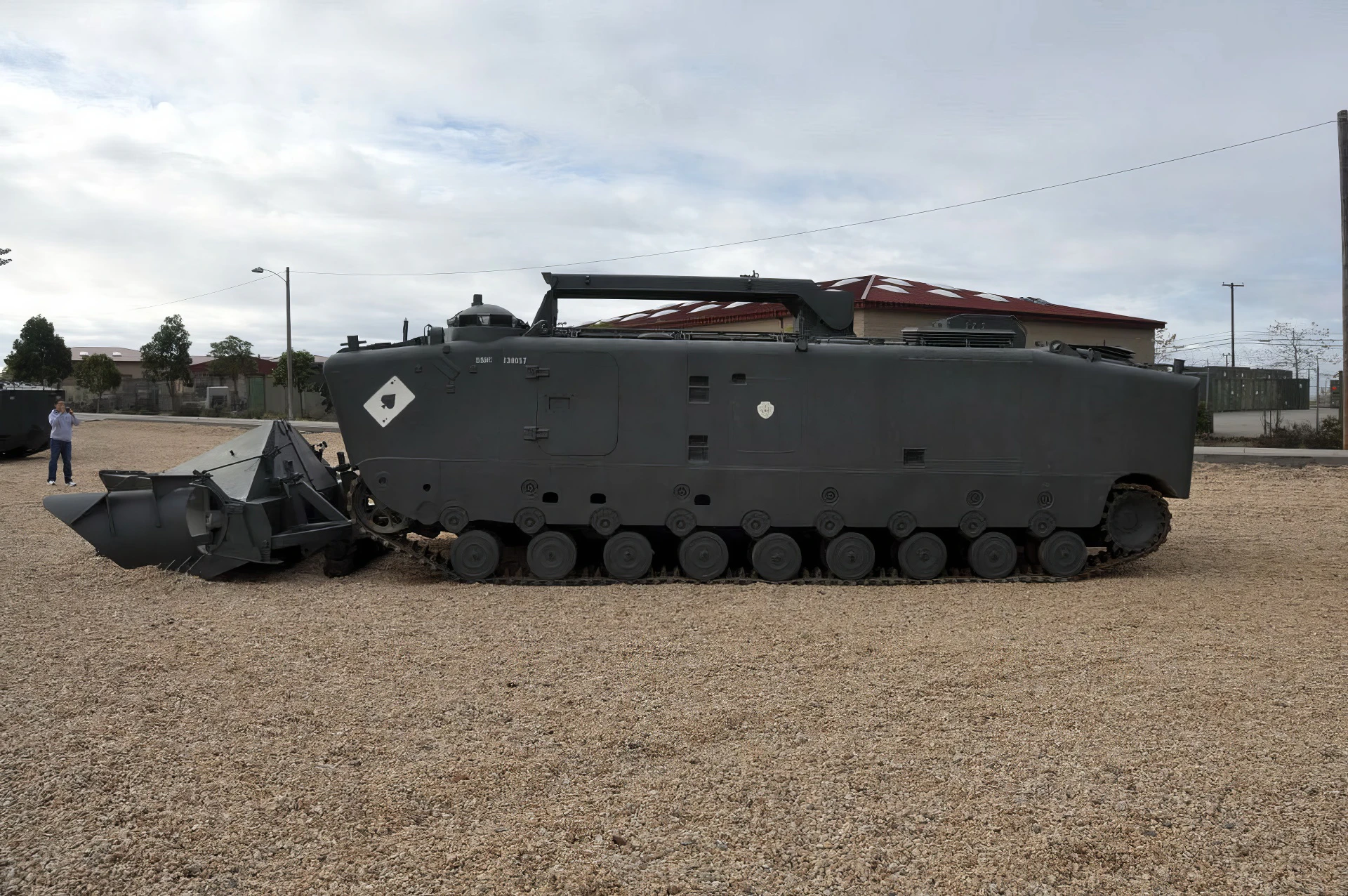
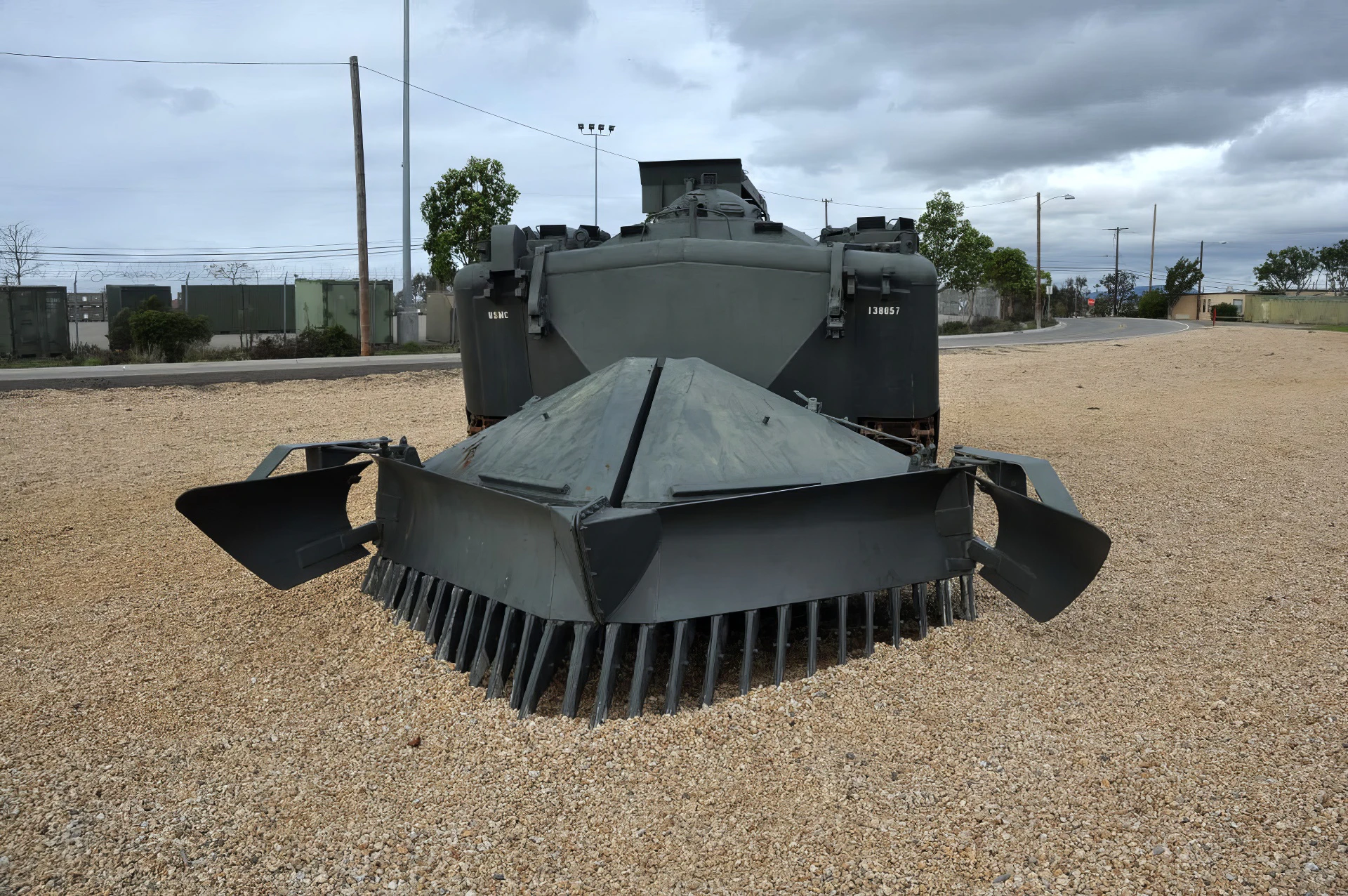
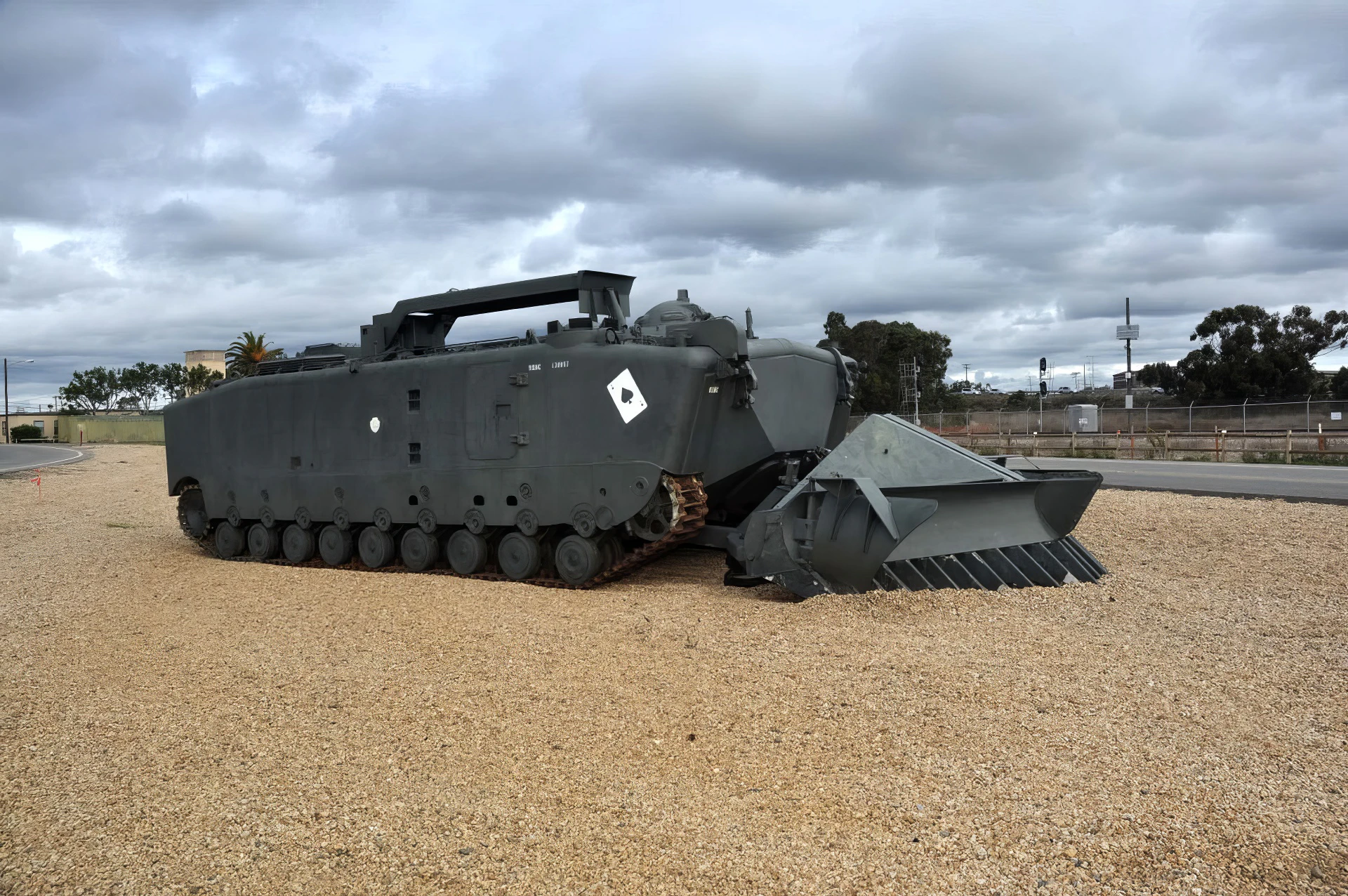
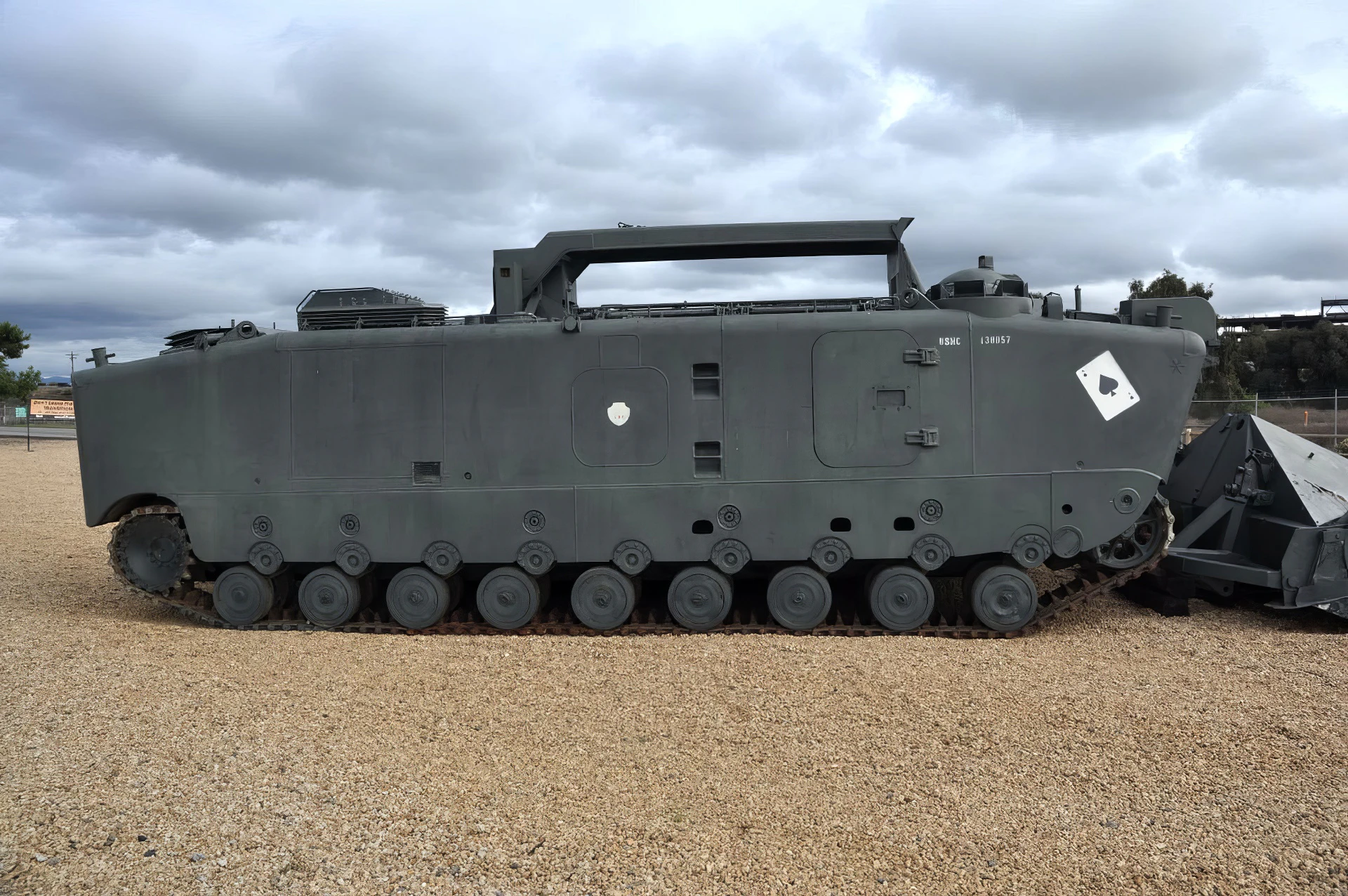
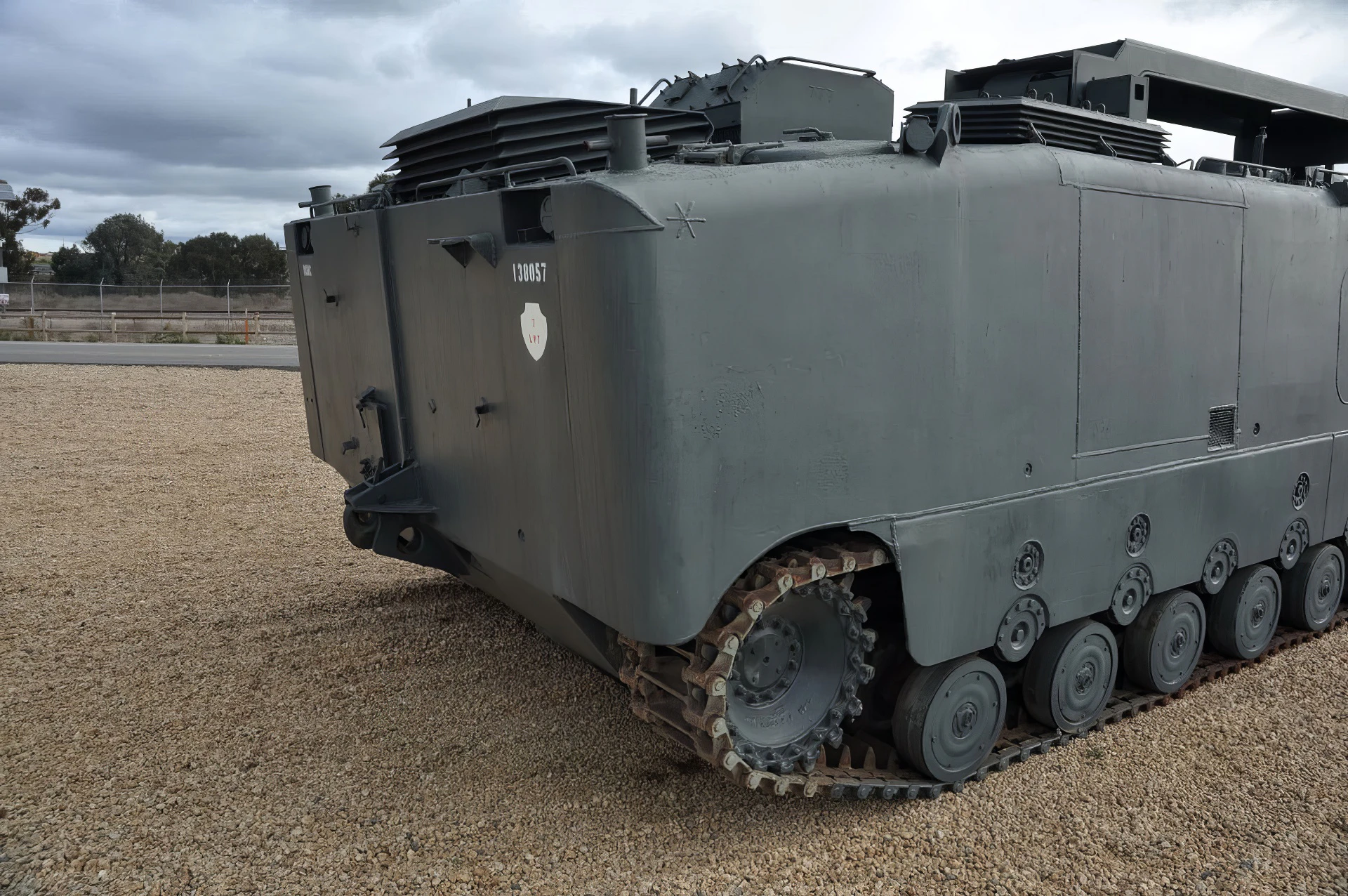
The **LVTE1** was a specialized combat engineer variant of the **LVTP5** (Landing Vehicle, Tracked, Personnel) family of large amphibious armored vehicles used by the U.S. Marine Corps. Its crucial role was to clear obstacles and minefields from beach landing zones and shallow water during the initial stages of an amphibious assault.
Primary Engineering Equipment
The vehicle’s massive, purpose-built equipment defined its appearance and mission:
- Excavator Blade: Dominating the bow was a hydraulically operated, **V-shaped excavator blade**. This heavy, toothed implement was used to dig up and clear land mines and various anti-landing obstacles from the sand and seabed. The blade included attached **buoyancy tanks** to aid flotation when the vehicle was operating in water.
- Line Charges: The LVTE1 was equipped with **rocket-propelled line charges**. These were explosive ropes carried in the rear compartment that could be fired over a minefield and detonated to clear a safe path for follow-on vehicles.
- Mine Clearing Function: The standard operating procedure was to fire the line charges to breach the main minefield, then use the excavator blade to ensure the path was fully clear for the succeeding waves of infantry and vehicles.
General Specifications
- Base Platform: LVTP5 (Amtrac).
- Crew: Typically included a Commander, Driver, Gunner, and several **Combat Engineers**.
- 군비: It was lightly armed, usually with a single **.30 caliber machine gun** for self-defense.
- 기동성: Fully amphibious, it utilized large tracks with grousers (cleats) for both land propulsion and movement in the water.
- Service Period: Introduced in the mid-1950s, the LVTE1 saw active use by the Marine Corps, notably during the **Vietnam War**, before being phased out with the introduction of the later LVT-7 (AAV-7) family of amphibious vehicles.
Views : 2723