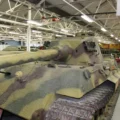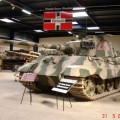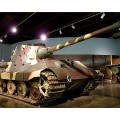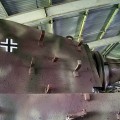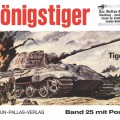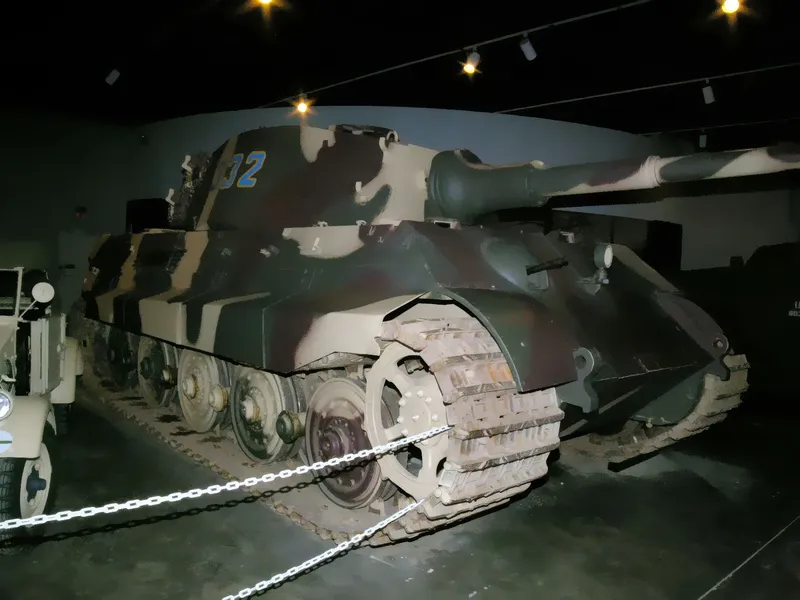
Königstiger – sdkfz.182 – Tiger II | |
|---|---|
| 국가 | 독일 |
| 형식 | 중전차 |
| 생산된 단위 | 492 |
르 기체캄프와겐 VI 코니즈타이거또는 Sd.Kfz. 182 Panzer VI ausf B Tiger II, surnommé le Königstiger (Tigre royal), est un char d’assaut allemand de la Seconde Guerre mondiale. Produit à 50 exemplaires pour le modèle à tourelle “포르쉐“, à 439 exemplaires pour le modèle à tourelle “헨셸“, ce char était pourvu d’un important blindage, d’un canon antichar lui donnant la possibilité de mettre hors de combat tous les chars alliées en service lors des deux dernières années du conflit, mais il possédait le même moteur que le char Panther, son rapport poids-puissance était donc moindre, il était lent et peu mobile, très gourmand en carburant, et il devait changer de chenilles avant et après tout transport par rail.
소스: 킹 타이거 II 위키 백과에
| King Tiger II | |
|---|---|
| 사진 작가 | Unknow |
| 로컬라이제이션 | Unknow |
| 사진 | 37 |
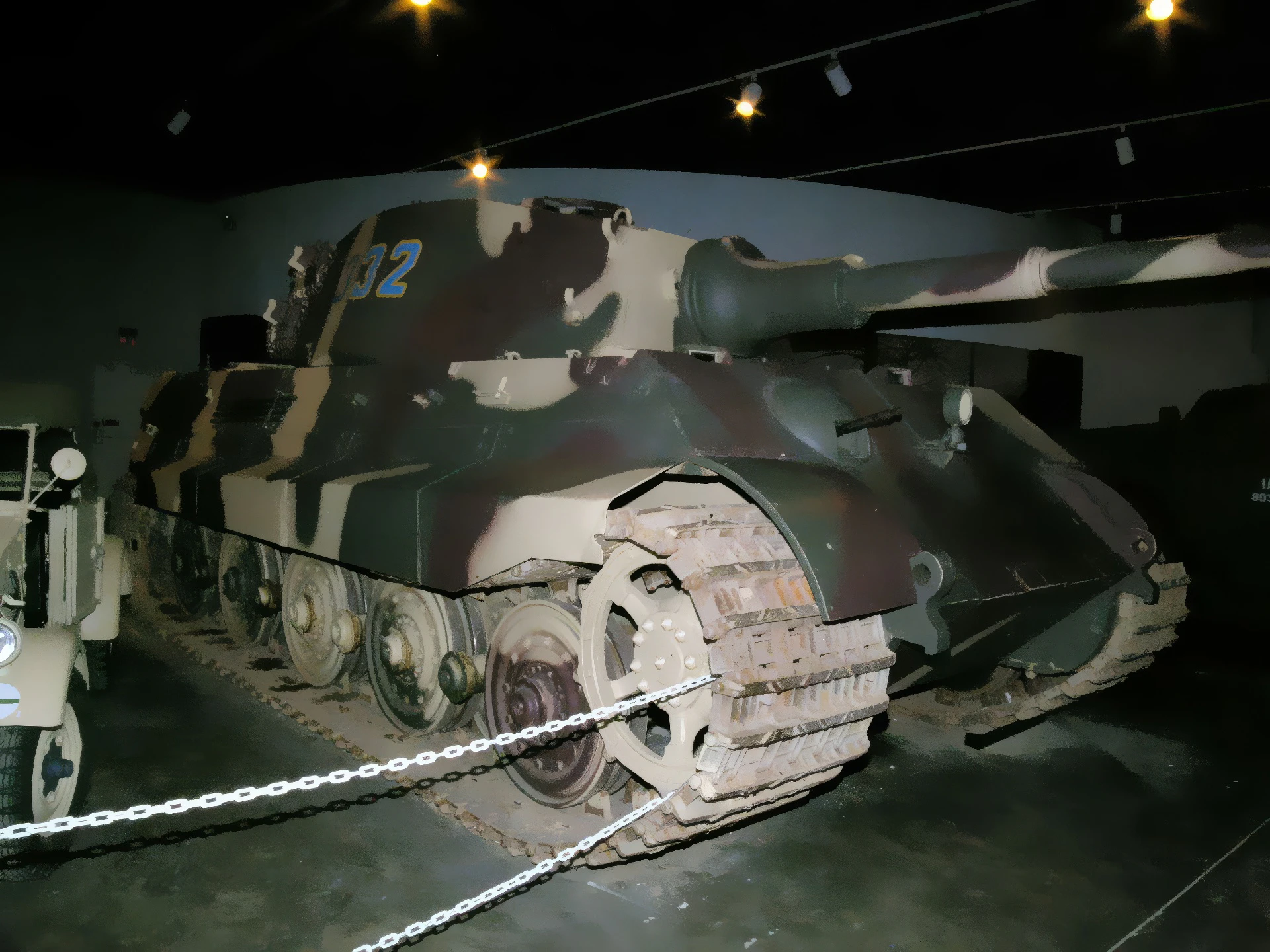
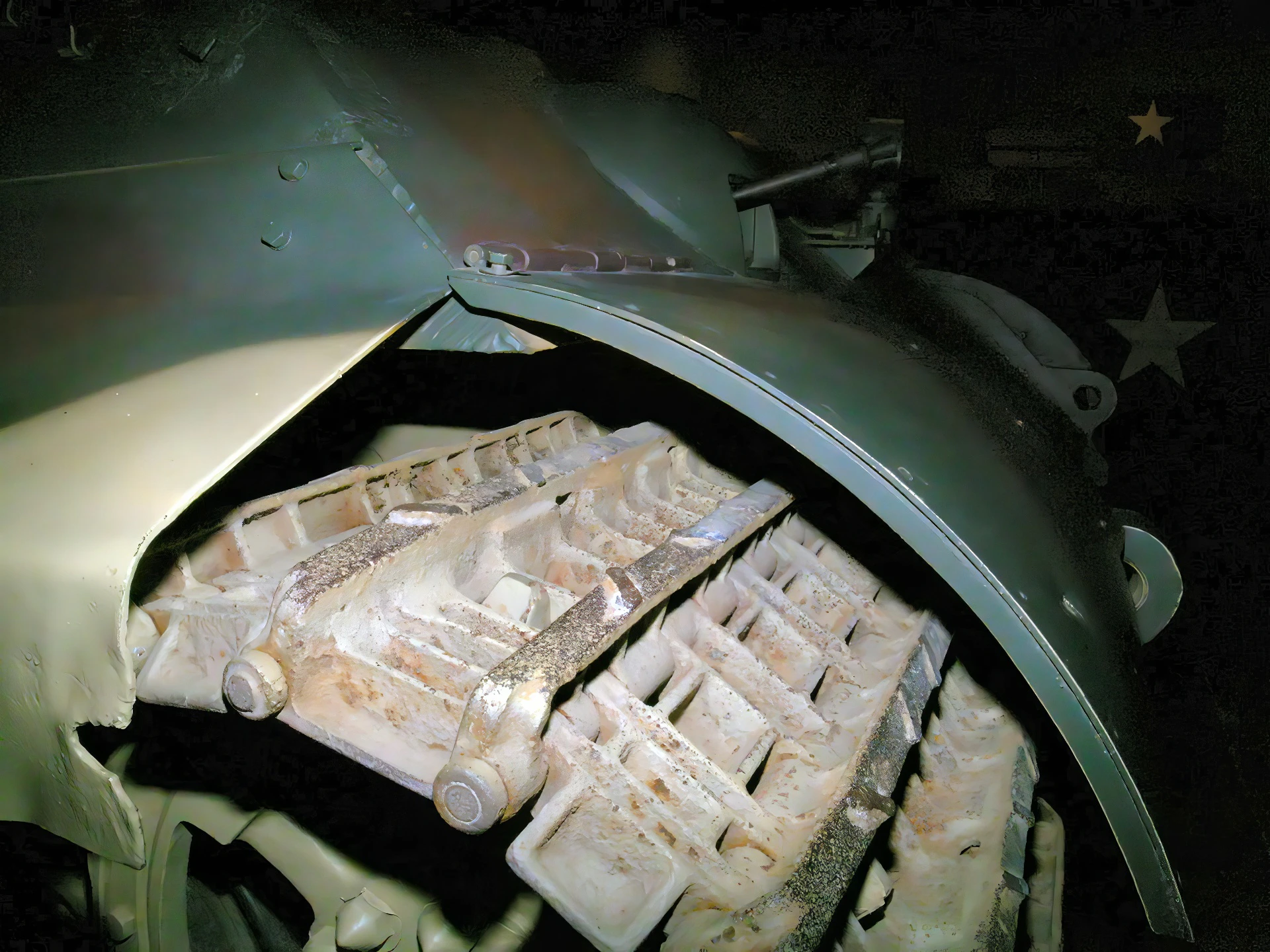
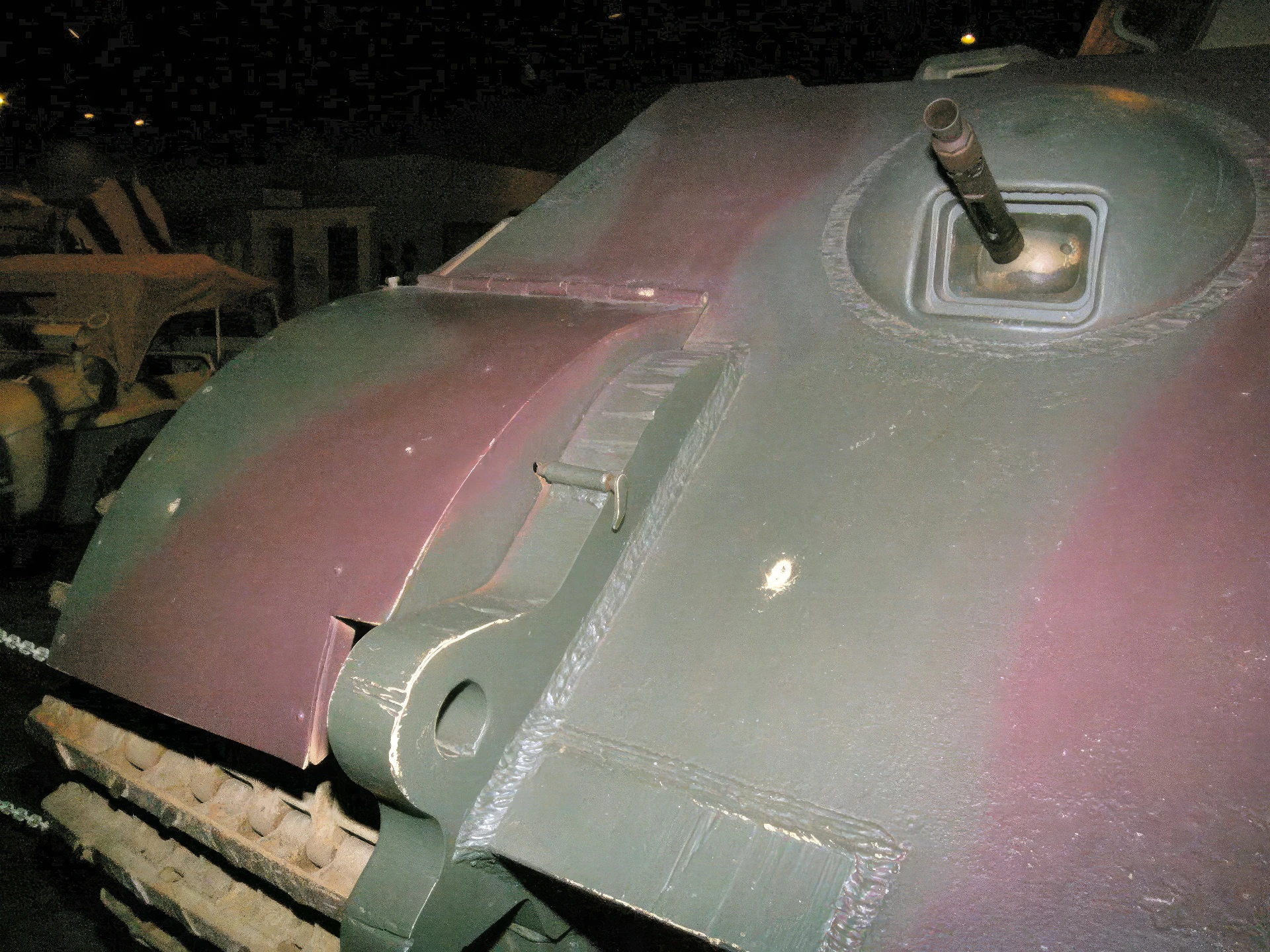
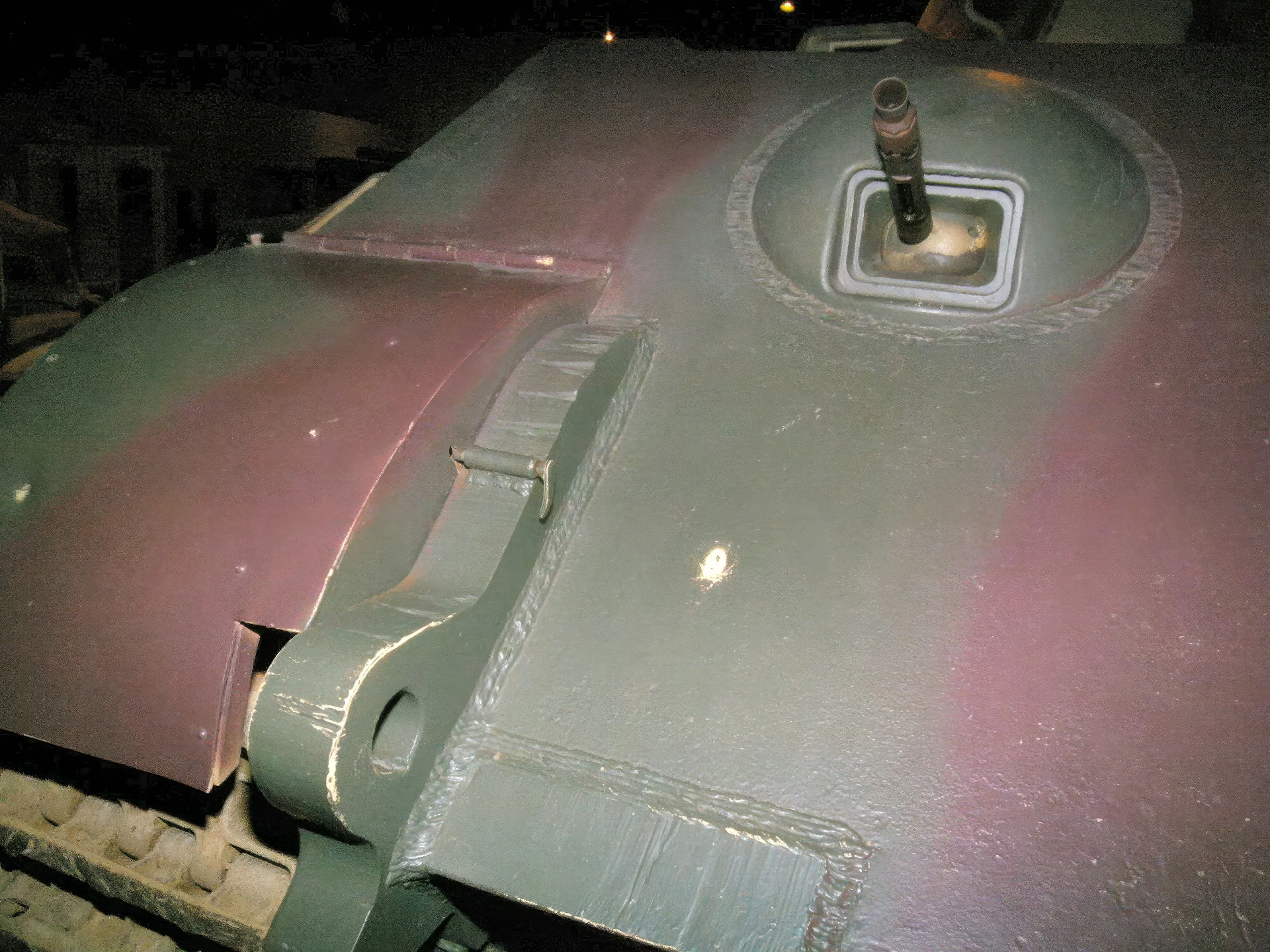
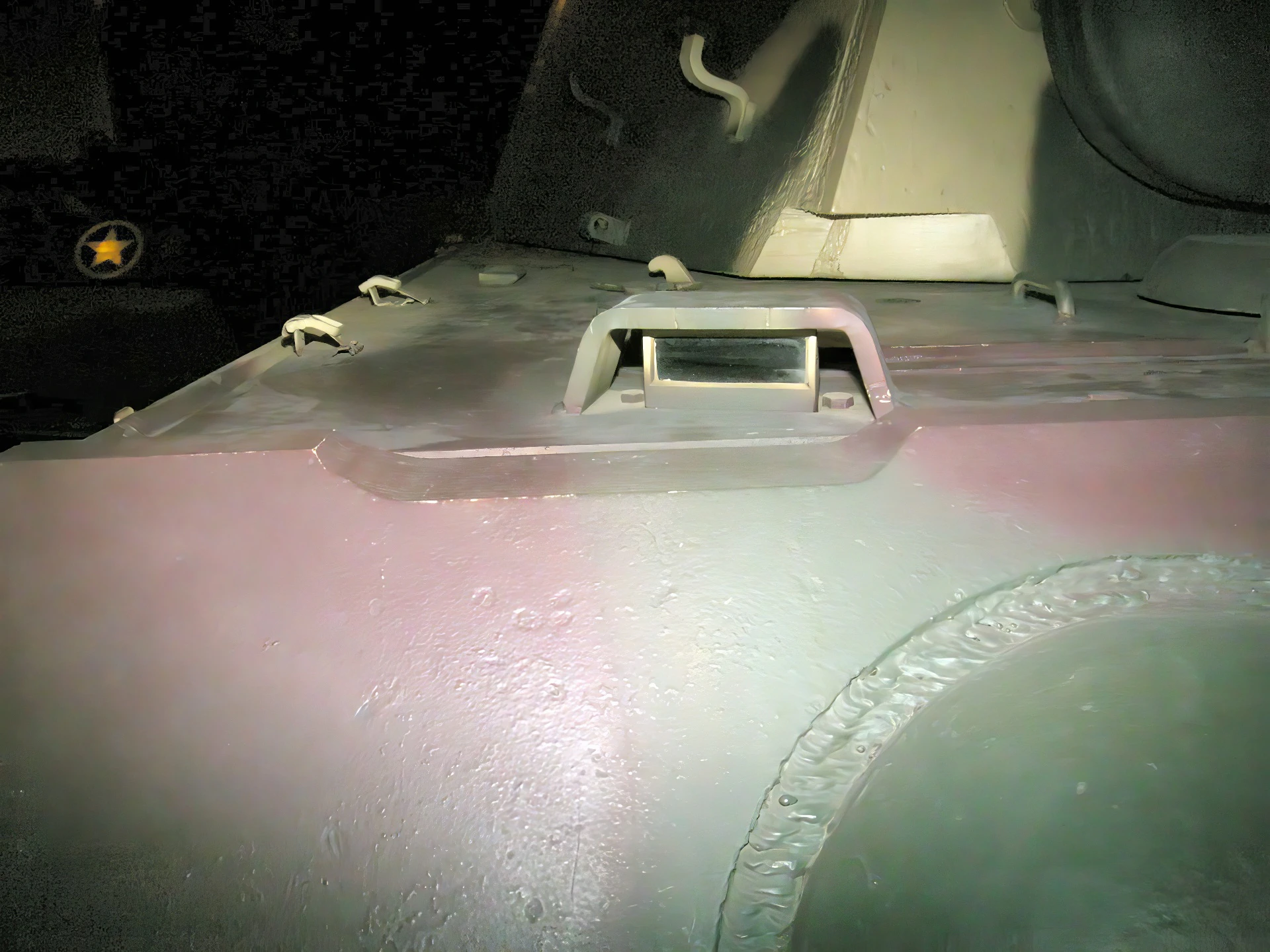
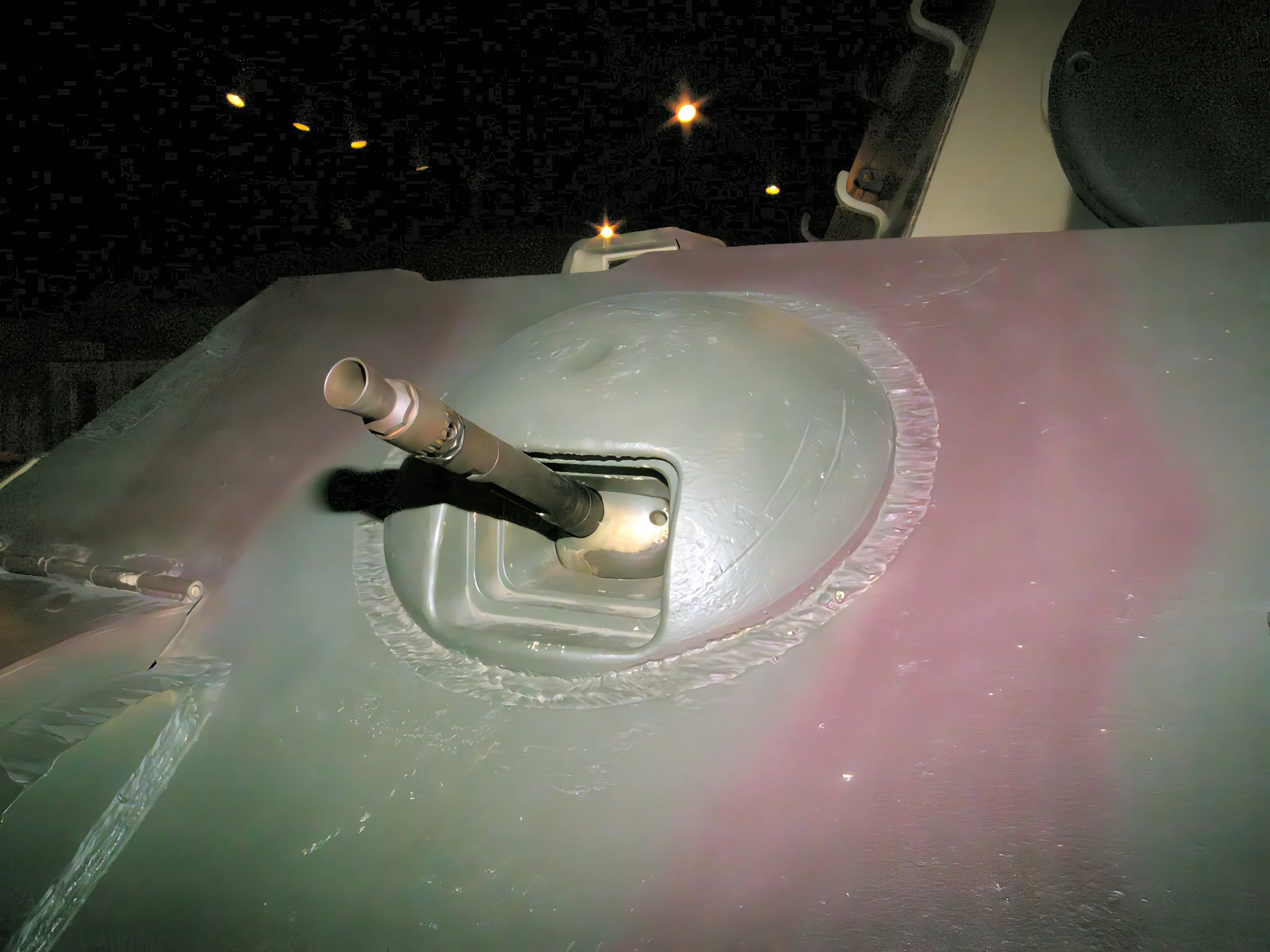
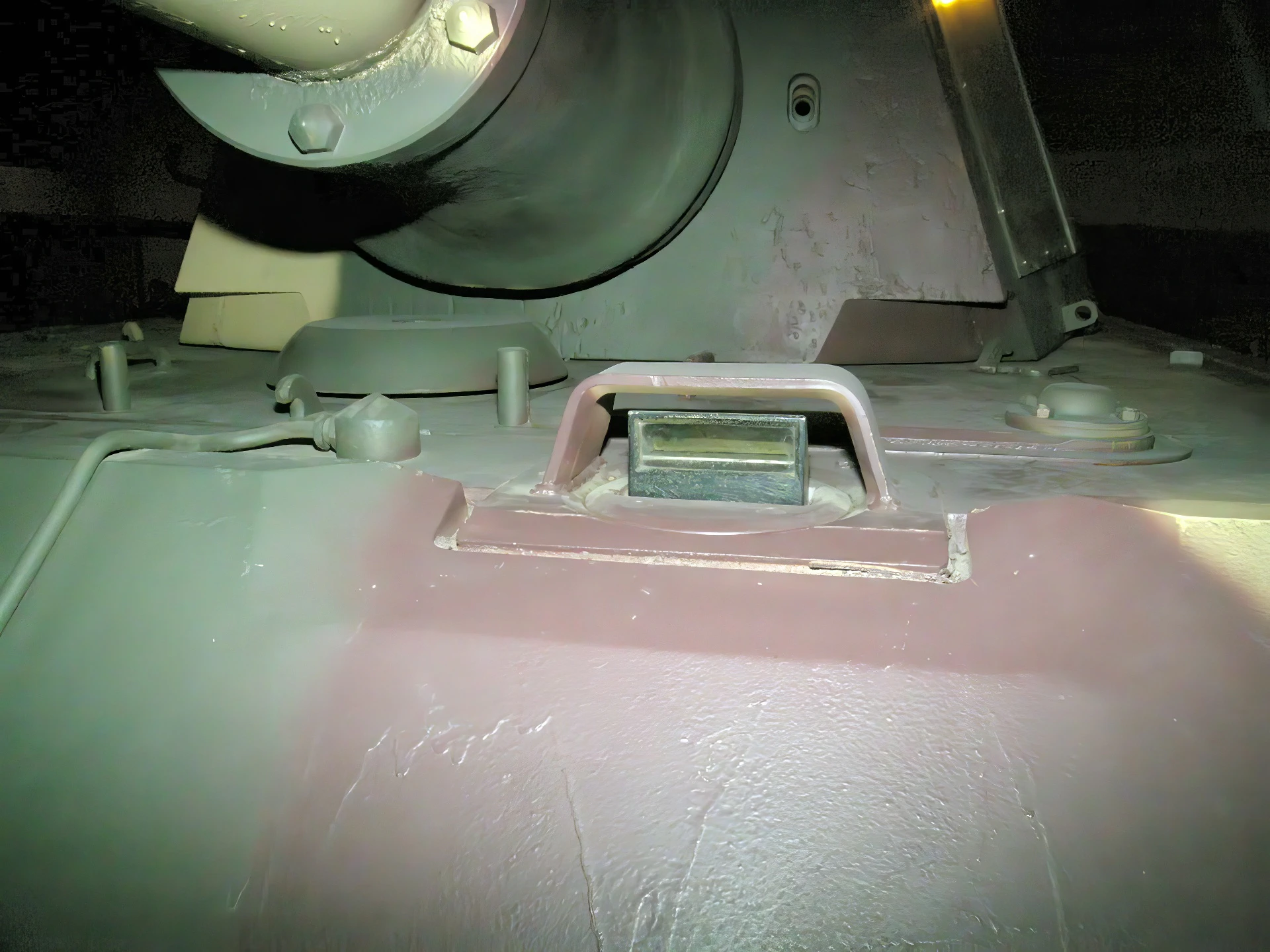
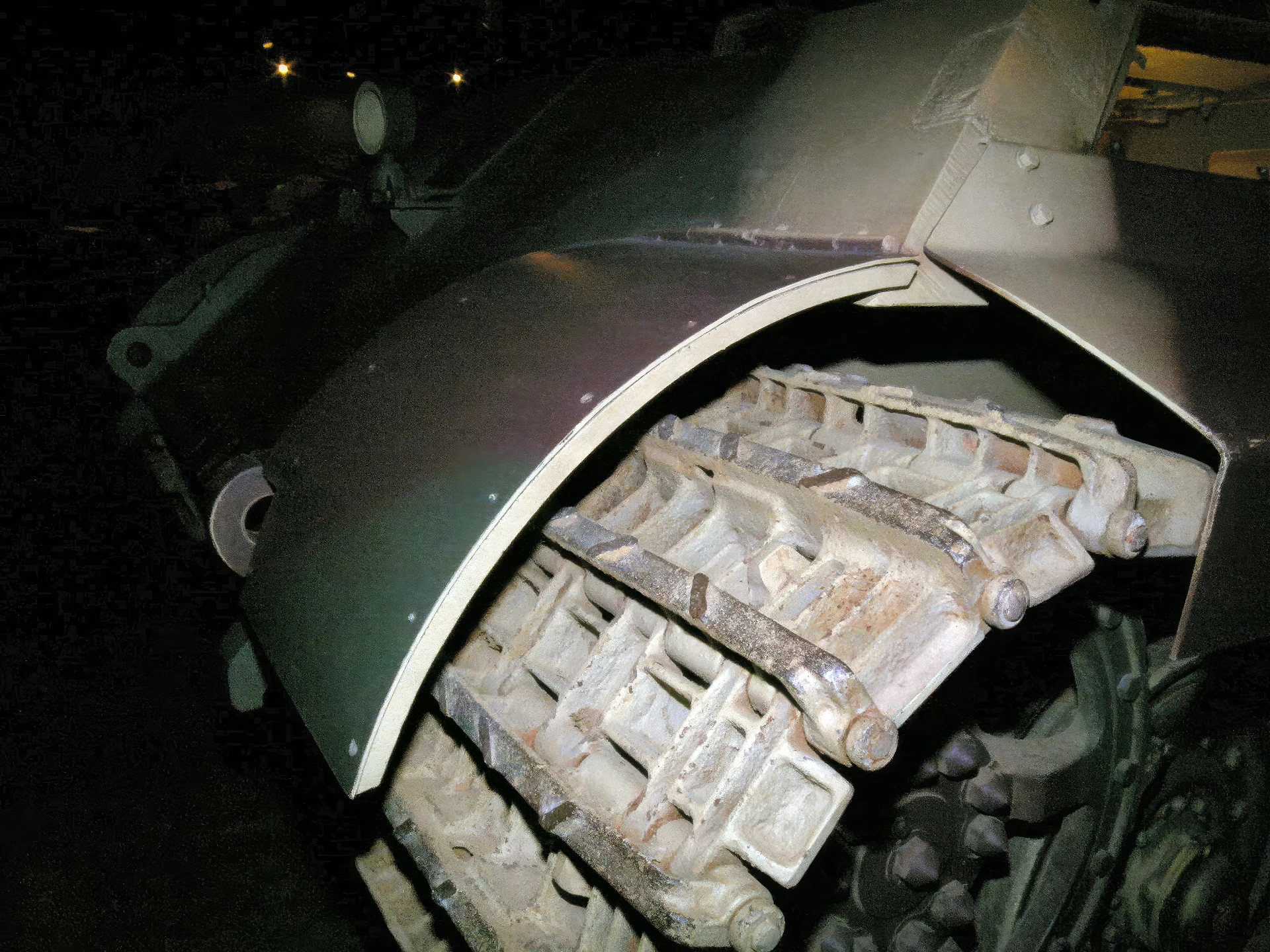
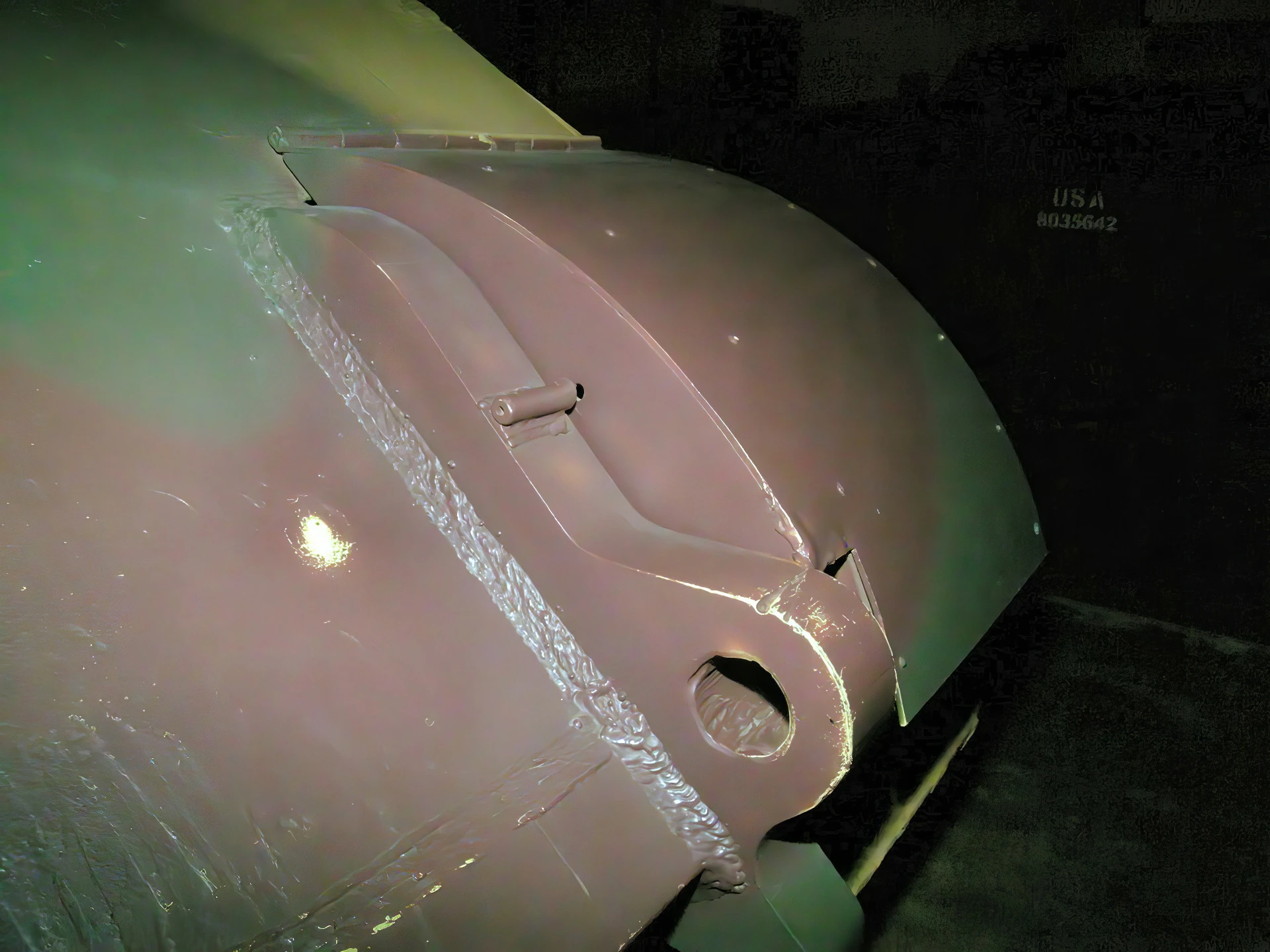

| SdKfz 182 Tiger II Porsche Walk Around | |
|---|---|
| 사진 작가 | Unknow |
| 로컬라이제이션 | Unknow |
| 사진 | 24 |
| SdKfz 182 Tiger II Porsche Walk Around | |
|---|---|
| 사진 작가 | Unknow |
| 로컬라이제이션 | Unknow |
| 사진 | 52 |
참고 항목:


Designation and Role
Tthe Sd.Kfz. 182 was the ordnance inventory designation for the German Panzerkampfwagen Tiger Ausf. B, famously known to both German and Allied troops as the Königstiger (King Tiger or Royal Tiger). It was the heaviest and one of the most powerful production tanks deployed by the Wehrmacht during the later stages of World War II, intended as the successor to the Tiger I.
- Primary Role: Heavy breakthrough tank.
- Manufacturer: Henschel (The two main turret designs are often incorrectly referred to as “Porsche” (early) and “Henschel” (production)).
Firepower and Protection
The King Tiger was designed with superior sloped armor (like the Panther tank) and an even more formidable gun than its predecessor, making it virtually immune to frontal penetration by almost all Allied tank guns at normal combat ranges.
- 주무장: The devastating 8.8 cm KwK 43 L/71 gun. This longer-barreled version of the famous 88mm cannon had an extremely high muzzle velocity and was capable of destroying almost any Allied tank from ranges exceeding 3,500 meters.
- Frontal Armor: The glacis plate was 150 mm thick, sloped at 50 degrees, providing an immense effective thickness and contributing to the tank’s 68–70 tonne weight.
Operational History and Challenges
First used in combat during the Allied invasion of Normandy in July 1944, the Tiger II was a terrifying opponent when operational. However, its immense weight placed a massive strain on its drivetrain (using the same Maybach engine as the lighter Panther), leading to frequent mechanical failures. Logistical issues, fuel shortages, and its complexity meant fewer than 500 were produced, and many were abandoned or destroyed by their own crews due to breakdowns, not enemy fire.
- Combat Debut: Battle of Normandy (July 1944) with the 503rd Heavy Panzer Battalion.
- Weight/Mobility: Heavy weight severely limited strategic and tactical mobility.
Views : 10896