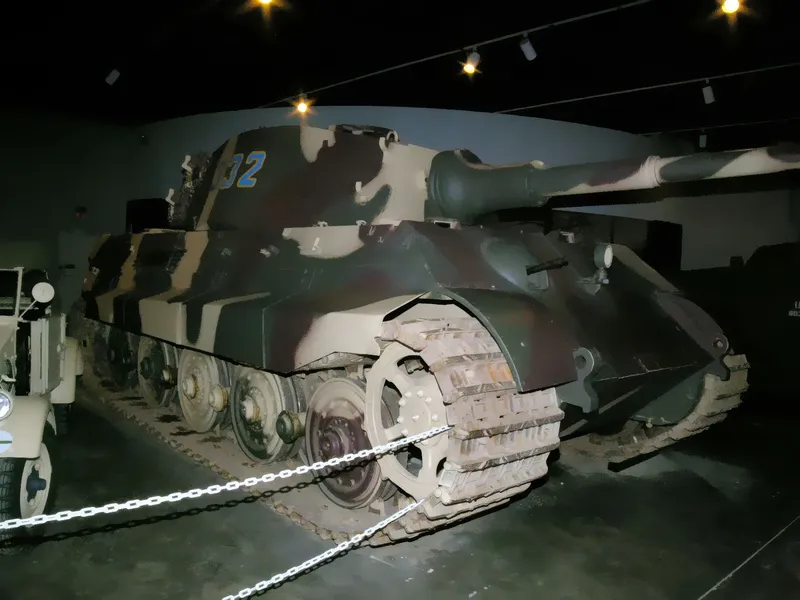
Konigstiger - sdkfz.182 - Tygr II | |
|---|---|
| Země | Německo |
| Typ | Těžký tank |
| Vyrobené jednotky | 492 |
The Panzerkampfwagen VI KönigstigerOu Sd.Kfz. Panzer VI ausf B Tiger II je německý tank z druhé světové války. Vyrobeno 50 kopií pro model věže "Porsche", na 439 kopií pro model věže "Slepice"tento tank měl velký pancíř, protitankové dělo, které mu dávalo schopnost vyřazení všech spojeneckých tanků v provozu během posledních dvou let konfliktu, ale měl stejný motor jako tank Panther, jeho poměr hmotnosti k výkonu byl proto menší, byl pomalý a nepohýbá se, velmi náročný na palivo a musel měnit koleje před a po jakékoli železniční dopravě.
Zdroj: Král Tygr II. na Wikipedii
| King Tiger II | |
|---|---|
| Fotograf | Unknow |
| Lokalizace | Neznámé |
| Fotografie | 37 |
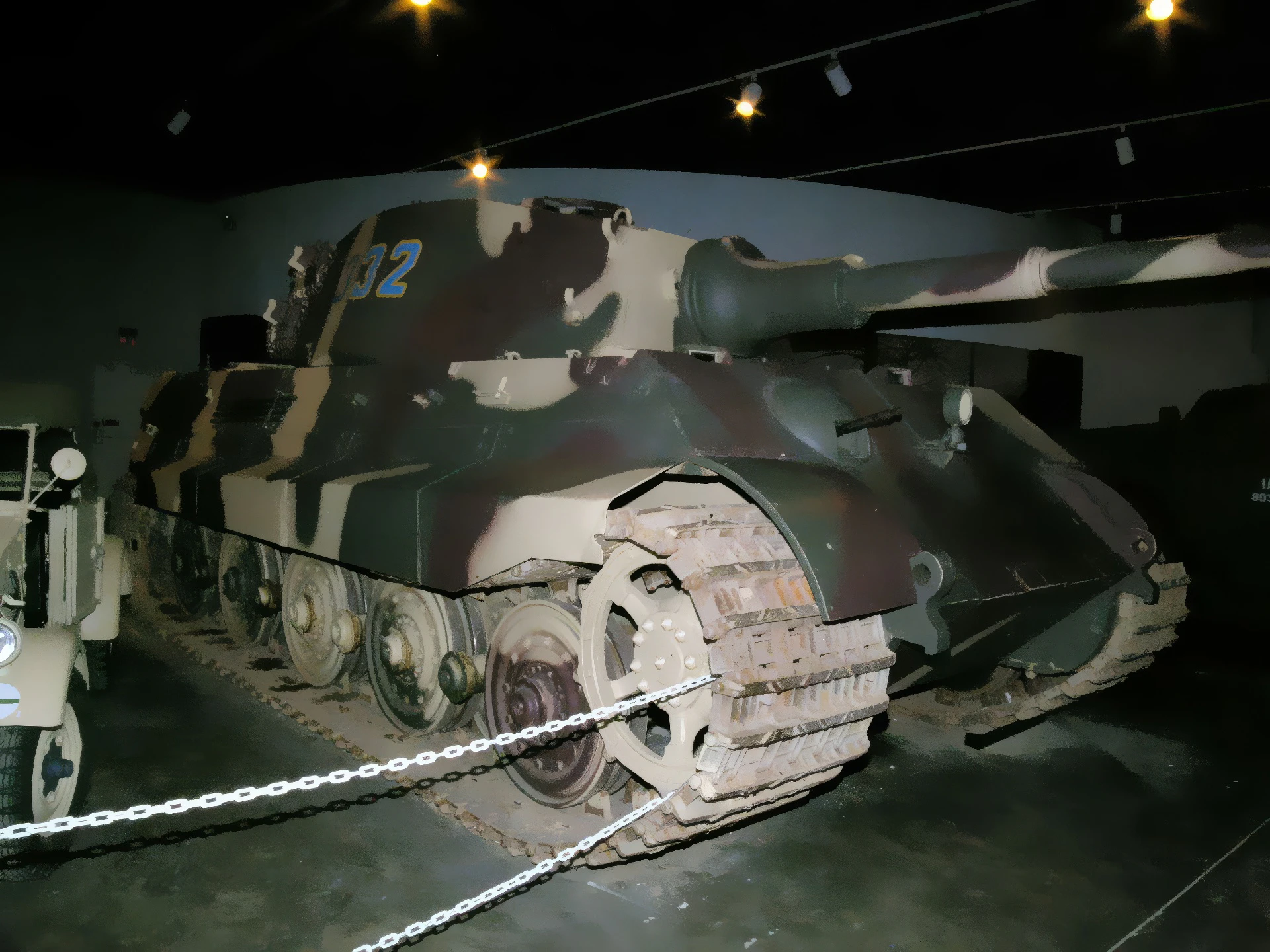
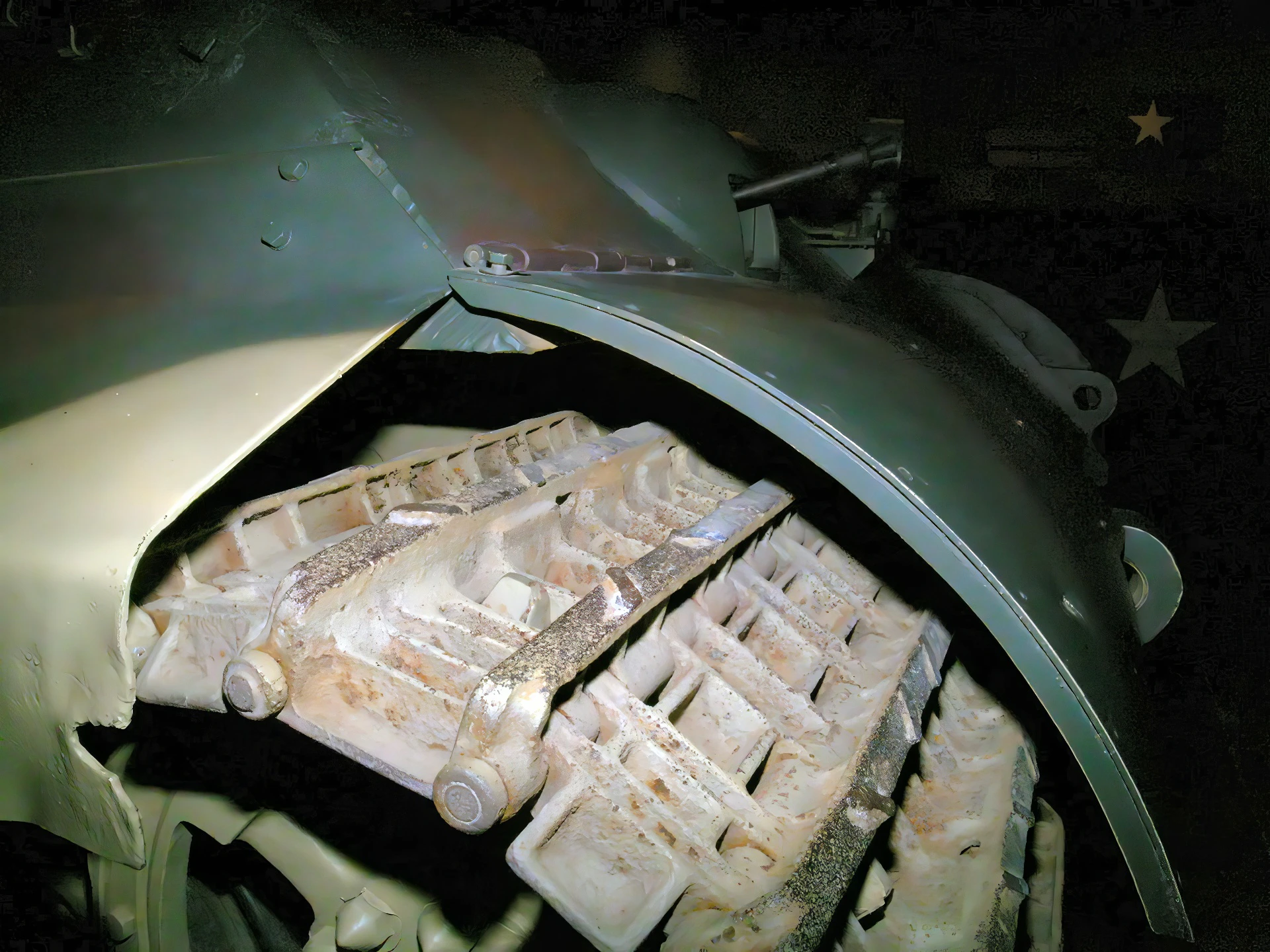
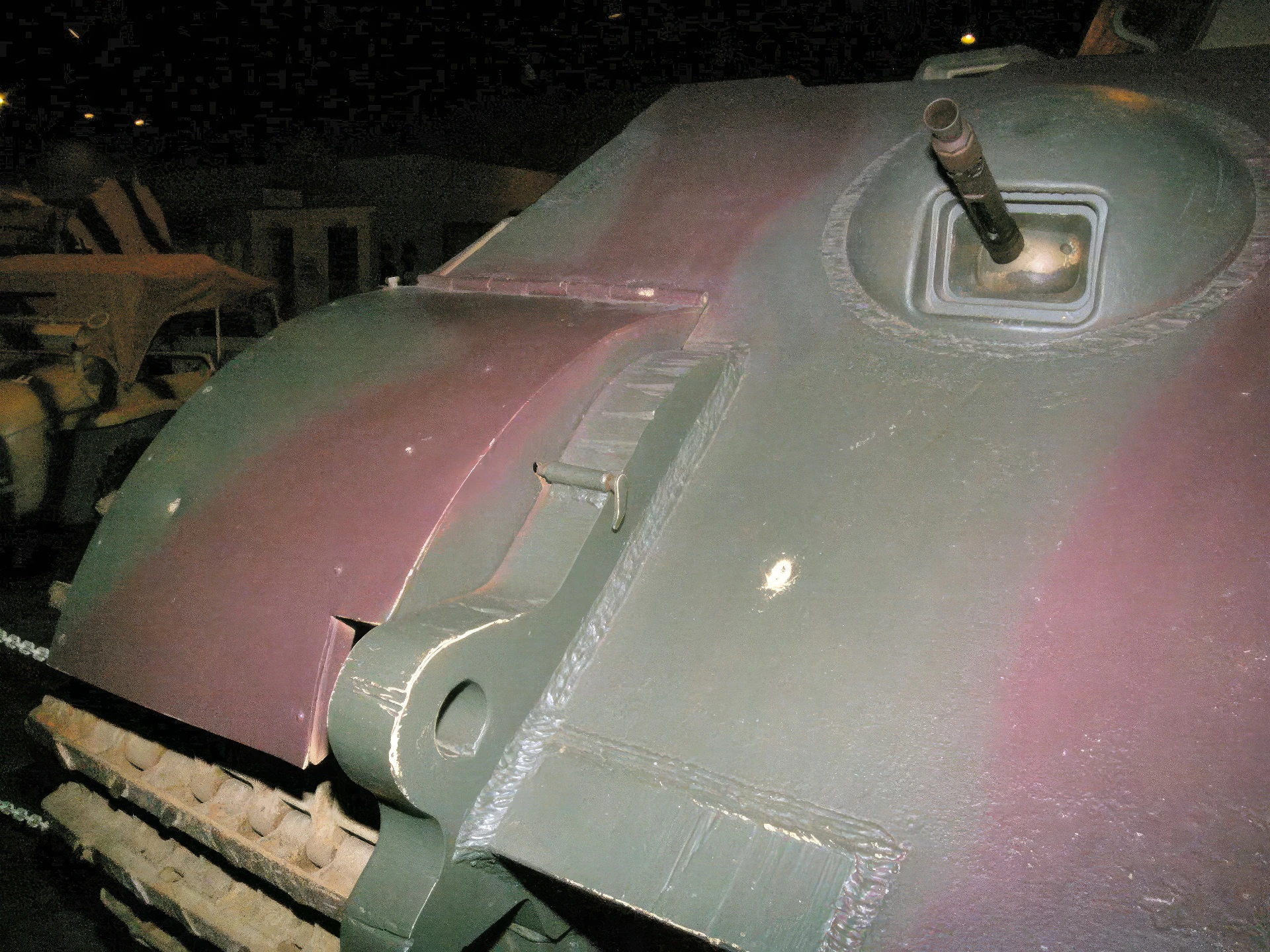
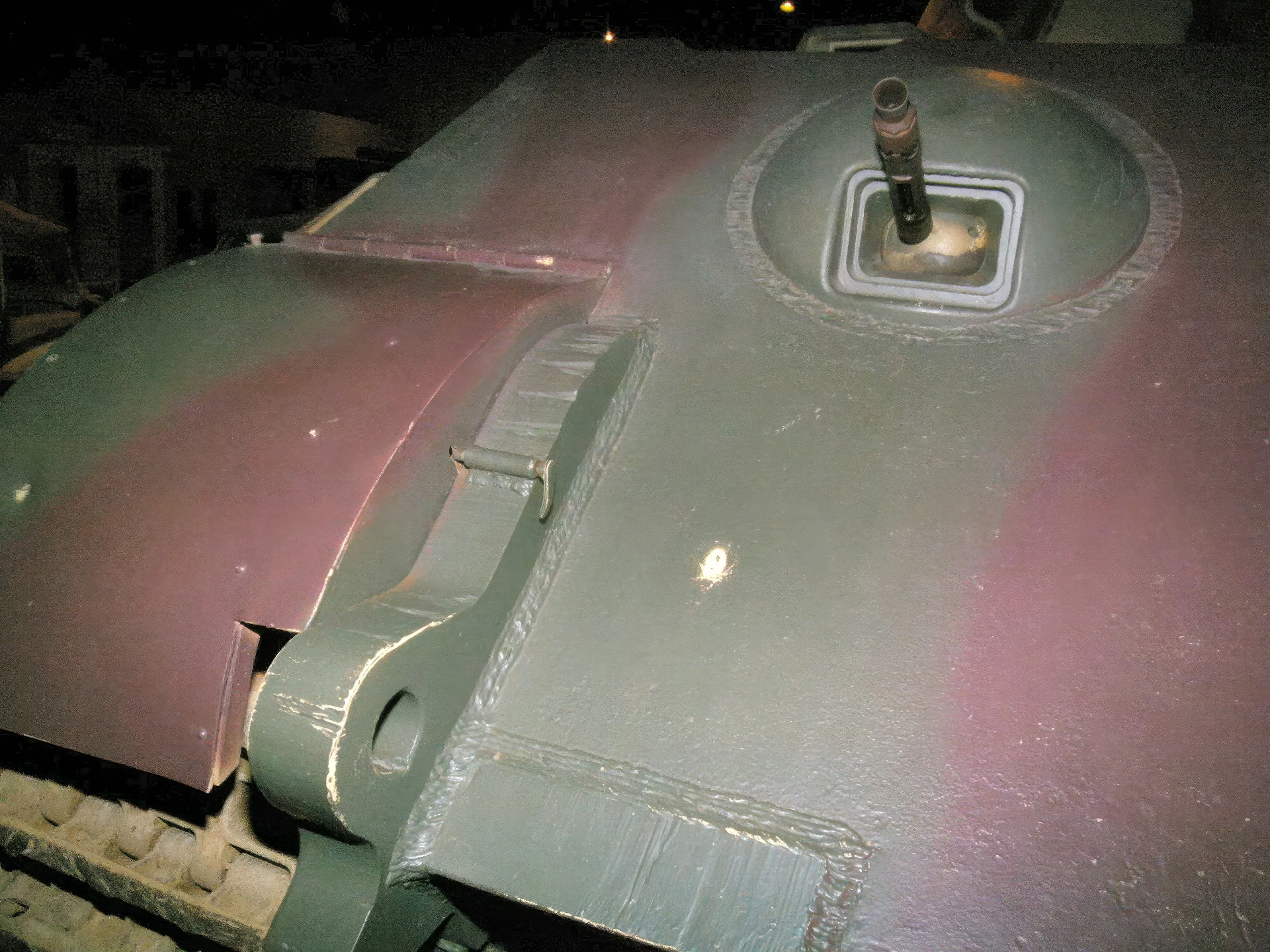
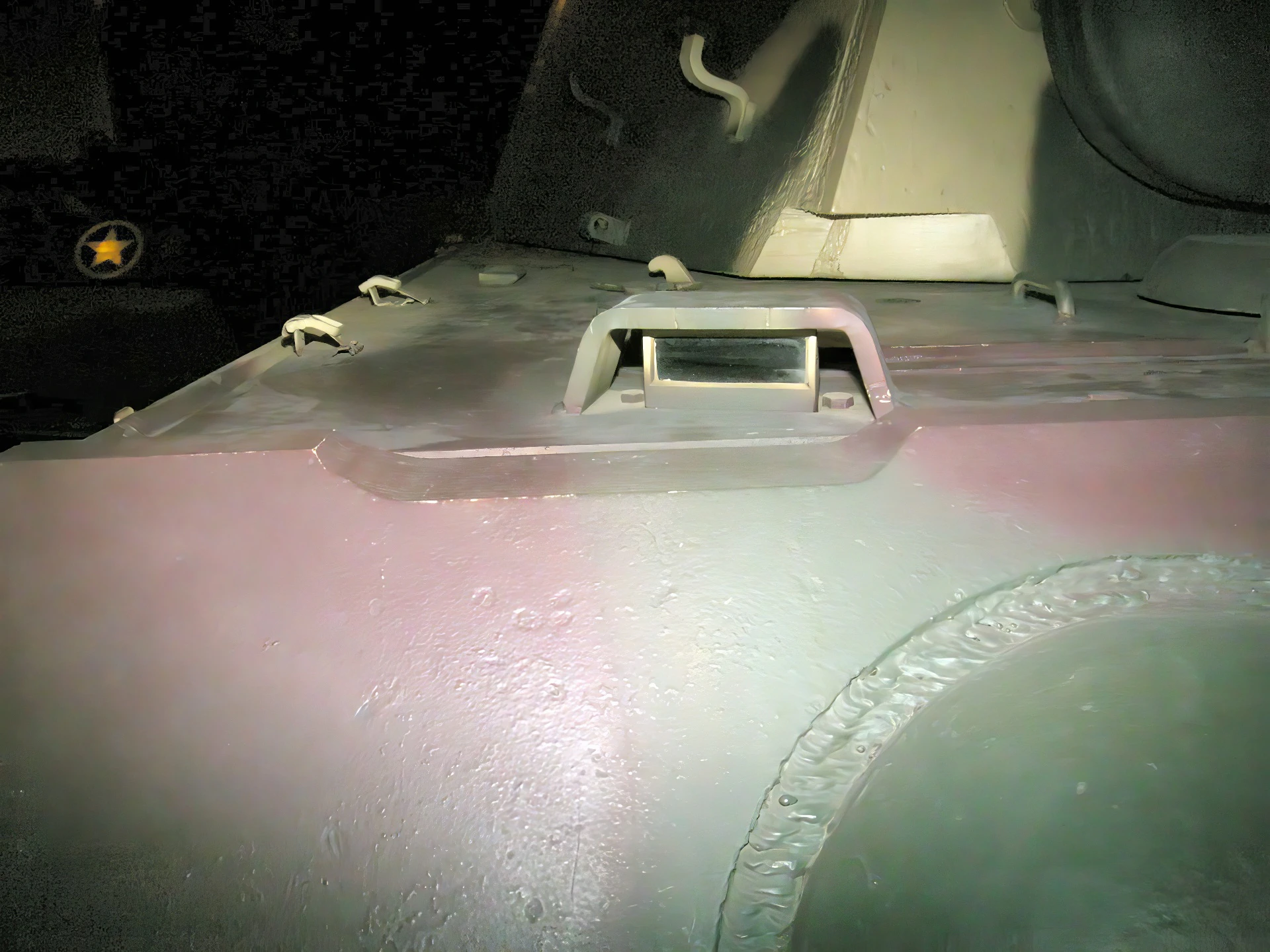
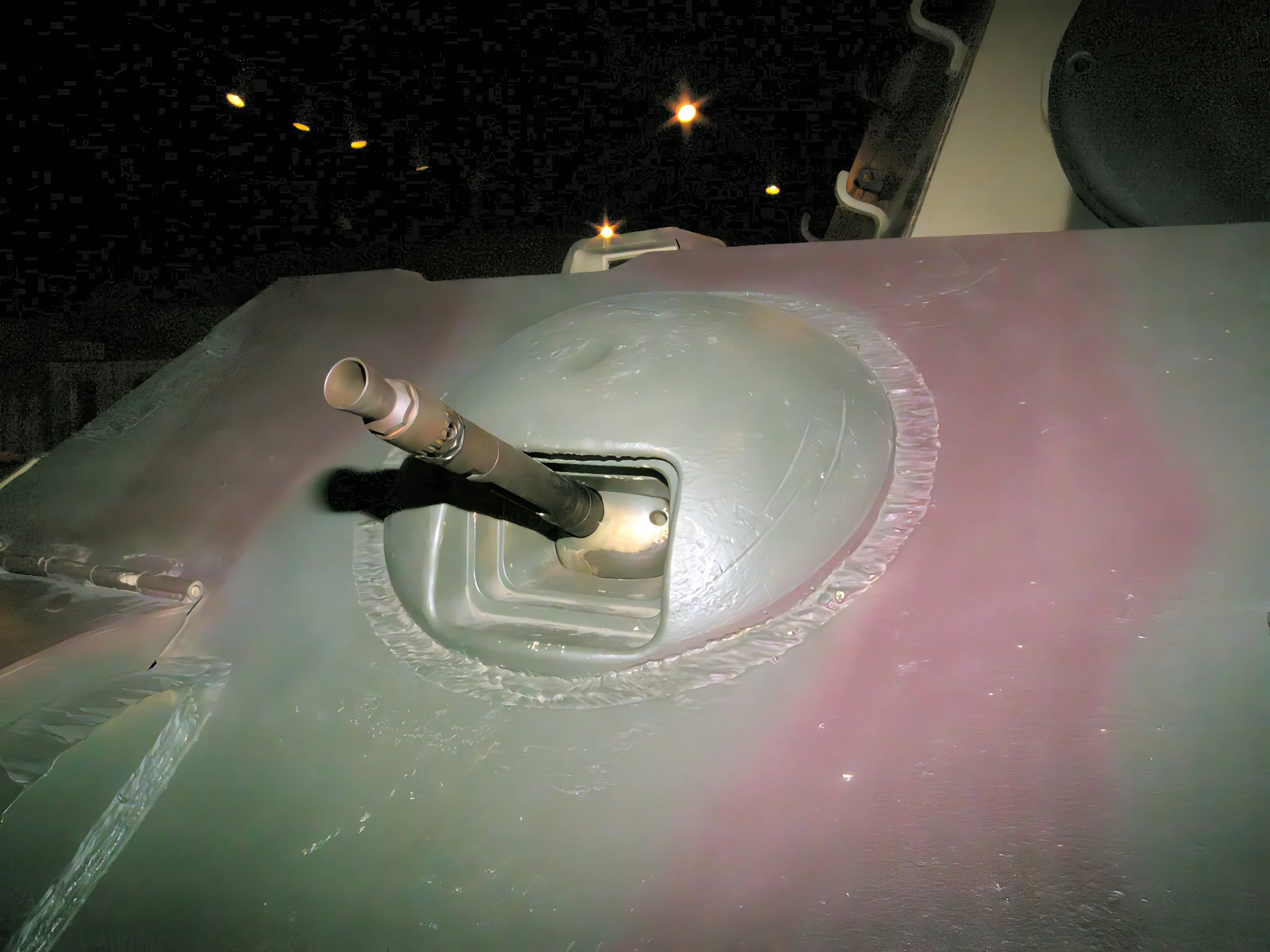
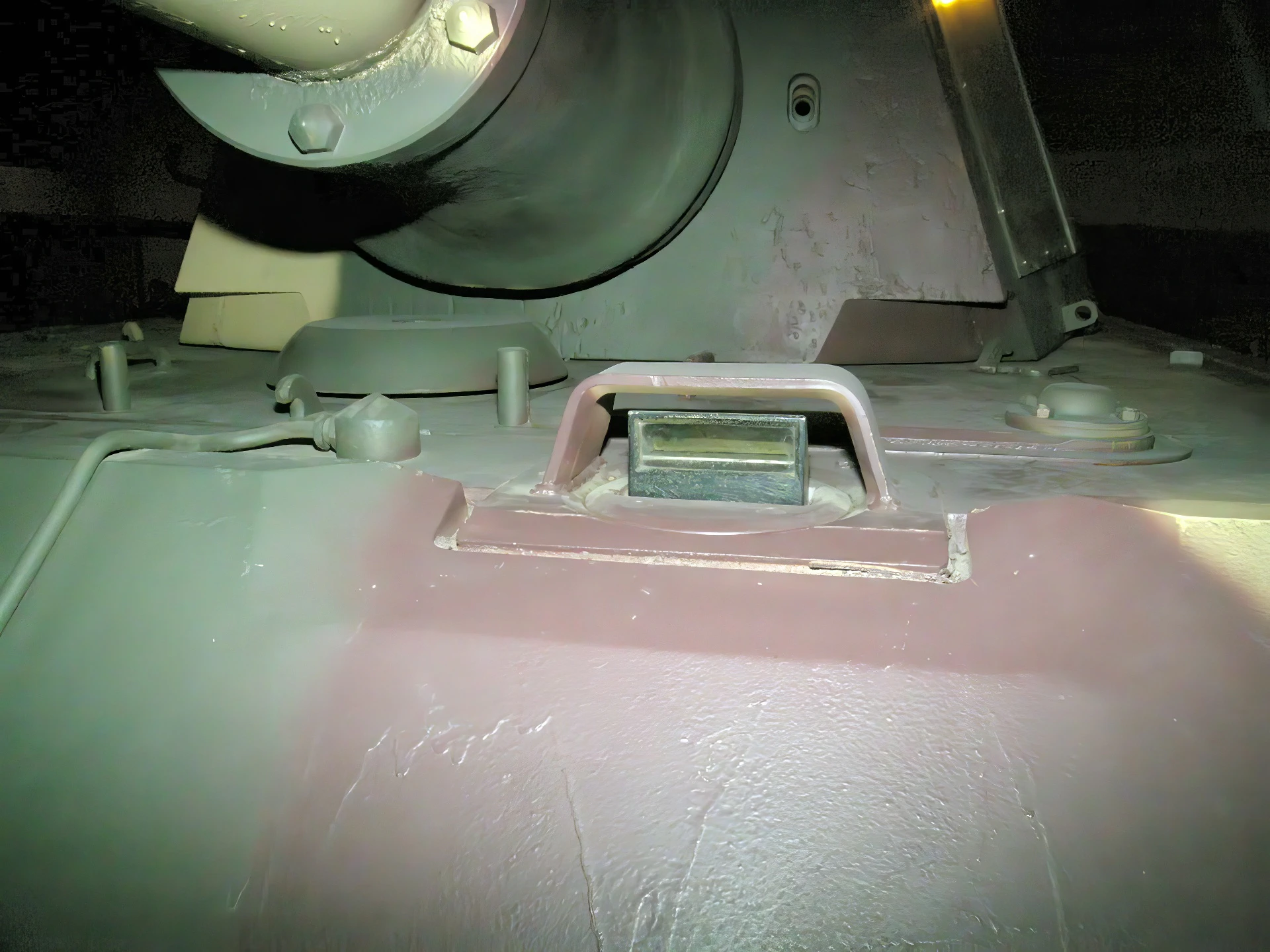
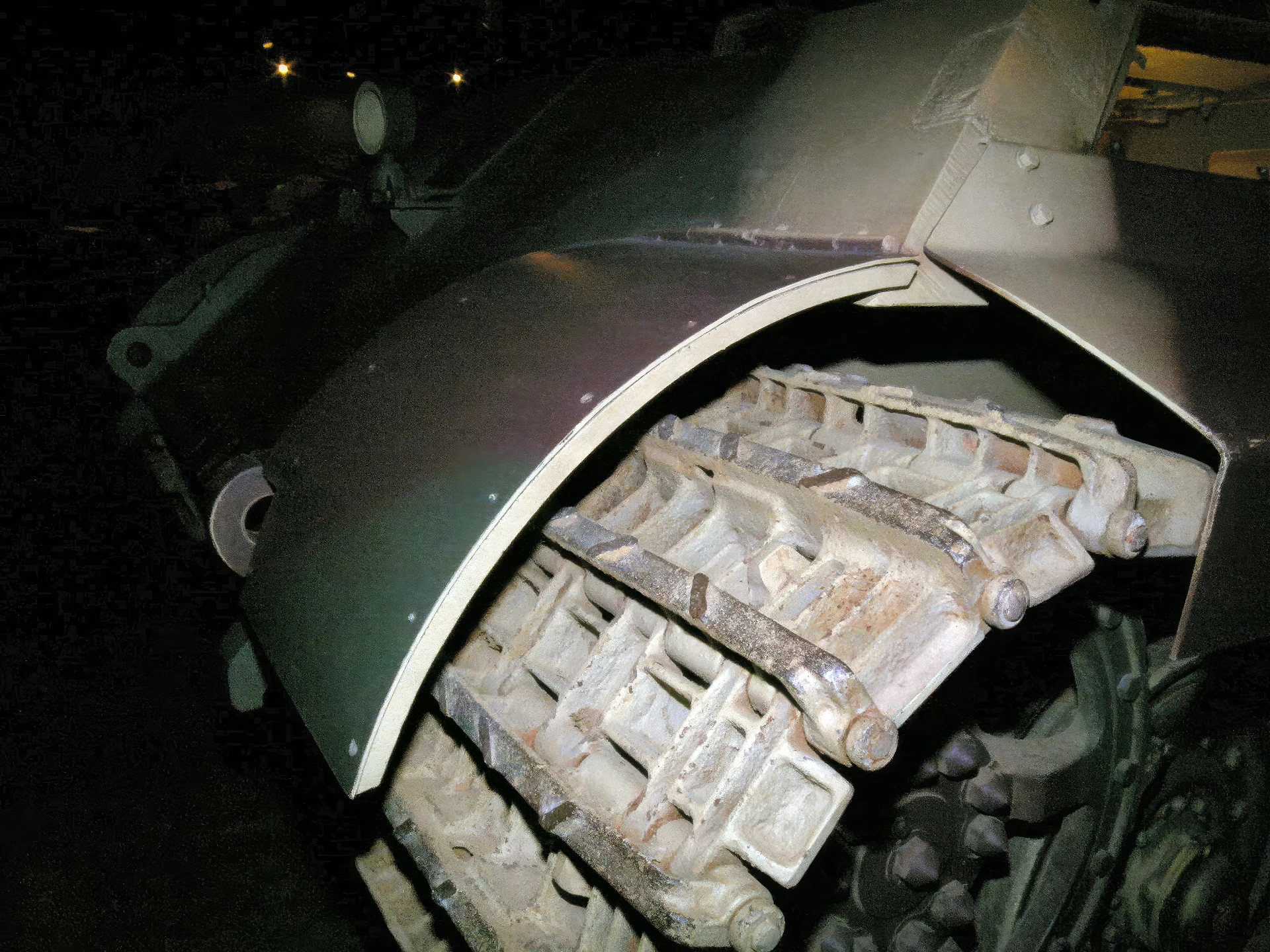
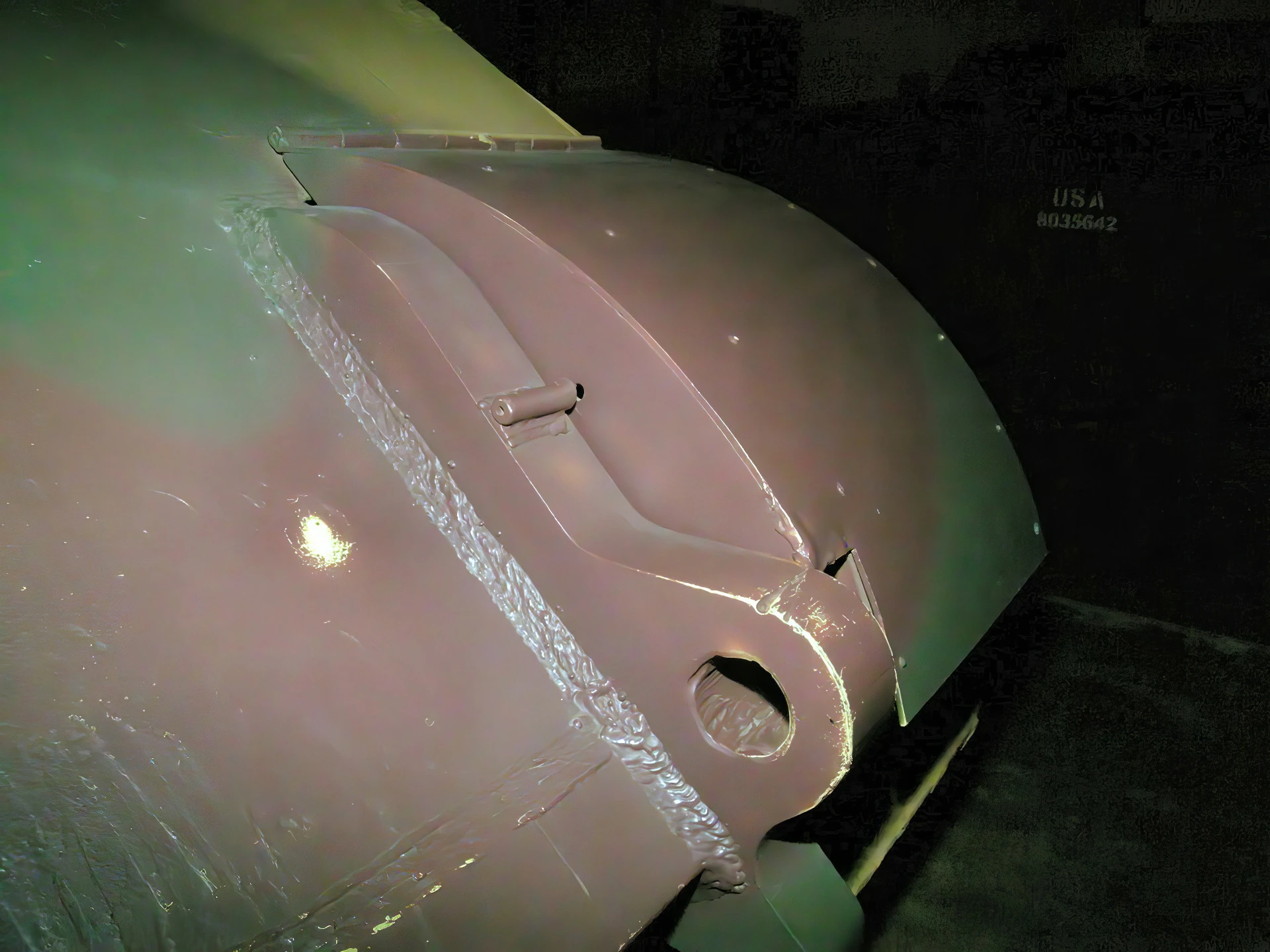

| SdKfz 182 Tiger II Porsche Walk Around | |
|---|---|
| Fotograf | Unknow |
| Lokalizace | Neznámé |
| Fotografie | 24 |
| SdKfz 182 Tiger II Porsche Walk Around | |
|---|---|
| Fotograf | Unknow |
| Lokalizace | Neznámé |
| Fotografie | 52 |
Viz také:


Designation and Role
Tá Sd.Kfz. was the ordnance inventory designation for the German Panzerkampfwagen Tiger Ausf. B, famously known to both German and Allied troops as the Königstiger (King Tiger or Royal Tiger). It was the heaviest and one of the most powerful production tanks deployed by the Wehrmacht during the later stages of World War II, intended as the successor to the Tiger I.
- Primary Role: Heavy breakthrough tank.
- Manufacturer: Henschel (The two main turret designs are often incorrectly referred to as “Porsche” (early) and “Henschel” (production)).
Firepower and Protection
The King Tiger was designed with superior sloped armor (like the Panther tank) and an even more formidable gun than its predecessor, making it virtually immune to frontal penetration by almost all Allied tank guns at normal combat ranges.
- Hlavní výzbroj: The devastating 8.8 cm KwK 43 L/71 gun. This longer-barreled version of the famous 88mm cannon had an extremely high muzzle velocity and was capable of destroying almost any Allied tank from ranges exceeding 3,500 meters.
- Frontal Armor: The glacis plate was 150 mm thick, sloped at 50 degrees, providing an immense effective thickness and contributing to the tank’s 68–70 tonne weight.
Operational History and Challenges
First used in combat during the Allied invasion of Normandy in July 1944, the Tiger II was a terrifying opponent when operational. However, its immense weight placed a massive strain on its drivetrain (using the same Maybach engine as the lighter Panther), leading to frequent mechanical failures. Logistical issues, fuel shortages, and its complexity meant fewer than 500 were produced, and many were abandoned or destroyed by their own crews due to breakdowns, not enemy fire.
- Combat Debut: Battle of Normandy (July 1944) with the 503rd Heavy Panzer Battalion.
- Weight/Mobility: Heavy weight severely limited strategic and tactical mobility.
Views : 10898
Můžete také vidět:
 Pz.Kpfw VI Ausf B – Procházka
 Tiger II – Königstiger vol3 – Procházka Kolem
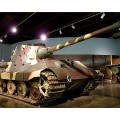 Panzerkampfwagen VI Königstiger – Procházka
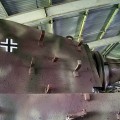 Tiger II – Königstiger – Procházka Kolem
 Lehké trakční vozíky - zbraně Arsenal 129
 Panzerkampfwagen VI Königstiger - Zbraně Arsenal 127
 Panzerkampfwagen VI Königstiger - Zbraně Arsenal 111
 Panzerkampfwagen VI Königstiger - Zbraně Arsenal 025