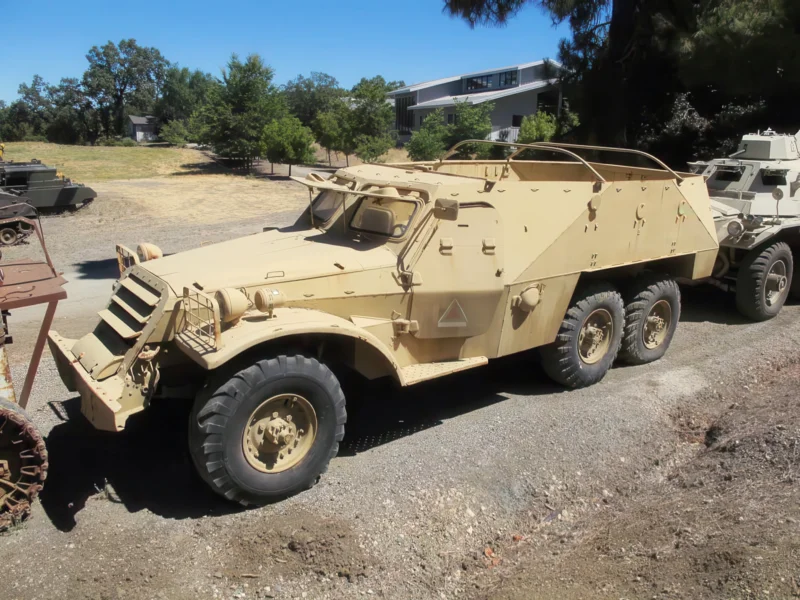
BTR-152V1 | |
|---|---|
| 국가 | 소련 |
| 항목 | 장갑 차대 |
| 코드 | Btr 152 |
| 설명 | 의 앨범 148 사진 산책 의 « BTR-152V1» |
BTR-152V1의 사진 갤러리
BTR-152 (또한 BTR-140로 알려진)는 1950 년에 소련 서비스에 진입 한 비 수륙 양용 소련 휠 장갑 인력 캐리어 (즉, 말 그대로 "장갑 수송기") † 비 수륙 양용 소련 바퀴 장갑 인력 캐리어였다. 1970년대 초에는 보병 차량 역할로 BTR-60으로 교체되었습니다. 그러나 1993년까지 소련 군대와 러시아 육군에서 다양한 역할을 수행했다. 그것은 또한 많은 제 3 세계 국가에 수출 되었다.
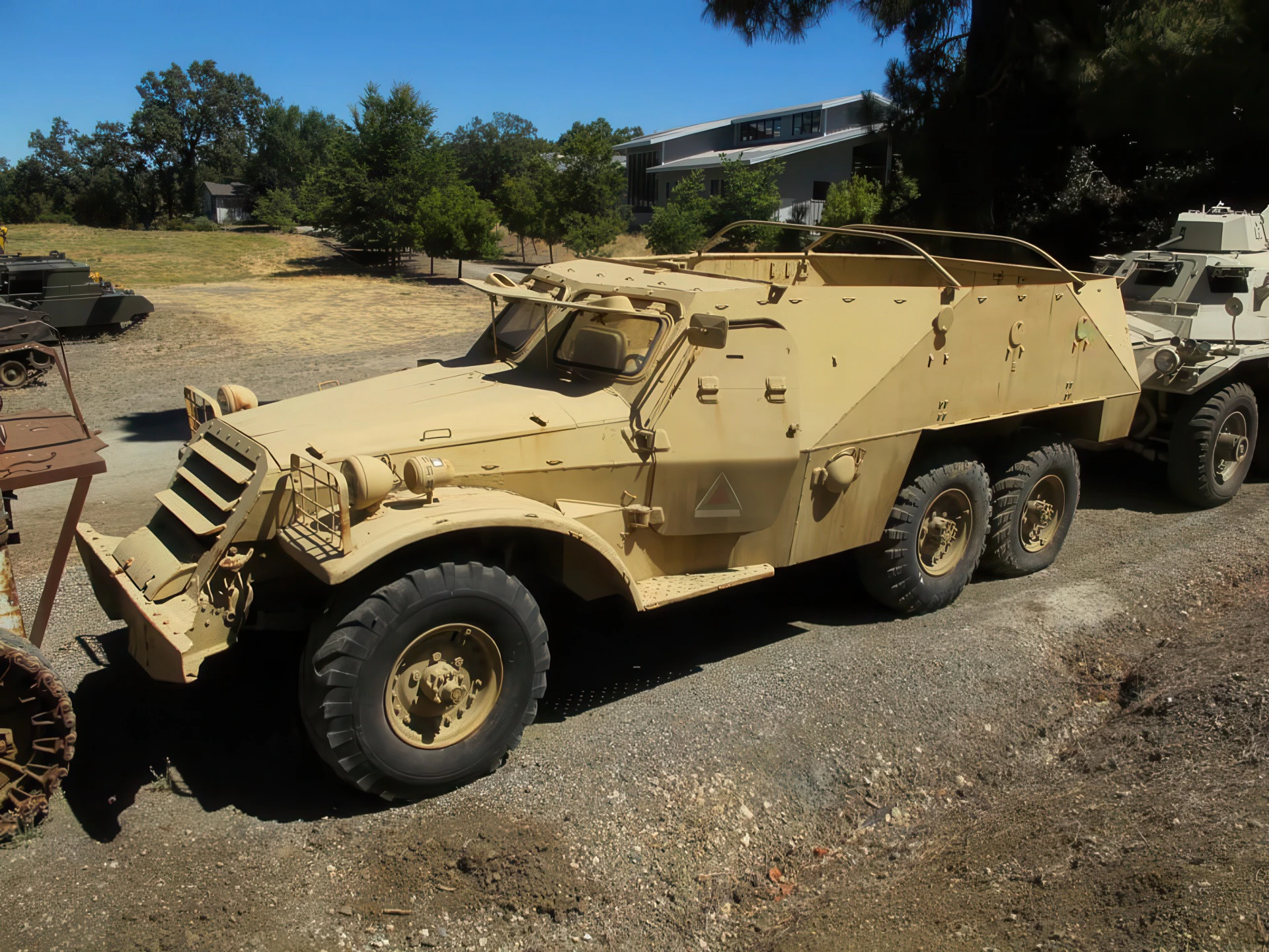
BTR-152V1 (1957) - 야간 투시경 장비, 윈치, 오픈 탑 및 개선된 외부 타이어 압력 조절 시스템 획득.
소스: BTR-152V1 온 위키백과
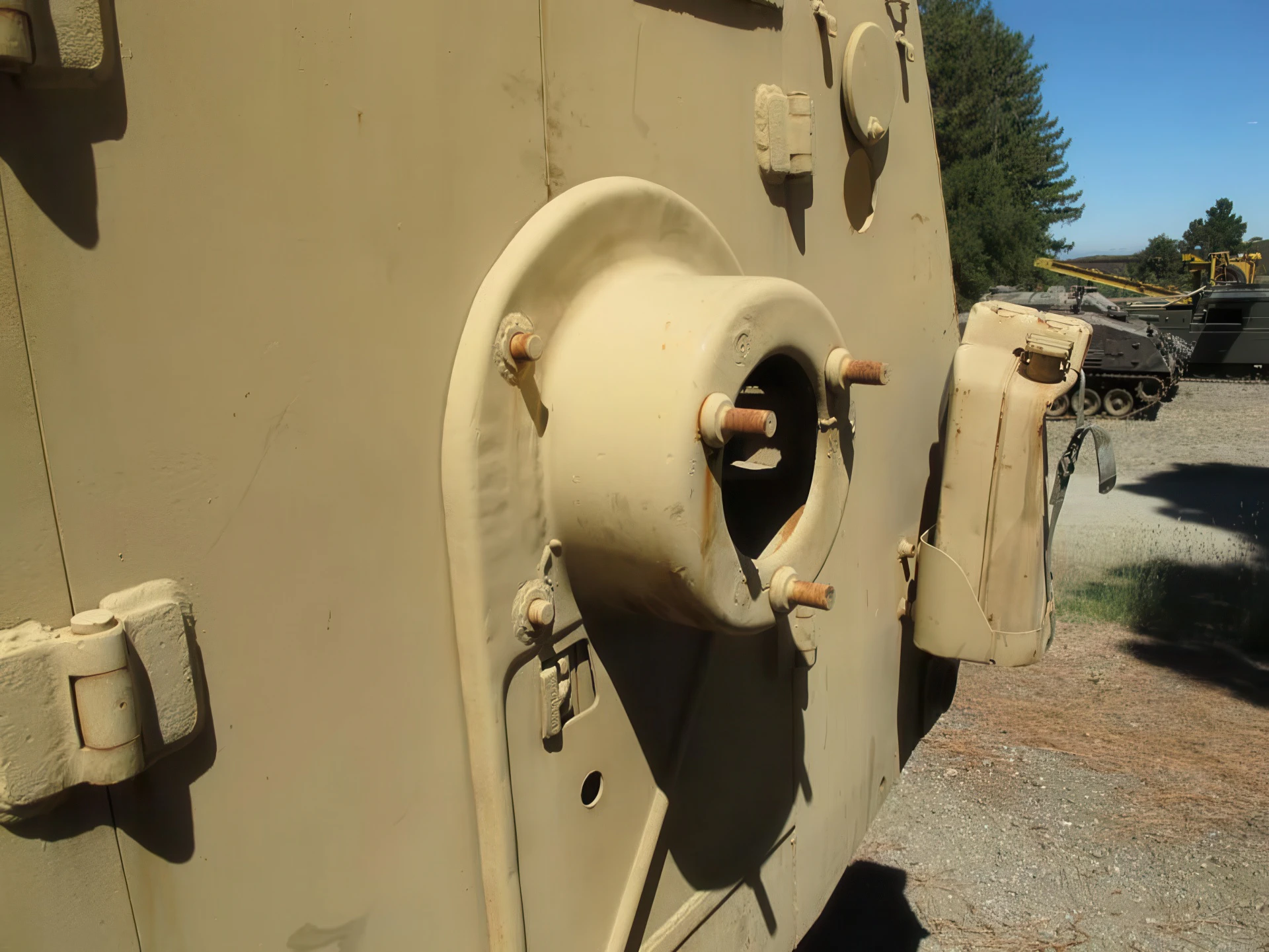
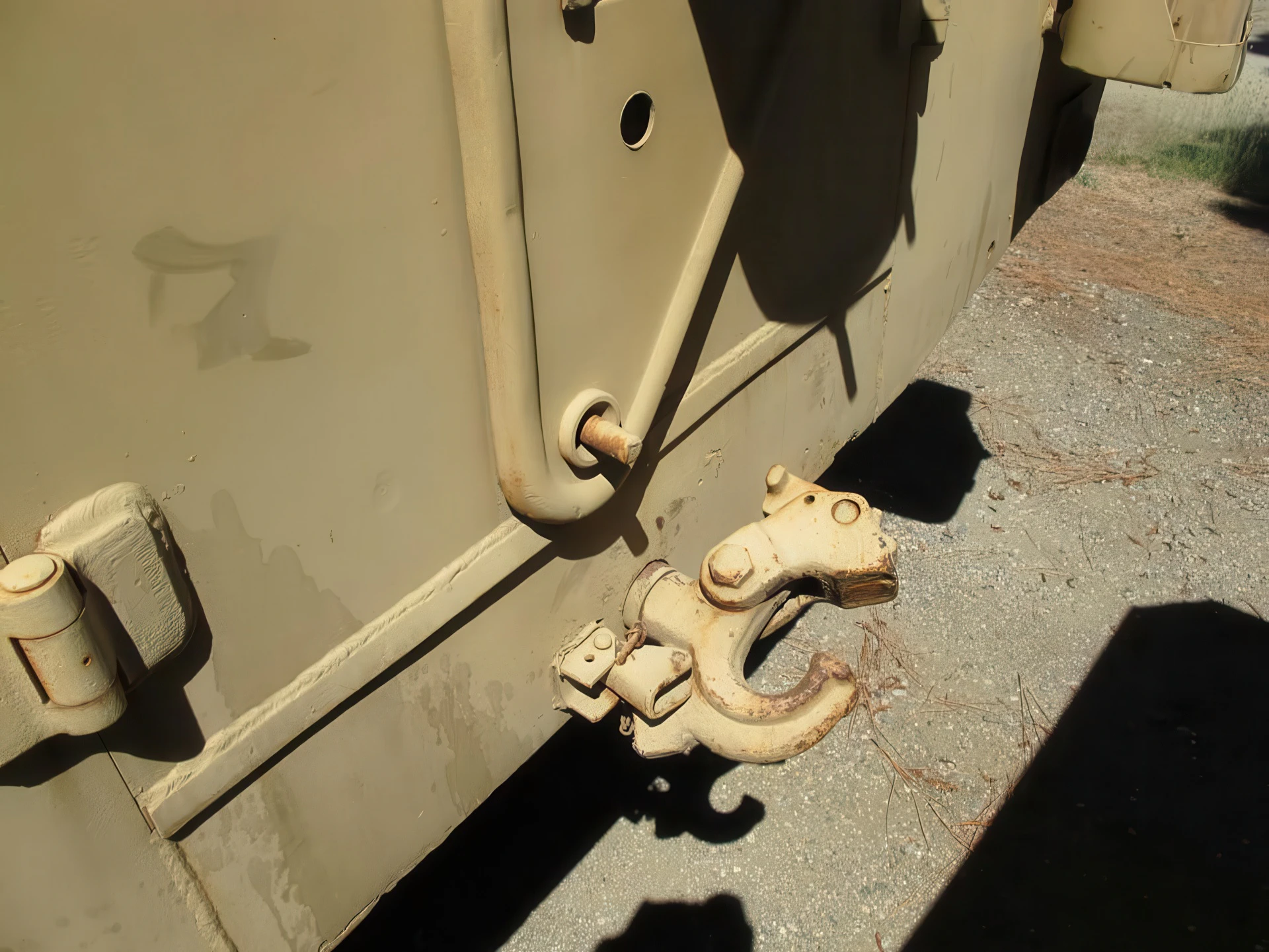
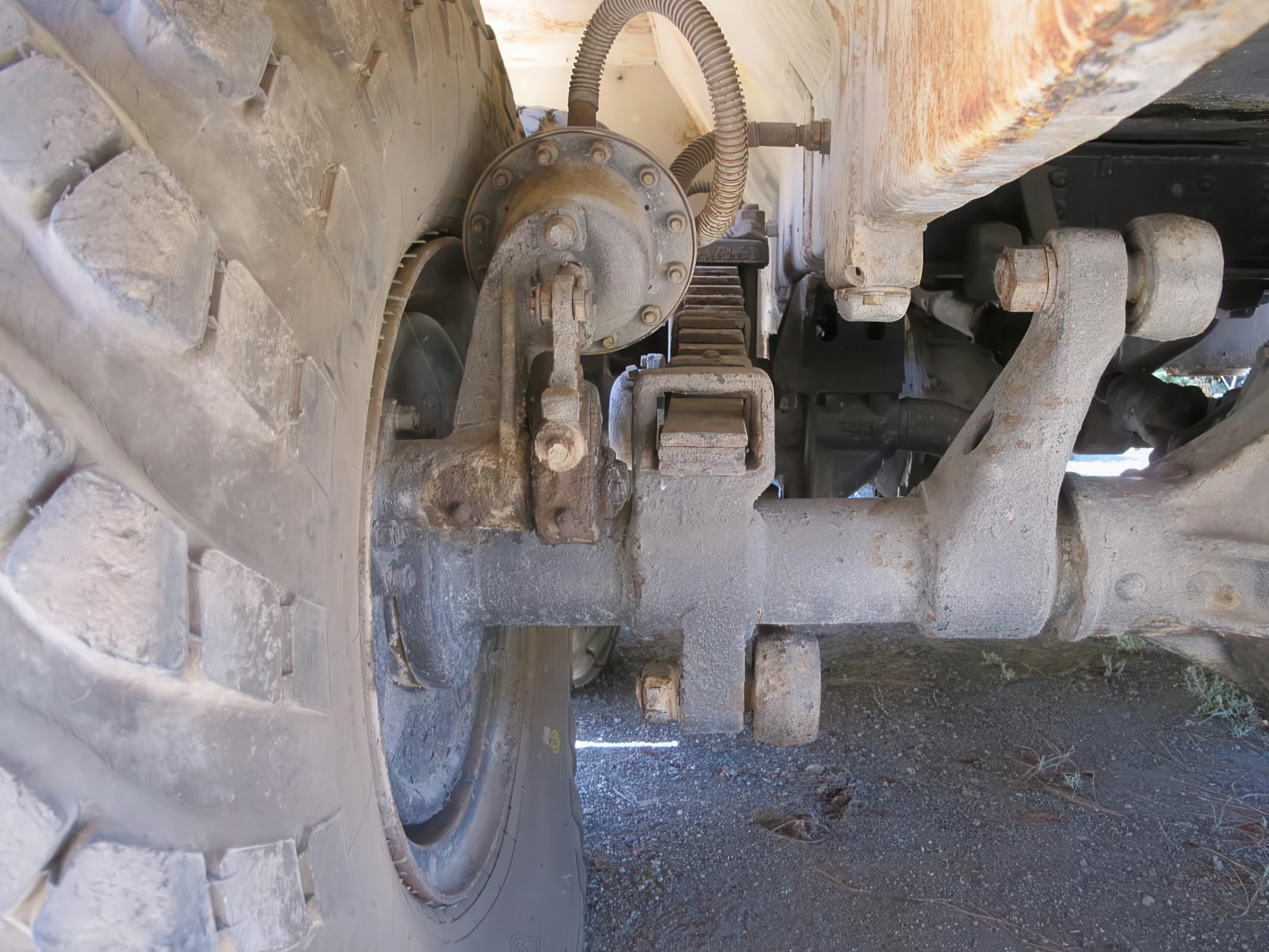
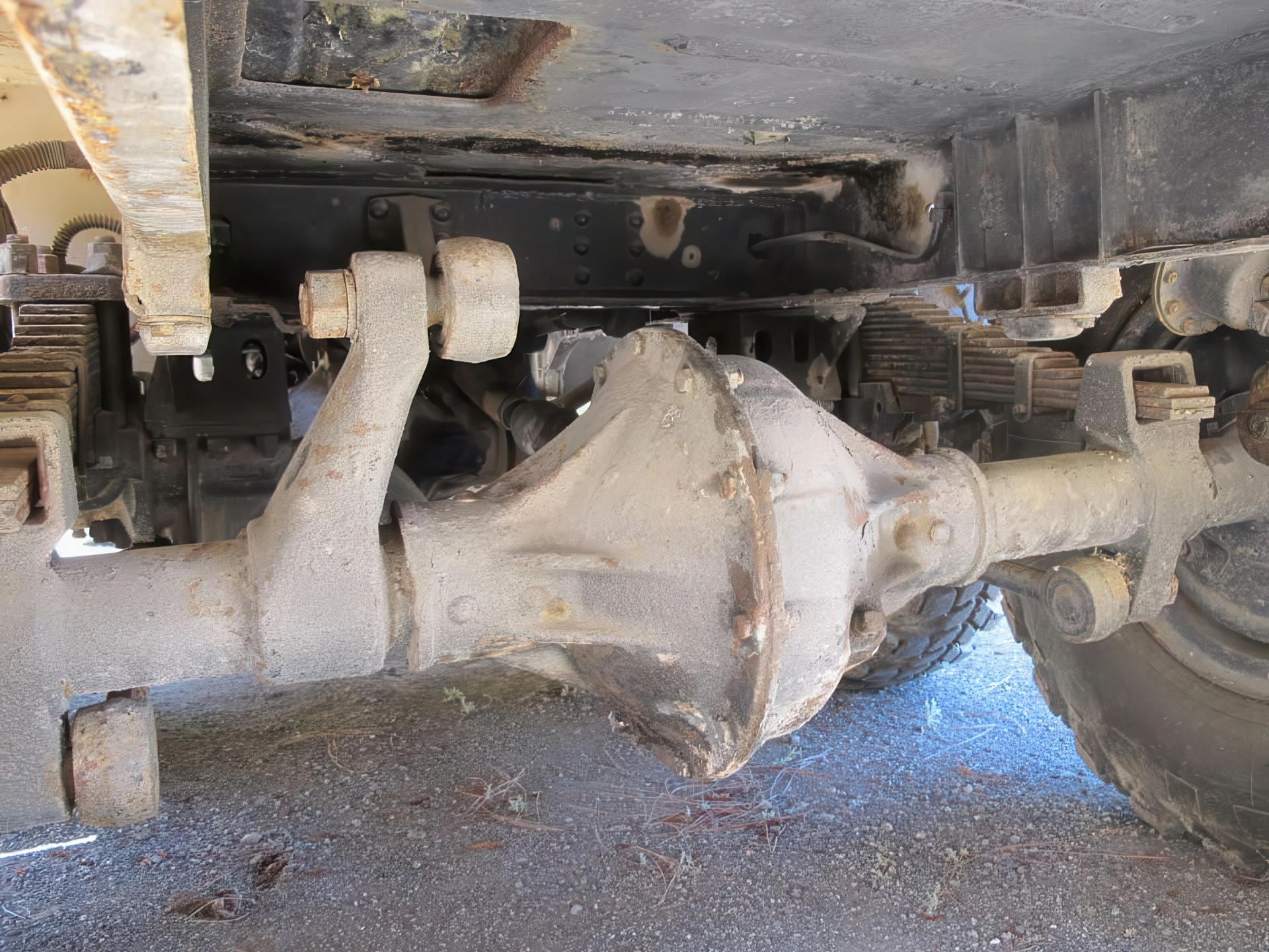

| BTR 152 산책 | |
|---|---|
| 사진 작가 | Unknow |
| 로컬라이제이션 | Unknow |
| 사진 | 45 |
참고 항목:


The **BTR-152V1** is a specific variant of the BTR-152 (Bronetransporter, or “armored transporter”)—a non-amphibious, six-wheeled armored personnel carrier (APC) developed by the Soviet Union shortly after World War II. The BTR-152 series formed the backbone of Soviet motor rifle battalions until it was largely replaced by the amphibious BTR-60 series in the 1960s.
General Design and Role
- **Chassis:** The BTR-152 was based on the chassis and drivetrain of the ZIL-151 (later ZIL-157) utility truck, making it essentially a mass-produced, armored truck.
- **Role:** Its primary role was to transport a full infantry squad (up to 17 soldiers plus a 2-person crew) to the battlefield while providing protection from small arms fire and shell splinters.
- **Protection:** It featured an all-welded steel hull with the engine at the front, and the driver/commander cab immediately behind it. The troop compartment was located at the rear. The armor, though light by later standards, was sufficient against contemporary rifle rounds and shrapnel.
- **Vulnerability:** A major limitation of the base BTR-152 and its ‘V1’ variant was the **open-topped** troop compartment, which left the soldiers vulnerable to indirect artillery fire, hand grenades, and NBC (Nuclear, Biological, Chemical) threats.
Key Features of the BTR-152V1 Variant
The BTR-152V1 was an improved version of the vehicle, integrating several enhancements that were retrofitted to older models or introduced in new production batches:
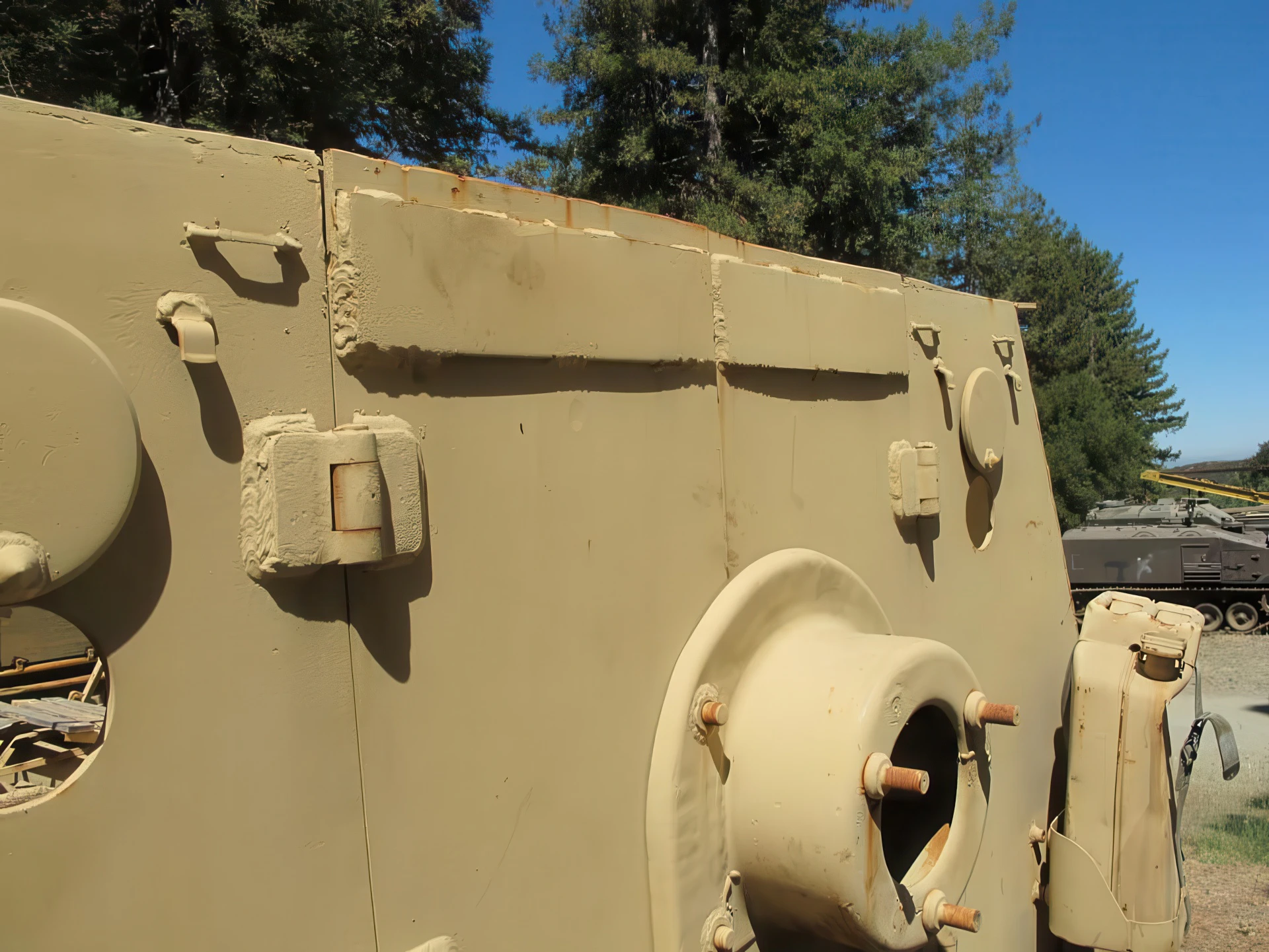
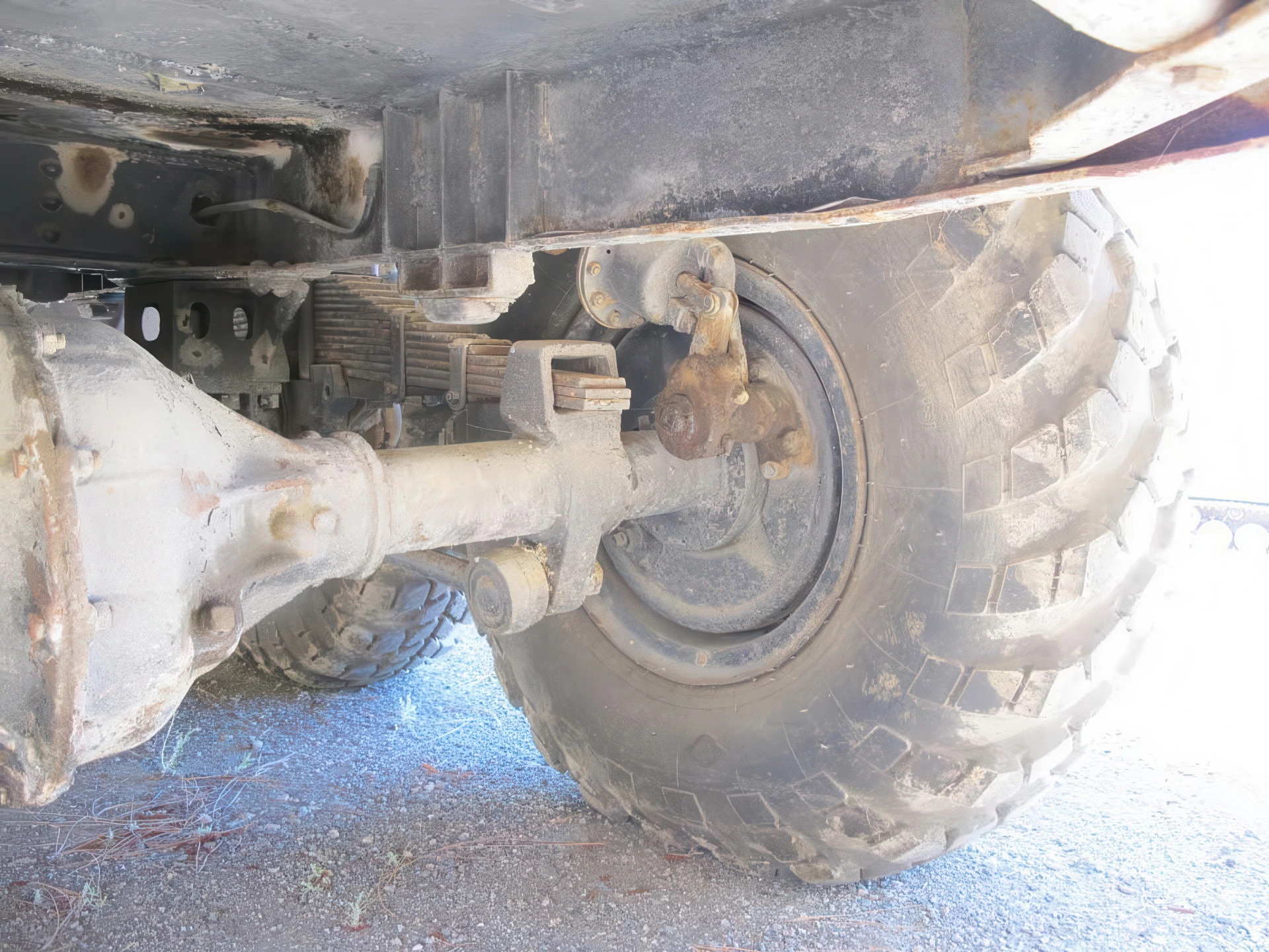
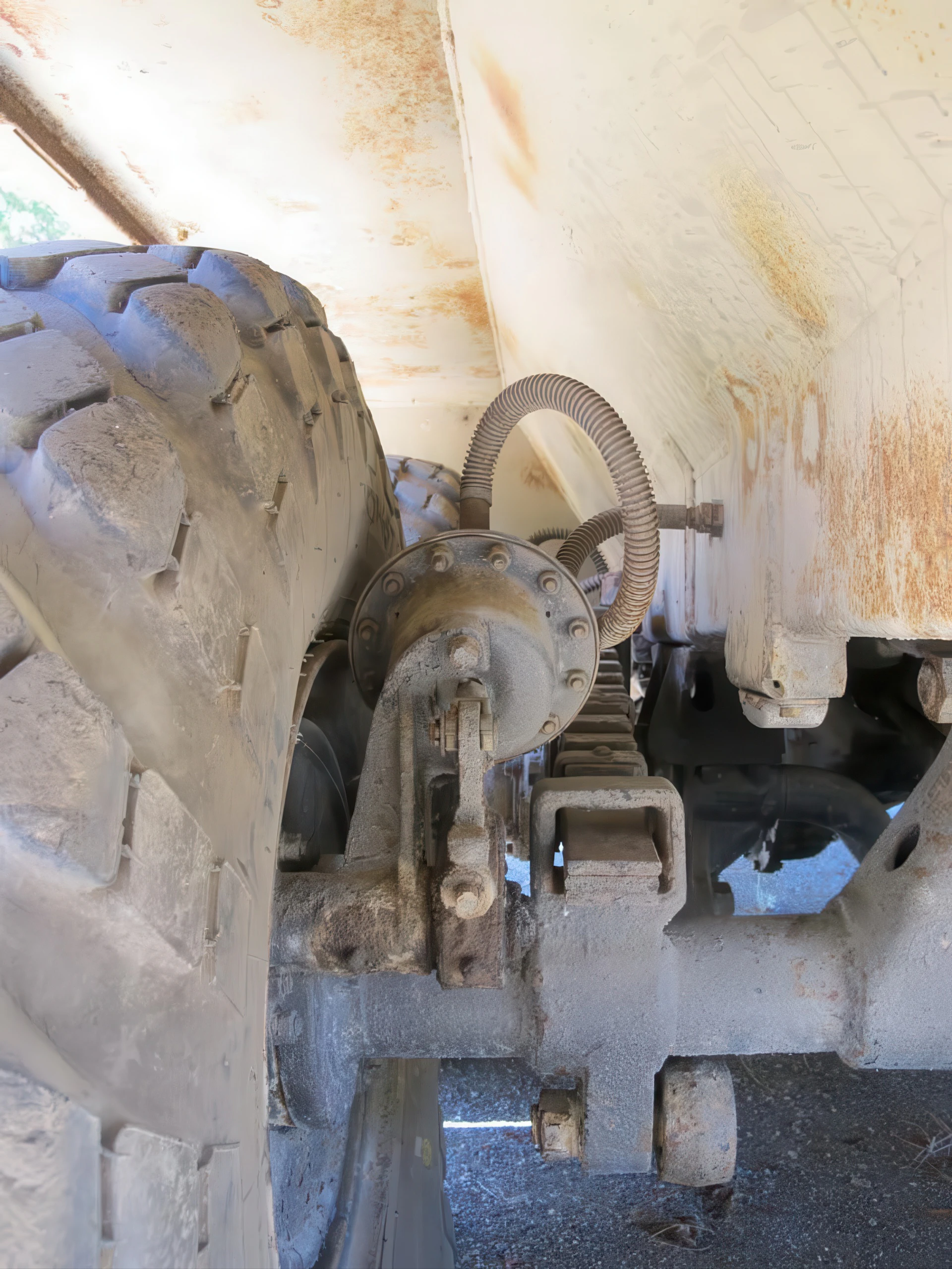
- **Central Tire Pressure Regulation System:** This was a crucial feature that allowed the driver to adjust the pressure in all six tires from the cab while moving. This greatly improved the vehicle’s cross-country mobility, particularly over soft terrain like mud or sand. The V1 model is generally associated with an **internal** system of air lines (sometimes confused with the external lines of the BTR-152V).
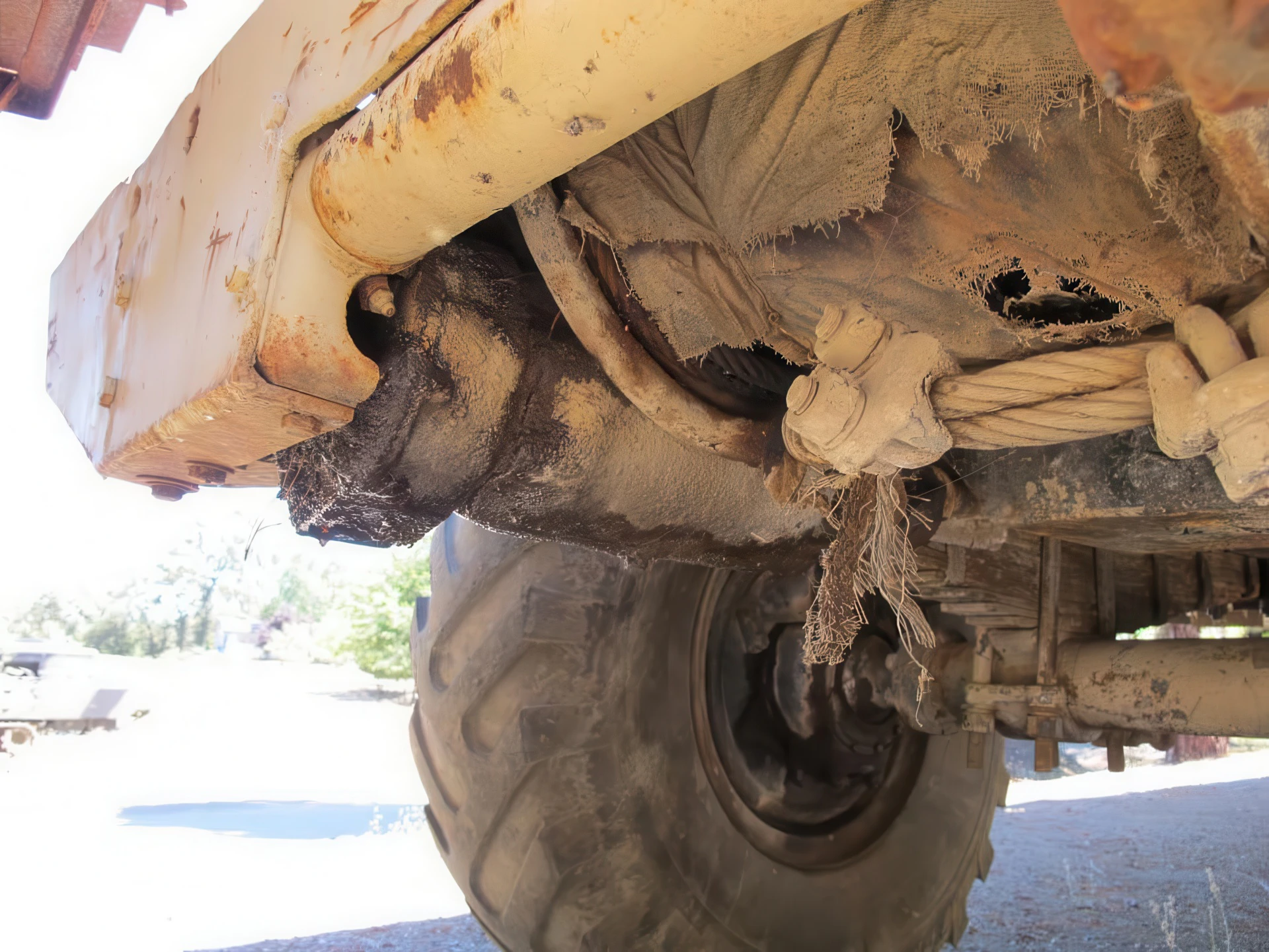
- **Front-Mounted Winch:** The V1 incorporated a powerful mechanical winch at the front bumper, housed in a special casing, to aid in self-recovery or towing other vehicles, significantly improving its operational autonomy.
- **Night Vision Equipment:** The driver was equipped with night vision devices to facilitate movement and operation in low-light conditions.
- **Armament:** Typically, a single **7.62 mm SGMB machine gun** or sometimes a heavier **12.7 mm DShK heavy machine gun** was mounted on a pintle mount above the cab for fire support. The troop compartment also featured firing ports on the sides and rear doors, allowing infantry to engage targets from inside the vehicle.
Views : 4920