ソムア S-35 | |
|---|---|
| 国 | フランス |
| 型 | 騎兵戦車 |
| サービス中 | 1936–1945 |
| 構築 | 440+ |
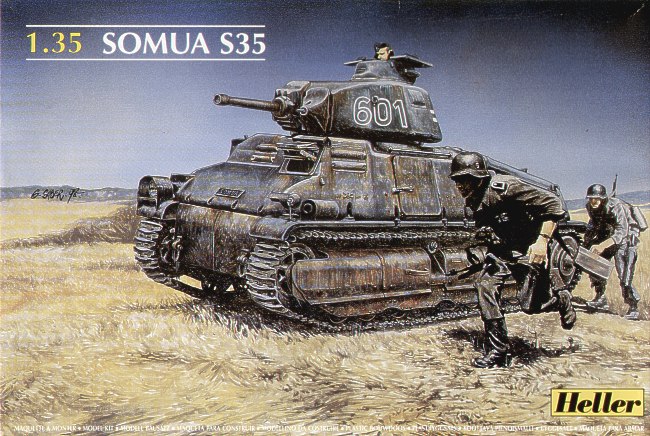
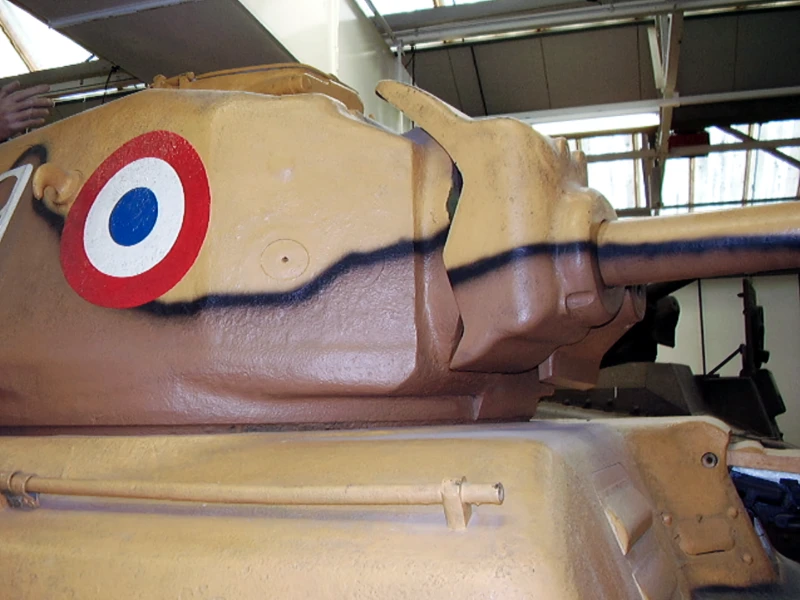
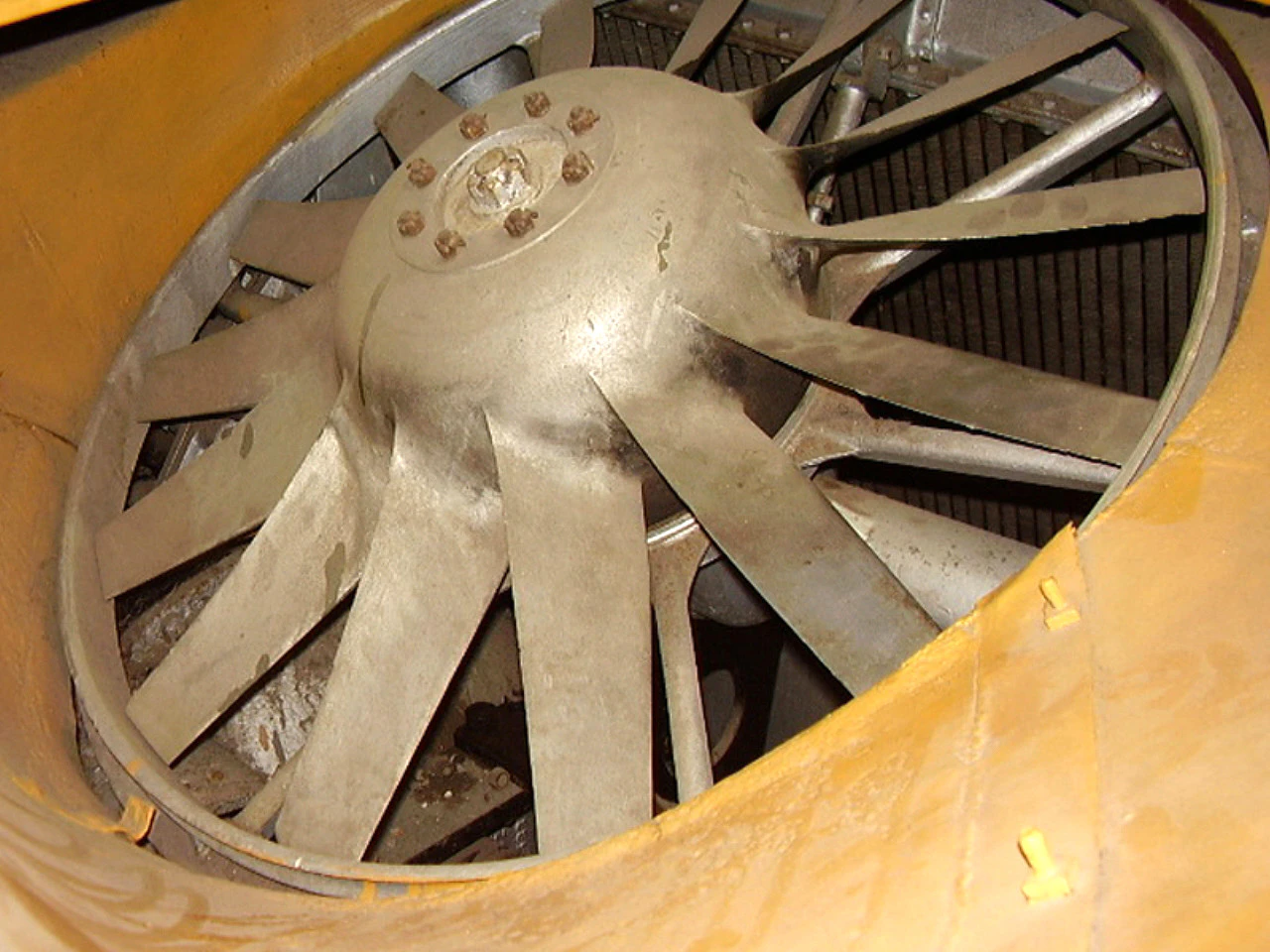
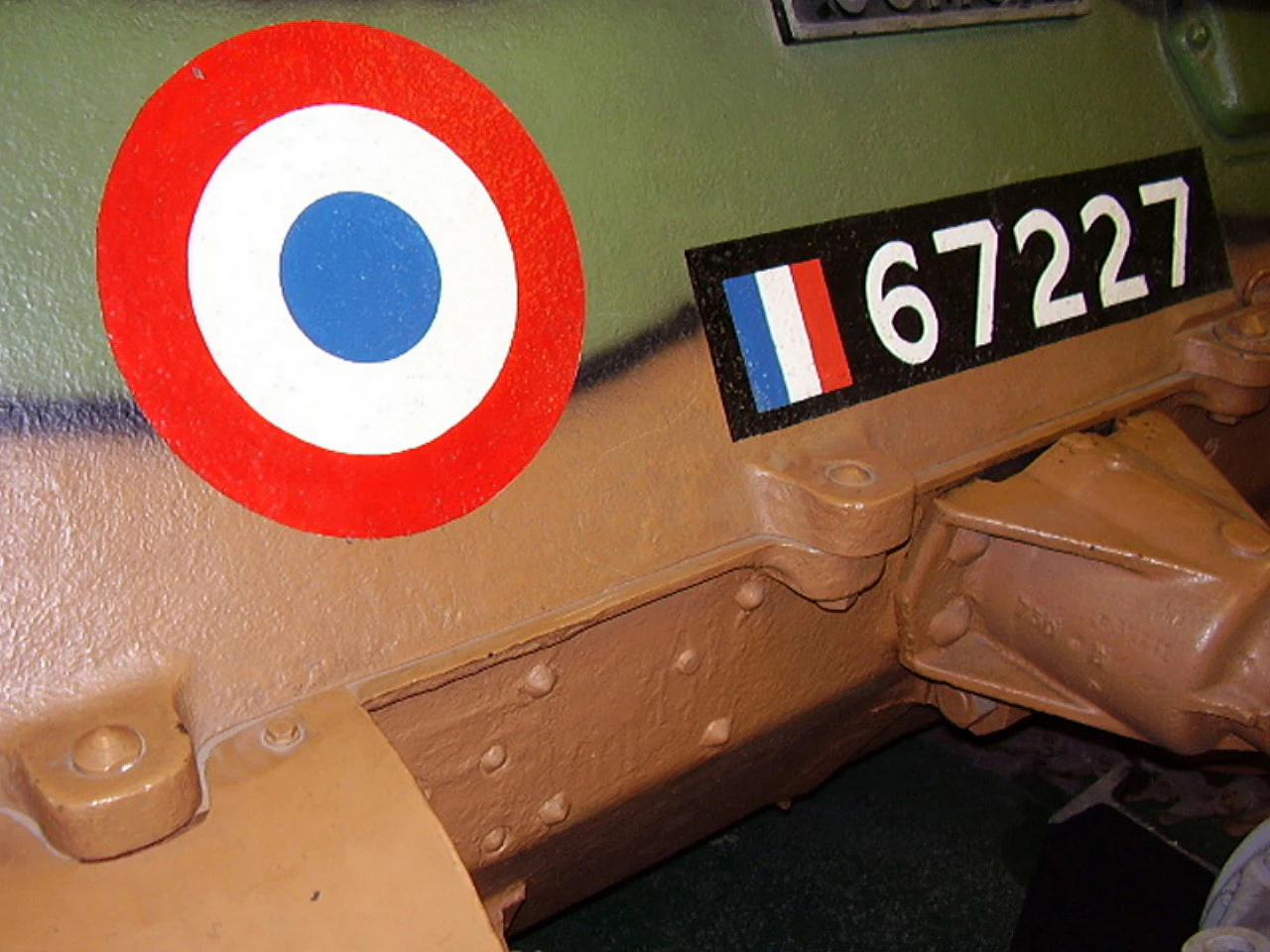
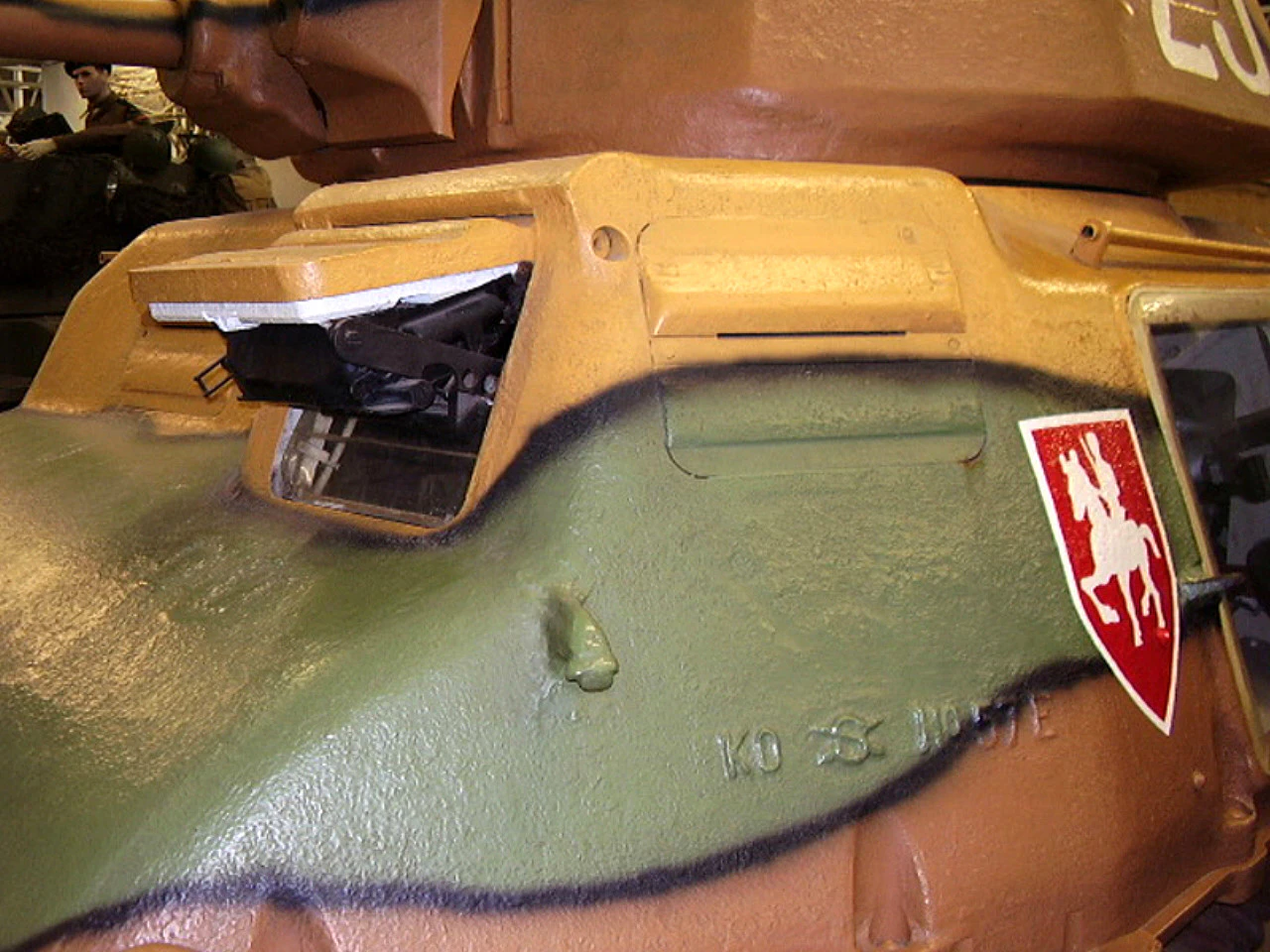
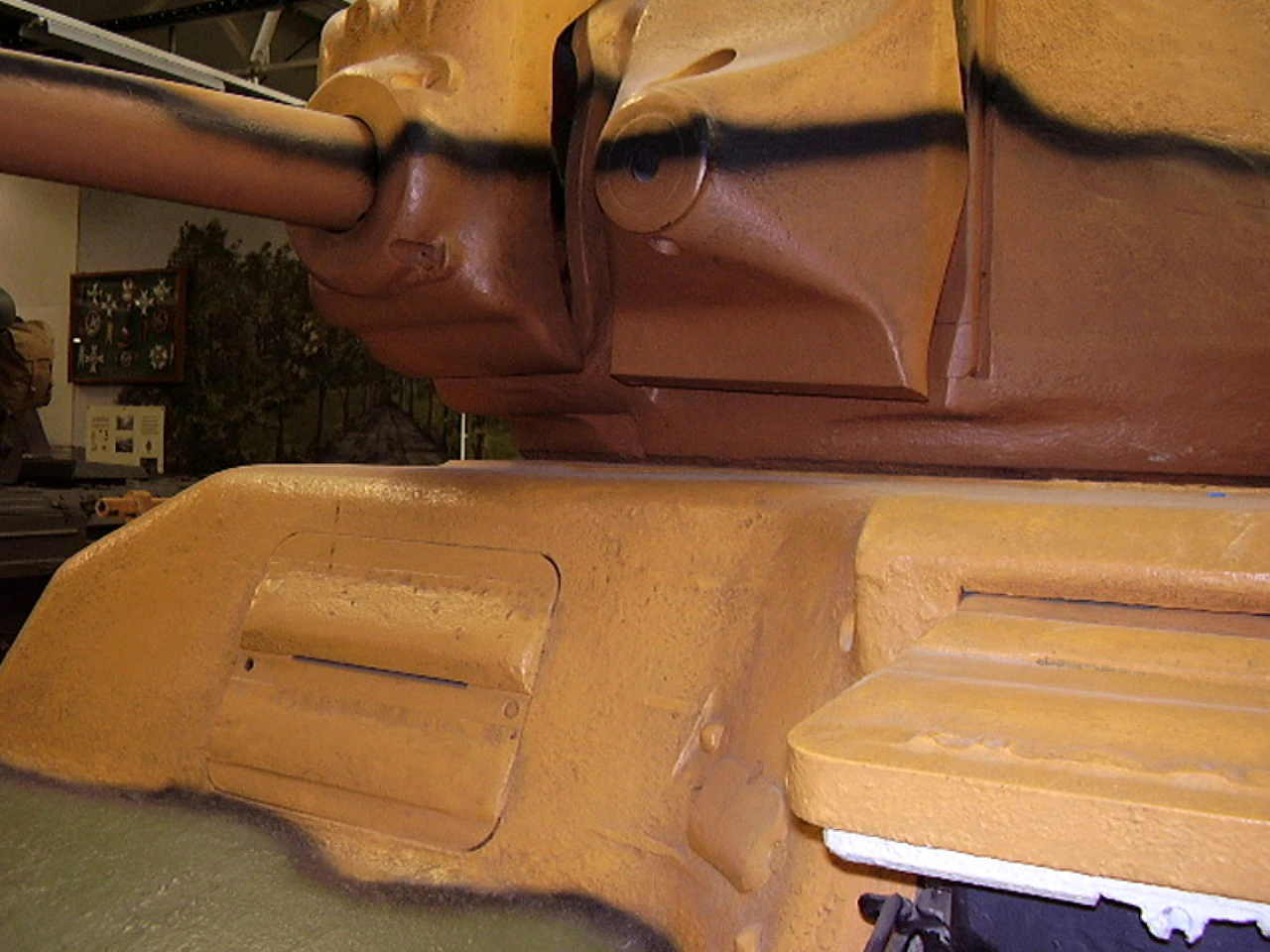
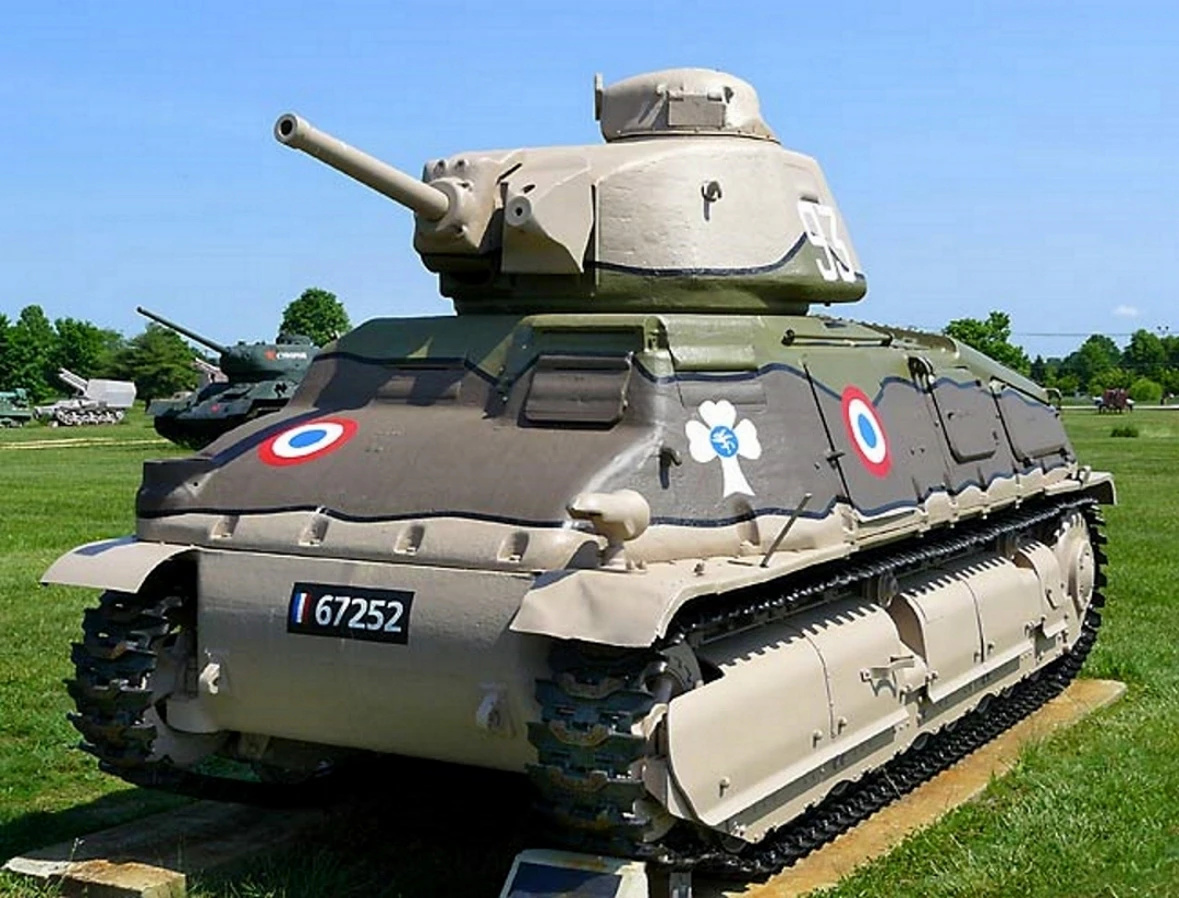
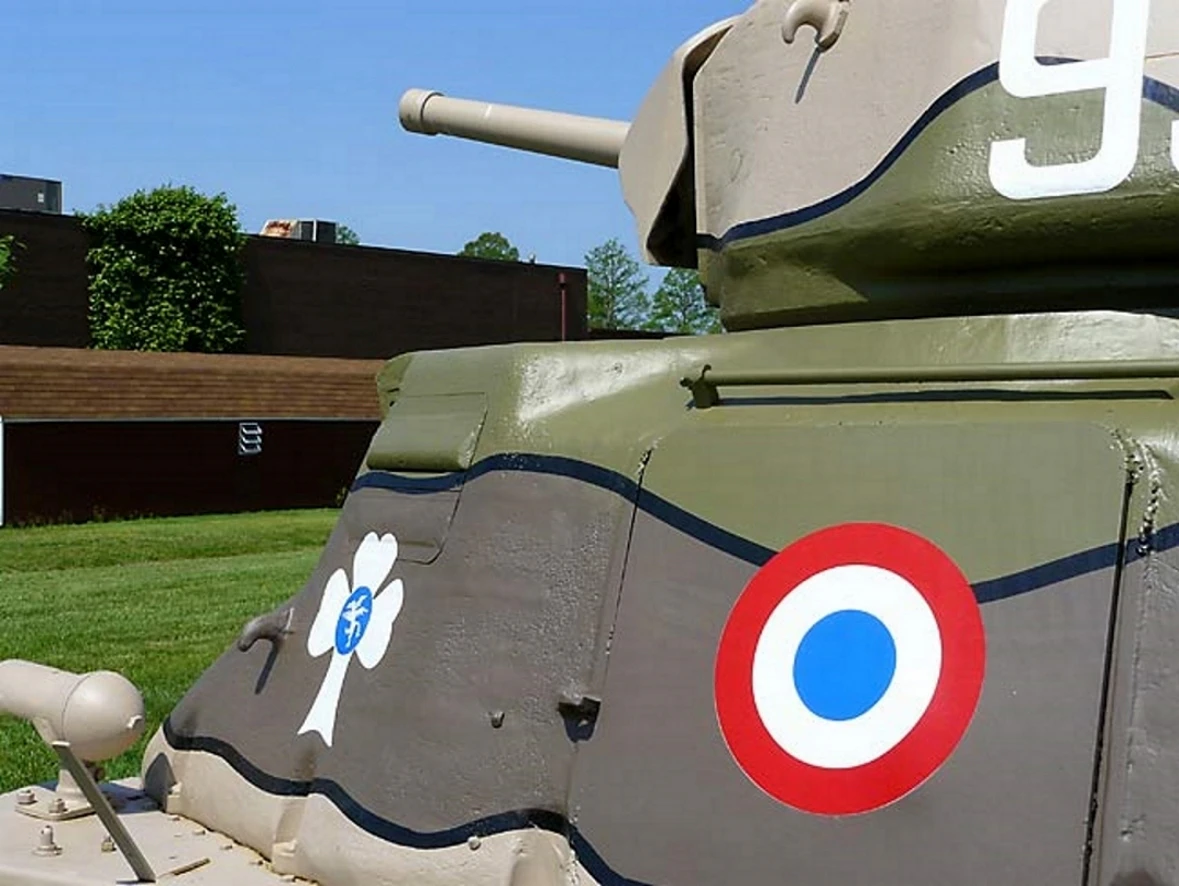
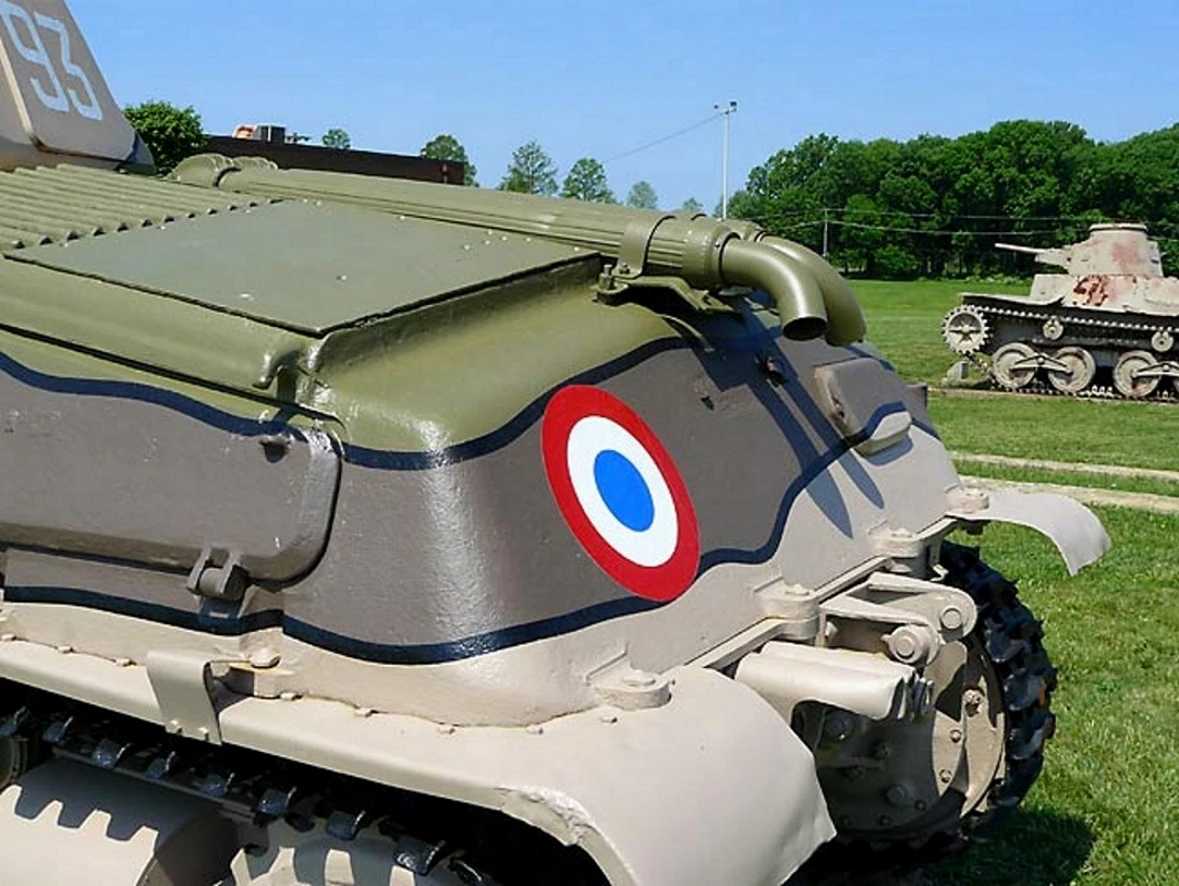
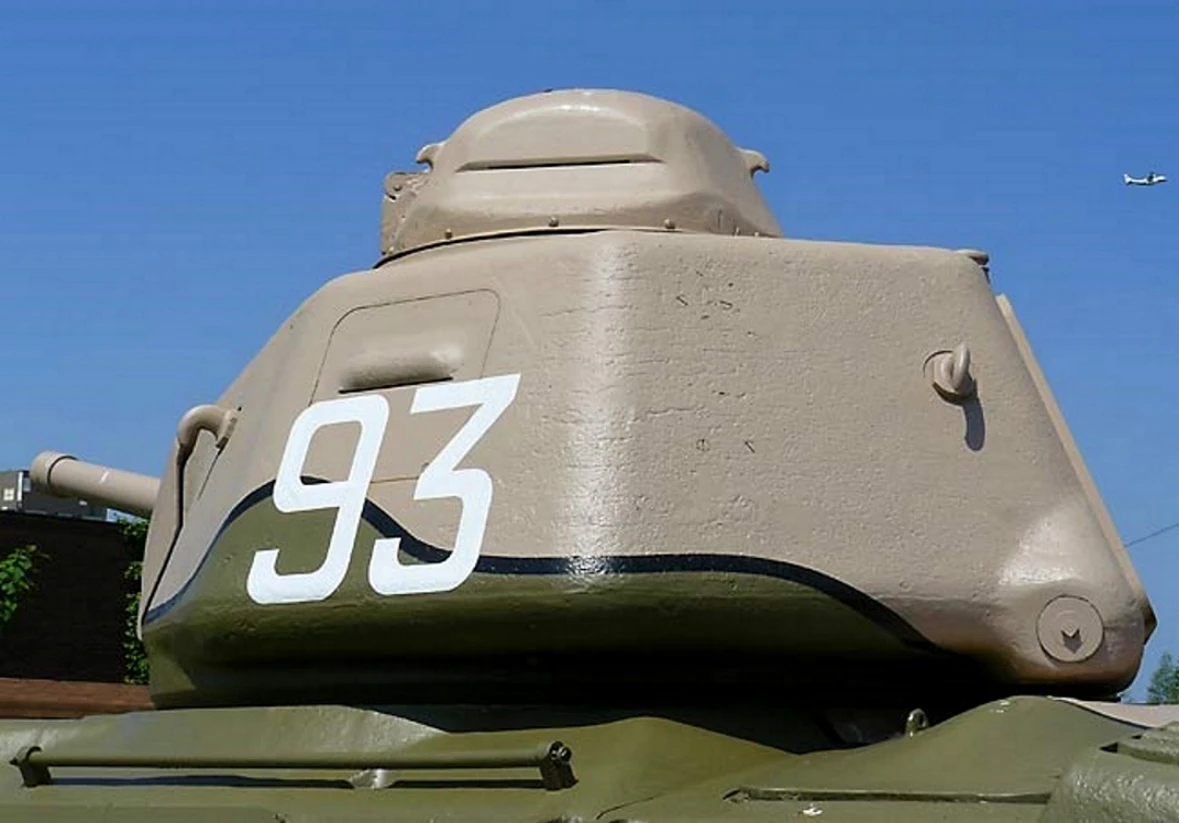
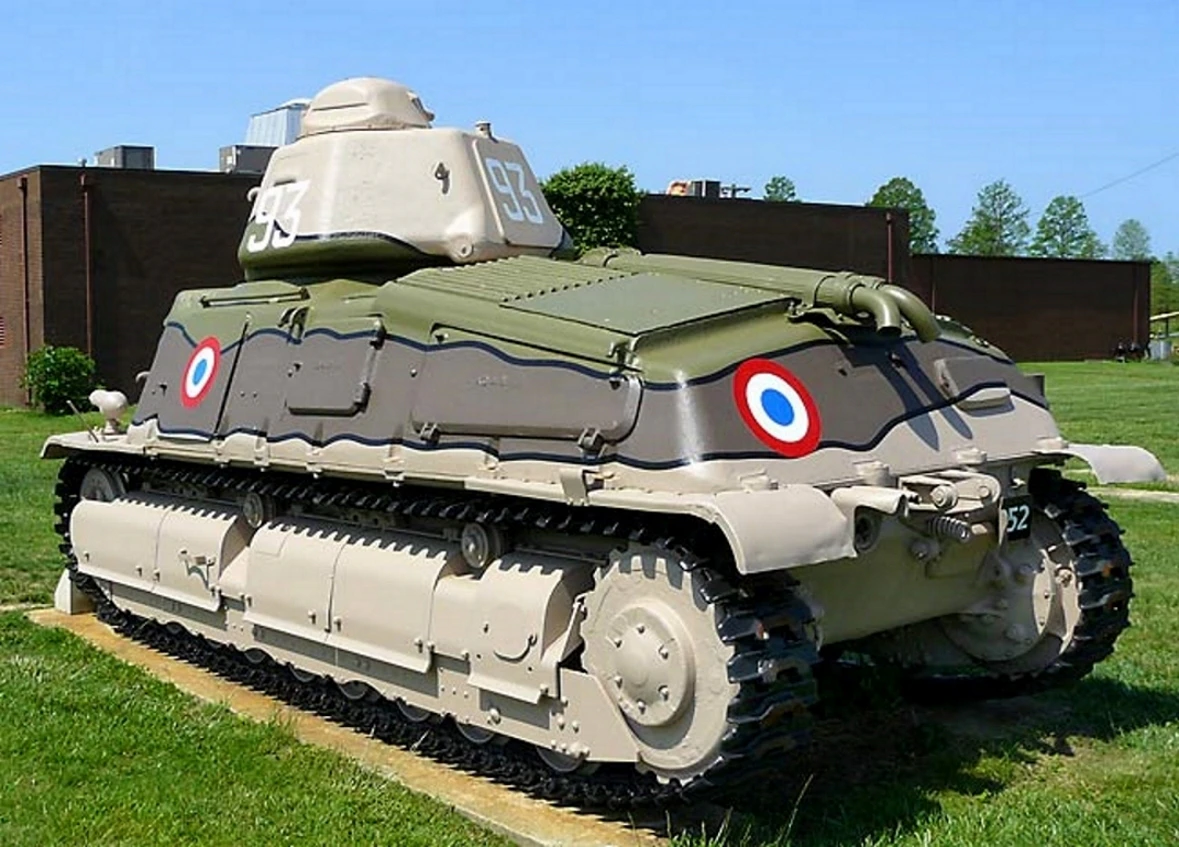
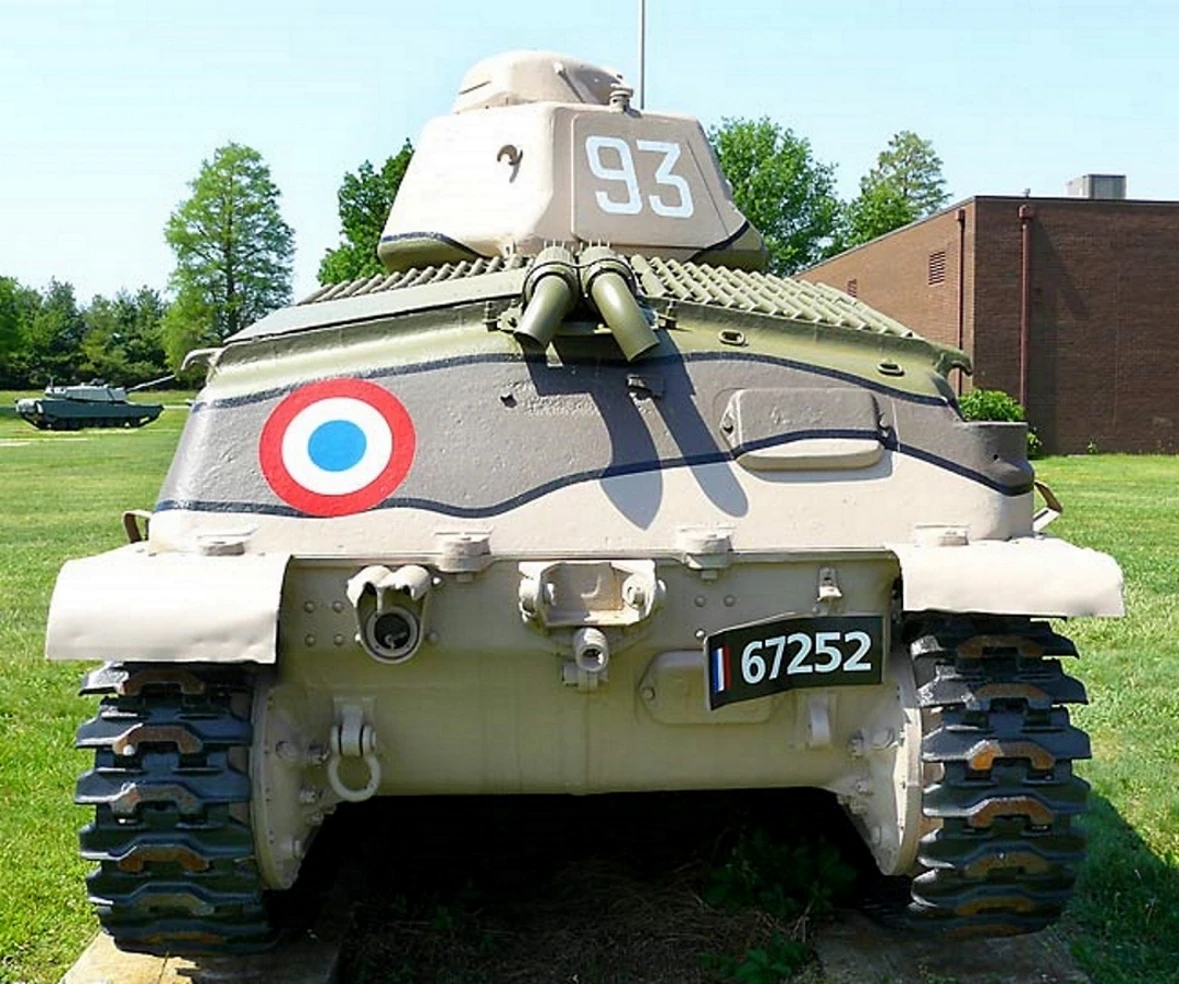
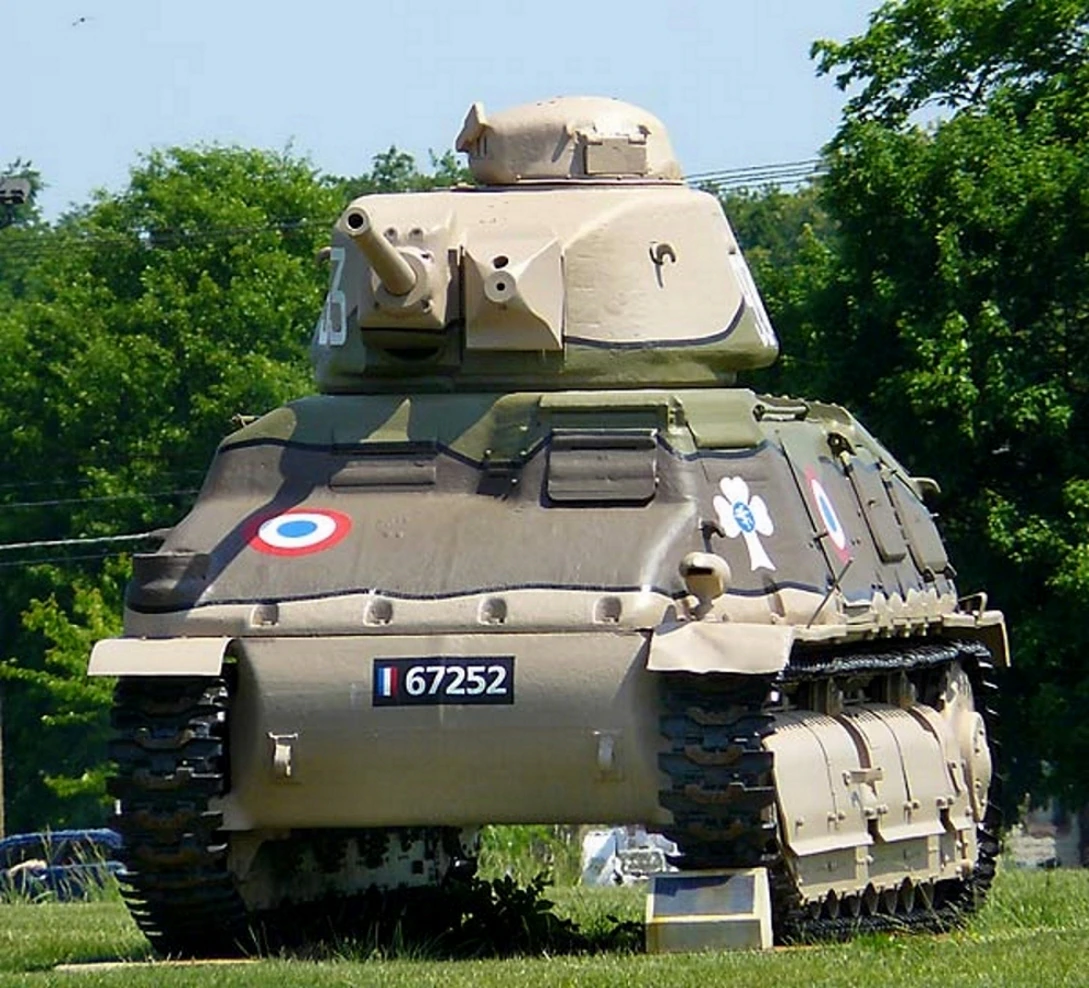
ソムアS-35のフォトギャラリー、 ソムア S35 ●第二次世界大戦のフランス騎兵戦車で、1936年から1940年まで騎兵隊の装甲師団を装備するために建造され、当時は比較的機敏な中重戦車で、ドイツのパンツァーカンプフワーゲン3世の現代版など、フランスと外国の両方の競合他社に装甲と軍備が優れていた。それはよく傾斜、主にキャスト、装甲セクションから構築されましたが、生産に高価で維持に時間がかかりました。
ソース: ウィキペディアの Somua S-35
| Somua S-35 | |
|---|---|
| カメラマン | 知りません |
| ローカライズ | ボビントン タンク ミュージアム |
| 写真 | 13 |
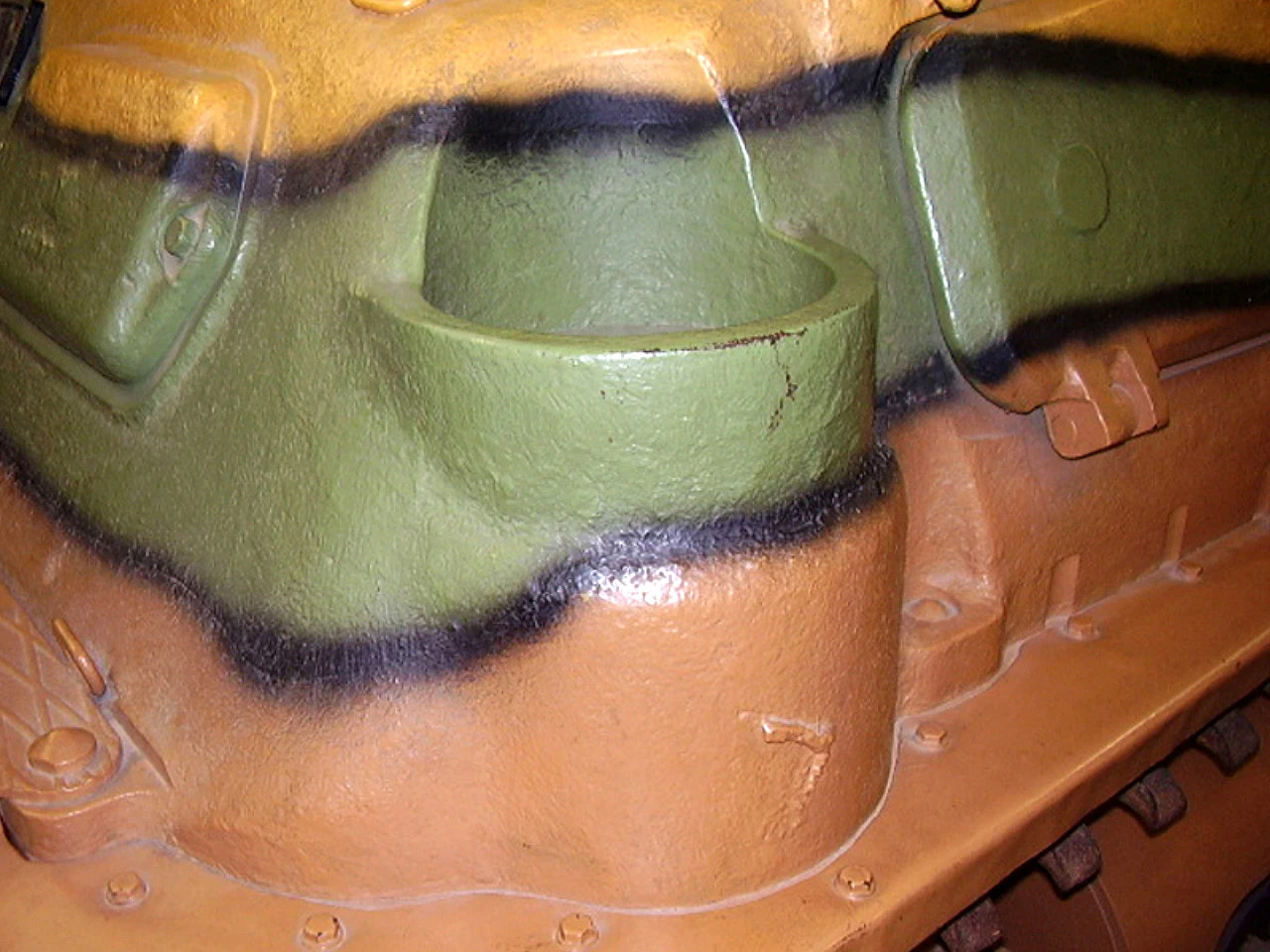
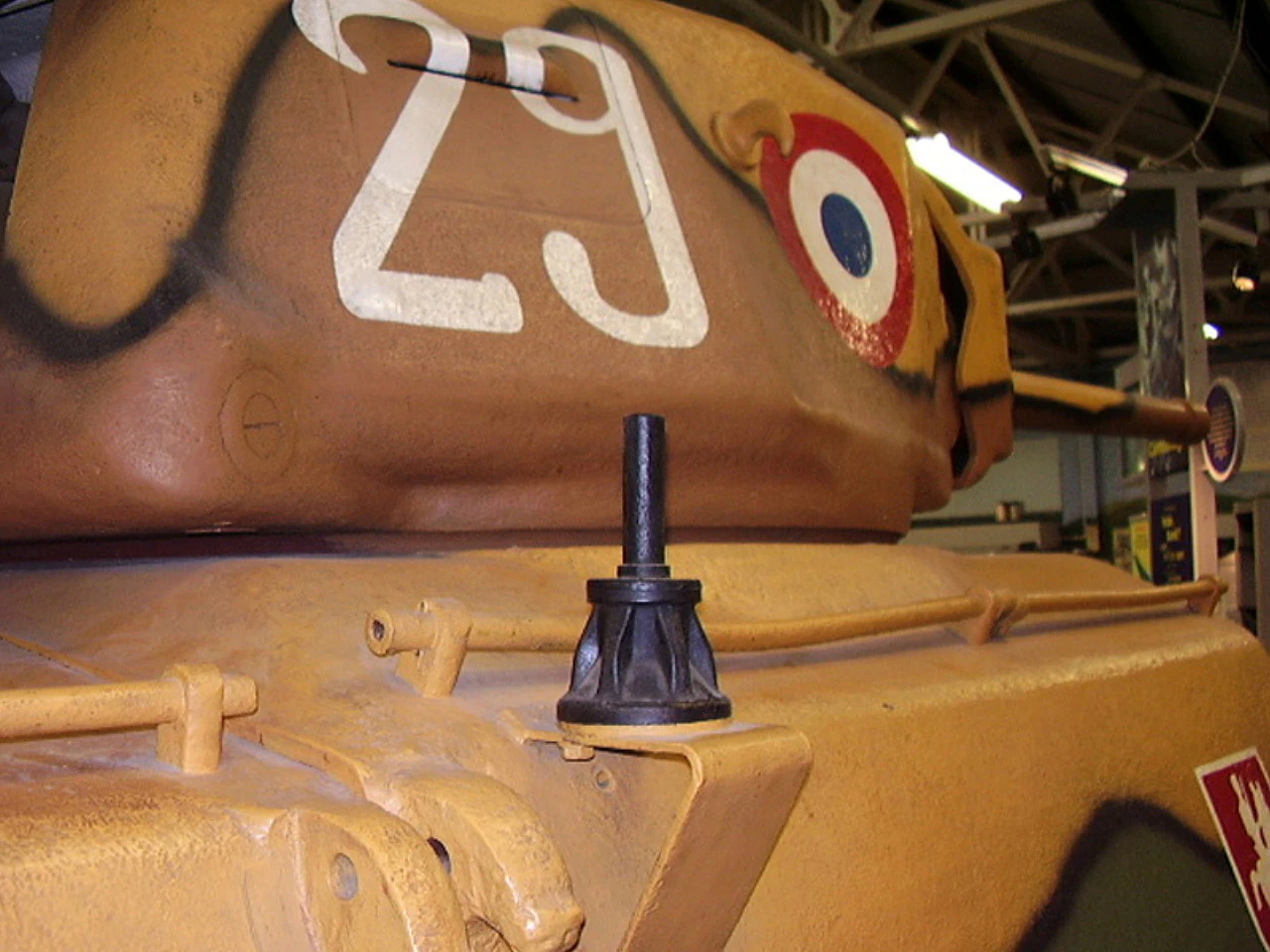
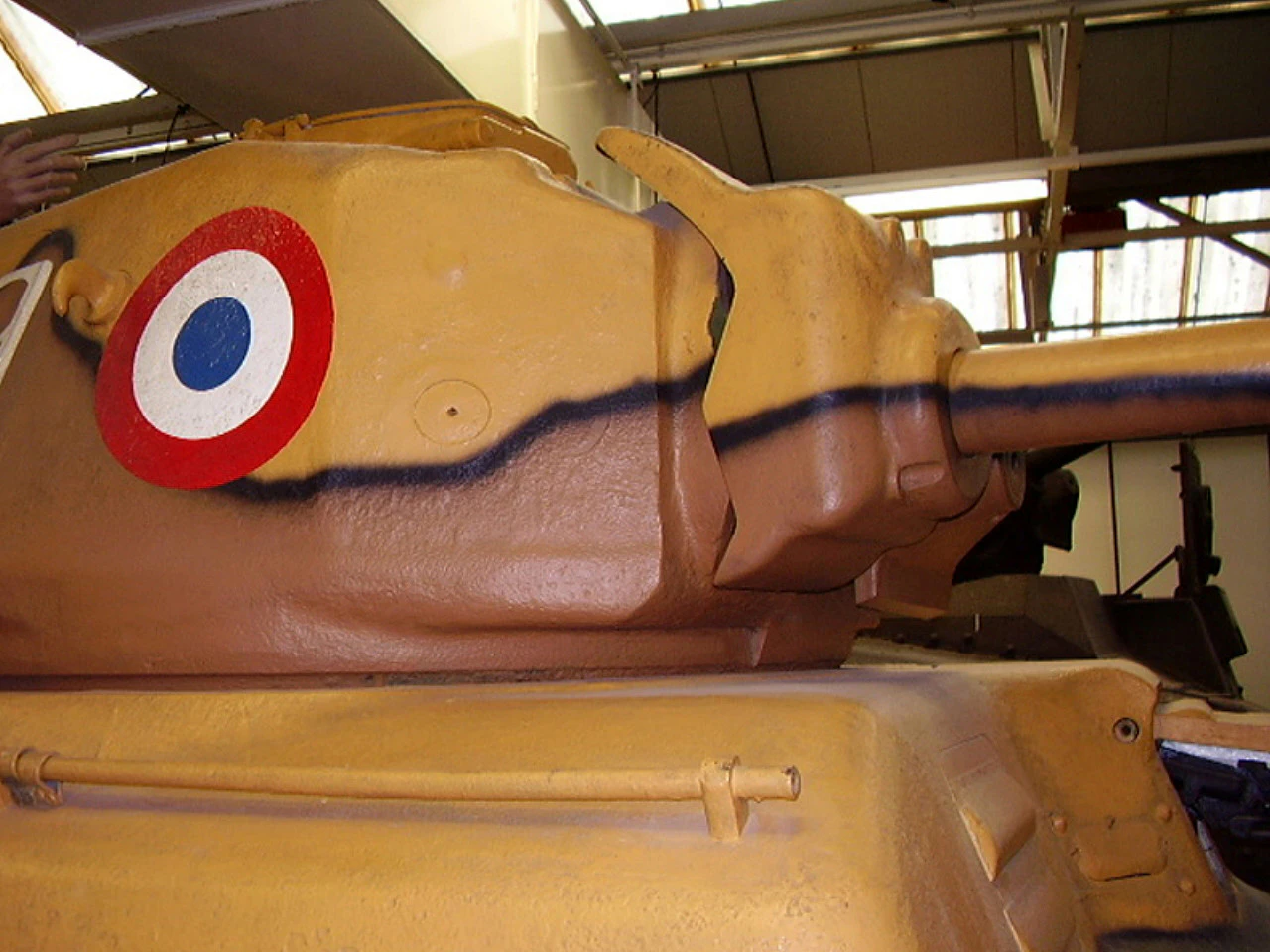
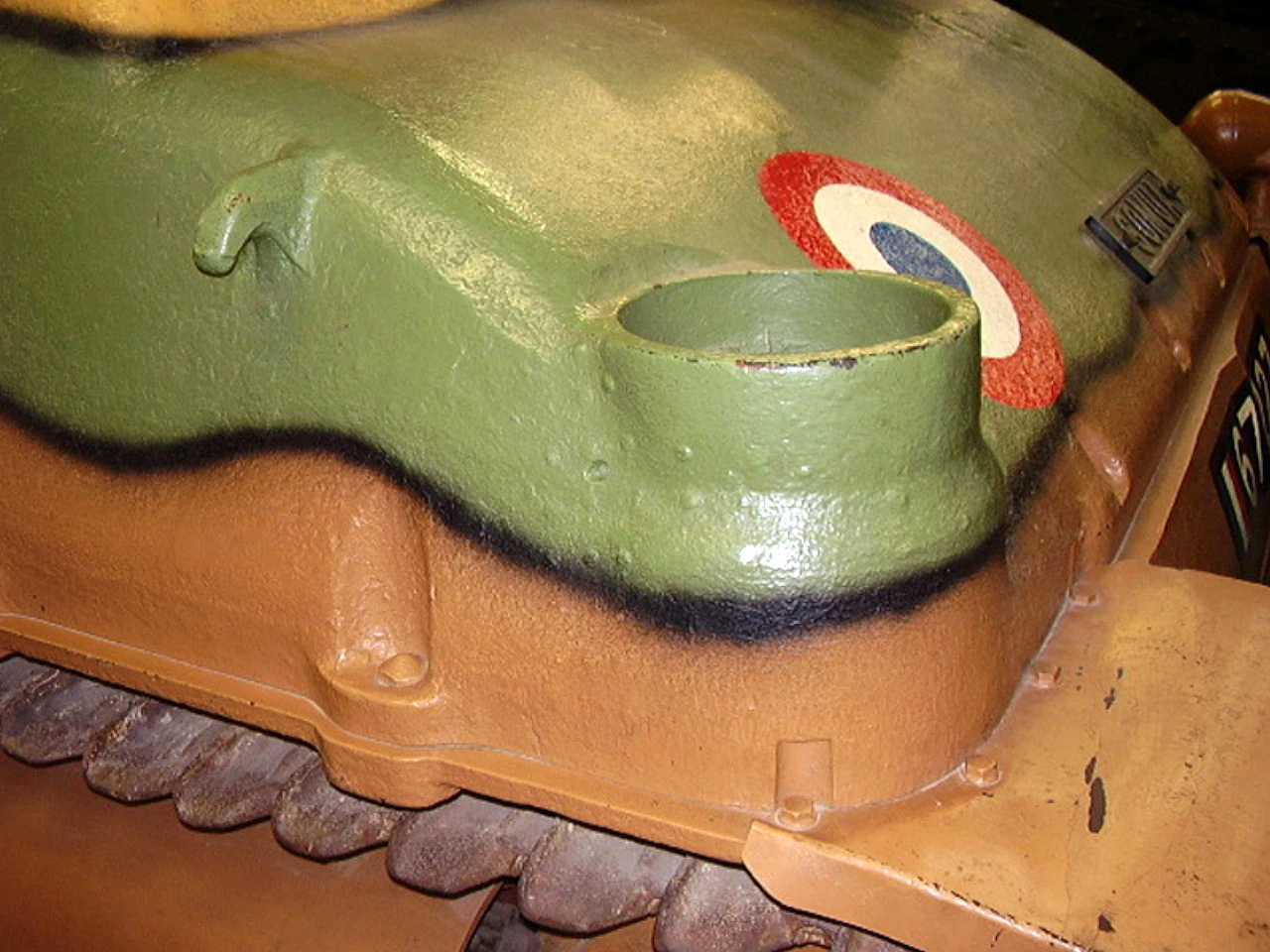
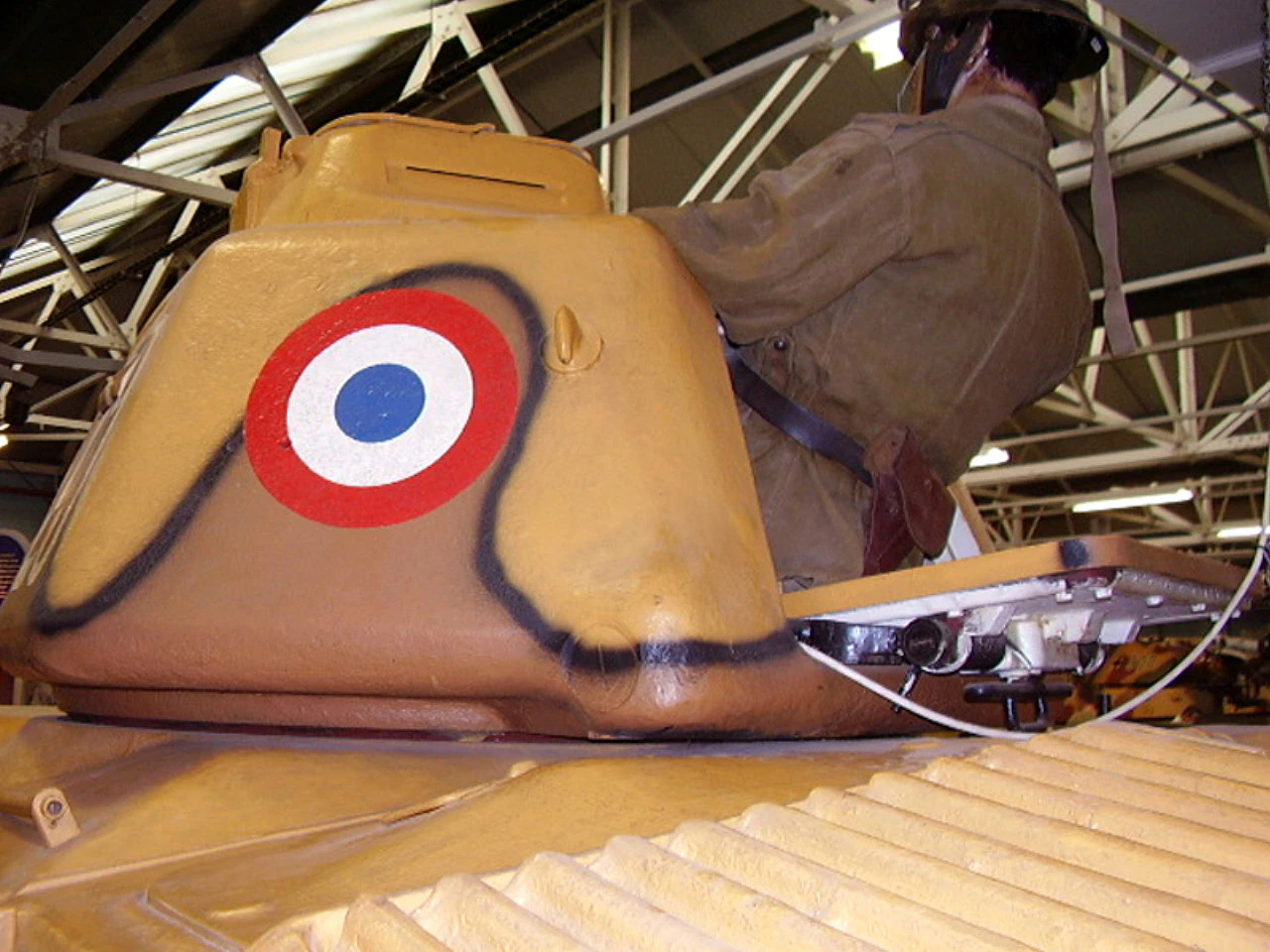

| Somua S-35 | |
|---|---|
| カメラマン | ビル・マロニー |
| ローカライズ | 知りません |
| 写真 | 10 |
関連項目:


A Masterpiece of Pre-War Cavalry Doctrine
ザ ソムア S35 was the pride of the French Cavalry (Division Légère Mécanique). When it debuted in 1935, it was widely considered the best medium tank in the world. It featured a revolutionary all-cast hull—a design choice that wouldn’t become standard for other nations until years later. It was fast, well-armored, and carried a potent 47mm gun that could knock out any German tank of the era. However, its brilliance was overshadowed by a critical tactical flaw: the one-man turret, which forced the commander to do everything at once.
| Attribute | Technical Specification (S35) |
|---|---|
| 役割 | Cavalry Tank (Char de Cavalerie) |
| 乗組員 | 3 (Commander/Gunner, Driver, Radio Operator) |
| エンジン | SOMUA V-8 petrol (190 hp) |
| 最高速度 | 40 km/h (25 mph) |
| 主砲 | 1 × 47 mm SA 35 gun |
| 鎧 | Up to 47mm (Cast Steel) |
| 重量 | 19.5 tonnes |
| 動作範囲 | 130 km (81 miles) |
Design Engineering: Cast Steel Innovation
- The All-Cast Hull: Unlike German tanks of the time, which were made of flat plates bolted or welded together, the S35 was made of four large cast sections bolted together. The rounded edges helped deflect incoming shells far more effectively than flat armor.
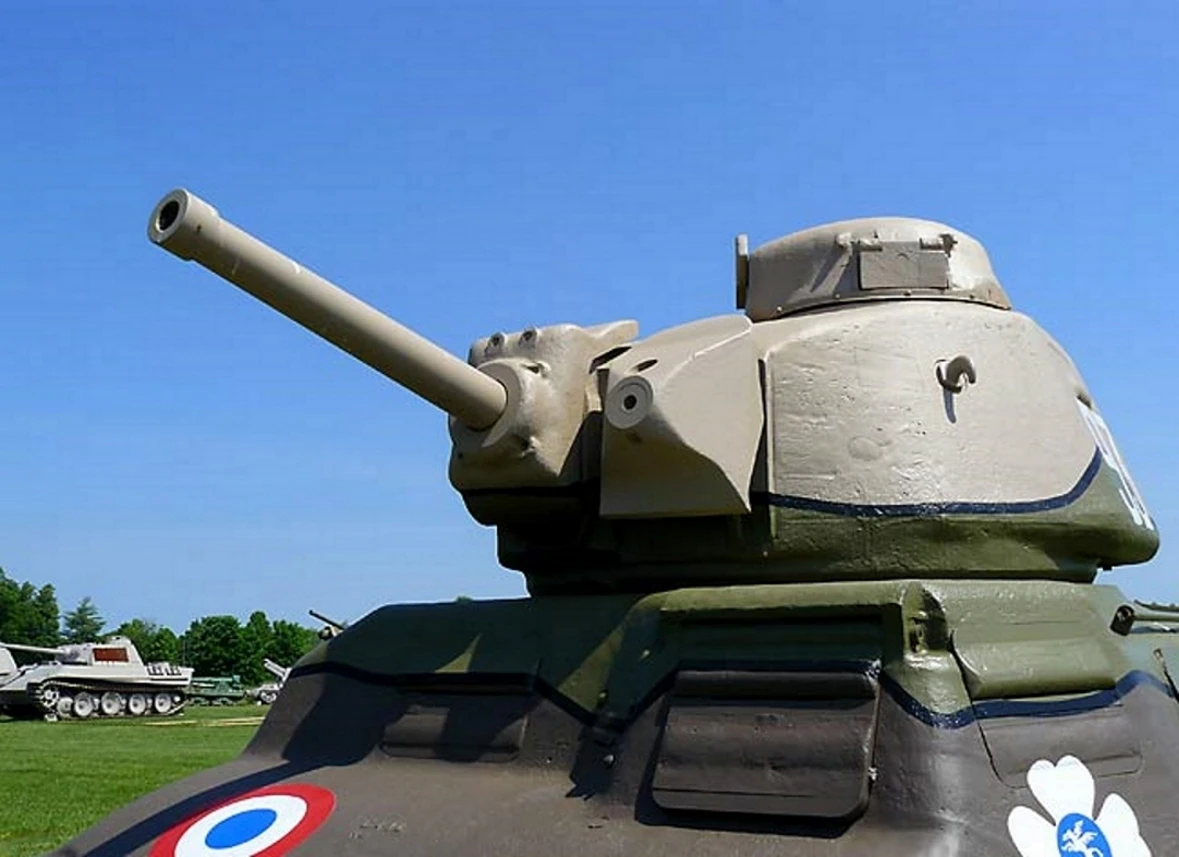
- The “Lone Wolf” Turret: The APX 1 CE turret was the tank’s Achilles’ heel. The commander had to locate targets, load the gun, aim, and fire, all while trying to lead his platoon. This resulted in a slow rate of fire and poor situational awareness compared to German three-man turrets.
- Superior Firepower: The 47mm SA 35 gun was an exceptional weapon for 1940. It possessed high muzzle velocity and could penetrate the armor of a Panzer III or IV at ranges where the Germans’ own guns would struggle to damage the SOMUA.
- Complex Maintenance: The cast design made the S35 difficult to repair. If a section was cracked or severely damaged, it often required replacing the entire casting rather than simply welding on a new plate.
Combat History: The 1940 Campaign
- Battle of Hannut: In the first major tank battle of WWII, S35s proved they could out-duel German Panzers. They successfully held their ground, but French tactical inflexibility and lack of radios often led to them being bypassed by the more coordinated German forces.
- The German Prize: After the fall of France, the Germans captured hundreds of S35s. Renamed the Panzerkampfwagen 35-S 739(f), they were used extensively on the Eastern Front, in anti-partisan roles, and as training vehicles.
- North African Service: Some S35s were sent to North Africa to serve with Vichy French forces. After the Free French joined the Allies, these aging tanks fought alongside American equipment against the Axis in Tunisia.
- Final Charge: Even as late as 1944, some S35s were used by the French Resistance and Free French forces during the Liberation of Paris, proving the durability of the 1935 design.
ビュー : 3034