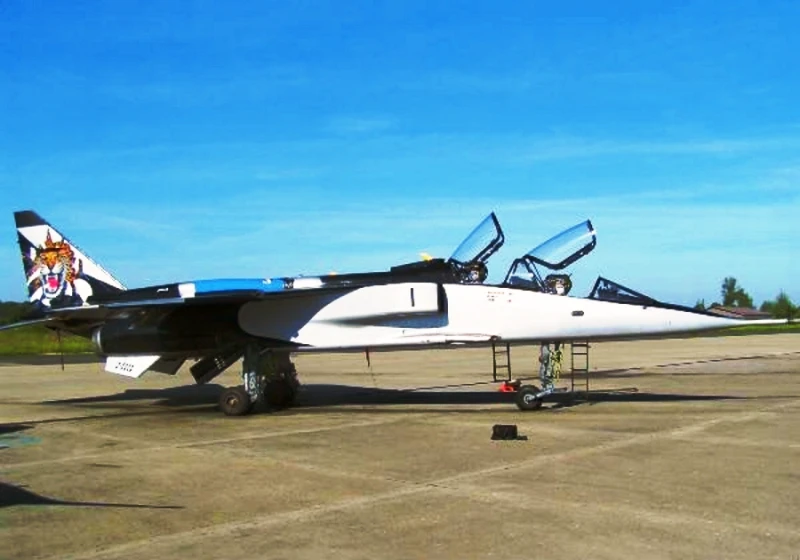
SEPECAT Jaguar GR.3 | |
|---|---|
| Ország | Egyesült Királyság – Franciaország |
| Időszak | 1973-1985 |
| Szerepet | Jet támadás repülőgép |
| Első repülés | 1968. szeptember 8. |
| Beépített | 543 |
Fotógaléria egy SEPECAT Jaguar GR.3, A SEPECAT Jaguar egy angol-francia sugárhajtású repülőgép, amelyet eredetileg a Brit Királyi Légierő és a francia Armée de l'Air használt szoros légi támogatás és nukleáris csapás szerepében, és még mindig az indiai légierőnél szolgál.
Forrás: SEPECAT Jaguar GR a Wikipédiában
| SEPECAT Jaguar GR.3 | |
|---|---|
| Fotós | Ismeretlen |
| Lokalizáció | Ismeretlen |
| Fénykép | 29 |
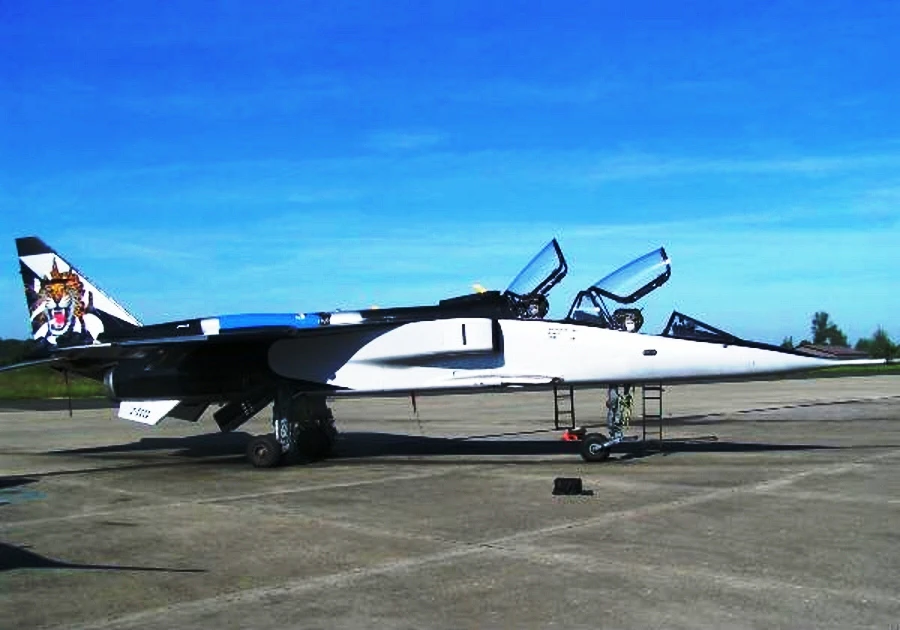
SEPECAT Jaguar E 01
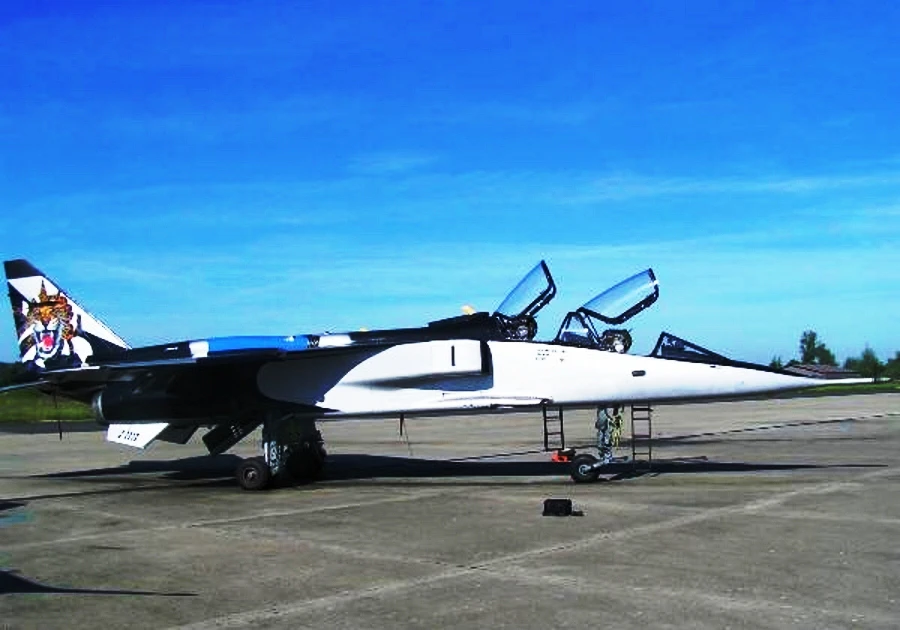
SEPECAT Jaguar E 02
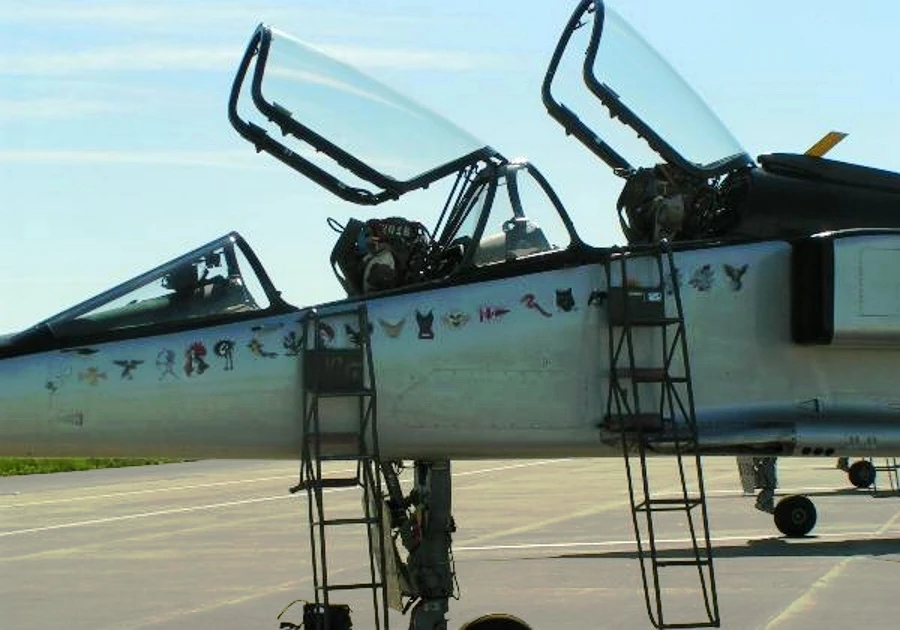
SEPECAT Jaguar E 03
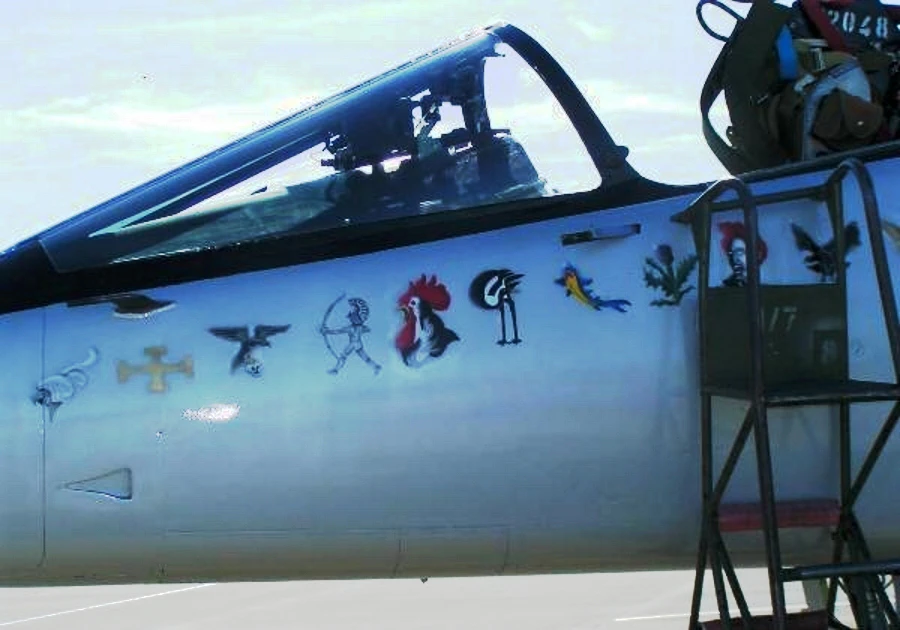
SEPECAT Jaguar E 04
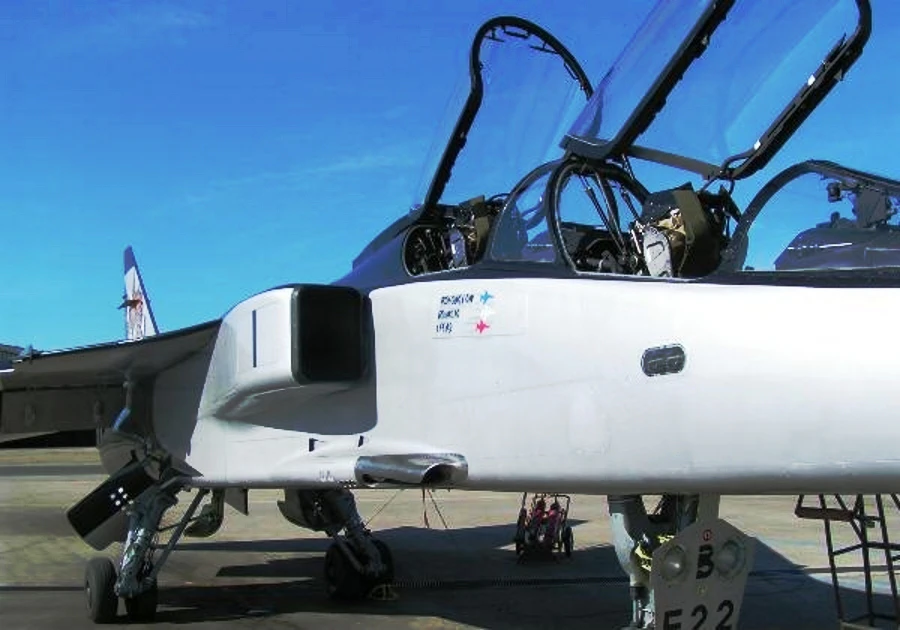
SEPECAT Jaguar E 05
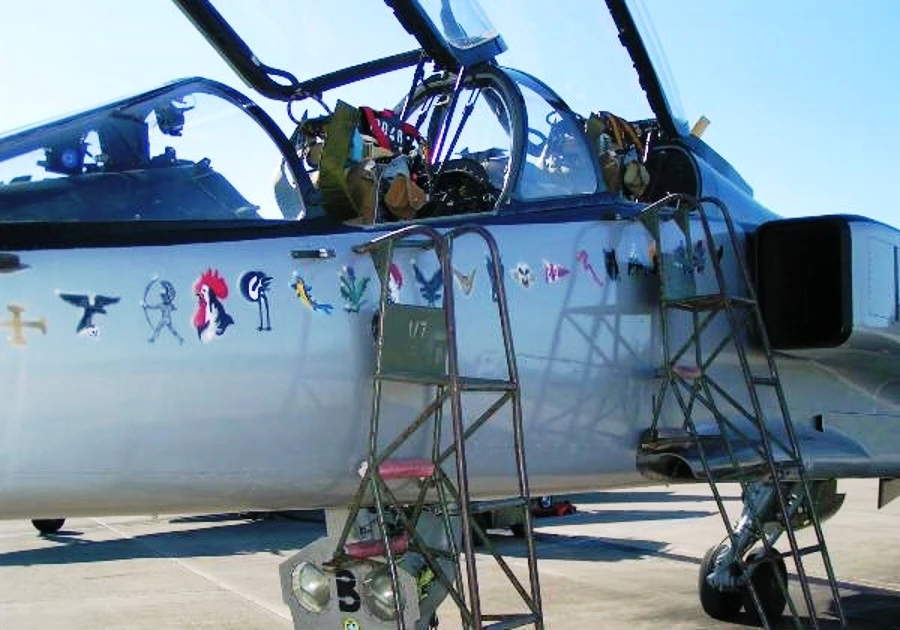
SEPECAT Jaguar E 06
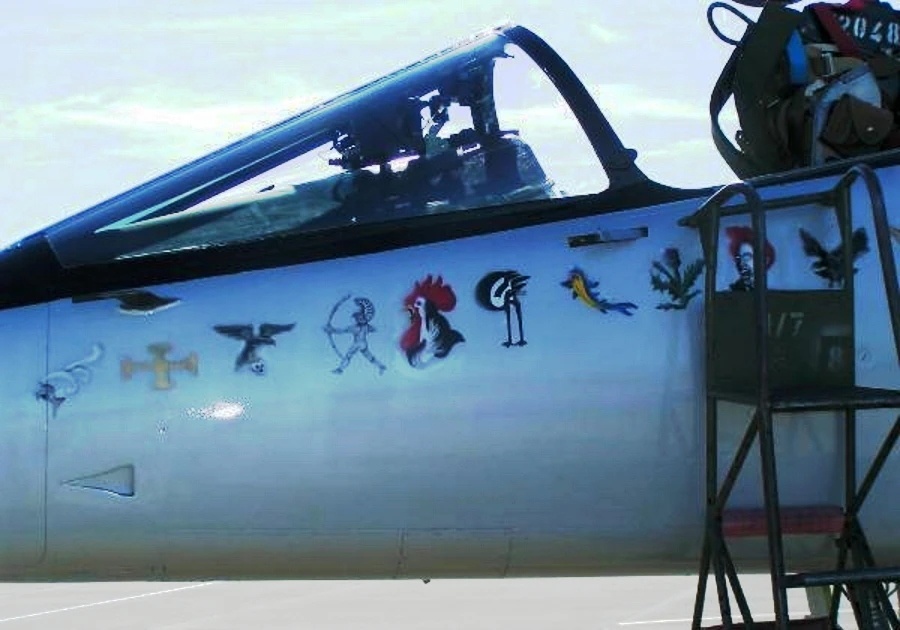
SEPECAT Jaguar E 07
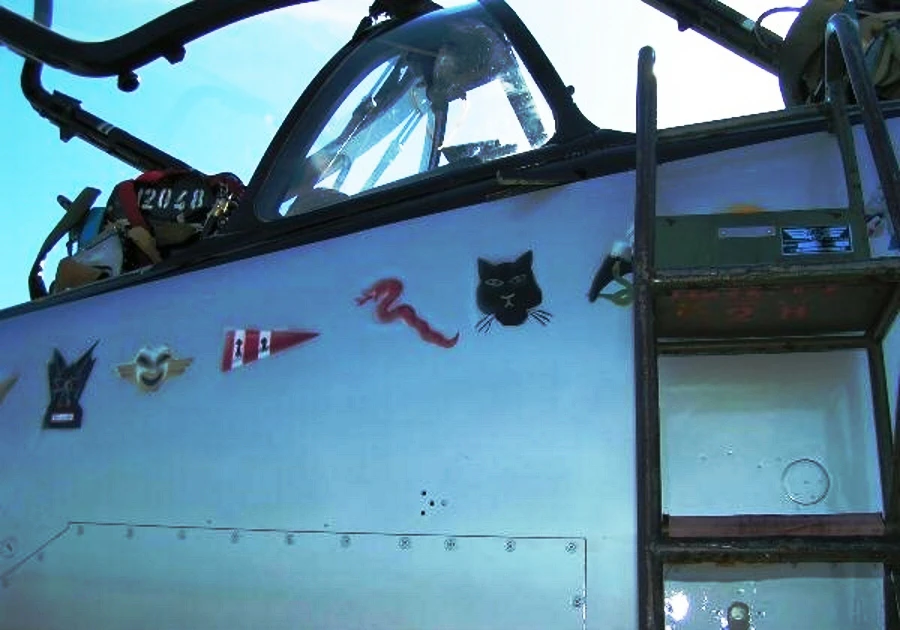
SEPECAT Jaguar E 08
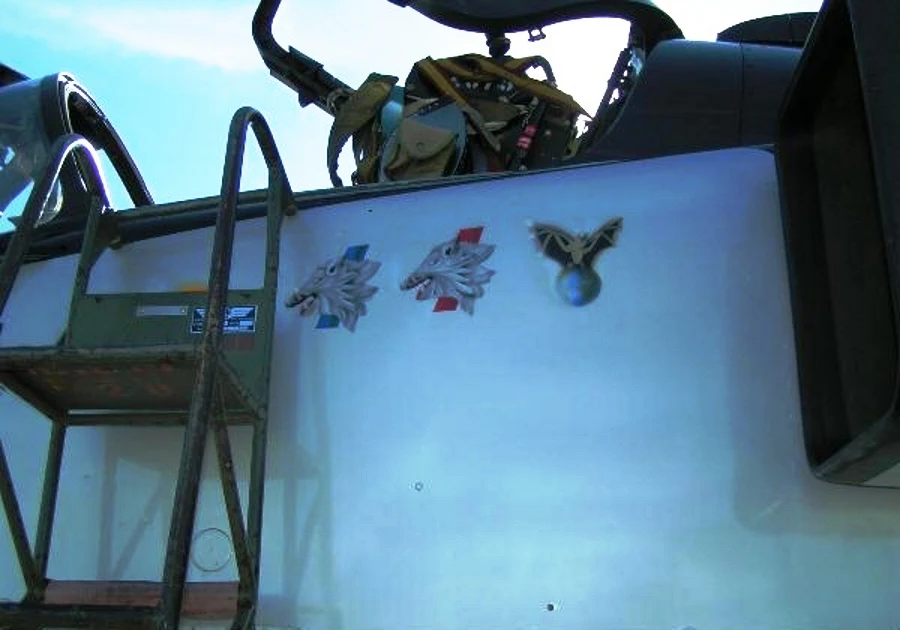
SEPECAT Jaguar E 09
Várj, Keres Jaguar GR.3 fotók az Ön számára ...

 Vegyél nekem egy kávét
| SEPECAT Jaguar E Deco speciale Walk Around | |
|---|---|
| Fotós | Ismeretlen |
| Lokalizáció | Ismeretlen |
| Fénykép | 33 |
Várj, keress támadás repülőgépet neked...
Lásd még:


The Sharpened Claw of the Cold War
A Jaguár GR.3 was the final major upgrade of the British Jaguar strike fighter. Originally a joint Anglo-French venture (SEPECAT), the Jaguar evolved from a simple trainer into a rugged, high-speed, low-level deep penetration attacker. By the time it reached the GR.3 standard, it had been transformed into a digitally advanced platform capable of precision strikes in all weather conditions. It was famous for its ability to fly “on the deck” at transonic speeds, utilizing its narrow profile and high-wing loading to provide a stable ride through the turbulent air of low altitudes.
| Attribute | Technical Specification (Jaguar GR.3) |
|---|---|
| Szerepet | Single-seat Tactical Support / Ground Attack |
| Hajtómű | 2 × Rolls-Royce/Turbomeca Adour Mk 106 turbofans |
| Max Speed | 1,350 km/h (840 mph / Mach 1.1) at sea level |
| Service Ceiling | 14,000 m (45,000 ft) |
| Internal Armament | 2 × 30mm ADEN cannons (150 rounds each) |
| External Payload | 4,500 kg (10,000 lb) across 5 hardpoints |
| Avionics | NAVWASS (Navigation and Weapon Aiming Sub-System), GPS, Terrain-Following Radar |
| Unique Feature | Overwing pylon options for Sidewinder missiles |
Design Engineering: Ruggedness and Precision
- The Adour Mk 106 Upgrade: The GR.3 featured uprated engines based on the Adour 871. These provided more thrust and better reliability, which was critical for a heavy aircraft often operating from short, unimproved runways or highway strips.
- Overwing Pylons: One of the Jaguar’s most distinct visual features was its ability to carry AIM-9 Sidewinder missiles on pylons located above the wings. This freed up the underwing hardpoints for extra bombs, fuel tanks, or electronic jamming pods.
- Rugged Undercarriage: Designed for “rough field” operations, the Jaguar featured massive, low-pressure twin tires on its main landing gear. This allowed the aircraft to land on grass or damaged runways that would tear the gear off a more delicate fighter like the Lightning.
- Advanced Cockpit: The GR.3 (and GR.3A) upgrade introduced “glass cockpit” features, including a Helmet Mounted Sight (HMS), Large Area Displays, and a sophisticated Moving Map display, allowing the pilot to focus on terrain masking at high speed.
Combat History: Desert Storm and Beyond
- Gulf War (1991): During Operation Granby, RAF Jaguars flew hundreds of sorties without a single loss to enemy fire. Their accuracy with “dumb” bombs and their ability to operate in the intense heat of the desert proved the airframe’s maturity.
- The Reconnaissance Specialist: With the retirement of the specialized Canberra and Phantom units, the Jaguar (equipped with the GP1 pod) became the RAF’s primary tactical reconnaissance asset in the Balkans during the 1990s.
- The “Last Flight”: The RAF retired its last Jaguars in 2007. While replaced by the Eurofighter Typhoon, many pilots still miss the Jaguar’s rock-solid stability during low-level high-speed flight, a characteristic the computer-controlled Typhoon finds difficult to replicate.
- International Success: While retired in the UK and France, the Jaguar remains a potent force in the Indian Air Force (IAF), where it has been upgraded with modern engines and DARIN III avionics to serve as a primary deep-penetration strike aircraft.
Megtekintették : 5094
Láthatjuk azt is:
 SPAD S.XIII – Fotók és videók
 Short Solent – Fotók és videók
 Grumman G-73 tőkés tőkehal – fotók és videók
 Lockheed LC-130 – Fotók és videók
 Northrop YF-23 – Fotók & videó
 CASA 2.111 vol3 – Séta
 AV-8B Harrier II Plus – WalkAround
 Mikoyan MiG-29 – Séta
 C-17 Globemaster – WalkAround
 McDonnell F-101B Voodoo – Fotók & videó