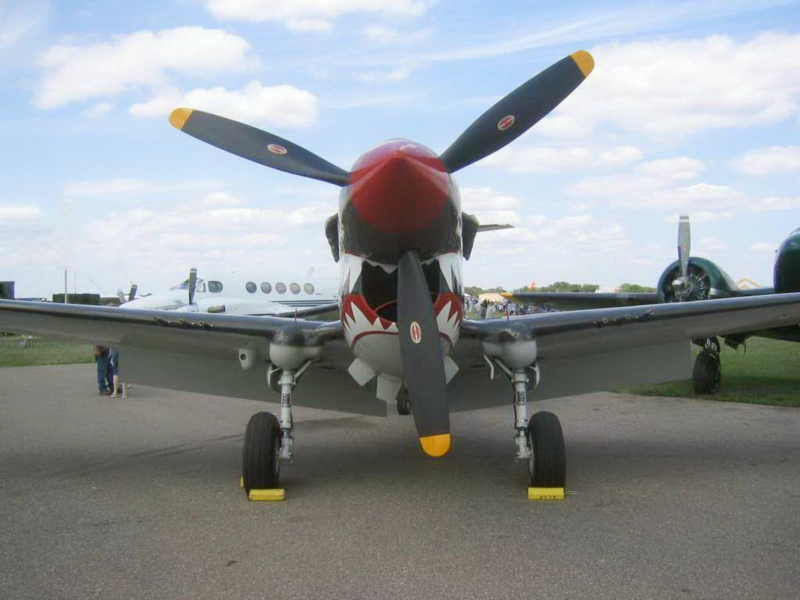
Curtiss P-40 Warhawk | |
|---|---|
| Ország | Usa |
| Típus | Vadászrepülőgép |
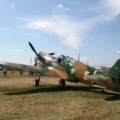
Képgaléria egy Curtiss P-40 Warhawk, A Curtiss P-40 Warhawk harmadik helyen áll a vadászrepülőgép-gyártásban, ez az utolsó vadászcsalád Curtiss Sólyom1938-ban tette meg első repülését.
Híres arról, hogy vadász, akit az ellenfelei lehagytak. A nehéz körülmények az ő elkötelezettsége nem tette lehetővé, hogy ez a repülőgép fejlődik magát, mint az utódai.
| Curtiss P-40 Warhawk – WalkAround | |
|---|---|
| Fotós | Ismeretlen |
| Lokalizáció | Ismeretlen |
| Fénykép | 33 |
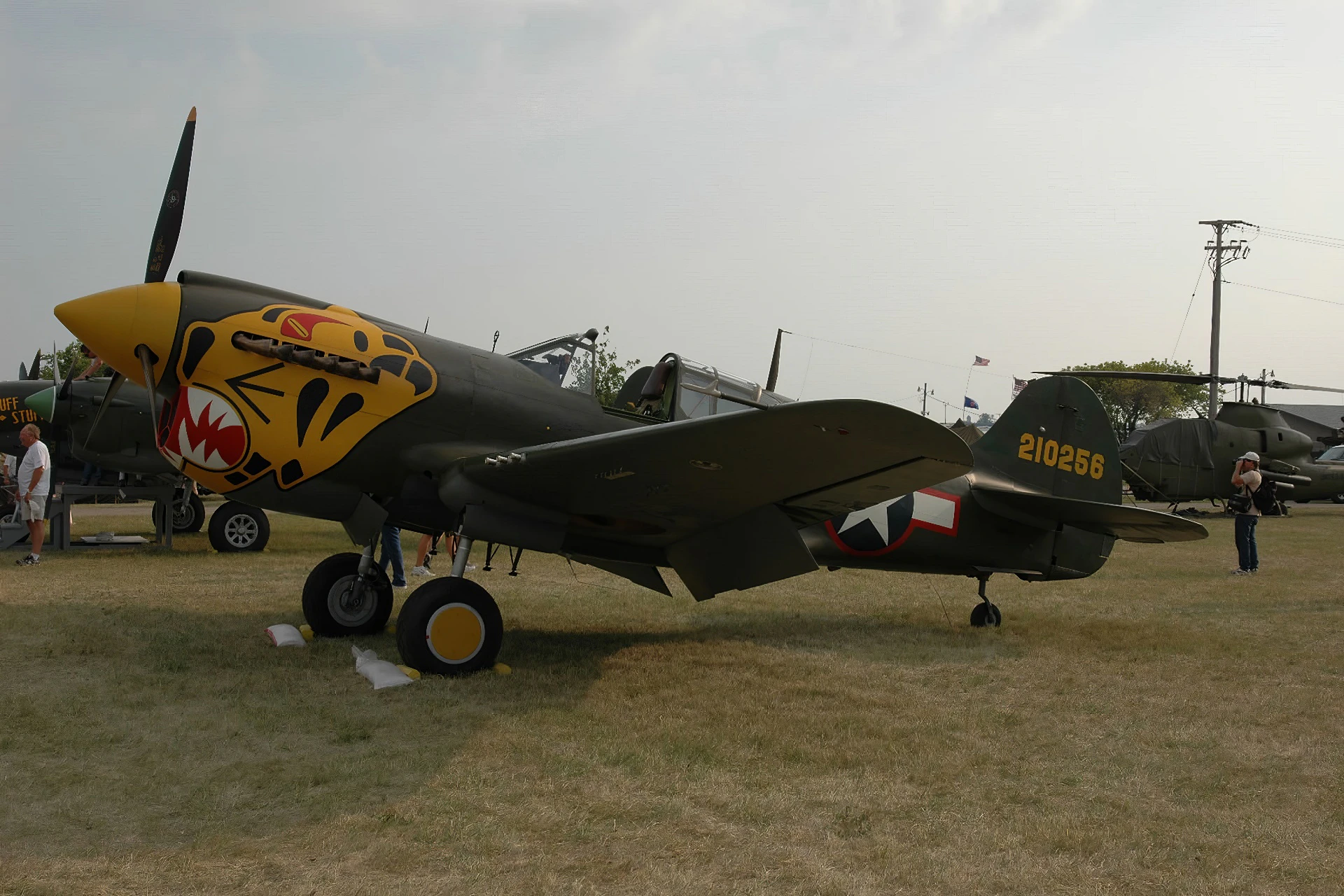
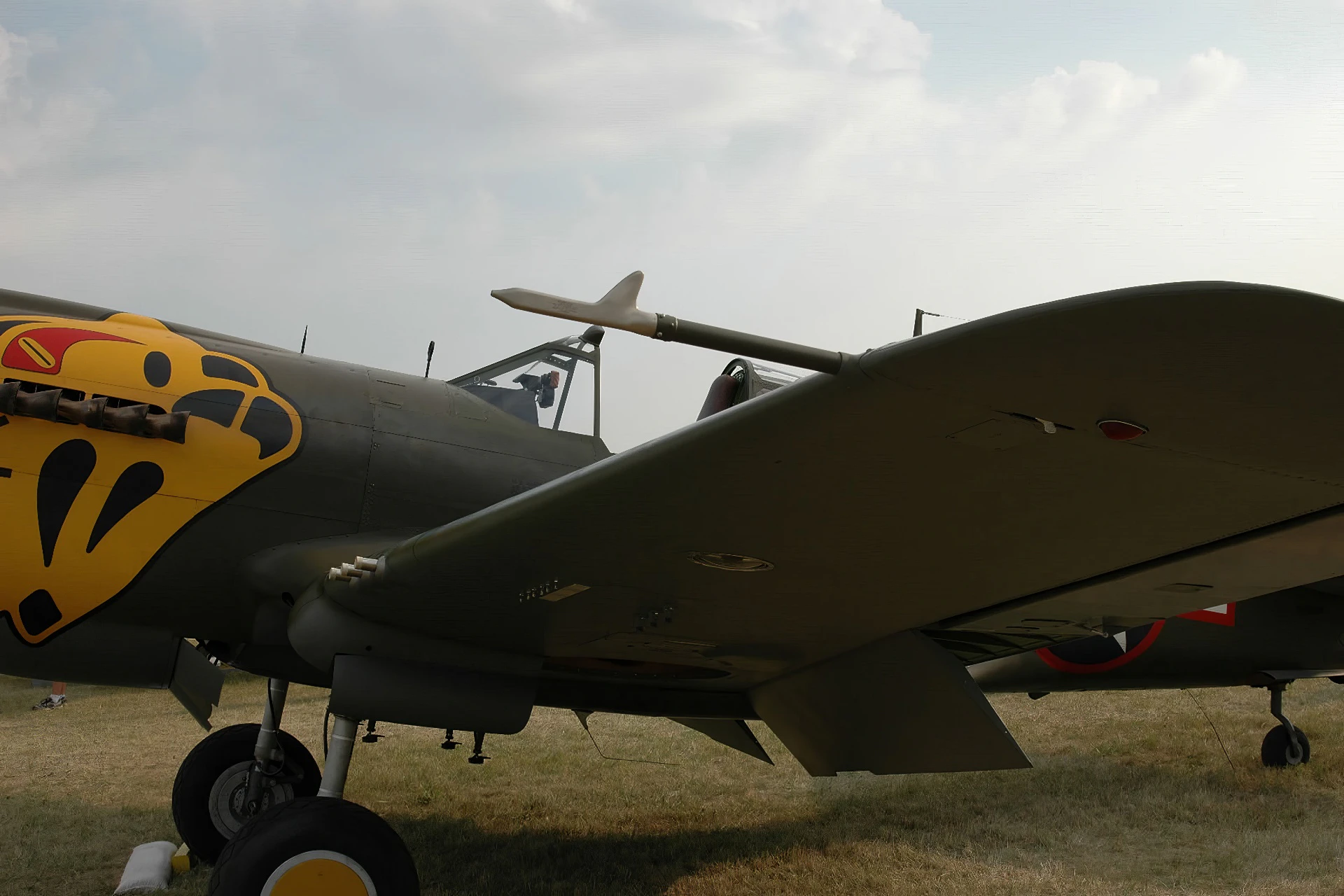
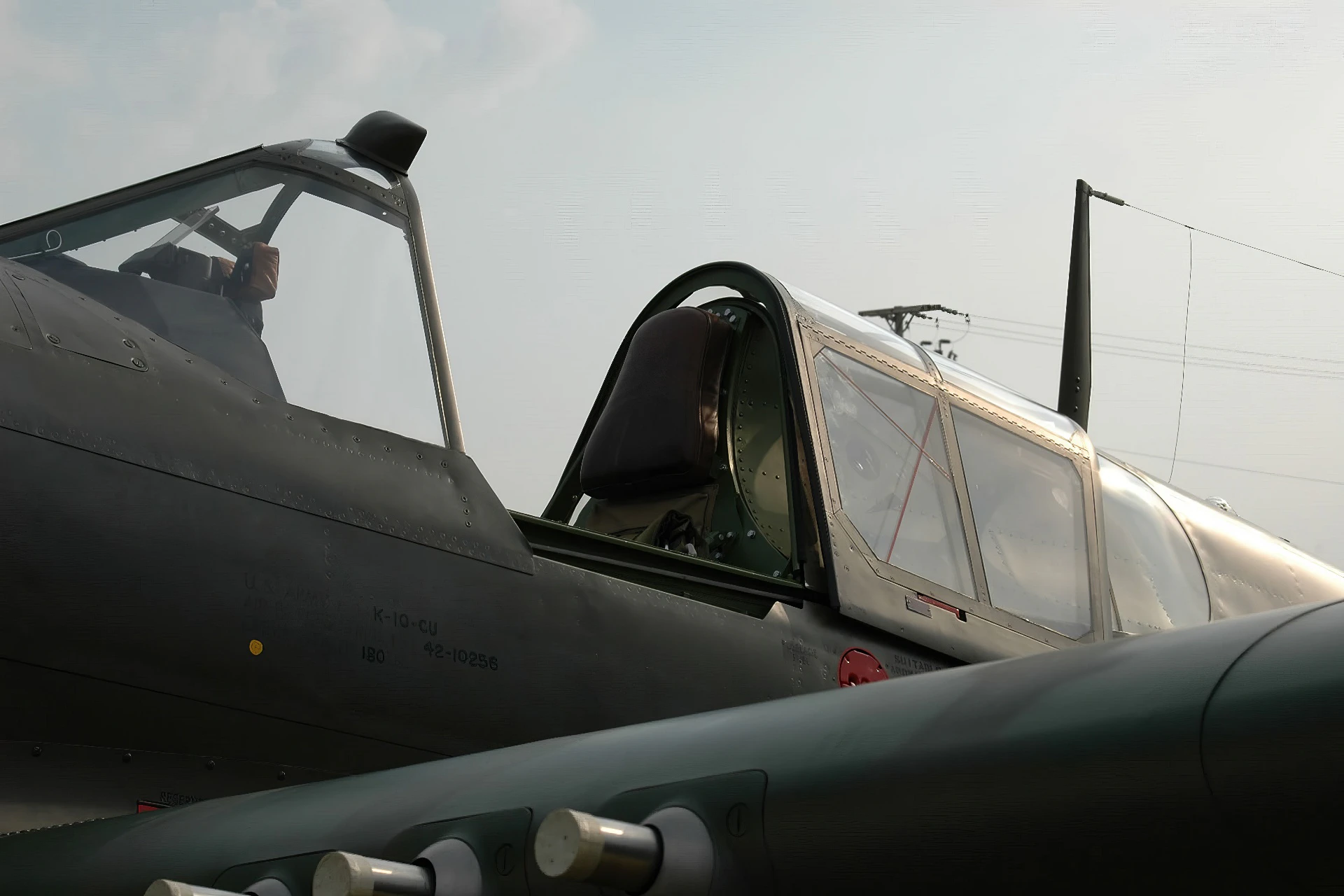
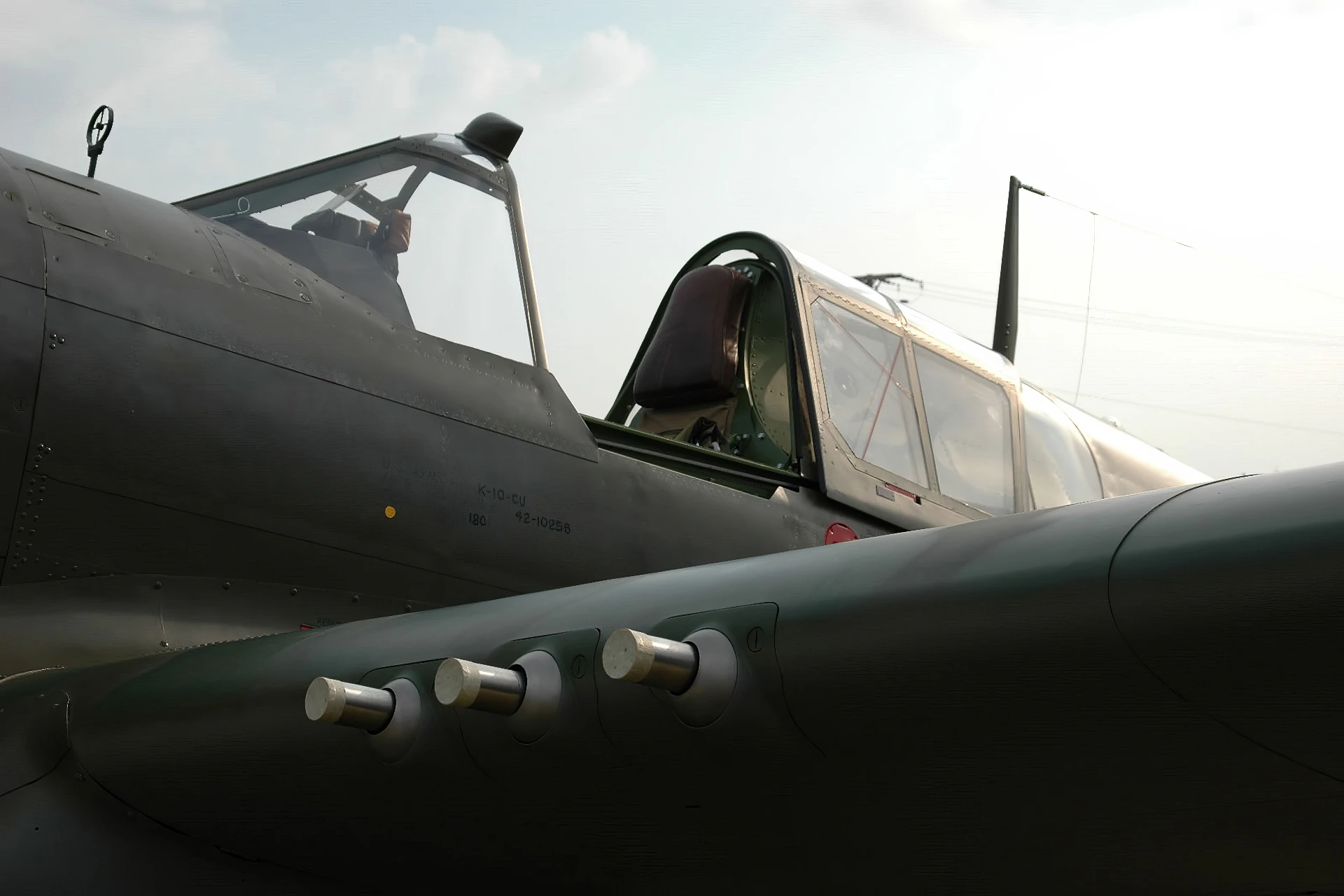
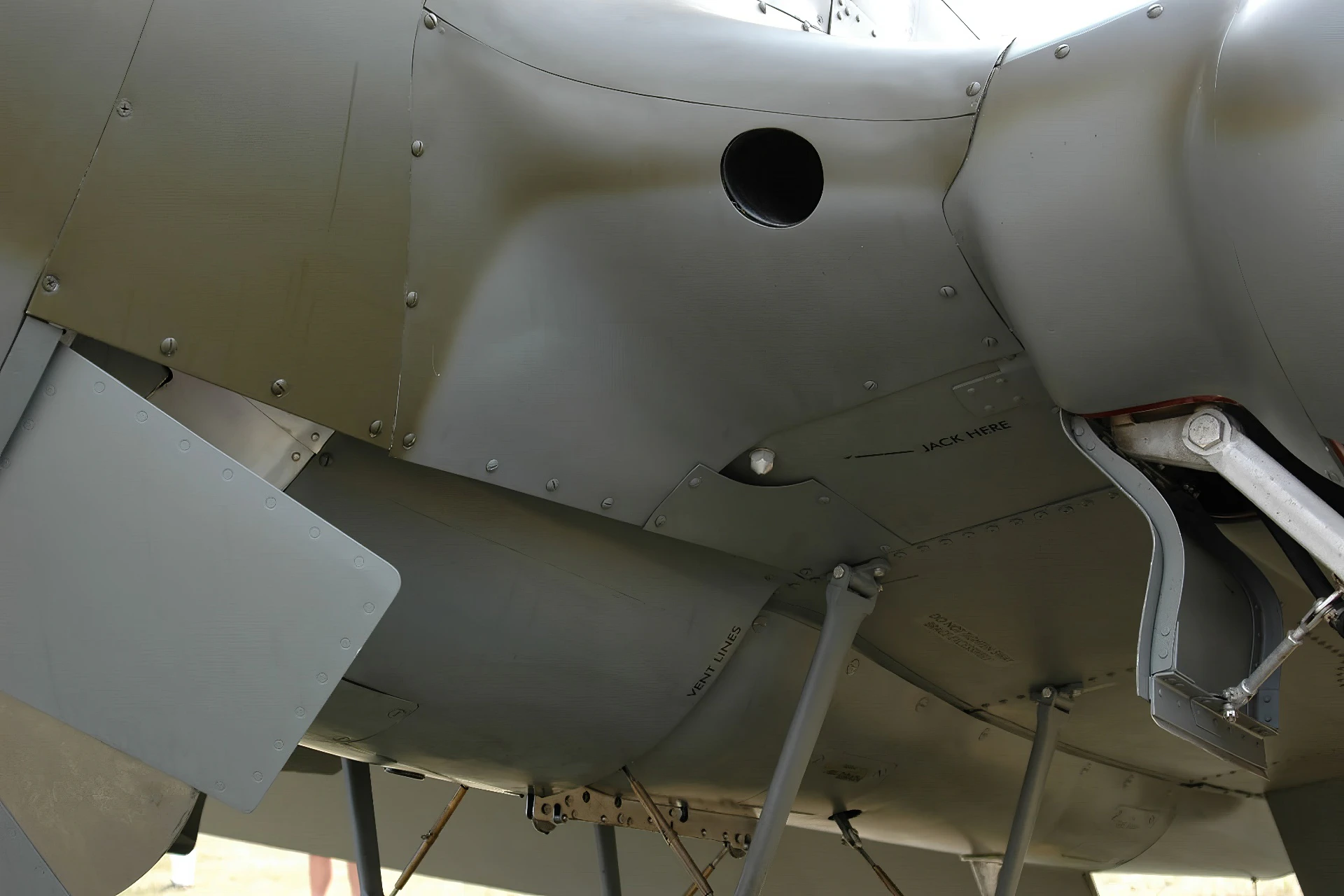
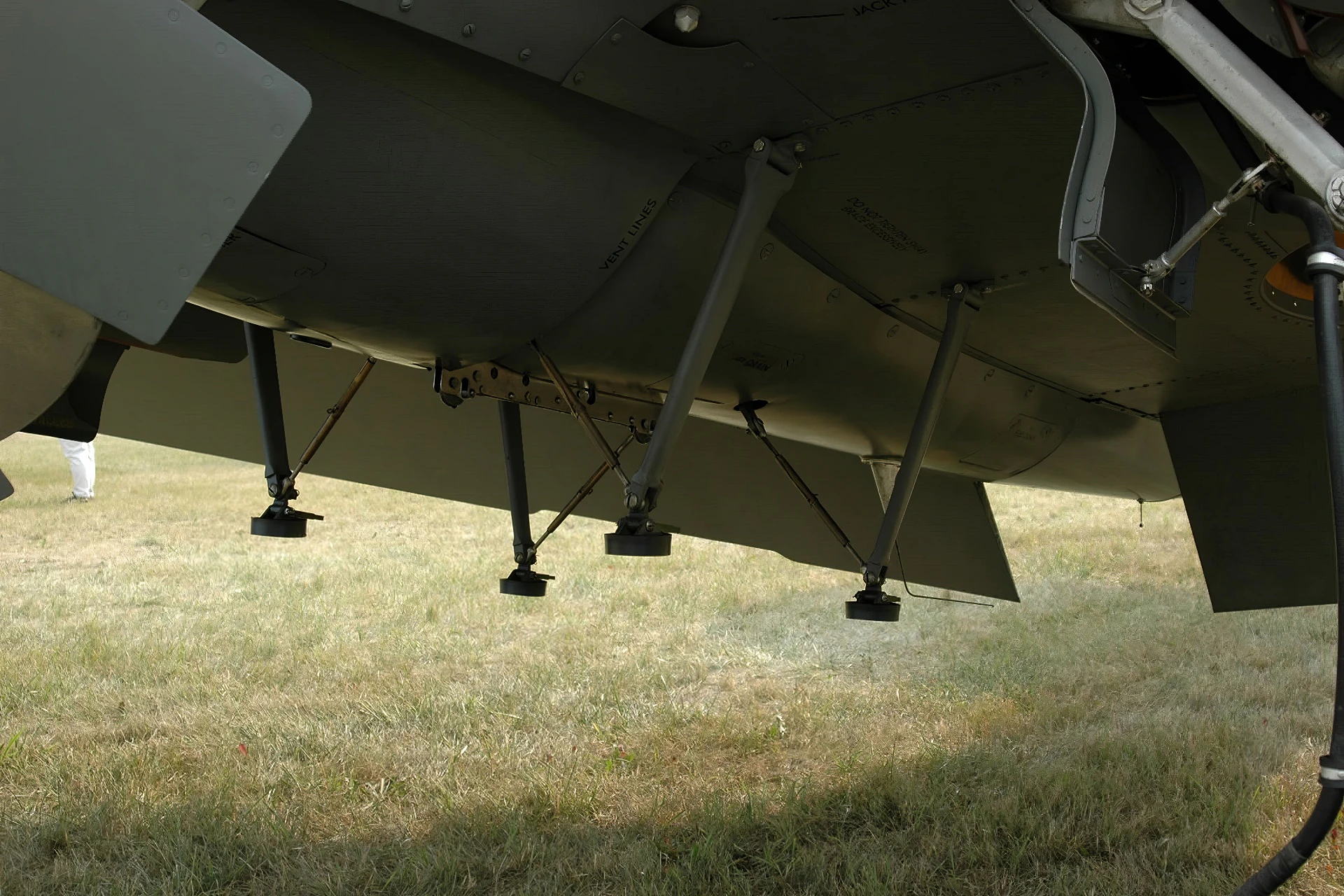
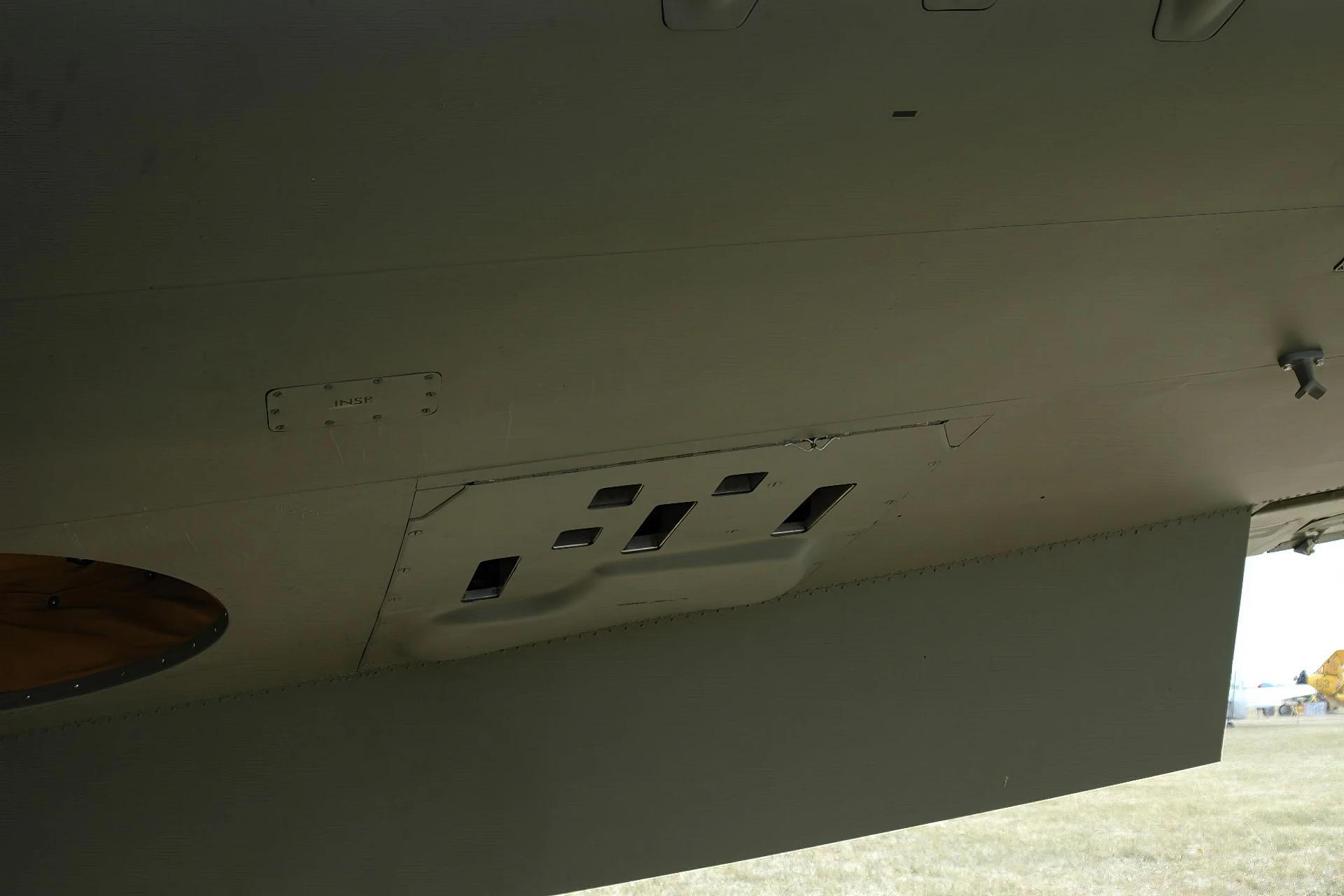
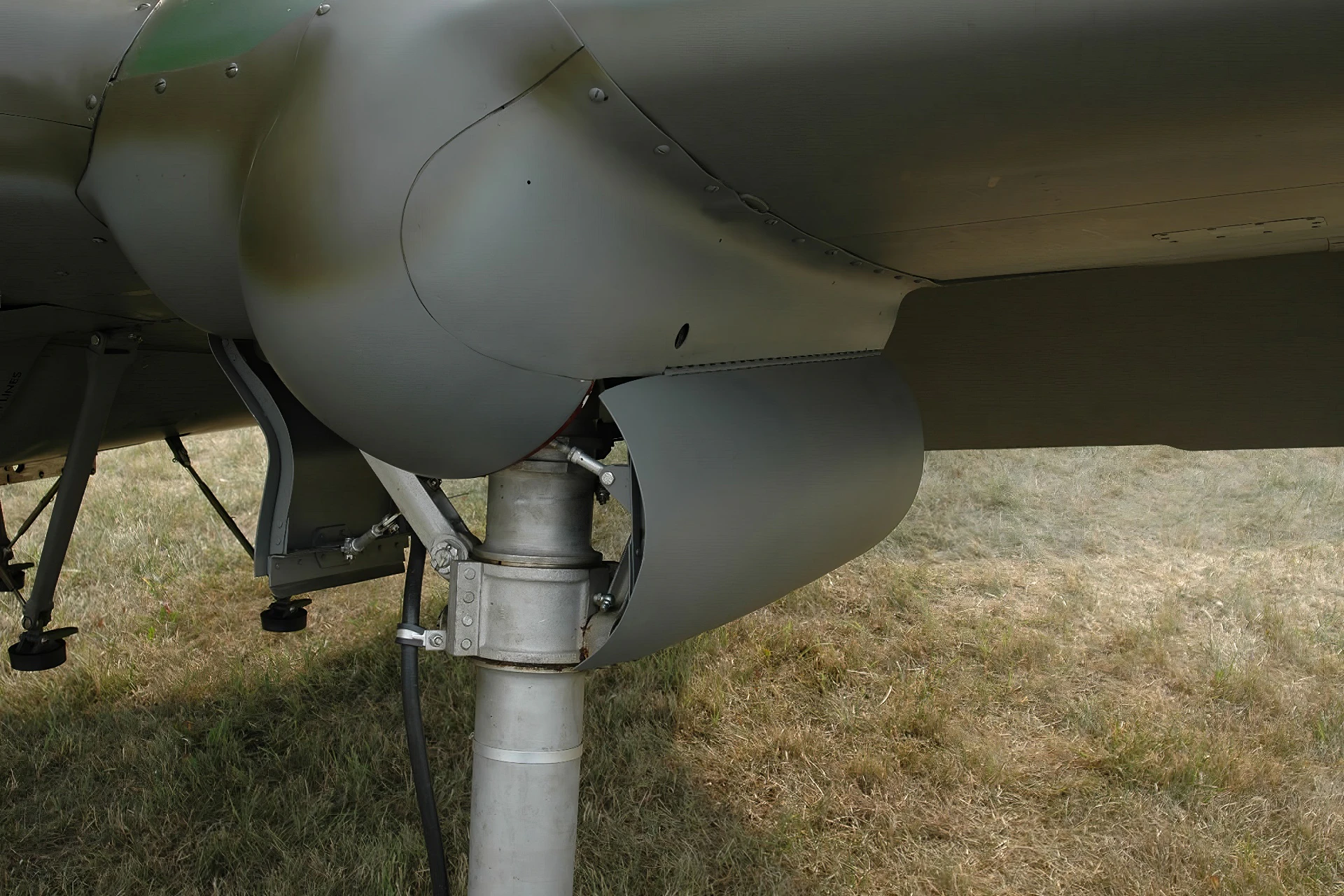
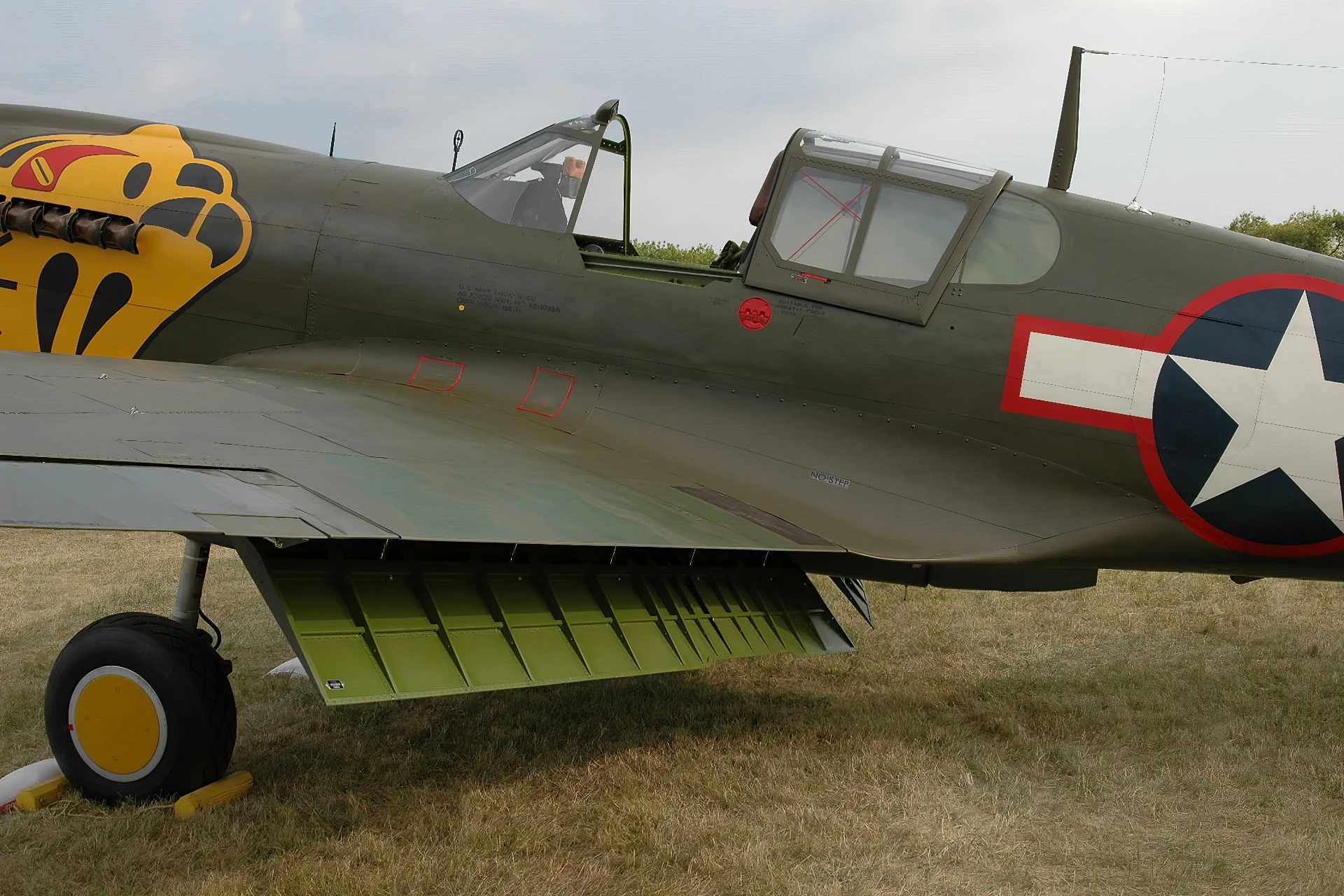

| P-40 Séta körül | |
|---|---|
| Fotós | Jeff Herne |
| Lokalizáció | Ismeretlen |
| Fénykép | 33 |
Lásd még:


The Curtiss P-40 Warhawk is an American single-engine, single-seat, all-metal fighter and ground-attack aircraft that became one of the most recognizable and widely produced Allied aircraft of World War II.
Development and Naming
- Eredete: The P-40 was a modification of the earlier Curtiss P-36 Hawk, replacing its radial engine with a liquid-cooled Allison V-1710 V-12 engine to improve performance. This quick adaptation allowed for rapid entry into production and service just before and during the war.
- Designation: In U.S. Army Air Forces (USAAF) service, it was officially the P–40 Warhawk.
- Early British Commonwealth and Soviet versions (like the P-40B/C) were named the Tomahawk.
- Later, more advanced versions (like the P-40E/N) were named the Kittyhawk.
- Production: The P-40 was the third most-produced American fighter of the war, with over 13,000 built, trailing only the P-51 Mustang and P-47 Thunderbolt.
Role and Performance
The P-40 was a sturdy, reliable workhorse, particularly effective in low-to-medium altitude combat and ground attack roles.
- Engine Limitation: Its Allison V-1710 engine (and early Merlin variants) used a single-stage supercharger. This significantly limited its performance, especially its climb rate and top speed, at high altitudes (above 15,000 feet) compared to later Axis and Allied fighters.
- Combat Tactics: Against more agile opponents like the Japanese A6M Zero, P-40 pilots were taught to avoid prolonged dogfights and instead relied on “hit-and-run” tactics—using the P-40’s superior speed in a dive and its rugged construction to absorb damage.
- Ground Attack: With its heavy machine gun armament and capacity for bombs, the P-40 proved to be an excellent and durable fighter-bomber for close air support.
- Ruggedness: The aircraft was renowned for its strength and ability to withstand heavy battle damage, making it highly valued in austere operating environments like the China-Burma-India (CBI) Theater and North Africa.
Iconic Deployments
The Warhawk is most famous for its association with key early Allied air campaigns:
- Flying Tigers: P-40B/C Tomahawks, featuring the iconic “shark mouth” nose art, were famously flown by the American Volunteer Group (AVG) in China, led by Claire Chennault, where they achieved significant success against Japanese forces in the dark early days of the war.
- Early WWII Fronts: P-40s were the only U.S. fighters available in large numbers at the start of the war, seeing action immediately at Pearl Harbor and in the Philippines in December 1941.
- North Africa: The P-40 (as the Kittyhawk) was a staple of the RAF’s Desert Air Force, where its low-altitude performance and ground-attack capability were well-suited for the fighting against the Luftwaffe and Regia Aeronautica.
Megtekintették : 5160
Láthatjuk azt is:
 Martin 4-0-4 – Fotók és videók
 Bristol F.2 Fighter – Fotók & Videók
 Northrop JB-1 denevér – Fotók és videók
 Convair F2Y Sea Dart – Fotók és videók
 Miles Magister – Fotók és videók
 FM-1 Wildcat – WalkAround
 Grumman F-14 Tomcat – Séta
 MiG-23MLD – Séta
 P-51D-25-NA Mustang – Séta
 Curtiss P-40 Warhawk – Séta