Réservoir de tigre | |
|---|---|
| Pays | Germany |
| Type | Réservoir lourd |
| Description | Album of 27 photos walk-around of a «Tiger Tank» |
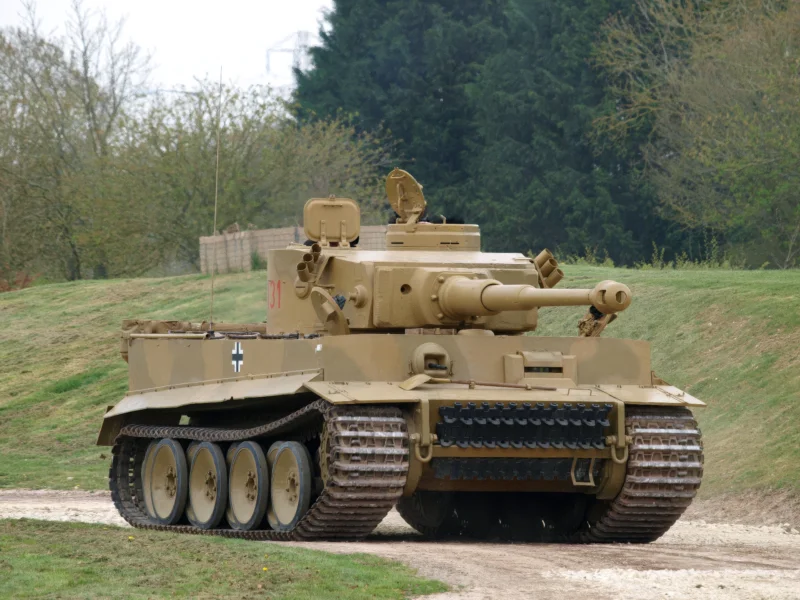
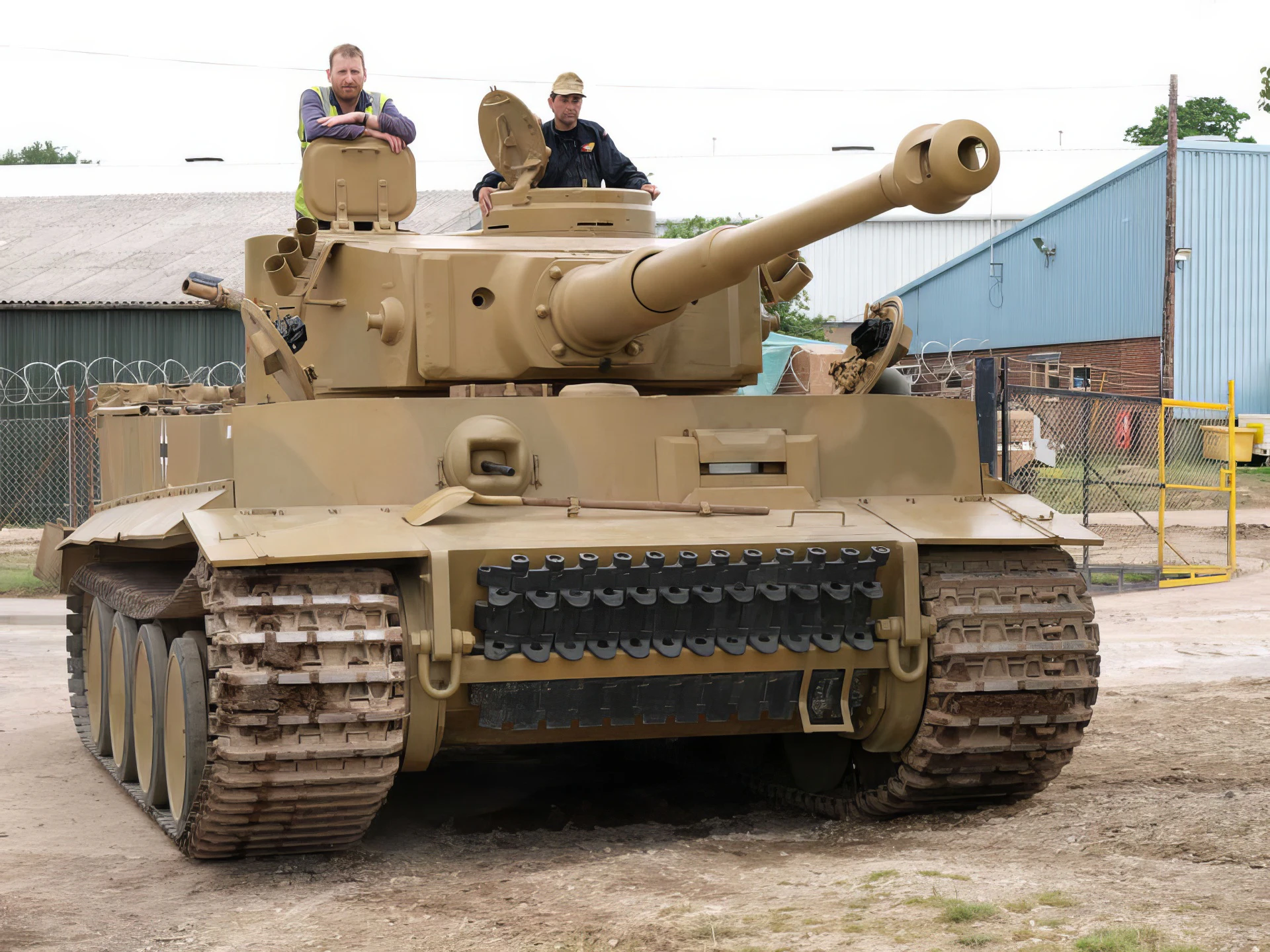
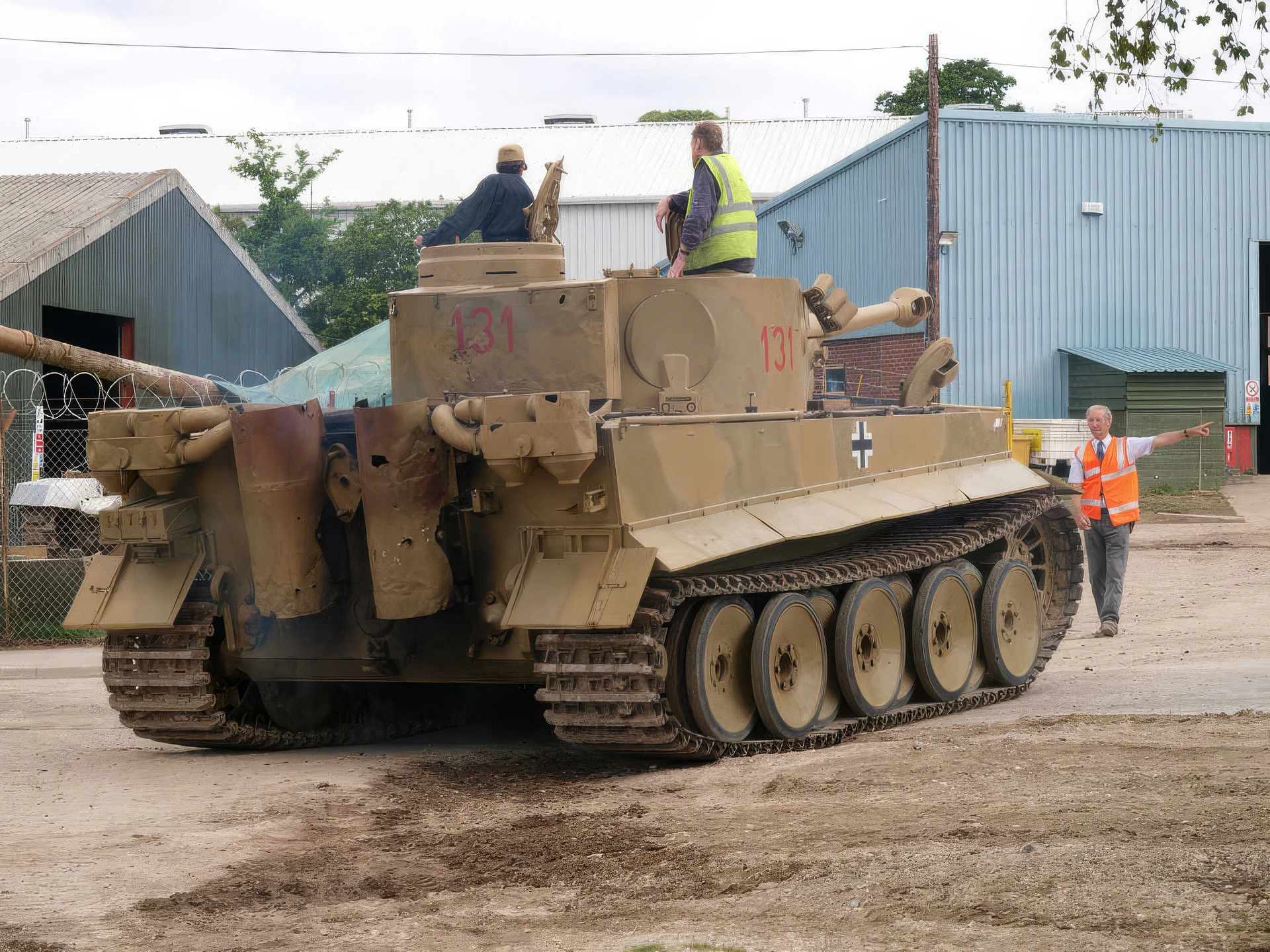
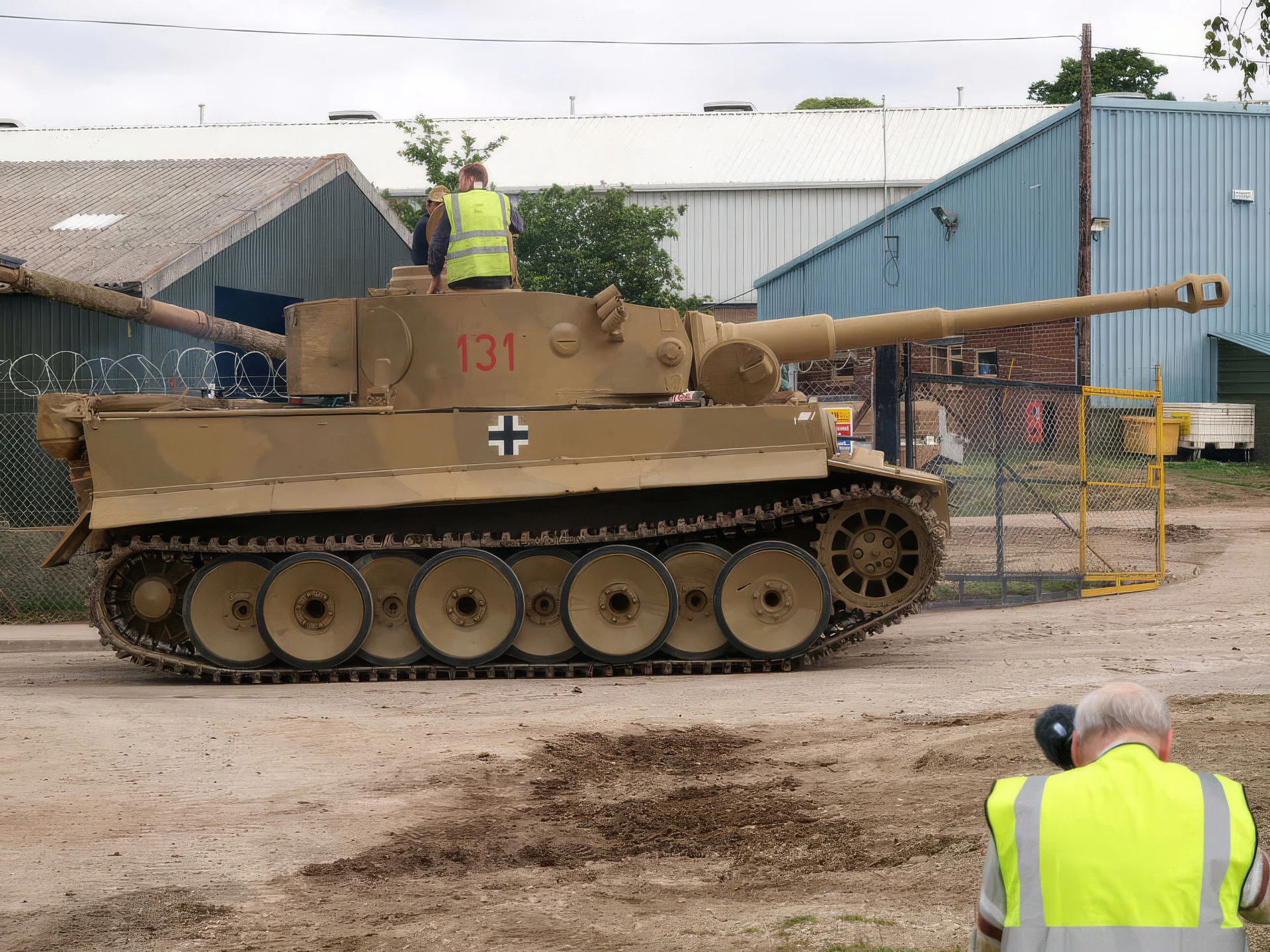
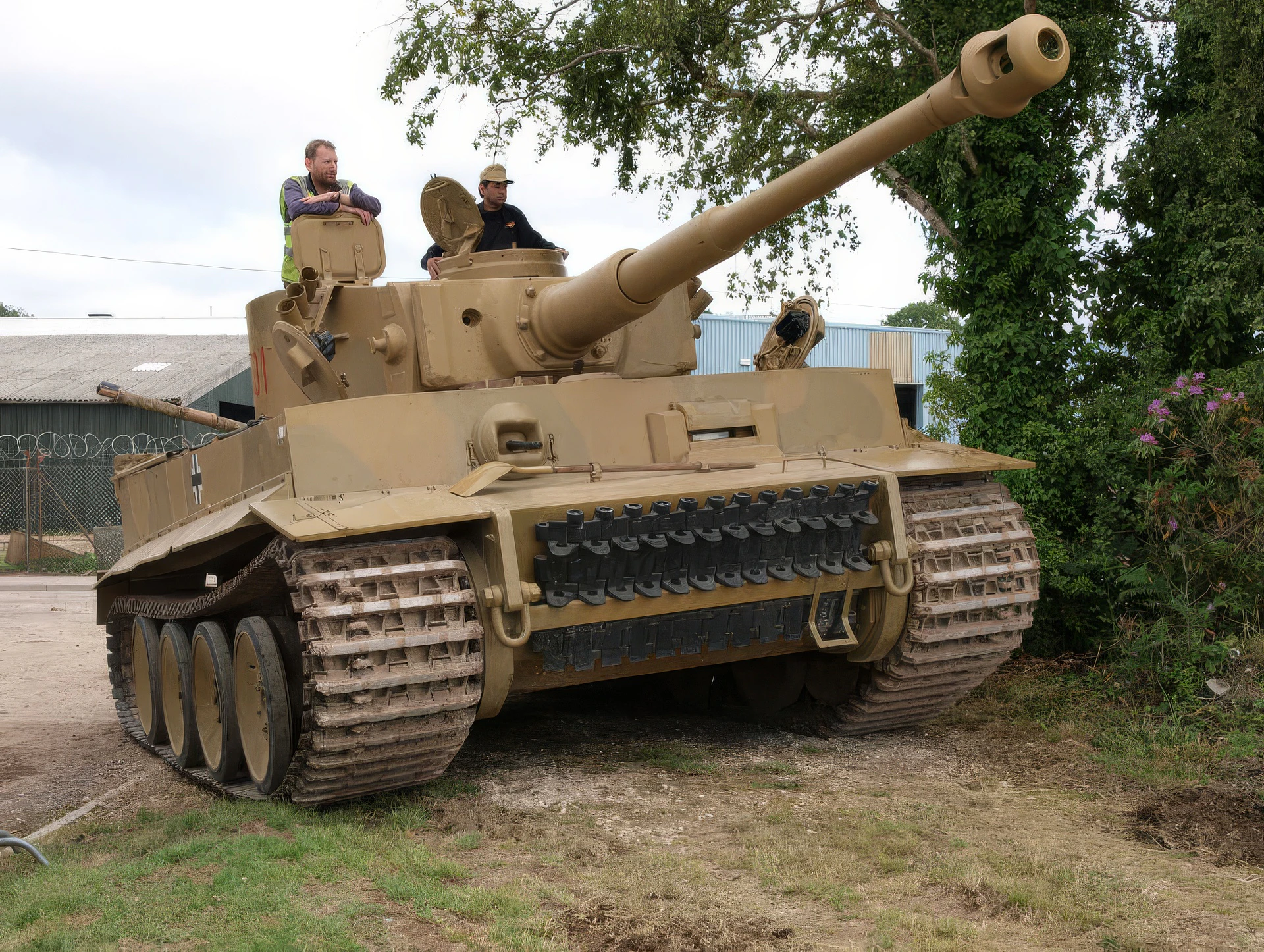
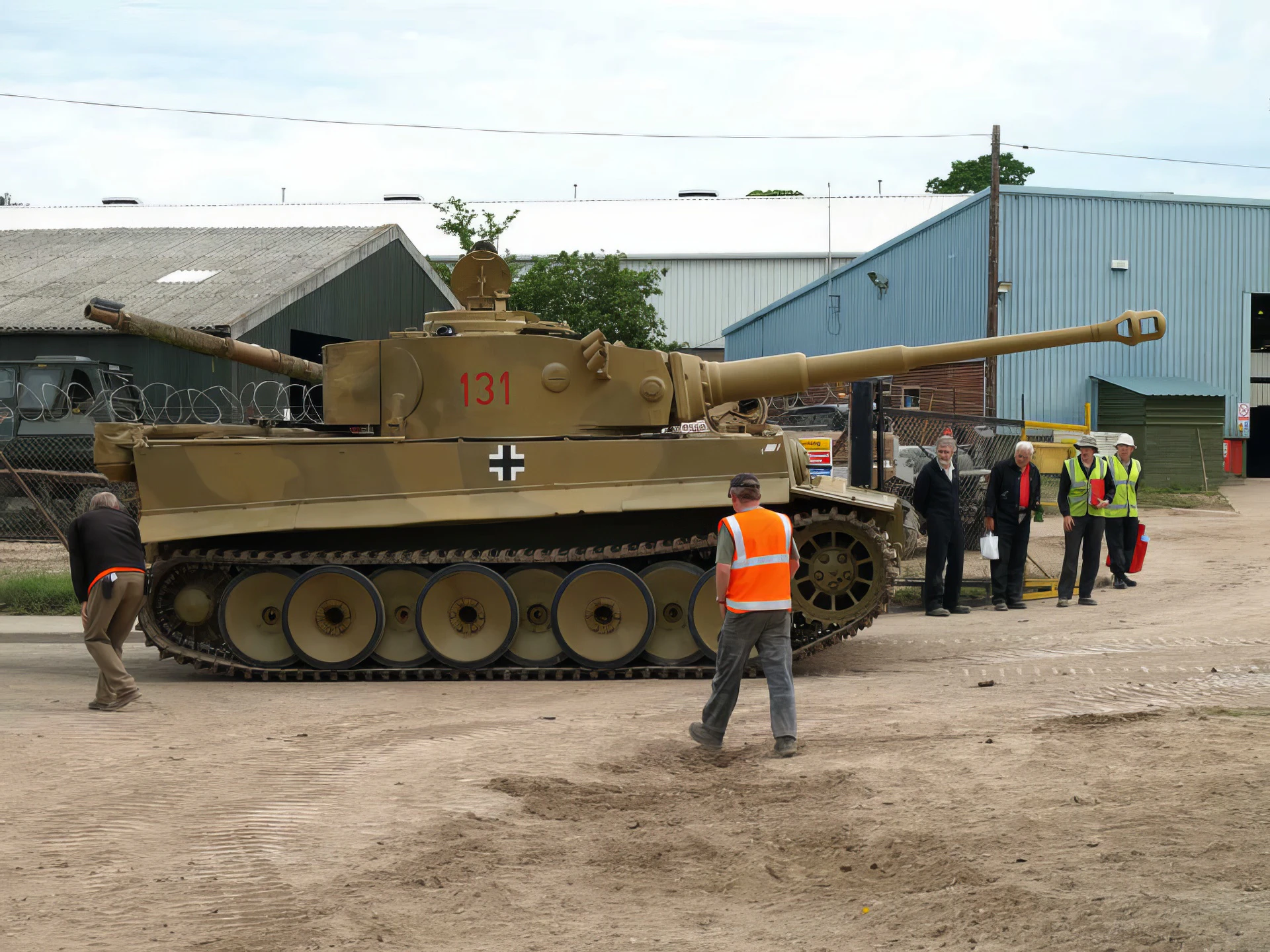
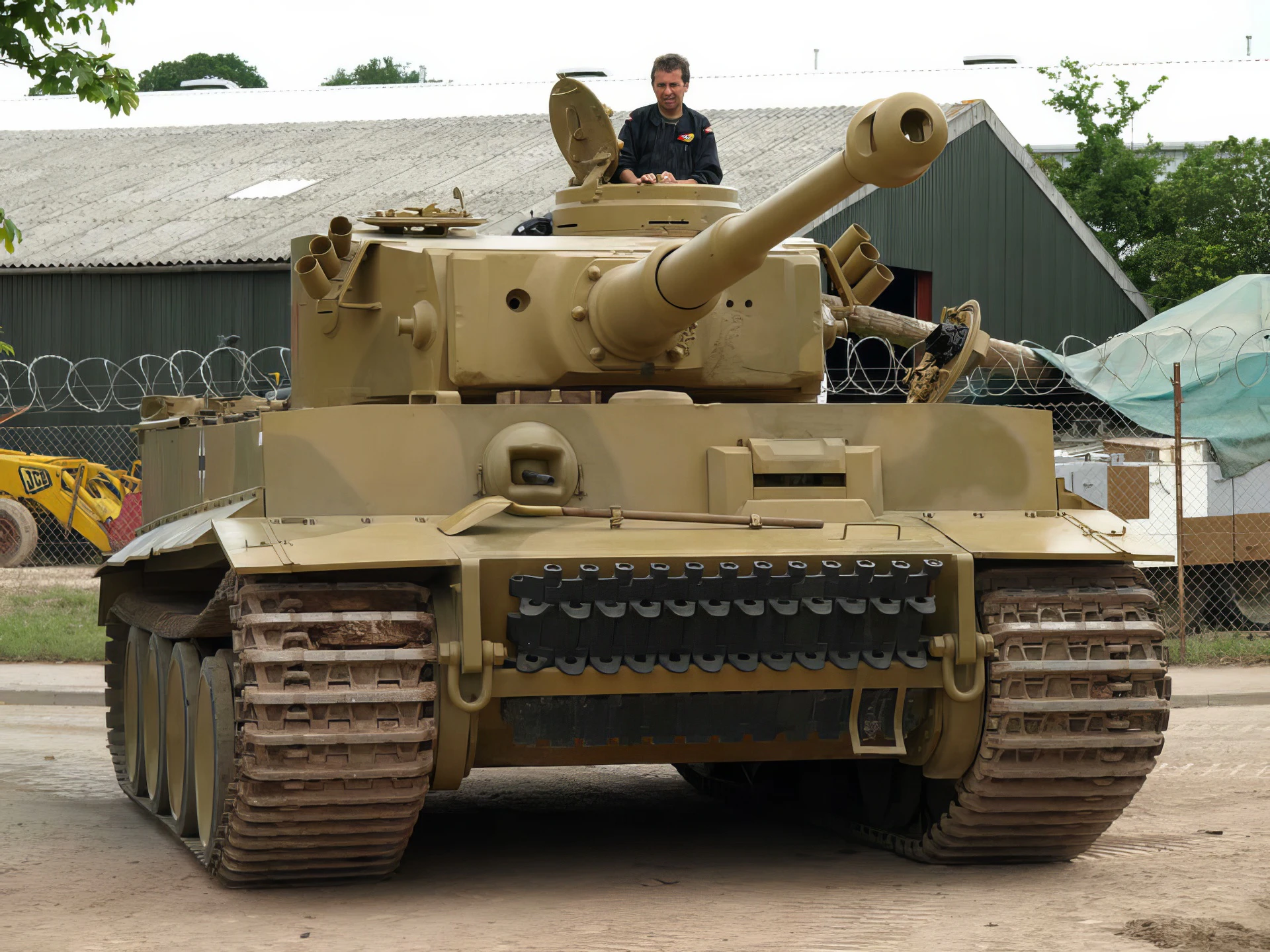
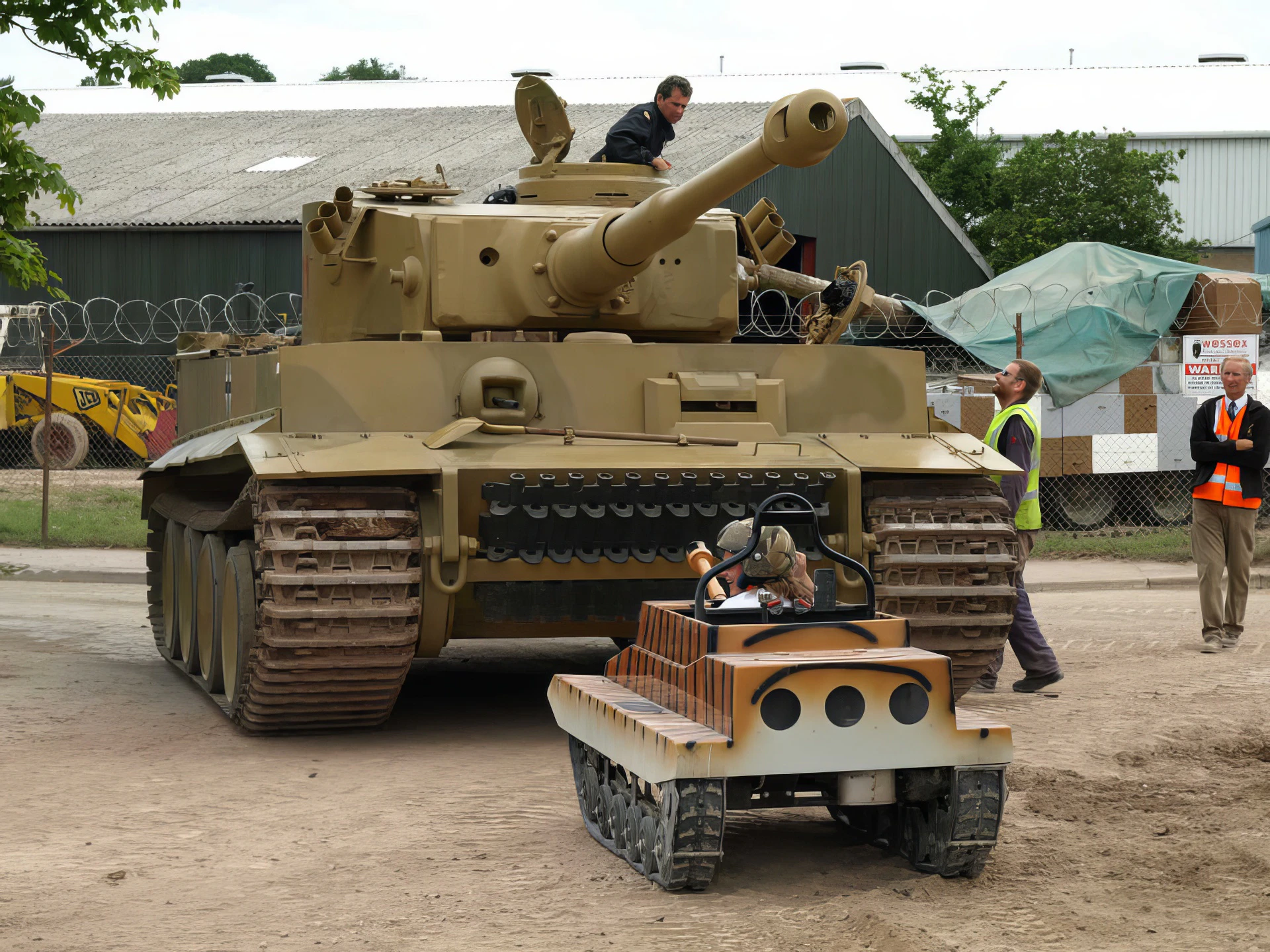
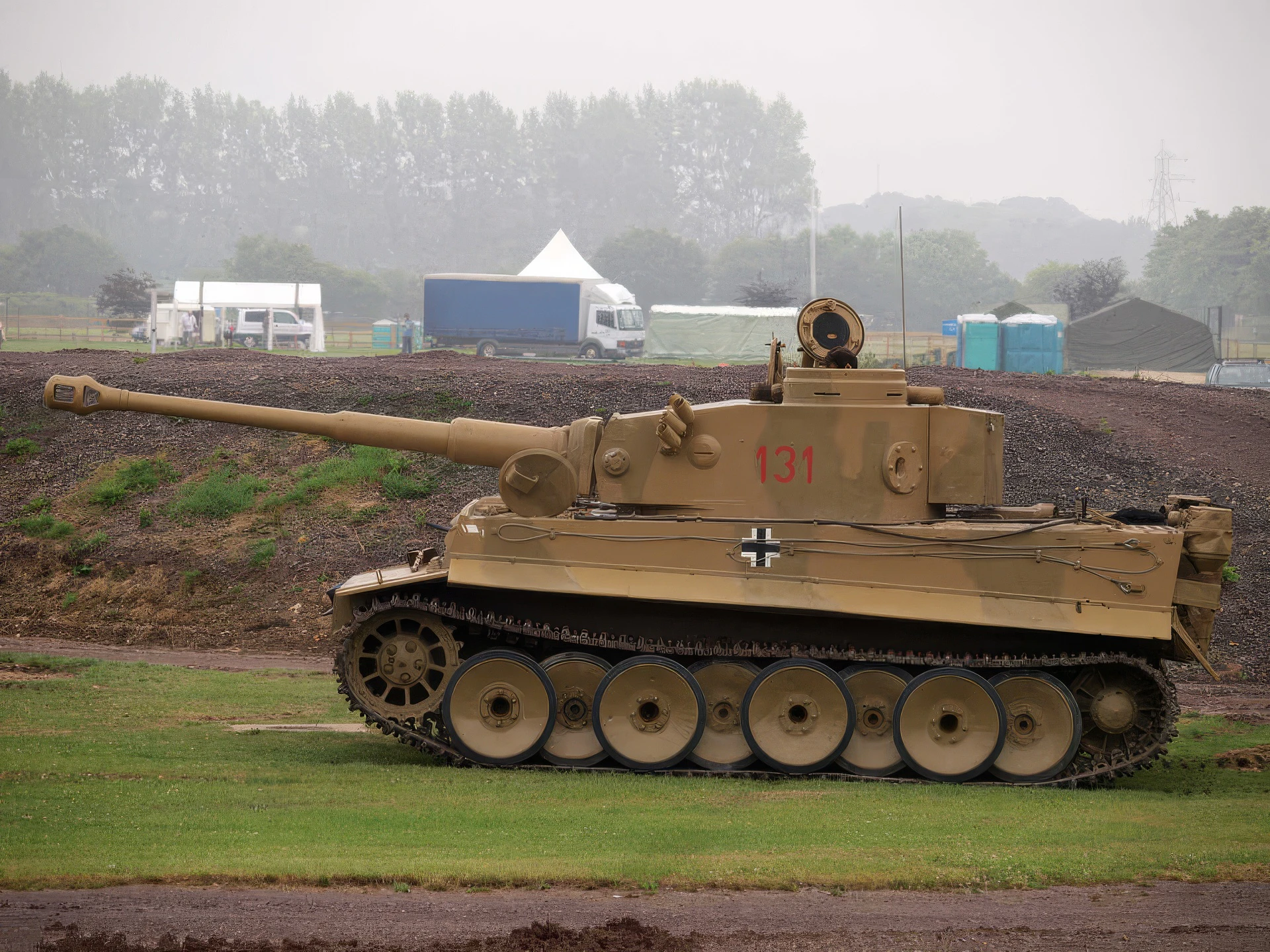
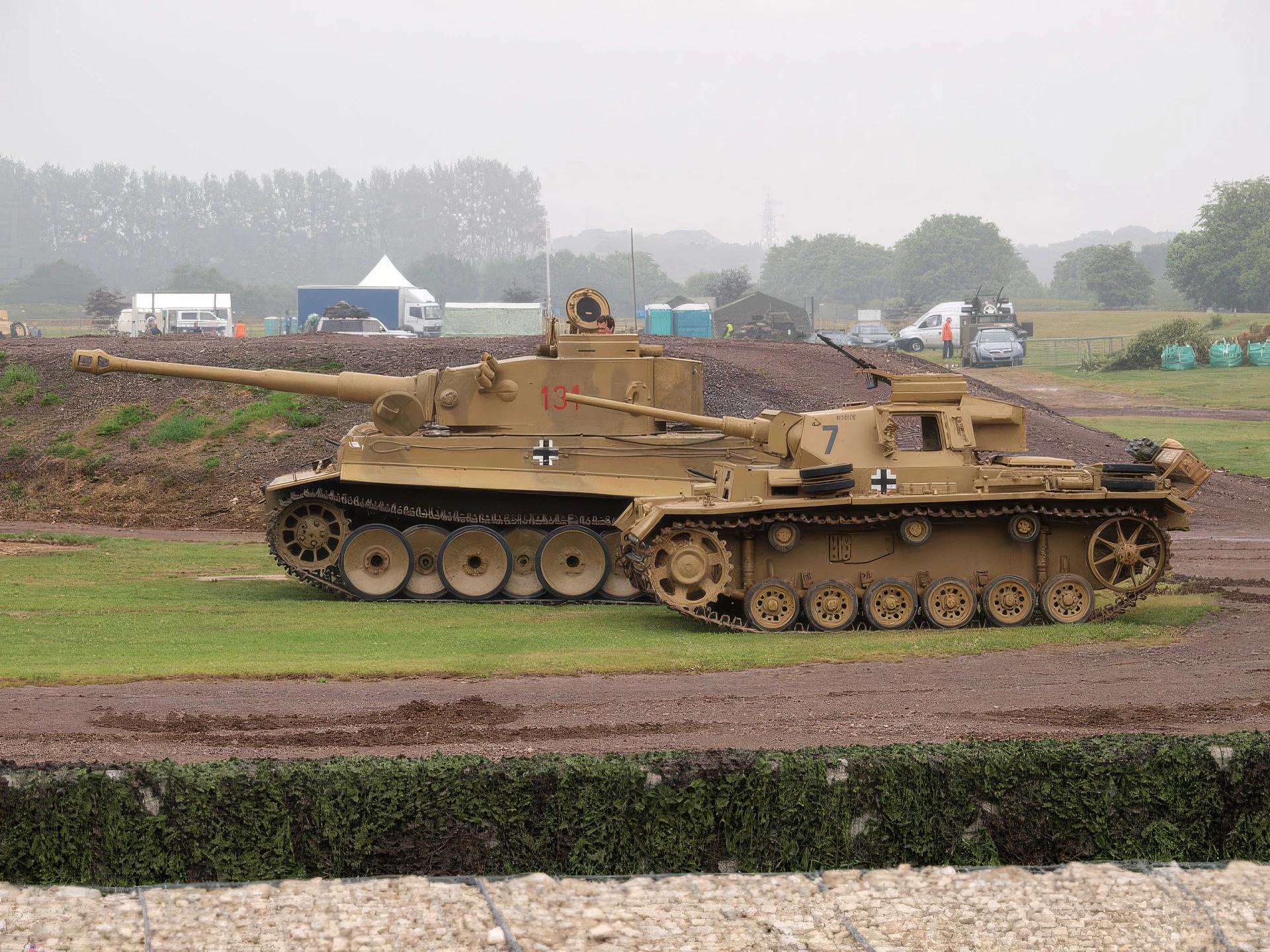
Galerie de photos d’un tiger tank en action, Le Tigre I est le nom commun d’un char lourd allemand développé en 1942 et utilisé pendant la Seconde Guerre mondiale. La désignation officielle finale allemande était Panzerkampfwagen VI Tiger Ausf.E, souvent raccourcie en Tiger. C’était une réponse à l’armure soviétique étonnamment redoutable rencontrée dans les premiers mois de l’invasion de l’Axe de l’Union soviétique, en particulier le T-34 et le KV-1. La conception du Tiger I a donné à la Wehrmacht son premier char de montage du canon de 88 mm, dans sa version initiale blindée dédiée aux véhicules de combat, qui, dans sa version Flak, avait déjà démontré son efficacité contre les cibles aériennes et terrestres. Au cours de la guerre, le Tigre que j’ai vu le combat sur tous les fronts allemands. Il était habituellement déployé dans des bataillons de chars indépendants, ce qui s’est avéré tout à fait formidable.

Voir aussi :


Lla Panzerkampfwagen VI (Pz.Kpfw. VI), communément connu sous le nom de Tiger, was a series of German heavy tanks used during World War II. It was a formidable and revolutionary design, primarily known for its incredibly heavy armor and powerful main gun. The series includes two primary models: the Tiger I and the Tiger II.
1. Panzer VI Tiger I (Sd.Kfz. 181)
The original Tiger I was a response to the unexpectedly strong Soviet tanks encountered during the invasion of the USSR. It entered service in 1942 and quickly established a fearsome reputation.
- Rôle: Heavy Tank, designed for breakthrough and long-range engagement.
- Main Armament: The devastating 88 mm KwK 36 L/56 cannon, which could penetrate most Allied tank armor at extreme distances.
- Armure: Featured very heavy, though largely flat and vertical, armor. Frontal hull armor was typically 100 mm thick, with the gun mantlet up to 200 mm. Its protection relied on sheer thickness.
- Poids: Environ 57 tonnes.
- Mobilité: Powered by a 700 hp Maybach V-12 engine. Capable of speeds up to 38 to 45 km/h on roads. Its complex interleaved road wheel suspension provided good off-road performance but was mechanically demanding and maintenance-intensive.
- Équipage: 5 (Commander, Gunner, Loader, Driver, Radio Operator).
2. Panzer VI Tiger II (Königstiger / King Tiger) (Sd.Kfz. 182)
The Tiger II, or « King Tiger, » was the successor to the Tiger I and represented an evolution in German tank design. It entered production in late 1943.
- Rôle: Heavy Tank.
- Main Armament: The superior 88 mm KwK 43 L/71 cannon. This longer-barreled gun significantly increased muzzle velocity and anti-tank performance.
- Armure: Combined the sheer thickness of the Tiger series with sloped armor. The frontal hull plate was 150 mm thick and angled at 50, making it virtually impervious to most Allied tank guns from the front.
- Poids: Presque 68.5 tonnes, making it the heaviest tank used by Germany during the war.
- Drawbacks: Its extreme weight severely strained its powertrain, leading to significant mechanical reliability issues and placing a massive burden on German logistics and manufacturing.
Views : 9218
Vous pouvez voir aussi :
 TOG2 – Photos et vidéos
 Char P26/40 – Photos & Vidéos
 T-28 Super Heavy Tank – Photos & Vidéo
 Réservoir Chieftain – Promenez-vous
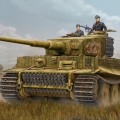 Pz.Kpfw. VI Tiger I – HOBBY BOSS 82601
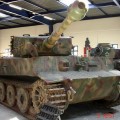 PzKpfw VIH Tiger – Walk Around
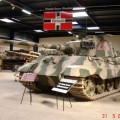 Tiger II – Königstiger vol3 – Walk Around
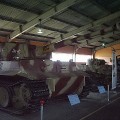 Tiger I – Promenez-vous
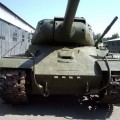 JS2-M – Walk Around
 Panzerkampfwagen VI – TIGER – Sdkfz.181 – Wydawnictwo Militaria 074