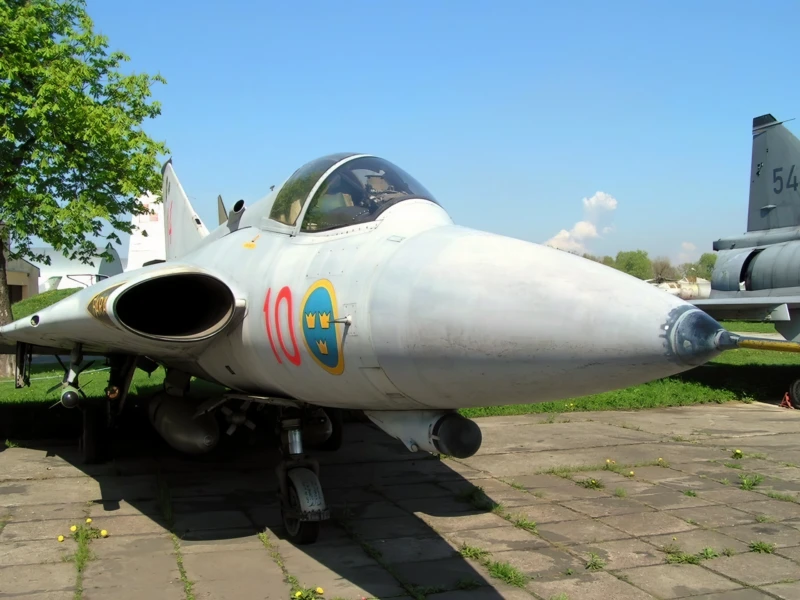
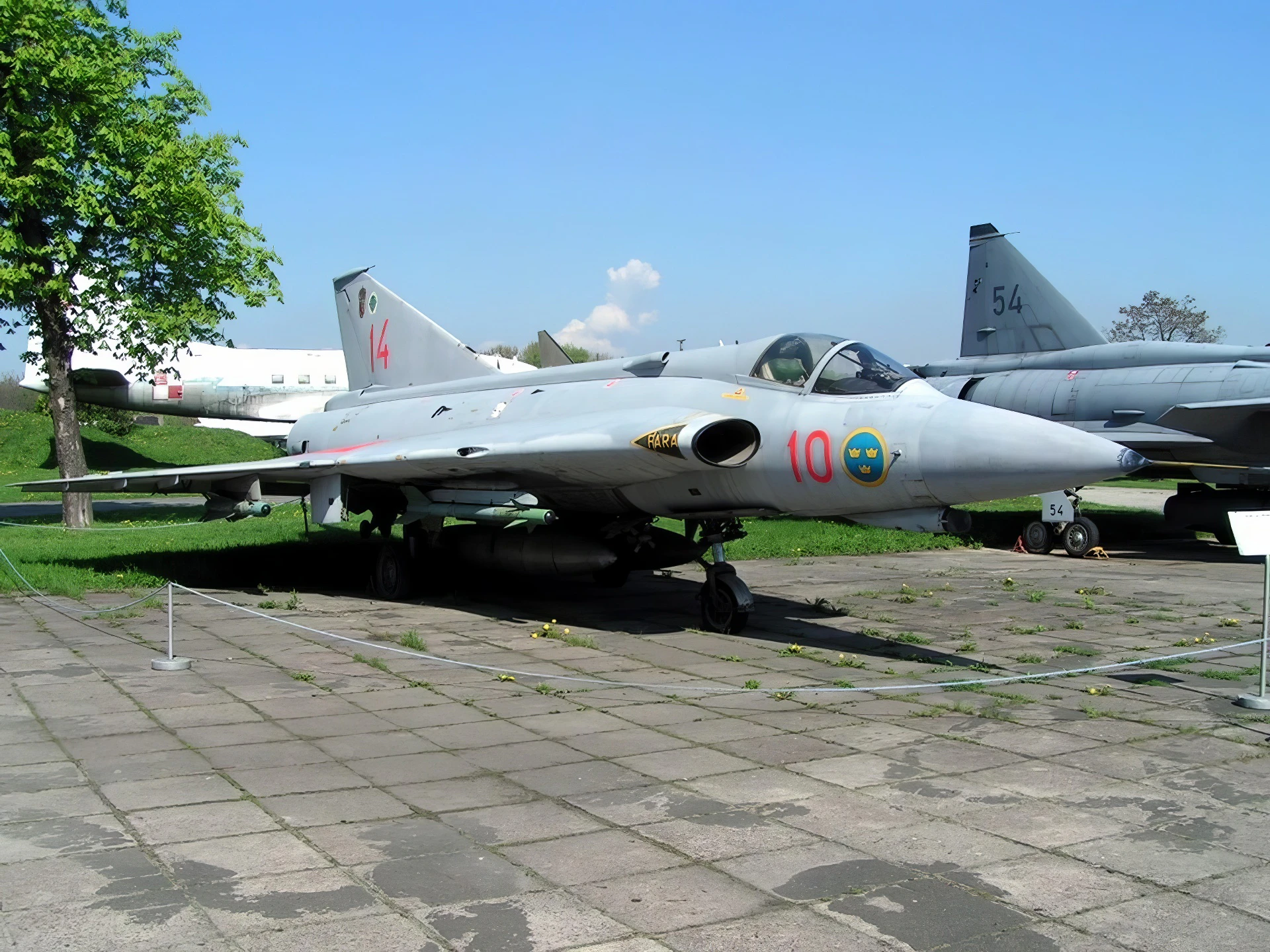
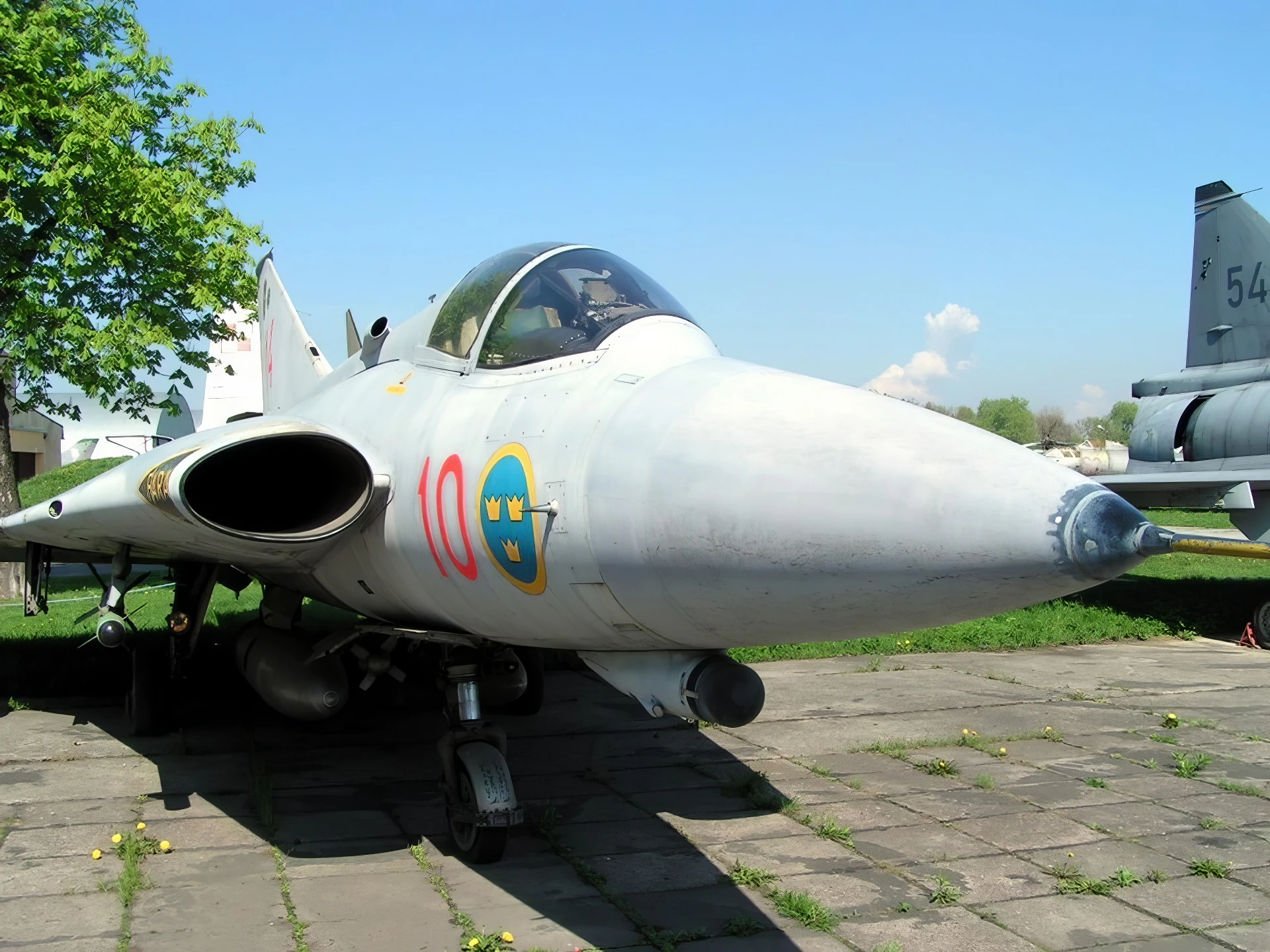
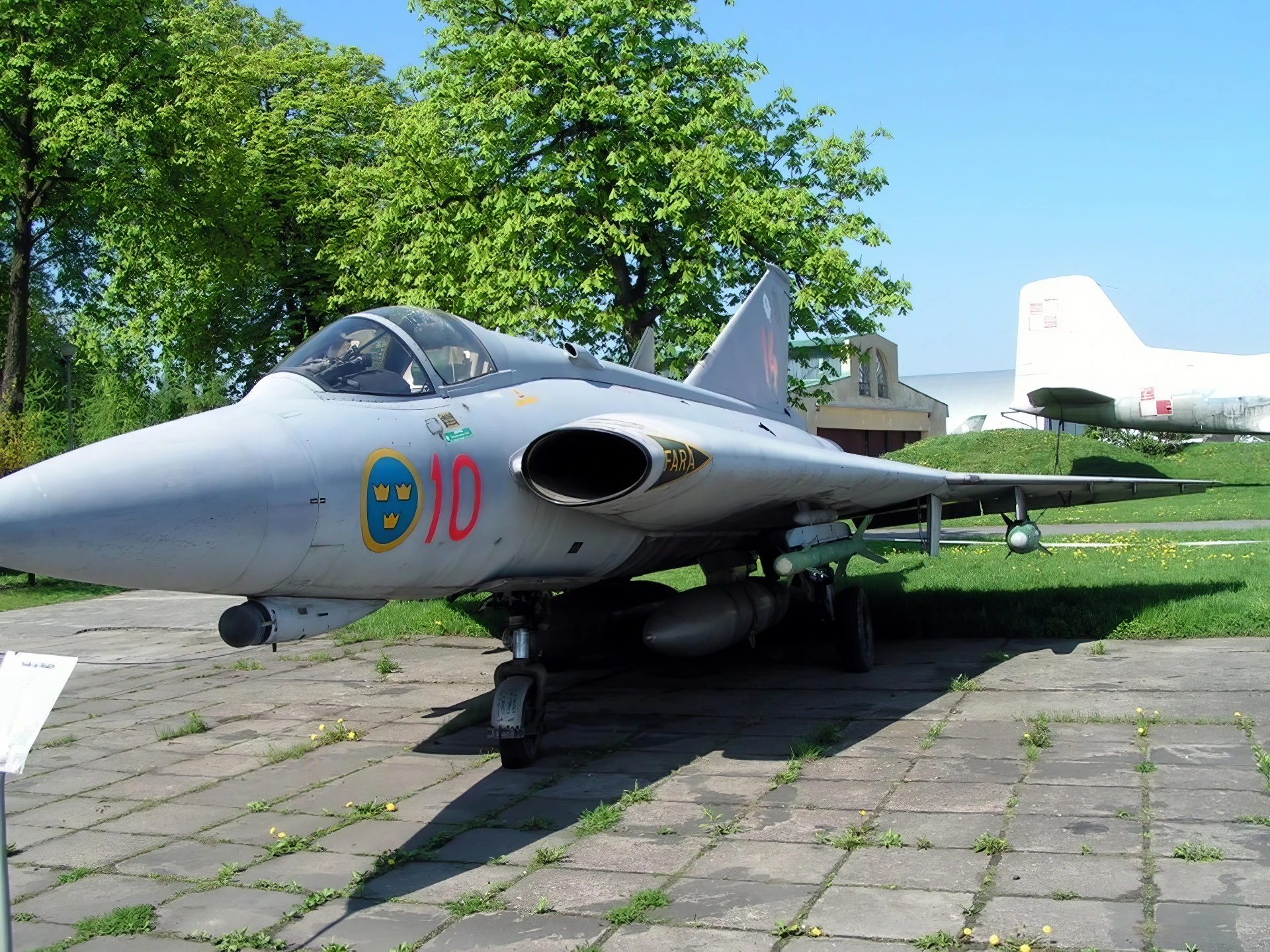
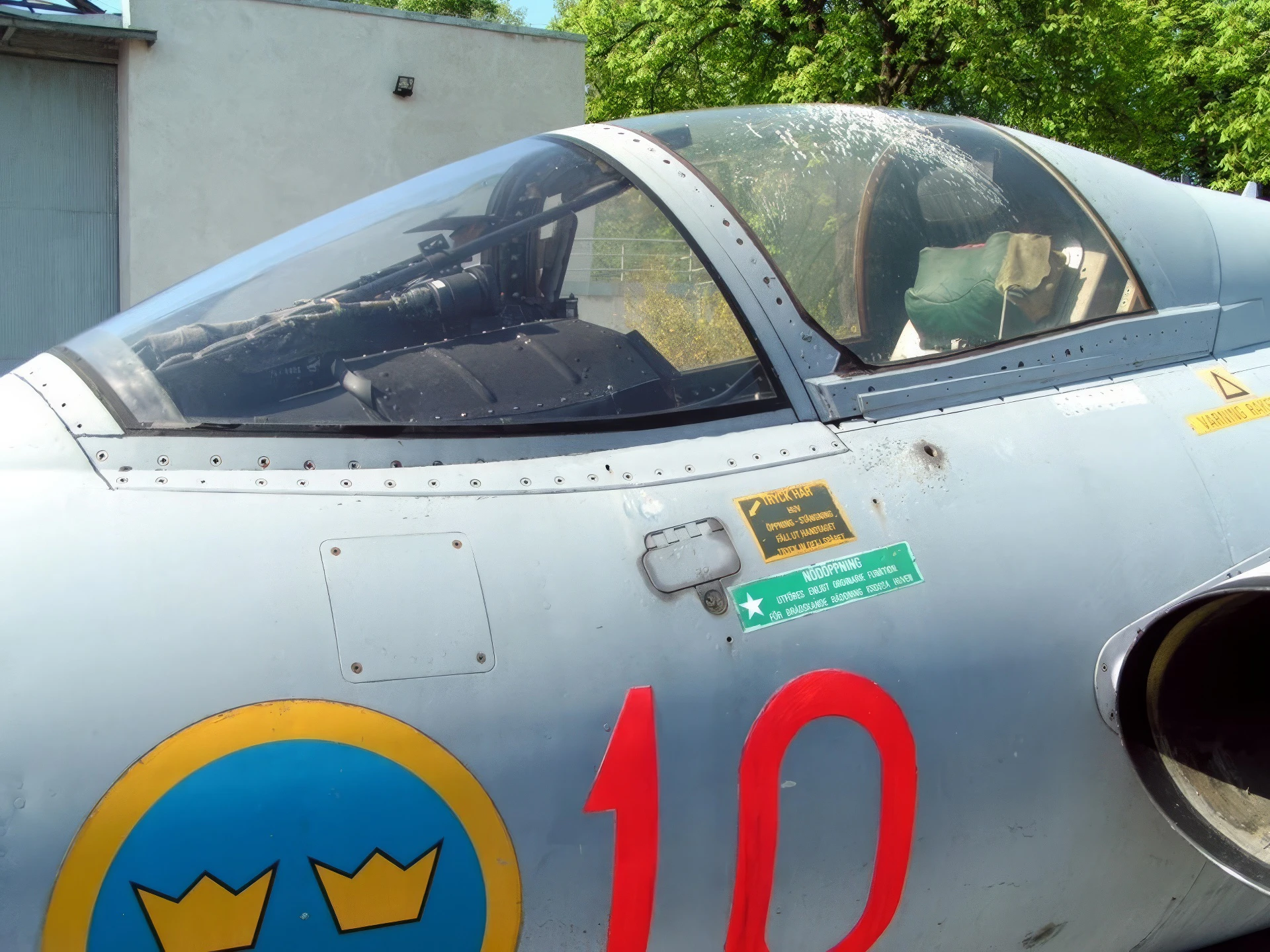
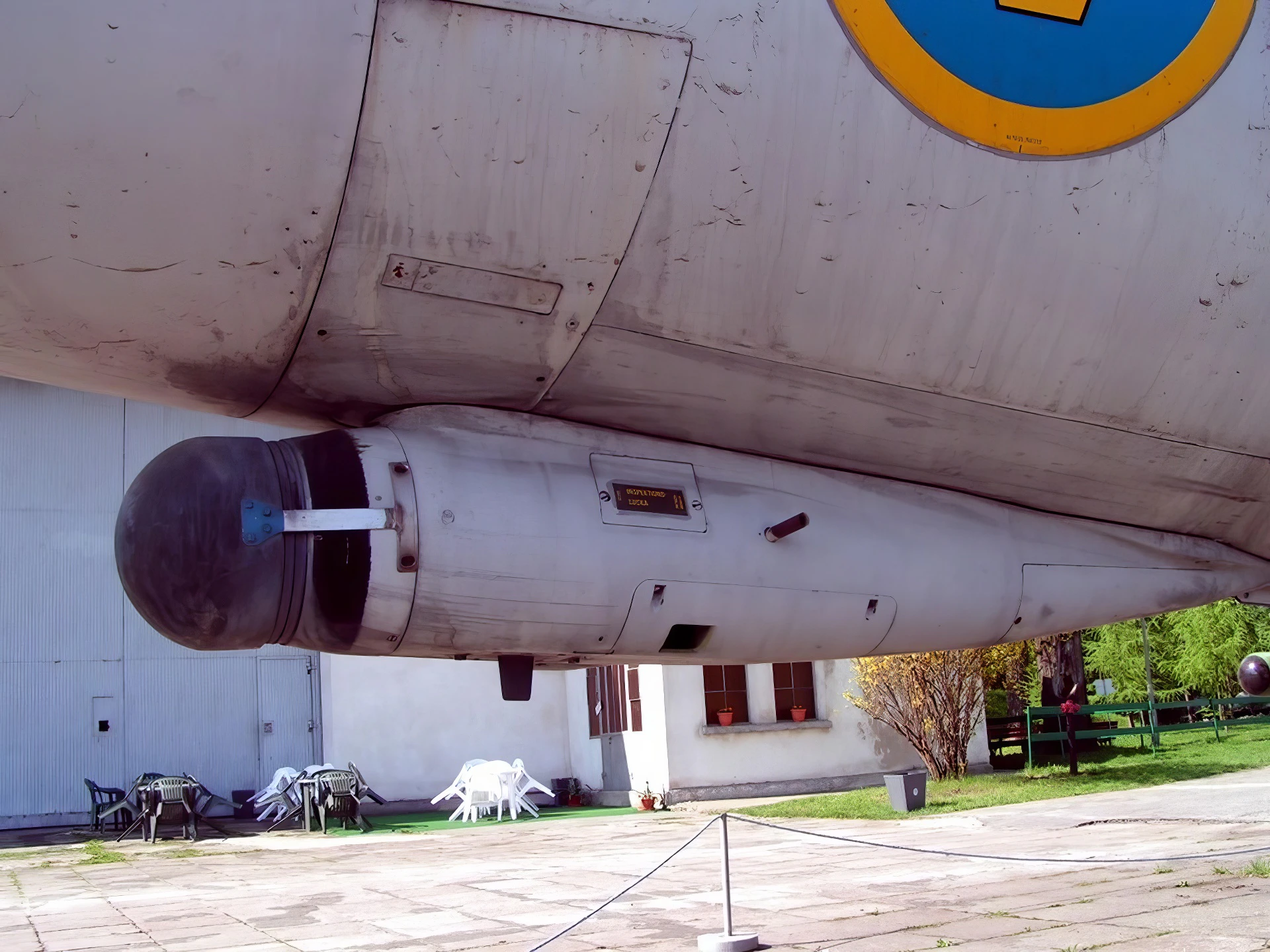
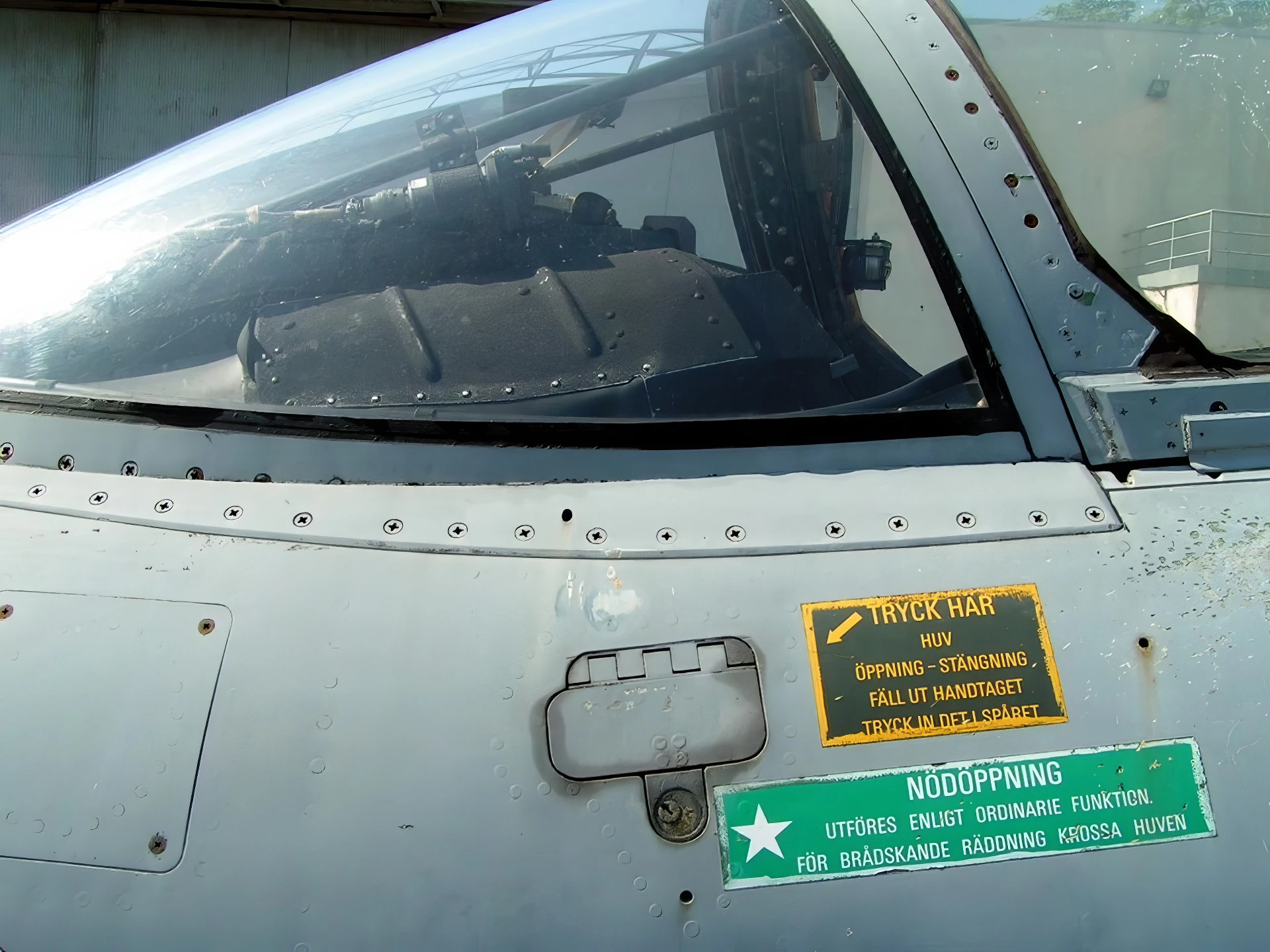
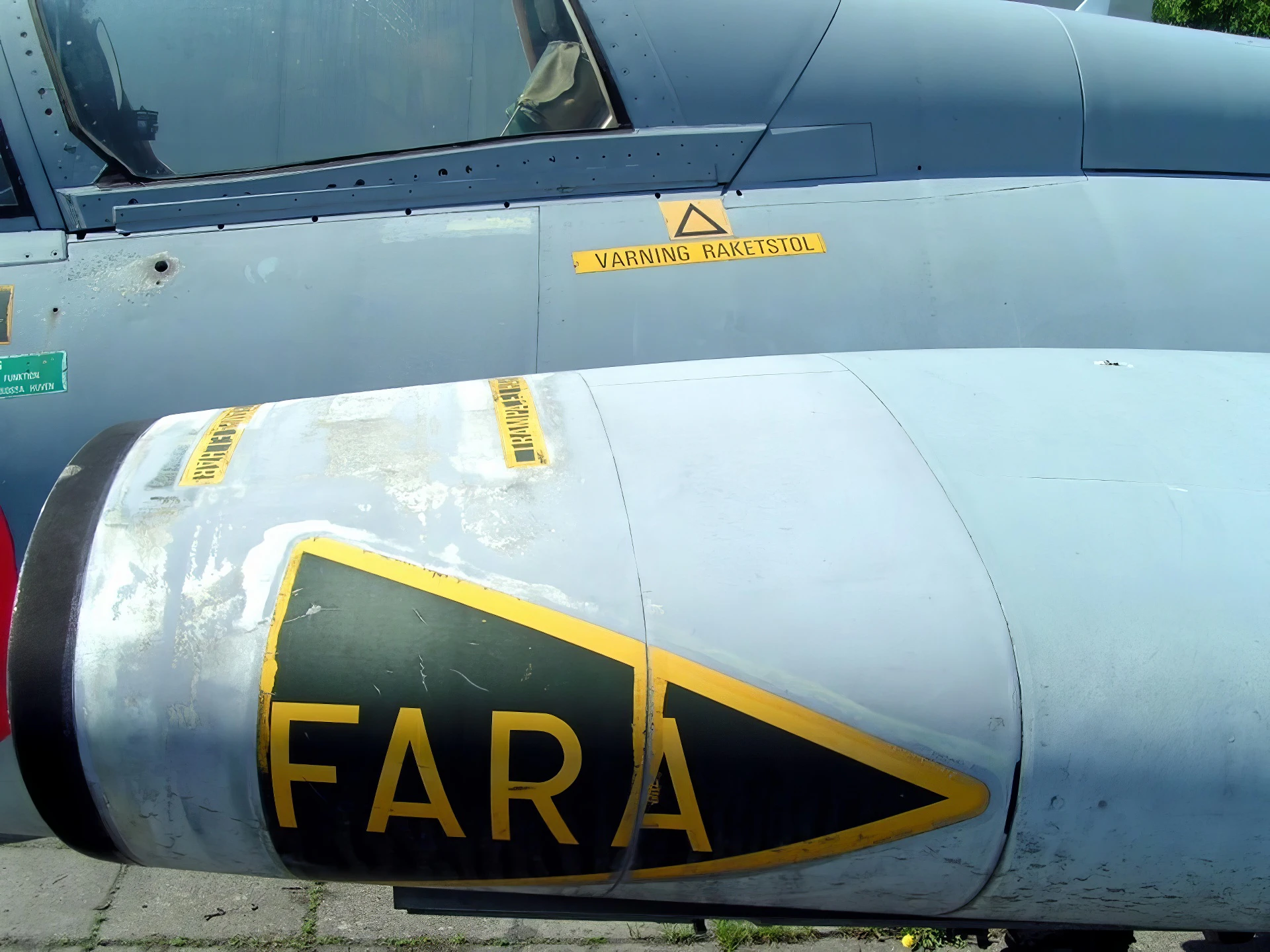
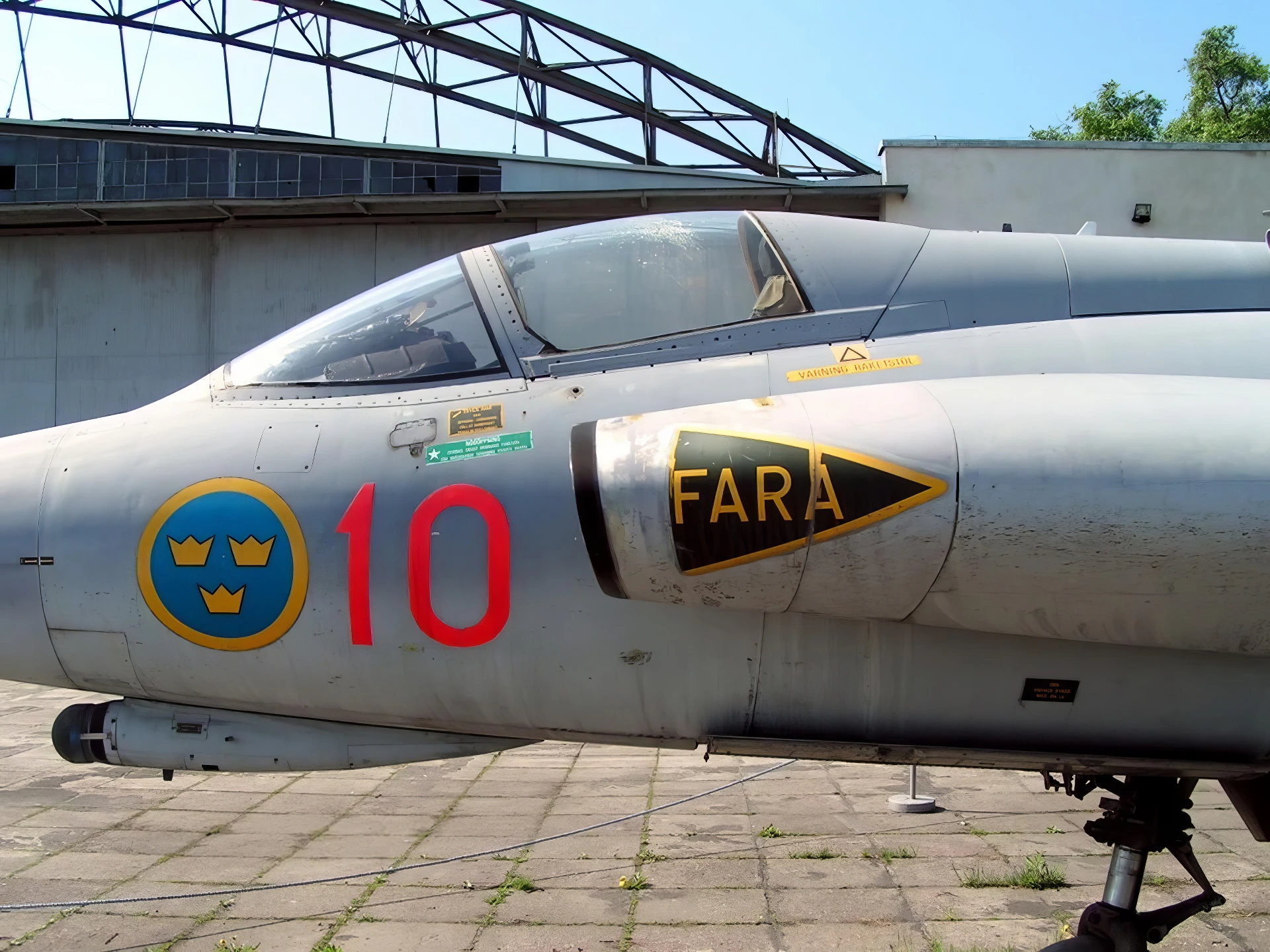
Lla Saab 35 Draken (« le cerf-volant » Ou « le dragon ») was a Swedish fighter aircraft developed and manufactured by Saab between 1955 and 1974. It was the first fully supersonic aircraft to be deployed in Western Europe.
The Draken was developed during the 1940s and 1950s to replace Sweden’la première génération d’avions de chasse à réaction, le Saab J 29 Tunnan et, plus tard, la variante de chasse (J 32B) du Saab 32 Lansen. Il comportait une « double delta » aile; afin de tester cette caractéristique aérodynamique jusque-là inexplorée, un avion d’essai à sous-échelle, le Saab 210, a été produit et piloté. Développé en Suède, le Draken a été mis en service avec la Royal Swedish Air Force (RSAF) le 8 mars 1960. Les premiers modèles étaient destinés uniquement à effectuer des missions de défense aérienne, le type étant considéré comme un dogfighter capable pour l’époque.
Source: SAAB J-35 Draken sur Wikipedia
The **SAAB J-35 Draken** is a distinguished Swedish supersonic fighter and interceptor aircraft developed by Svenska Aeroplan Aktiebolaget (SAAB) during the early Cold War era. Operational from the 1960s, it was the backbone of the Swedish Air Force’s air defense, designed to counter the threat of high-speed, high-altitude nuclear bombers.
Revolutionary Double-Delta Wing Design
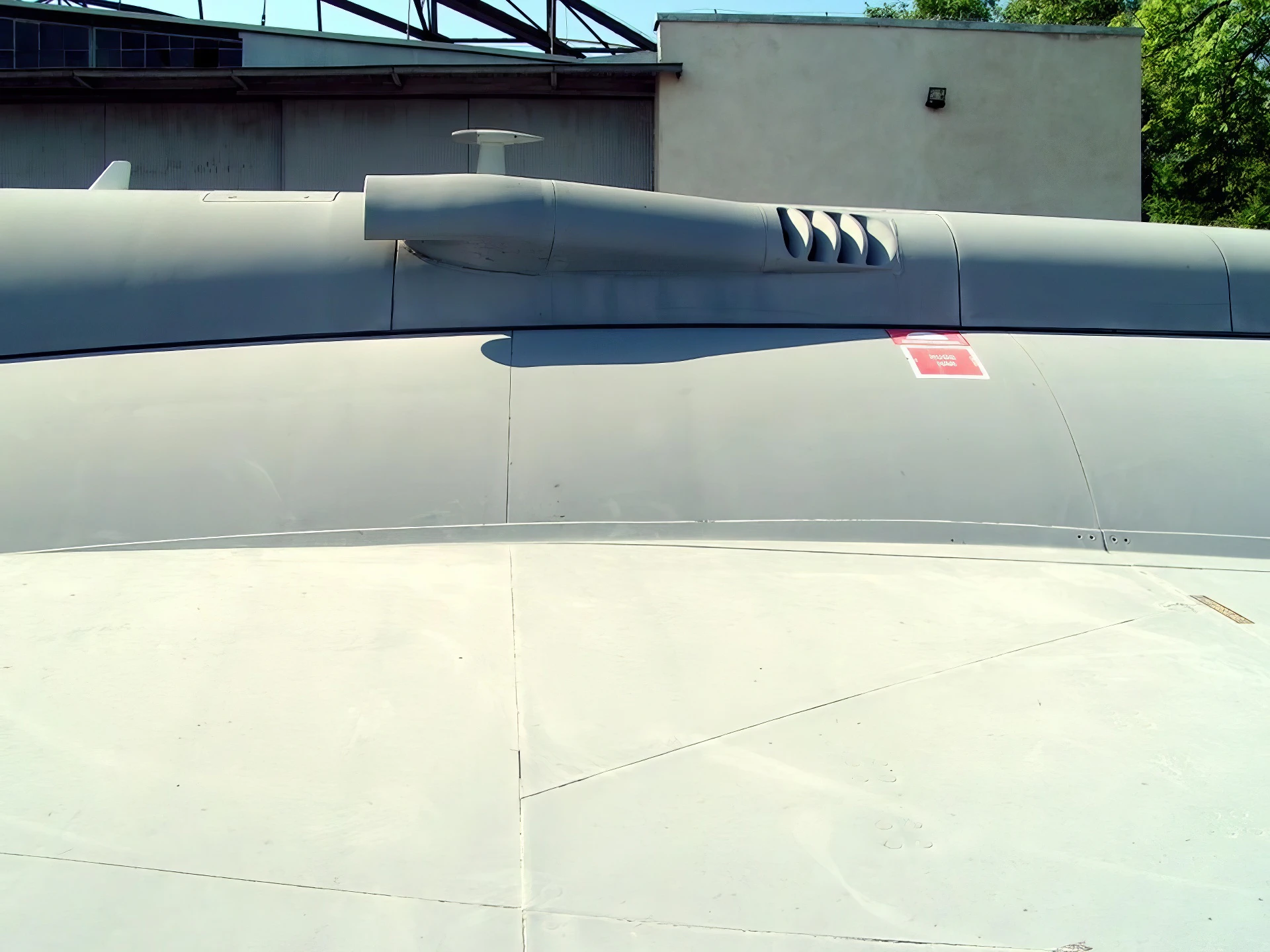
The Draken is instantly recognizable due to its groundbreaking and distinctive double-delta wing configuration, an aerodynamic innovation that was unprecedented in production aircraft at the time:
- **Inner Delta:** Features a sharp sweep (approximately 80) for low drag and excellent performance at supersonic speeds. This thick section also contained fuel, landing gear, and gun armament.
- **Outer Delta:** Features a gentler sweep (approximately 57) to increase lift at lower airspeeds, vastly improving handling, stability, and control during landing approaches and close-in maneuvering.
- **Tail-less:** The double-delta design allowed the aircraft to operate without a separate horizontal stabilizer, relying on elevons (combined elevator and aileron control surfaces) and a conventional vertical rudder.
- **The Cobra Maneuver:** The unique aerodynamics of the Draken’s wing are credited with making it the first known jet aircraft capable of performing the high-angle-of-attack maneuver later known as the « Cobra. »
Role and Operational Concept
The J-35 was engineered to meet strict Swedish requirements for an aircraft that could operate within the nation’s decentralized defense system:
- **High-Speed Interceptor:** Its primary mission was rapid scramble and interception of invading aircraft, capable of reaching speeds of up to **Mach 2.0** (and Mach 2.3 in later versions).
- **Road Base Capability:** The Draken was designed for short take-off and landing (STOL) capabilities, allowing it to be dispersed and operate from sections of the public highway system in the event of an attack, enhancing survivability.
- **Multi-Role:** While specialized as an interceptor, later variants were adapted for reconnaissance (S-35E) and ground attack roles, carrying bombs and rockets on external hardpoints.
General Specifications (J-35F/J Variants)
| Characteristic |
Detail |
| **Manufacturer** |
SAAB (Svenska Aeroplan Aktiebolaget) |
| **Powerplant** |
1 Svenska Flygmotor RM6C (Rolls-Royce Avon derivative) afterburning turbojet |
| **Wingspan** |
approx 9.4 meters (30 ft 11 in) |
| **Length** |
approx 15.3 meters (50 ft 4 in) |
| **Top Speed** |
Up to **Mach 2.3** (High Altitude) |
| **Internal Armament** |
1 or 2 30 mm Aden Cannons |
| **External Stores** |
Air-to-air missiles (Rb 24/AIM-9 Sidewinder), rockets, bombs, and drop tanks. |