
Lockheed Model 10 Electra | |
|---|---|
| Pays | Usa |
| Rôle | Avion de ligne léger |
| Premier vol | 23 février 1934 |
| Construit | 149 |
Lla Lockheed Modèle 10 Electra est un avion de ligne monoplan bimoteur américain entièrement métallique développé par la Lockheed Aircraft Corporation dans les années 1930 pour concurrencer le Boeing 247 et le Douglas DC-2. Le type a acquis une renommée considérable car l’un d’entre eux a été piloté par Amelia Earhart lors de sa malheureuse expédition autour du monde en 1937.
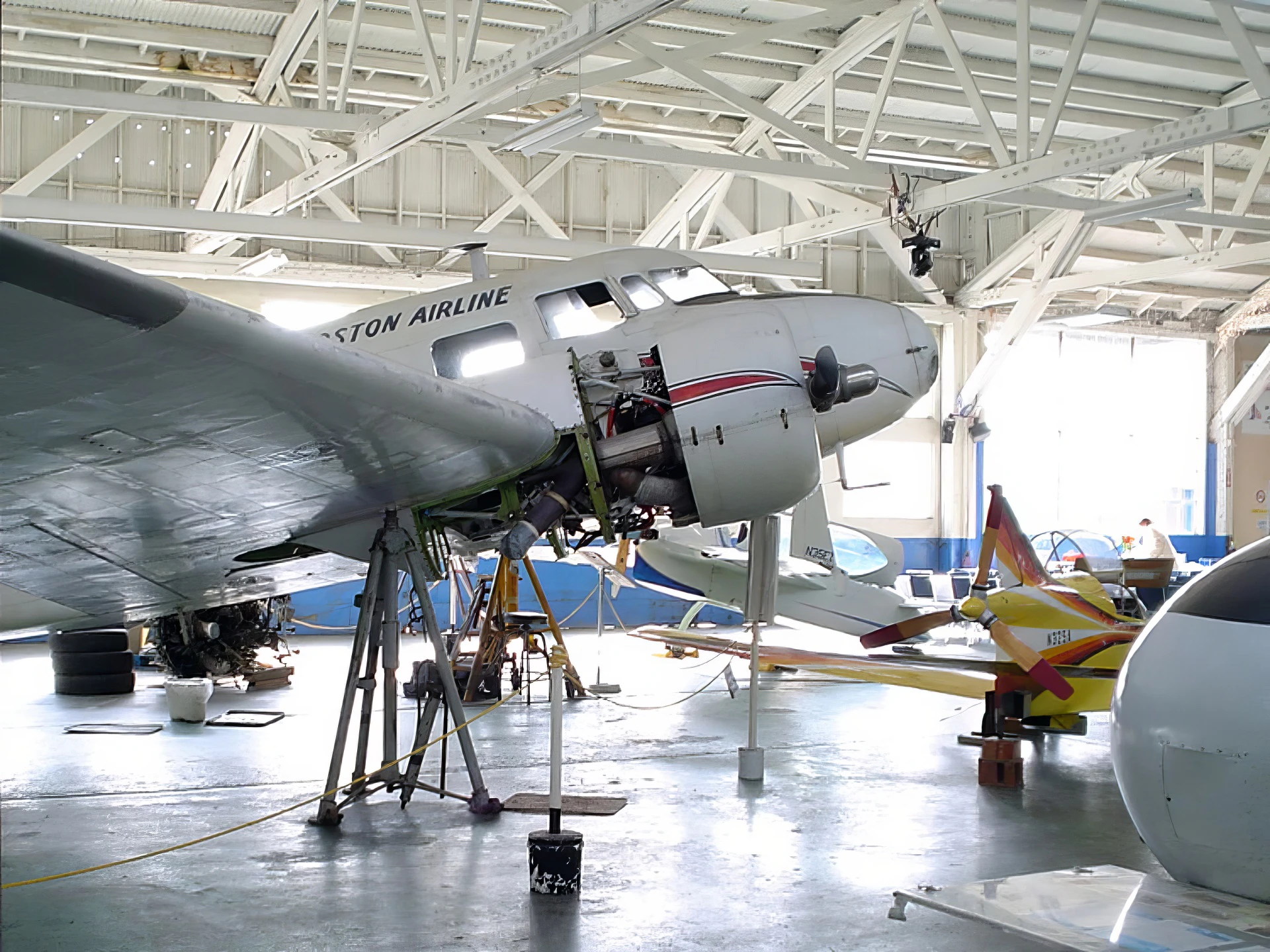
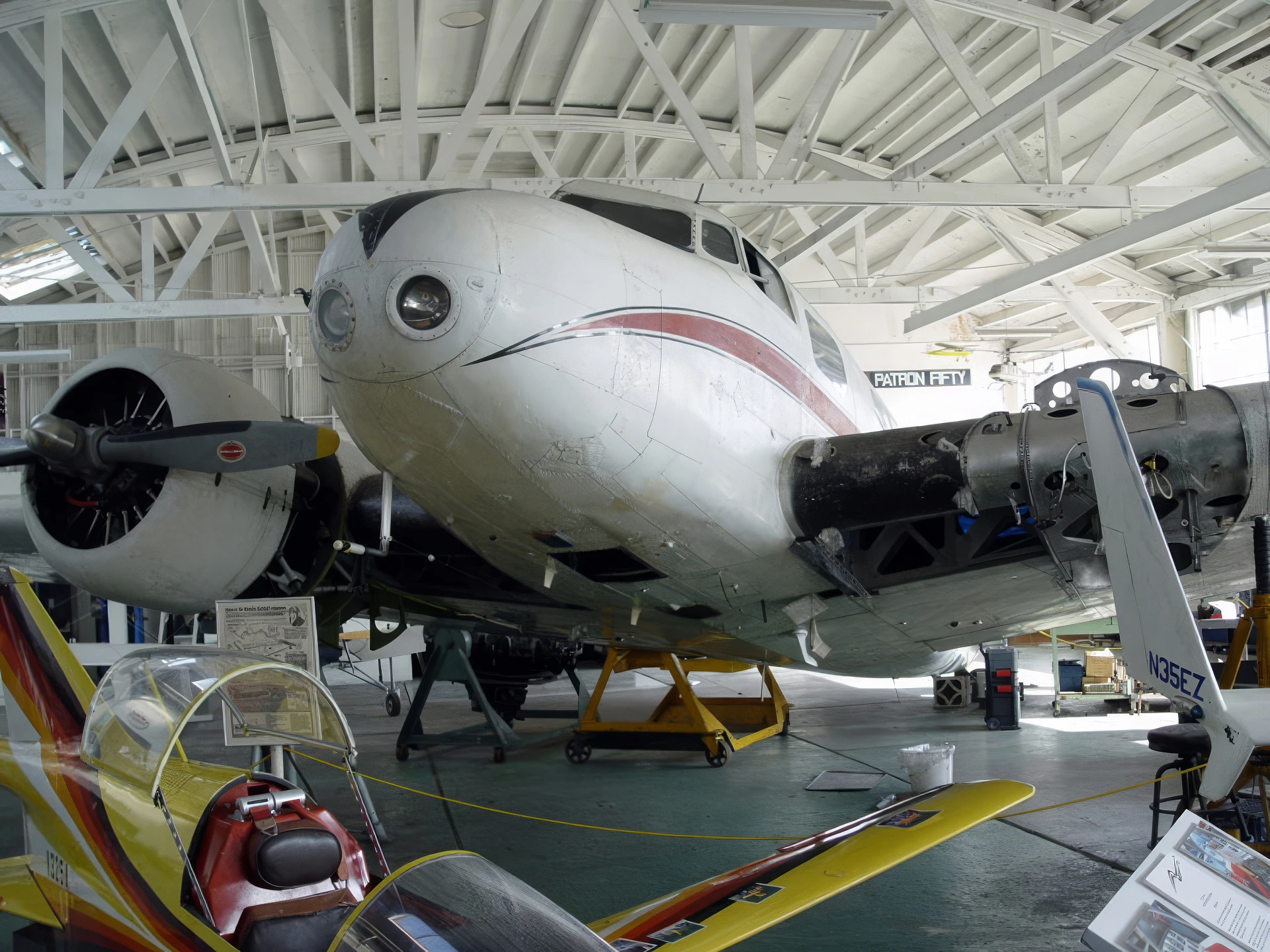
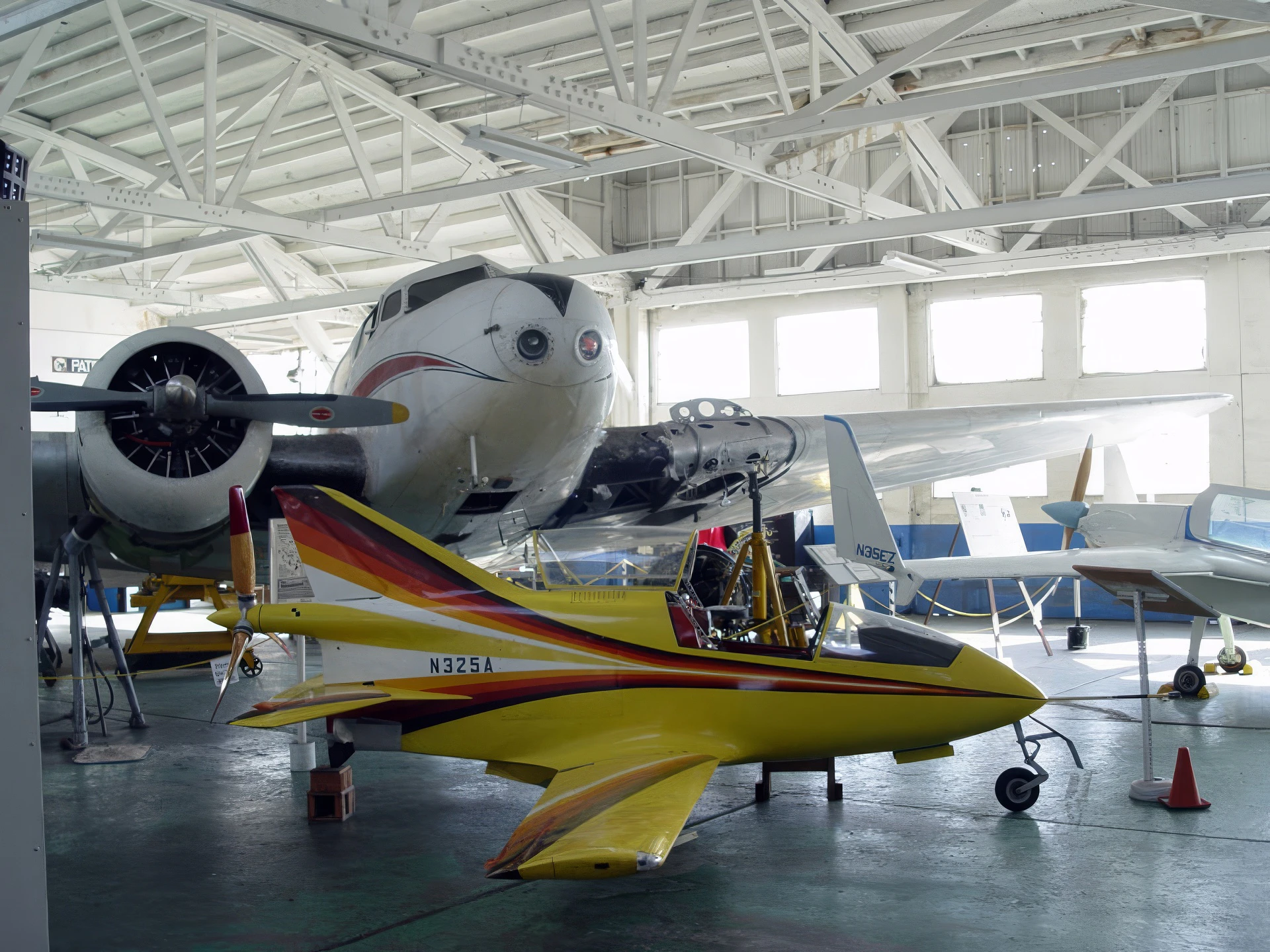
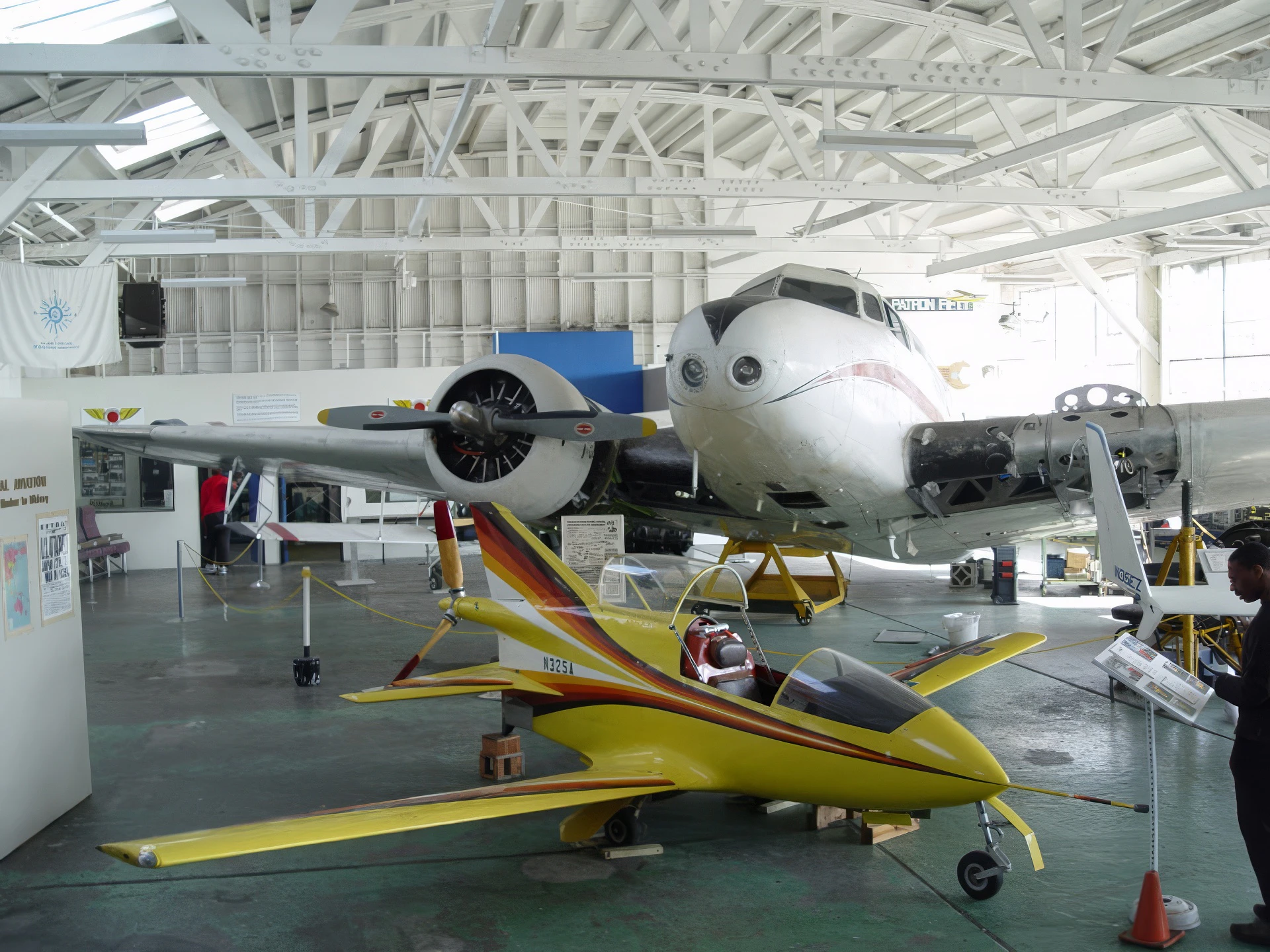
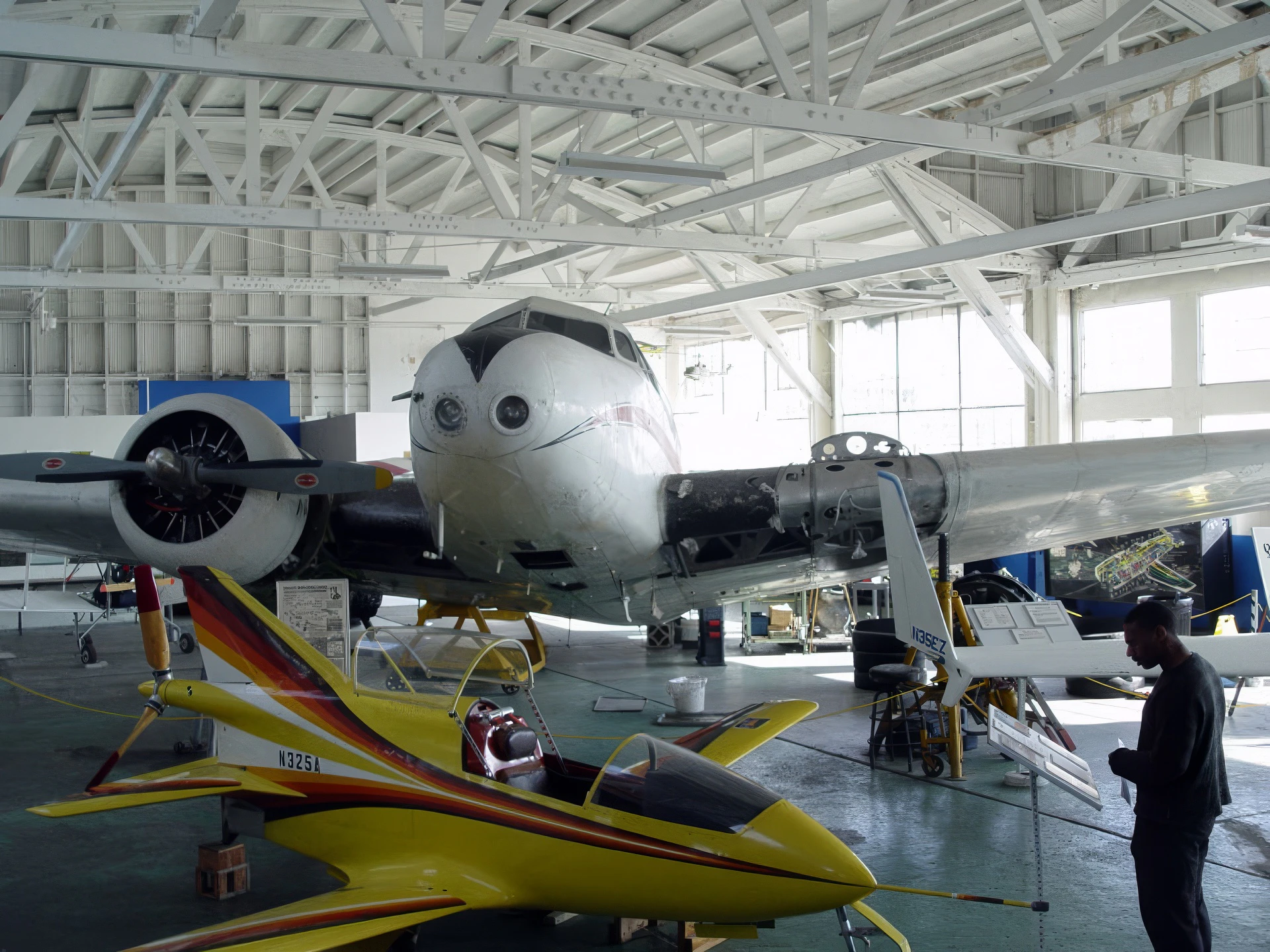
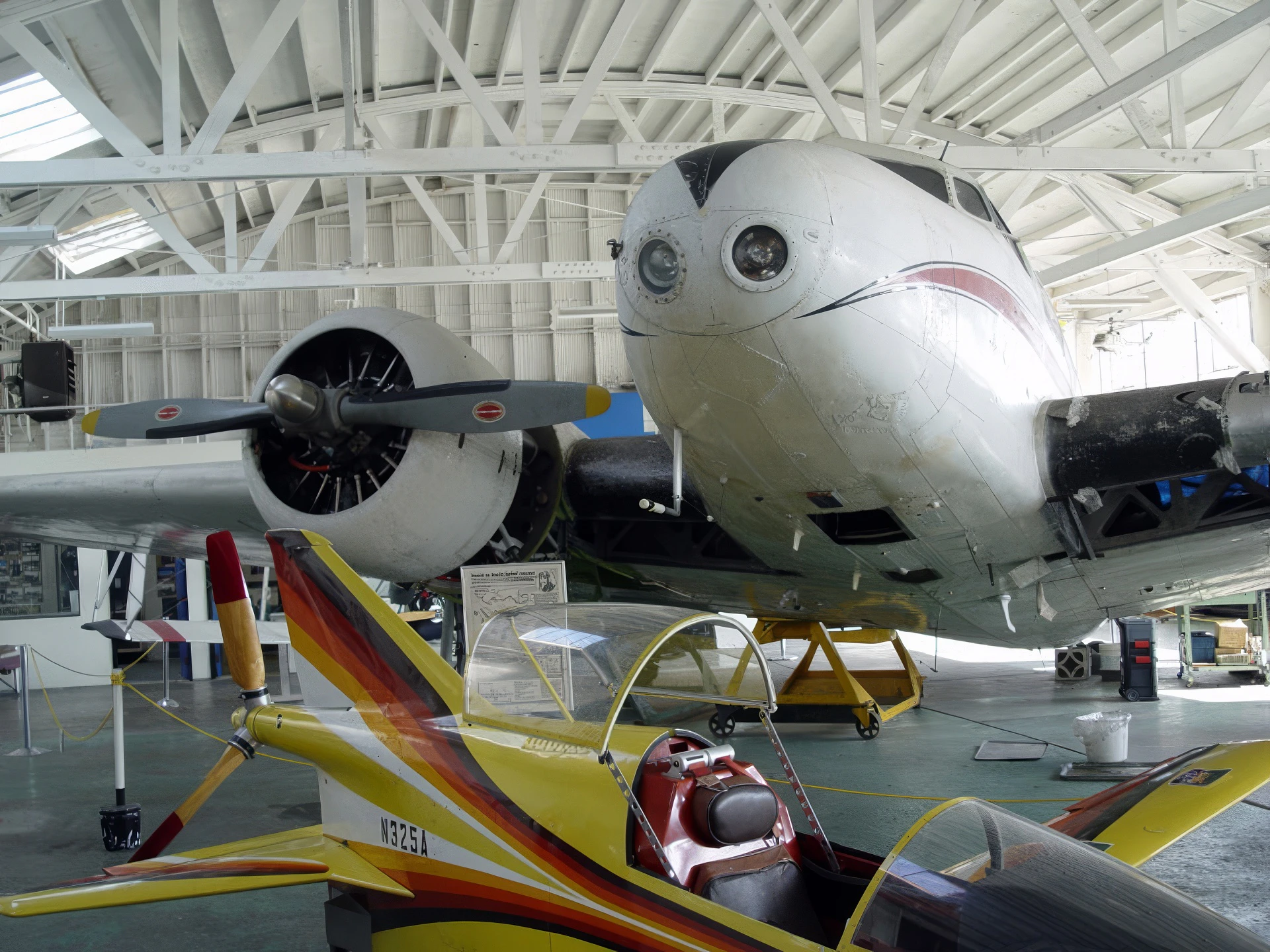
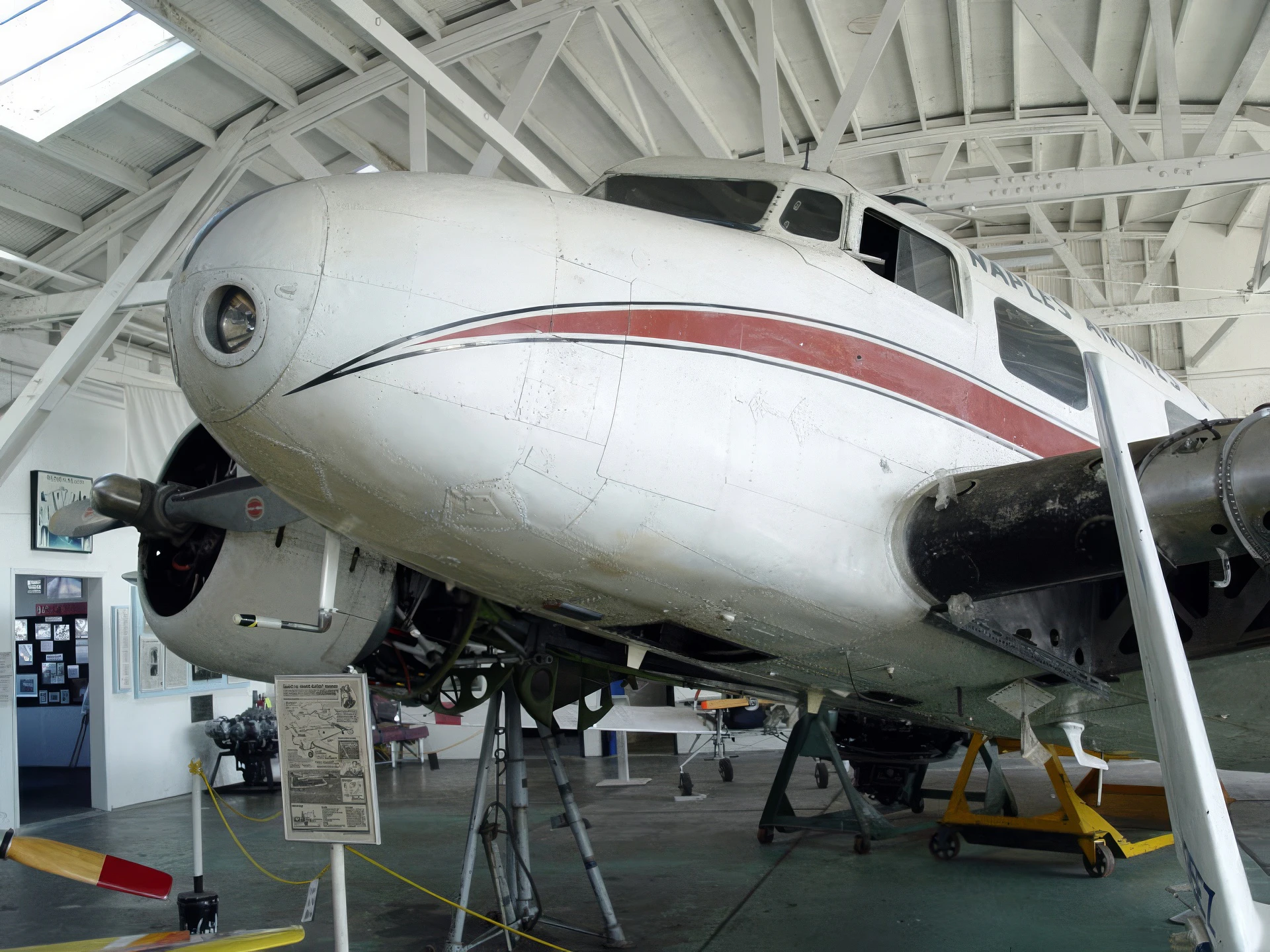
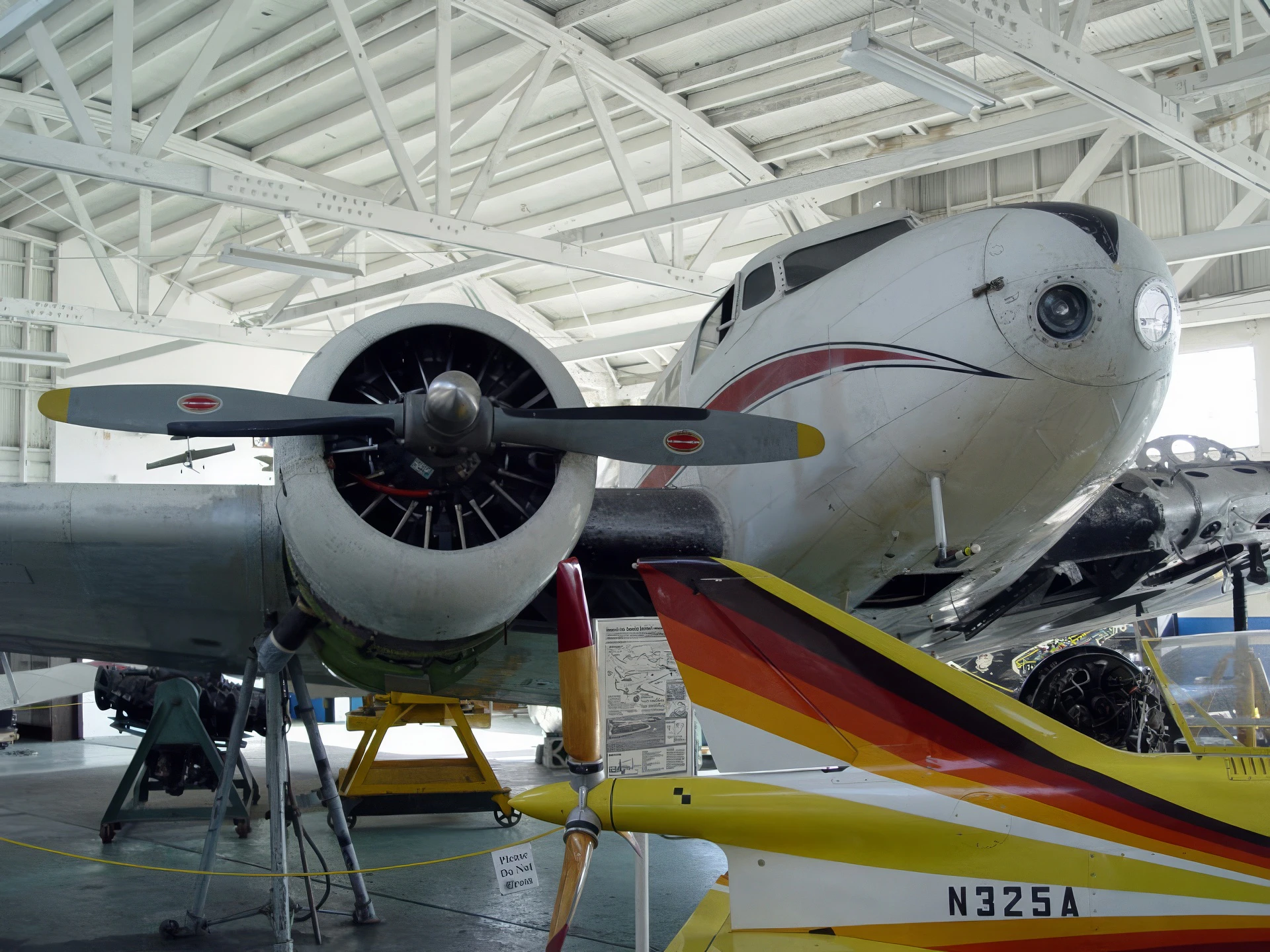
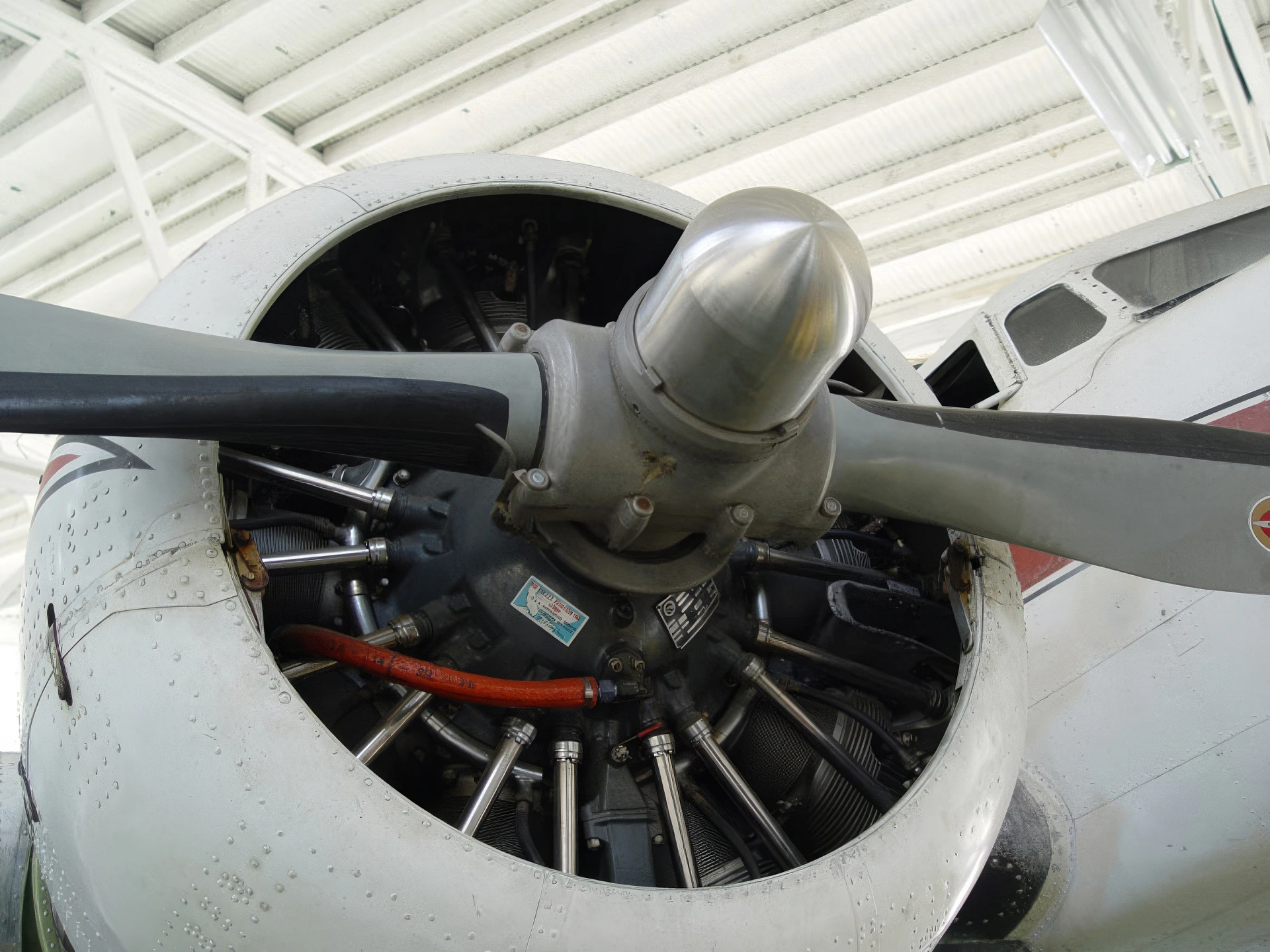
| Lockheed 10-A Electra Walk Around | |
|---|---|
| Photographers | Mike Burton |
| Localisation | Western Aerospace Museum, Oakland CA |
| Photos | 85 |


Voir aussi :


General Characteristics (Model 10A)
The Lockheed Model 10 Electra was a revolutionary, twin-engine, all-metal monoplane airliner of the mid-1930s, designed to compete with the Boeing 247 and Douglas DC-2. It was Lockheed’s first all-metal design and the first project assigned to future « Skunk Works » leader Clarence « Kelly » Johnson, who famously suggested the aircraft’s distinctive twin tail configuration to fix stability issues.
| Property | Typical Value (Model 10A) |
|---|---|
| Rôle | Light Airliner / VIP Transport |
| Fabricant | Lockheed Aircraft Corporation |
| First Flight | 23 février 1934 |
| Crew | 2 pilots |
| Capacité | 10 passengers |
| Envergure | 16.76 m (55 ft 0 in) |
| Length | 11.76 m (38 ft 7 in) |
| Max Takeoff Weight | 4,760 kg (10,500 lb) |
| Units Built | 149 (All variants) |
Design and Powerplant
- Engines (10A): Two Pratt & Whitney R-985 Wasp Junior SB air-cooled radial engines.
- Power Output (10A): 336 kW (450 hp) each.
- Fuselage: All-metal monocoque construction, a departure from Lockheed’s earlier wooden designs.
- Landing Gear: Fully retractable conventional (tailwheel) landing gear.
- Tail Design: The iconic twin vertical stabilizers and rudders, which became a signature feature of many subsequent Lockheed aircraft, were incorporated after stability concerns were raised during wind tunnel testing.
Performance and Legacy
- Maximum Speed: 325 km/h (202 mph) at 1,524 m (5,000 ft).
- Cruise Speed: 306 km/h (190 mph).
- Range: Approximately 1,150 km (713 miles).
- Service Ceiling: 5,910 m (19,400 ft).
- Key Role: The Electra was an ideal mid-range transport, popular with airlines like Northwest, Eastern, and Pan American for short to medium-haul routes.
- Model 10E: This high-powered variant (using 600 hp Pratt & Whitney R-1340 engines) is most famous as the aircraft flown by Amelia Earhart on her ill-fated around-the-world flight attempt in 1937.
- Military Service: Many Electras were impressed into military service during World War II, serving as light transports under designations like the C-36 and UC-36 with the USAAF.
Vues : 578
Vous pouvez voir aussi :
 Lockheed P-80 Shooting Star – Photos et vidéos
 Lockheed LC-130 – Photos et vidéos
 Lockheed P-3 Orion – Photos & Vidéo
 Lockheed U-2 – Photos et vidéo
 Lockheed S-3 Viking – Photos et vidéo
 Lockheed A-12 – Photos et vidéo
 Lockheed Hudson Mk.III – Photos et vidéo
 Lockheed SR-71 Blackbird – Photos et vidéo
 Lockheed F-22A Raptor – Photos et vidéo
 P-38L Tangerine – WalkAround