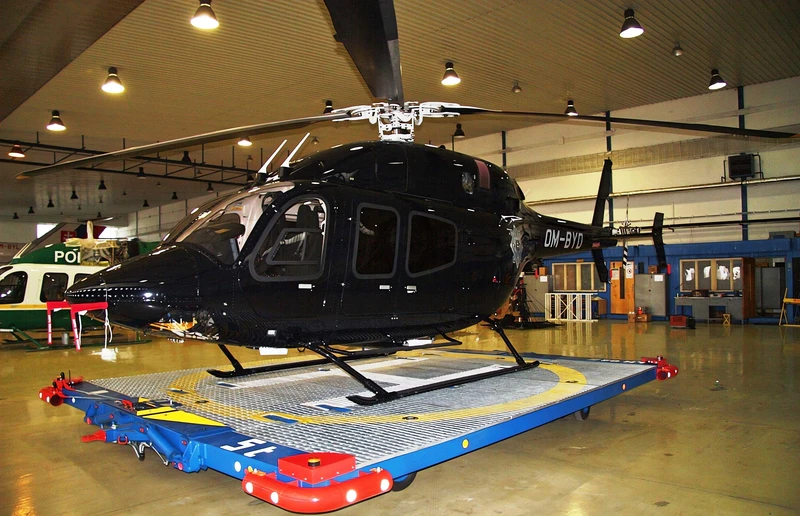
Bell 429 GlobalRanger | |
|---|---|
| Pays | Usa |
| Rôle | Hélicoptère utilitaire polyvalent |
| Premier vol | 27 février 2007 |
| Construit | 325+ |
Lla Bell 429 GlobalRanger est un hélicoptère bimoteur léger développé par Bell Helicopter et Korea Aerospace Industries. Le premier vol du prototype Bell 429 a eu lieu le 27 février 2007 et l’avion a reçu la certification de type le 1er juillet 2009. Le Bell 429 est capable d’effectuer des opérations IFR et de catégorie A sur piste monopilote.
Source: Bell 429 GlobalRanger sur Wikipédia
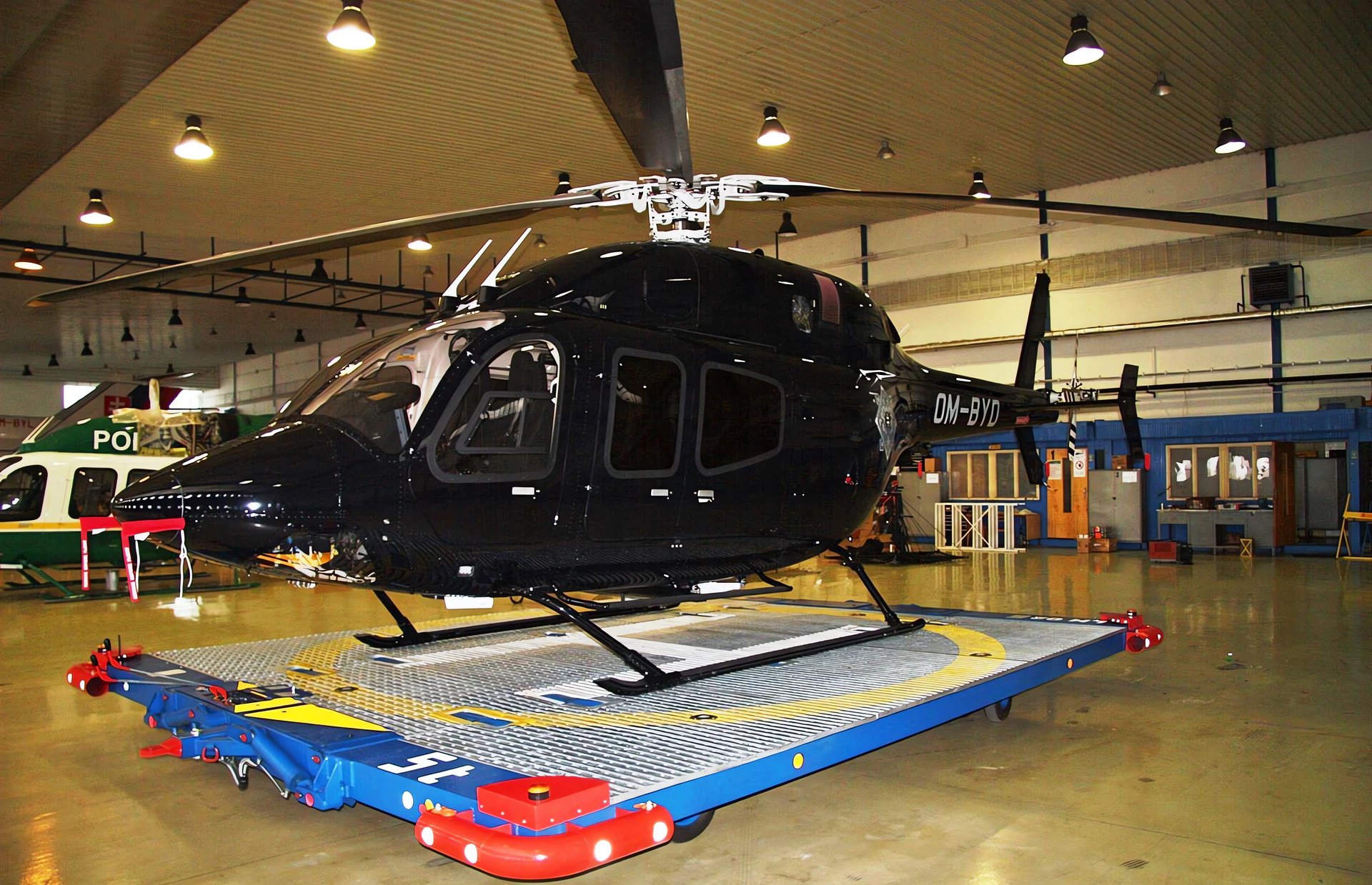
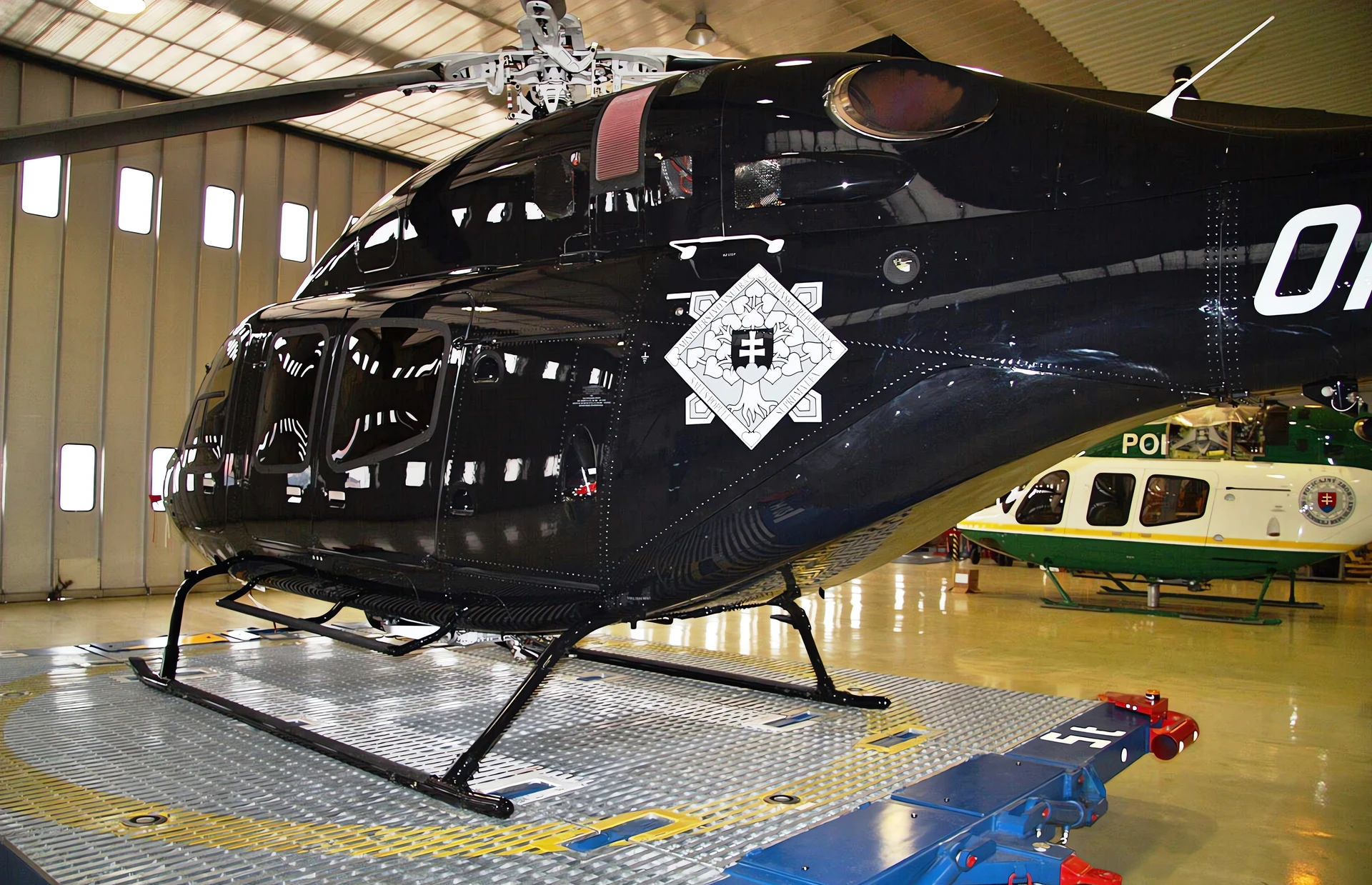
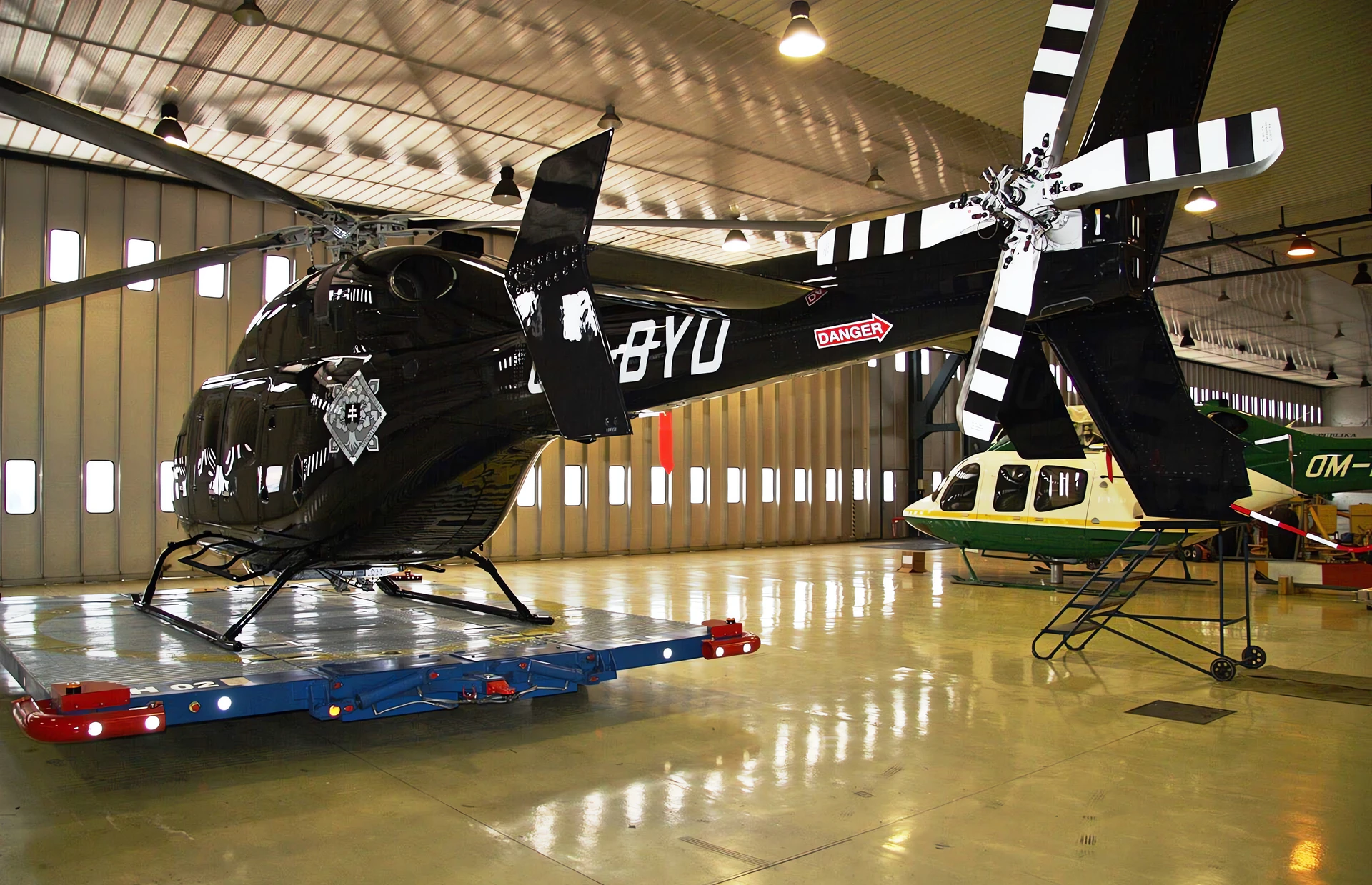
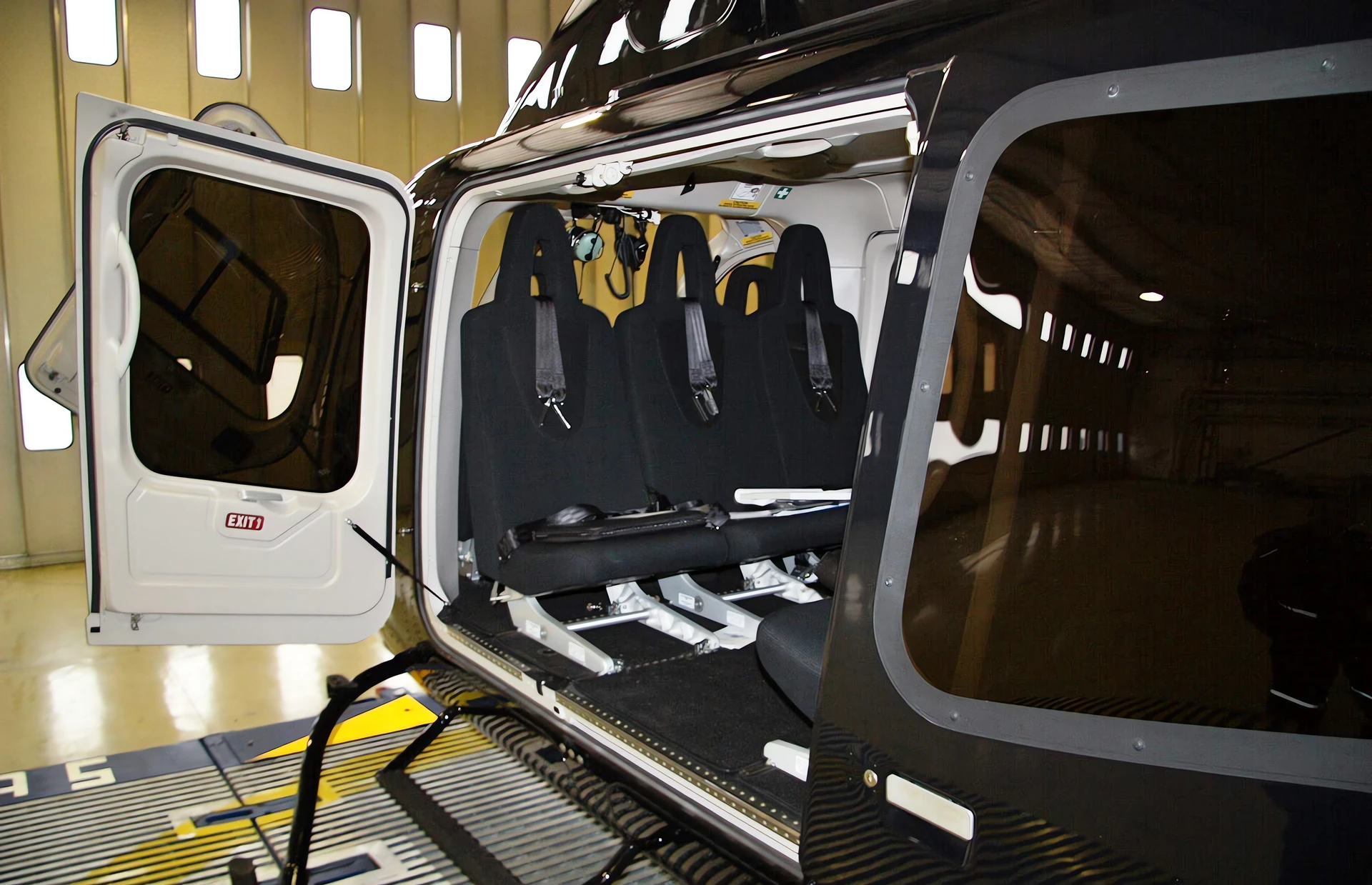
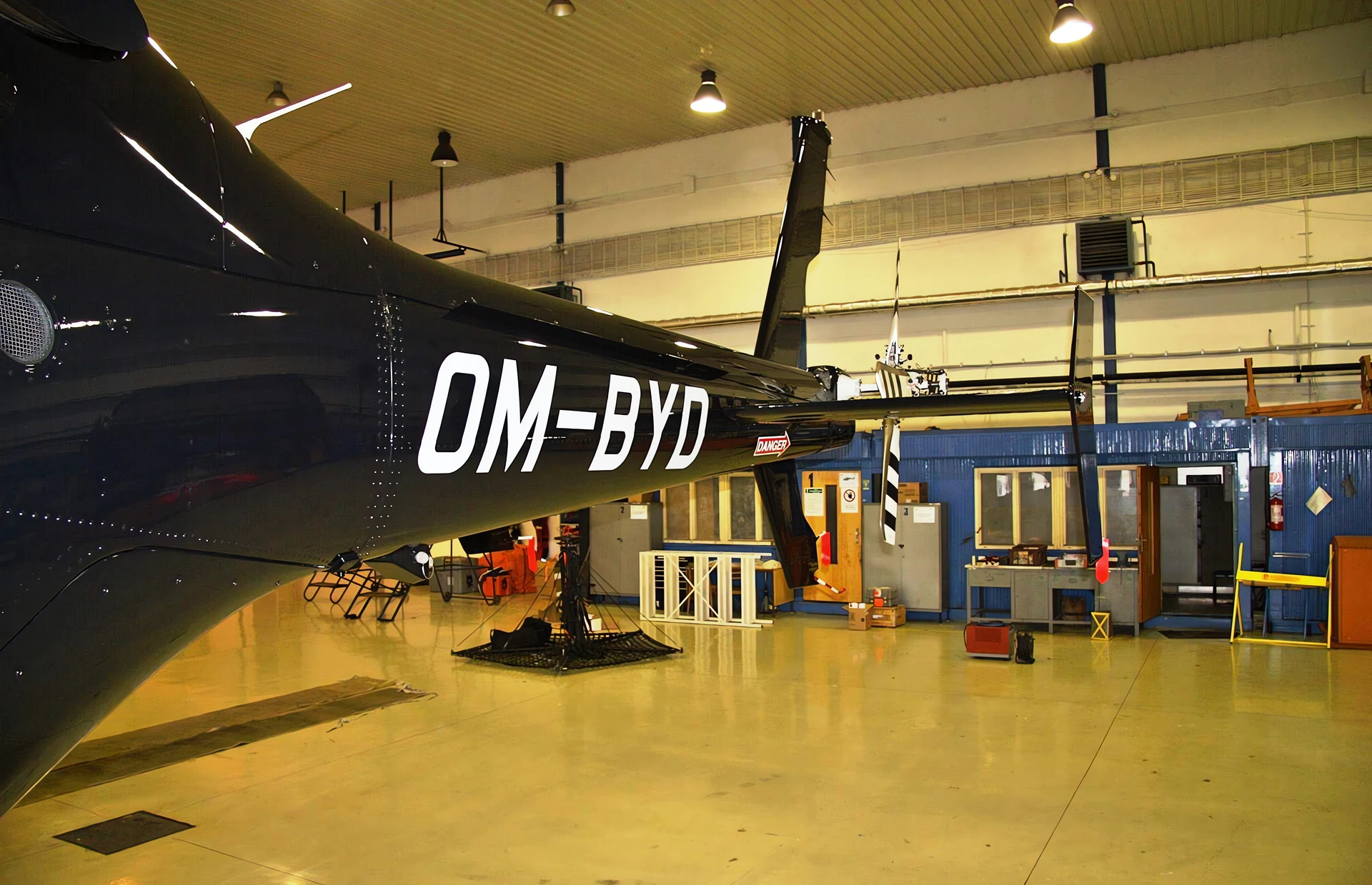
| Bell 429 ‘GlobalRanger’ Walk Around | |
|---|---|
| Photographer | Unknow |
| Localisation | Unknow |
| Photos | 35 |

Voir aussi :


General Characteristics (Standard Configuration)
The Bell 429 GlobalRanger is a modern, light twin-engine utility helicopter, developed by Bell Helicopter and certified in 2009. It was primarily designed to meet the demands of Helicopter Emergency Medical Services (HEMS), featuring the largest cabin volume in its class. It is widely used for VIP/corporate transport, law enforcement, and Search and Rescue (SAR) operations due to its high performance and safety features.
| Property | Typical Value |
|---|---|
| Rôle | Light Utility / HEMS / Corporate Transport |
| Fabricant | Bell Helicopter Textron (USA/Canada) |
| First Flight | February 27, 2007 |
| Crew | 1 or 2 pilots (Single-pilot IFR capable) |
| Capacity (Occupants) | Up to 7 passengers (8 total occupants) |
| Main Rotor Diameter | 11.0 m (36 ft 0 in) |
| Max Takeoff Weight (MTOW) | 3,175 kg (7,000 lb) (Standard) |
Design and Powerplant
- Engines: Two Pratt & Whitney Canada PW207D1 turboshaft engines.
- Power Output (each): Approximately 544 kW (730 shp) for takeoff. The engines are controlled by Full Authority Digital Engine Control (FADEC).
- Rotor System: Features a four-bladed main rotor with soft-in-plane flex beams, and an X-shaped stacked two-blade tail rotor for reduced noise.
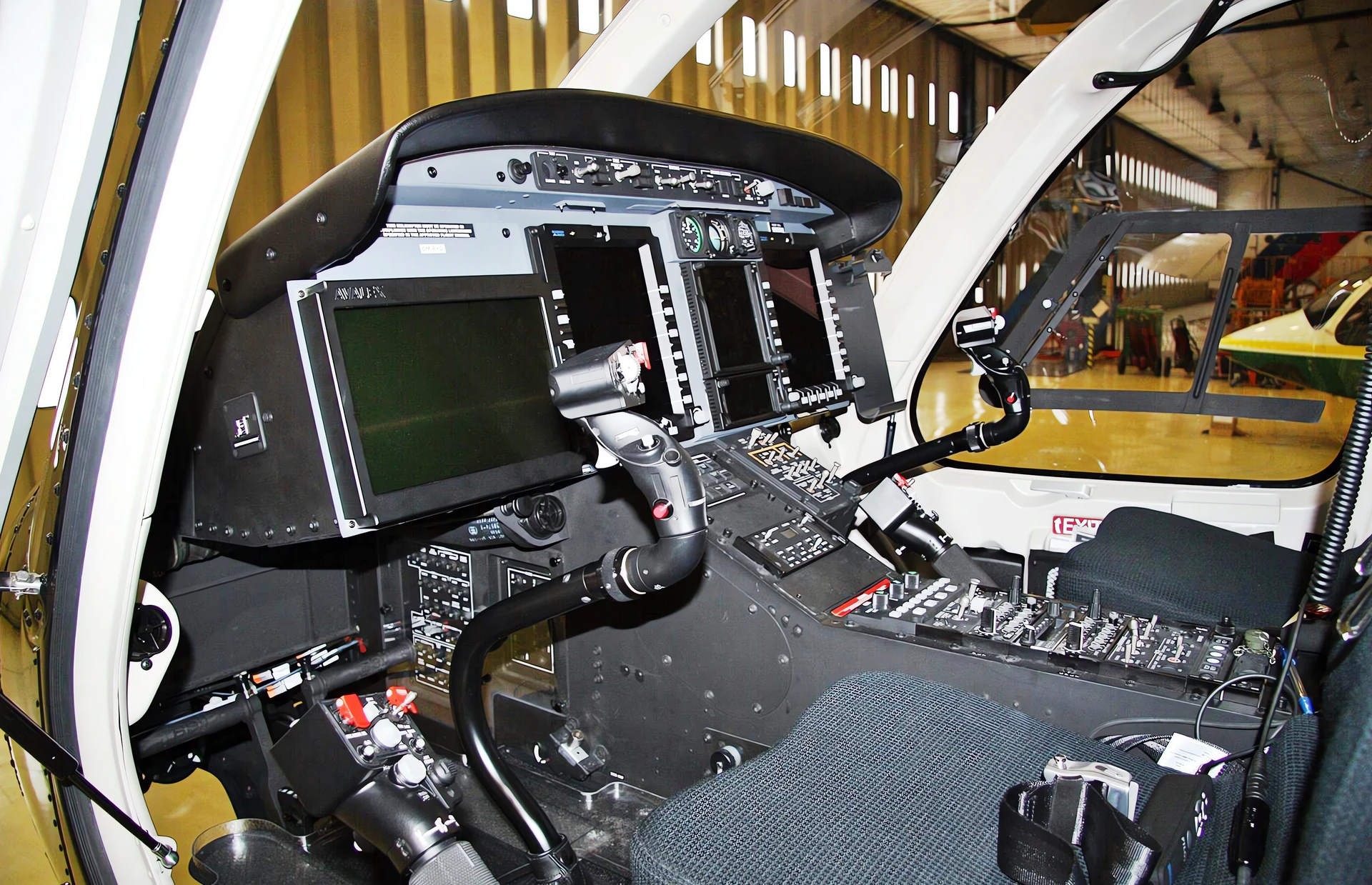
- Avionics: Equipped with the Bell BasiX-Pro integrated glass cockpit and an Automatic Flight Control System (AFCS) with a standard three-axis autopilot.
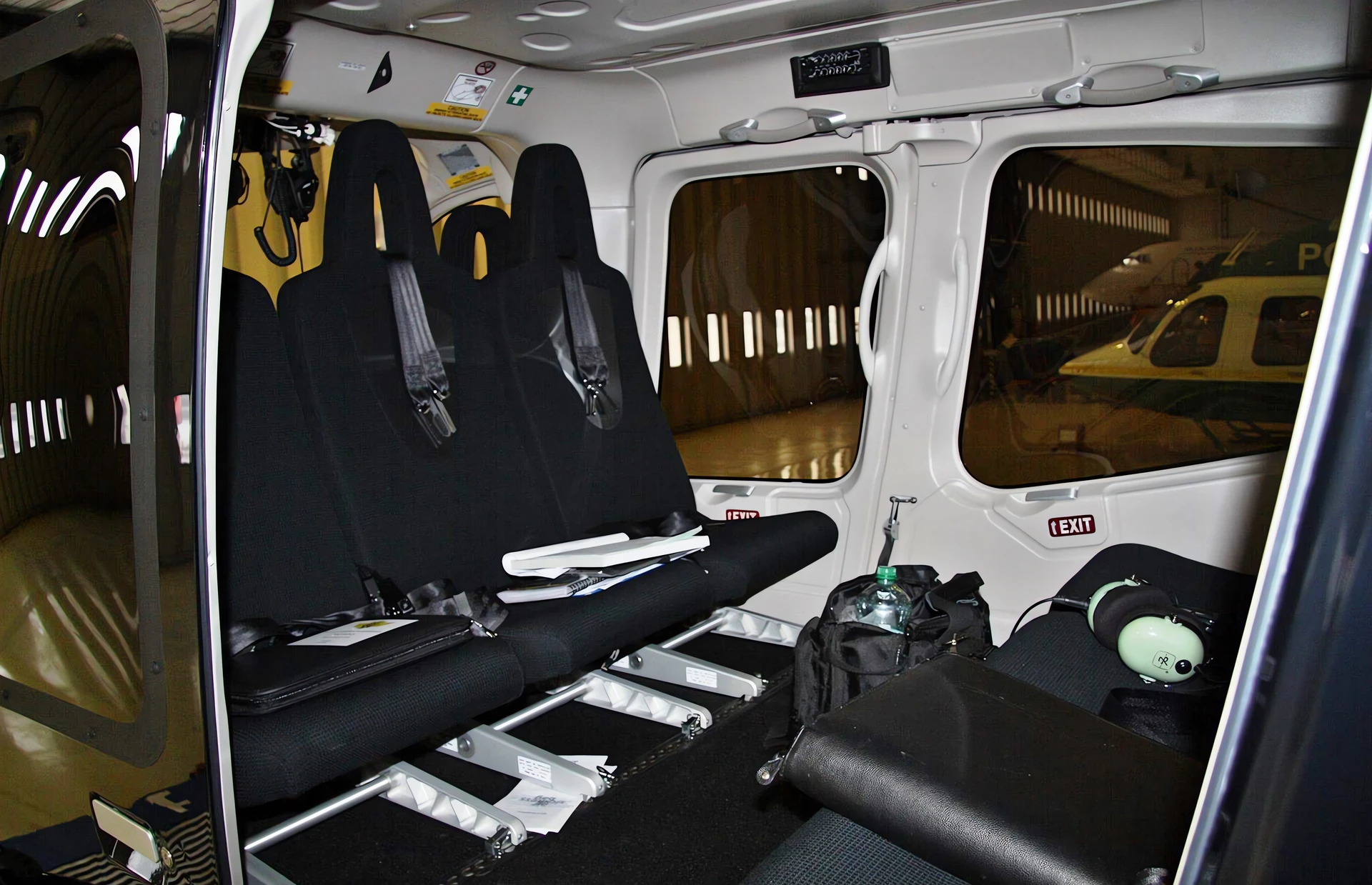
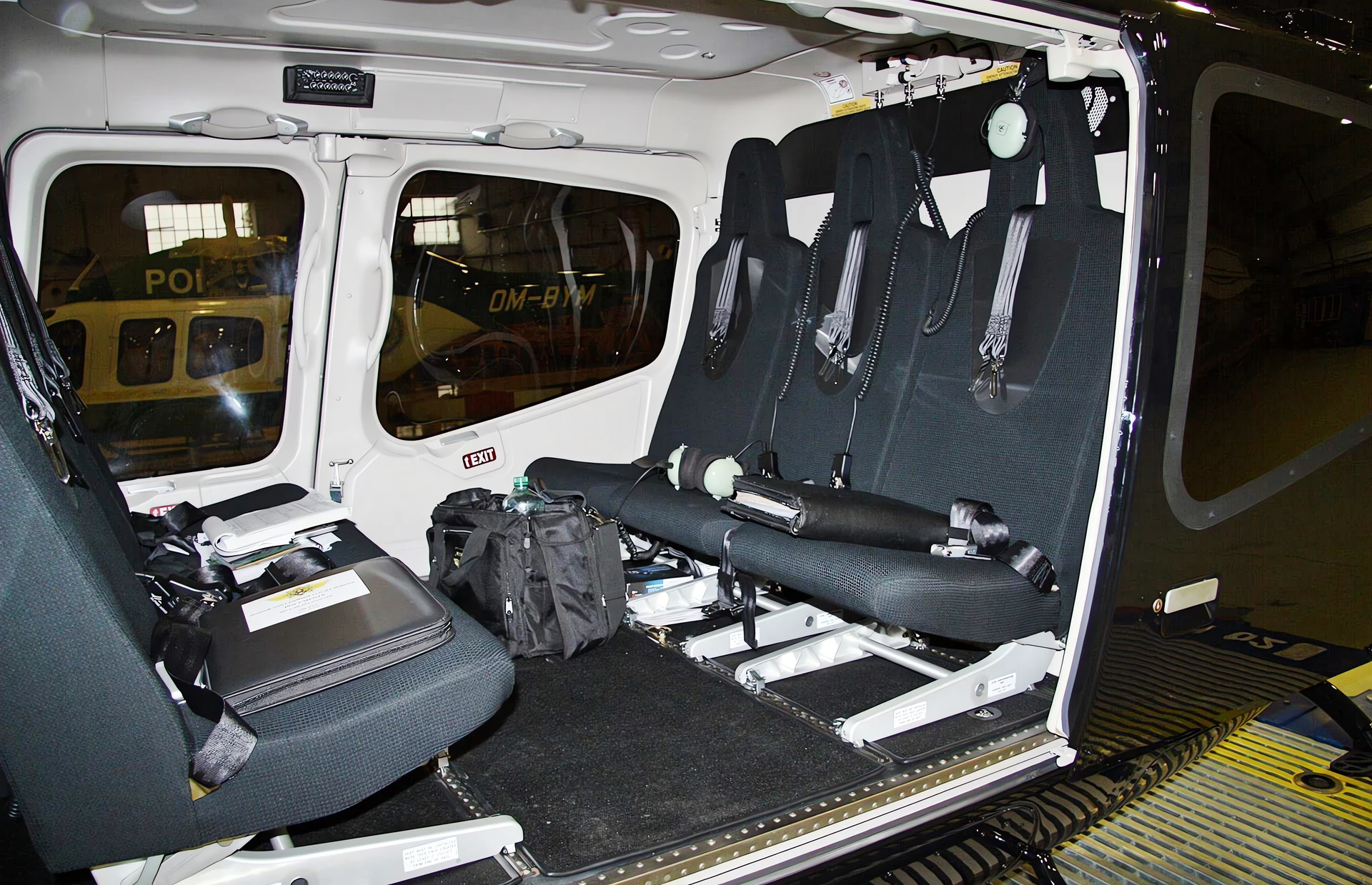
- Cabin: The large, flat-floor cabin (130 cu ft passenger volume) and wide side-sliding doors, with optional rear clamshell doors, are key features for quick and easy patient loading in EMS roles.
- Landing Gear: Standard skid gear, with an optional retractable wheeled landing gear (WLG) variant available for a slight increase in cruise speed.
Performance and Safety
- Never Exceed Speed (Vne): 287 km/h (178 mph, 155 knots).
- Max Cruise Speed: Approximately 278 km/h (173 mph, 150 knots).
- Service Ceiling: 6,096 m (20,000 ft).
- Range (Standard Fuel): Up to 722 km (449 mi, 390 nmi).
- Safety: Certified for Category A (safe single-engine performance) and Single-Pilot Instrument Flight Rules (IFR) operations, providing high safety margins.
- Maintenance: Designed using the Maintenance Steering Group-3 (MSG-3) process, similar to commercial airliners, which simplifies maintenance and reduces operating costs.
Vues : 542
Vous pouvez voir aussi :
 AgustaWestland AW609 – Photos et vidéos
 Agusta-Bell AB.212 – Photos et vidéos
 Bell 206 – Photos et vidéos
 Bell 407 – Photos et vidéos
 Bell H-13 Sioux – Photos & Vidéos
 Bell UH-1 Iroquois – Photos et vidéo
 Bell 47 – Photos et vidéo
 Bell AH-1Z Viper – Photos et vidéo
 Bell AH-1 Cobra – Photos et vidéo
 Bell XV-3 – Photos et vidéo