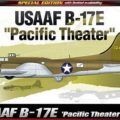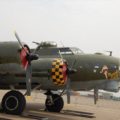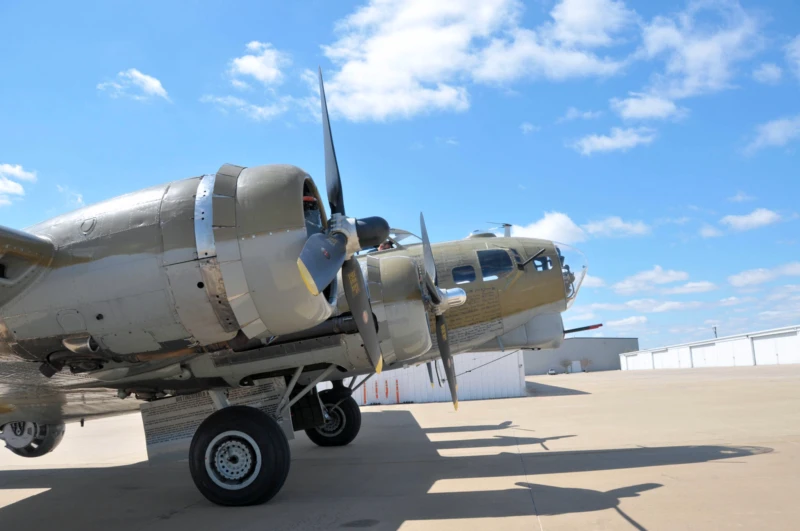
B-17F Flying Fortress | |
|---|---|
| Pays | Usa |
| Rôle | Bombardier lourd |
| Premier vol | 28 juillet 1935 |
| Construit | Plus de 12000 |
Lla Boeing B-17 Flying Fortress est un bombardier lourd quadrimoteur développé dans les années 1930 pour le United States Army Air Corps (USAAC). En concurrence avec Douglas et Martin pour un contrat de construction de 200 bombardiers, l'entrée de Boeing (prototype modèle 299 / XB-17) a surpassé les deux concurrents et a dépassé le corps de l'air.’ performance specifications. Although Boeing lost the contract (to the Douglas B-18 Bolo) because the prototype crashed, the air corps ordered 13 more B-17s for further evaluation. From its introduction in 1938, the B-17 Flying Fortress evolved through numerous design advances, becoming the third-most produced bomber of all time, behind the four-engined B-24 and the multirole, twin-engined Ju 88.
| B-17F Flying Fortress | |
|---|---|
| Photographe | Unknow |
| Localisation | Inconnu |
| Photos | 21 |
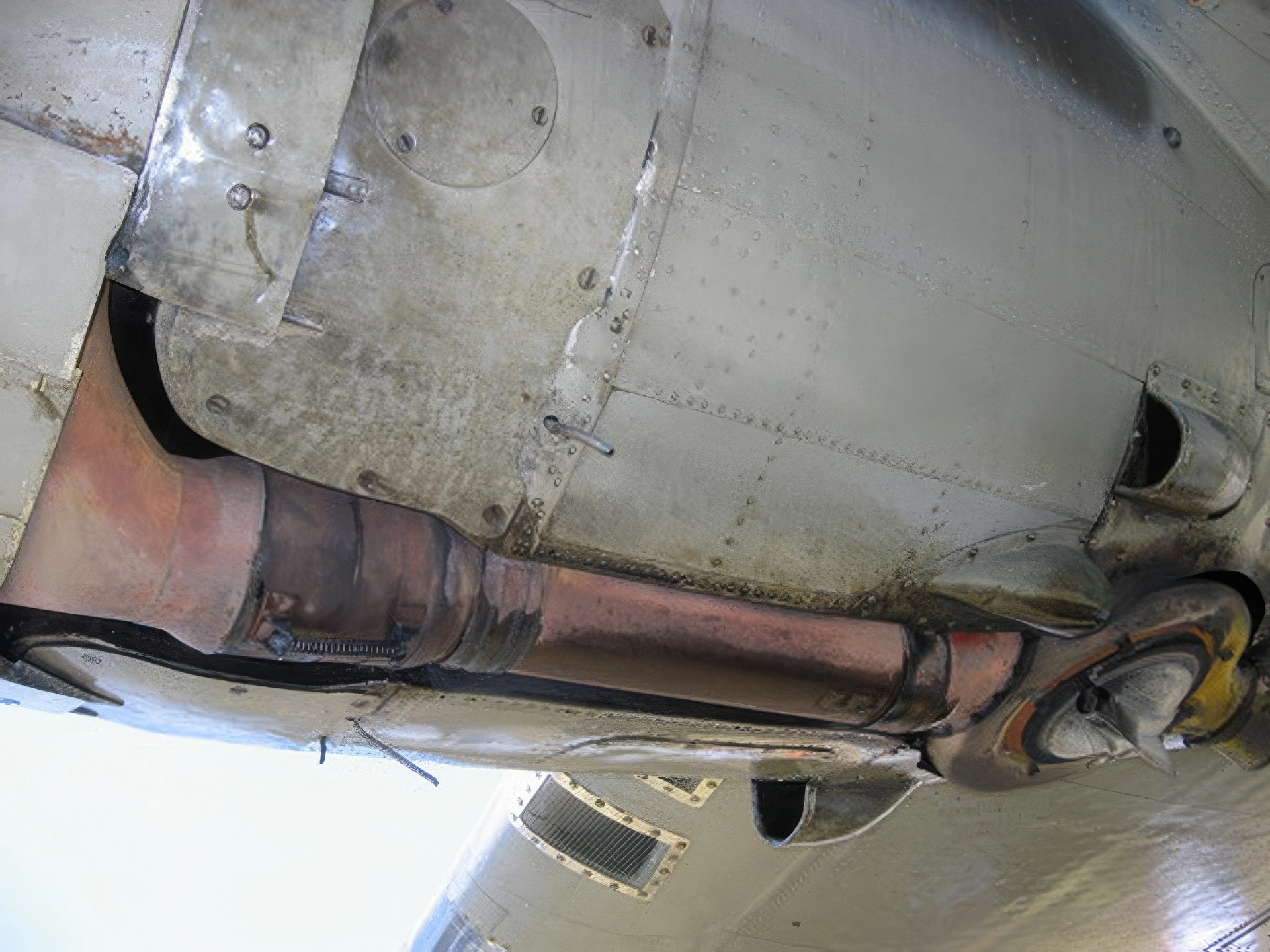
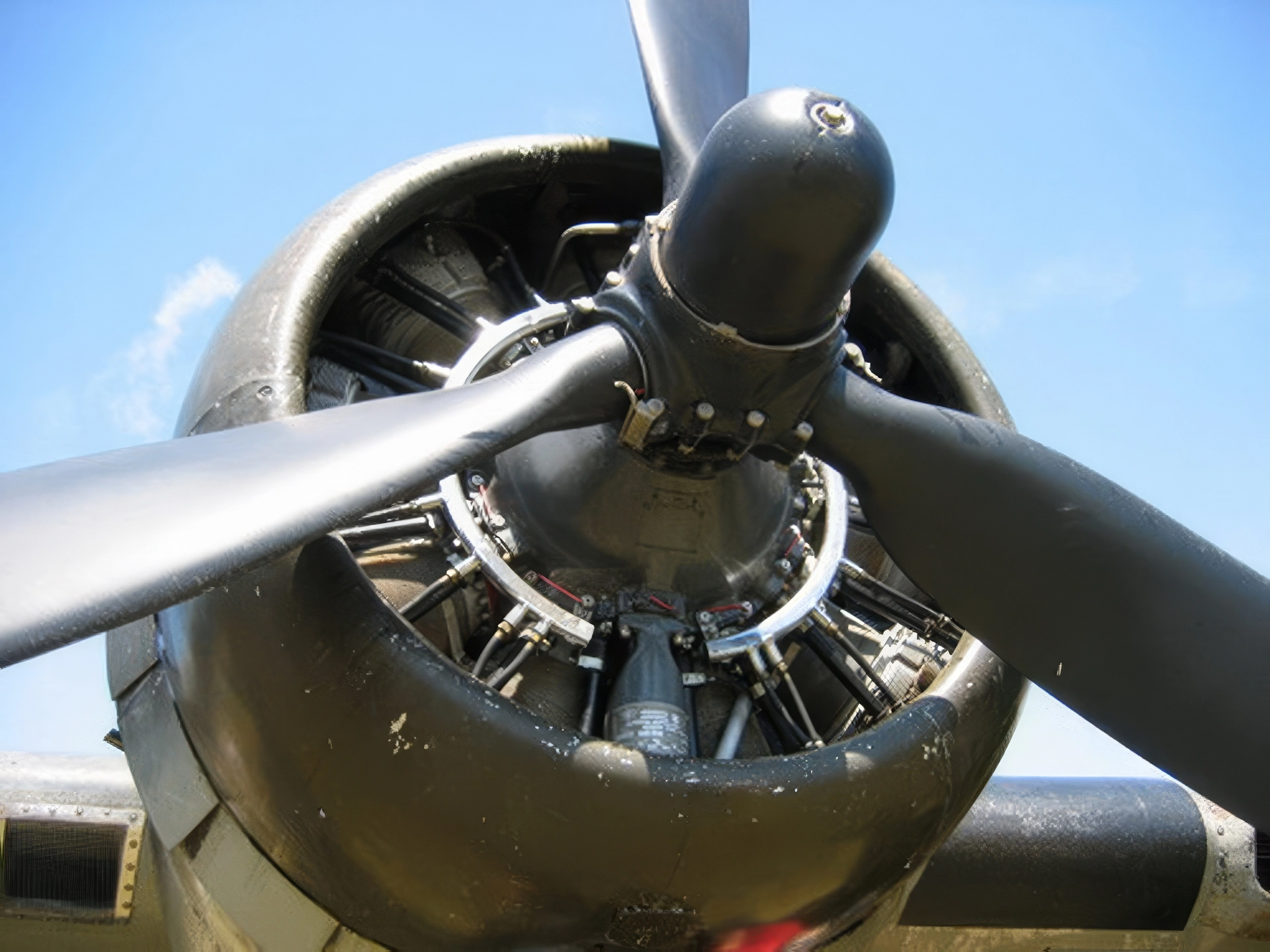
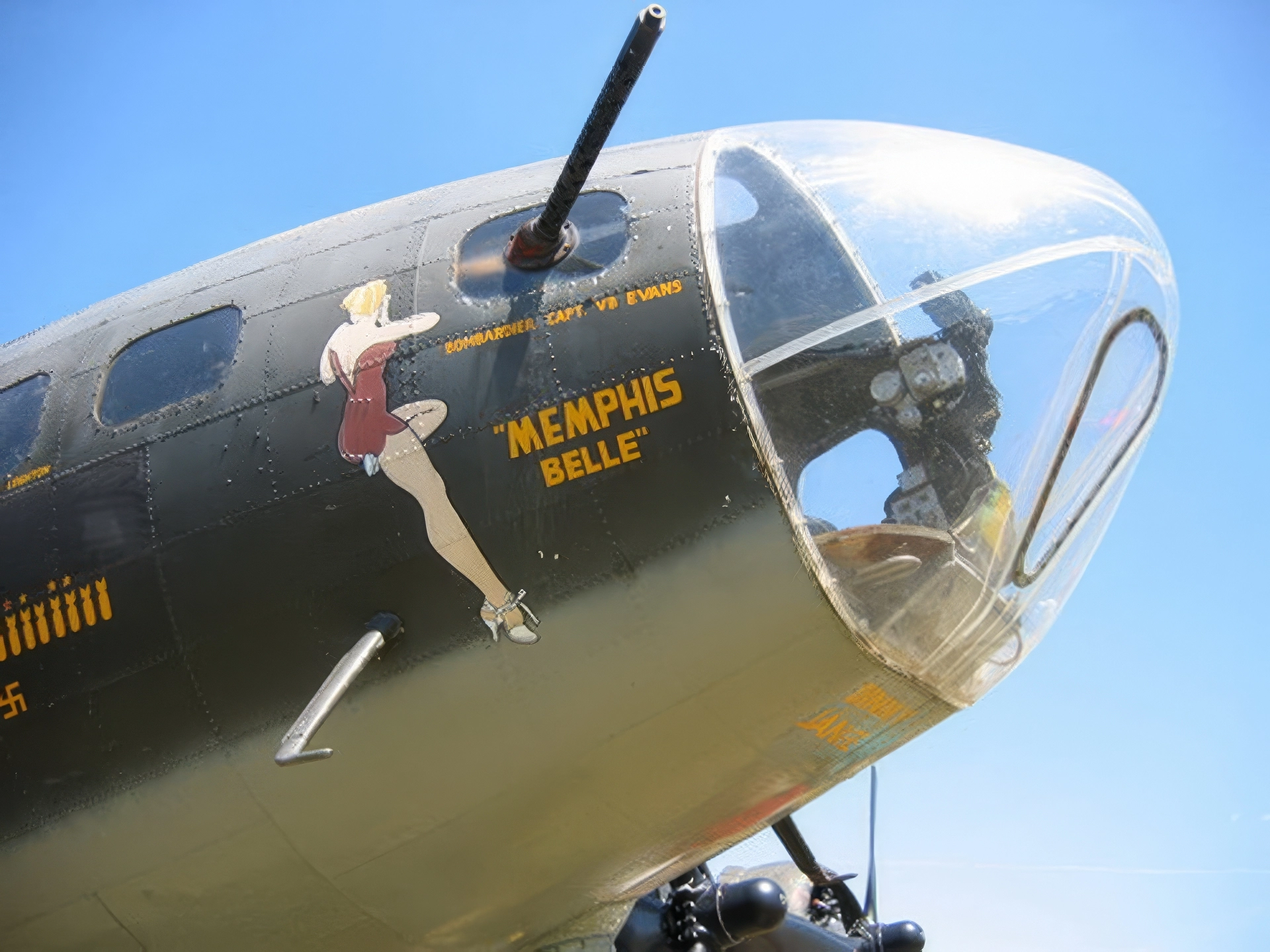
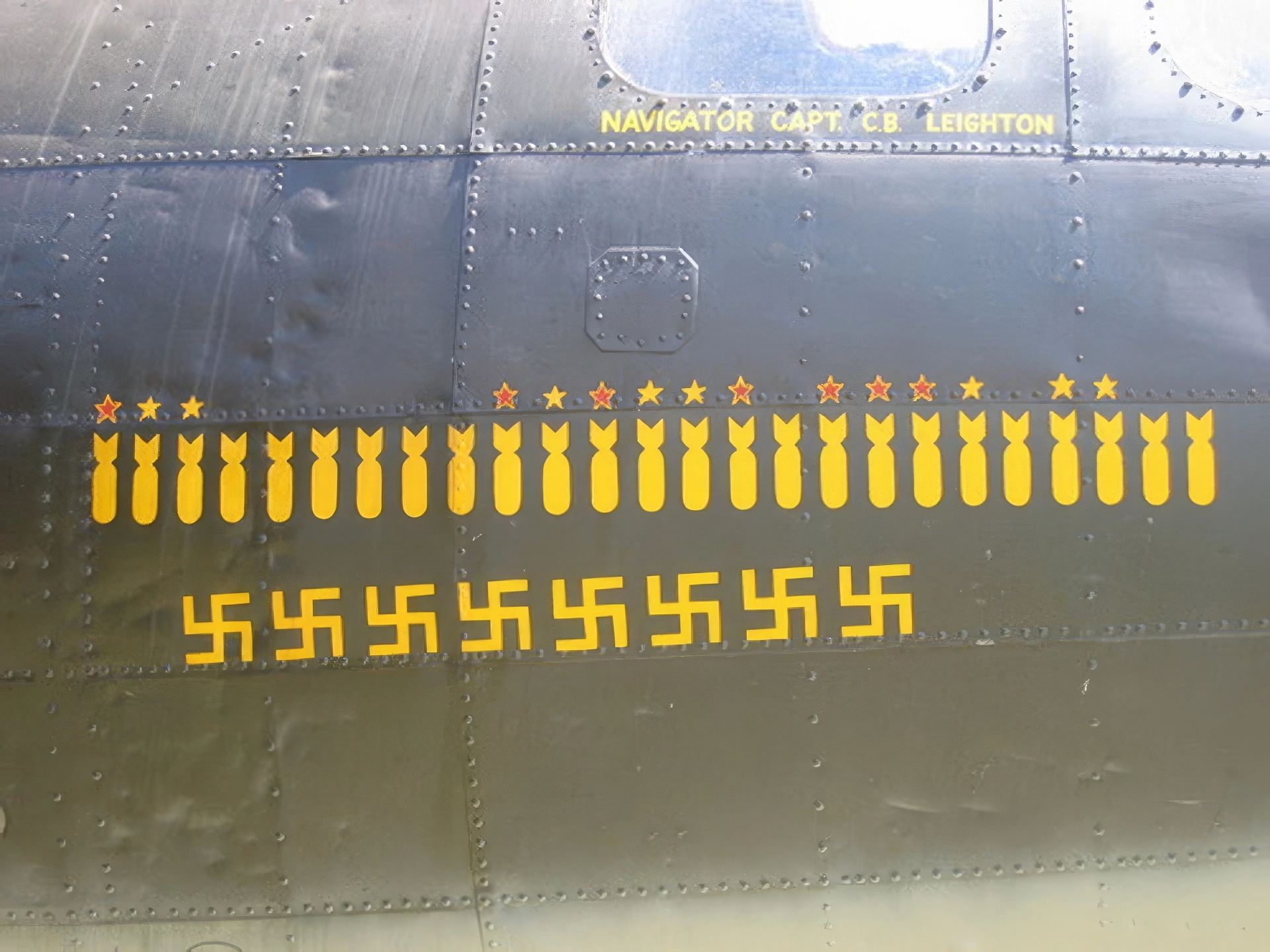
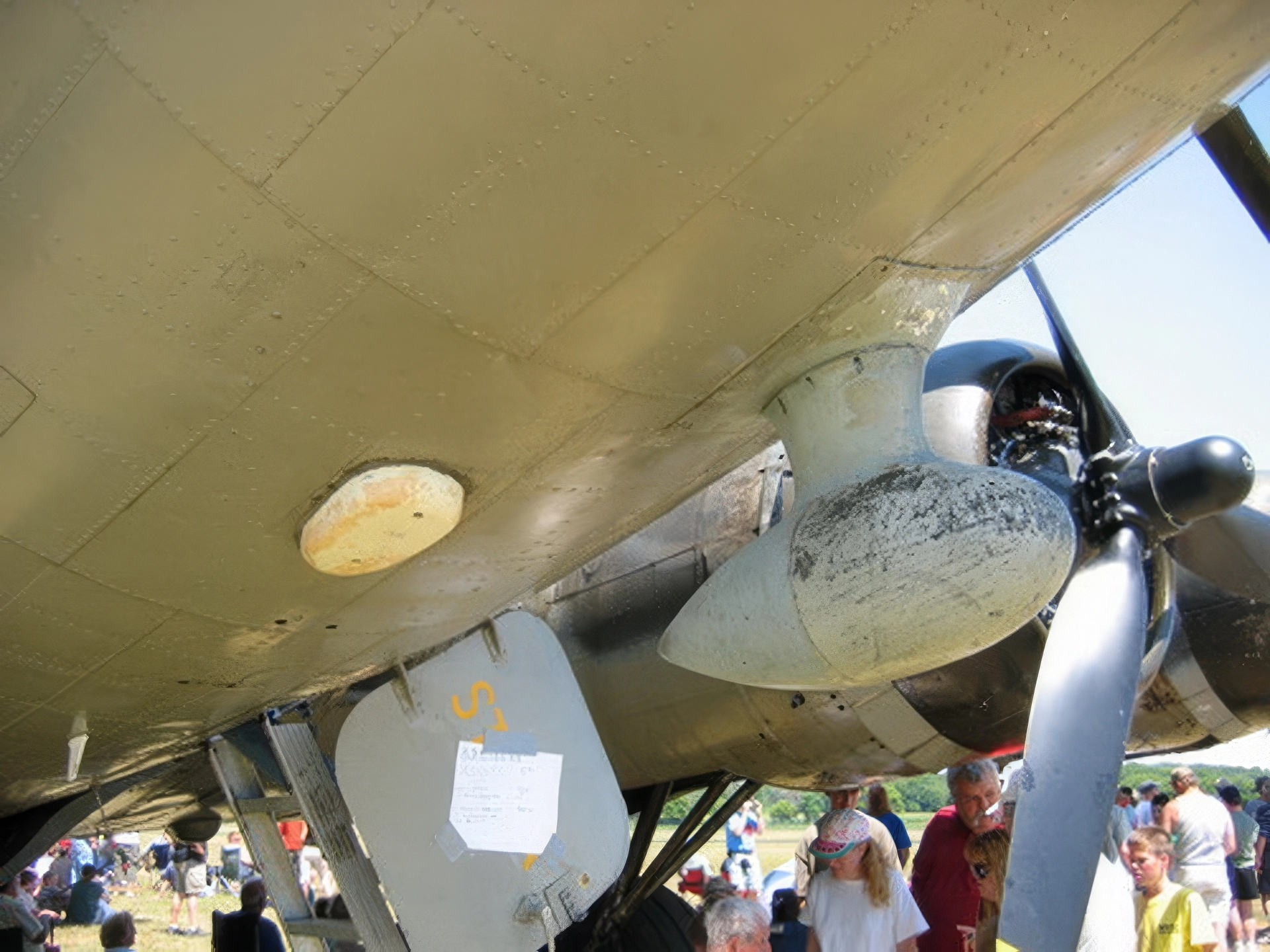
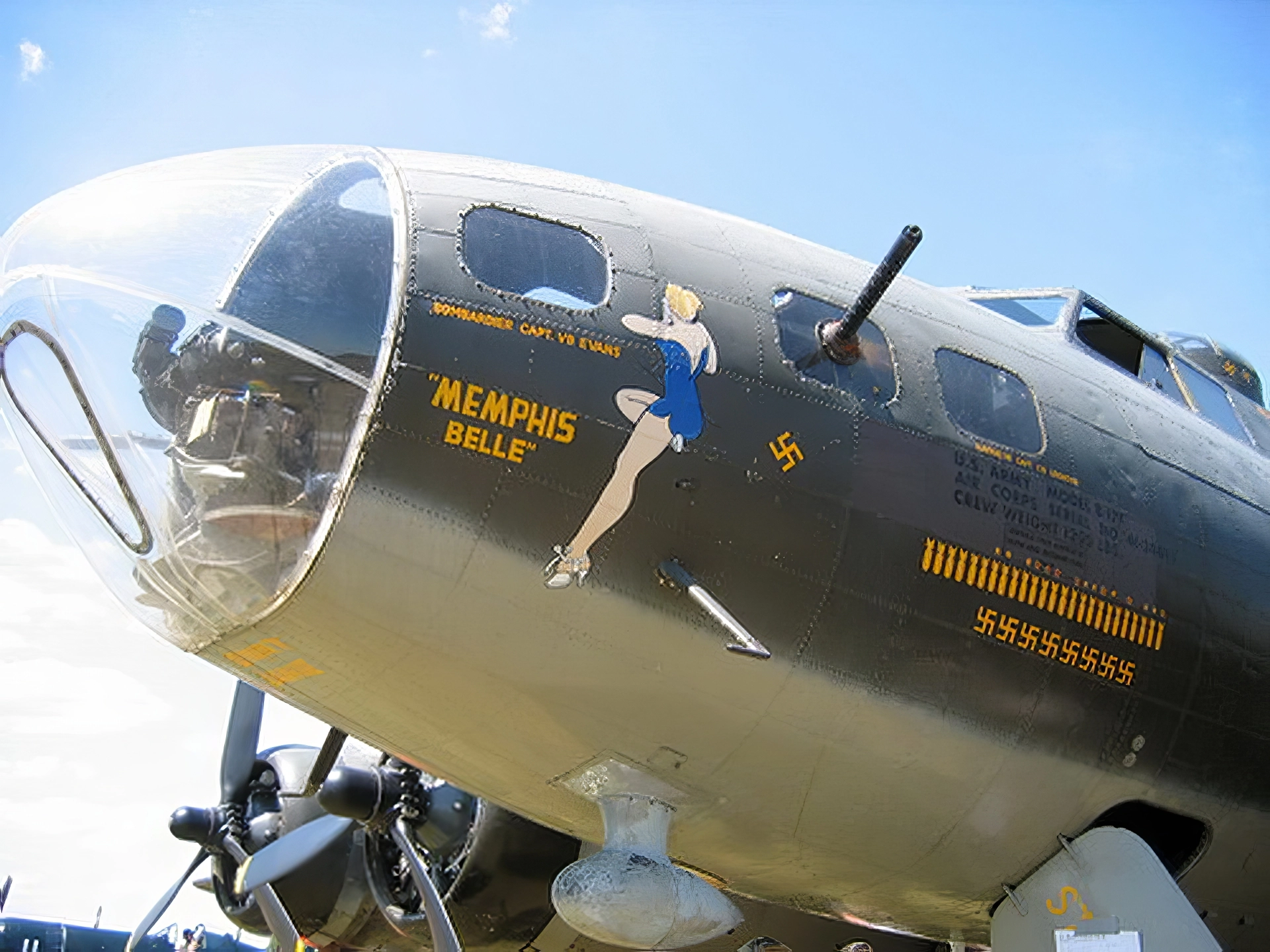
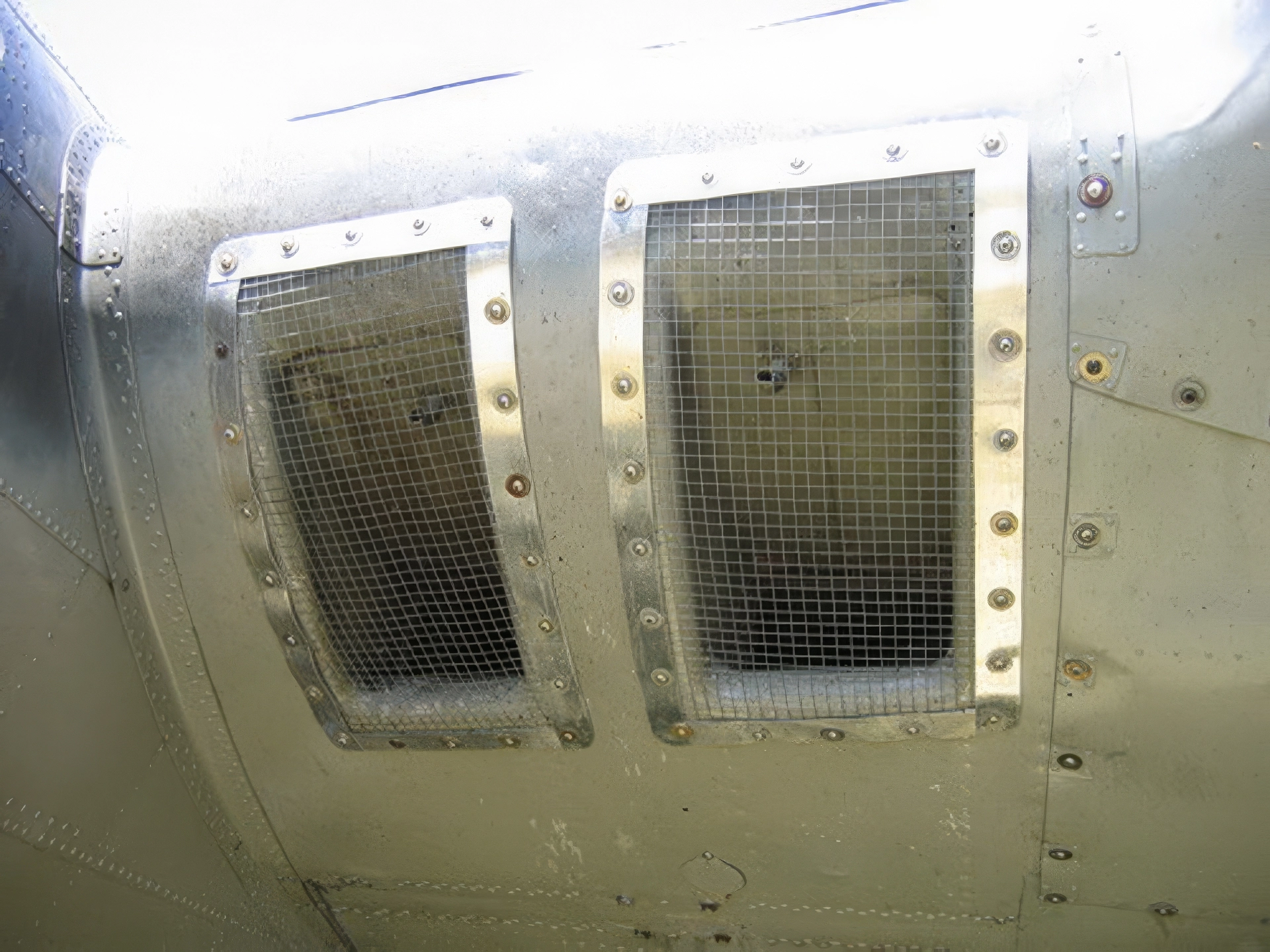
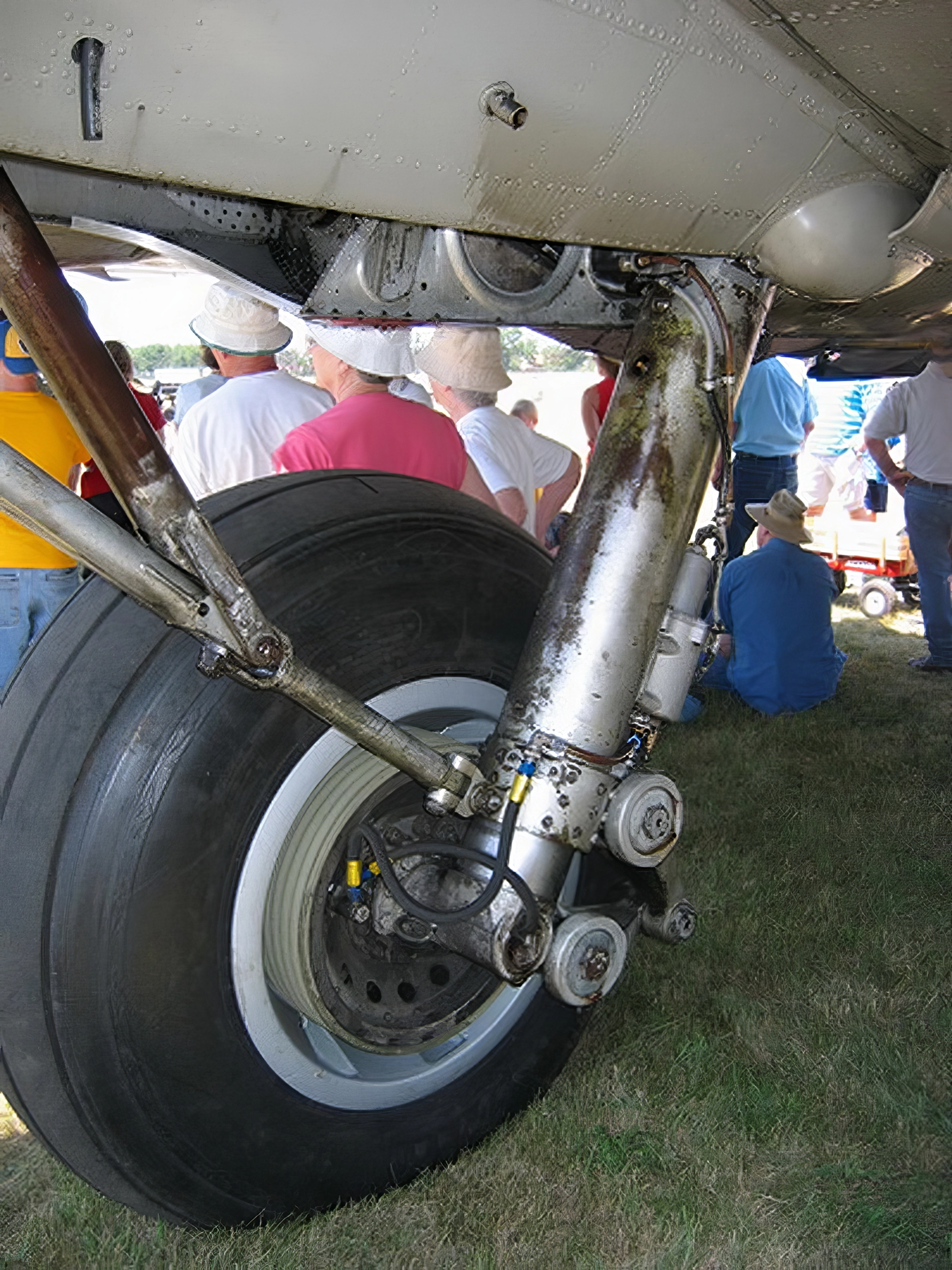
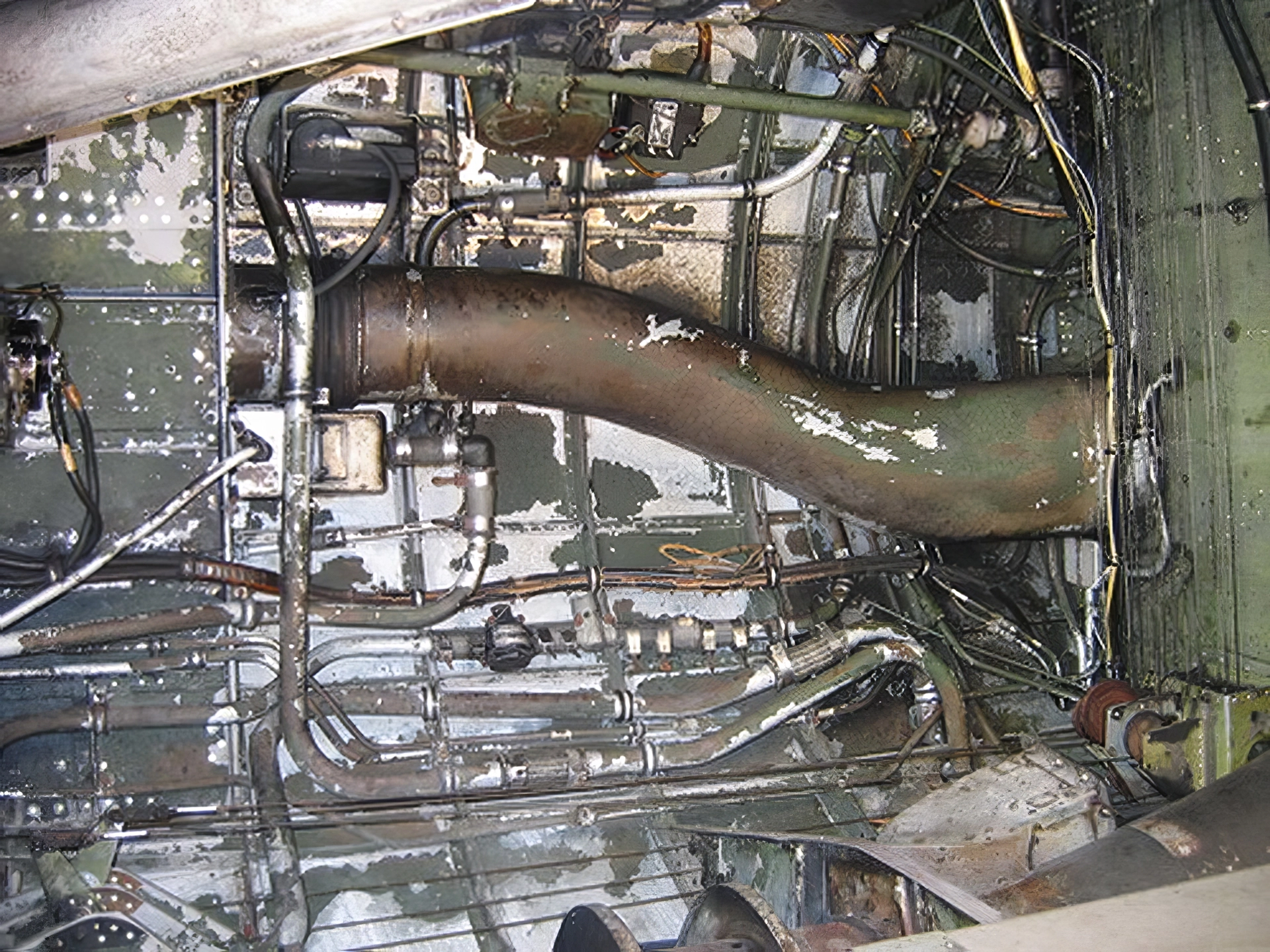

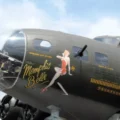
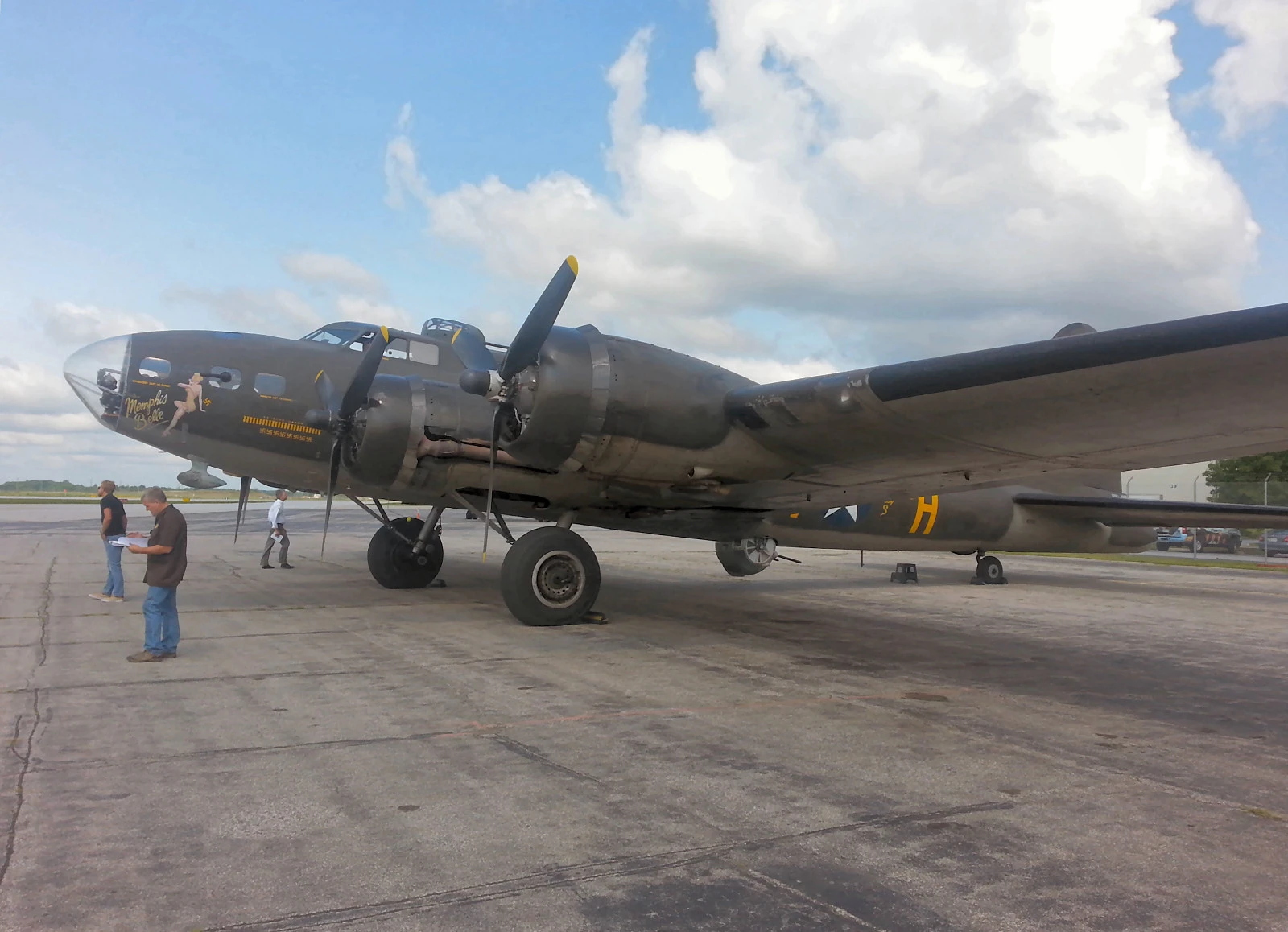
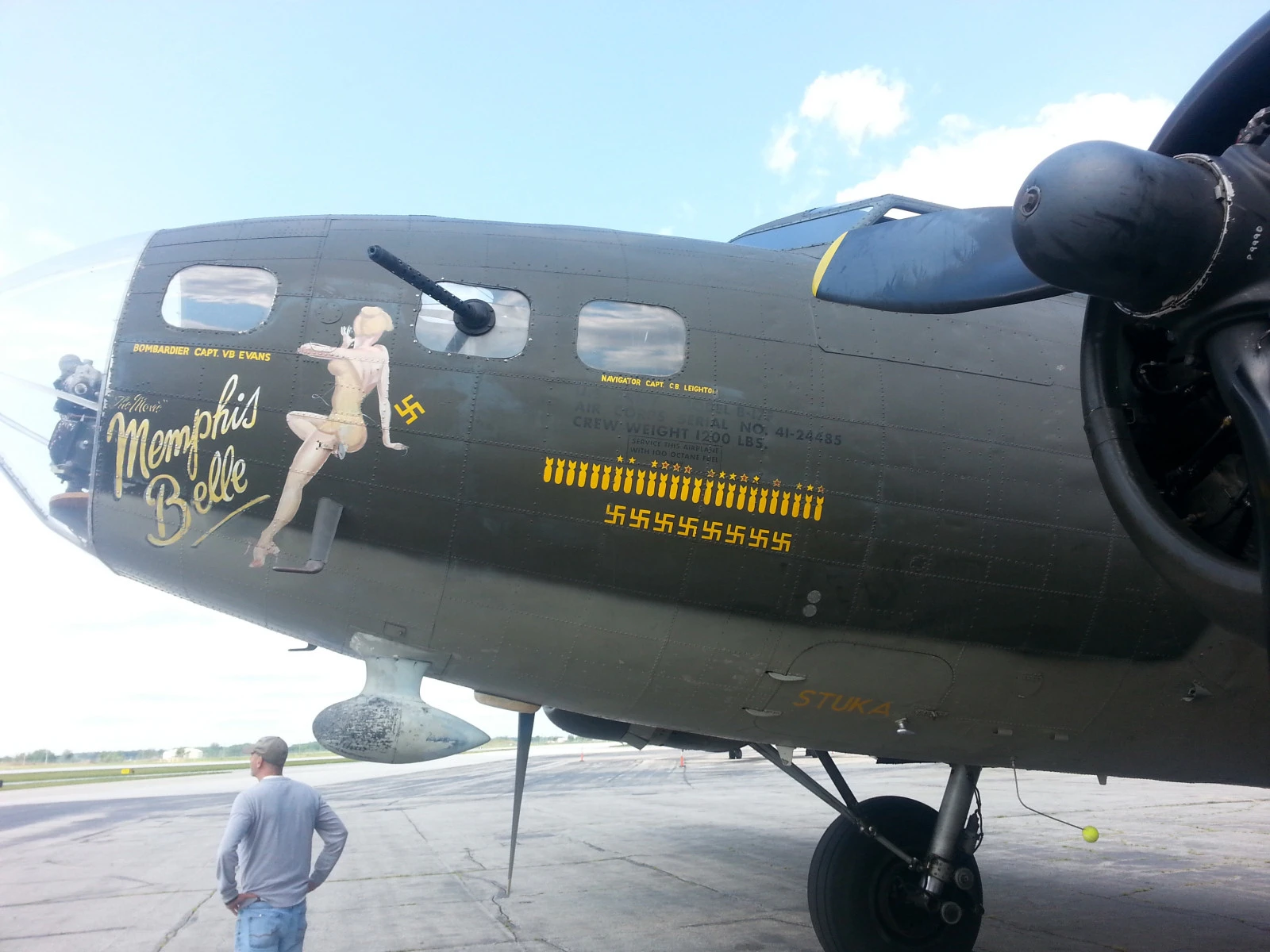
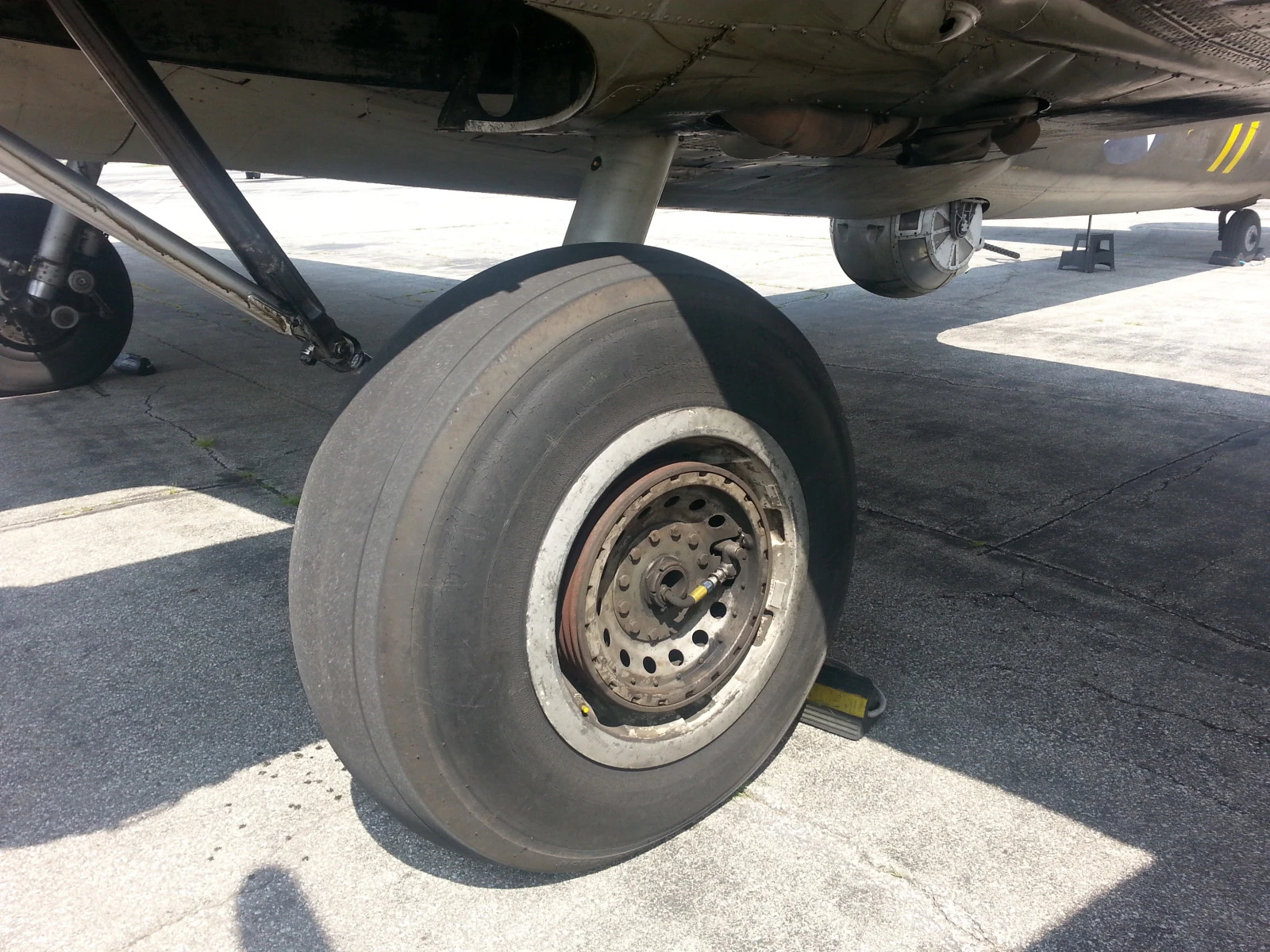
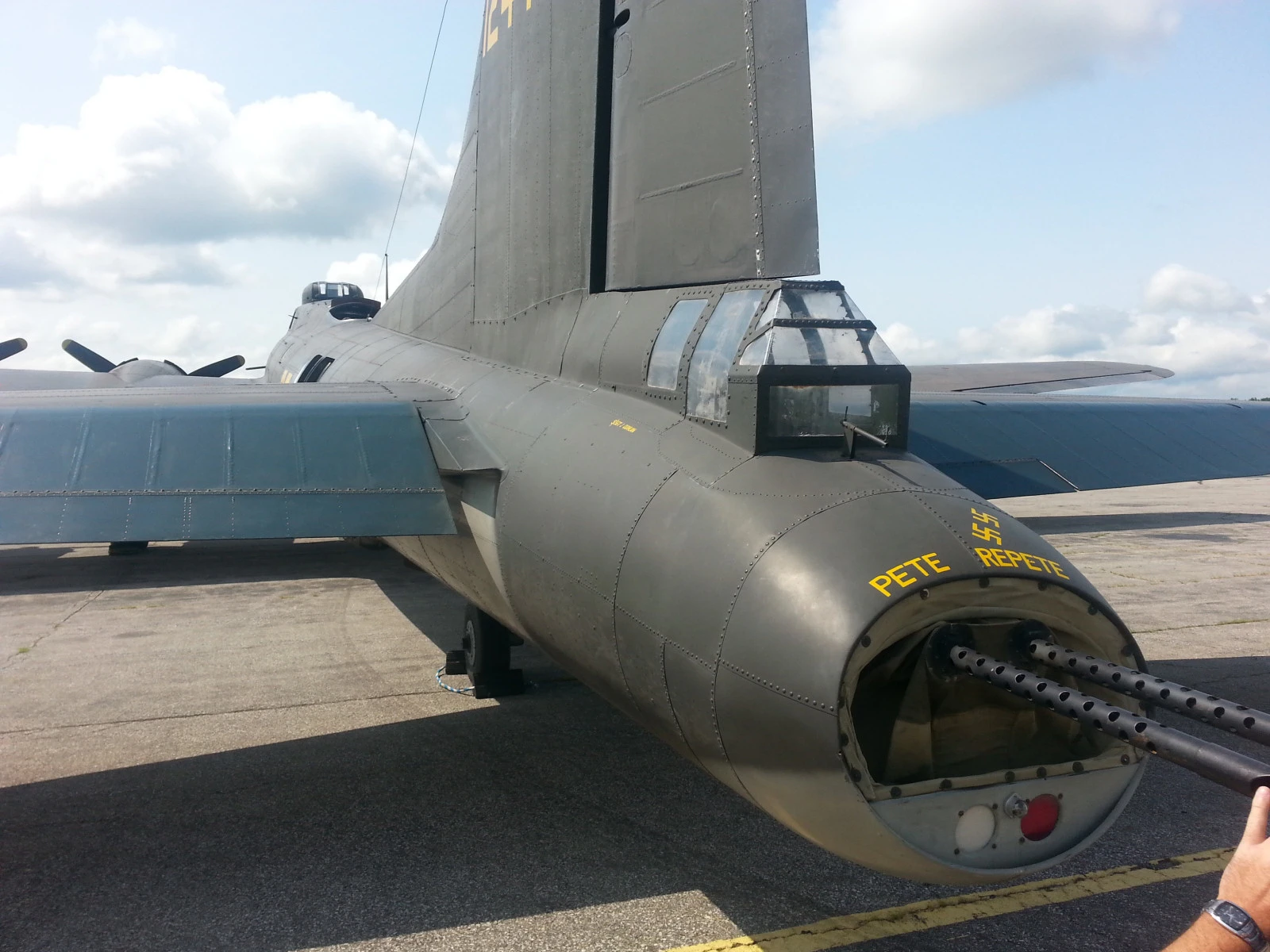
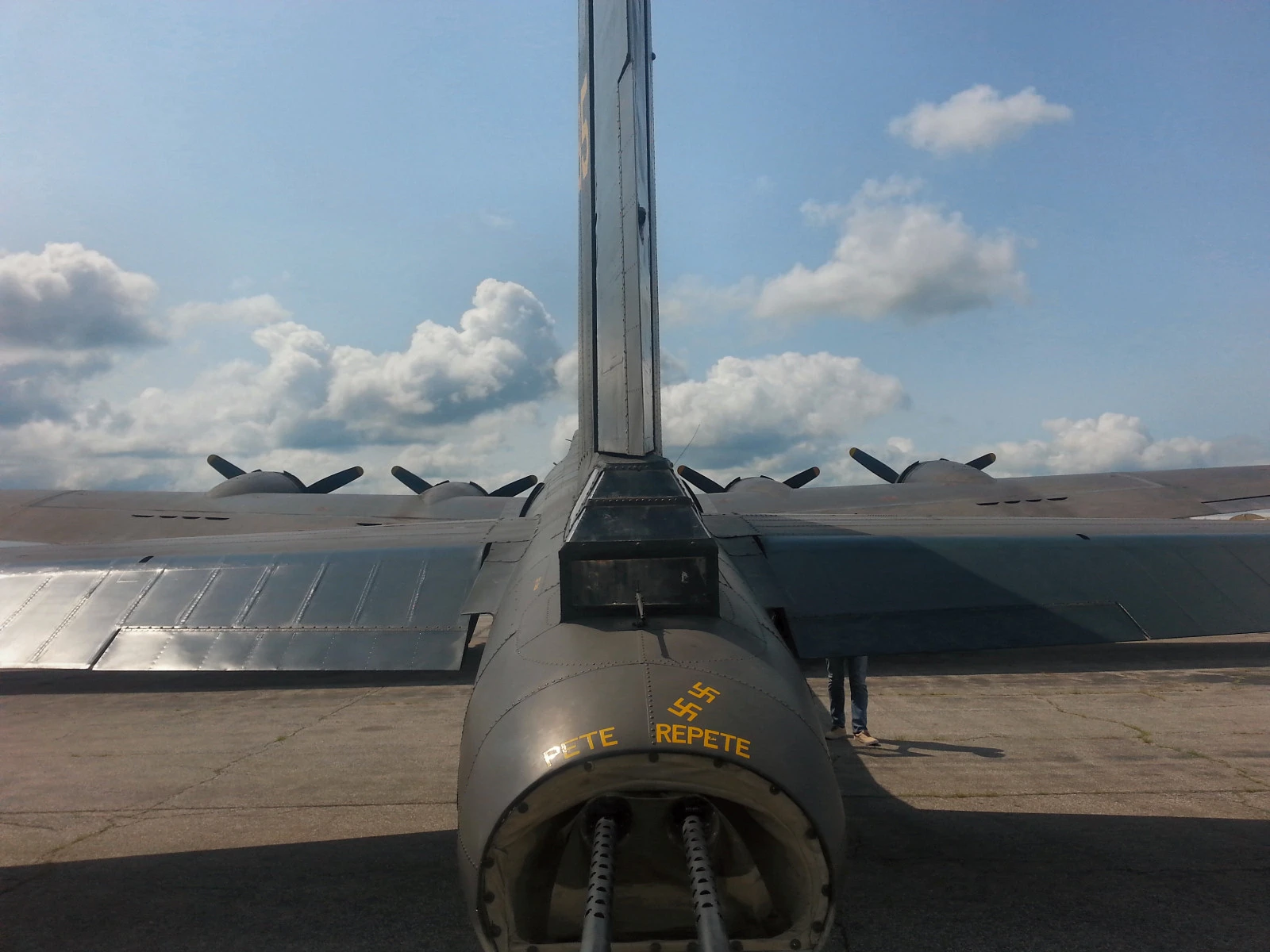
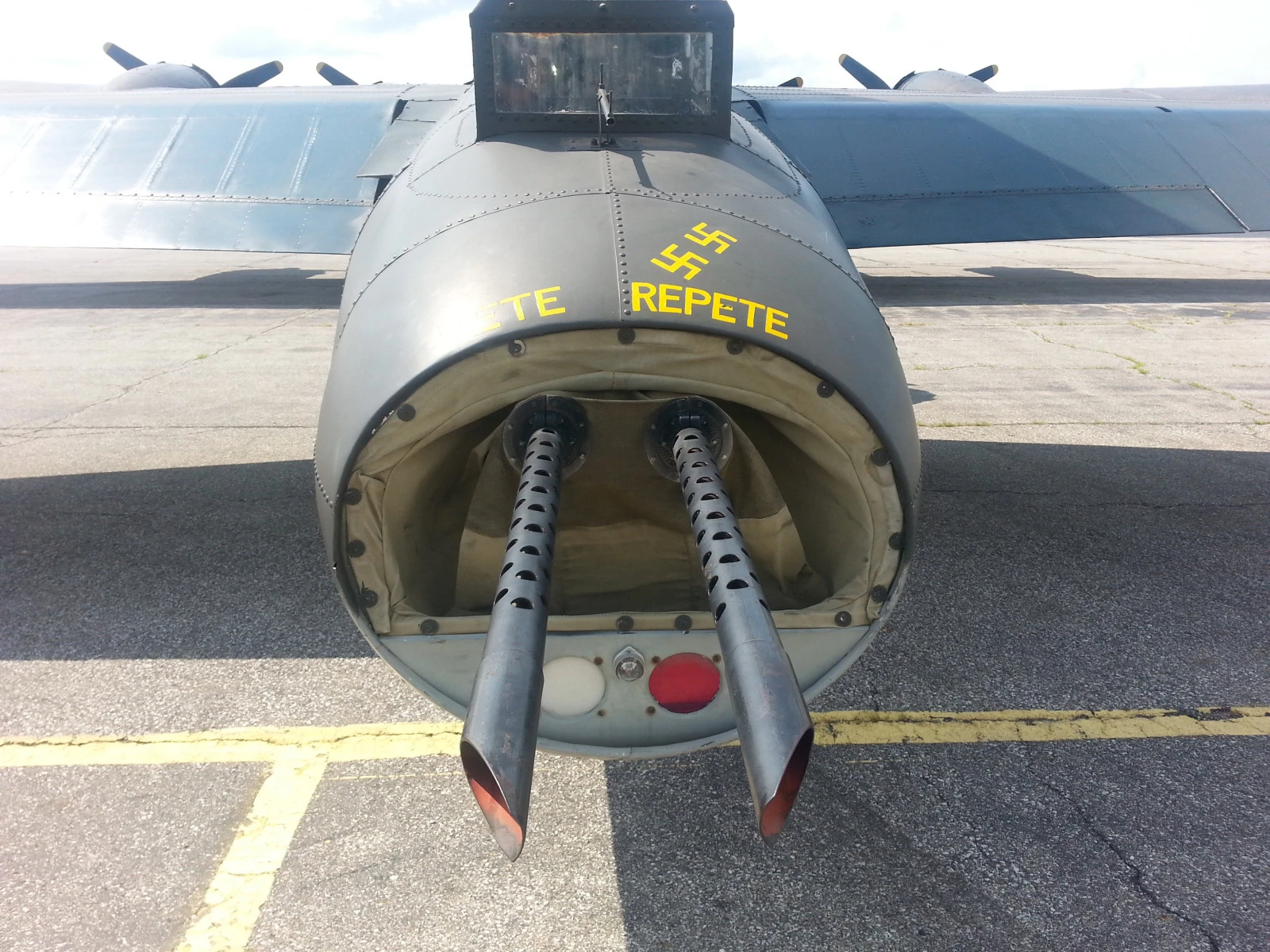
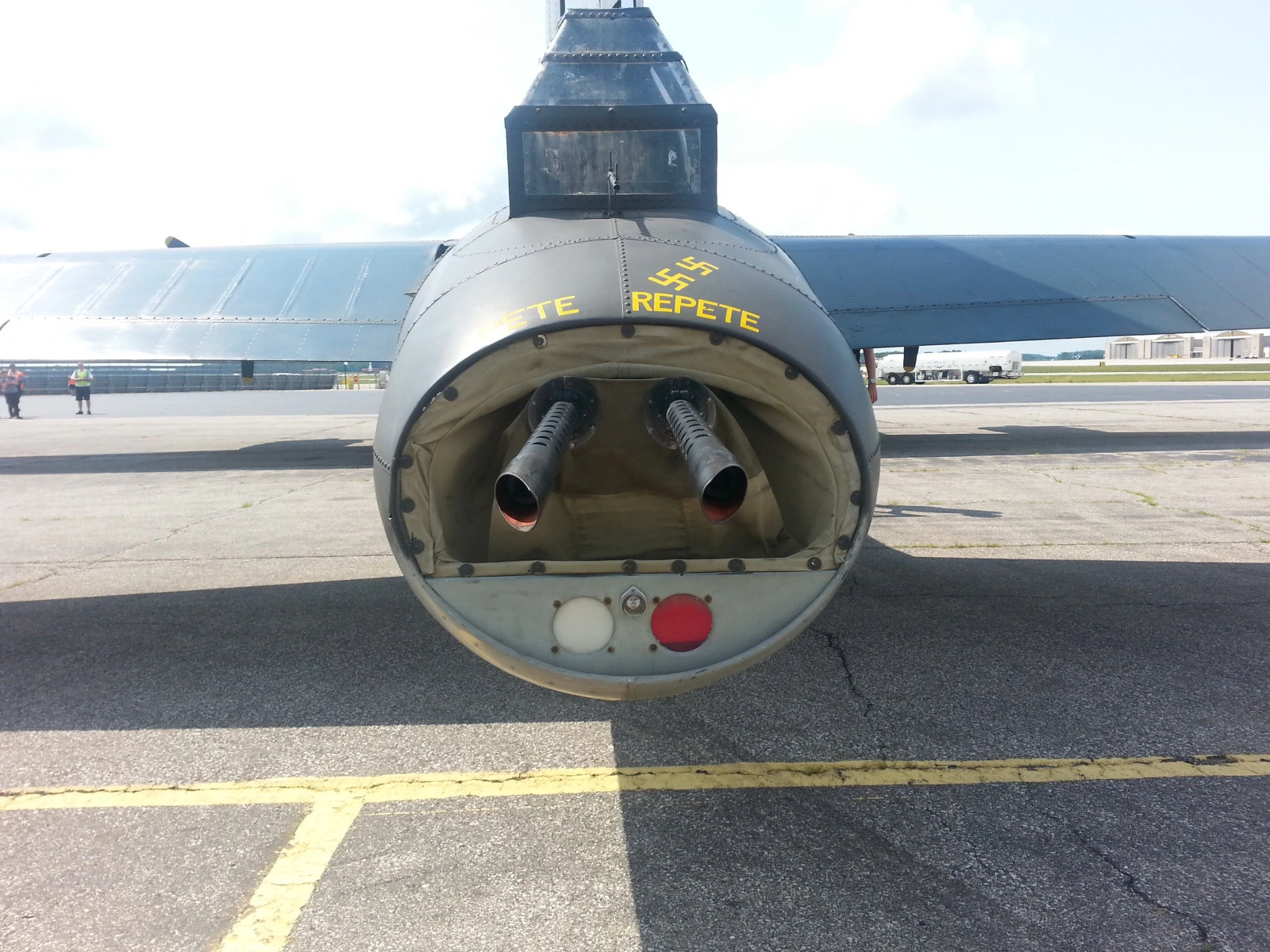
| B-17F Flying Fortress ‘Memphis Belle’ Walk Around | |
|---|---|
| Photographe | Dean Jackson |
| Localisation | Inconnu |
| Photos | 32 |
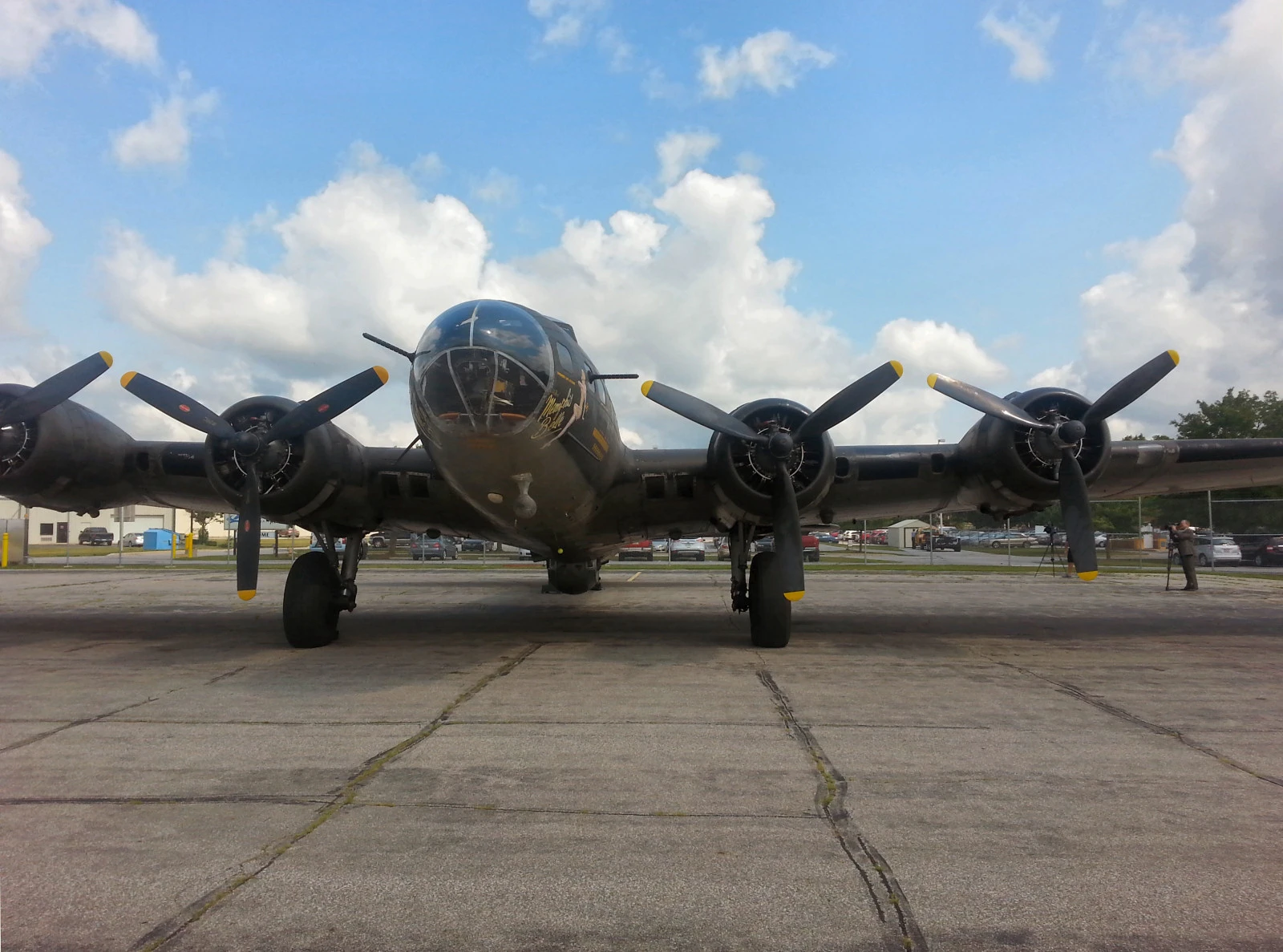
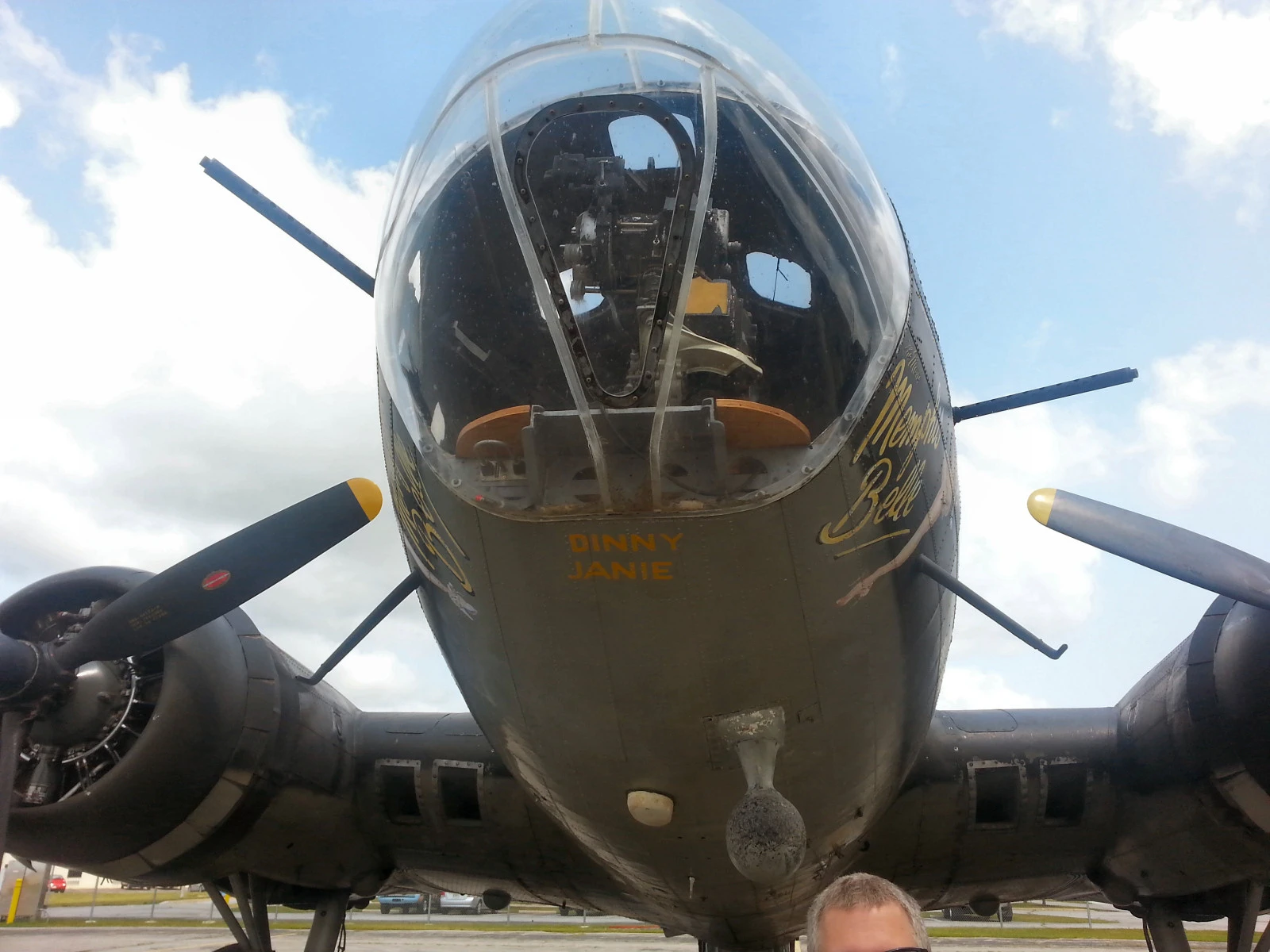
Voir aussi :


The Legend of the Bloody Hundredth
Lla Boeing B-17F Flying Fortress represents the definitive mid-war variant of America’s most iconic heavy bomber and the aircraft that bore the initial brunt of the dangerous daylight strategic bombing campaign over Nazi-occupied Europe. While later models became famous for their chin-mounted turrets, the « F » model was the ship that established the B-17’s legendary reputation for near-superhuman ruggedness. Capable of absorbing catastrophic damage from anti-aircraft flak and enemy interceptors—losing entire sections of its tail, engines, and wings while still bringing its teenage crew safely back across the English Channel—the B-17F flew the most hazardous early missions of the Eighth Air Force, immortalized by historic individual bombers like the Memphis Belle.
| Attribute | Technical Specification (B-17F Production Baseline) |
|---|---|
| Rôle | Strategic Heavy Bomber |
| Crew | 10 (Pilot, Co-Pilot, Navigator, Bombardier, Flight Engineer/Top Turret, Radio Operator, 2 Waist Gunners, Ball Turret Gunner, Tail Gunner) |
| Groupe motopropulseur | 4 × Wright R-1820-97 « Cyclone » 9-cylinder radial engines (1,200 hp each with General Electric turbo-superchargers) |
| Vitesse maximale | 523 km/h (325 mph) at combat altitude |
| Combat Range | ~3,219 km (2,000 miles) with a standard internal bomb load |
| Service Ceiling | 11,400 m (37,500 ft) |
| Primary Armament | 10 to 12 × .50 caliber (12.7mm) Browning AN/M2 machine guns distributed in manual and power-operated mounts |
| Ordnance Capacity | Standard: 2,722 kg (6,000 lbs) internal; Maximum: Up to 7,983 kg (17,600 lbs) utilizes external wing racks for short missions |
Design Engineering: The Sperry Ball Turret and High-Altitude Superchargers
- The Tiny Sperry Ball Turret: To protect the bomber’s completely exposed belly from fighters diving from below, the B-17F integrated the highly advanced Sperry ball turret. Made of cast aluminum and plexiglass, this incredibly cramped sphere sat on a motorized hydraulic gimbal. The smallest man in the crew was chosen to sit curled up in a fetal position inside, tracking targets with two .50 caliber machine guns using an optical reflector sight directly between his knees.
- GE Turbo-Superchargers for High Flight: The B-17F relied on external General Electric turbo-superchargers tucked beneath its engine nacelles. Driven by the engine’s hot exhaust gases, these units compressed the thin high-altitude air before pumping it into the Wright Cyclone cylinders. This technological advantage allowed the B-17F to operate comfortably above 25,000 feet, safely bypassing the effective ceiling of many light German anti-aircraft gun batteries.
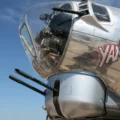
- The Framing of the Iconic Glass Nose: The B-17F featured a distinctive, elongated molded plexiglass nose piece that gave the bombardier an completely unobstructed view of the terrain below. Unlike later B-17G variants, the « F » model lacked a power-operated remote chin turret, forcing the navigator and bombardier to manually aim hand-held .50 caliber machine guns through flexible socket holes in the glass to fend off frontal assaults.
- The Tough All-Metal Monocoque Hull: Boeing engineered the Flying Fortress around a remarkably resilient, semi-monocoque aluminum structure. Instead of using a brittle, lightweight frame, its thick skin was reinforced by a mesh of internal bulkheads and longerons. This robust design meant that even if an artillery shell blew out a massive chunk of the fuselage skin, the surrounding metal framework could carry the load and prevent the plane from breaking apart in mid-air.
Operational History: Daylight Attrition and the Legend of the Memphis Belle
- The Meat Grinder of Unescorted Daylight Bombing: Introduced to frontline combat in 1942, B-17F wings spearheaded the American philosophy of unescorted daylight precision bombing. Operating without fighters to protect them due to range limits, B-17F formations had to fly in tightly stacked « combat boxes » to cross-cover each other with defensive gun fields, sustaining brutal losses during deep raids against Schweinfurt and Regensburg.
- The Fatal Frontal Vulnerability: Savvy Luftwaffe fighter pilots quickly noticed that the B-17F’s defensive arc was weakest directly from the front. German interceptors like the Fw 190 began flying terrifying head-on attack runs at 400 mph, firing explosive 20mm cannons directly through the unarmored glass nose of the B-17F. This tactical gap forced crews to improvise by welding extra machine gun mounts into the waist windows.
- The Triumph of the Memphis Belle: In May 1943, a B-17F named Memphis Belle (serial number 41-24485) belonging to the 91st Bomb Group became one of the very first heavy bombers in the Eighth Air Force to successfully complete 25 high-hazard combat missions over Europe with its entire crew intact, proving to a desperate home front that the air war was winnable.
- Passing the Torch to the G Model: Over 3,400 B-17F aircraft were manufactured before production lines shifted entirely to the final, heavily armed B-17G variant in late 1943. Today, true surviving « F » model airframes are exceptionally rare treasures of aviation history, with the beautifully restored original Memphis Belle serving as a premier permanent exhibit at the National Museum of the United States Air Force.
Vues : 3972