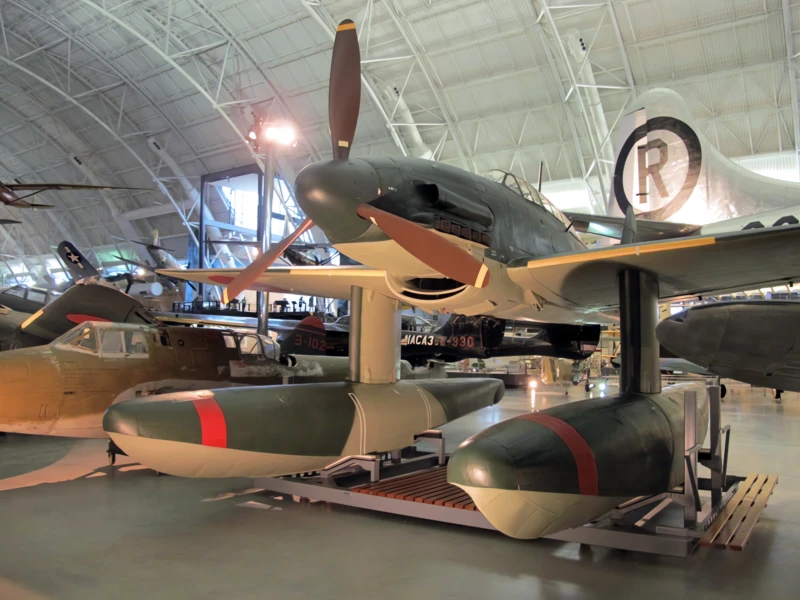
Aichi M6A1 Seiran | |
| Pays | Japon |
| Type | Hydravion d’attaque lancé par sous-marin |
| Premier vol | 1943 |
| Construit | 28+1 |
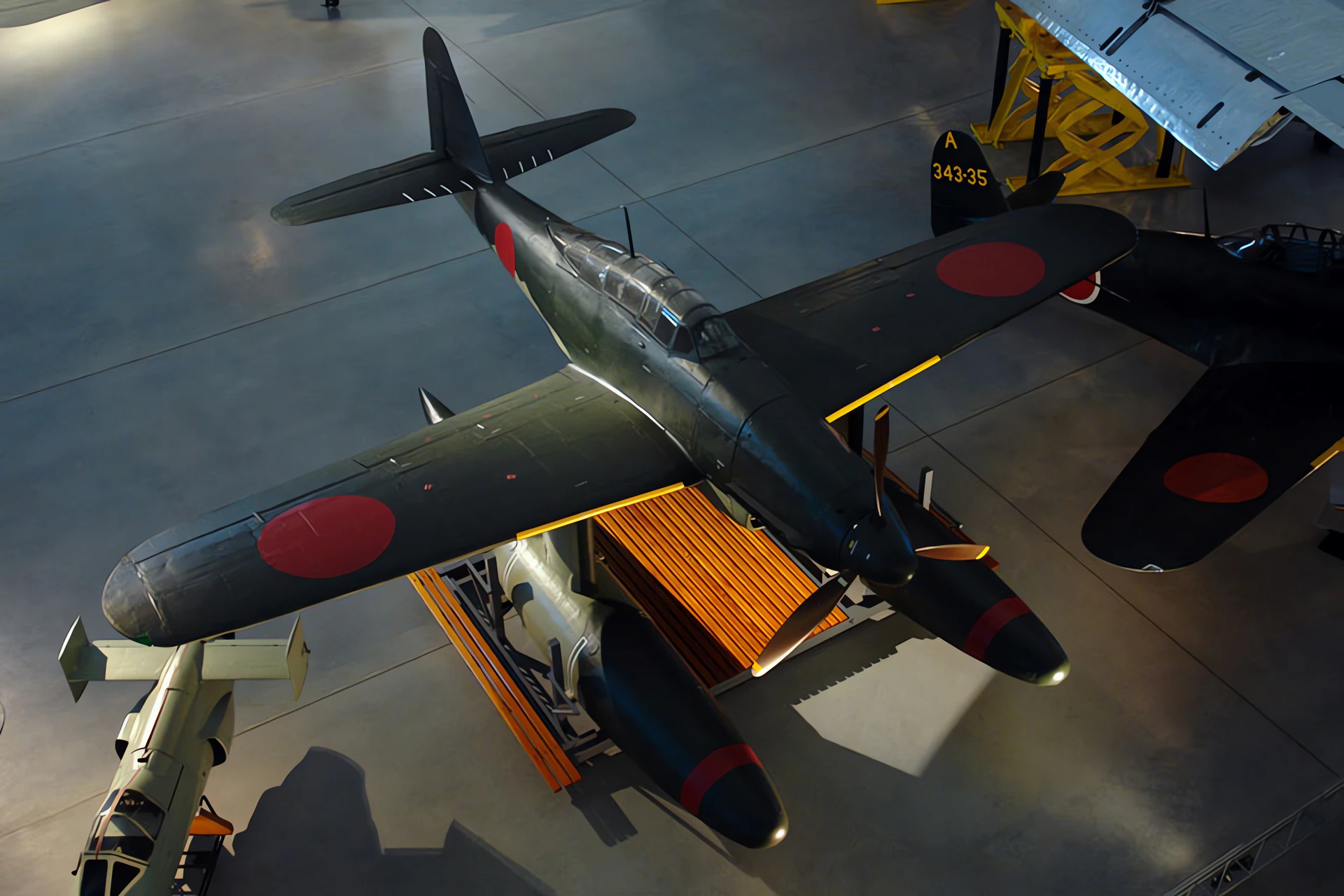
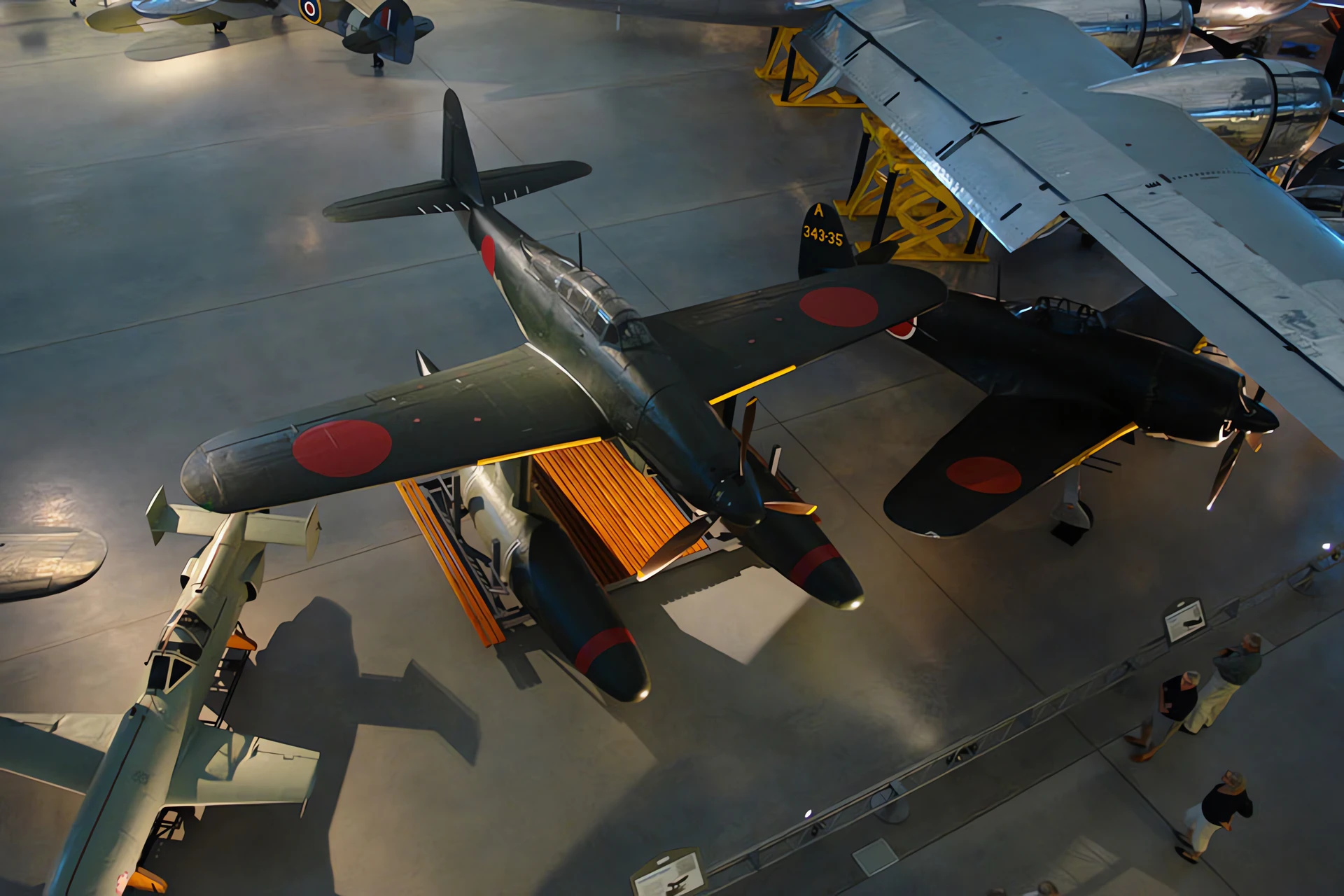
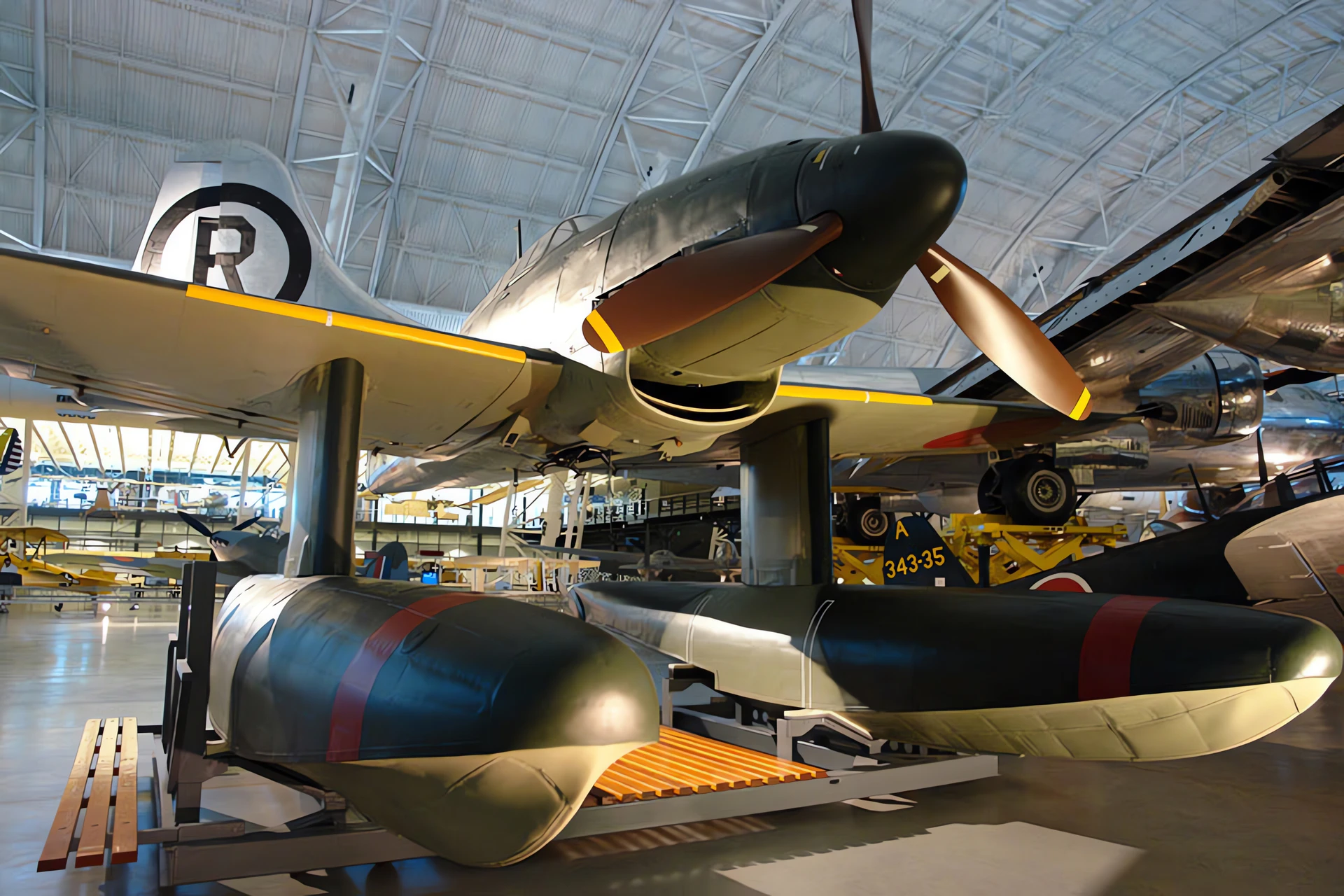
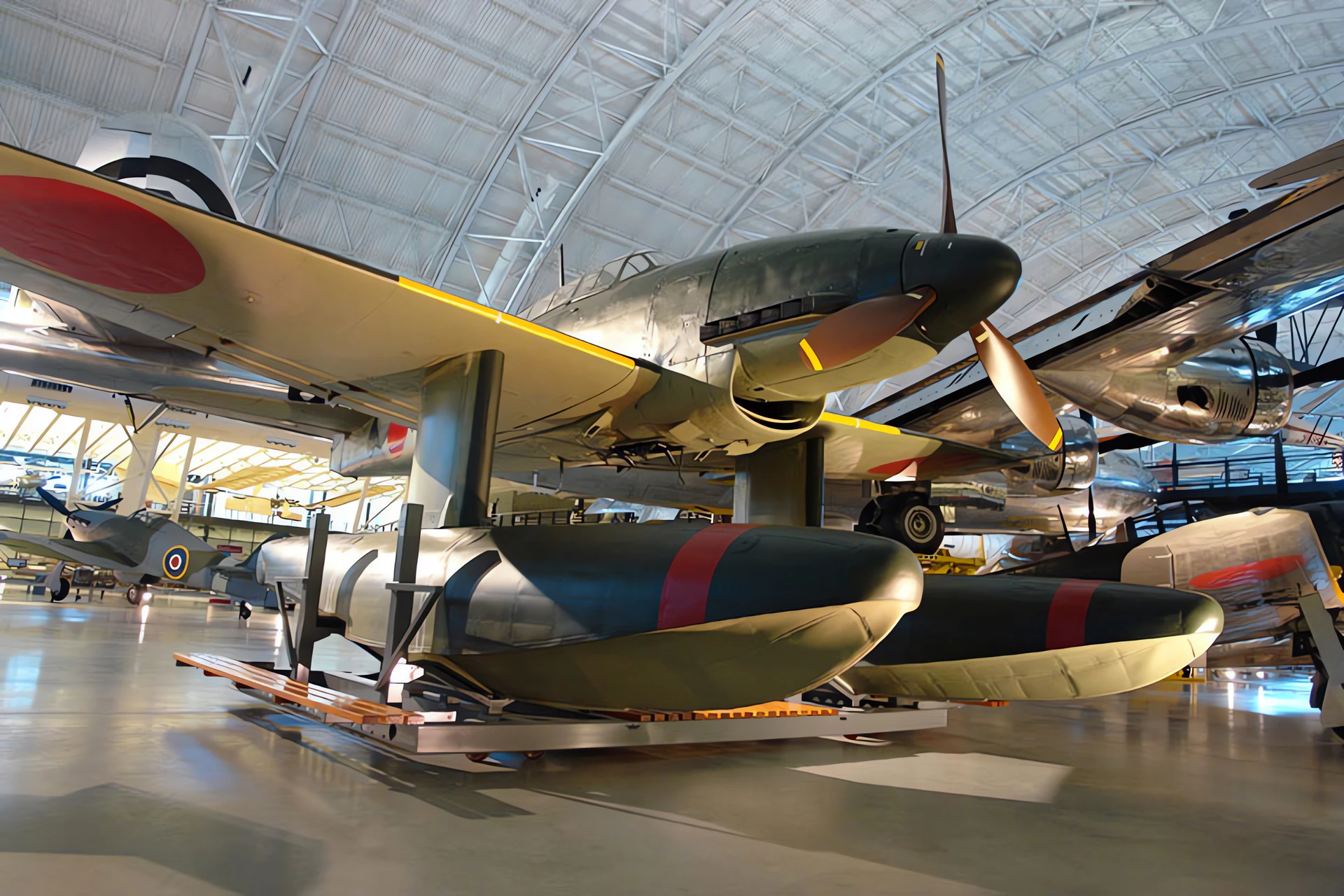
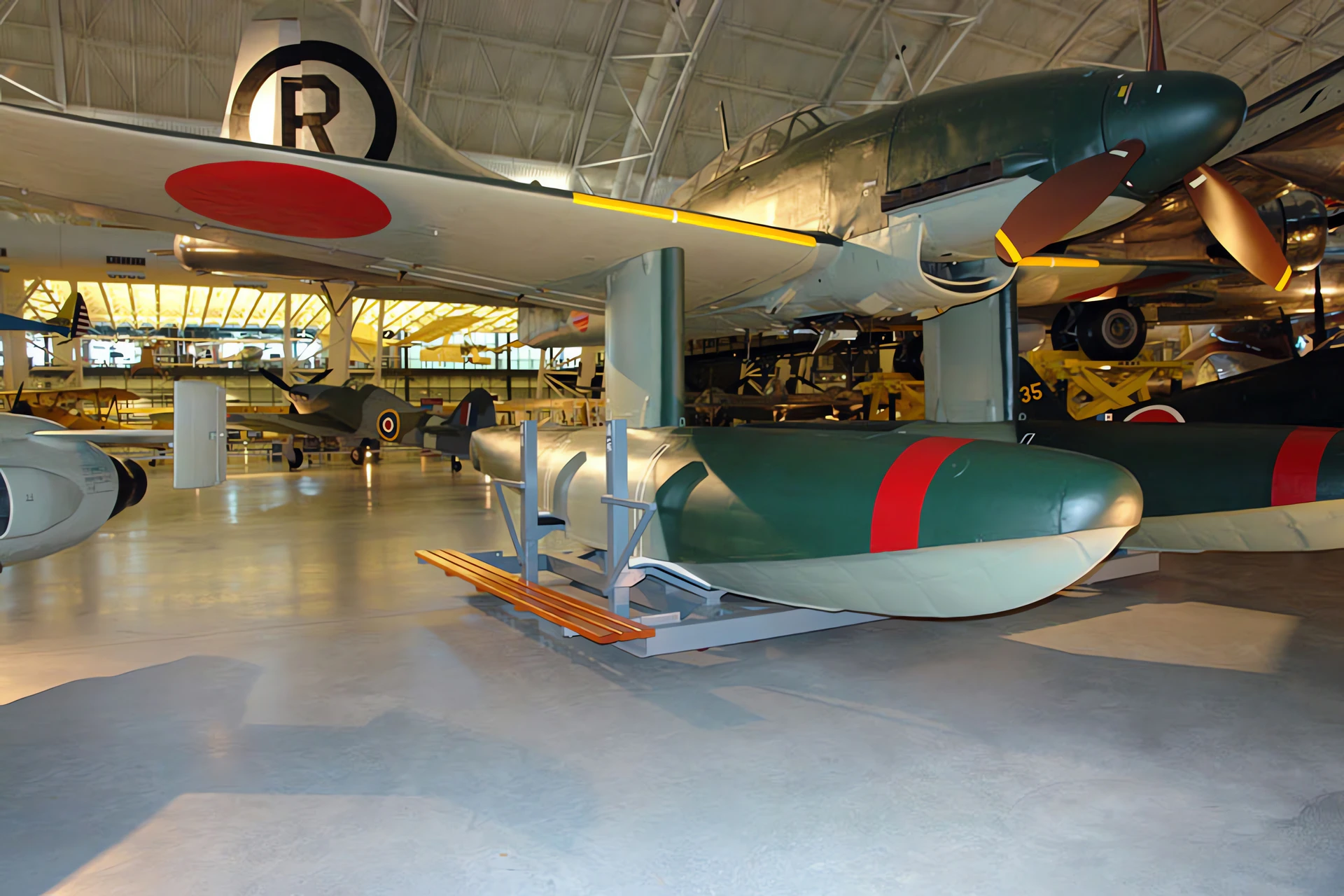
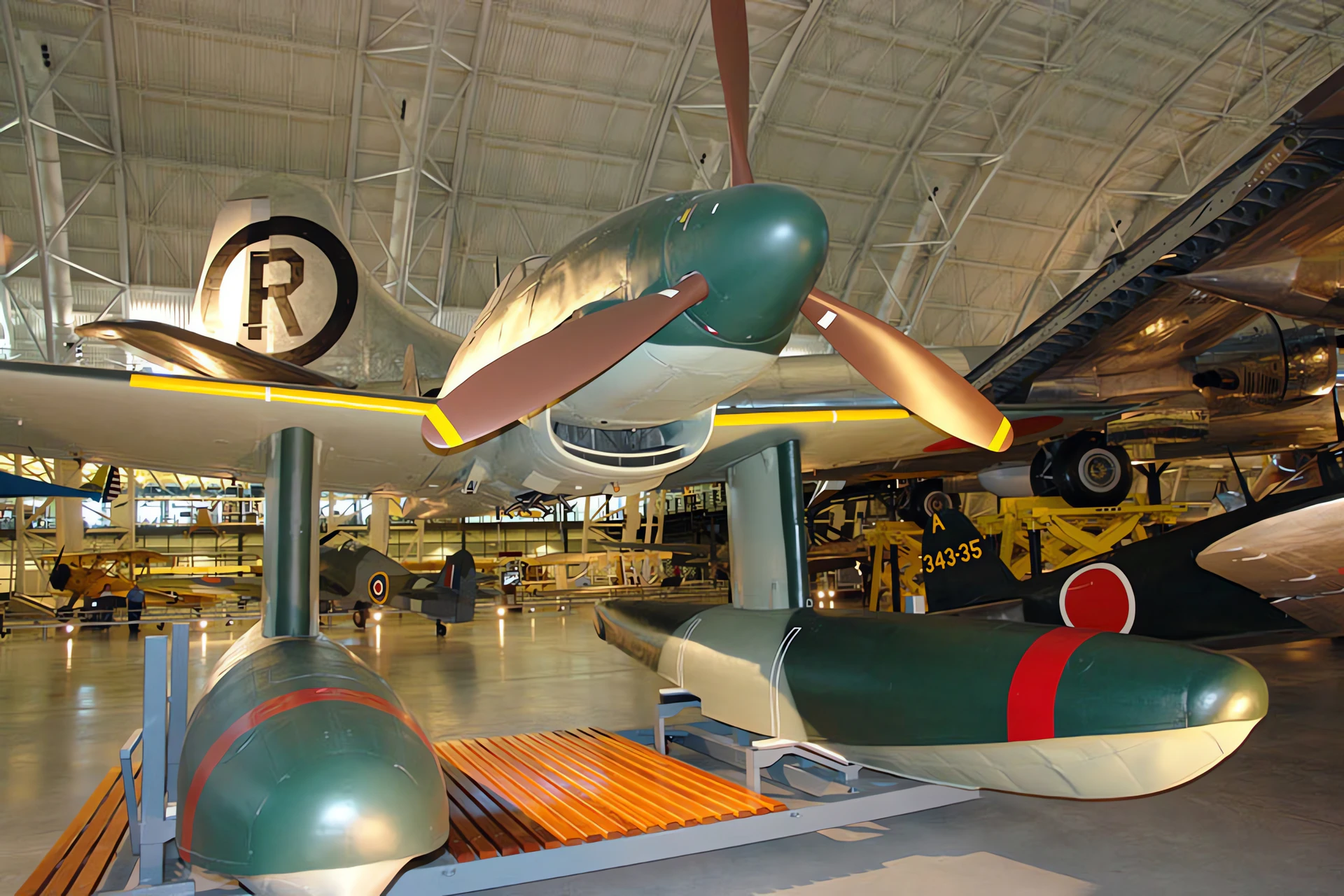
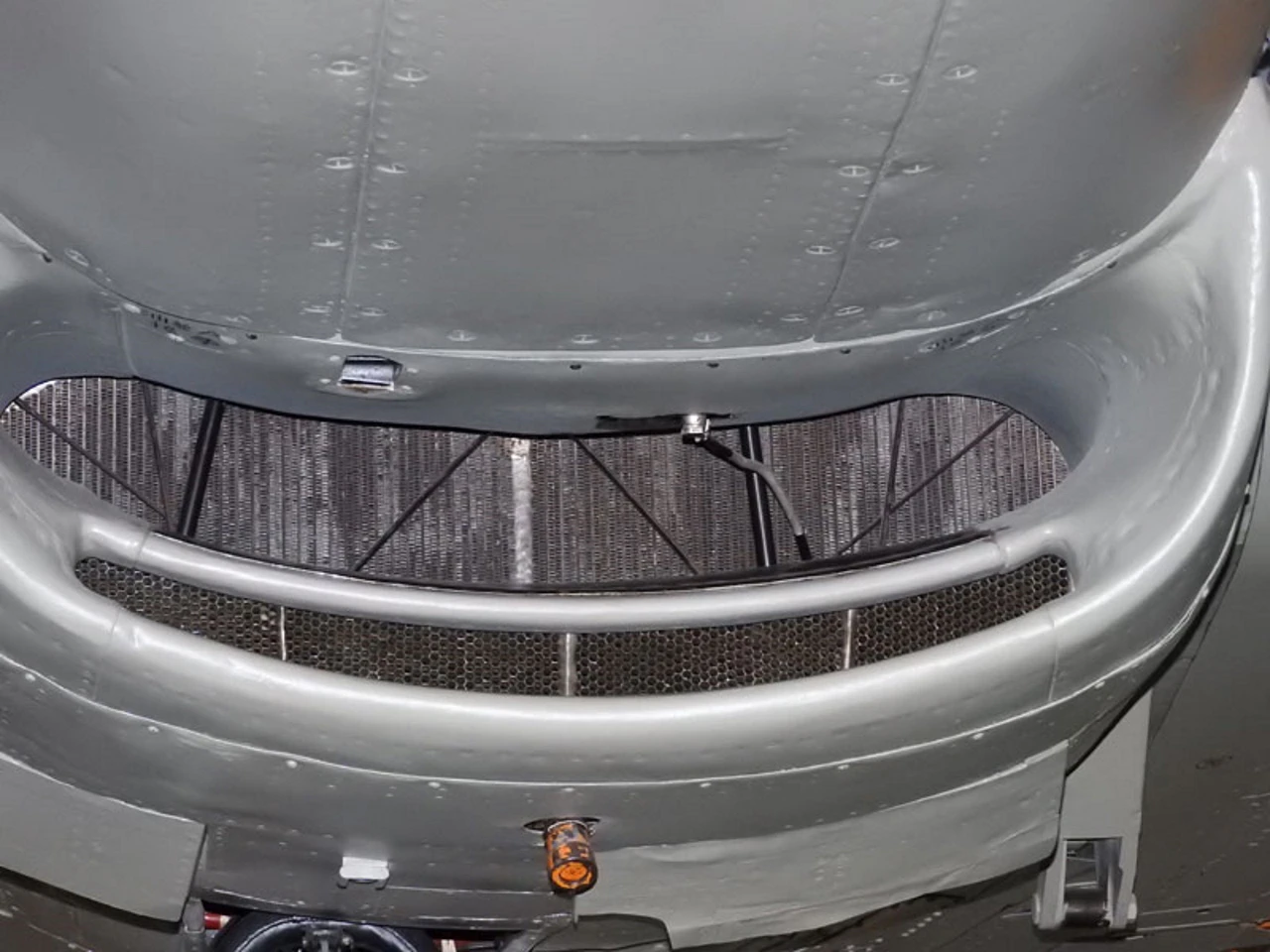
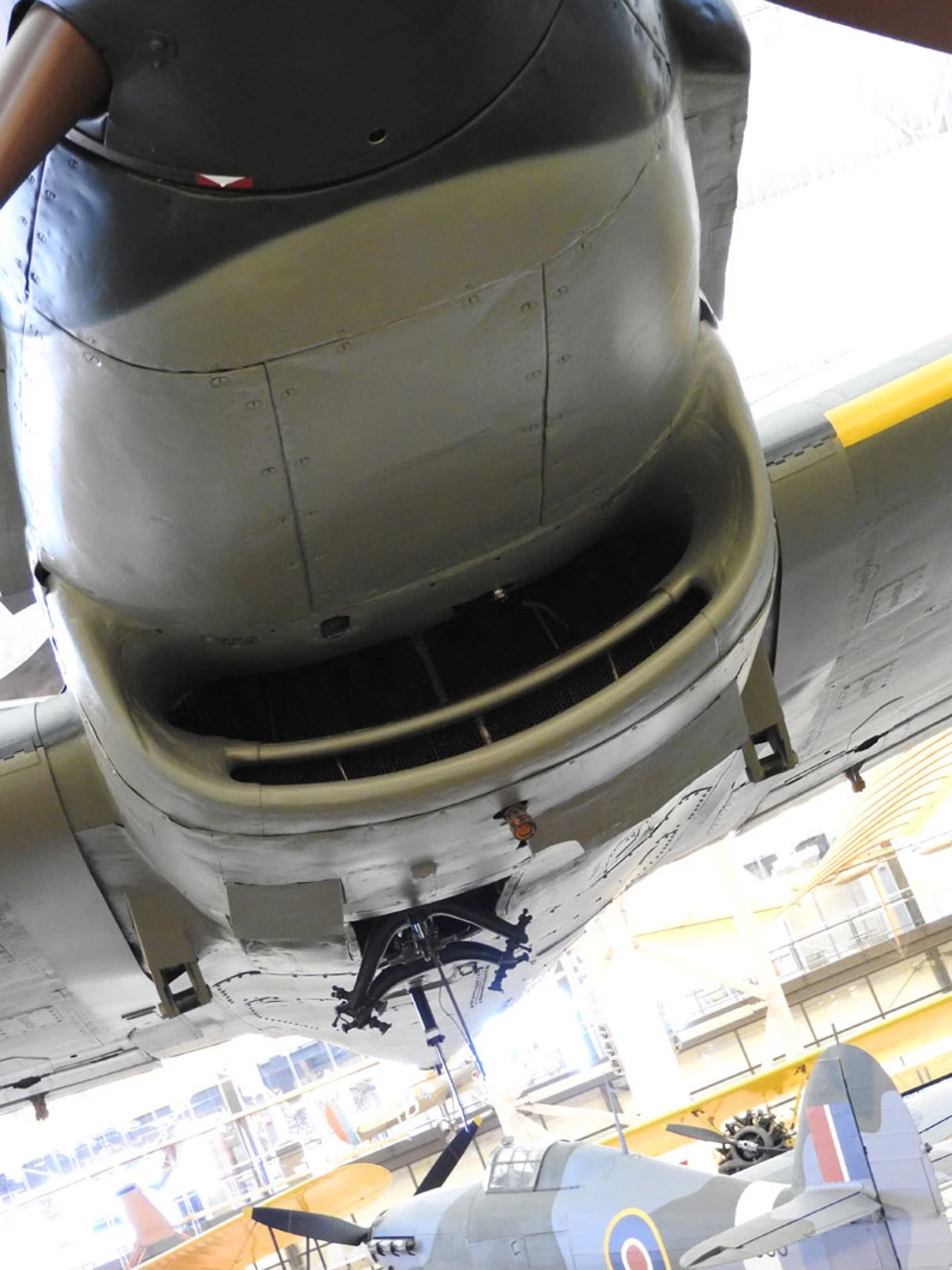
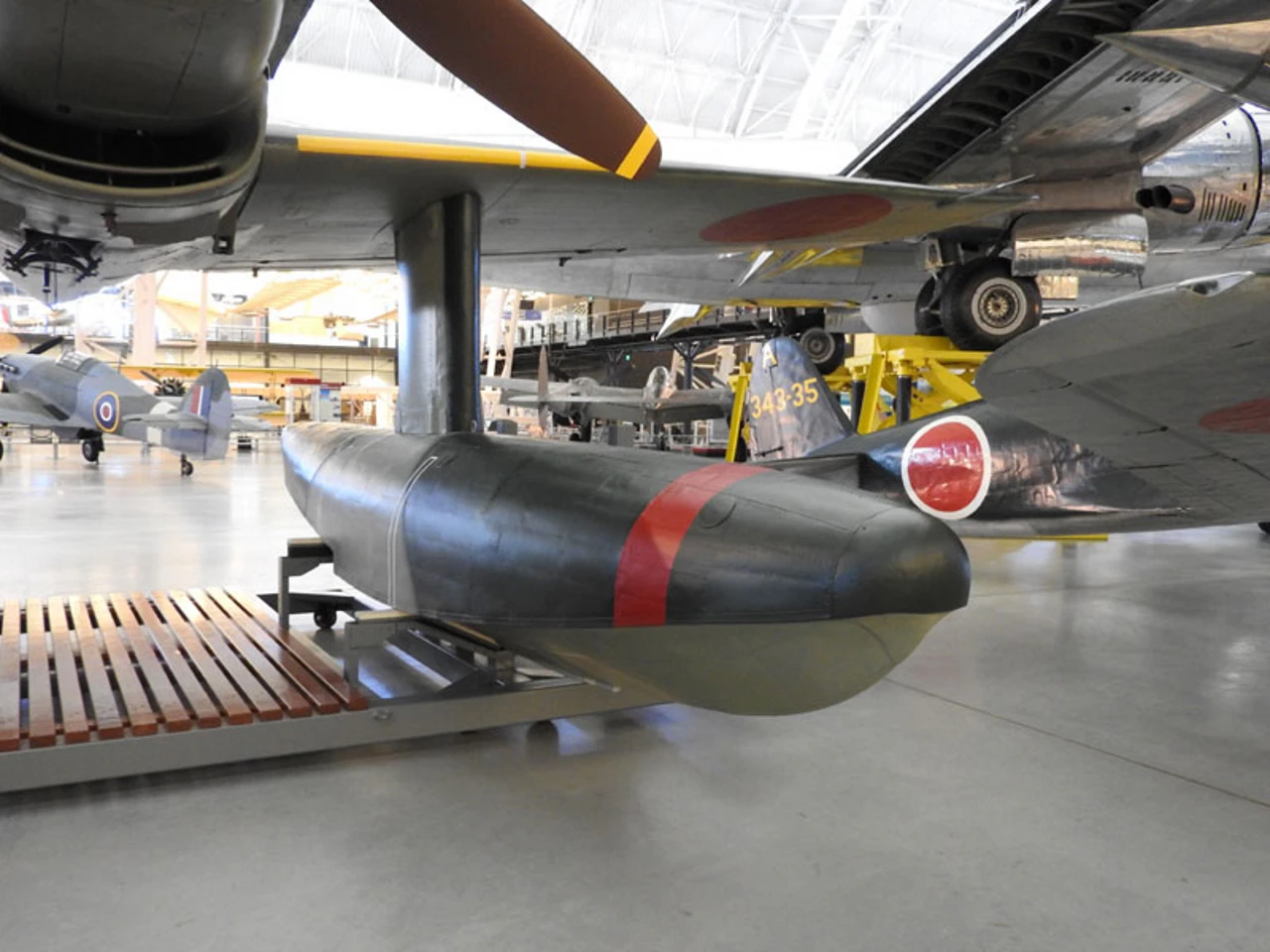
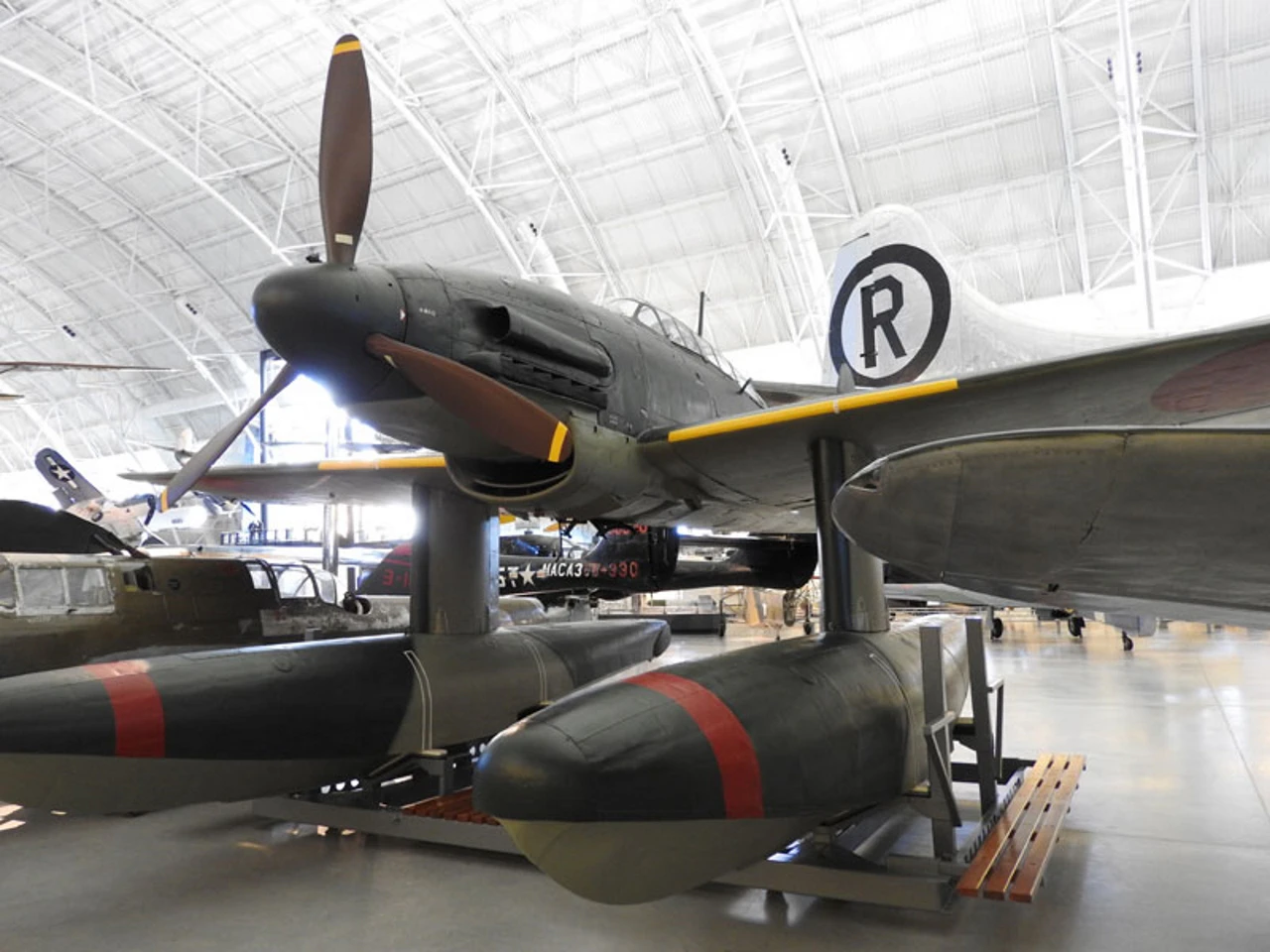
Lla Aichi M6A Seiran Était un hydravion d’attaque lancé par sous-marin conçu pour la Marine impériale japonaise pendant la Seconde Guerre mondiale. Il était destiné à opérer à partir de sous-marins de classe I-400 dont la mission initiale était de mener des attaques aériennes contre les États-Unis.
Source: Aichi M6A1 Seiran sur Wiki
| Aichi M6A1 Seiran | |
|---|---|
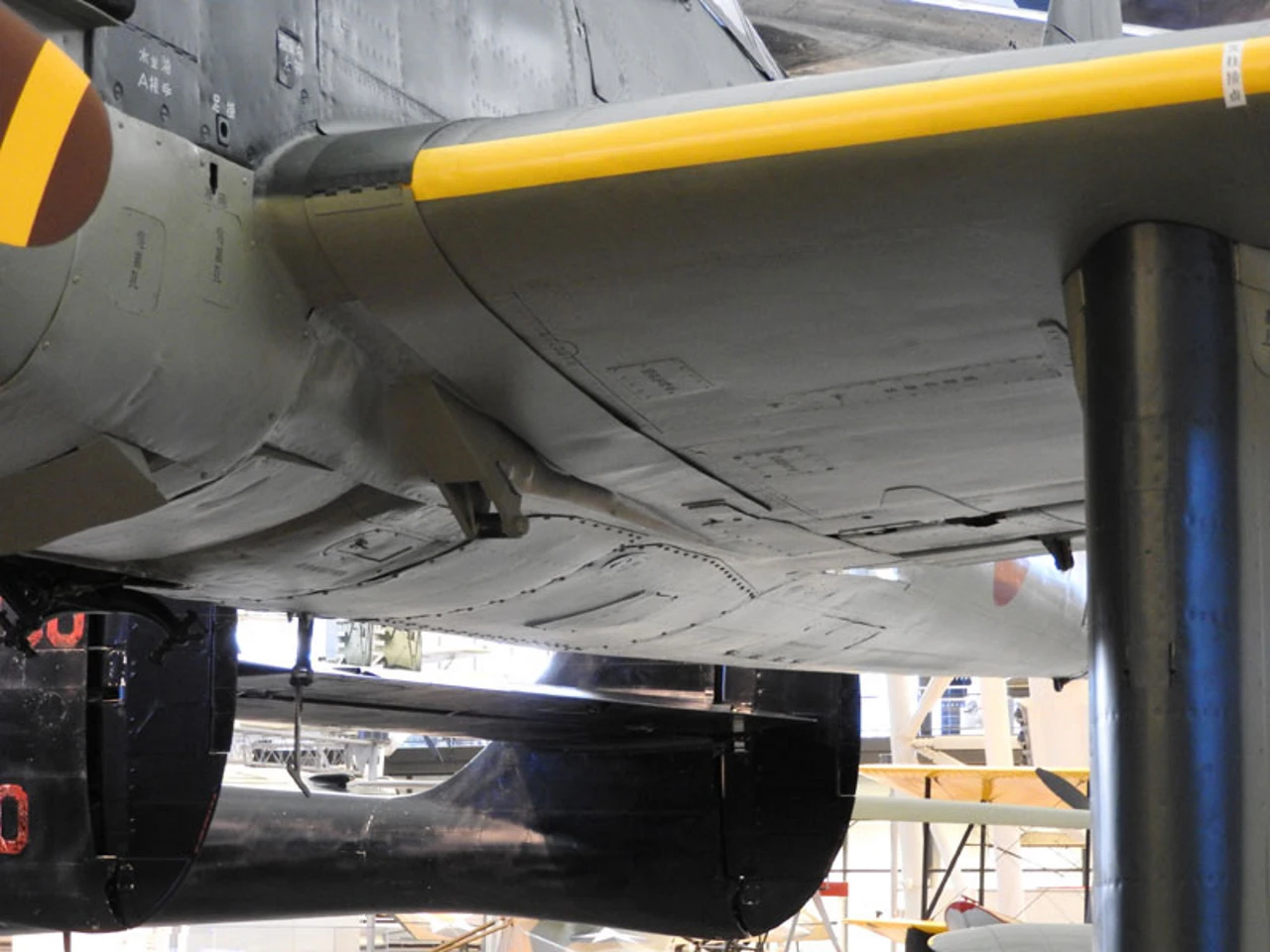
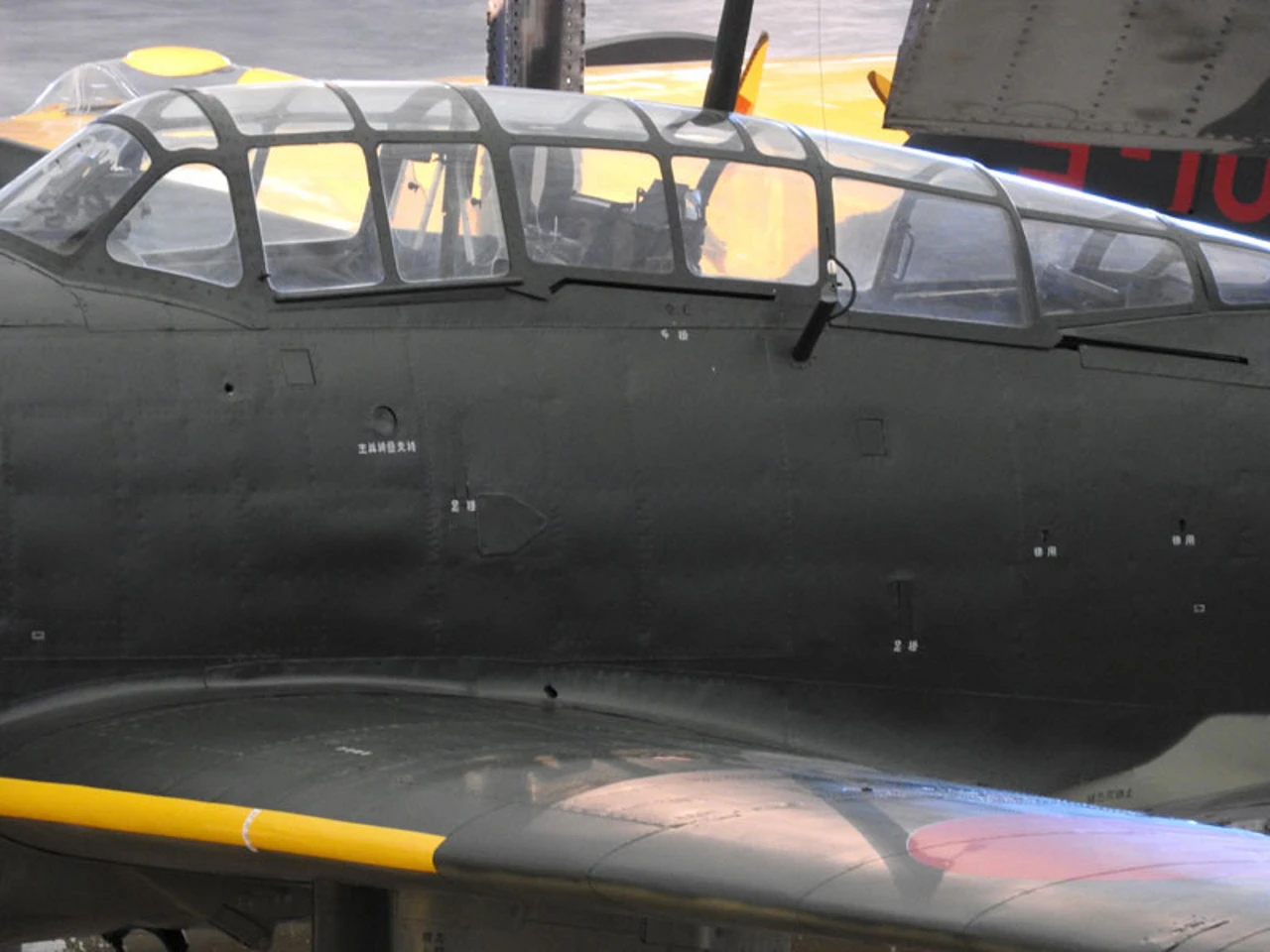
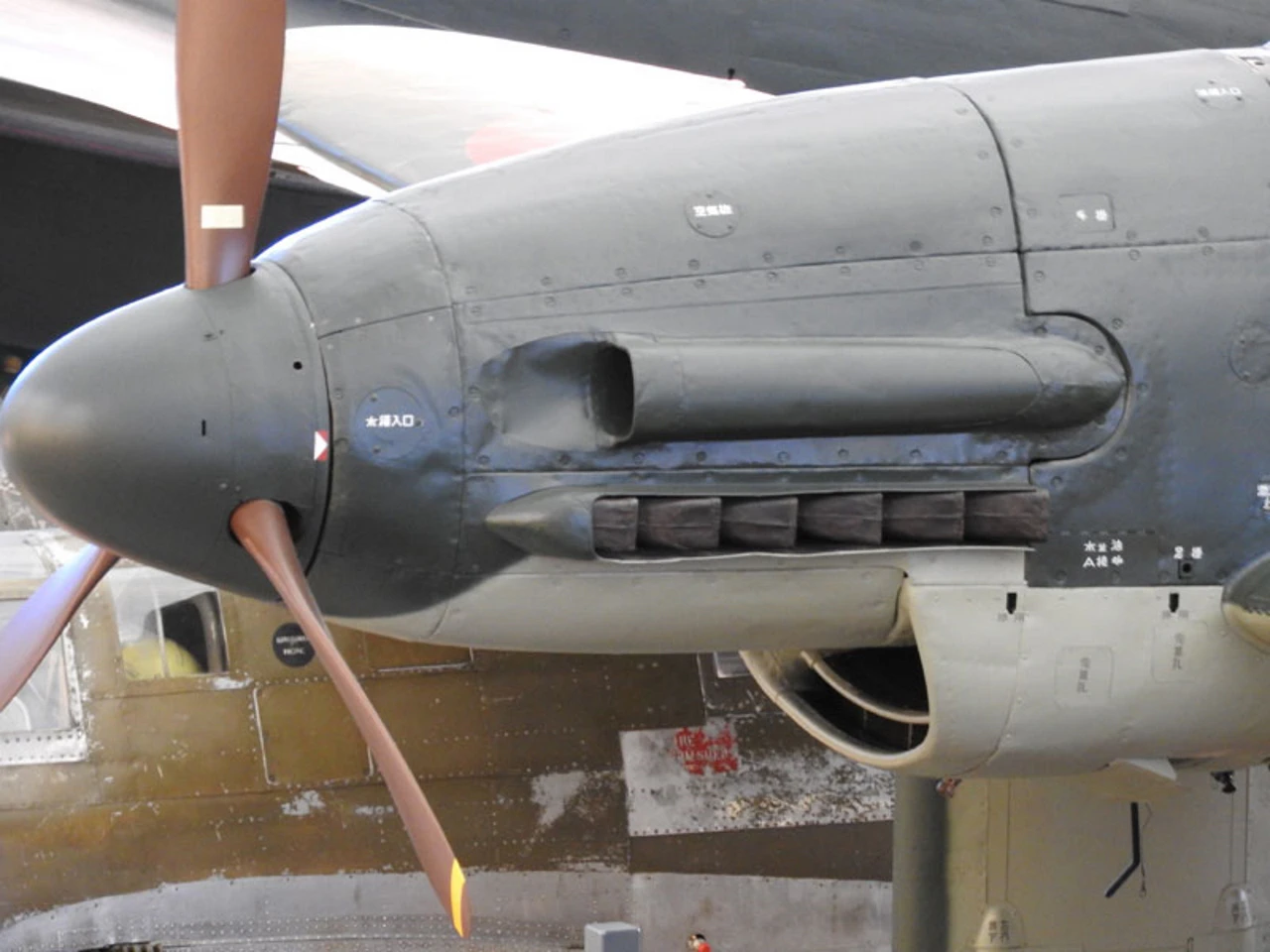
| Photographes | John Heck, Vladimir Yakubov |
| Localisation | Musée national de l’air et de l’espace |
| Photos | 49 |
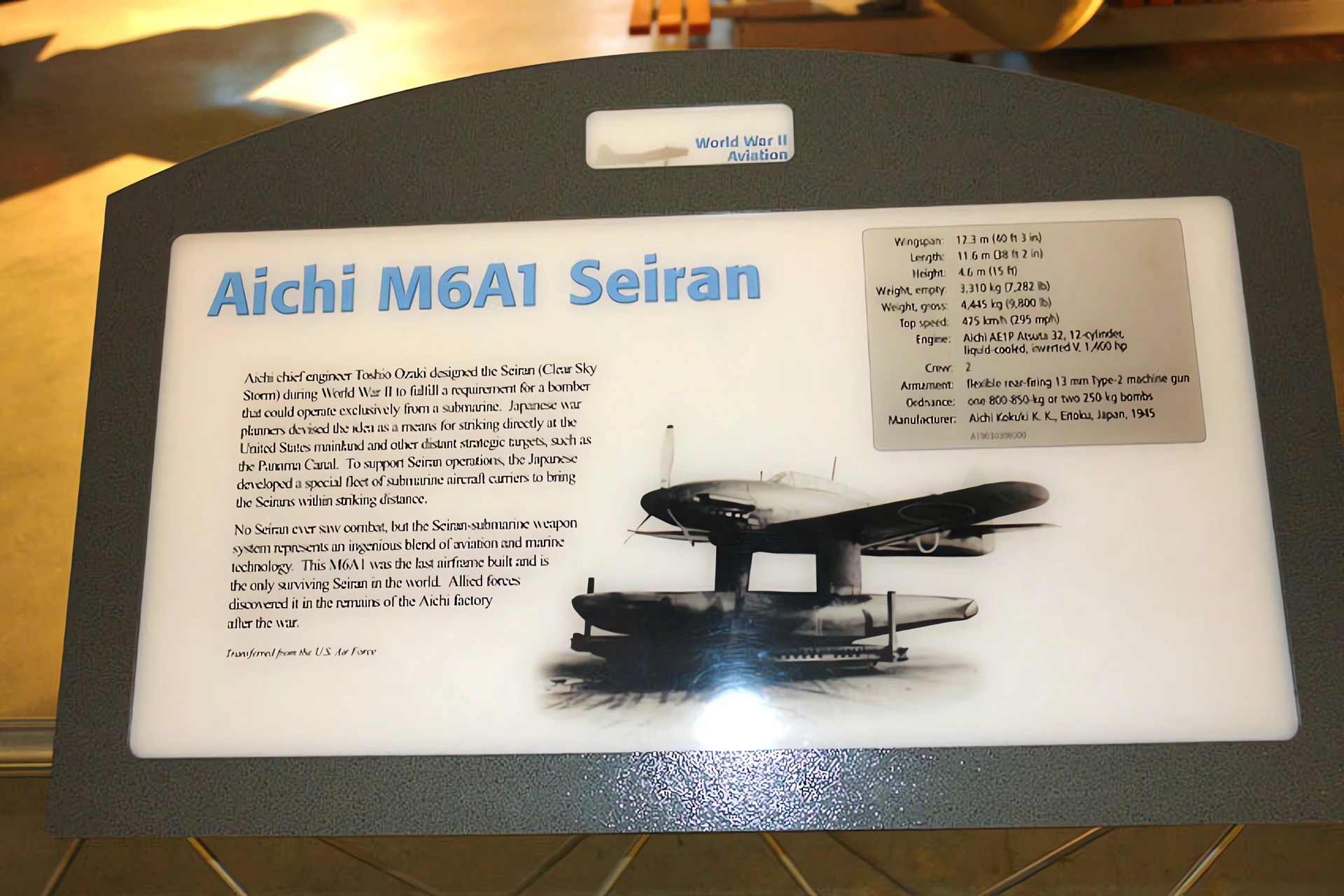
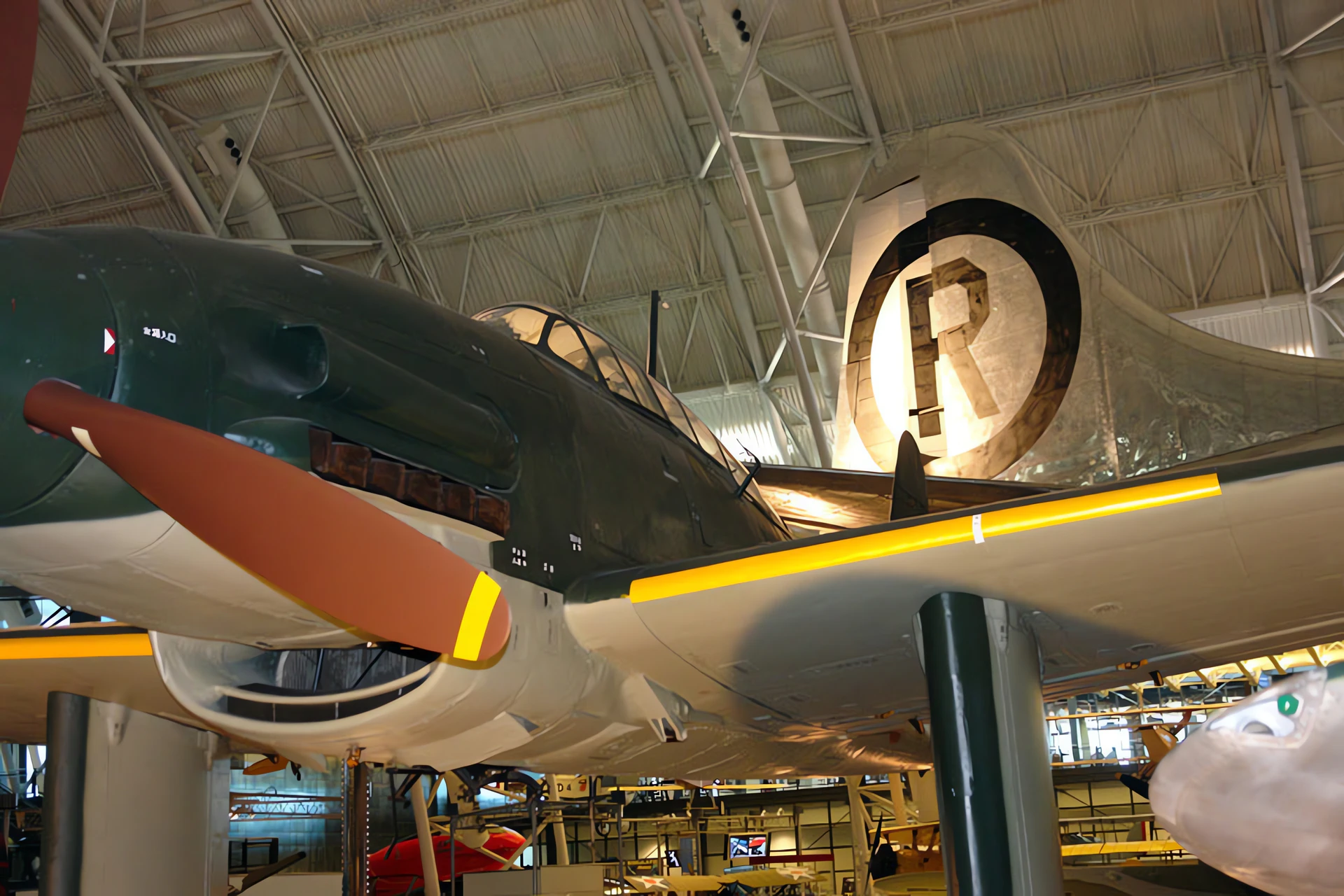

| Specifications | |
|---|---|
| Rôle | Bombardier-torpilleur lancé par sous-marin |
| Fabricant | Aichi Kokuki KK |
| Premier vol | 1943 |
| Introduction | 1945 |
| Retraite | 1945 |
| Utilisateur principal | IJN Service aérien |
| Produit | 1943-1945 |
| Nombre construit | 28 |
| Aichi M6A Seiran Se promener | |
|---|---|
| Photographe | Cees Hendriks |
| Localisation | Inconnu |
| Photos | 34 |
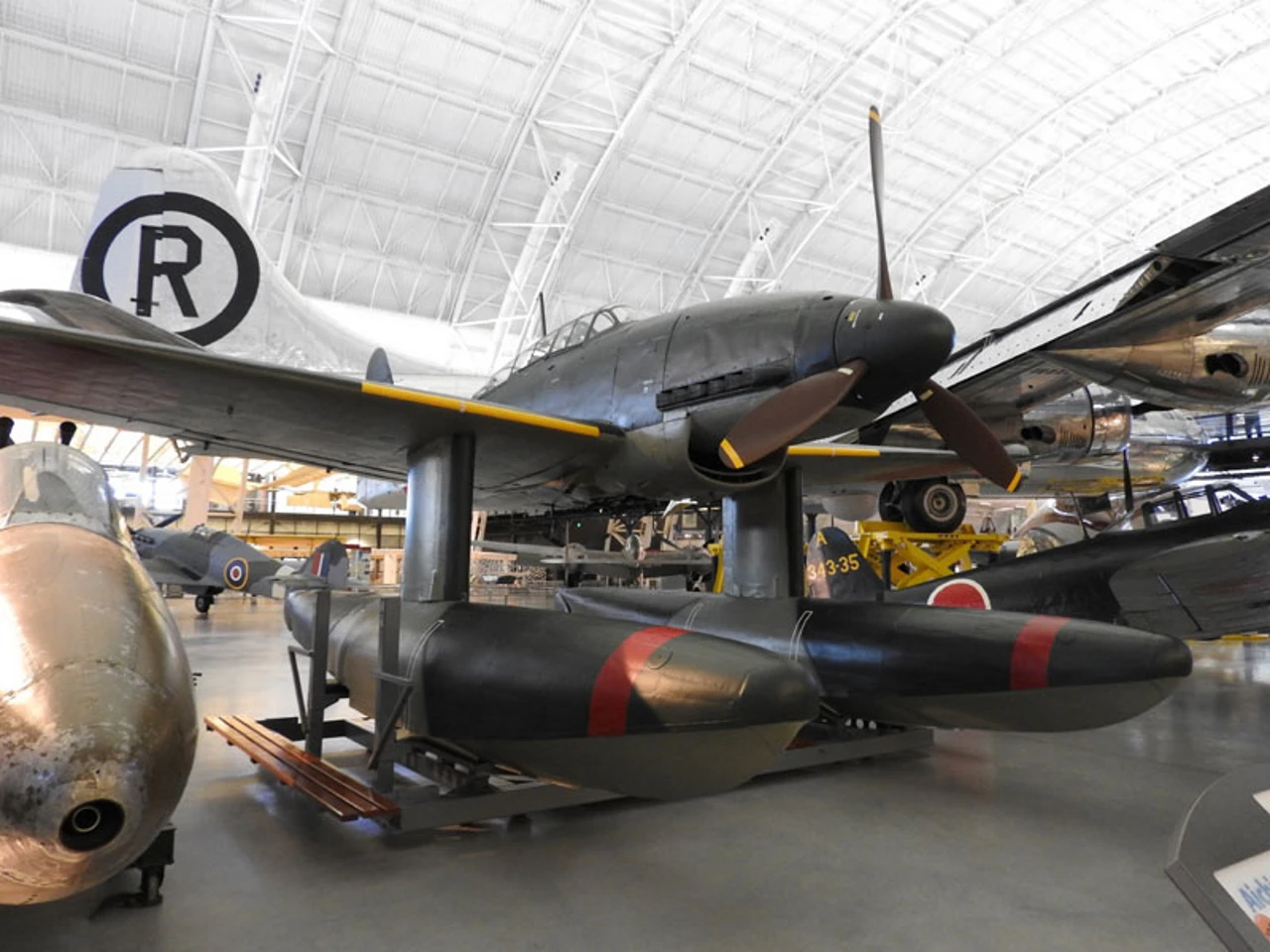
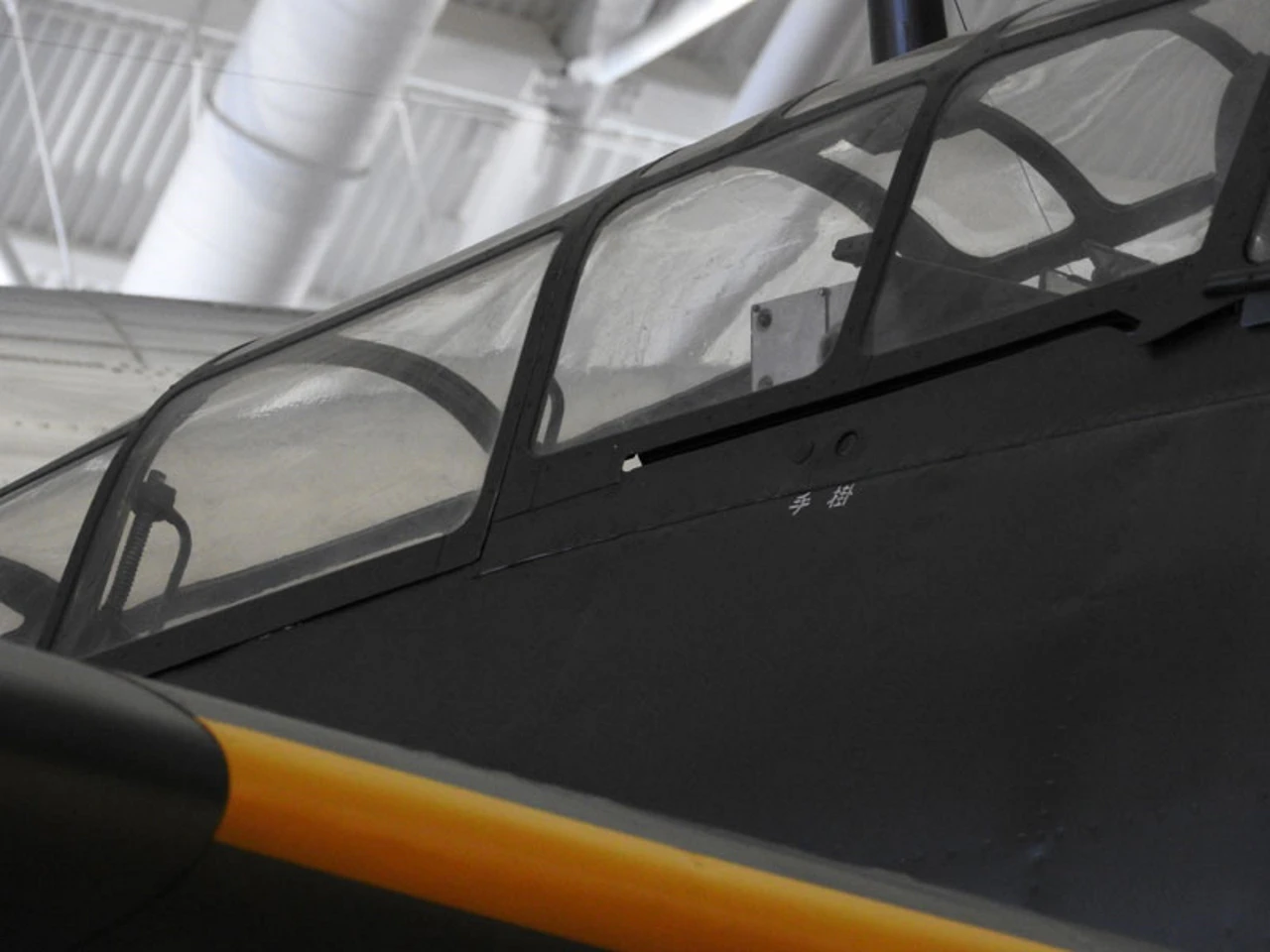
 Achetez-moi un café
| Aichi M6A Seiran Se promener | |
|---|---|
| Photographe | Oleg Danchenko |
| Localisation | Inconnu |
| Photos | 27 |
Voir aussi :


The Phantom of the Deep
Lla Aichi M6A1 Seiran was one of the most specialized aircraft of WWII. It was designed specifically to be carried by the massive I-400 class submarine aircraft carriers. The Seiran (meaning « Mountain Haze » Ou « Storm from a Clear Sky ») was intended to be launched via catapult, fly a precision strike mission against targets like the Panama Canal, and then return to the submarine. It represented a pinnacle of Japanese engineering, managing to pack the performance of a land-based dive bomber into a folding airframe that could survive the damp, cramped confines of an underwater hangar.
| Attribute | Technical Specification (M6A1) |
|---|---|
| Rôle | Submarine-borne Attack Bomber |
| Crew | 2 (Pilot and Navigator/Radio Operator) |
| Groupe motopropulseur | 1 × Aichi Atsuta 32 liquid-cooled V12 |
| Horsepower | 1,400 hp (1,044 kW) |
| Vitesse maximale | 474 km/h (295 mph) with floats / 560 km/h without |
| Armement | 1 × 13mm Type 2 machine gun (rear); 1 × 800kg bomb or torpedo |
| Envergure | 12.26 m (40 ft 3 in) — Folded: 2.46 m (8 ft 1 in) |
Design Engineering: The Art of the Fold
- The Folding Mechanism: To fit inside the 3.5-meter diameter hangar of the I-400, the Seiran’s wings rotated 90 degrees to lie flat against the fuselage. Even the vertical and horizontal stabilizers folded down. A trained crew could deploy the aircraft from the hangar to launch-ready in under 7 minutes.
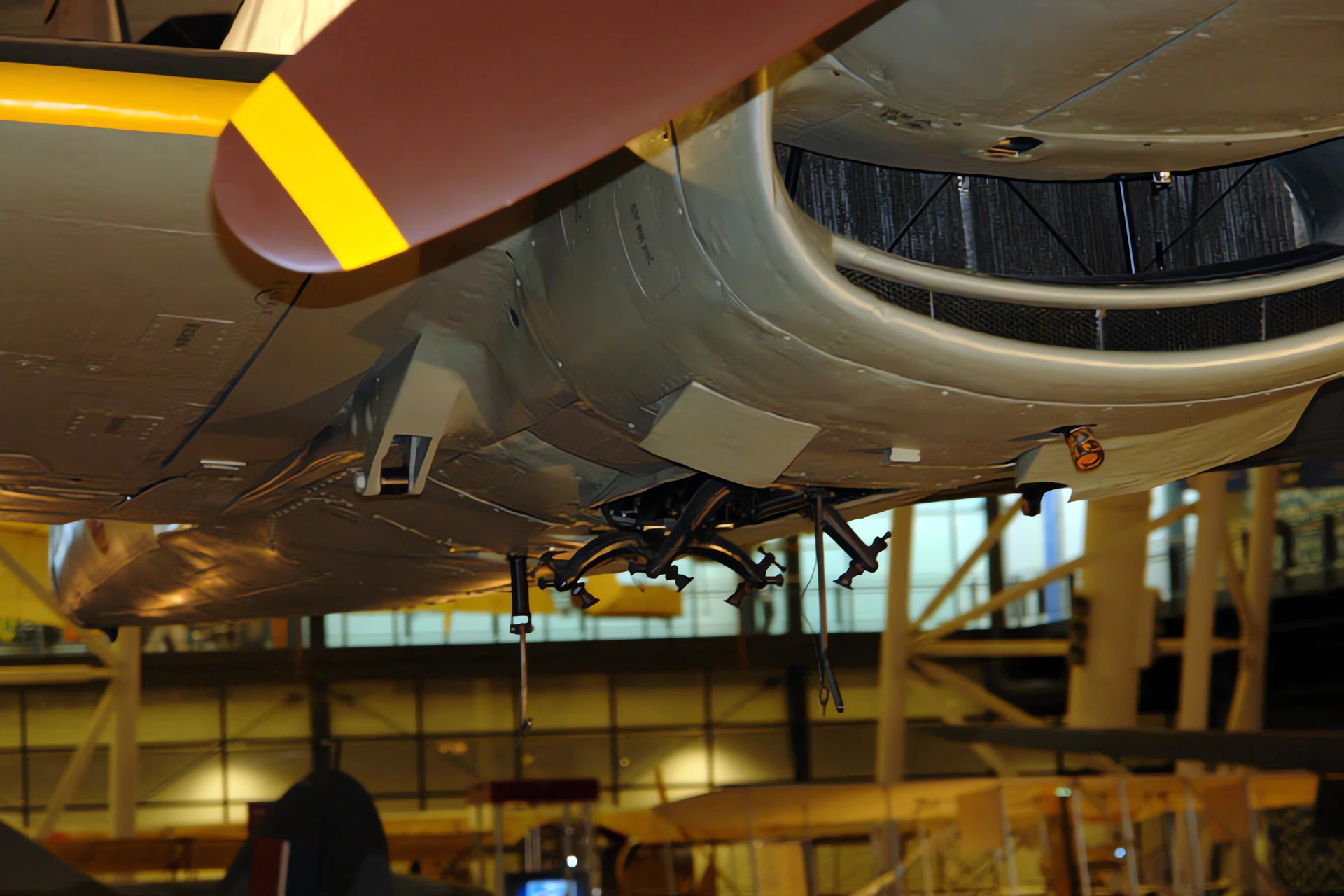
- Liquid-Cooled Power: Unusually for Japanese aircraft, the Seiran used a liquid-cooled engine (the Atsuta 32, a licensed version of the German DB 601). To speed up launches, the submarine’s hangar system could pre-heat the engine oil and coolant, allowing the plane to take off immediately without a long warm-up period.
- Jettisonable Floats: While typically fitted with twin floats for recovery, the floats could be jettisoned in flight to increase speed during an attack. For the Panama Canal mission, the pilots were expected to ditch the planes near the sub and be picked up, as the floats were too heavy for the maximum bomb load.
- Night Strike Capability: The cockpit was equipped with luminescent instrument dials and advanced navigation aids, as the primary mission profile involved launching under the cover of darkness.
Combat History: The Mission That Never Was
- Operation PX: Originally, the Seirans were to be used in a biological warfare attack against the US West Coast. This plan was cancelled by General Umezu, who feared it would start a war of « unlimited proportions. »
- The Panama Canal Target: The primary target shifted to the Panama Canal locks. The goal was to disable the canal and prevent the US from moving its fleet between the Atlantic and Pacific. The Seirans were even painted in US Navy markings as a « ruse de guerre » to get close to the target.
- The Ulithi Atoll Strike: As the war neared its end, the target changed again to the US carrier anchorage at Ulithi. However, the mission was aborted when Japan surrendered while the I-400 was still en route.
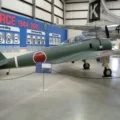
- The Lone Survivor: To prevent the technology from falling into Allied hands, most Seirans were catapulted into the sea or pushed overboard at the end of the war. Only one survives today, beautifully restored and on display at the Smithsonian National Air and Space Museum.
Vues : 5050
Nouvelle série de 34 photos