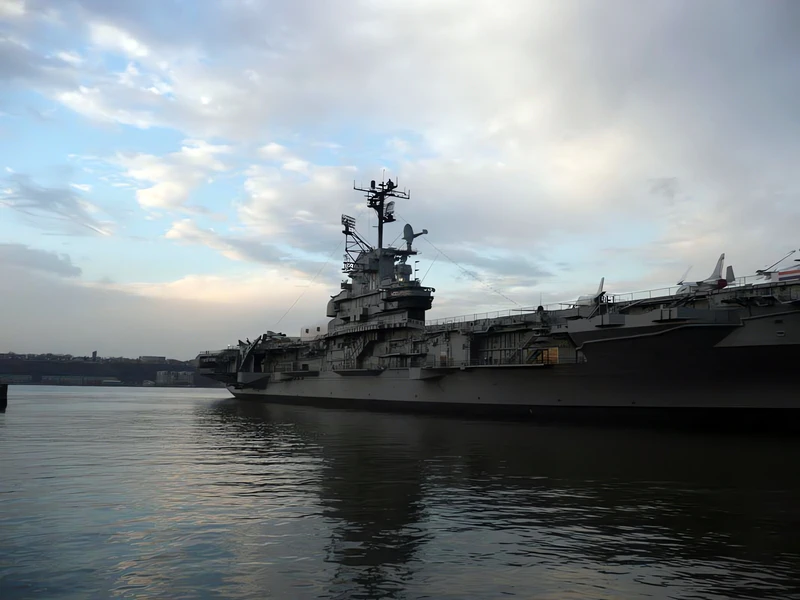
USS Intrepid | |
|---|---|
| Maa | Yhdysvallat |
| Luokka ja tyyppi | Essex-luokan lentotukialus |
| Käynnisti | 26. huhtikuuta 1943 |
| Poistettu käytöstä | 15. maaliskuuta 1974 |
USS peloton (CV/CVA/CVS-11), joka tunnetaan myös nimellä The Fighting "I", on yksi 24 Essex-luokan lentotukialuksesta, jotka rakennettiin toisen maailmansodan aikana Yhdysvaltain laivastolle. Hän on neljäs Yhdysvaltain laivaston alus, joka kantaa nimeä. Elokuussa 1943 palvelukseen otettu Intrepid osallistui useisiin kampanjoihin Tyynenmeren operaatioteatterissa, erityisesti Leytenlahden taisteluun. Alus poistettiin käytöstä pian sodan päättymisen jälkeen, ja se modernisoitiin ja otettiin uudelleen käyttöön 1950-luvun alussa hyökkäyskuljettajana (CVA), ja sitten siitä tuli lopulta sukellusveneiden vastainen kuljettaja (CVS). Toisella urallaan hän palveli pääasiassa Atlantilla, mutta osallistui myös Vietnamin sotaan.
Lähde: USS Intrepid Wikipediassa
| USS Intrepid CVA-11 Walk Around | |
|---|---|
| Photographer | Vladimir Yakubov |
| Localisation | Unknow |
| Photos | 169 |
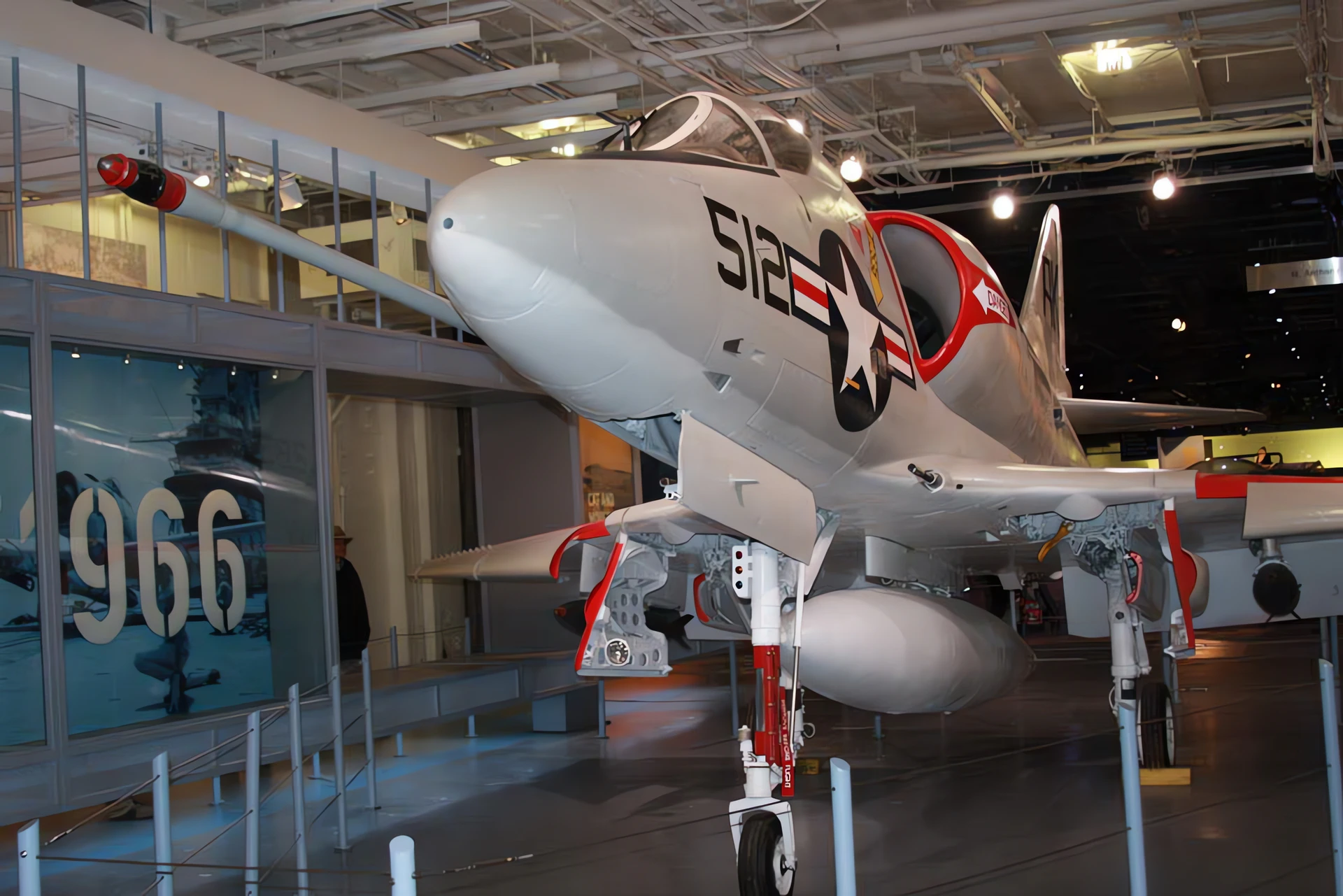
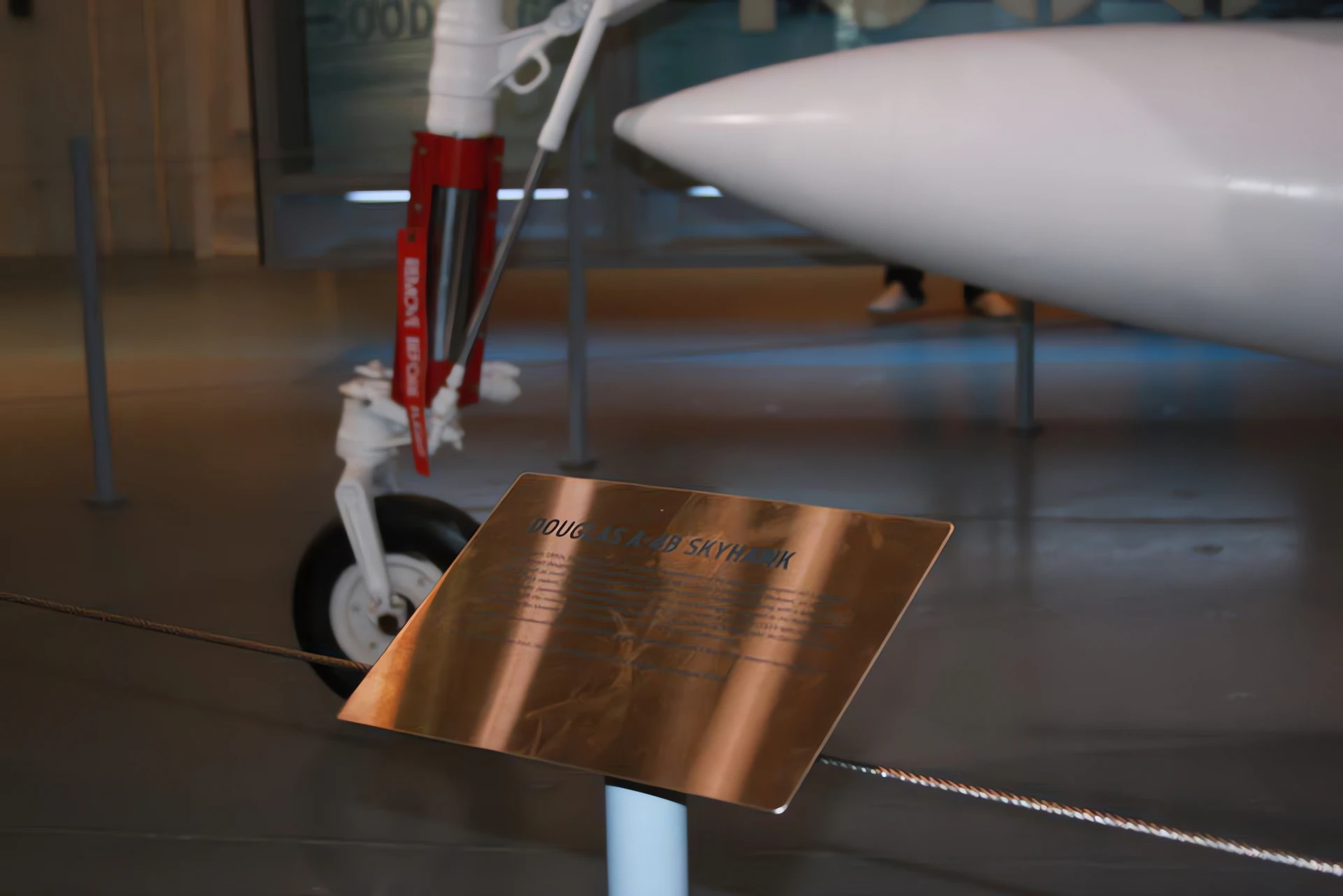
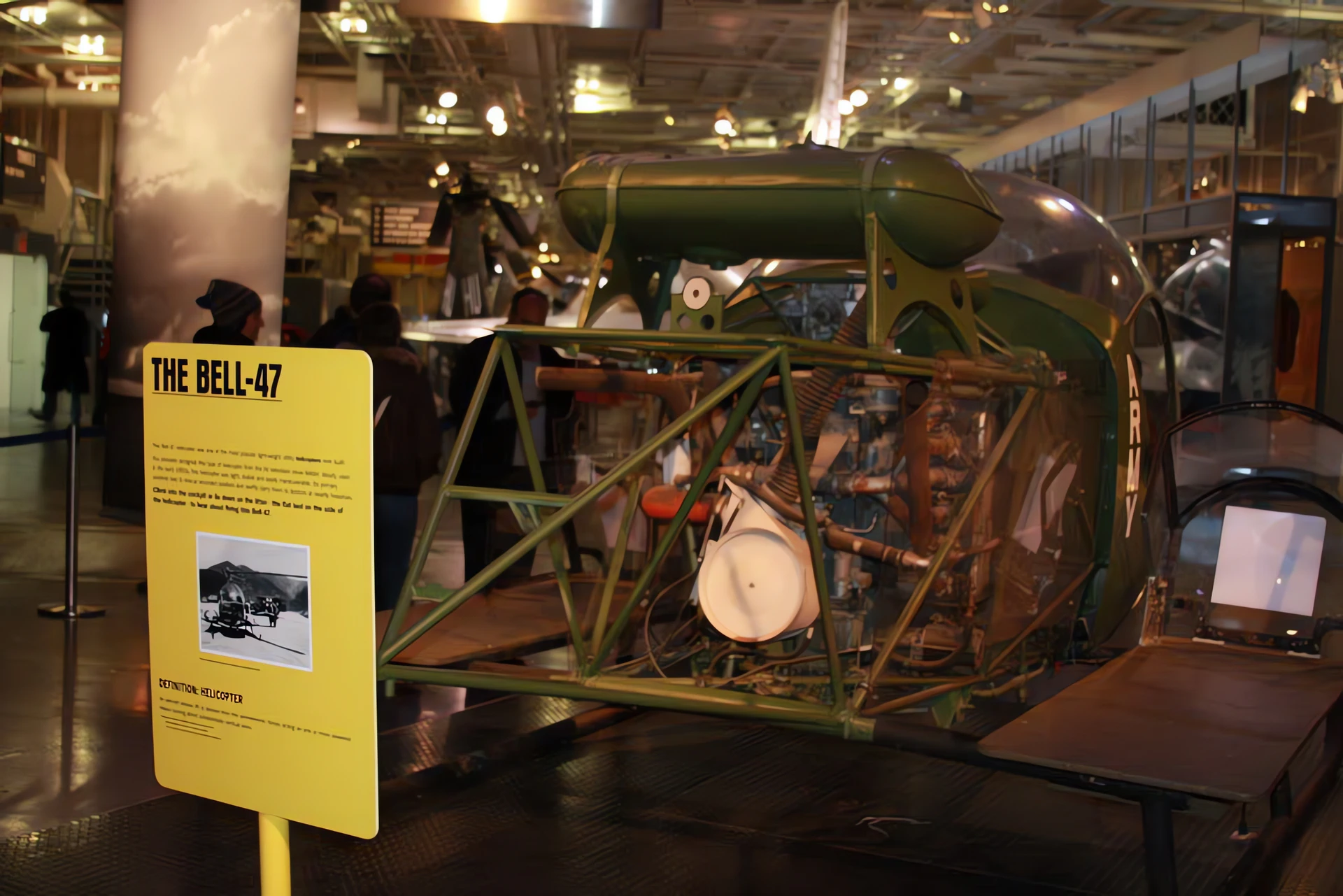
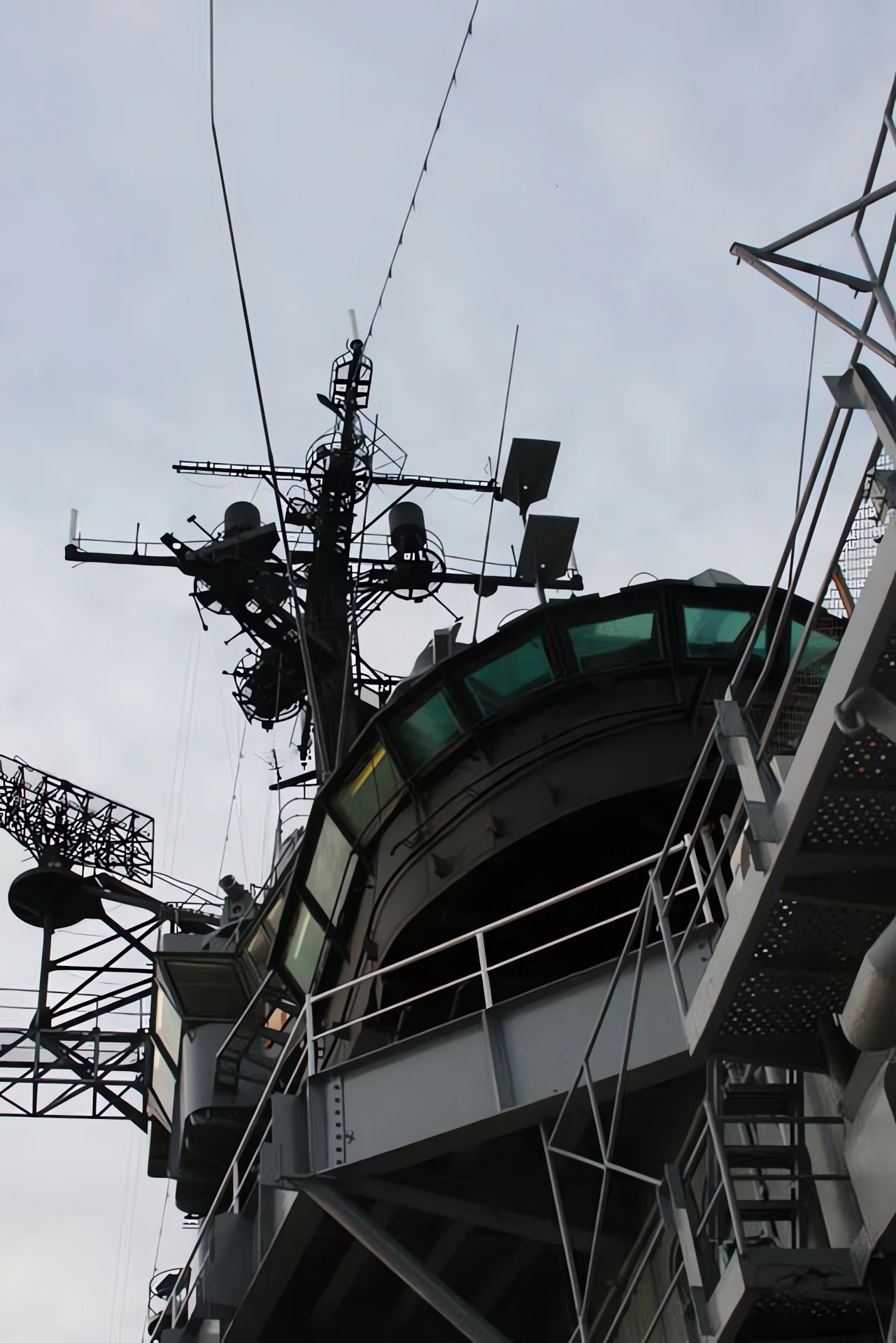
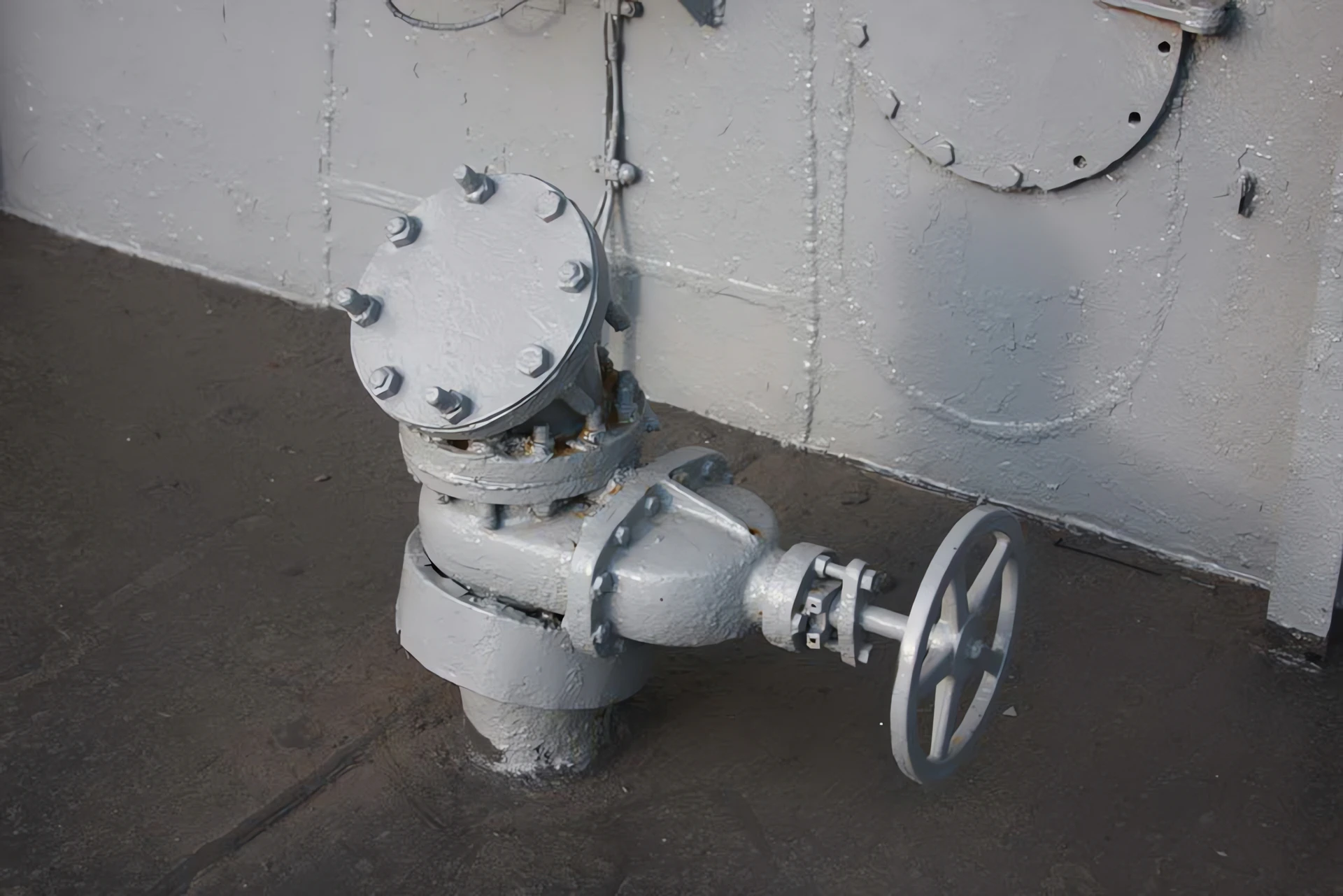
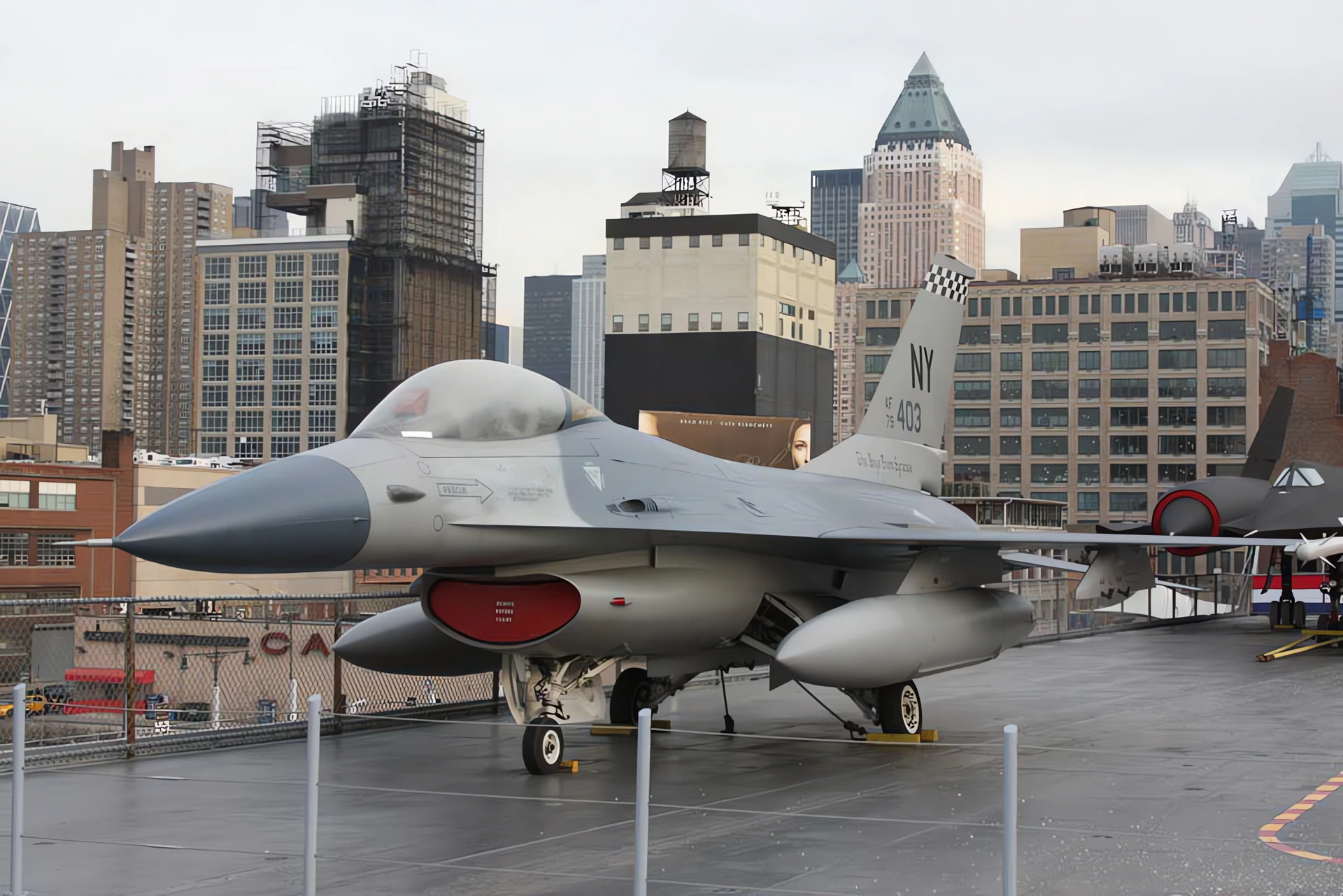

Katso myös:


General Characteristics and Role
The USS Intrepid (CV-11, later CVA-11 and CVS-11) is an aircraft carrier of the United States Navy’s famed Essex-class. Launched during World War II, the Intrepid saw heavy combat in the Pacific Theater, earning five battle stars. It was one of the most successful and longest-serving carriers of its class. Following World War II, it underwent modernization under the SCB-27C program, which converted it into an Attack Aircraft Carrier (CVA-11) suitable for operating early jet aircraft, and later into an Anti-Submarine Warfare Support Carrier (CVS-11). Today, the Intrepid is preserved as the centerpiece of the Intrepid Sea, Air & Space Museum in New York City.
| Property | Typical Value (Post-SCB-27C Modernization) |
|---|---|
| Luokan | Essex-class (Long-Hull) |
| National Origin | Yhdysvallat |
| Rakentaja | Newport News Shipbuilding |
| Laid Down | 1 December 1941 |
| Valtuutettu | 16 August 1943 |
| Displacement | 41,200 long tons (full load) |
| pituus | 272.7 m (894 ft 8 in) |
| Beam (Flight Deck) | 58.4 m (191 ft 7 in) |
| Draft | 8.5 m (28 ft 0 in) |
| Complement (Crew) | Approx. 3,500 personnel |
Machinery and Performance
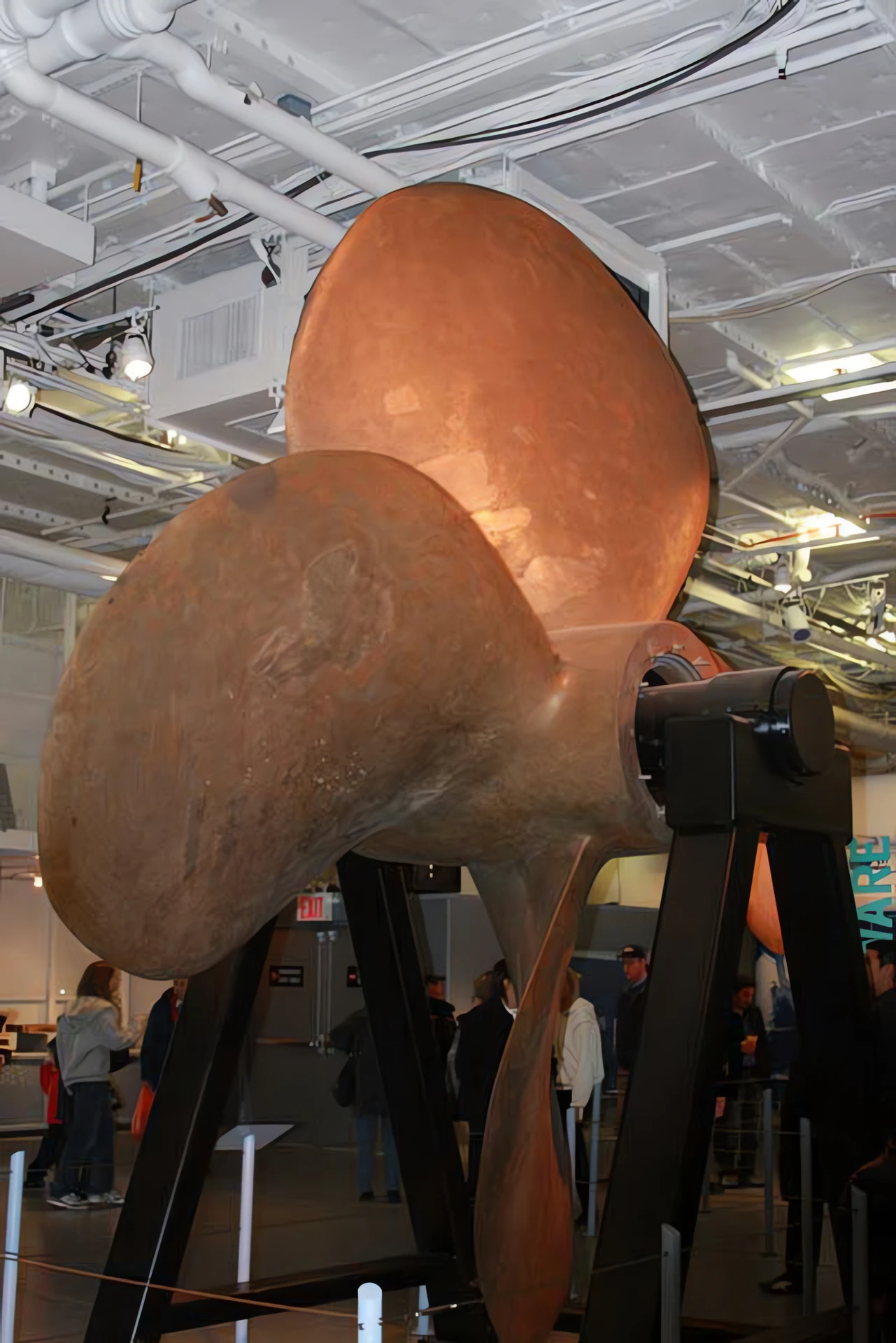
- Propulsion: 8 x Babcock & Wilcox boilers driving 4 x Westinghouse geared steam turbines.
- Power Output: 150,000 shp (110 MW).
- Speed: 33 knots (61 km/h; 38 mph).
- Range: 20,000 nautical miles (37,000 km) at 15 knots.
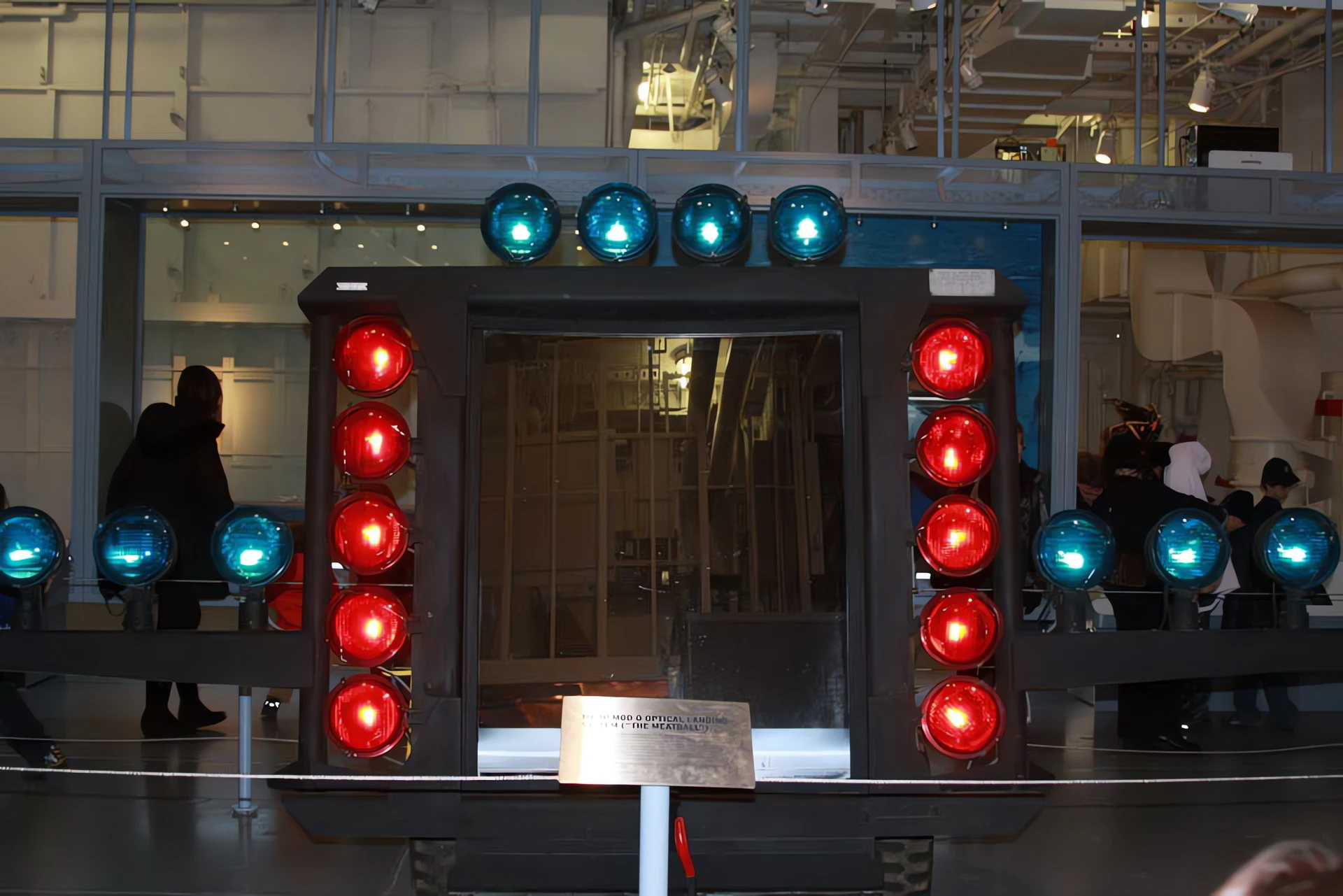
- Modernization Features: After the SCB-27C and SCB-125 modernizations, the carrier featured a strengthened angled flight deck, two steam catapults, and mirror landing systems for jets.
Armament and Air Group
- Air Group (WWII): Approx. 90-100 aircraft (F6F Hellcats, SB2C Helldivers, TBF Avengers).
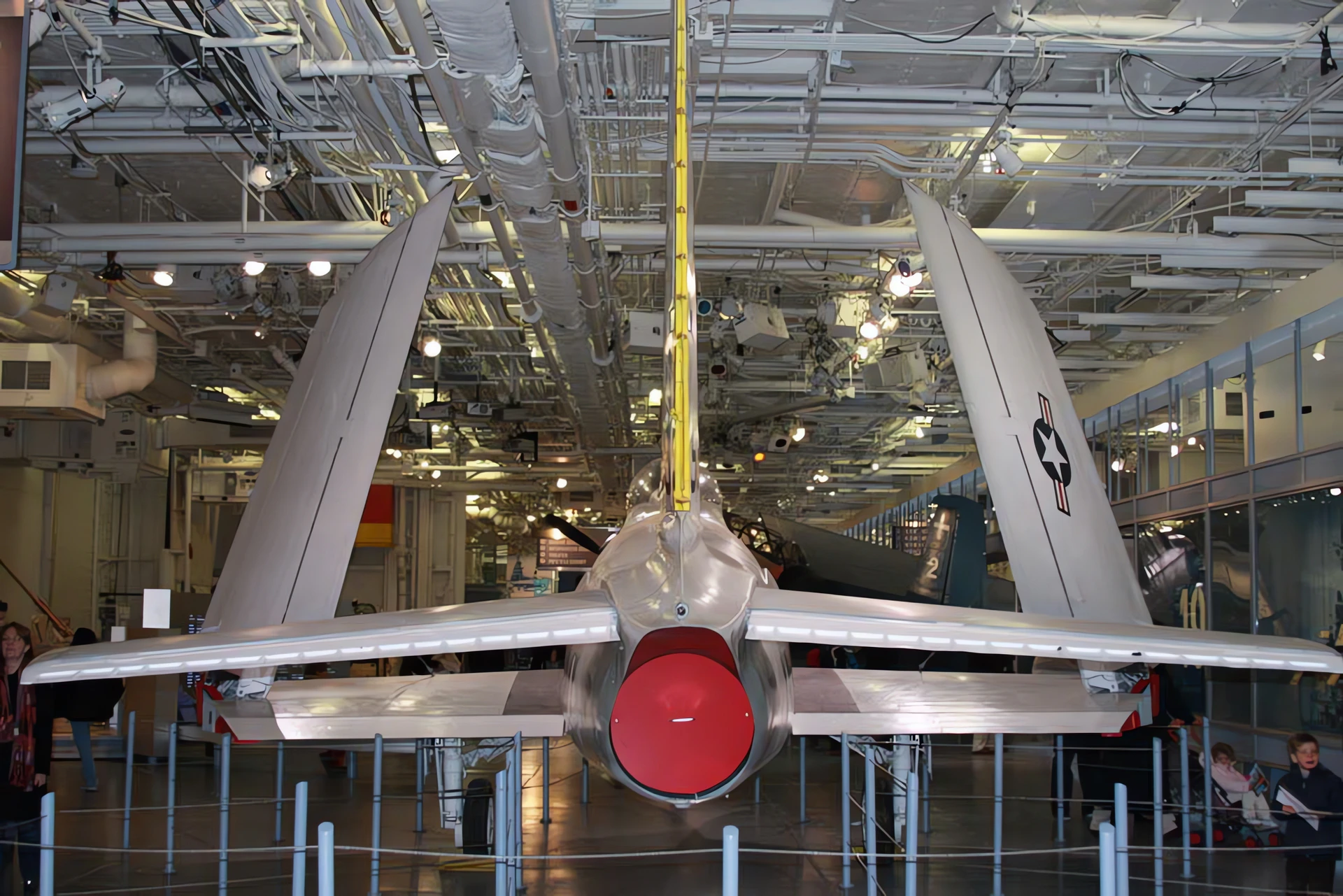
- Air Group (Post-Modernization): Could operate jet fighters and attack aircraft (e.g., F2H Banshees, F9F Cougars, A-1 Skyraiders), or Anti-Submarine Helicopters (e.g., SH-3 Sea Kings) when configured as CVS-11.
- Defensive Armament (Post-WWII): Typically included 127 mm (5 inch) anti-aircraft guns, supplemented by CIWS (Close-in Weapon Systems) later in its service life.
- Notable Service: Served in the Vietnam War (CVA-11 configuration) and acted as the recovery ship for two NASA space missions (Mercury and Gemini).
Katsottu: 2560
Voit myös nähdä:
 USS Preble (DDG-88) - Valokuvat ja videot
 USS Bunker Hill (CG-52) - Valokuvat ja videot
 Älykäs valas – Valokuvat & Videot
 Seehund – Valokuvat & Videot
 PT-vene – Valokuvat & Videot
 HMCS Haida – Valokuvat & Videot
 USNS Hiddensee - Valokuvat ja video
 USS Blueback (SS-581) - Valokuvat ja video
 USS New Jersey (BB-62) - Valokuvat ja video
 USS Midway (CV-41) - Valokuvat ja video
Olin siinä laivassa. HS 5.